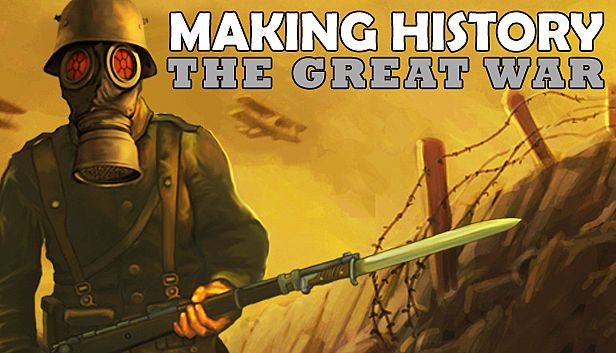
















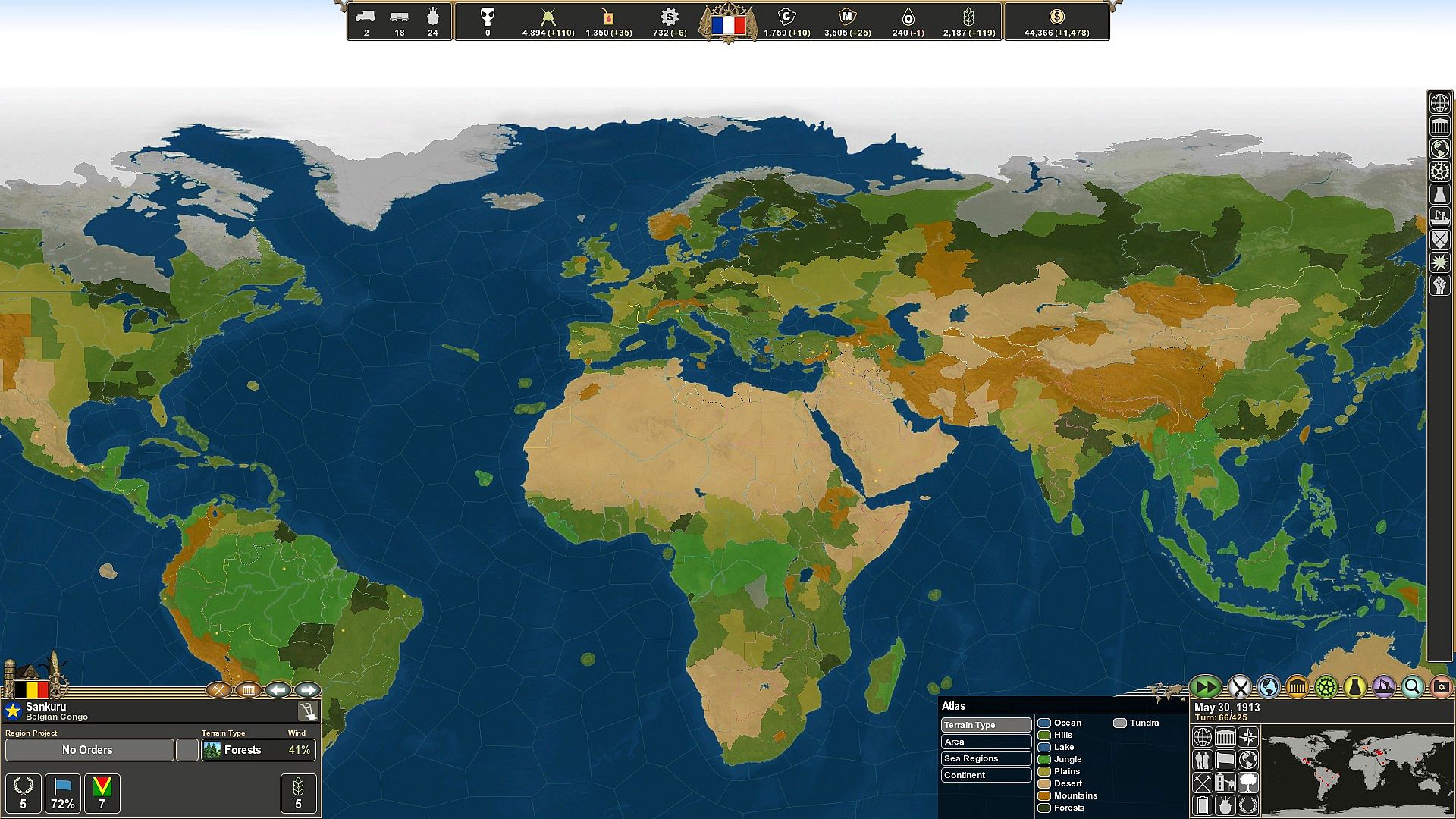
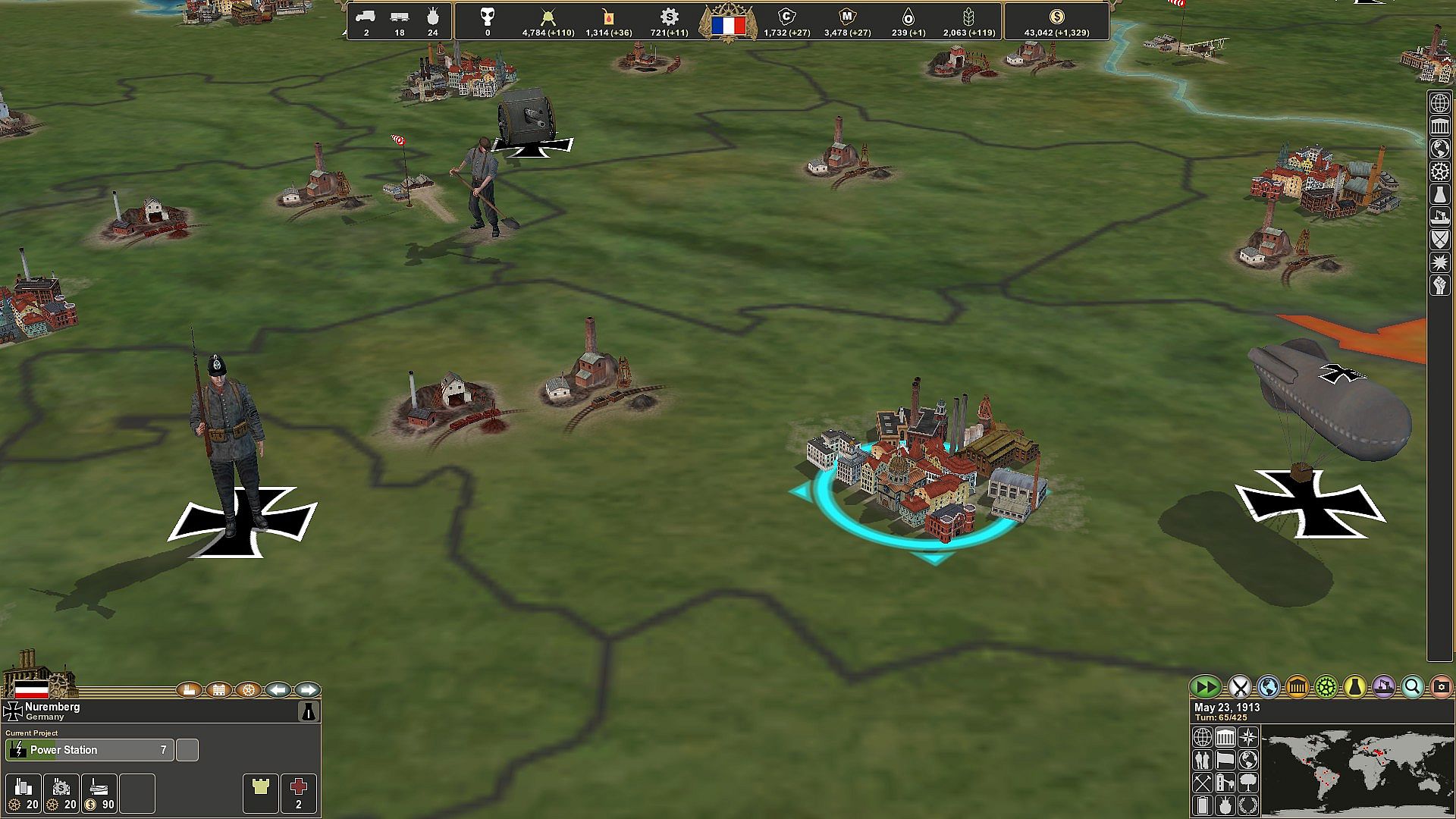
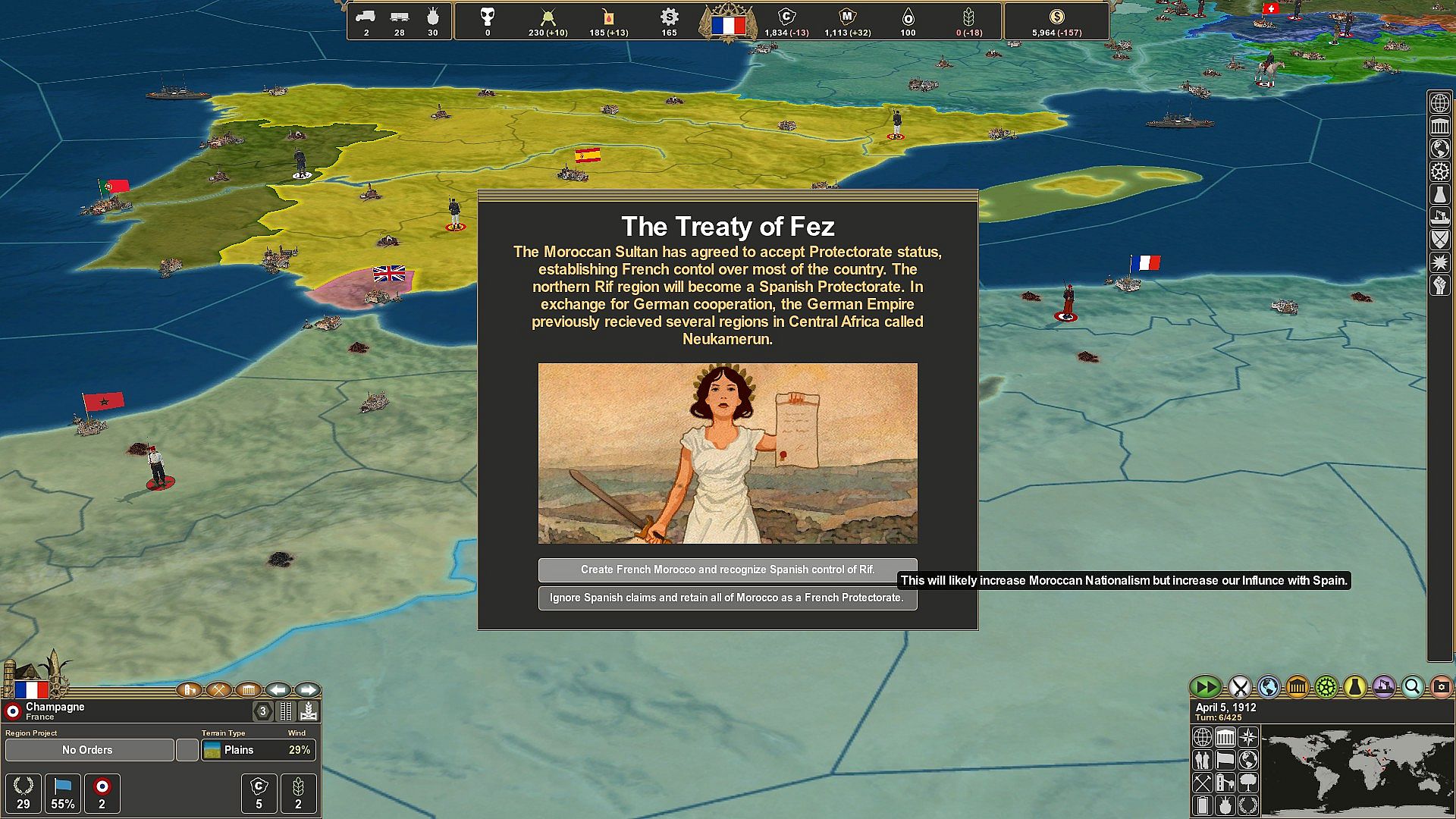
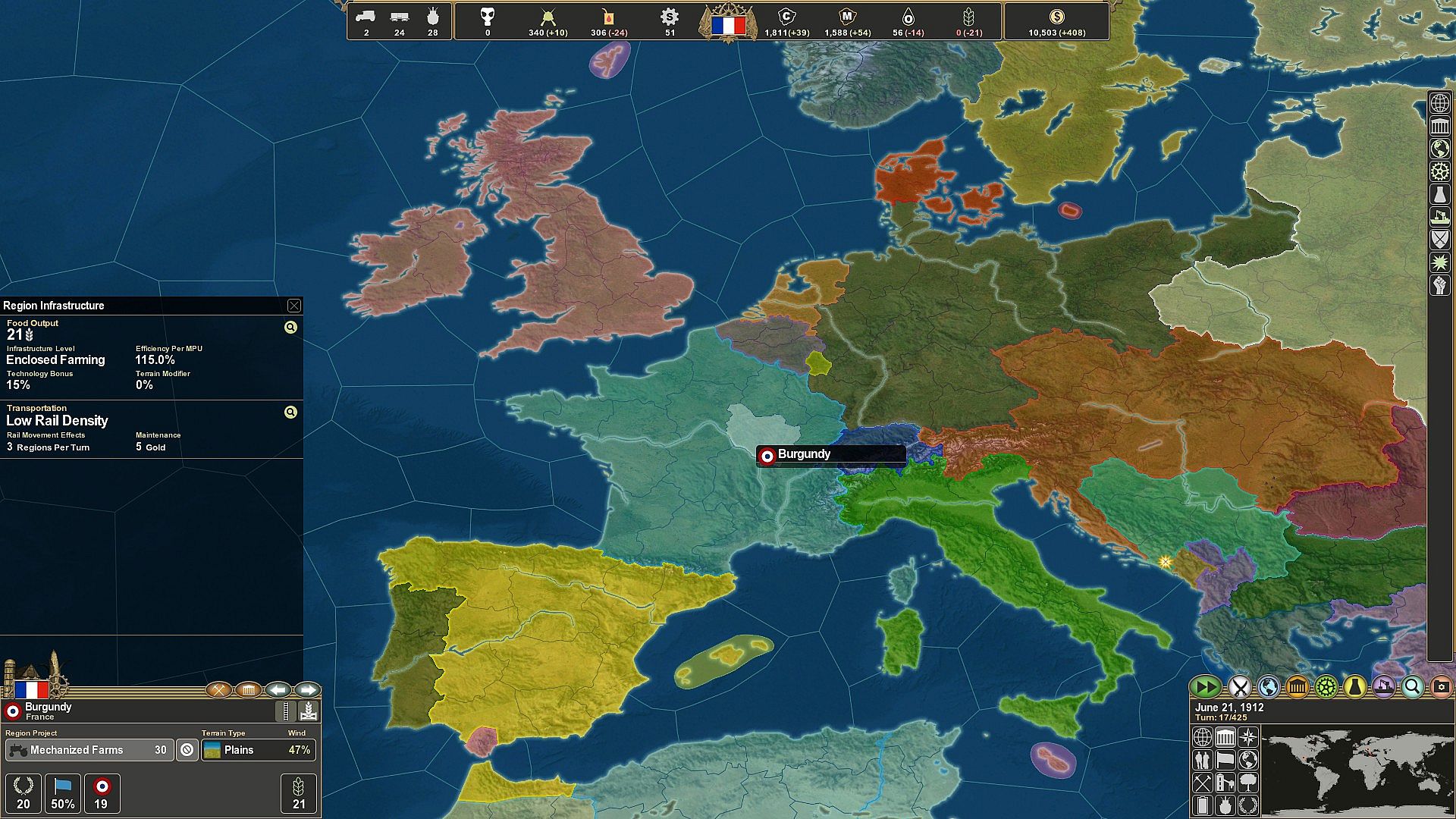
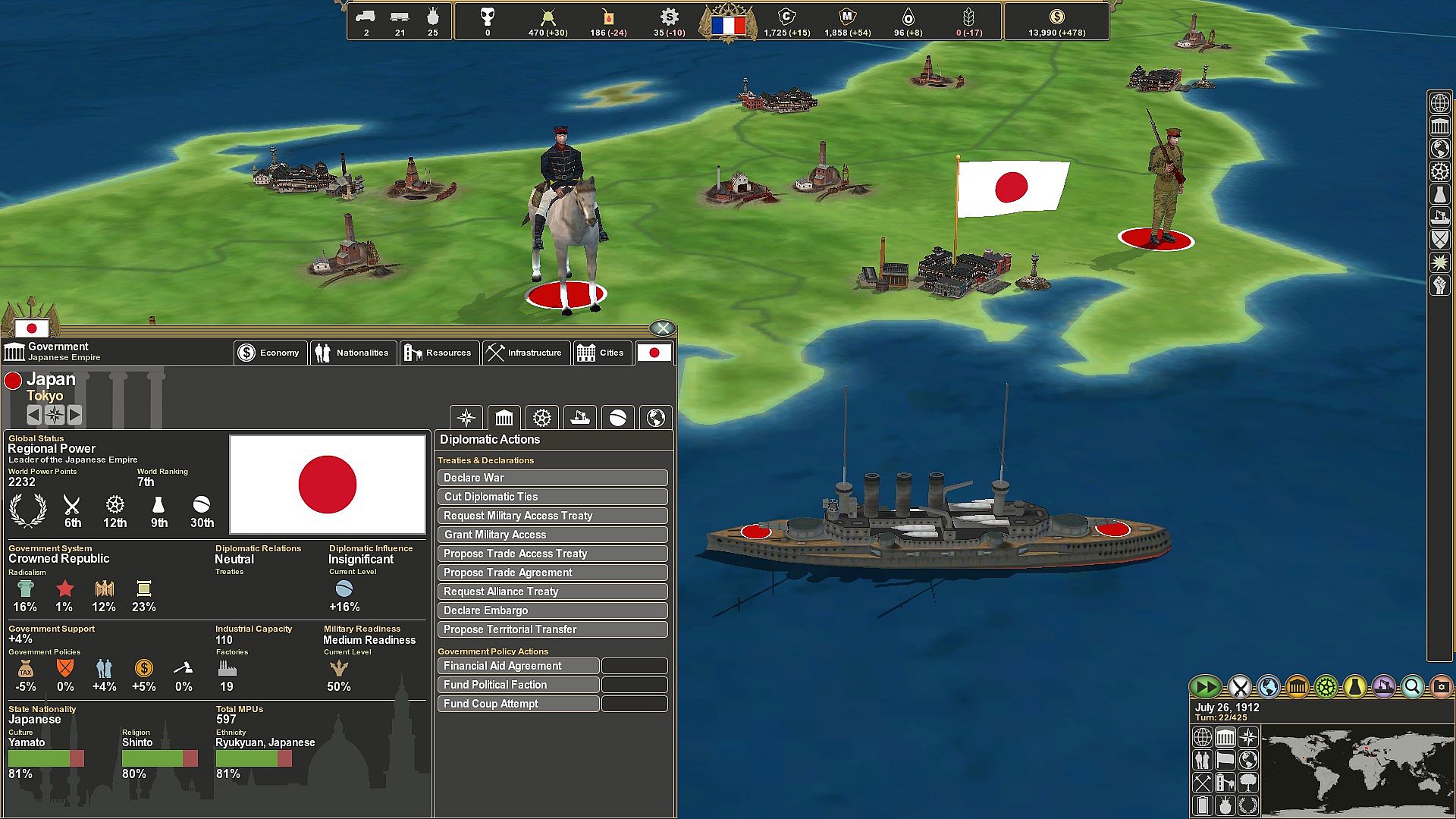
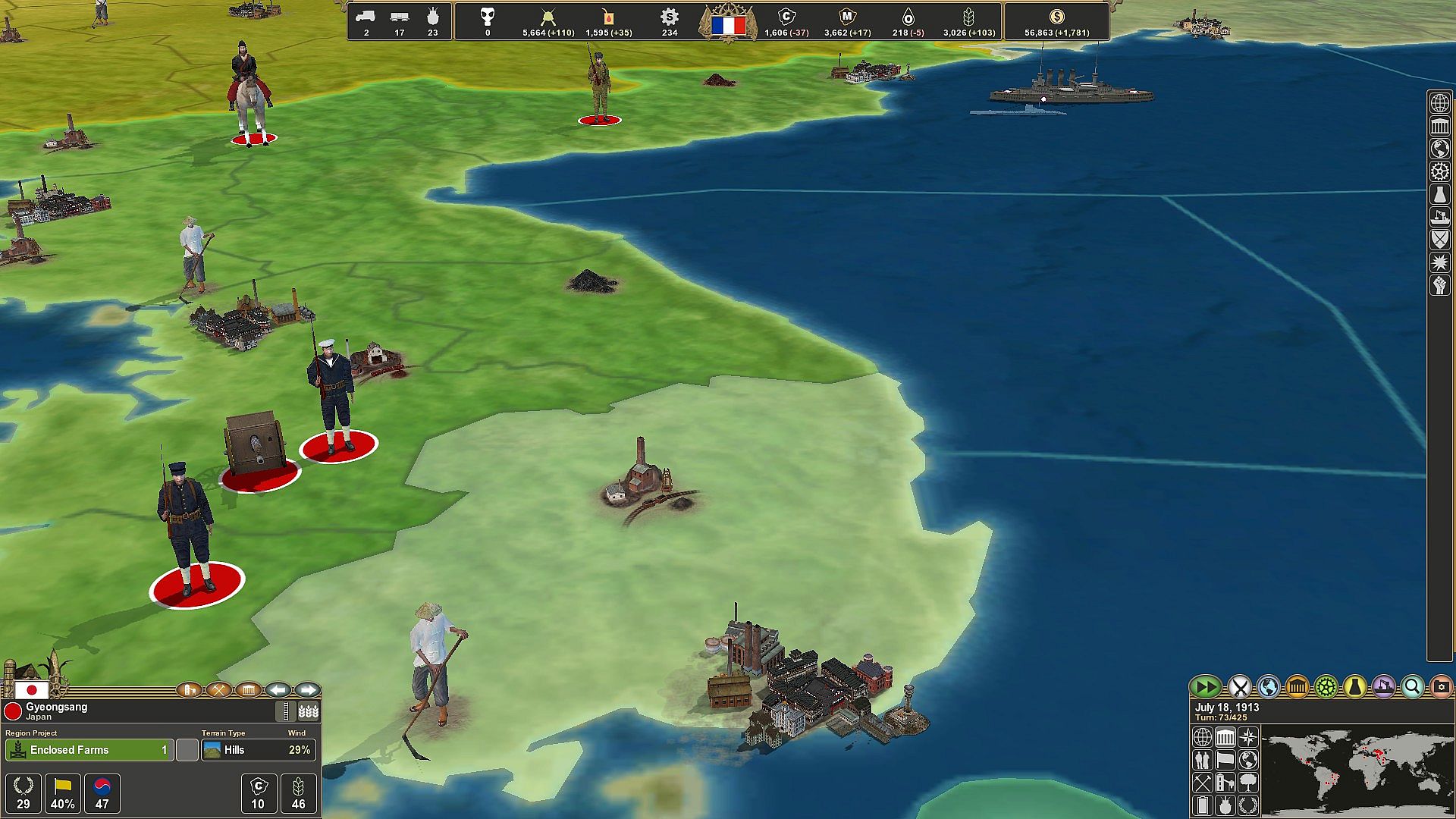
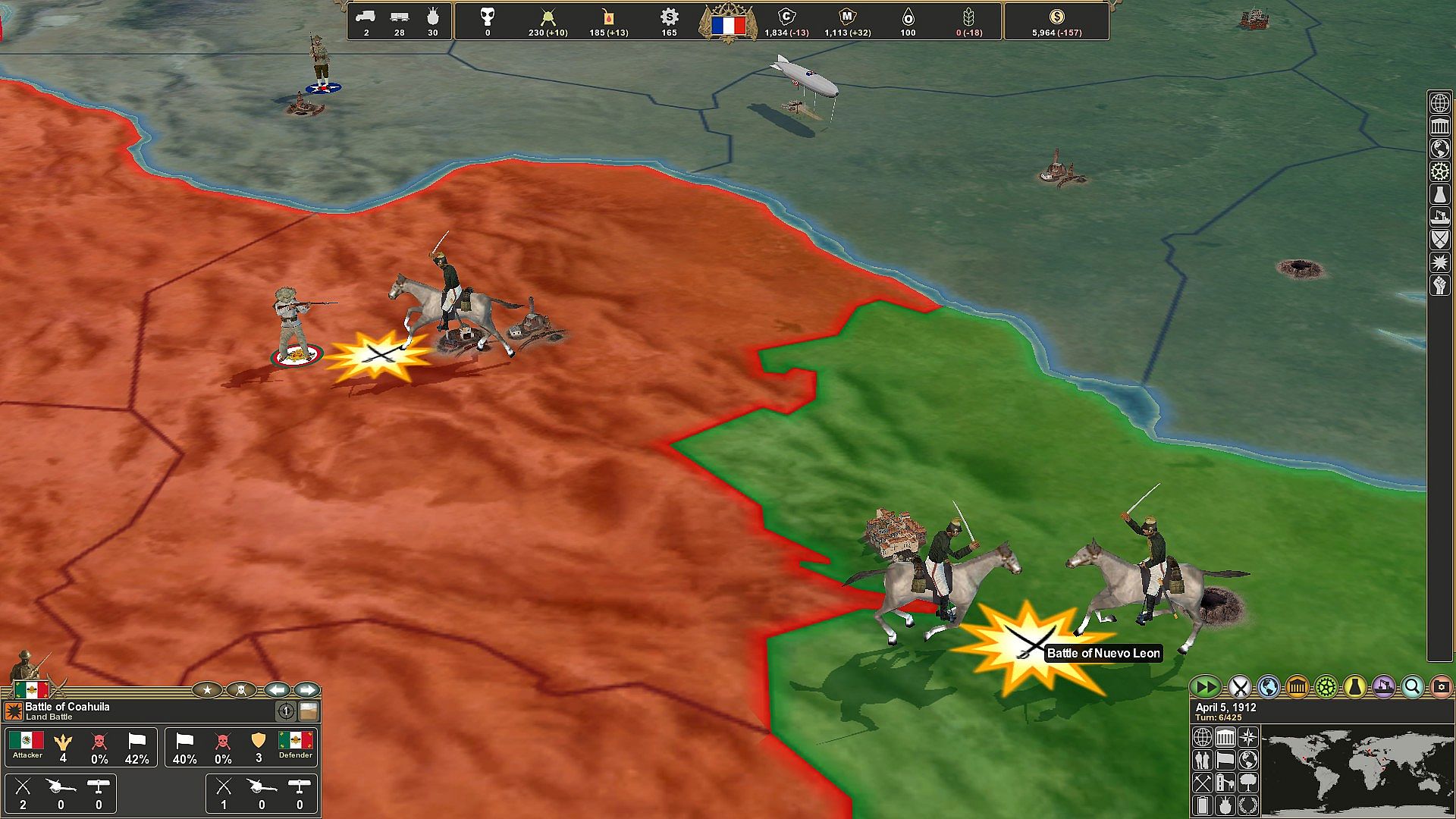
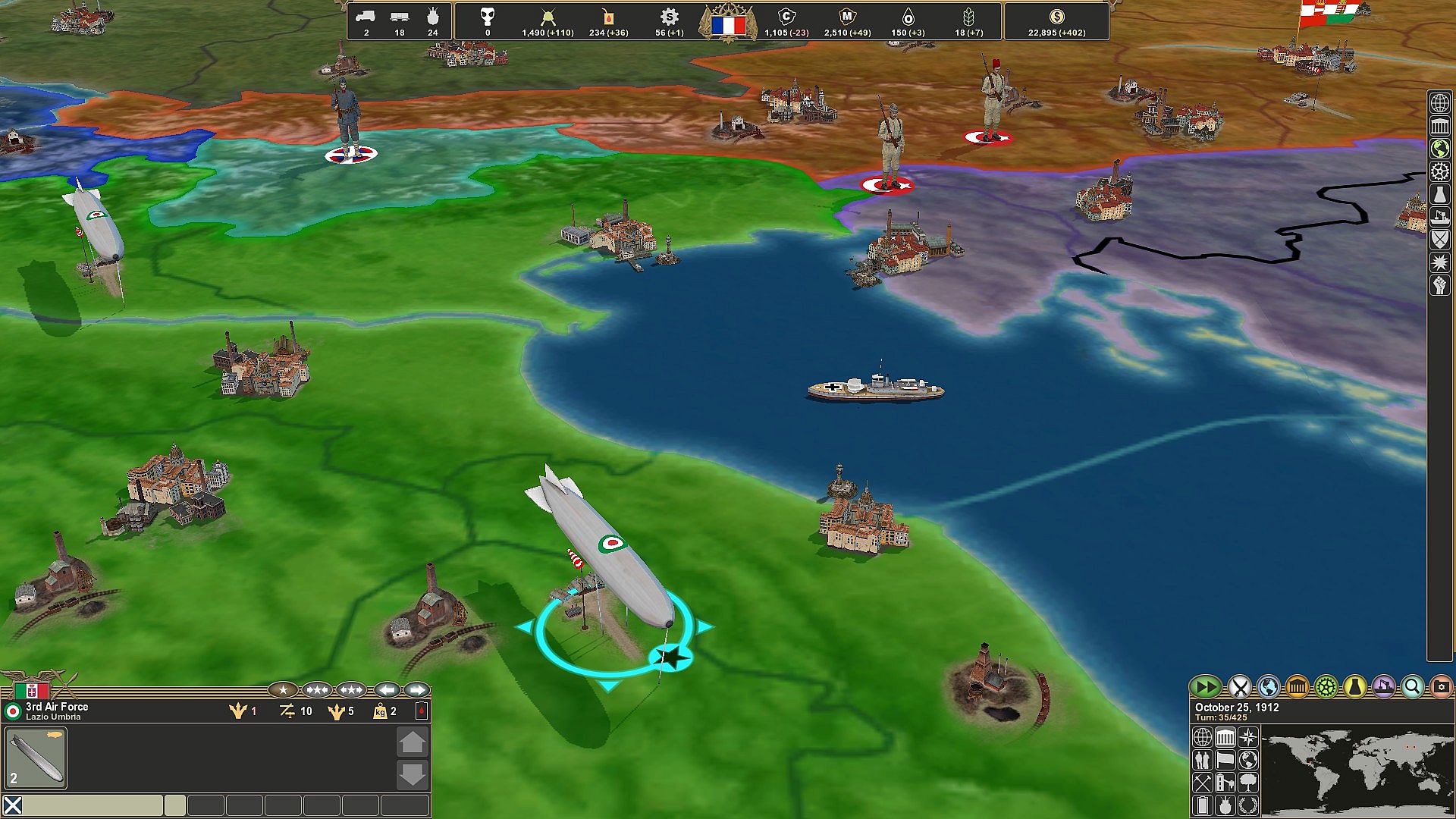
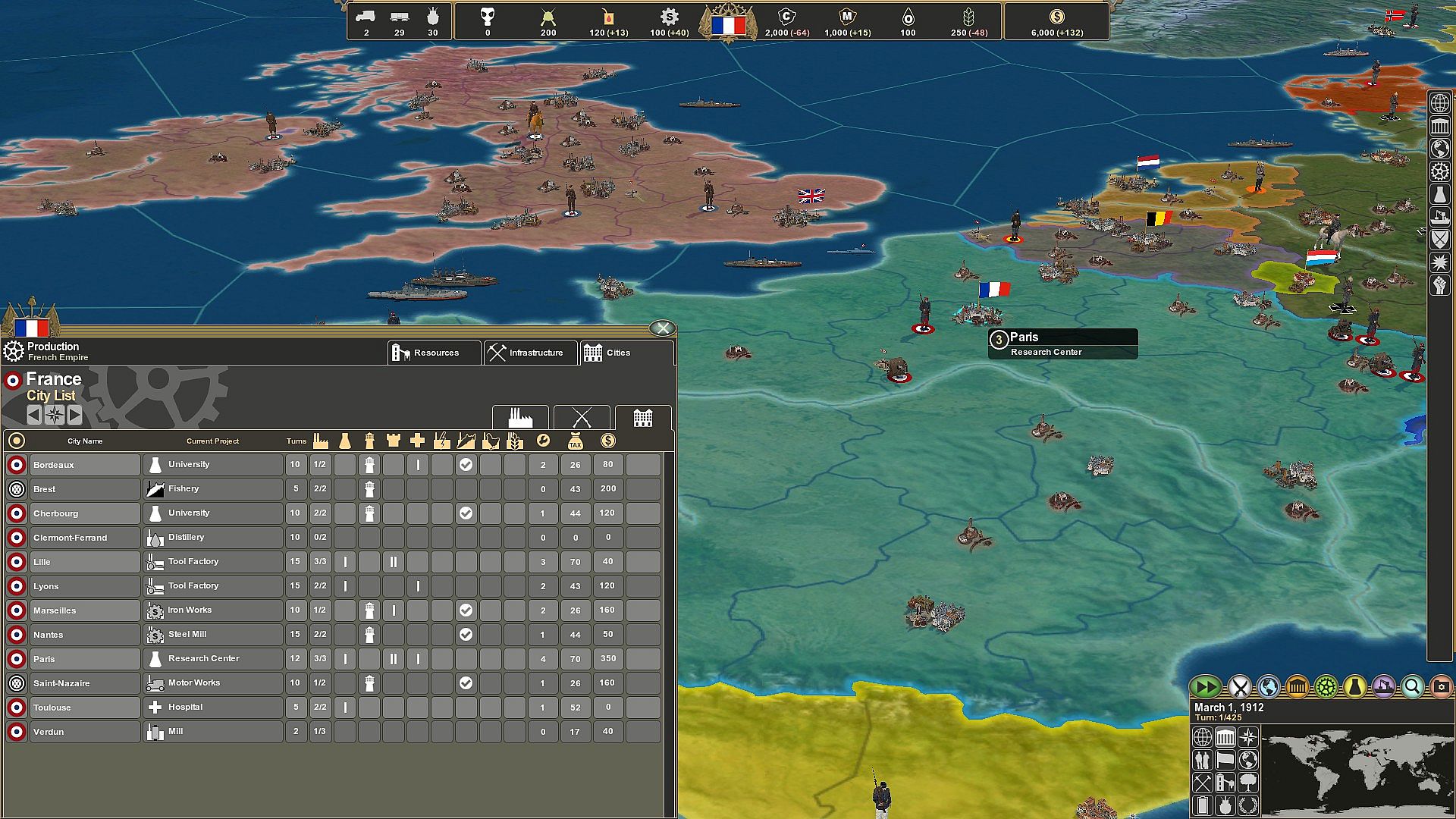
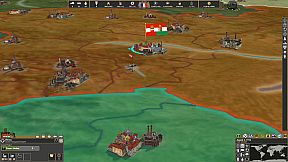
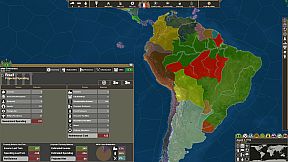
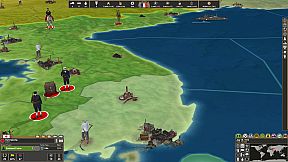
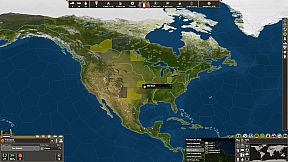
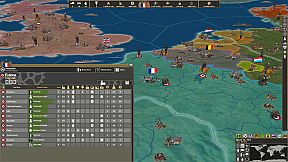
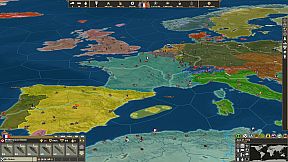
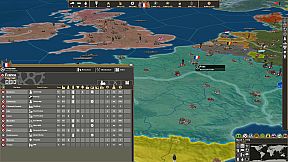
Making History: The Great War is a turn-based grand strategy game that places players in command of any independent nation during the World War I era. As head of state, the focus rests on balancing economic production, diplomatic relations, and military operations across a global map. The experience emphasizes the shift toward total war, where industrial output, supply lines, and population stability determine long-term success rather than isolated battlefield victories.
Gameplay
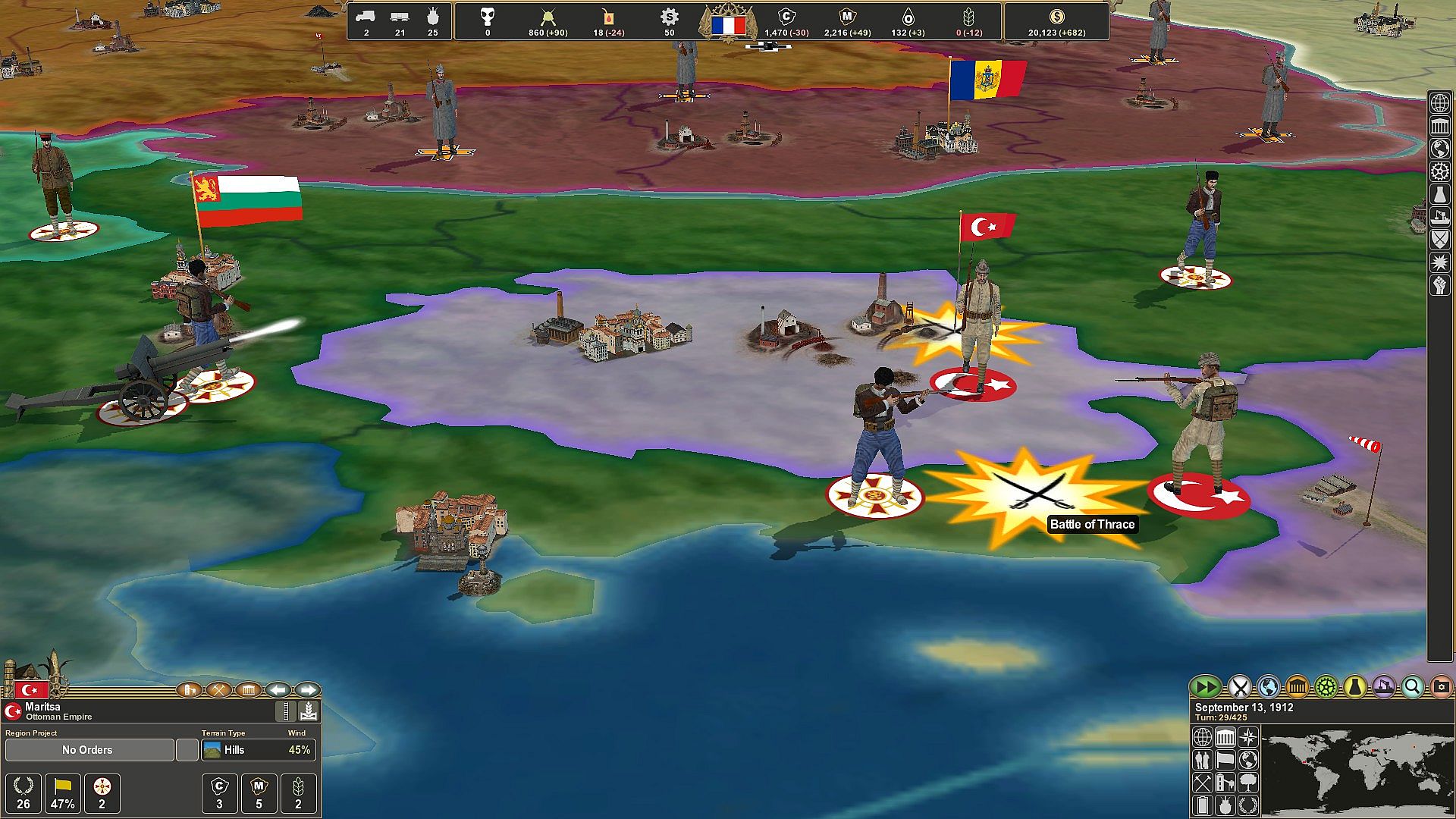
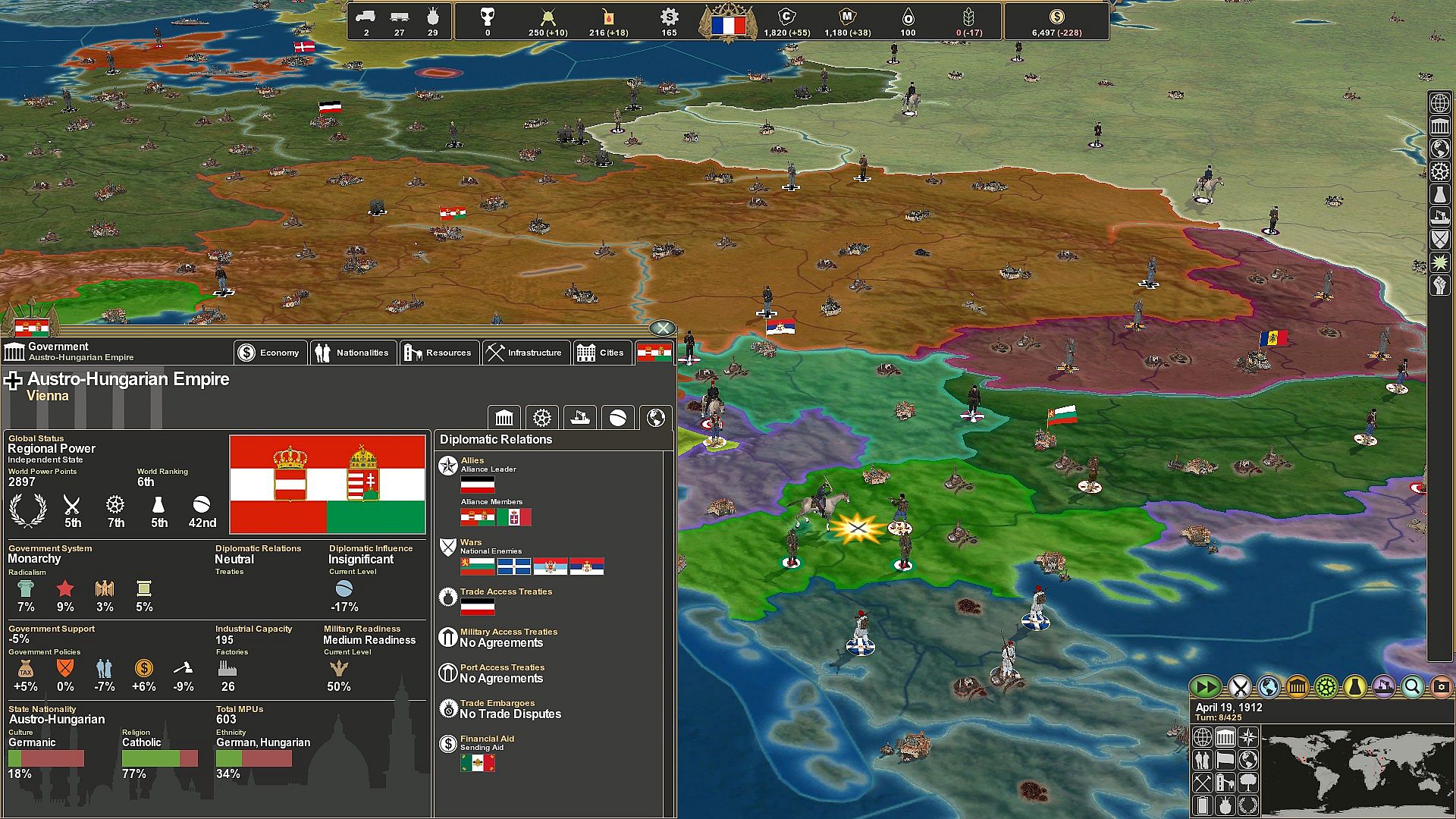
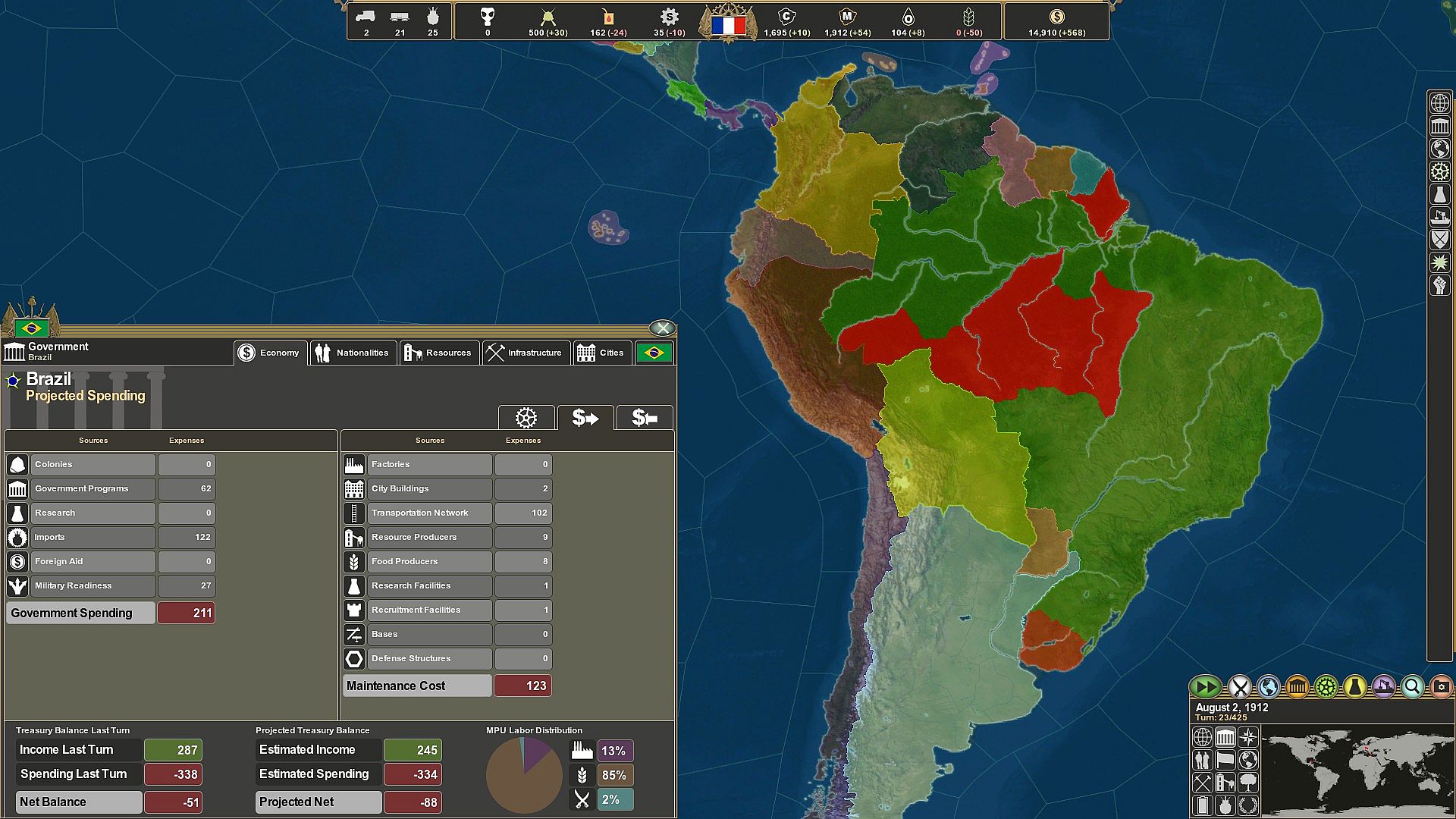
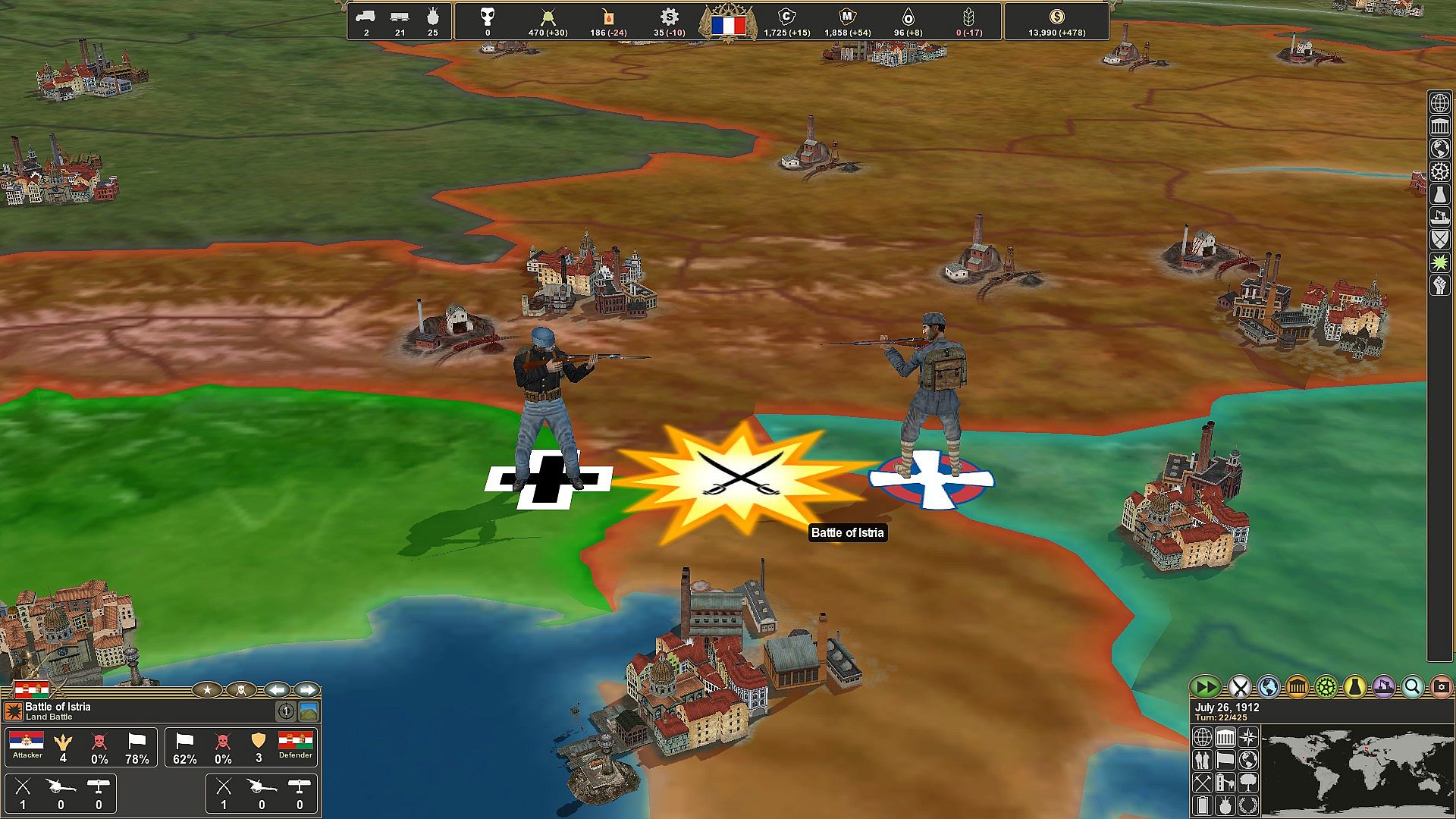
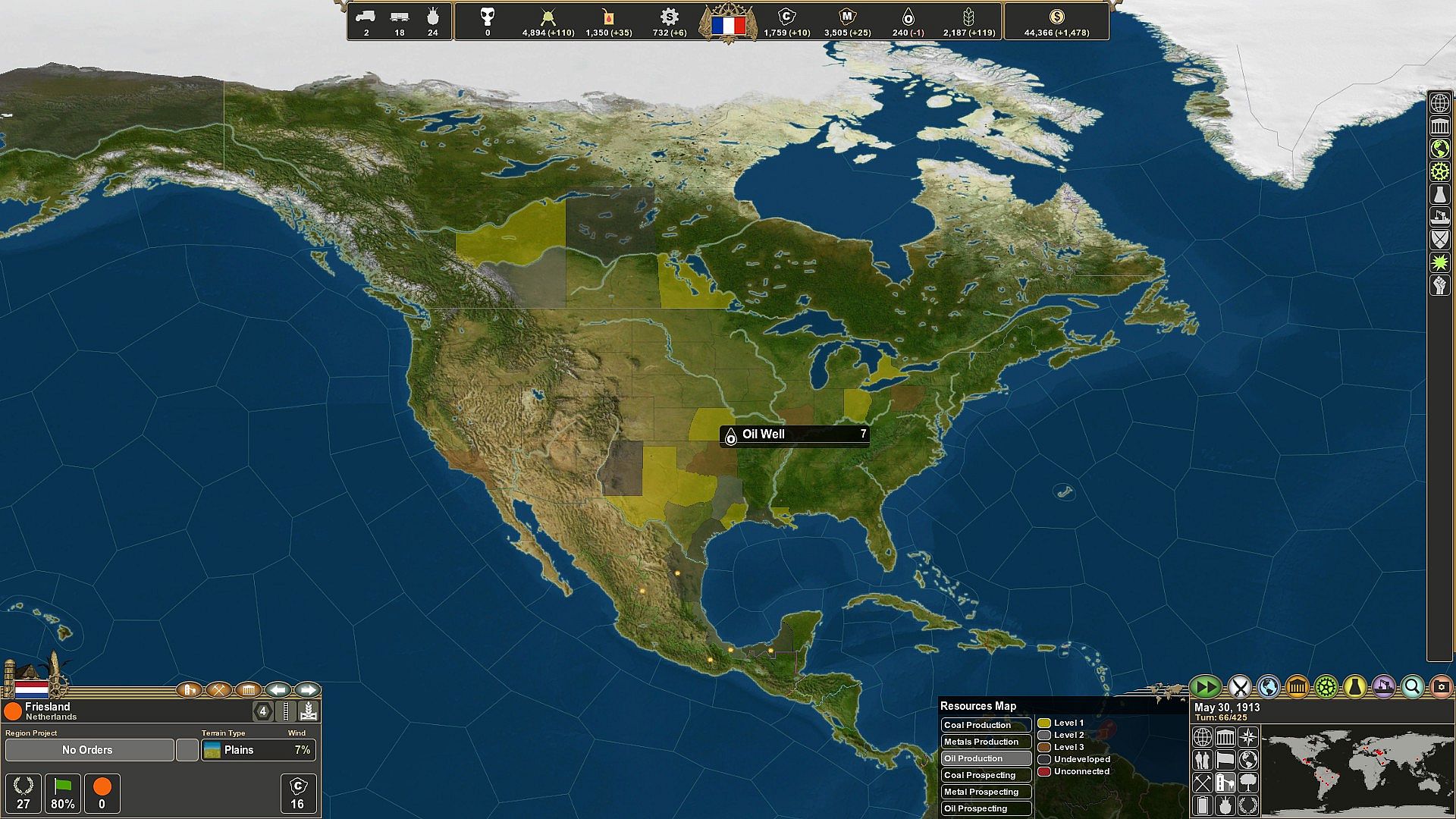
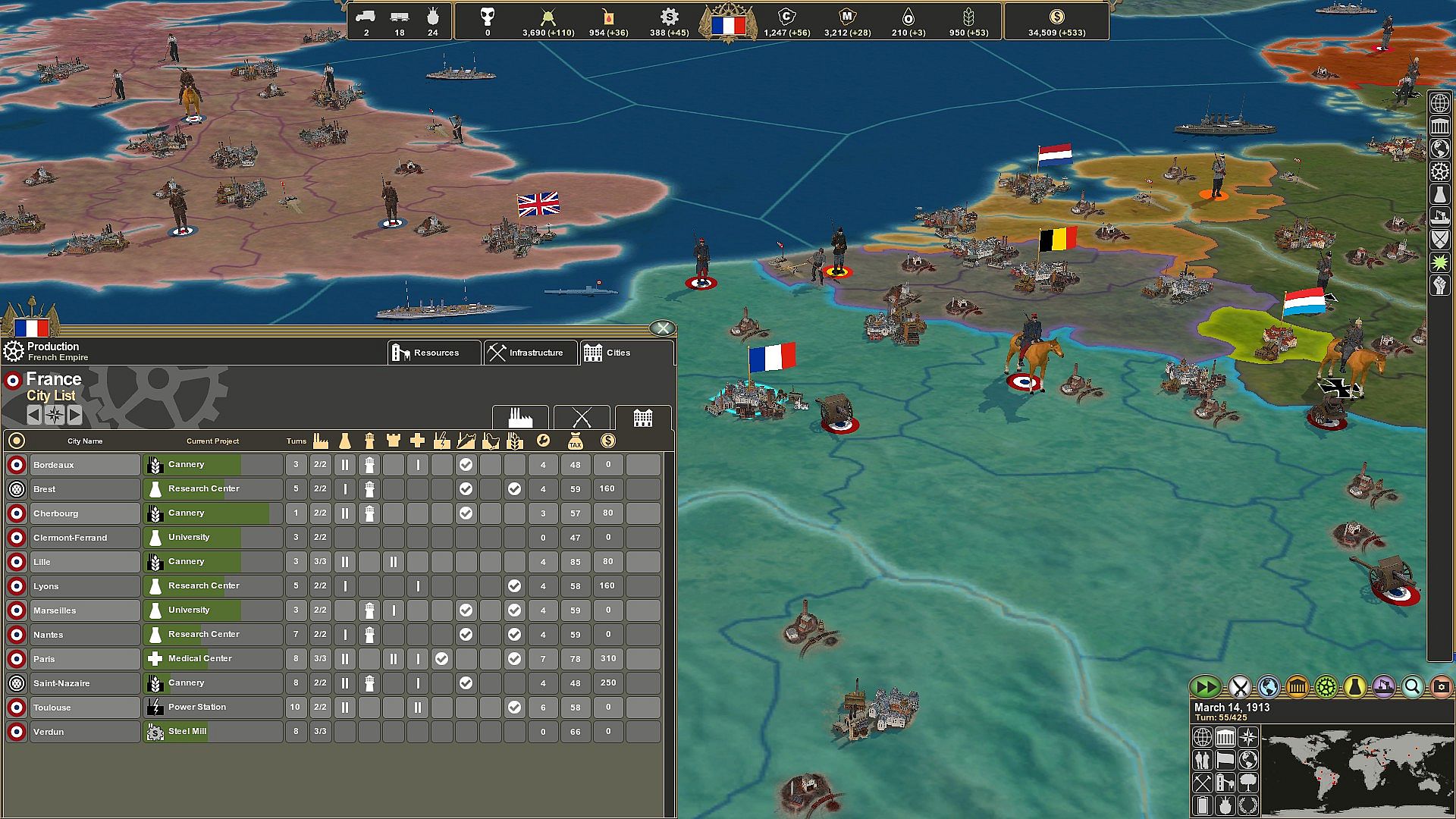
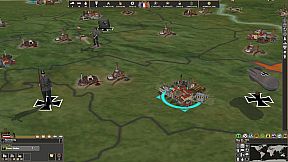
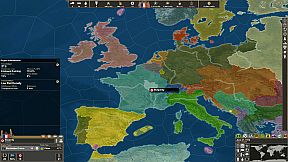
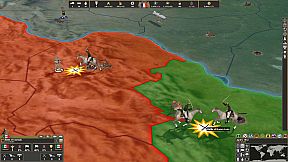
Core play revolves around managing three interconnected systems: economy, diplomacy, and armed forces. Nations must produce munitions and food while trading on a worldwide market for resources or finished goods. Government spending helps prevent radicalization that can lead to rebellion or collapse. Diplomatic tools include foreign aid to build influence and alliances, while military actions range from constructing trenches to blunt attacks to conducting artillery strikes from adjacent regions.
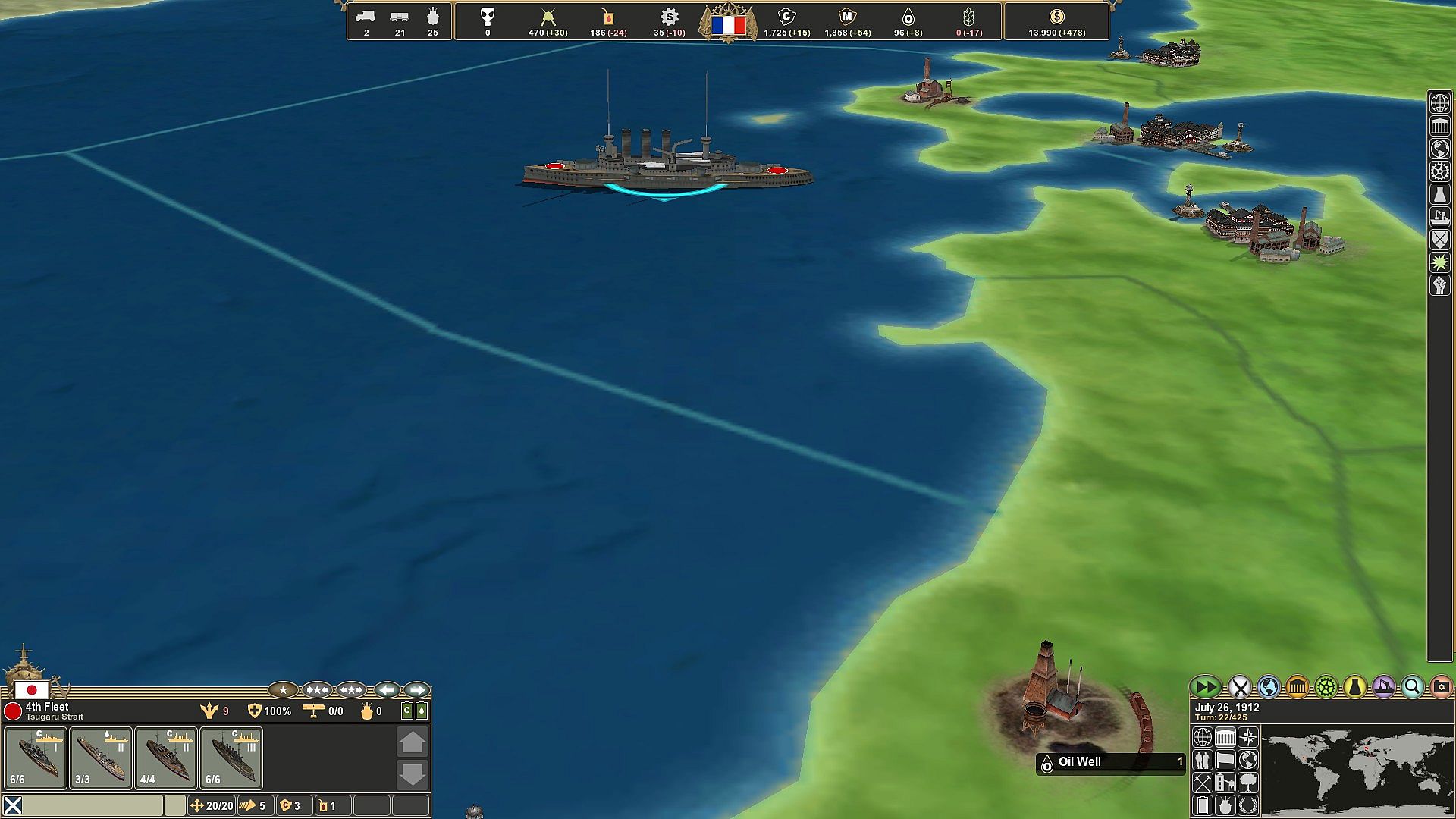
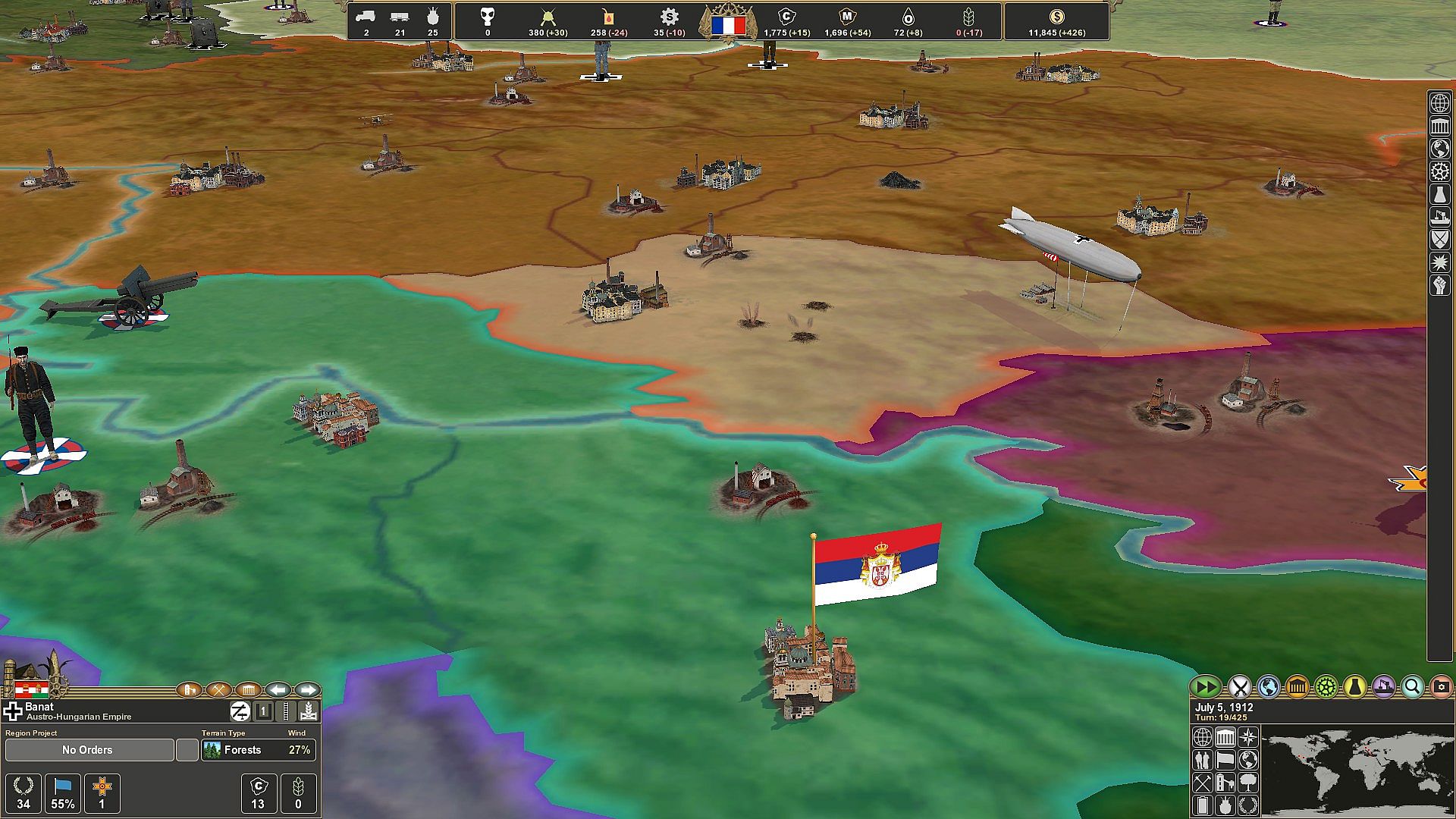
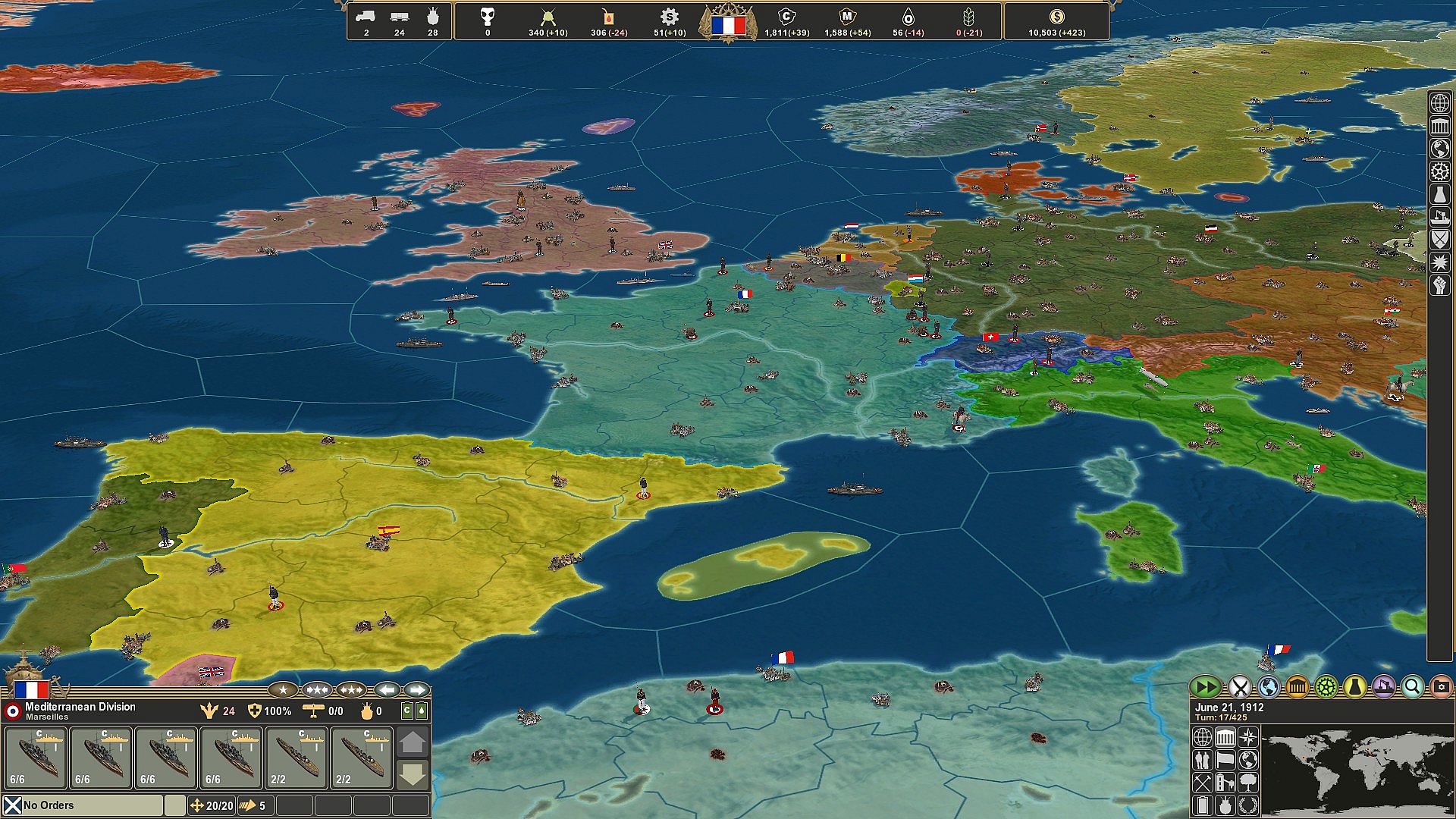
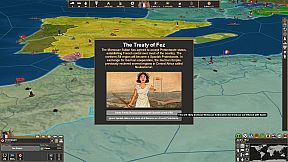
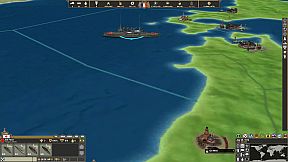
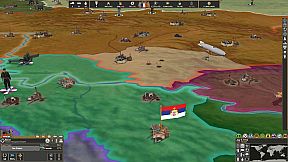
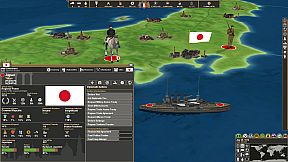
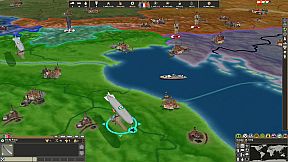
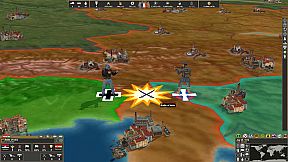
Air operations involve deploying airships and biplanes for bombing runs, countered by fighter aircraft and anti-air defenses. Naval strategy centers on controlling sea lanes through unrestricted submarine warfare that targets both warships and merchant vessels. Over 275 nationalities appear with distinct unit models, and hundreds of period-specific weapons are represented. Historical events trigger dynamically and shape available choices, forcing adaptation to shifting alliances and technological developments.
Game Modes
The primary experience is single-player grand strategy across multiple start dates that cover the lead-up to and duration of the conflict. Players select any independent nation and pursue victory through conquest, economic dominance, or political maneuvering. A built-in scenario editor allows creation of customized setups, which can be shared through community platforms. This structure supports both historical recreations and alternate-history experiments without requiring external tools.
Strategic Systems
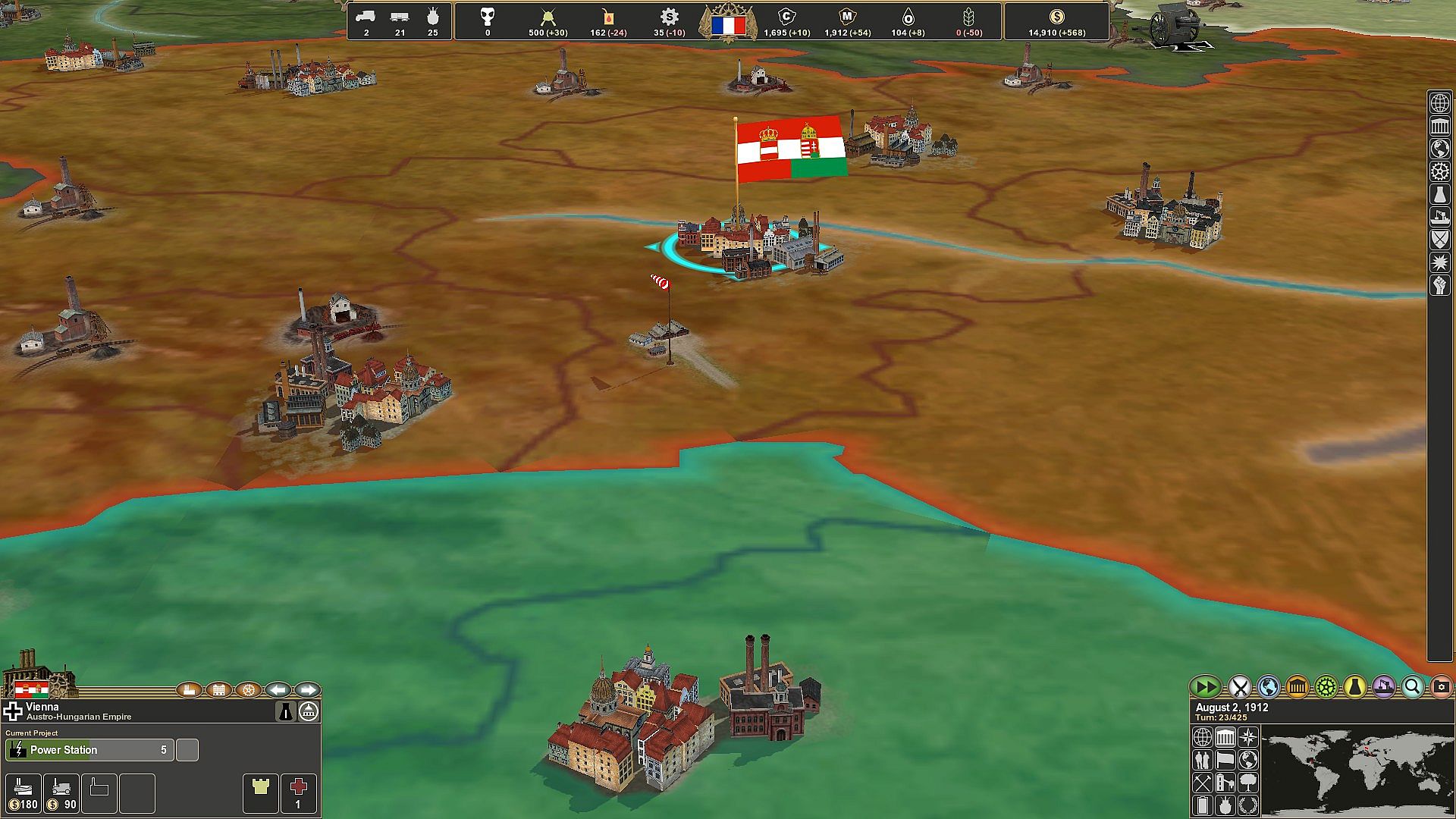
Technology, industry, and warfare remain tightly linked. Production chains must supply frontline units while maintaining civilian needs, and overextension risks internal unrest. Sphere-of-influence mechanics encourage gradual expansion through protectorates, colonies, or puppet states rather than outright annexation. The simulation rewards careful resource allocation and defensive positioning, reflecting the attritional nature of the period where fortified lines and industrial capacity often outweighed rapid offensives.
Is It Worth Playing?
Players seeking a detailed, systems-driven simulation of World War I grand strategy will find substantial depth in the economic interdependencies and event-driven challenges. The title carries a learning curve typical of complex strategy games, yet reviews describe it as rewarding once the mechanics are mastered. Steam feedback sits in the mostly positive range, with praise for historical scope and criticism centered on occasional AI quirks. Dedicated enthusiasts of the genre continue to engage with the scenario editor and community content, making it a solid choice for those who prefer thoughtful planning over fast-paced action.