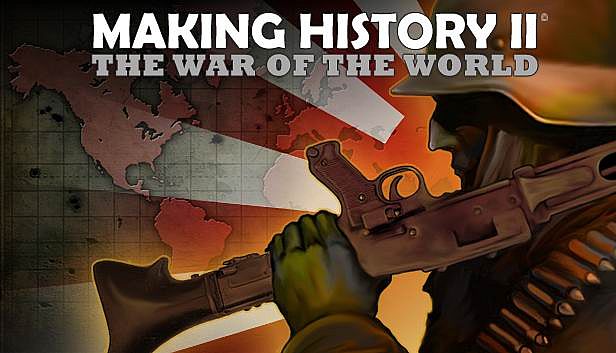














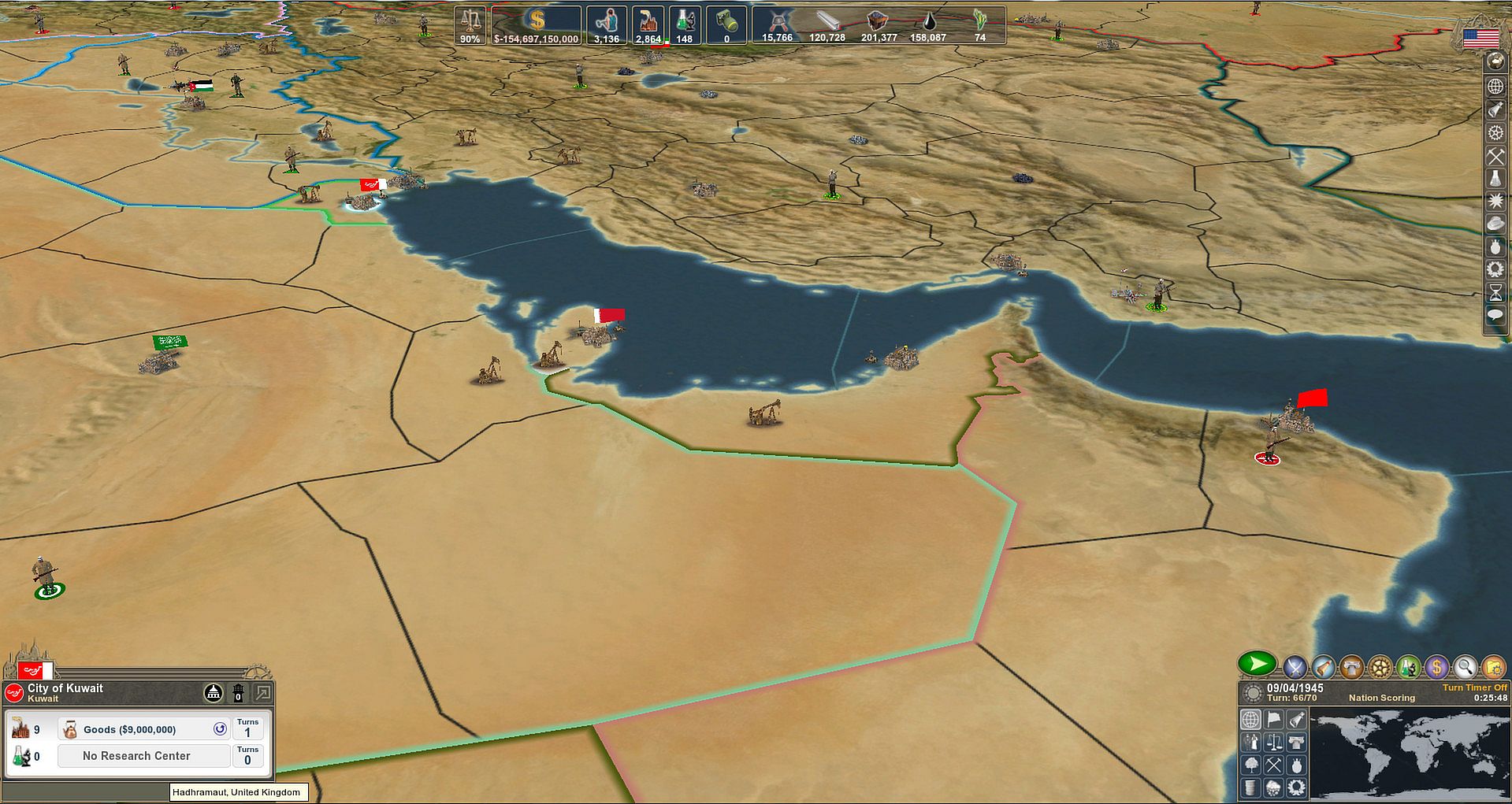
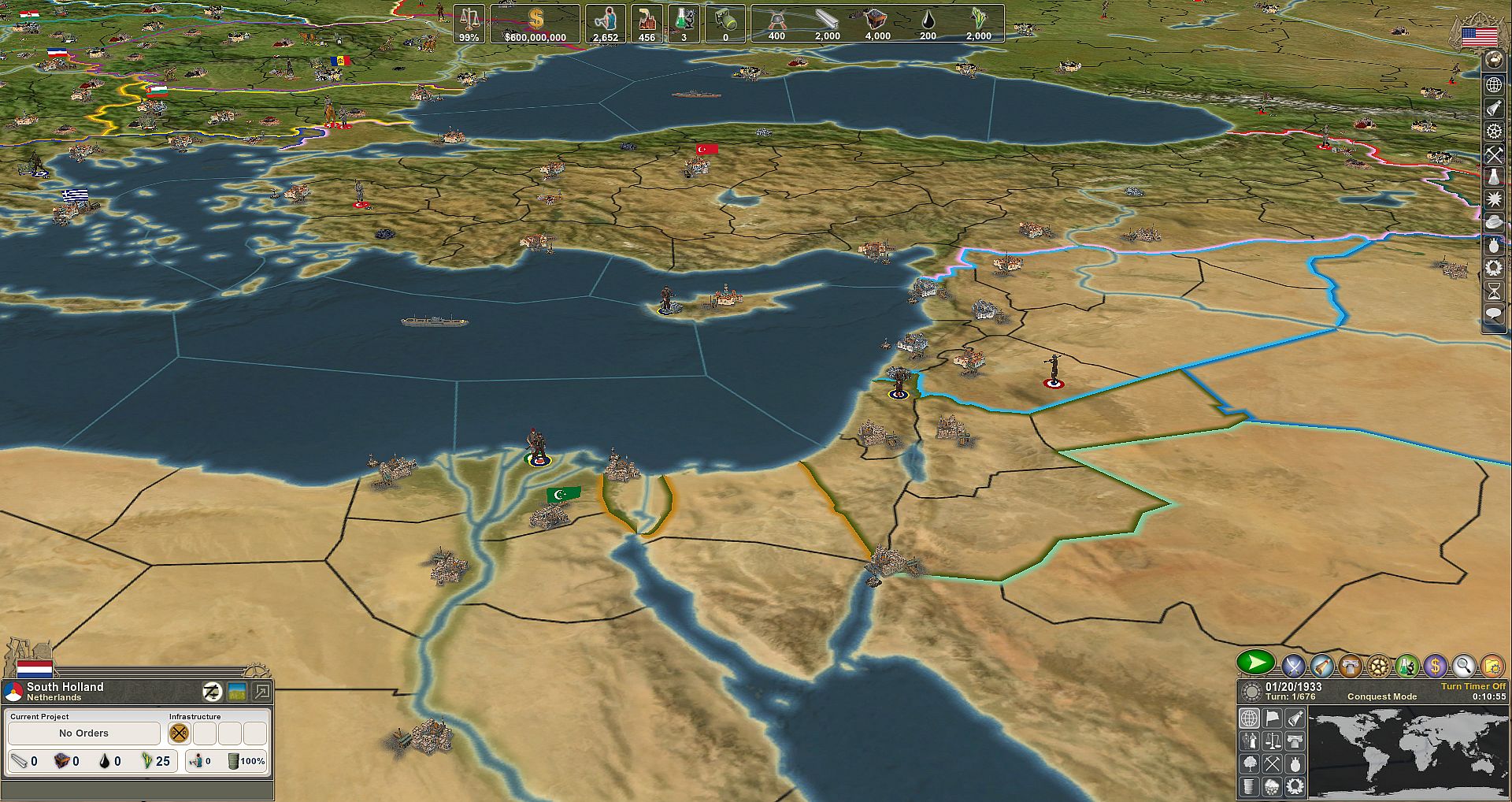
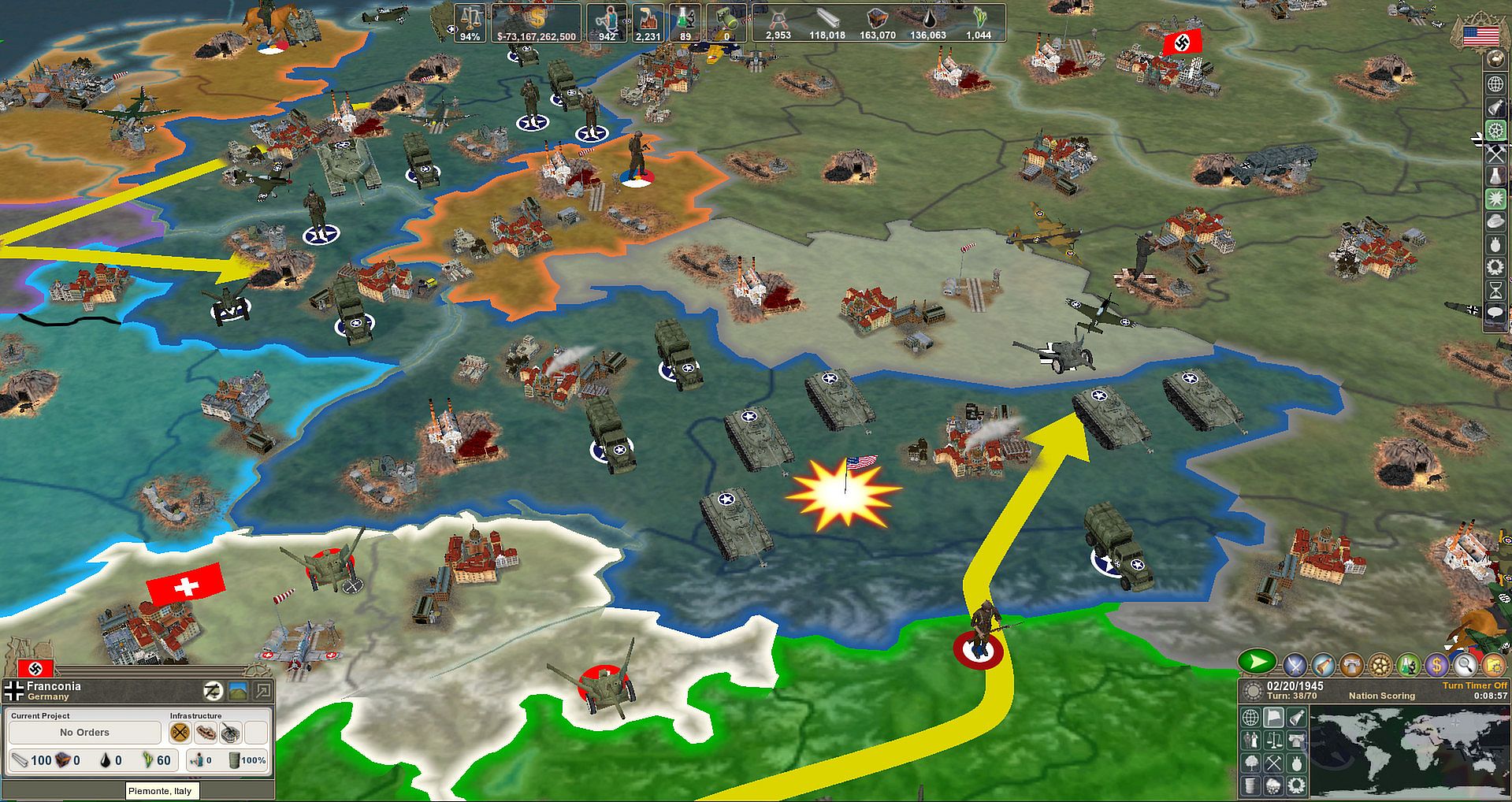
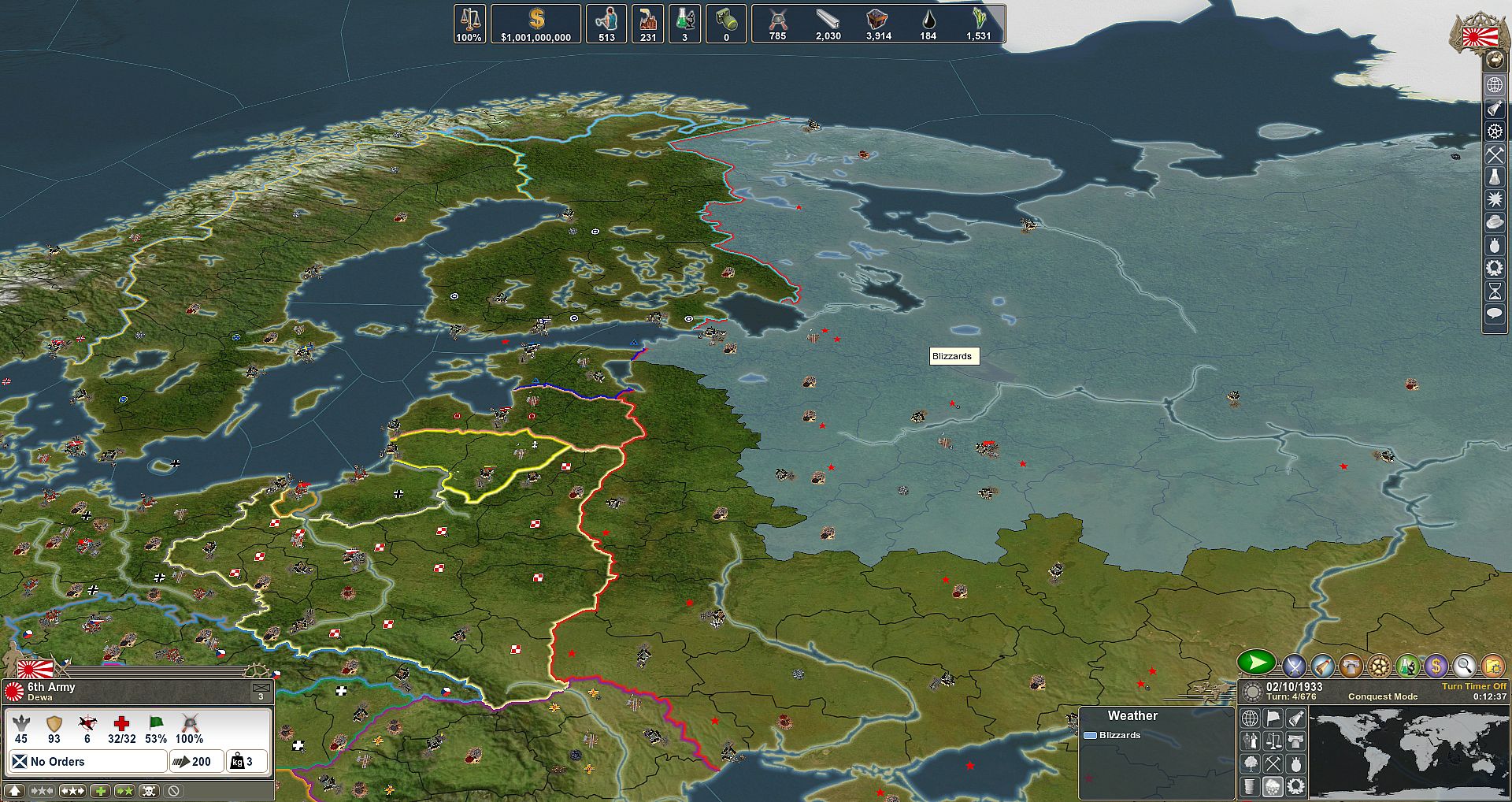
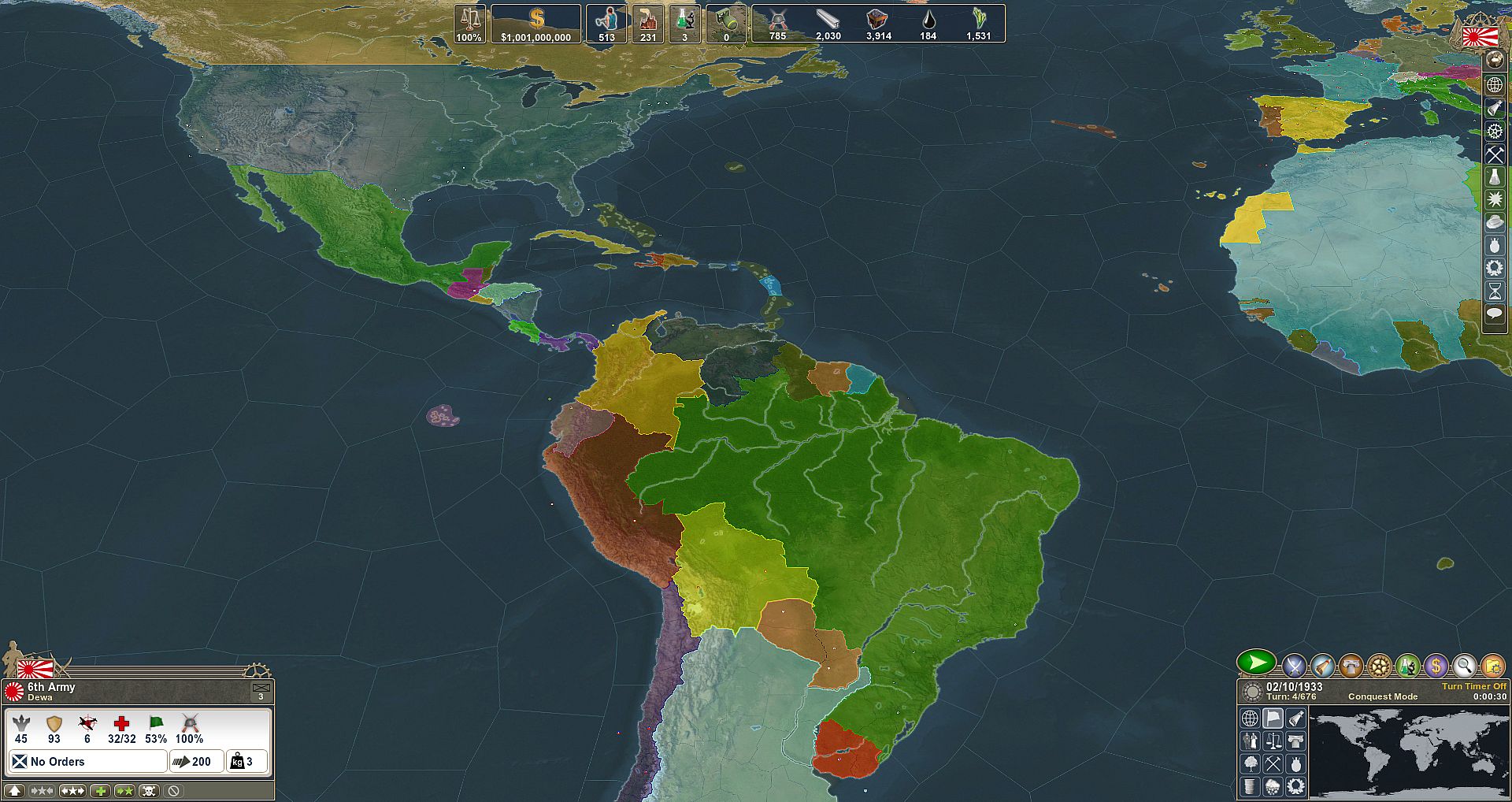
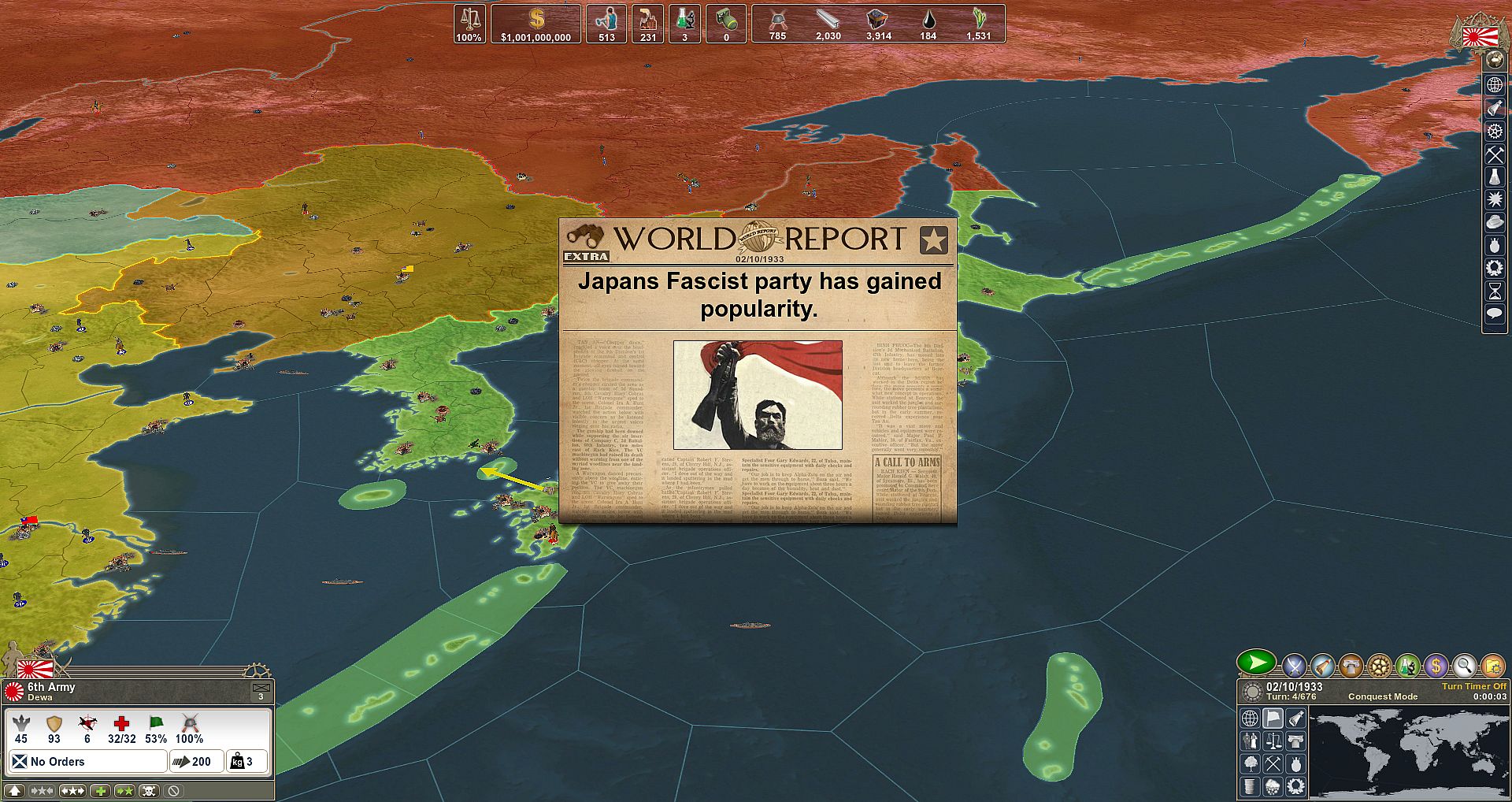
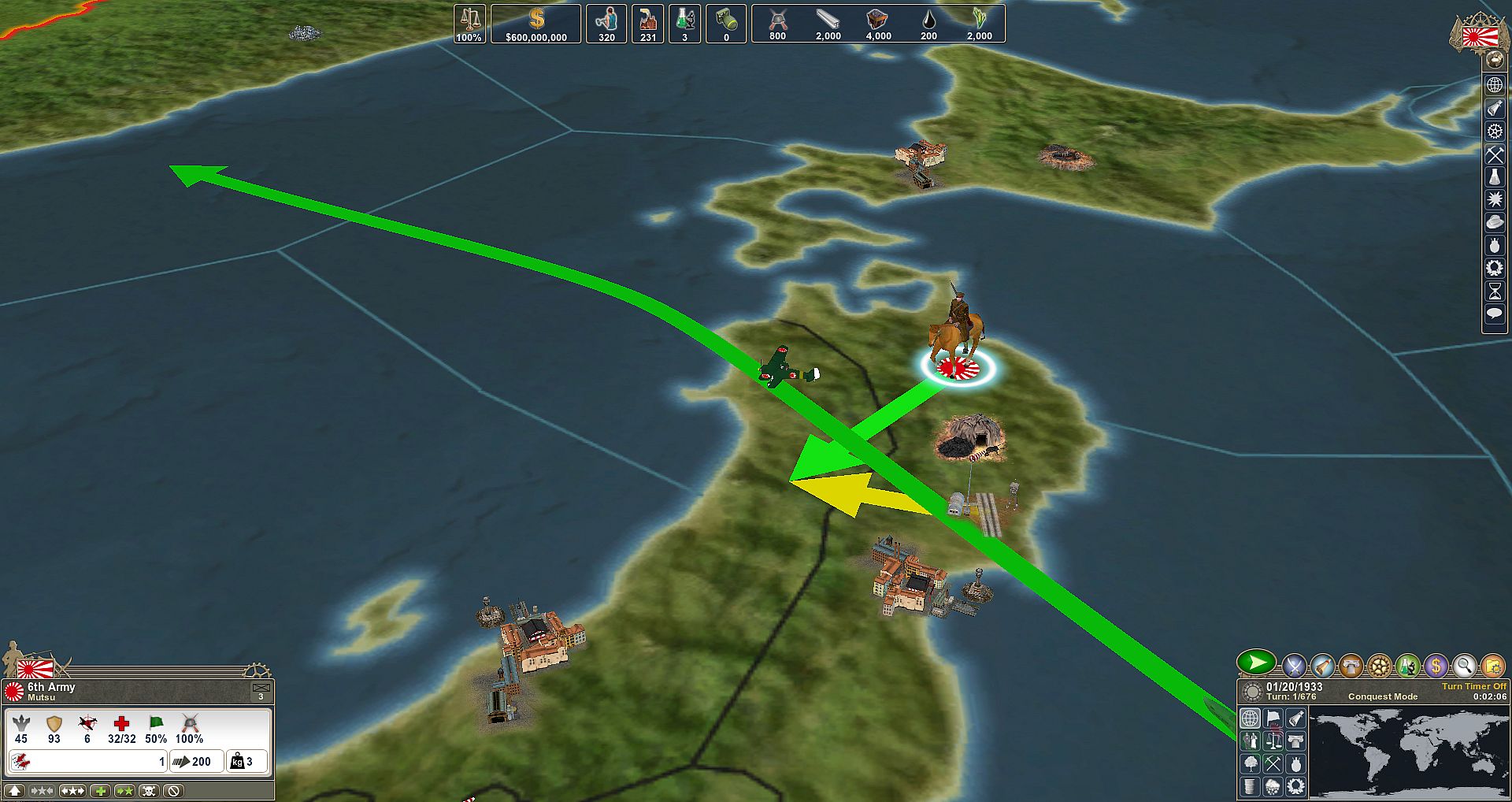
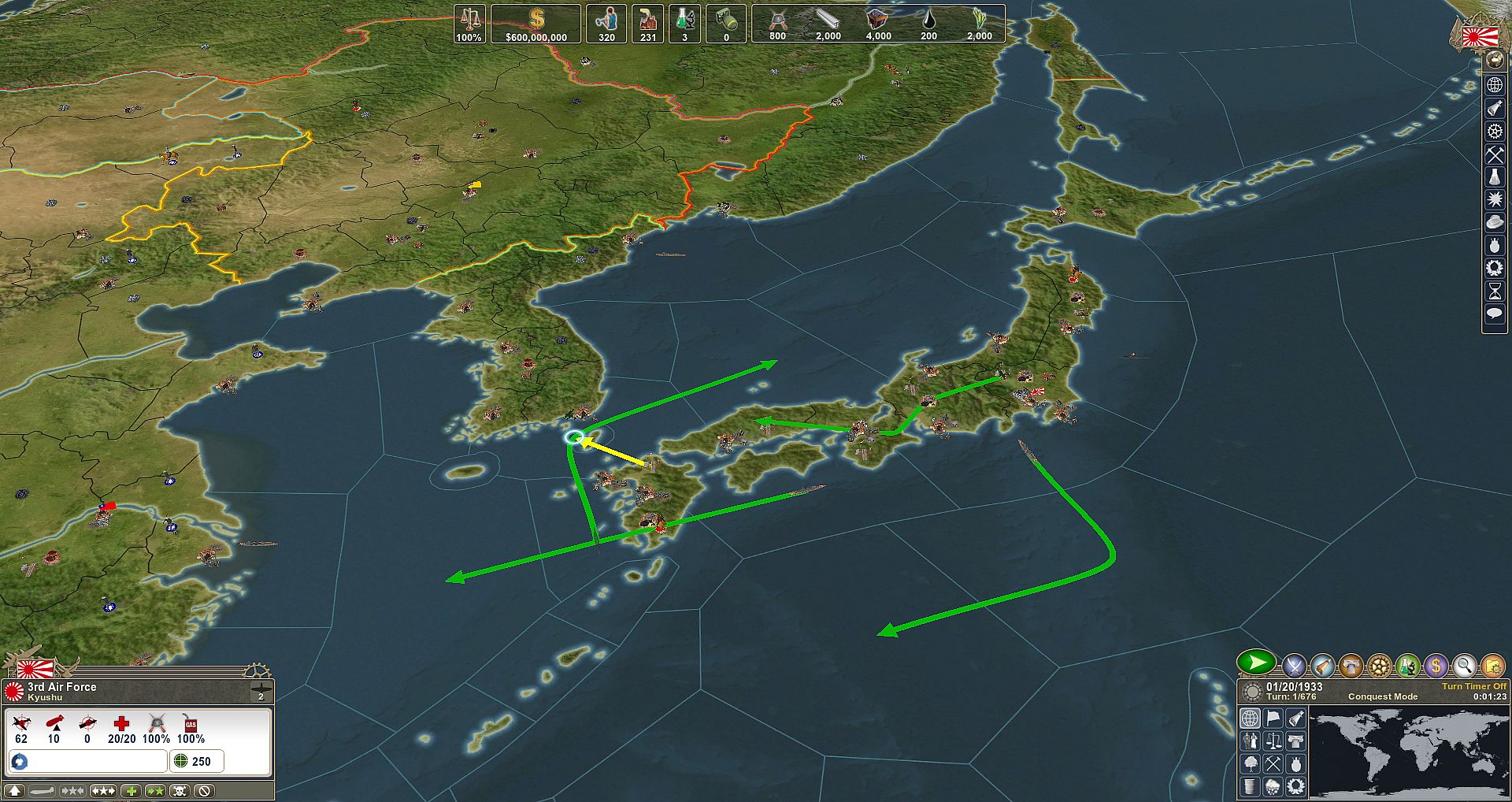
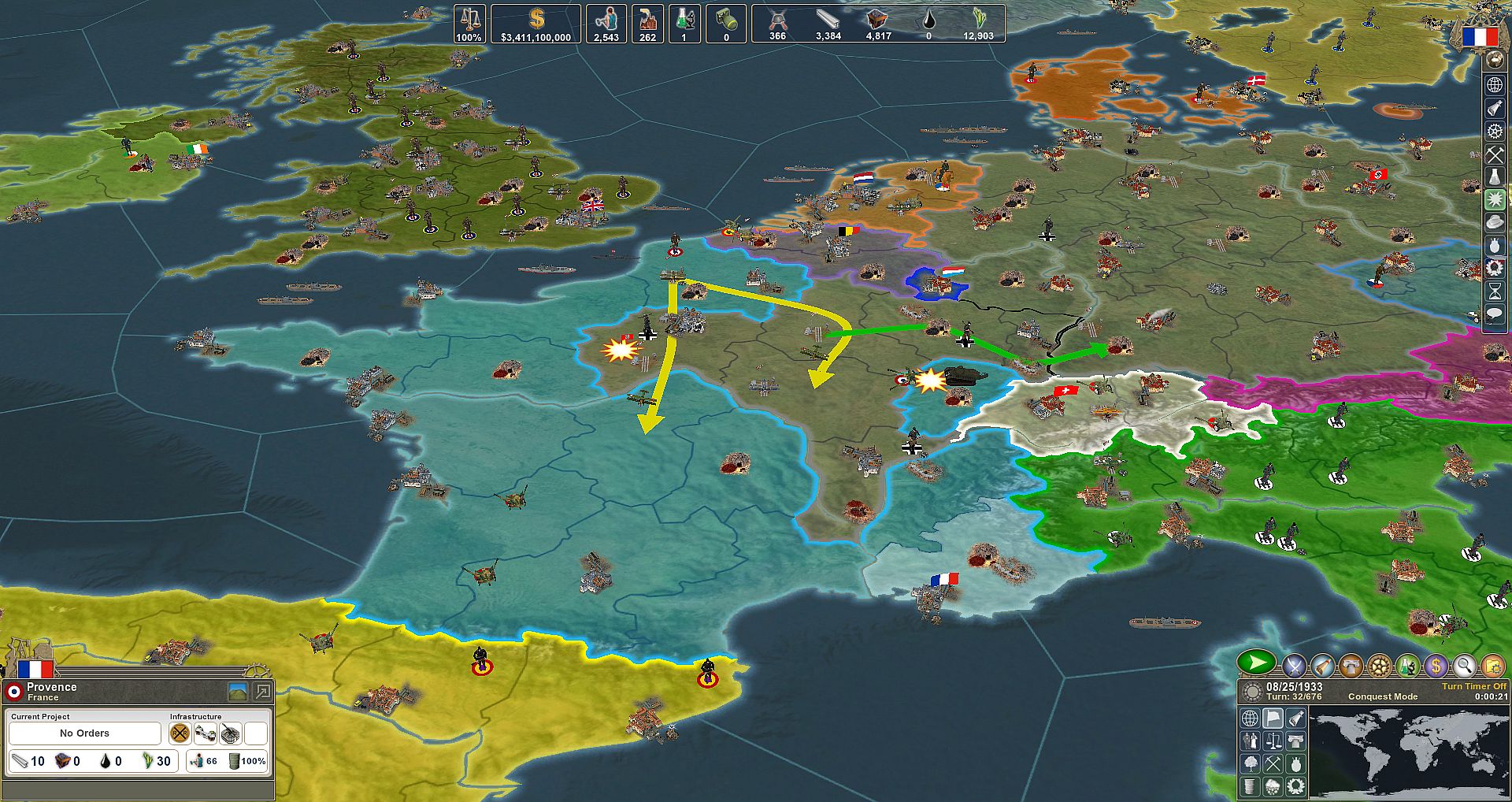
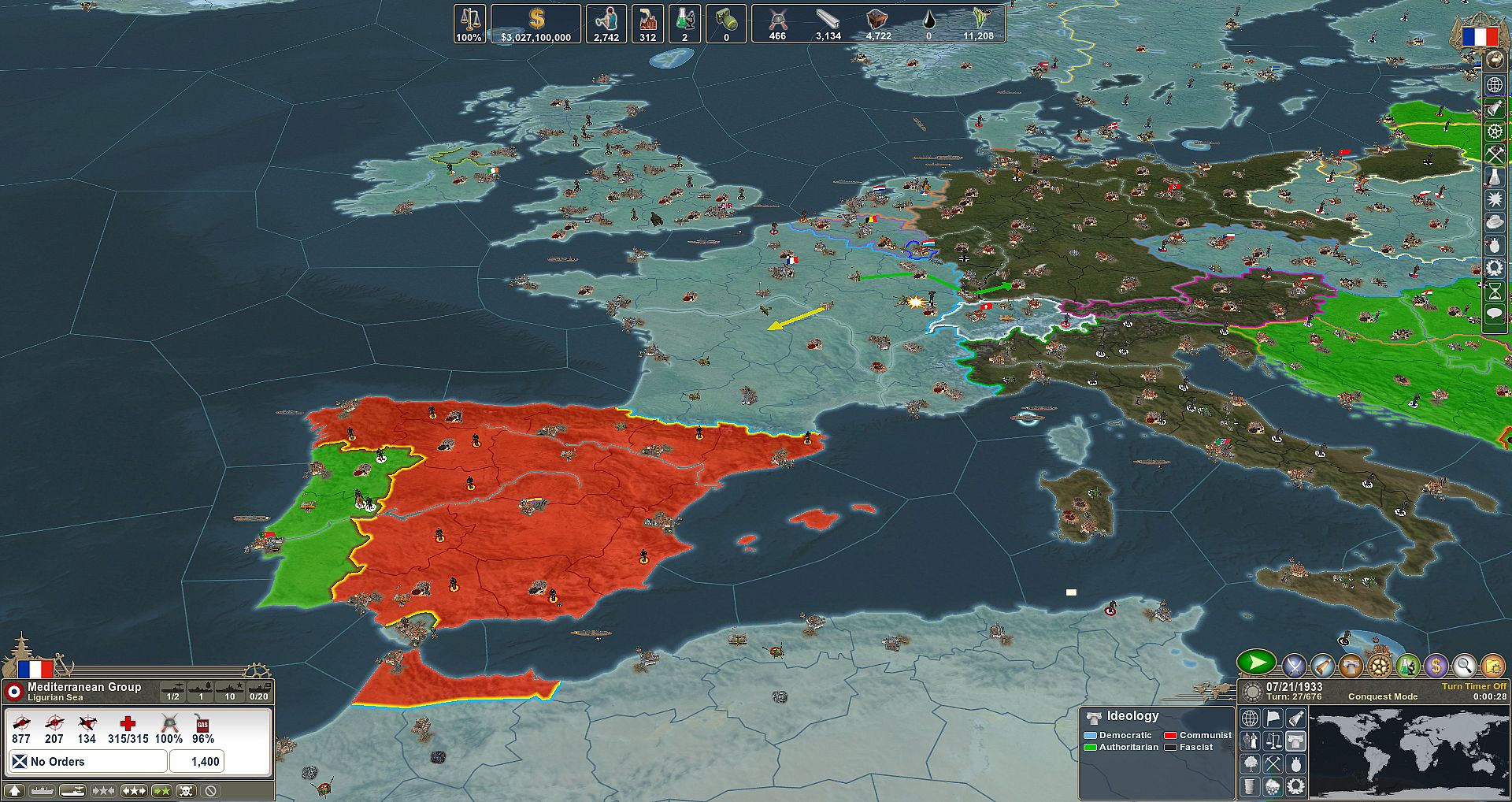
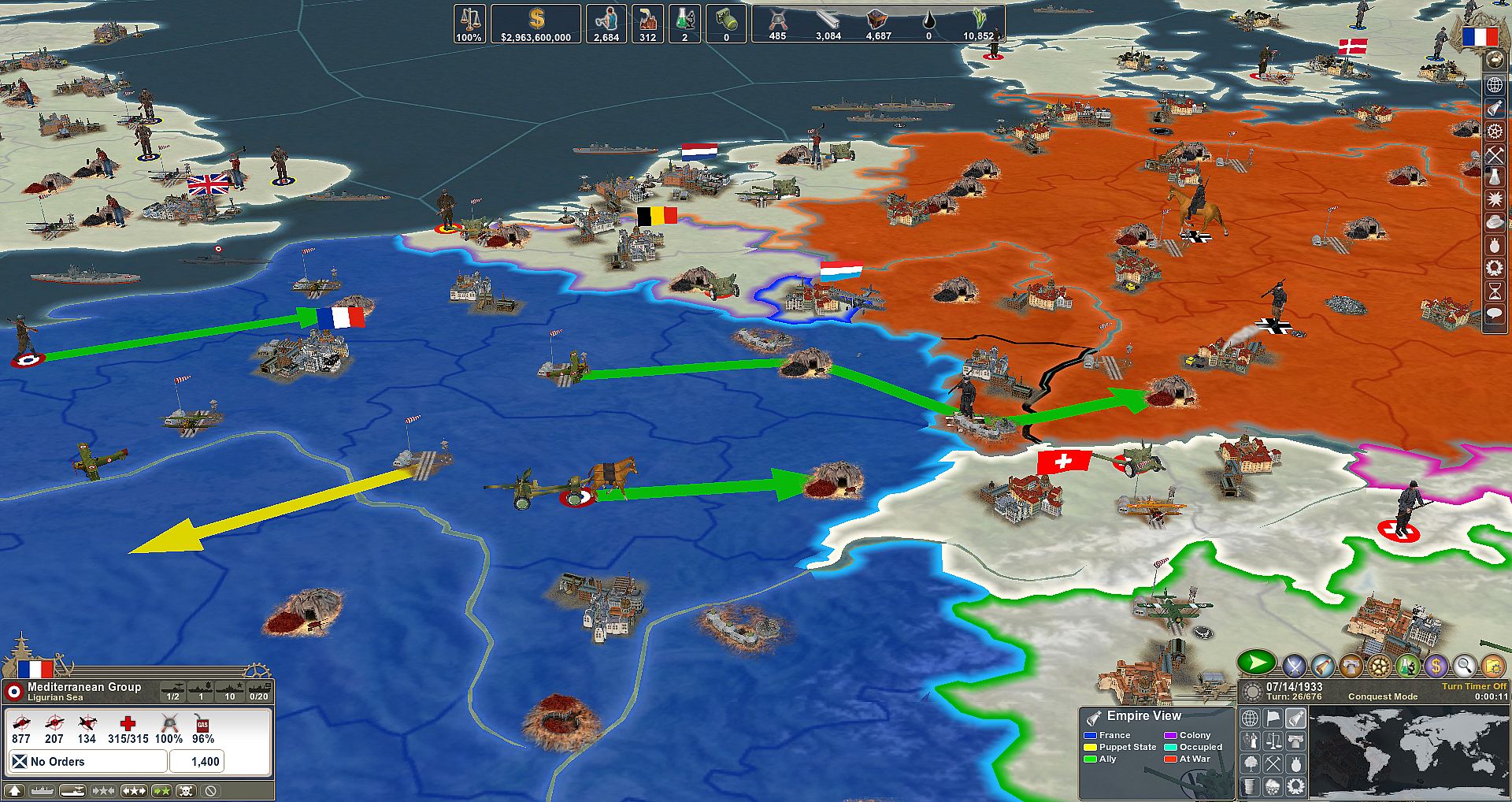
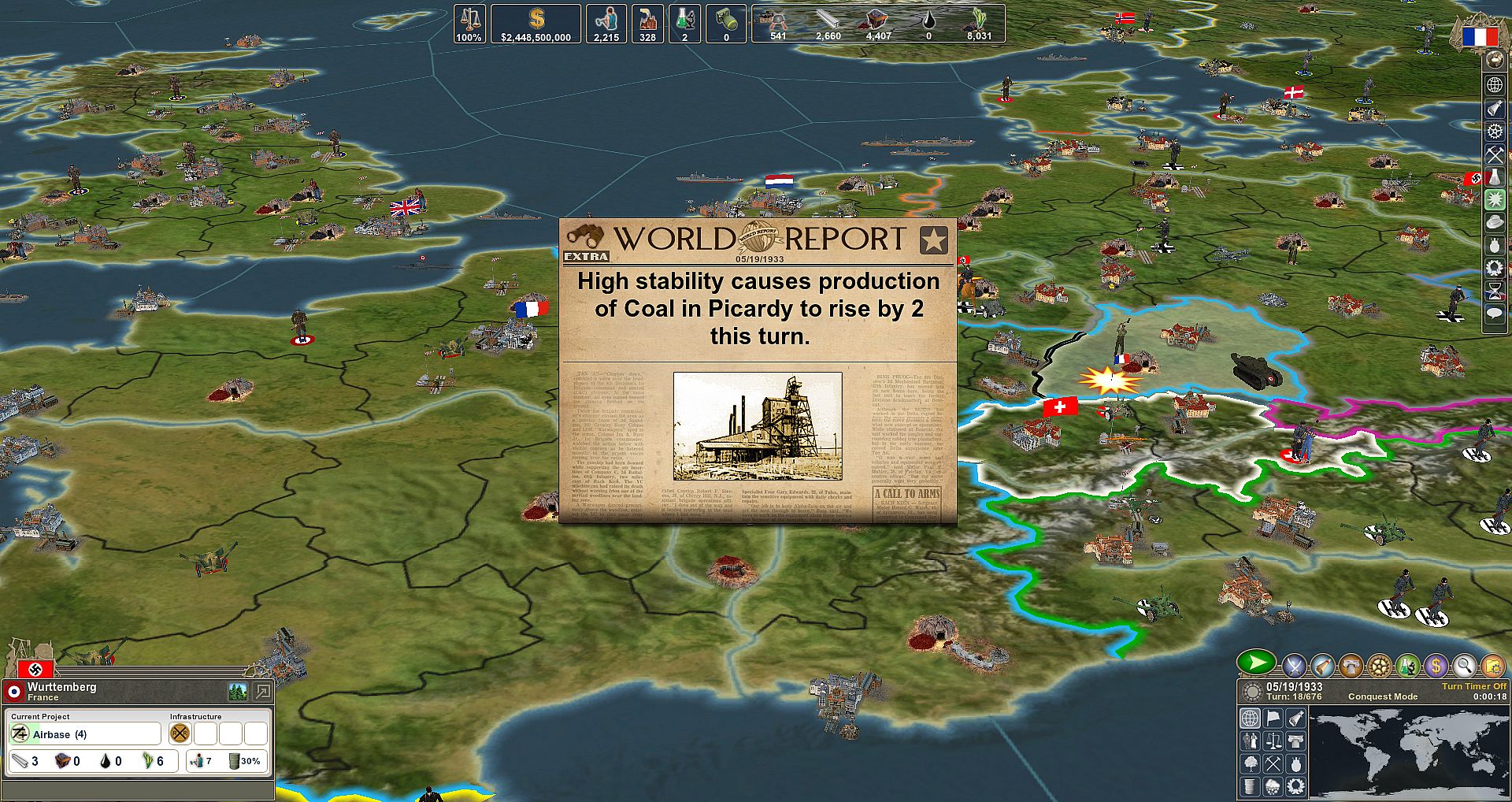
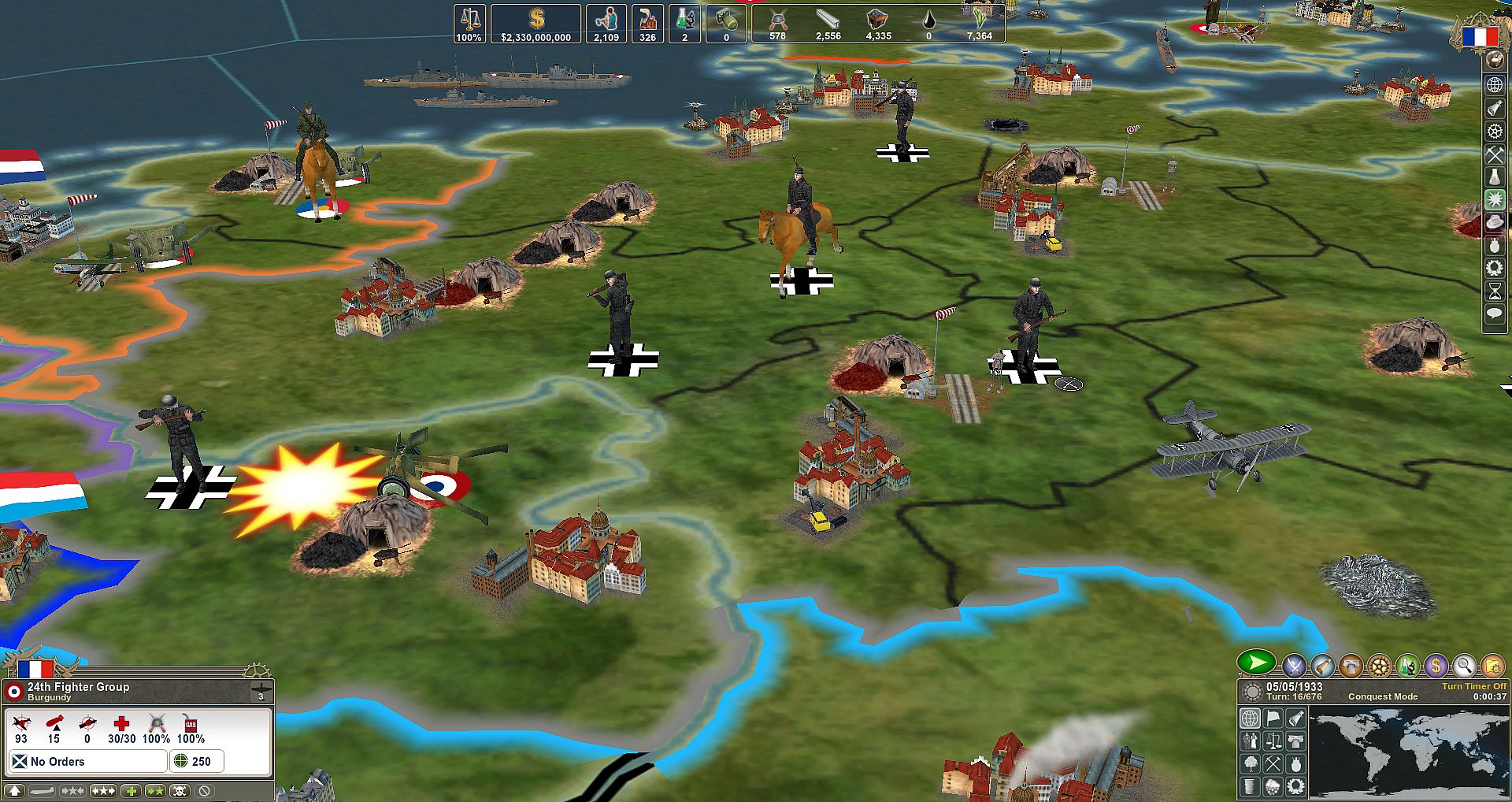
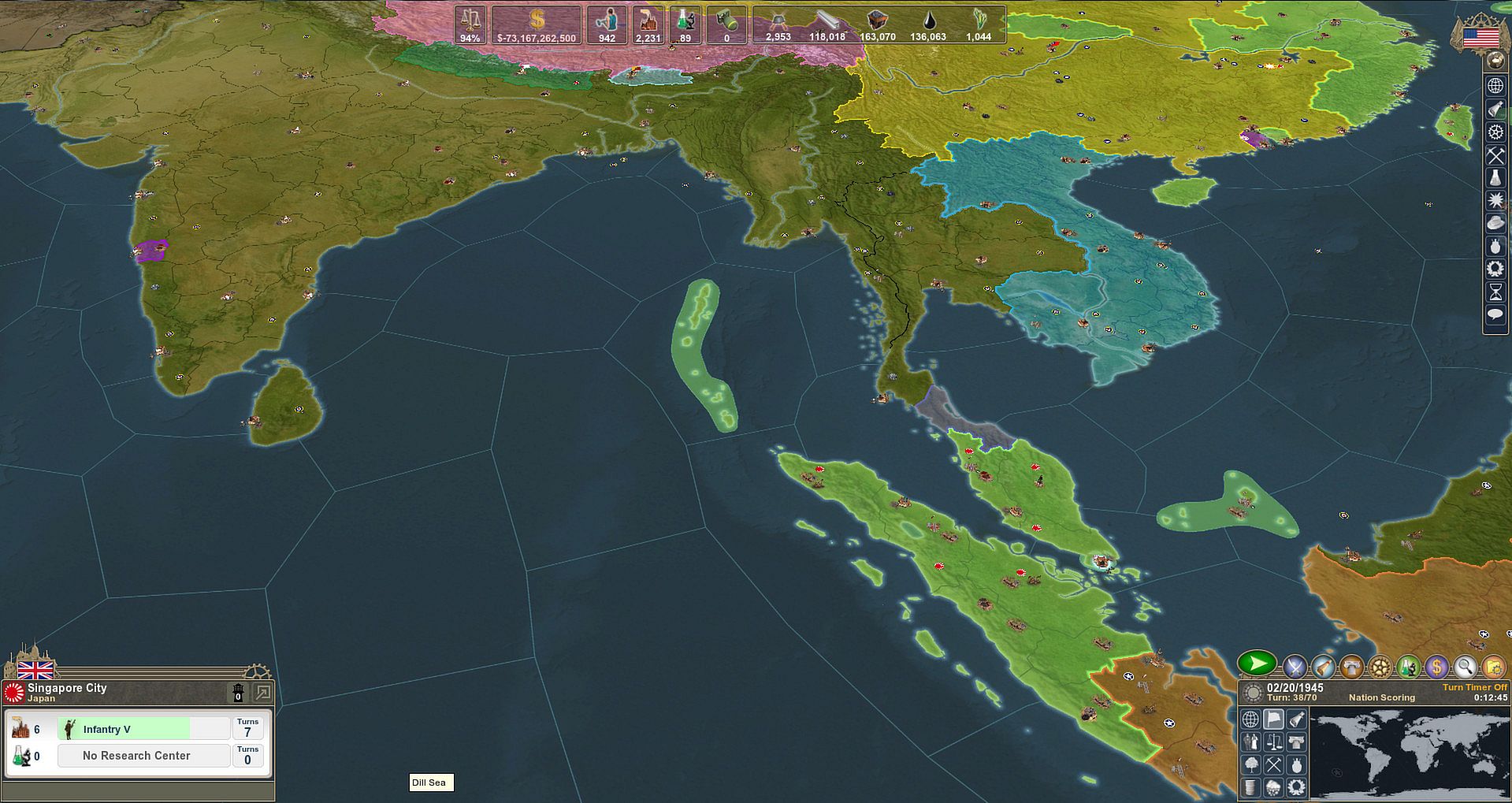
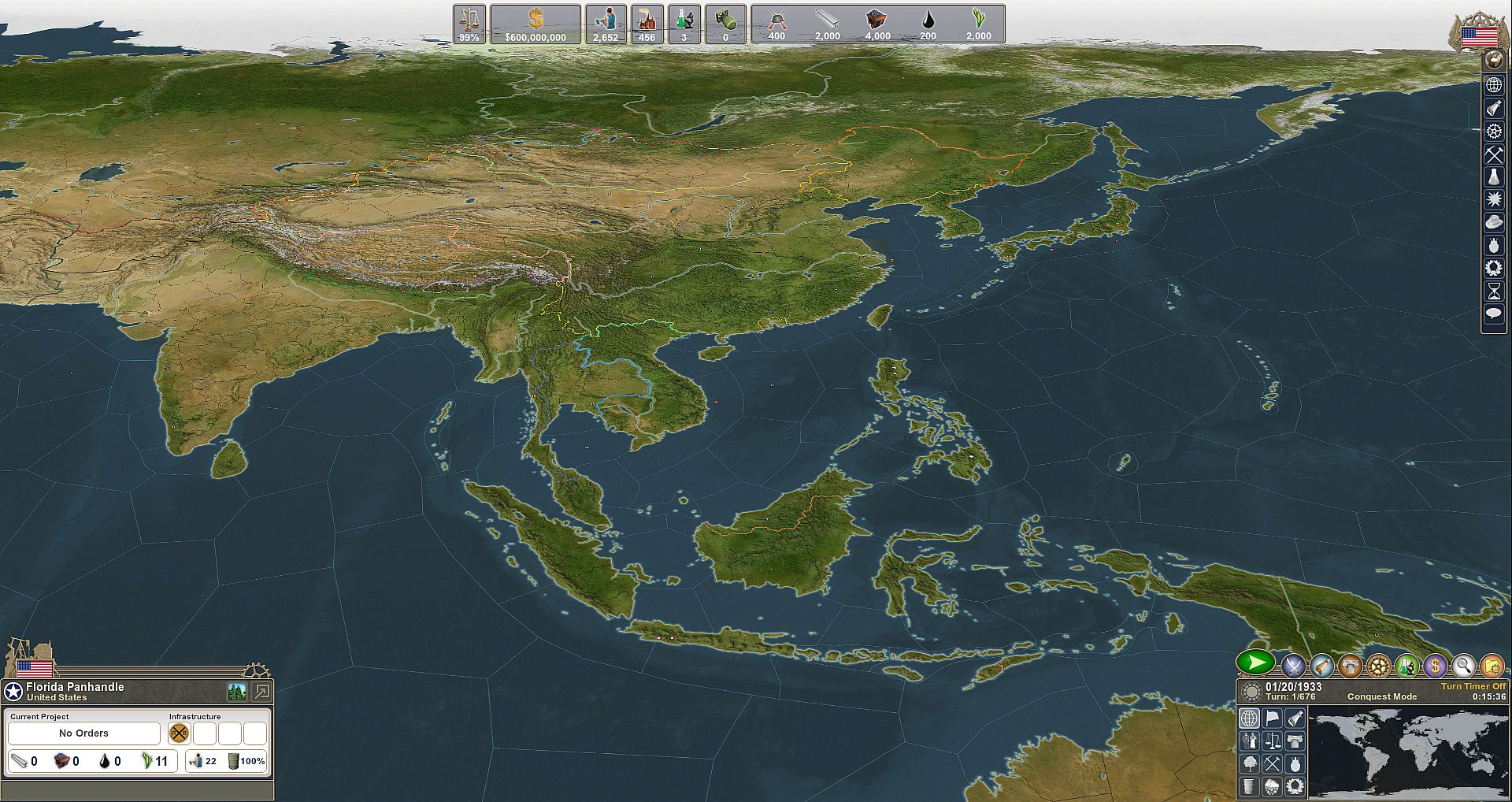
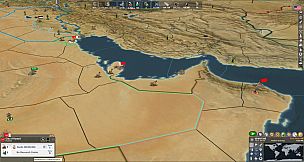
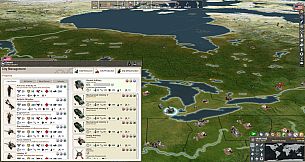
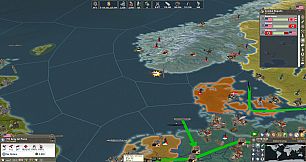
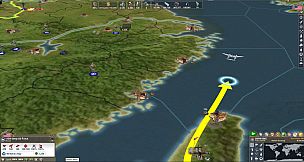
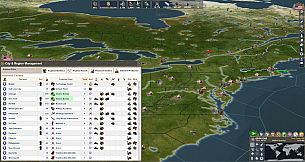
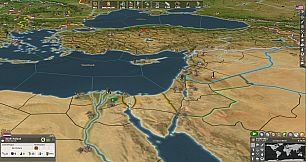
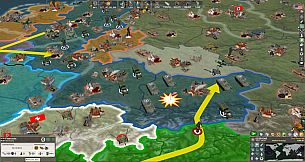
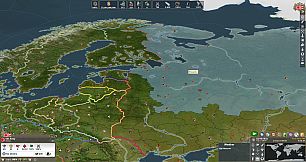
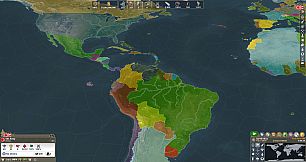
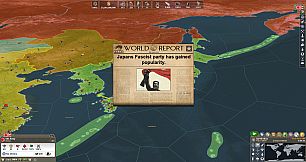
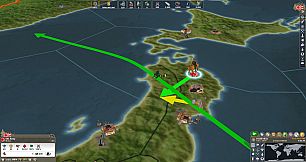
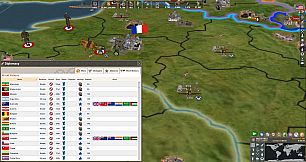
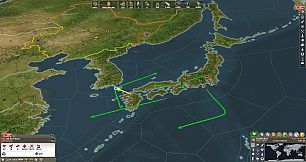
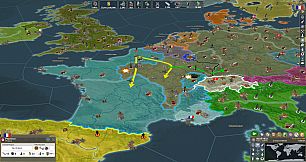
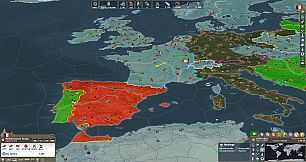
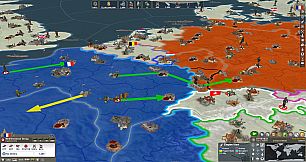
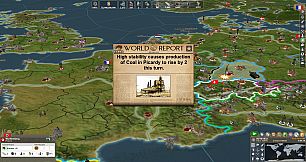
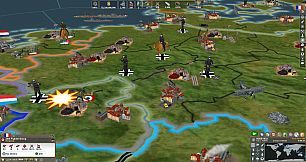
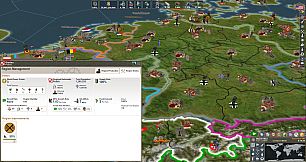
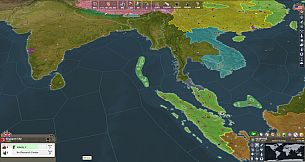
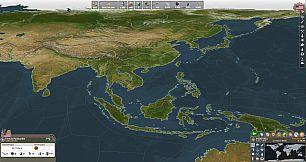
Making History II: The War of the World is a turn-based grand strategy simulation that places players in command of any nation during the lead-up to and throughout the Second World War. The game emphasizes control over national economies, regional development, military forces, and diplomatic relations on a detailed world map divided into more than one thousand land and sea regions. Players manage everything from city-level industry to colony oversight while responding to shifting alliances and internal pressures.
Gameplay
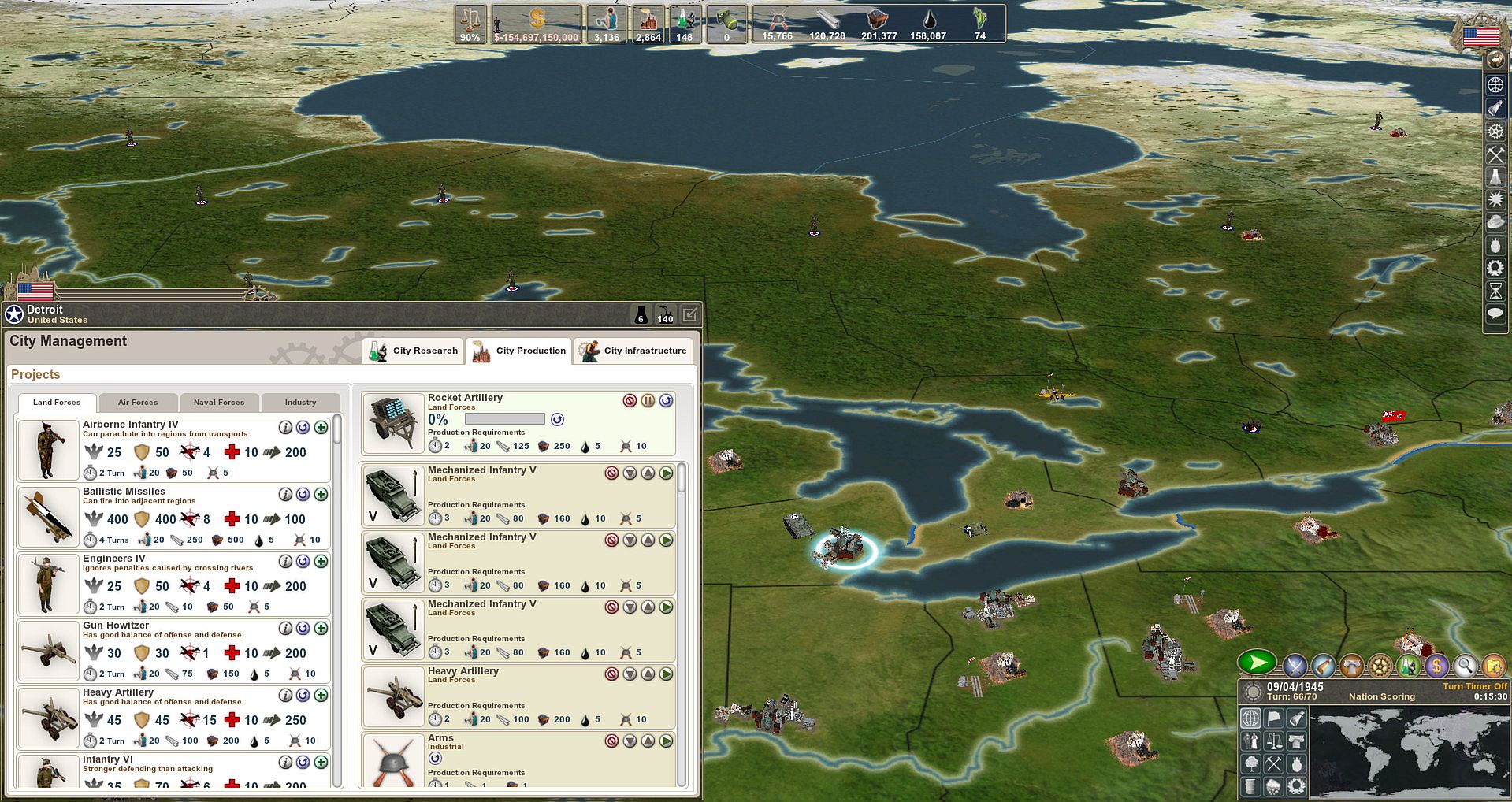
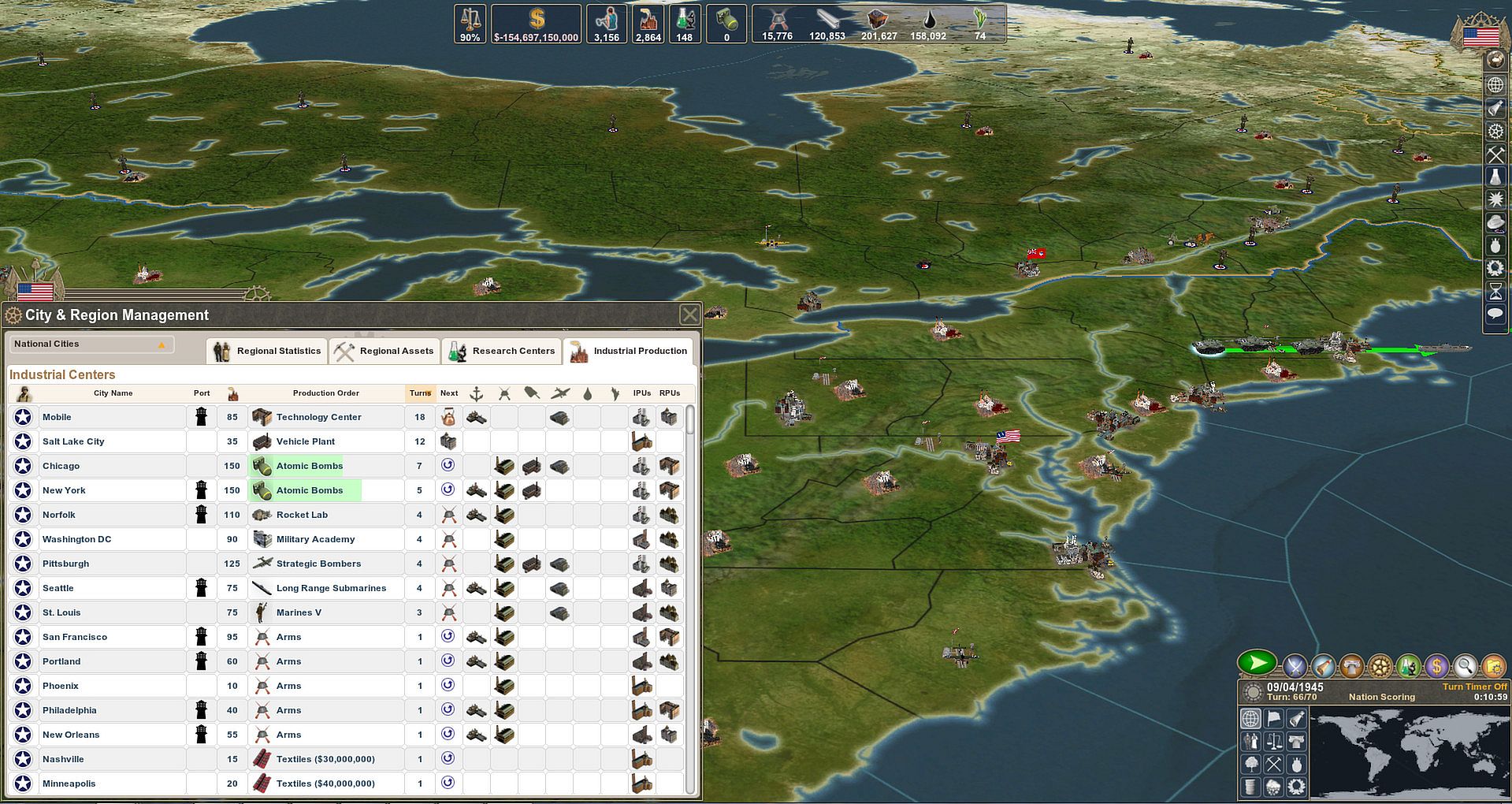
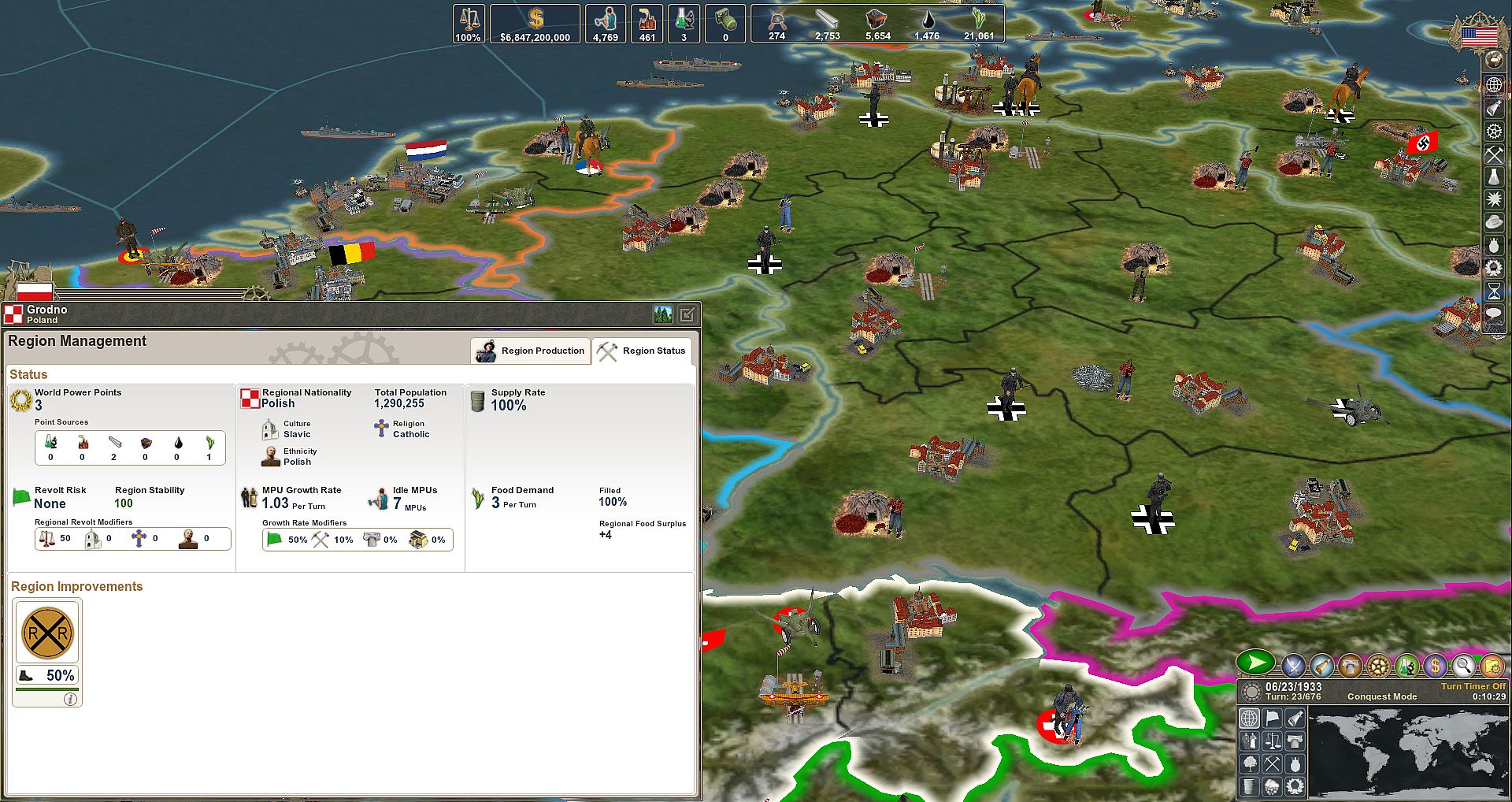
Core gameplay revolves around balancing economic production with military needs and political stability. At the city level, players construct factories, shipyards, research labs, and other facilities to boost output and technological progress. Regions support larger projects such as radar stations, fortifications, transportation networks, and resource extraction sites that feed national industries. Supply chains must remain intact to sustain factories, maintain domestic order, and support armed forces.
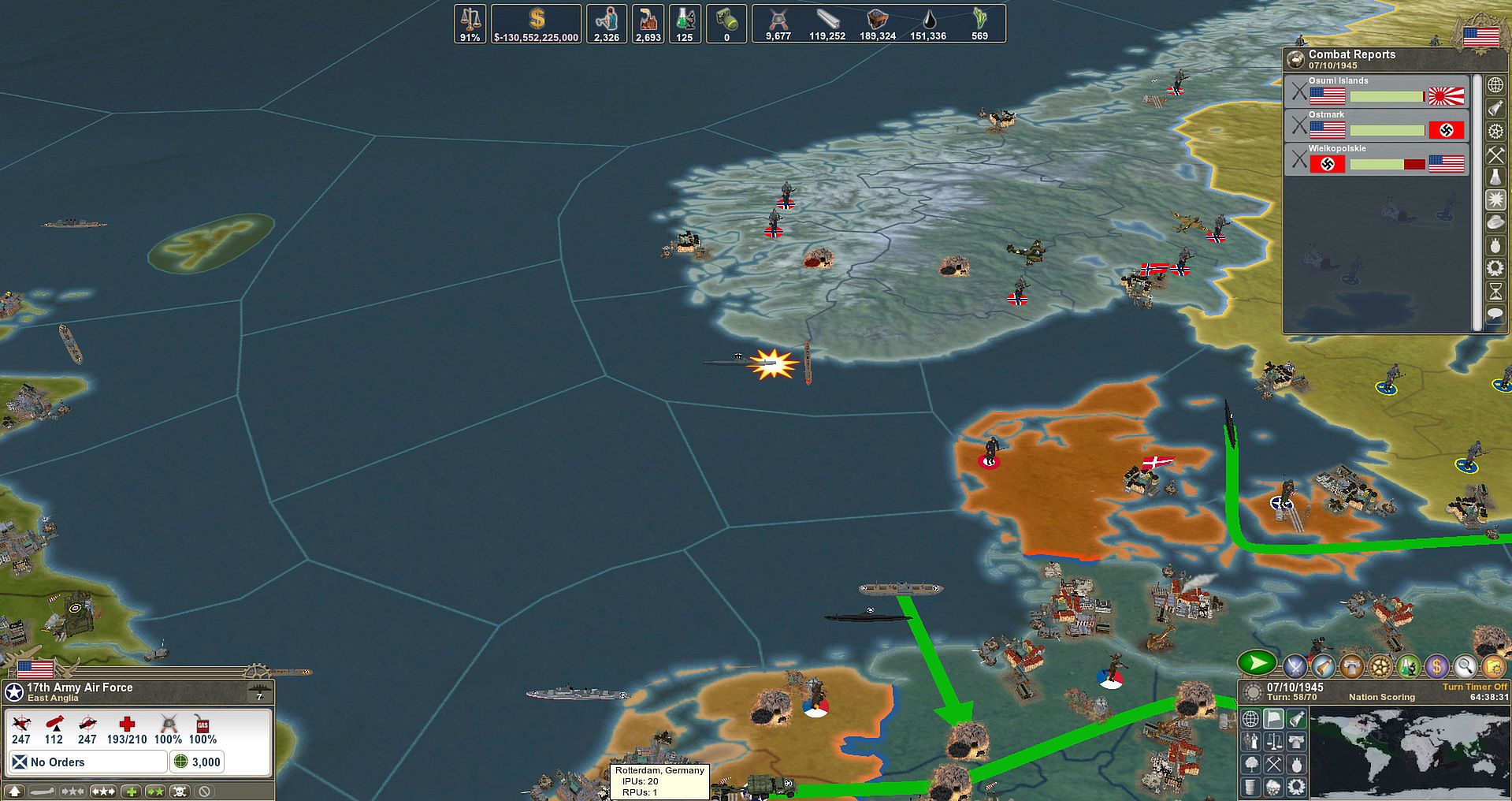
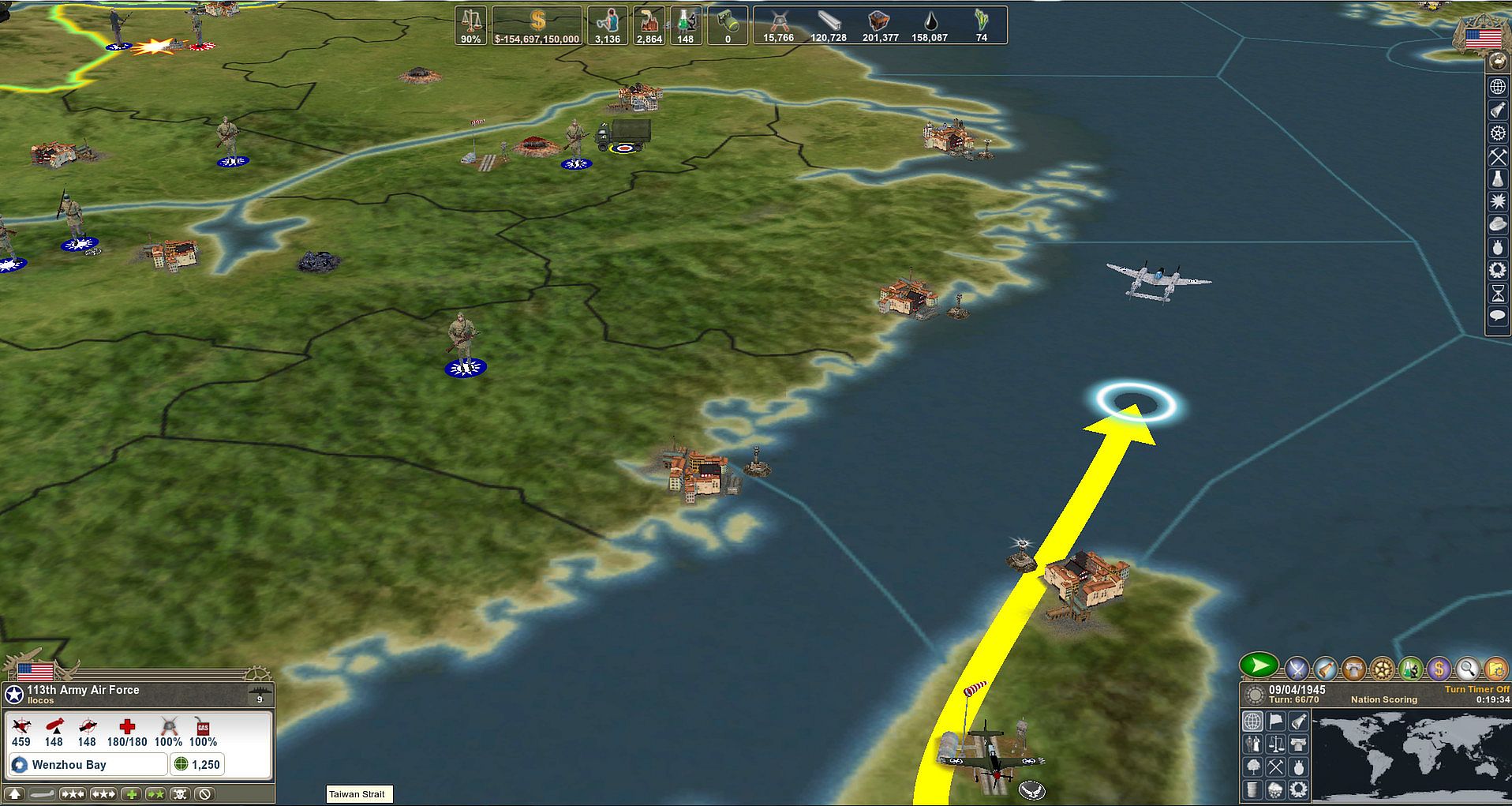
Military operations blend strategic oversight with tactical considerations. Hundreds of unique land, sea, and air units represent both major powers and smaller nations. Research unlocks improved weapons, tactics, and upgrades that players apply to existing forces. Air missions target enemy industry or military assets, while logistics, supply lines, and reinforcements shape ground and naval campaigns. The intelligent AI monitors global developments and adapts its actions on both the home front and in foreign theaters.
Demographic factors add another layer. Each region tracks population details including culture, ethnicity, religion, and ideology. These elements can spark revolts, coups, or civil wars if divisions grow too wide. Players may engage in espionage, support opposition groups, or interfere in neighboring affairs to influence outcomes. Trade, debt, inflation, and resource consumption form a realistic economic model that affects long-term viability.
Game Modes
Single-player sessions use historical scenarios that begin in 1933, 1936, or 1939, each reflecting the geopolitical realities of those years. A later update added a 1944 starting point. Victory conditions can be adjusted, and fog of war toggled for different levels of visibility. Mod support allows additional start dates and custom scenarios.
Multiplayer supports up to eight participants through LAN connections or an online service that handles cloud saves and asynchronous turns. Games can proceed with players taking actions at different times, and in-game chat facilitates coordination or secret agreements. The same scenario options and victory settings apply in multiplayer matches.
Economic and Diplomatic Systems
Resource management extends beyond simple production. Players must secure raw materials, balance consumption across military and civilian sectors, and navigate trade networks that can include debt and inflation mechanics. Infrastructure projects modernize regions and increase long-term capacity, while colonial holdings require separate attention through liberation, puppet state creation, or direct annexation.
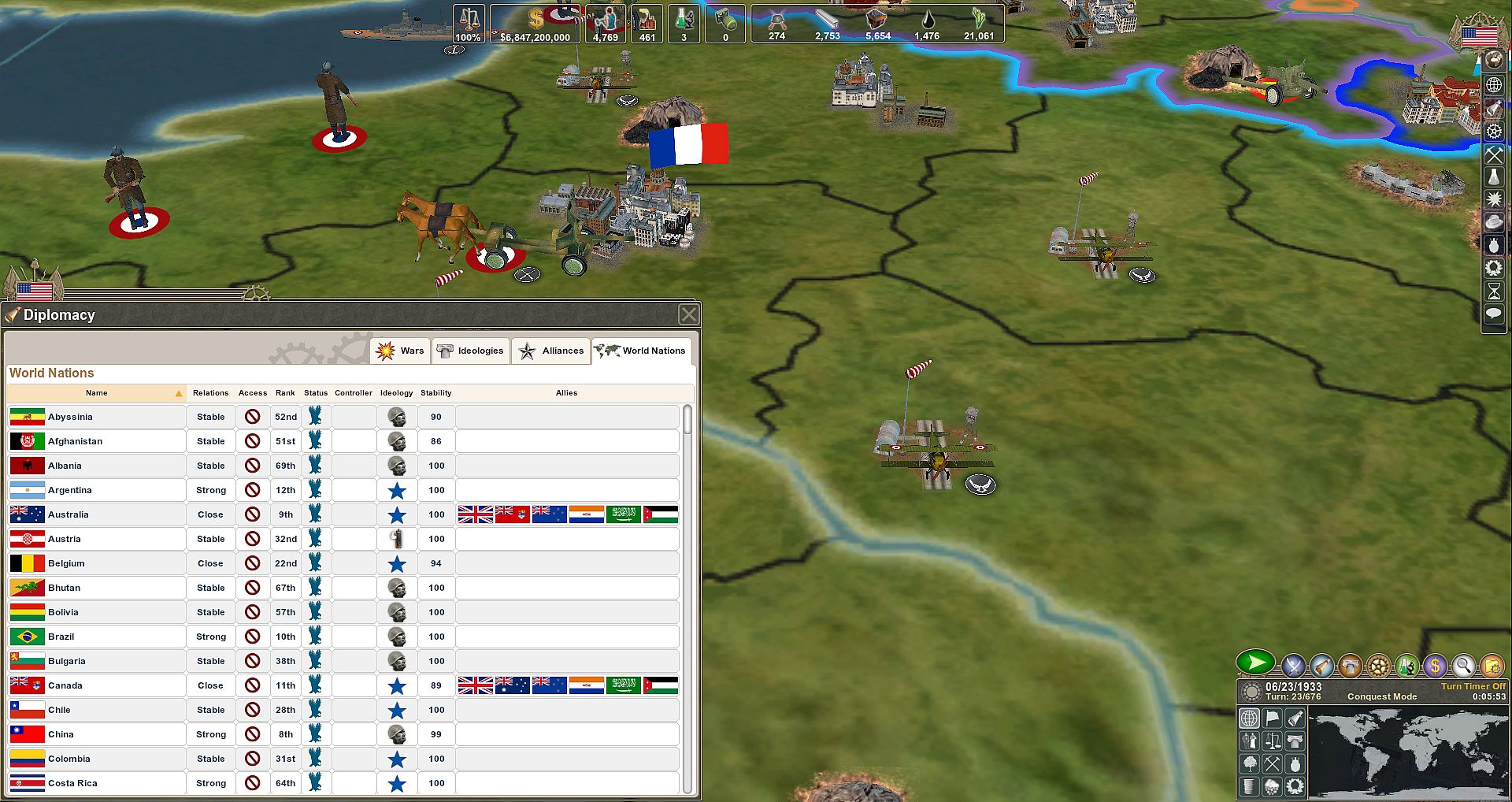
Diplomacy and internal politics intersect with these systems. Alliances, trade deals, and covert operations shape relations with other nations. Population divisions within regions can destabilize control, forcing players to weigh military responses against efforts to improve living standards or suppress dissent.
Is It Worth Playing?
The game has received ongoing patches since its 2010 release that addressed performance issues and bugs present at launch. Current Steam user reviews stand at mostly positive, with many players noting the depth of the economic and diplomatic layers once the interface becomes familiar. Average playtime among reviewers exceeds two hundred hours, indicating strong replay value for those who enjoy detailed grand strategy.
It suits players seeking a complex single-player experience focused on nation-building and alternate-history outcomes rather than fast-paced action. The multiplayer option adds opportunities for competitive or cooperative sessions, though the core appeal remains the single-player scenarios. Those who appreciate managing intertwined economic, military, and social systems will find substantial content, while players preferring streamlined interfaces or purely combat-driven gameplay may find the learning curve steep.