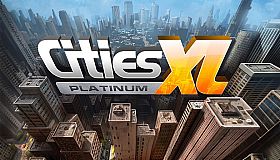

















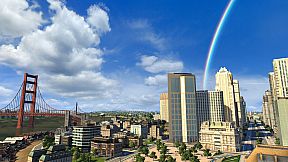
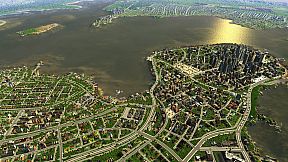
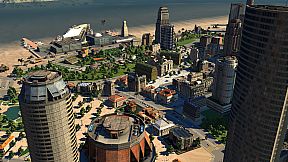
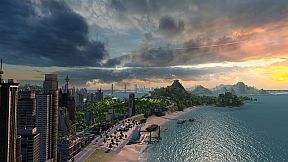
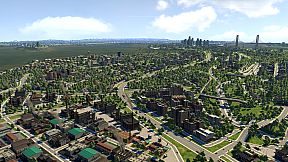
Cities XXL is a city-building simulation game developed for the PC platform. Players take on the role of mayor to design, construct, and oversee expansive urban areas using an improved engine that supports larger scales than prior entries in the series. The core loop centers on zoning land for residential, commercial, and industrial use while balancing infrastructure needs, citizen satisfaction, and environmental factors across multiple connected settlements.
Gameplay
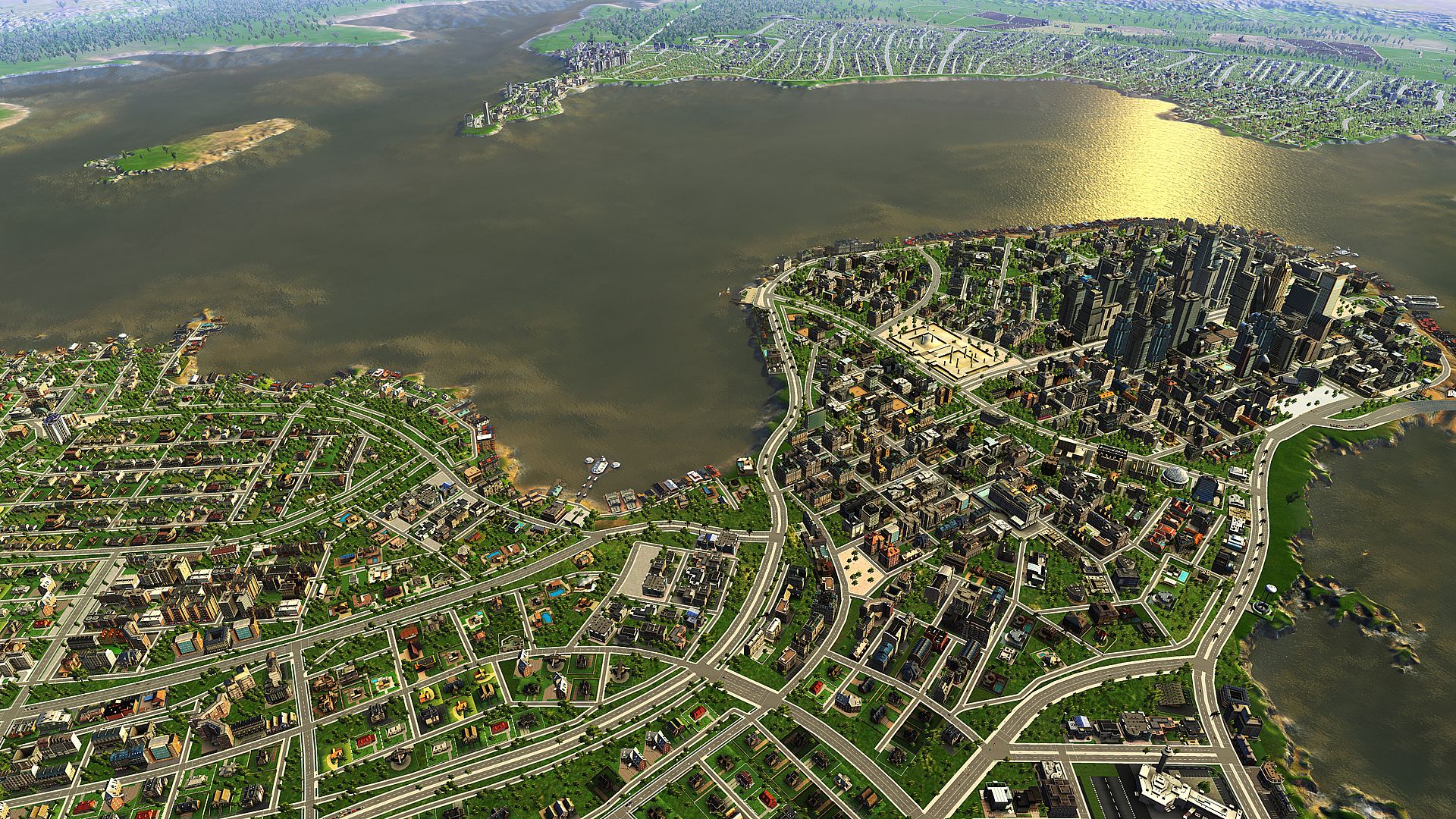
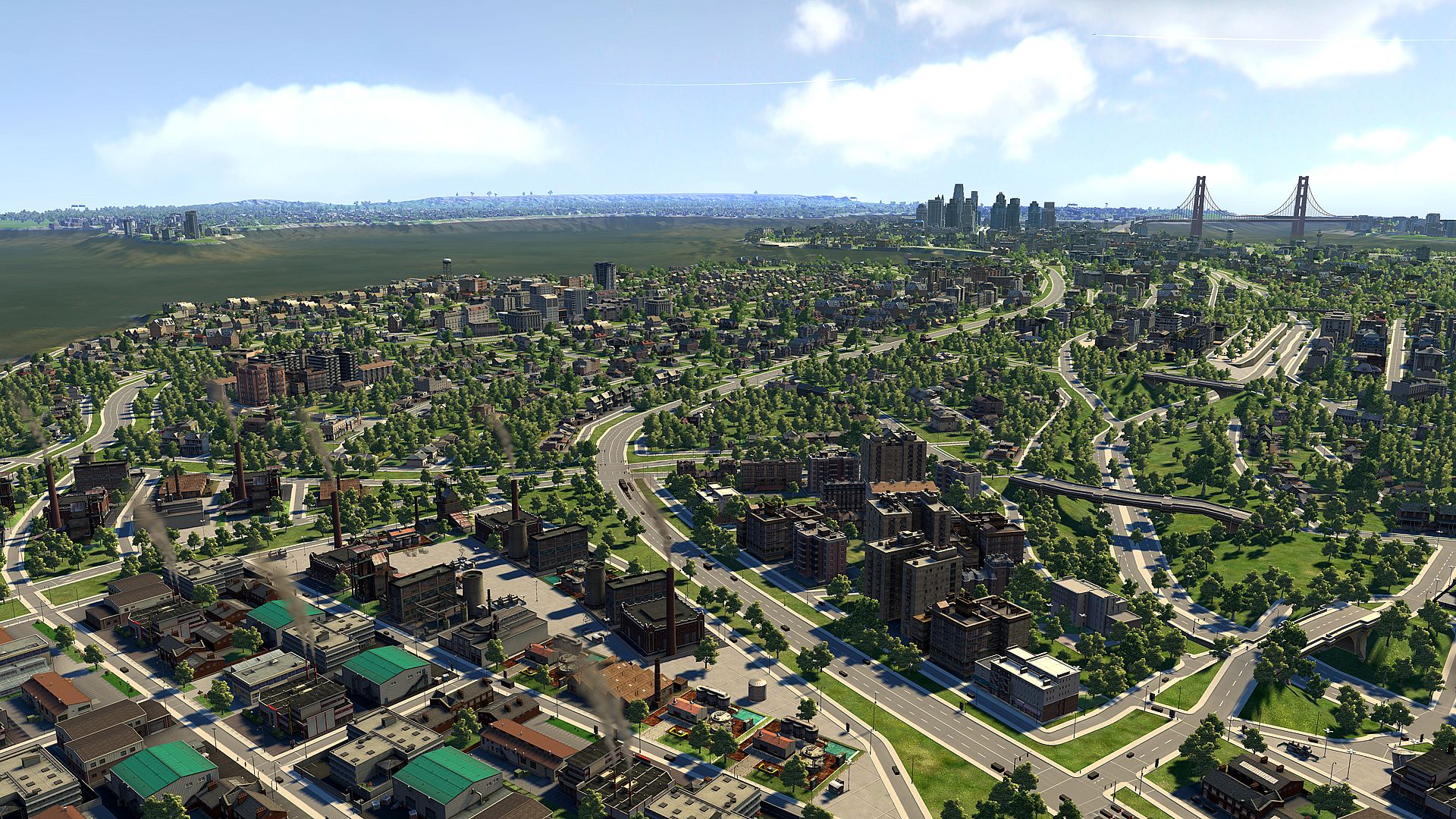
Building begins with zoning tools that allow designation of lots in varying densities. Residential zones support four distinct social classes, each with specific housing requirements that remain fixed once set. Commercial and industrial zones handle retail, offices, and production facilities. Road networks form the backbone of any layout, with options for angled roads, bridges, and tunnels to navigate terrain. Public transport systems include buses and railways that players route to reduce congestion and improve accessibility.
Resource management extends beyond a single city. The game links multiple settlements across a shared planet map, enabling trade in goods such as oil, fuel, water, waste, and even labor or tourists. Pollution tracking operates at localized levels, covering noise and emissions, which players address through targeted upgrades or new ecological structures. These include industrial retrofits, park-and-ride facilities, electric vehicle options, and bike rental services that promote lower environmental impact while maintaining city functionality.
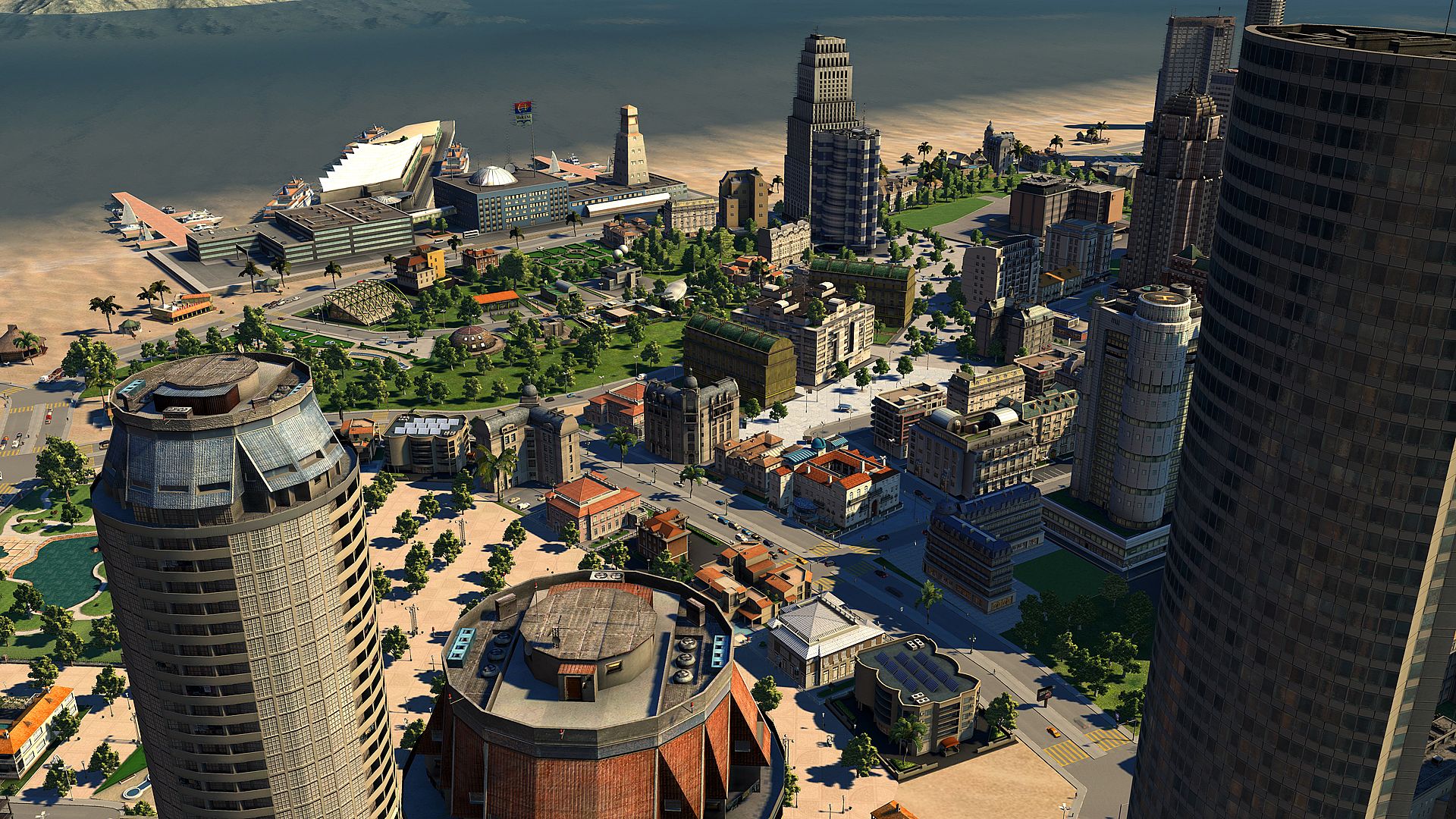
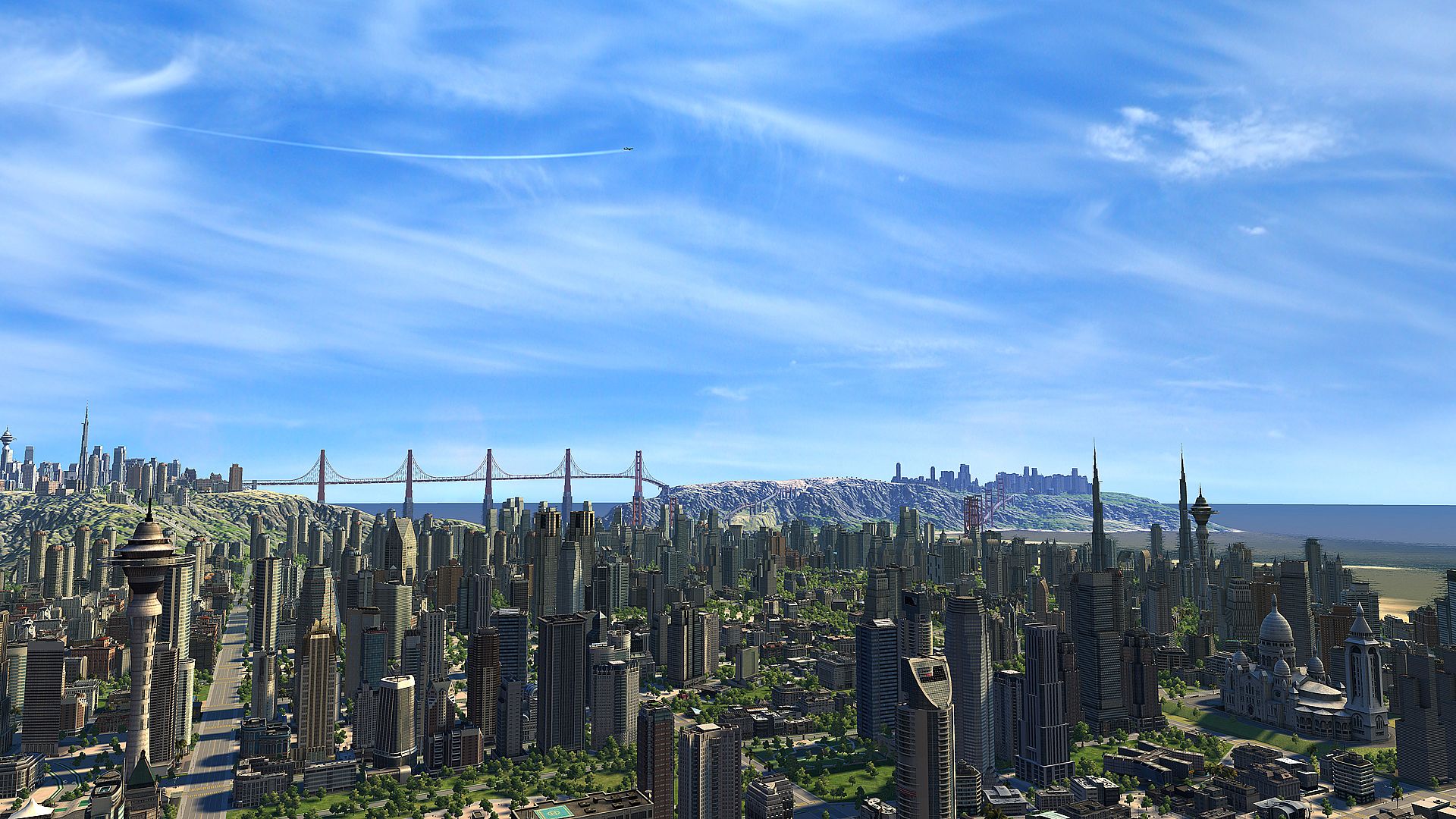
Architectural variety comes from 47 distinct styles drawn from global cultures, paired with more than 1000 individual buildings that players place or zone to shape visual and functional identity. Leisure facilities, landmarks, and green spaces contribute to resident happiness alongside basic services. The engine improvements allow finer control over traffic flow and larger overall city footprints without immediate performance collapse.
Game Modes
The experience remains entirely single-player, focused on freeform city construction and ongoing management. Players select from more than 65 maps that feature varied environments, including alpine snowscapes, open meadows, and coastal areas. Each map supports independent city development or interconnected growth where resources flow between settlements.
Progression occurs through iterative expansion rather than linear objectives. Early efforts concentrate on basic zoning and transport links, while later stages involve complex trade networks, pollution mitigation, and integration of specialized buildings. User-generated content expands options further through integrated workshop support, allowing import of custom structures, landscapes, and road elements to alter the base experience on any map.
Key Features and Systems
Economic layers require careful allocation of resources across the entire planet of cities. Shortages in one location can be offset by imports from others, creating interdependencies that reward long-term planning. Ecological upgrades integrate directly into industrial and transport systems, offering alternatives to traditional high-pollution setups.
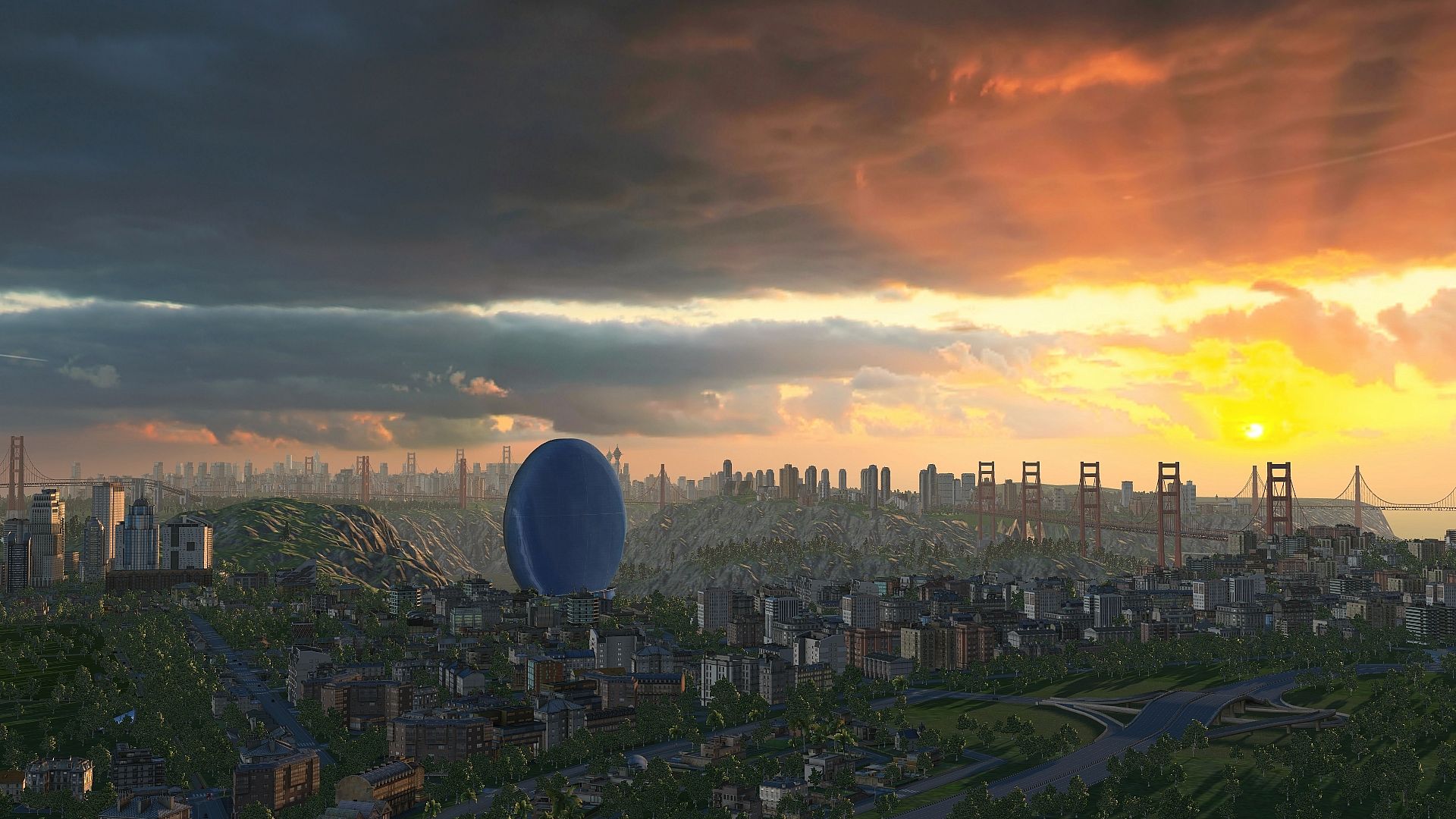
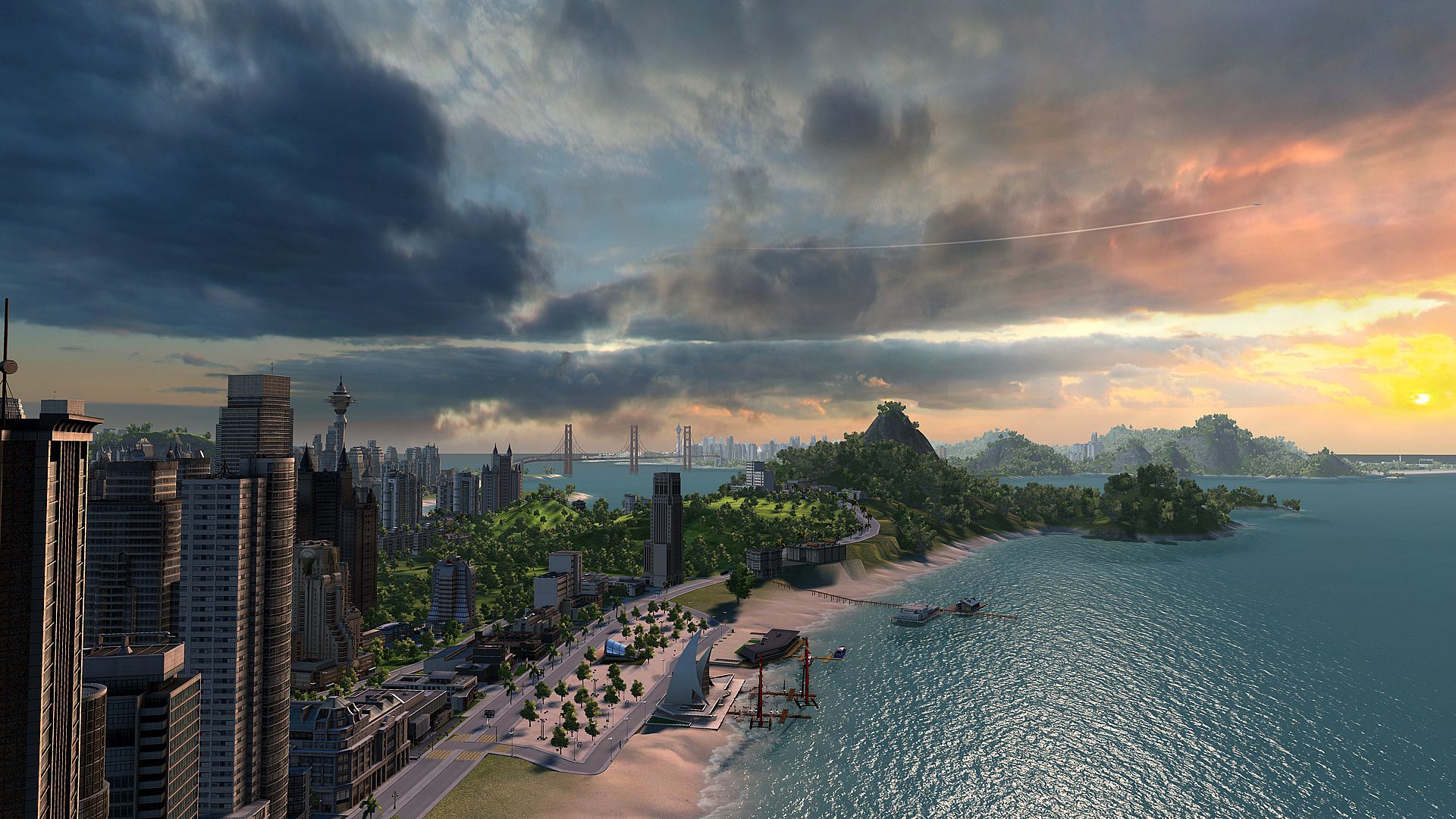
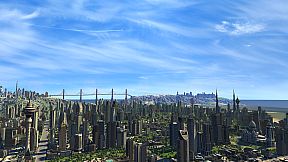
Visual and atmospheric elements receive attention through updated skies and lighting conditions that change with time and weather. These backdrops enhance the sense of scale when viewing sprawling developments from different angles. The interface updates streamline access to statistics on traffic, happiness, and resource flows, supporting sustained play sessions on larger maps.
Is It Worth Playing?
Player reception has been predominantly negative, with Steam reviews showing roughly one-third positive ratings and Metacritic classifying the aggregate score as generally unfavorable. Common criticisms highlight limited innovation relative to earlier titles and technical constraints that affect larger simulations.
The game suits dedicated city-building enthusiasts who prioritize detailed zoning, multi-city resource trading, and extensive customization through workshop content. Those seeking modern technical performance or frequent updates may find the 2015 release dated. Availability on PC remains straightforward, with the full feature set accessible without additional purchases beyond the base title. For players comfortable with older simulation mechanics and willing to experiment with community assets, the title delivers a functional platform for large-scale urban projects.