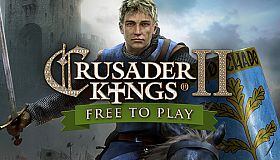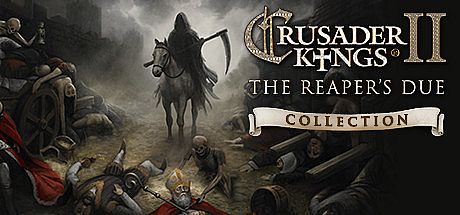



Crusader Kings II: The Reaper's Due Collection is a strategy, RPG, and simulation title for PC that centers on medieval dynasty management with added layers of disease and realm stability. Players guide noble houses across generations, balancing political intrigue, territorial control, and personal legacies while contending with new health-related challenges introduced in this expansion content.
Gameplay
The core loop revolves around ruling a medieval realm through character interactions, succession planning, and province development. Rulers appoint courtiers to key roles, arrange marriages to secure alliances, and navigate events that shape family traits and reputations. Provinces generate income and levies, but external pressures like conflict or illness can alter their output over time.
This collection incorporates mechanics focused on epidemics. Diseases spread between provinces along trade routes and coastlines, reducing manpower and wealth in affected areas. The Black Death stands out as a particularly destructive outbreak that players track via a dedicated map mode. Characters experience symptoms such as fever or fatigue before a full illness develops, requiring decisions on treatment.
Court physicians serve as a new appointment option, handling diagnosis and care for the ruler's household. Hospitals function as specialized holdings that players construct and upgrade to limit disease spread and lower mortality rates. Seclusion allows rulers to isolate their court during outbreaks, though this choice carries risks for public perception and internal stability.
Prosperity builds in provinces left undisturbed by war or plague, granting bonuses to taxes and troop replenishment. Depopulation occurs in ravaged regions, shrinking available resources until recovery efforts restore balance. These systems integrate with existing character events and trait development for deeper long-term consequences.
Game Modes
Play proceeds primarily in single-player campaigns that span centuries of simulated history. Multi-player support enables shared sessions where participants manage separate realms or cooperate within the same world.
Game rules provide customization at the start of a new campaign. Options include adjustments to epidemic frequency and severity, allowing players to tailor the intensity of disease events alongside other historical variables like invasion patterns.
Key Mechanics and Features
Realm management expands through decisions on infrastructure and crisis response. Building and maintaining hospitals requires ongoing investment but yields protective benefits against spreading illnesses. Event chains tied to symptoms and treatments introduce variability in how individual characters fare during health crises.
Physical traits and new event sequences add nuance to character progression. Rulers weigh short-term survival tactics against long-term realm health, such as whether to prioritize seclusion or maintain open governance during widespread outbreaks.
Is It Worth Playing?
This collection suits players who value intricate strategy layered with role-playing depth in a historical setting. The epidemic systems add meaningful tension to province oversight and court decisions, rewarding careful planning and adaptive responses to random health threats.
Those drawn to simulation titles with generational progression and political maneuvering will find the added mechanics enhance the existing framework without requiring prior familiarity with every system. Availability remains through standard digital platforms for those seeking this specific expansion content alongside the base experience.