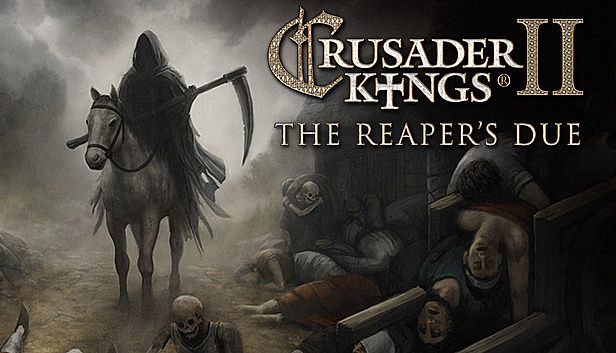




















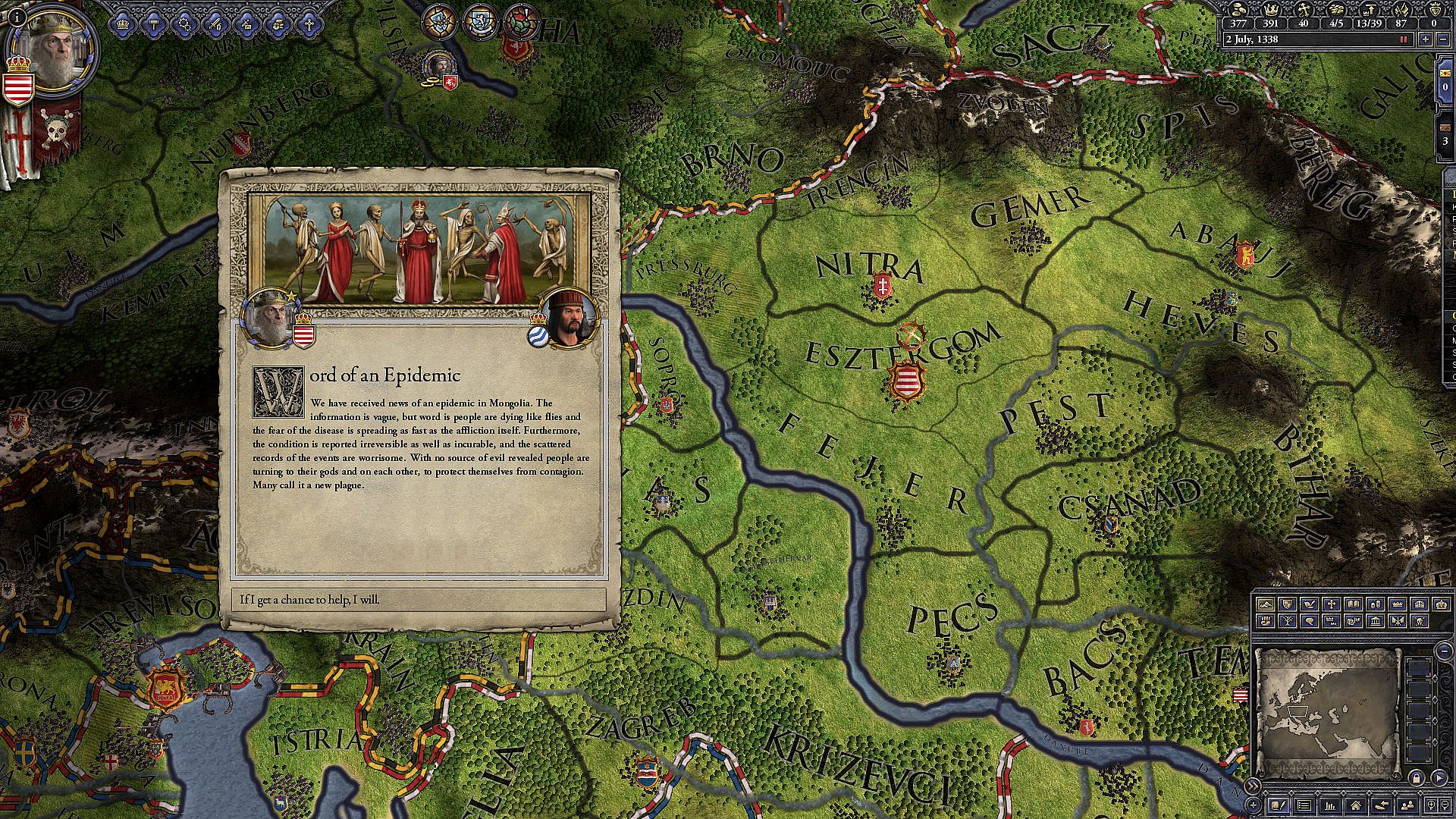
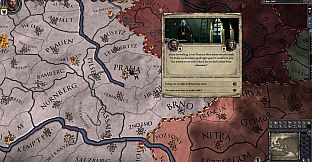
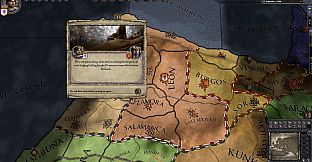
Crusader Kings II: The Reaper's Due is a strategy, RPG, and simulation expansion that centers on medieval epidemics, particularly the Black Death, within the framework of dynasty management and realm governance on PC.
Gameplay
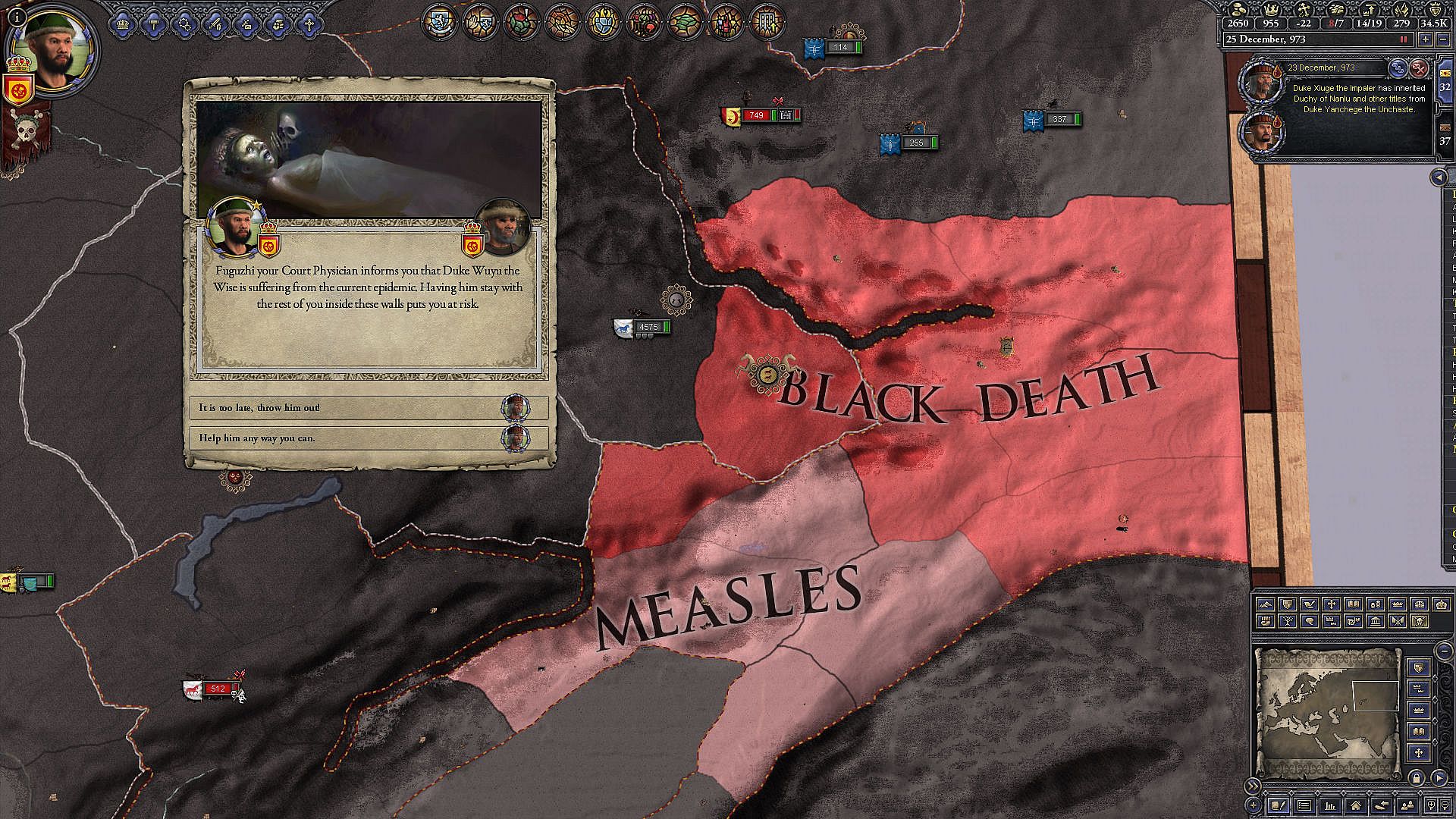
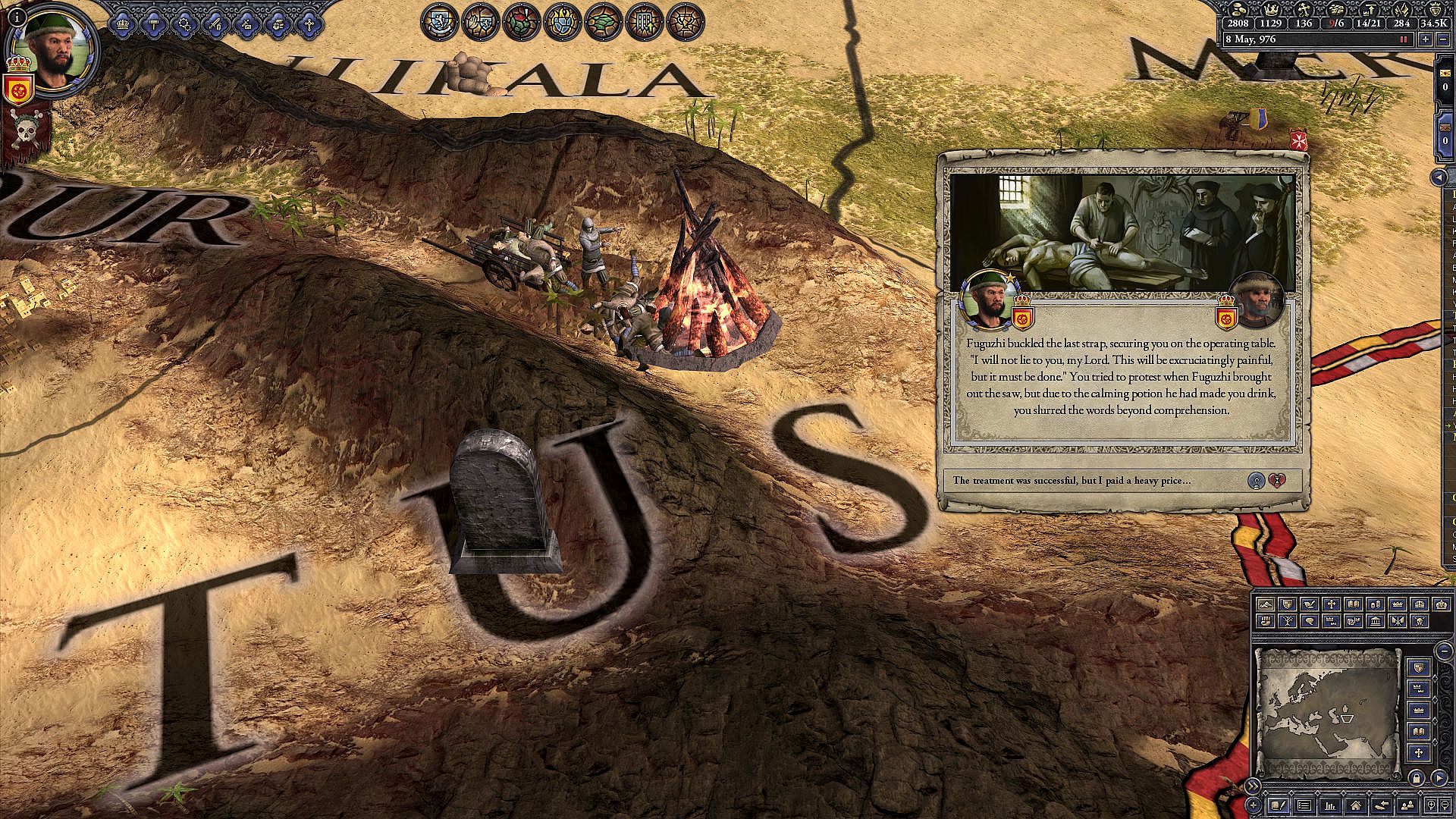
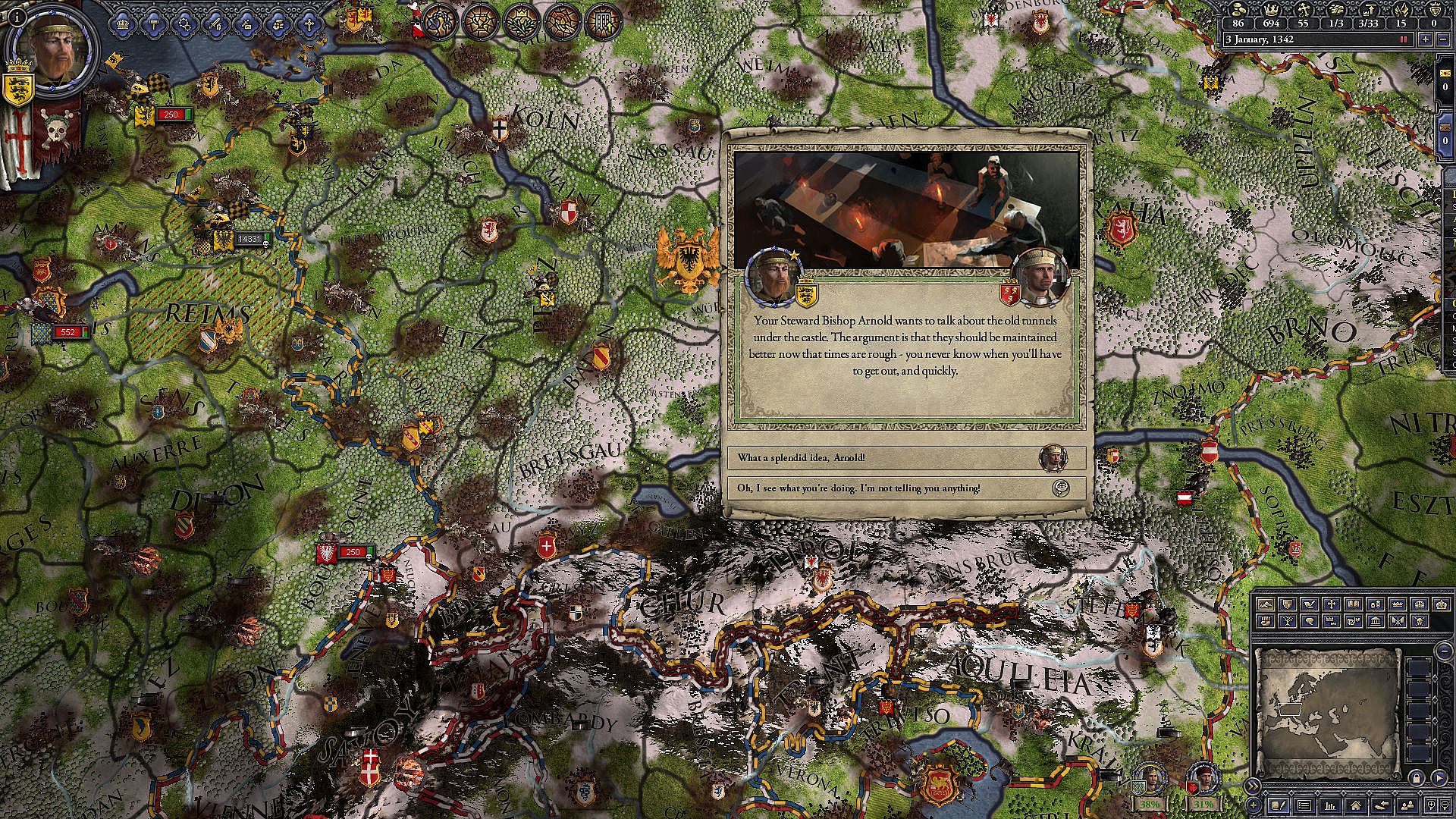
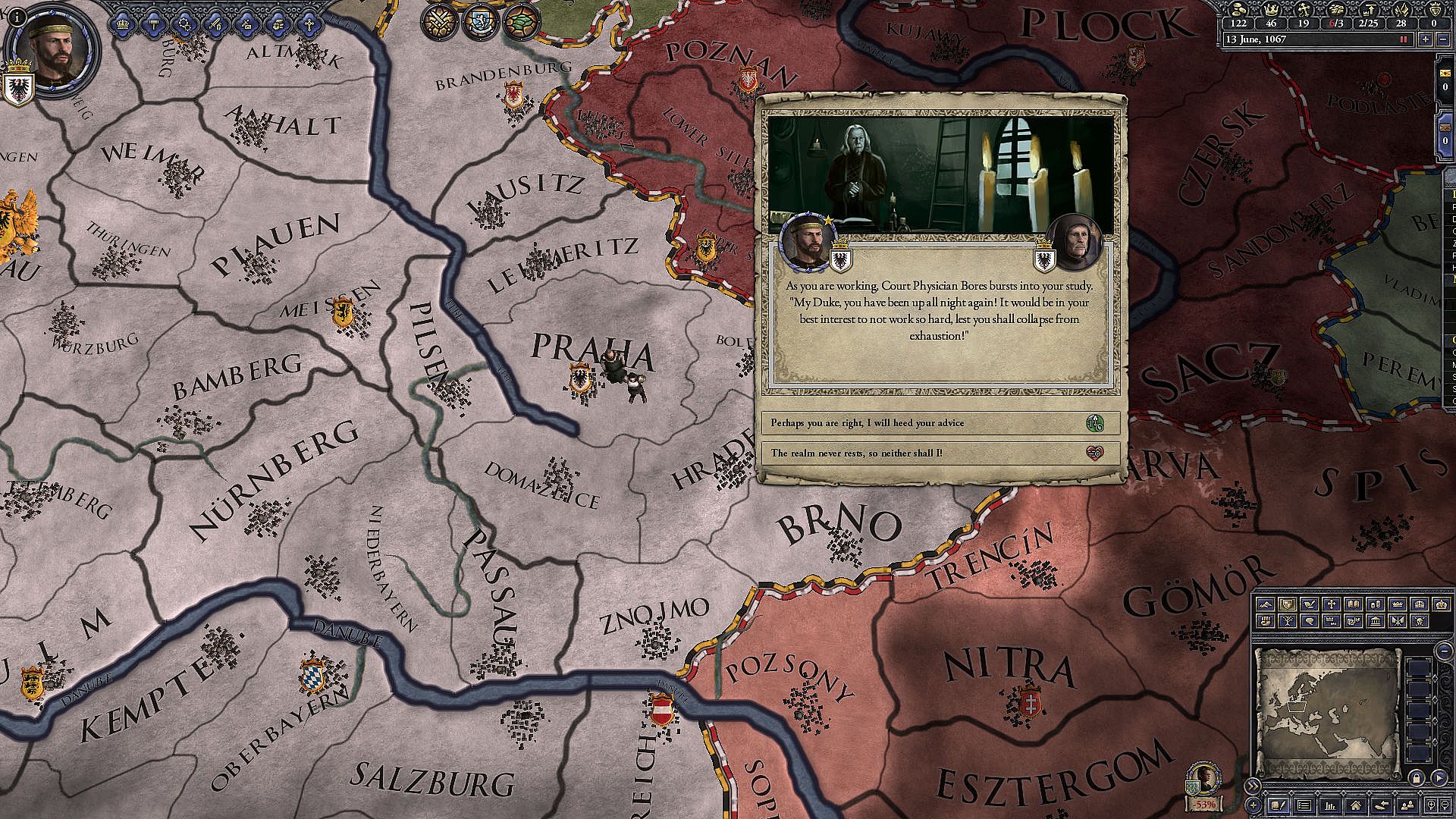
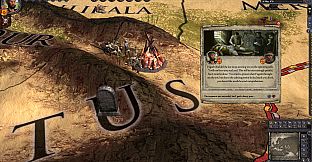
The core loop involves ruling a medieval dynasty while responding to the spread of diseases across provinces. Epidemics travel along trade and sea routes, reducing manpower, wealth, and population in affected areas. Players can invest in hospitals to slow transmission and mitigate effects, or appoint court physicians to diagnose symptoms and attempt treatments using period-appropriate methods. Symptoms such as cough, fever, or fatigue appear before full diseases manifest, leading to new event chains around diagnosis and outcomes.
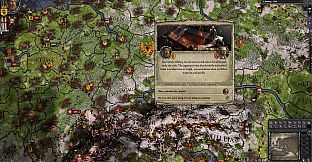
Provinces that avoid war, raids, and disease for extended periods develop prosperity, yielding higher tax income and faster levy replenishment. In contrast, repeated outbreaks cause depopulation, lowering incomes, garrison sizes, and supply limits. Rulers may choose seclusion to isolate their court from infection, triggering additional events while the realm suffers outside the gates. New physical traits and event chains expand character interactions during crises, including scenarios where peasants blame specific groups or interpret plagues as signs of the end times.
Game Modes
The expansion operates entirely within the single-player grand strategy structure of the base game. Players manage realms across different start dates, with the Black Death capable of major outbreaks roughly two centuries into a campaign regardless of the chosen era. Game rules allow adjustment of epidemic frequency and severity at the start of a playthrough. Focus can shift between internal development through hospital construction and prosperity management, or external actions like conquest while accounting for disease impacts on armies and holdings.
The Black Death and Epidemic Systems
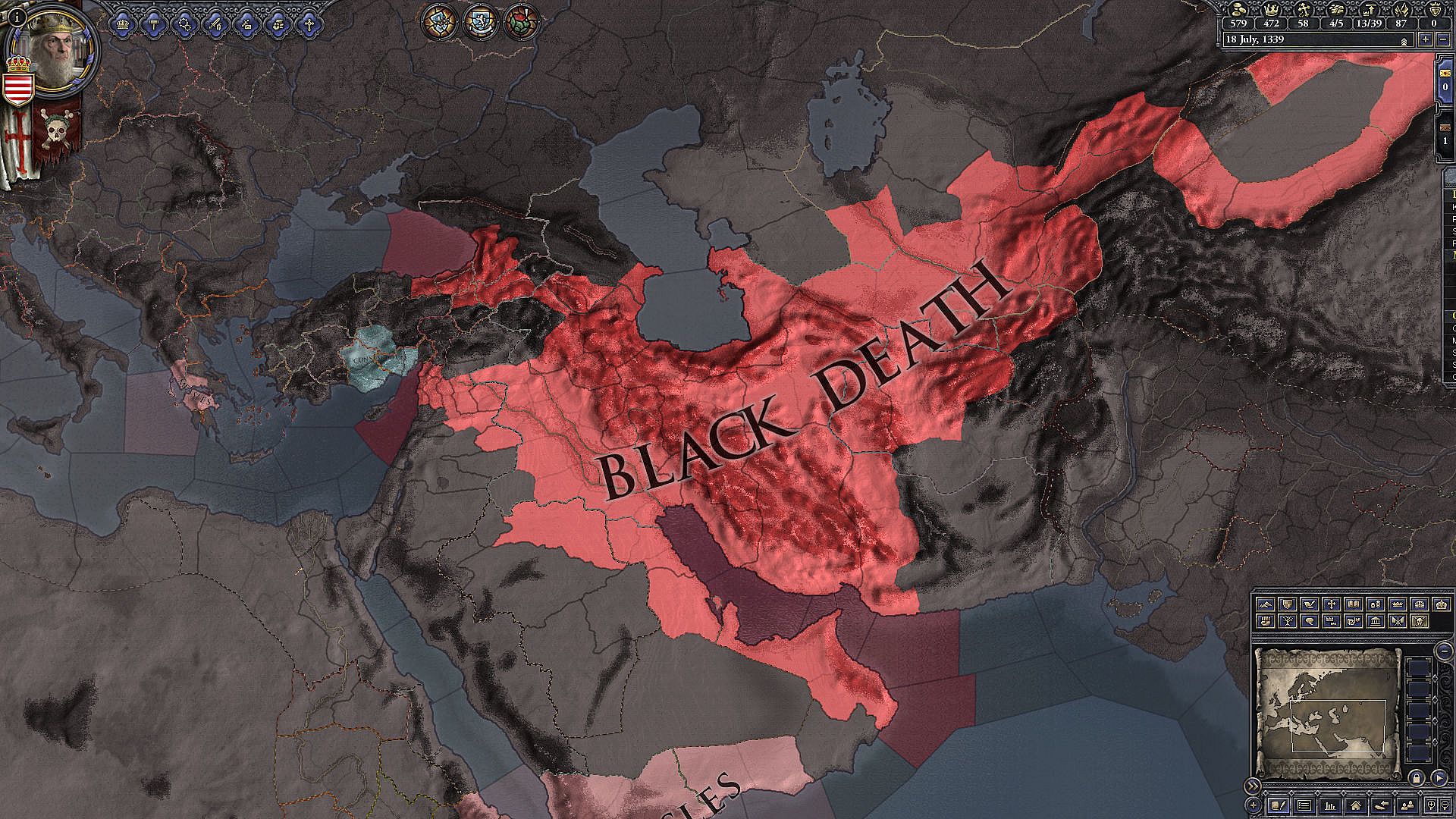
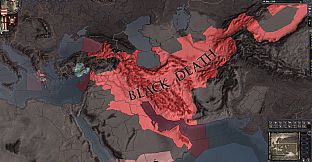
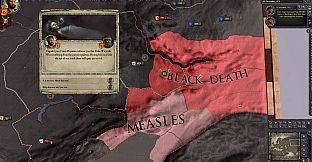
A dedicated map mode tracks the progression of illnesses, highlighting the Black Death as a particularly destructive force. Hospitals function as special holdings with buildable facilities such as leper colonies that reduce outbreak risks and mortality. Court physicians serve as a new court position, opening events tied to medieval medical practices that vary in effectiveness based on the appointee's skills. These systems layer onto existing mechanics for province development and character health without altering the fundamental turn-based simulation pace.
Is It Worth Playing?
Player reception for the expansion stands at very positive based on aggregated user feedback. It appeals to those already engaged with Crusader Kings II who seek deeper layers of risk and decision-making around health, population, and long-term realm stability. The added mechanics reward careful planning and resource allocation during peaceful periods while punishing neglect or constant conflict. Availability comes through the base game and associated collections, with the content remaining a fixed part of the experience since its 2016 release. Those drawn to detailed strategy and simulation elements centered on historical crises will find the systems integrate meaningfully into dynasty progression and realm management.