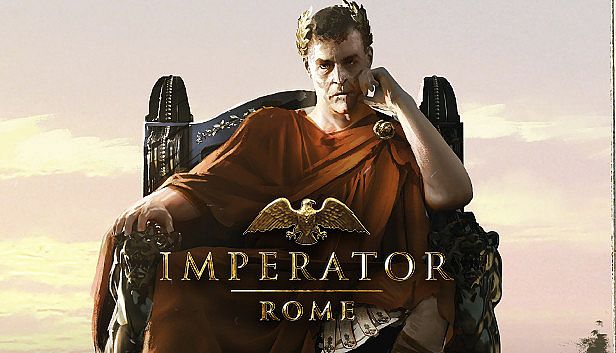



























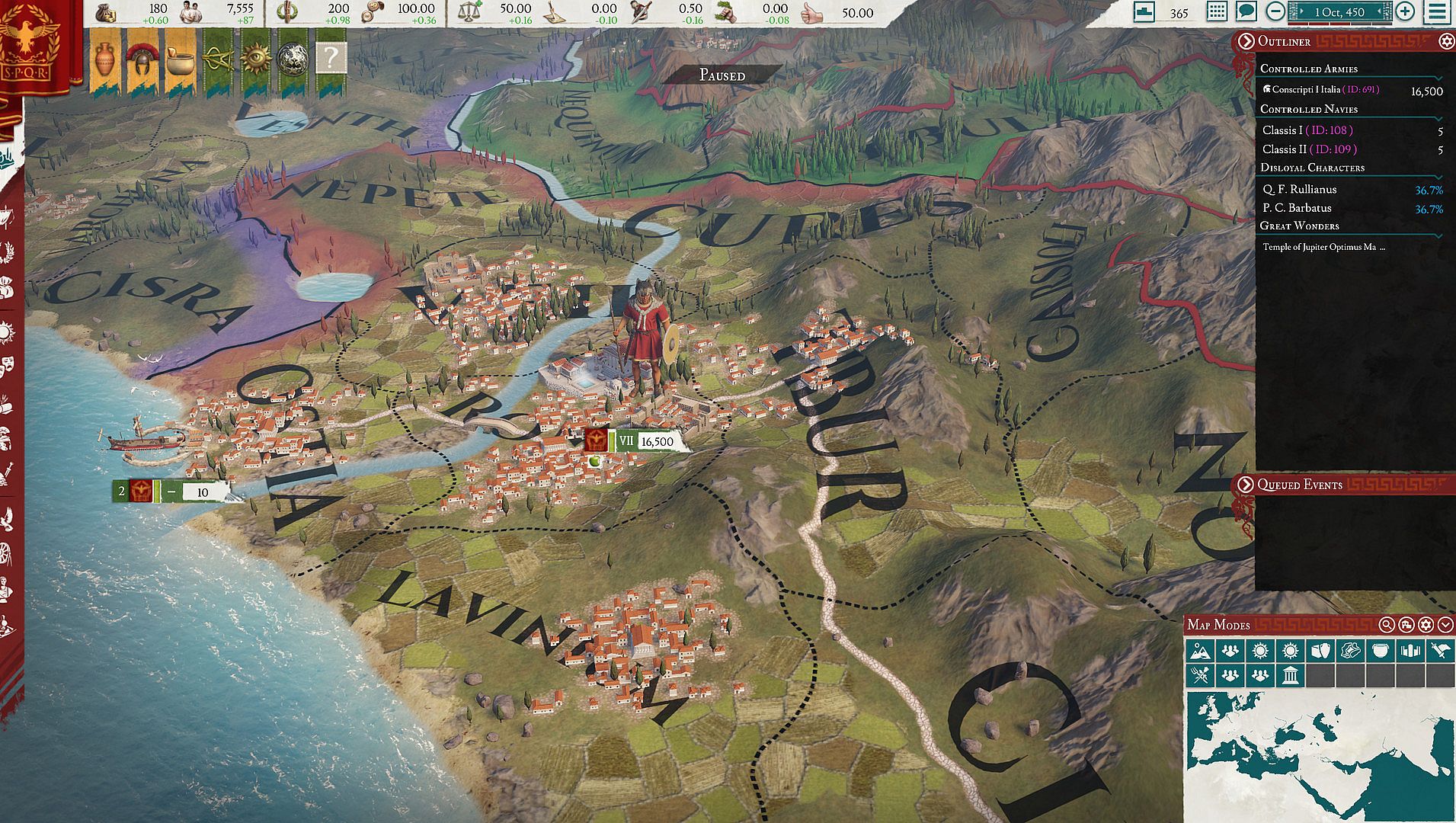
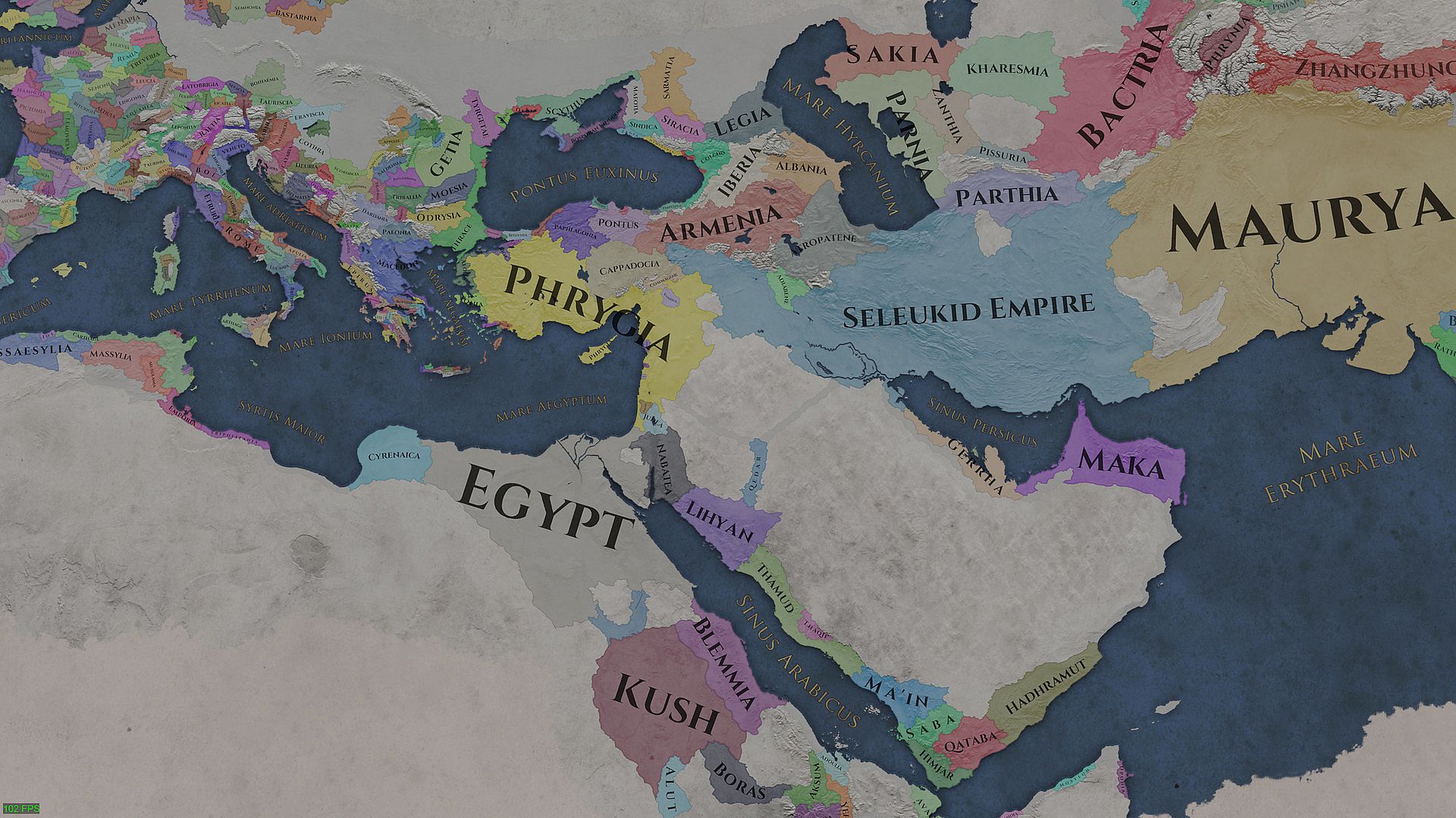
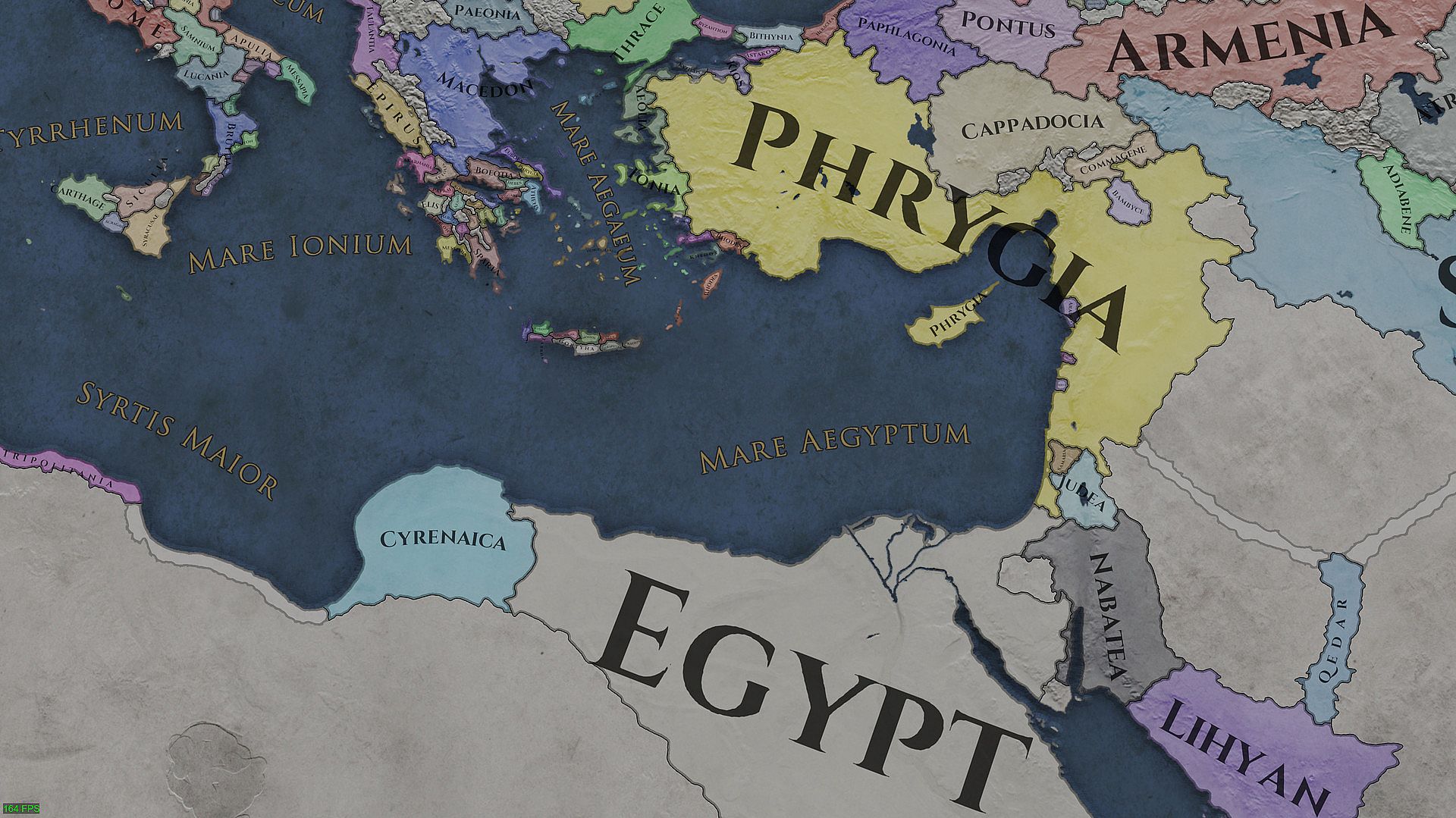
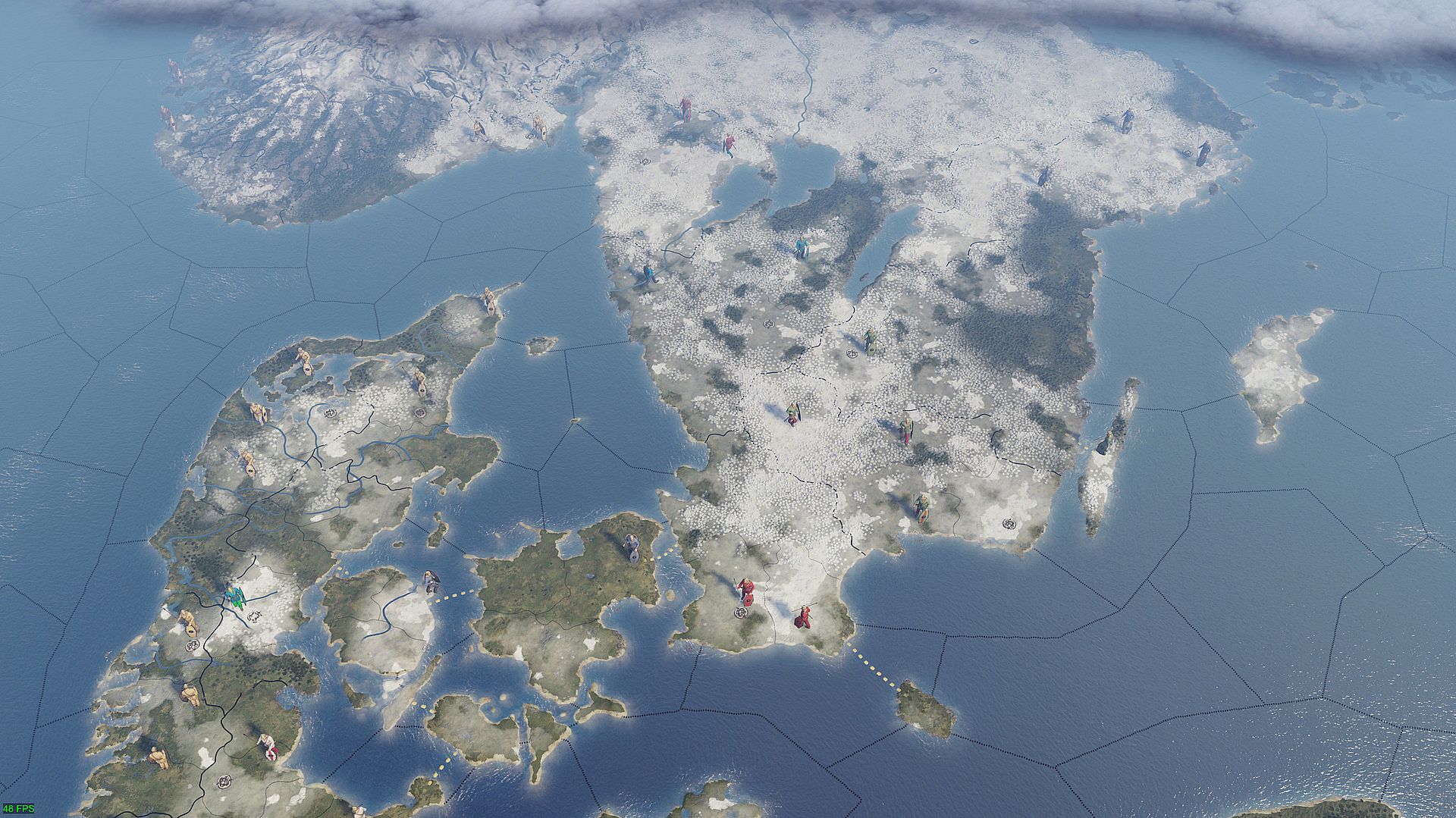
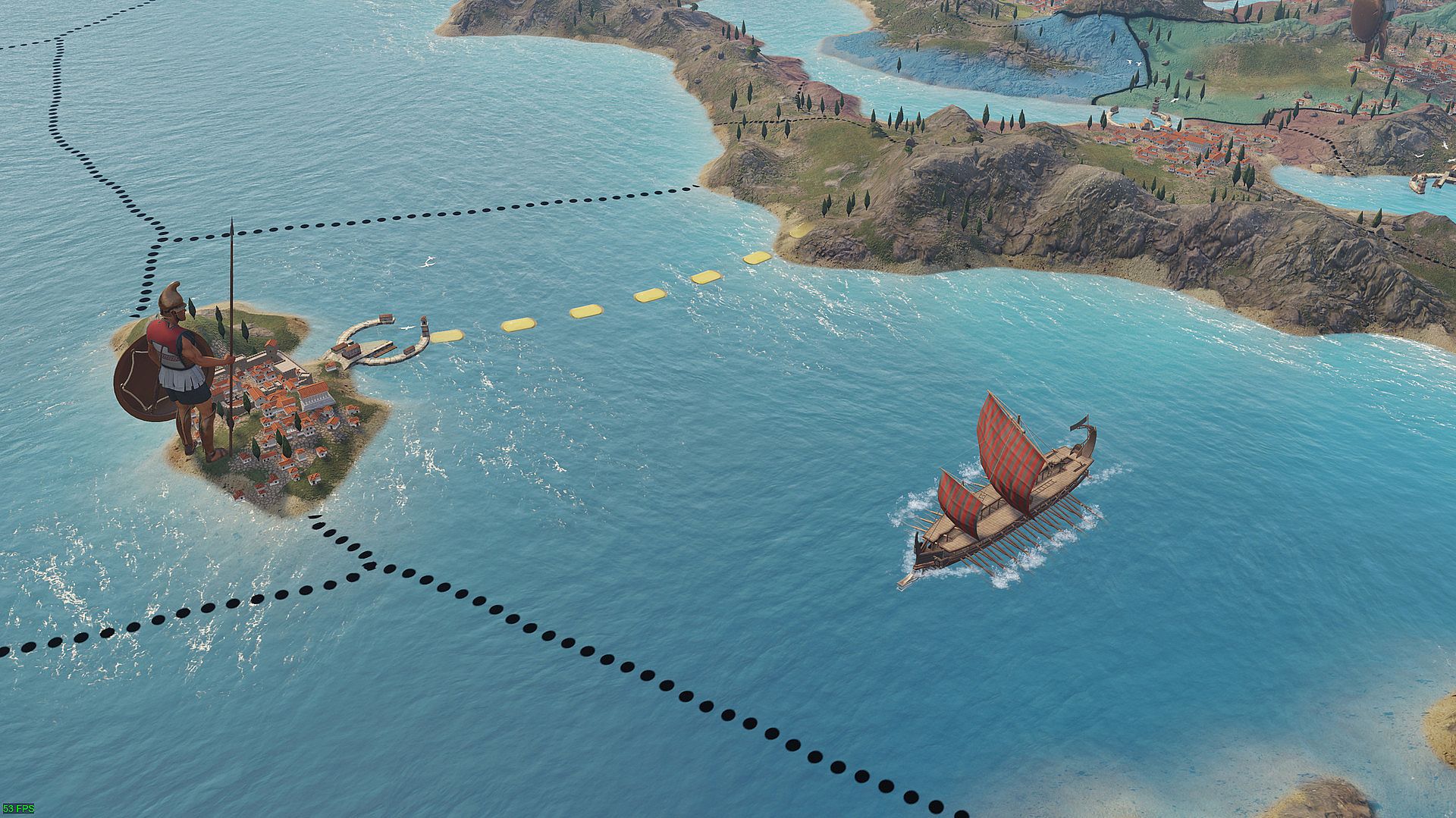
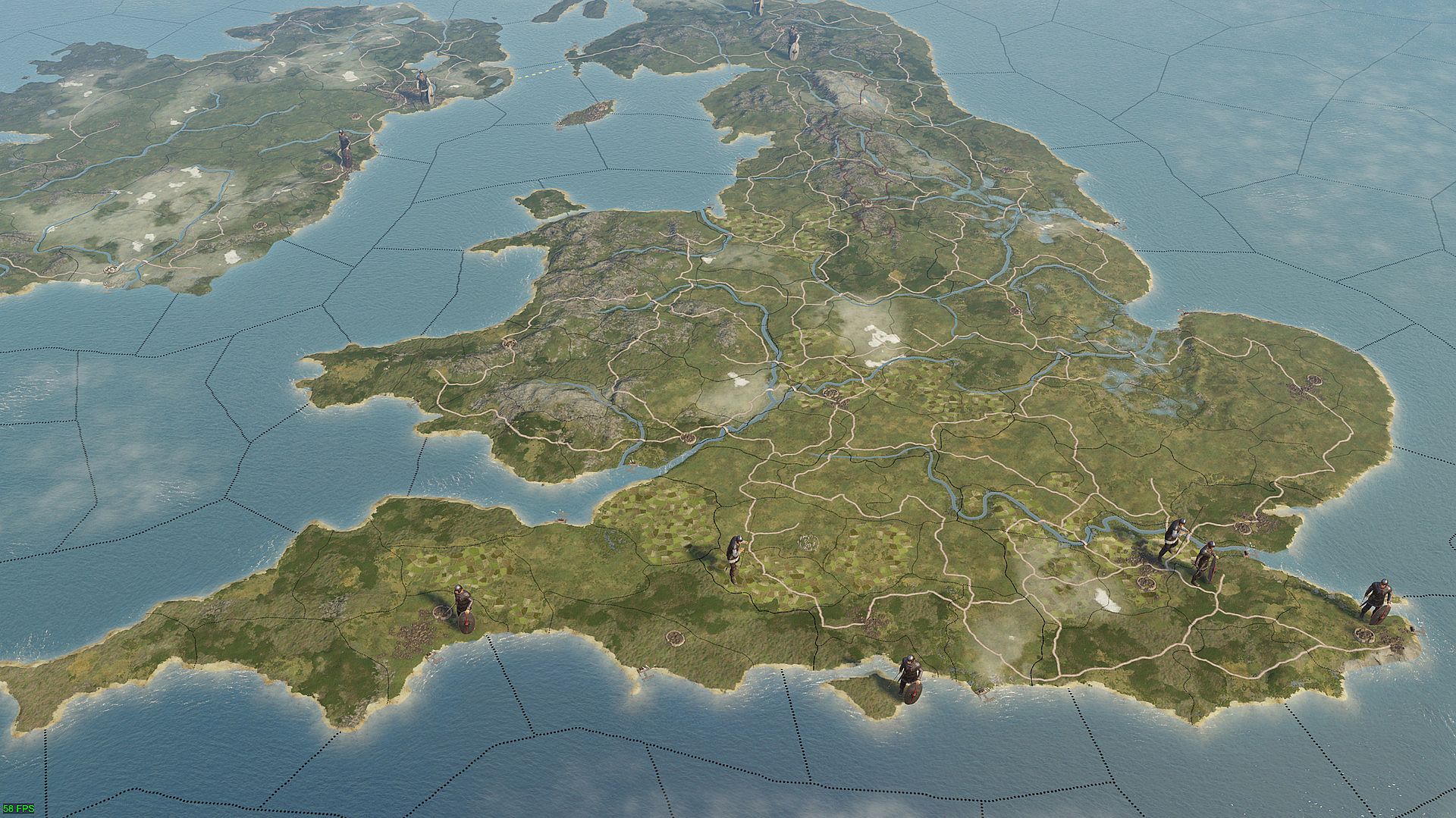
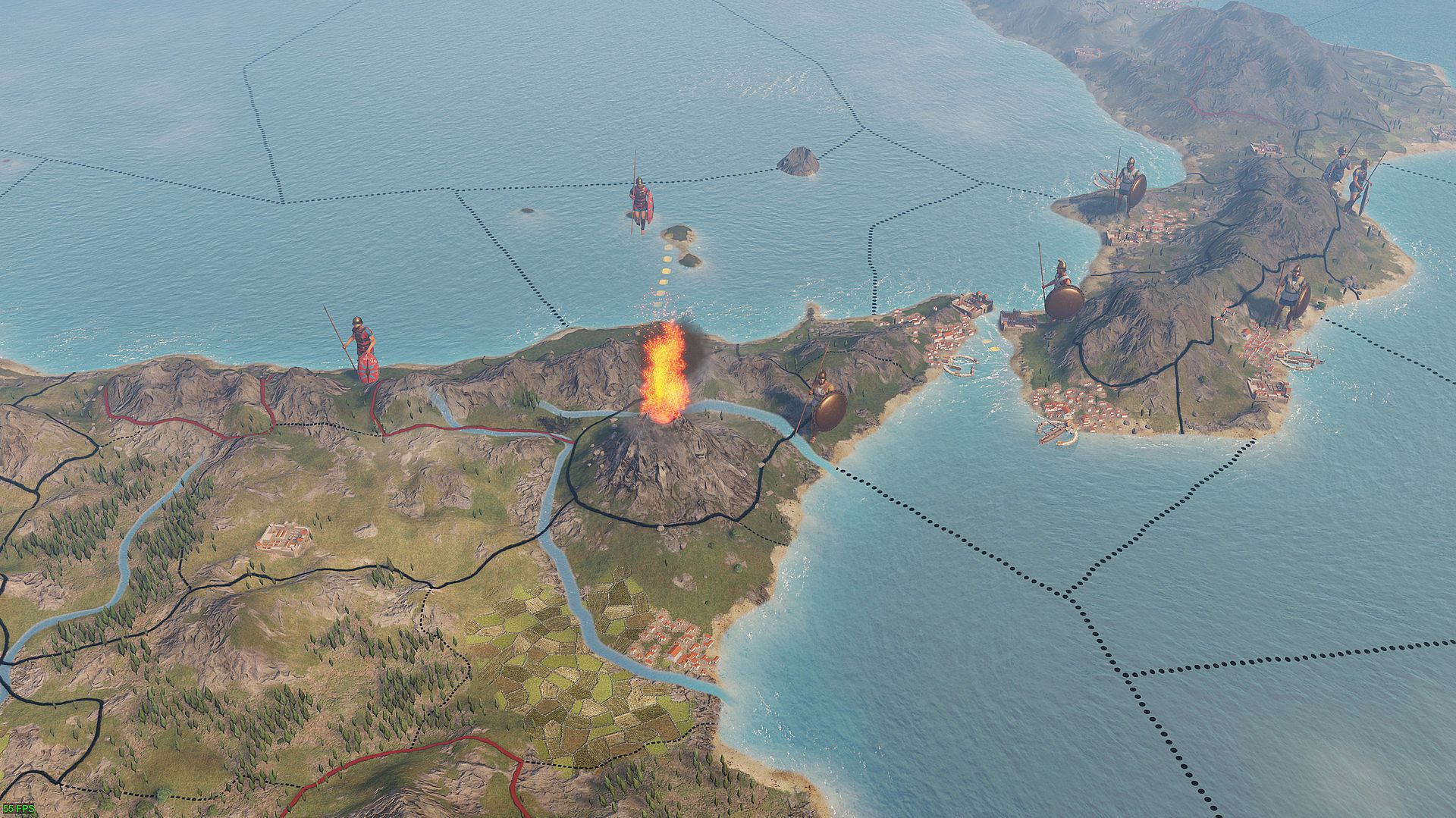
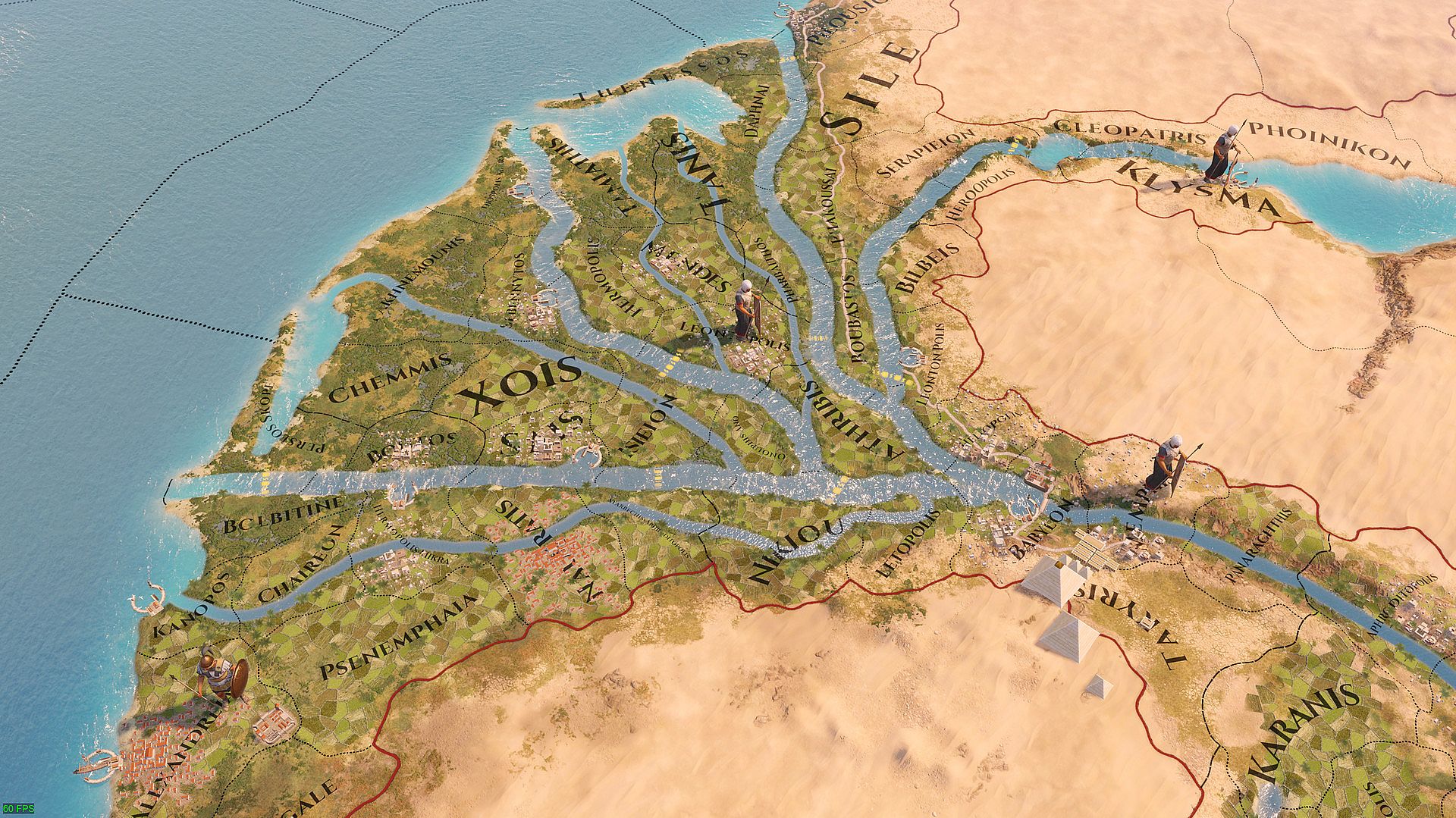
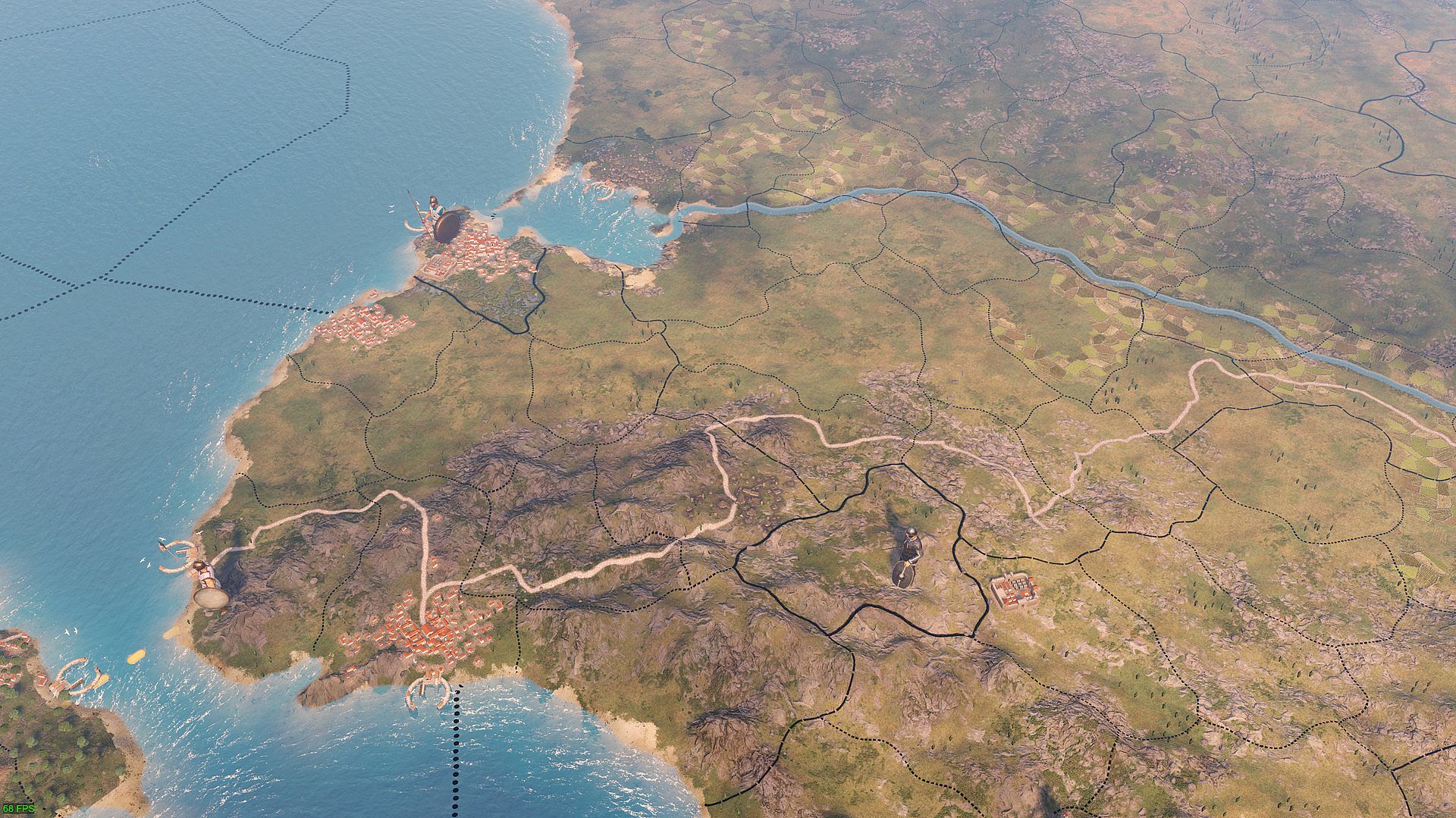
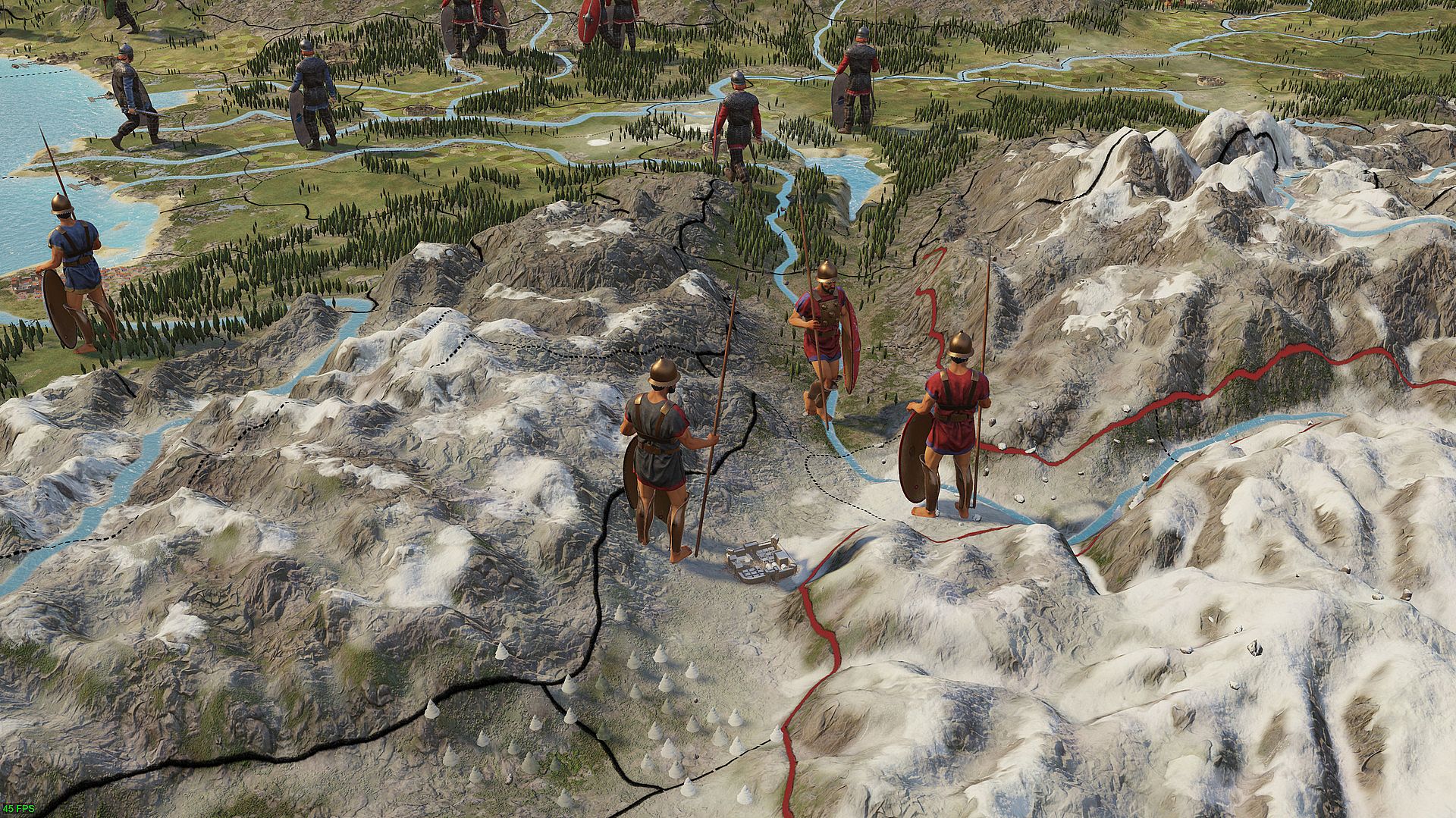
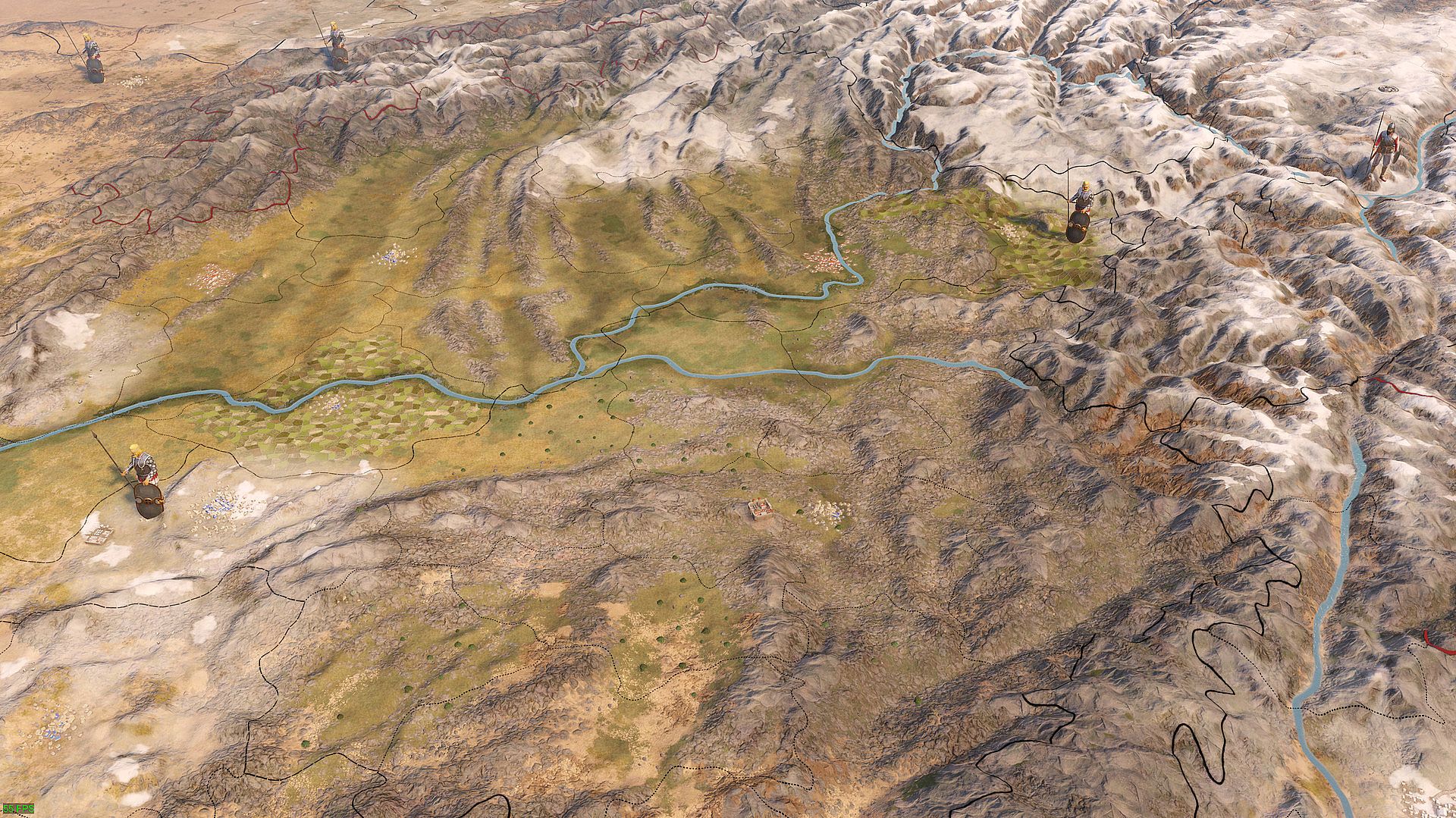
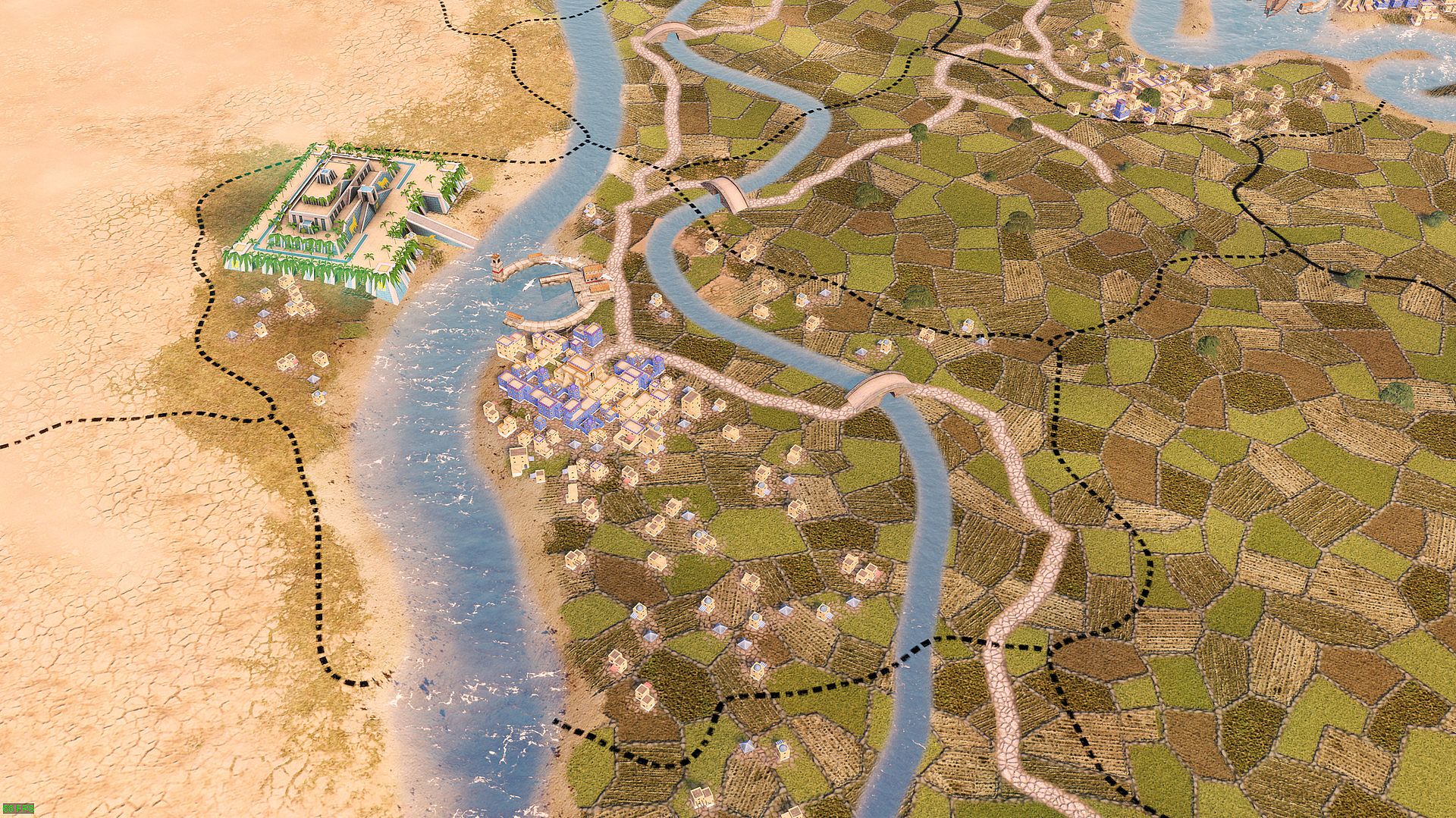
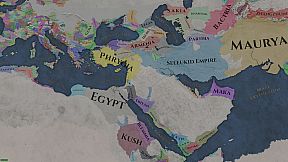
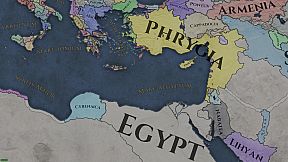

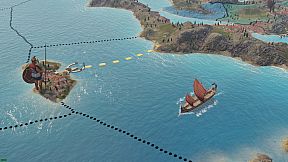
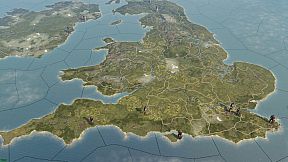
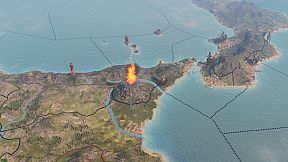
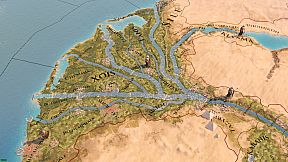

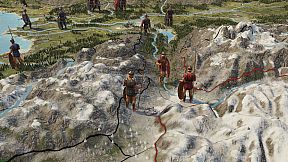

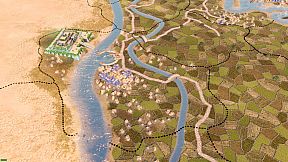
Imperator: Rome is a grand strategy simulation game set in the classical era on PC. Players take control of nations across the ancient Mediterranean, from the successor kingdoms after Alexander the Great to the rise of the Roman Empire. The experience centers on empire management through population oversight, character interactions, military decisions, and economic systems in a living world where historical events unfold based on player choices.
Gameplay
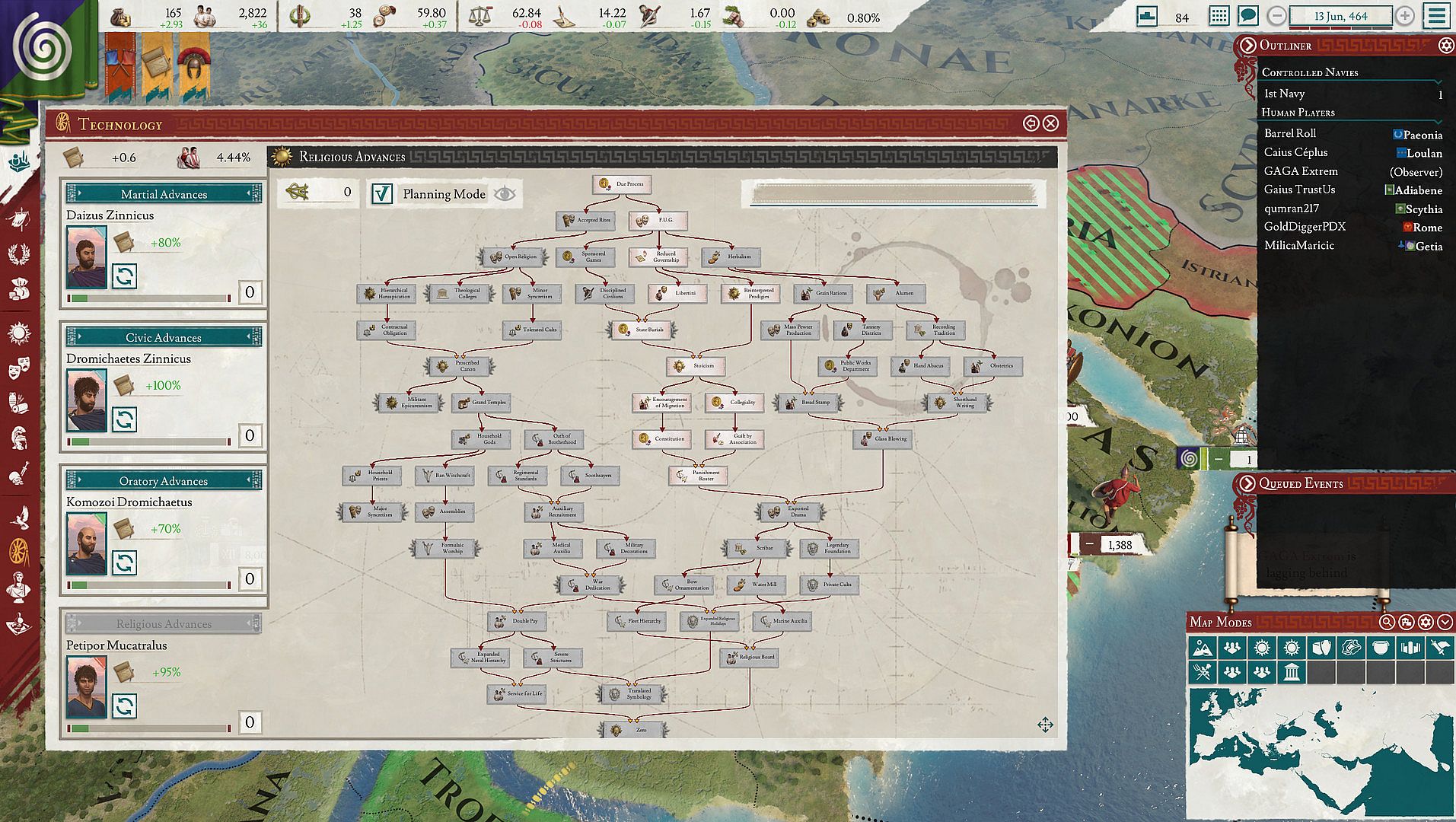
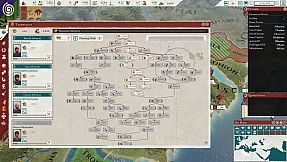
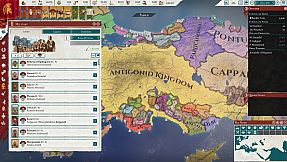
The core loop involves balancing internal stability with external expansion. Nations feature distinct government forms, including republics where the senate must be managed, monarchies that require court cohesion, and tribal systems answerable to clans. Characters possess skills and traits that evolve, allowing them to serve as rulers, provincial governors, or military leaders. Population groups such as citizens, freemen, tribesmen, and slaves each carry unique cultures and religions, influencing army recruitment, tax revenue, and colony growth. Happiness levels among these groups directly affect overall success.
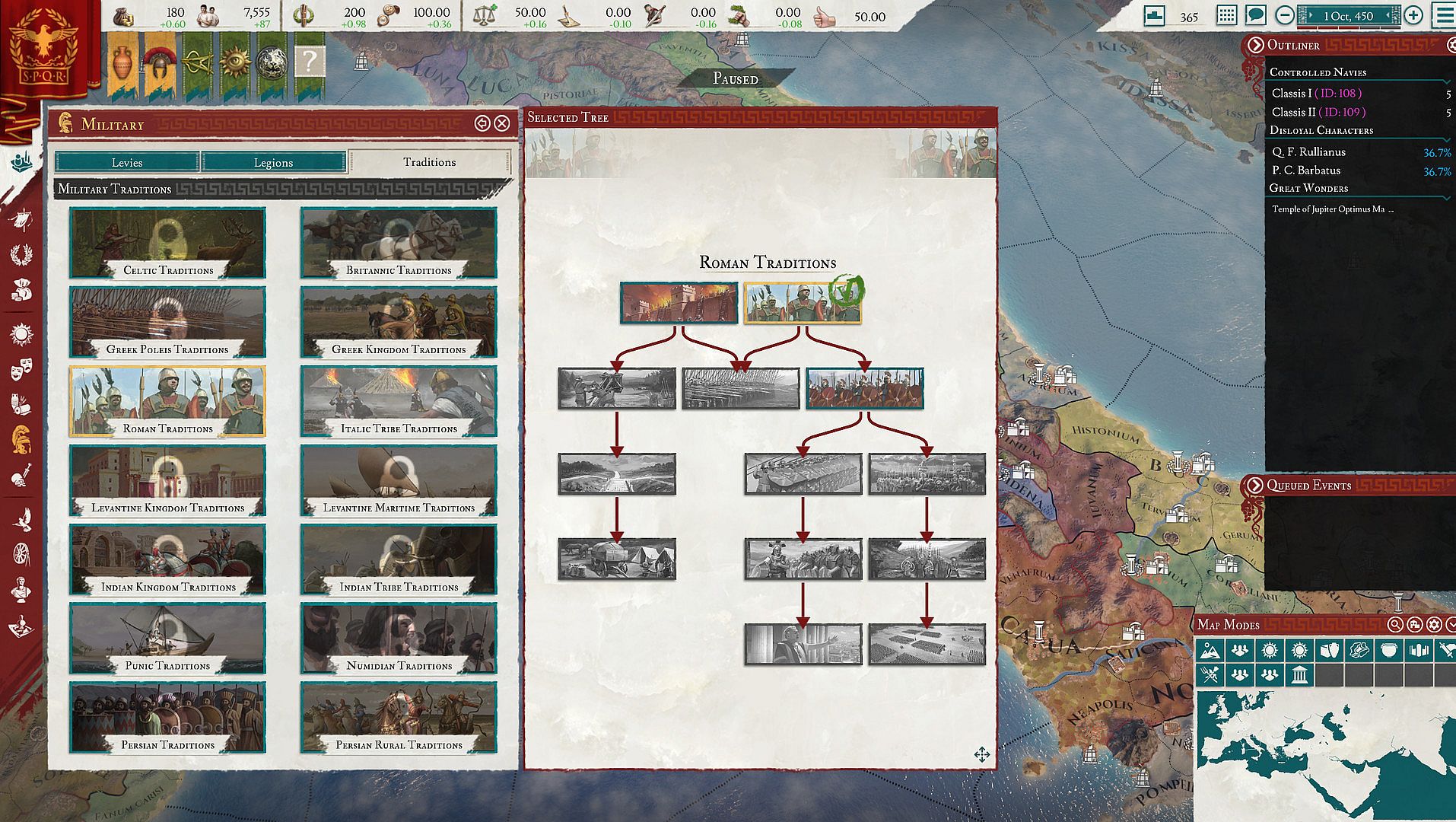
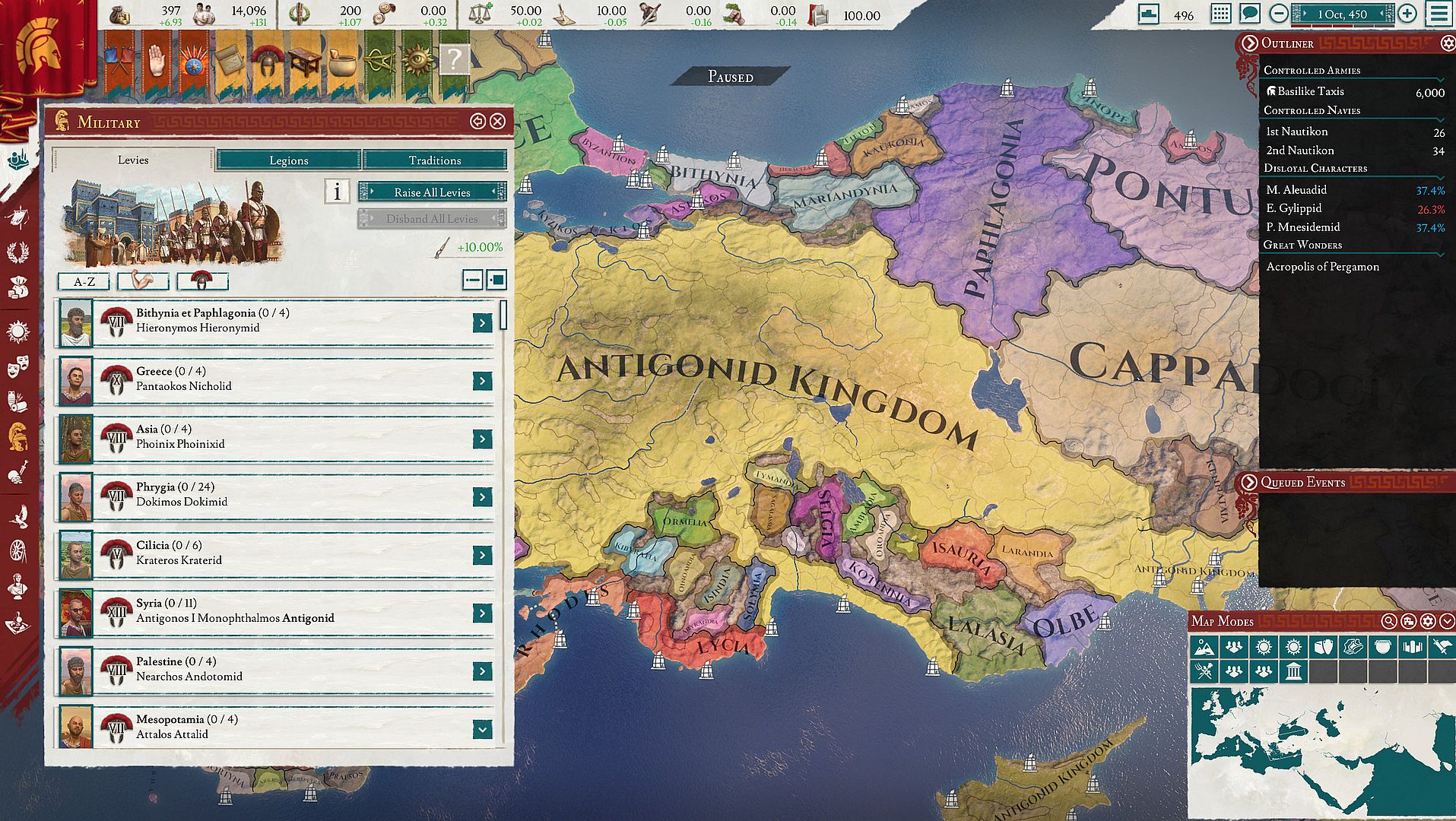
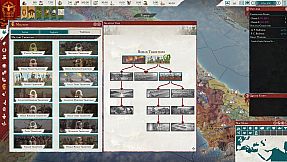
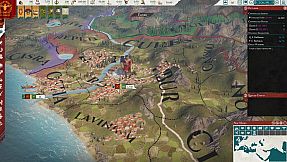
Military operations include pre-battle tactic selections to counter enemy plans, alongside culture-specific military traditions that unlock specialized units and abilities. Romans and Celts, for instance, access different options. Trade routes move goods that grant provincial bonuses, with decisions on whether to stockpile for local advantage or exchange for broader benefits. Provincial development covers investments in buildings, roads, and defenses to boost strength and wealth. External threats appear through migrating barbarian groups that may raid or settle territory, and internal risks arise from disloyal governors or generals who can rebel with their forces.
Game Modes
Imperator: Rome operates primarily as a single-player grand strategy experience. Sessions unfold across the map in a continuous campaign format where players guide one nation through centuries of potential conquest, diplomacy, and internal reform. Multiplayer support exists for cooperative or competitive sessions among multiple participants, though dedicated lobbies remain uncommon without community modifications.
Key Systems and Updates
Character art received refinements for more lifelike appearances. Battle tactics and military traditions add layers of strategic depth tied to cultural backgrounds. The game received patches through 2025, including version 2.0.5 as a bugfix release in April of that year. Community modifications such as Invictus continue to expand content and balance in the current state.
Is It Worth Playing?
Imperator: Rome suits players who enjoy detailed grand strategy with emphasis on population dynamics, character progression, and classical-era empire building. Reception remains mixed, with some appreciating the depth after updates while others note persistent interface challenges. Those drawn to Paradox-style simulations of historical periods will find value in the mechanics for managing governments, armies, and trade. The experience rewards careful planning around loyalty, cultural integration, and tactical choices rather than fast-paced action.