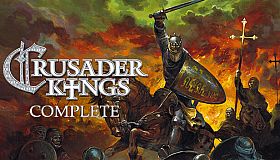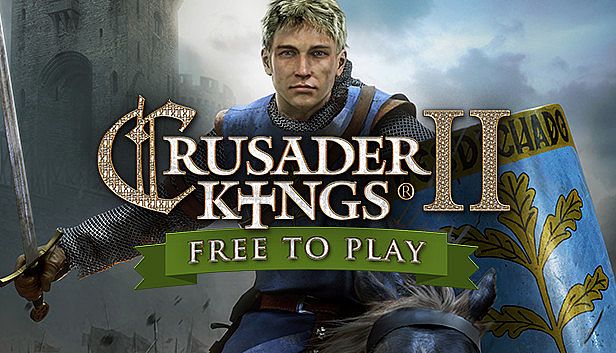
























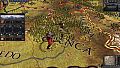



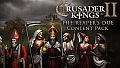
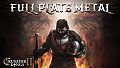
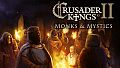

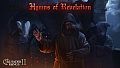


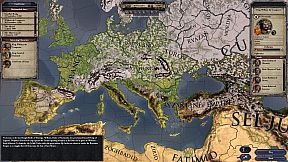
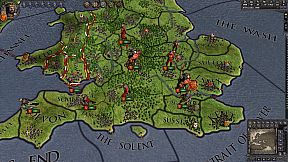
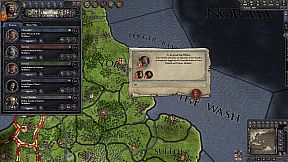
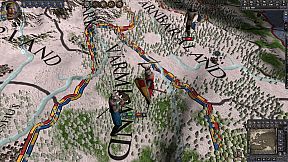
Crusader Kings II stands as a grand strategy game with RPG and simulation elements, set in the turbulent world of medieval Europe. Players take on the role of a noble lord, managing dynasties across centuries while navigating political intrigue, warfare, and religious conflicts. Released in 2012, this title from Paradox Interactive combines deep strategic decision-making with character-driven narratives, appealing to those who enjoy historical simulations and complex kingdom management.
Gameplay
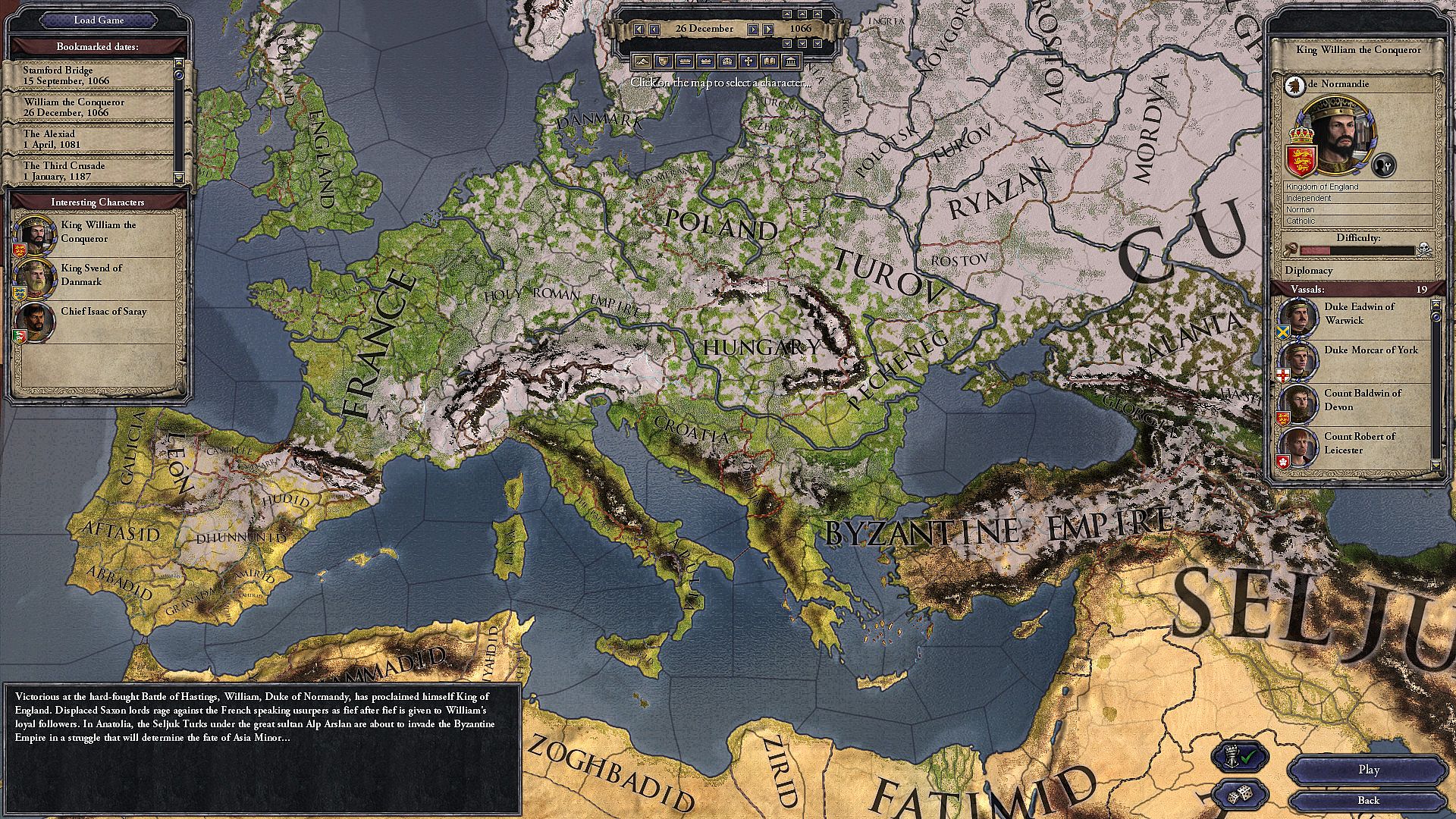
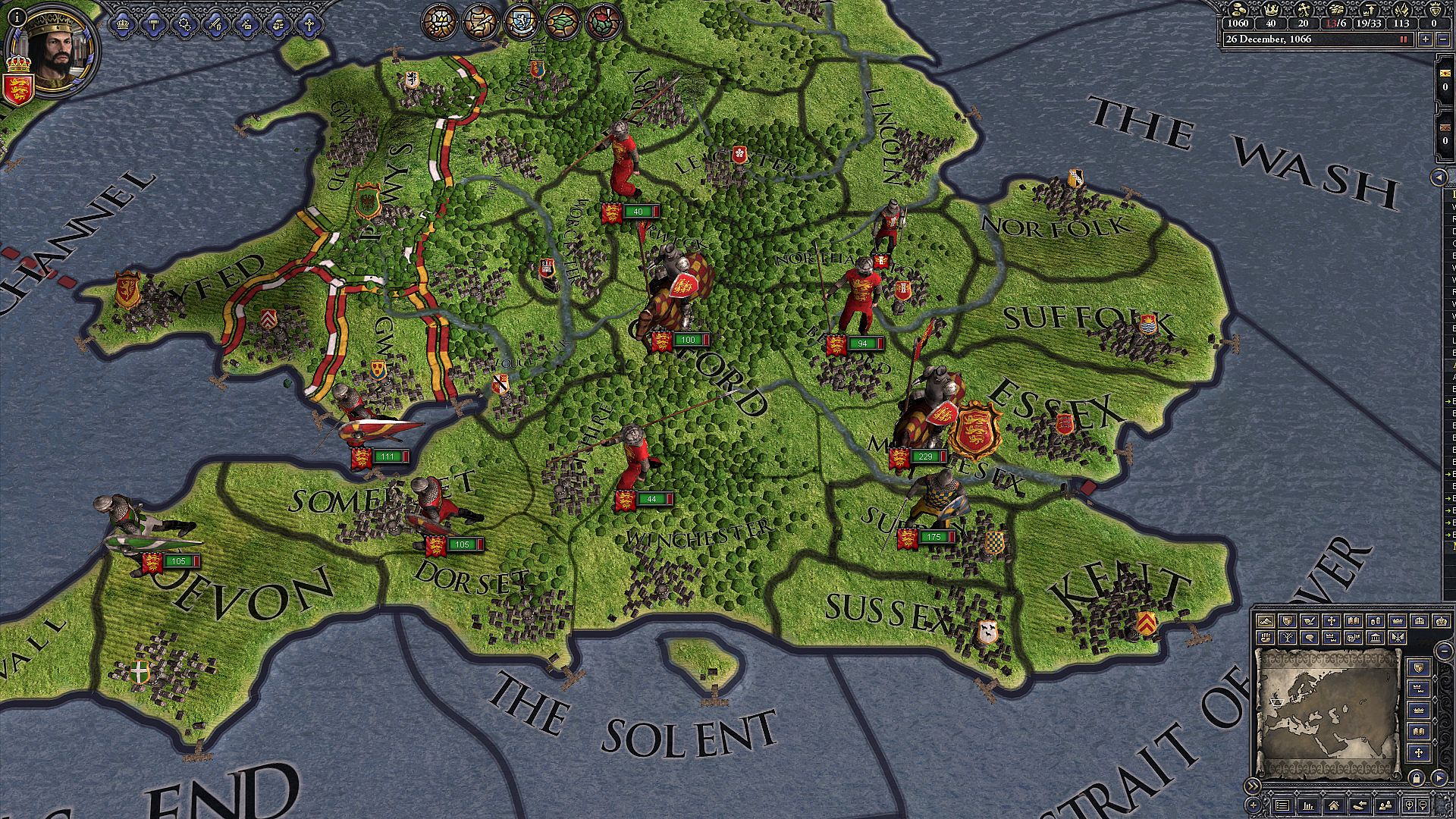
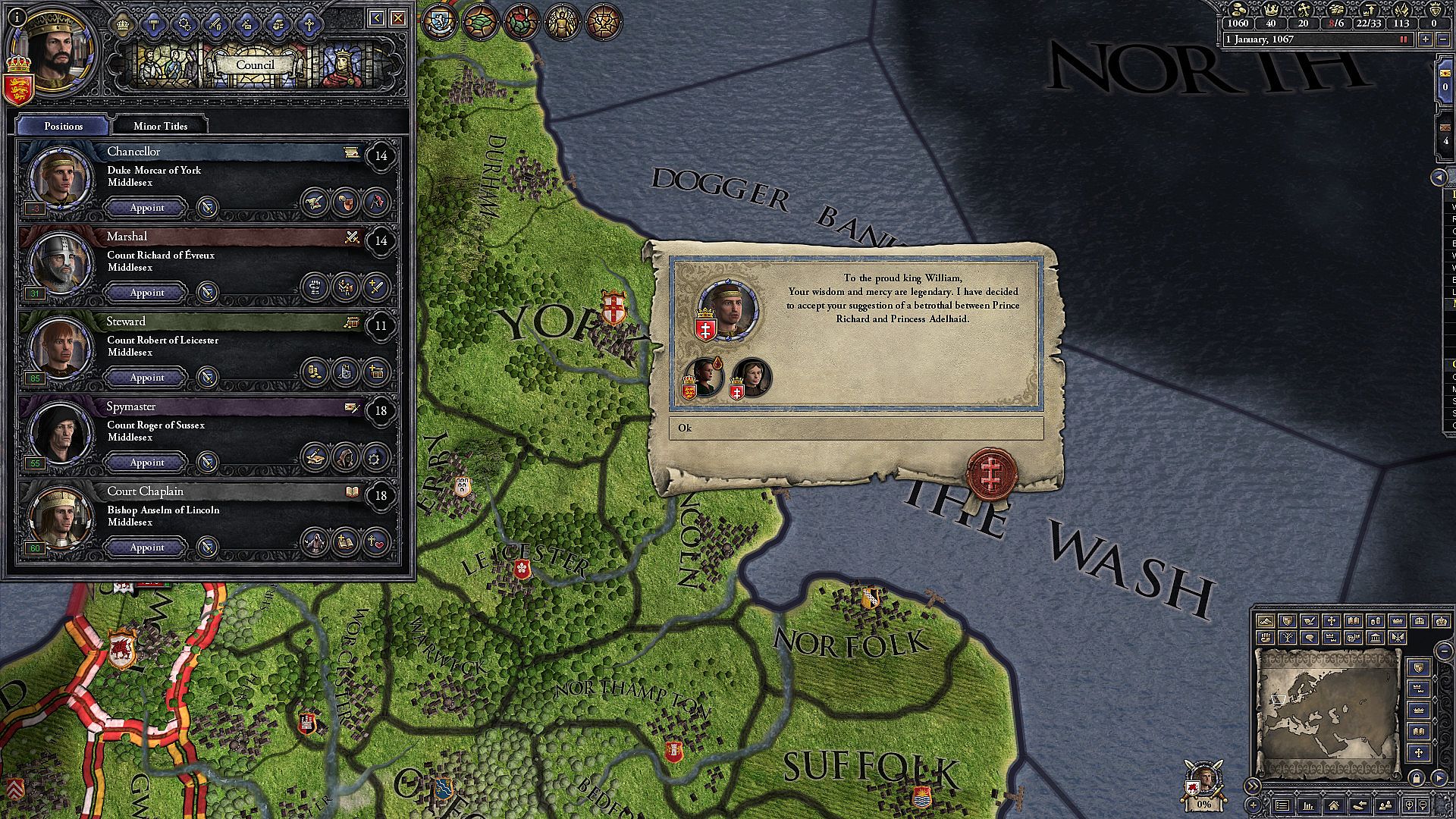
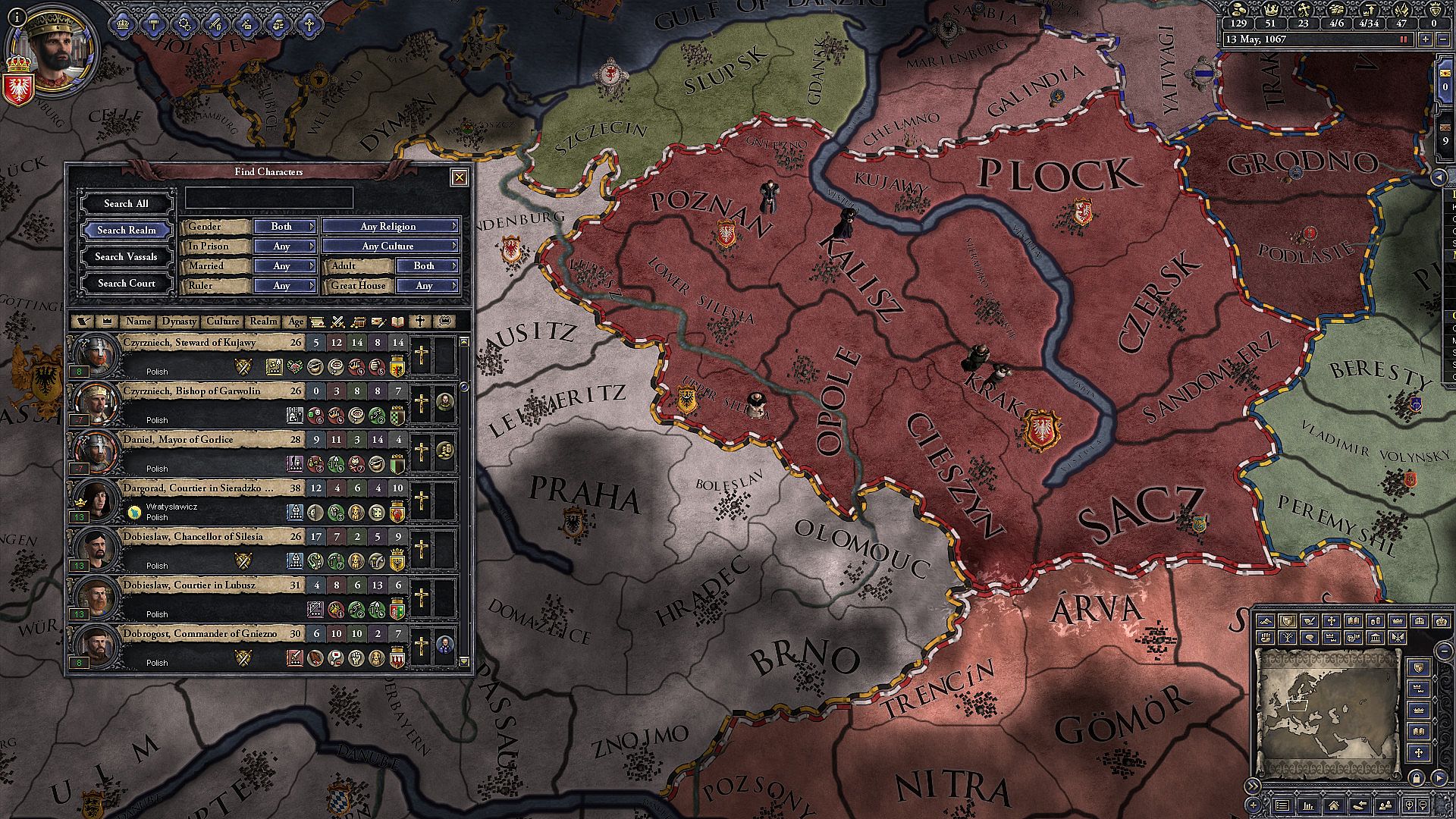
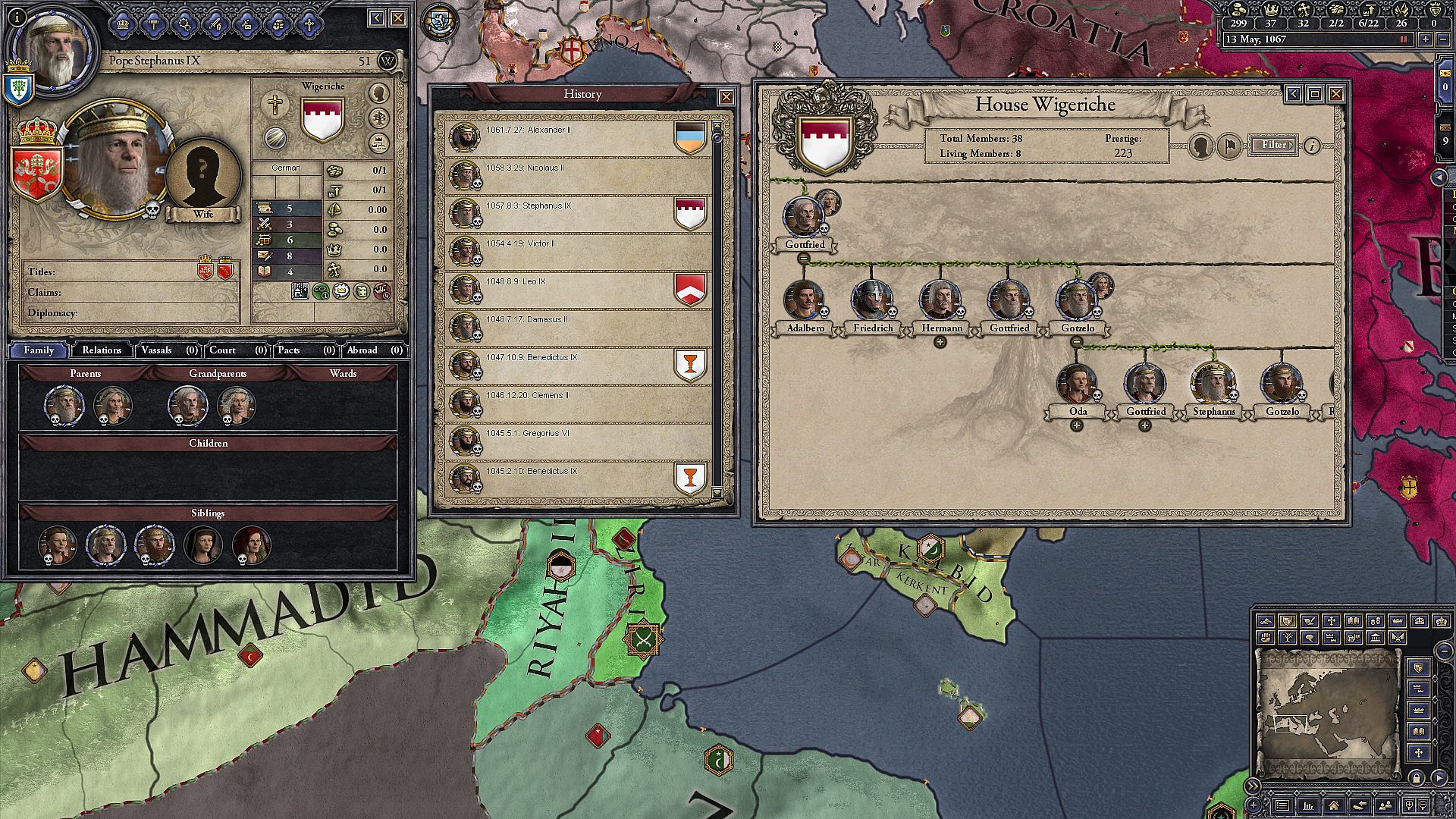
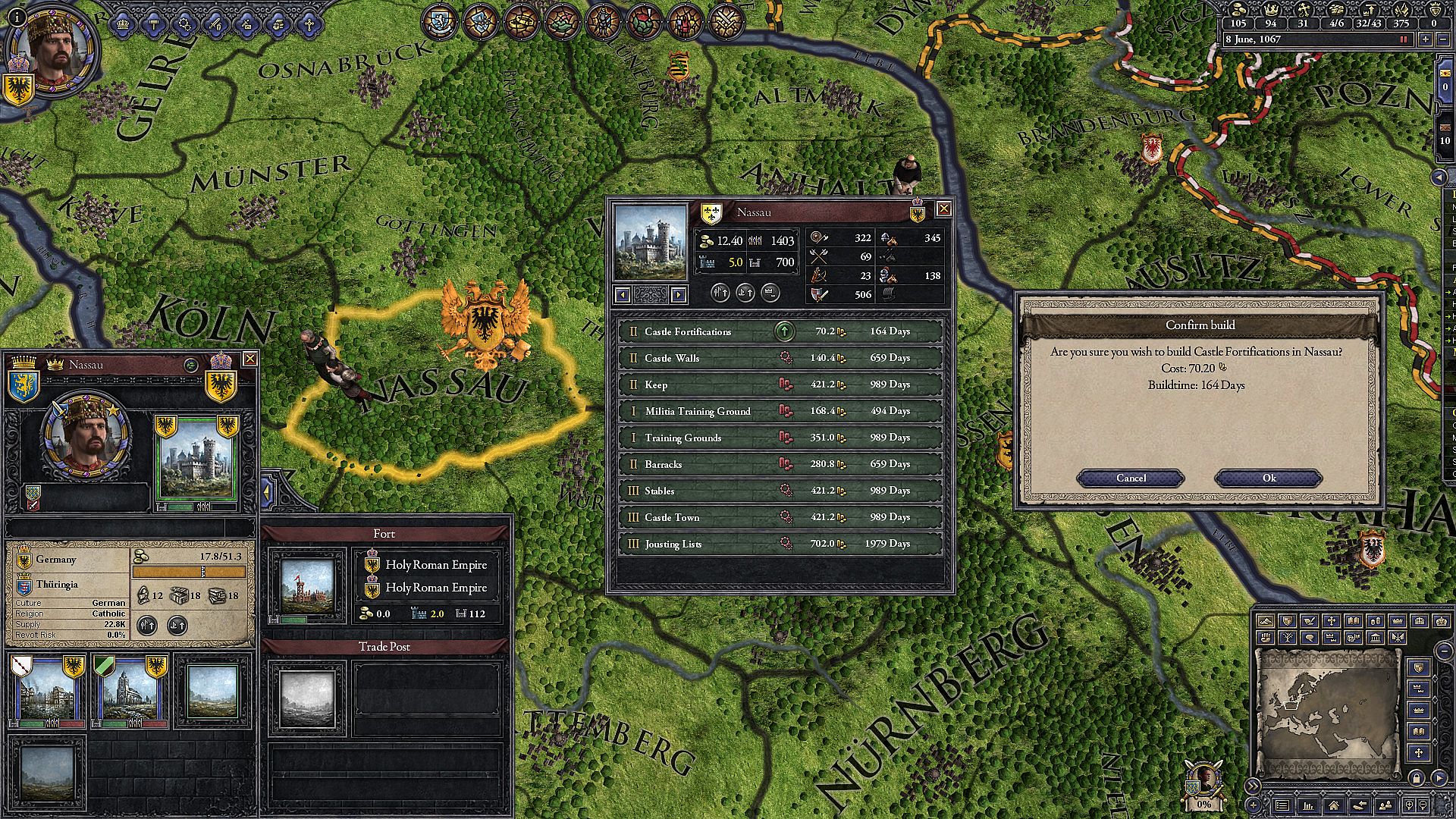
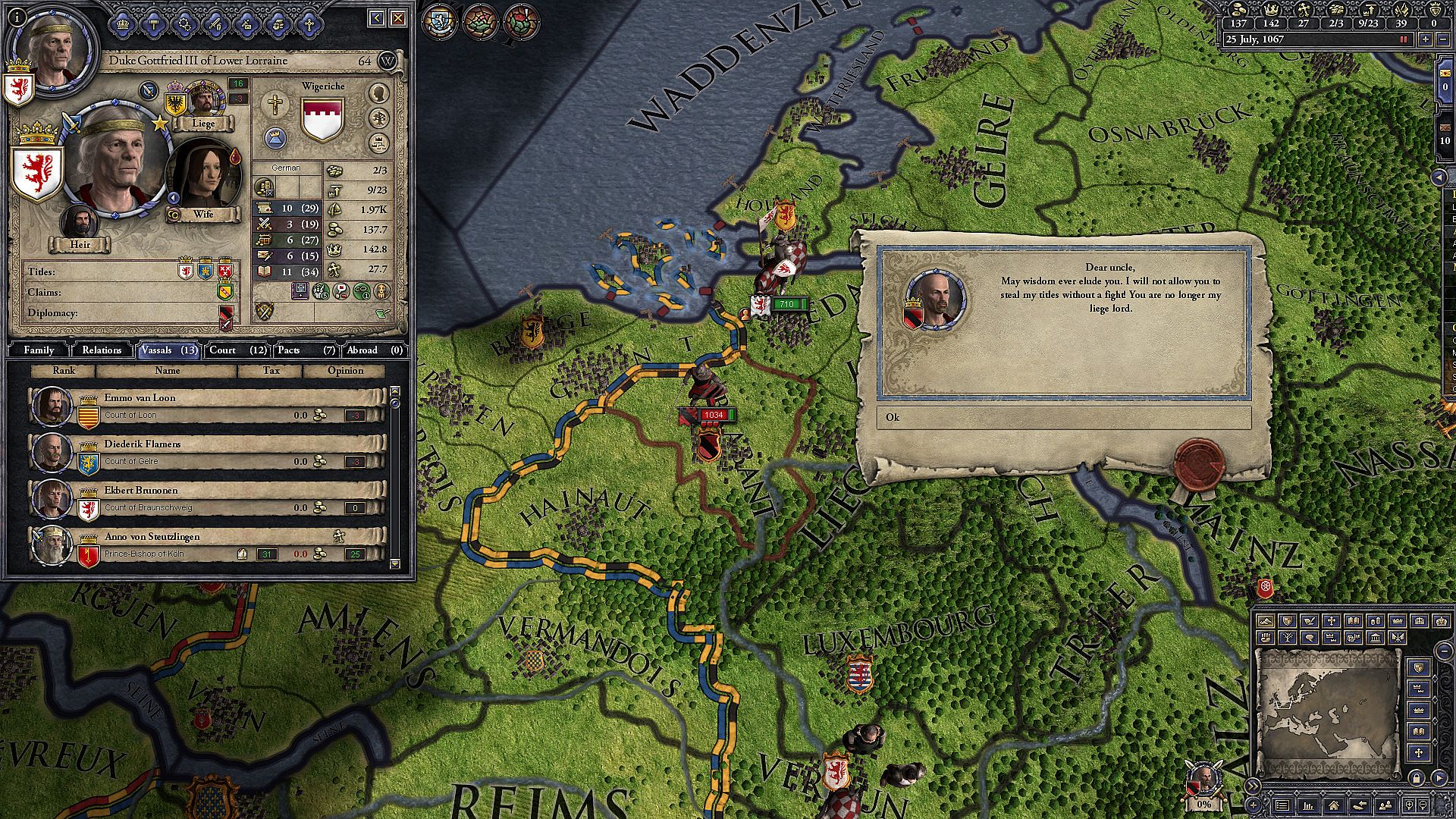
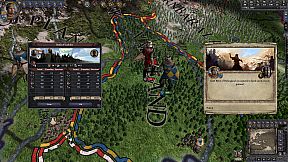
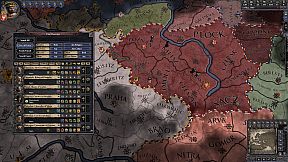
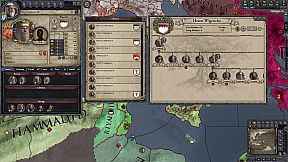
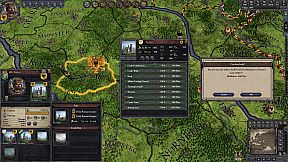
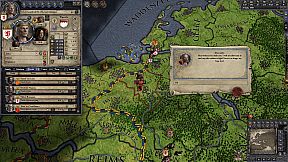
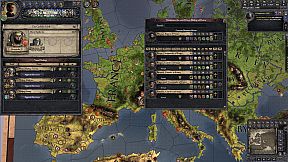
In Crusader Kings II, the core experience revolves around leading a dynasty through generations, starting from a chosen point between 1066 and 1337, and continuing until 1453. You control a succession of characters, each building on the prestige of the last to ensure the family's survival and expansion. Mechanics include expanding your feudal domain by conquering territories, appointing vassals, and introducing laws to maintain control. Interactions with nobles involve unraveling plots, dealing with traitors, and managing agendas, where loyalty can shift based on relationships and events.
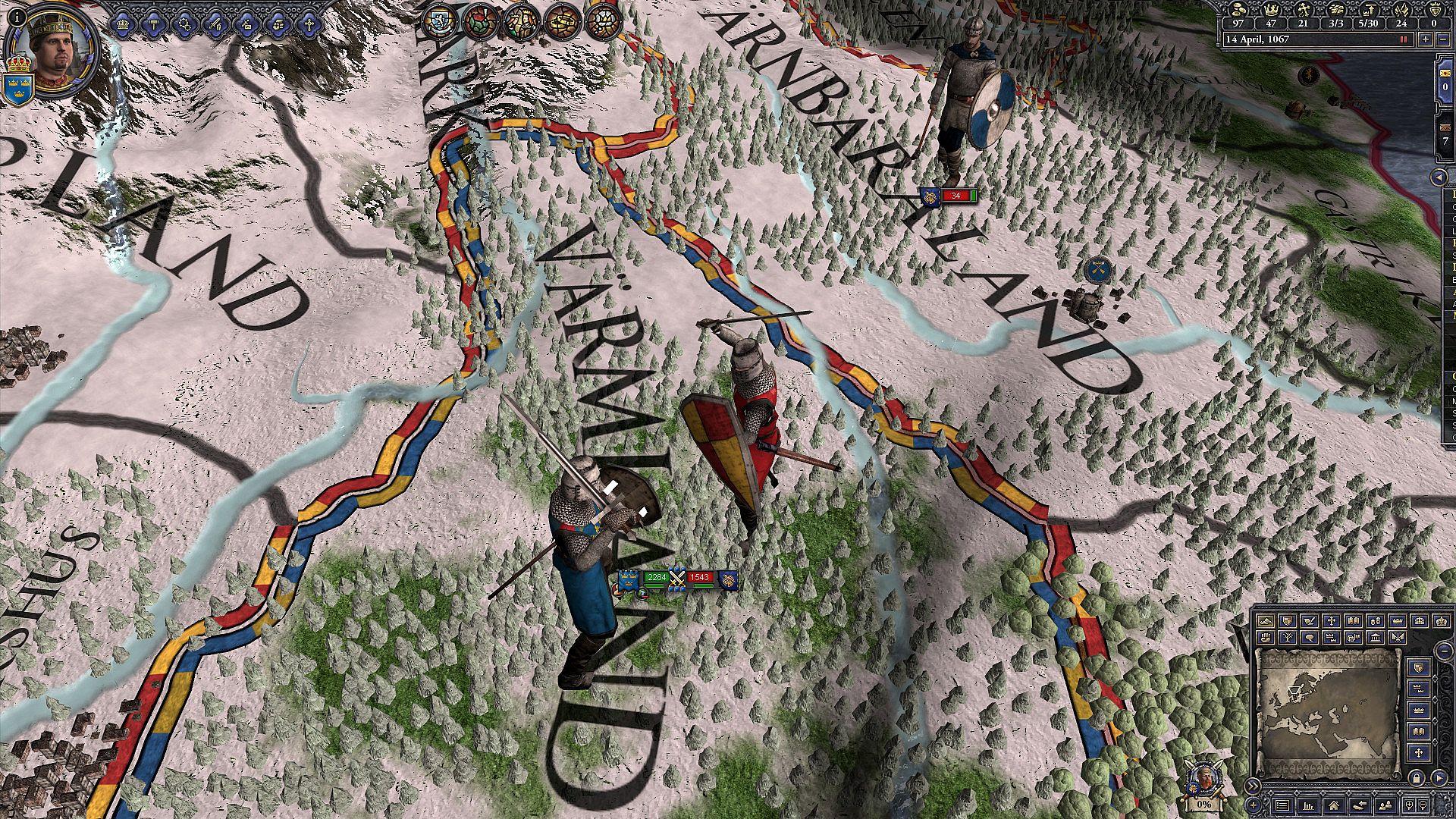
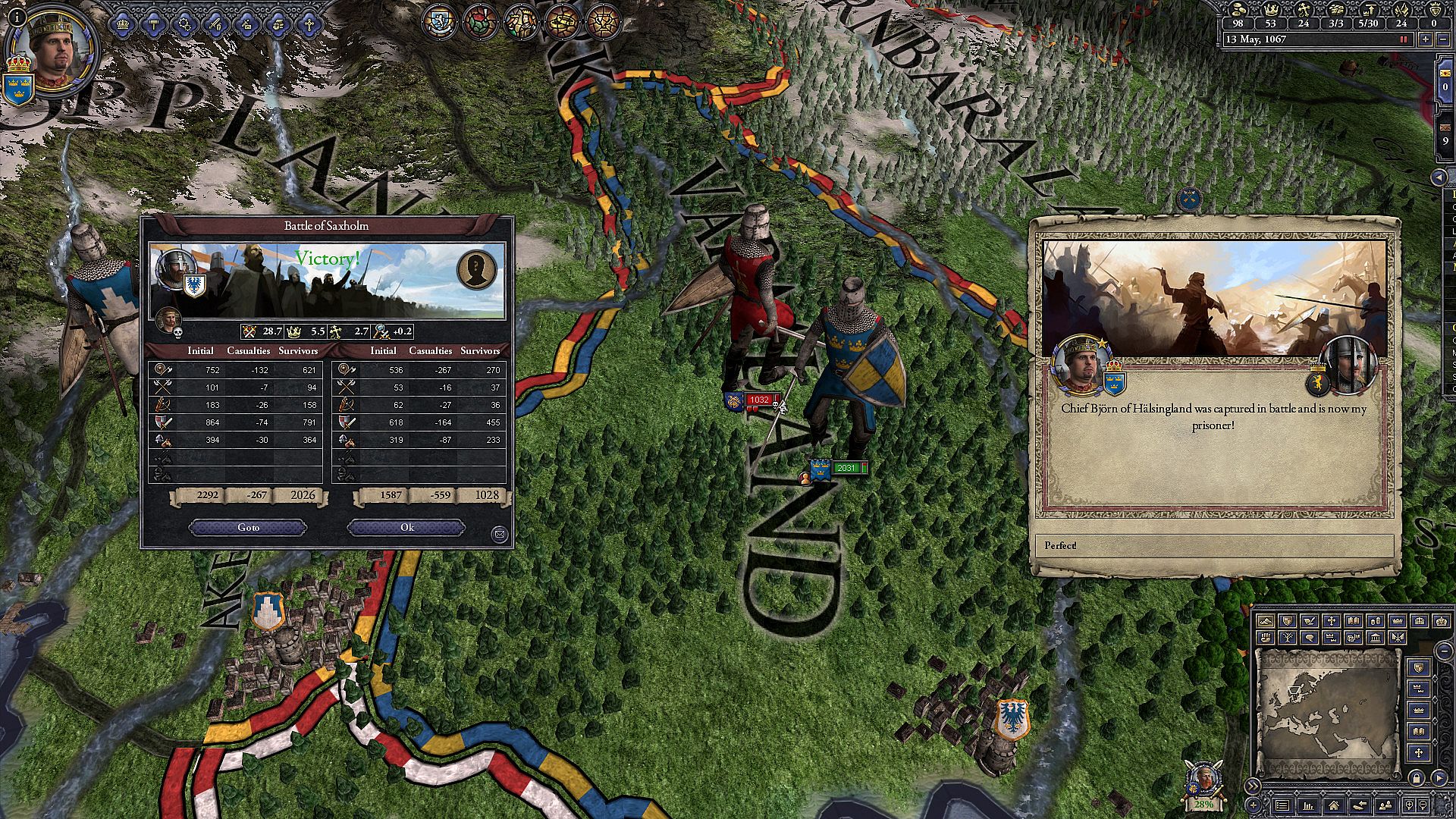
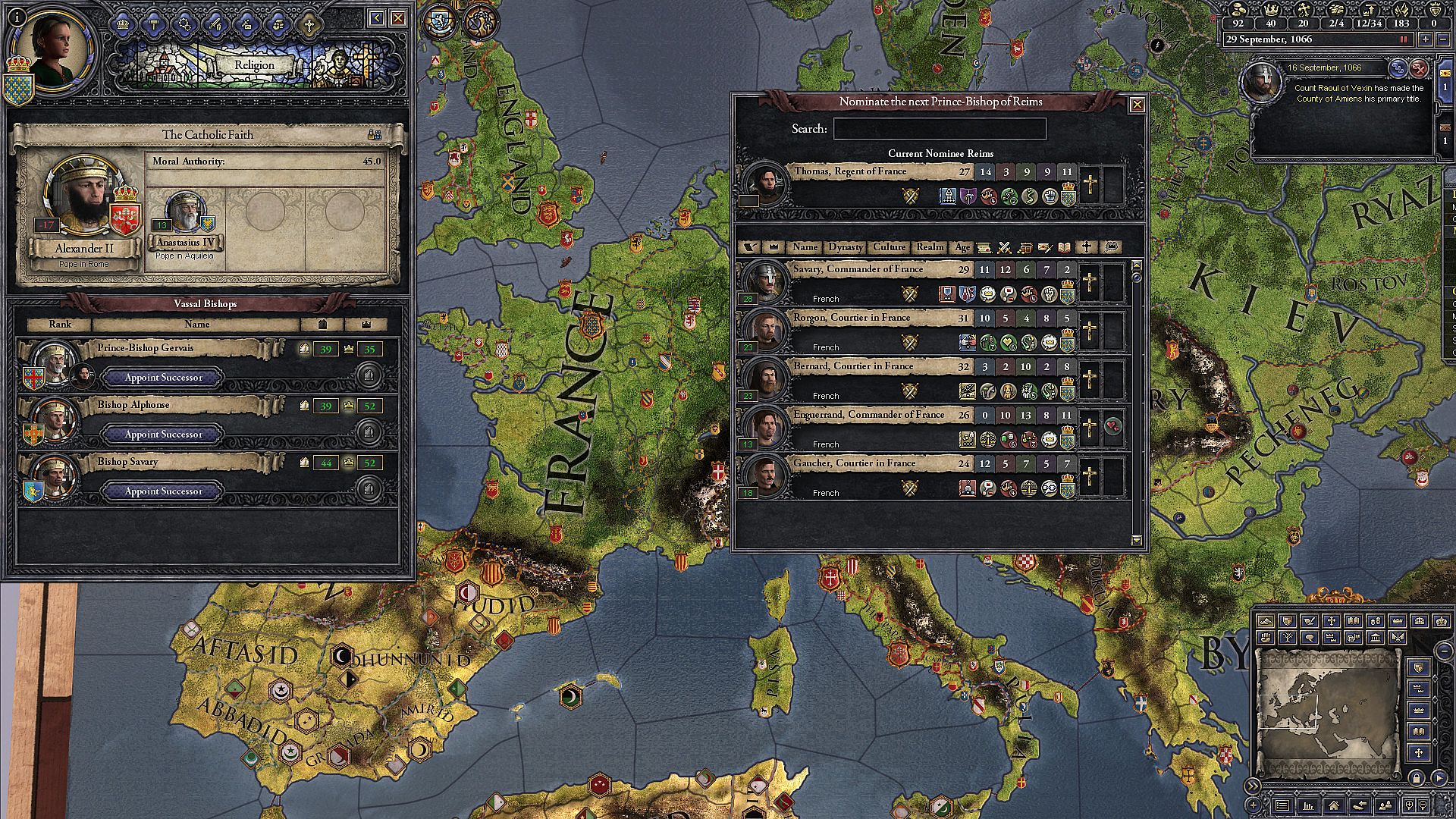
Warfare plays a key role, with options to join crusades against groups like the Moors or defend against invasions such as the Mongol Horde. Religious elements add depth, including struggles with the Pope over bishop appointments and defending Christianity. The game emphasizes prestige accumulation, which enhances your dynasty's reputation and unlocks opportunities. Every decision impacts alliances, rivalries, and the stability of your realm, creating a web of consequences that span lifetimes.
Game Modes
Crusader Kings II offers a singleplayer mode focused on long-term dynasty management across historical timelines, where you guide your lineage through centuries of challenges. This mode allows for flexible starting points and emphasizes strategic planning in a solo environment.
For those seeking competition, the multiplayer mode supports up to 32 players in a competitive setup. Here, participants control different lords and engage in schemes, alliances, and conflicts in a shared world, adding layers of human unpredictability to the political landscape.
Key Mechanics and Factions
Central mechanics include dynasty prestige, which carries over between characters and measures your family's glory. Faction management involves handling courtiers and vassals, each with unique opinions that influence loyalty and potential rebellions. Combat and expansion rely on raising armies, forming alliances, and participating in religious wars, such as crusades to protect Christian interests.
Factions draw from historical medieval Europe, including Christian lords, Muslim groups like the Moors, pagan heathens, and heretics. Players must navigate tensions with the Papacy for control over religious appointments and riches, while external threats like the Mongol Horde demand defensive strategies. These elements create a dynamic simulation of power struggles.
Is It Worth Playing?
With a Very Positive rating on Steam from 47,584 user reviews, where 91% are positive, Crusader Kings II maintains strong player reception even years after release. Critics and players highlight its depth and replayability, though its complexity can overwhelm newcomers.
The game remains available as a free-to-play title, with ongoing community support keeping it relevant. If you thrive on intricate strategy games that blend history, politics, and character development, it offers substantial value. However, those preferring simpler gameplay might find the learning curve steep. For strategy enthusiasts, it's a solid choice that rewards patience with engaging historical narratives.