

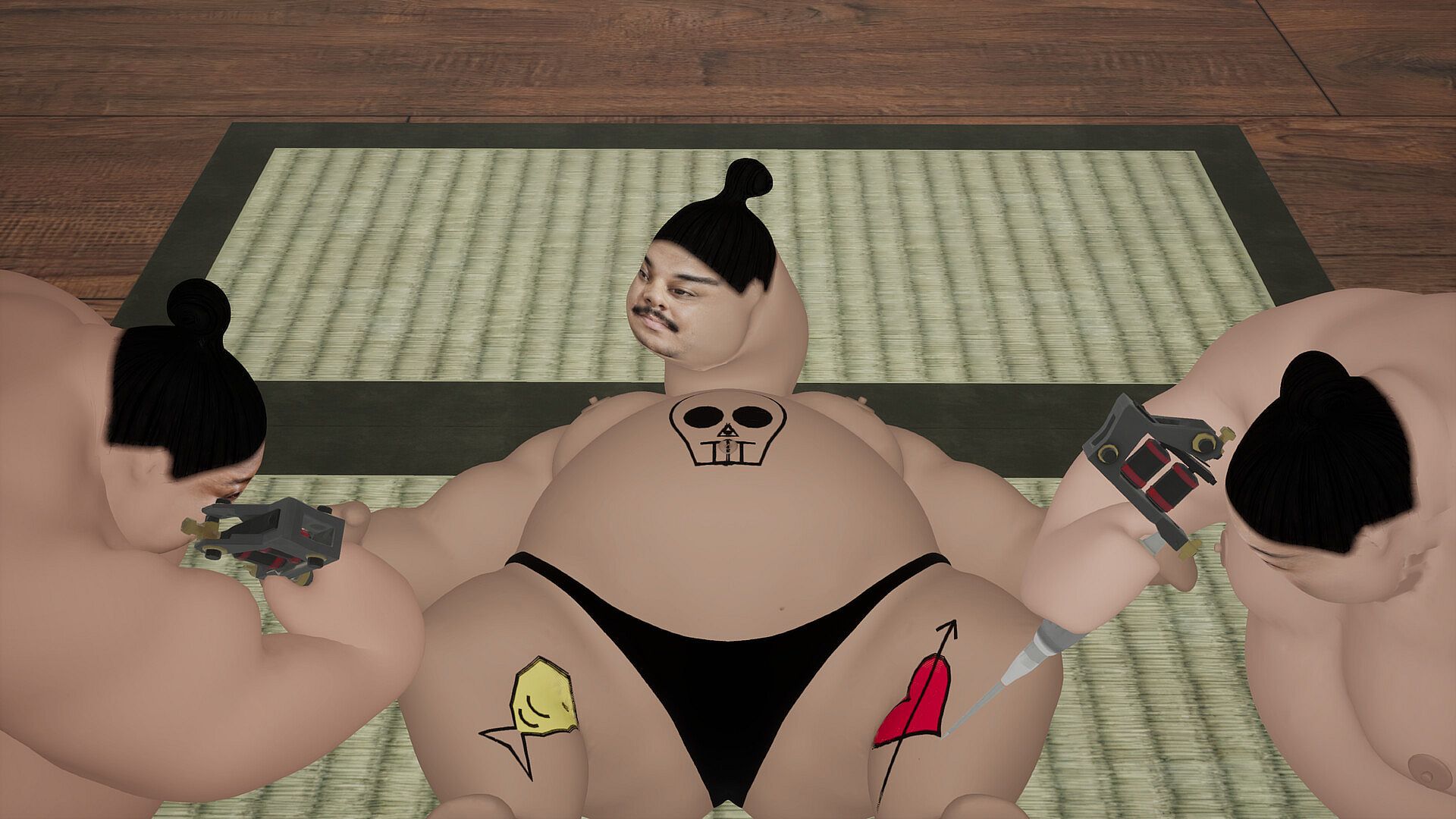
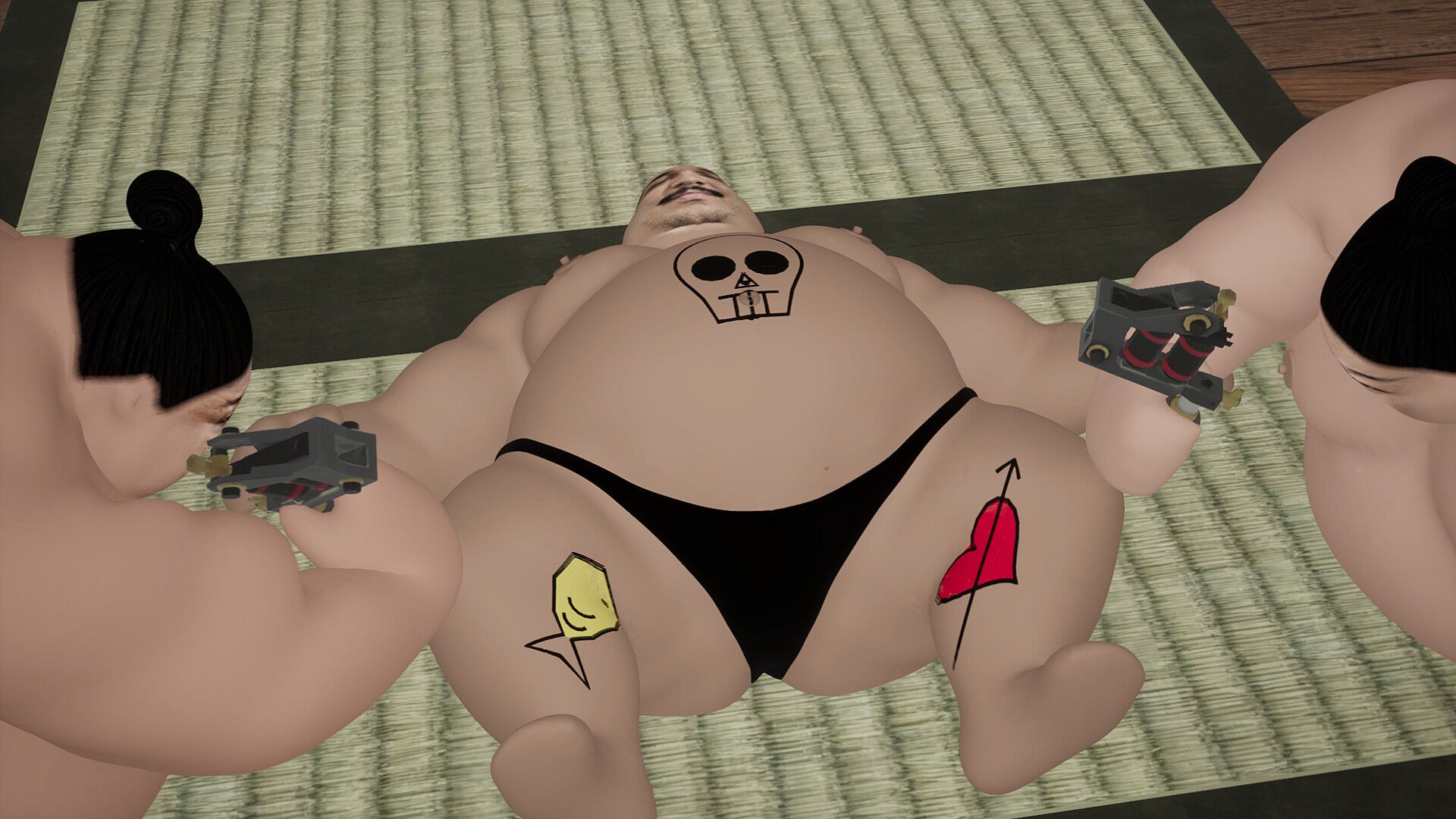
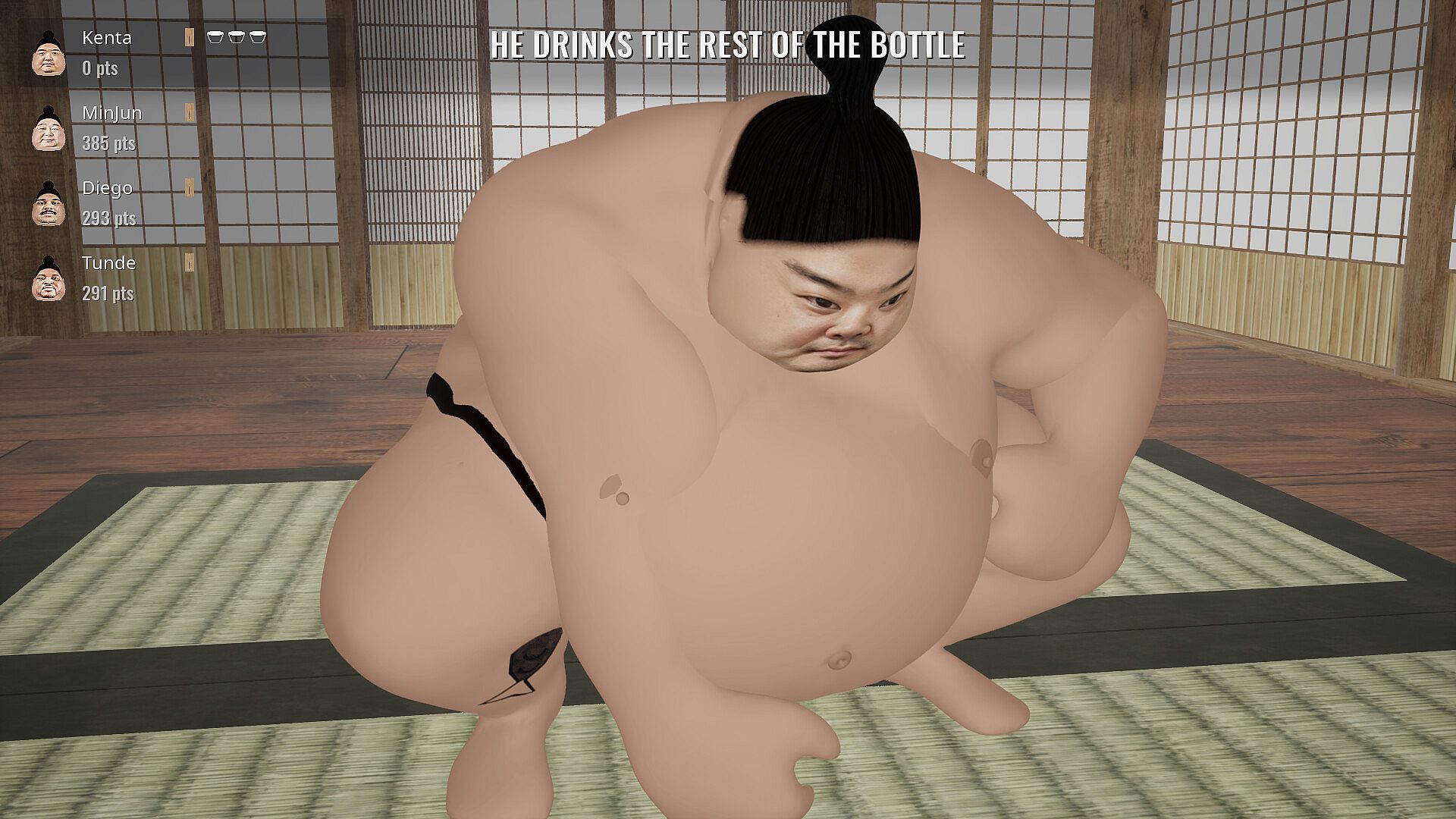
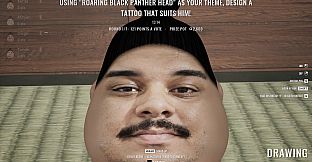

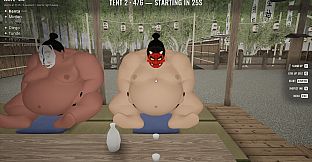

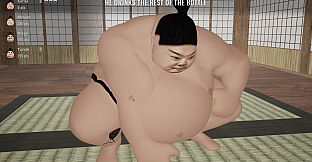
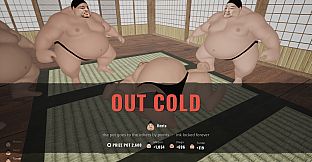
Who Inked Me? is an indie casual massively multiplayer party game set in a sumo dojo where players take turns getting inked while others draw on them. The core premise revolves around drinking sake, passing out on the tatami, and waking up to a fresh tattoo drawn by fellow wrestlers under the same theme. Everyone receives the same prompt, such as a roaring tiger head or a koi leaping through the waves, yet the results vary wildly because most participants lack drawing skills. This setup creates unpredictable rounds filled with laughter, suspicion, and creative mishaps.
Gameplay
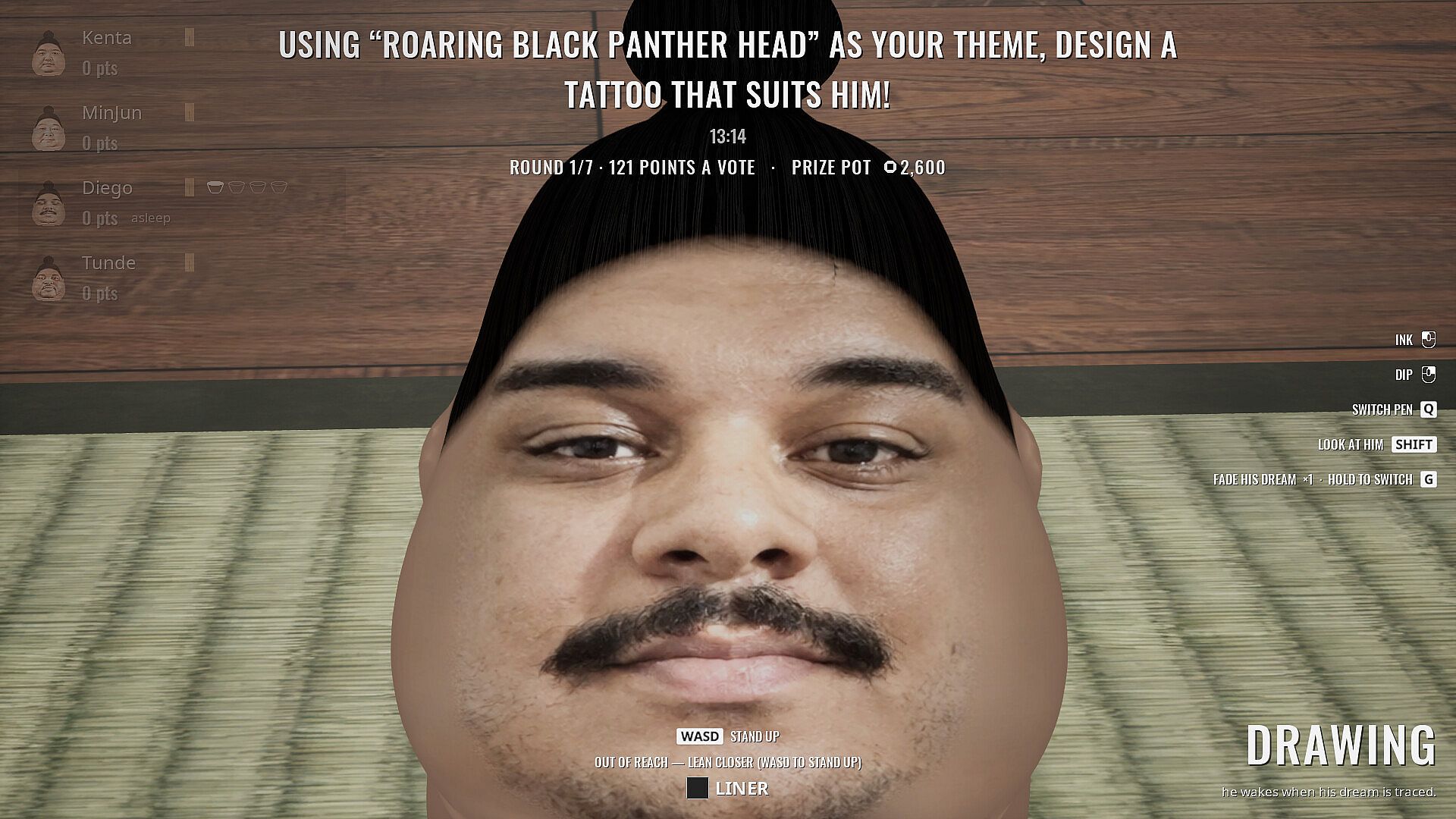
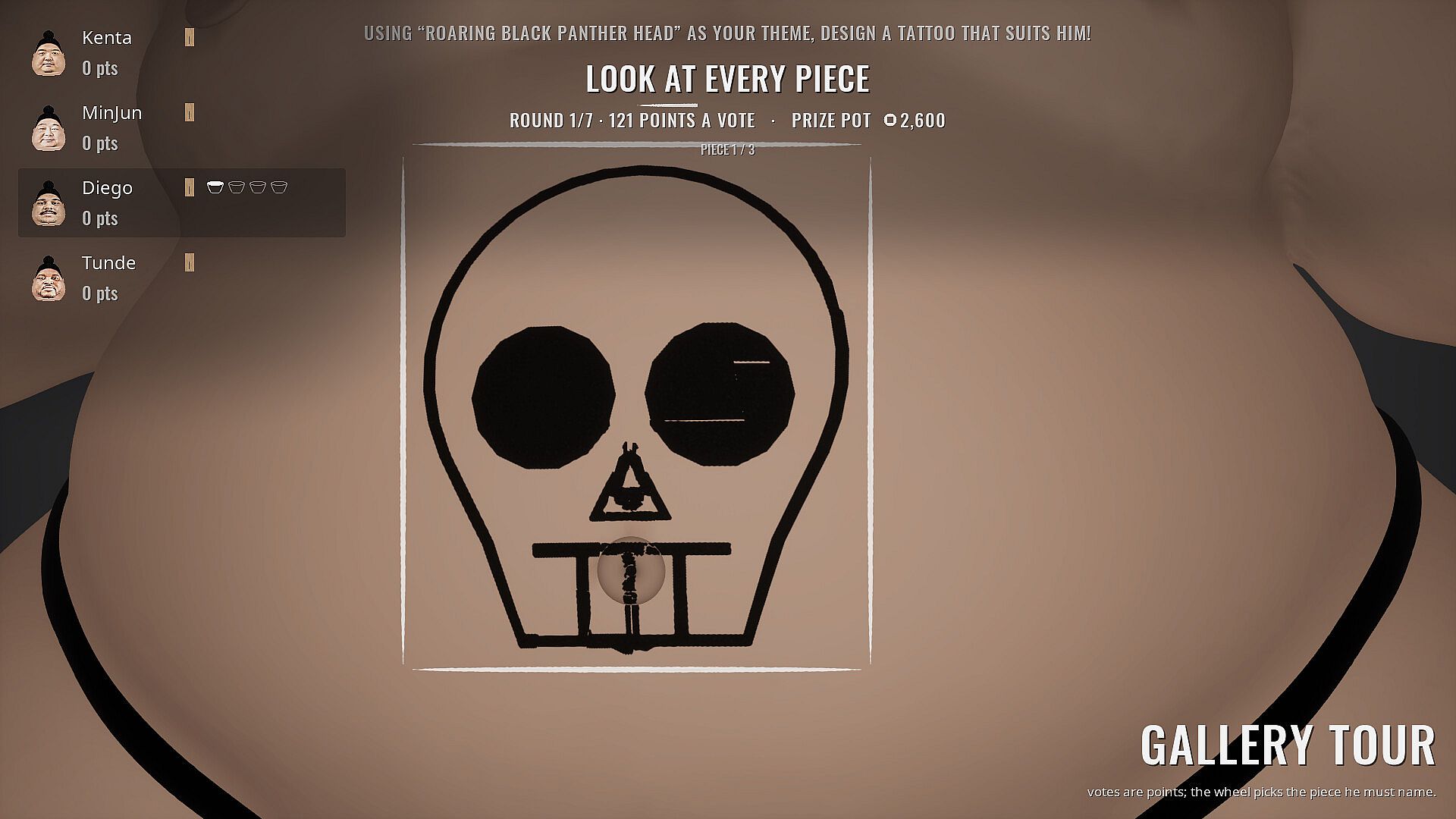
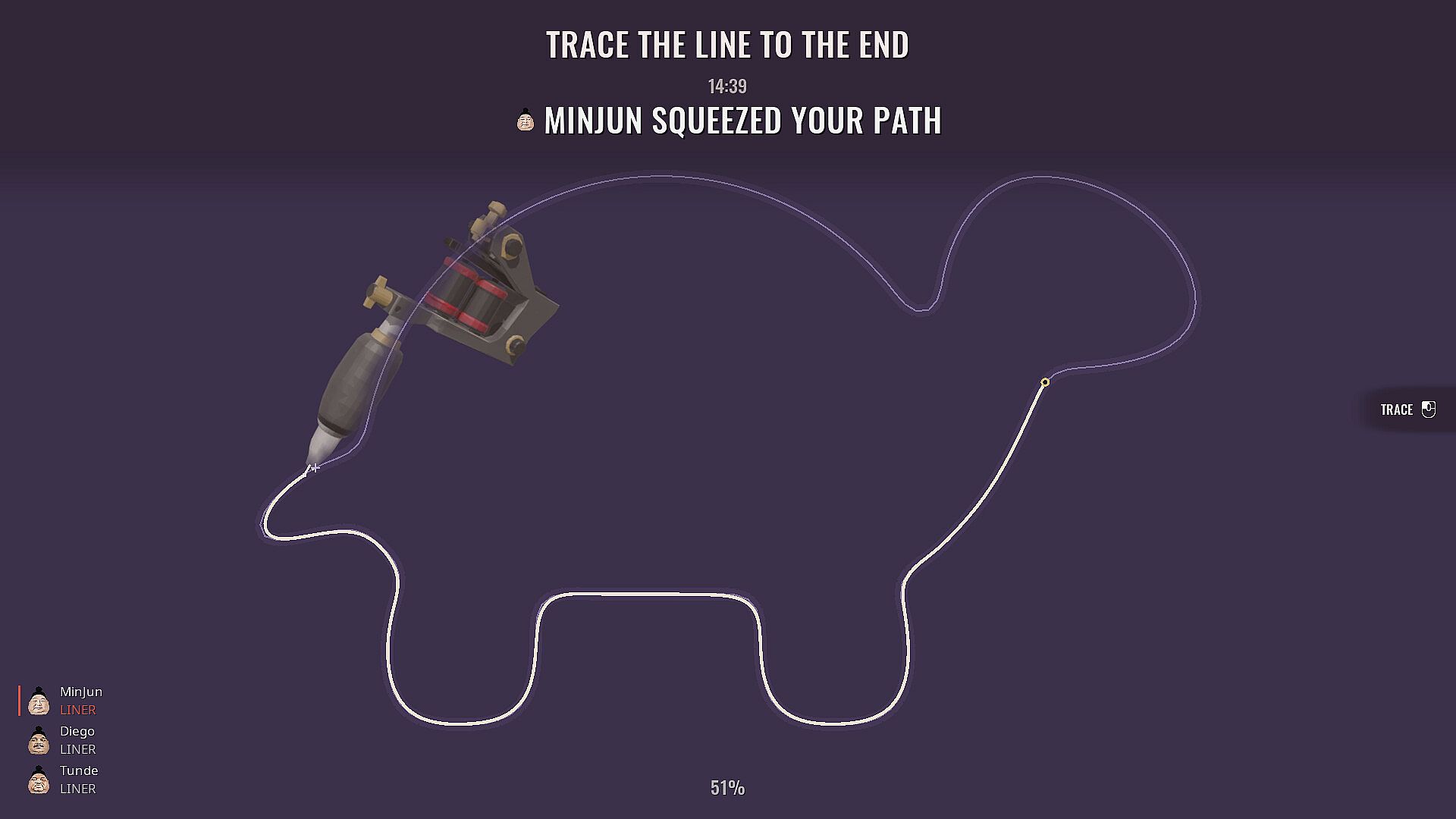
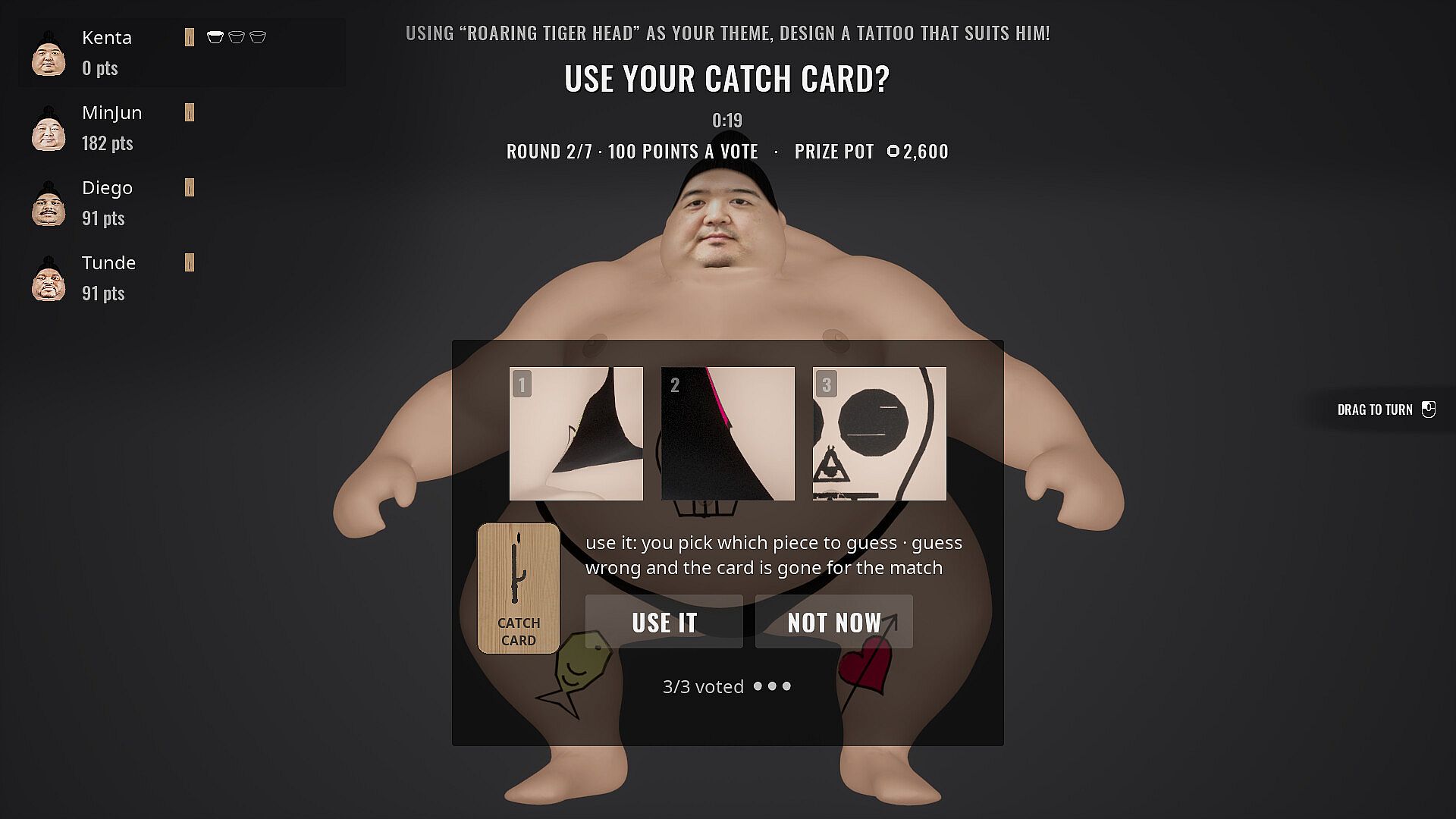
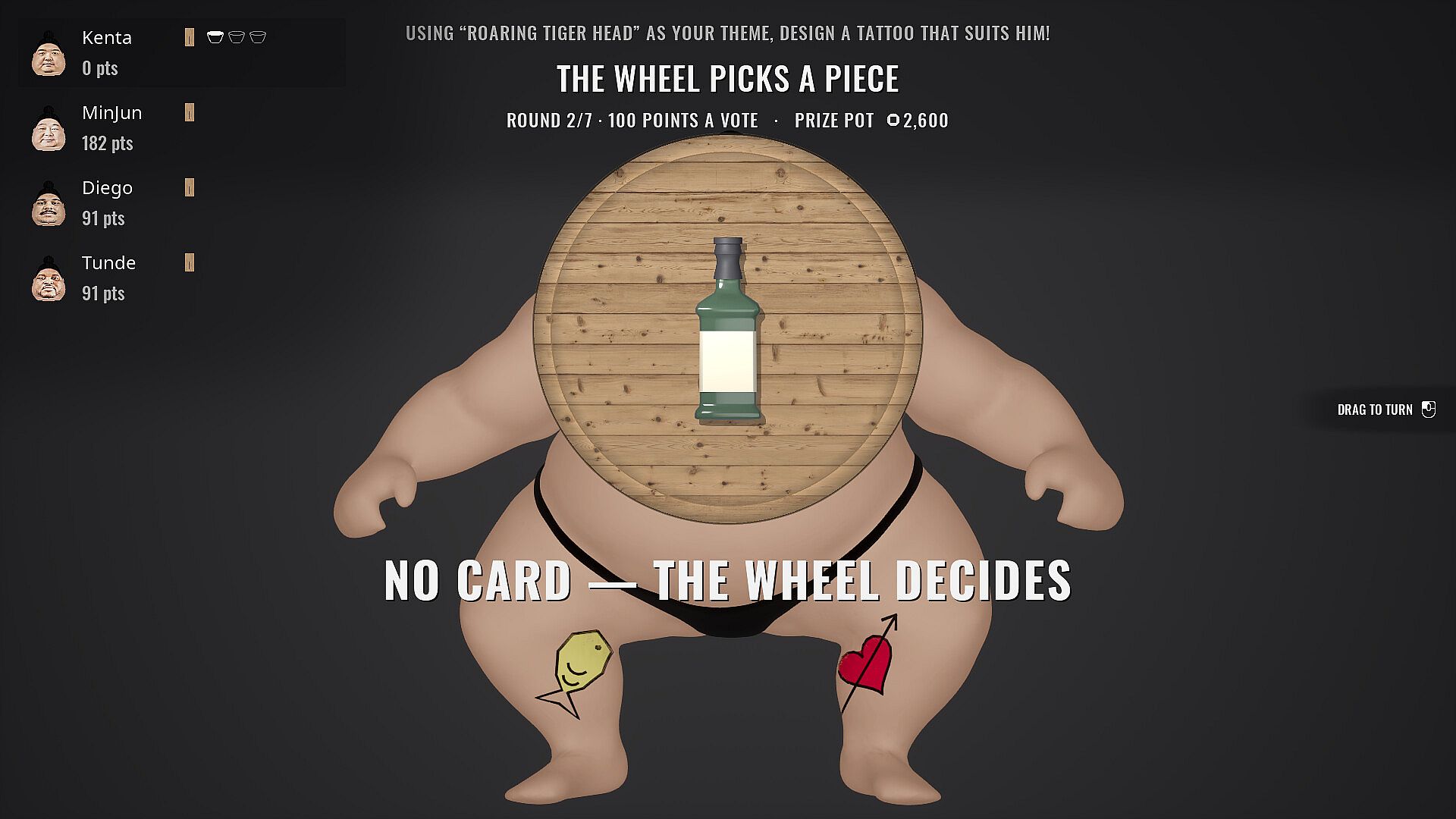
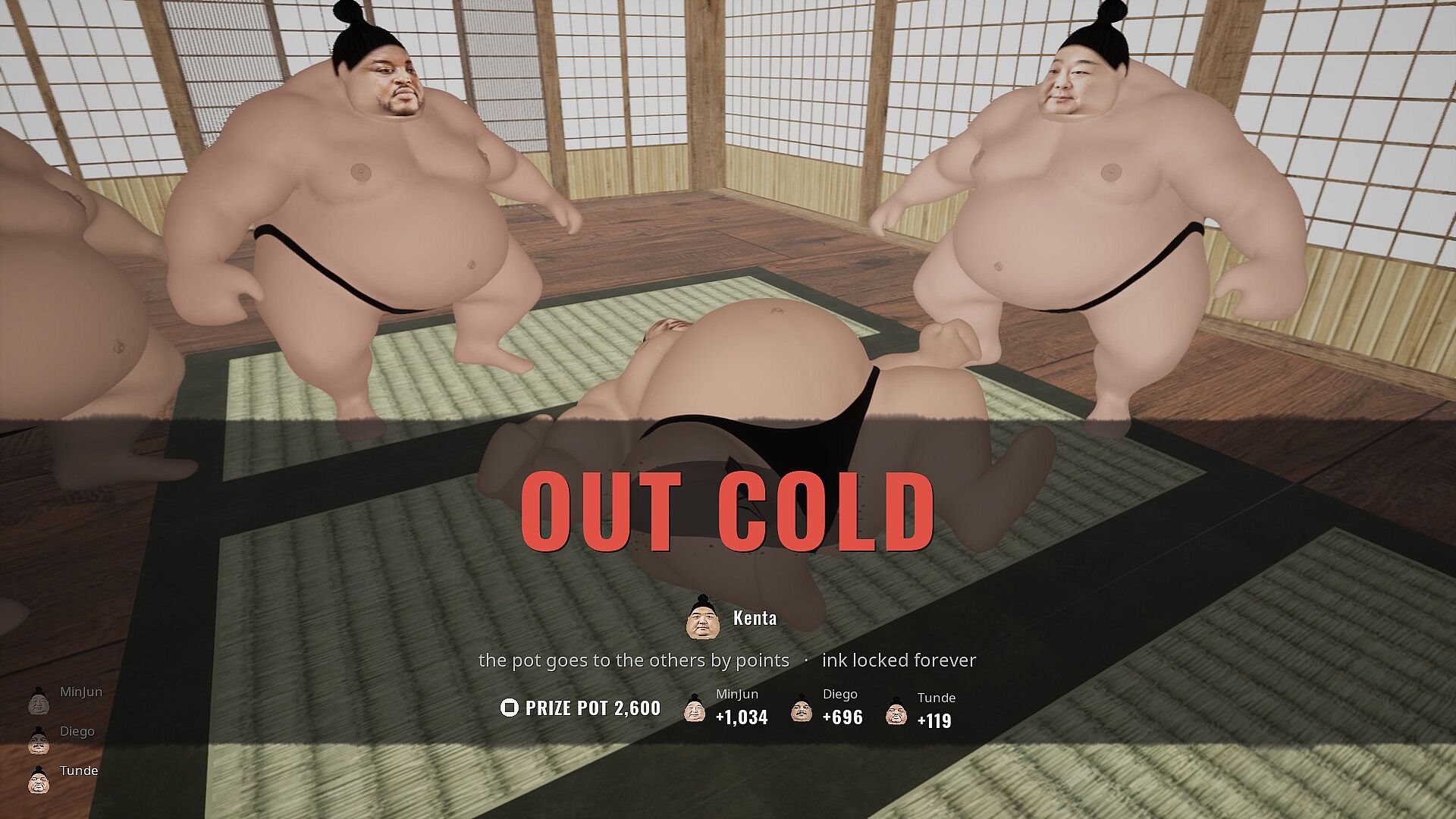
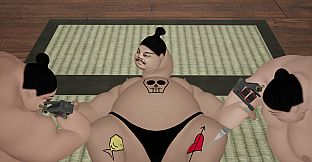
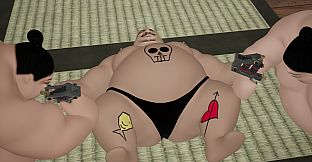
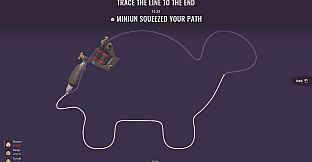
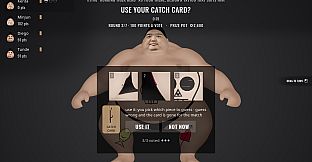
The round begins with one player as the sleeper who dreams while the others prepare to draw. The sleeper traces a line without slipping off during the tattoo process, then wakes silently once finished. The remaining players use stencil markers followed by liners and shaders in ten ink colors. They must watch the sleeper's face closely, as he might awaken quietly, stretch his neck to peek, or pretend to stay asleep. After all drawings complete, the group tours every piece and votes anonymously. A wheel selects one based on votes, though the sleeper can play a catch card to choose himself. The accusation phase follows, where the sleeper points at a suspected culprit. A correct guess means the culprit drinks next, while a wrong one turns that piece into a permanent black tattoo and forces the sleeper to drink again. Three consecutive drinks eliminate a player, sending the prize pot to the others based on points.
Drawings happen freely on characters without moderation, and black tattoos persist across matches as a visible score. Players can laser them off with winnings or keep them permanently. Before matches, participants buy items to disrupt the sleeper's dream, such as fading lines, jolting the needle, or squeezing the path to gain extra drawing time. The game supports voice chat for everyone in the room, enhancing the social chaos during sessions.
Game Modes
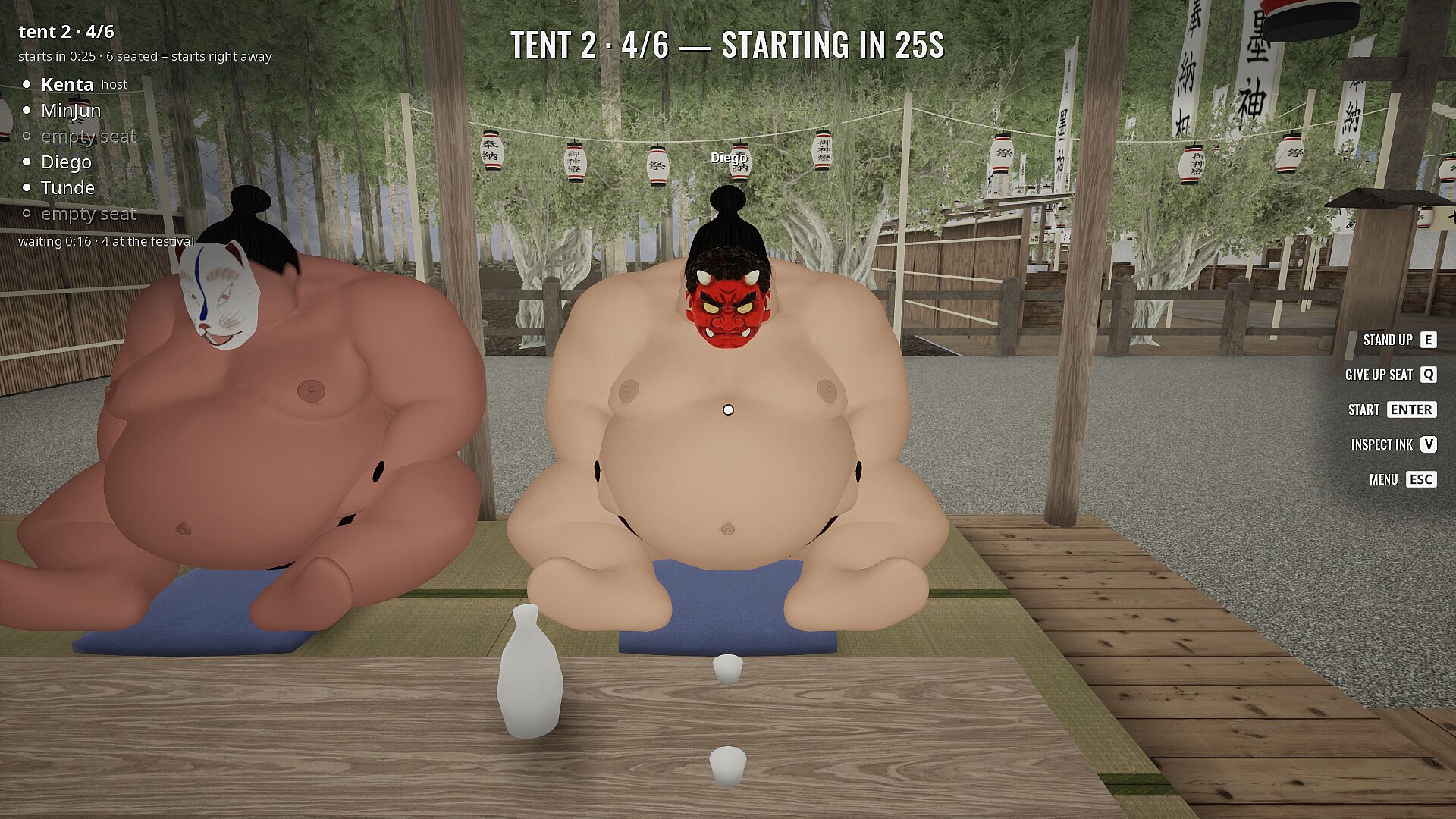
Who Inked Me? centers on private rooms for groups of four to six players. Friends join via a four-letter room code, while strangers connect through the shrine festival lobby that holds up to forty participants. In the lobby, players wander in masks or show their faces, sit at a sake stall to toast, and form groups for matches. Each wrestler's face comes from an uploaded selfie processed locally on the player's PC, placing the real likeness on a traditional sumo body clad in a loincloth. Sixty-four classic tattoo themes provide variety, including tigers, dragons, koi, swallows, anchors, and skulls. The festival setting encourages casual mingling before diving into rounds, and the overall structure supports repeated play as tattoos accumulate as lasting marks of performance.
Key Features and Mechanics
Selfie integration adds personal stakes, as faces appear to others in the room. The festival lobby serves as a hub for meeting players and forming parties organically. Items purchased beforehand introduce strategic disruption to the drawing phase, allowing more time or interference. Persistent black tattoos track history across sessions, creating a running tally visible on every character. Support for thirteen languages broadens accessibility, while the unmoderated drawing system keeps outcomes raw and humorous. Voice chat operates throughout rooms and the festival, letting nearby players hear conversations for added immersion during social interactions.
Is It Worth Playing?
Who Inked Me? suits players who enjoy lighthearted social deduction and creative party games with friends or small online groups. The combination of drawing, voting, and accusation builds tension through simple yet effective rules that reward quick thinking and observation. Early access status means the experience focuses on core loops of tattoo rounds and lobby socializing without additional layers. Those drawn to casual multiplayer sessions with voice chat and persistent elements like tattoos will find repeated appeal in the unpredictable results and group dynamics. The game emphasizes fun over polish in its current form, making it a fit for groups seeking something distinctive and replayable rather than competitive depth.