
























3DMark stands out as a comprehensive PC benchmarking utility designed specifically for gamers and hardware enthusiasts who want to measure and optimize their system's performance.
Gameplay
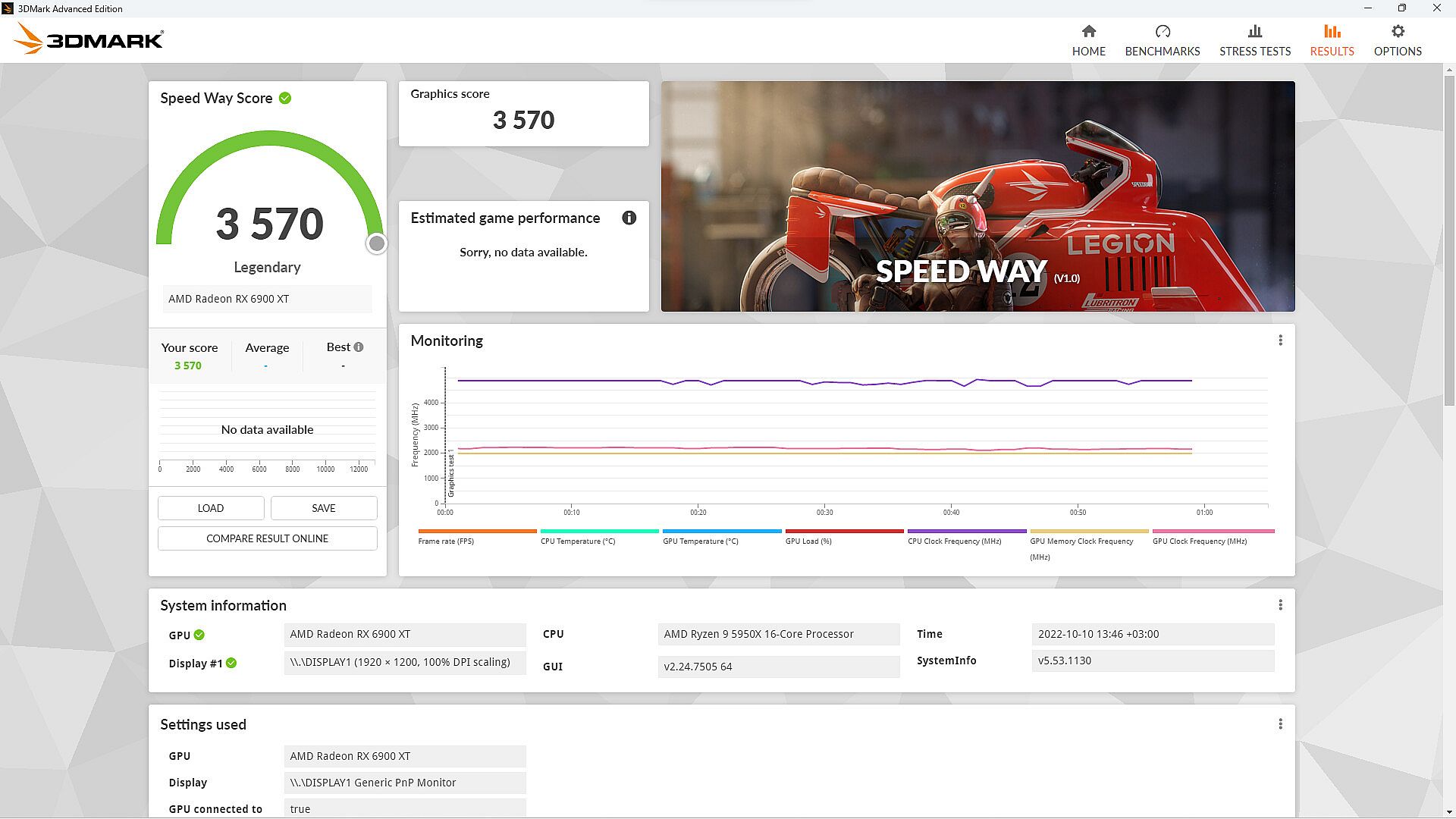
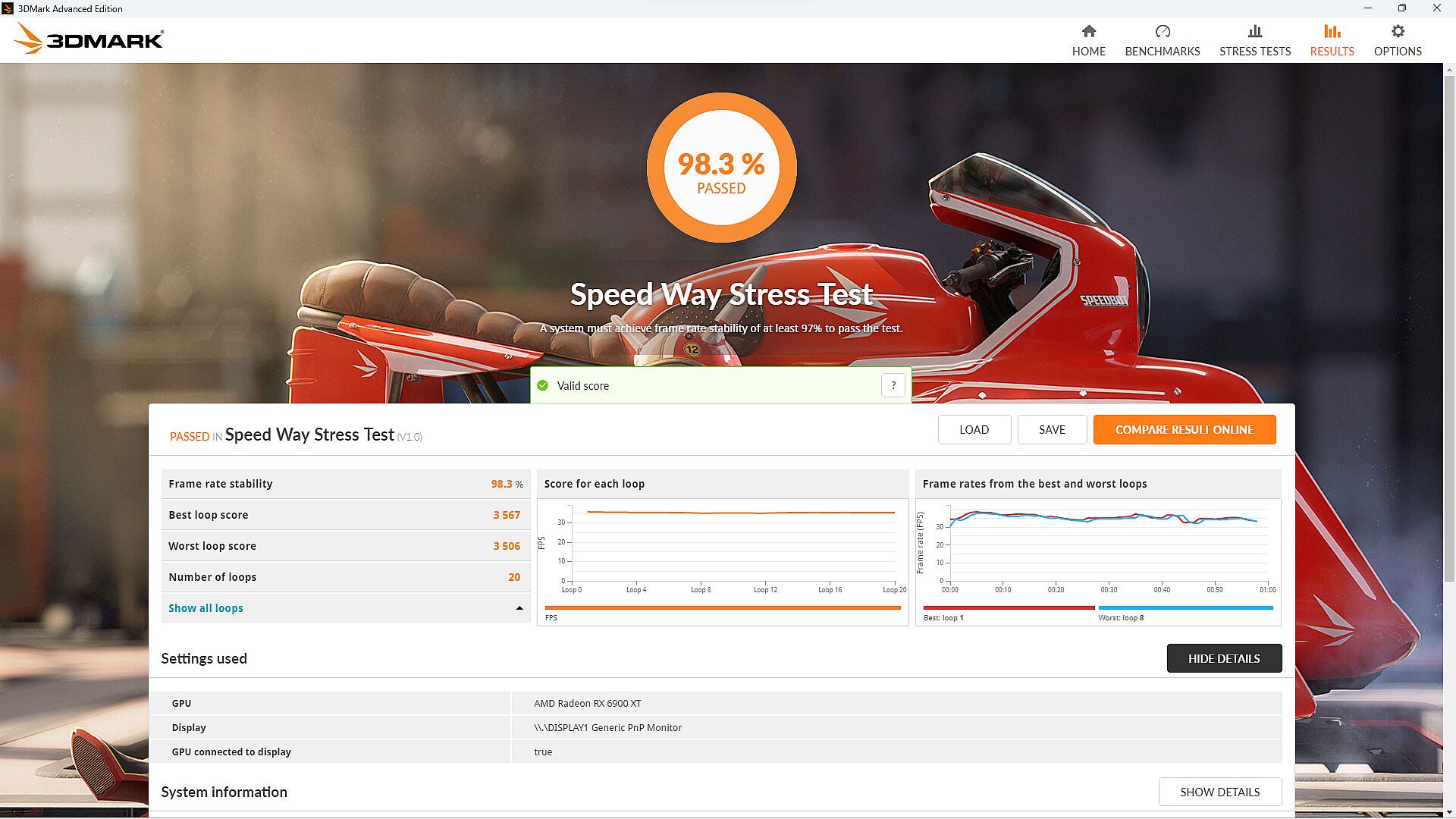
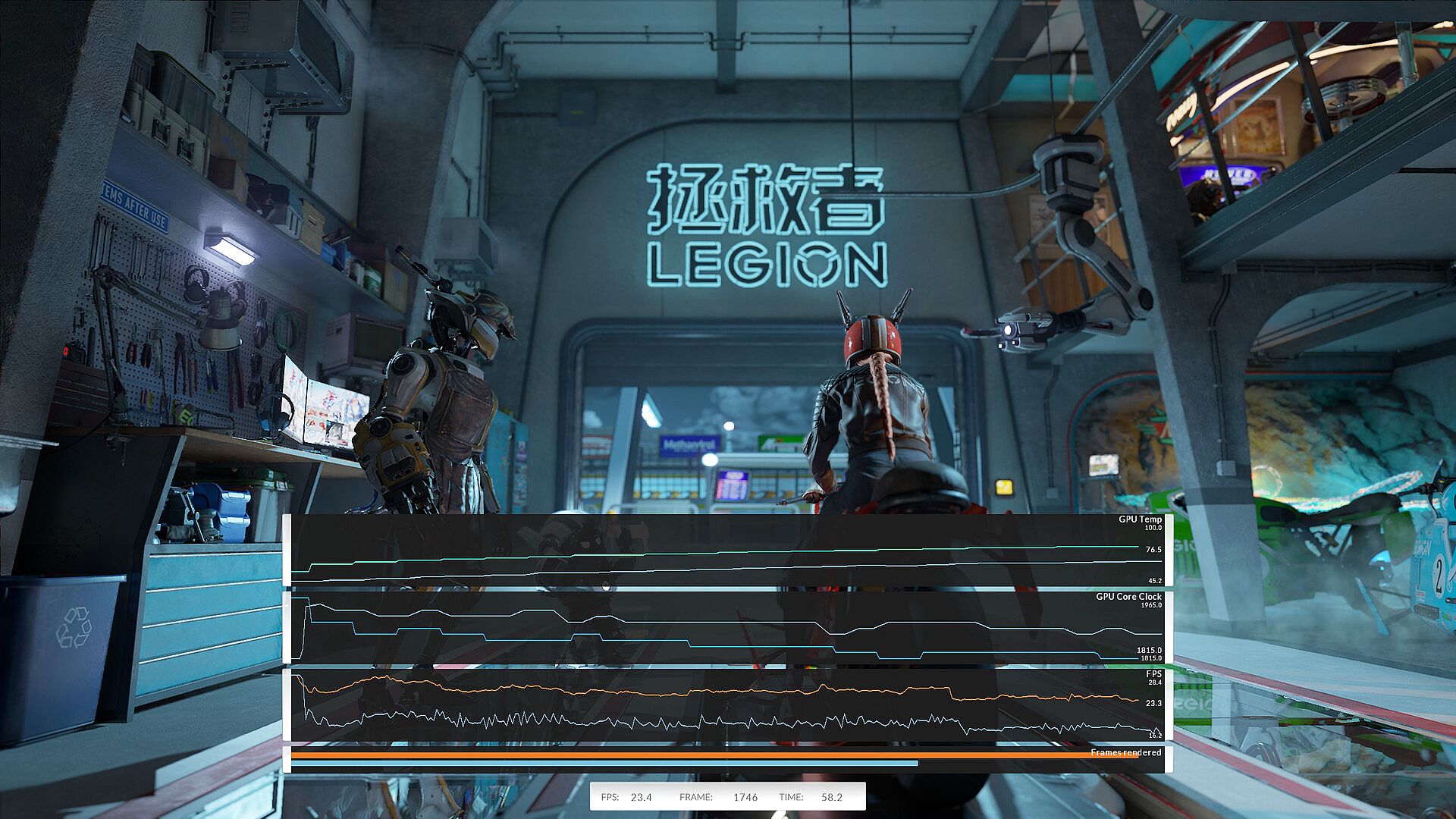
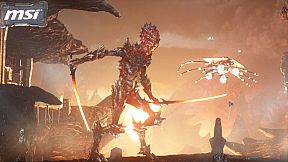
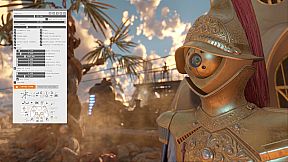
At its core, 3DMark operates by running intensive tests that simulate demanding gaming scenarios to evaluate GPU and CPU capabilities. Users launch specific benchmarks that render real-time scenes, generating scores based on how quickly the system processes them. Higher scores indicate better performance, and the tool provides hardware monitoring to track metrics like temperature, clock speeds, and load during runs. This setup allows for identifying bottlenecks, testing overclocks, and comparing results against similar setups. Stress tests loop these scenarios to check system stability under prolonged load, making it practical for troubleshooting cooling or configuration issues.
Beyond basic scoring, 3DMark includes features for estimating frame rates in popular games based on benchmark results. Users can adjust settings like resolution to customize tests, exploring hardware limits without risking real gameplay disruptions. The process encourages iterative tweaks, such as updating drivers or experimenting with system settings, to chase incremental performance gains.
Game Modes
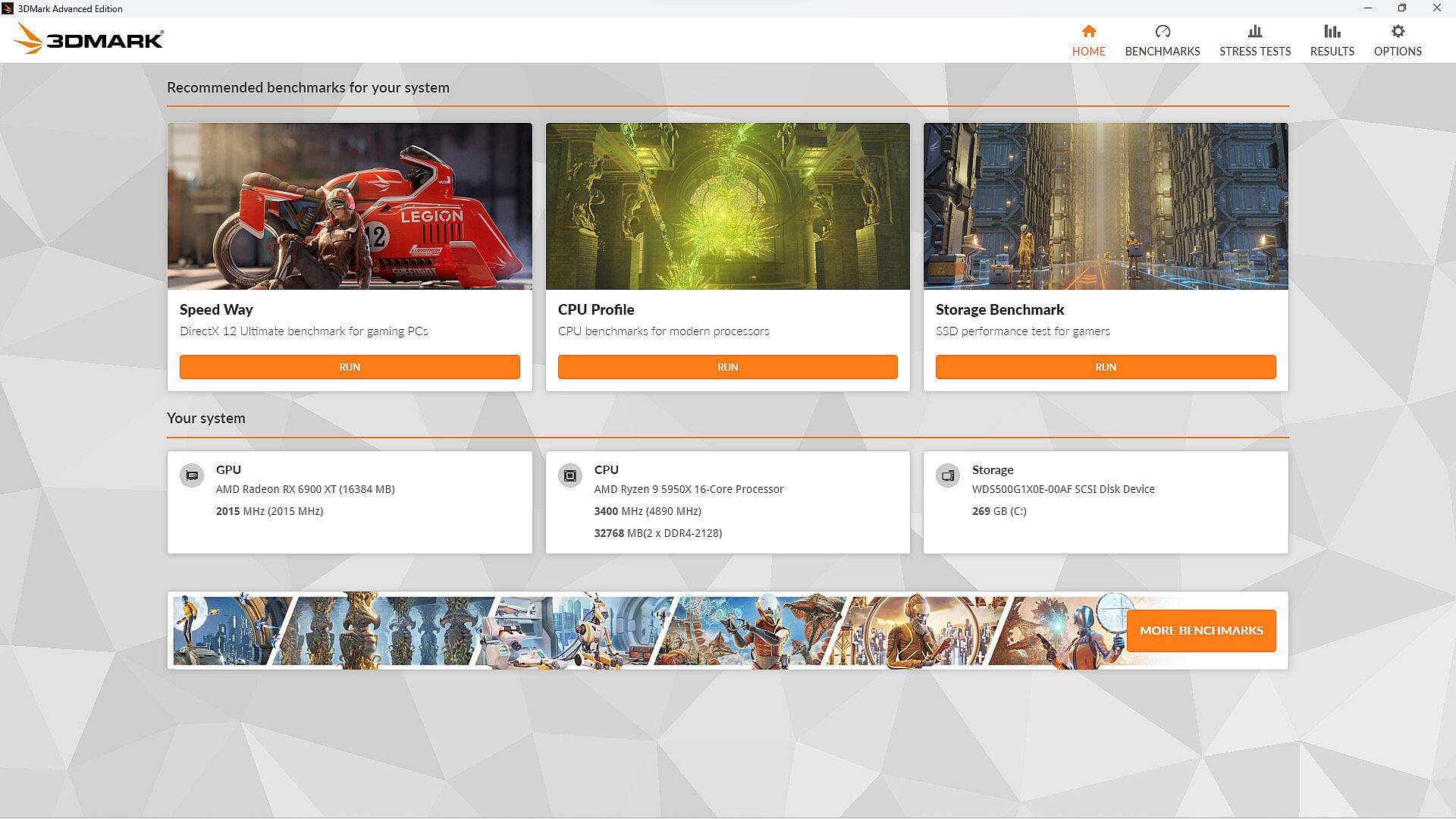
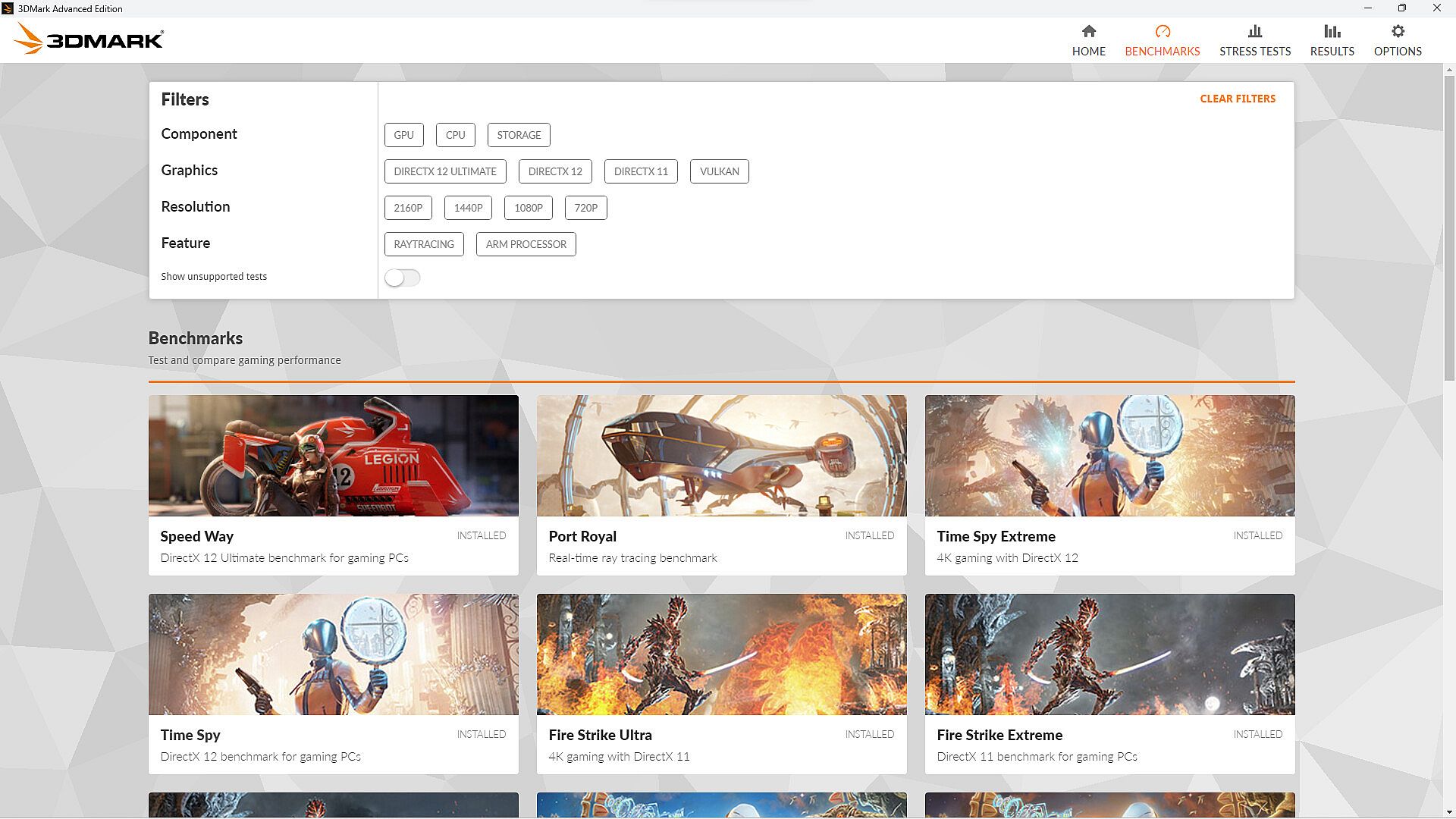
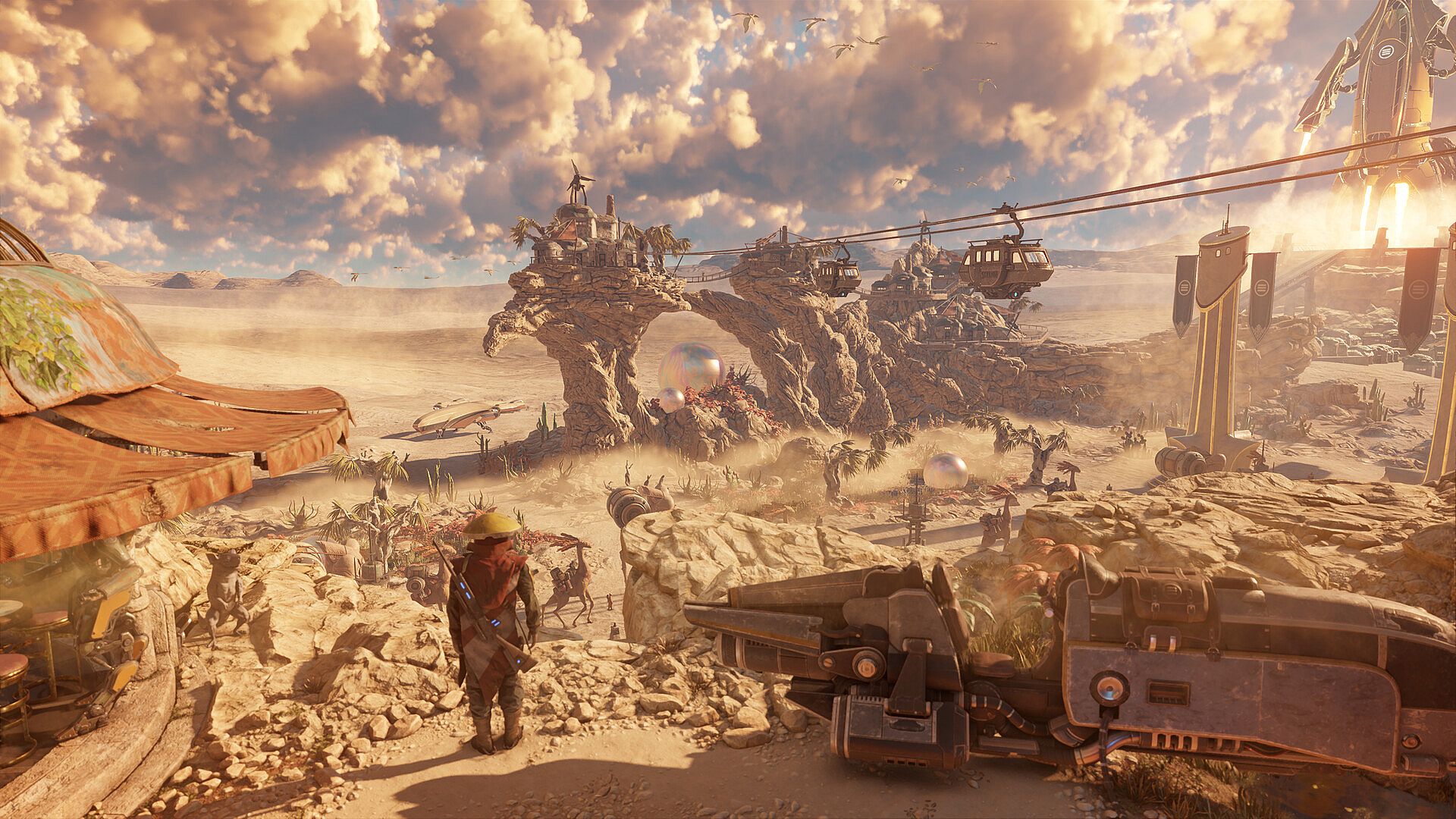
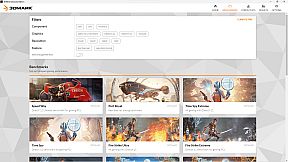
3DMark offers a variety of benchmark modes tailored to different hardware levels and technologies. Steel Nomad serves as a heavy cross-platform test for high-end PCs, while Steel Nomad Light targets lighter devices like notebooks. Speed Way focuses on DirectX 12 Ultimate for gaming rigs, and Solar Bay handles Vulkan ray tracing across Windows and Android.
Other modes include Time Spy for DirectX 12 gaming, Time Spy Extreme for 4K scenarios, and Port Royal for real-time ray tracing. Night Raid caters to systems with integrated graphics, Wild Life and Wild Life Extreme benchmark notebooks, and Fire Strike series covers DirectX 11 at various intensities, including Extreme and Ultra for 4K. Additional options like GPU Stress Tests, CPU Profile, and feature tests for technologies such as DirectX Raytracing, Mesh Shaders, and NVIDIA DLSS round out the suite.
Updates and Current State
As of early 2026, 3DMark continues to receive regular updates, with the latest version around 2.32 introducing enhancements to benchmarks like Time Spy and Steel Nomad. These updates ensure compatibility with new hardware and incorporate emerging technologies, maintaining its relevance in the evolving PC gaming landscape.
The tool supports cross-platform testing, extending to Android and iOS for mobile devices, and includes community features for sharing scores and advice. Ongoing development, spanning over two decades, keeps it aligned with industry standards for performance evaluation.
Is It Worth Playing?
For anyone serious about PC hardware optimization, 3DMark proves invaluable as a diagnostic and comparison tool rather than a traditional game. It suits builders, overclockers, and gamers seeking to maximize their setup's potential without guesswork.
With a free demo available for basic tests and full unlocks for advanced features, it offers accessible entry points. Positive reception stems from its role as an industry standard, helping users verify builds and plan upgrades effectively. If your focus is on performance tuning and stability checks, this utility delivers reliable insights that can enhance your gaming experience indirectly.