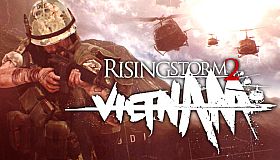











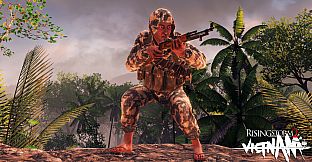
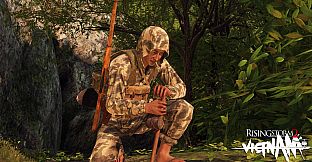
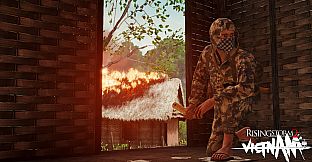
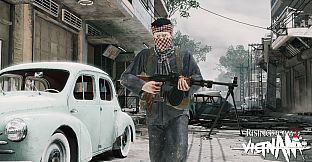
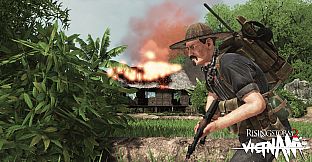
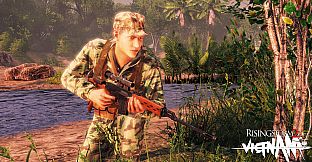
Rising Storm 2: Vietnam is a multiplayer first-person shooter set during the Vietnam War. It pits American and Australian forces against North Vietnamese Army and Viet Cong units in large-scale online battles that emphasize tactical coordination and realistic combat.
Gameplay
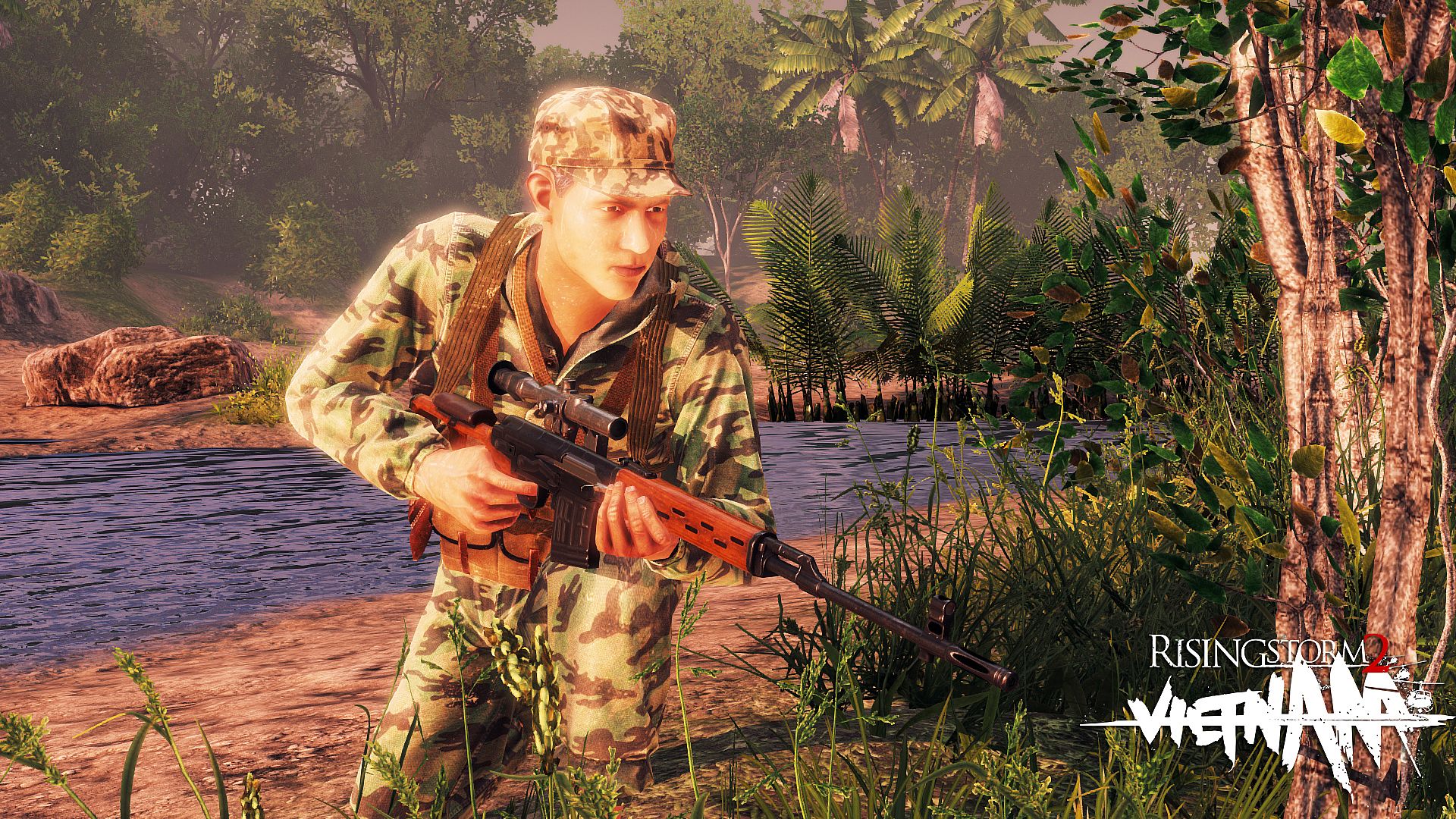
The core loop revolves around objective-based combat on expansive maps where squads work together to secure positions. Players select from limited class roles that include riflemen, machine gunners, scouts, and support specialists, with each team enforcing caps on specialized positions such as snipers or anti-vehicle troops. A robust suppression system discourages aggressive pushes and rewards careful positioning and flanking maneuvers.
Communication plays a central role through proximity voice chat that lets nearby teammates coordinate without global channels. Squad leaders can mark targets and direct movements while a commander role oversees broader strategy once players gain experience. The asymmetrical setup gives Northern forces advantages in mobility and concealment through tunnel networks and guerrilla tactics, while Southern forces rely on superior firepower, air support, and organized advances.
Weapon handling feels deliberate with accurate ballistics, variable fire modes, and shell options for shotguns. Environmental factors like dense foliage and village layouts influence sightlines and ambush opportunities. Matches support up to 64 participants and maintain tension through reinforcement budgets that limit respawns.
Game Modes
Territories forms the backbone of play. One team attacks a sequence of strongholds while the other defends, with success requiring capture of every point before the round timer expires. The mode repeats in a second round with sides swapped.
Supremacy spreads objectives across the entire map. Teams earn points by holding multiple locations simultaneously, allowing fluid shifts in control as players contest distant sites without a fixed order of capture.
Skirmish offers smaller-scale encounters focused on direct confrontation and resource management. A later update introduced a full multiplayer campaign that spans years from 1965 to 1975, letting players vote on regions, forces, and maps while progressing through historical periods with era-appropriate equipment.
Factions and Mechanics
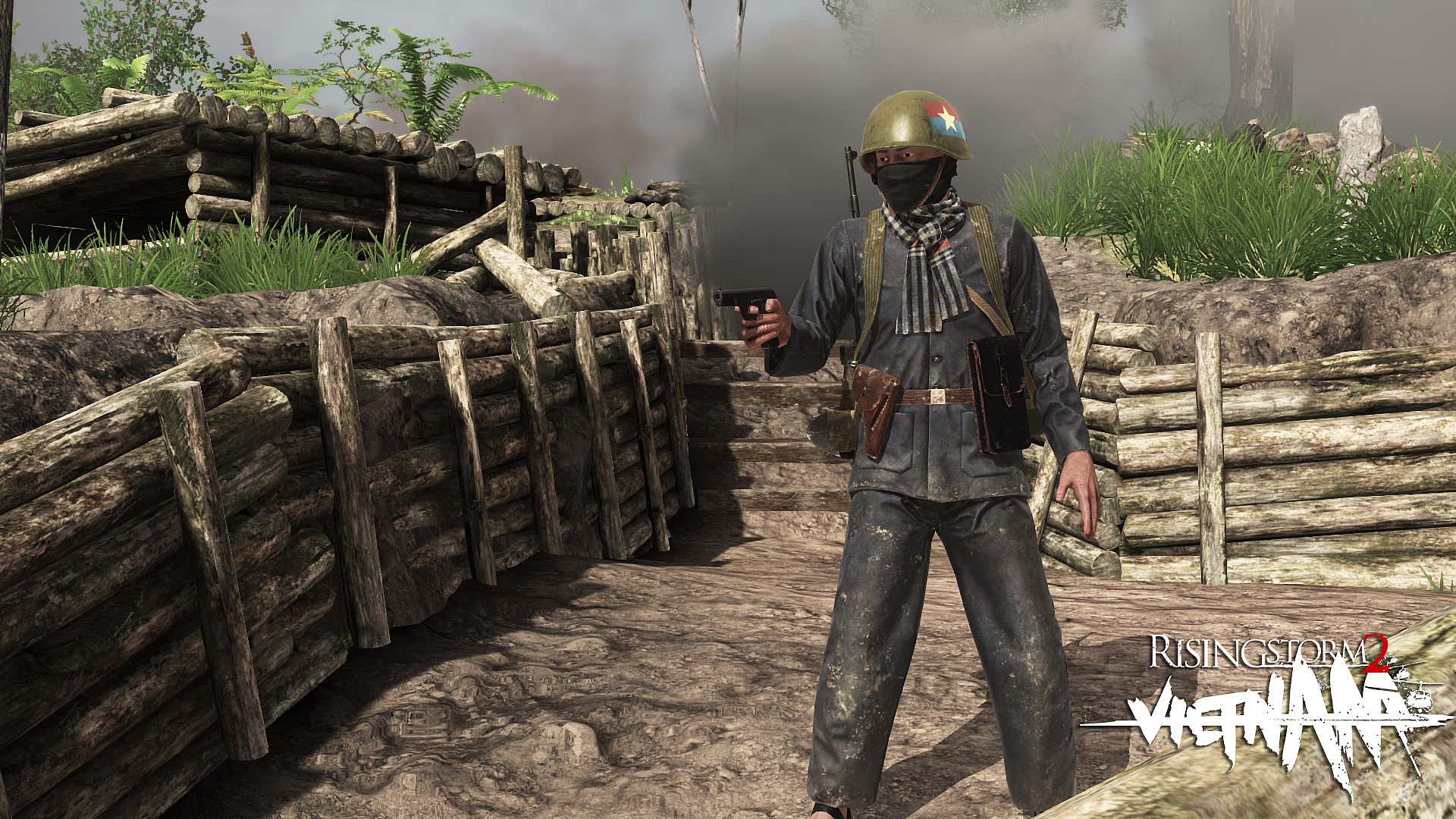
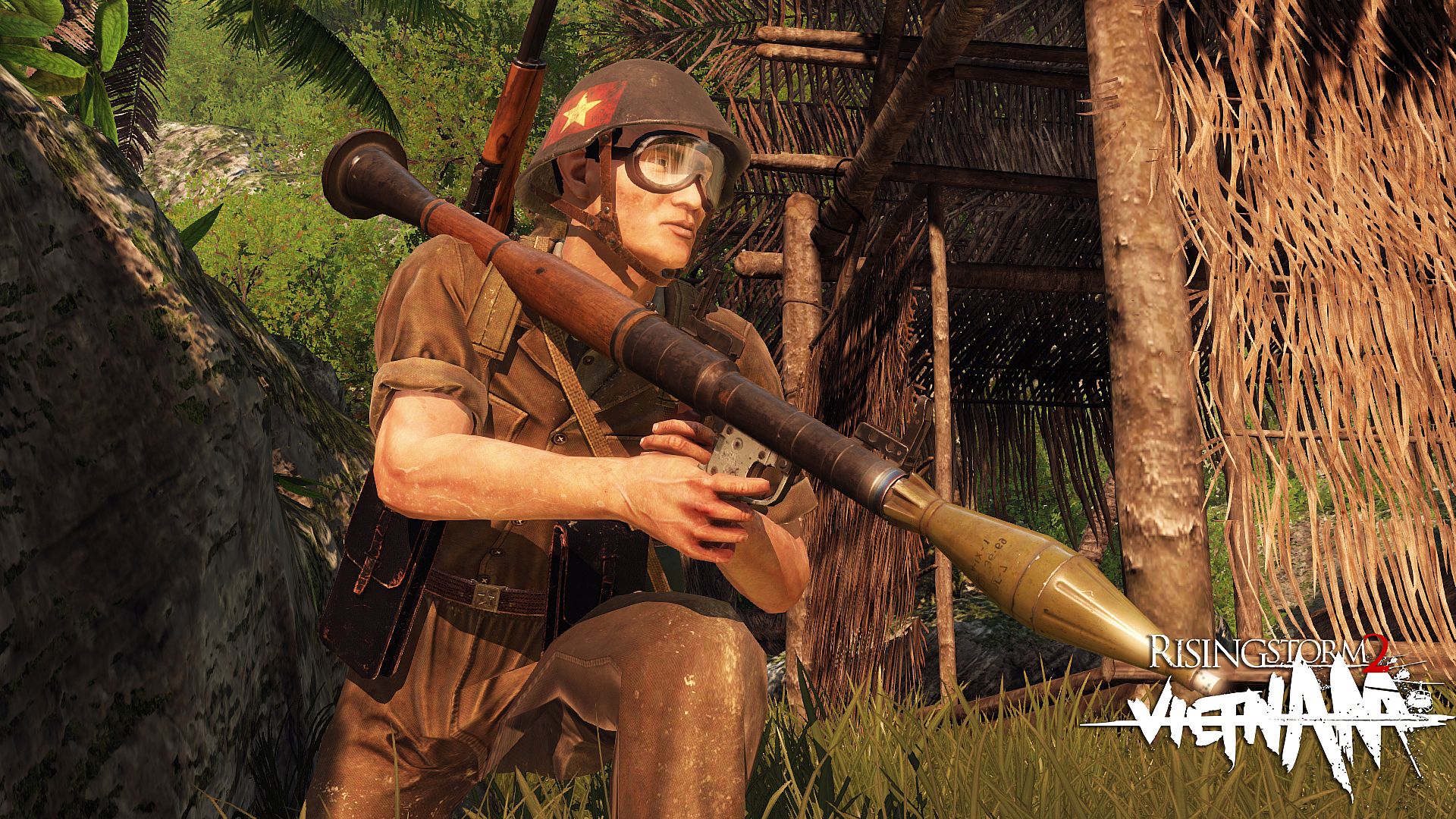
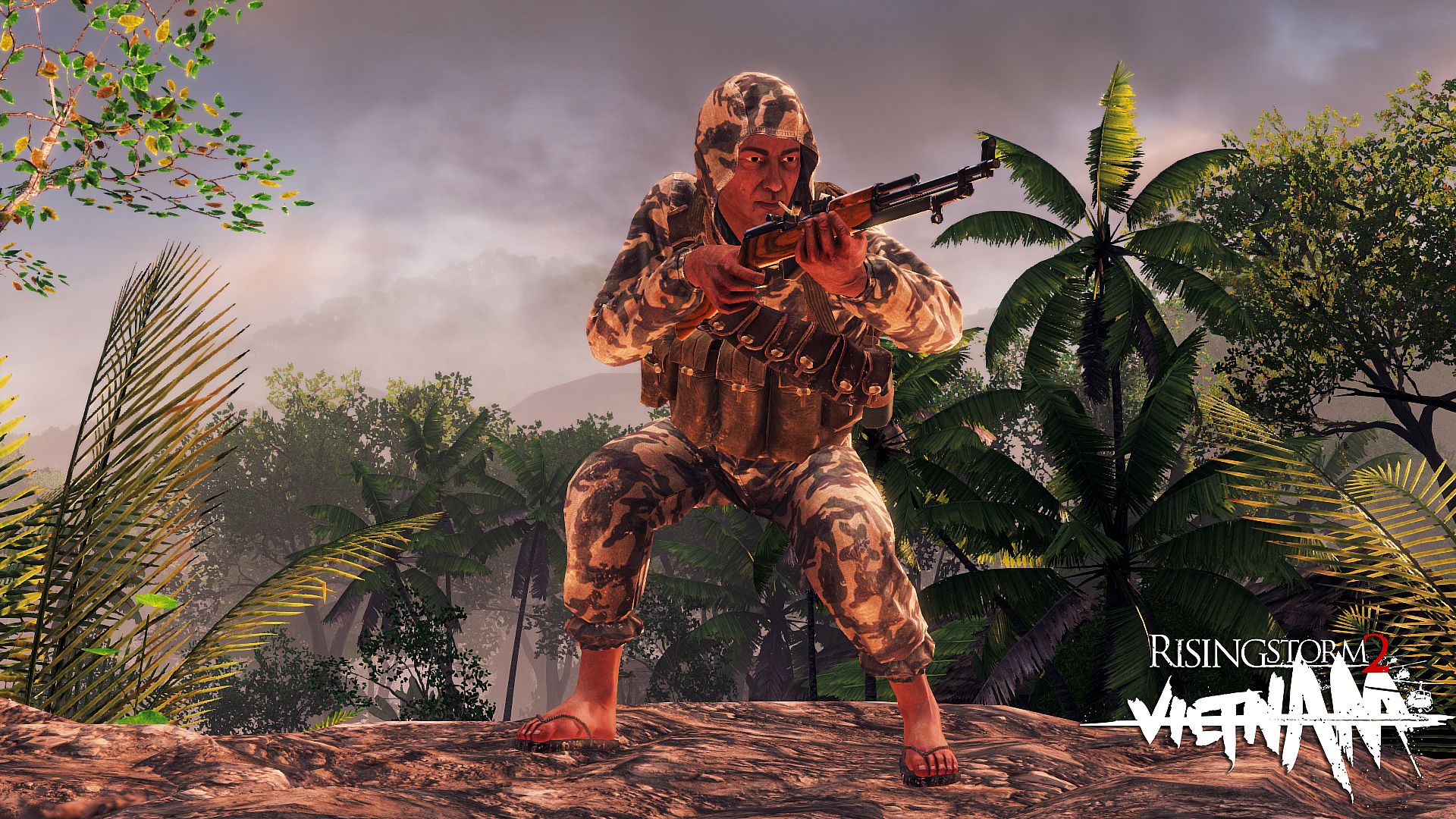
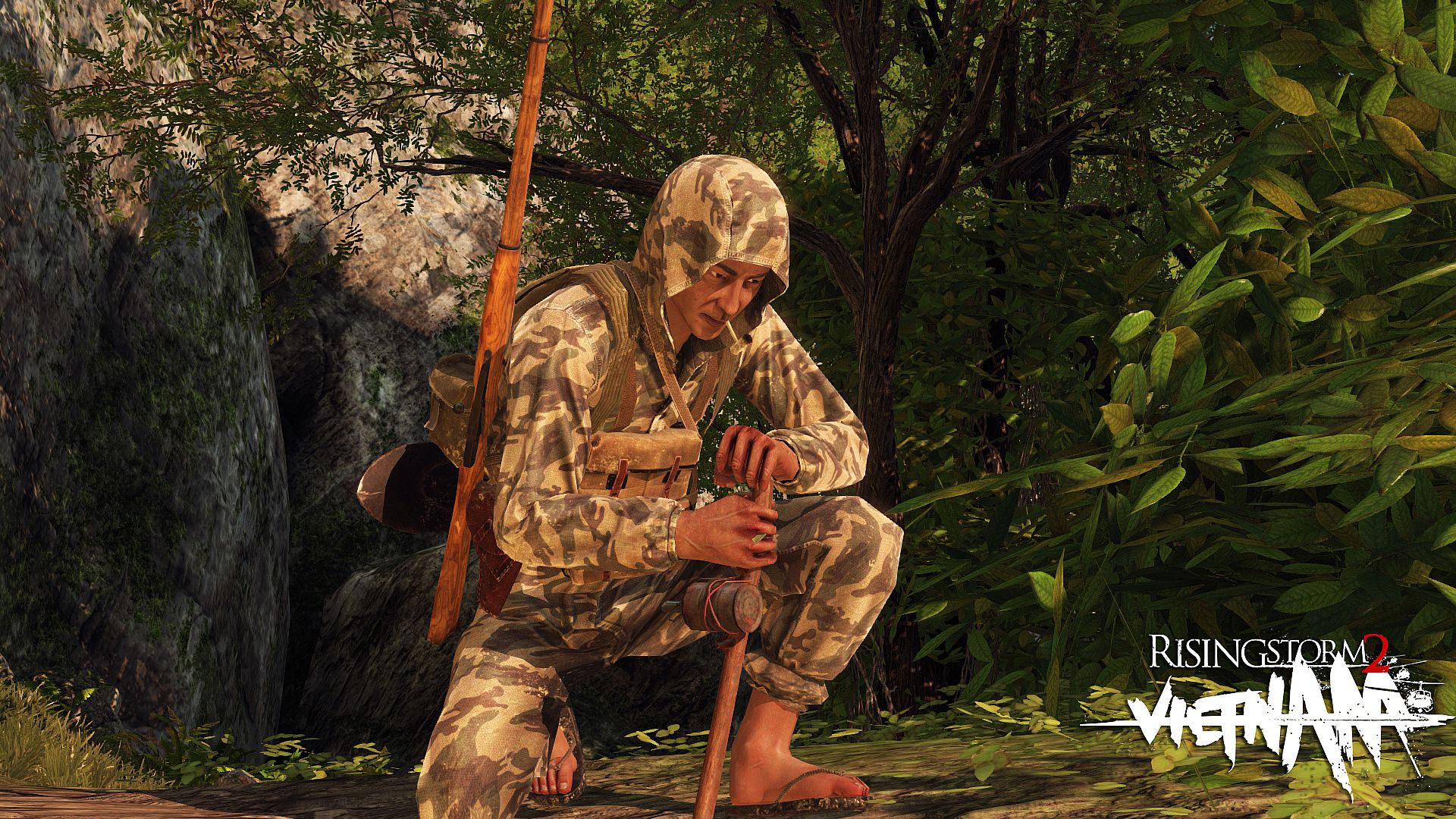
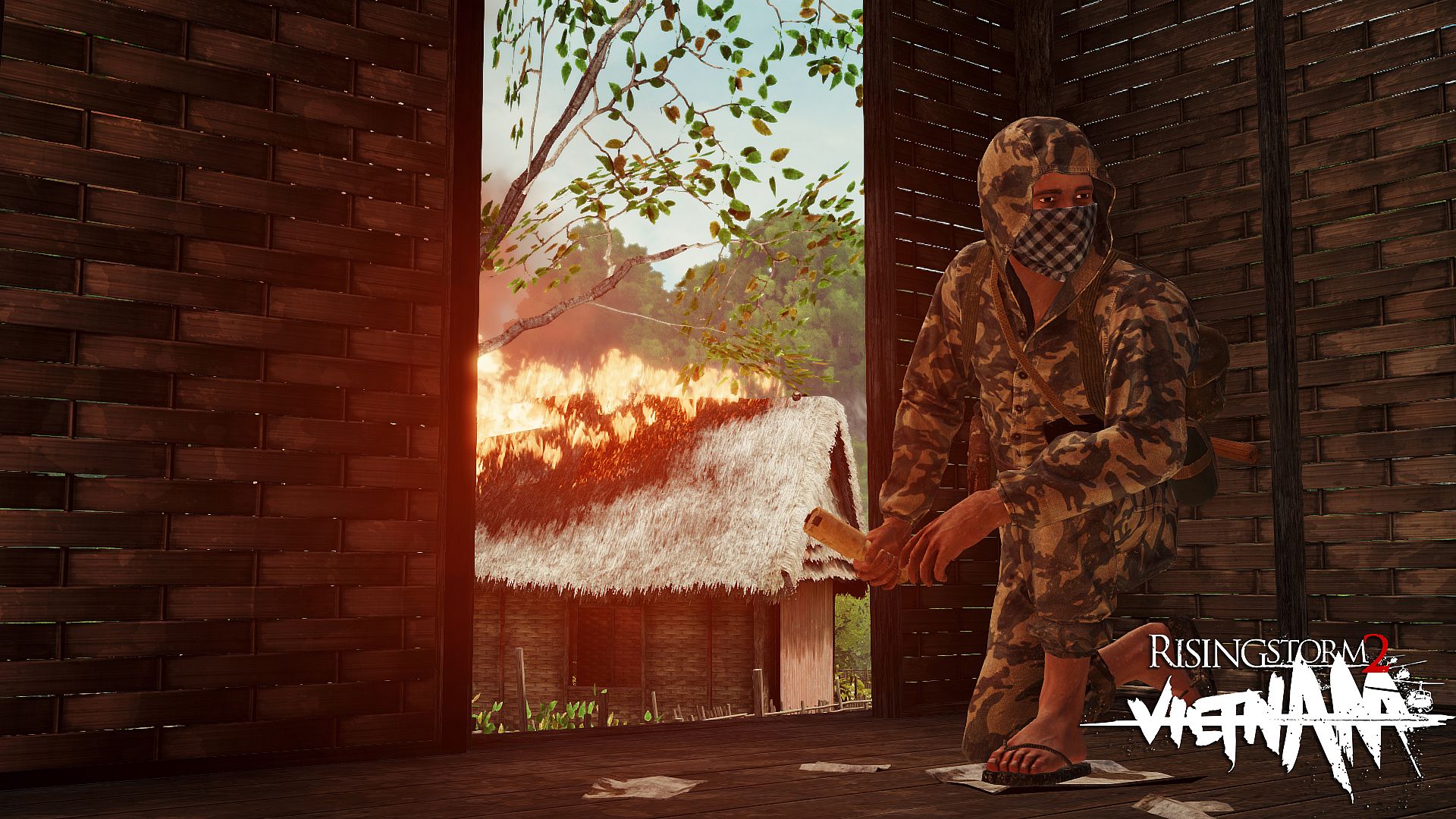
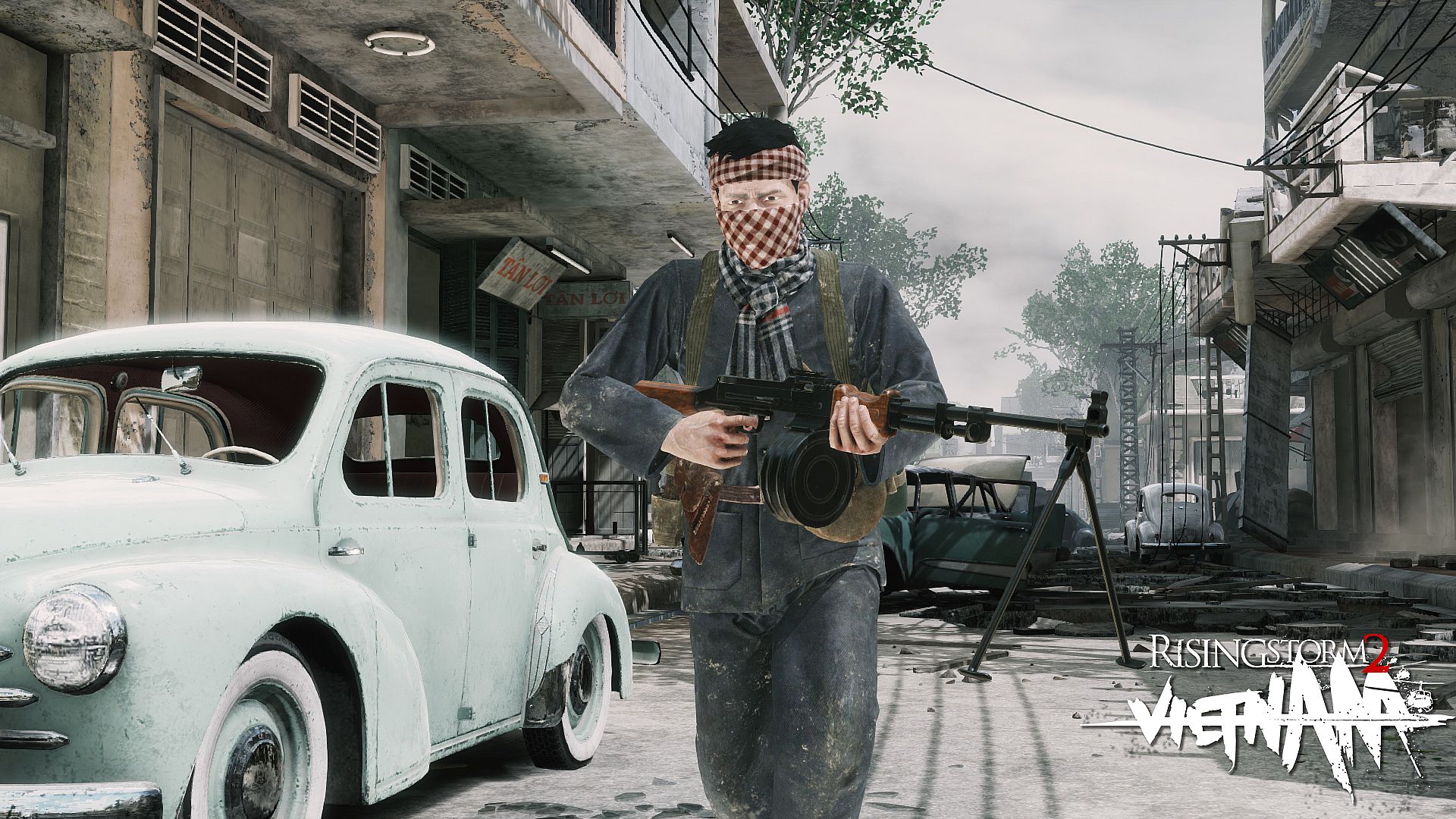
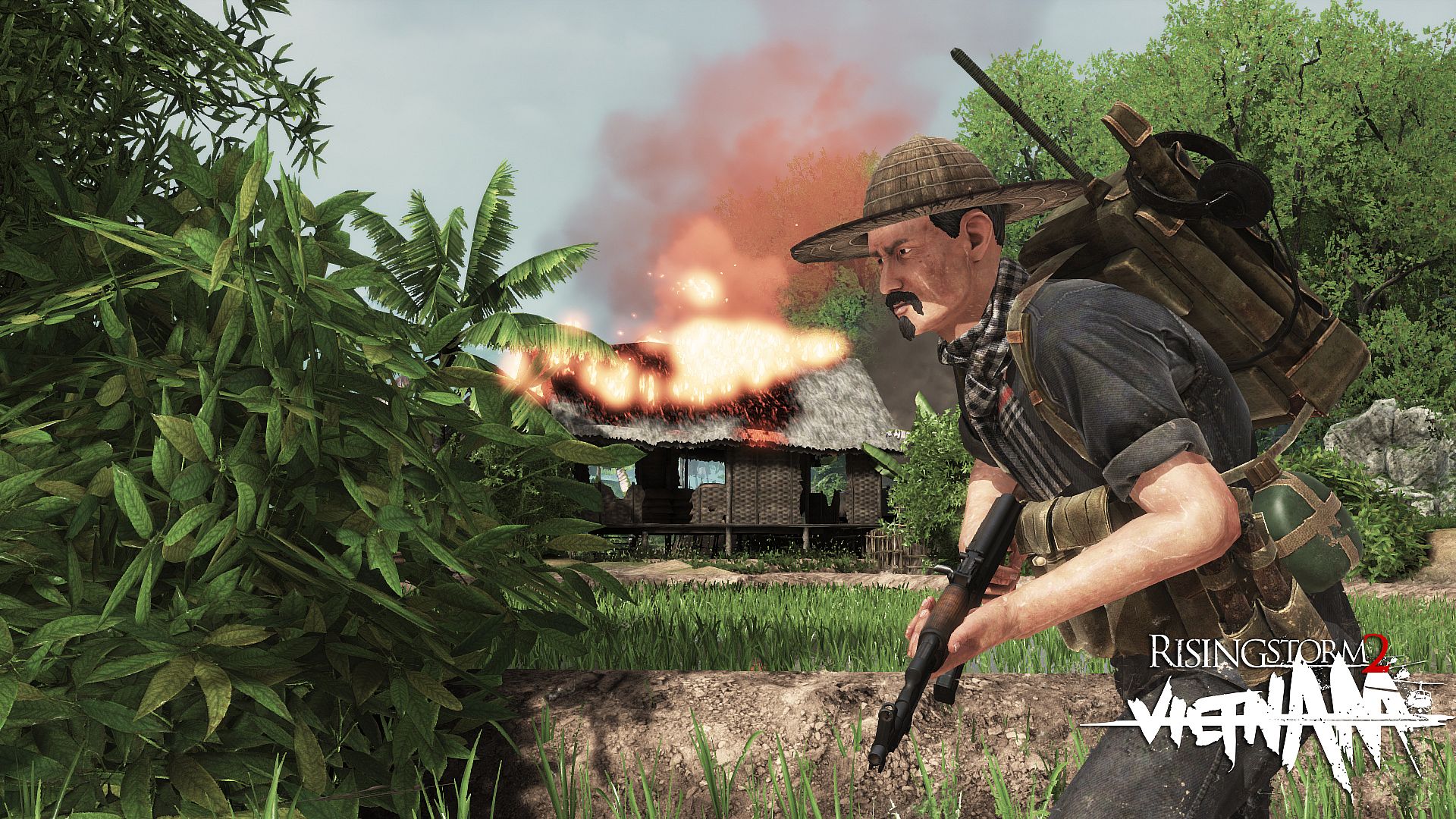
Two opposing sides define the experience. Southern forces include United States Army, Marines, and Australian units equipped with modern rifles, helicopters, and artillery options. Northern forces consist of the People's Army of Vietnam and National Liberation Front, relying on lighter weapons, traps, and hit-and-run strategies.
Mechanics reinforce the historical context through limited class availability, tunnel systems for the North, and vehicle interactions that reward coordinated anti-armor play. Voice proximity and squad customization tools further encourage organized play over lone-wolf actions.
Is It Worth Playing?
The game continues to receive updates years after launch, including the return of a multiplayer campaign mode that expands strategic depth across multiple years of the conflict. Player feedback highlights the intense atmosphere, accurate weapon modeling, and emphasis on teamwork as standout features, while noting a steep learning curve that rewards persistence.
It suits those who enjoy deliberate, large-scale tactical shooters where communication and role discipline matter more than individual heroics. Newcomers should expect to start in basic roles and learn maps gradually, but the persistent community and ongoing content additions keep matches populated for those drawn to Vietnam War settings and objective-driven multiplayer.