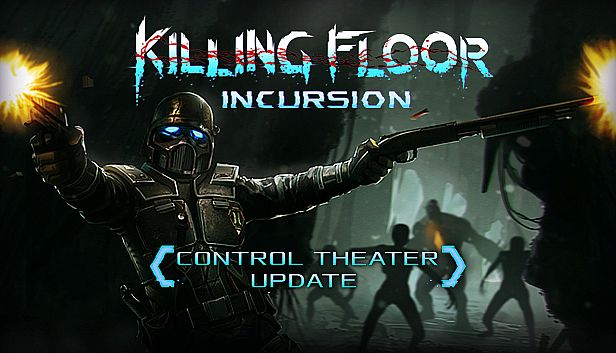
















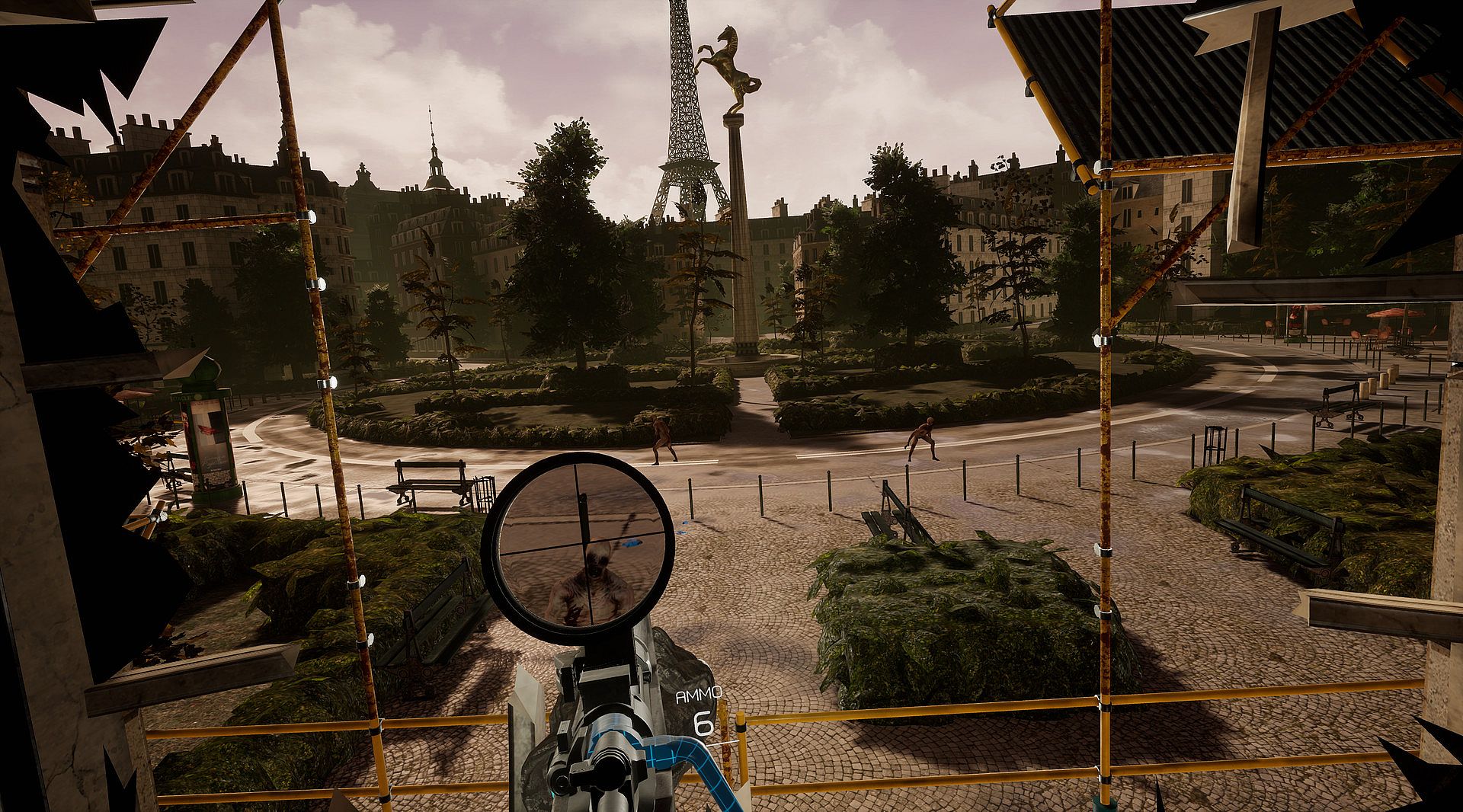

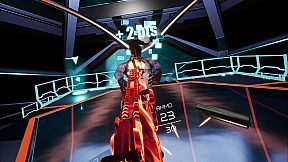
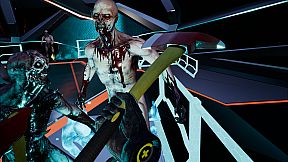
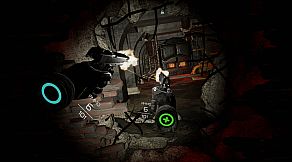
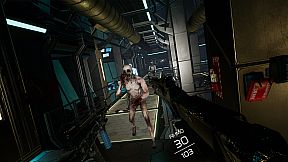
Killing Floor: Incursion is a virtual reality action game centered on intense combat against hordes of mutated creatures known as Zeds. Developed specifically for VR by Tripwire Interactive, it combines a narrative-driven campaign with co-operative elements and an endless survival challenge. Players navigate detailed settings while using a mix of firearms and melee tools to survive encounters that emphasize physical dismemberment and close-quarters violence.
Gameplay
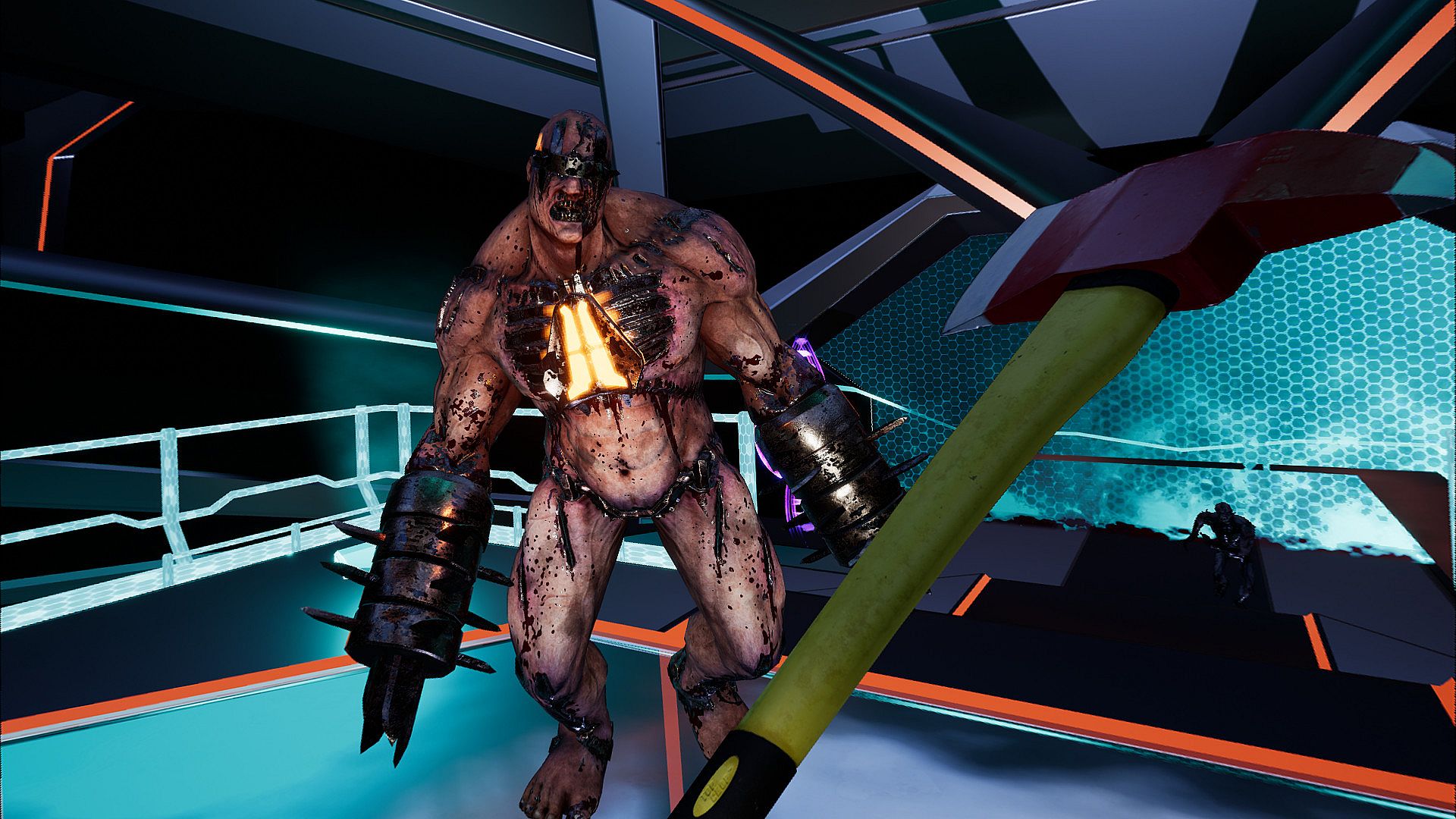
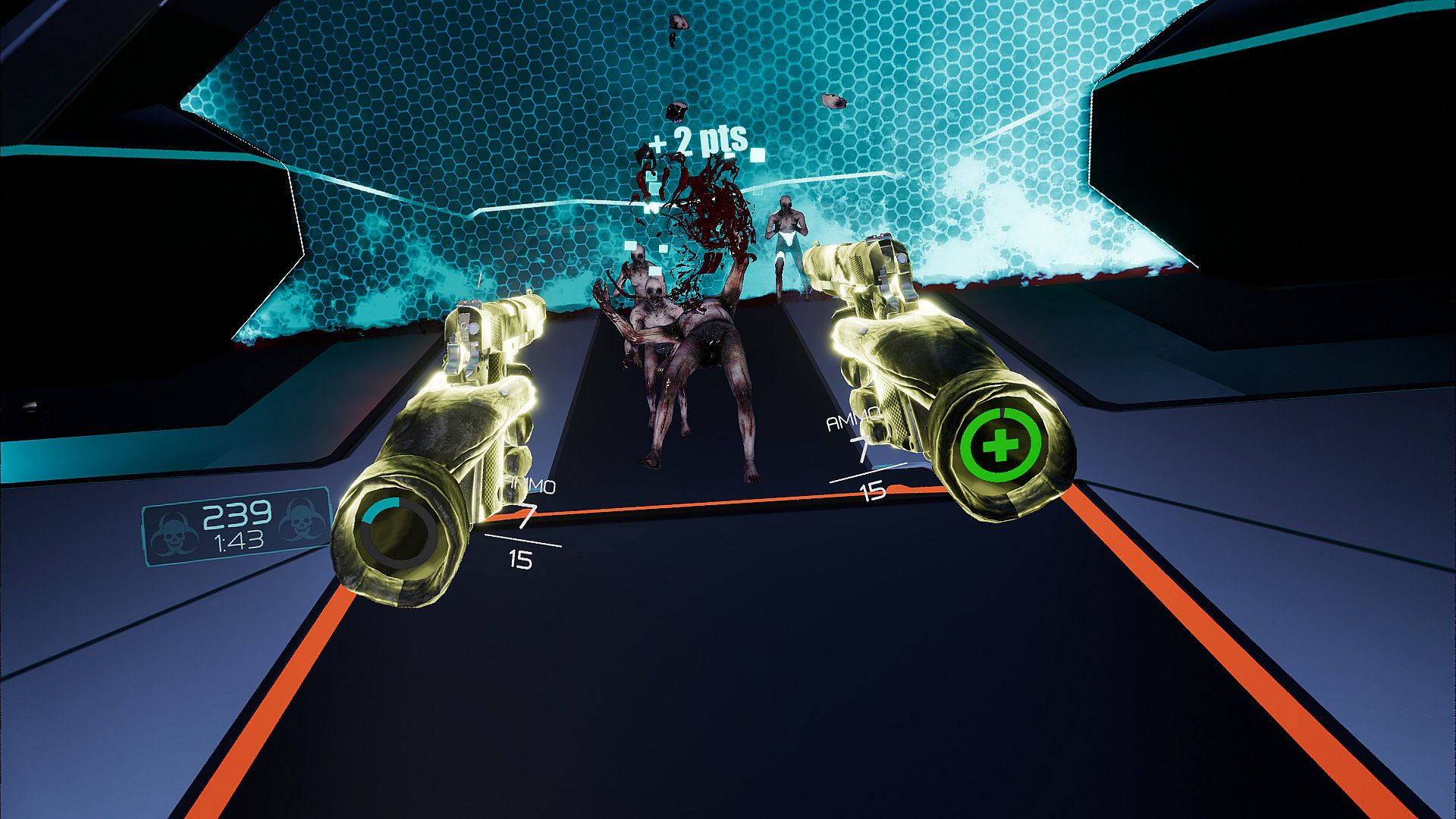
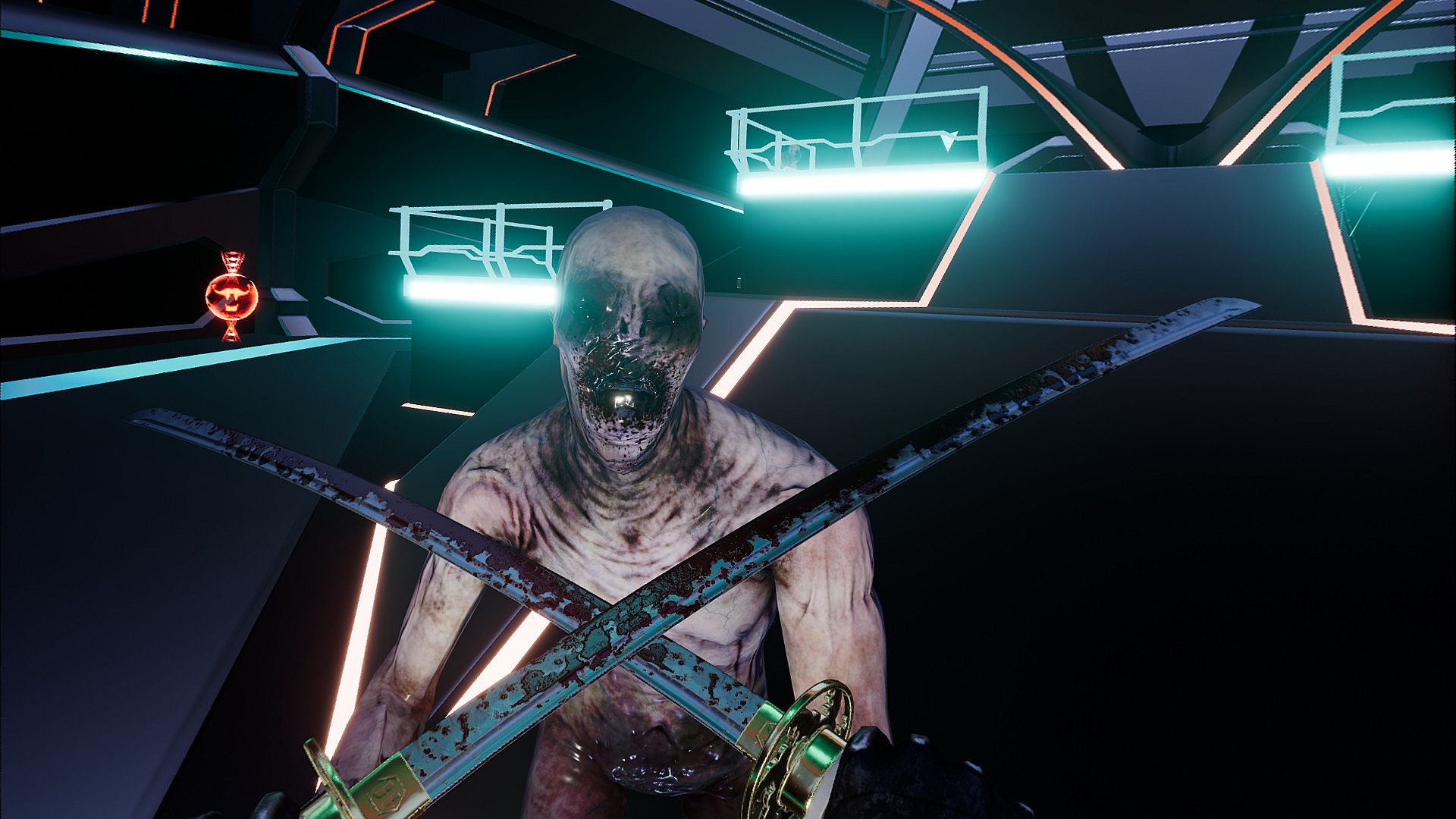
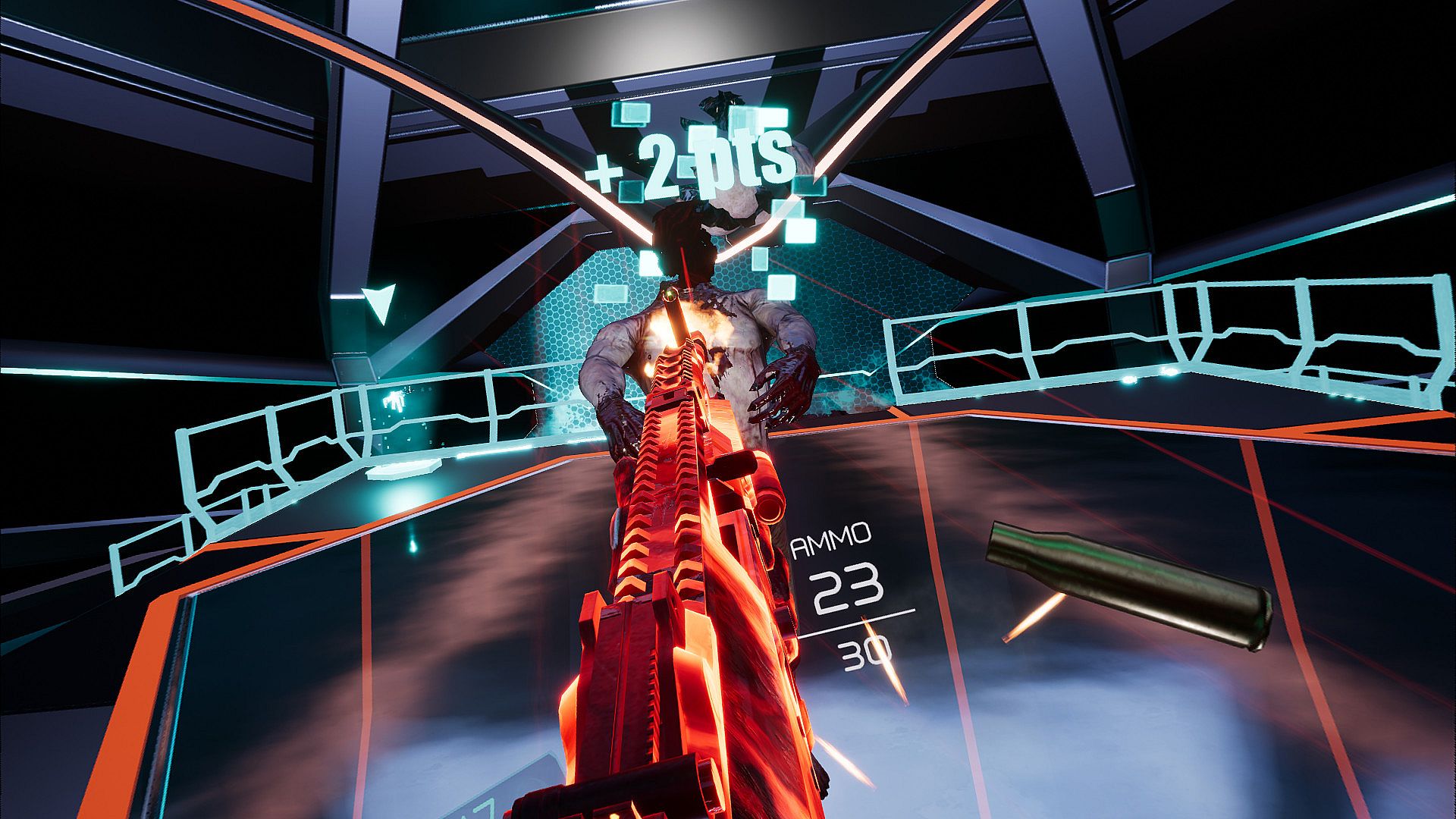
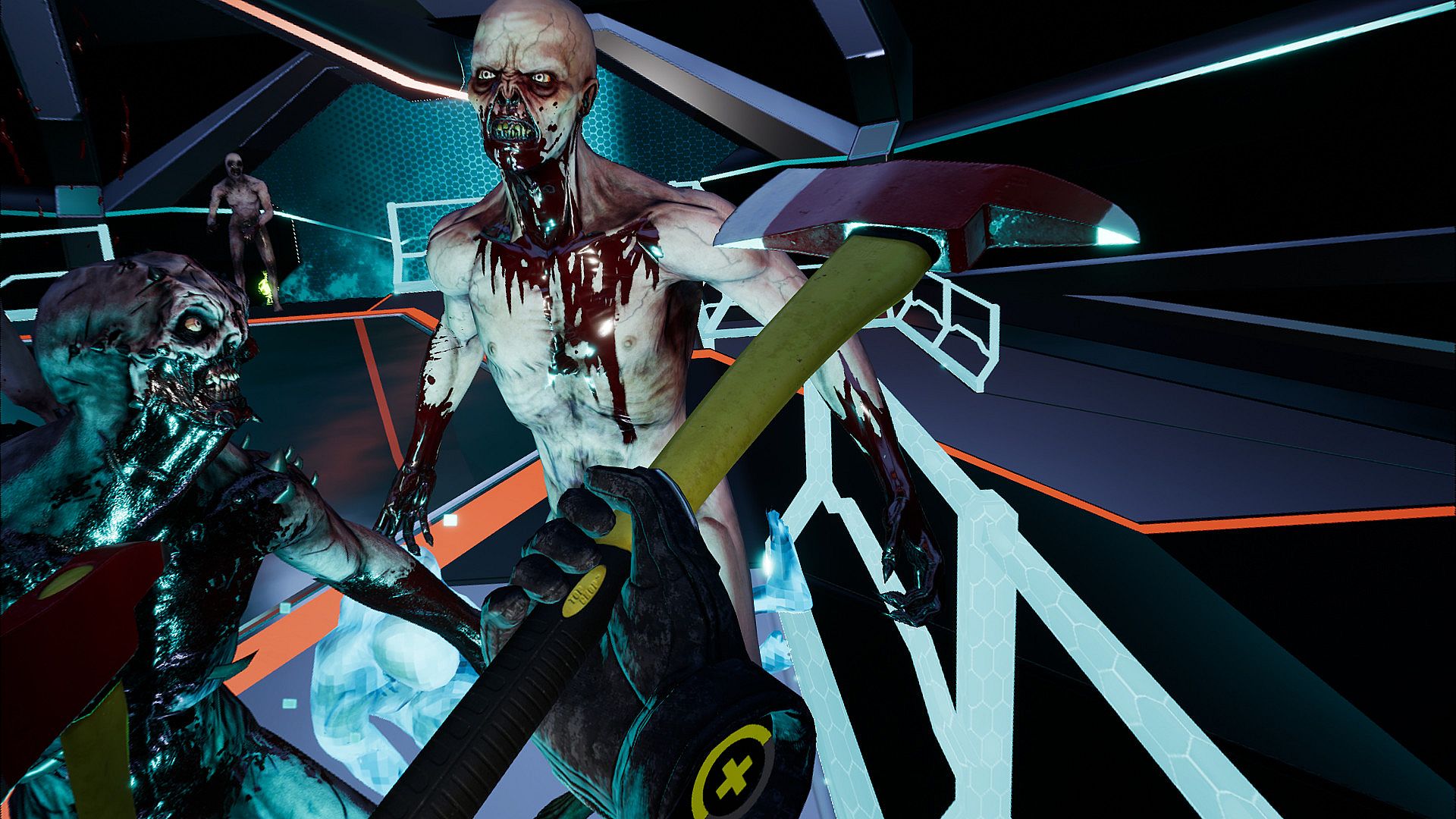
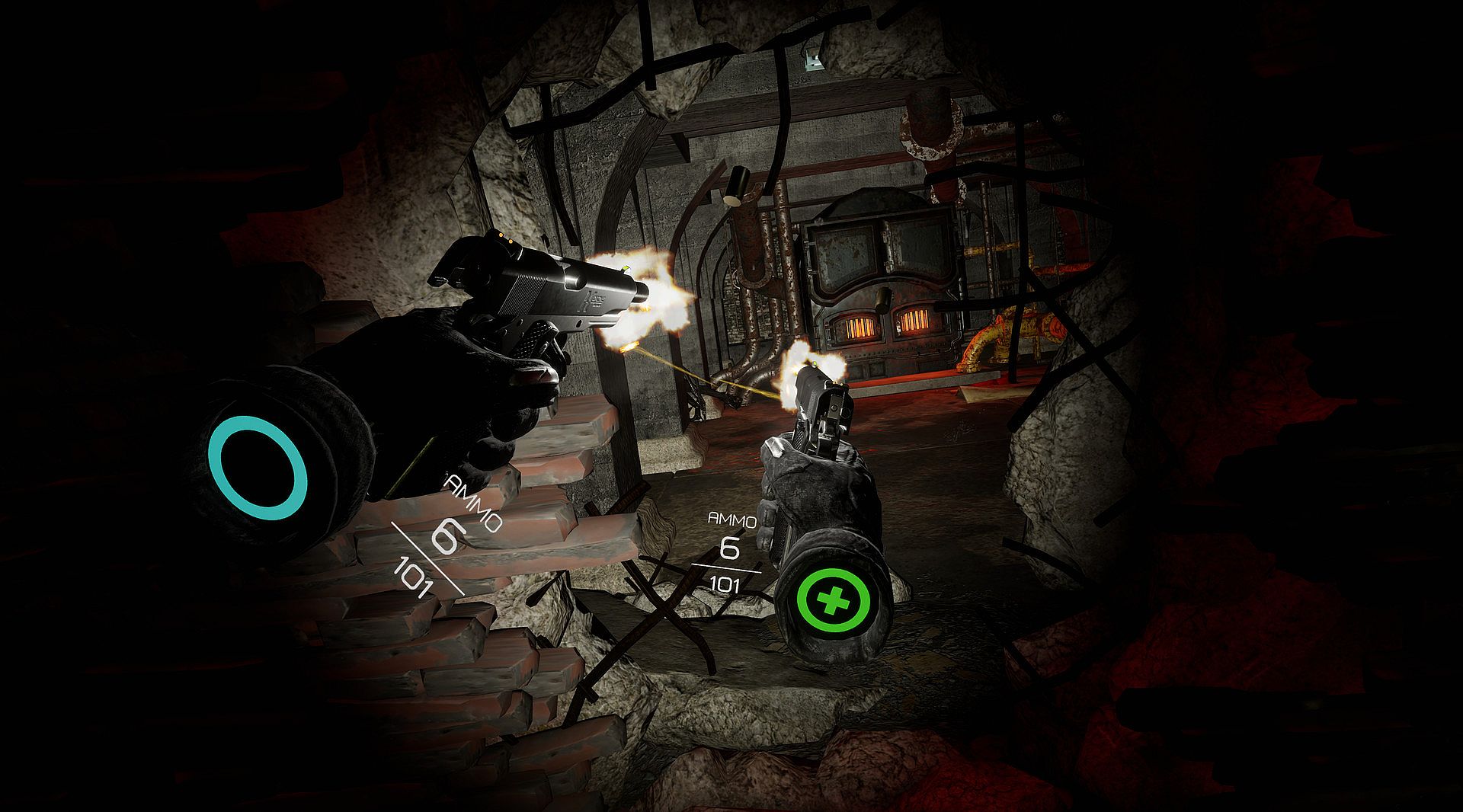
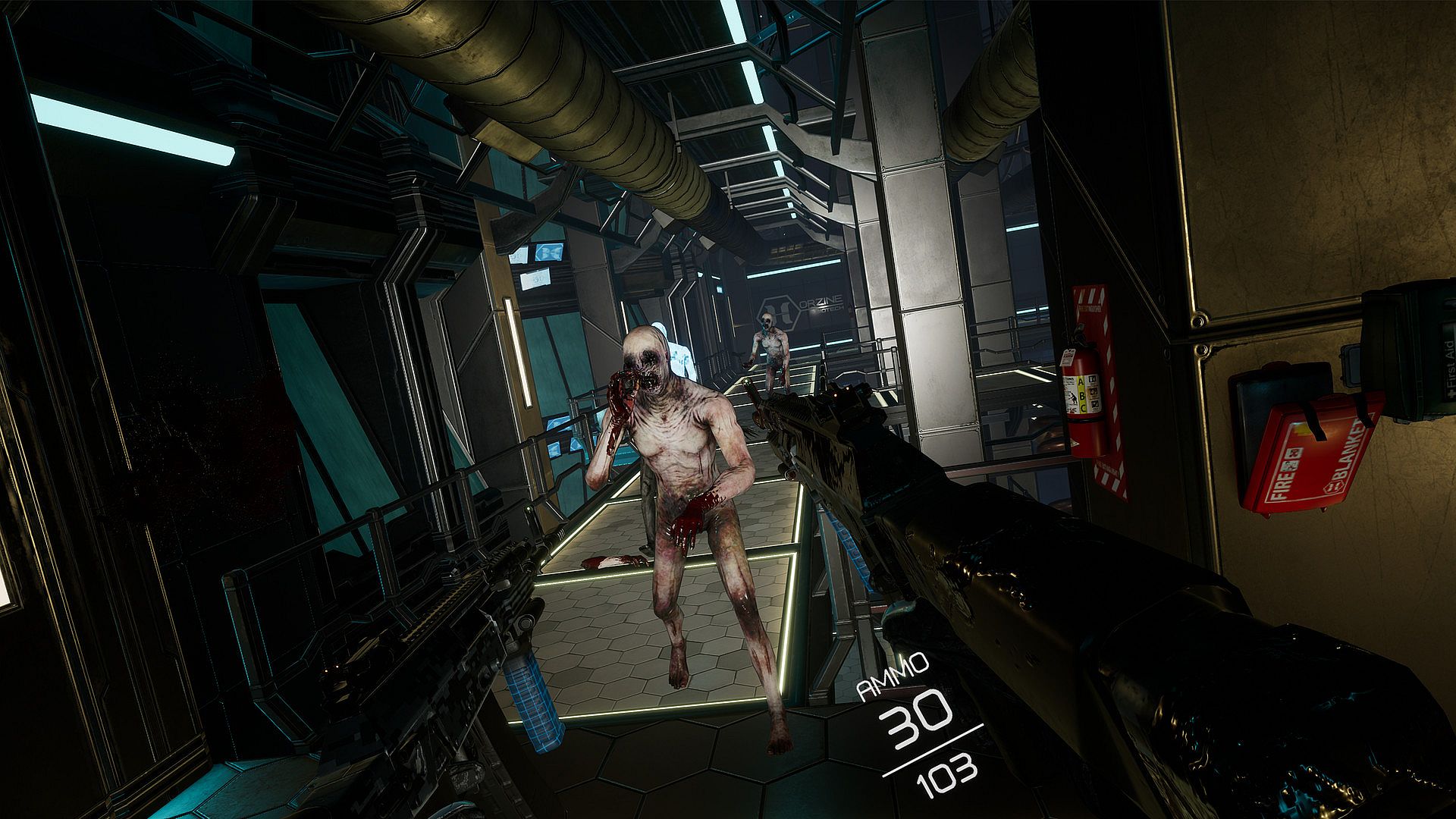
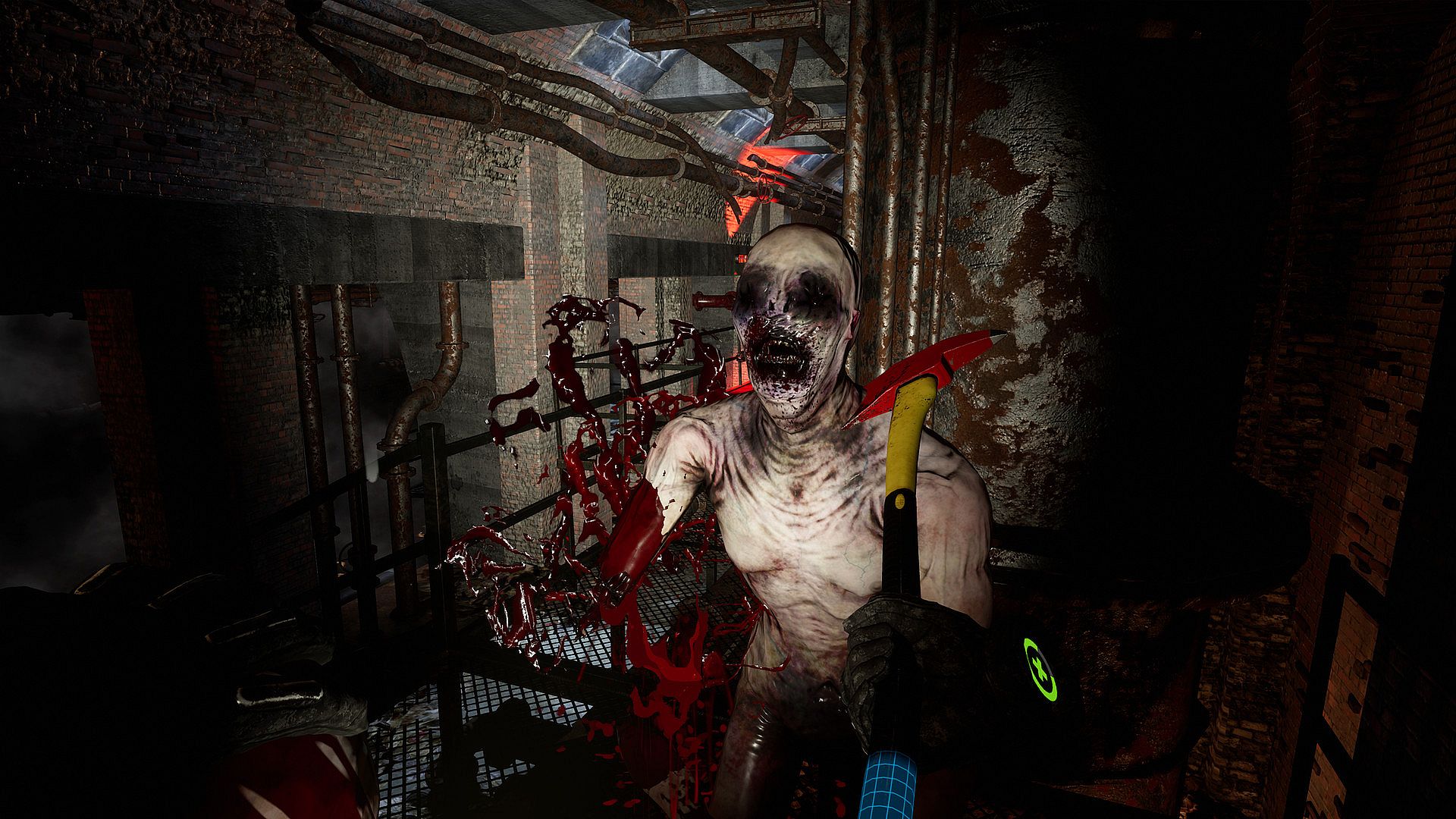
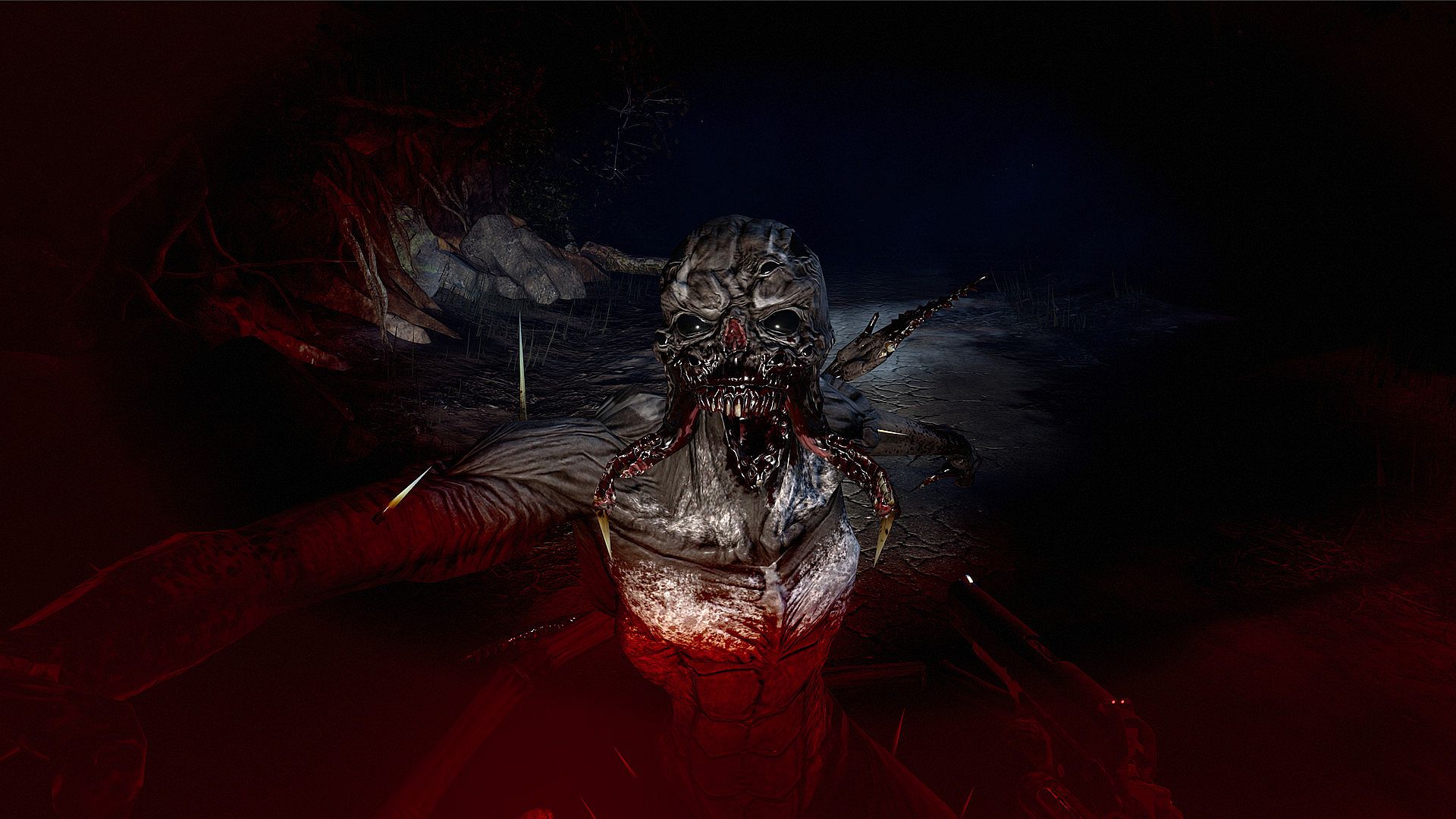
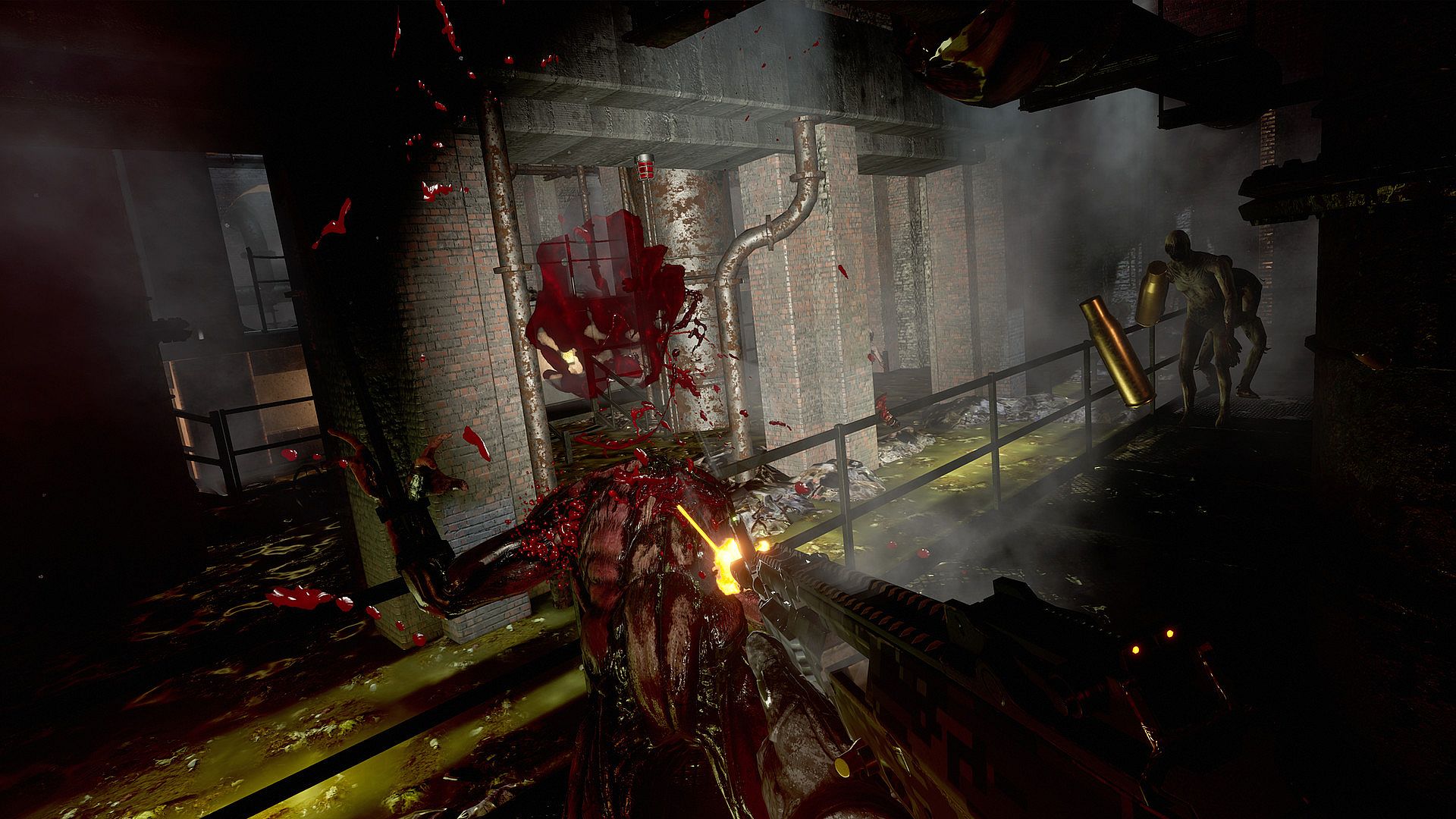
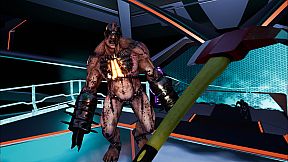
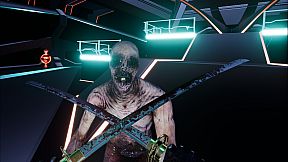
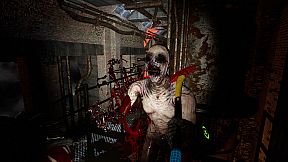
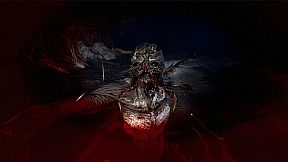
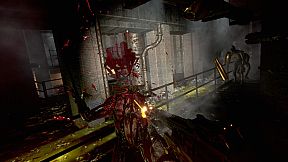
The core loop revolves around exploring linear stages while fending off groups of Zeds that vary in movement and attack patterns. Some shuffle forward slowly, others crawl or sprint directly at the player, and a few deploy ranged plasma attacks. Combat blends shooting with pistols, shotguns, and rifles alongside chopping and slashing using axes or improvised items. Dismemberment occurs on successful hits, sending limbs and heads flying amid heavy blood effects, and detached Zed parts can be grabbed and swung as temporary weapons.
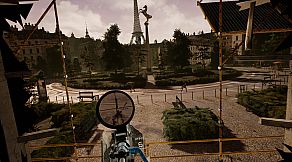
Environments shift across five distinct areas, each introducing unique layout threats and visual details that support the story progression. Movement relies on VR locomotion options, including a free-move system and compatibility with external control schemes for smoother navigation. The experience supports solo play or paired co-operation, where a second participant joins to share the load during tougher sequences.
Game Modes
Two primary modes structure the content. The narrative campaign unfolds across five fully voiced stages that reveal details about the Horzine Corporation and its ties to the Zed outbreak. Players advance through connected areas, uncovering plot elements while managing resources and adapting to new weapon introductions per stage.
Holdout serves as the endless alternative. Waves of increasingly aggressive Zeds spawn in succession, testing survival duration with access to rotating weapons, temporary power-ups, and additional mechanics not present in the campaign. Sessions continue until the player is overwhelmed, encouraging repeated attempts to improve endurance.
- Co-operative support functions in both the campaign and Holdout for shared sessions with one partner.
- Each Zed type requires specific tactics based on speed, reach, and attack style.
- Weapon variety expands with level progression, covering close-range blades to longer-range firearms.
Environments and Atmosphere
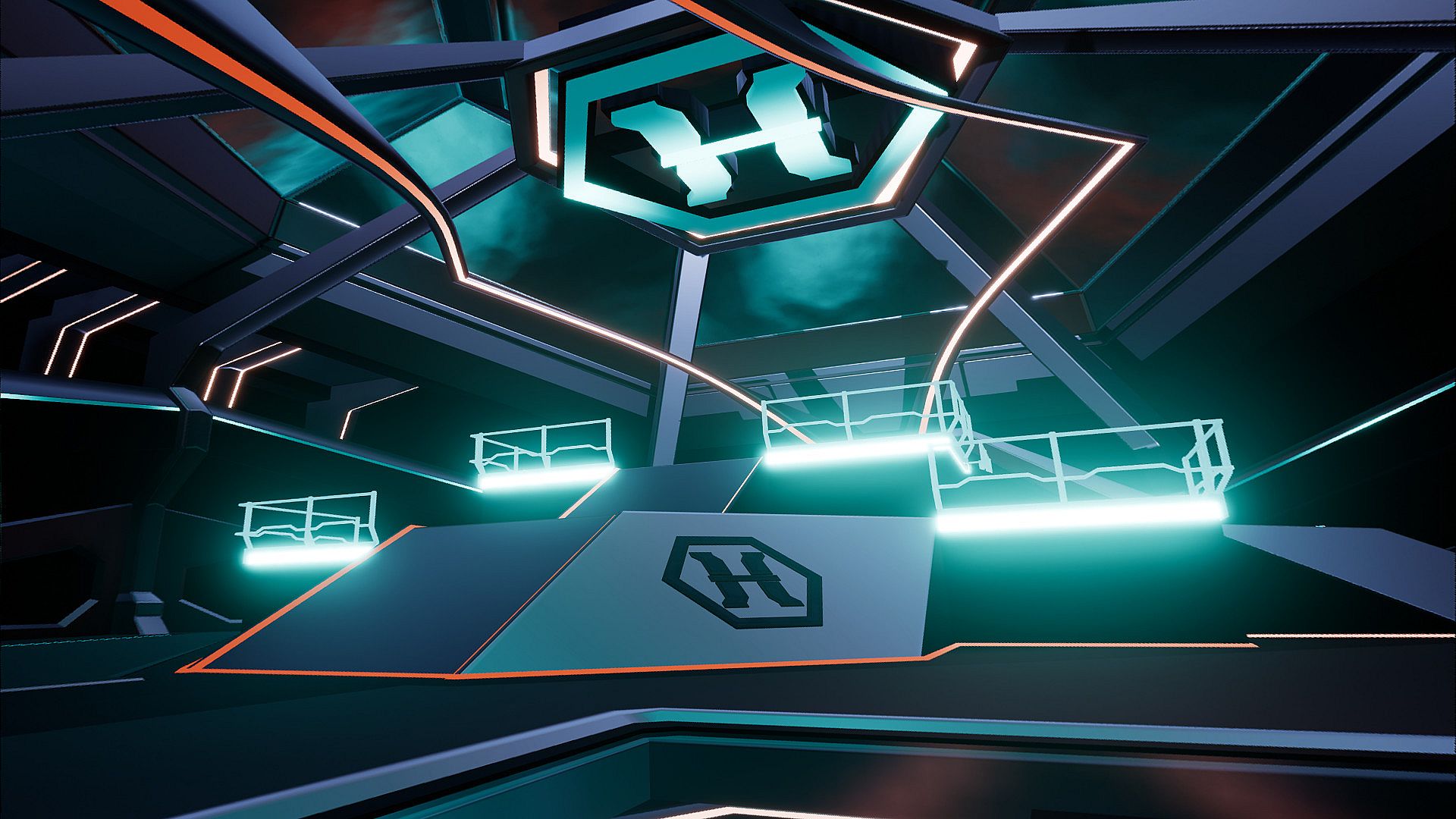
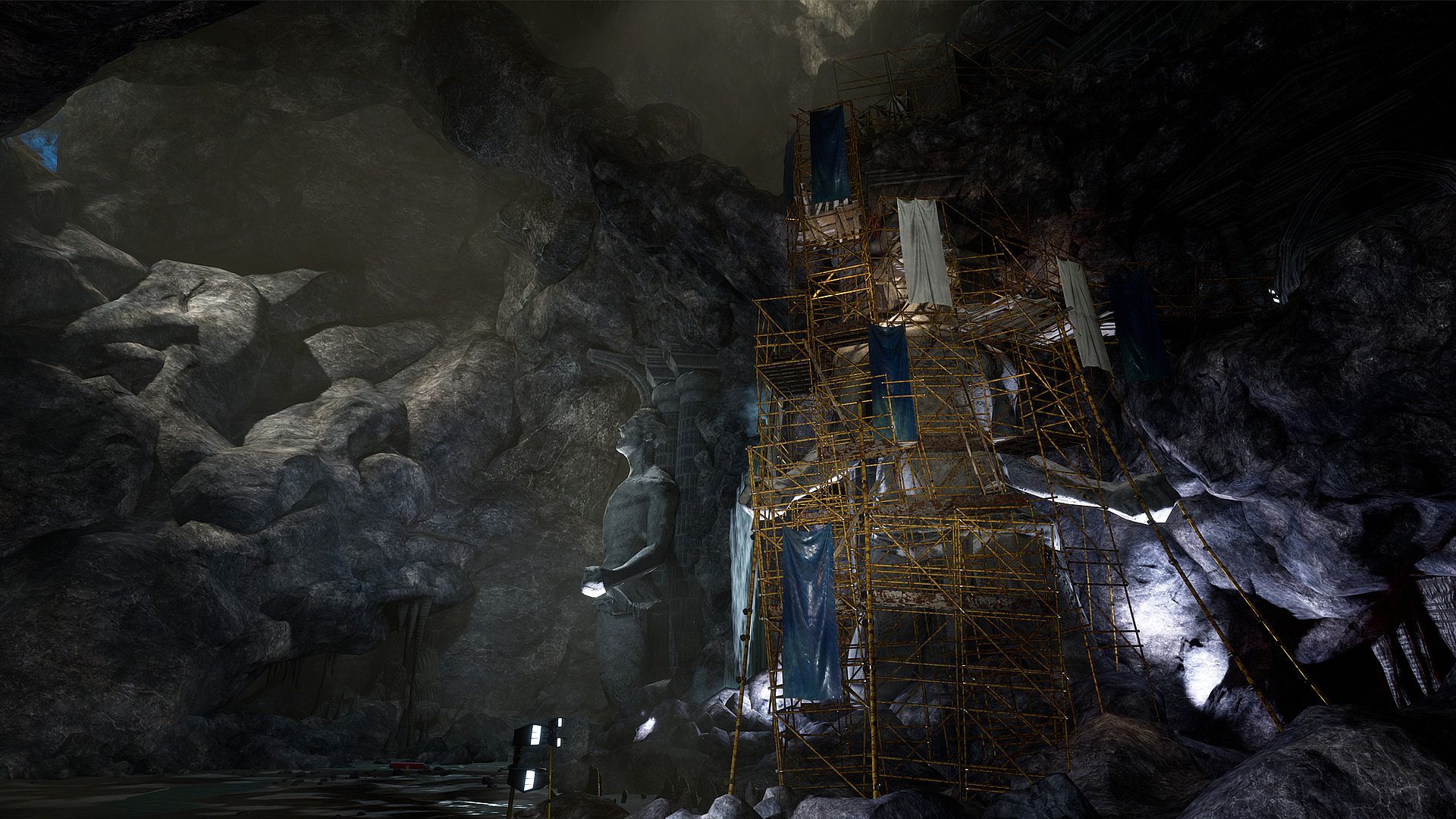
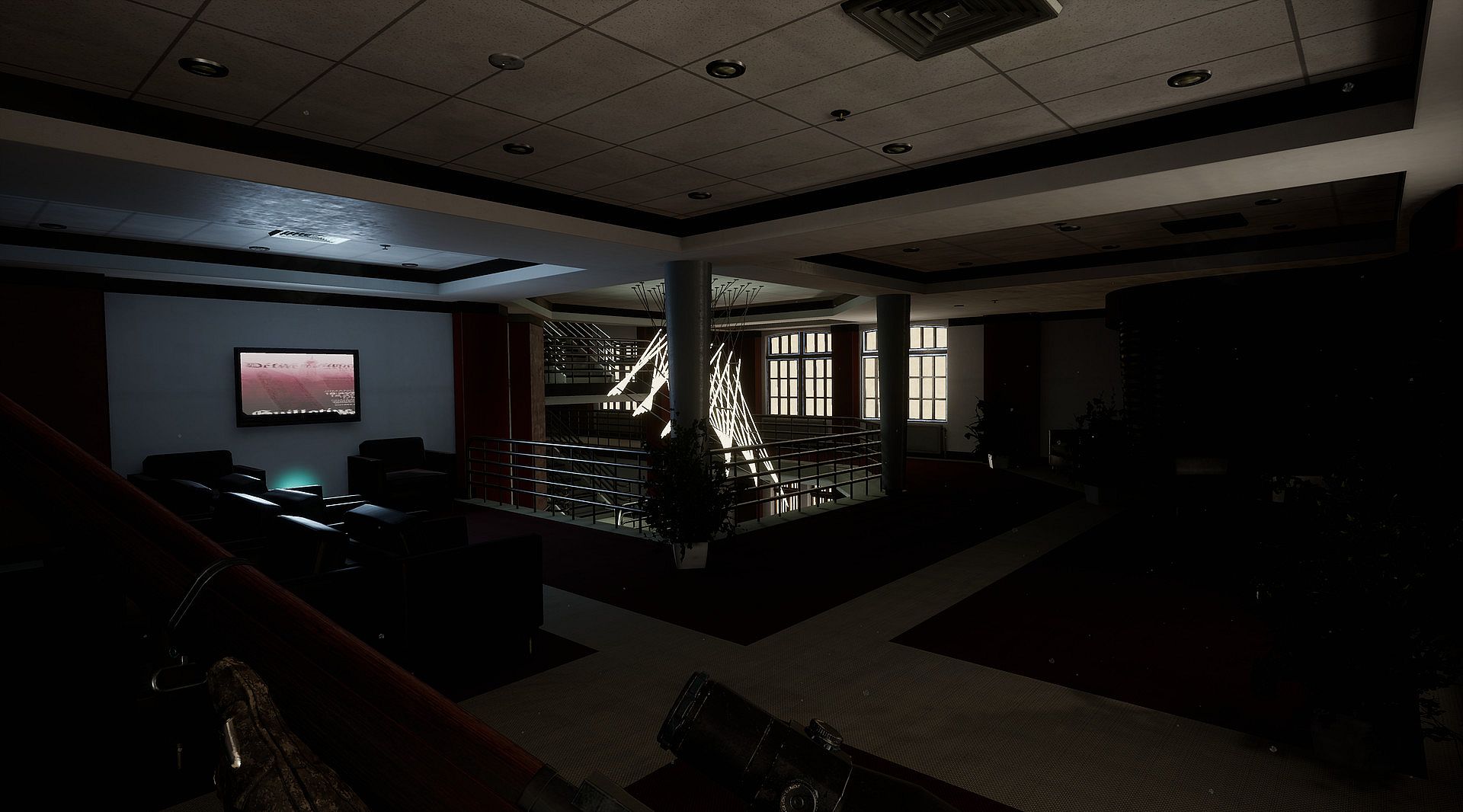
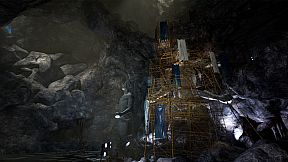
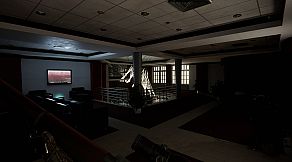
Settings range from high-tech training facilities and run-down trailer parks to farmhouses and underground catacombs. Each location carries its own environmental hazards and narrative beats that tie into the larger mystery. The design prioritizes immersion through spatial audio cues and reactive physics during combat, where bodies and debris react realistically to impacts.
Atmosphere builds tension through dim lighting, confined spaces, and sudden Zed appearances rather than relying on jump scares alone. Players must stay aware of surroundings while managing ammunition and positioning to avoid being flanked.
Is It Worth Playing?
The game delivers a focused VR experience for those drawn to gore-heavy zombie combat and short co-operative campaigns. Its mixed reception stems from a concise story mode that some complete quickly alongside an endless mode that provides repeatable challenge but limited long-term variety. Recent control updates improve accessibility for certain headsets and movement preferences.
It suits players comfortable with VR locomotion who enjoy learning enemy patterns and experimenting with improvised weapons in a co-op setting. Those seeking extensive post-launch content or ongoing seasonal updates will find the package self-contained since its 2017 release, with no further expansions confirmed. The emphasis on visceral feedback and paired play makes it a solid choice for targeted VR sessions rather than broad multiplayer audiences.