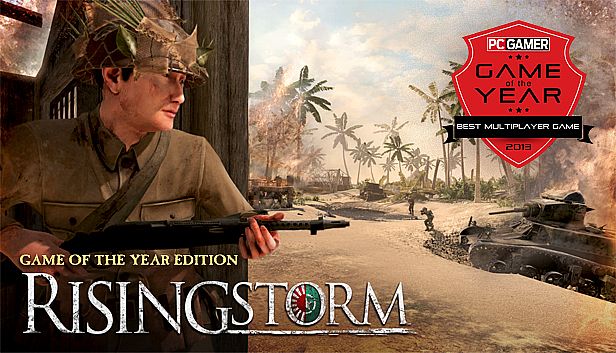
















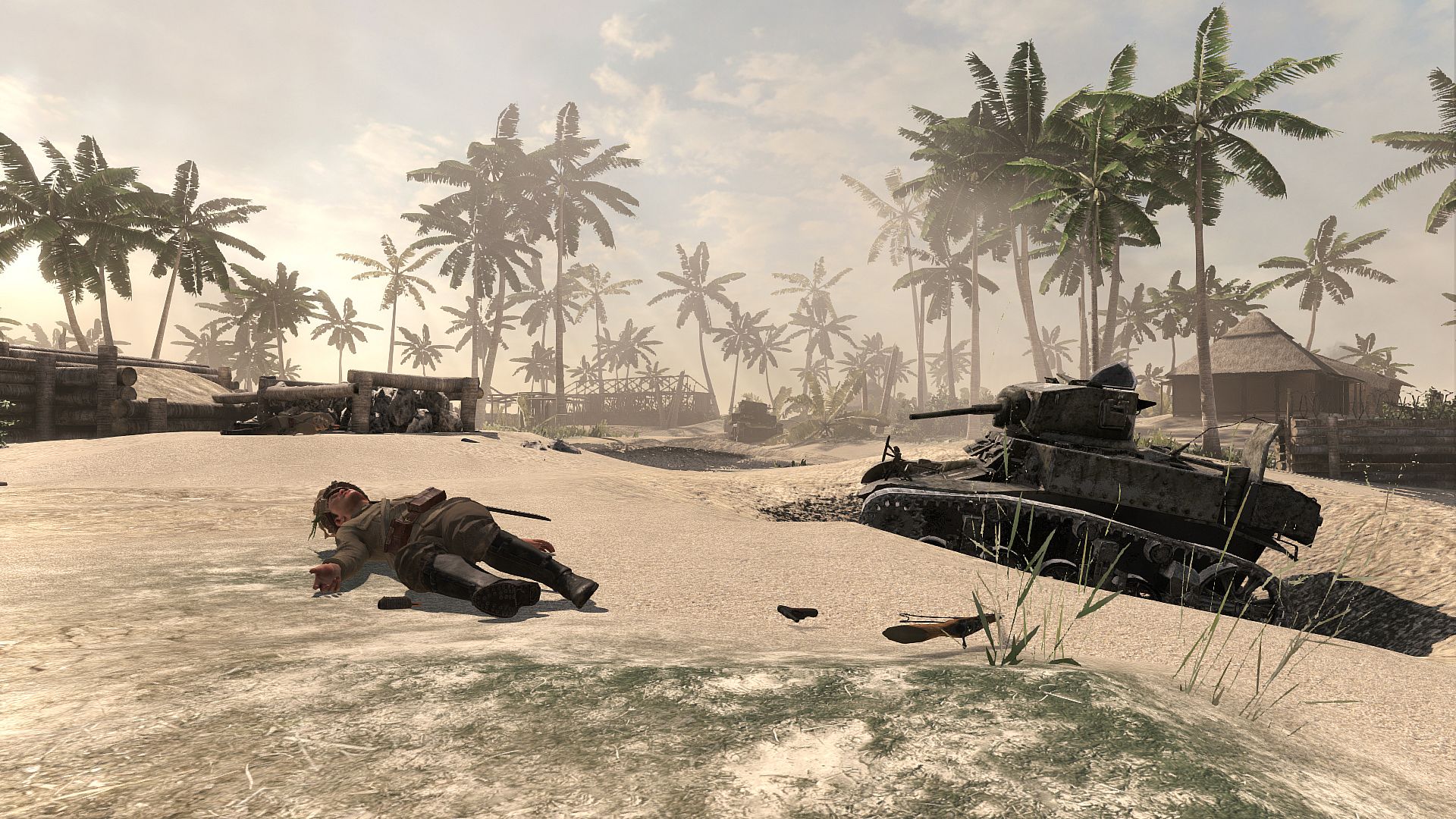
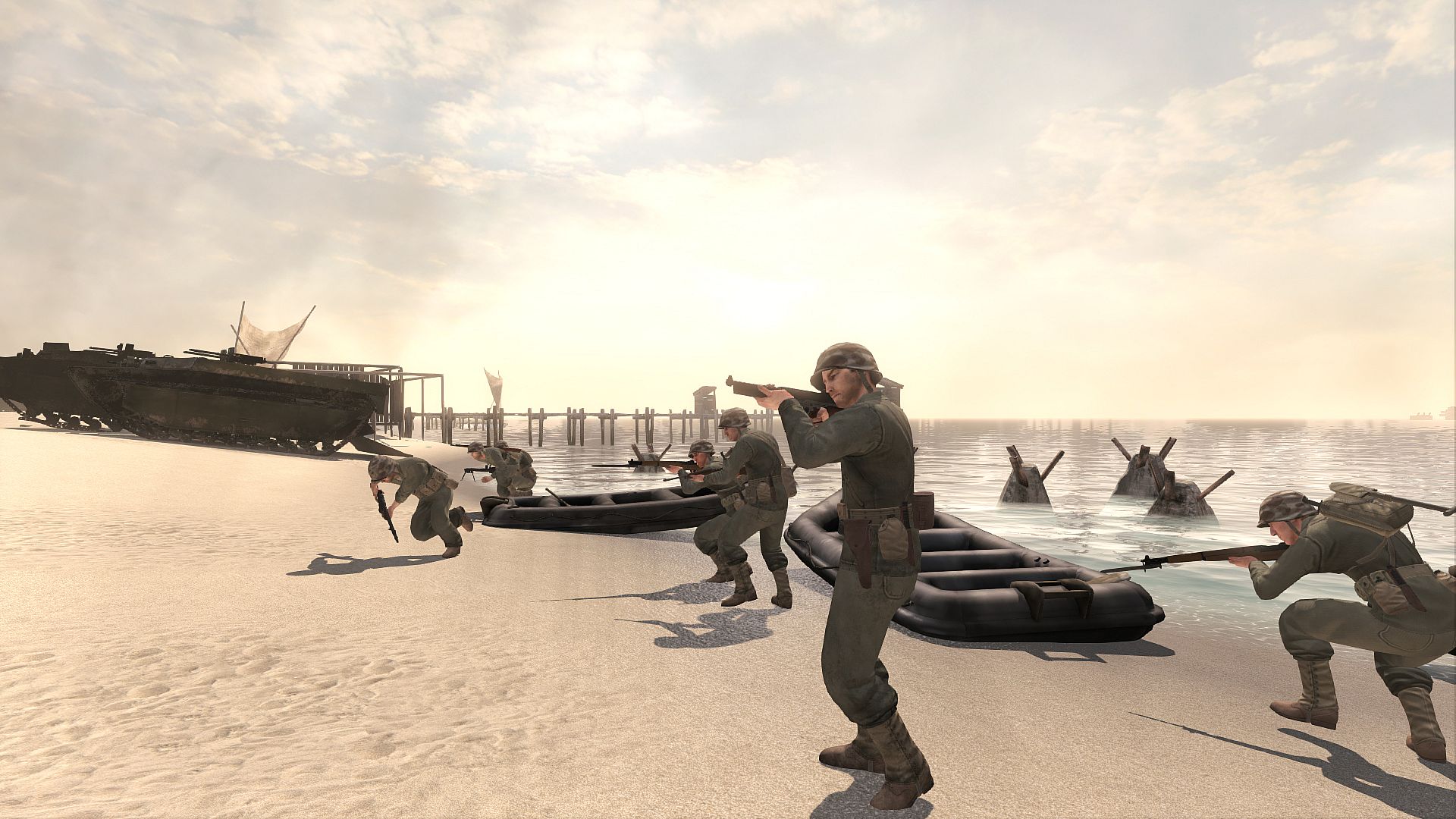
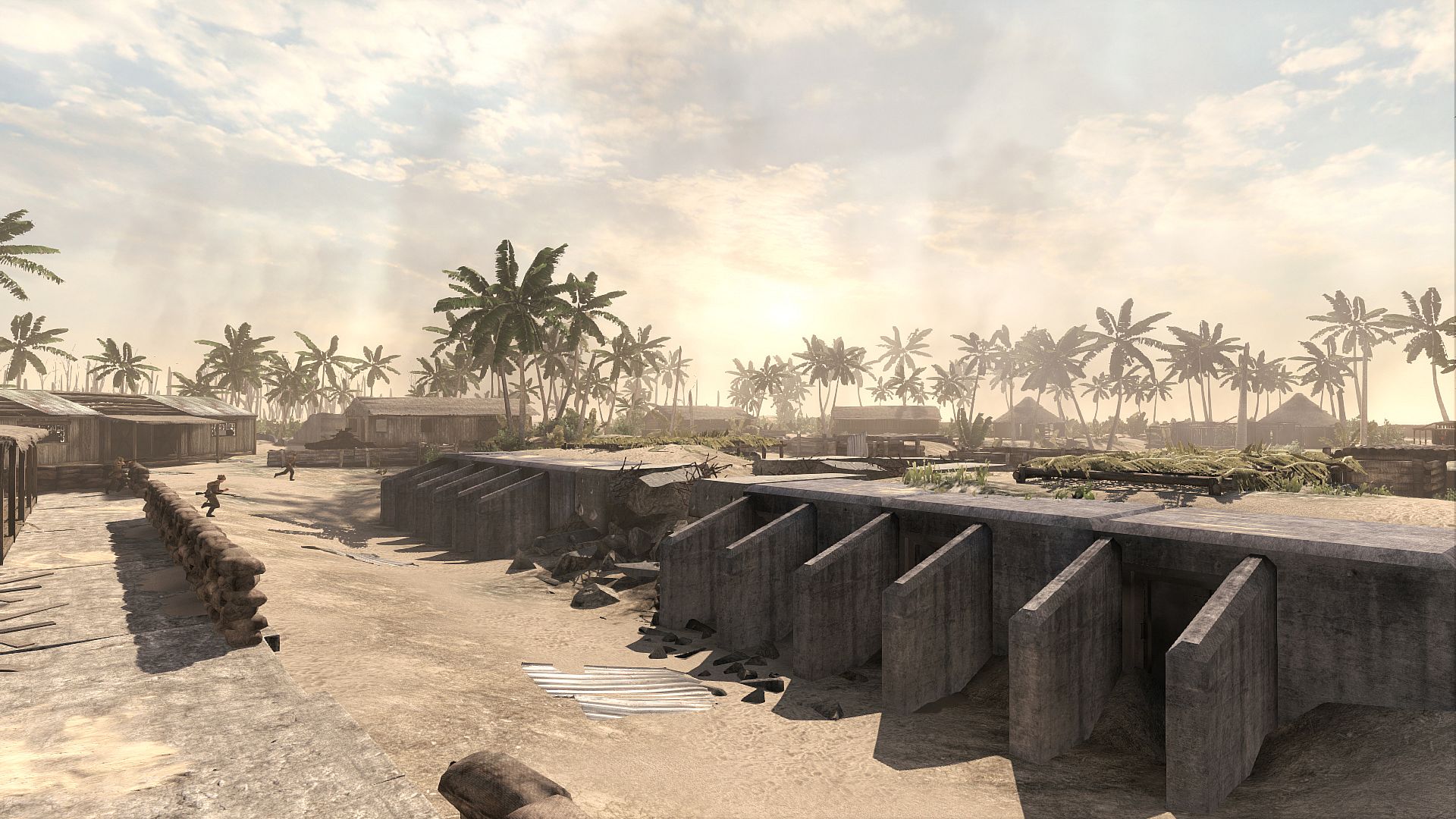
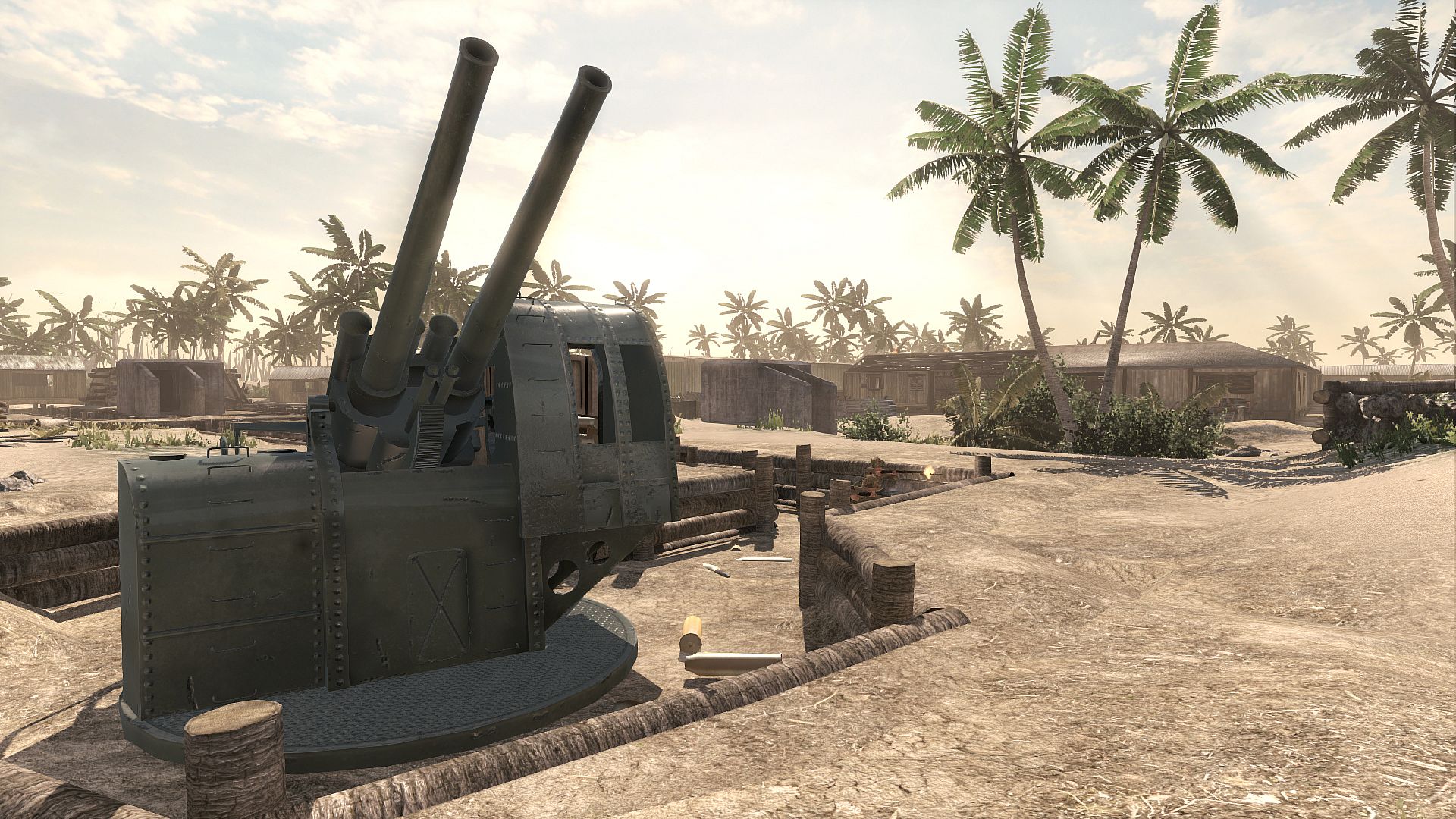
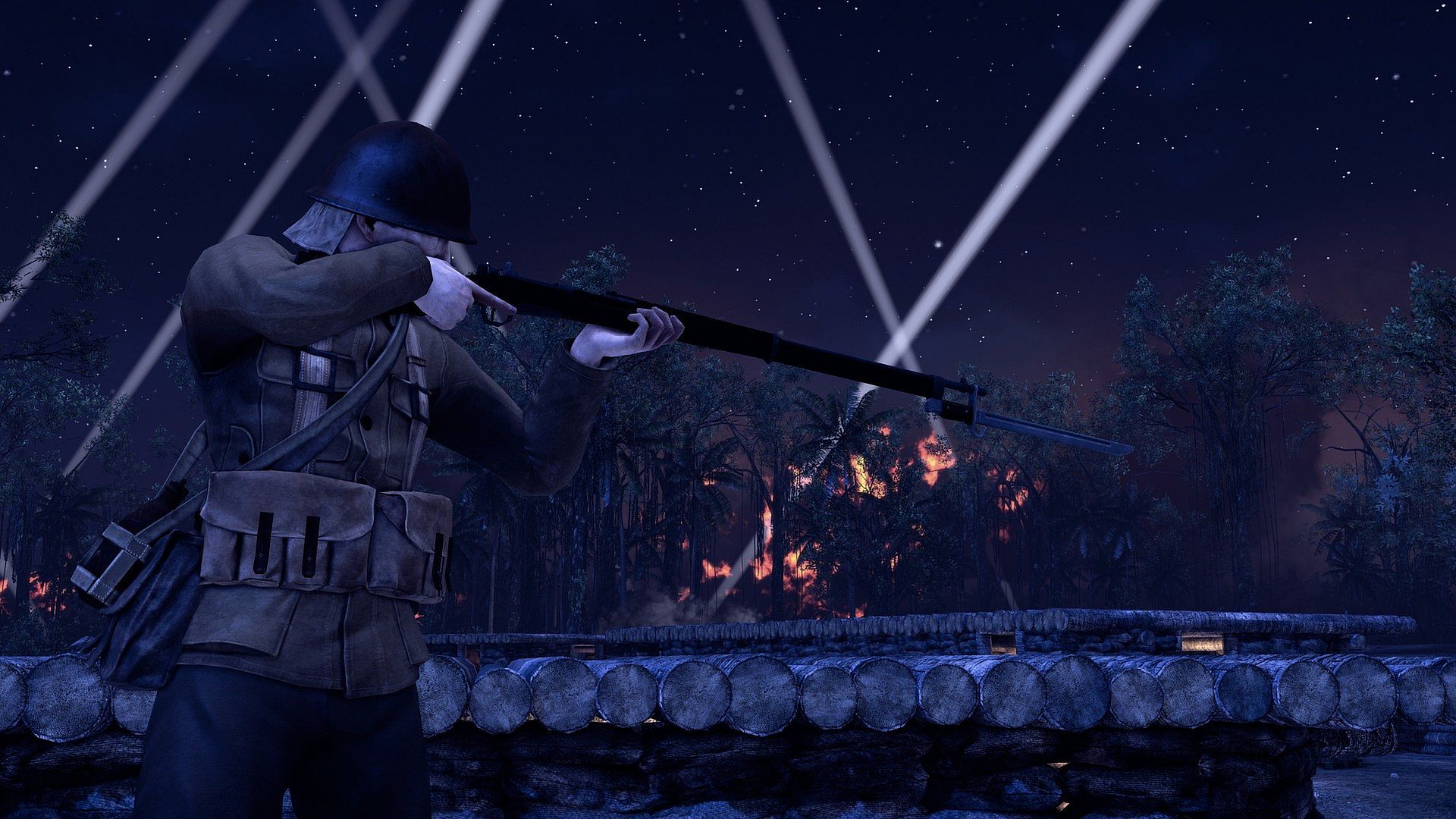
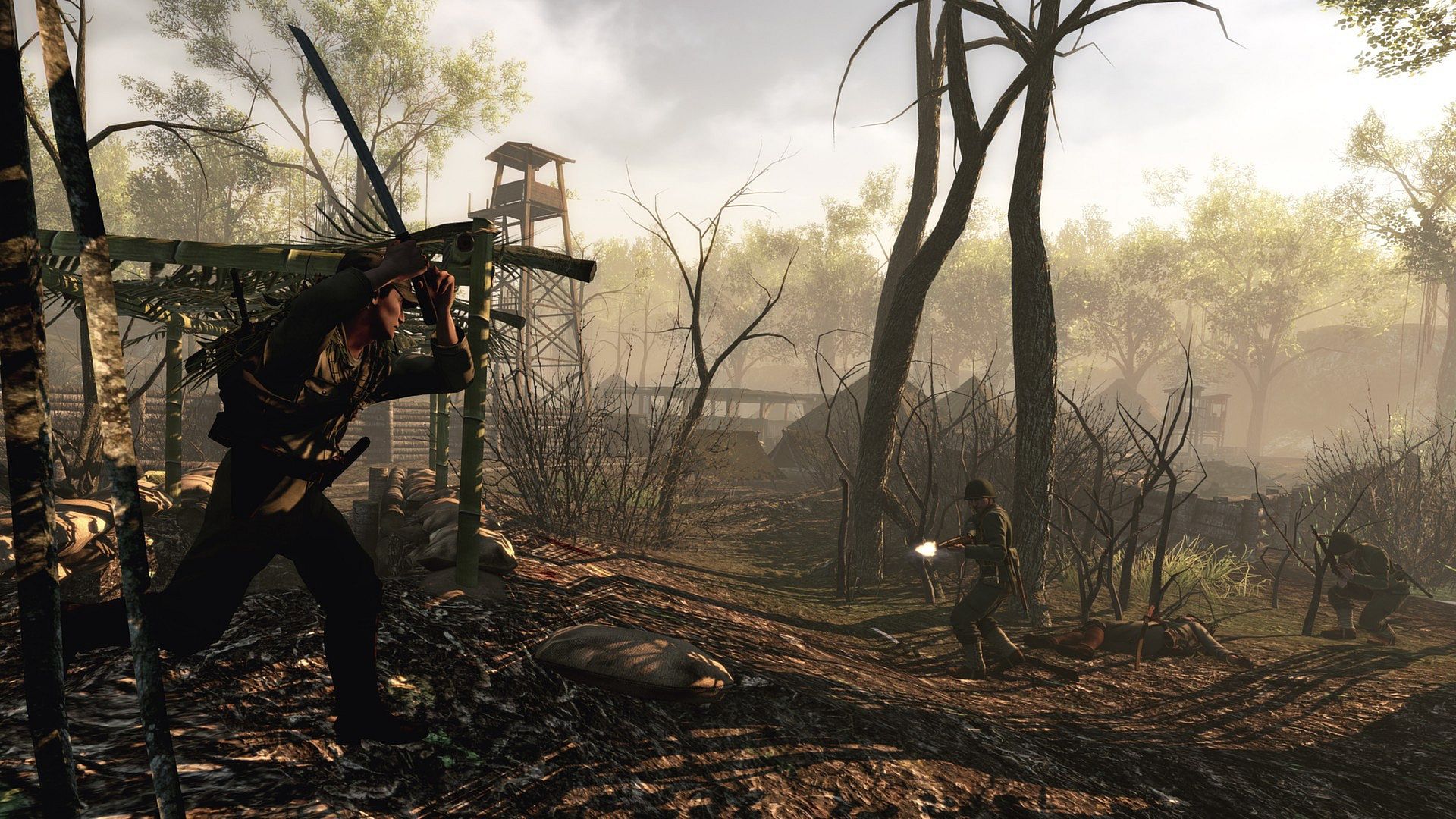
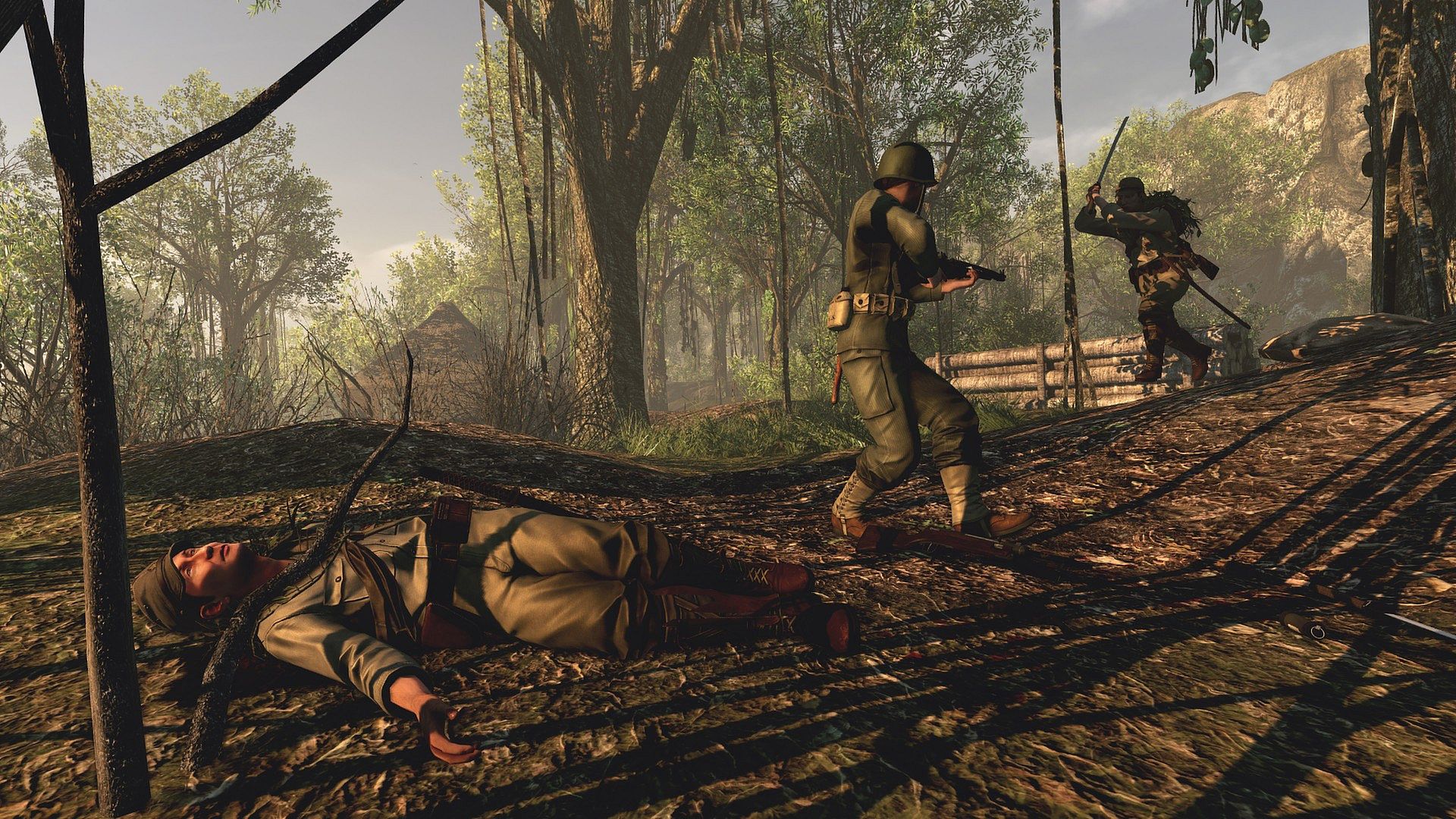
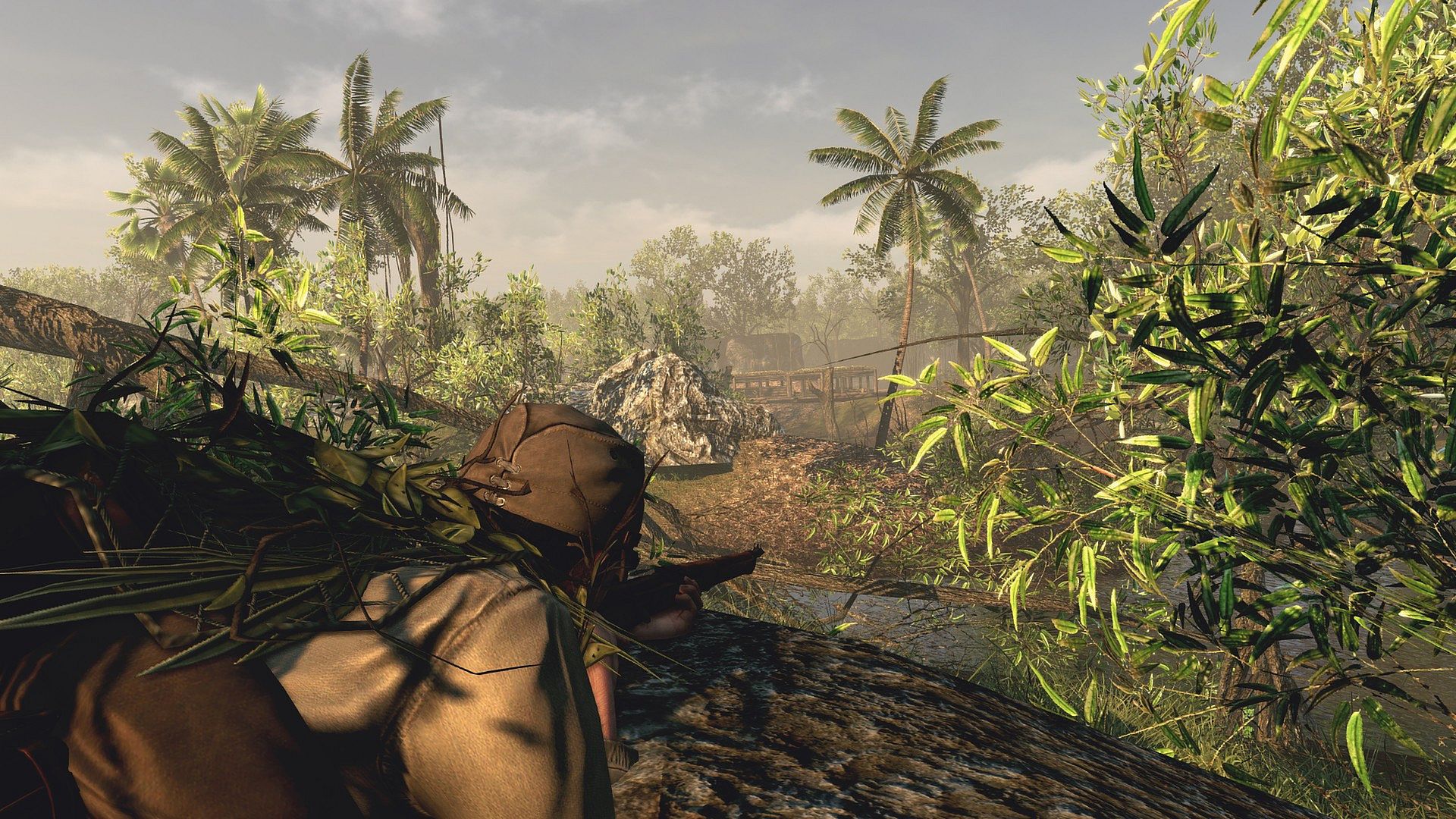

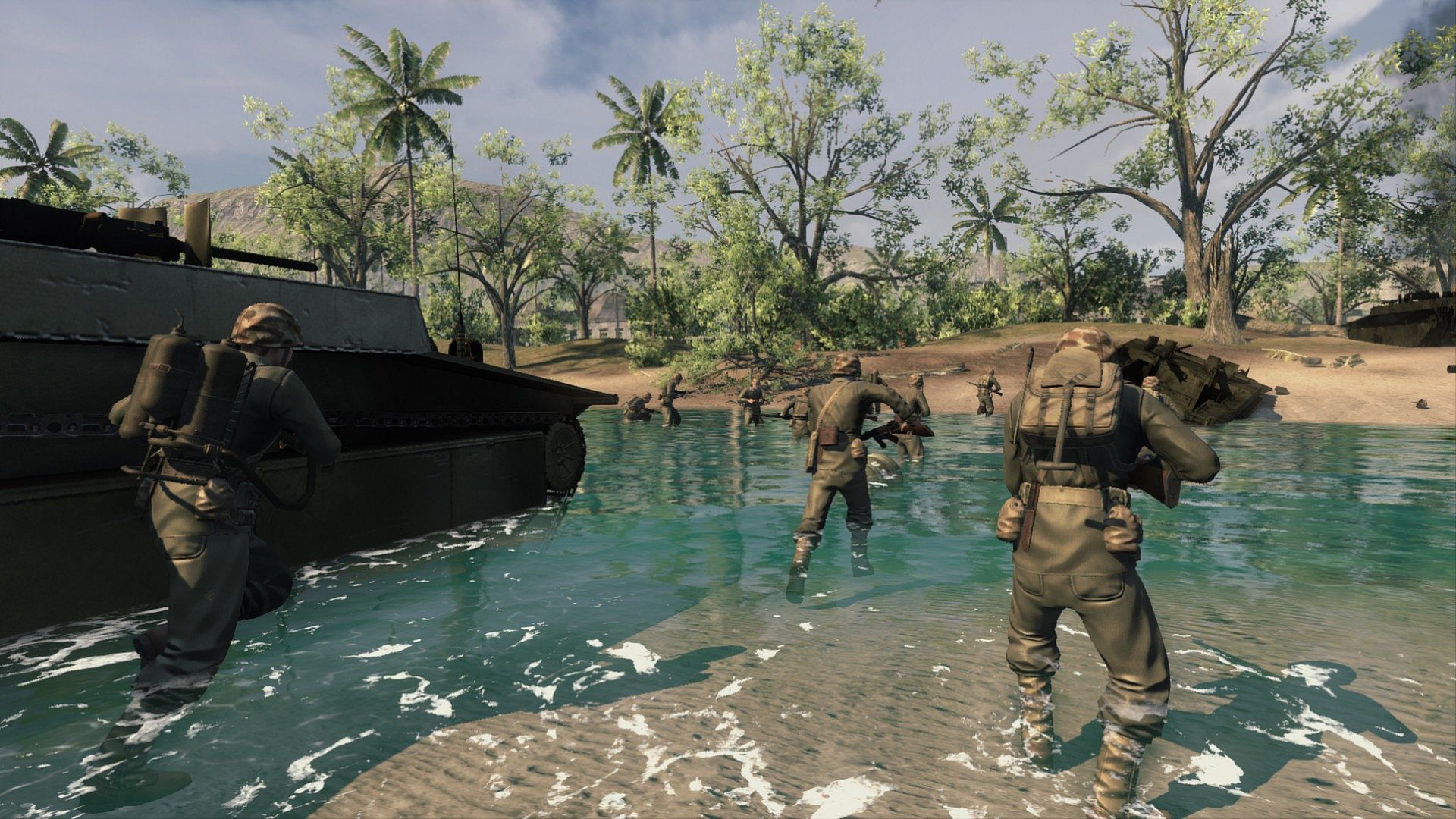
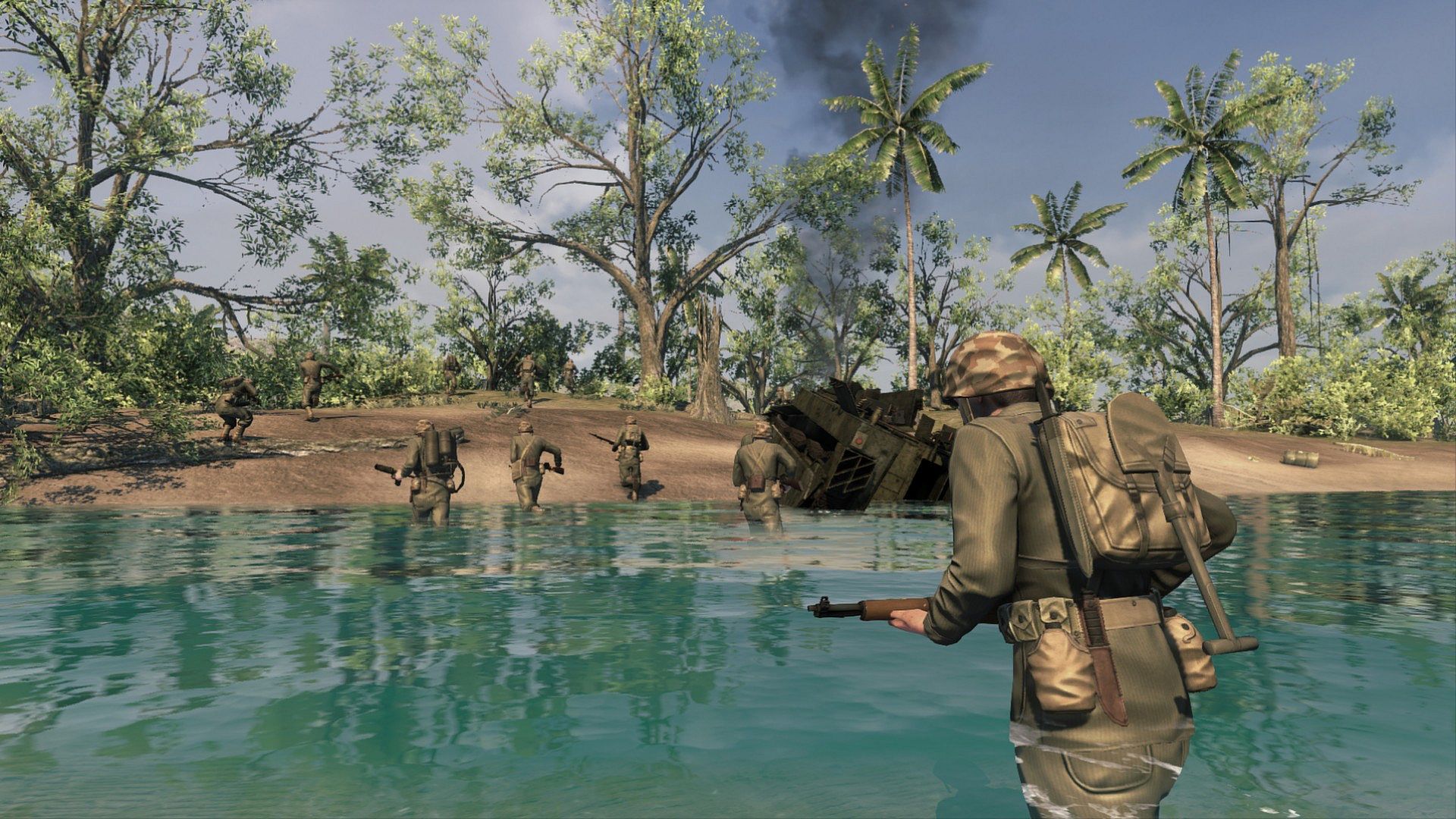
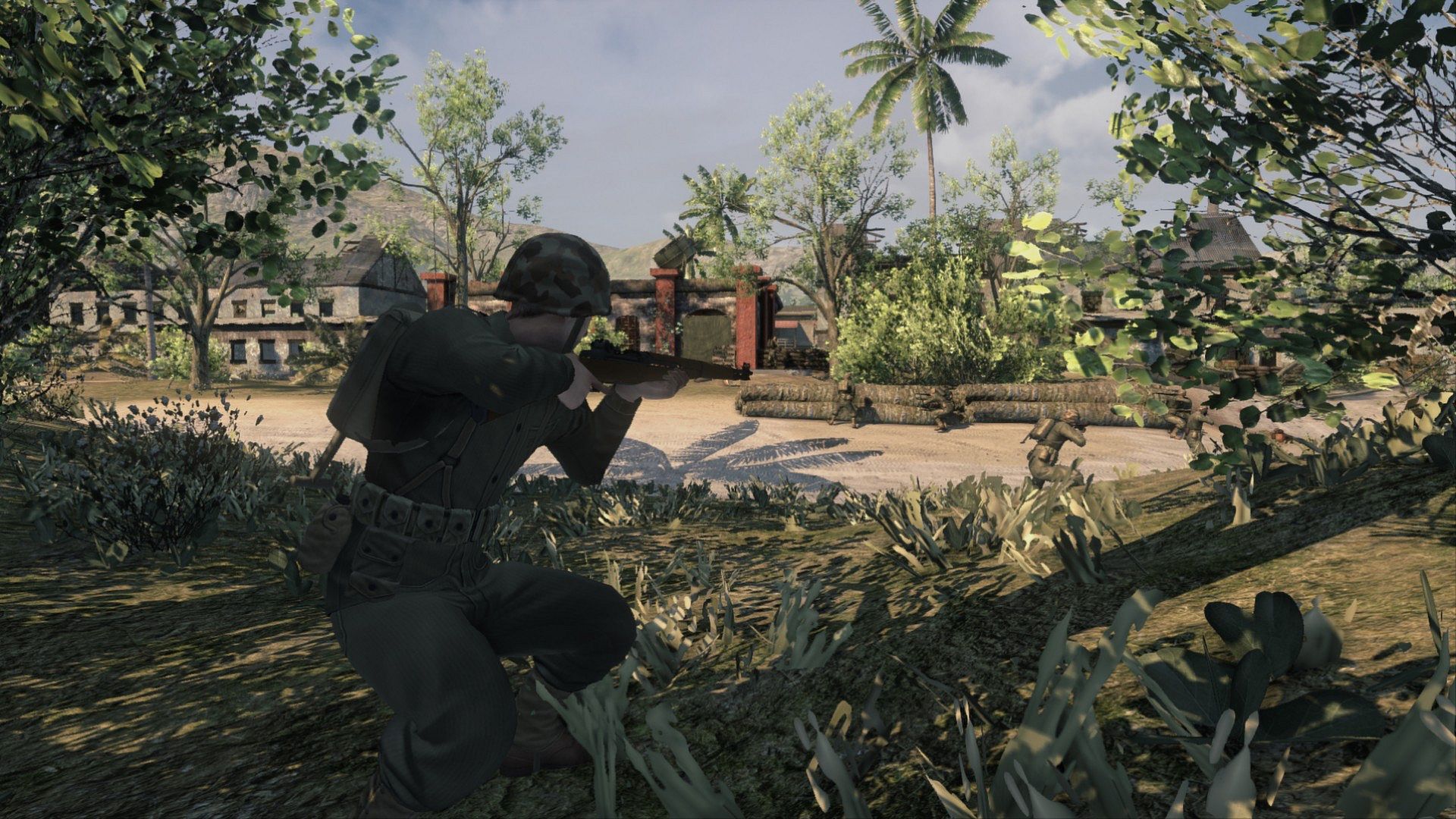
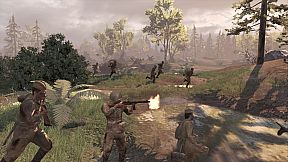
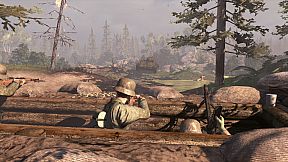
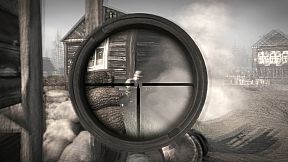
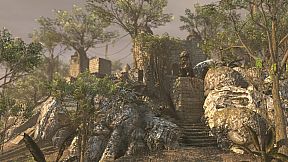
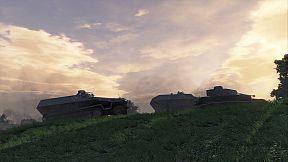
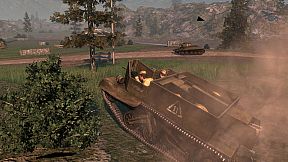
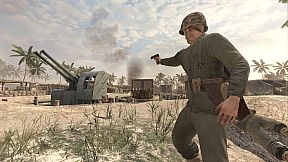
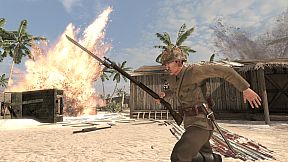
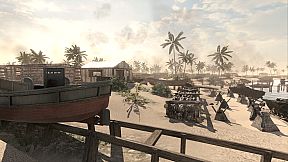
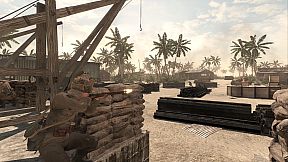
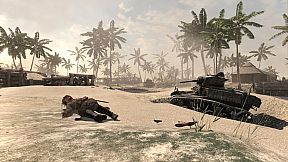
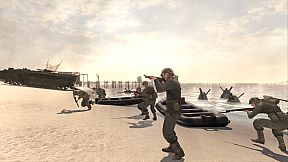
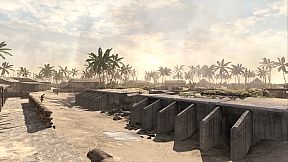
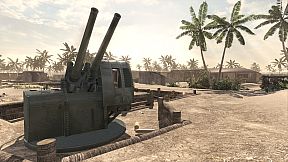
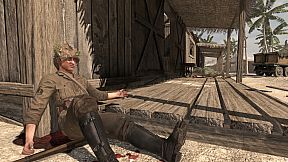
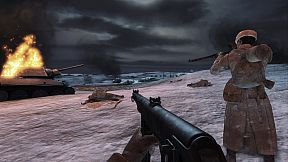
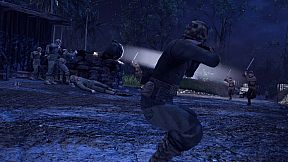
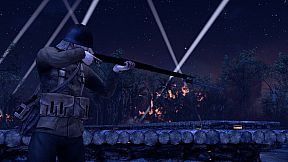
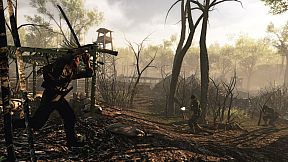
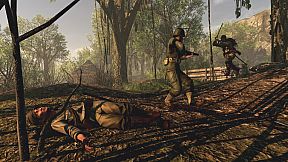
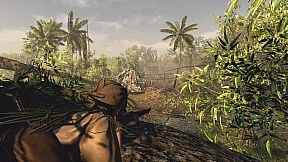
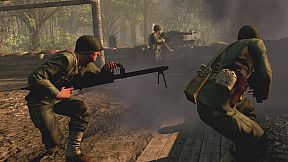
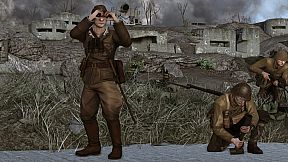
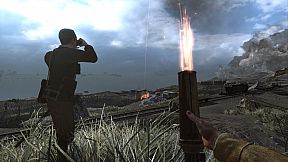
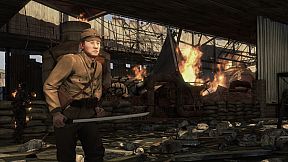
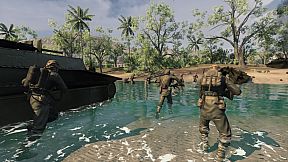
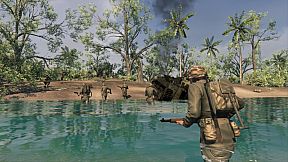
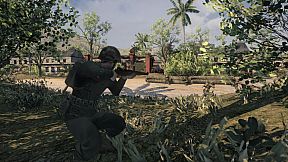
Rising Storm Game of the Year Edition is a multiplayer first-person shooter set during the Pacific campaigns of World War II. Players take part in large-scale online battles between American forces and Imperial Japanese troops across maps drawn from historical engagements between 1942 and 1945.
Gameplay
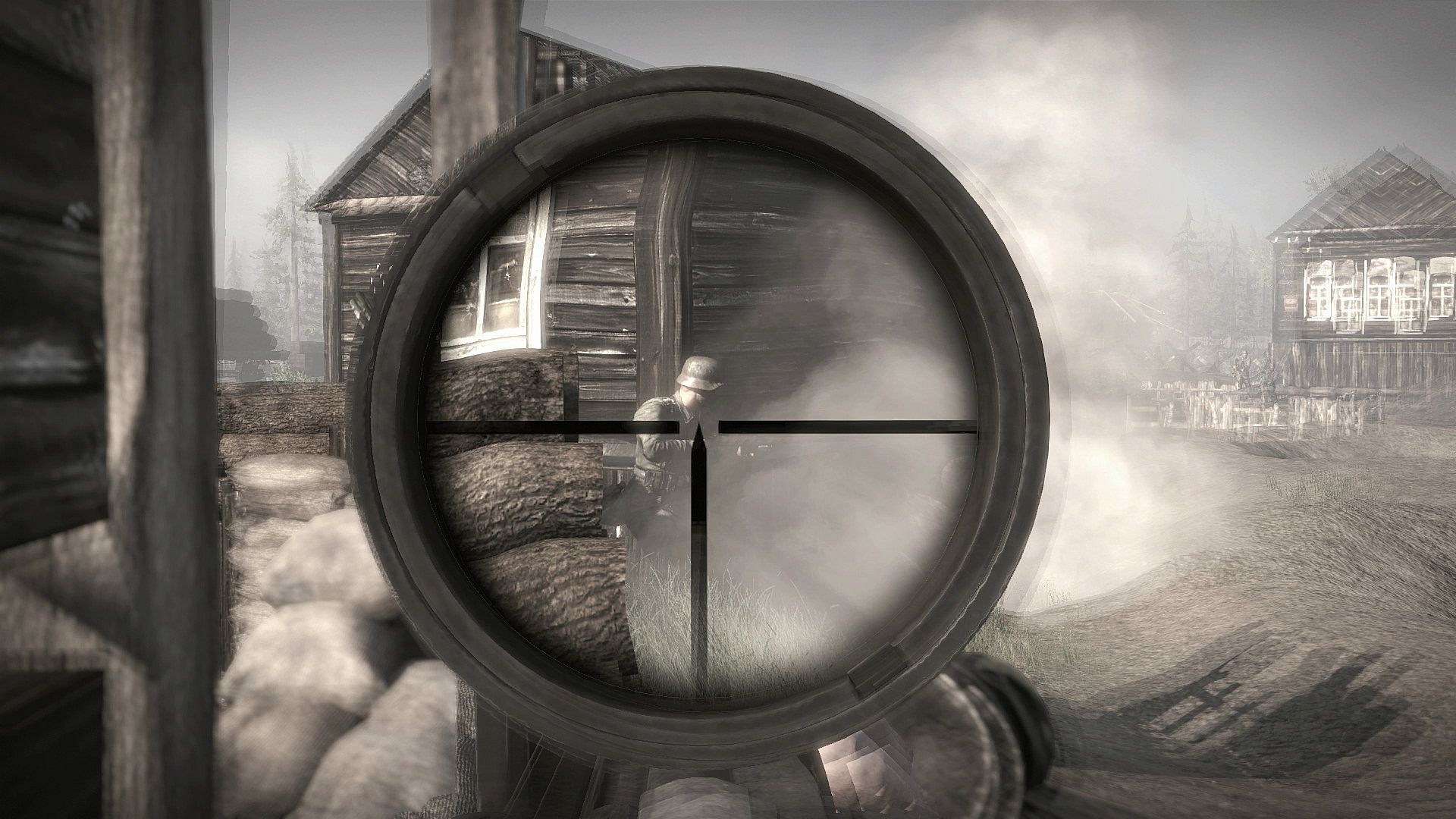
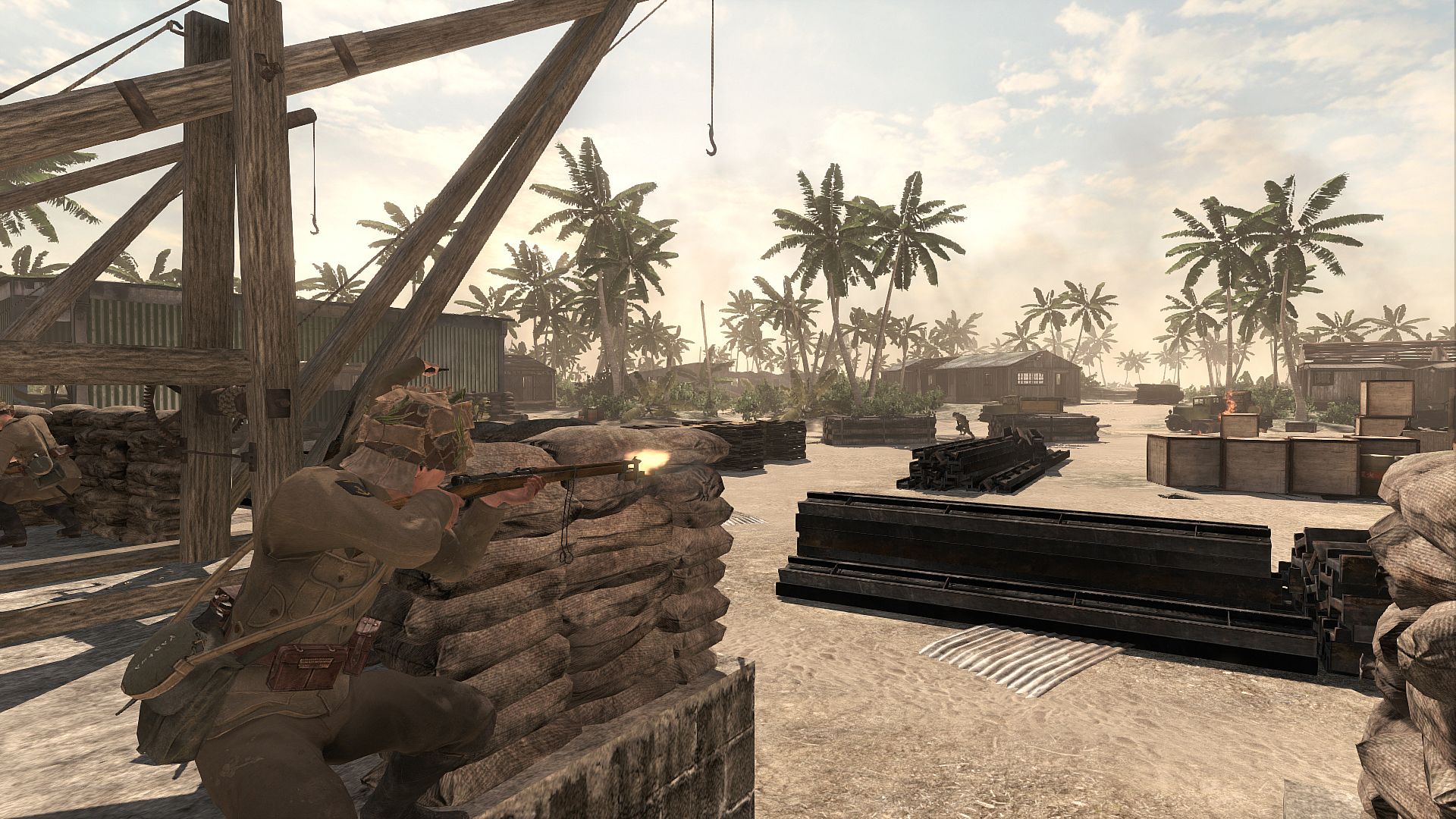
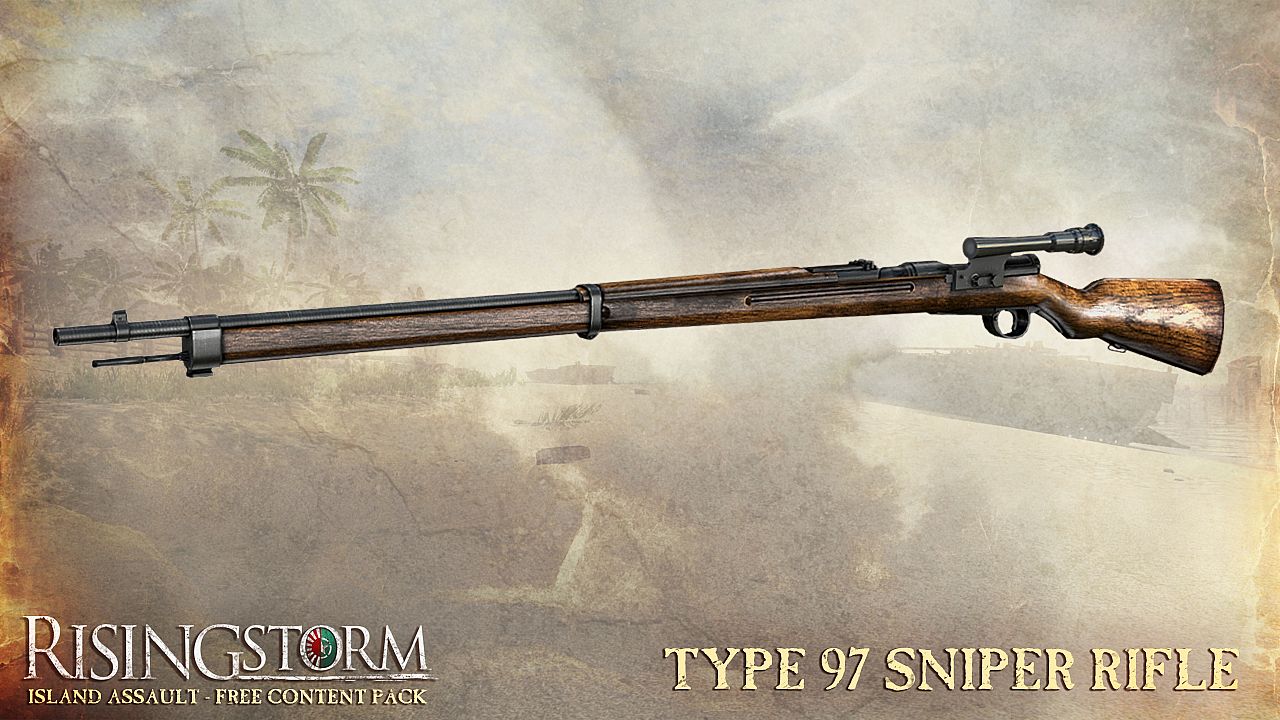
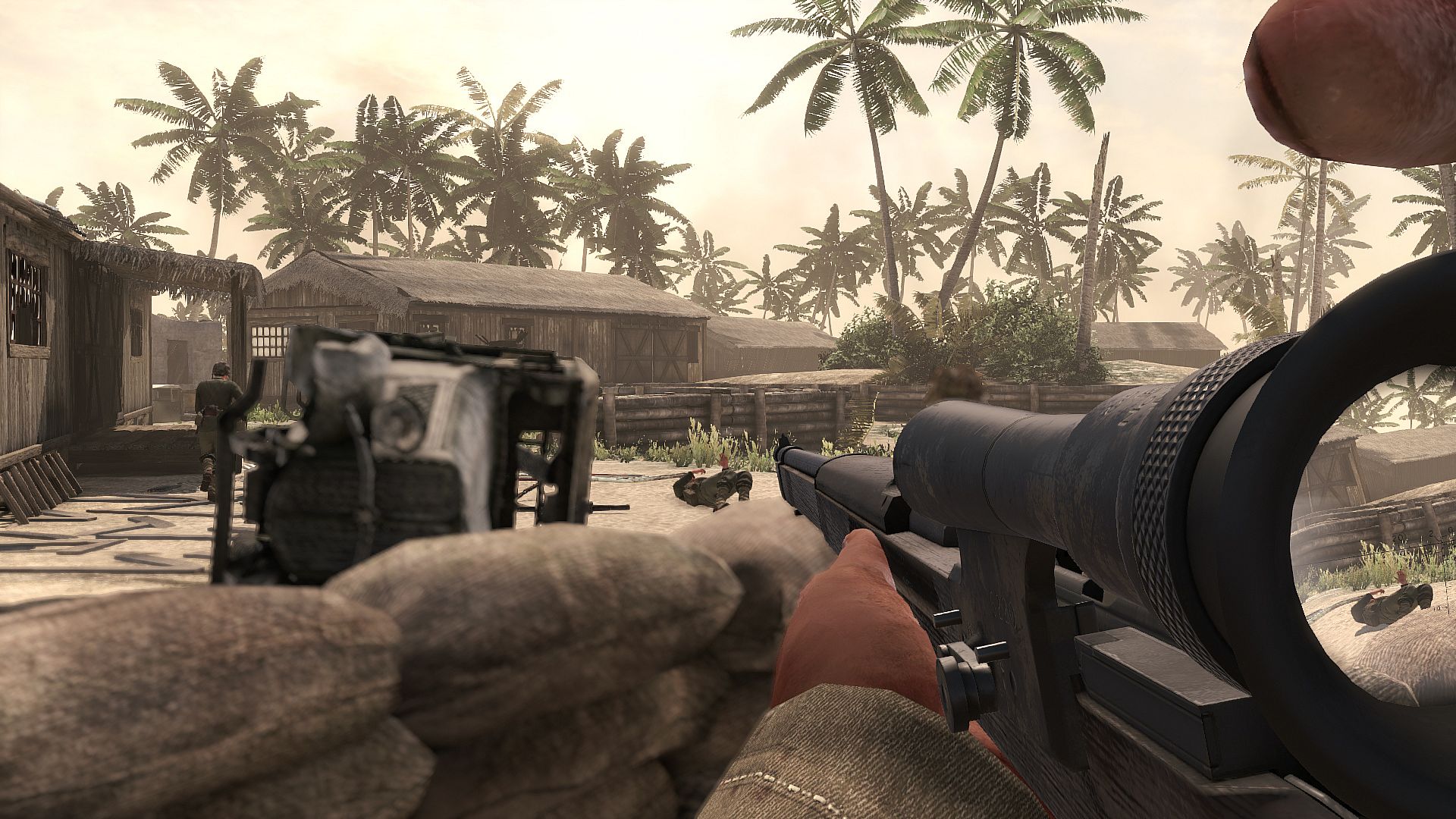
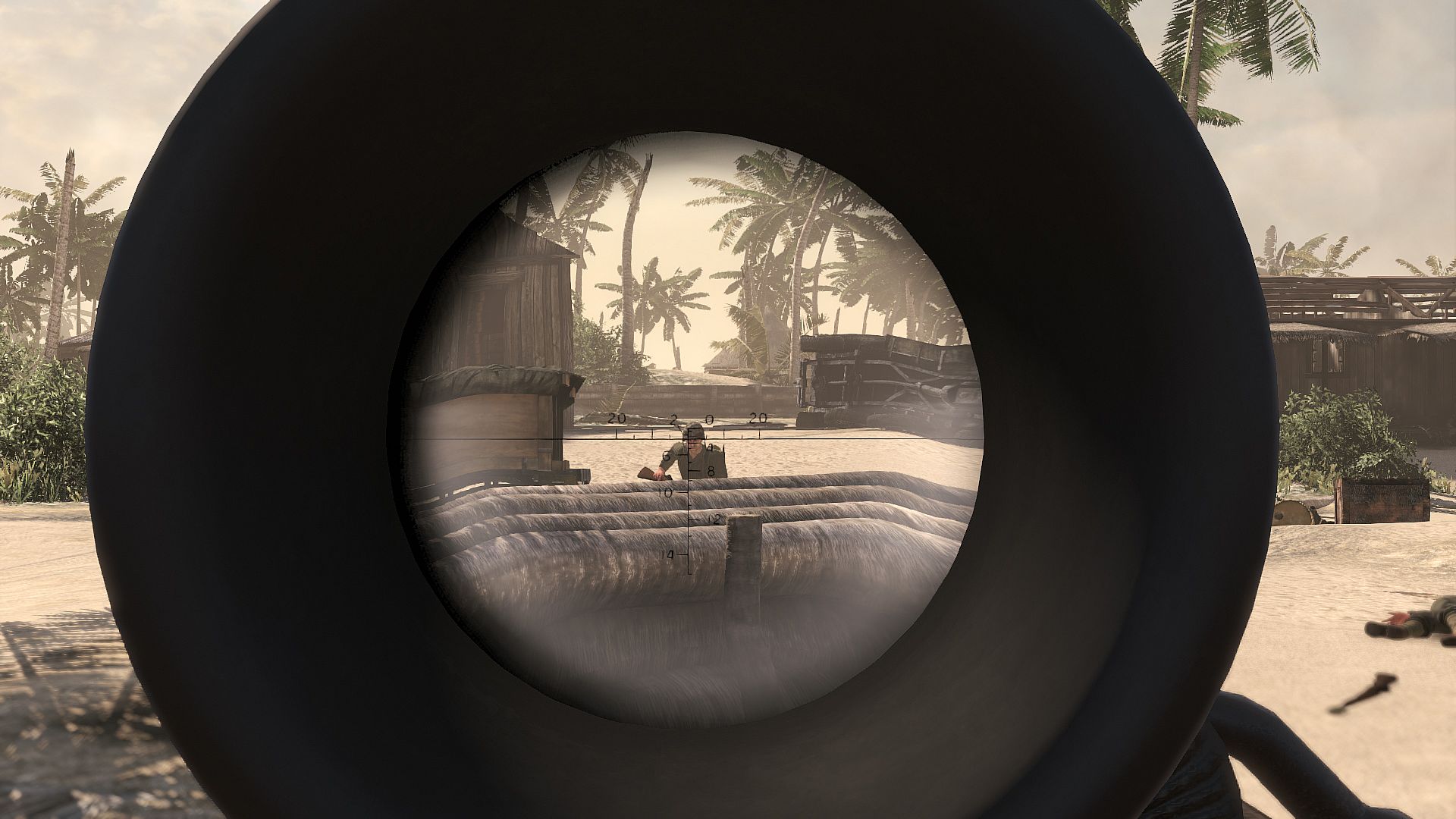
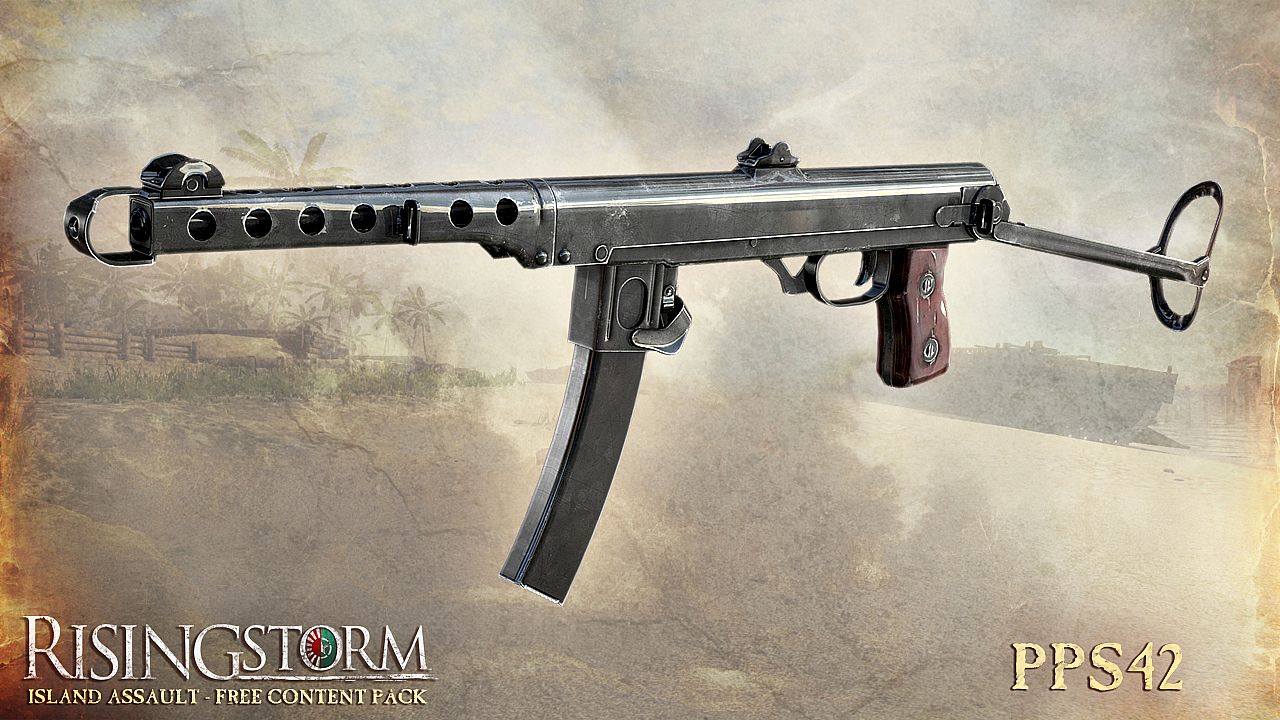
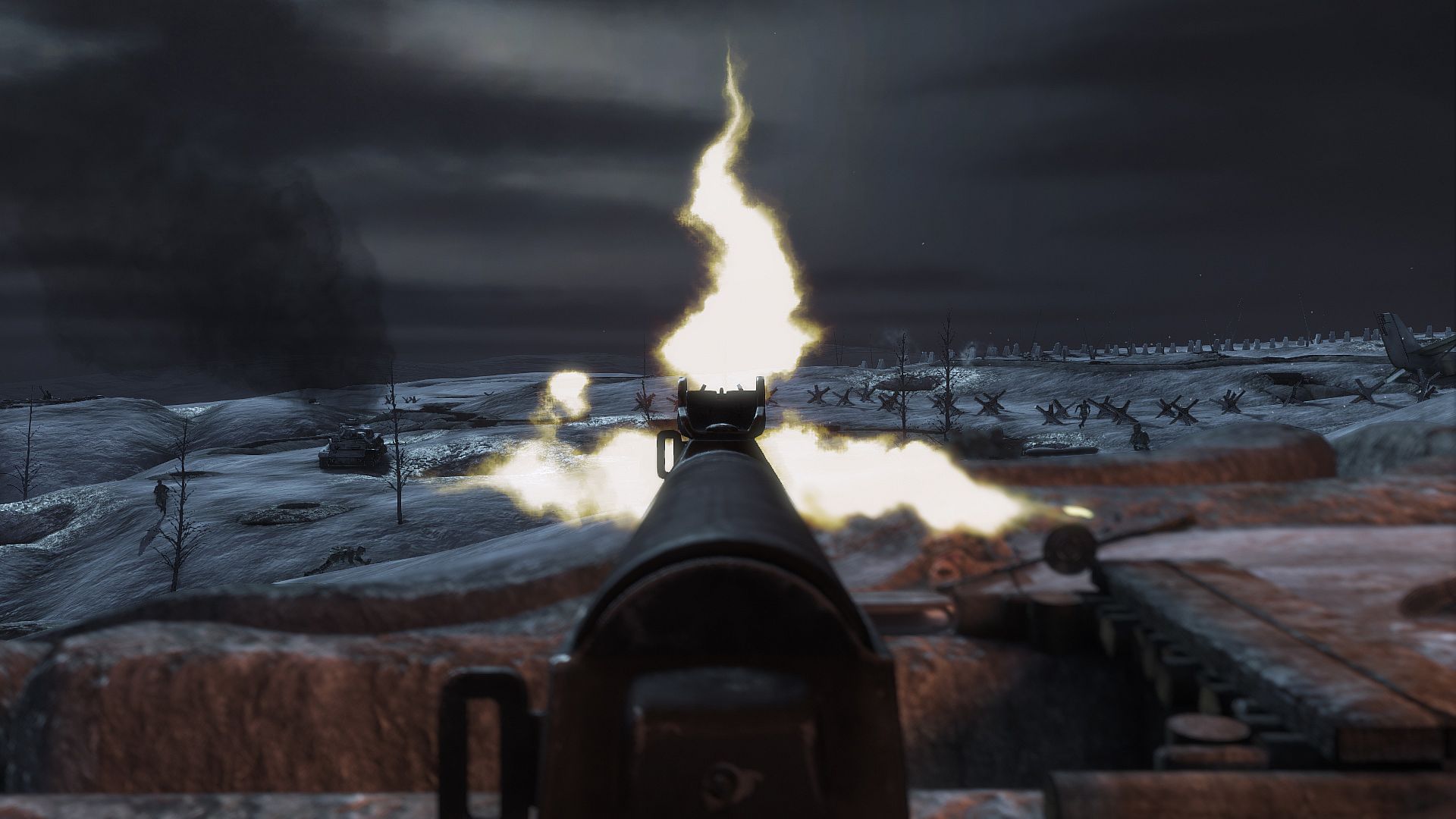
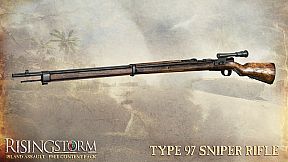
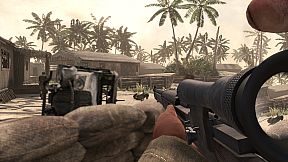
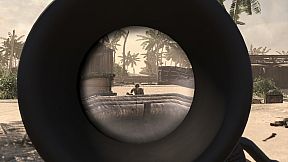
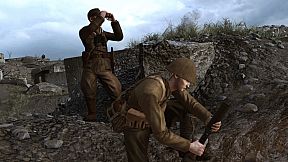
The core loop centers on realistic infantry combat with an emphasis on ballistics, bullet penetration through cover, weapon bracing, adjustable iron sights, and breathing mechanics that affect aiming. Each soldier carries period-accurate weapons, and the game models suppression effects that can pin down opponents or force them to seek cover. Morale plays a direct role in fights, as sustained fire or aggressive advances can disrupt enemy accuracy and movement.
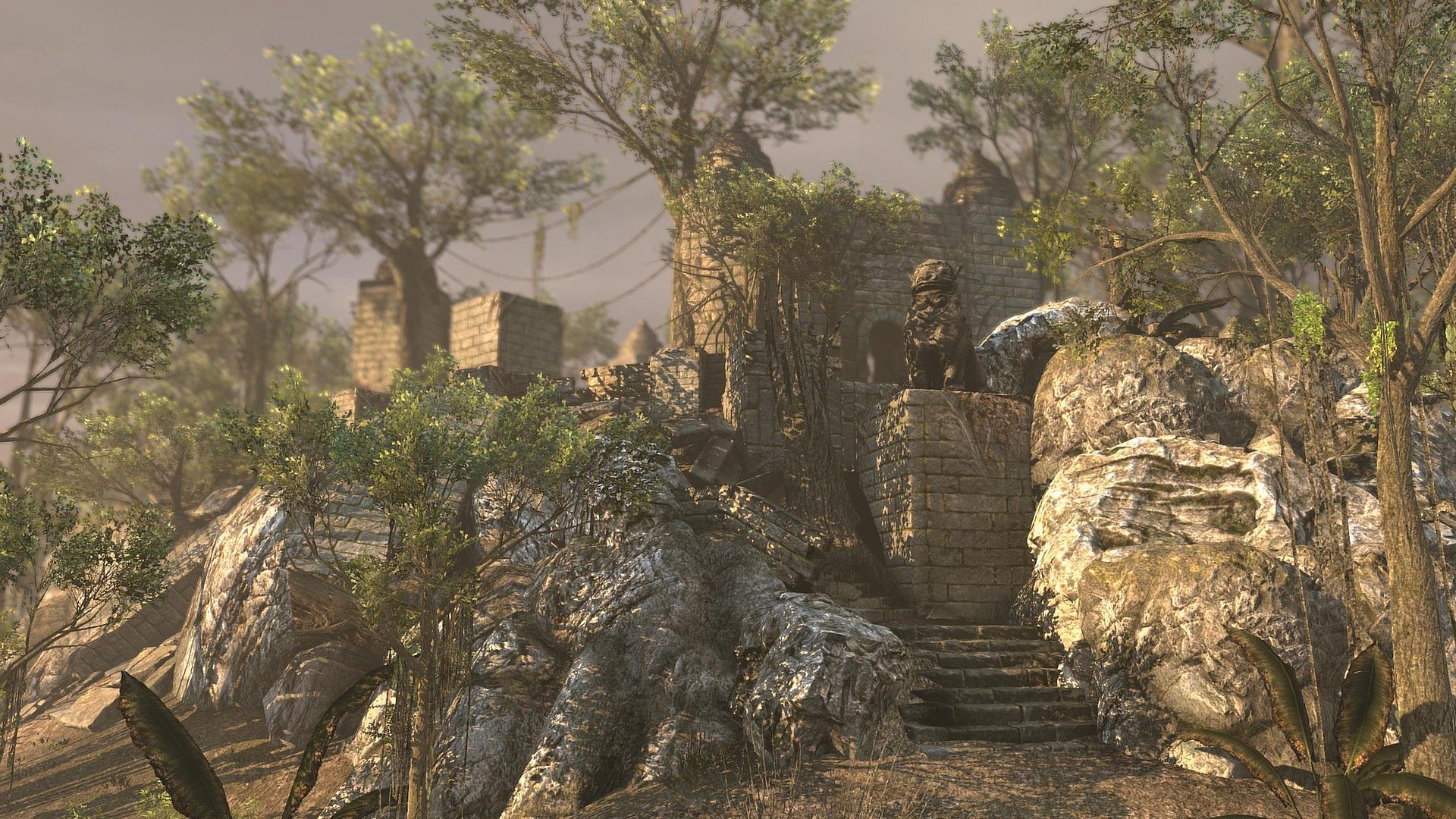
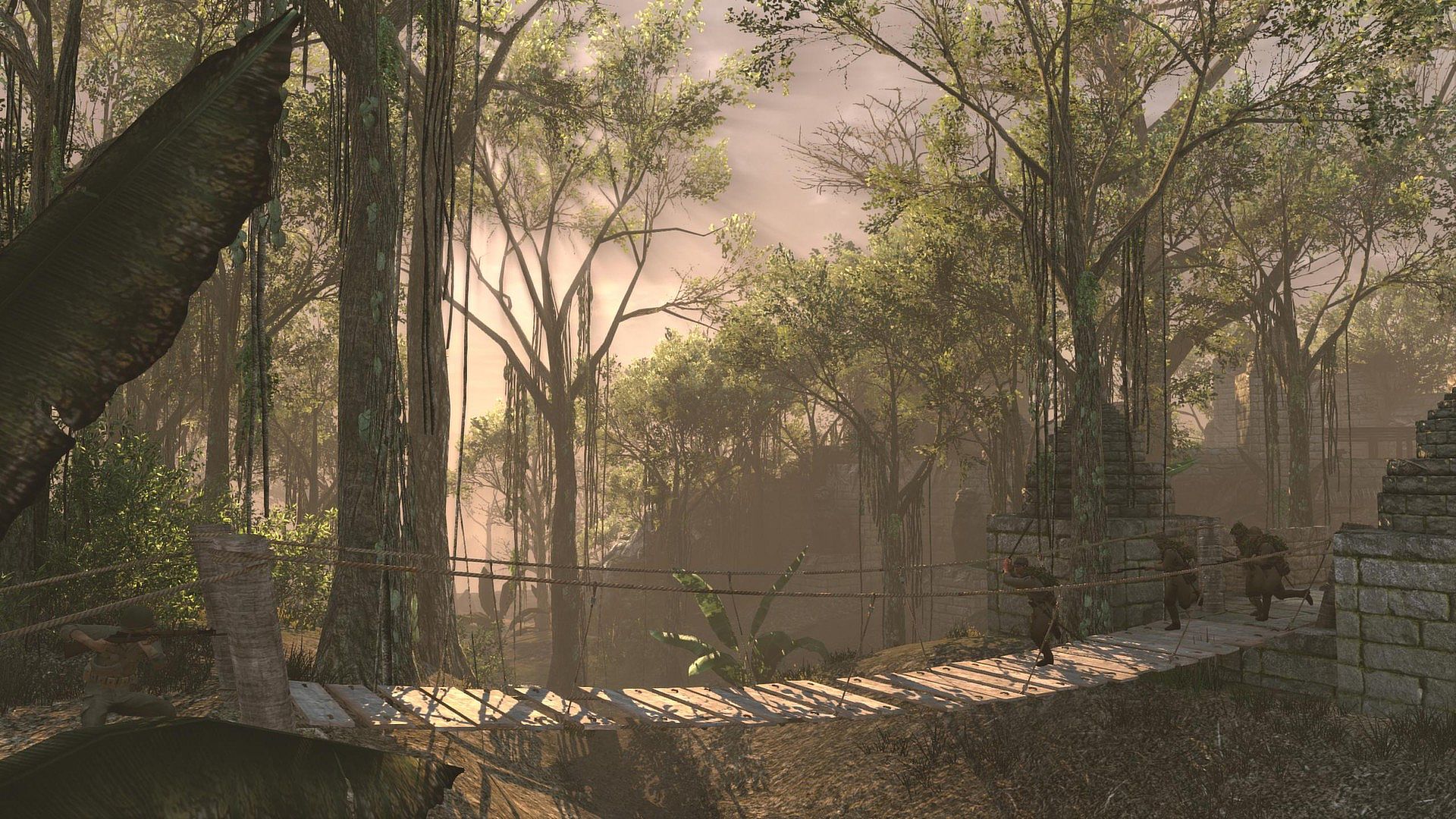
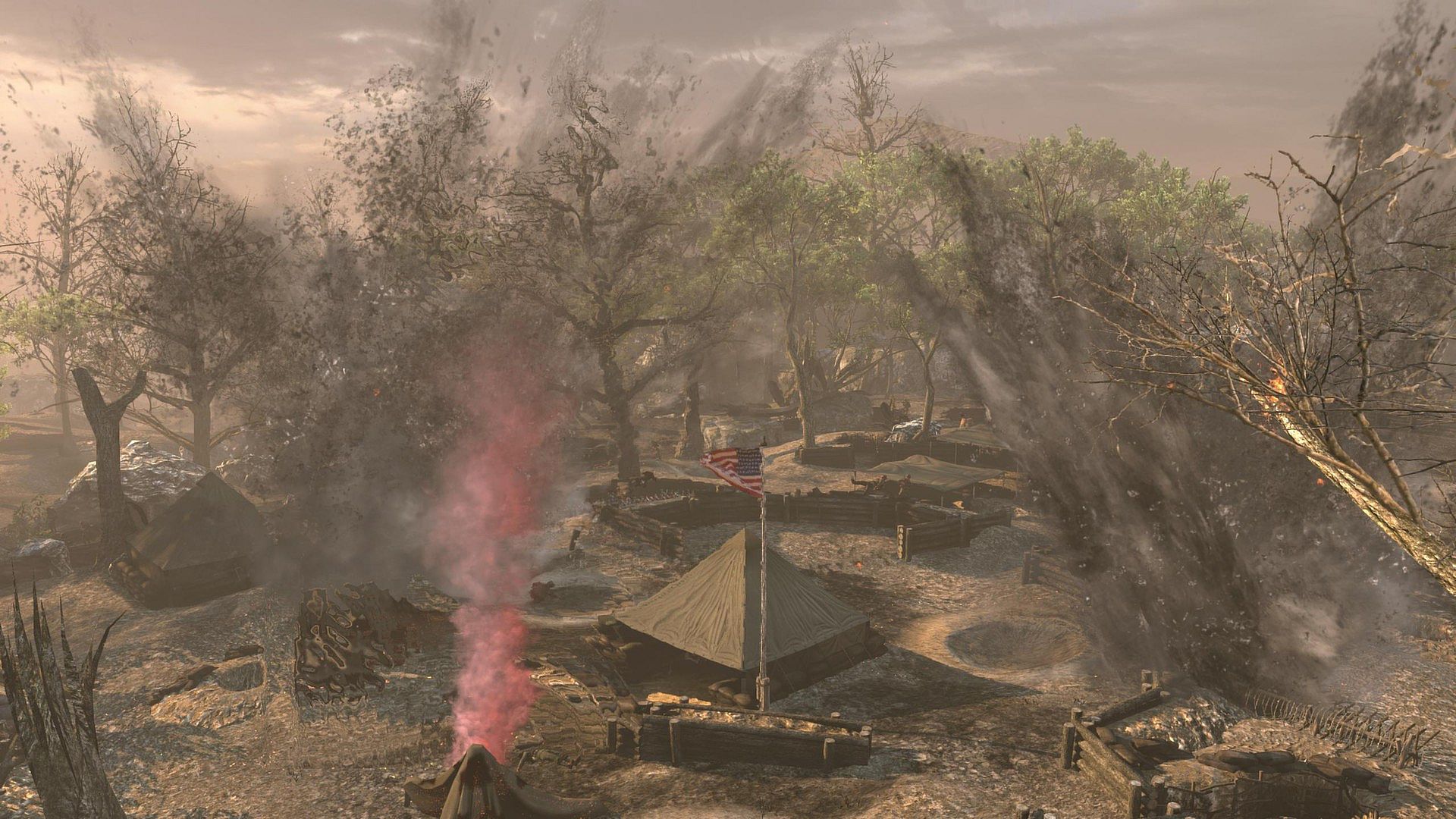
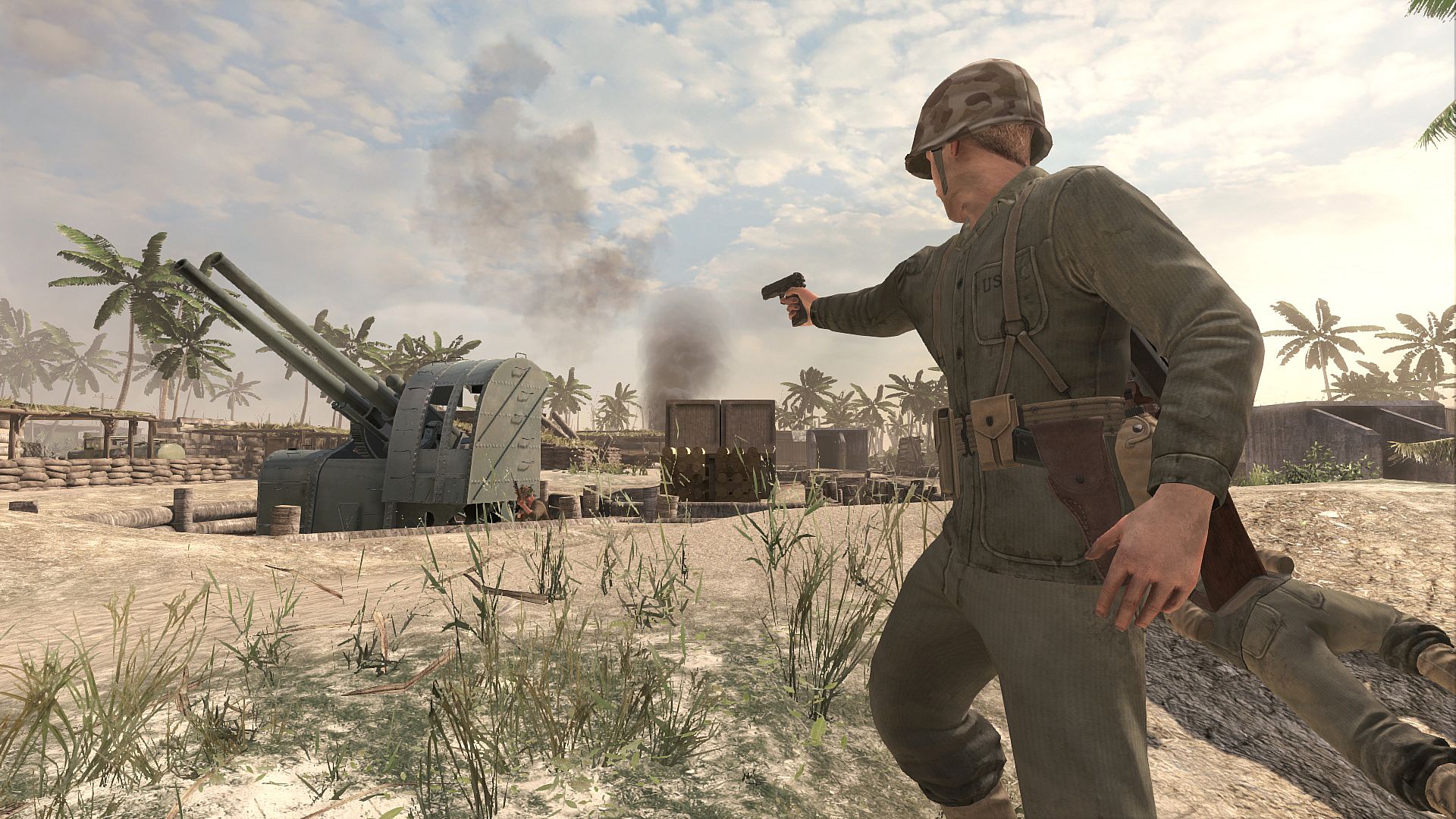
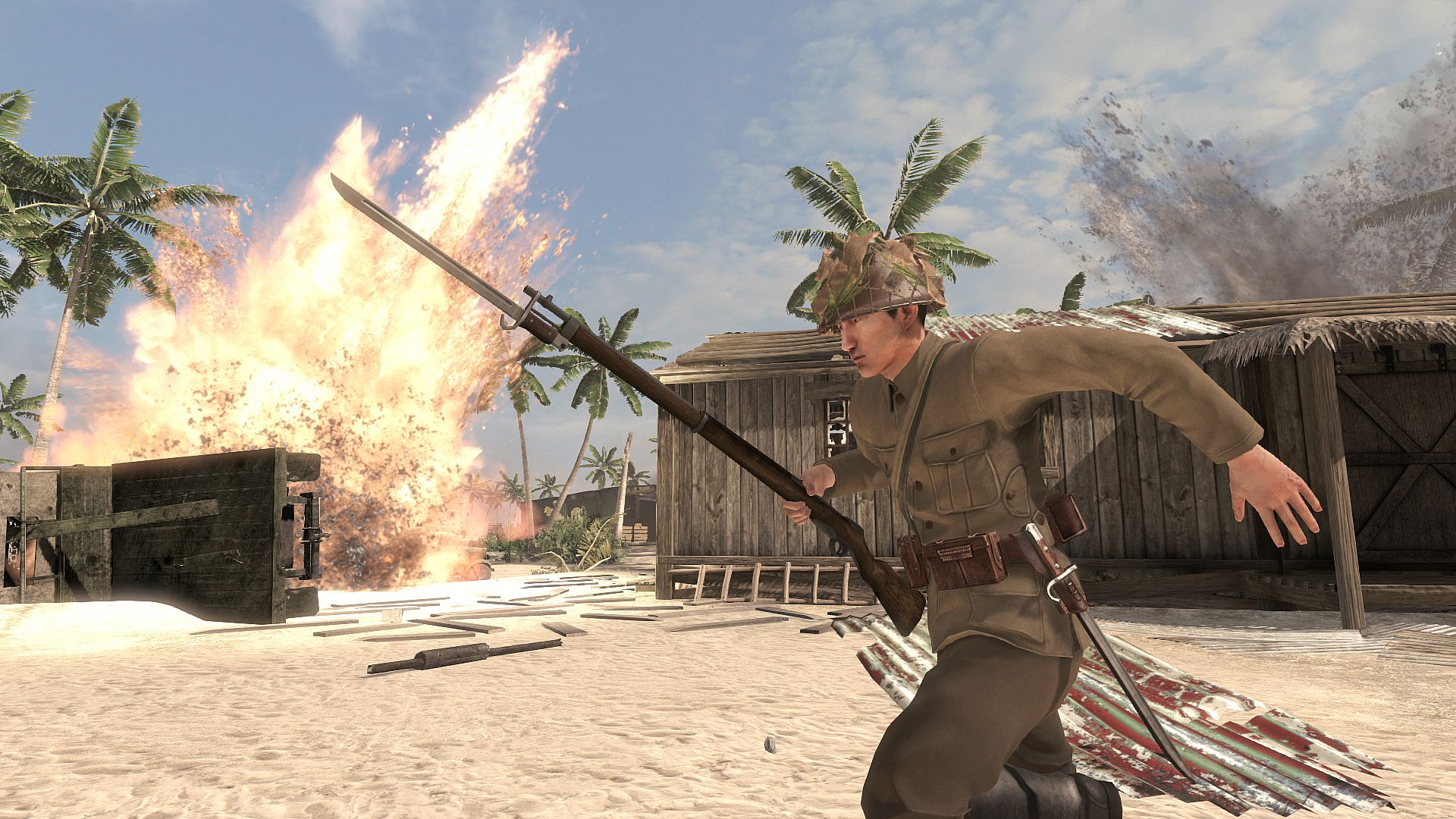
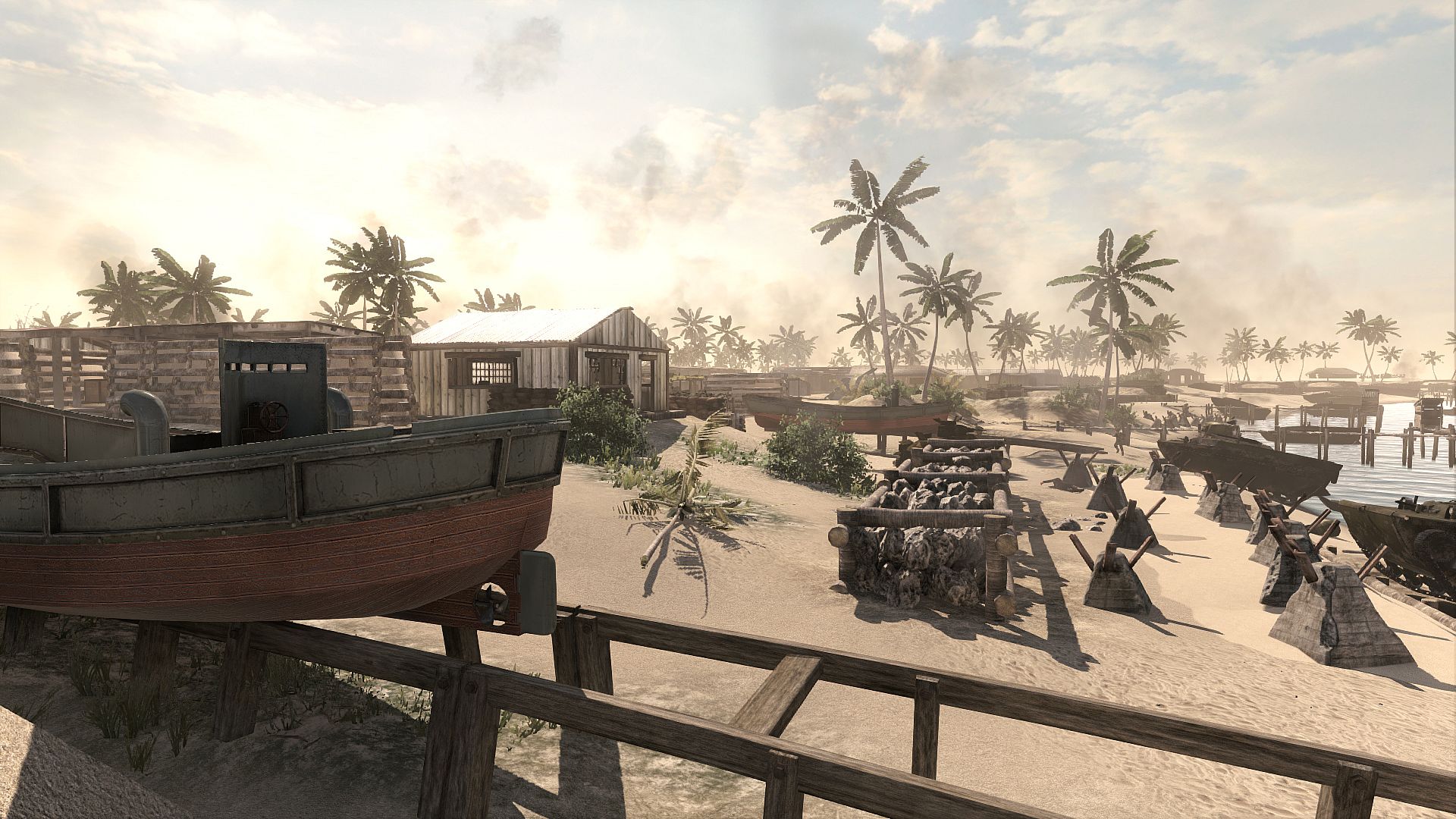
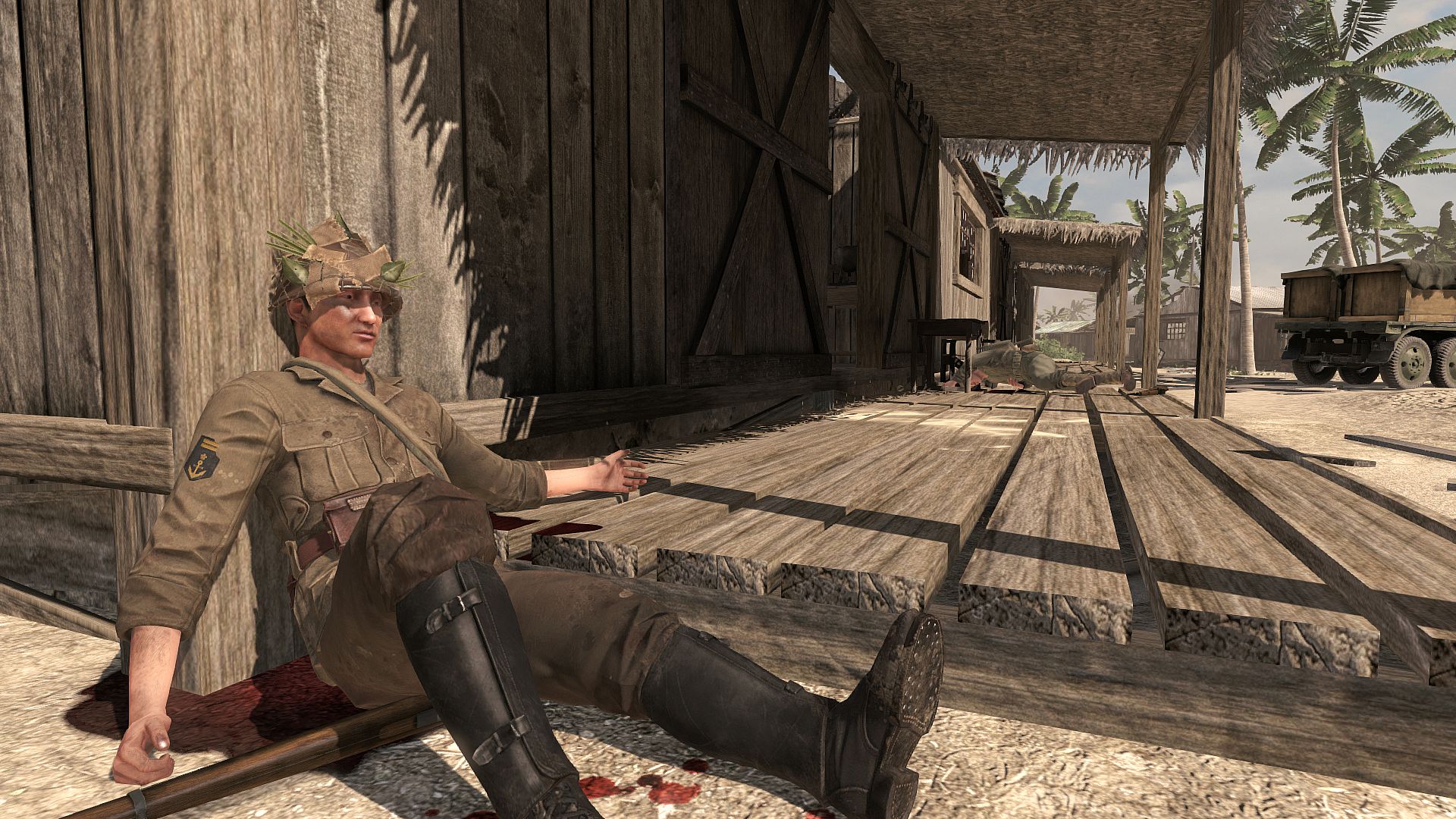
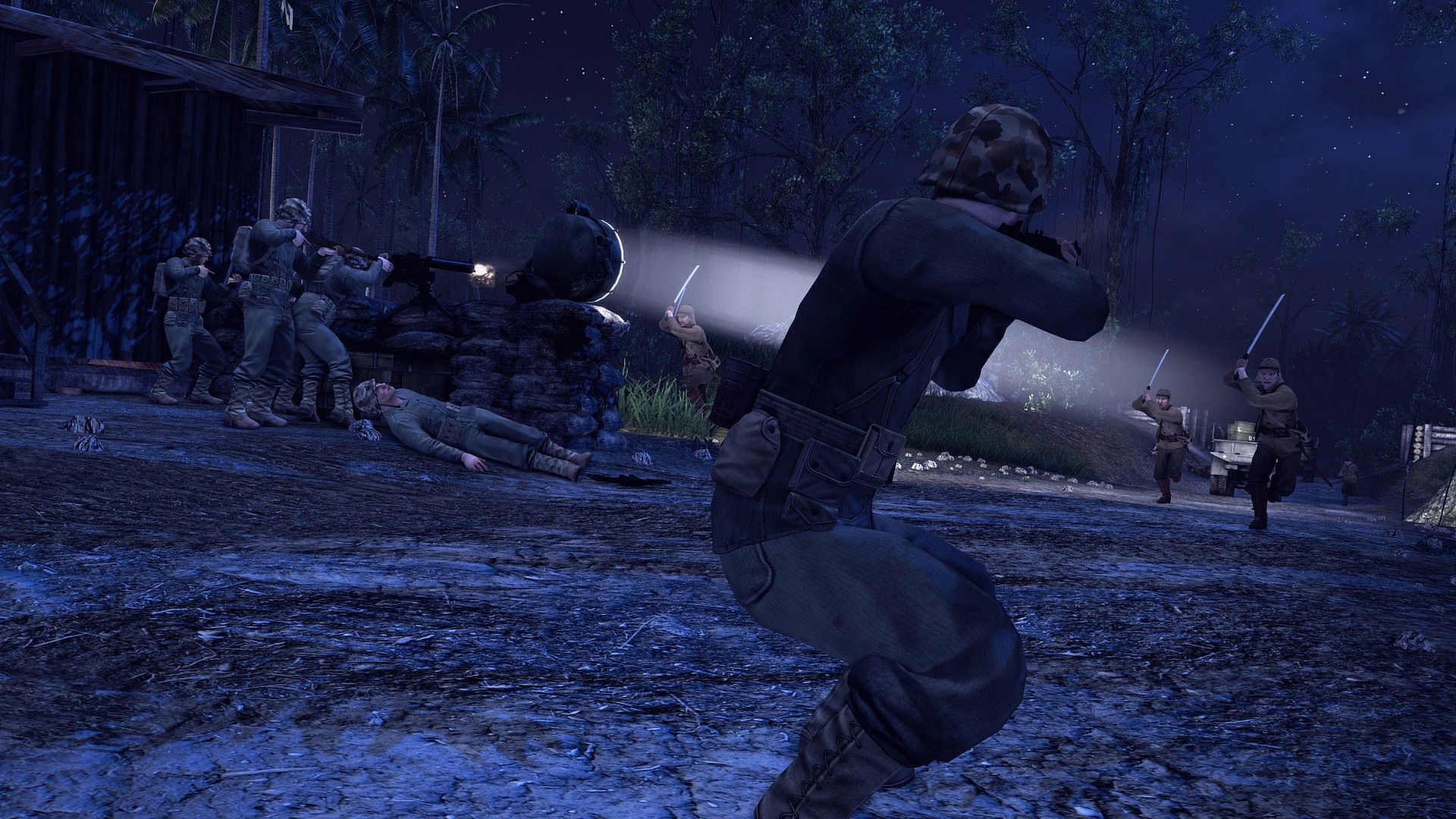
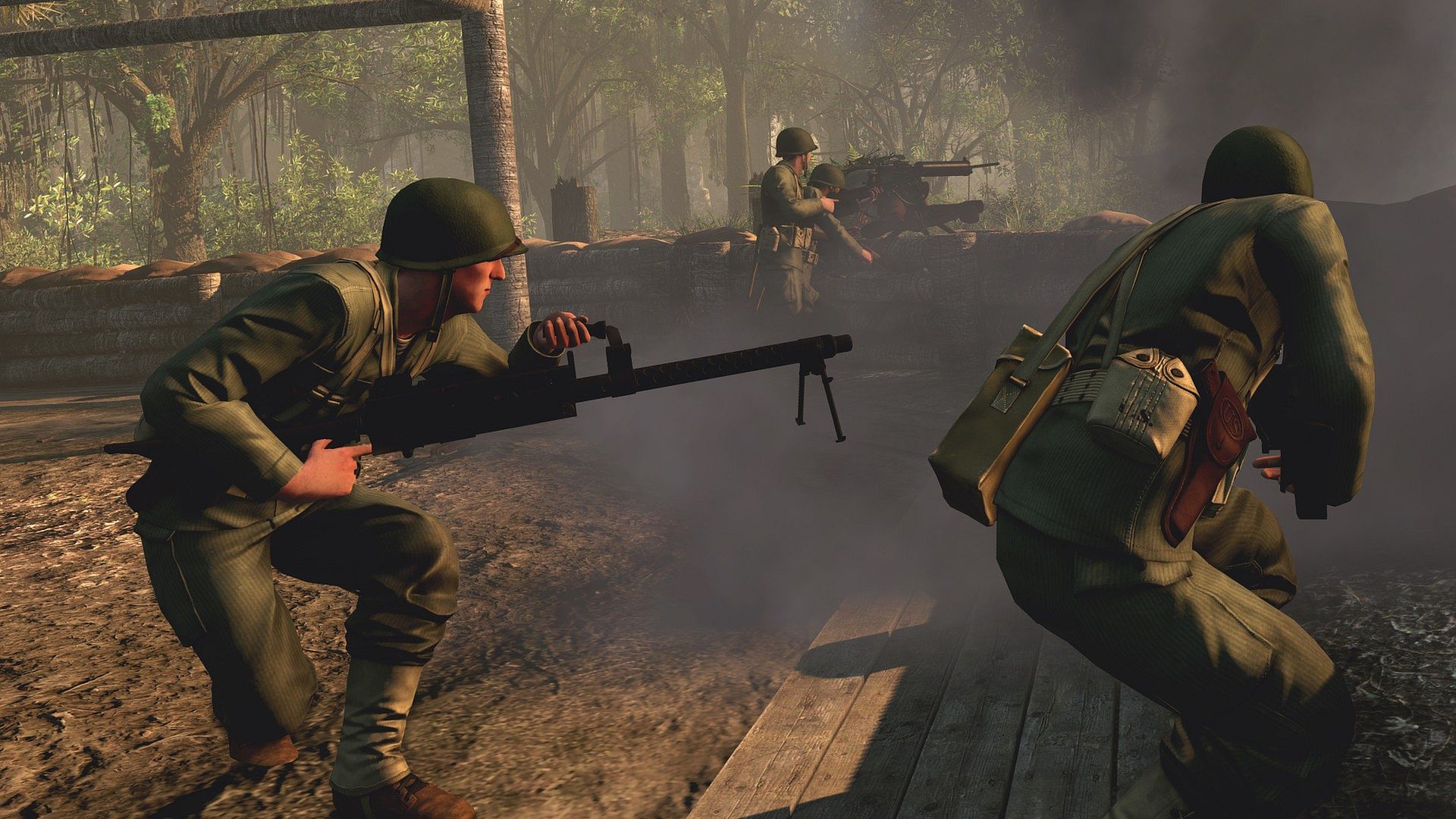
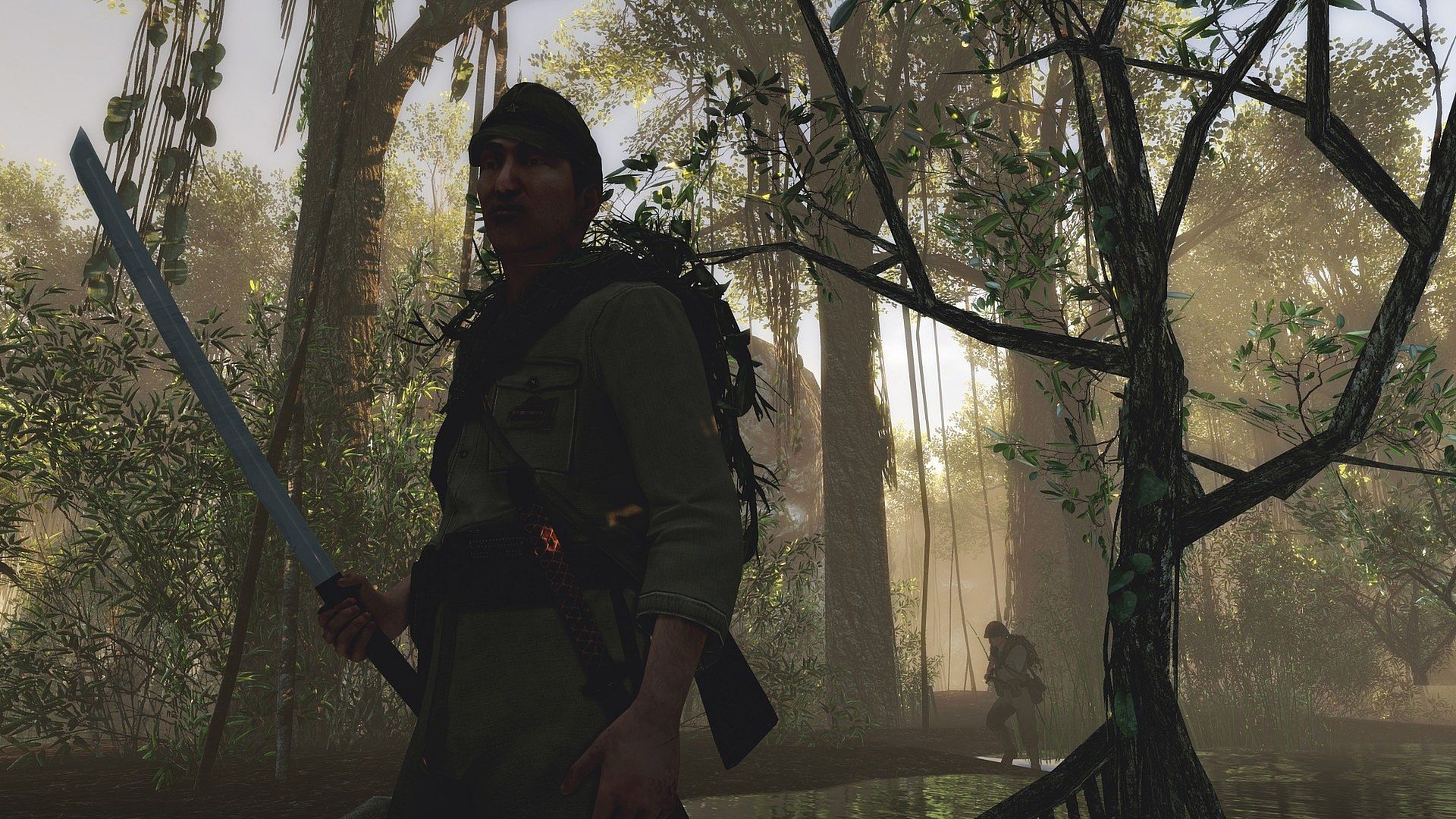
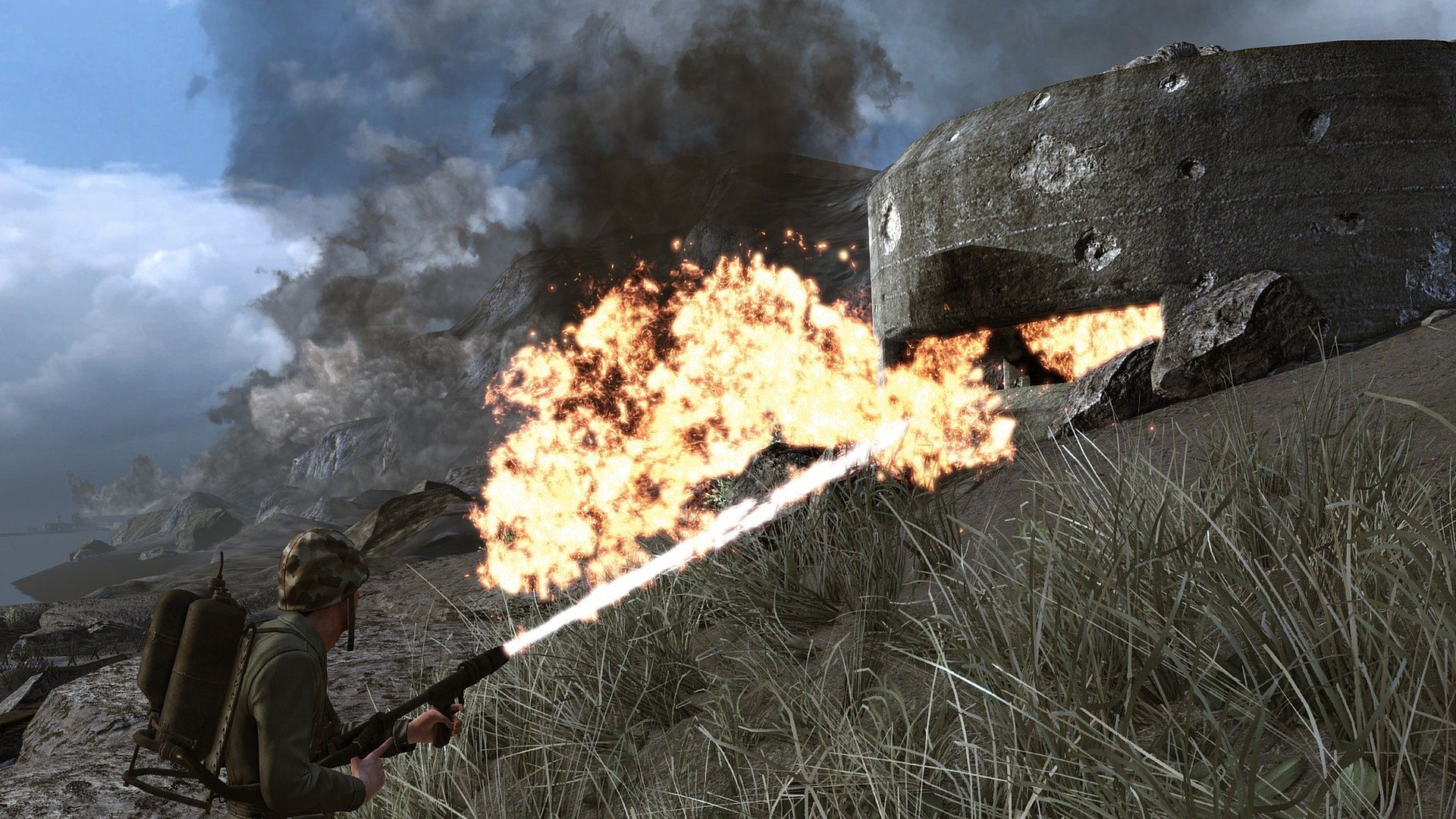
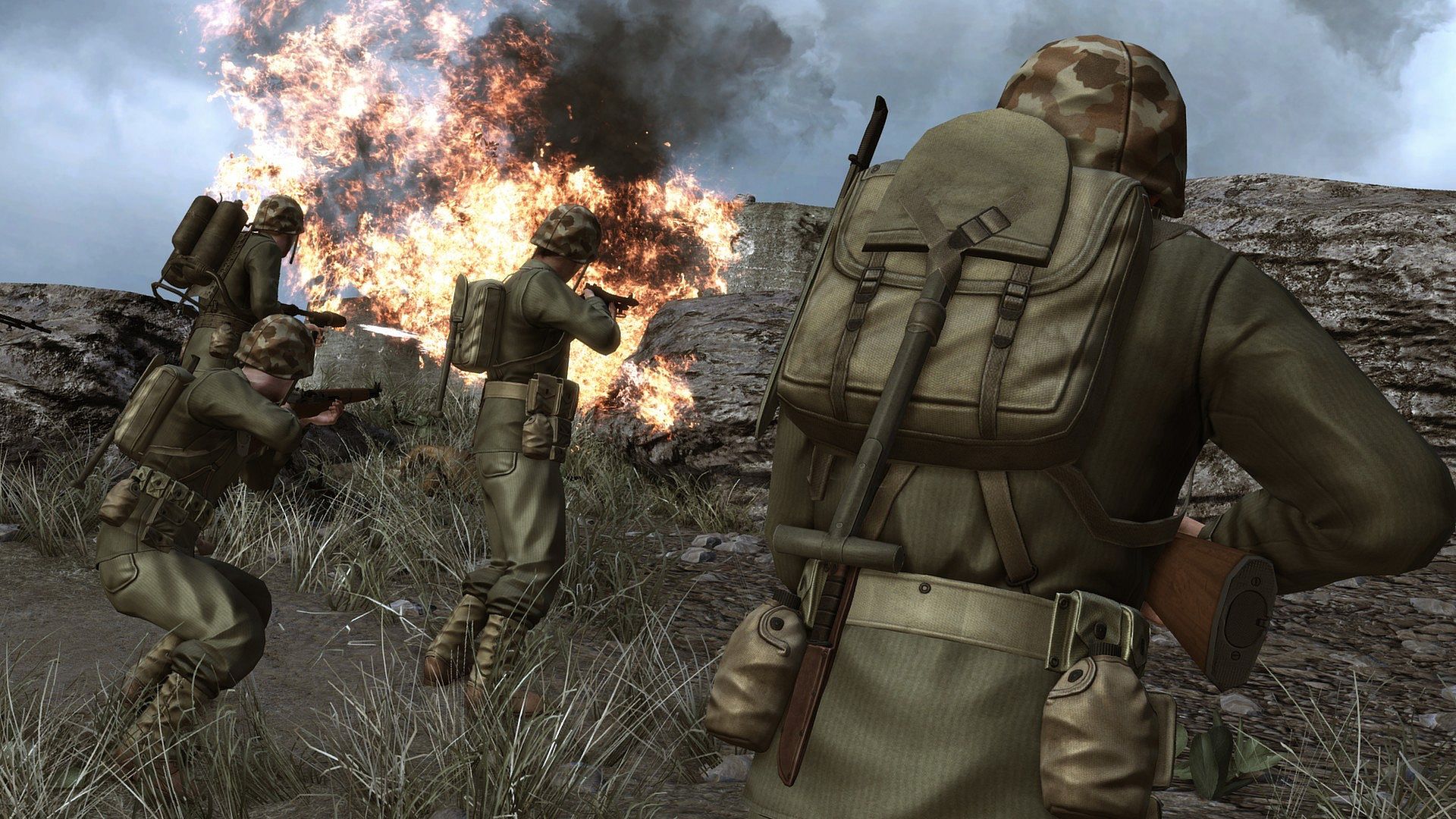
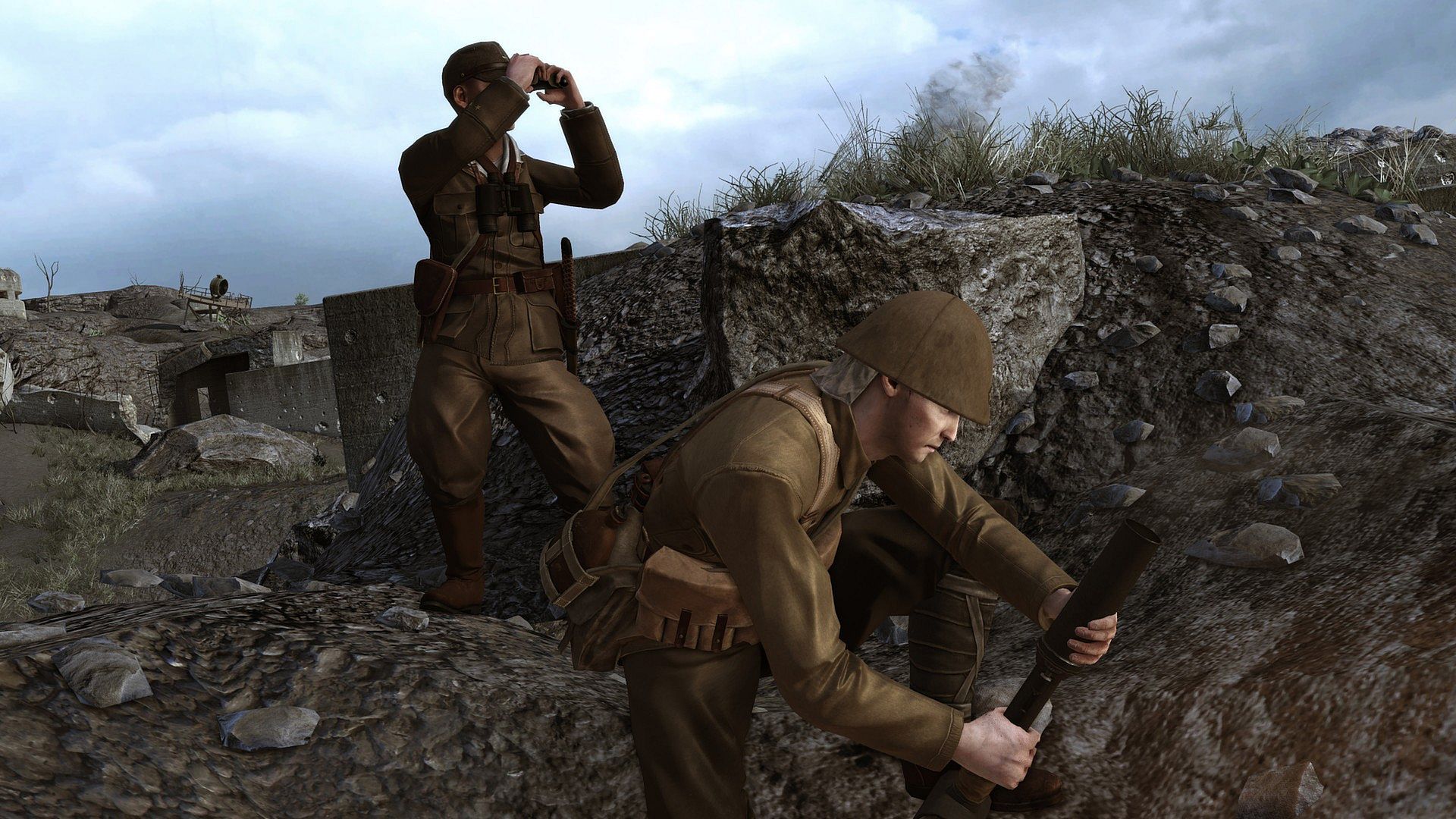
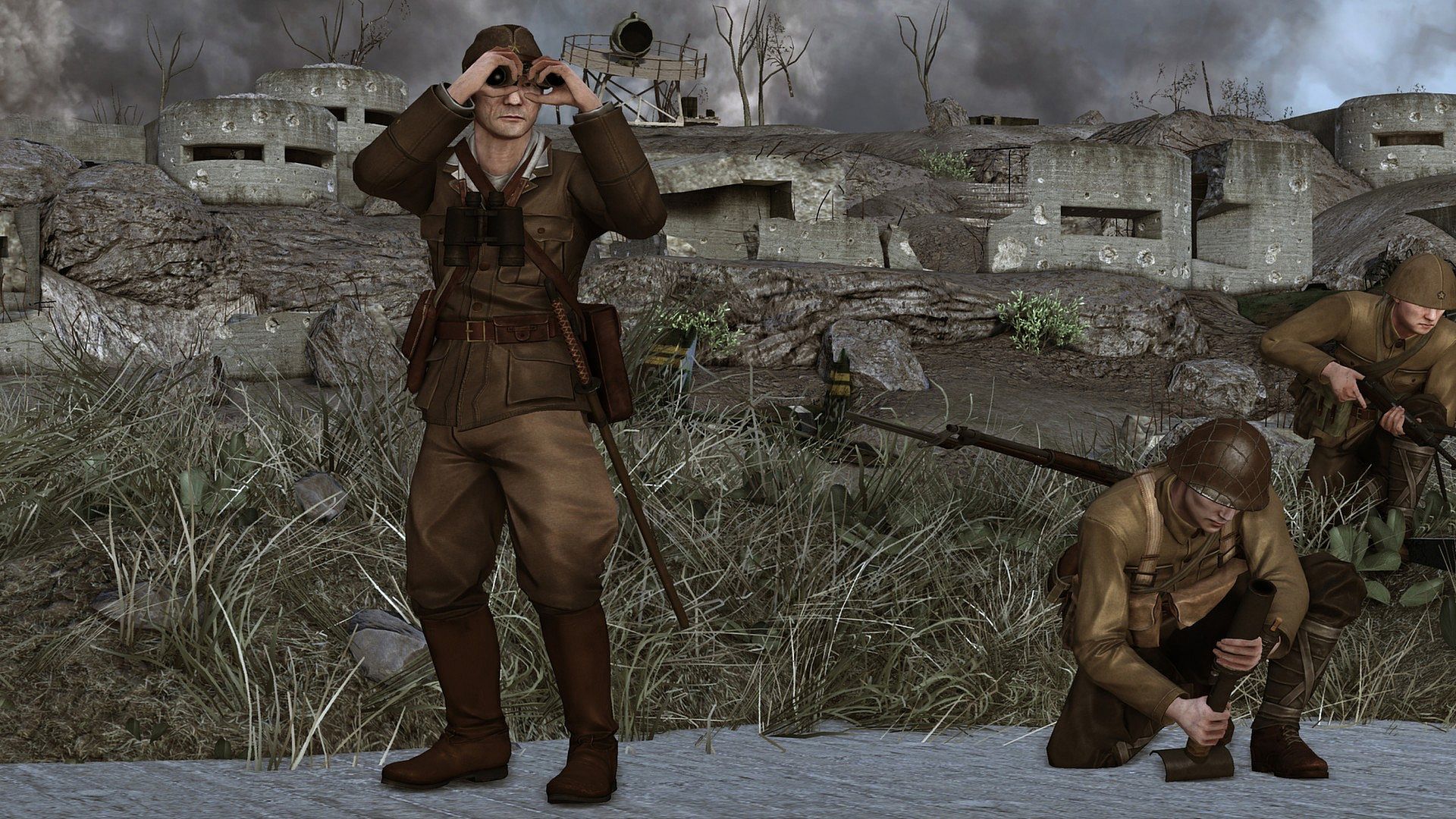
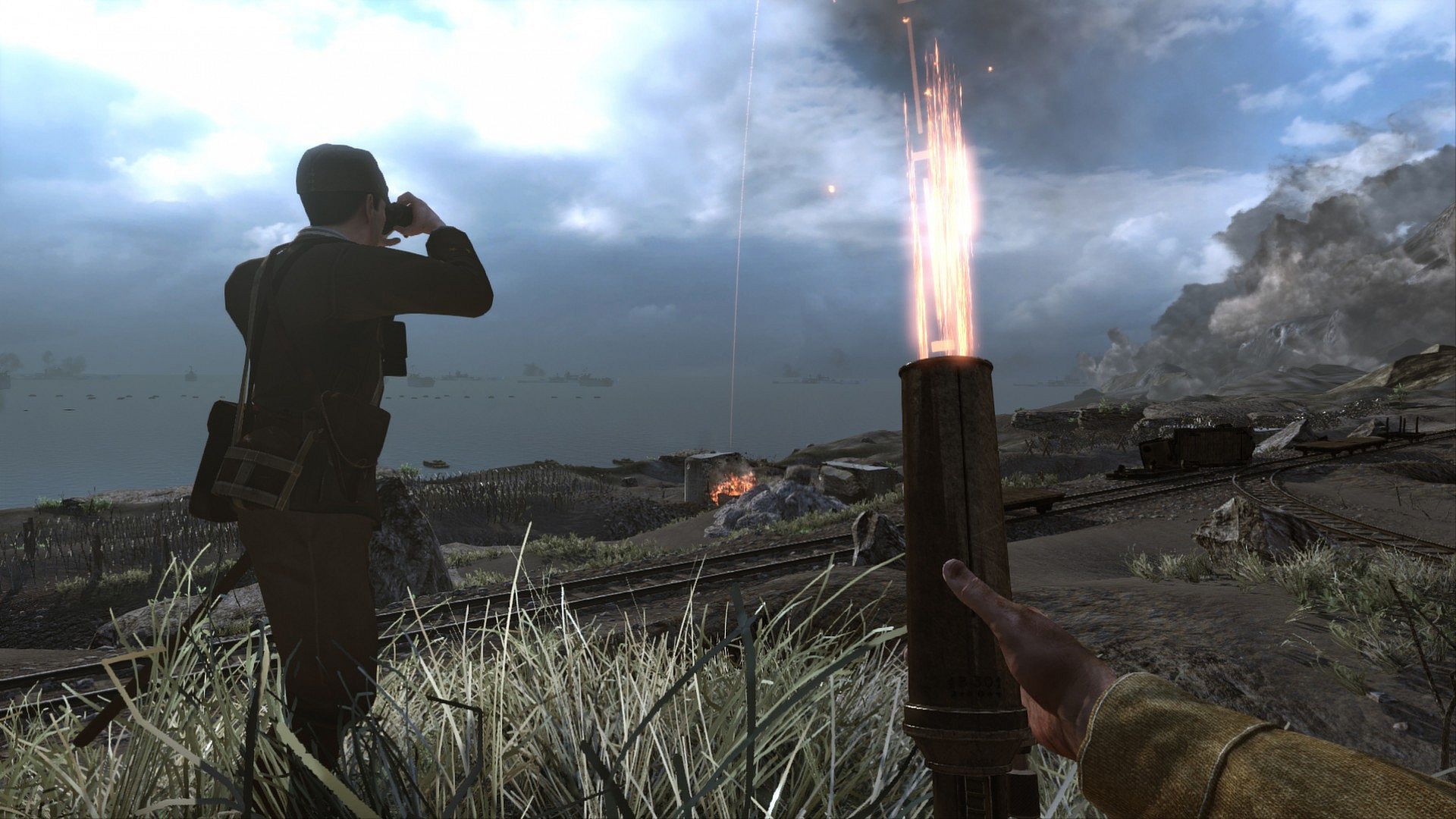
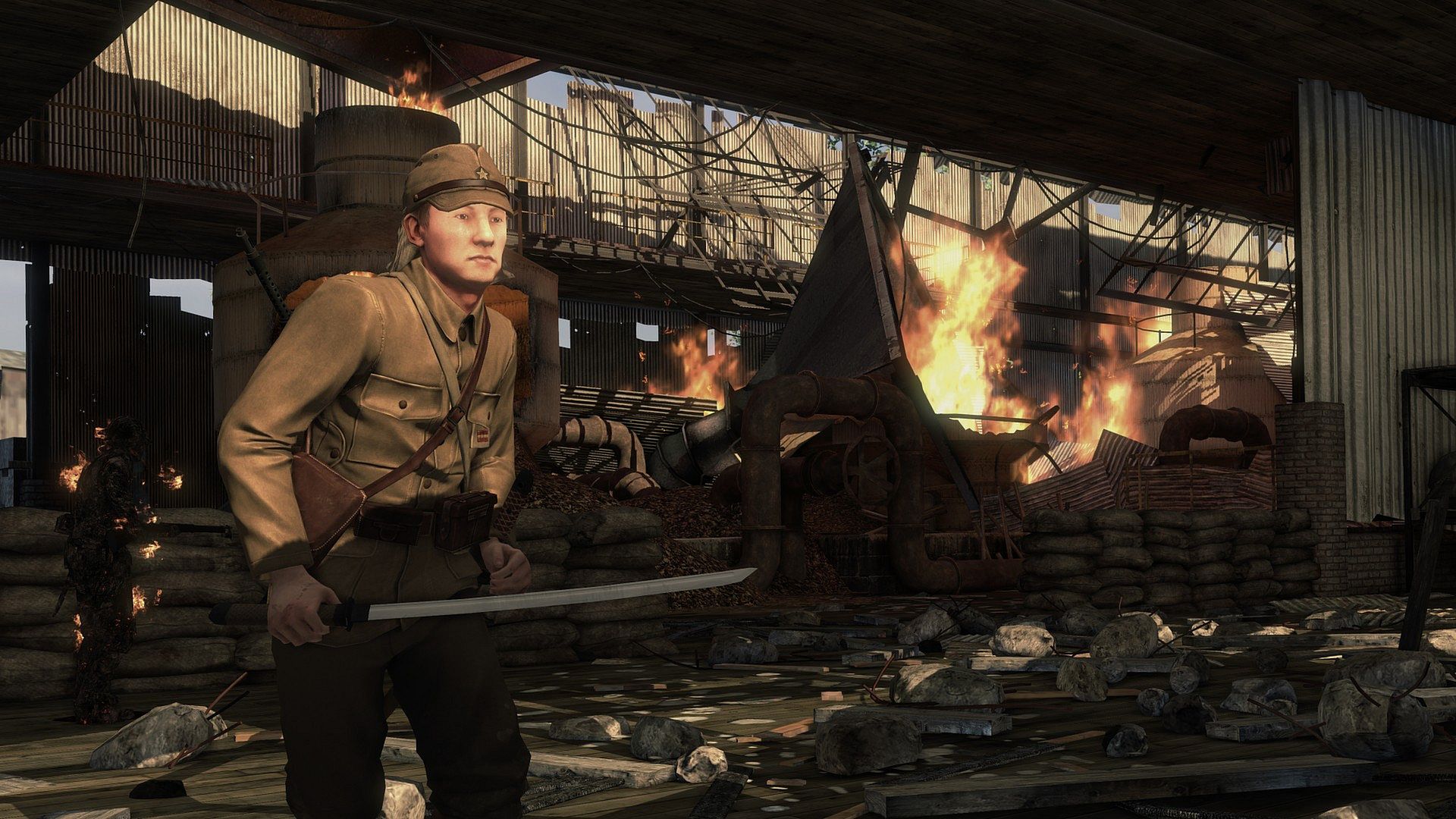
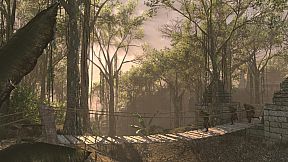
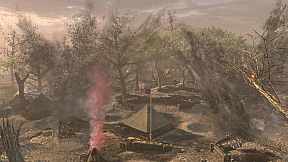
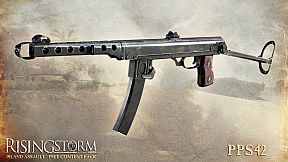
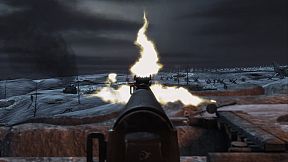
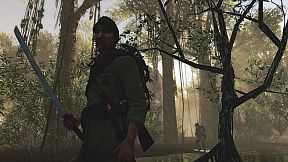
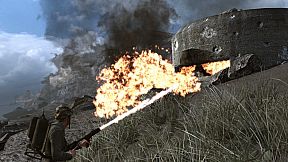
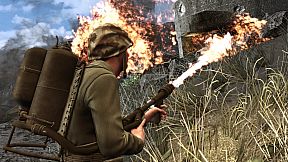
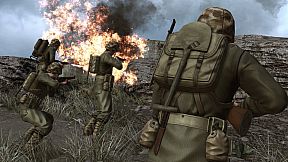
American soldiers rely on semi-automatic rifles, automatic weapons, and flamethrowers for superior firepower at range. Japanese troops counter with knee mortars for indirect fire support, booby-trapped grenades, and widespread bayonet use on rifles, machine guns, and submachine guns. Banzai charges allow Japanese players to suppress defenders while closing distance for melee combat with bayonets and katanas. Both sides fight on servers supporting up to 64 players, with maps featuring beach landings, jungle terrain, and night operations on locations such as Guadalcanal, Iwo Jima, and Saipan.
Game Modes
Three primary multiplayer modes define the experience. Territory requires teams to capture and hold sequential objectives across the map, with attackers pushing forward and defenders rotating to new positions after each loss. Countdown functions as a single-life elimination round where one team attacks and the other defends, with roles reversing after each round. Firefight operates as a team deathmatch variant in which the first side to reach a set number of kills or hold the higher total at the end of the round wins.
A larger multiplayer campaign structure links multiple matches across a theater map, allowing winning teams to vote on the next territory and map while tracking overall progress. All modes support the full range of historical weapons and asymmetrical abilities without mirrored loadouts between factions.
Factions and Mechanics
The American side fields US Army and Marine Corps units equipped with fast-firing rifles and heavy support weapons. Japanese forces include army and special naval landing units that emphasize close-quarters ferocity and improvised tactics. Persistent soldier progression tracks rank, unlocks, and statistics across sessions, while a full mod SDK and Steam Workshop integration allow community-created maps and modifications to expand the available content.
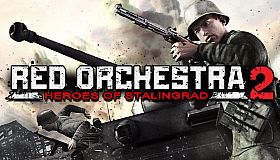
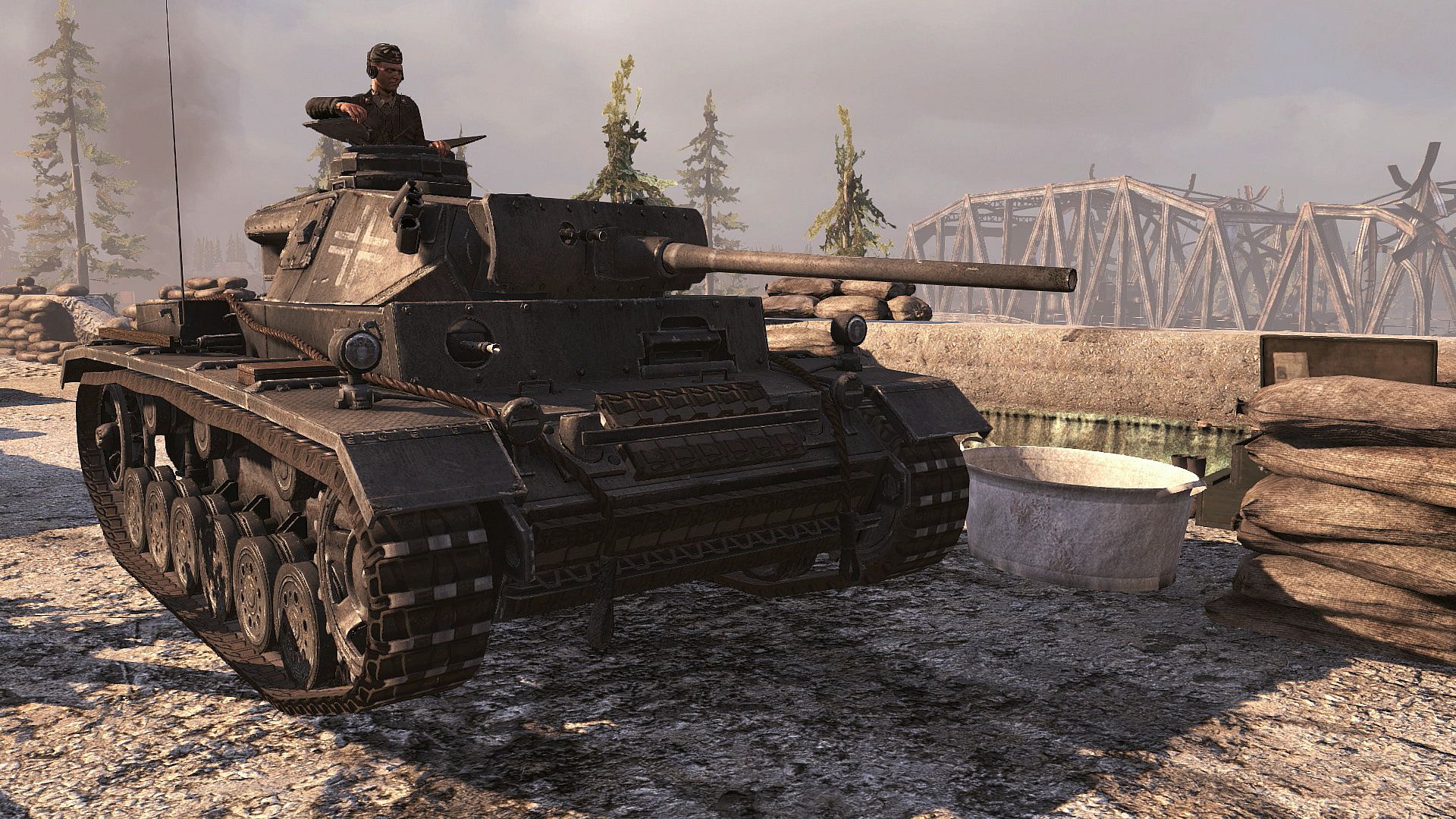
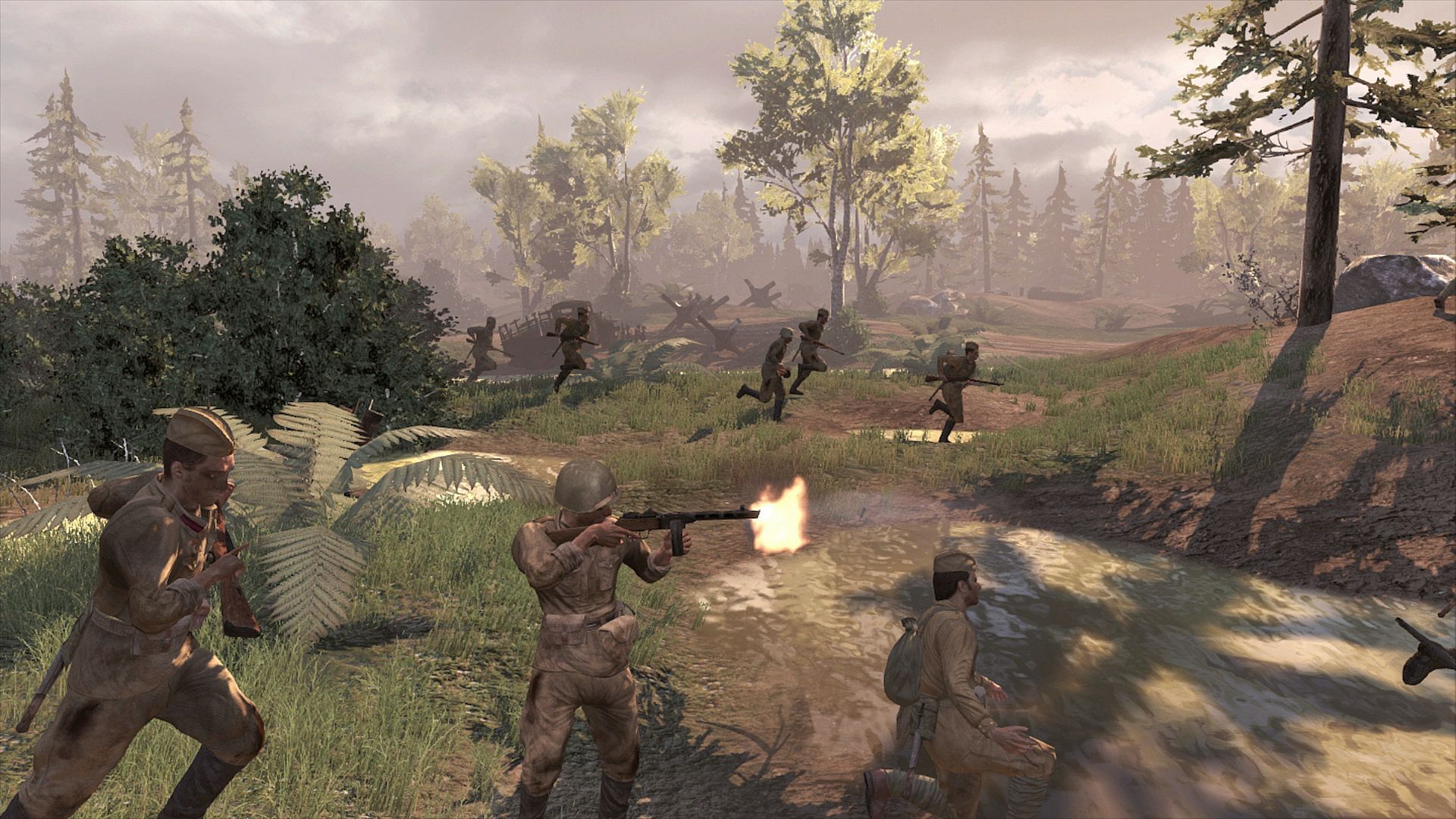
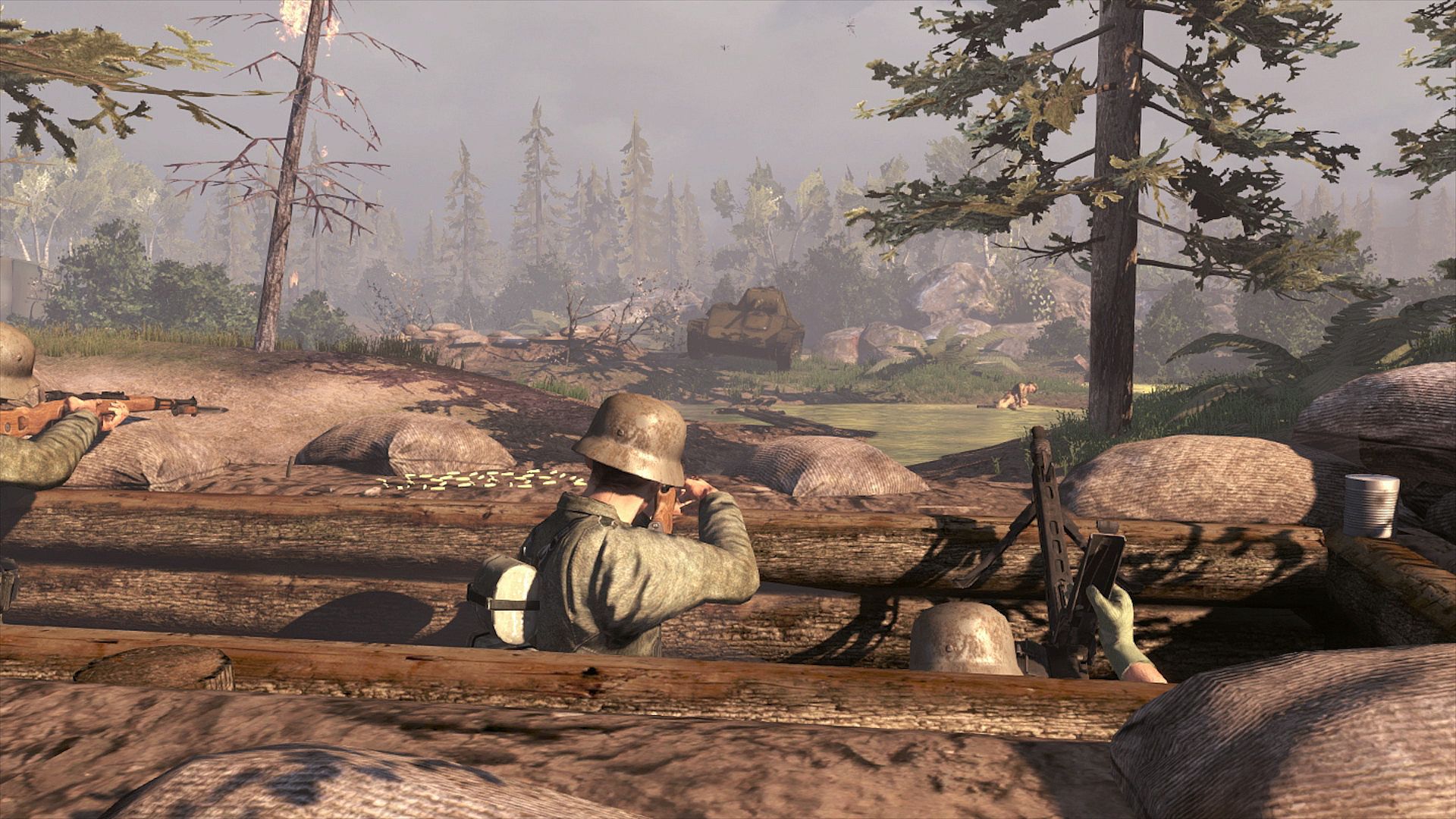
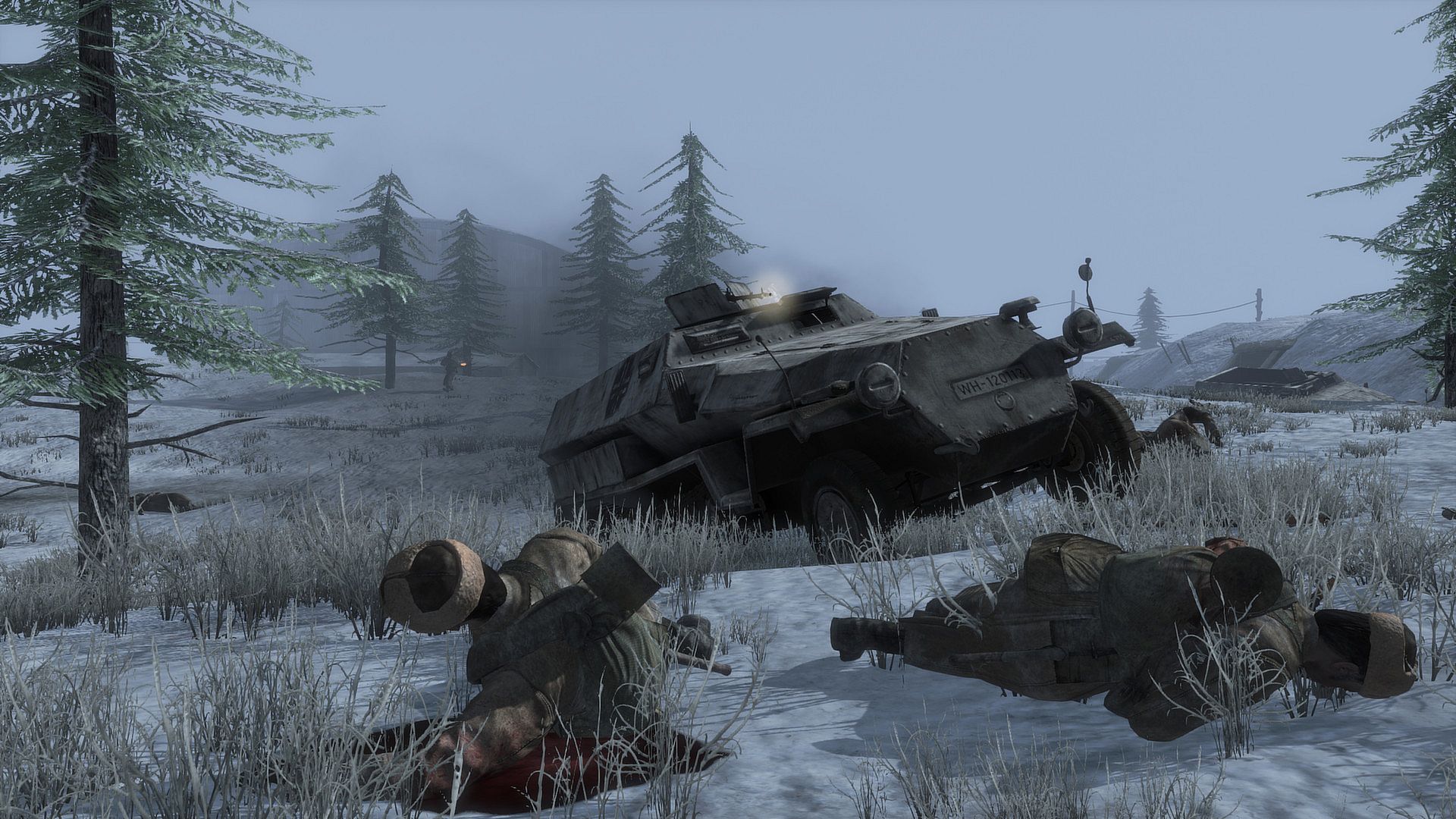
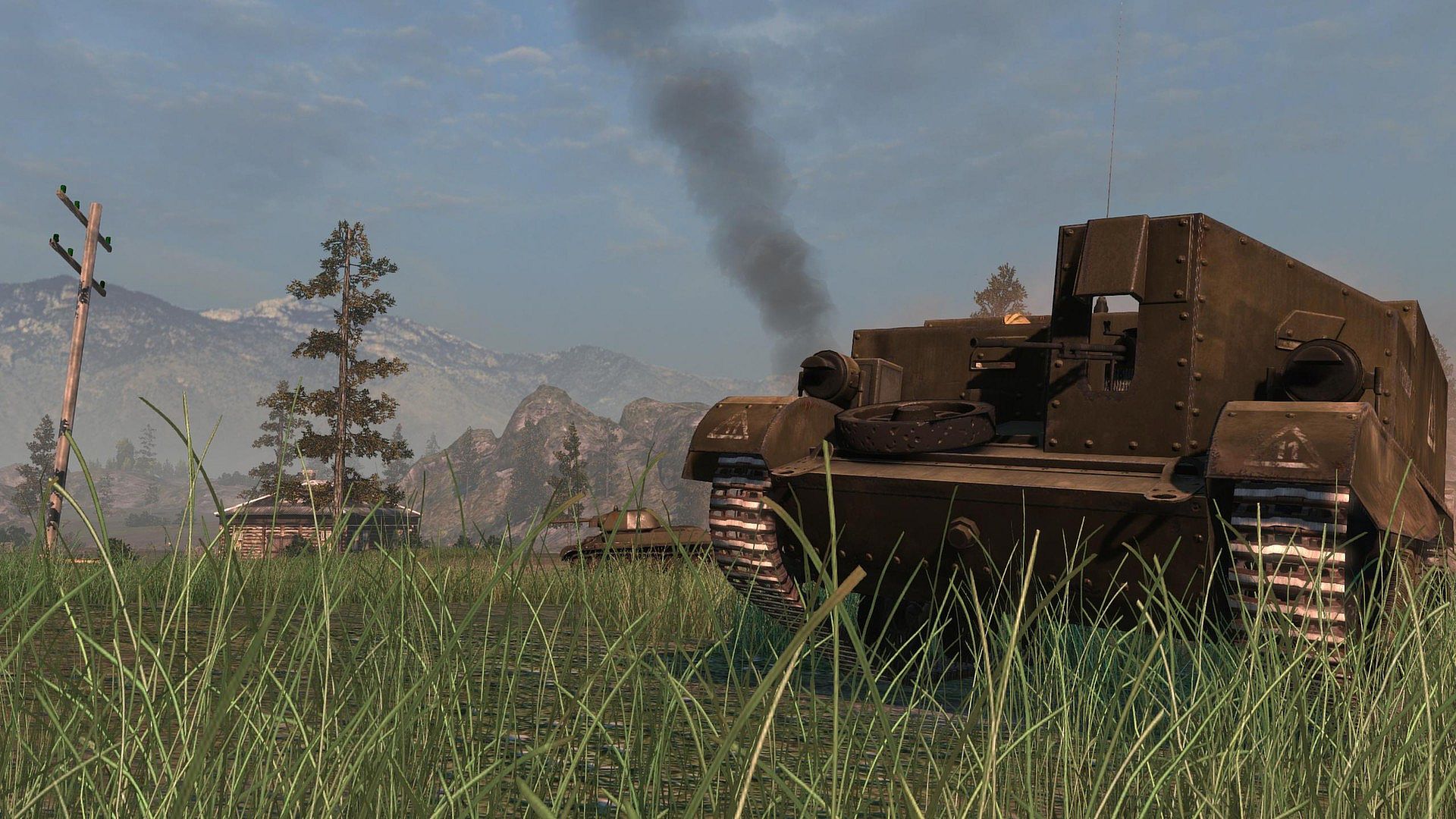
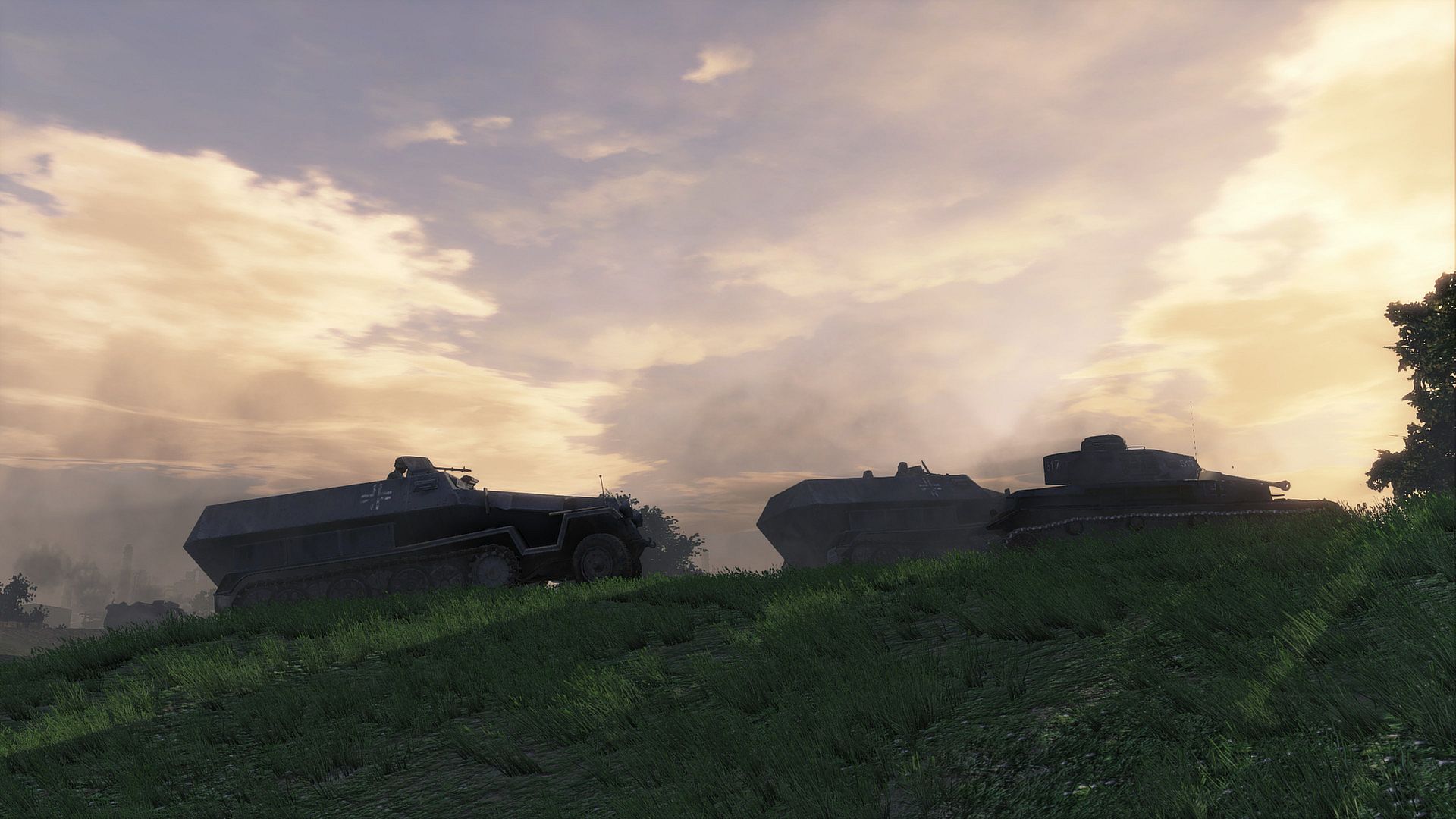
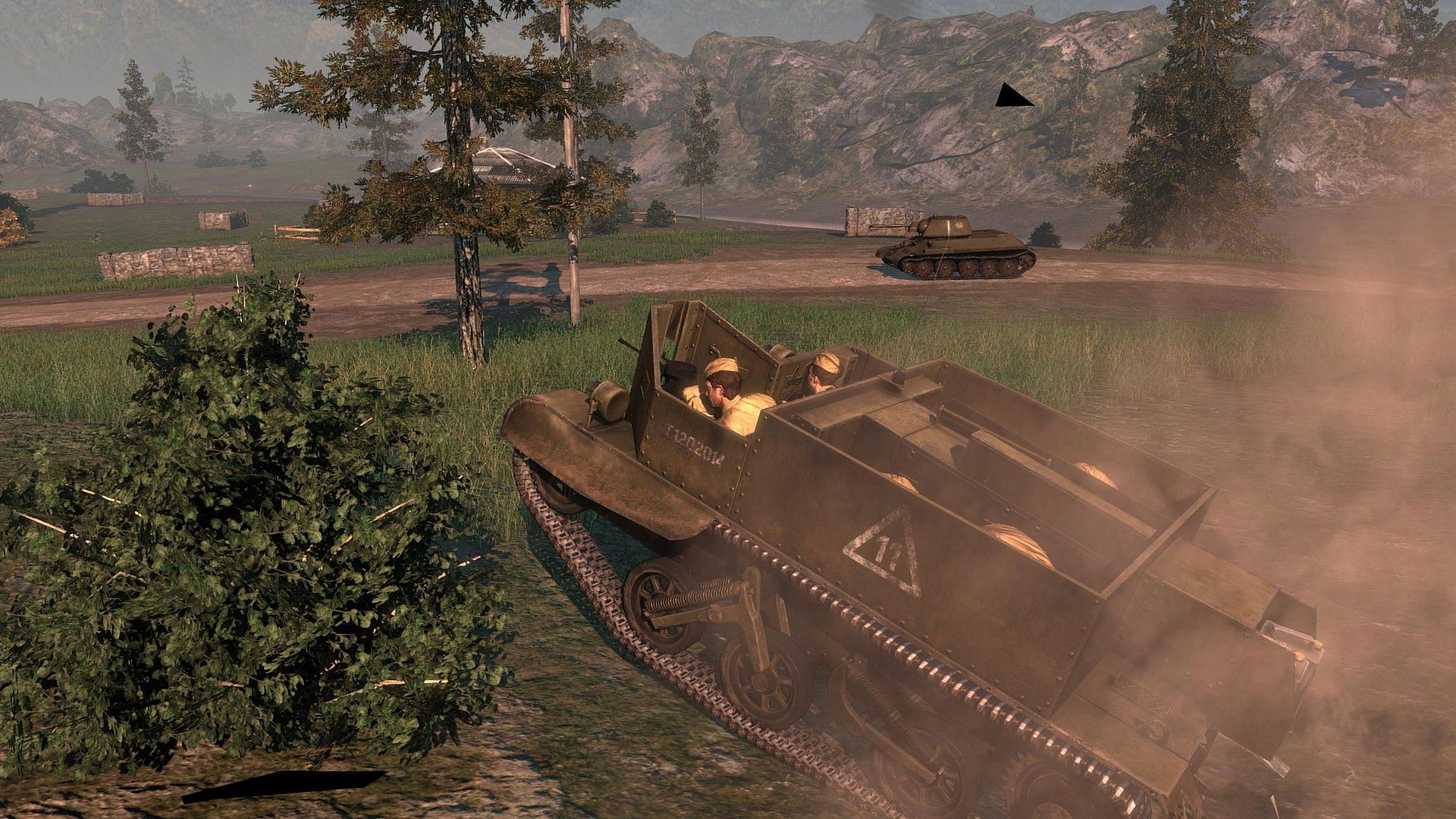
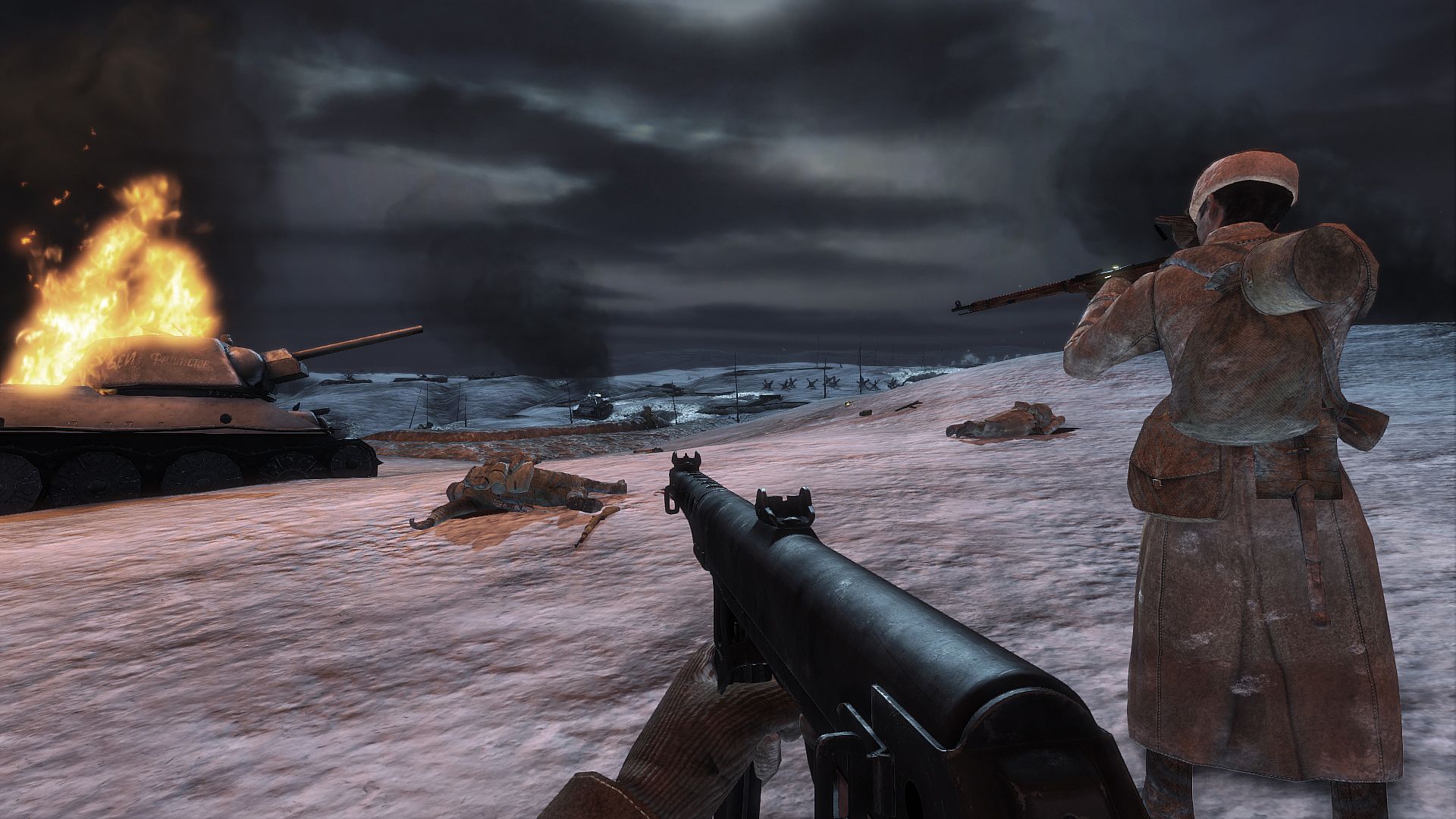
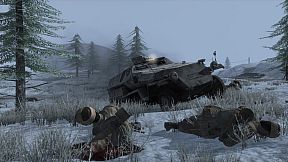
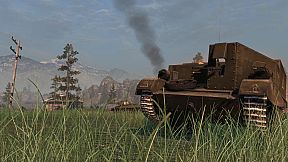
Every match includes the complete Red Orchestra 2 multiplayer roster as a built-in bonus, letting players switch between Pacific and Eastern Front battles through the same server browser.
Is It Worth Playing?
The game maintains a small but active player base years after release, with concurrent numbers typically in the low hundreds across combined servers. Reviews on major platforms rate the title positively for its authentic weapon handling and distinctive asymmetrical design that sets it apart from standard WWII shooters. It suits players who prefer deliberate, team-oriented multiplayer combat over fast-paced arcade action and who value historical accuracy in loadouts and map design.
Those seeking consistent full servers may encounter variability depending on time of day, yet the included Red Orchestra 2 content and mod support extend replay value for dedicated participants. The experience rewards familiarity with realistic suppression, positioning, and faction-specific tactics rather than raw reflexes alone.