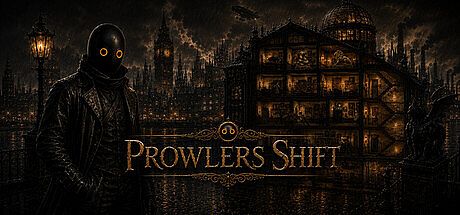


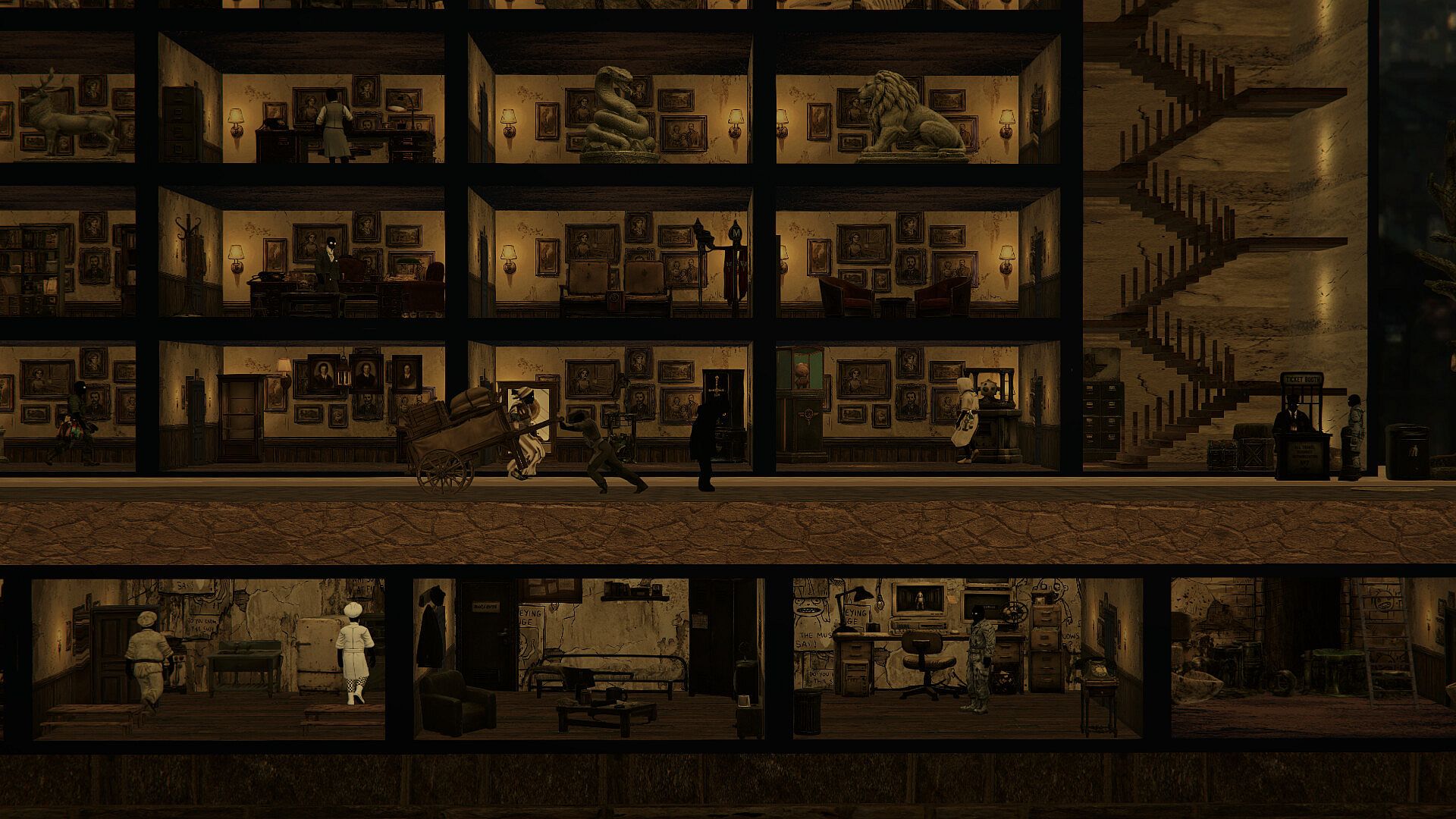
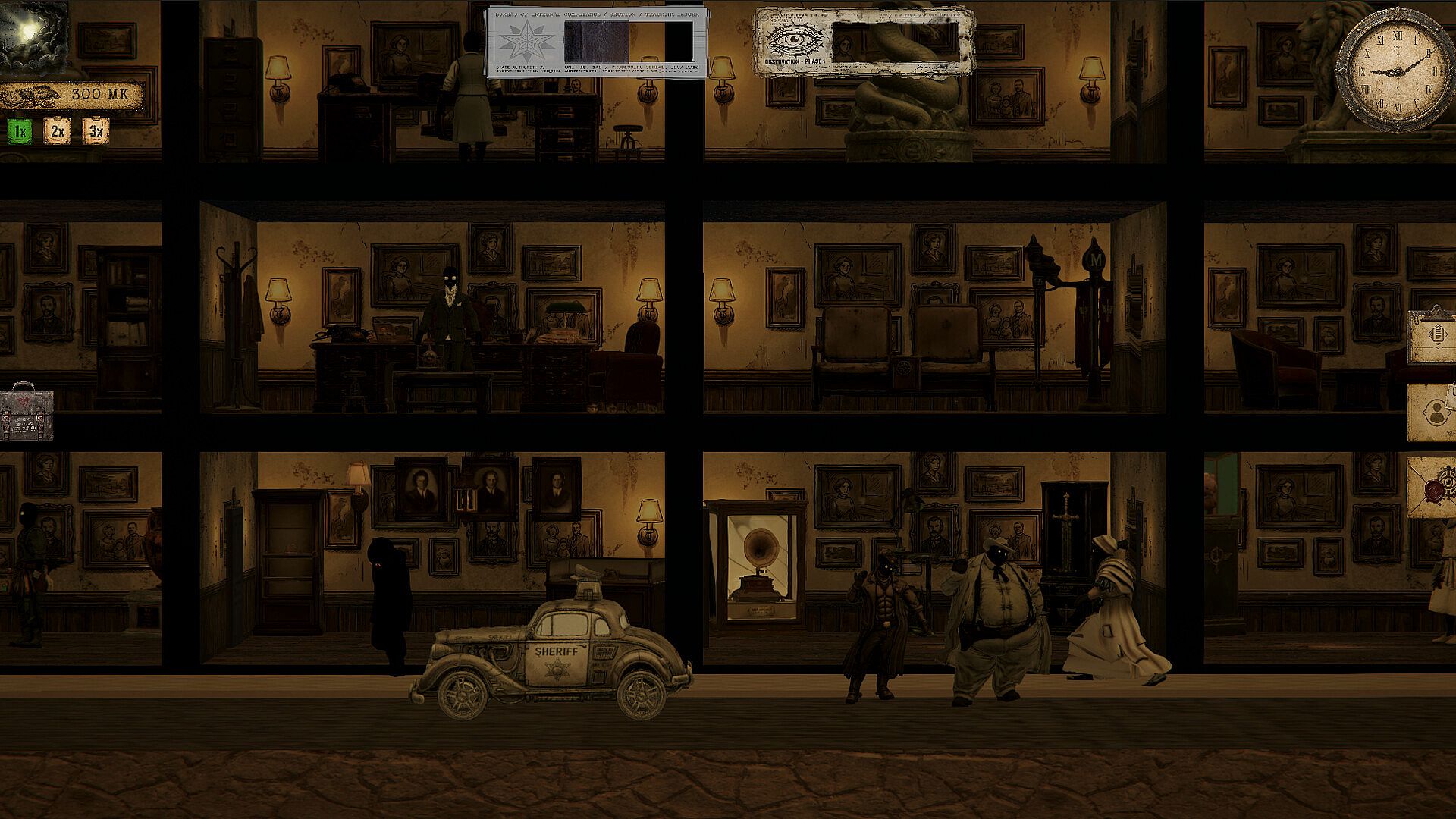
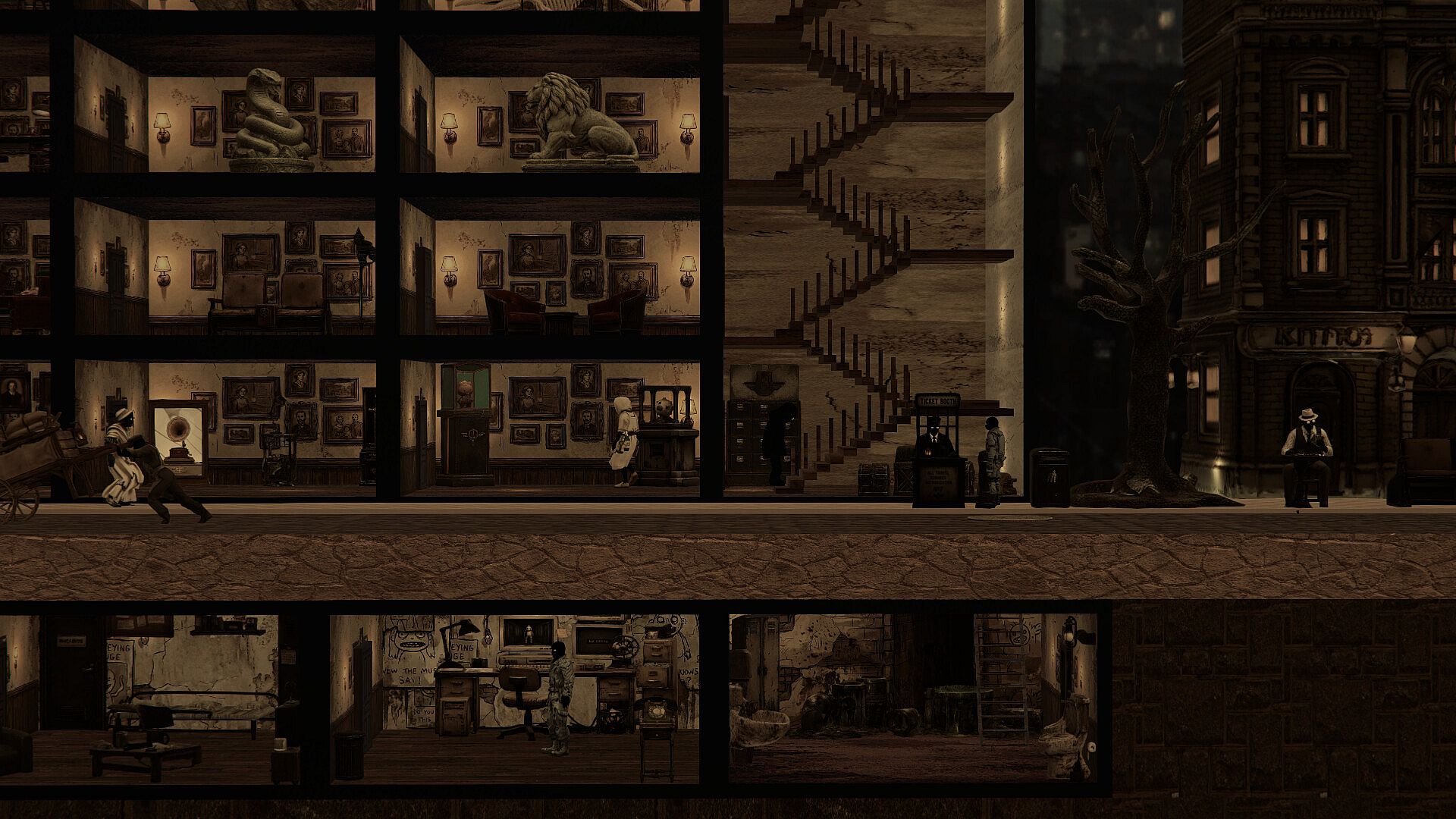
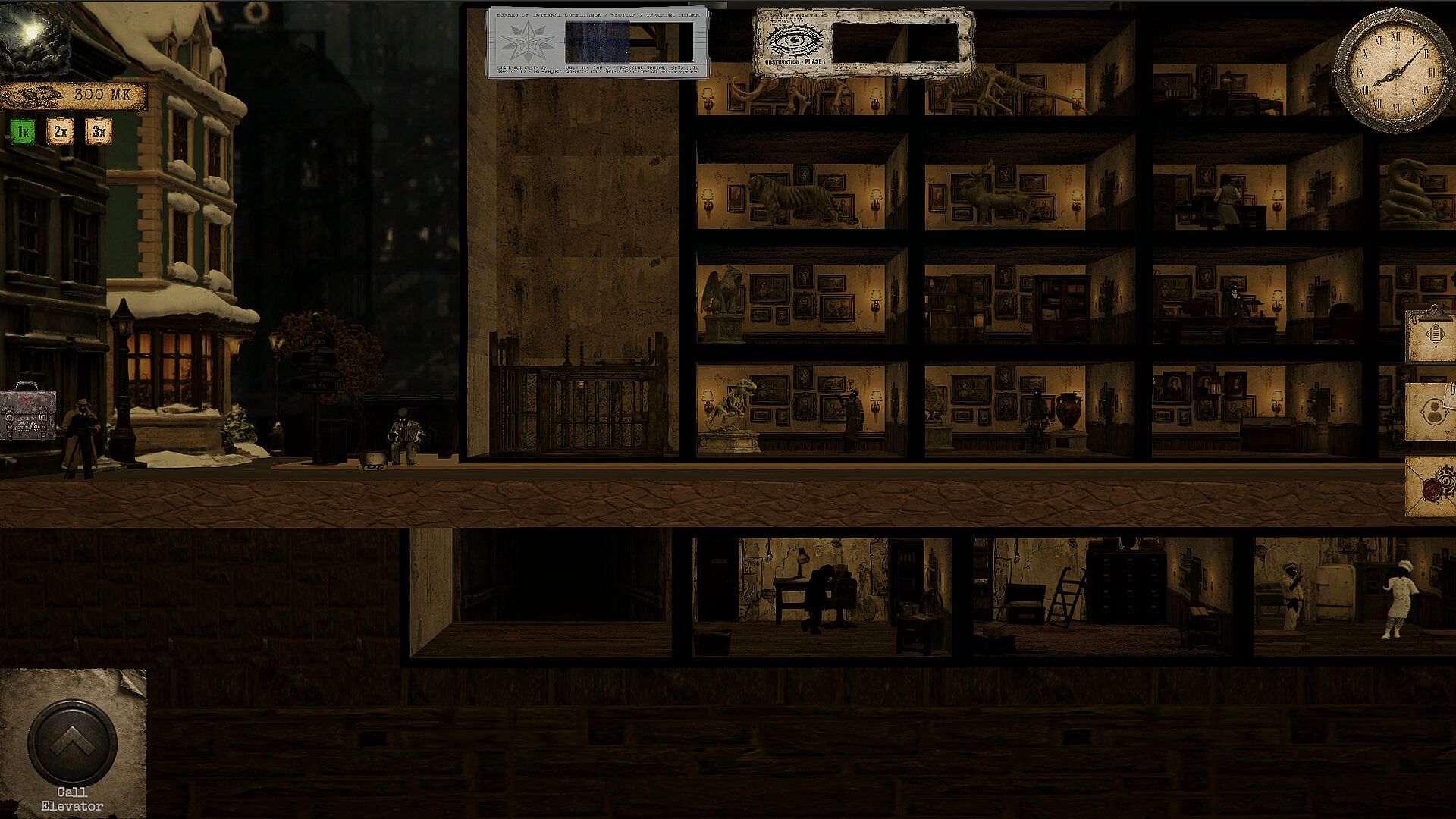
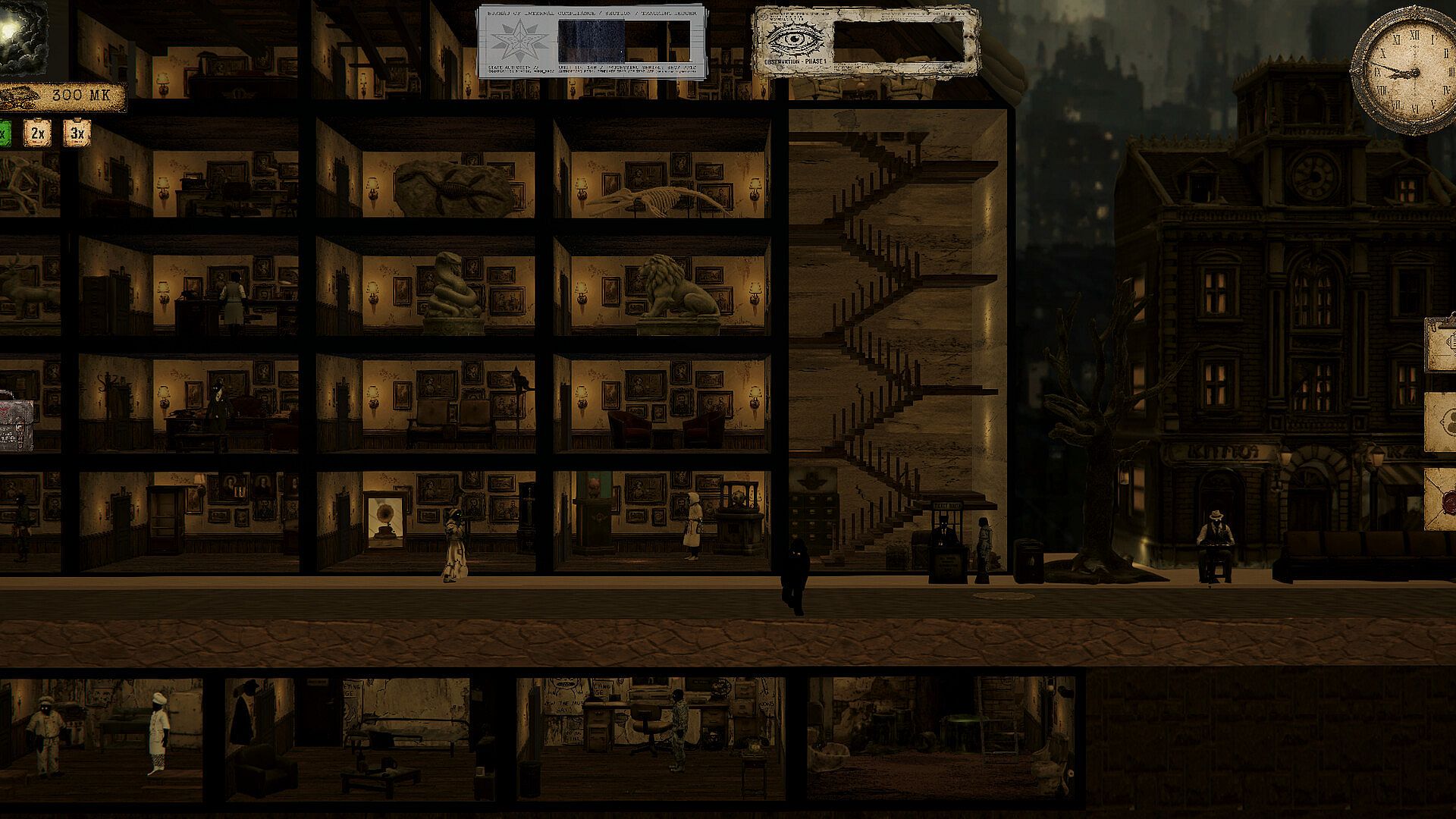
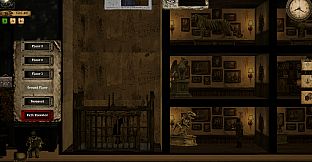
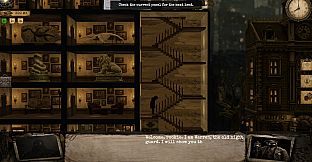
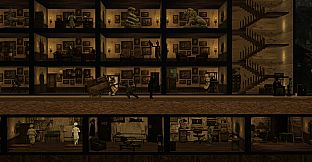
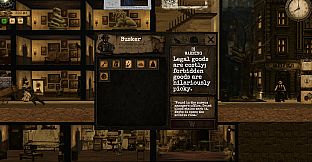
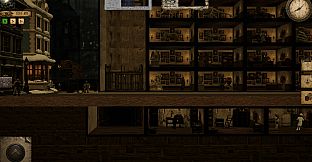
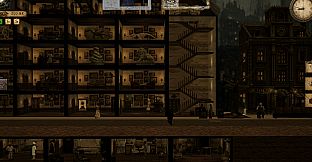
Prowlers Shift is a 2.5D narrative surveillance simulation game set on PC. Players take on the role of a night guard at a private museum called The Archive, where every decision about what to observe, overhear, or act upon influences the unfolding mystery across multiple shifts.
Gameplay
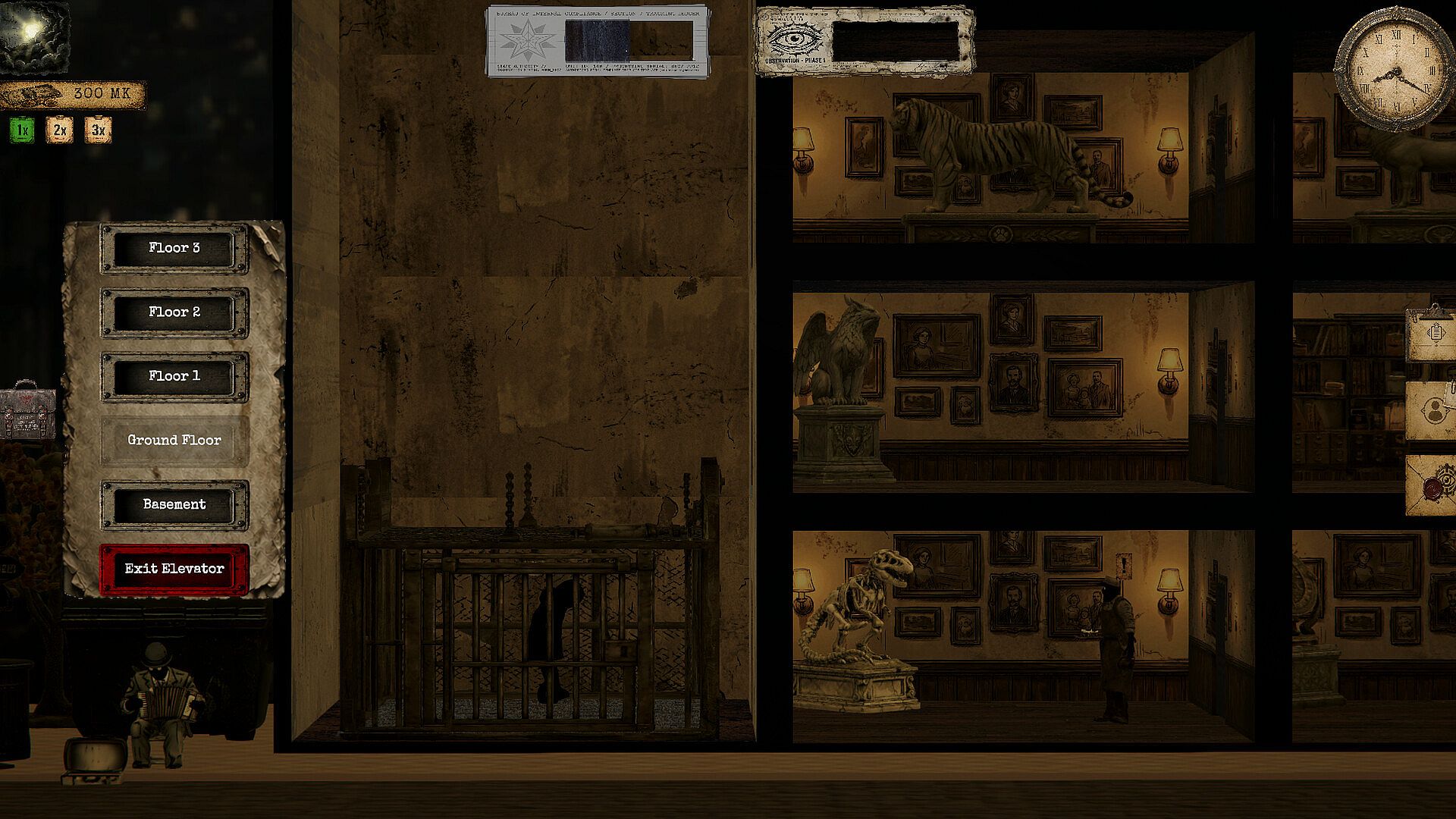
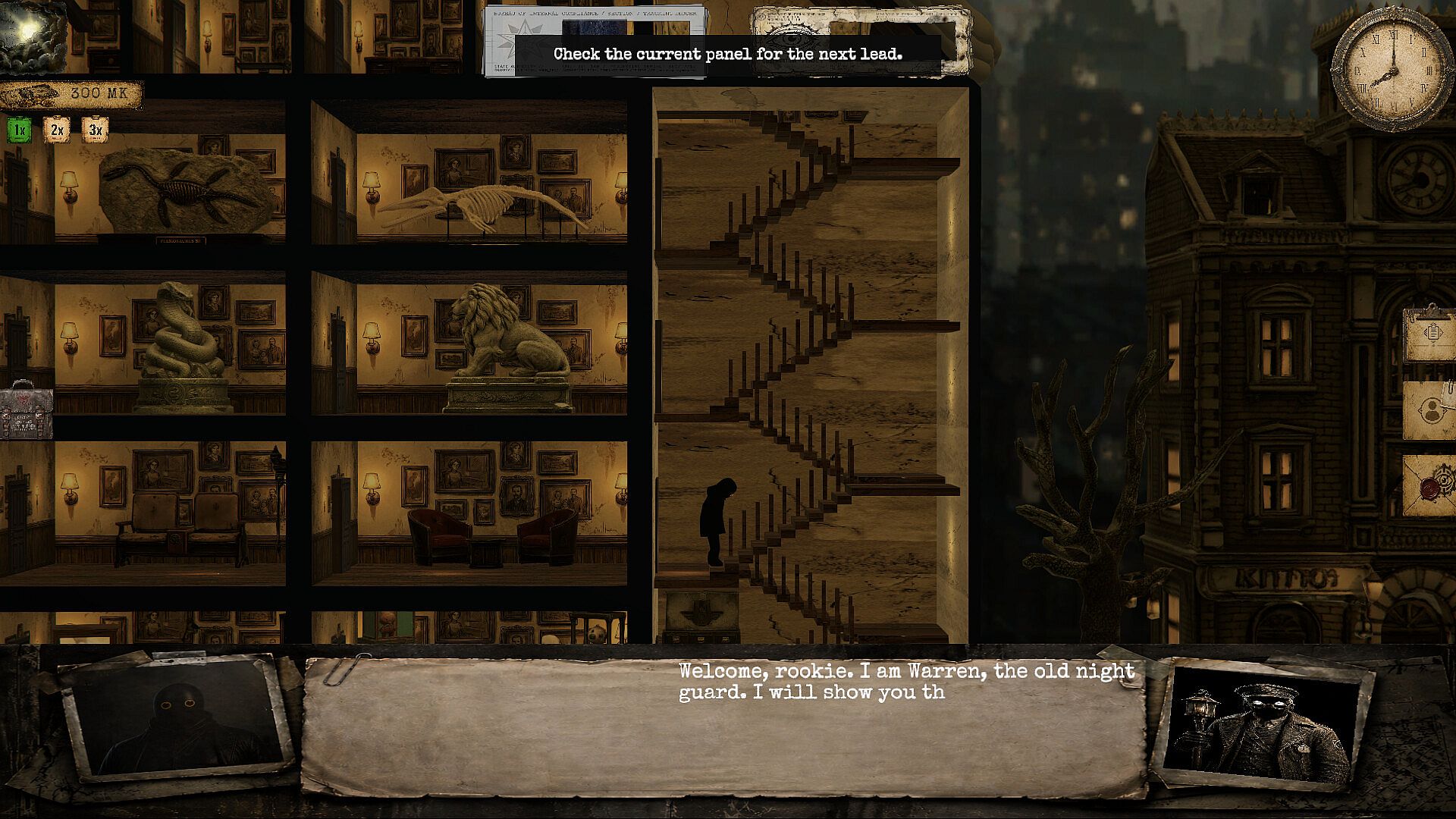
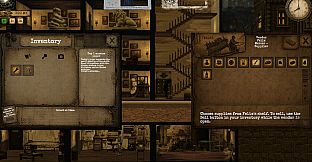
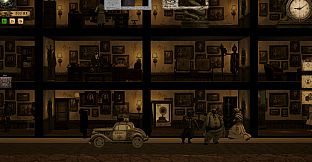
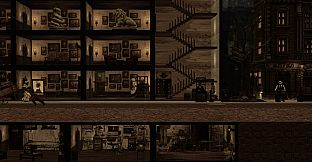
The core loop revolves around patrolling a cutaway view of the museum during each shift. Visitors and staff move through the space with their own routines, and after hours the building shifts into a more unpredictable state. Tools focus on information gathering rather than direct confrontation. Players listen at doors to catch conversations, track patterns in where people go and who they meet, and search physical locations like drawers, lockers, and archive shelves for evidence that gains meaning only when noticed repeatedly.
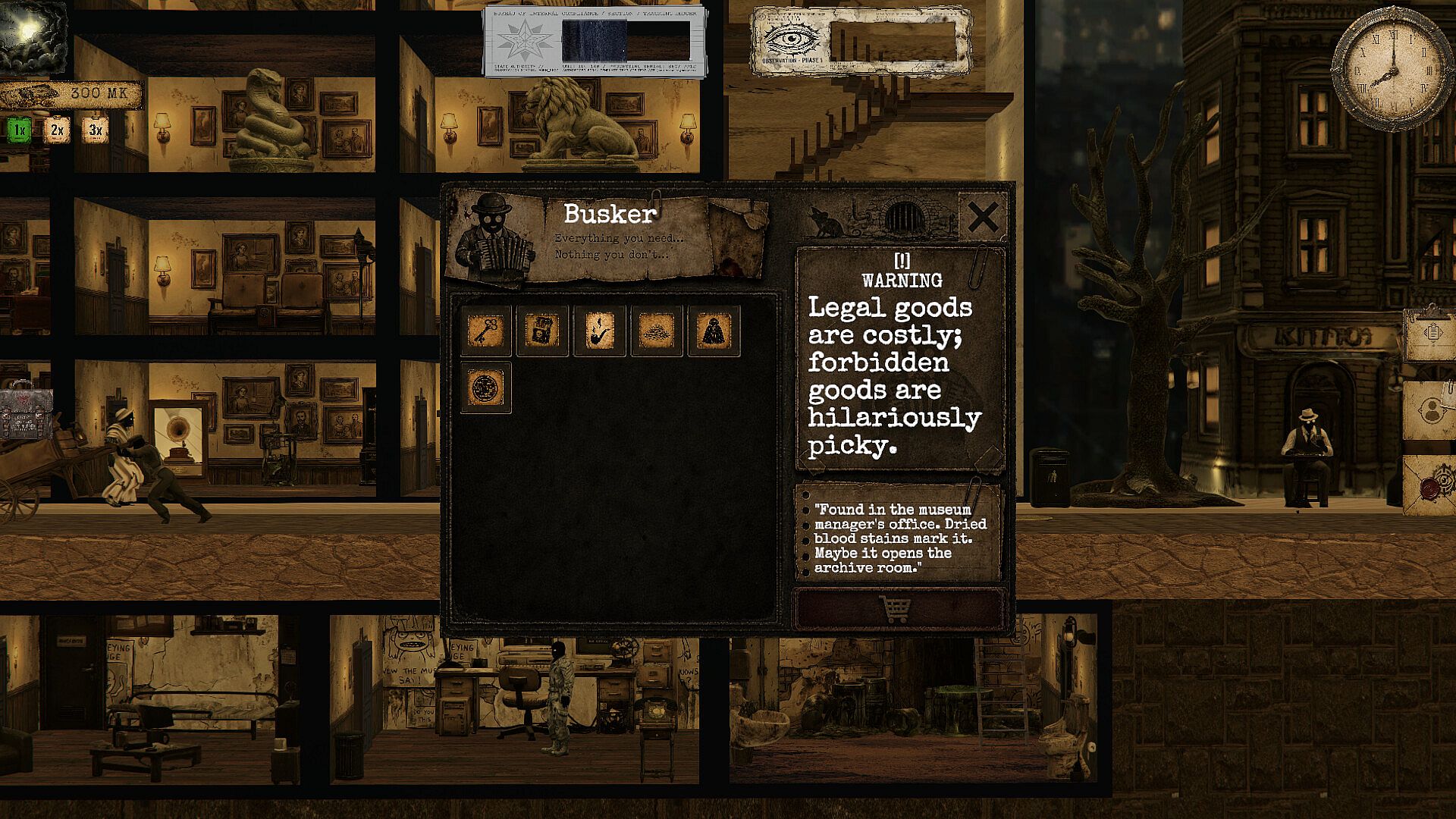
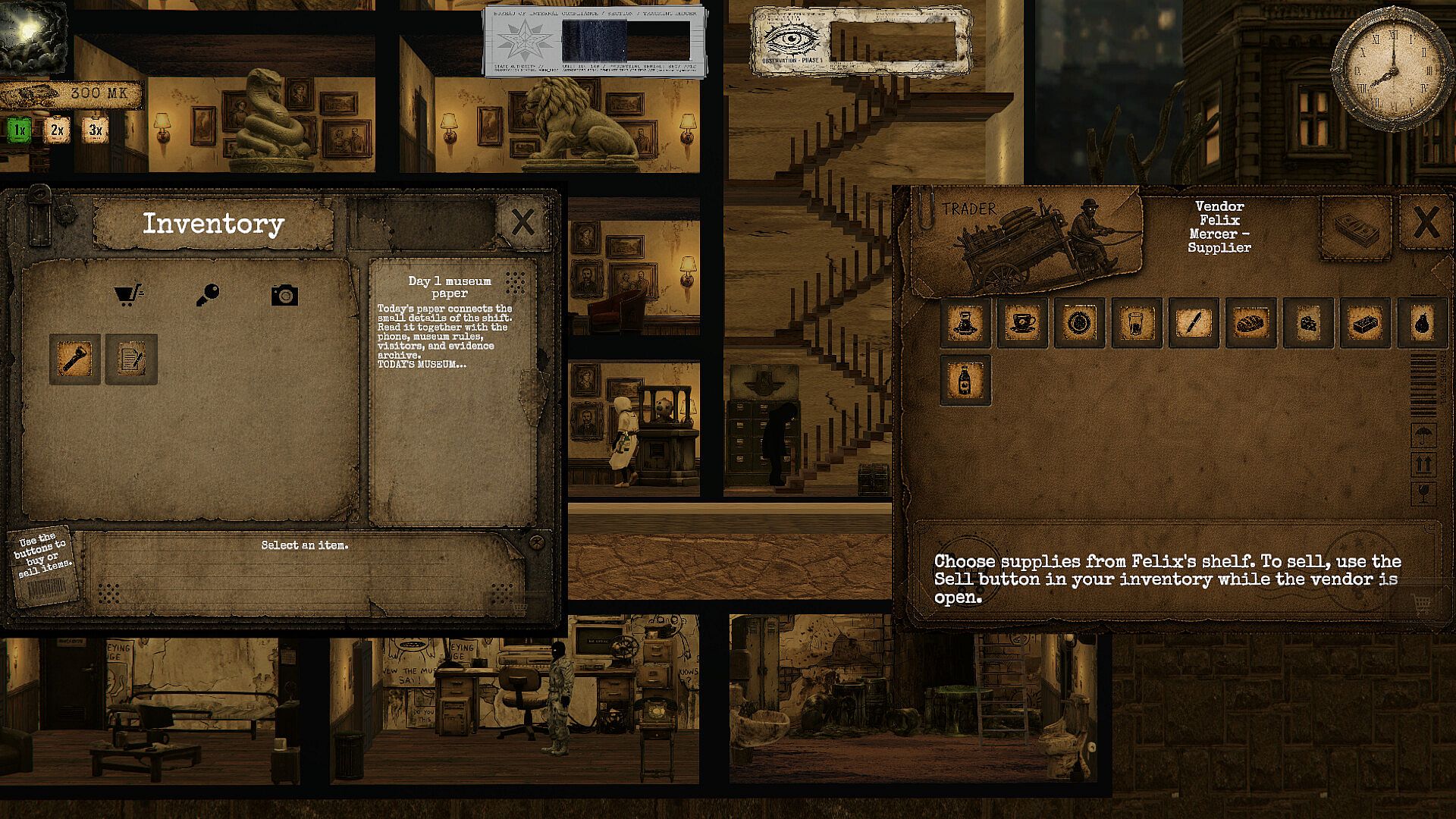
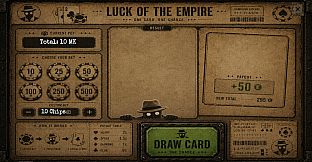
A distinctive mechanic involves handling unattended bags, where the speed of opening the zipper directly affects a noise meter that can alert nearby characters if it rises too high. Side tasks from various characters in the building provide access to new areas but also create ongoing obligations. Two separate economies operate in parallel: purchases from an official vendor and discreet dealings with a black-market contact whose available stock evolves over time.
Reputation and suspicion systems track player actions. Characters remember previous interactions, leading to lasting changes in behavior such as covering for the player or restricting access to certain rooms. Daily directives from the employer add another layer by indicating what should be overlooked, though following or ignoring them remains a choice that carries forward consequences.
Game Modes
Prowlers Shift operates as a single-player experience with no separate multiplayer or competitive modes. The entire game centers on sequential night shifts that build a hand-authored mystery through consistent world behavior and accumulating player choices. Each shift functions as the primary structure, allowing players to repeat and refine their approach based on what previous nights revealed about schedules, relationships, and hidden activities.
Progression comes from assembling clues across shifts rather than from unlocks or separate campaigns. Multiple endings exist, determined by the combination of evidence collected, alliances formed or broken, and secrets kept or exposed. The design emphasizes observation and patience over action sequences, with the museum environment responding to player presence in predictable yet layered ways.
Narrative and Choices
The story emerges entirely from player actions and what they choose to pursue. No explicit exposition delivers the central conflict; instead, inconsistencies in routines, repeated names, or unusual activity in certain corridors point toward larger events. Trust decisions affect not only immediate outcomes but also long-term access and character attitudes that persist across nights.
Physical evidence and overheard information serve as the main drivers. Players decide in the moment whether to act on a particular story, protect a secret, or report something to the employer. These choices reshape future shifts without relying on random elements, creating a consistent narrative thread shaped by deliberate observation and selective intervention.
Is It Worth Playing?
Prowlers Shift targets players who prefer deliberate, choice-heavy simulations focused on information management and interpersonal consequences. The single-player structure rewards careful attention to patterns and relationships over fast reflexes or combat. With its emphasis on lasting NPC memory and multiple endings, the game suits those interested in piecing together mysteries through repeated play sessions rather than linear storytelling.
As a title still listed as coming soon with no user reviews available yet, its appeal rests on the detailed mechanics described in its design. Those drawn to slow-burn narrative experiences in contained environments will find the surveillance and reputation systems central to its identity. The game supports single-player only and includes localization across eight languages, making it accessible for a focused audience seeking depth in observation and consequence rather than broad action or social features.