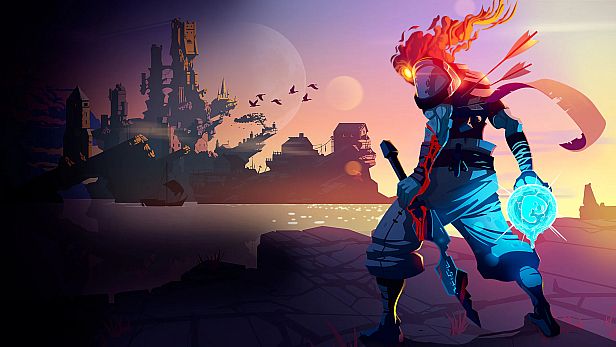






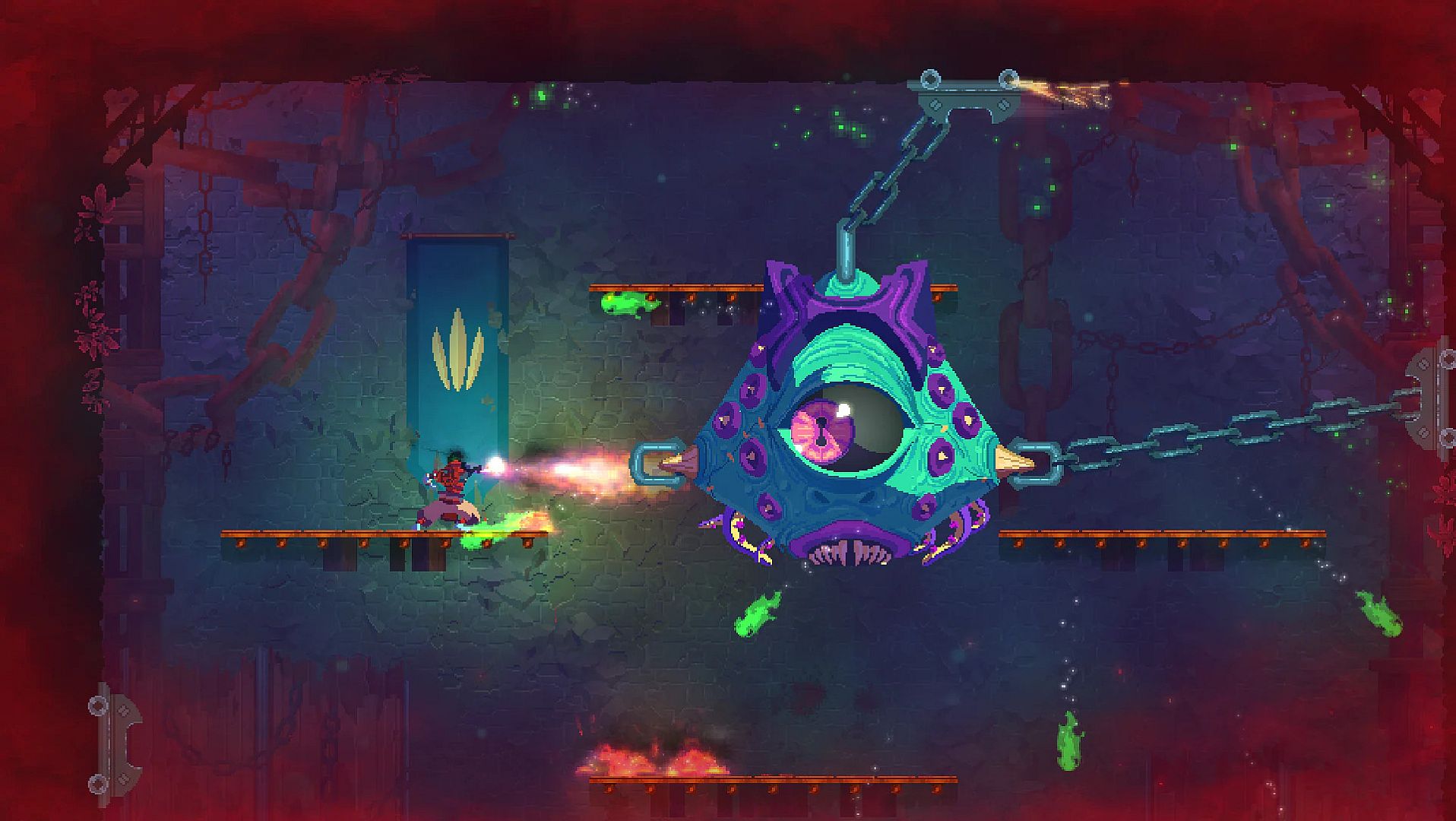
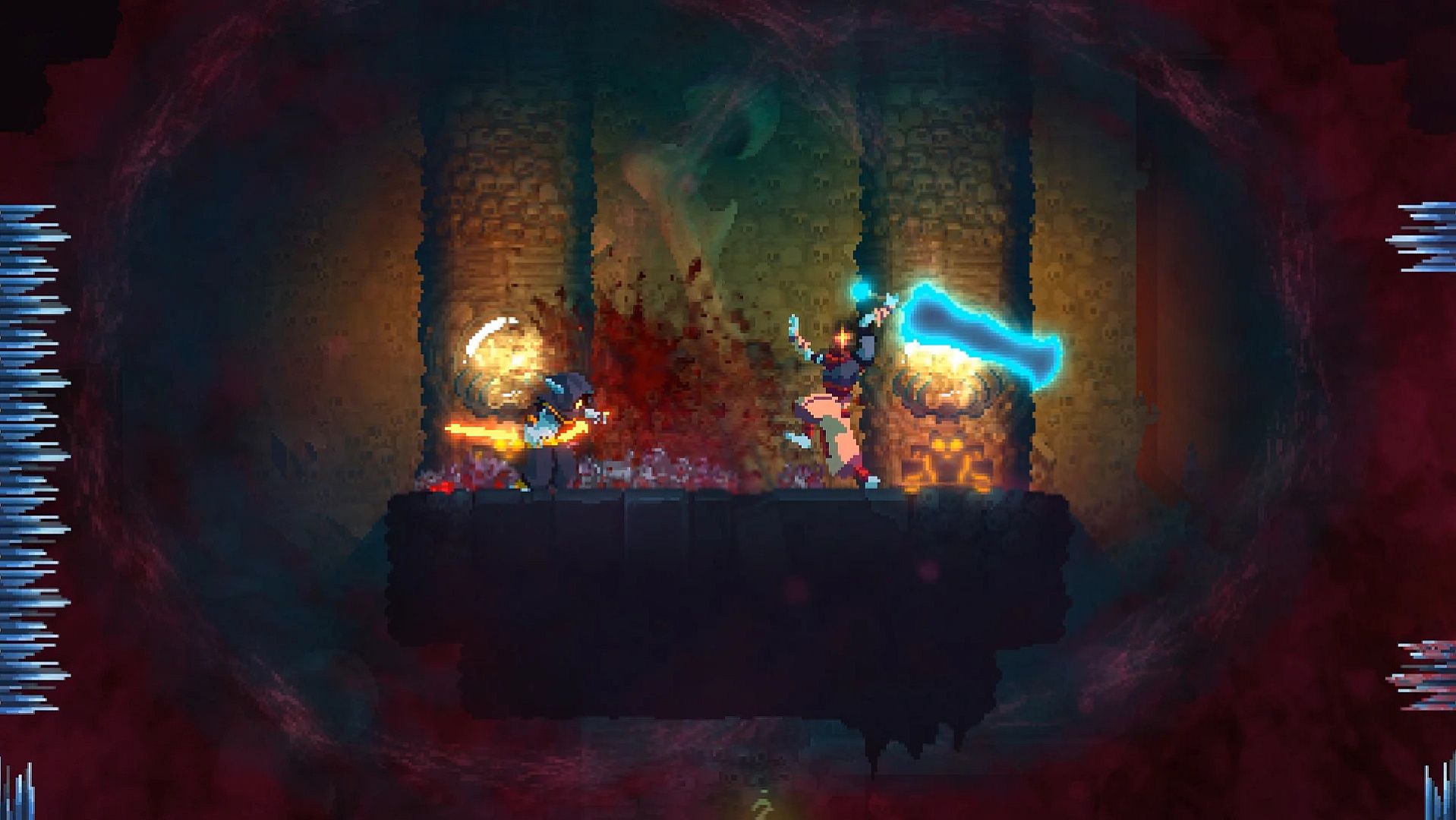
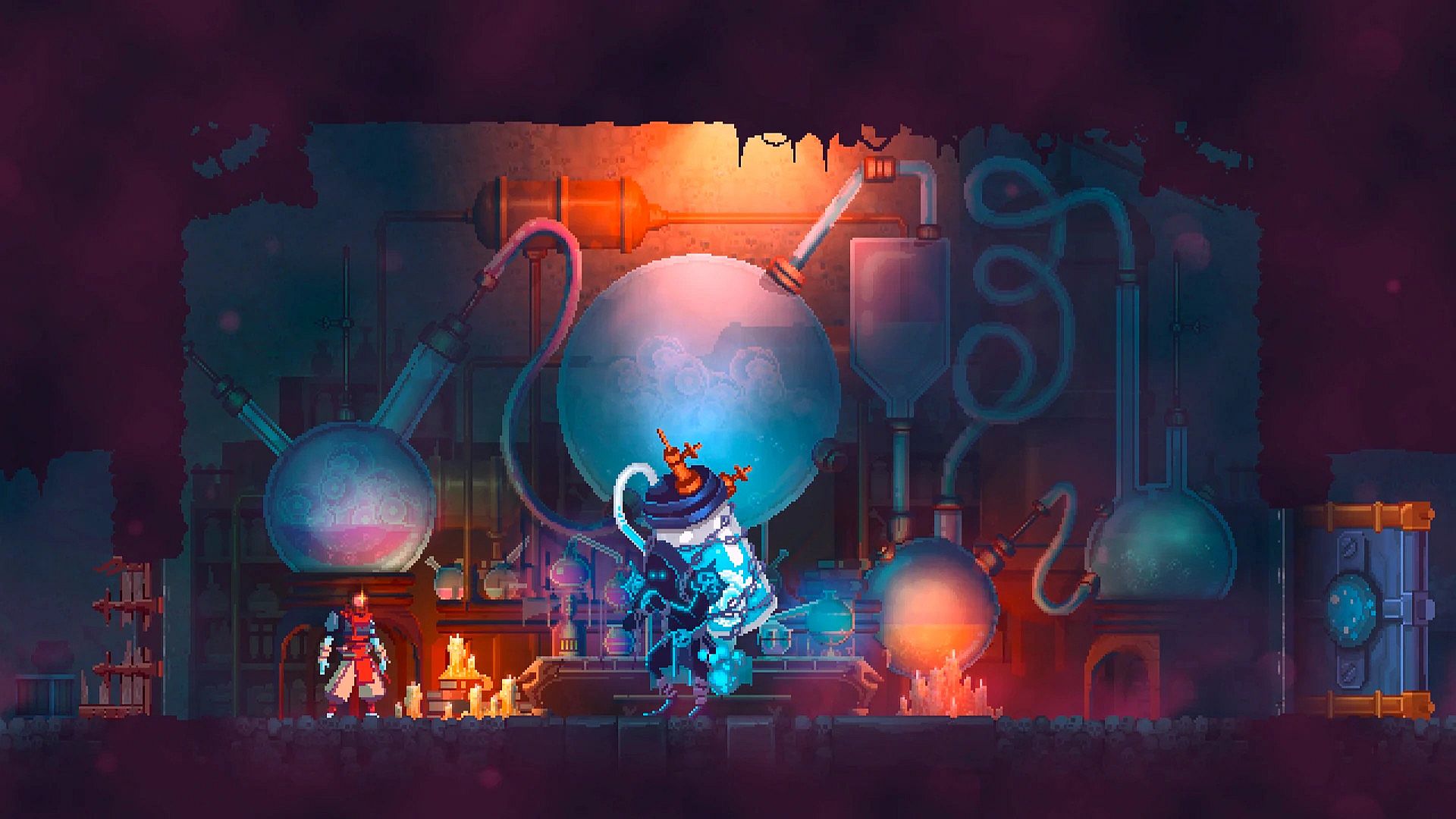
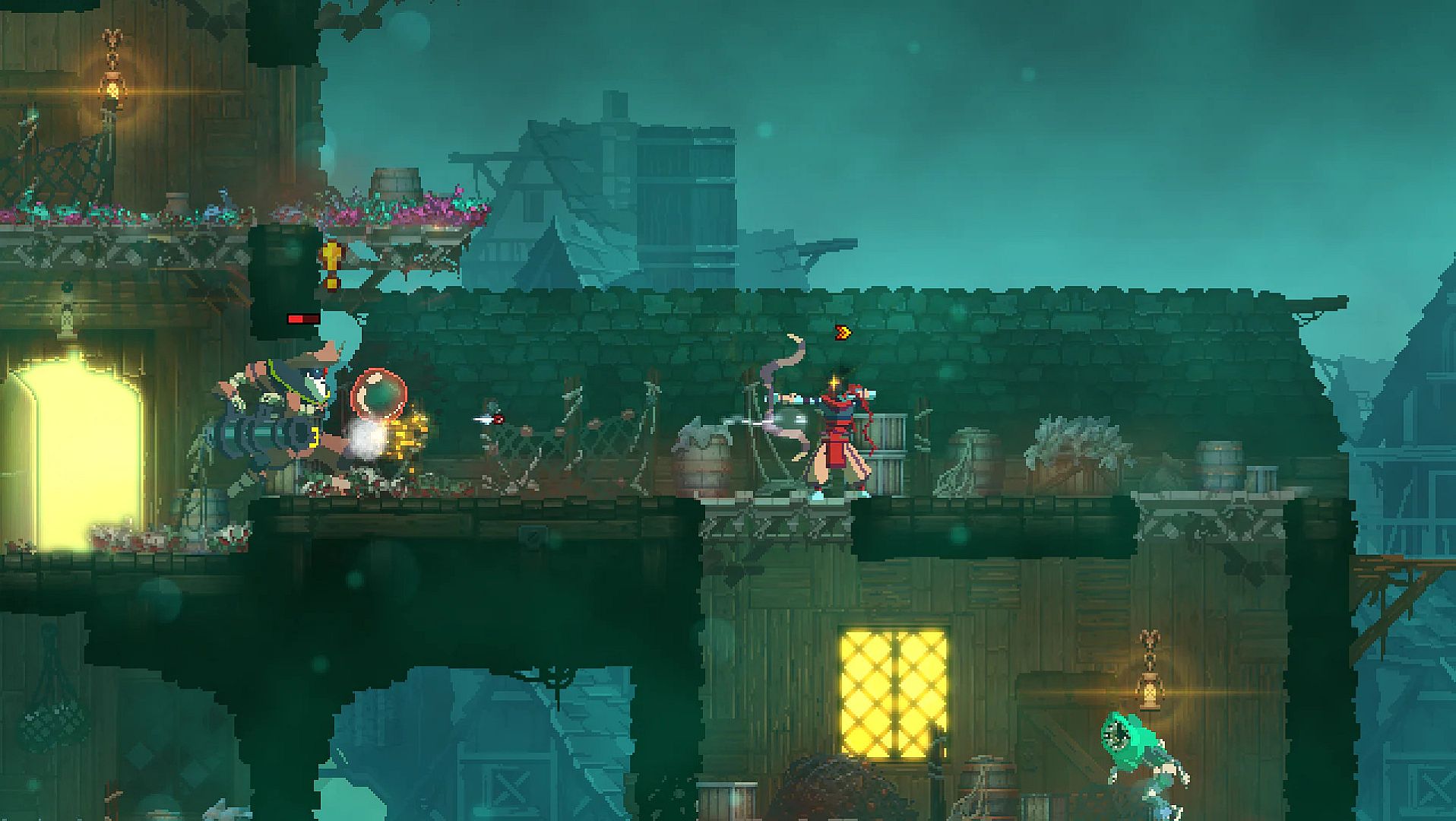
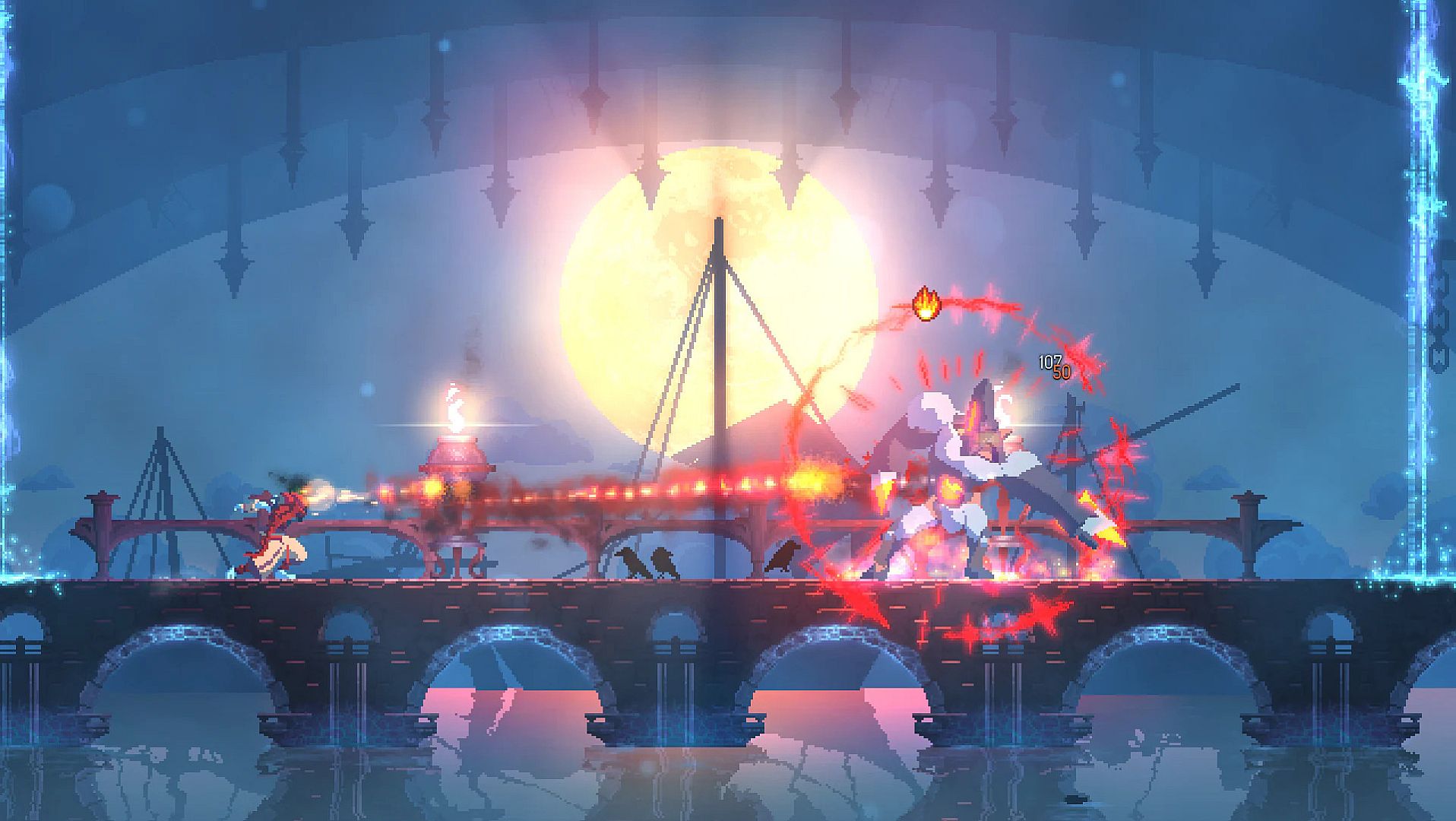
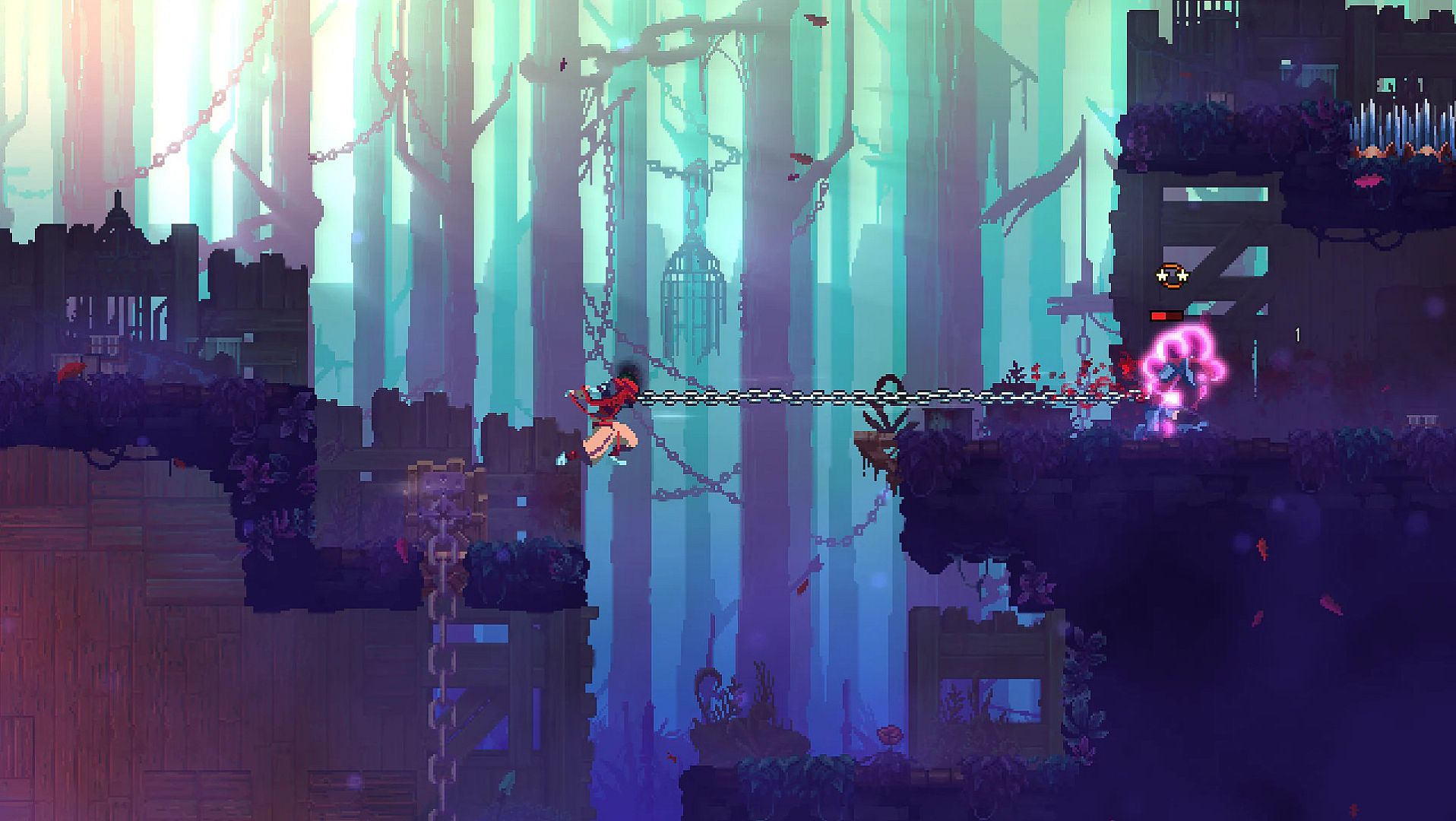
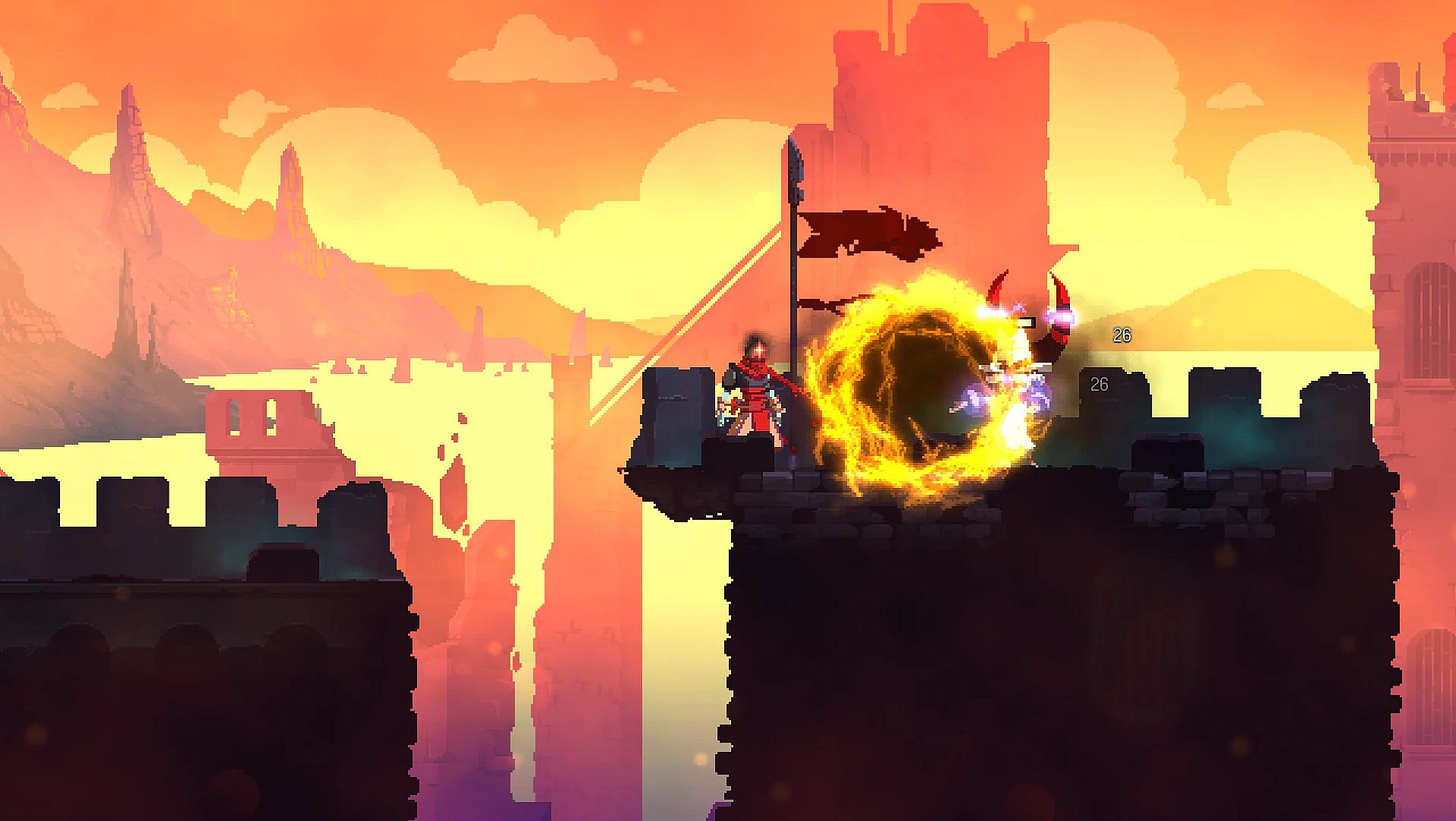
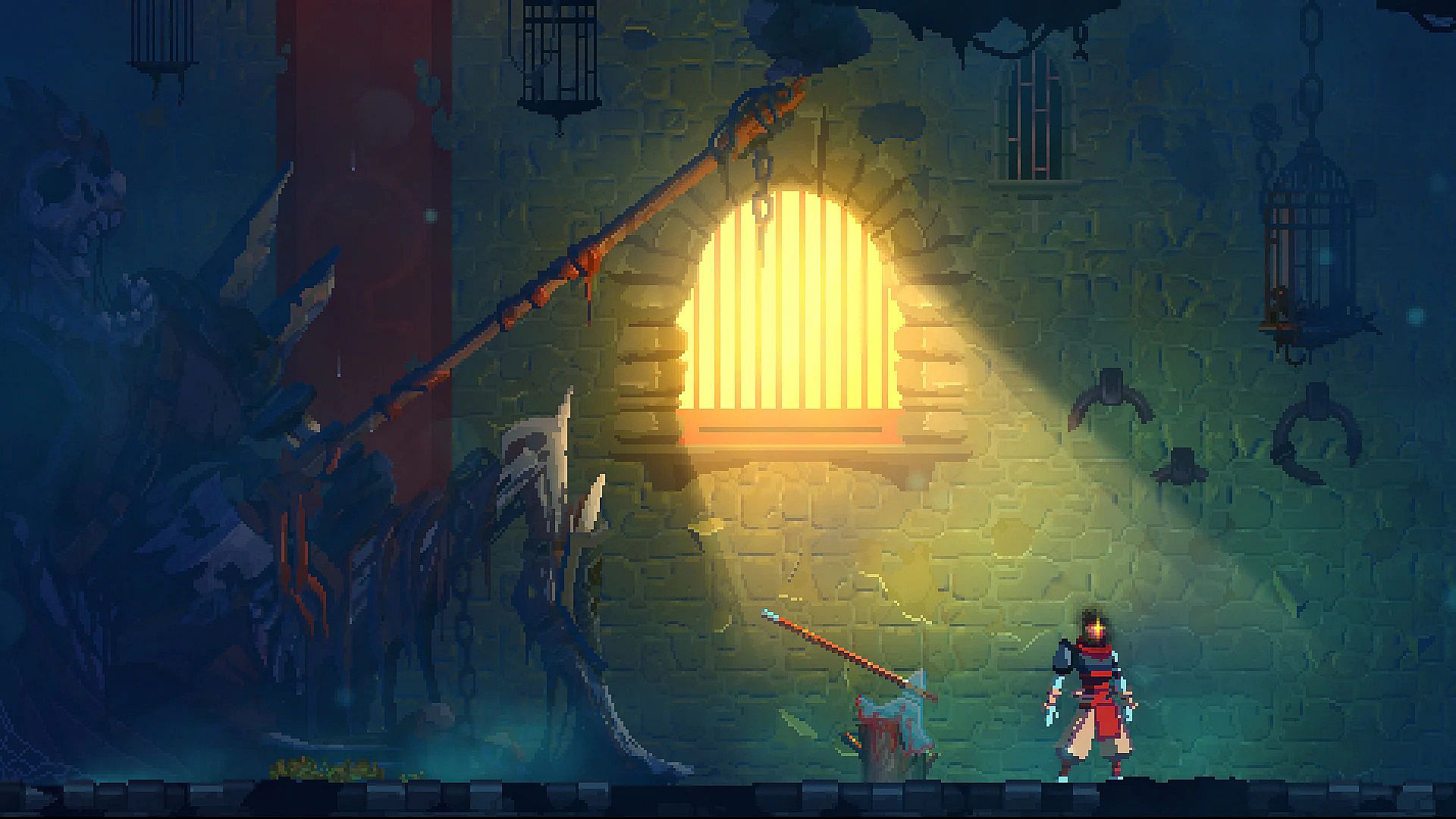
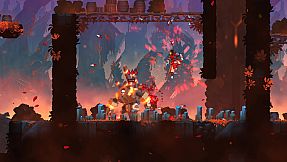
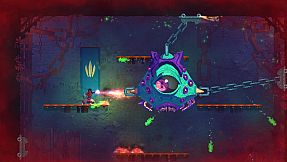
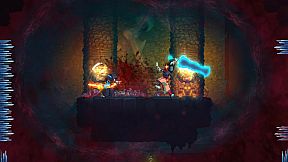
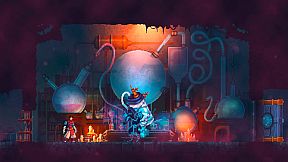
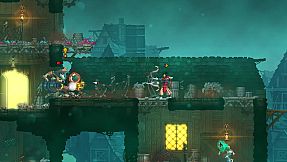
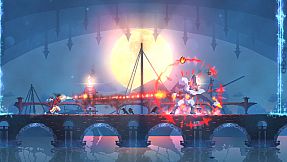
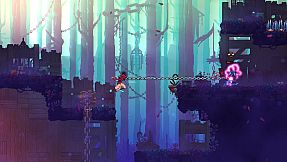
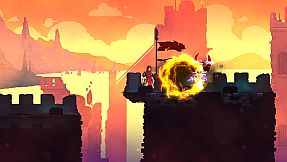
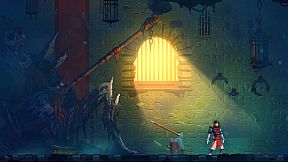
Dead Cells is a single-player action-platformer that blends roguelike and Metroidvania elements into a fast-paced experience on PS5. Players control a failed alchemic experiment known as the Prisoner, an immortal but fragile entity that possesses corpses to navigate a sprawling, ever-changing island filled with mutated enemies and traps. The core loop revolves around exploration, combat, and repeated runs where death sends the player back to the start while retaining some permanent progress through unlocked paths, weapons, and abilities.
Gameplay
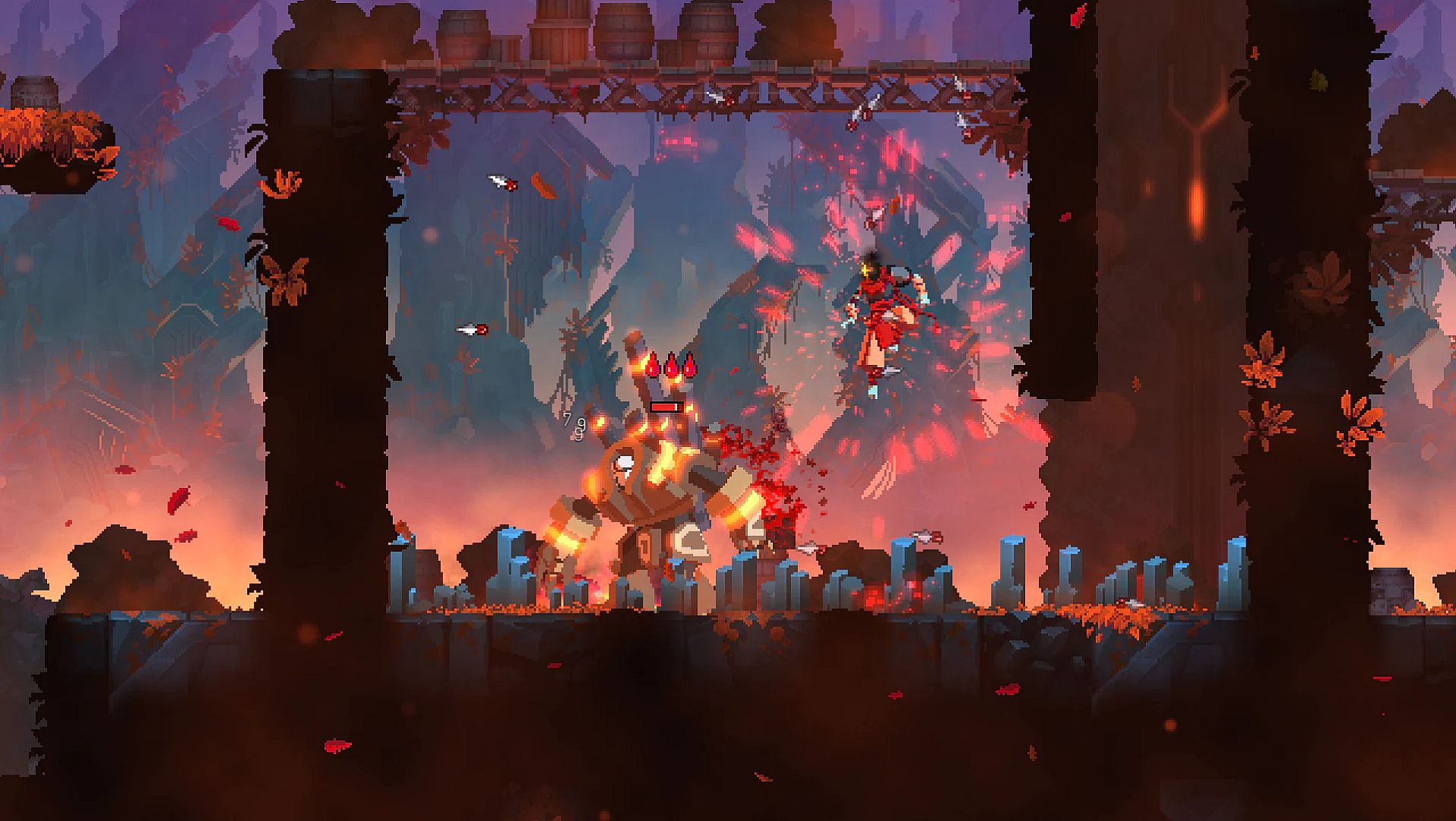
The gameplay centers on precise 2D side-scrolling movement and combat. Players equip two weapons and two skills, with weapons handling direct attacks and skills providing cooldown-based options like projectiles or traps. Stats such as Brutality, Tactics, and Survival influence build choices through upgrade scrolls found during runs. A recovery system activates after taking damage, allowing health regain by striking enemies quickly. The breach mechanic interrupts enemy attacks when significant damage lands during their animations, creating openings for follow-ups.
Procedural generation ensures levels rearrange with each attempt, featuring branching paths and hidden areas that reward thorough exploration. Permadeath resets equipped gear and temporary upgrades, but collected cells unlock blueprints for new weapons, mutations, and permanent improvements across runs. Movement includes responsive platforming, wall climbing, and a dodge roll that serves as the primary defensive tool against challenging foes. Combat feels visceral, with responsive controls that reward timing and positioning over button mashing.
PS5-specific features enhance immersion through DualSense feedback. Adaptive triggers signal power cooldowns, custom vibration and speaker effects respond to actions like taking damage or defeating elites, the light bar indicates remaining health, and activity tracking highlights boss cell acquisitions. These elements integrate seamlessly without altering core mechanics.
Game Modes
Dead Cells operates entirely in single-player format, with runs structured around reaching and defeating the final boss in one continuous attempt. No checkpoints exist, so success demands mastering the full sequence of levels and encounters. Meta-progression carries over between runs through unlocked content, allowing gradual access to new areas and tools.
Custom mode, introduced in a major update, lets players adjust rules such as item availability, enemy behaviors, and special modifiers to tailor runs. Assist mode provides further customization for accessibility, including options to adjust enemy damage, health, trap effects, and other parameters while preserving the core challenge for those who prefer it. These modes expand replayability without introducing multiplayer or competitive elements.
Progression and Systems
Blueprints dropped by enemies or found in levels serve as the foundation for long-term advancement. Spending cells at the collector unlocks these for future runs, expanding the pool of available weapons, mutations that alter playstyles, and abilities. Three color-coded stat paths encourage varied builds, with mutations often synergizing with specific weapon types for deeper strategy.
Status effects like stun, poison, bleed, and burn add layers to encounters, while environmental hazards and elite enemies test adaptability. The interconnected world reveals new routes as progress unlocks, turning early runs into tutorials for later, more complex attempts. This system keeps each playthrough fresh despite the absence of traditional saves or checkpoints.
Is It Worth Playing?
Dead Cells delivers a complete, polished experience following years of updates that concluded with the final major patch in 2024. The game emphasizes skill-based combat and strategic decision-making in a punishing yet fair framework, appealing to players who enjoy roguelikes with Metroidvania exploration. Its single-player focus and emphasis on repeated attempts suit those comfortable with high difficulty and learning through failure.
Reception has remained strong since launch, with praise for tight controls, varied combat options, and satisfying progression. Over ten million copies sold reflect broad appeal among action-platformer fans. On PS5, the enhanced feedback adds polish to an already responsive experience. It suits dedicated players seeking a challenging loop without ongoing seasonal content or multiplayer requirements, offering substantial depth through its systems and replay incentives.