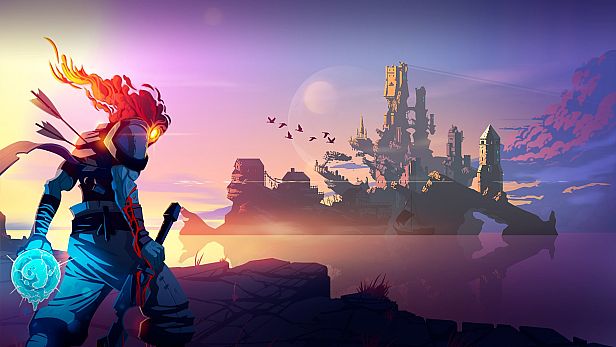














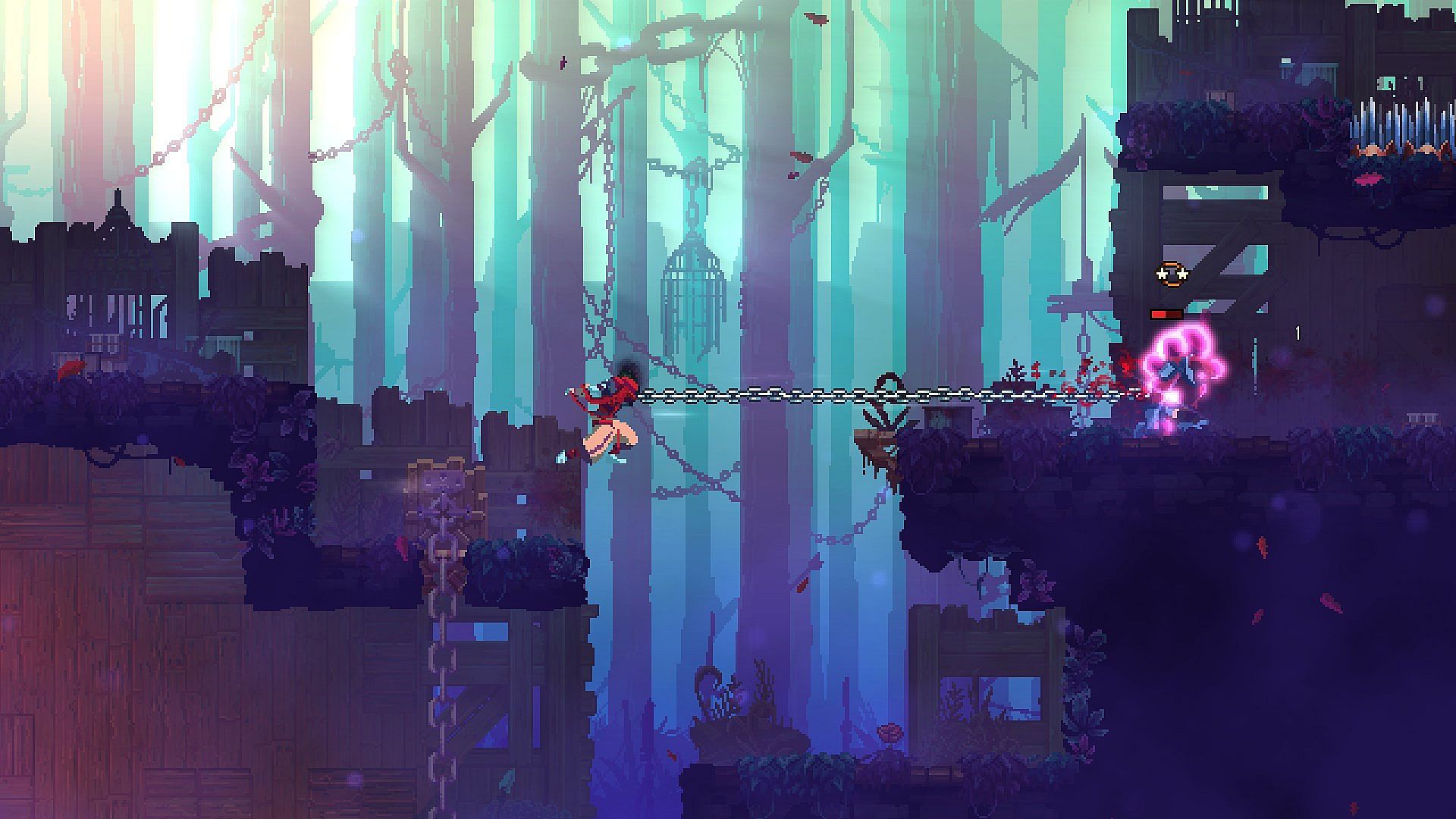
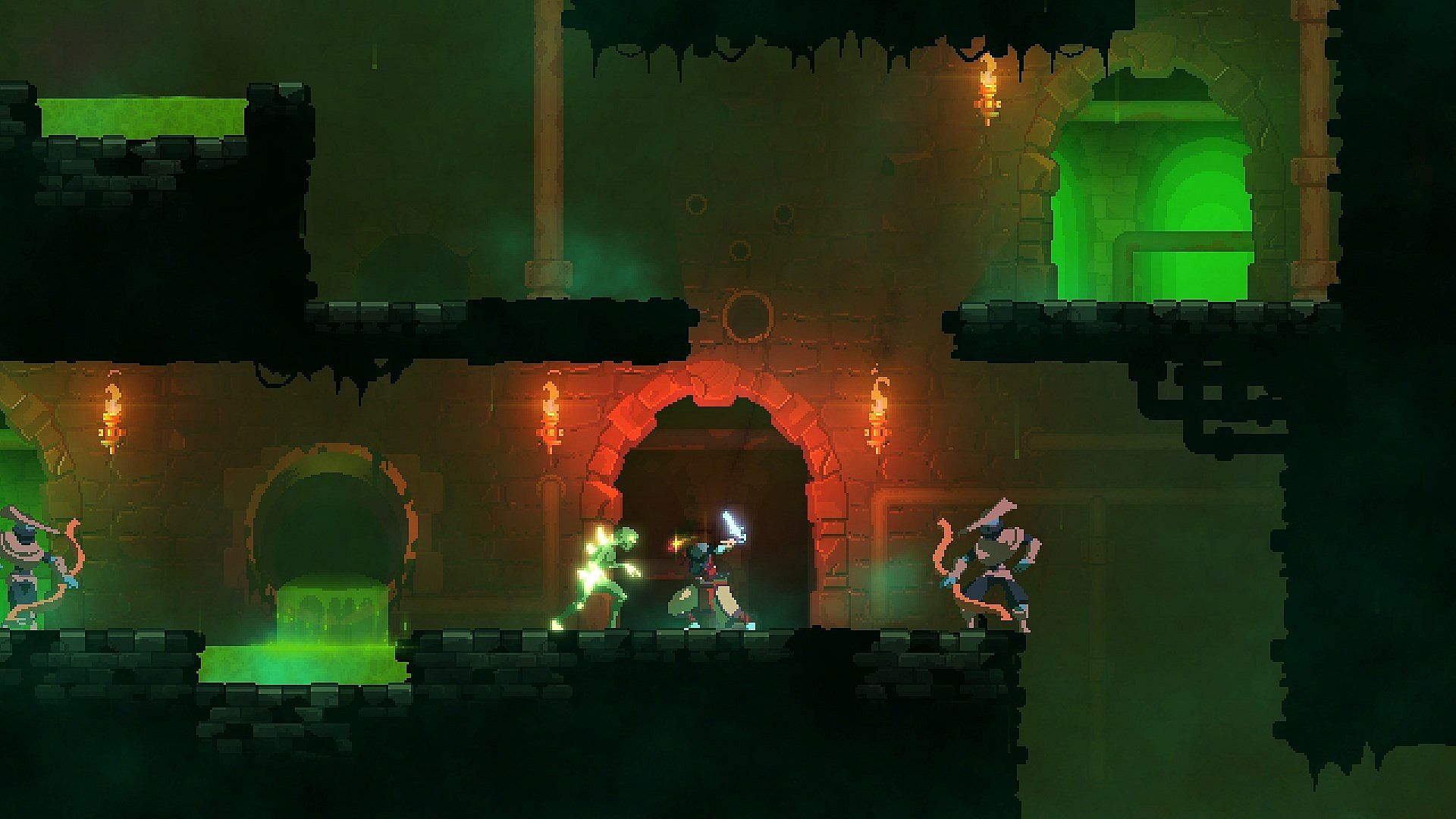
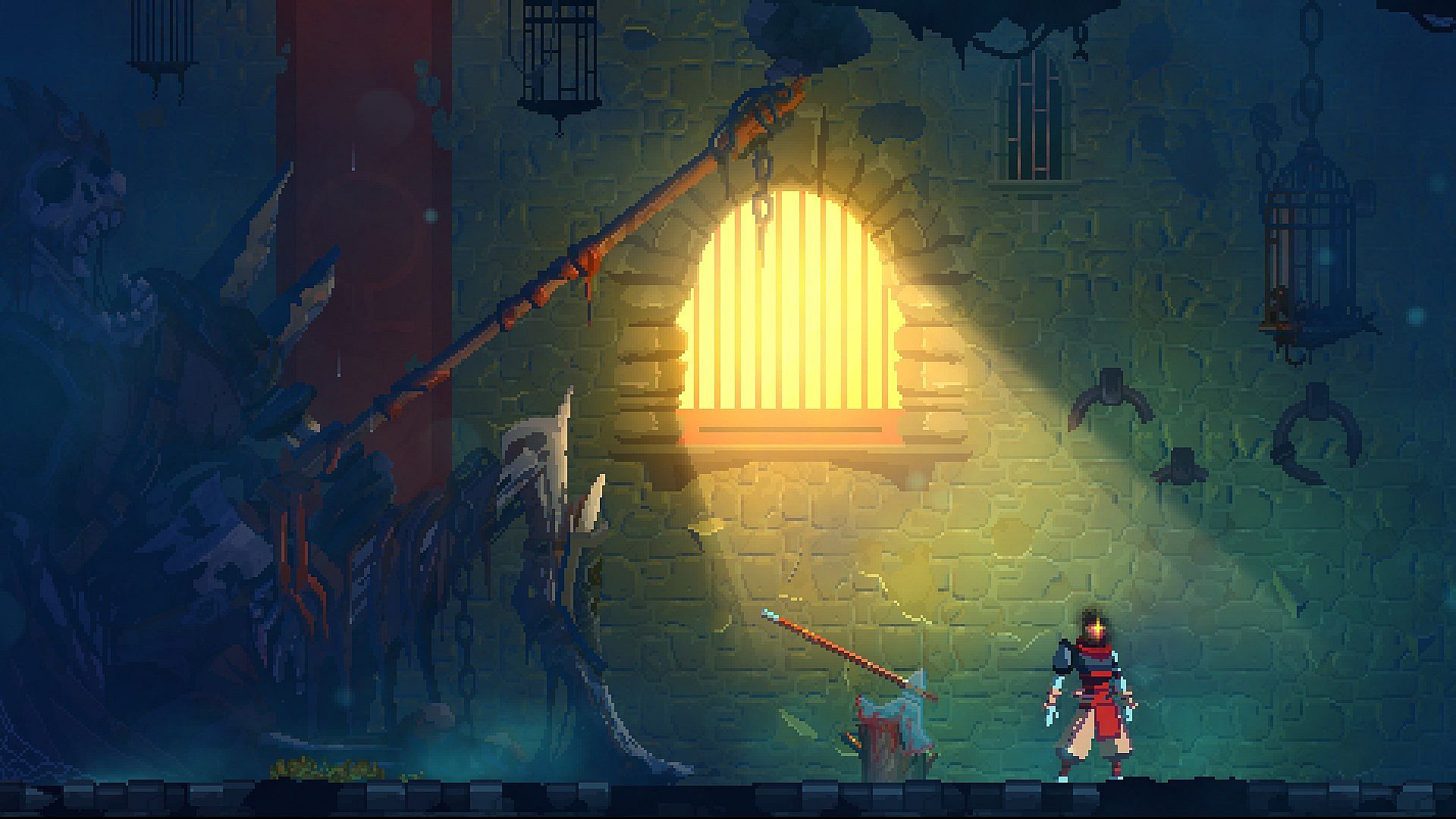
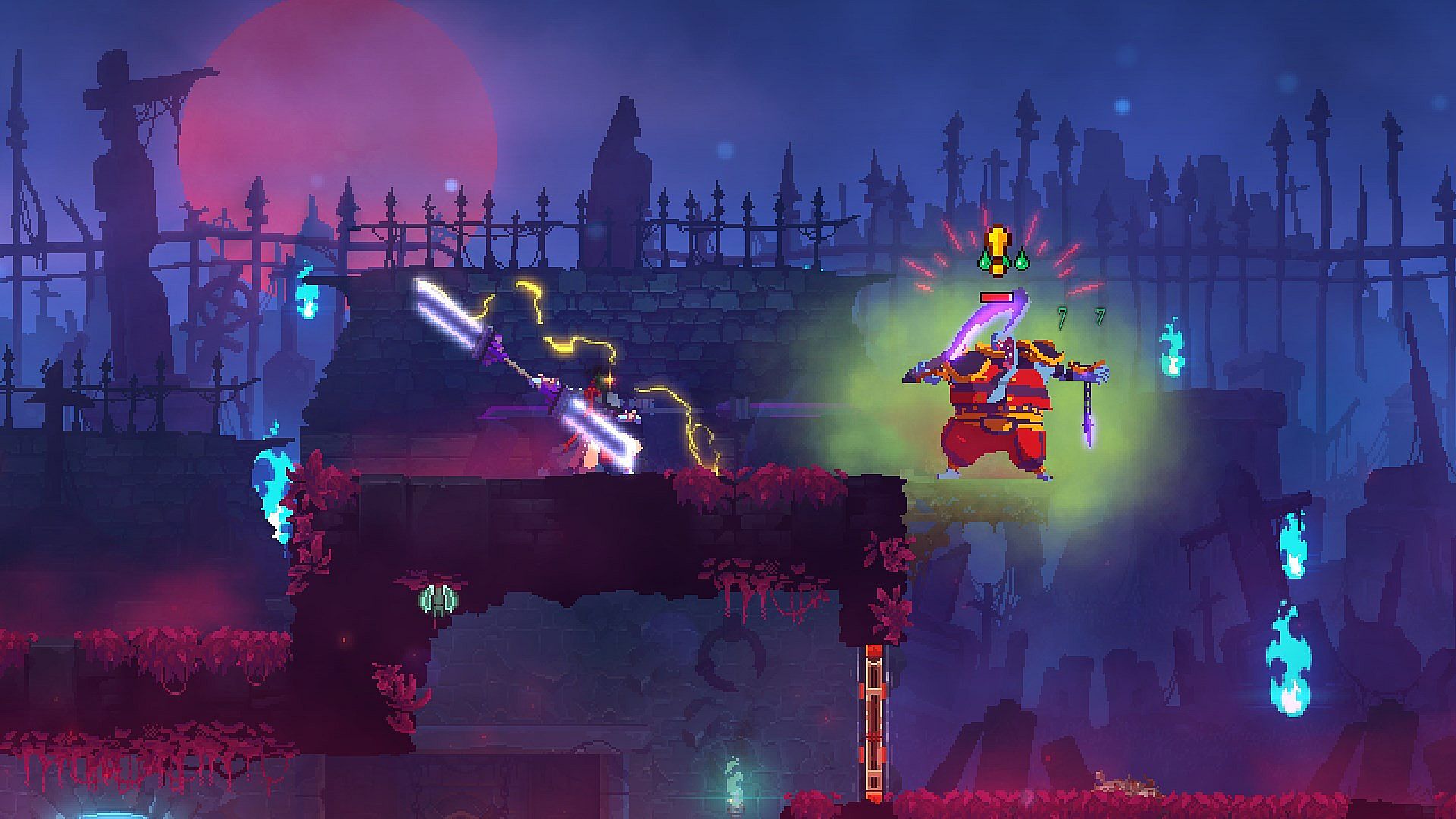
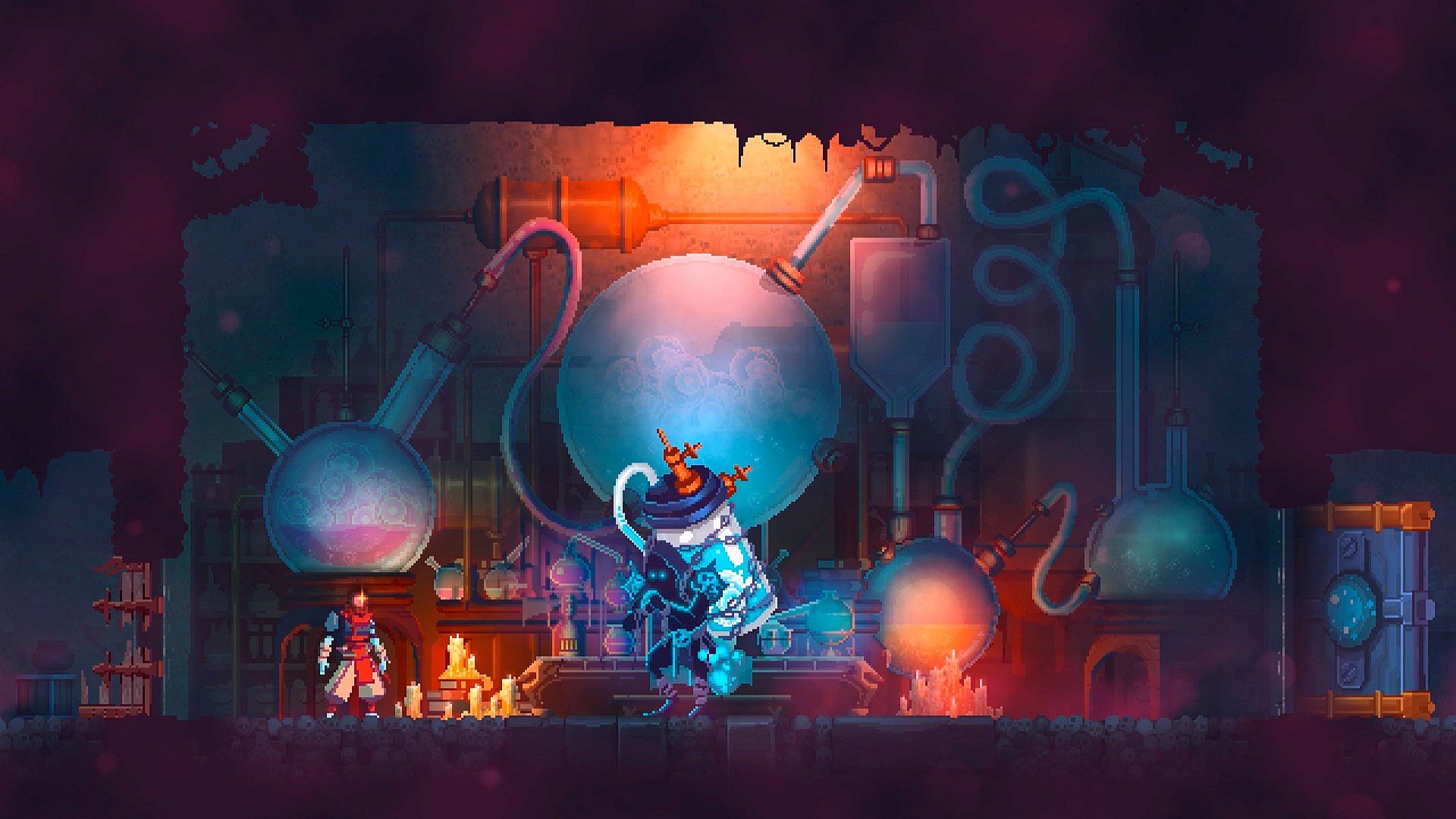
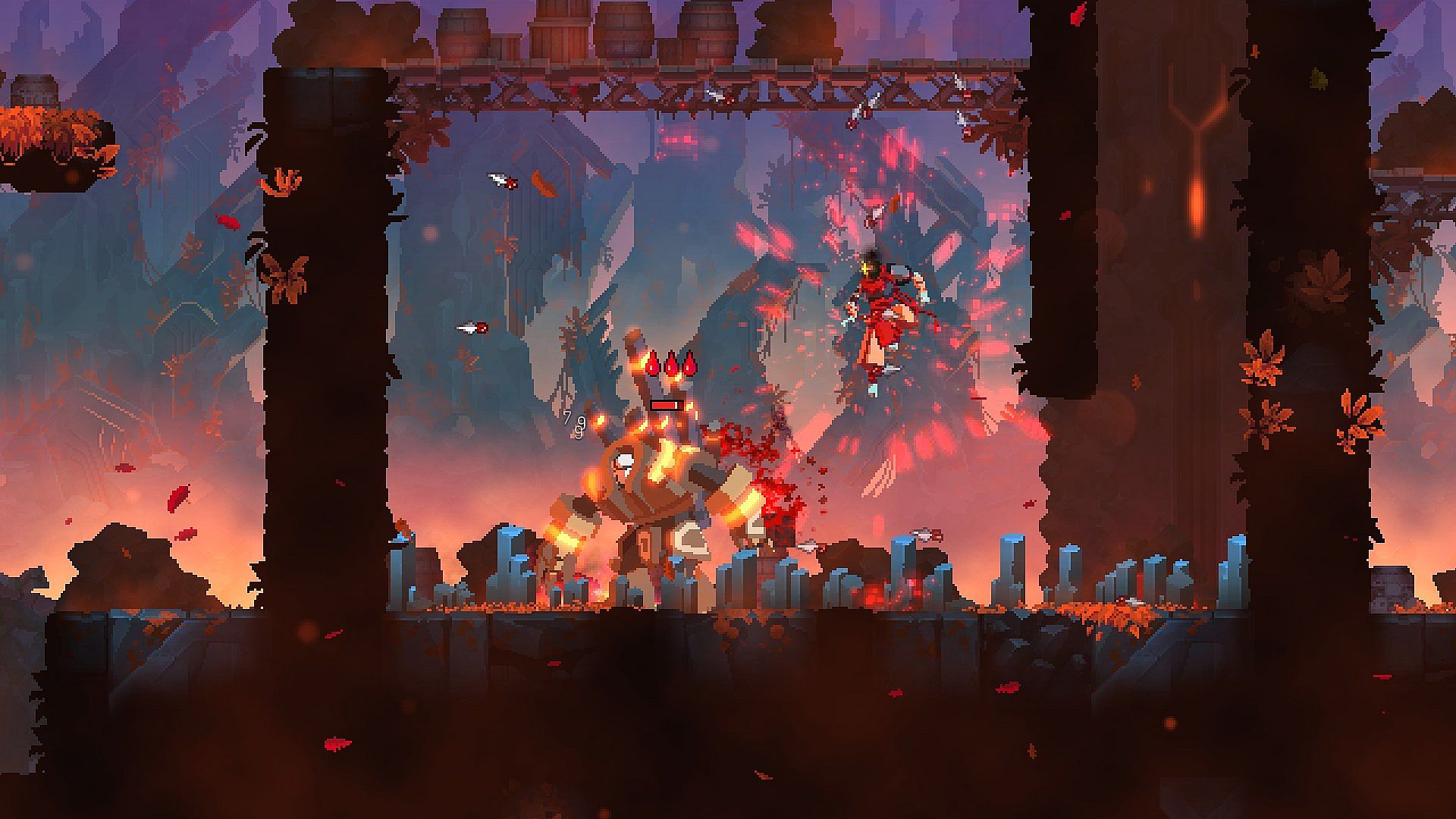
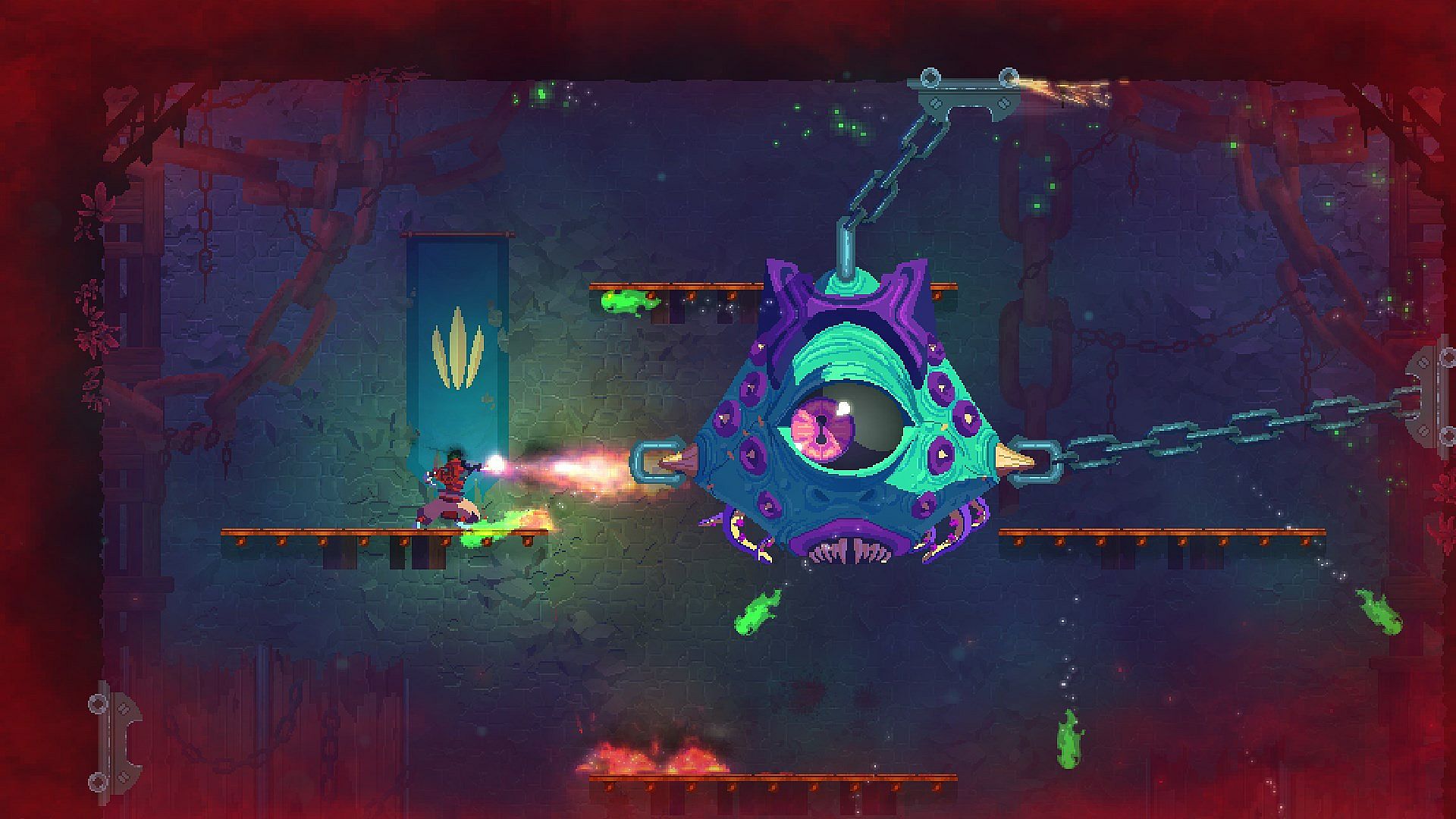
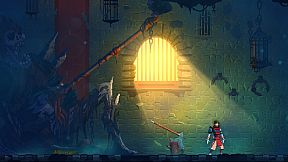
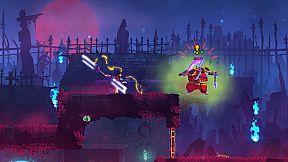
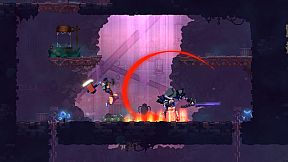
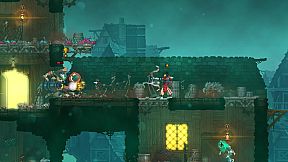
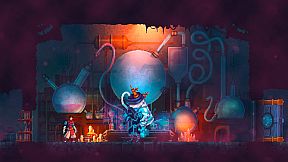
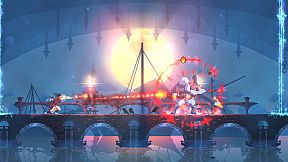
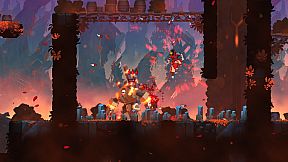
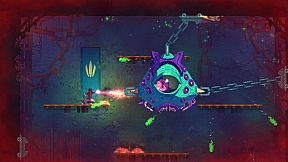
Dead Cells is a 2D action game that blends roguelite mechanics with Metroidvania exploration on Xbox One and Xbox Series consoles. Players control a failed alchemic experiment navigating a sprawling, ever-changing island filled with hostile creatures and hidden dangers. The experience centers on precise platforming, responsive combat, and repeated runs that test skill and adaptation rather than relying on permanent power spikes.
Gameplay
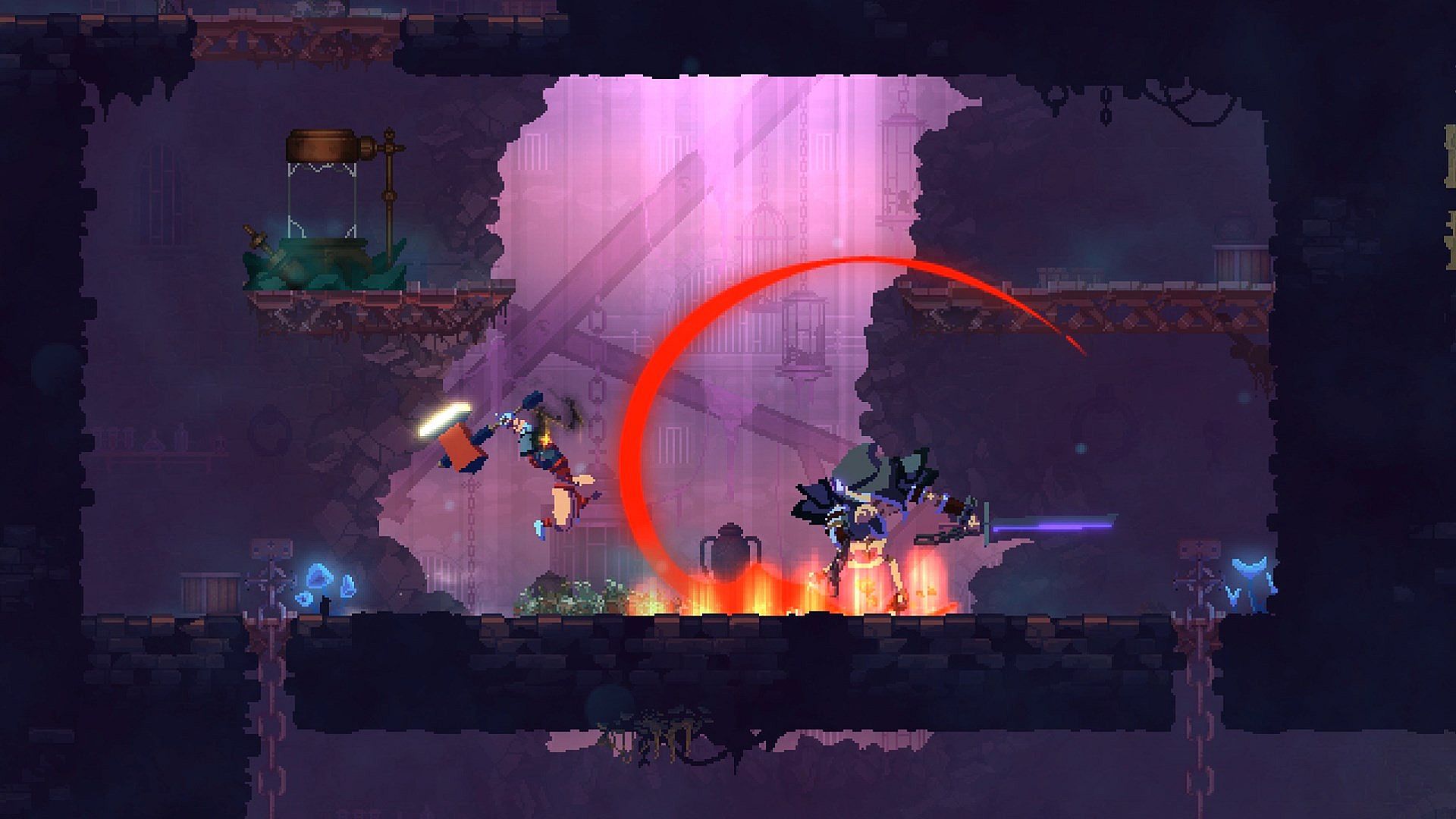
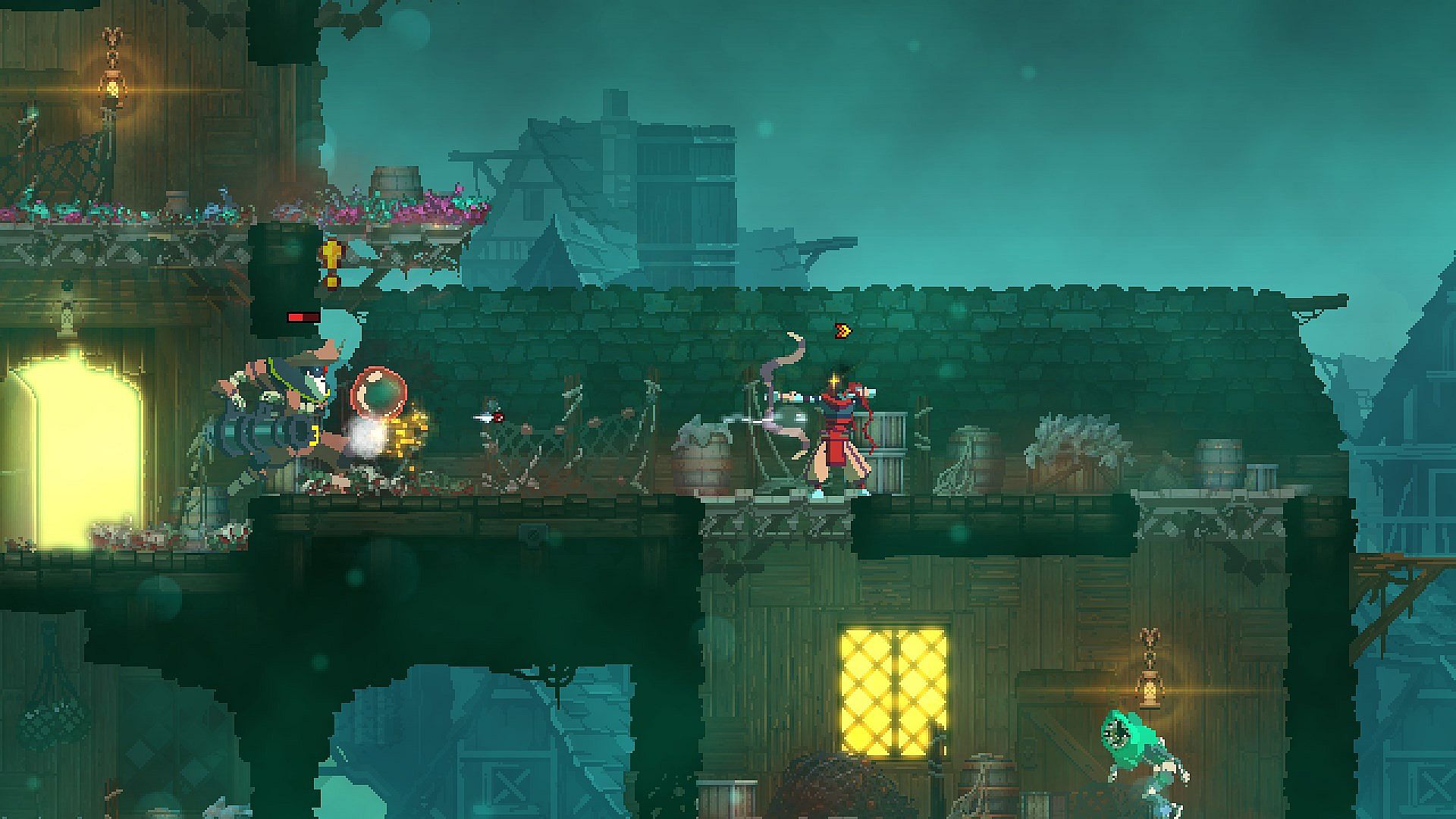
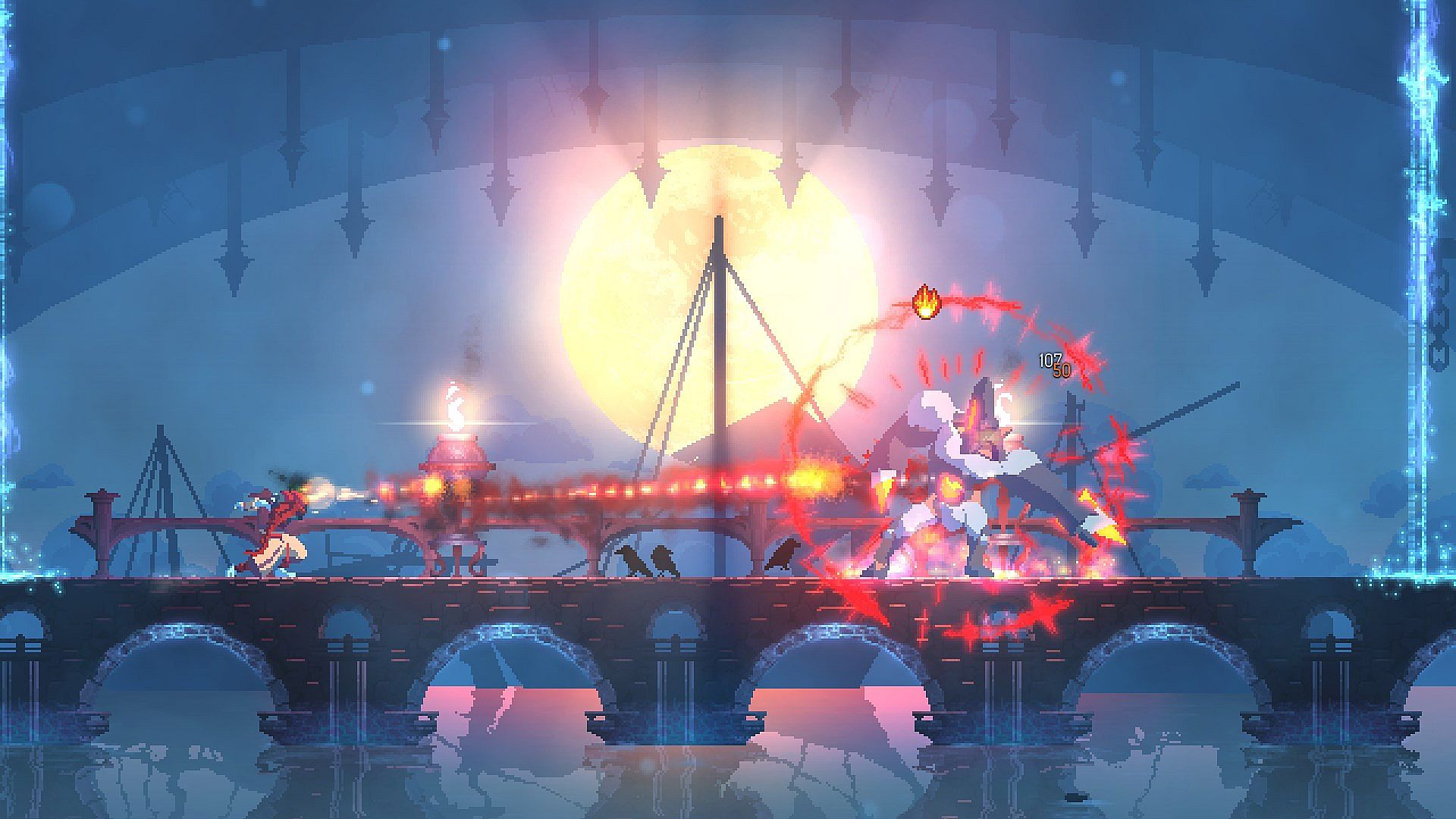
The core loop revolves around fast-paced side-scrolling action where movement and timing determine survival. Combat emphasizes tight controls, with an iconic dodge roll serving as a key defensive tool against aggressive enemies. Weapons range from melee options like swords and whips to ranged tools such as bows, grenades, and deployable turrets, each carrying distinct attack patterns and timing requirements. Spells add another layer of variety, allowing players to adapt approaches mid-run.
Progression mixes permanent unlocks with run-specific customization. Unlocking new paths and abilities opens branching routes through areas like sewers and ramparts, while mutations and scrolls let players tweak builds for each attempt. The absence of checkpoints means every run stands alone, yet retained elements like discovered routes and collected items carry forward to support future efforts. Exploration rewards careful attention with secret rooms and alternate passages that reward patience alongside combat prowess.
Difficulty scales through systems like Boss Cells, which increase challenge after successful completions and encourage repeated mastery. The design maintains a tough but fair balance, where enemy patterns become predictable with practice and player skill ultimately outweighs any single loadout.
Game Modes
Dead Cells operates primarily as a single-player experience focused on complete runs from start to finish. The standard mode demands clearing the island in one continuous attempt, with failure resetting most progress while preserving permanent unlocks.
Custom Mode allows players to adjust rulesets, lock or unlock specific items, and modify gameplay parameters for tailored sessions. This feature supports experimentation without altering the core permadeath structure. Assist Mode introduces options such as resurrection from biome starts and adjustable controls like hold-to-jump or toggle shields, broadening accessibility while preserving the underlying challenge.
Additional modes introduced through updates include Boss Rush variants and speedrun-focused options that isolate combat encounters or timed challenges. These build on the base systems without introducing multiplayer elements, keeping emphasis on individual skill refinement across varied run conditions.
Progression and Exploration
Nonlinear world design encourages multiple paths once permanent abilities unlock. Players choose routes based on current weapon and mutation setups, creating variety across attempts. Hidden passages and environmental details add depth to navigation, turning each traversal into a mix of combat and discovery.
Item variety exceeds ninety distinct weapons and spells, each with unique mechanics that influence strategy. Scrolls and mutations further differentiate runs, promoting experimentation over repetition. The interconnected layout rewards learning layouts while procedural generation ensures no two attempts feel identical.
Is It Worth Playing?
Dead Cells suits players who enjoy demanding action-platformers that reward practice and precise execution. Its single-player focus and permadeath loop deliver consistent tension without reliance on external progression systems. Accessibility features added in later updates, including customizable inputs and continue options, make the experience more approachable for those new to the genre while retaining depth for veterans.
Development concluded with a final major content patch that added new weapons, enemies, and modes, leaving a polished title with extensive replay value through its core systems. Reception highlights responsive controls, varied combat, and satisfying mastery curve as standout qualities. Those drawn to 2D action games with roguelite elements and Metroidvania-style exploration will find a complete package that emphasizes skill growth over time.