








Bug Bounty Hunter - Idle is a casual simulation idle game for PC that places players in the role of a professional vulnerability hunter working through corporate bounty programs. The experience centers on identifying and exploiting real-world security issues while balancing automation tools against hardware limits on a simulated computer rig.
Gameplay
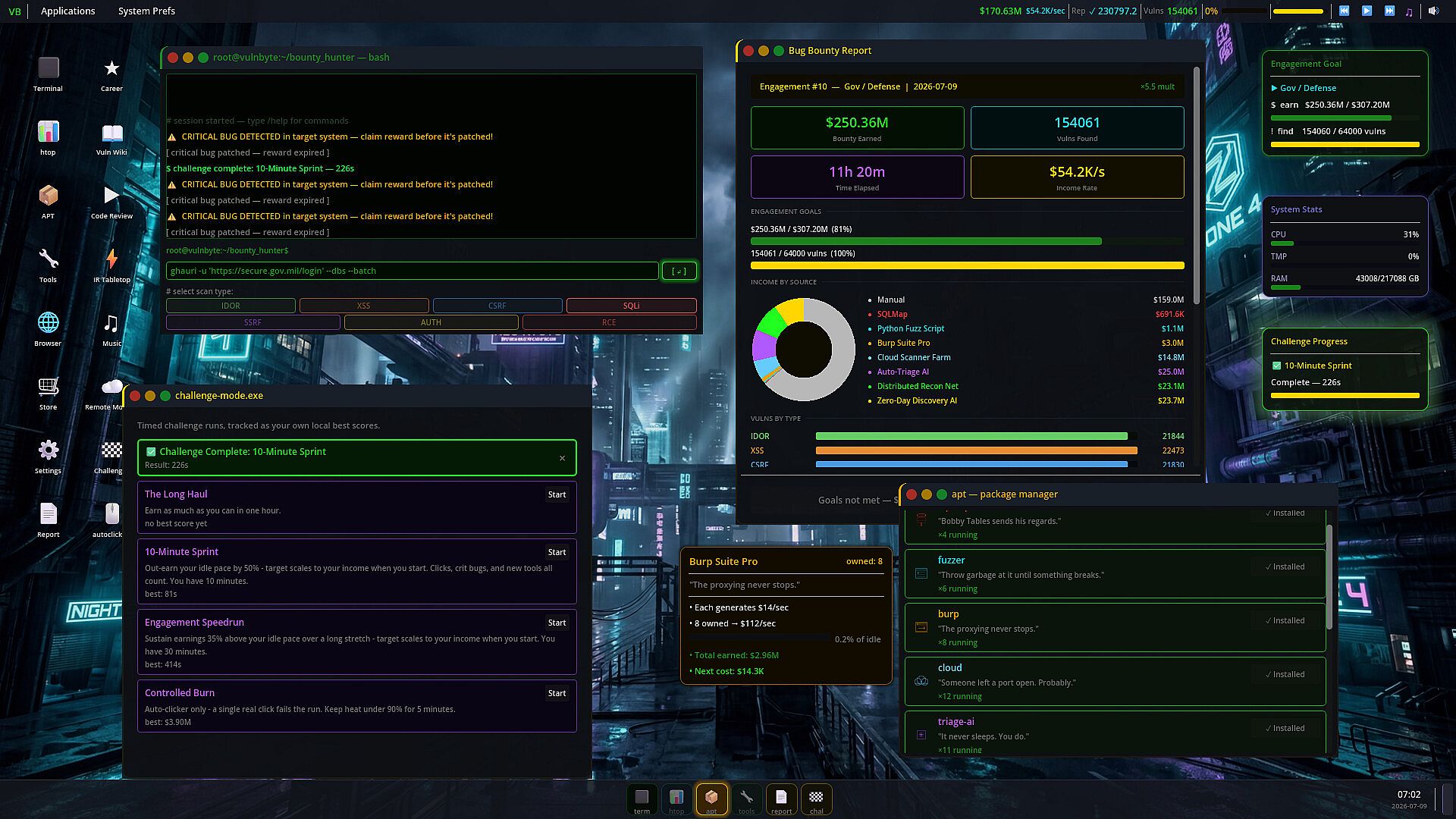
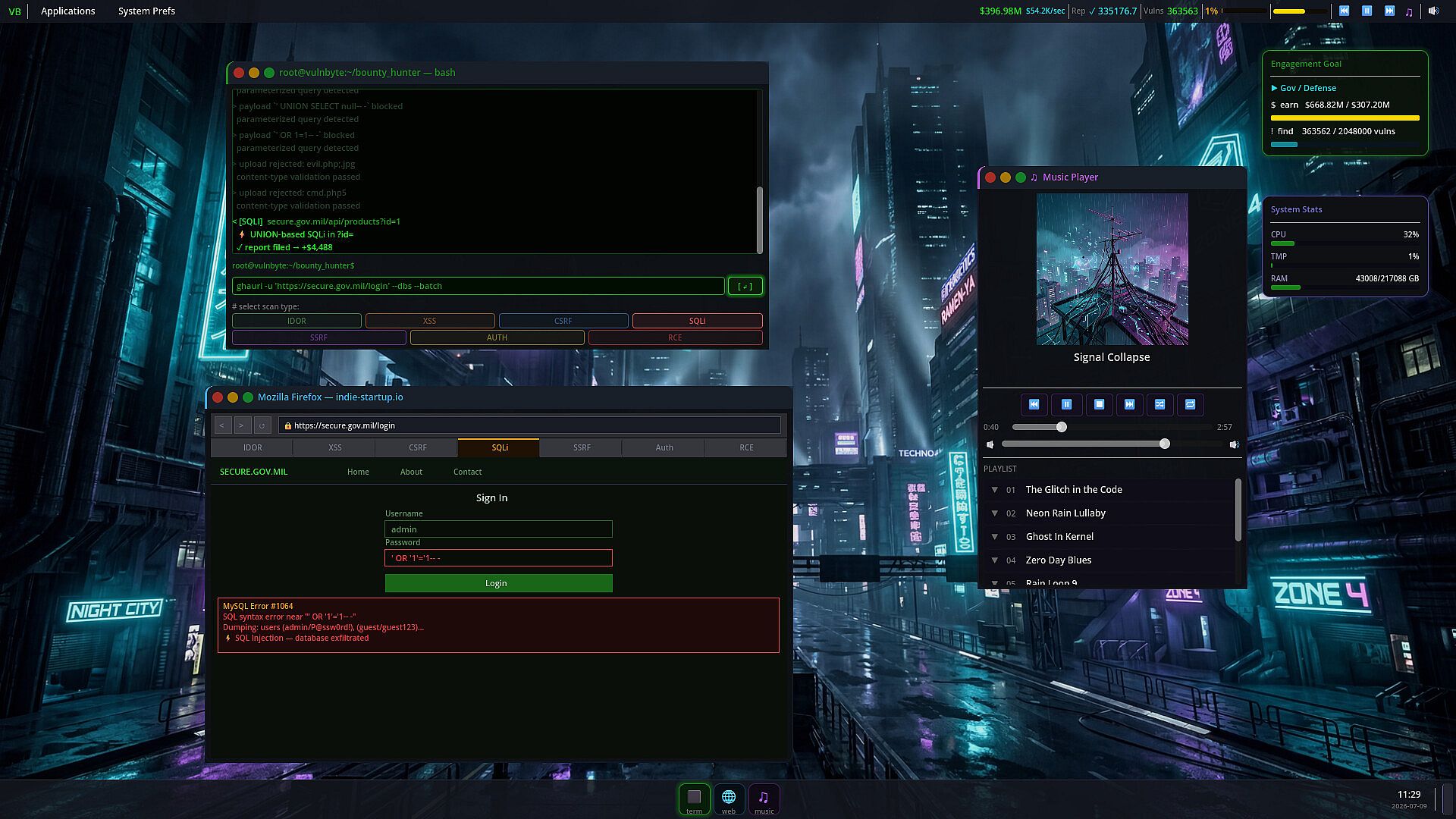
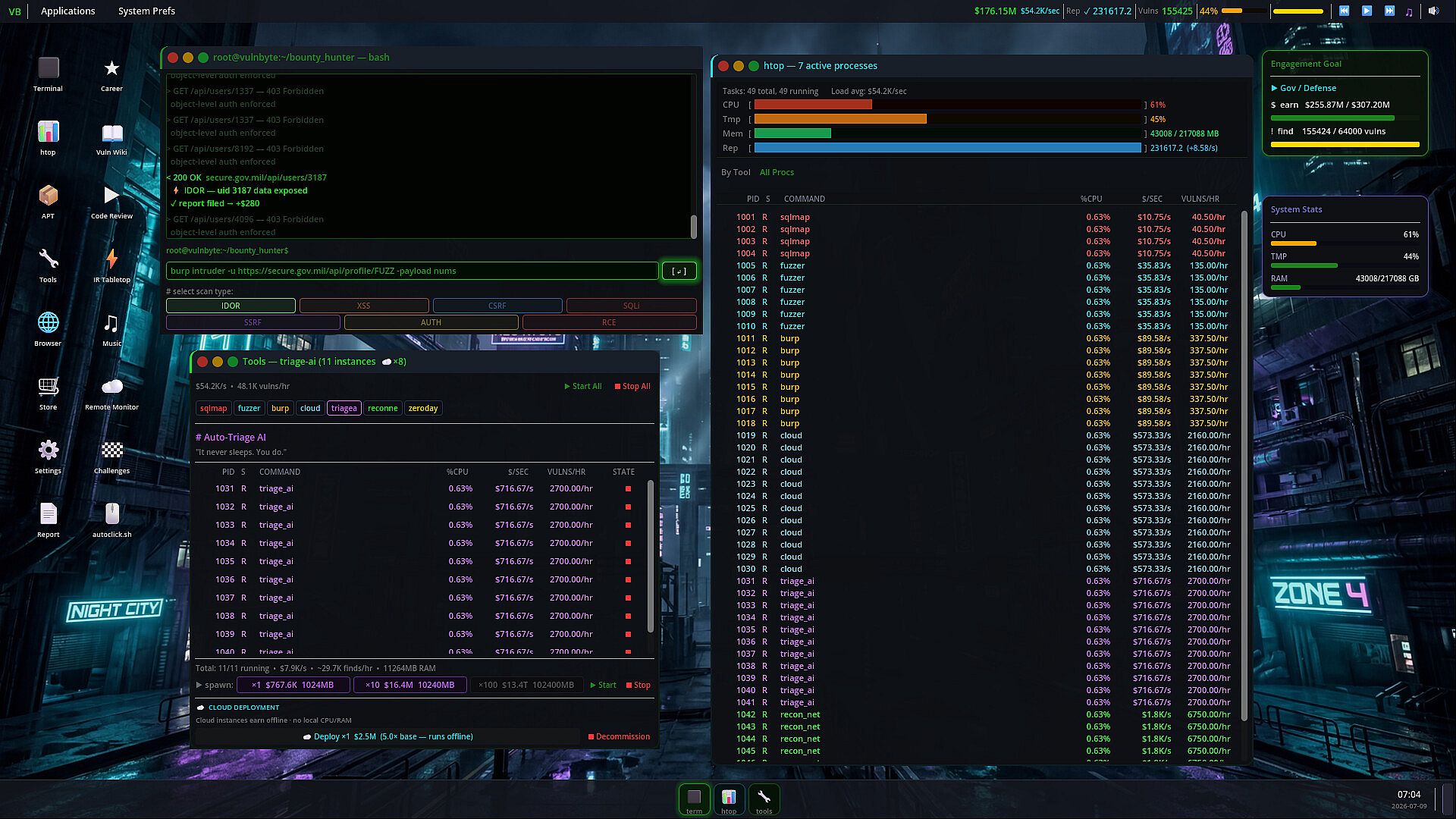
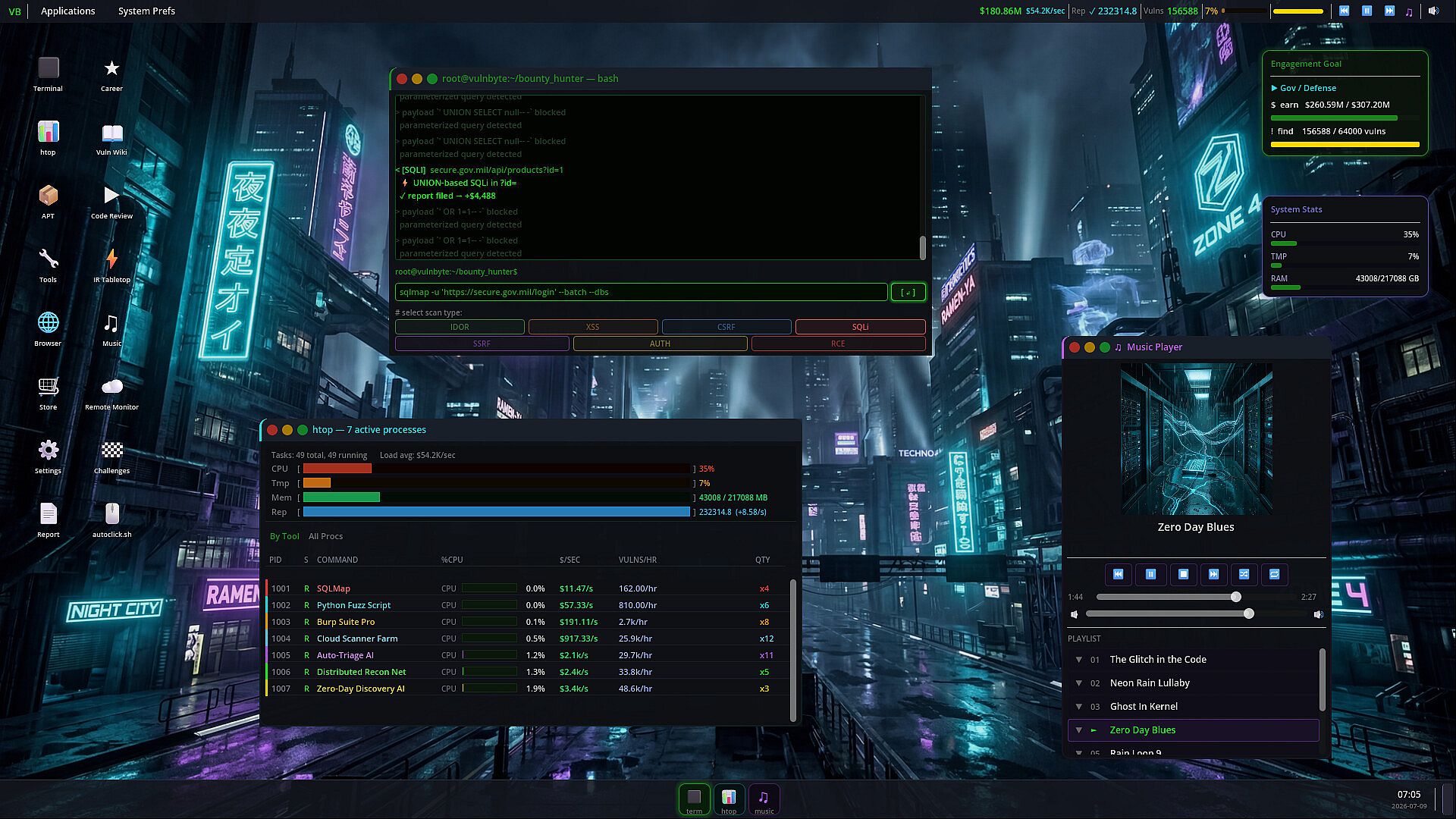
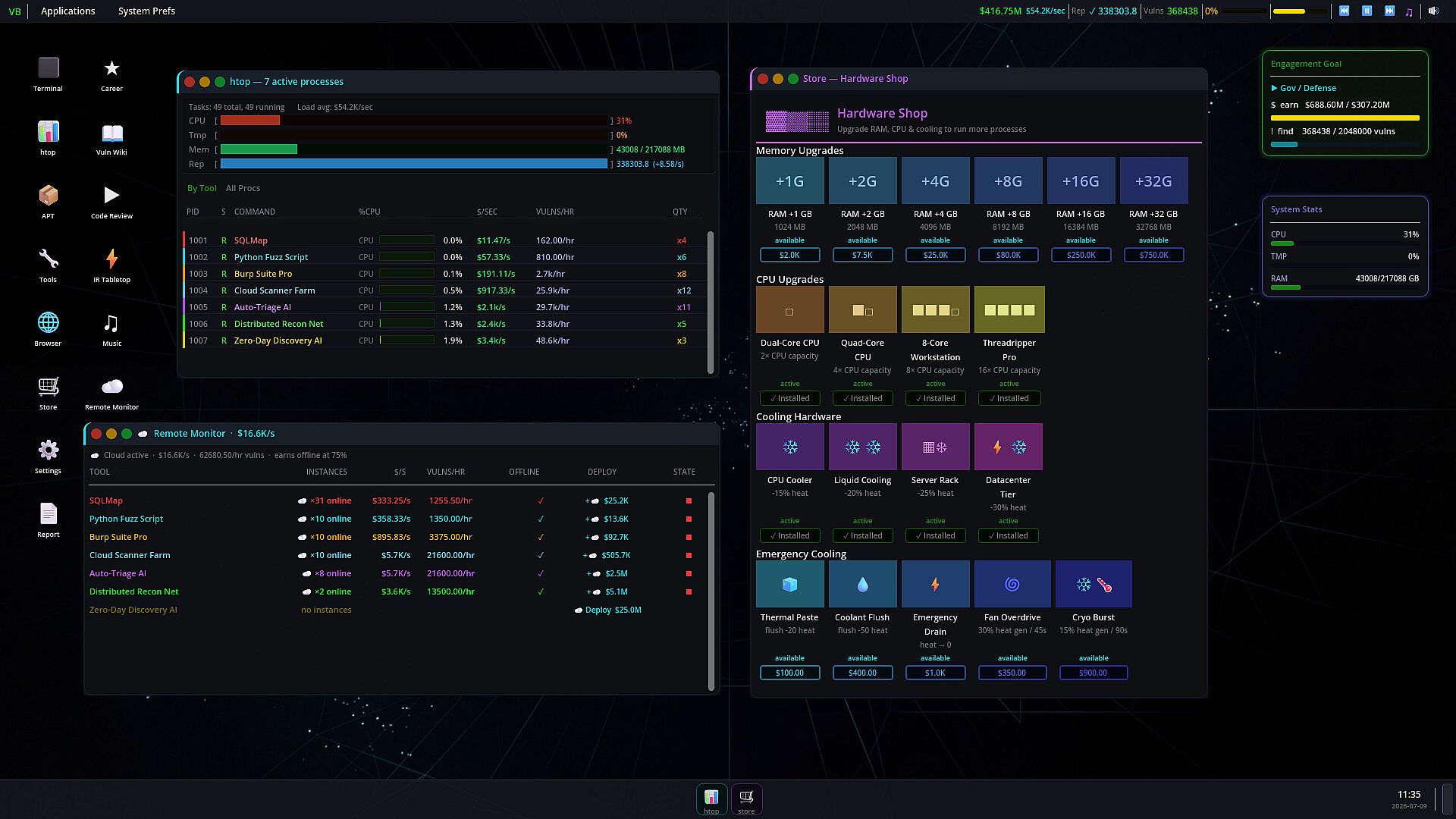
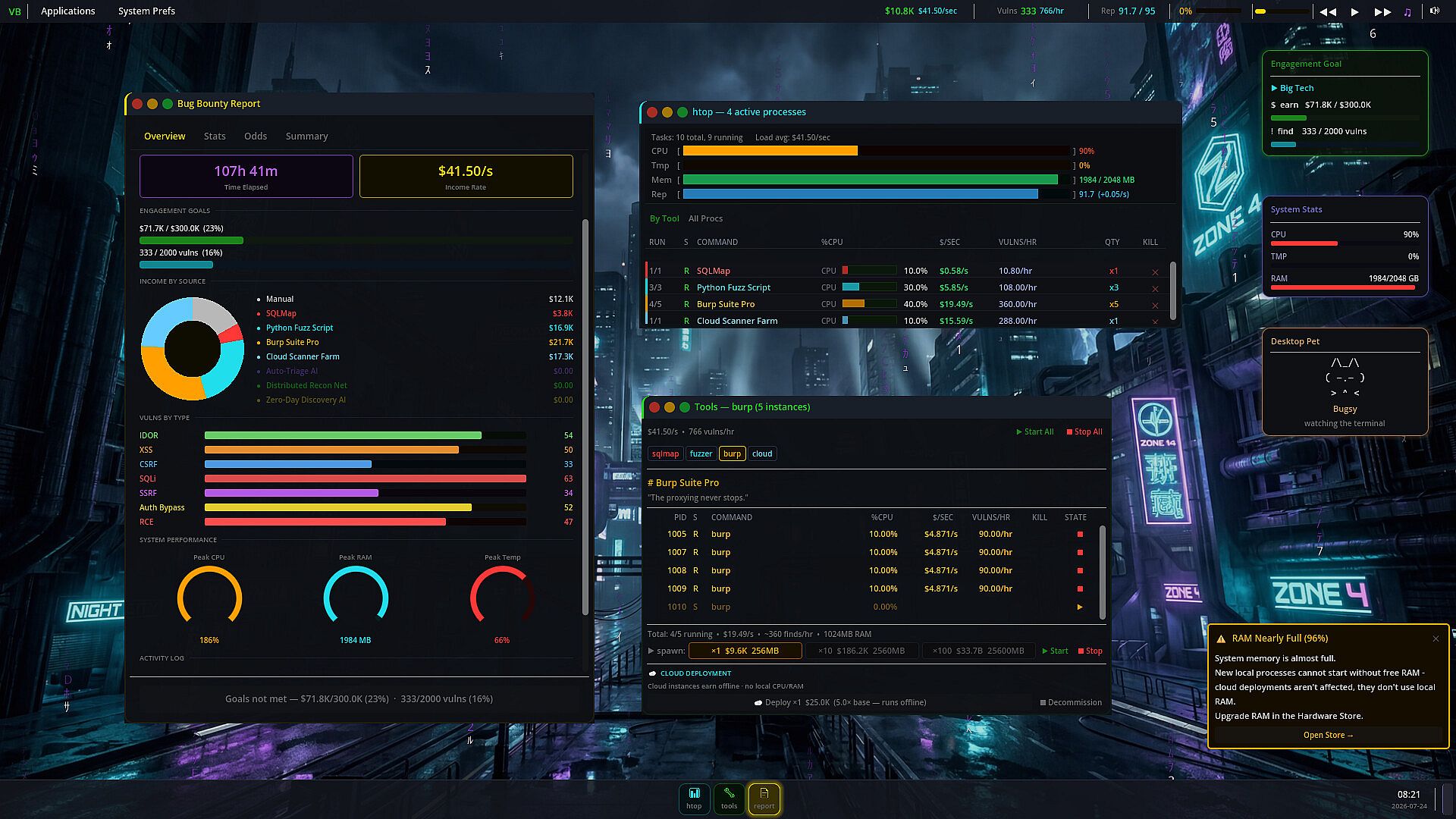
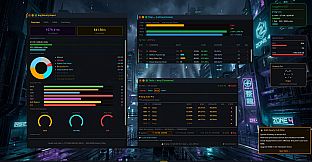
Core play revolves around scanning targets for specific vulnerability classes such as IDOR, XSS, CSRF, SQLi, SSRF, broken authentication, and RCE. Players begin with manual terminal commands to locate exploits, then progress to purchasing and deploying tools that run continuously. Each scanner consumes CPU cycles, RAM, and generates heat, creating a tangible resource management layer where overclocking risks a full system crash displayed as a BSOD.
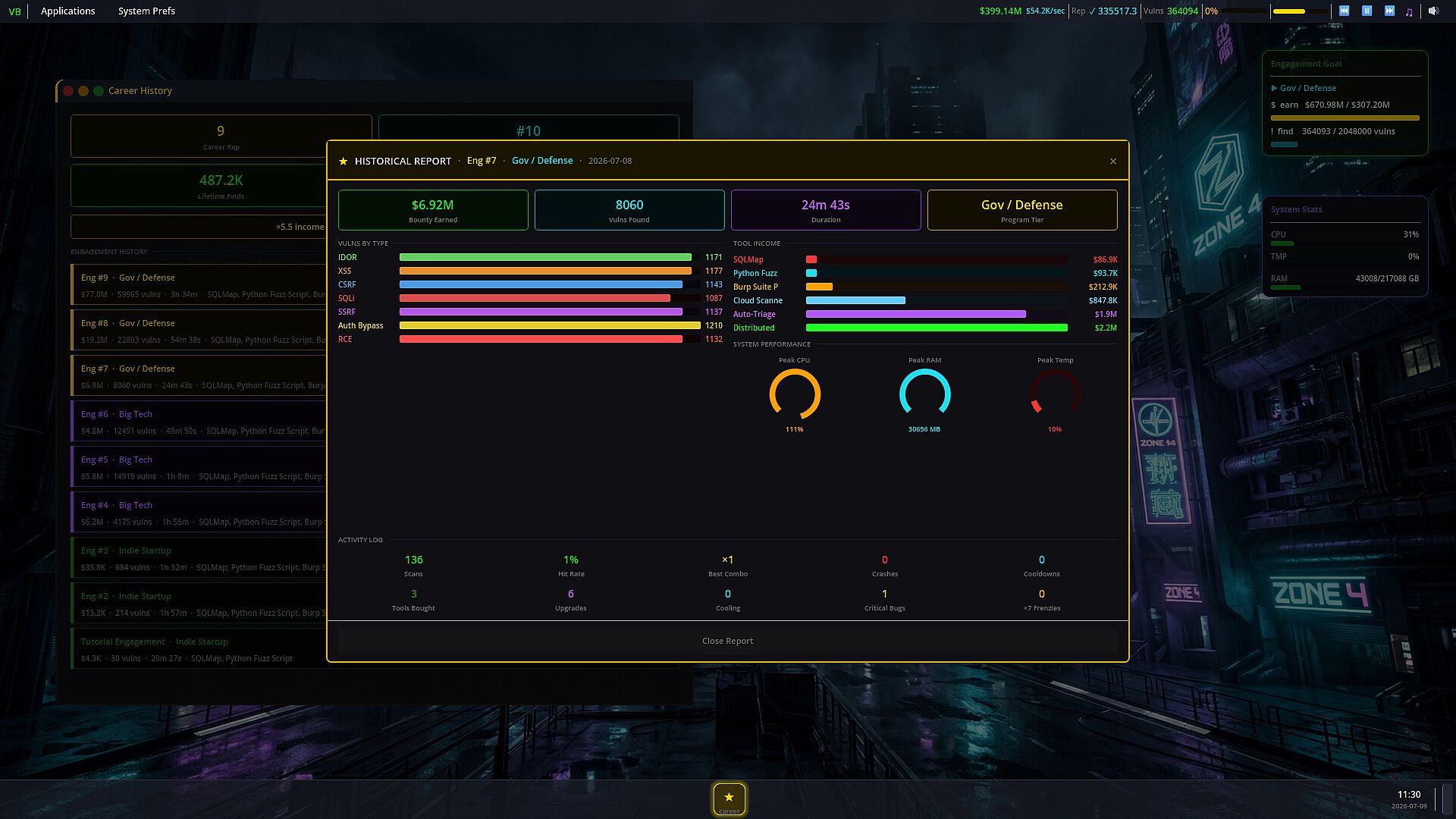
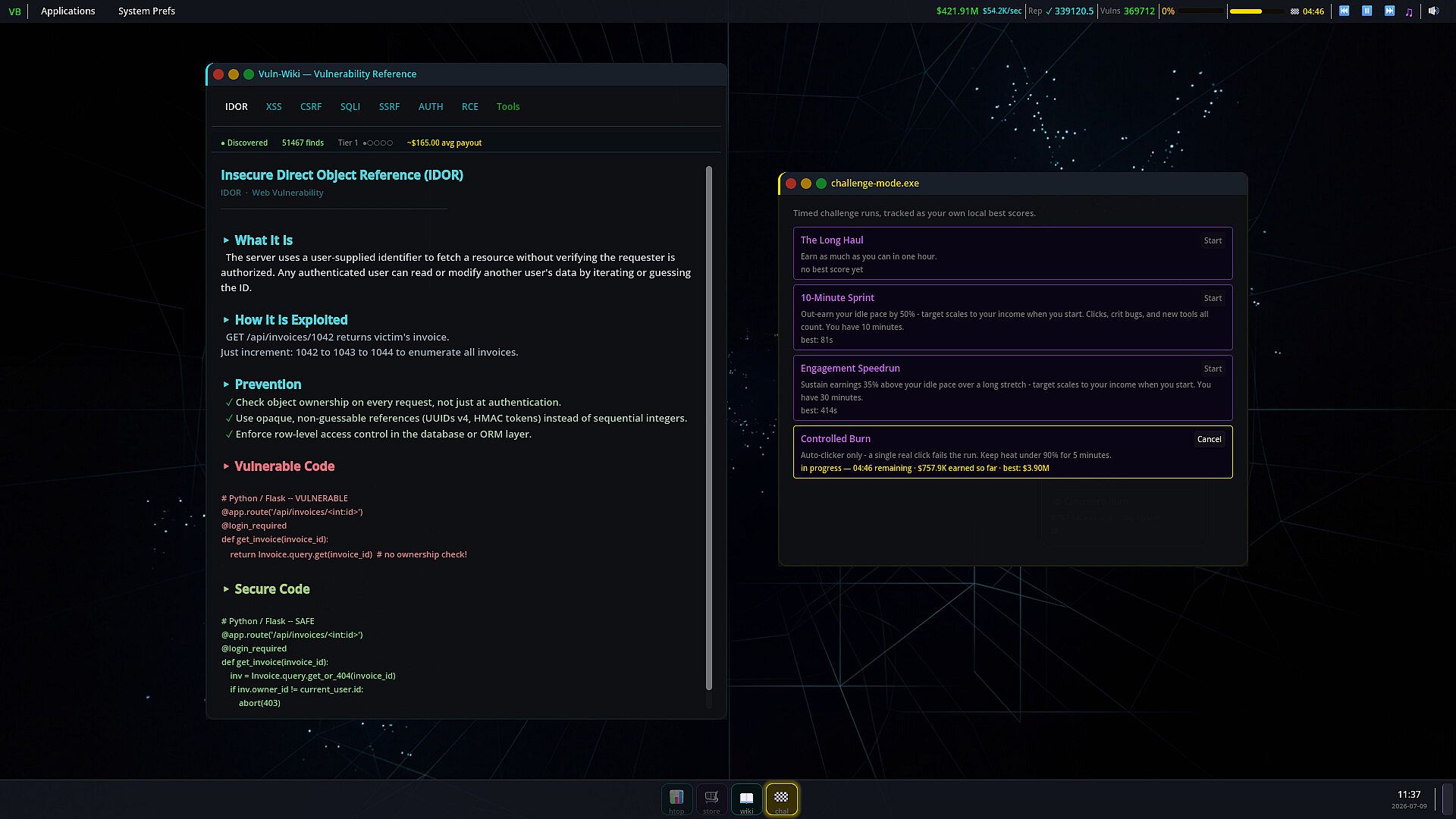
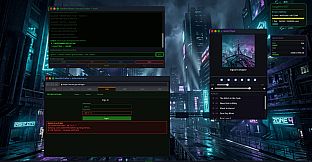
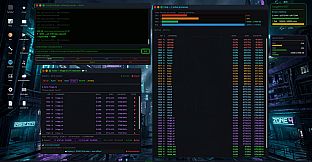
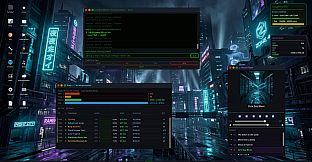
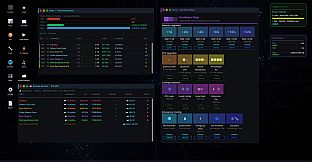
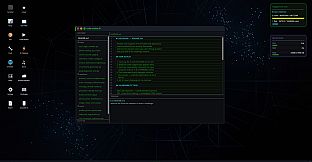
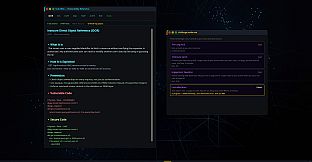
The interface mimics a desktop operating system with draggable windows, a functional package manager for tools, and a process monitor that tracks active loads in real time. An in-game wiki provides working exploit examples alongside fixes for each vulnerability type, allowing players to learn practical security concepts during idle progression. Reputation earned from successful bounties unlocks higher-paying targets, while prestige resets offer permanent multipliers for subsequent runs.
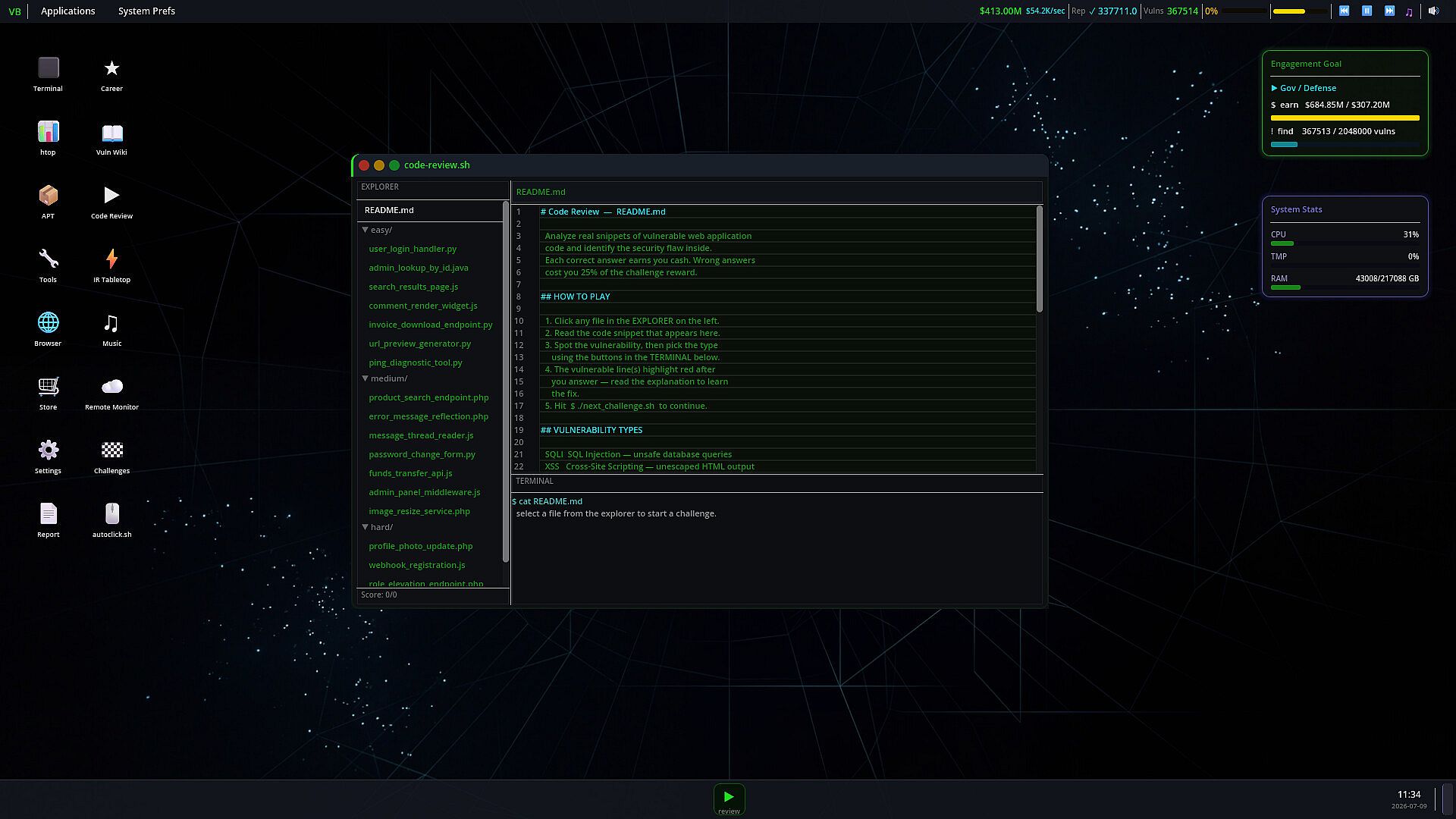
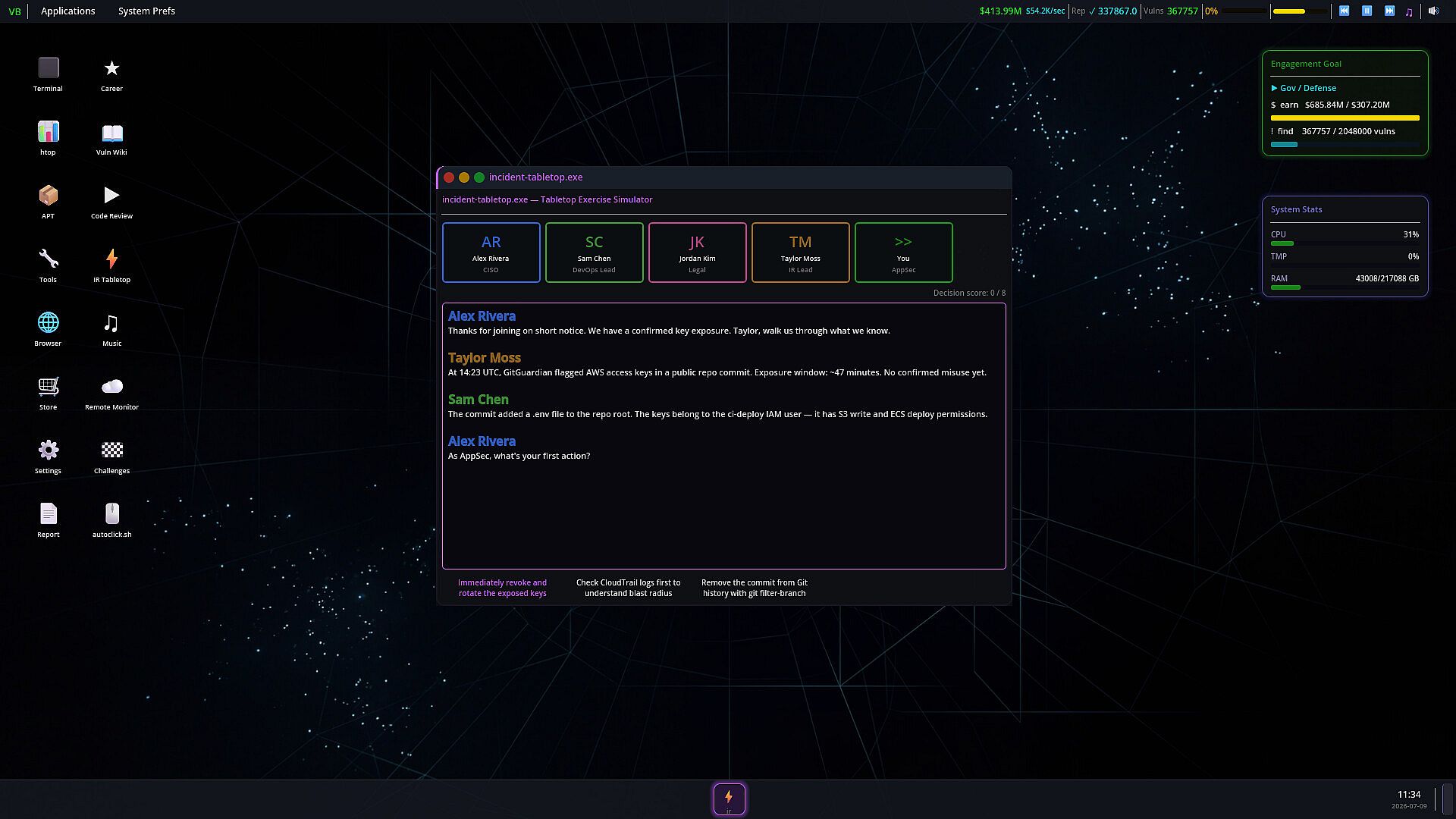
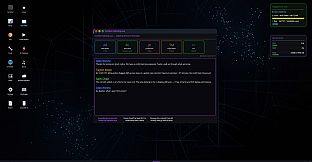
Additional systems include an inbox for contracts and milestones, code review challenges based on vulnerable code snippets, and recurring interactions with characters such as an exhausted CISO, a rival hunter, a compliance officer, and a support bot that appear across reports and incident exercises.
Game Modes
Players can focus on hands-on manual scanning for direct control over each hunt or shift toward full automation by deploying tools to the cloud and installing auto-clickers that operate only under active observation. Timed challenges and daily contracts introduce structured objectives that test efficiency with automation enabled, while achievement tracking rewards disciplined resource use and consistent performance.
Prestige runs function as a distinct progression layer, resetting progress in exchange for multipliers that accelerate future careers. Tabletop-style incident response exercises with the recurring cast provide another layer of engagement beyond pure number growth.
Key Features and Systems
Resource constraints extend beyond simple currency to include real CPU, RAM, and thermal limits that force strategic decisions about tool deployment and overclocking. The terminal supports hidden commands and hacker-culture references that reward experimentation without disrupting the idle flow.
Bonus activities offer short diversions including a Minesweeper-styled network scanner, a Snake-inspired worm simulator, a Breakout-themed WAF bypasser, and a desktop pet that reacts to wins and setbacks. These elements integrate into the broader desktop simulation without requiring separate launches.
- Seven distinct vulnerability classes with practical examples and remediation details
- Cloud tool deployment for passive income generation
- Heat and hardware management that can lead to crashes
- Recurring character interactions across multiple systems
Is It Worth Playing?
This title suits players who enjoy idle progression combined with light simulation and educational elements around cybersecurity. The resource management and automation constraints add depth to the typical idle loop, while the vulnerability wiki provides tangible learning value during play sessions. With its focus on terminal interaction and desktop management, the game appeals to those seeking a thematic twist on the genre rather than pure number escalation. As an upcoming release, it targets enthusiasts of indie simulation experiences who appreciate the blend of humor, technical detail, and steady advancement without requiring constant attention.













