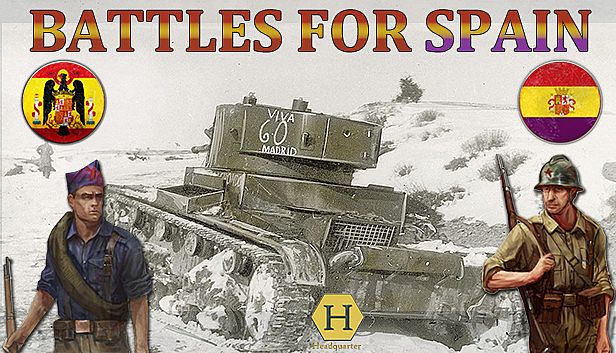










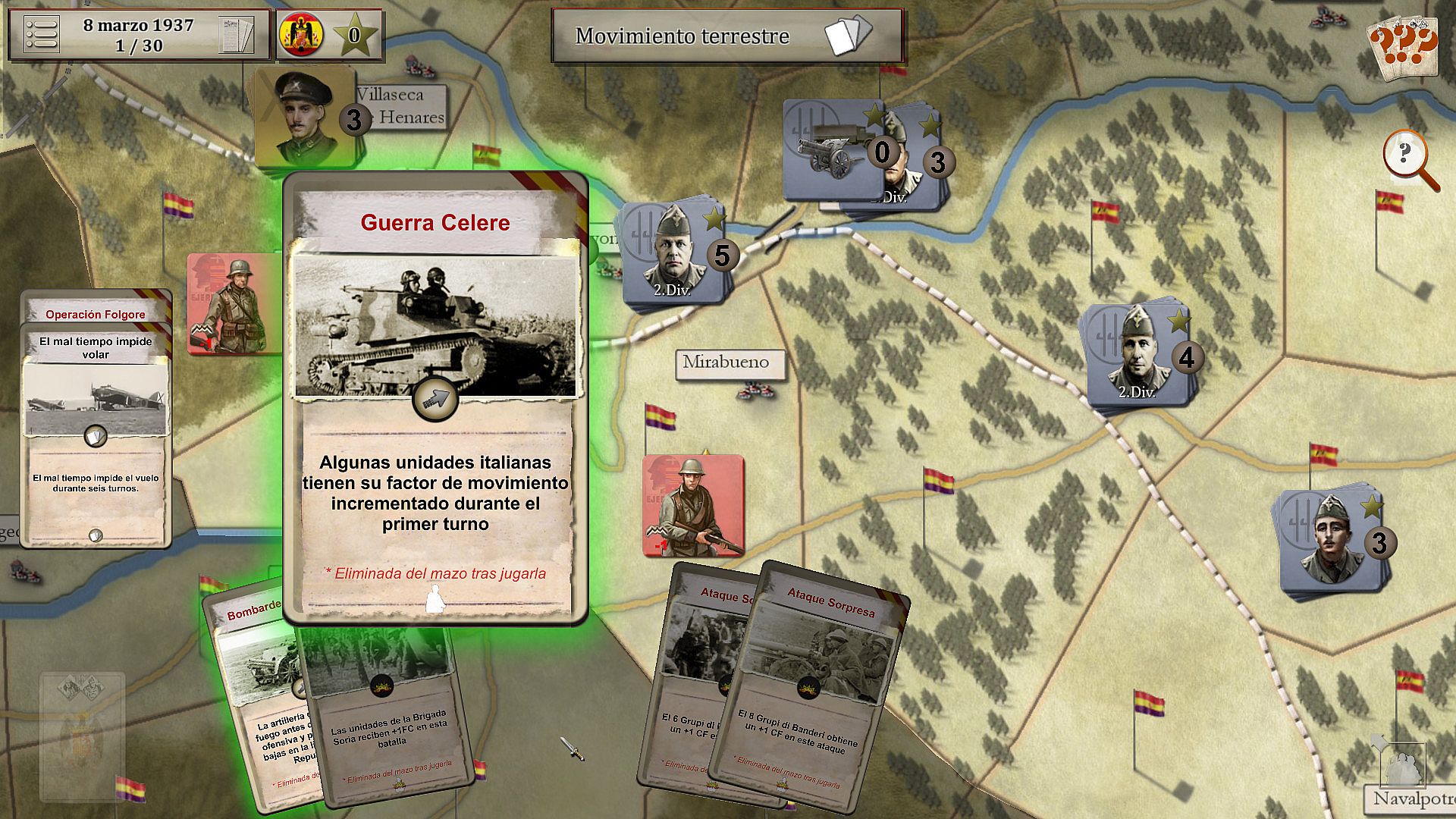
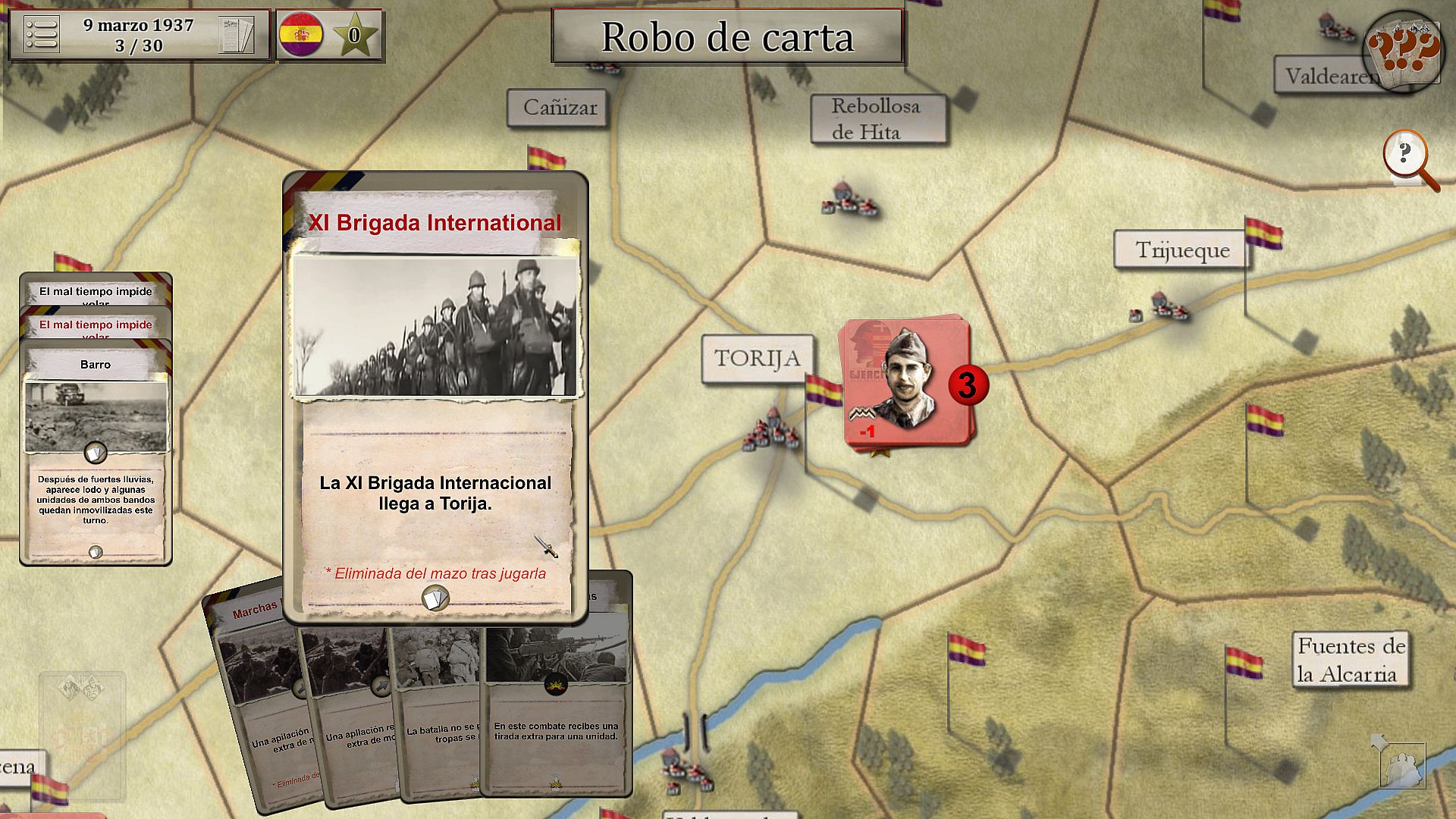
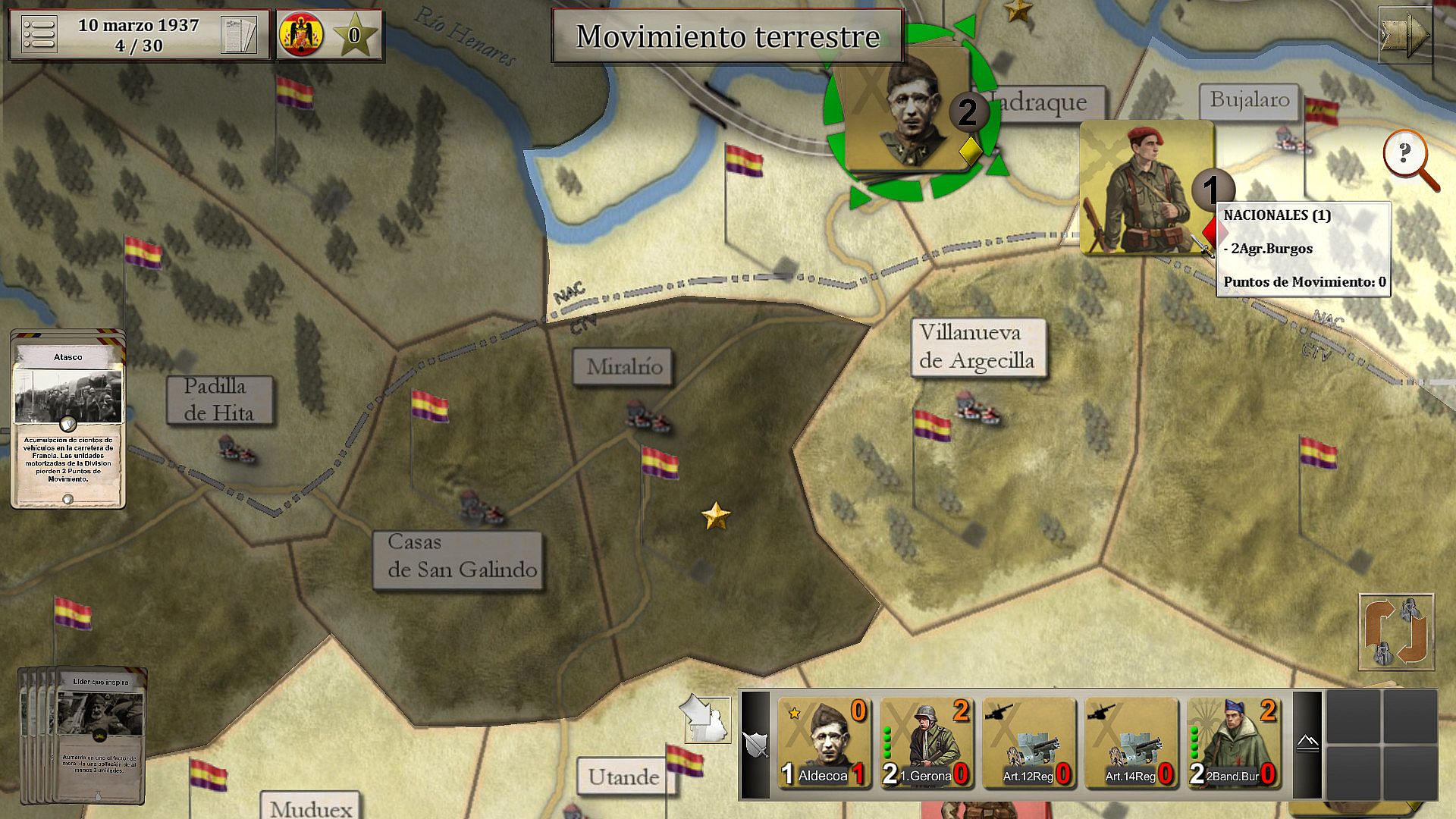
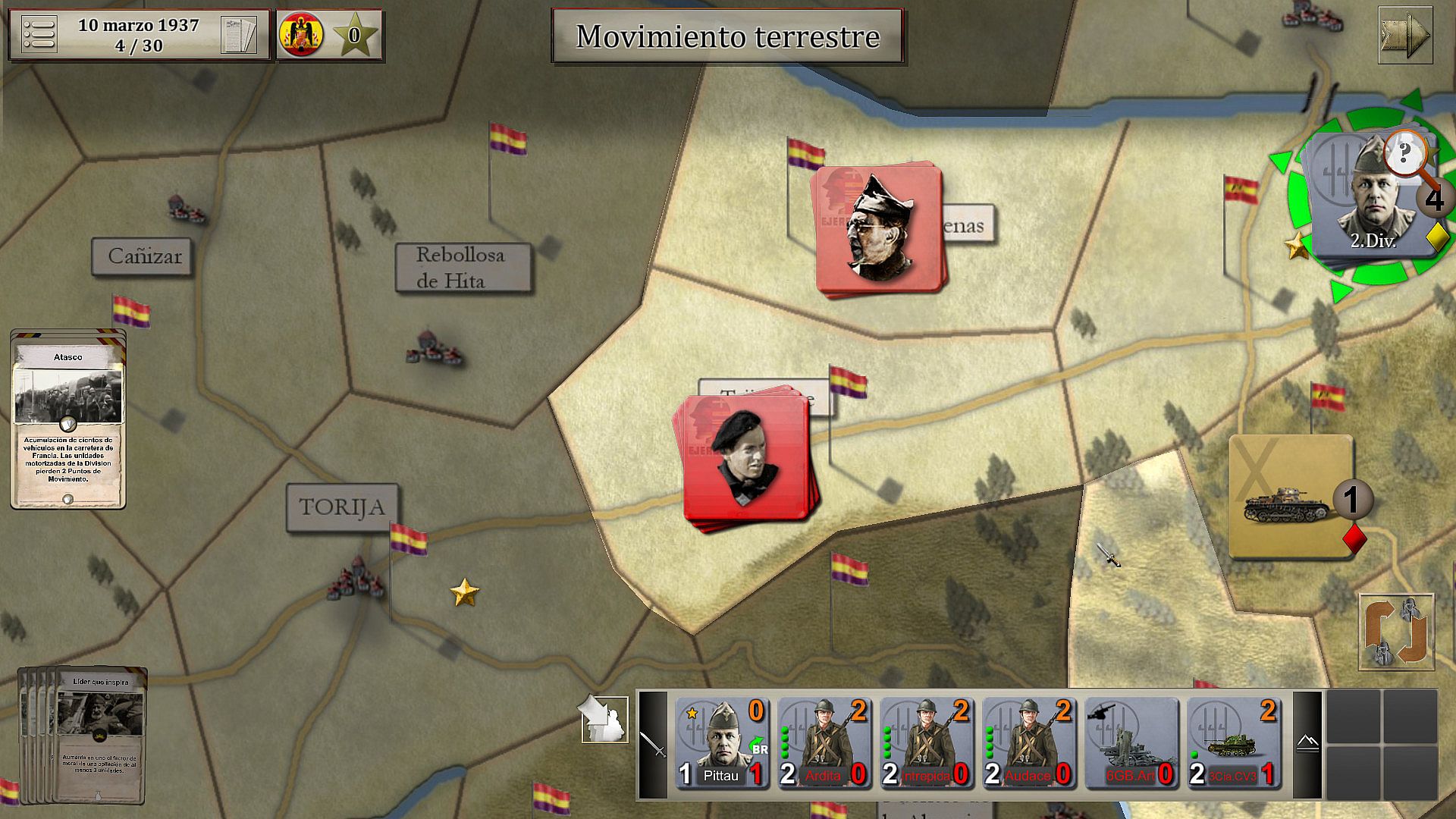
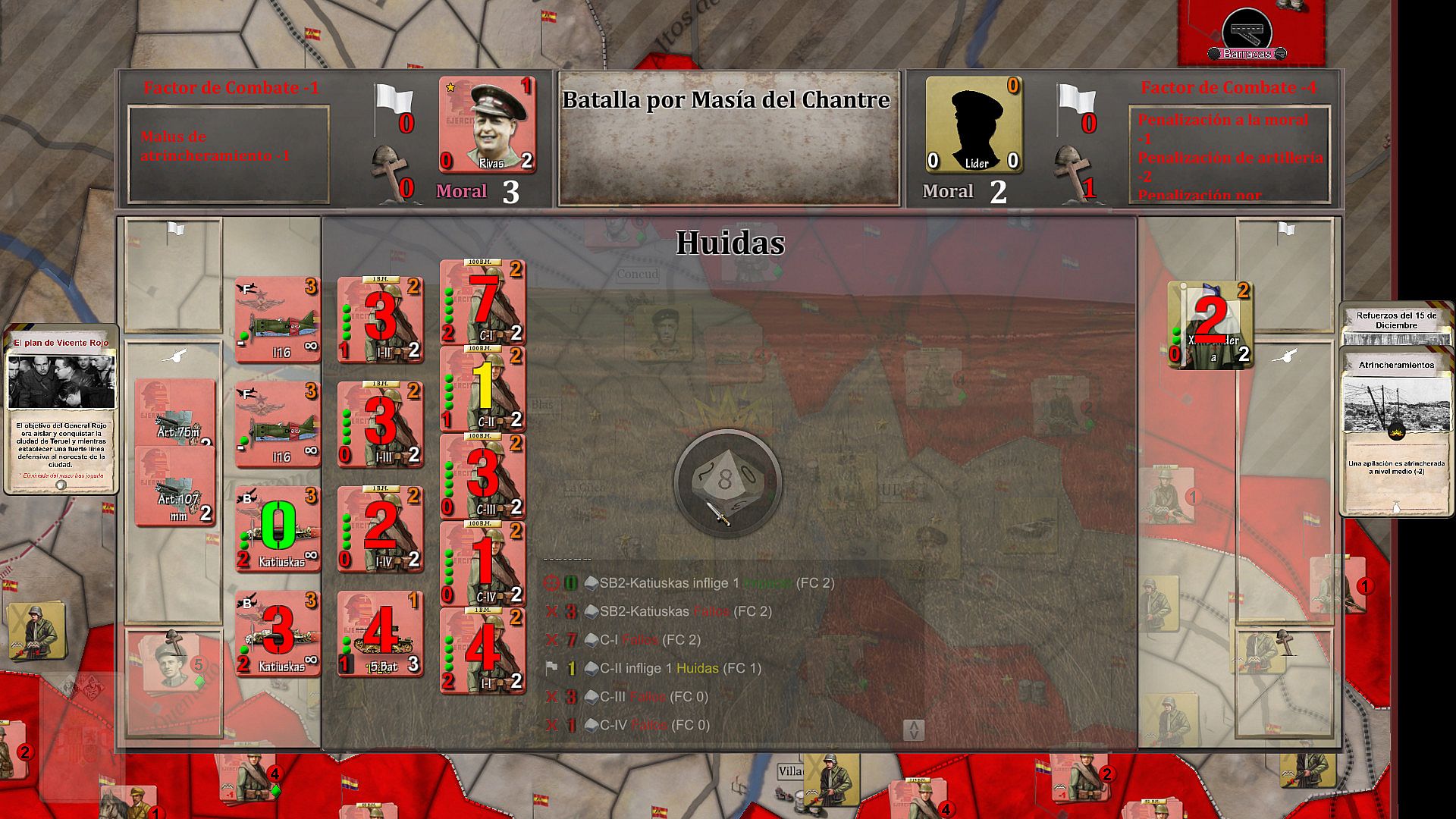
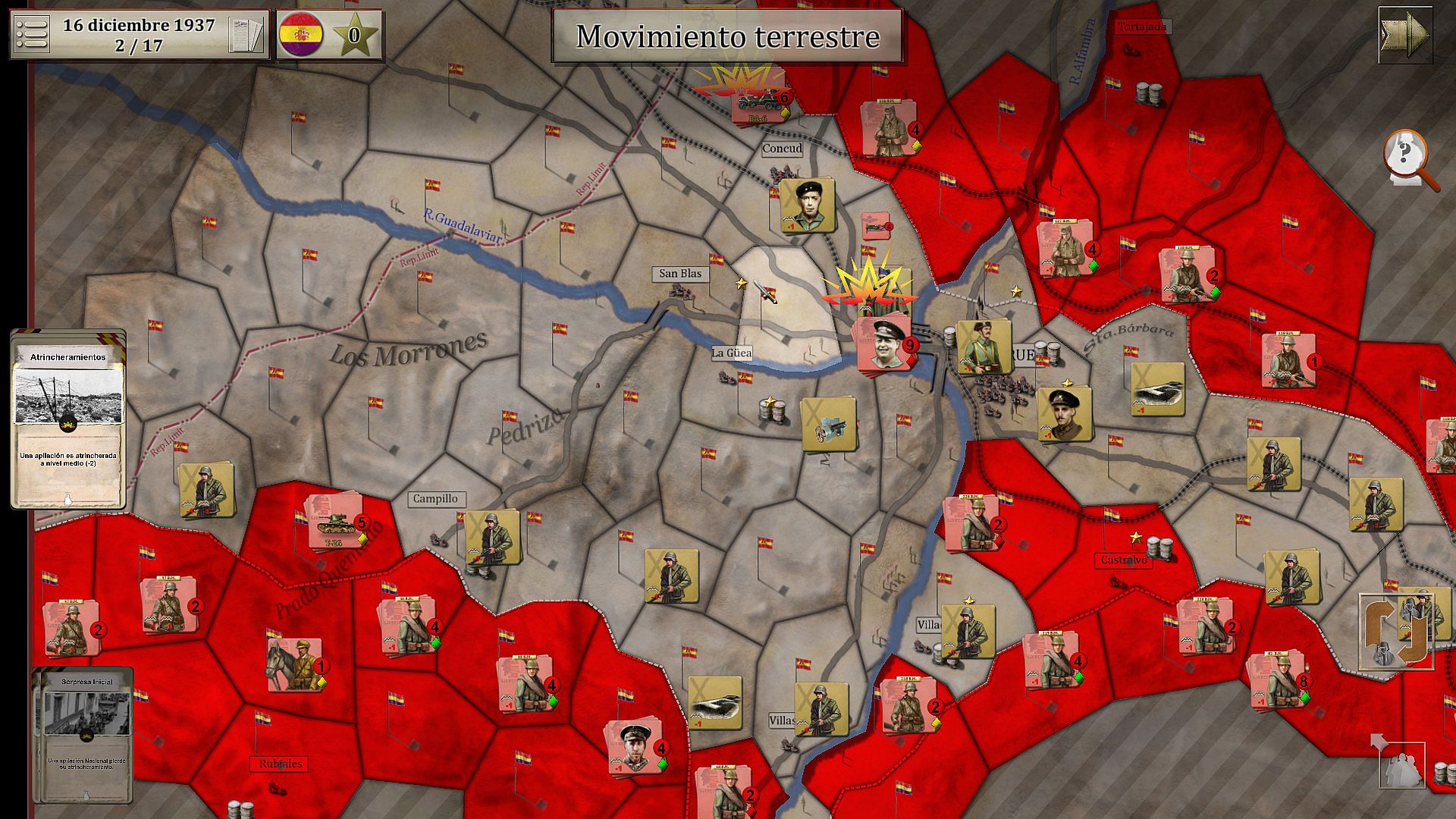
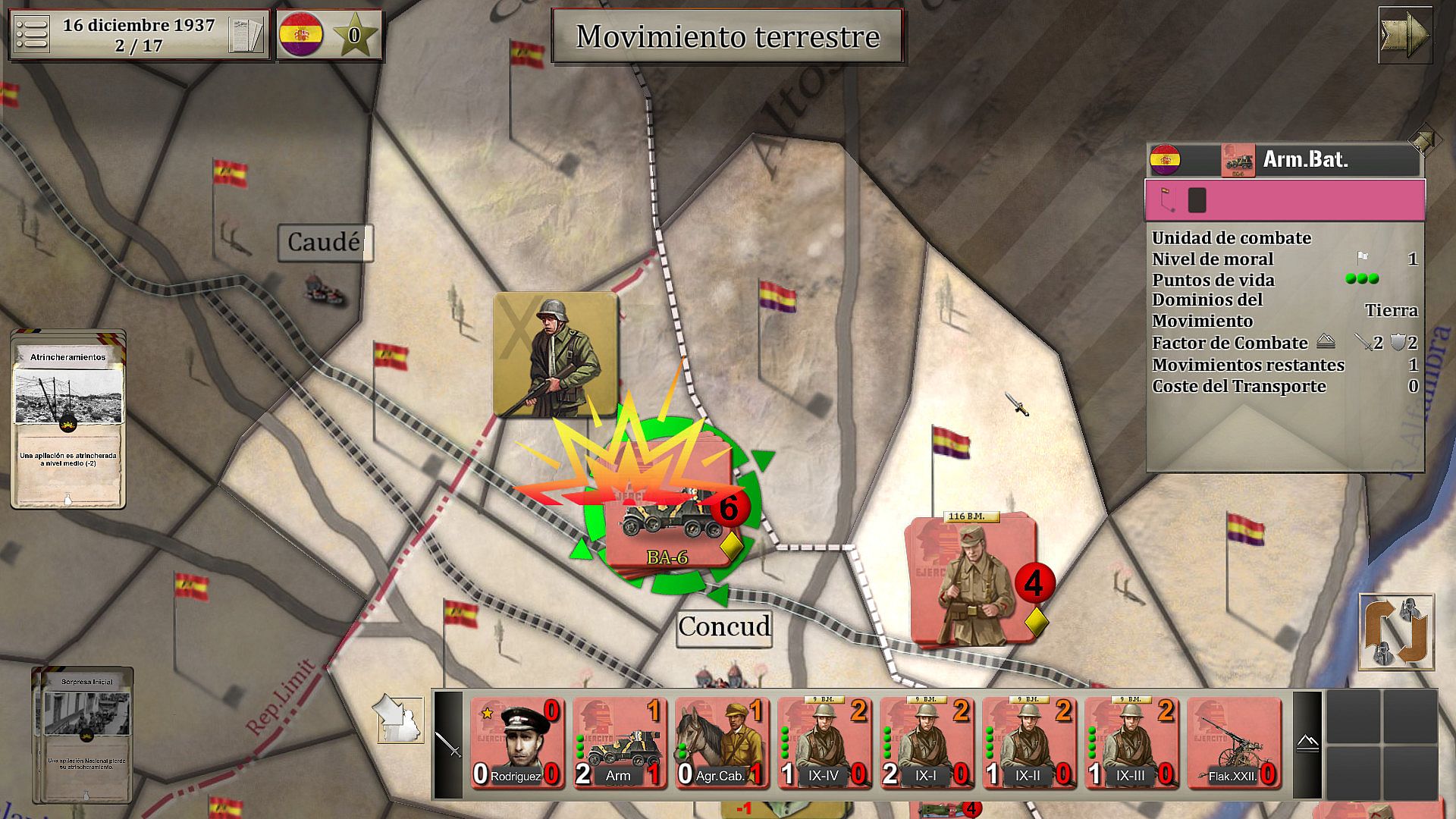
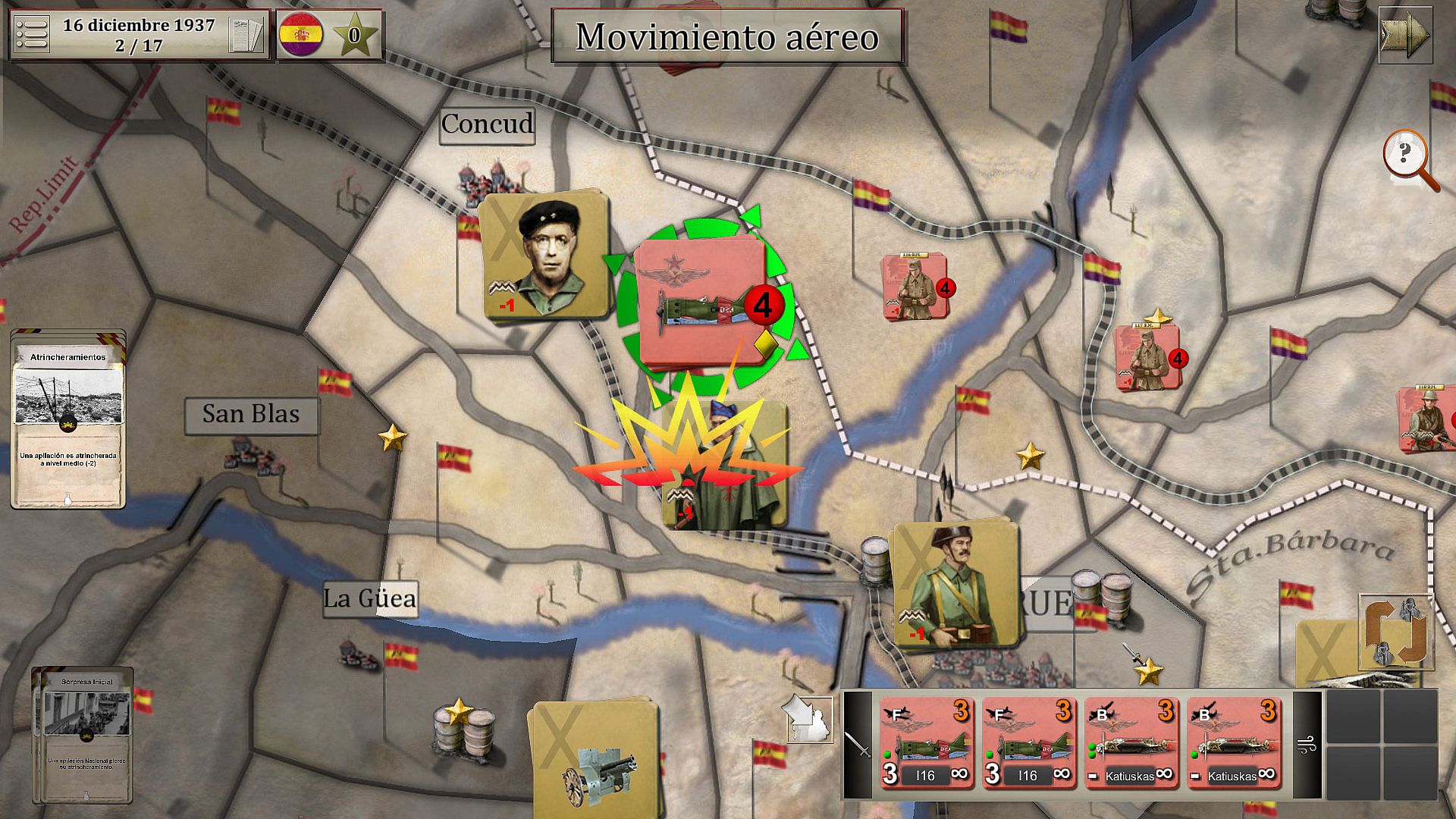
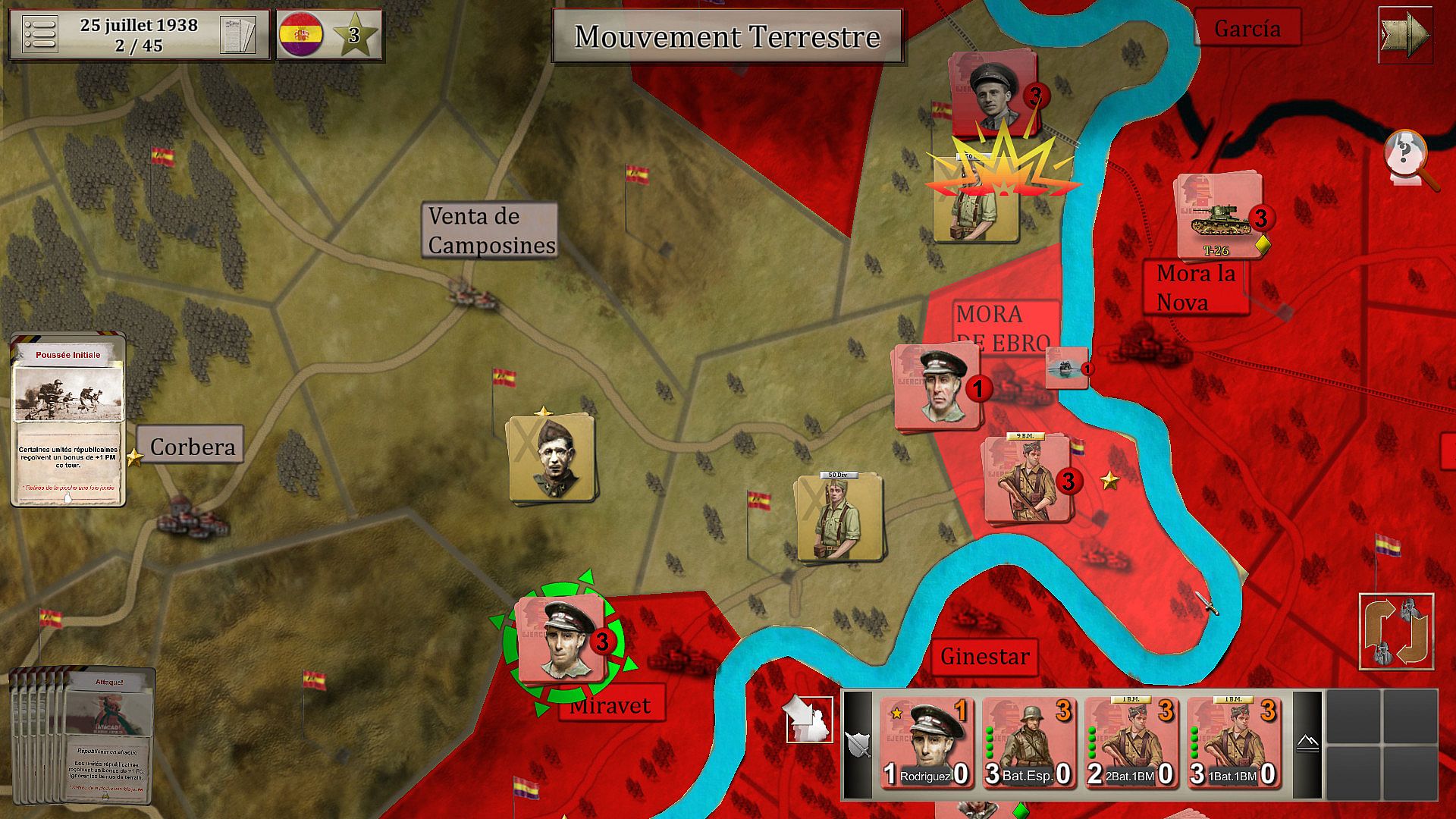
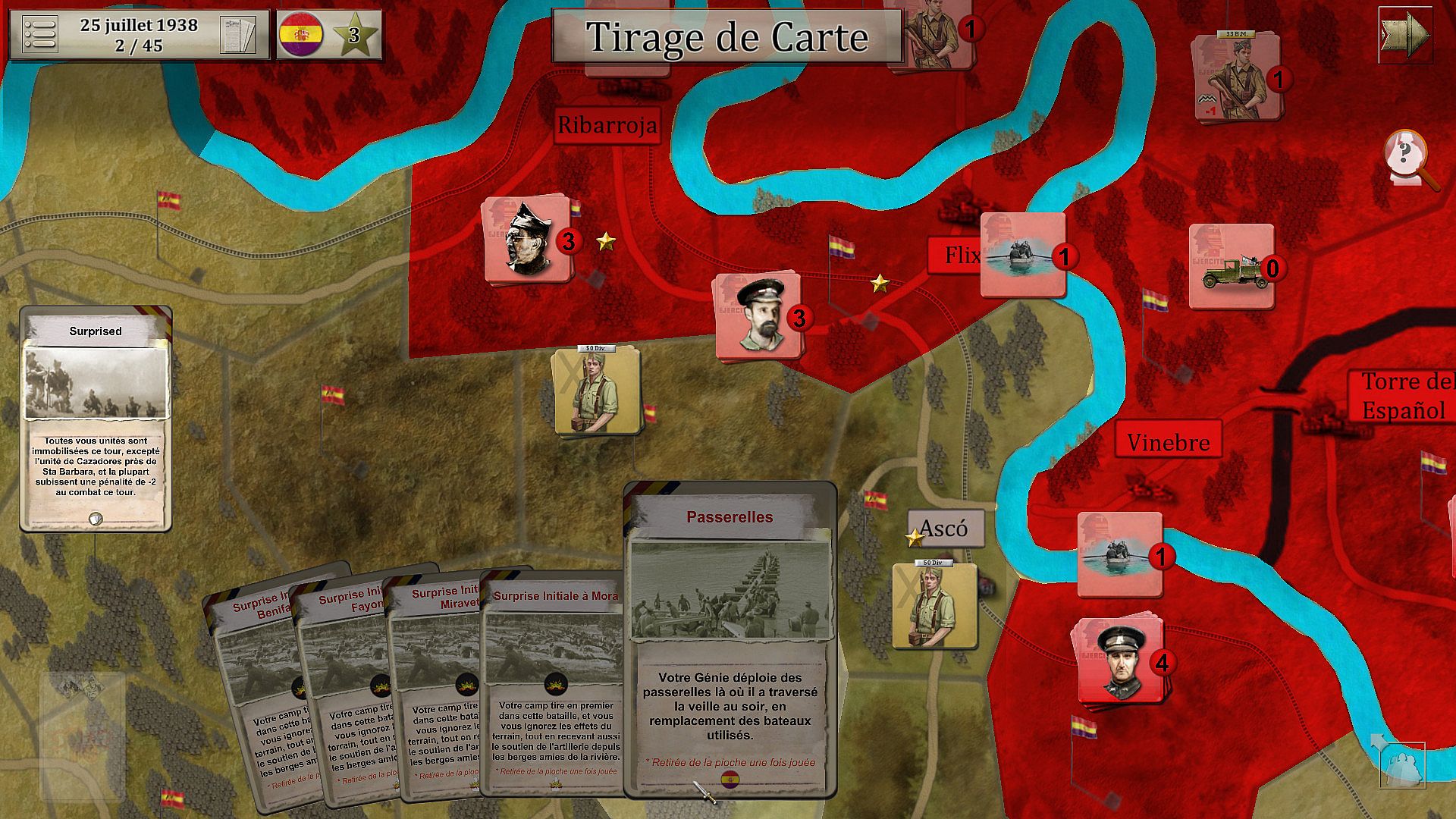
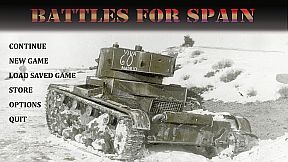
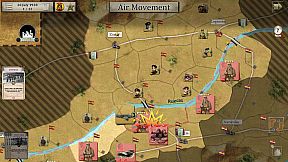
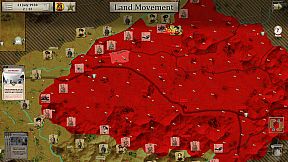
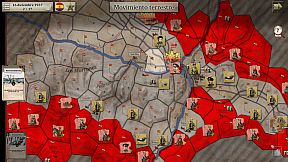
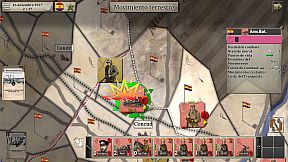
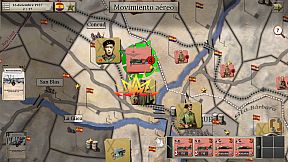
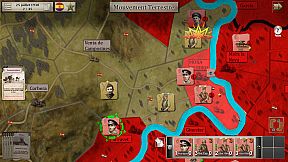
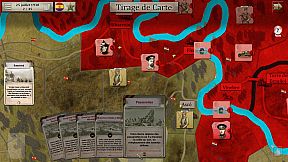
Battles For Spain is a turn-based strategy and simulation game set during the Spanish Civil War. It focuses on four specific historical battles fought between Nationalist and Republican forces on the PC platform. The title draws directly from documented engagements at Guadalajara in 1937, Teruel in 1937, Mérida also known as La Serena in 1938, and Ebro in 1938. Players command battalion-sized infantry and cavalry units along with smaller formations of tanks, artillery batteries, and aircraft squadrons that match the historical orders of battle.
Gameplay
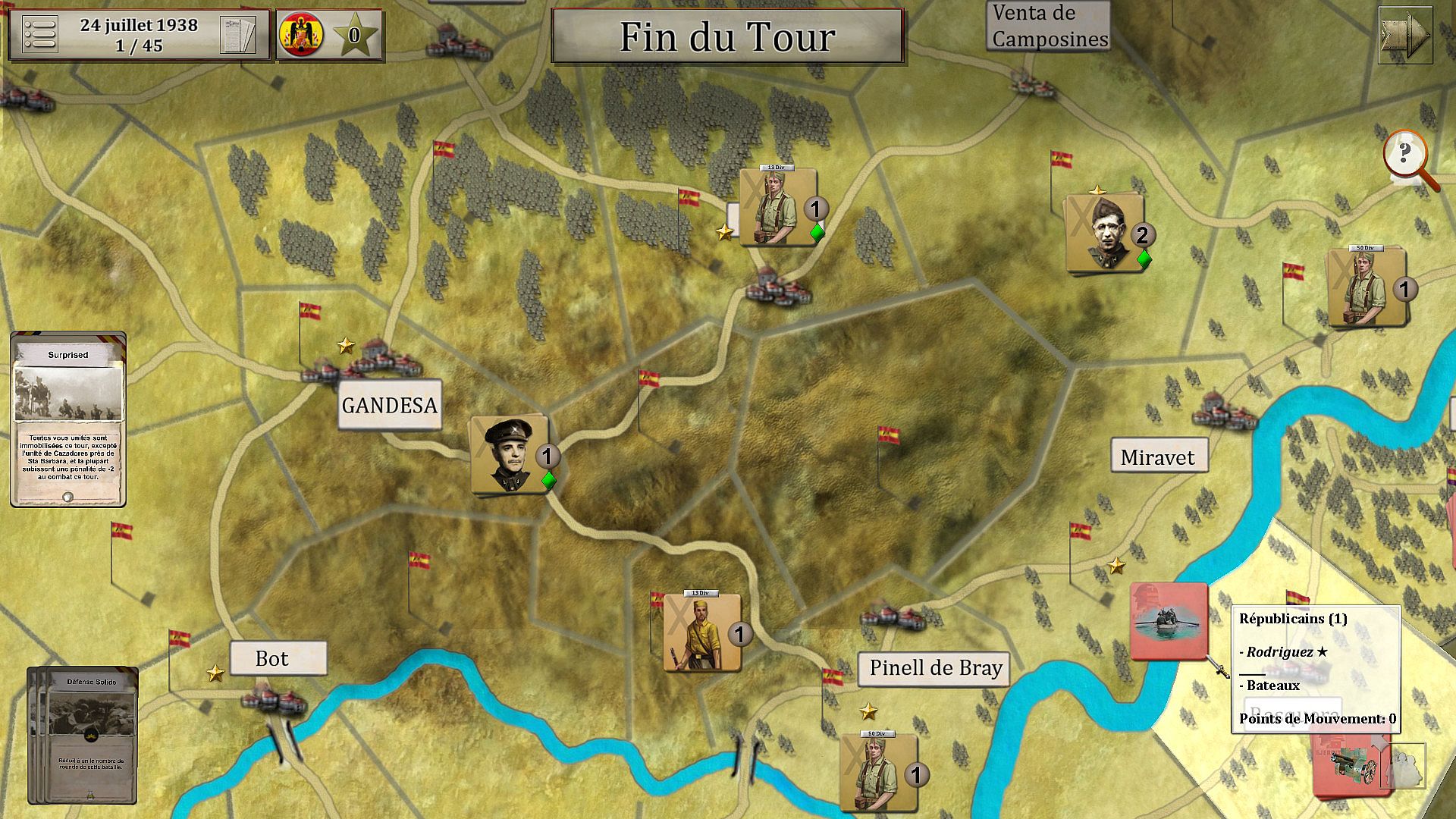
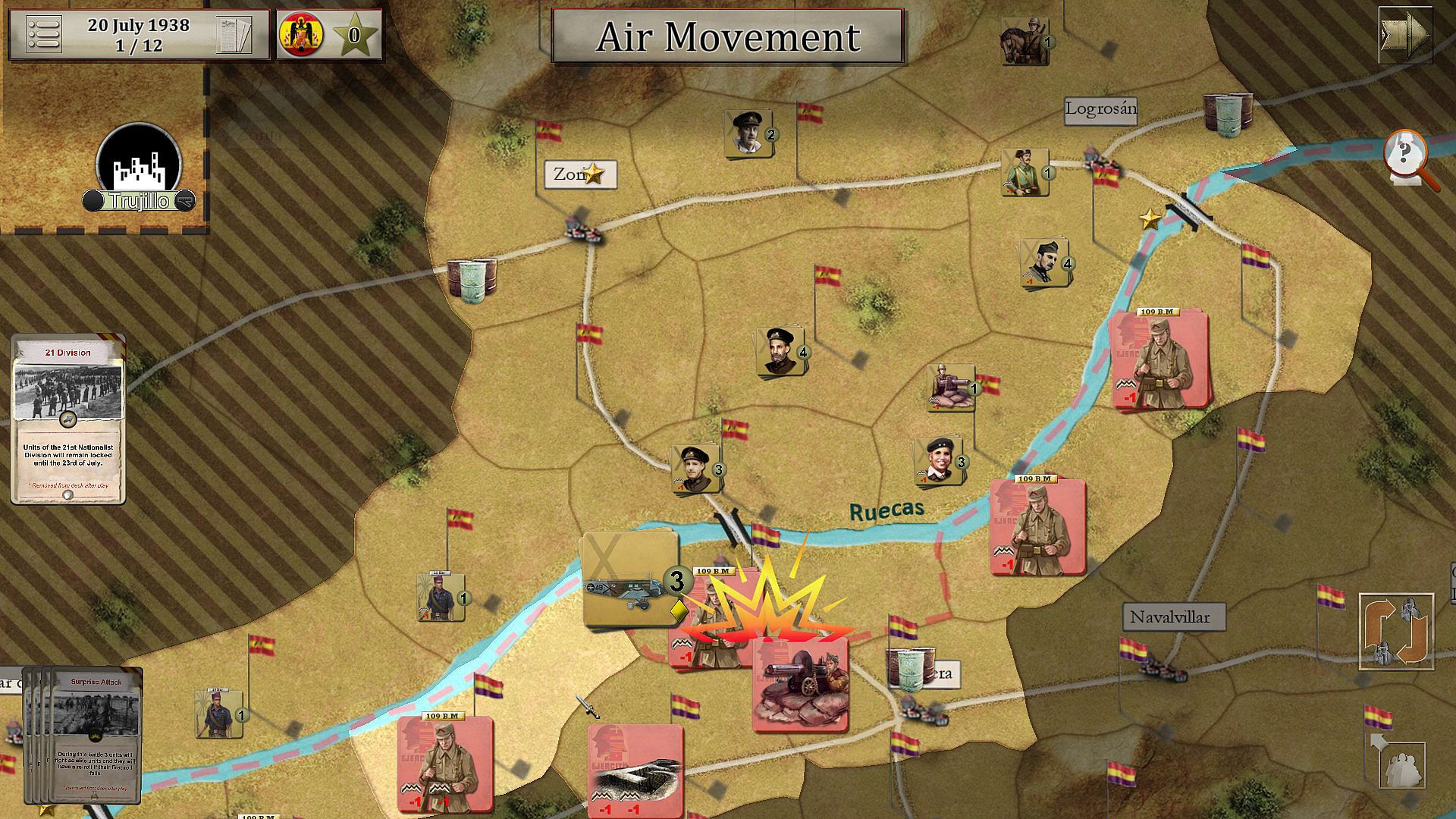
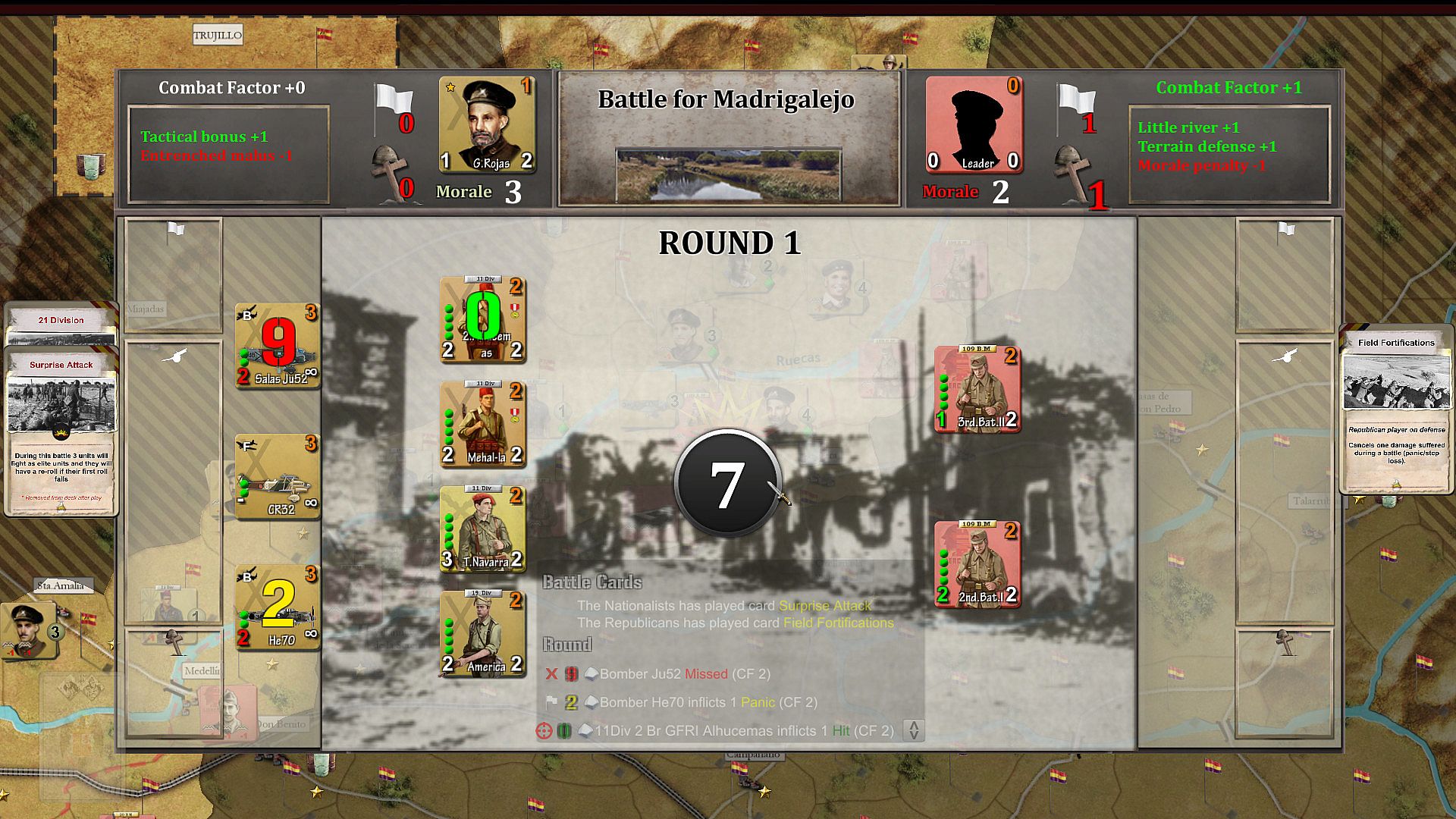
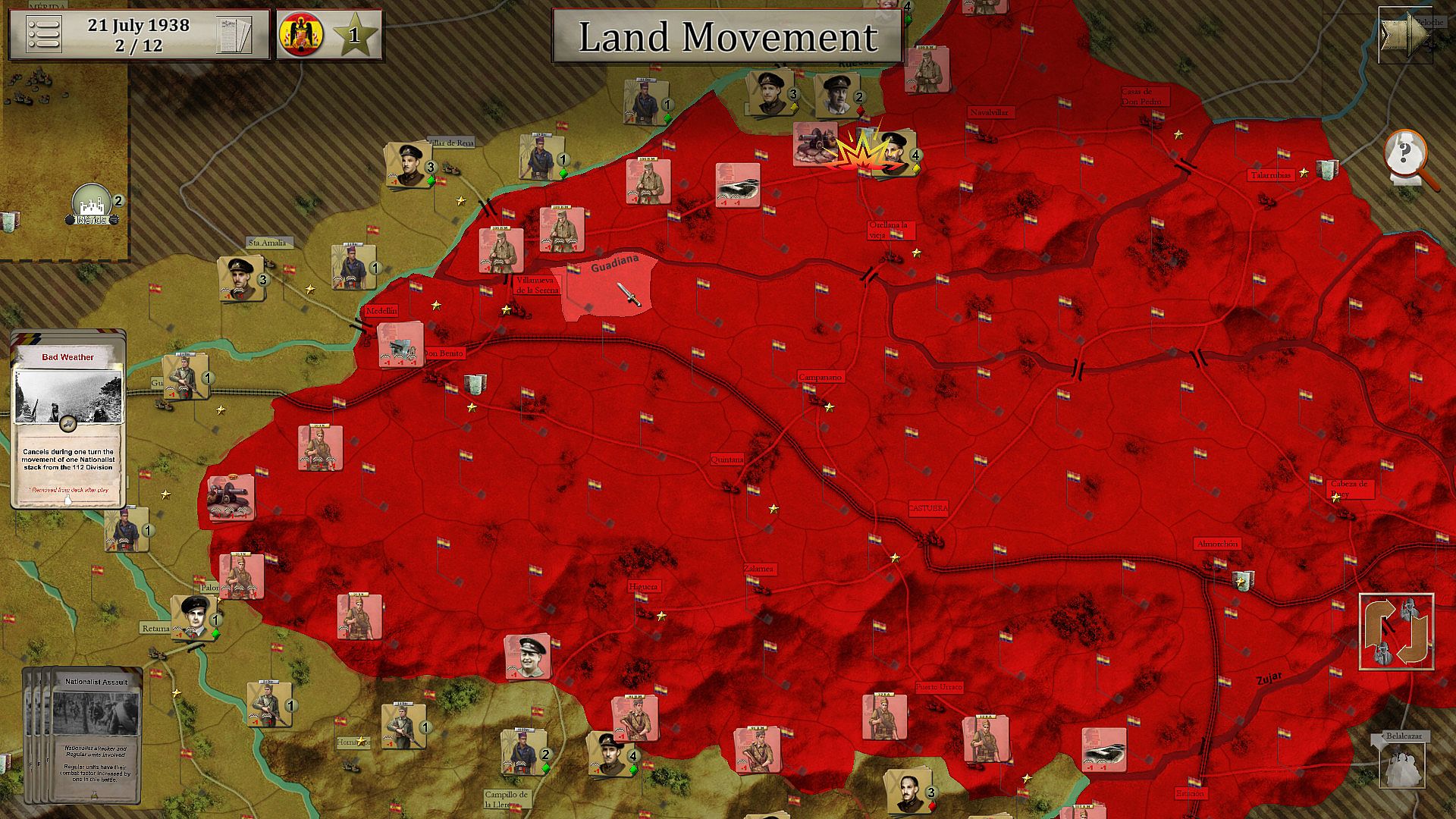
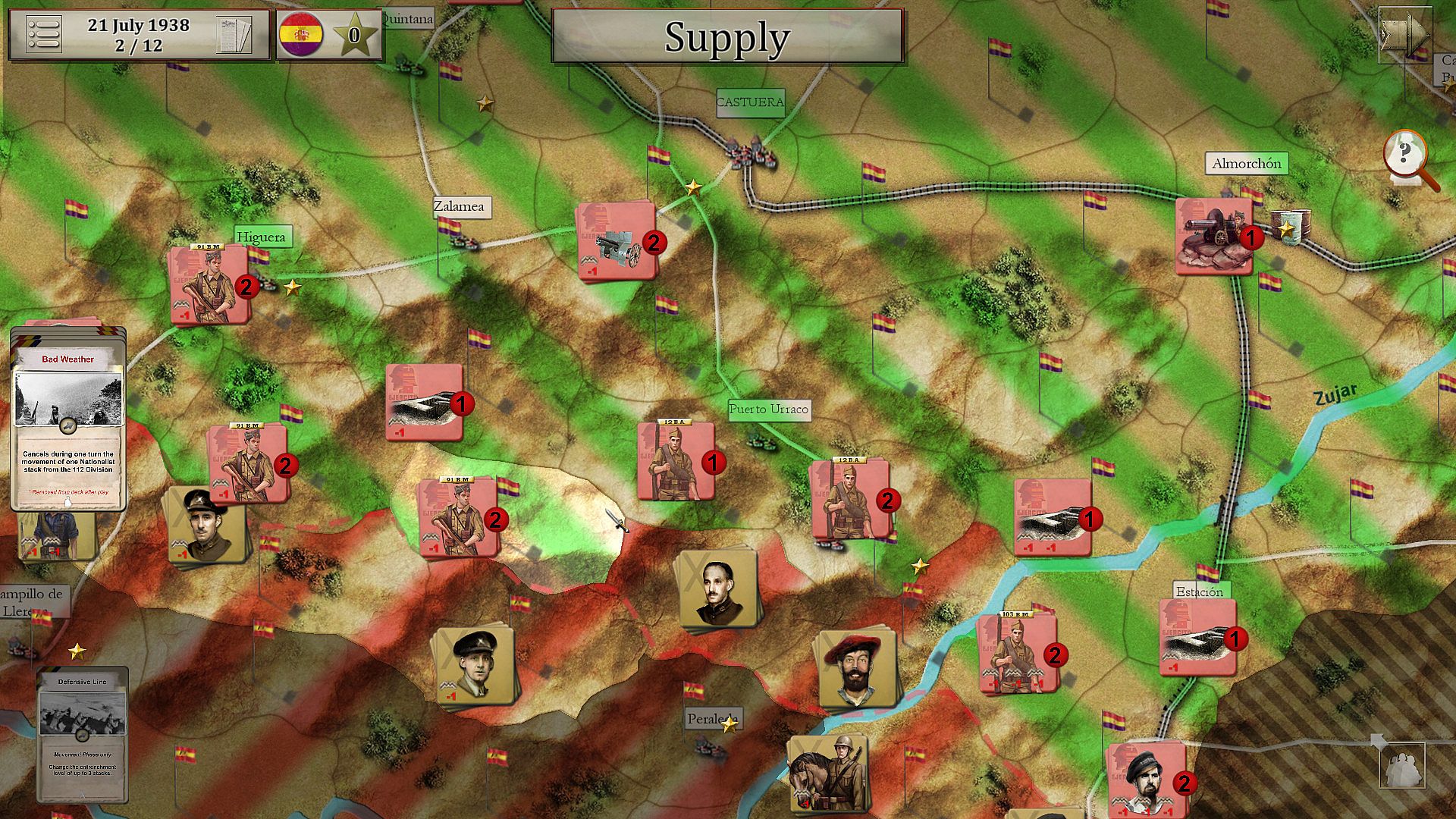
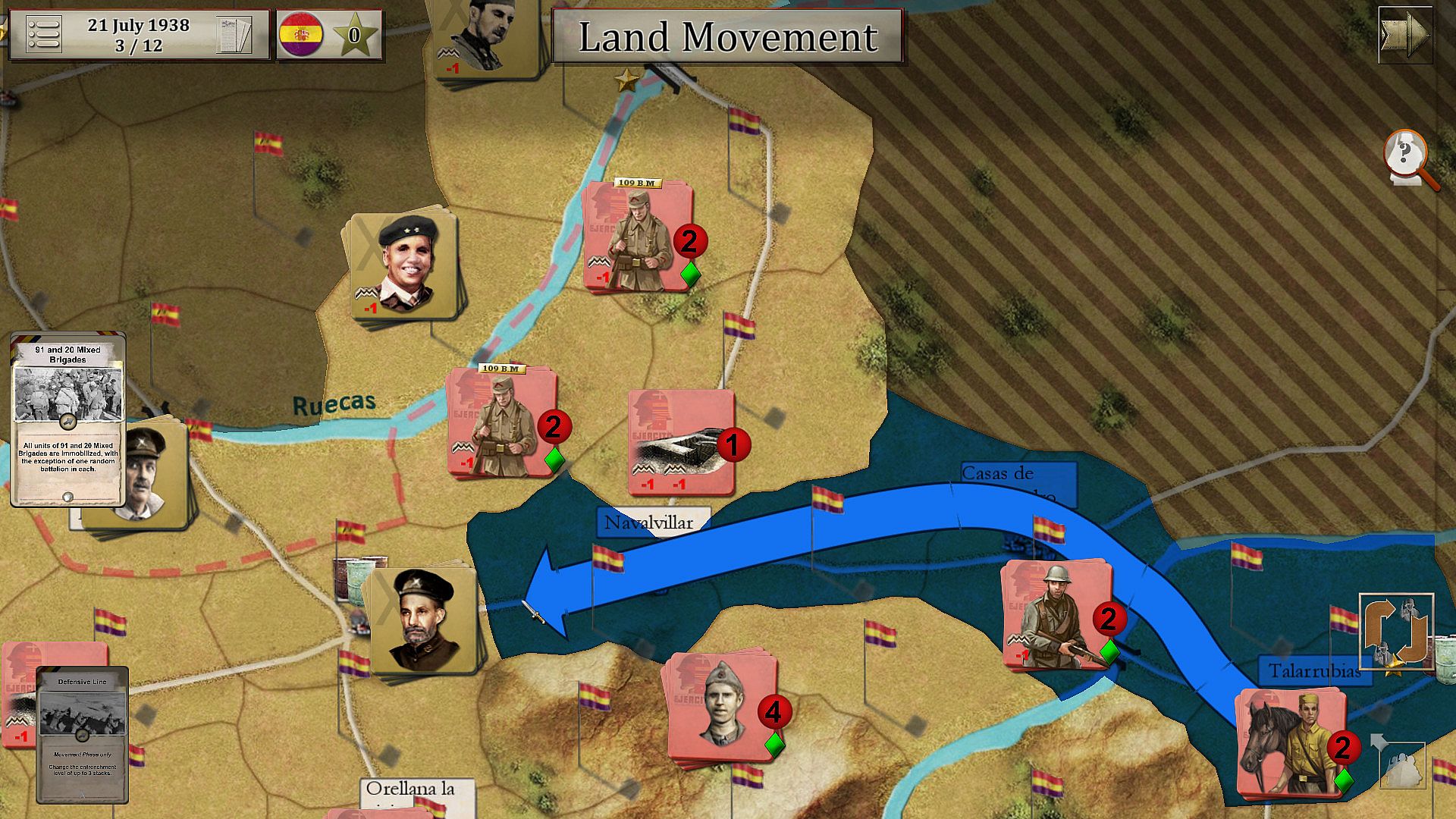
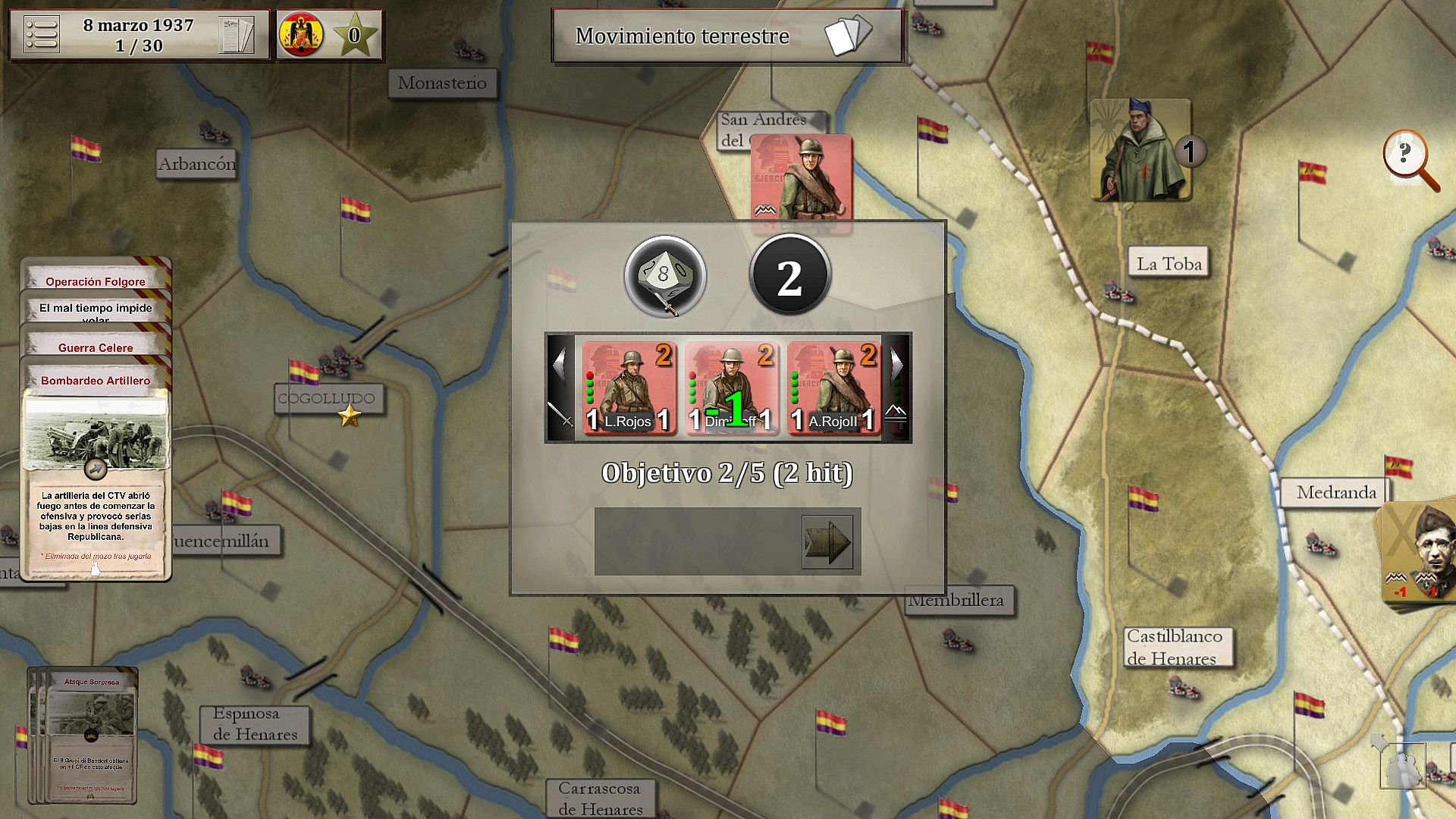
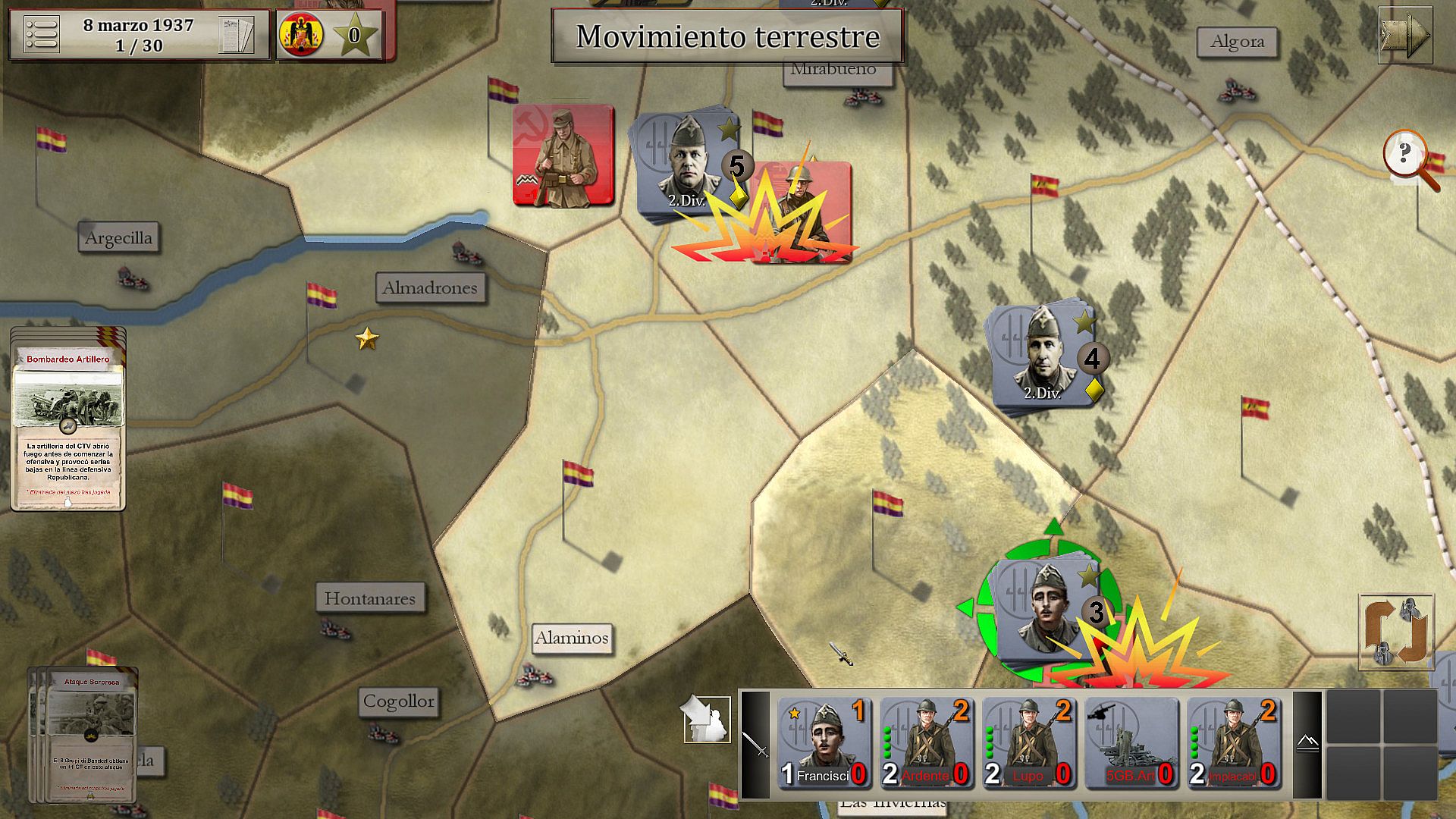
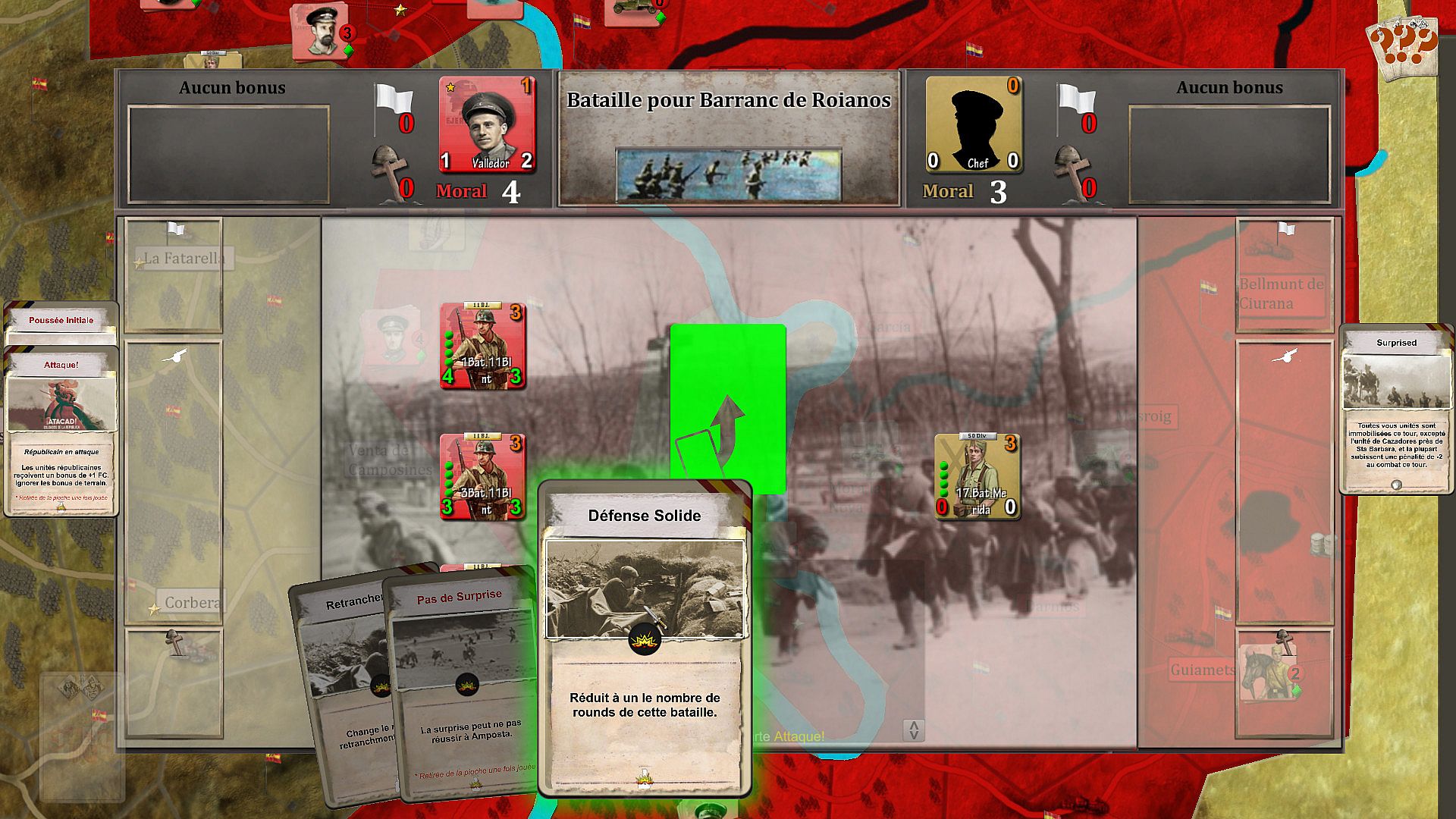
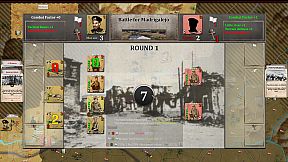
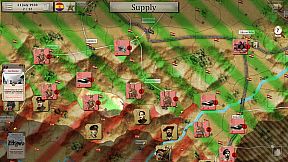
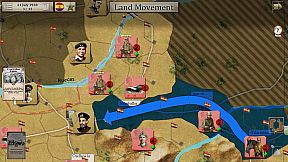
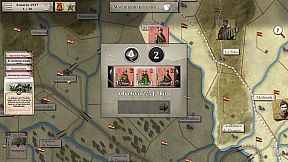
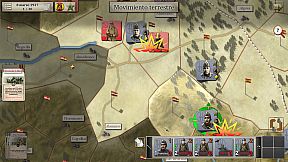
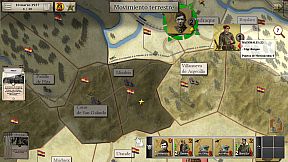
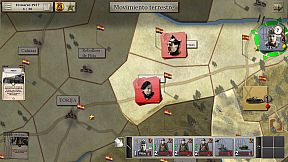
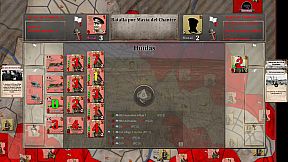
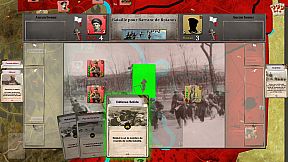
Each scenario places one side in the role of attacker and the other as defender. The attacker aims to match or exceed historical advances while the defender seeks to prevent those outcomes or launch a successful counterattack. Movement occurs across area-based maps where supply lines must remain connected to friendly depots. Units out of supply suffer attrition after several turns. Combat resolves through dice rolls modified by unit strength, terrain, artillery support, and air presence, with two rounds of fighting per engagement unless altered by events.
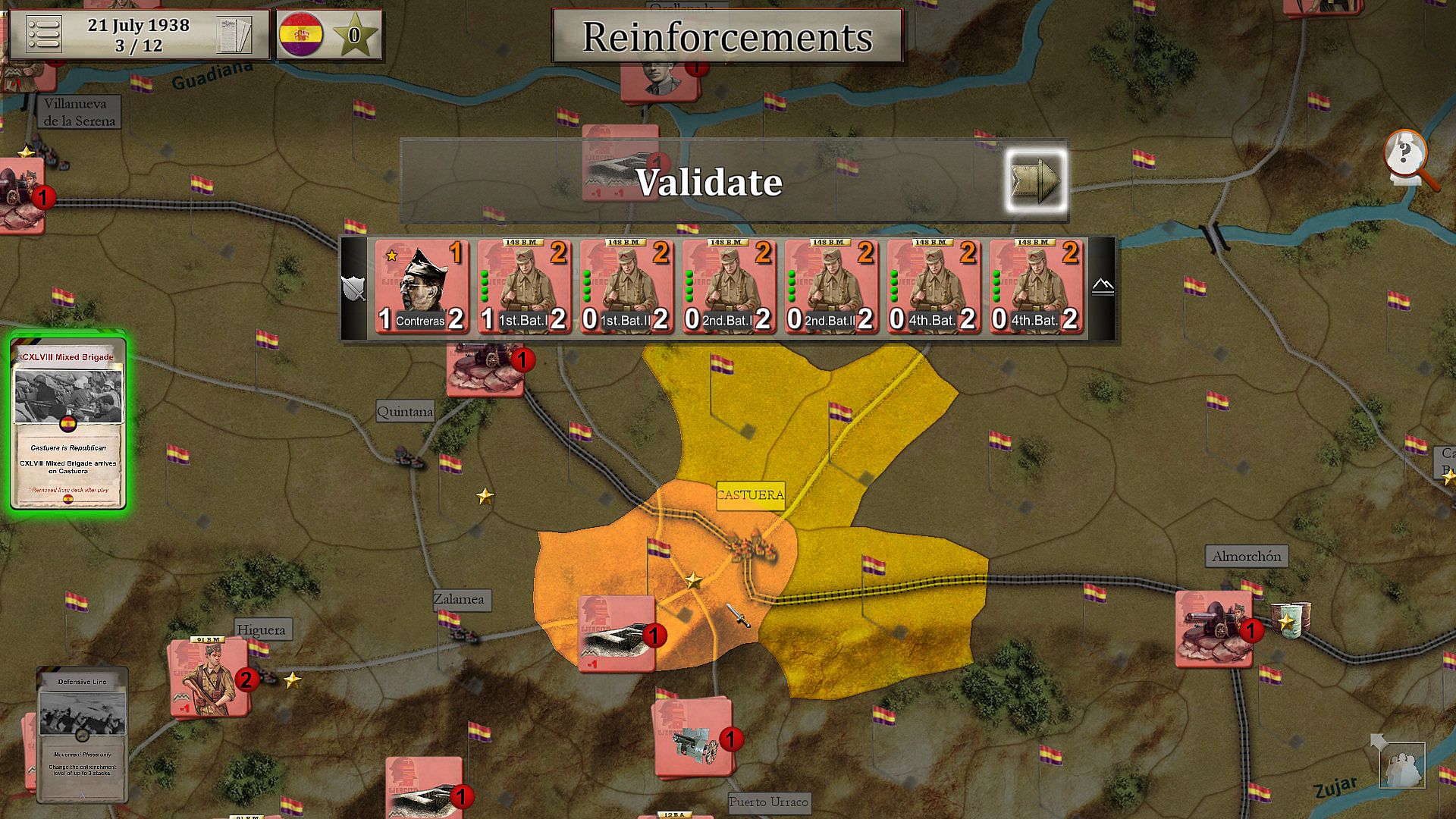
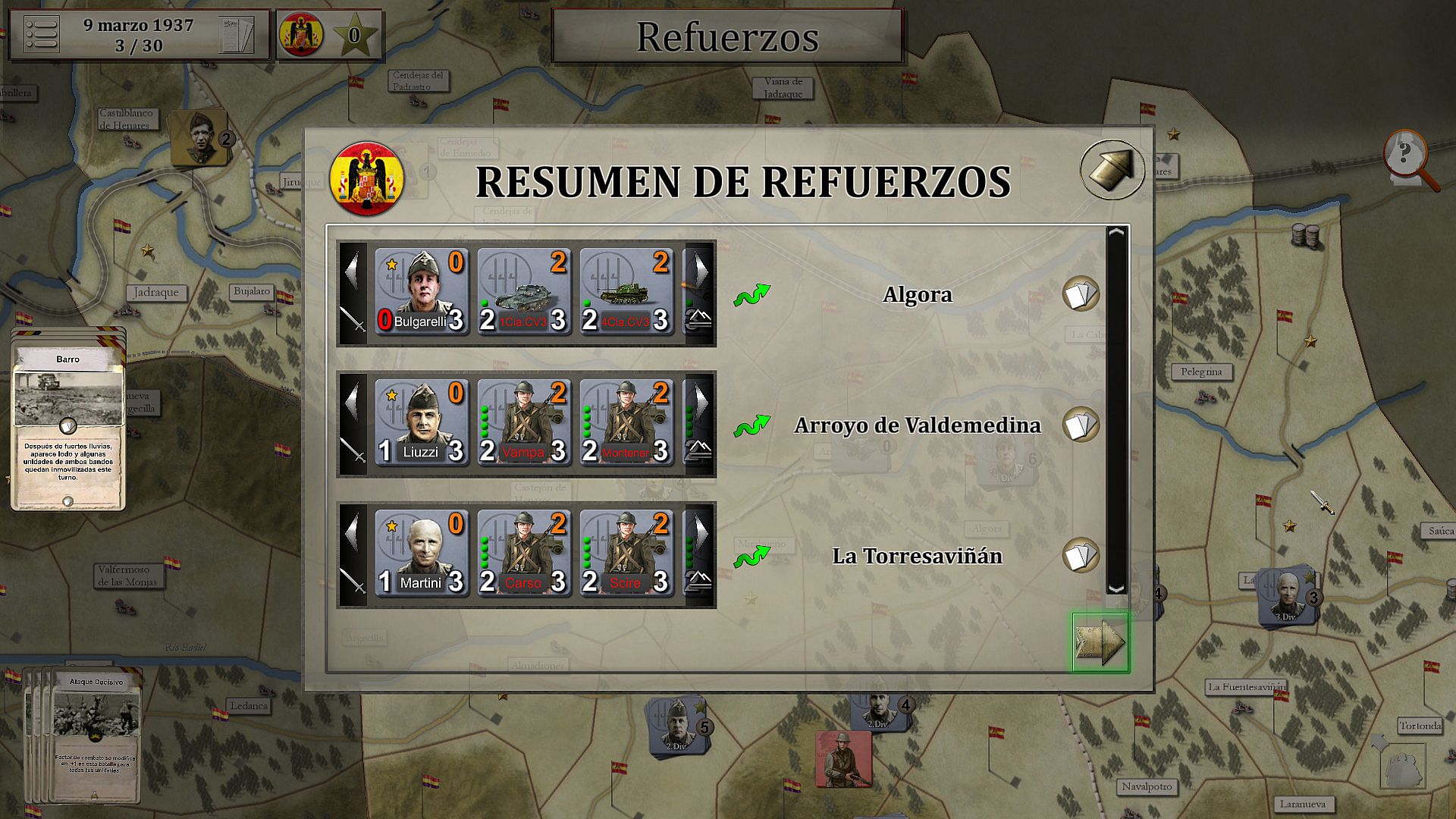
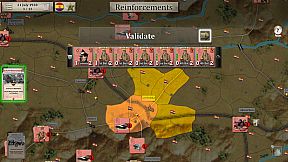
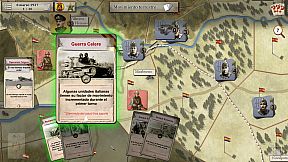
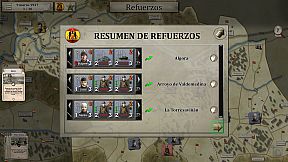
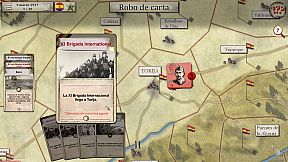
Event cards drawn at the start of turns introduce variability through reinforcements, weather changes, desertions, bombardments, and political effects. These cards differ slightly by scenario and create distinct situations for movement and combat. Historical units such as the Spanish Legion, Falange battalions, Italian CTV formations, Carlist Requetés, Mixed Brigades, and International Brigades appear with accurate leaders including Hans Kahle and El Campesino. The system emphasizes careful positioning and timing rather than large-scale army building.
Game Modes
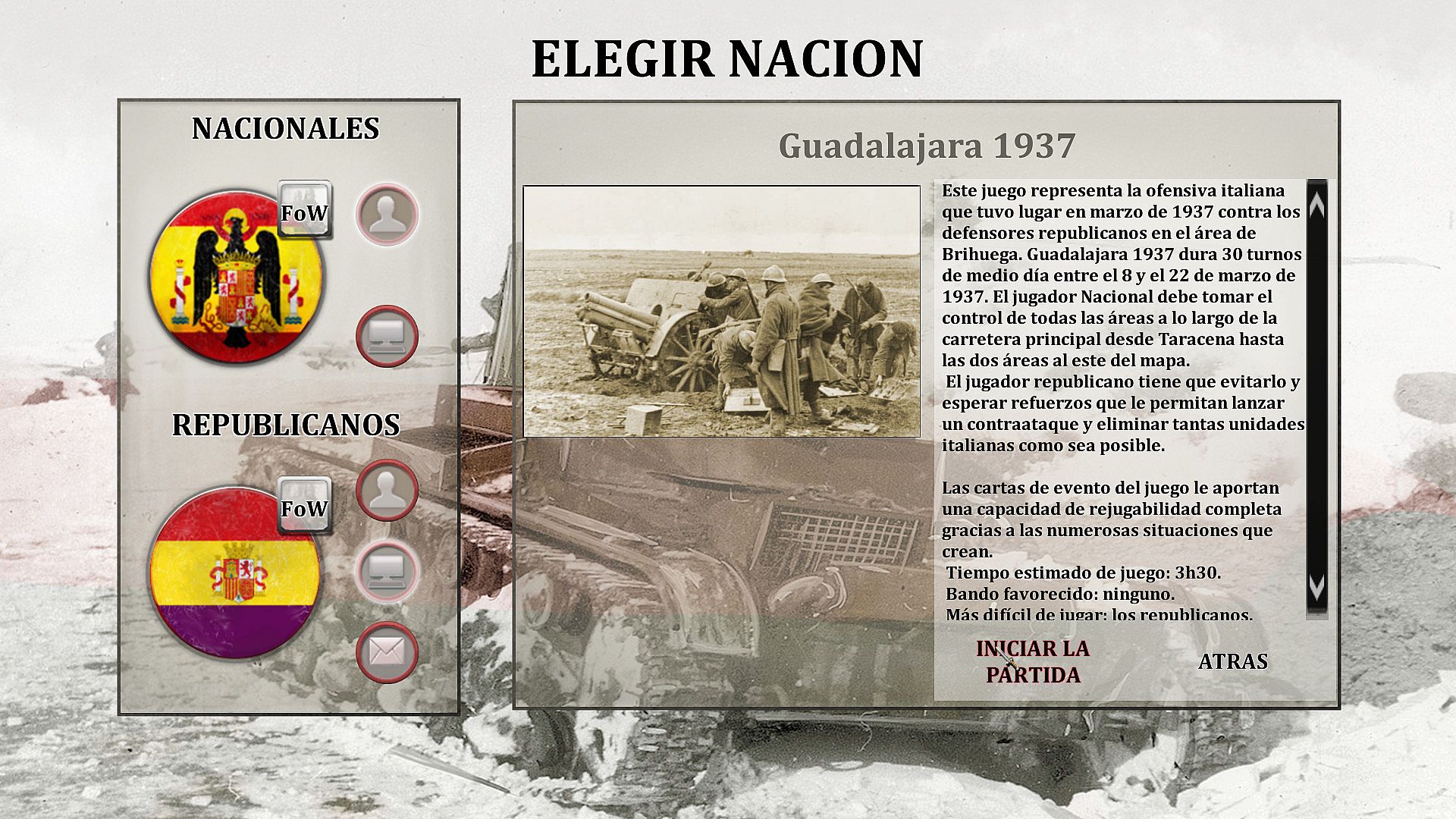
The game supports single-player matches against the computer and two-player matches through shared or split-screen local play as well as remote play together. Each of the four battles functions as a standalone scenario with fixed turn counts and victory conditions tied to area control or elimination of enemy forces. No overarching campaign links the battles, and play focuses entirely on these historical snapshots. Achievements track performance across the scenarios on both sides.
Historical Scenarios
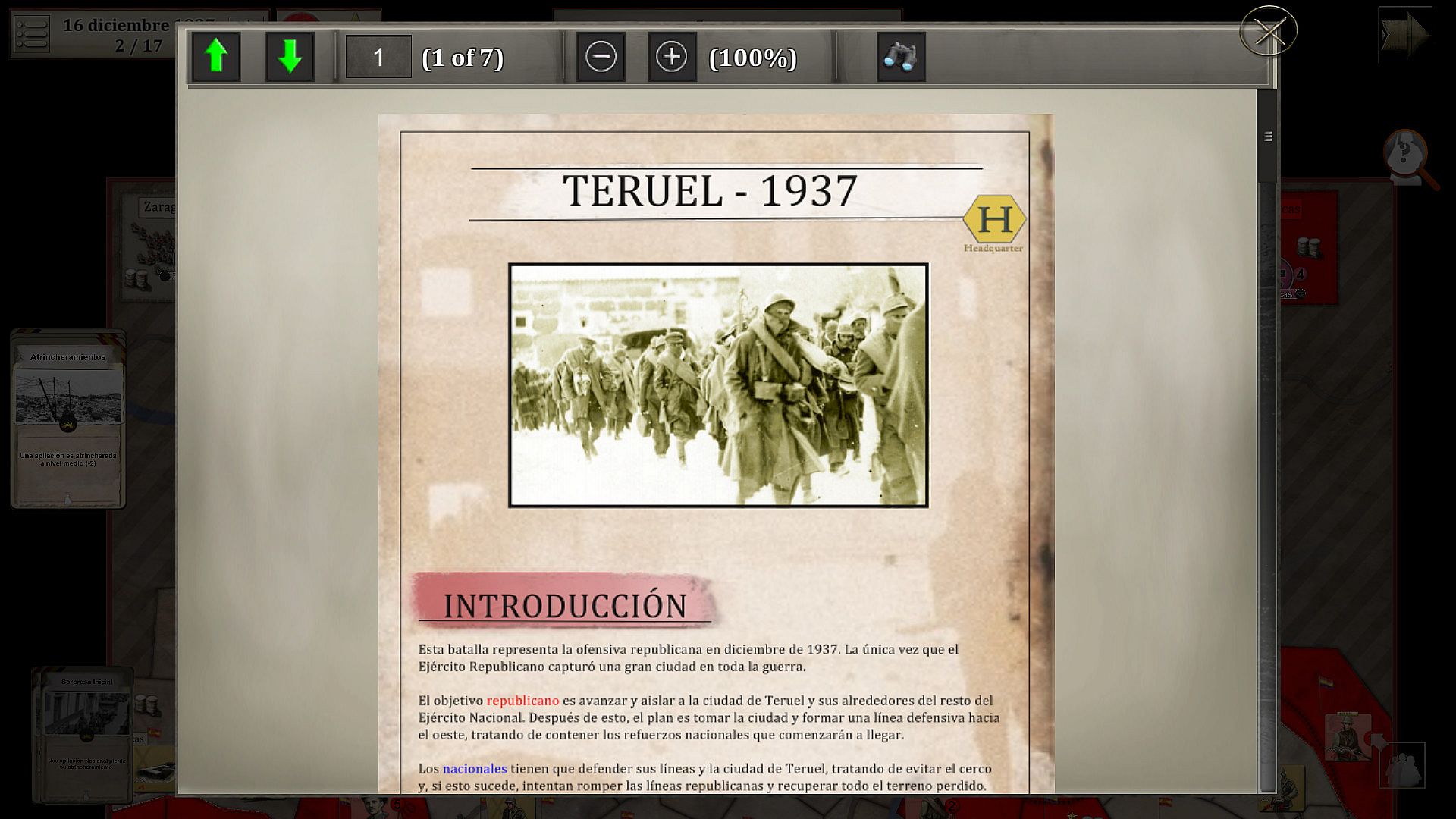
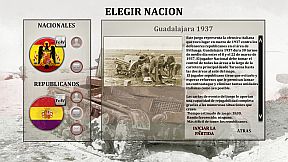
Guadalajara covers the Italian offensive east of Madrid over 30 half-day turns, with Nationalists pushing along the main road while Republicans wait for reinforcements to counterattack. Teruel lasts 12 daily turns and centers on the Republican effort to capture the provincial capital. Mérida spans 12 half-day turns and features a Nationalist pincer movement aimed at trapping Republican forces in the pocket. Ebro runs for 45 daily turns and recreates the Republican river crossing and subsequent advance toward Gandesa. Each scenario lists estimated playtimes between two and a half and three and a half hours and notes which side presents greater difficulty for the player.
Is It Worth Playing?
Player reception stands at 80 percent positive across the available reviews on the platform where it released in 2019. The title appeals to those interested in compact, historically grounded wargames that reward attention to supply, positioning, and event management. Its straightforward interface and area-control mechanics make it accessible compared with more complex operational titles, though the absence of a tutorial means newcomers benefit from consulting the in-game manual first. The four scenarios provide solid replay value through card variability and the option to switch sides, with no further content updates confirmed since launch. Those seeking focused simulations of lesser-covered conflicts in the pre-World War II era will find the design aligns closely with its stated objectives and unit scales.