





















198X is an indie narrative game that weaves a coming-of-age tale with five distinct retro arcade segments drawn from classic 1980s genres. Set in suburban America during the titular decade, the experience follows a teenager known as Kid who stumbles upon a local arcade and begins to find purpose through its machines. The title runs approximately two hours from start to finish and centers on single-player progression through pixel-art sequences and gameplay challenges rather than open exploration or multiplayer elements.
Gameplay
The core loop alternates between short cinematic story segments and hands-on arcade-style challenges. Players control Kid in the real world during narrative beats, then shift into the arcade cabinets where precise inputs determine success in each stage. Actions mastered in the games contribute to Kid's personal growth, gradually blurring the boundary between the on-screen worlds and everyday life. Controls emphasize timing and pattern recognition typical of the era, with each segment offering a self-contained run that rewards repeated attempts to improve performance. The pixel-art presentation maintains a consistent retro aesthetic across both story and gameplay portions.
Game Modes
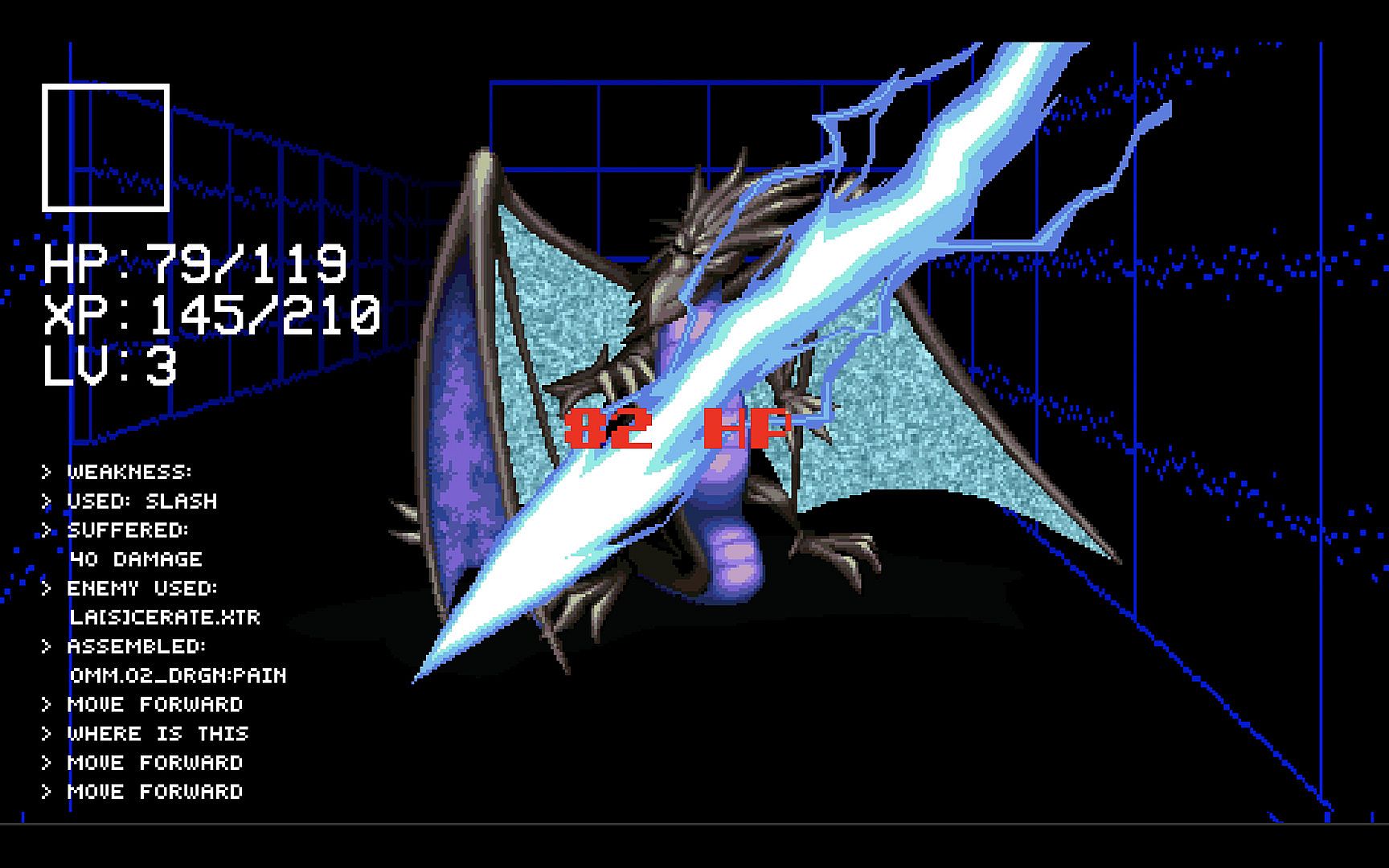
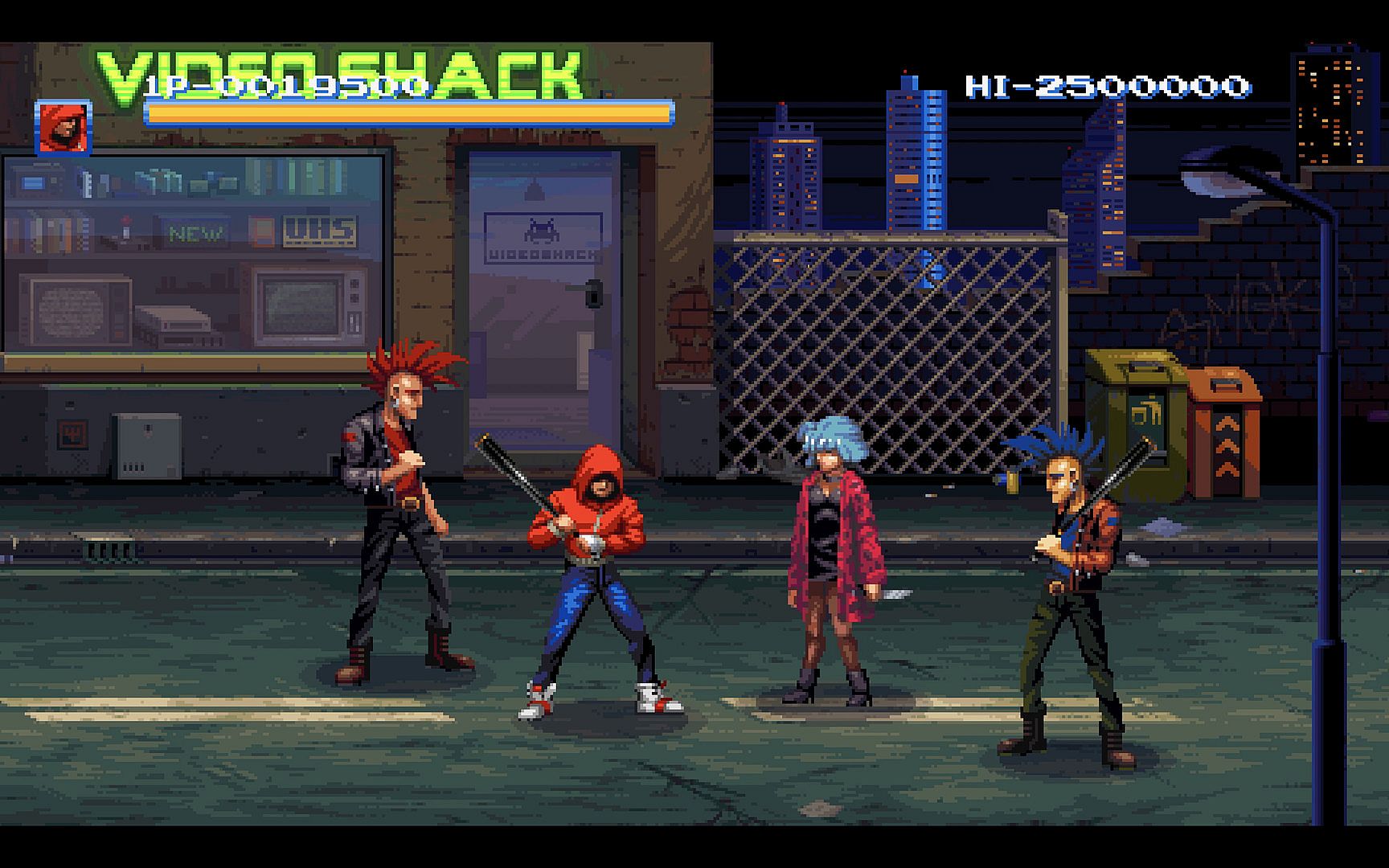
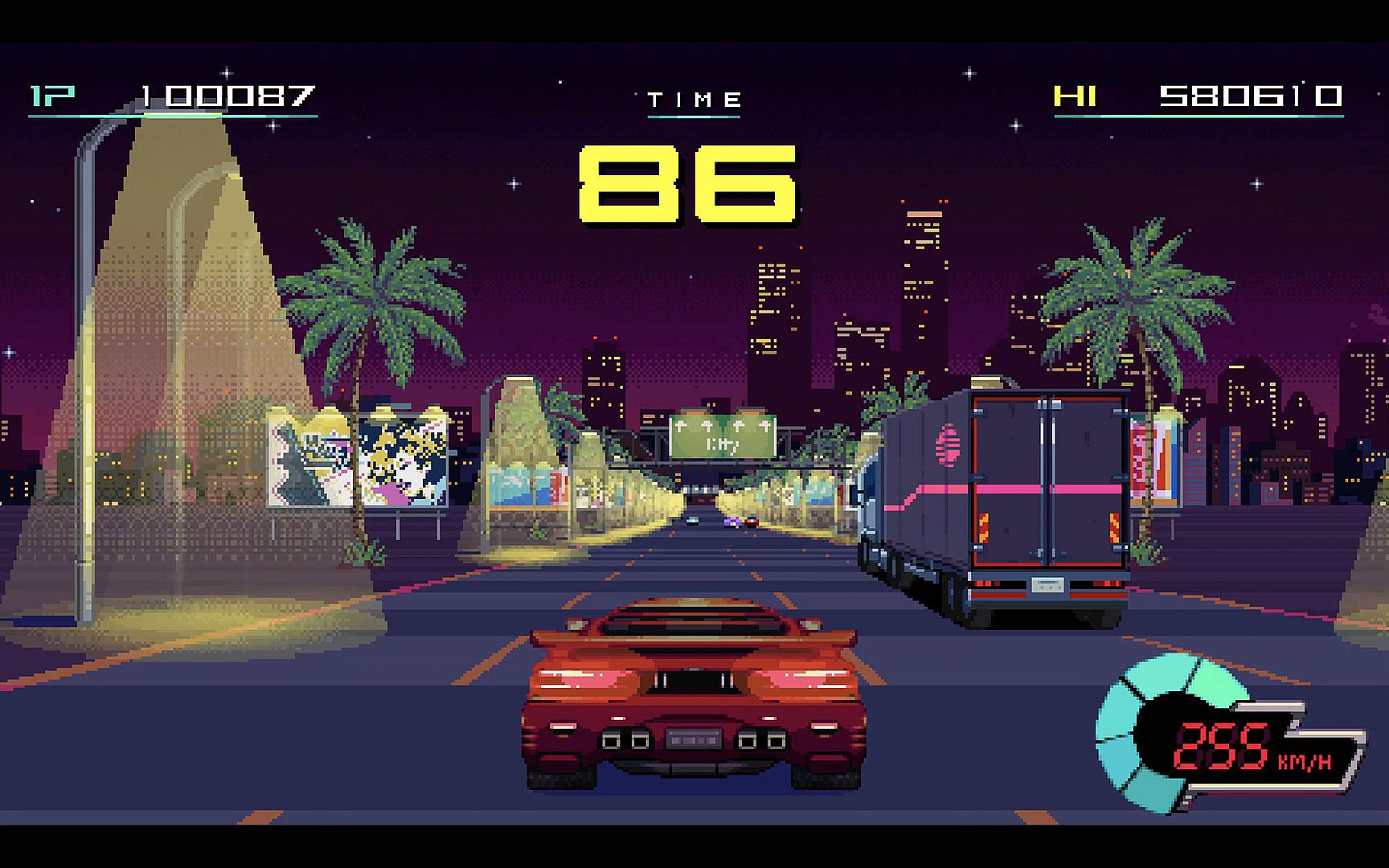
Instead of traditional multiplayer modes or selectable difficulty settings, 198X structures its content around five full arcade stages that span multiple genres. These include a brawler segment focused on street fighting, a shooter reminiscent of classic side-scrolling space combat, a high-speed driving sequence, a platforming or jumping challenge, and a role-playing dungeon crawler. Each stage functions as a complete mini-experience with its own mechanics, enemies, and objectives, connected by the overarching story. Progression remains linear, guiding players through the sequence without branching paths or additional variants.
Story and Presentation
The narrative unfolds in suburbia just outside a major city, capturing the tension between youthful freedom and approaching adult responsibilities. Kid's visits to the arcade serve as the catalyst for change, with each completed game feeding into personal development and a growing sense of agency. Cinematic pixel-art cutscenes handle the storytelling, delivering dialogue and atmosphere without voice acting. The visual style faithfully recreates the look and feel of 1980s arcade cabinets while maintaining modern clarity on contemporary displays. Sound design leans on chiptune-inspired tracks that shift to match each stage's genre.
Is It Worth Playing?
198X suits players seeking a concise, self-contained experience that blends retro gameplay homage with a grounded personal story. Its short length makes it accessible for those who prefer focused sessions over lengthy campaigns, and the variety across the five stages provides enough mechanical diversity to hold attention. Reception has been positive among those who appreciate its nostalgic tone and the way it ties arcade mastery to character growth. The game remains available as a one-time purchase on PC with no ongoing updates or seasonal content required. Those drawn to pixel-art indies or short narrative-driven titles will likely find its approach rewarding, while players expecting expansive worlds or competitive elements may prefer longer-form alternatives. The estimated two-hour runtime delivers a complete arc without padding or filler segments.