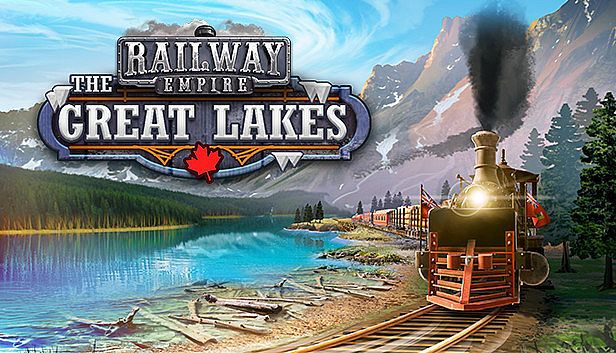




















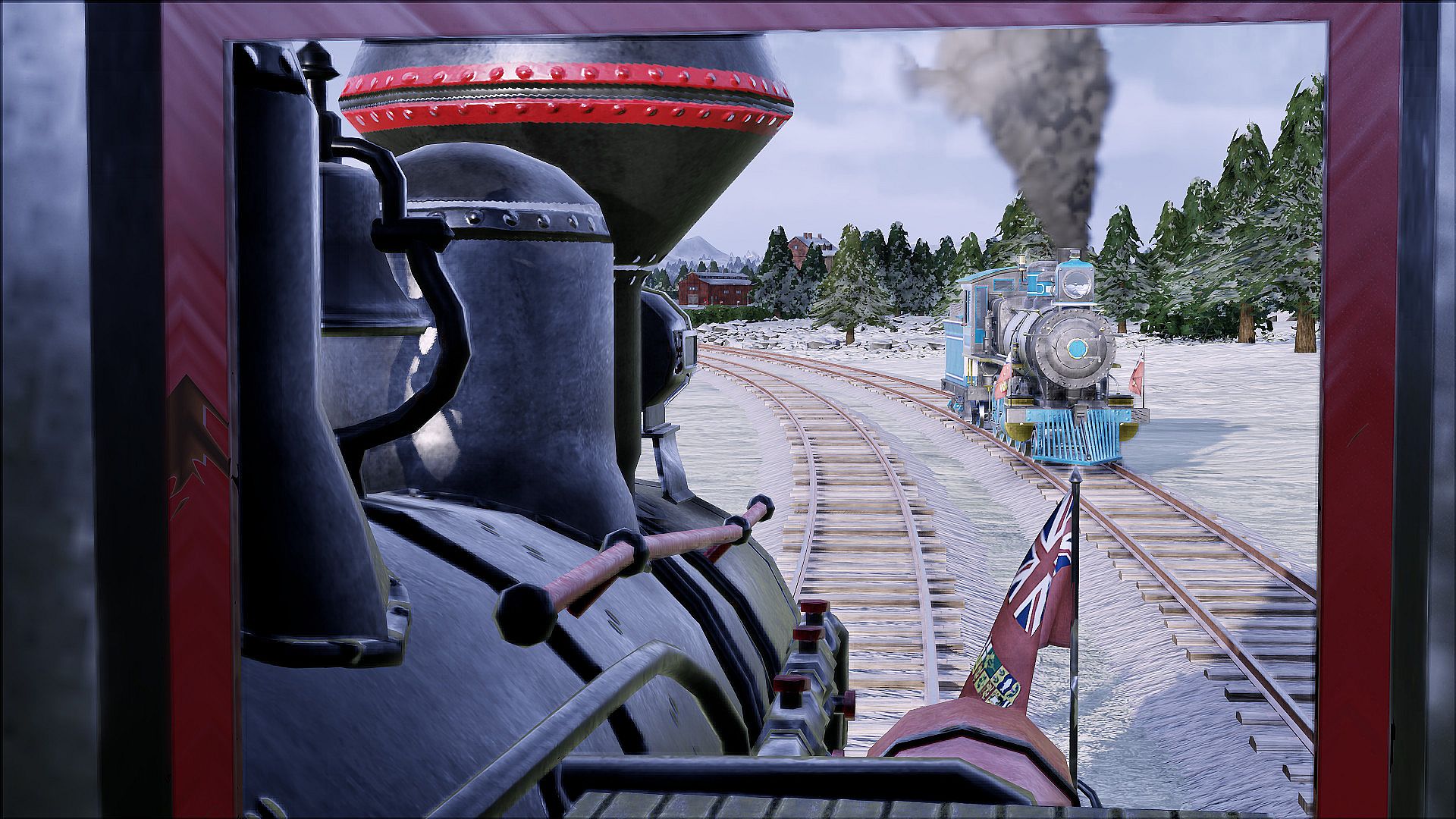
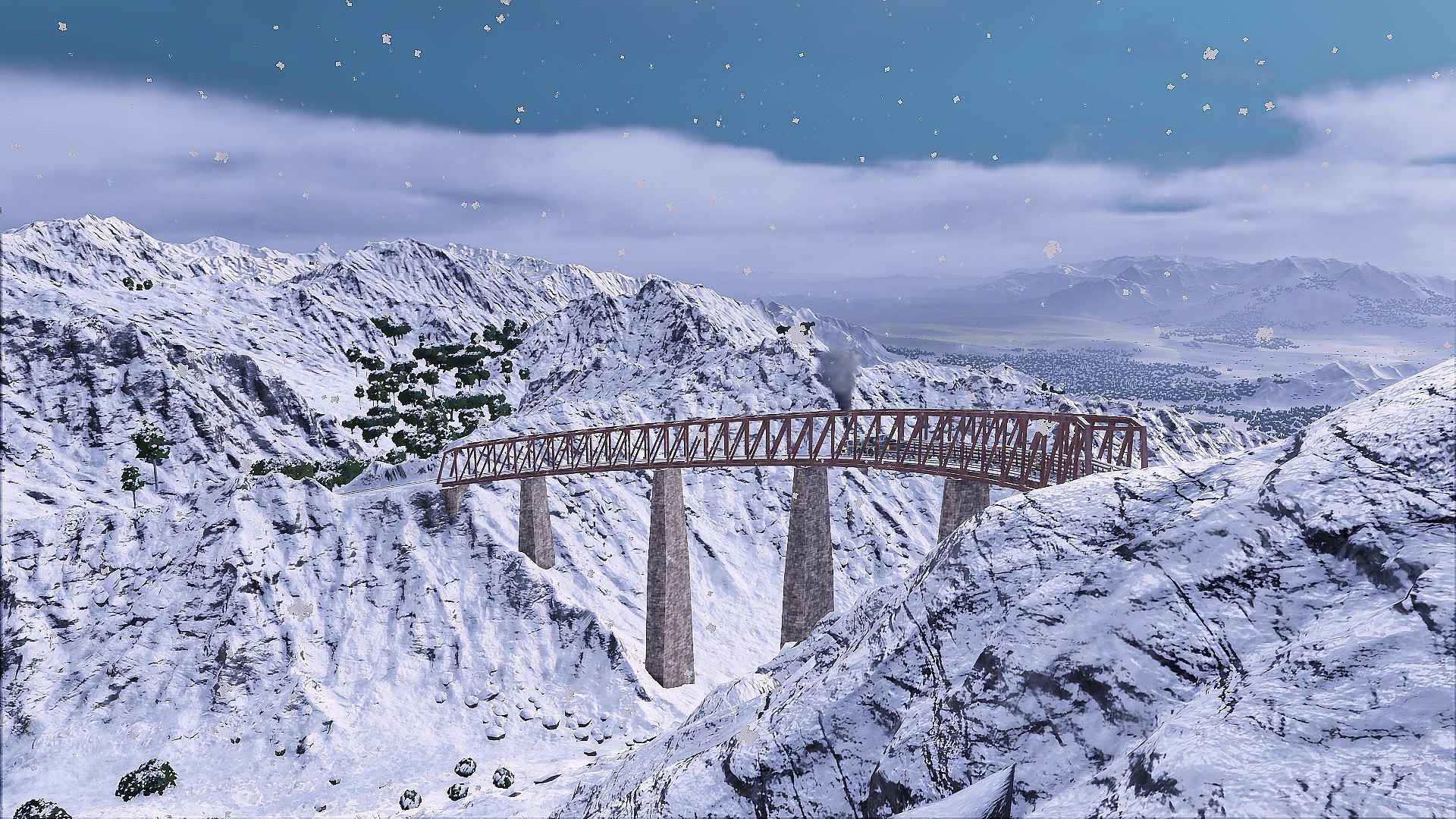
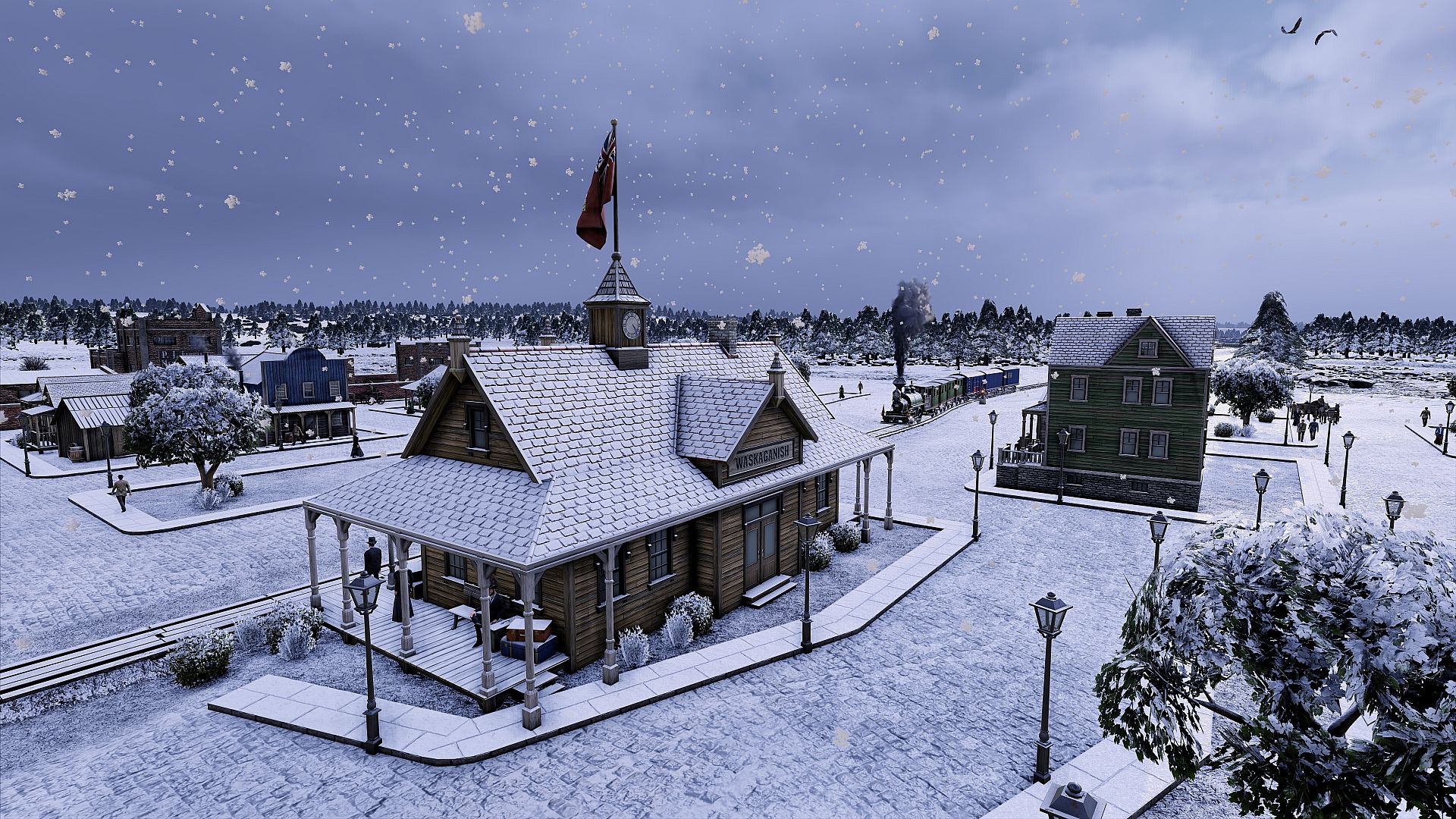
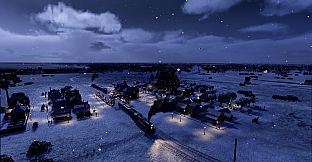
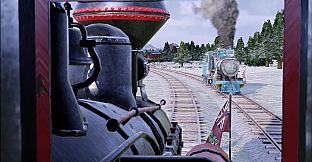
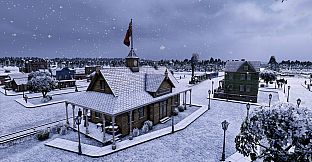
Railway Empire The Great Lakes is a strategy simulation game set in 1860s Canada. Players expand rail networks across the sparsely populated Great Lakes region, where forests and tundra dominate the landscape and only scattered settlements have grown into towns. The focus lies on connecting British colonies through infrastructure that supports economic growth and independence.
Gameplay
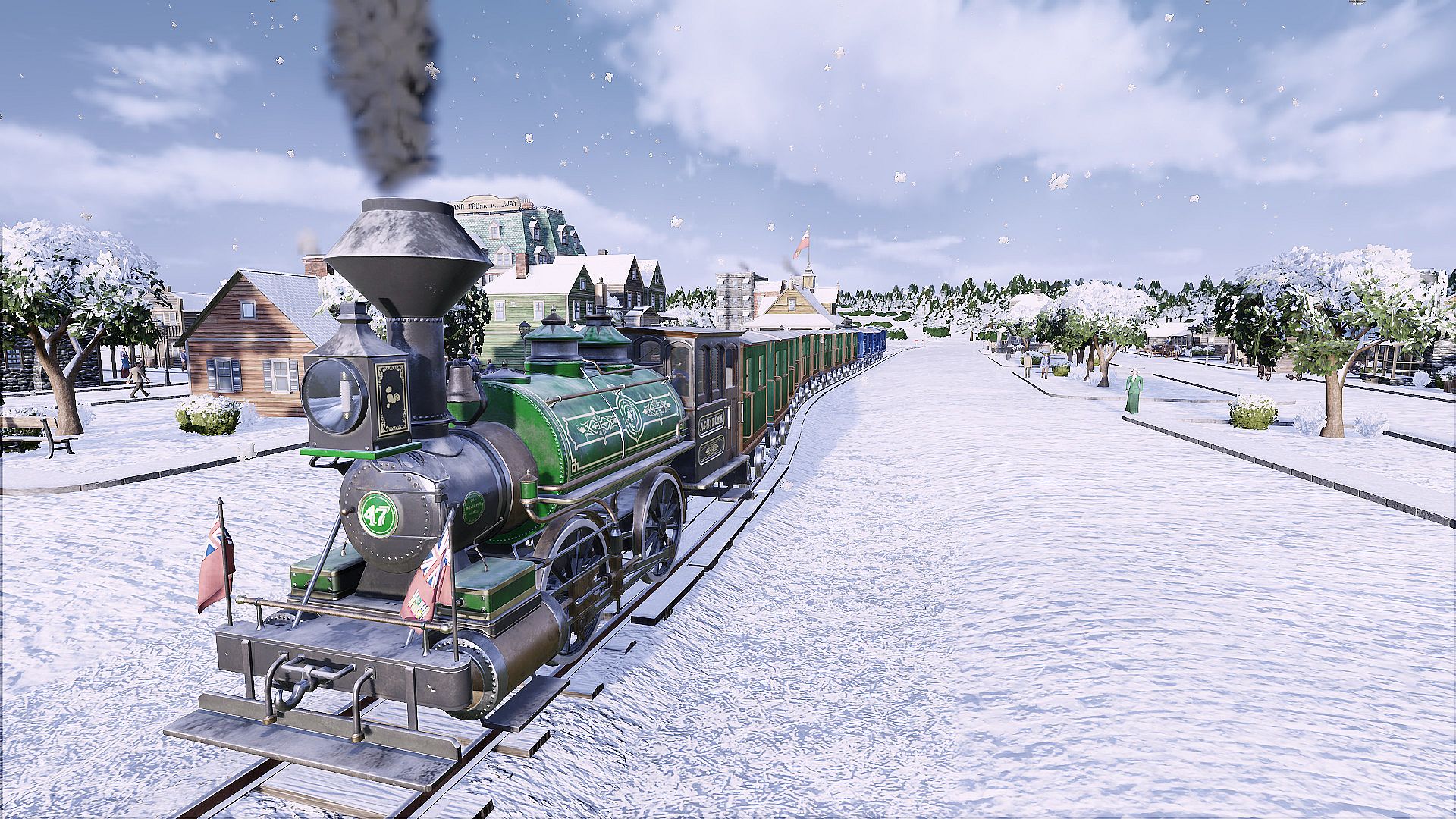
Core gameplay centers on planning and constructing railway lines across a detailed regional map. Builders lay tracks through challenging terrain, place stations, and optimize routes to move passengers and cargo efficiently. Economic management plays a central role, as revenue from transport services funds further expansion while balancing costs for maintenance and new projects.
Goods such as wood and cloth appear in scenario objectives, requiring players to establish supply chains that link resource sites with demand centers. Train scheduling and line management demand attention to avoid bottlenecks, and the simulation tracks weekly balances to measure progress toward goals like population connections or profit targets.
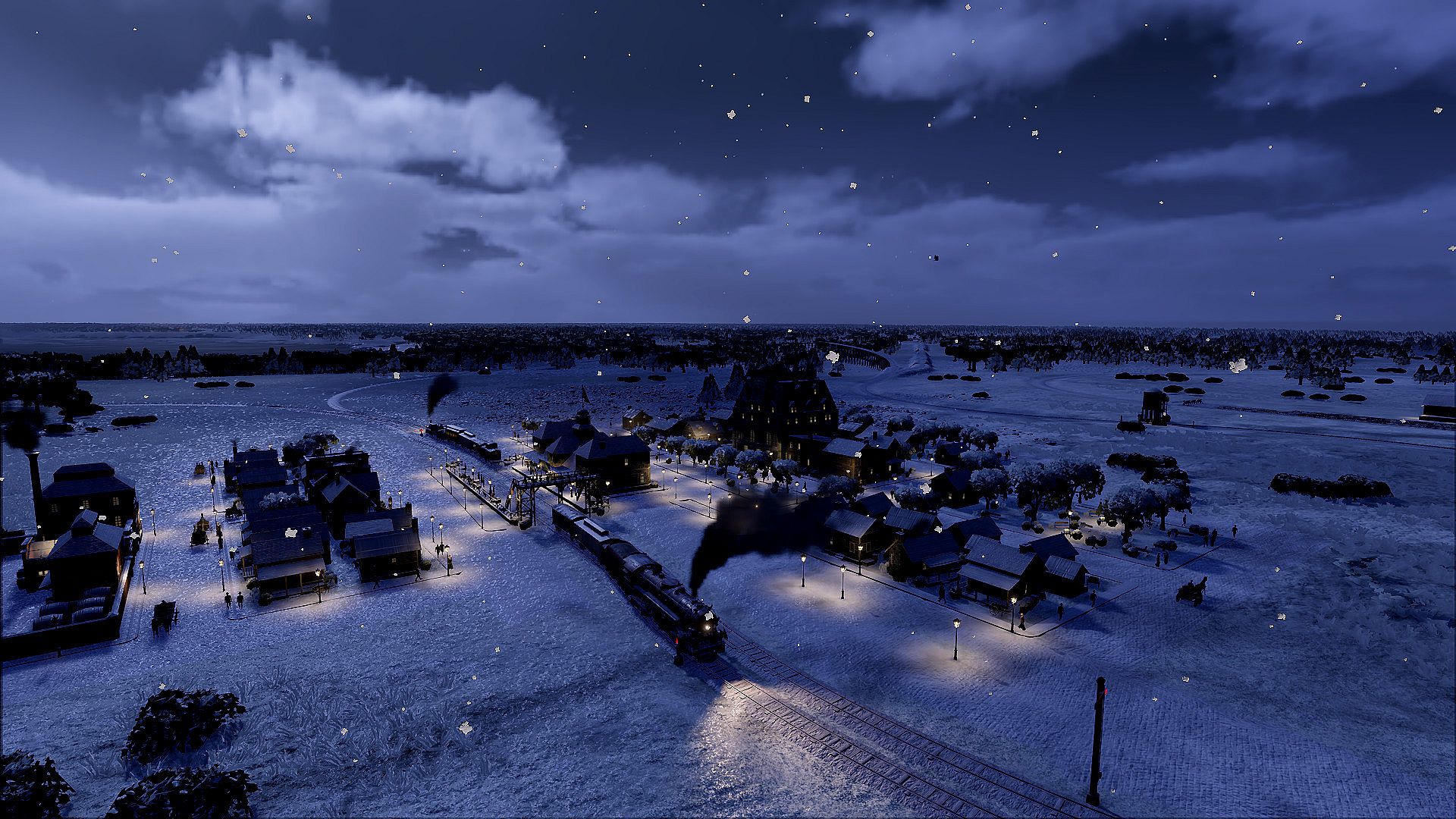
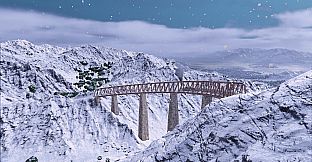
The setting emphasizes the historical context of the era, with limited initial settlements pushing players to identify growth opportunities through rail access. Track placement must account for natural obstacles, and successful networks gradually transform isolated areas into interconnected economic hubs.
Game Modes
Scenarios form the primary structured experience in this expansion. Each presents timed objectives such as connecting specific numbers of citizens to the rail network, achieving express status on routes between cities like Pittsburgh and Ottawa, or making multiple goods available in key locations simultaneously.
Free Game mode allows open-ended play on the new map without strict deadlines, letting players develop networks at their own pace while generating ongoing income. Sandbox mode removes financial constraints entirely, enabling pure focus on track design, station customization, and route experimentation across the full Great Lakes area.
These modes integrate with the base game's systems for campaign-style progression in scenarios and unrestricted building in the others. Objectives often combine connection targets, transport quotas, and balance requirements to guide development without dictating every decision.
Map and Setting Details
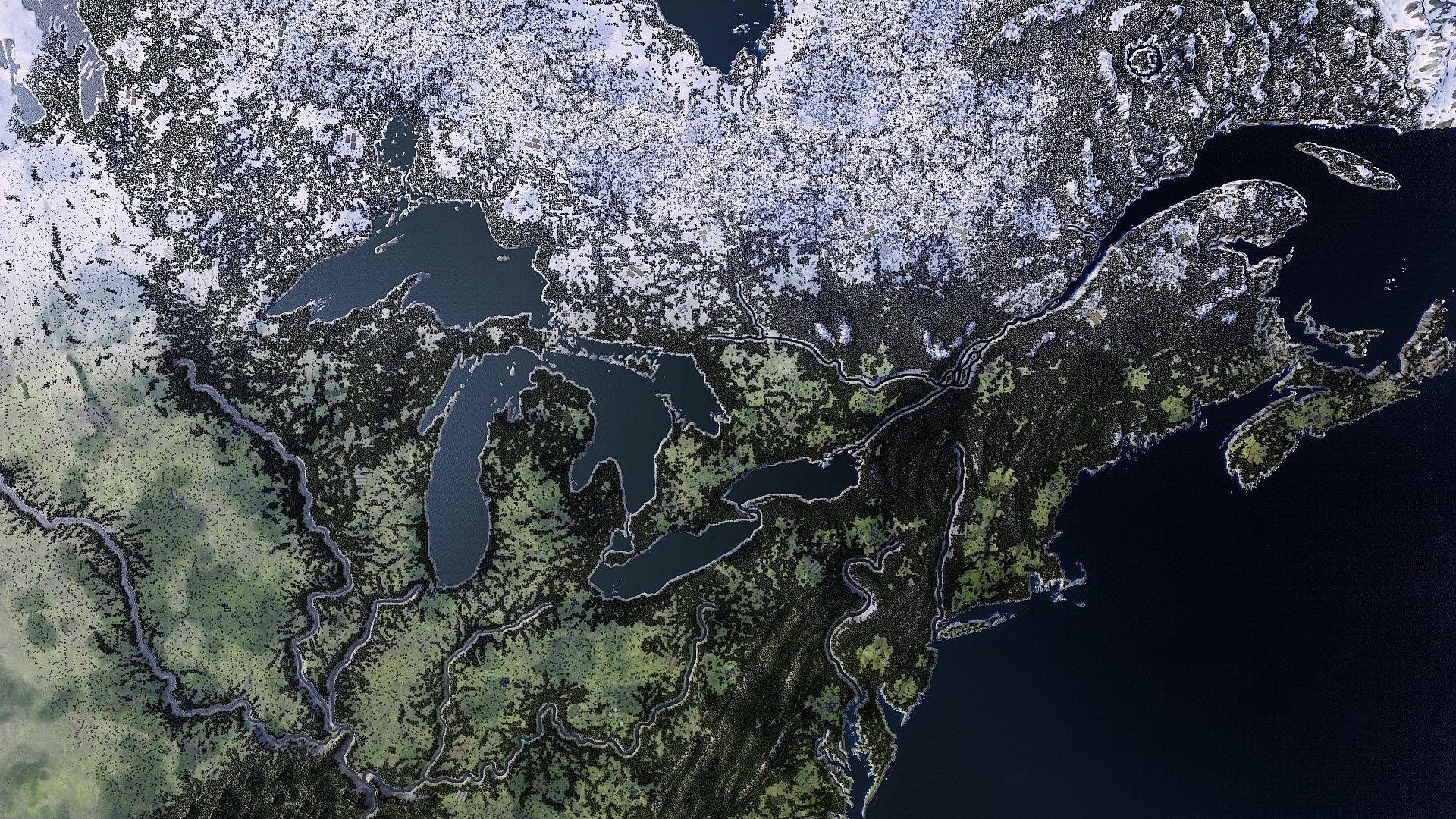
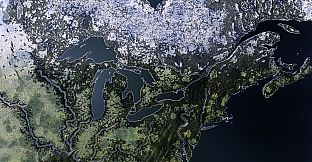
The Great Lakes map covers Canadian territory with emphasis on the region between Michigan and eastern settlements. Sparse population at the start means early efforts concentrate on linking emerging towns and resource areas. Tundra and forest environments influence route choices, as players bridge distances to foster larger urban centers.
Historical flavor appears through references to British colonial ties and the push for economic self-sufficiency via rail. Specific tasks reference locations such as Grand Rapids, Buffalo, Halifax, and Ottawa, tying objectives to real geographic points within the simulated landscape.
Is It Worth Playing?
This expansion suits players who enjoy methodical railway construction and economic simulation. The added map and scenarios provide fresh challenges focused on Canadian terrain and period-specific transport goals, extending playtime for those already familiar with the core systems.
Reception for the base game highlights its depth in juggling multiple management layers, and the Great Lakes content follows the same approach with region-specific objectives. No ongoing seasonal updates or live service elements apply, as the title remains a complete singleplayer package.
Those seeking relaxed building or competitive scenario completion will find value in the variety of modes. The simulation rewards careful planning over rapid expansion, making it a solid choice for strategy fans who appreciate detailed transport networks rather than action-oriented gameplay.