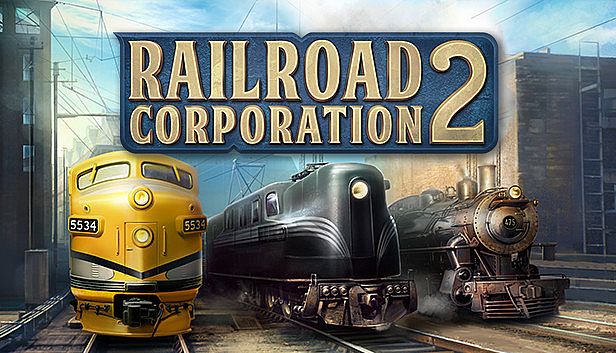














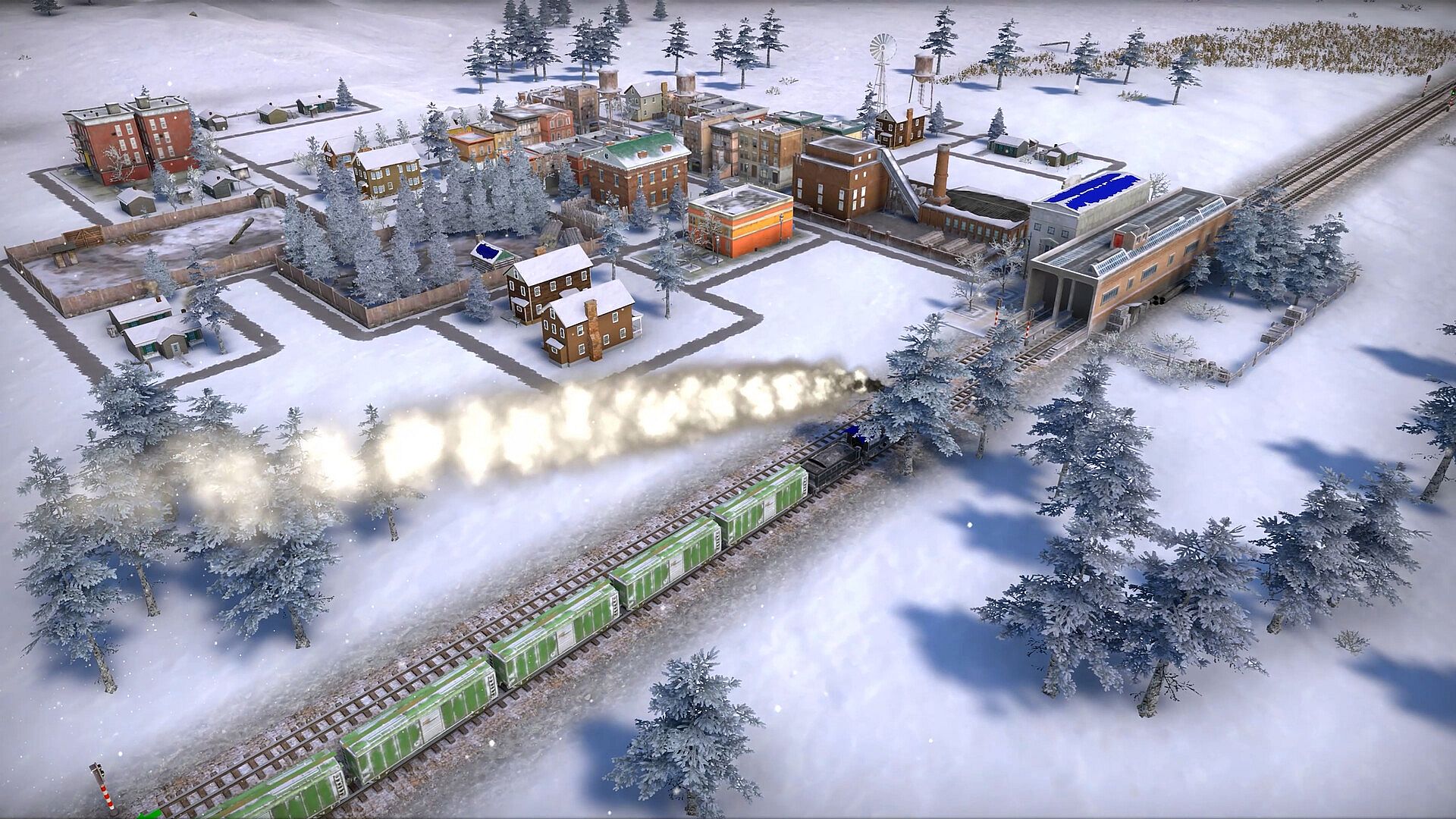

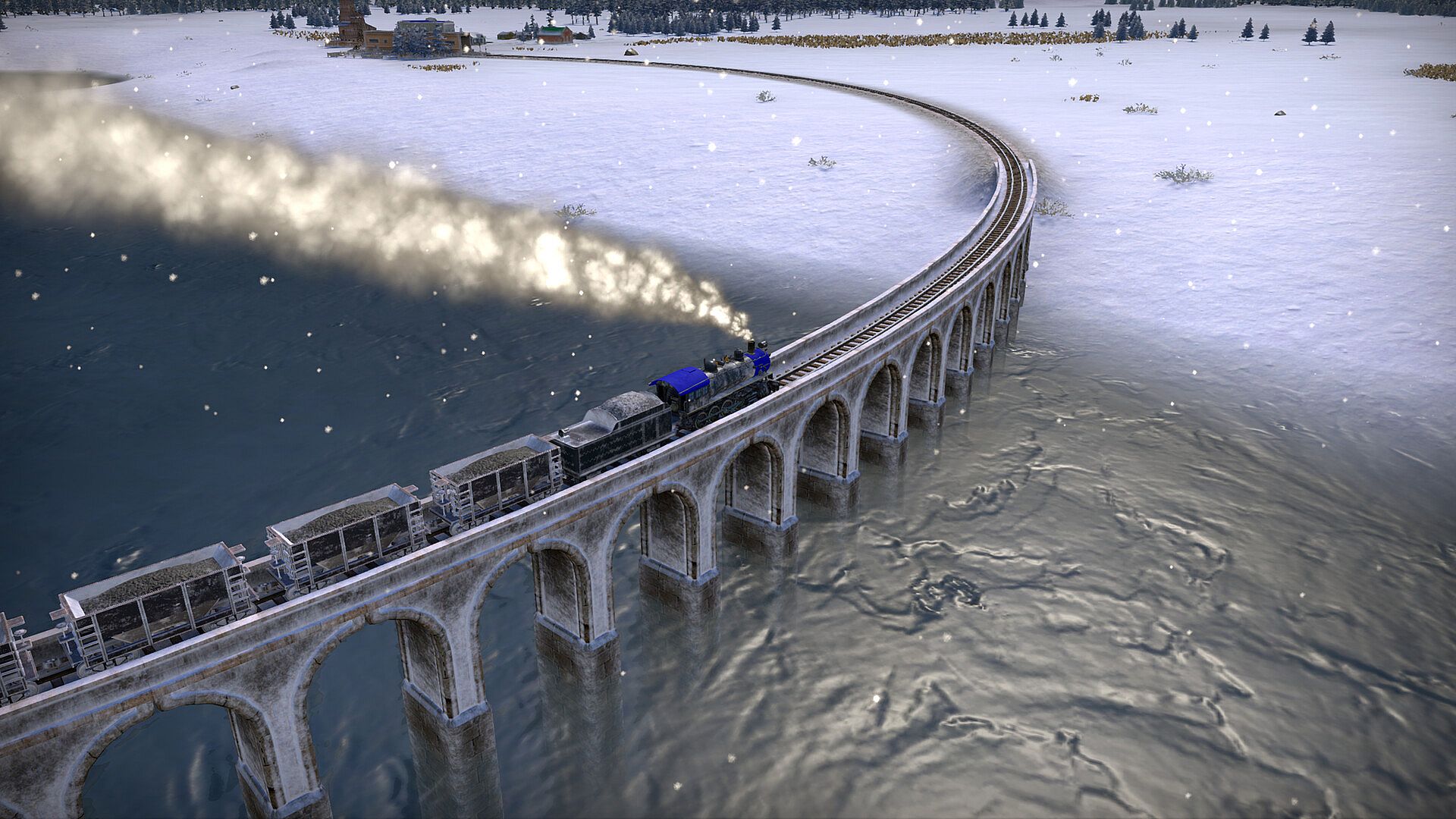
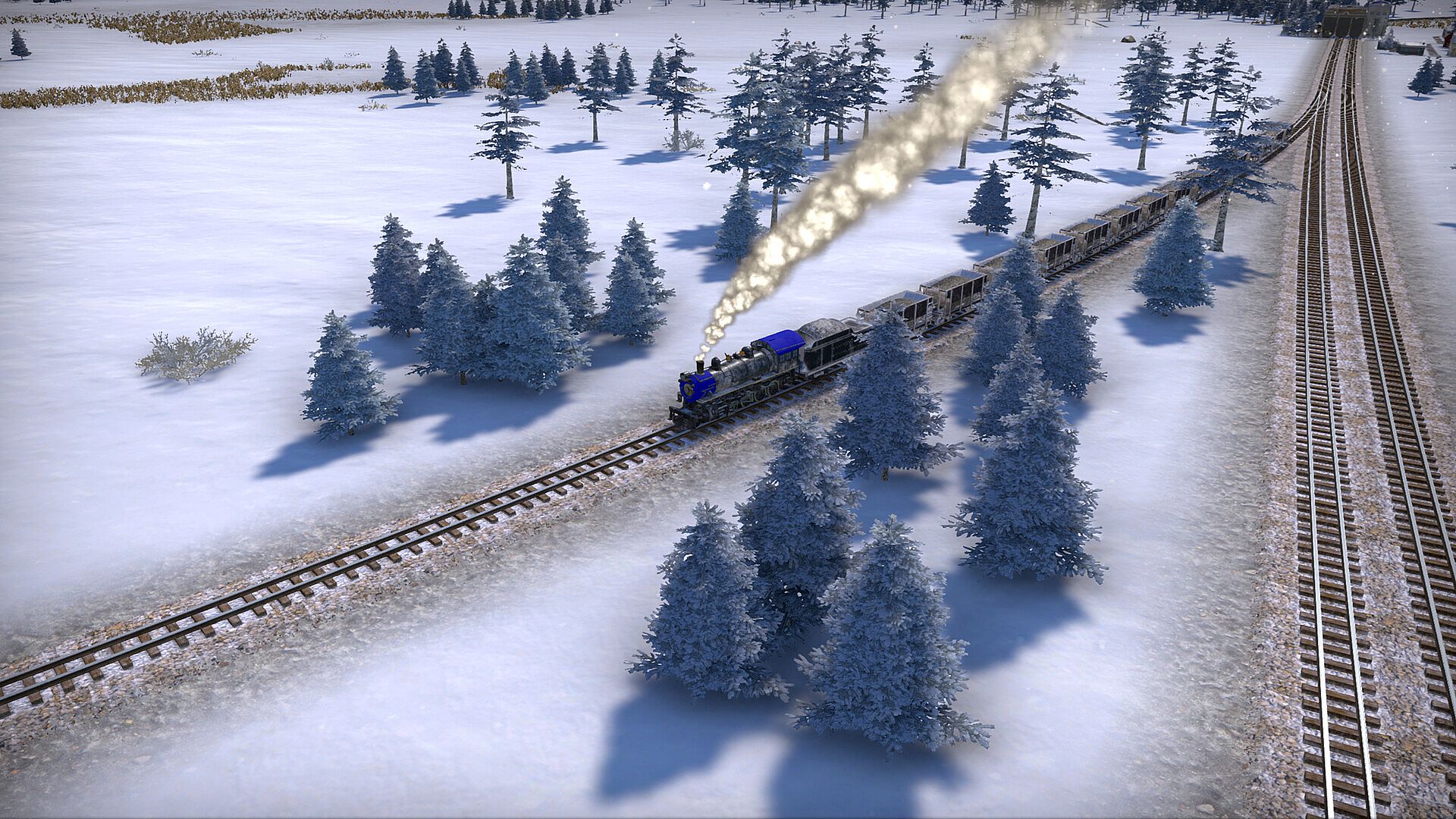
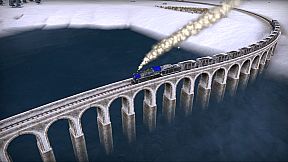
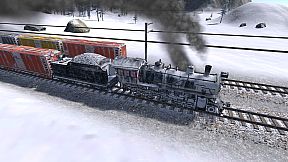
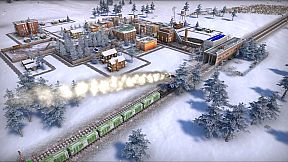
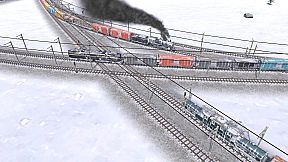
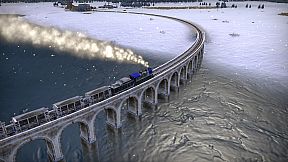
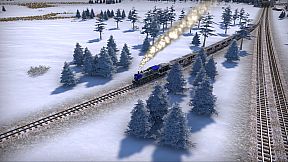
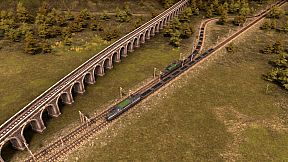
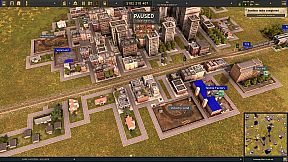
Railroad Corporation 2 is a strategy and simulation game set at the turn of the 20th century. Players step into the role of a railroad magnate tasked with founding and expanding a corporation through careful track construction, locomotive management, and economic planning on PC.
Gameplay
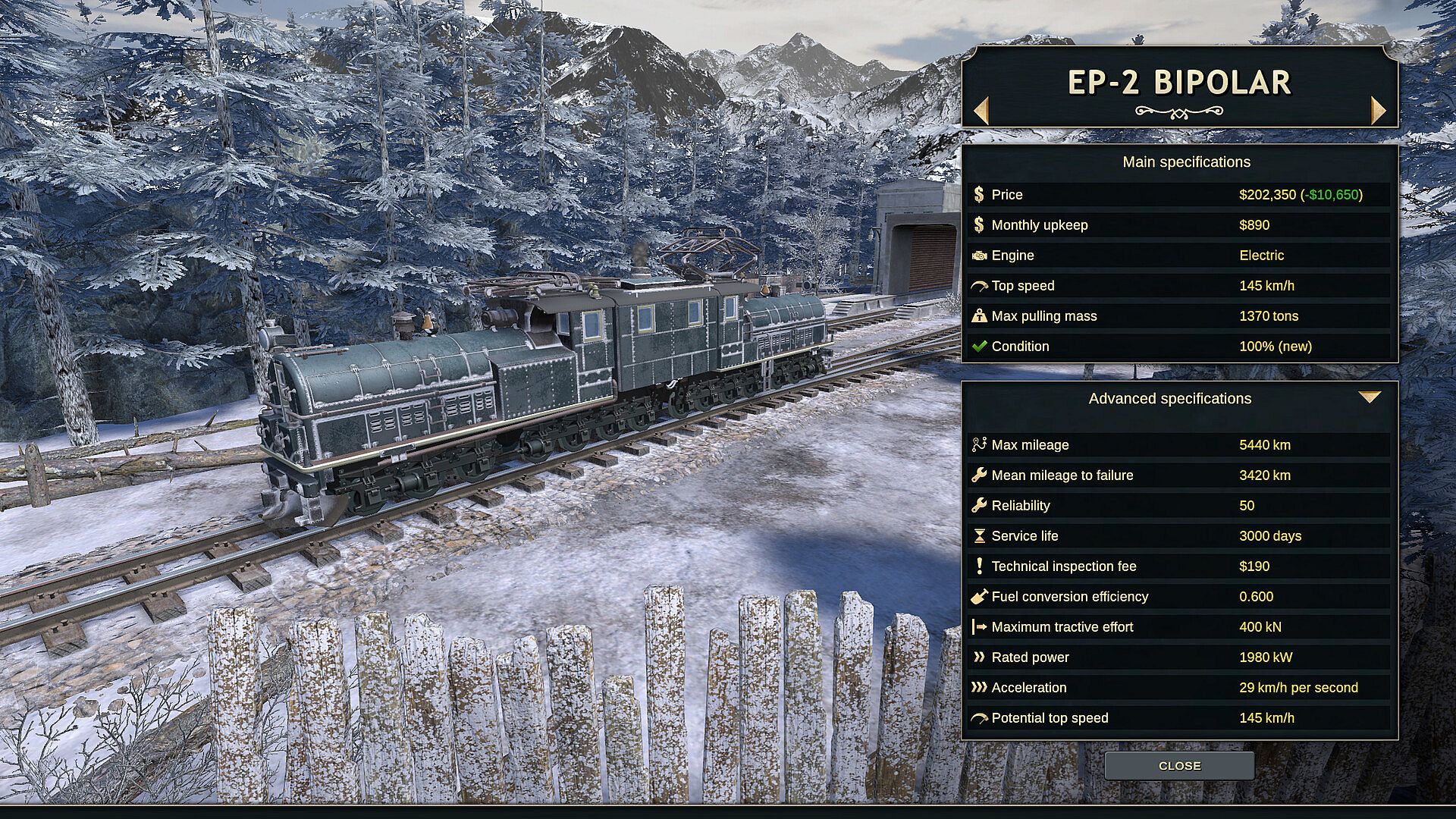
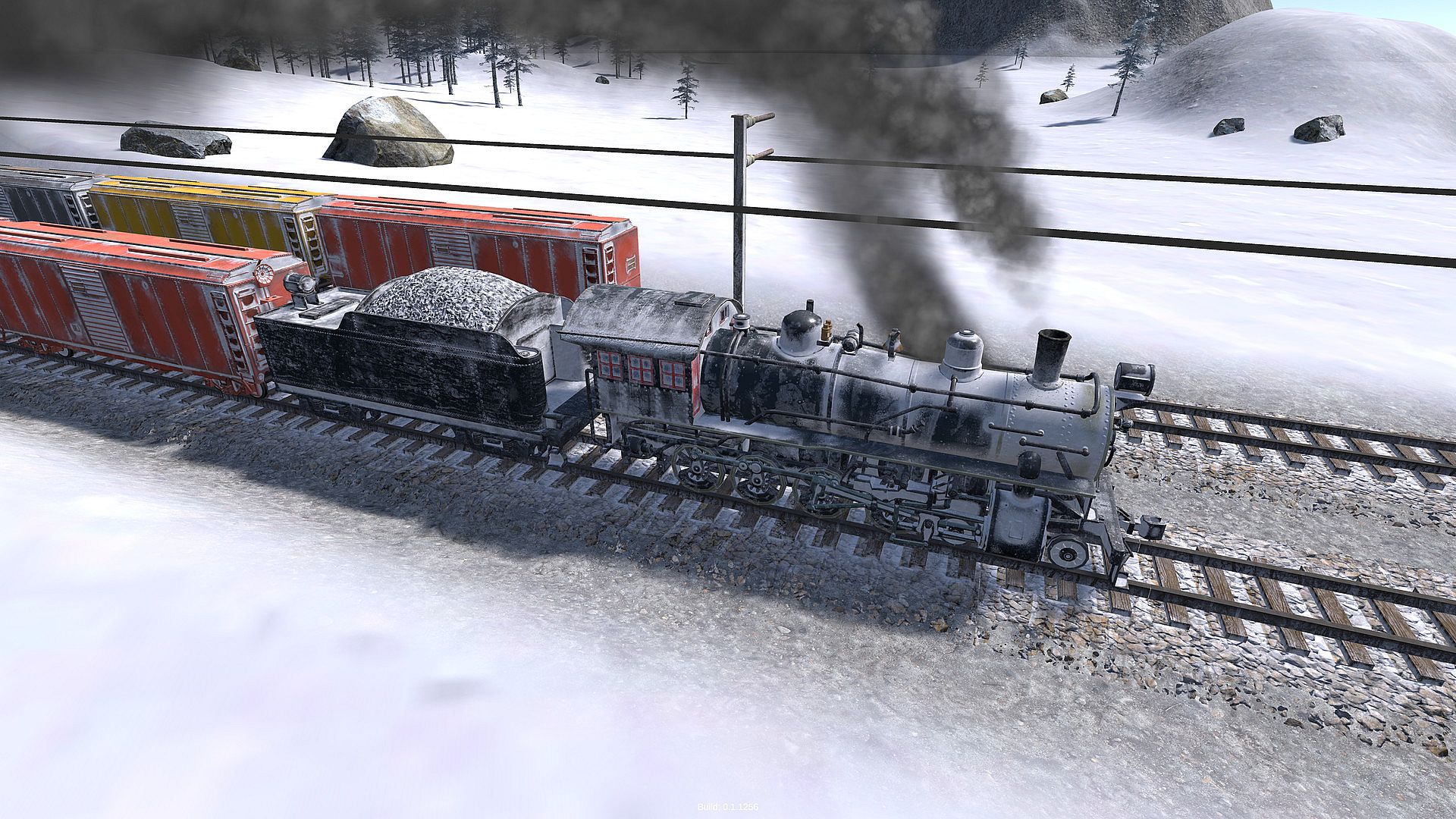
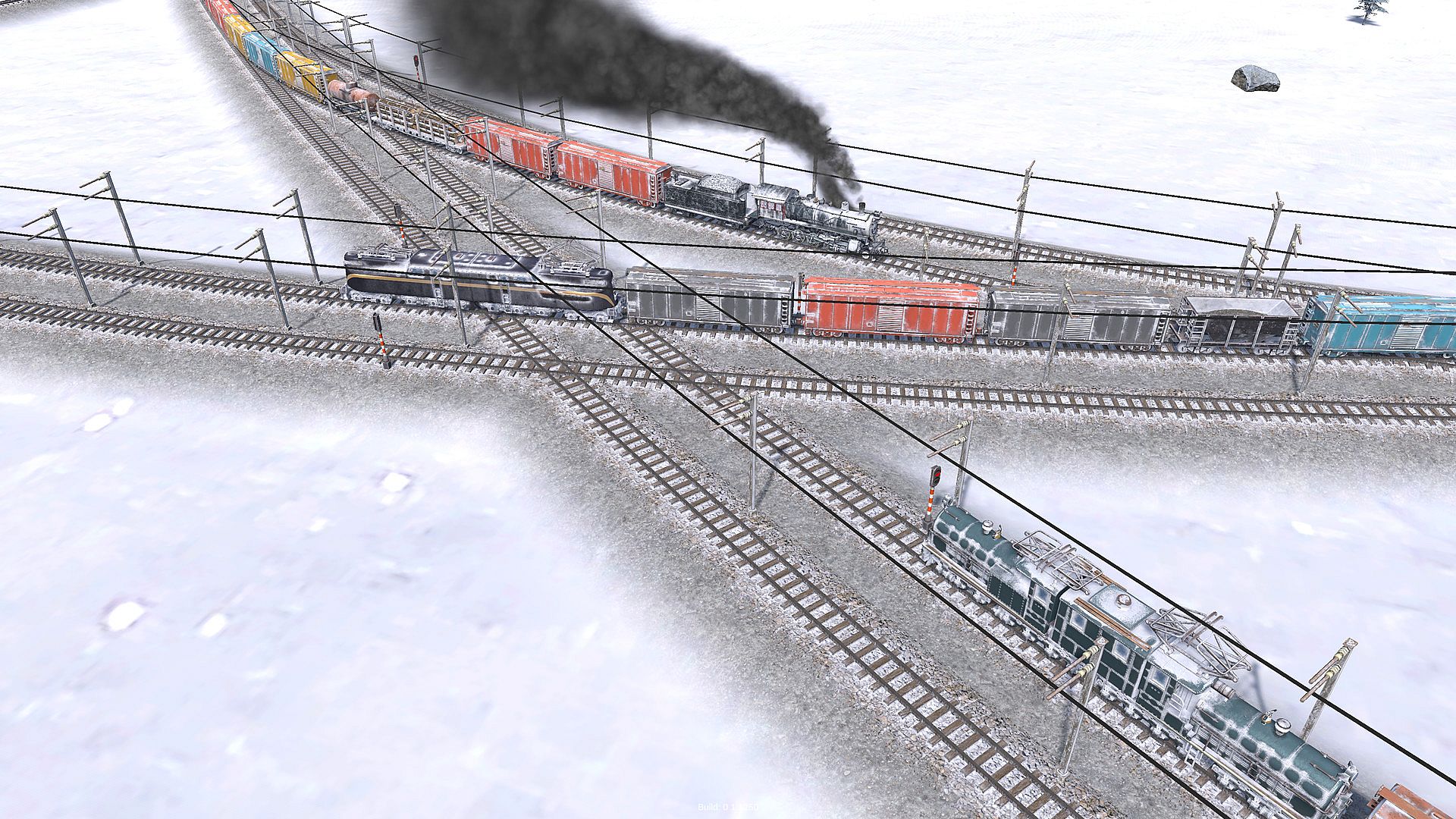
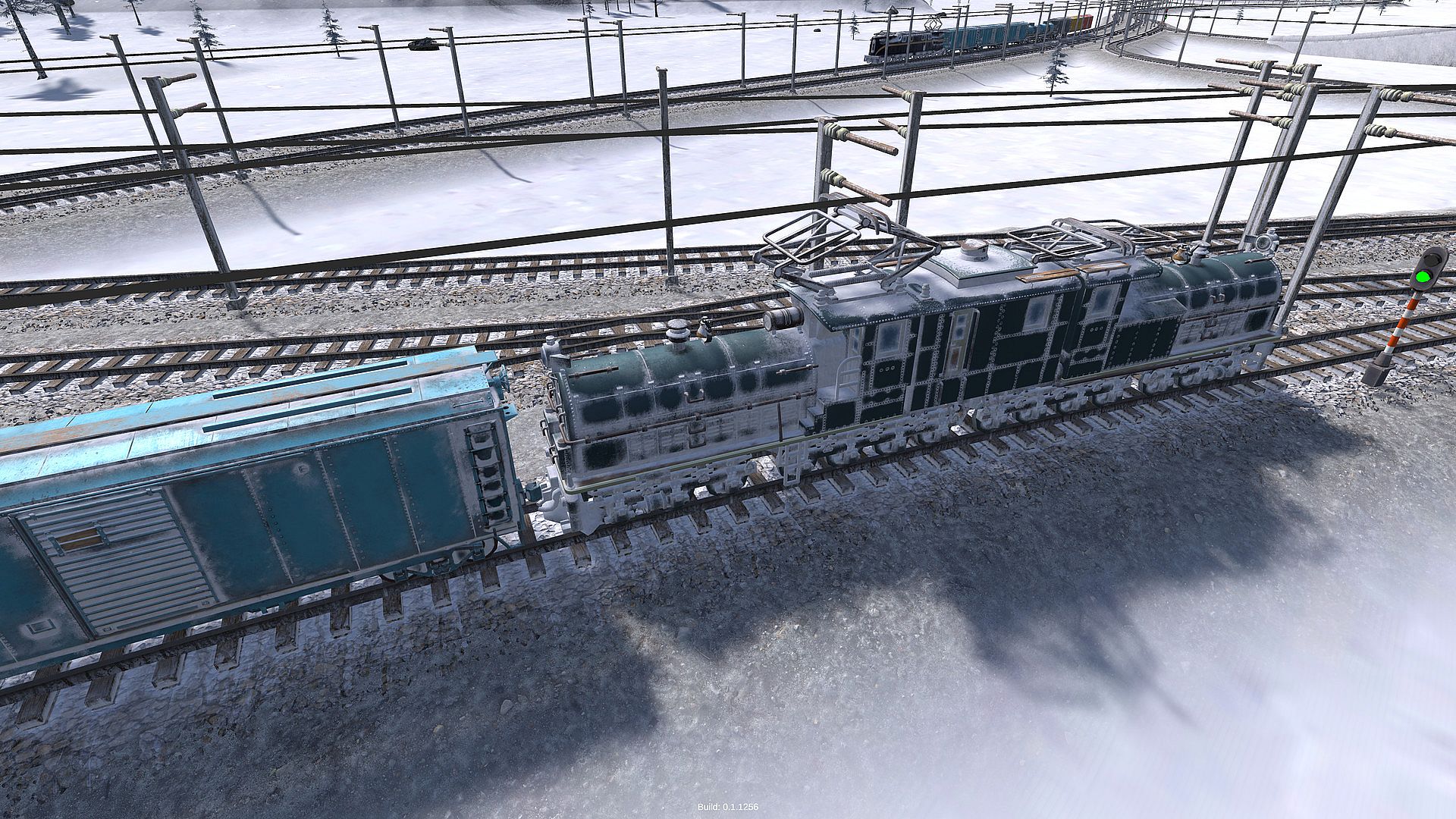
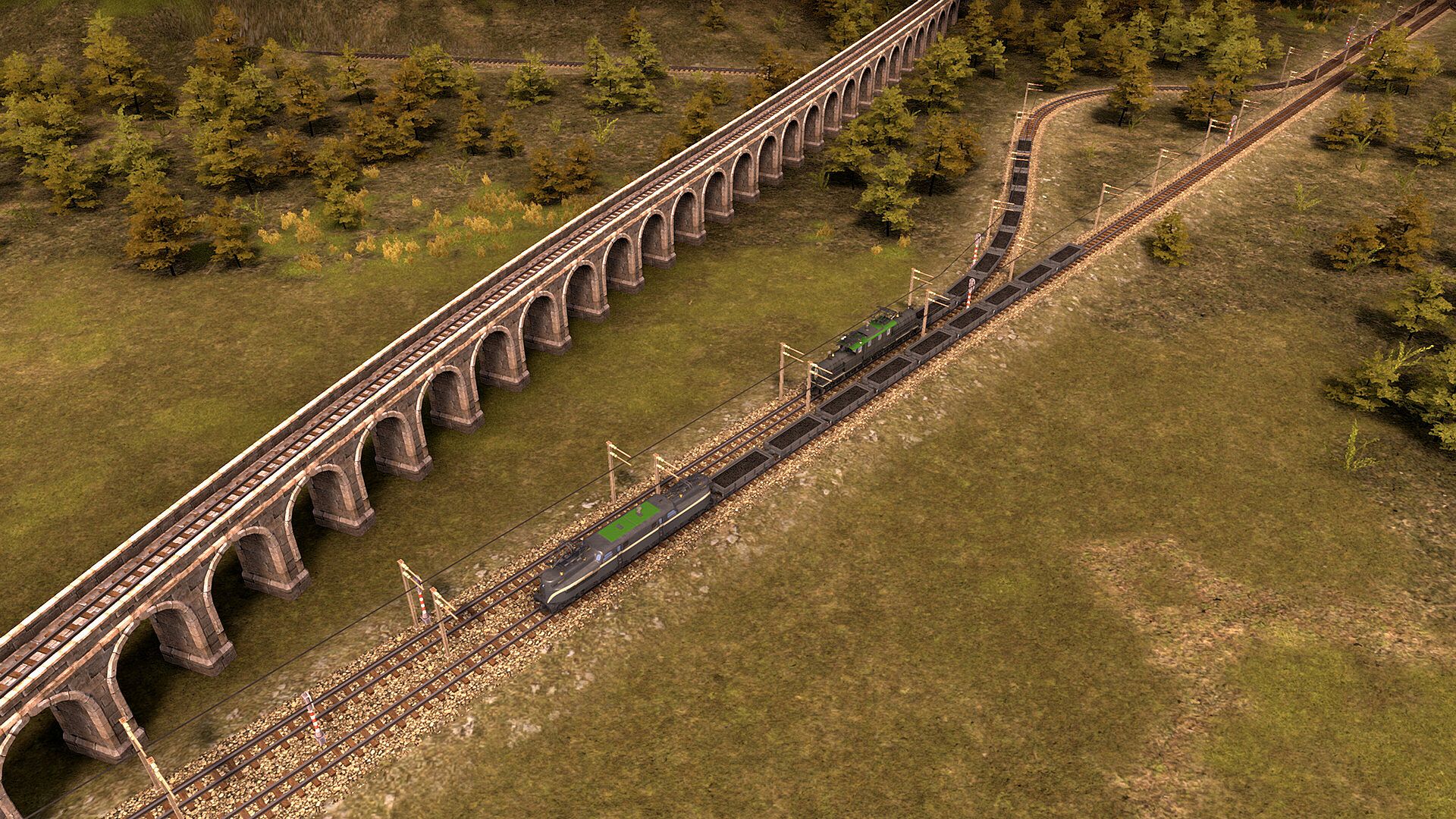
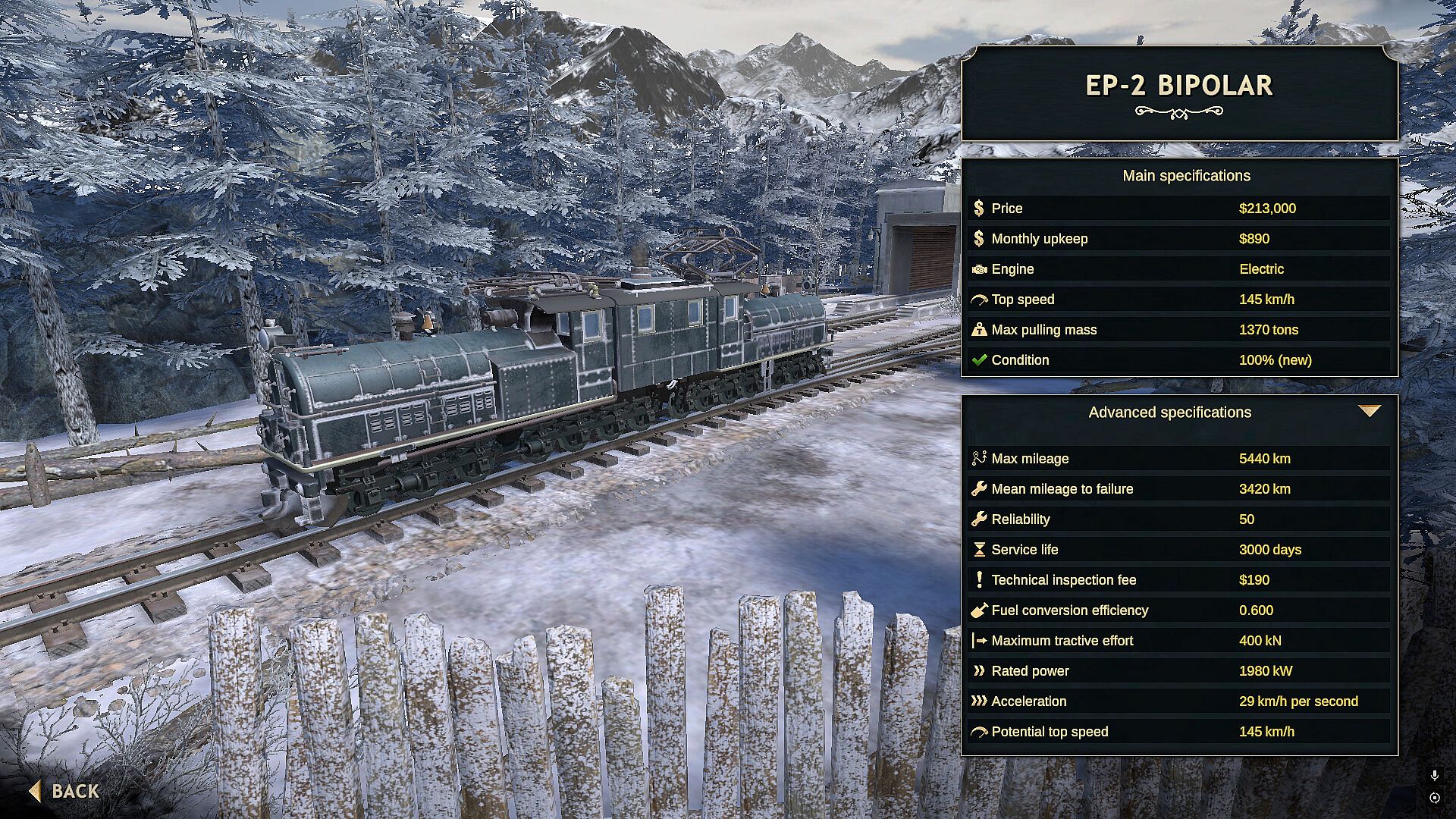
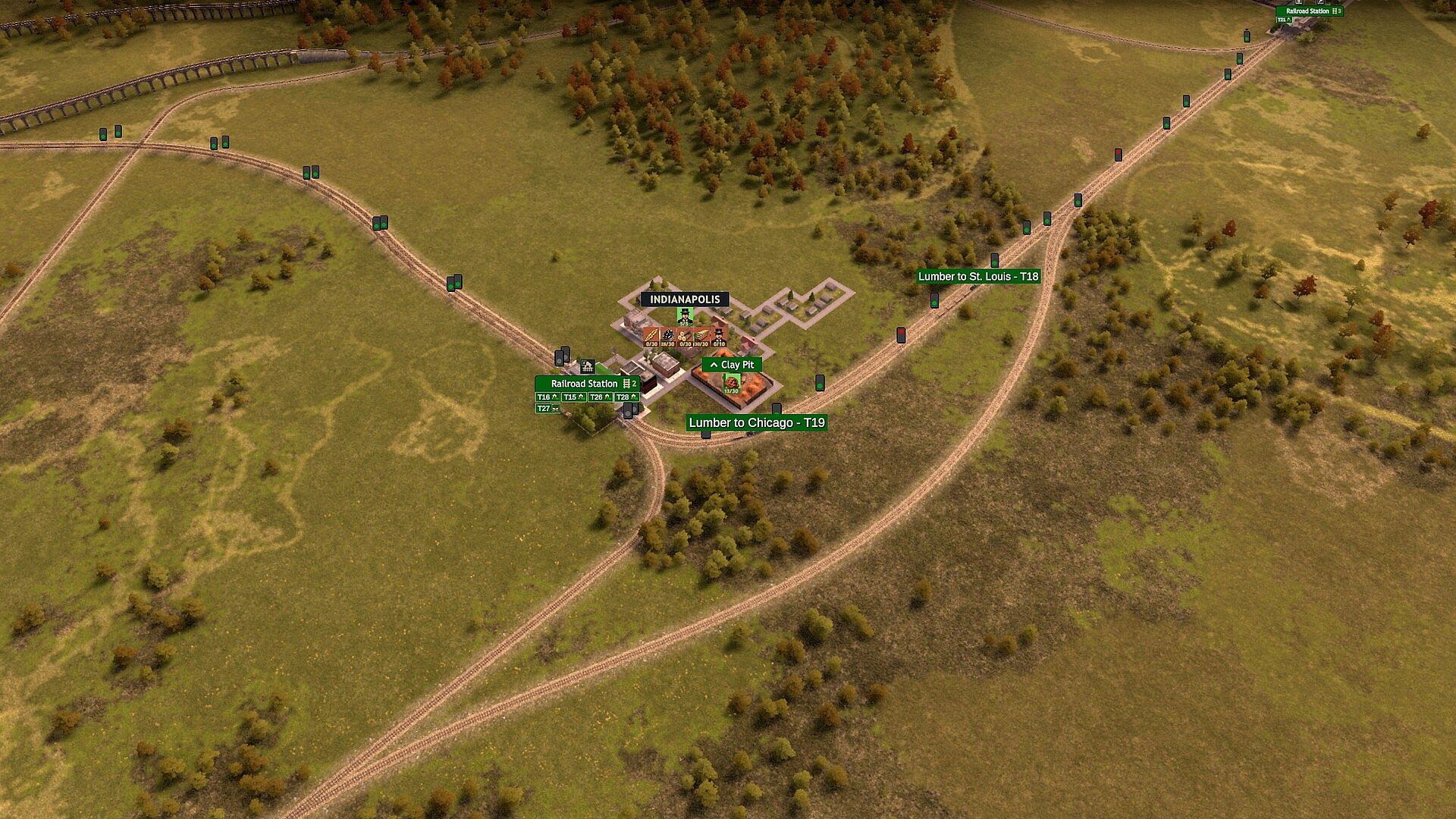
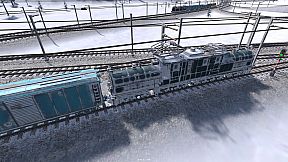
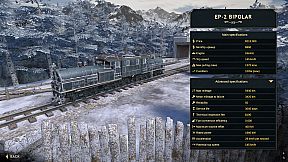
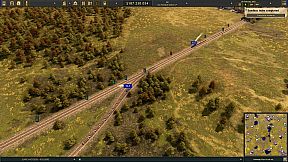
The core loop centers on expanding a rail network across varied landscapes. Players begin by laying tracks through city streets and open terrain, then deploy locomotives to transport goods between settlements. Electrification becomes available later, allowing upgrades from steam to diesel and electric engines that improve speed and capacity.
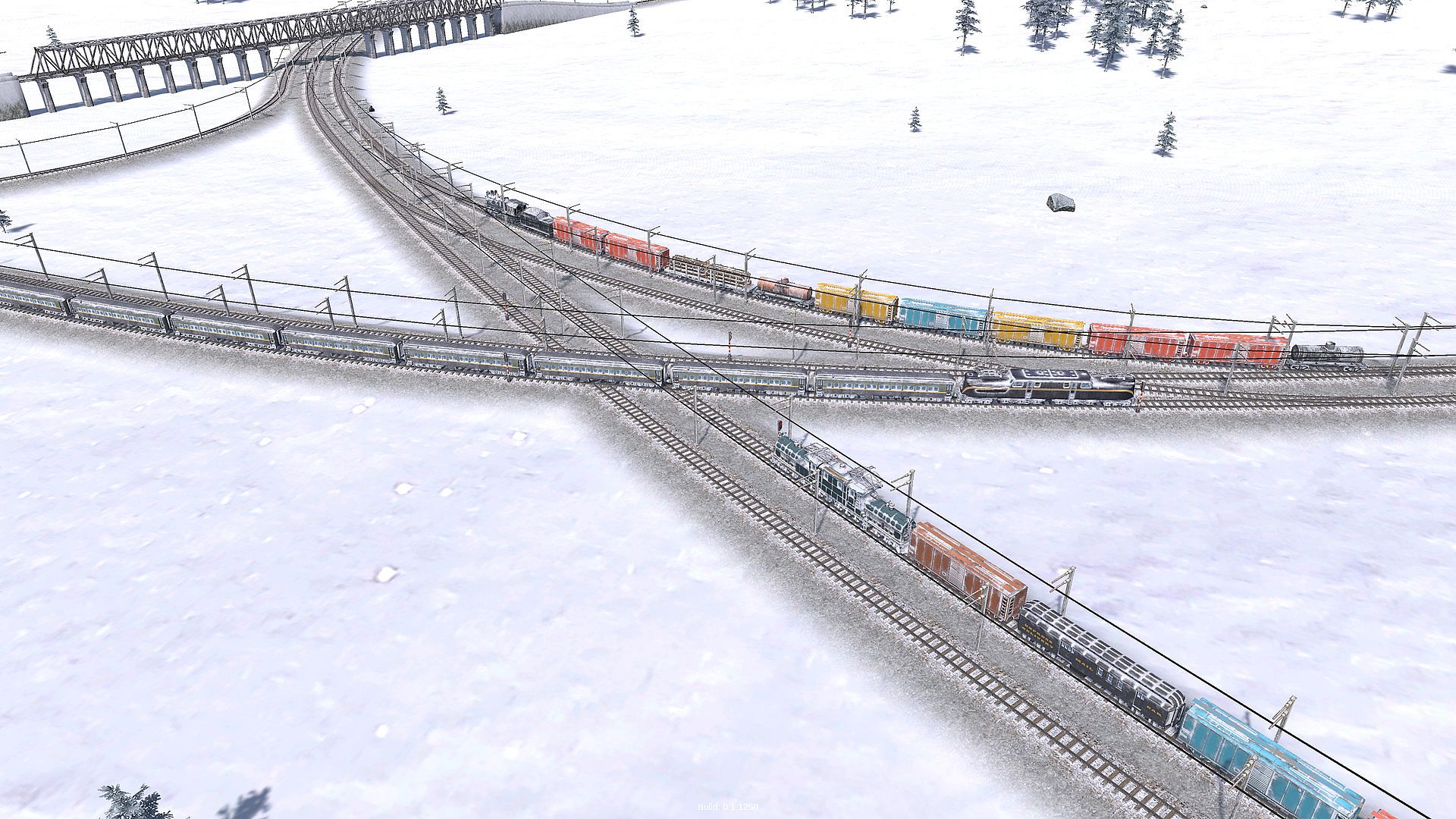
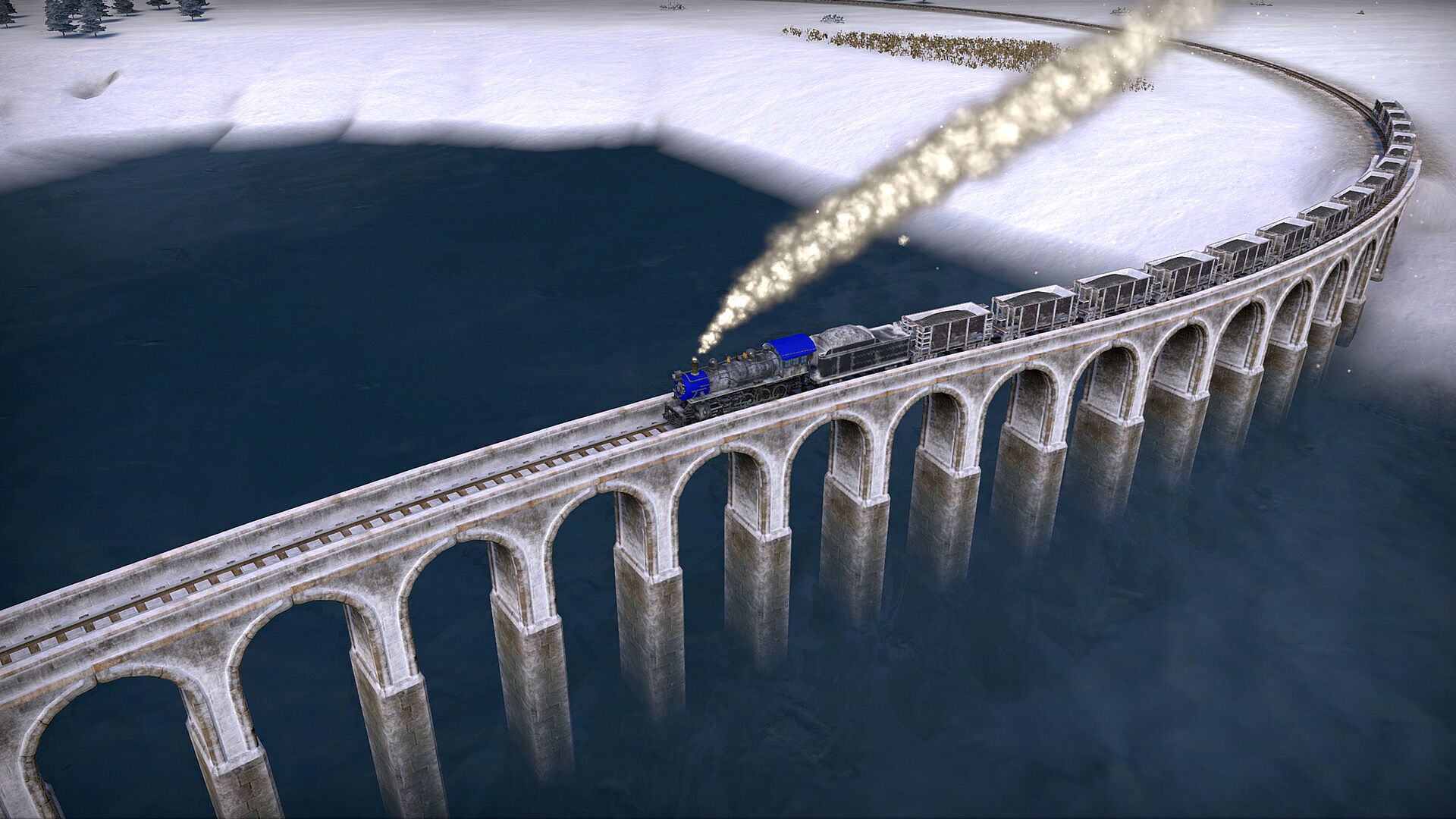
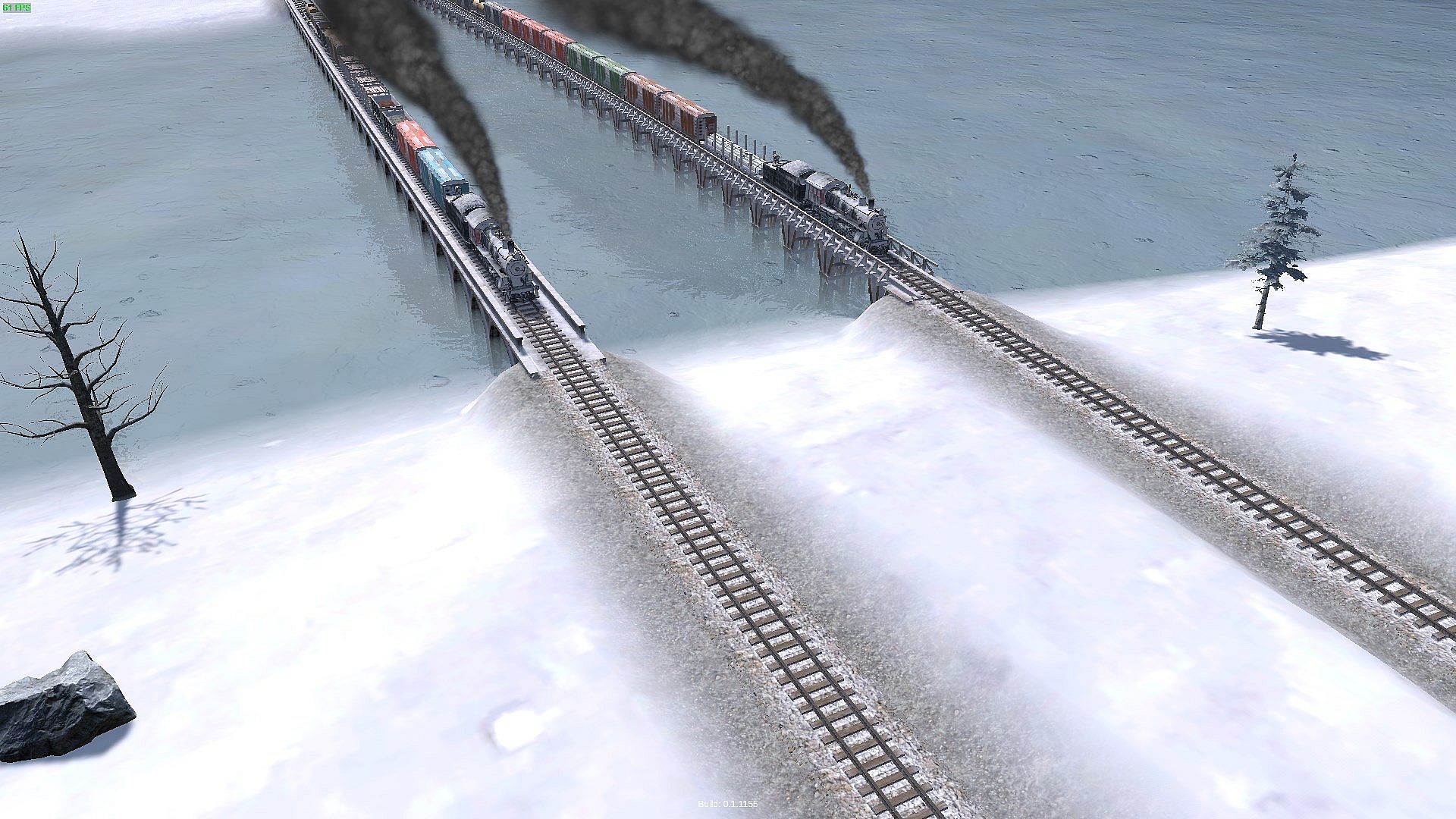
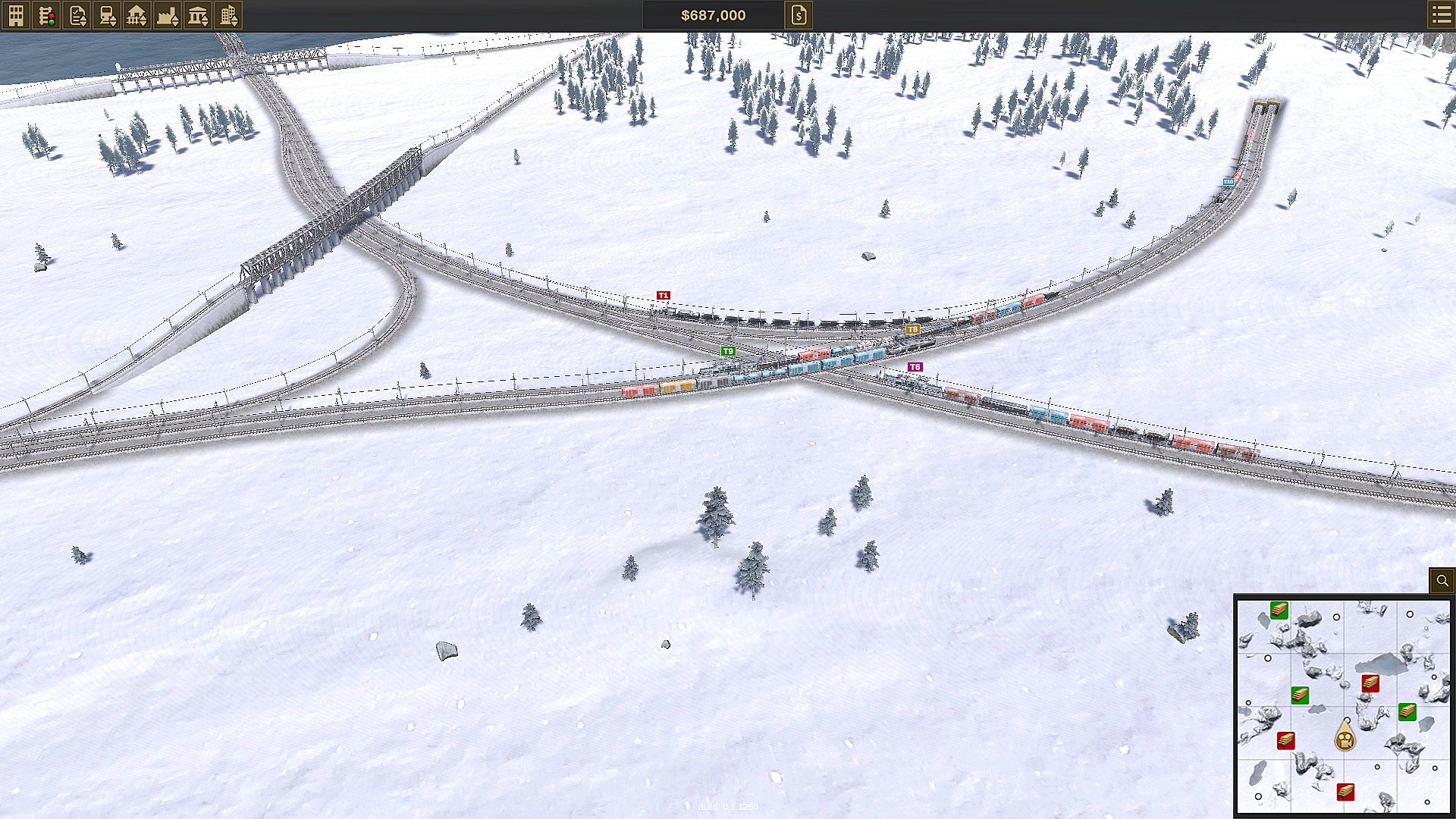
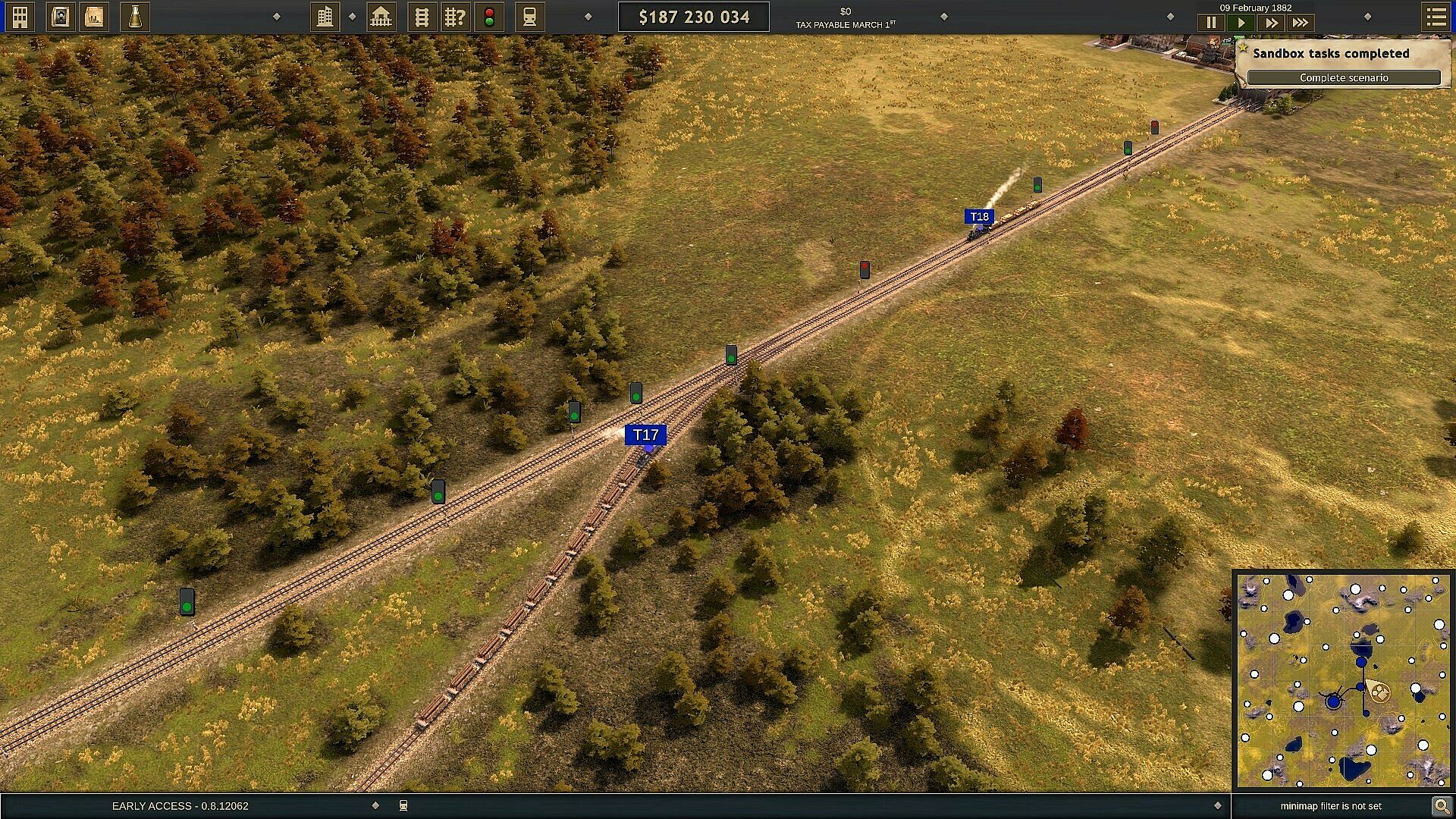
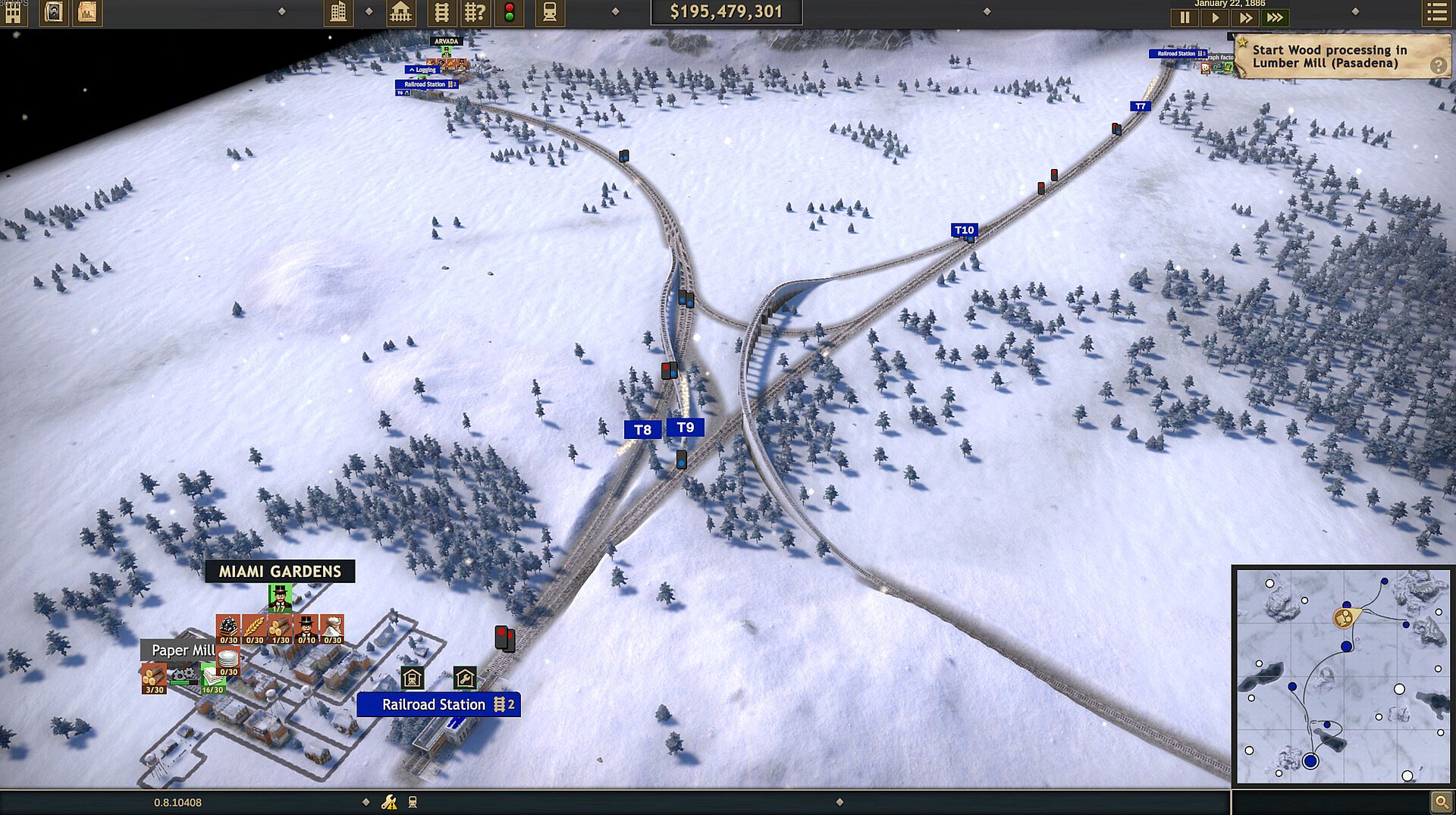
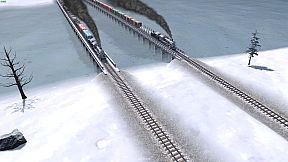
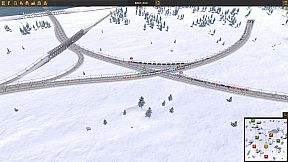
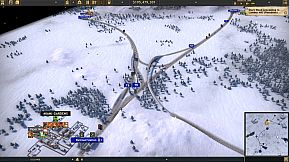
Network management requires attention to traffic flow. Semaphores and route checkpoints help prevent congestion at junctions, while bridges, tunnels, and level crossings overcome obstacles. Slopes and upgradeable infrastructure further influence efficiency as the map grows.
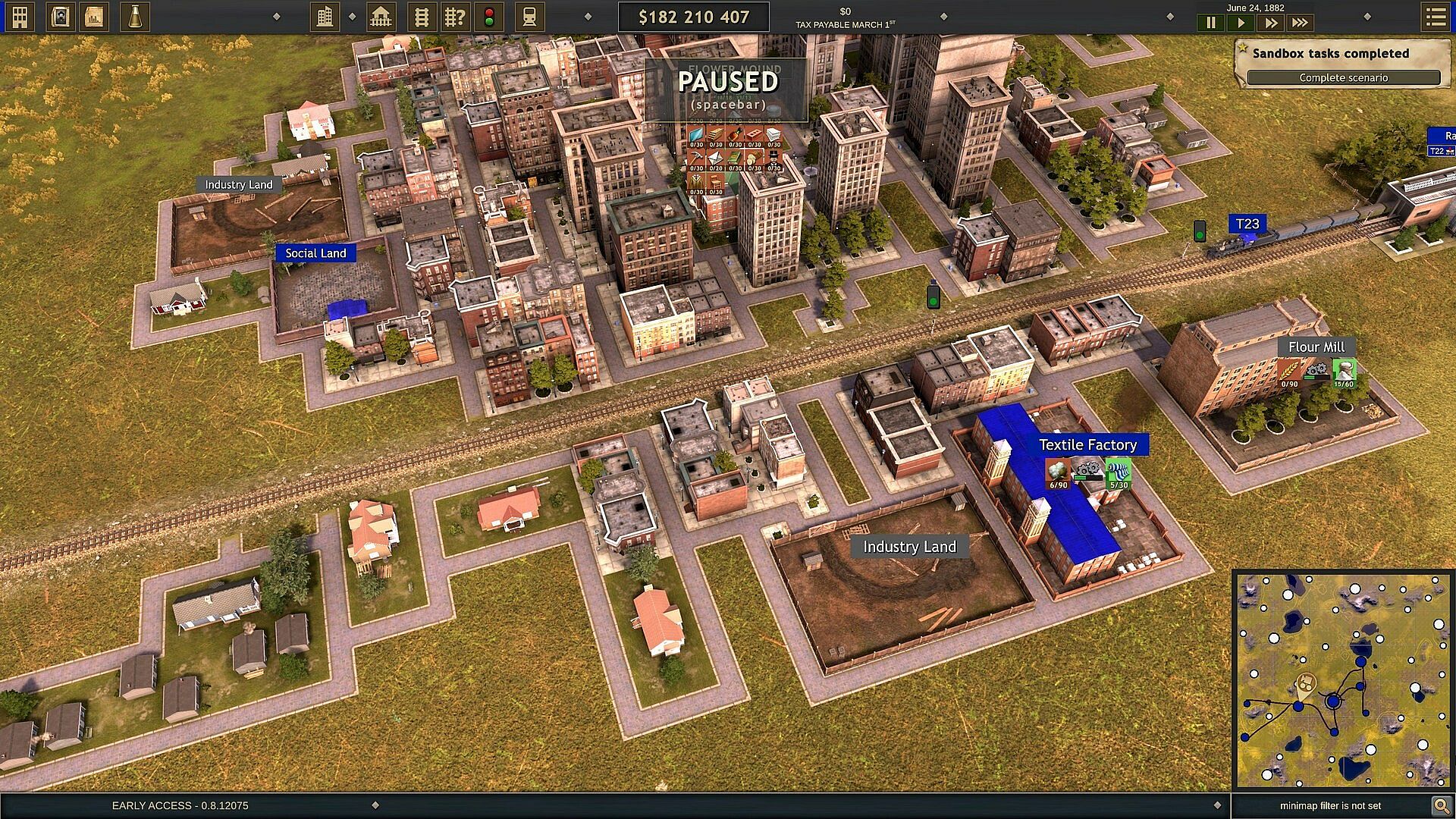
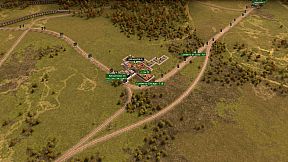
Cities develop over time when connected by rail. Players construct public buildings such as banks, stores, and churches to boost local growth and generate benefits for the corporation. Industrial facilities, hospitals, and power plants add further layers, with upgrades unlocking additional production or electricity supply for both urban areas and rail lines.
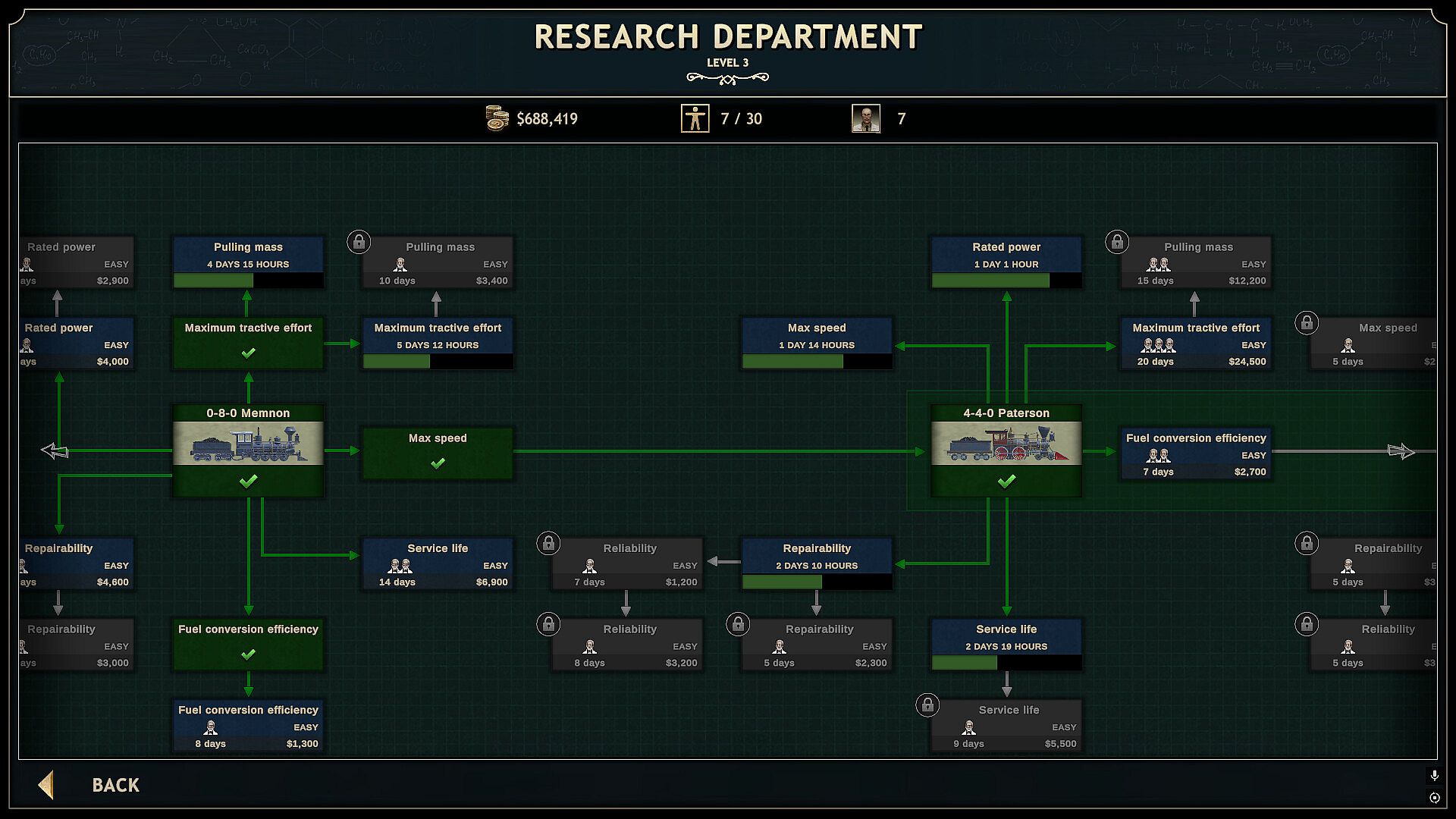
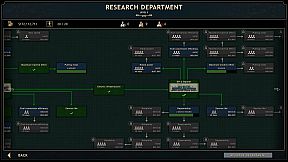
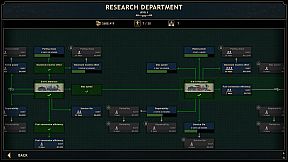
Resource management extends beyond initial deposits. Geological exploration reveals new materials, and research departments support technological progress. Financial tools include loans, bonds, commodity trading, and detailed accounting reports that guide decisions on spending and investment. A lobbying department influences regulations to reduce costs or gain advantages.
Staff hiring and department expansion add depth. Research, financial, and lobbying teams provide passive bonuses that scale with employee quality and office upgrades. Balancing these systems keeps the corporation competitive as operations expand.
Game Modes
Campaign mode delivers a structured progression through story-driven objectives that guide players from startup to regional dominance. Multiplayer supports up to four participants, allowing competitive head-to-head matches or cooperative partnerships on shared maps. Sandbox mode removes campaign constraints for freeform building and experimentation on procedurally generated terrain.
Map customization options include choices for biomes, terrain types, sizes, and available raw materials. These settings apply across single-player and multiplayer sessions, enabling tailored experiences that match different play styles or group sizes.
Strategic Management Systems
Success depends on integrating rail operations with corporate departments. Financial analysis helps maintain positive cash flow while trading commodities to influence market prices. Lobbying efforts can secure tax relief or eased construction rules, directly affecting long-term viability.
Department growth attracts specialized staff whose abilities compound over time. Research unlocks new locomotive types and infrastructure options, while geological teams expand resource access. Power plants ensure consistent electricity for upgraded rail lines and growing cities.
Is It Worth Playing?
Railroad Corporation 2 suits players who enjoy detailed management simulations focused on logistics, economics, and incremental expansion. The combination of track-building mechanics, staff progression, and financial tools creates a layered experience that rewards planning and adaptation. As an Early Access title, it continues to receive updates that refine these systems.
Those interested in train-themed strategy games will find the verified features align closely with classic tycoon gameplay while adding modern department and multiplayer elements. The game remains accessible in sandbox or campaign formats for solo play and supports group sessions for those seeking competition or collaboration. Prospective buyers should check current Early Access status to confirm feature completeness before purchase.