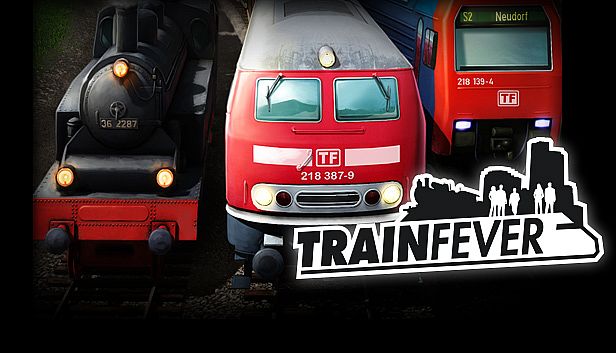


















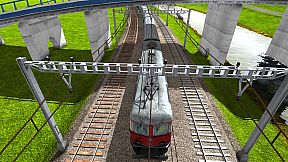
Train Fever is an indie simulation game for PC that centers on building and managing a railroad transport company. Players start in 1850 and oversee the growth of a business focused on passenger and freight movement across a procedurally generated world.
Gameplay
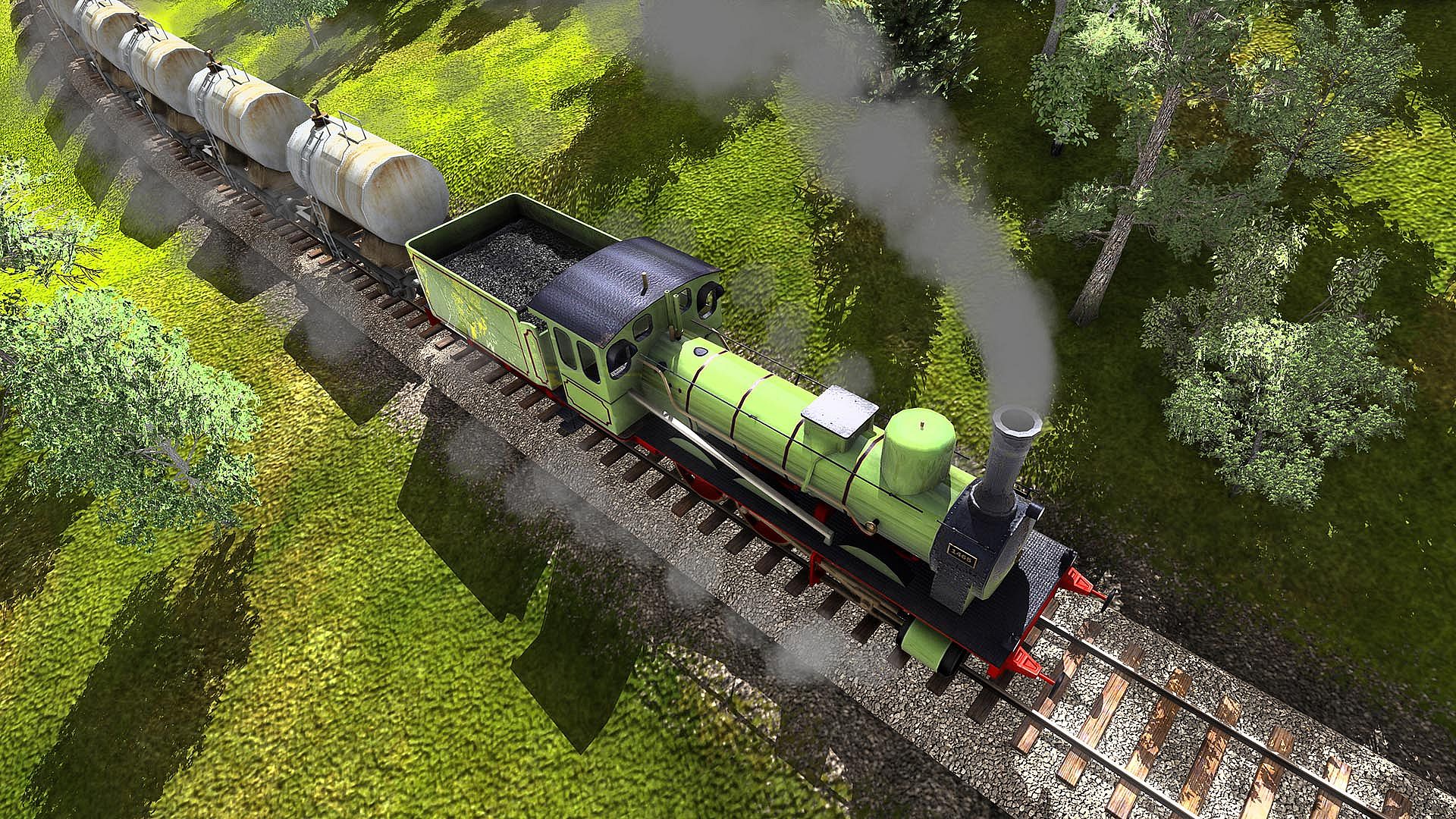
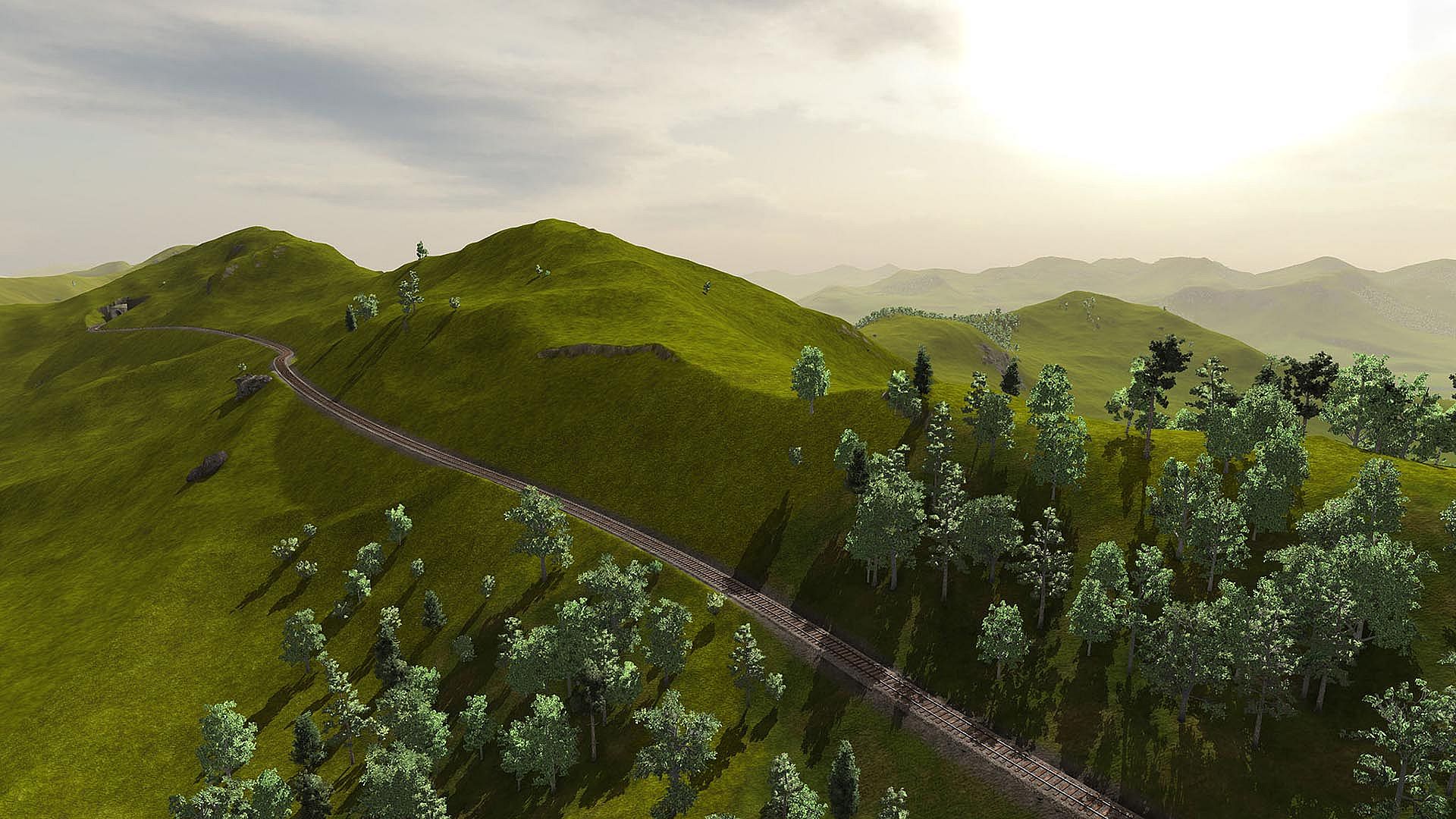
The core loop involves establishing a transport company by constructing railways, stations, and other infrastructure without any alignment grid restricting placement. This freedom allows for organic layouts that follow the terrain. Vehicles span more than 150 years of history, covering eras from steam locomotives onward, and players purchase them to operate lines that connect towns and industries.
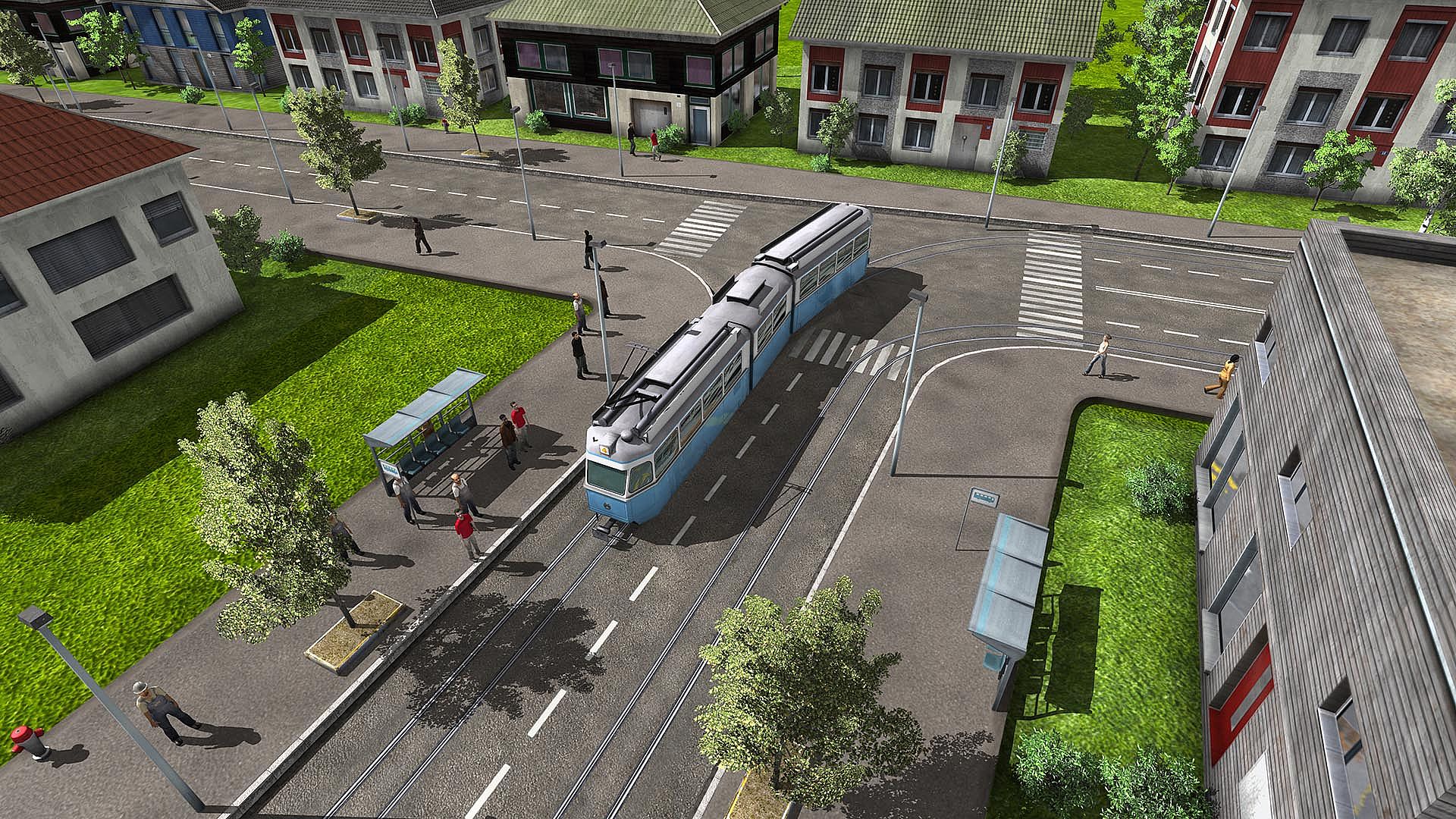
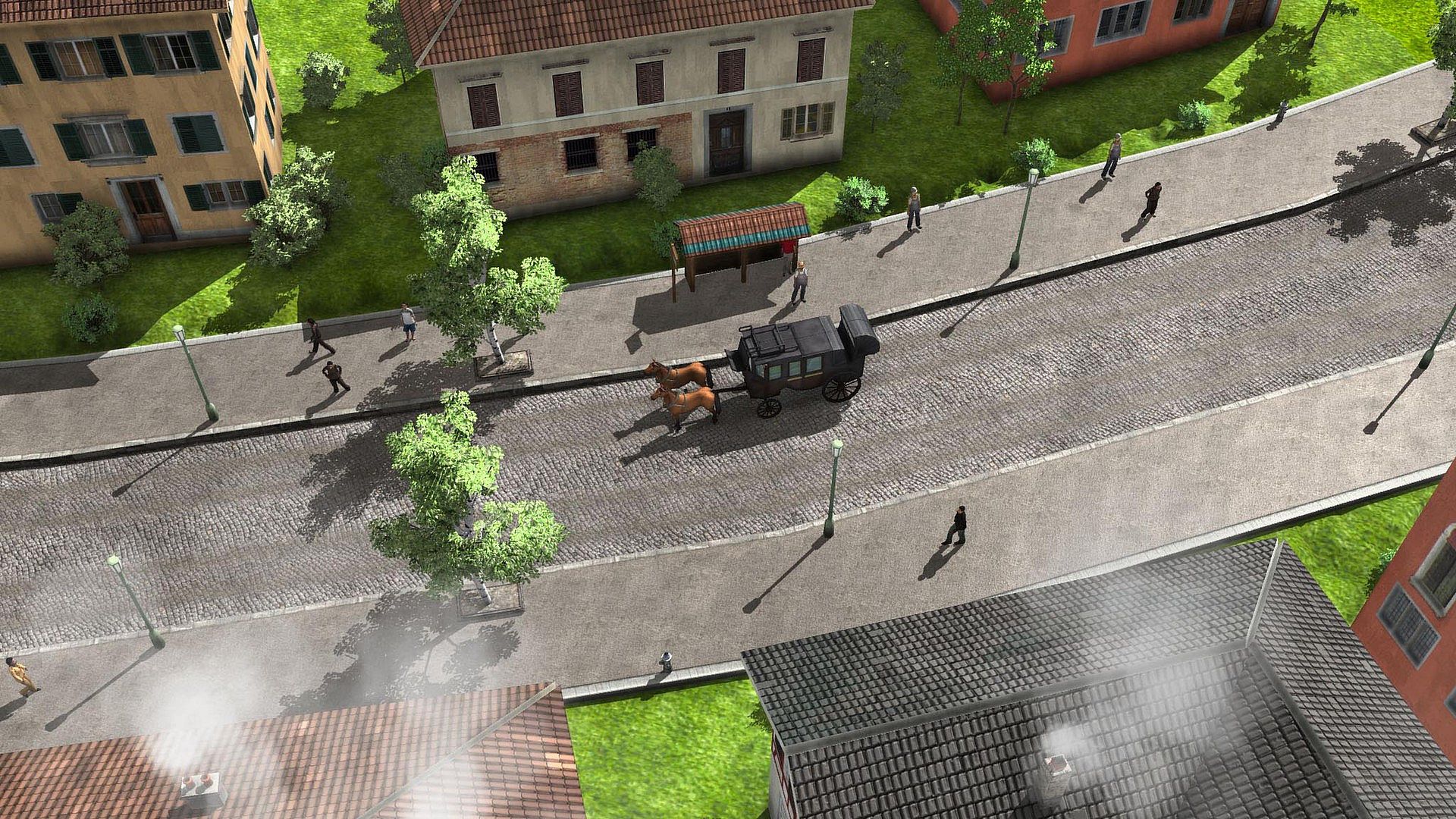
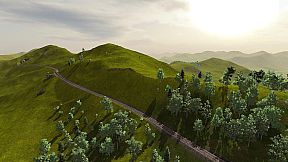
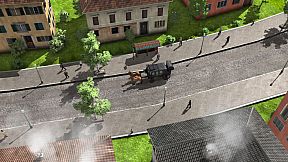
Advanced passenger simulation tracks individual needs and movements, while urban development occurs dynamically as cities respond to available transport options. Terrain generates randomly with realistic scale and can be modified during play. Freight transport runs alongside passenger services, requiring careful line management to balance demand and profitability. The engine supports detailed 3D graphics with a freely adjustable zoom level for close inspection or broad oversight.
Game Modes
Train Fever operates as a single-player experience centered on open-ended company management. Players build networks from the ground up, adjust routes as cities evolve, and expand operations across the map without predefined scenarios or competitive elements. The focus remains on long-term progression through infrastructure development and vehicle acquisitions rather than structured missions or multiplayer sessions.
Key Mechanics
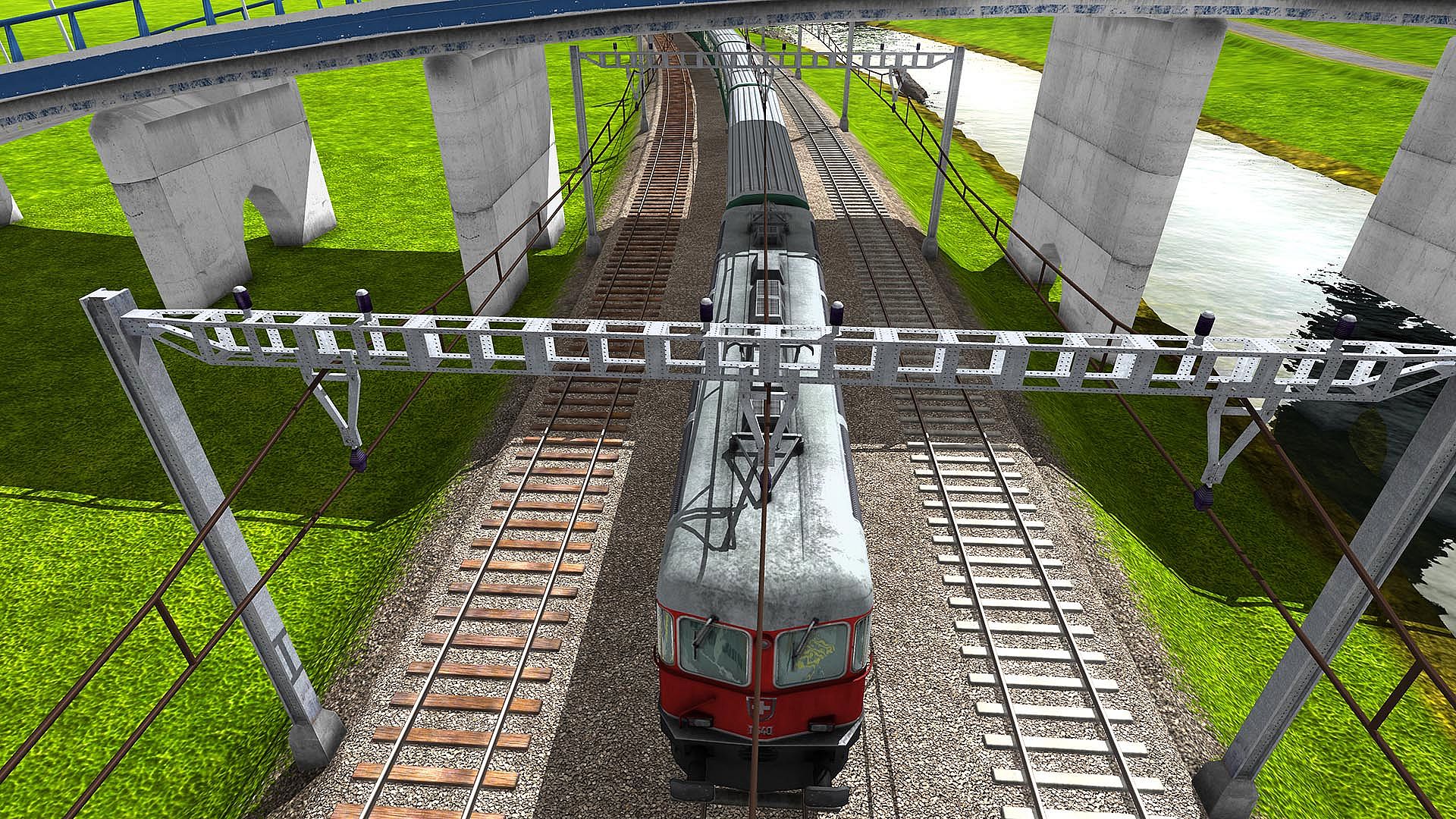
Procedurally generated buildings populate the world and adapt to transport availability, creating varied urban layouts each time. Signals and passing sidings help optimize train flow on shared tracks, while modifiable terrain lets players shape hills, valleys, and routes to suit their designs. Achievements track progress alongside experience points earned through successful operations.
The system emphasizes realistic dimensions and sophisticated city simulation, where fulfilling transport demands directly influences population growth and economic activity. No grid system limits creativity, enabling curved tracks and natural station placements that integrate with the environment.
Is It Worth Playing?
Train Fever appeals to players who enjoy methodical business simulations and railroad construction without time pressure or external competition. Its procedural world and dynamic city responses provide ongoing variety across multiple play sessions, supported by the specialized engine built for this type of content. The game suits those interested in historical vehicle progression and detailed network optimization on PC.
Reception highlights its strength as a sandbox title for transport enthusiasts, though some note the absence of additional modes or online features as a limitation for broader appeal. It remains available as a complete standalone experience focused on its core systems.