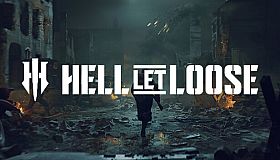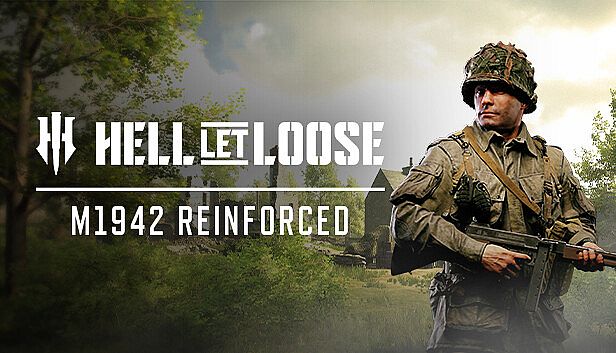


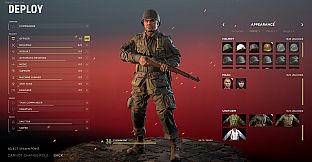
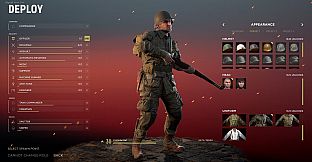
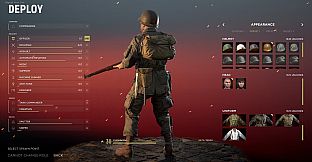
Hell Let Loose stands as a tactical first-person shooter focused on large-scale World War II combat. Players join 50-versus-50 matches on expansive maps that emphasize coordination, resource management, and territorial control across infantry, armor, and support roles. The experience blends simulation elements with strategic decision-making, placing emphasis on squad leadership and commander oversight rather than individual heroics.
Gameplay
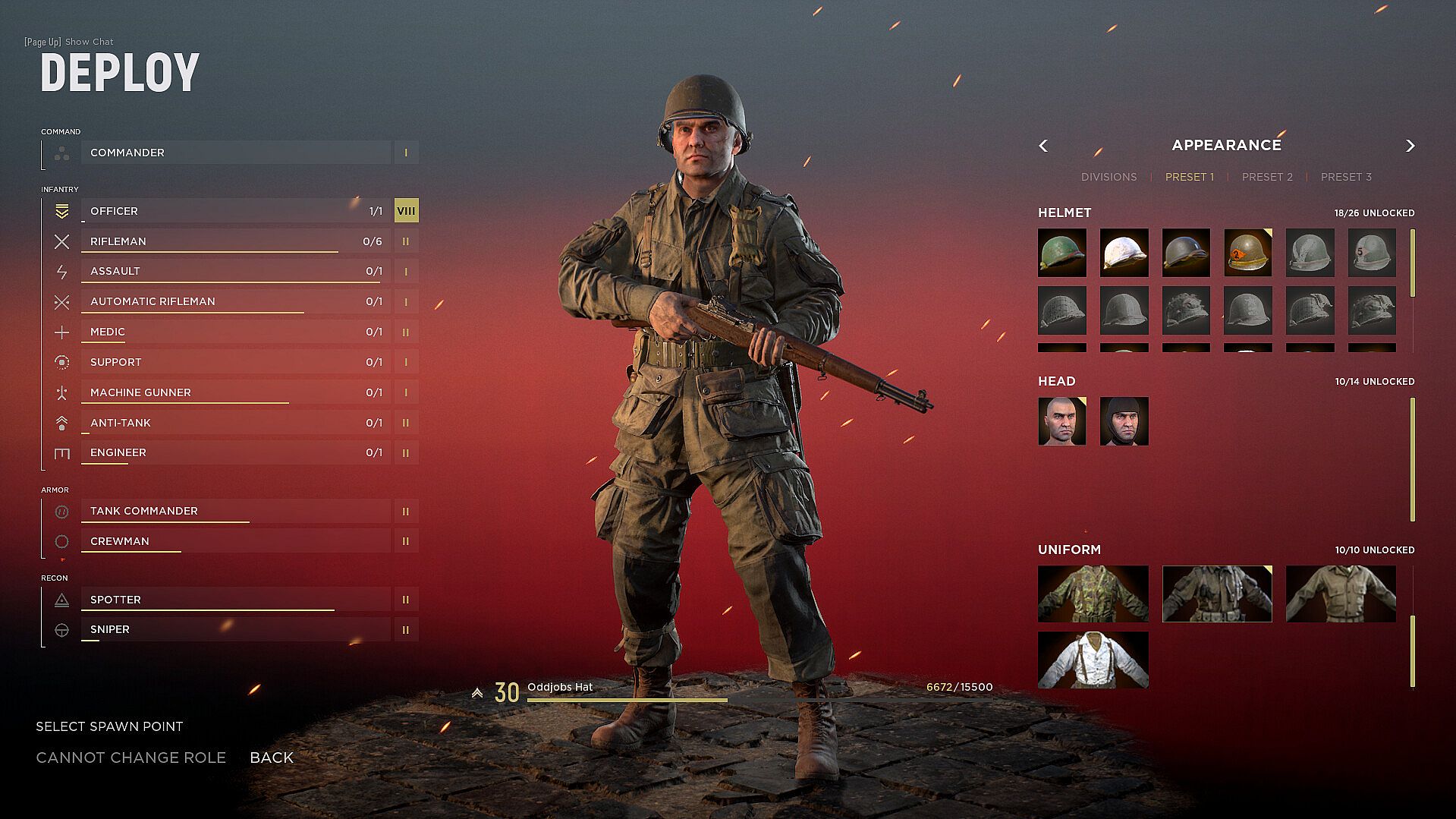
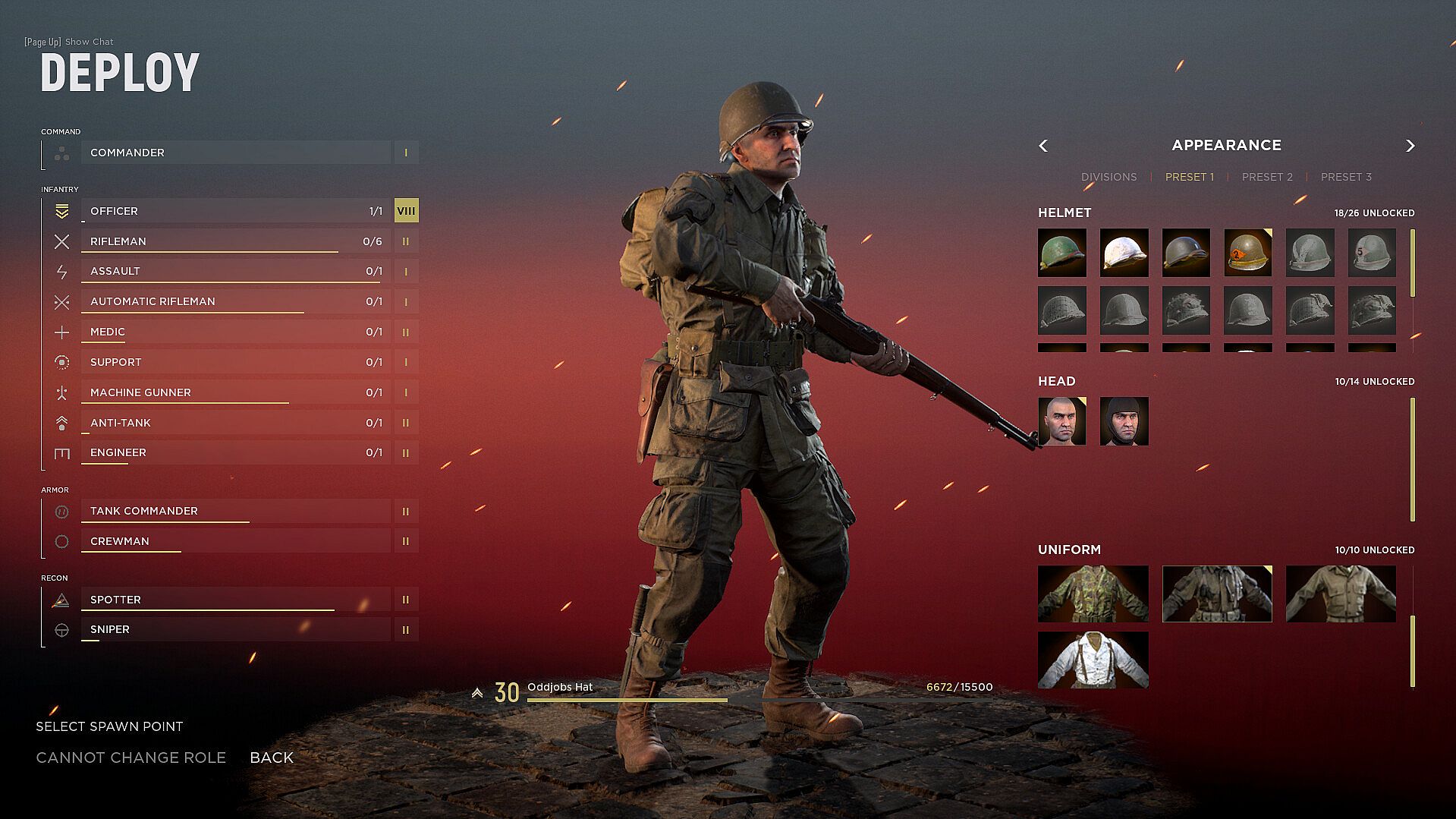
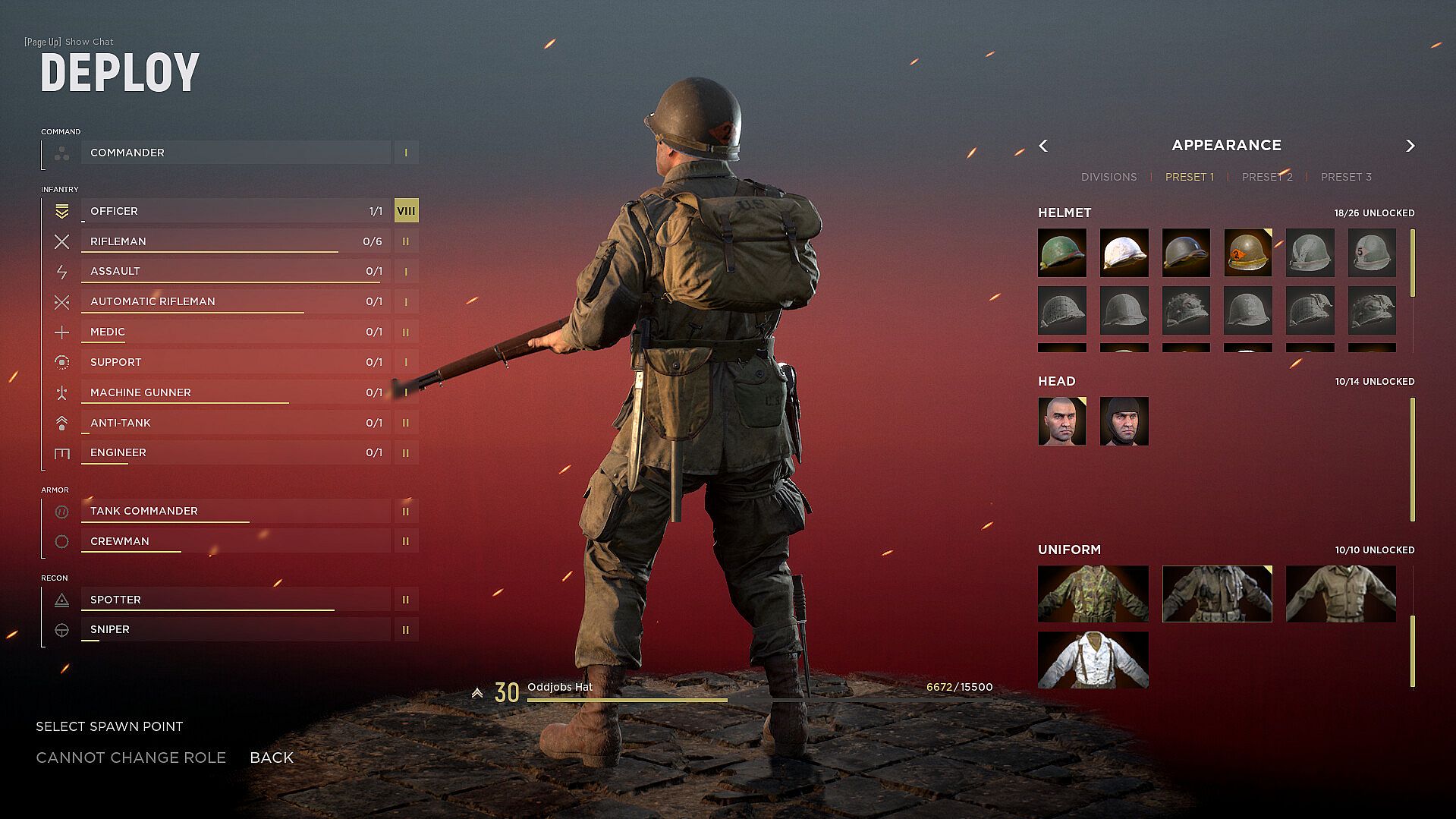
Matches unfold across maps divided into sectors, where teams contest control points through a combination of direct combat and logistical support. Each player selects from fourteen specialized roles that include rifleman, machine gunner, anti-tank specialist, medic, engineer, and sniper, among others. These roles carry historical loadouts and limitations that encourage teamwork, as no single class dominates every situation. Squads of six operate under an officer who coordinates with a central commander responsible for calling in artillery, supply drops, and other battlefield assets.
Resource nodes scattered across sectors provide manpower, fuel, and munitions that power team capabilities. Capturing and defending these nodes directly influences available support options. Movement and positioning matter because capture mechanics reward players inside hard cap zones with triple the contribution rate compared to surrounding soft cap areas. Voice communication between squad members, officers, and the commander forms a core loop, allowing real-time adjustments to pushes or defensive setups. The result is a deliberate pace where flanking, suppression, and supply line maintenance determine outcomes more than raw aim.
Game Modes
Warfare serves as the primary mode, pitting two teams against each other in a back-and-forth struggle for five sectors. Both sides begin with partial map control and a neutral central sector. Victory comes from capturing all sectors or holding the majority when the ninety-minute timer expires. The mode rewards sustained pressure across the front line and defensive vigilance to prevent enemy gains.
Offensive shifts the dynamic into asymmetric attack versus defense. One team assaults a sequence of sectors while the other holds them. Attackers receive extra resources at the start, and each successful capture grants additional time. Defenders win by protecting any single sector for the full thirty-minute window per objective. This structure creates focused, high-stakes engagements that test coordinated advances against entrenched positions.
Skirmish condenses the experience onto smaller maps with a single central objective. The reduced scale allows quicker matches while retaining core mechanics like sector influence and role specialization. All modes support the same roster of factions and roles, ensuring consistent systems across different match lengths and objectives.
Historical Context and Roles
The game draws from documented World War II equipment and unit structures, with factions representing American, German, British, Soviet, and additional forces. Role availability mirrors historical distributions, limiting certain weapons or tools to specific classes within each squad. Maps recreate real locations with attention to terrain features that affect line of sight, vehicle movement, and defensive setups. This foundation supports emergent tactics where players adapt to shifting front lines and resource shortages.
Is It Worth Playing?
Hell Let Loose maintains a Very Positive rating on its primary platform, backed by over 149,000 reviews that highlight its depth for players seeking structured multiplayer combat. Regular updates continue to refine mechanics, add content, and address stability. The game suits those who value communication and long-term strategy over fast-paced arcade action. New players benefit from the variety of roles and modes that accommodate different preferences, from aggressive pushes in Offensive to methodical control in Warfare. Those drawn to simulation-style shooters with meaningful team contributions will find consistent engagement, while casual players may need time to adjust to the emphasis on coordination and map awareness.