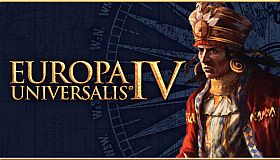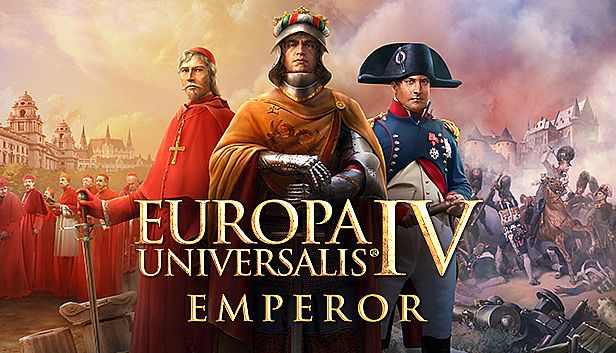








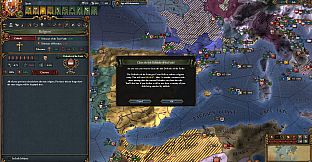
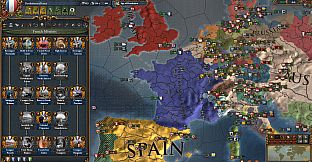
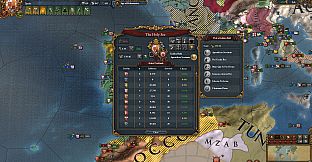
Europa Universalis IV: Emperor is a grand strategy simulation game set in the early modern period. Players guide nations through centuries of diplomacy, warfare, trade, and internal management on a detailed map of the world. The expansion adds focused content for European powers, particularly Catholic states and the Holy Roman Empire, while introducing reworked systems that affect empire building and stability.
Gameplay
The core loop centers on long-term planning across economic, military, and diplomatic fronts. Players balance resources, expand territory through conquest or colonization, and respond to events that shape national development. Estate management plays a larger role, with reworked mechanics that turn internal factions into active participants in governance decisions. Government reforms integrate more deeply into progression, allowing choices that influence centralization or autonomy.
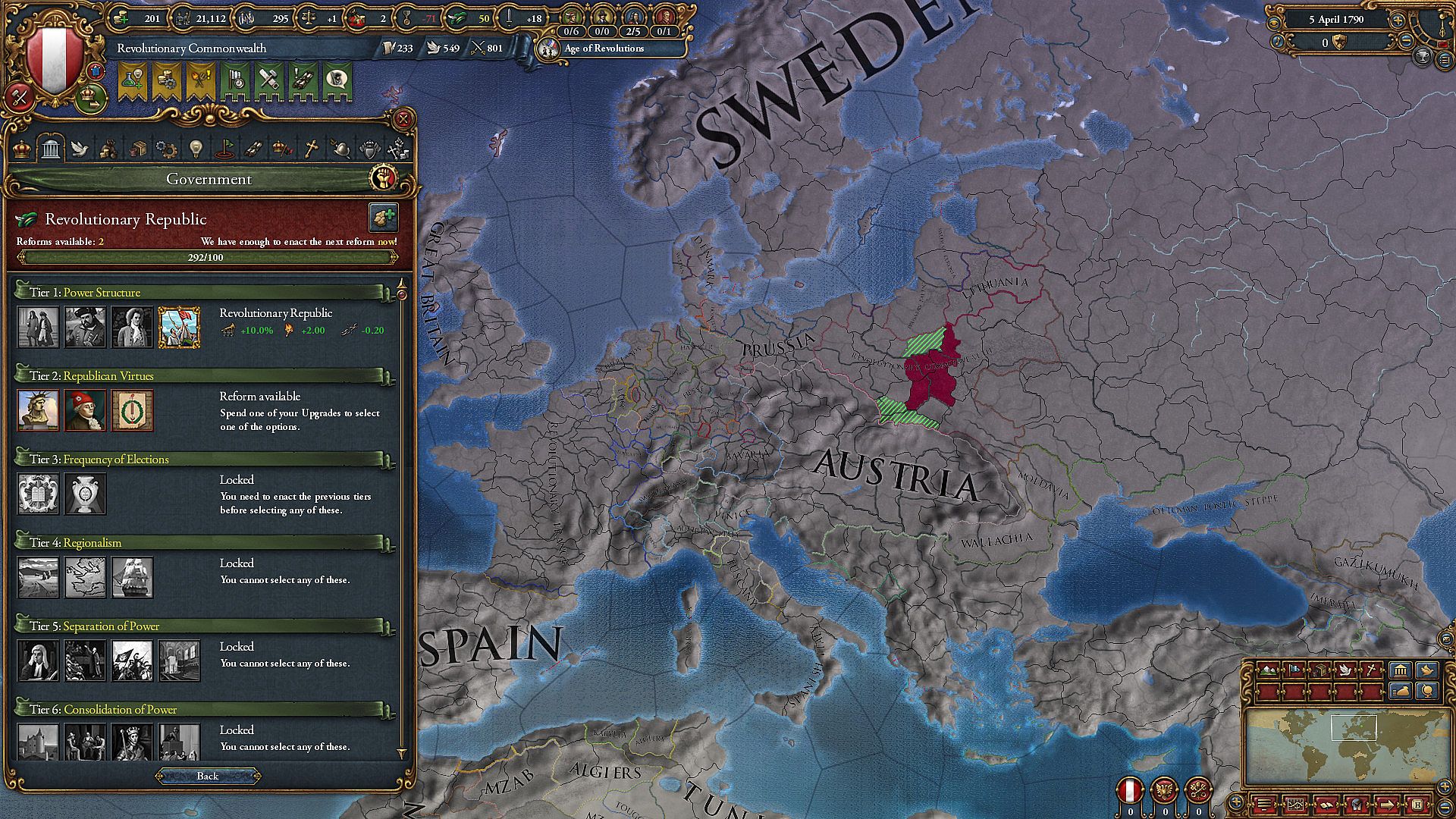
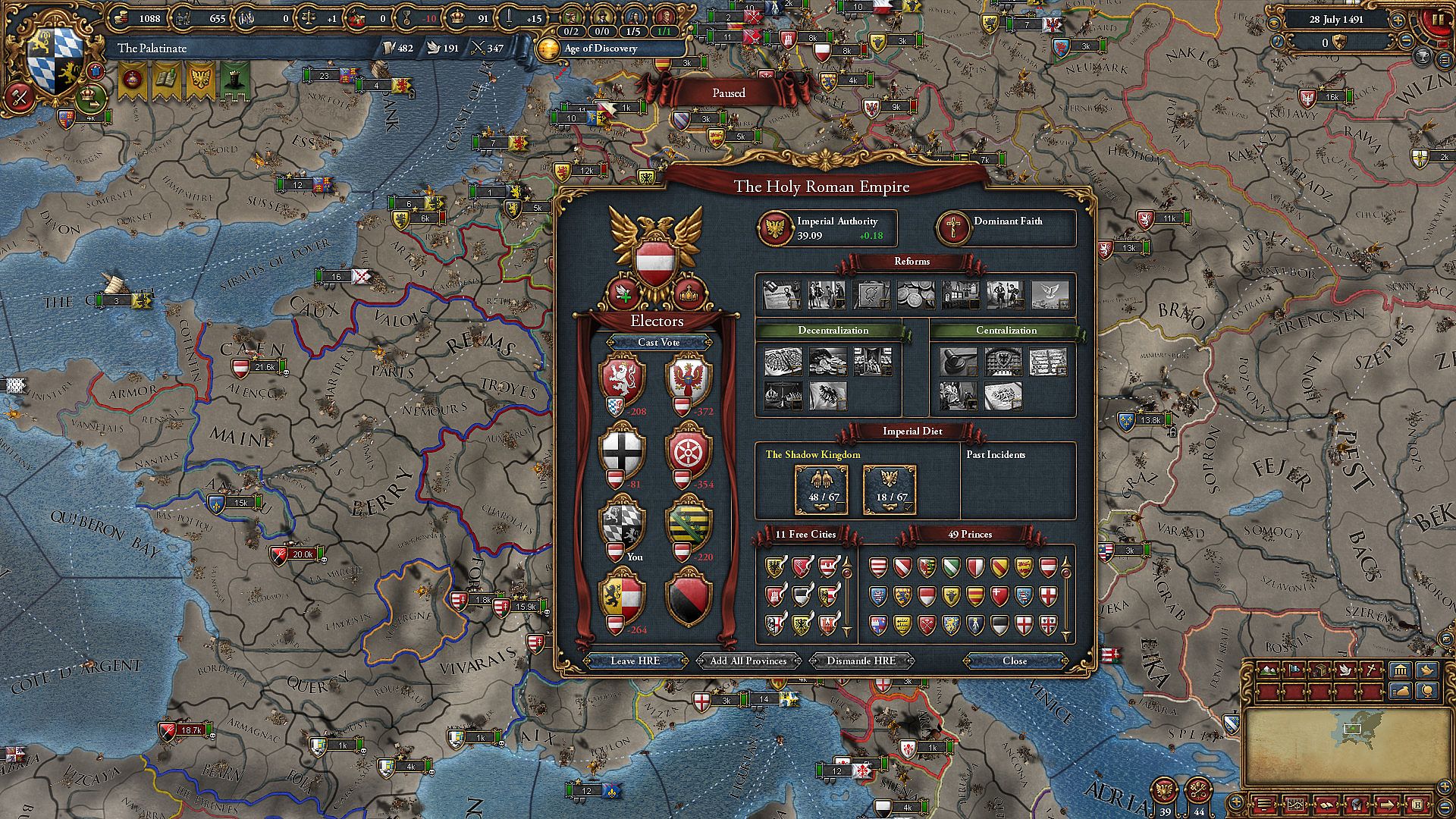
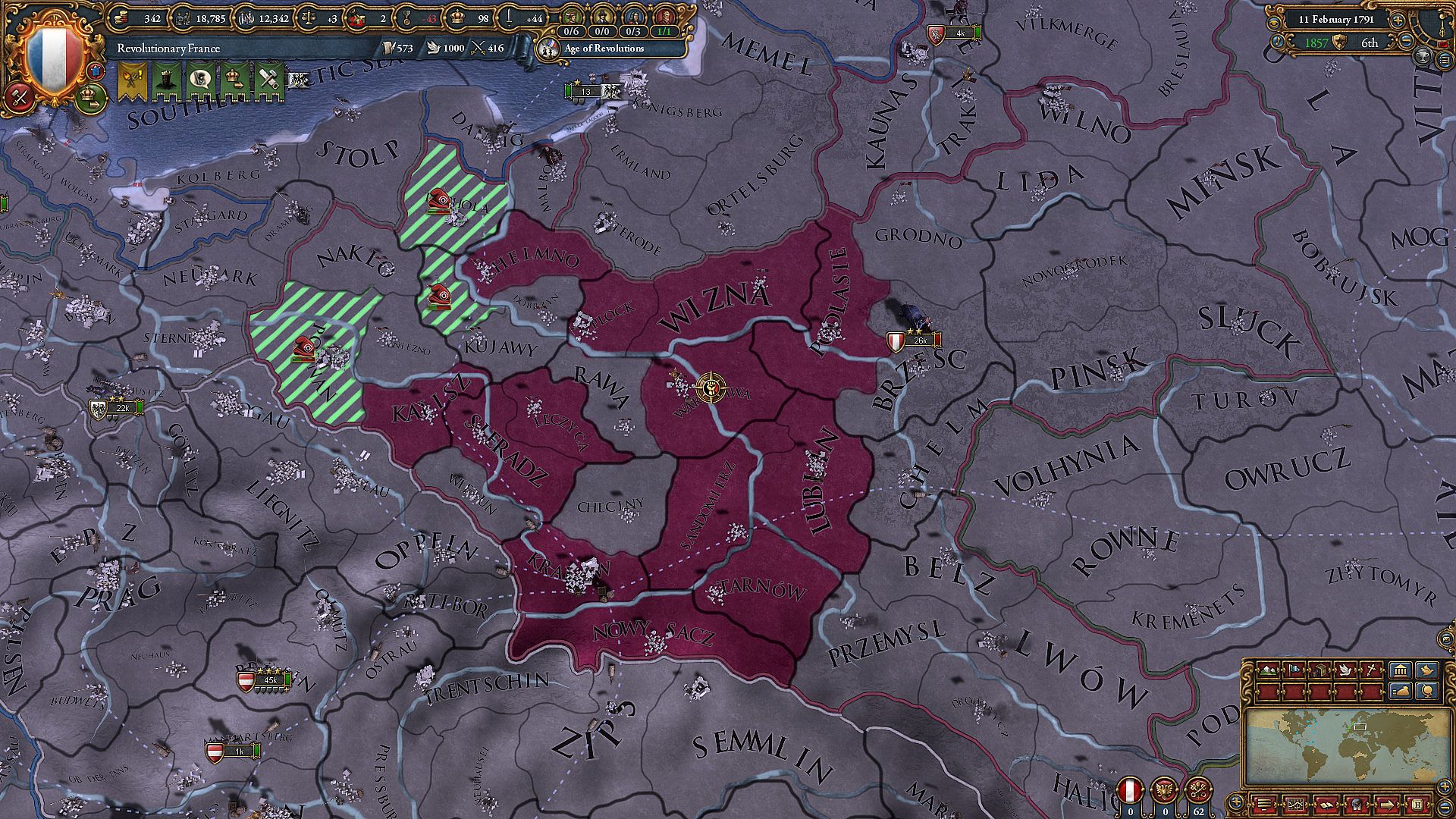
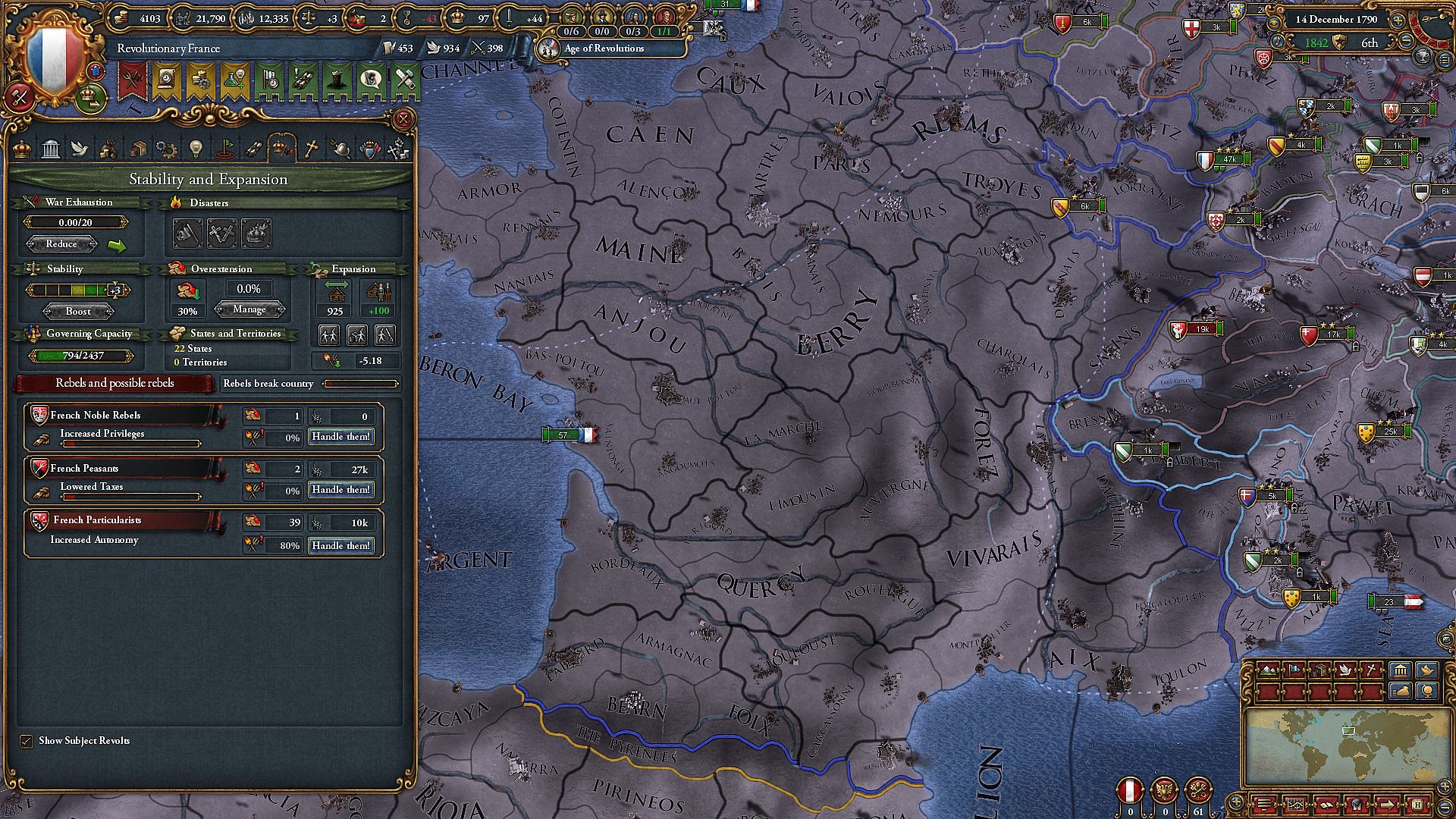
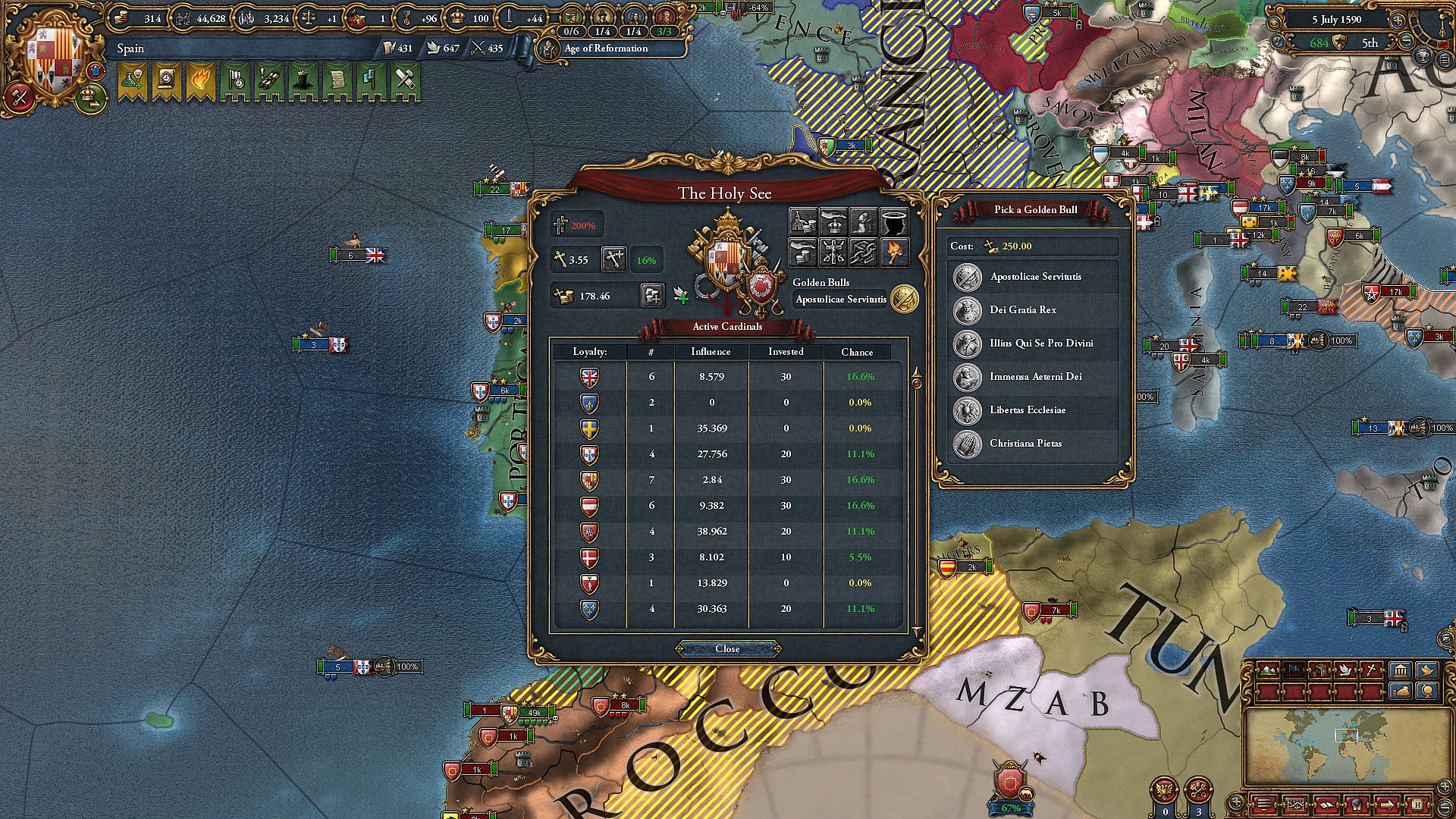
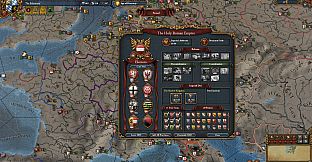
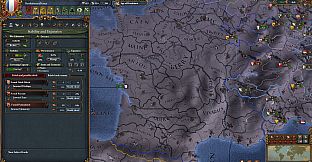
European-focused additions include enhanced papal interactions where cardinals can be appointed and bulls issued to influence Catholic nations. The Holy Roman Empire features imperial incidents that test the emperor's authority, leading to paths toward either a unified monarchy or a looser confederation. Revolutions spread as a contagious force, requiring players to decide whether to suppress unrest or adopt new ideologies, complete with tools like revolutionary guards for enforcement.
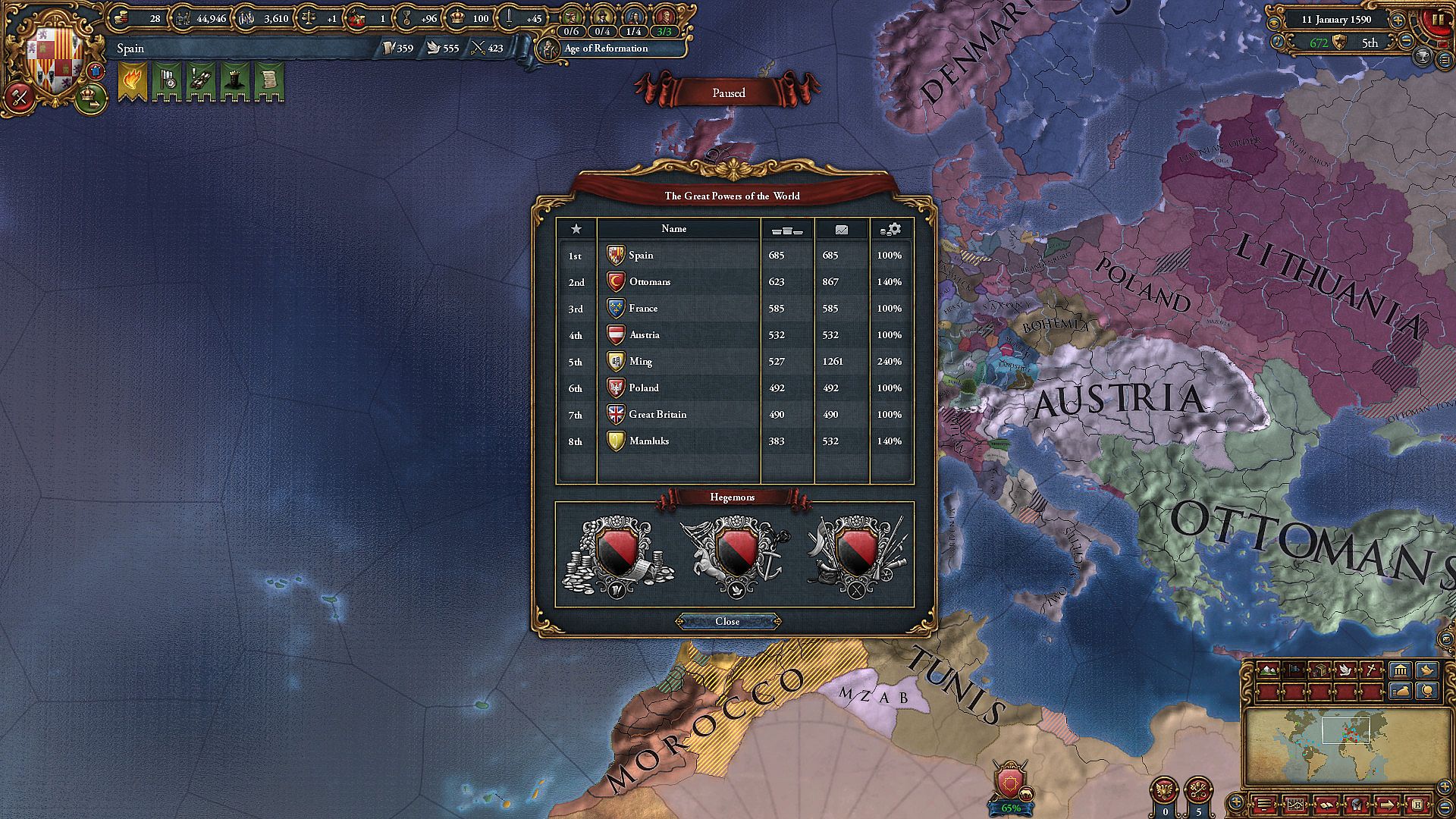
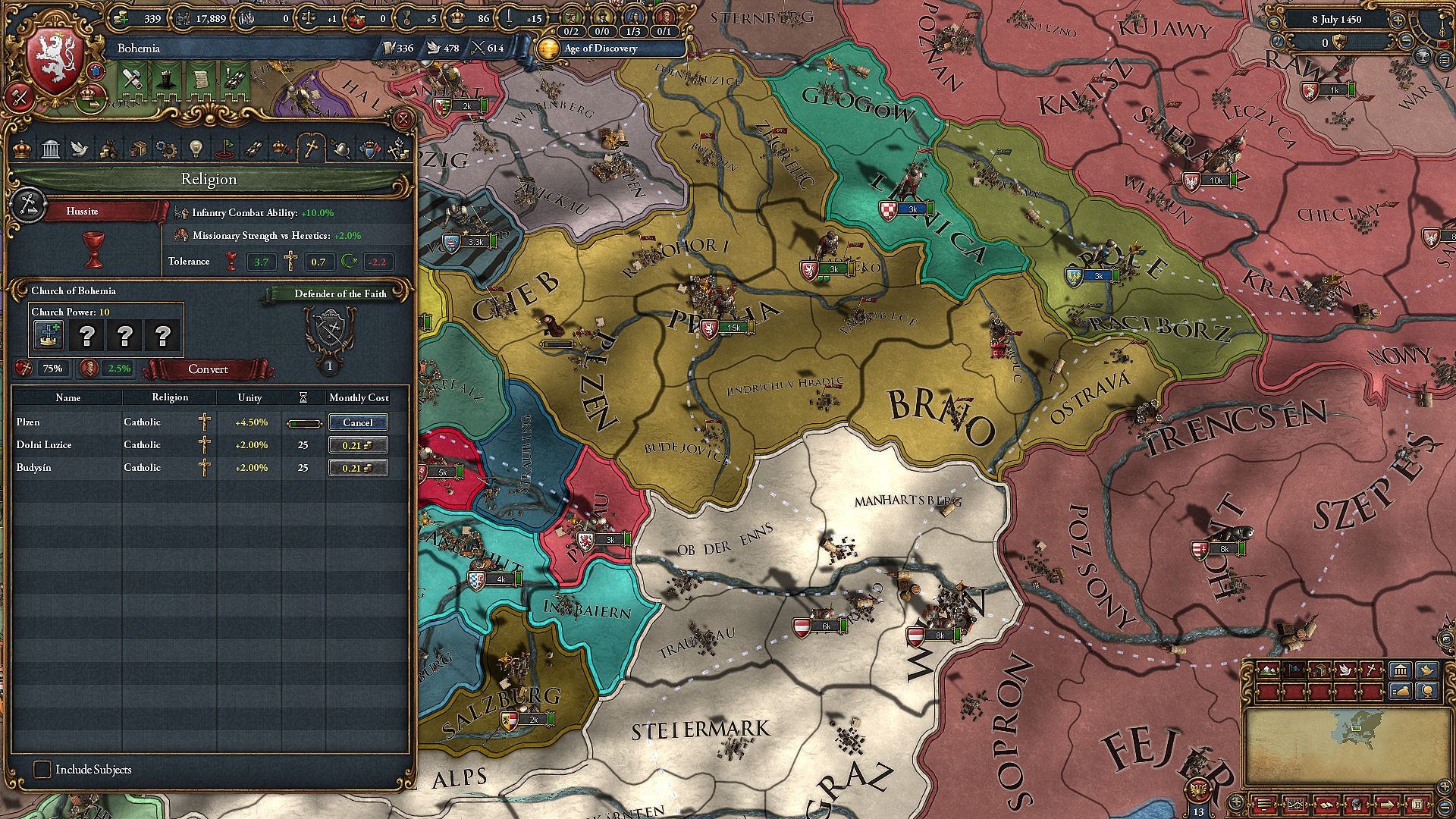
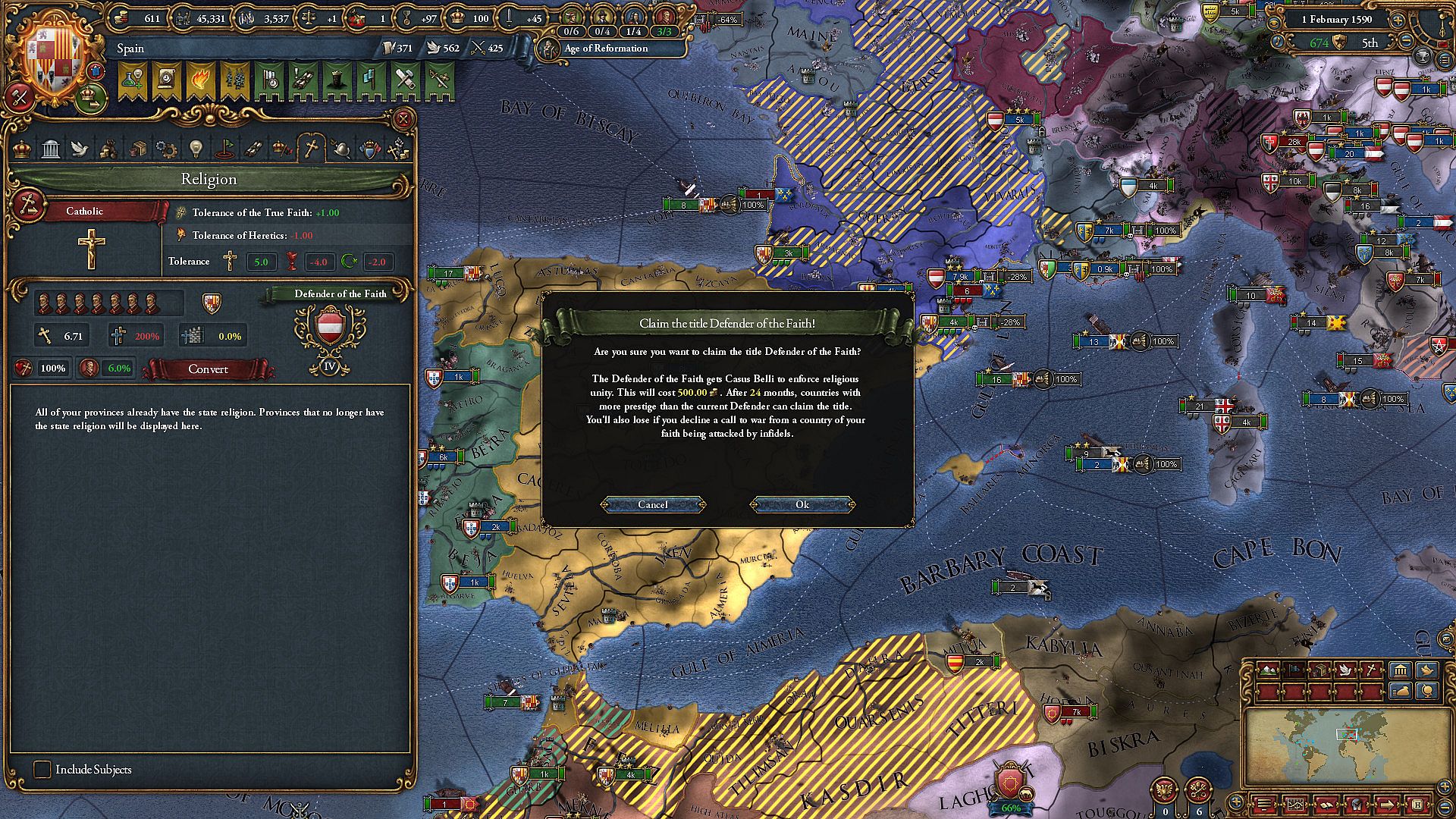
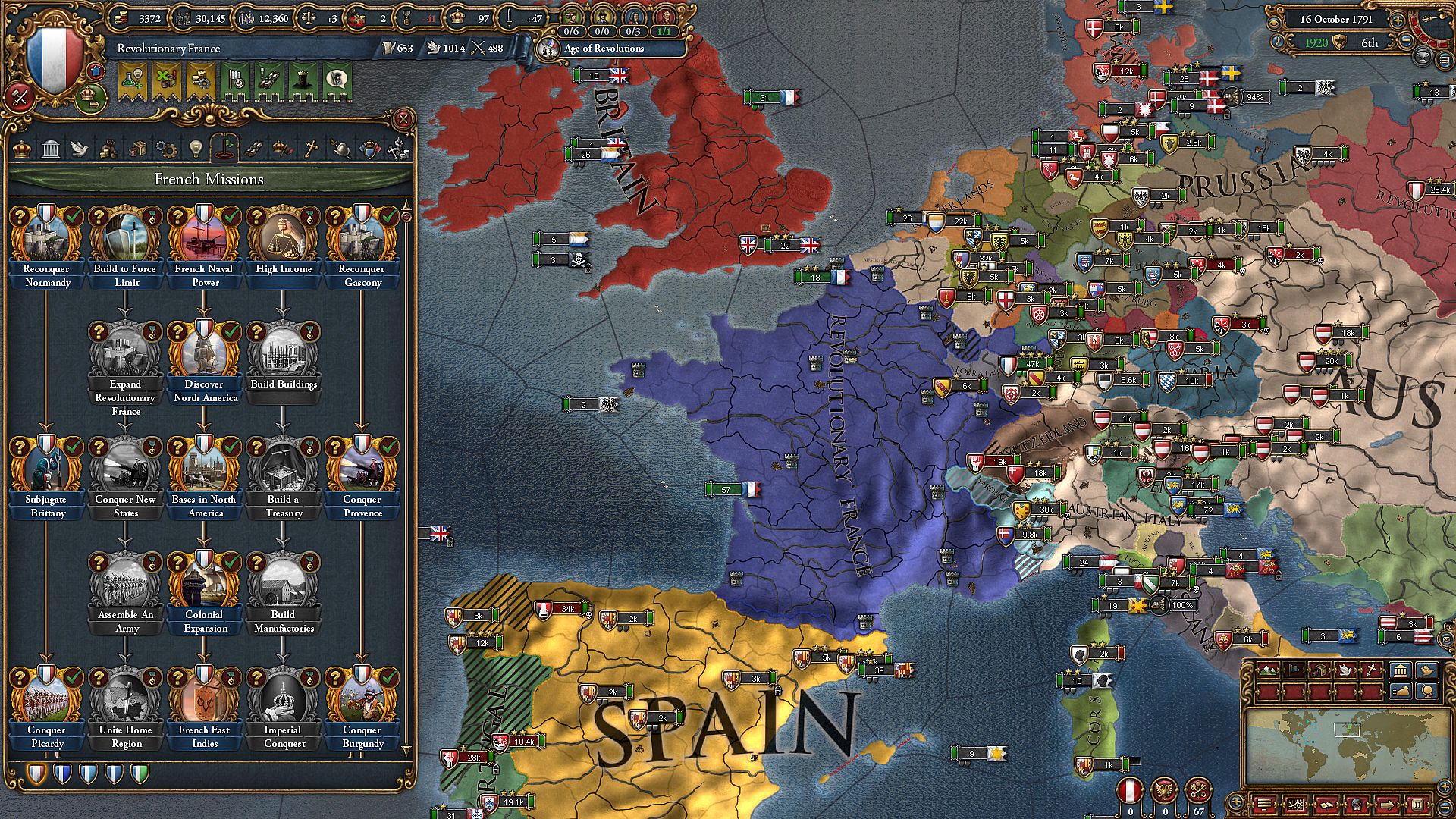
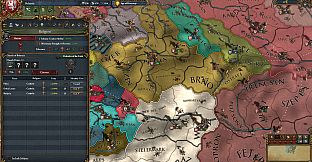
Religious elements receive updates through the Hussite tradition in Bohemia, scaled power for defenders of the faith, and counter-reformation options against Protestant growth. Hegemony status rewards nations that build dominant wealth or armies. Over twenty unique mission trees provide structured goals for various European countries, alongside fresh events and the ability to provoke rebellions for strategic timing.
Game Modes
Europa Universalis IV: Emperor operates primarily through a single continuous campaign that spans from the late medieval era into the industrial age. Players select a nation and pursue objectives at their own pace, with ironman mode available for those seeking permanent consequences from decisions. Multiplayer sessions support cooperative or competitive play, allowing multiple participants to control separate nations or collaborate on one through shared control options.
No separate limited modes exist beyond the main grand campaign structure. Custom scenarios can be created through the built-in editor, and the game accommodates different starting dates or rule variations set by the host. The emphasis remains on the open-ended simulation rather than structured matches or seasonal formats.
Key Mechanics and Systems
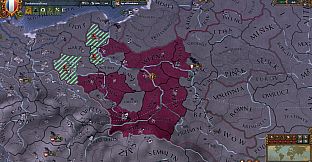
Map changes redraw portions of western and central Europe for greater historical accuracy in provinces and borders. New institutions like industrialization emerge over time, altering technological and economic trajectories. Mercenary and estate systems undergo revisions that tie more closely to national power dynamics and internal stability.
Players interact with these layers through decisions that ripple across centuries. Expansion requires careful attention to overextension risks, while alliances and royal marriages serve as tools for influence. The expansion integrates these elements with European flavor, making Catholic and imperial politics more reactive and layered.
Is It Worth Playing?
Europa Universalis IV: Emperor suits players who enjoy deep grand strategy with a focus on European politics and long campaigns. The reworked systems add meaningful choices in estate control, imperial management, and revolutionary responses that enhance replayability for those already familiar with the base game. Reception for the expansion itself has been mixed, with some appreciating the added depth for Catholic and Holy Roman Empire play while others note balance adjustments that require adaptation.
The title remains supported years after release through ongoing patches that refine mechanics across the entire series. It delivers the most value to dedicated fans seeking expanded options for European nations rather than broad new regions. Those who prefer streamlined experiences or non-European starts may find the changes less central to their preferred style of play.