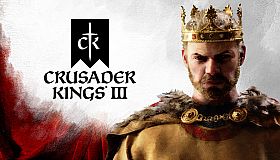

















Crusader Kings III: Royal Court expands the core strategy, RPG, and simulation experience of managing medieval dynasties on PC. Players take on the role of a ruler who must balance personal prestige, realm governance, and cultural evolution while navigating the ambitions of vassals and family members. The expansion centers power in a visible throne room where decisions carry immediate visual and diplomatic weight.
Gameplay
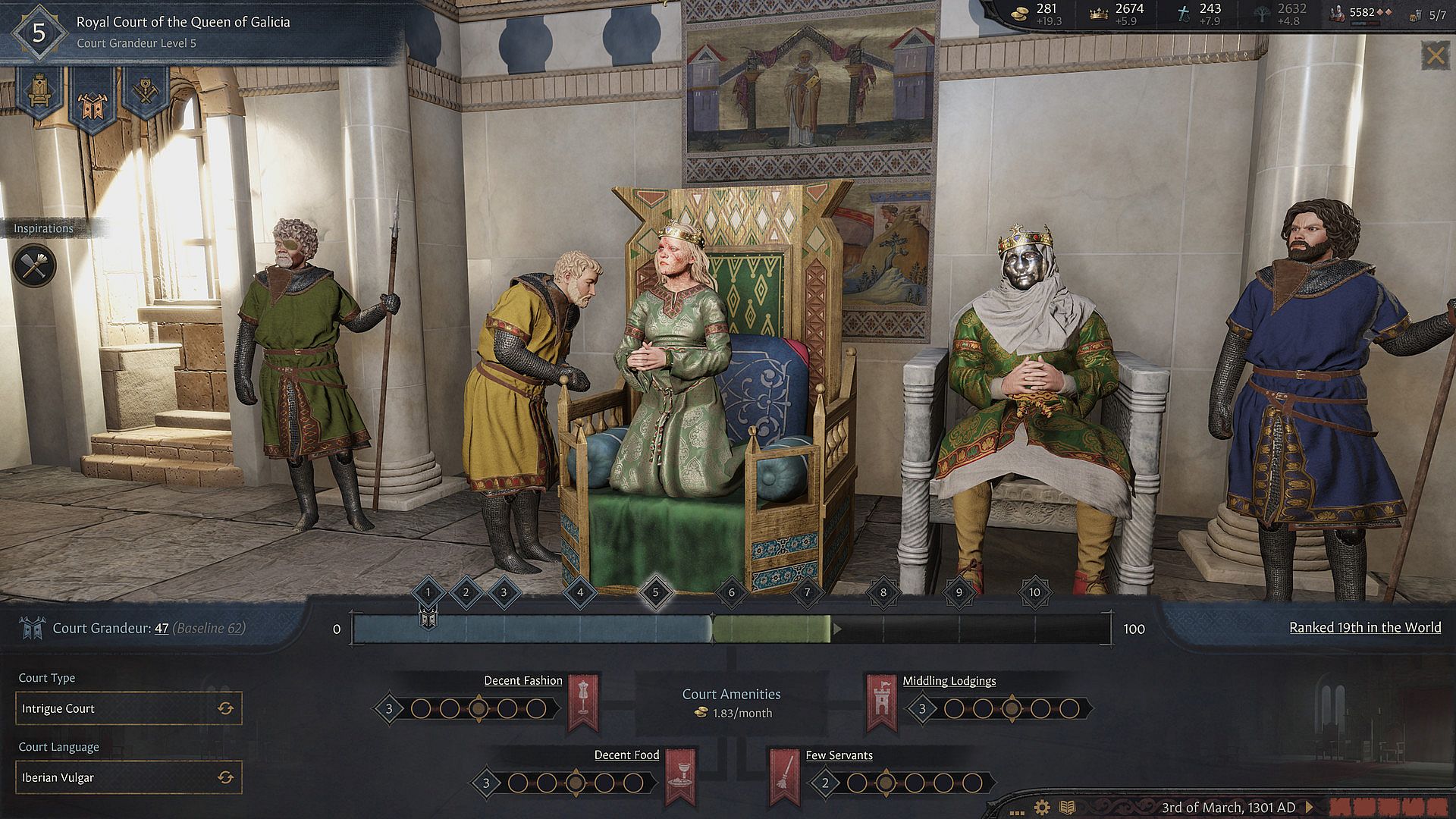
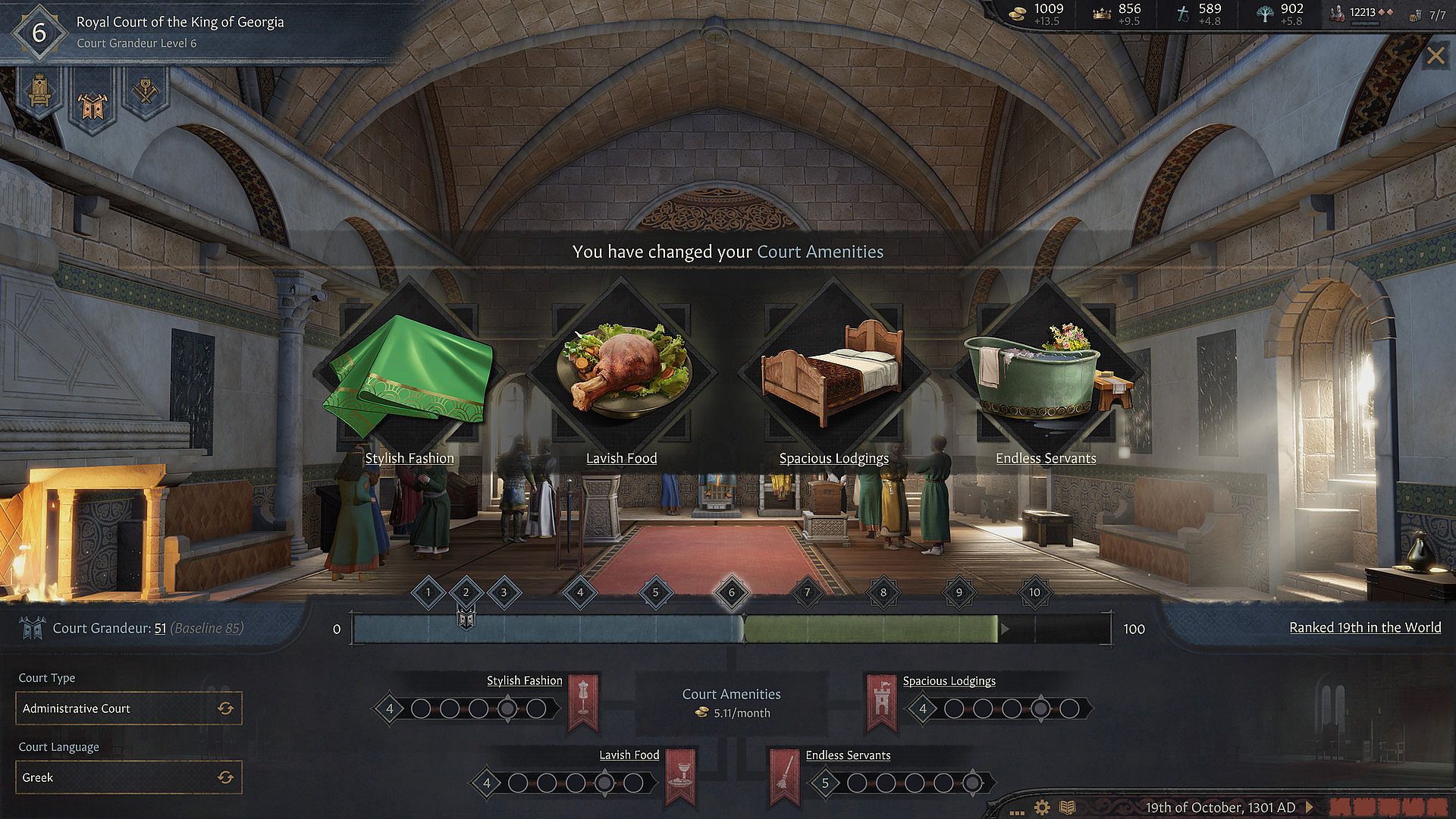
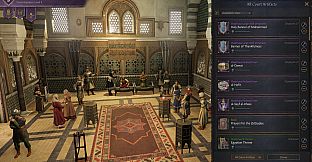
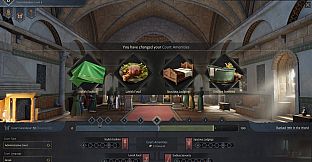
The central addition is a fully realized 3D throne room that reflects the ruler's status. Visitors arrive for audiences, courtiers scheme visibly, and family members interact in the space. Grandeur levels rise or fall based on displayed regalia, influencing how rivals and subjects respond during diplomatic encounters. Harsh or lenient rulings shape ongoing relationships and realm stability.
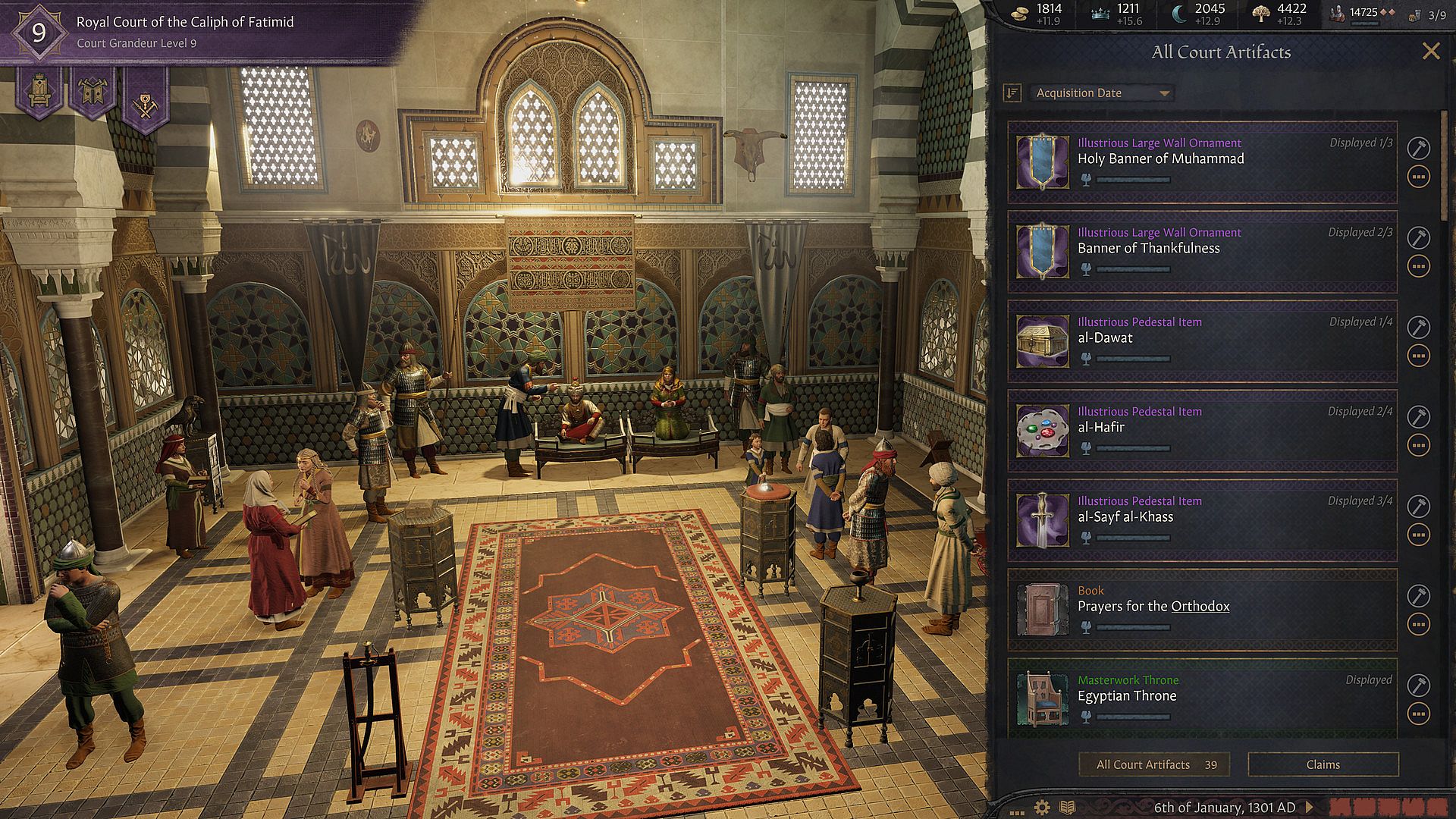
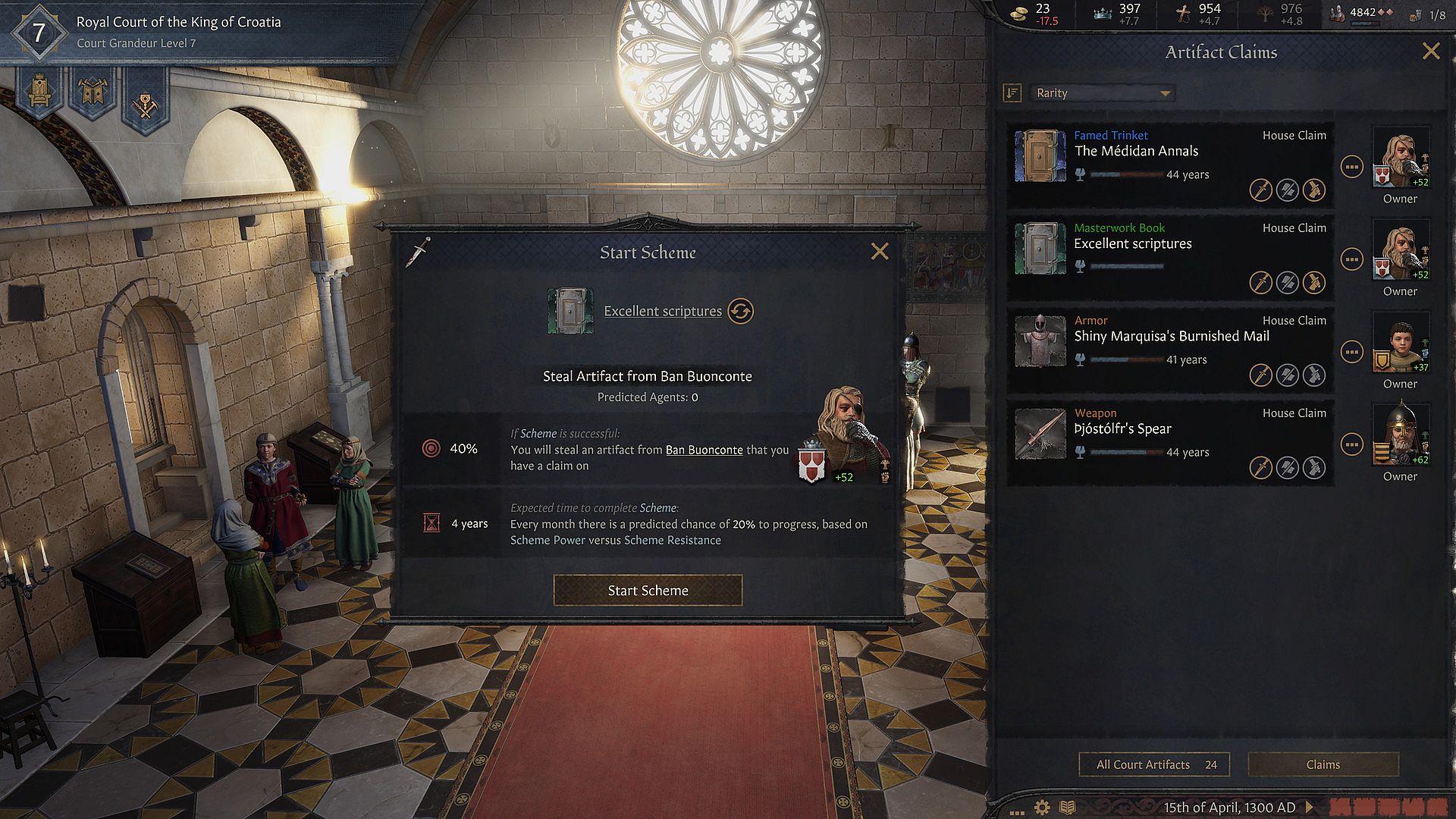
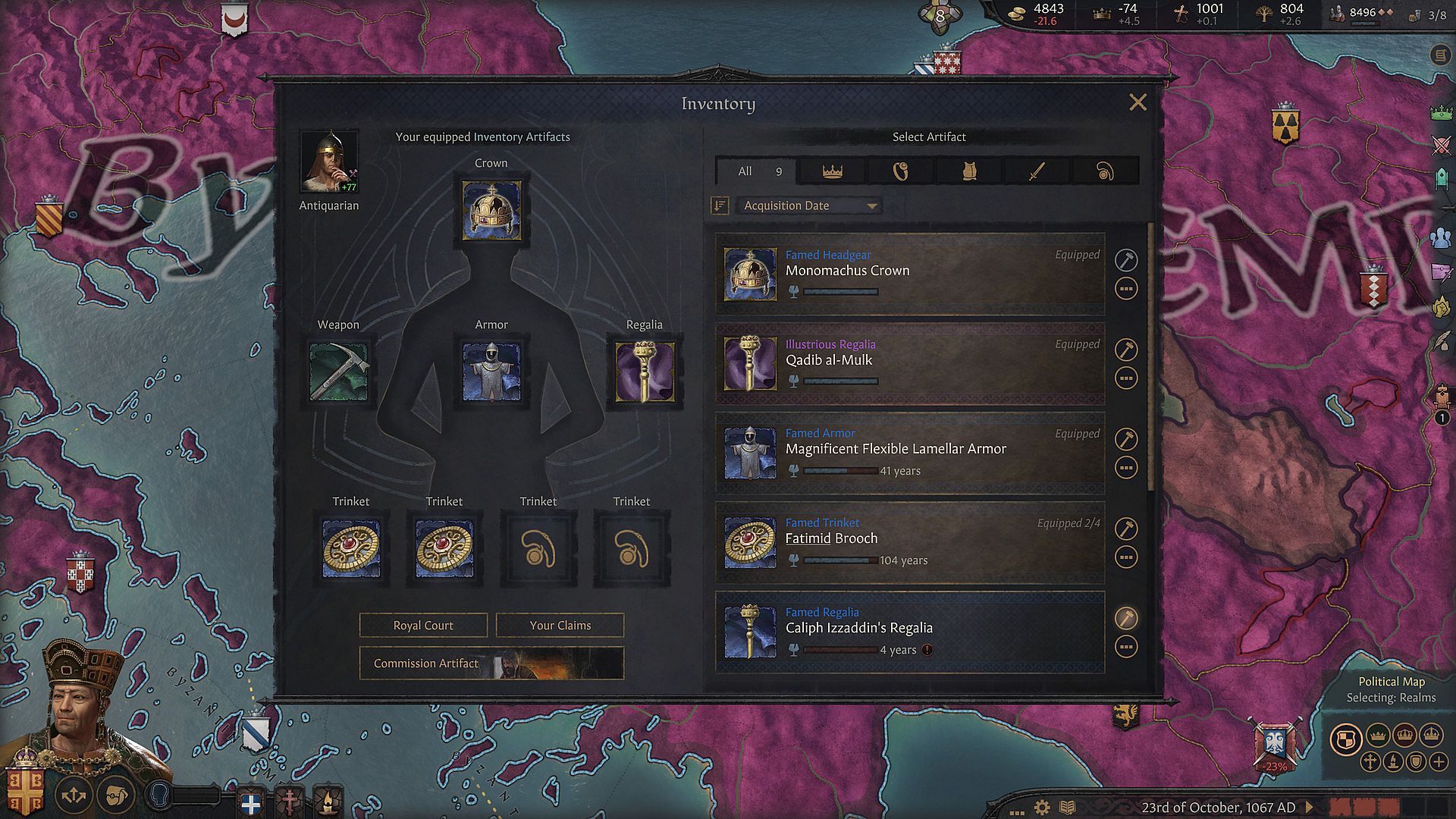
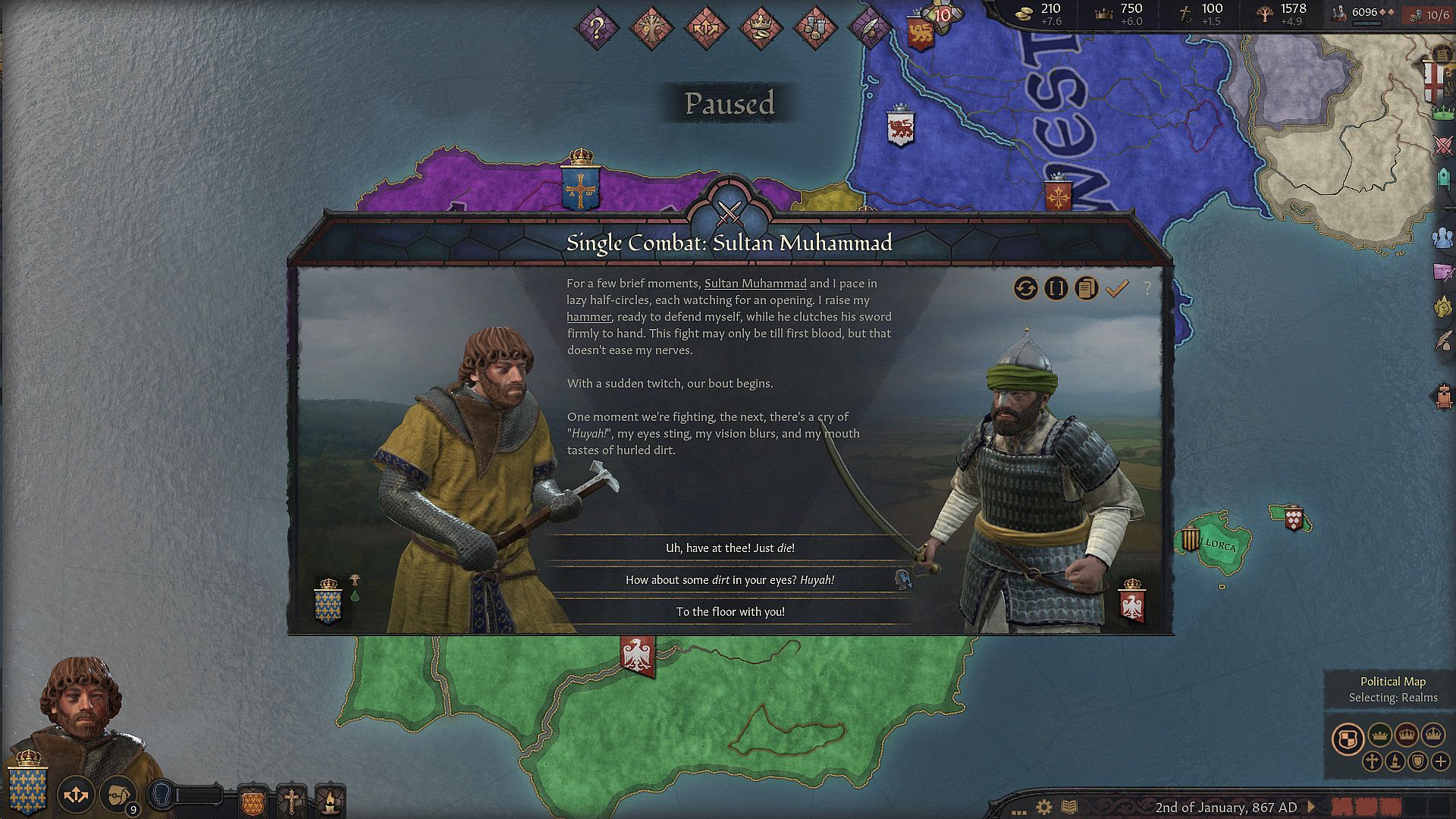
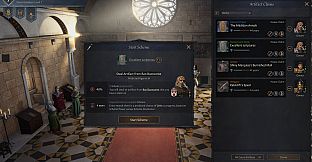
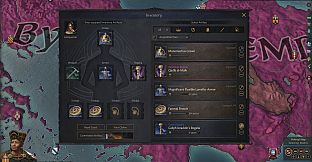
Artifacts form another key layer. Rulers commission works from jewelers, weavers, and other specialists or acquire them through conquest and inheritance. These items appear on pedestals and walls, contributing to court prestige. Loss through duels or plots remains possible, adding risk to collection efforts. The inventory system returns to track these treasures alongside family heirlooms.
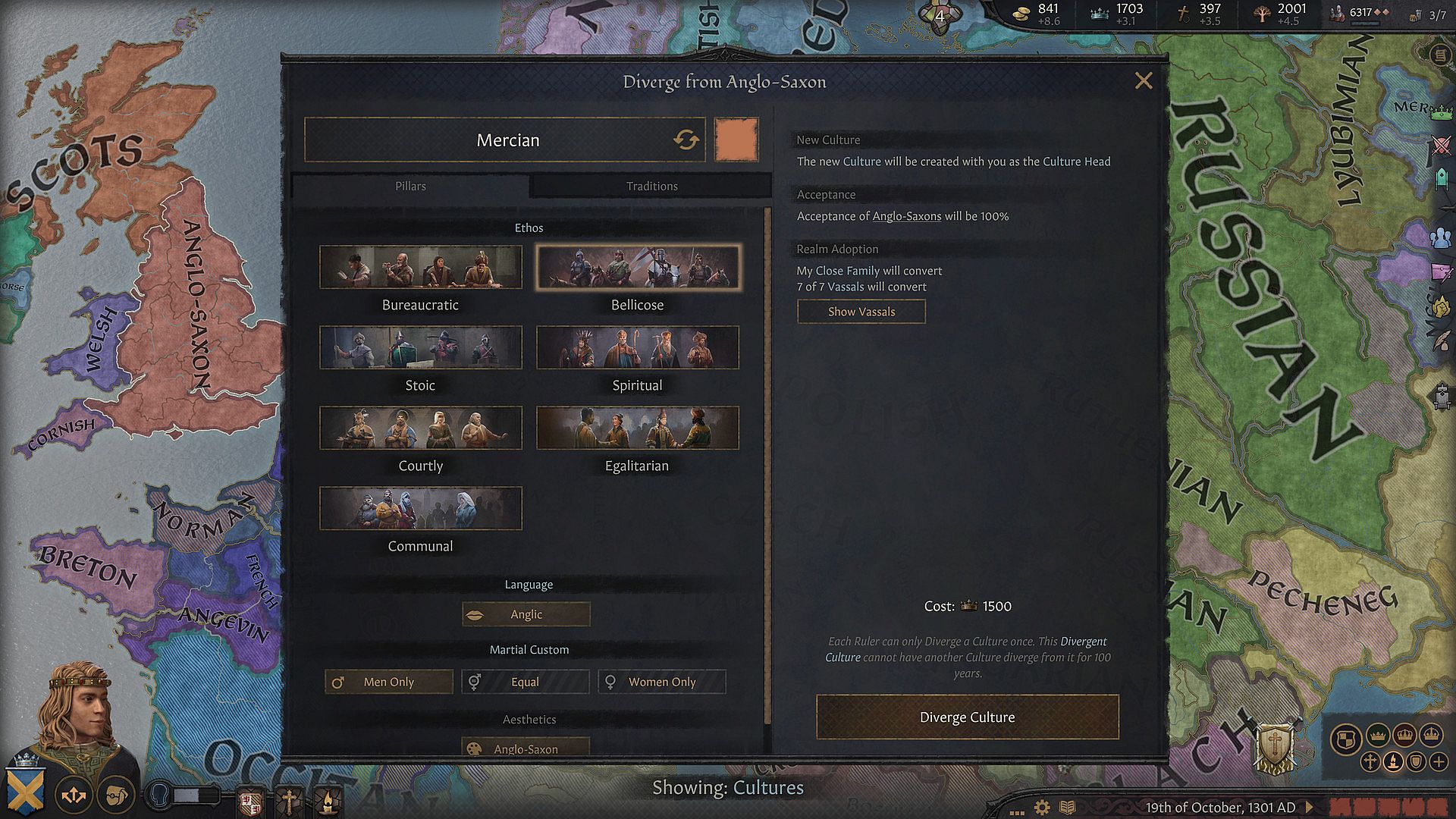
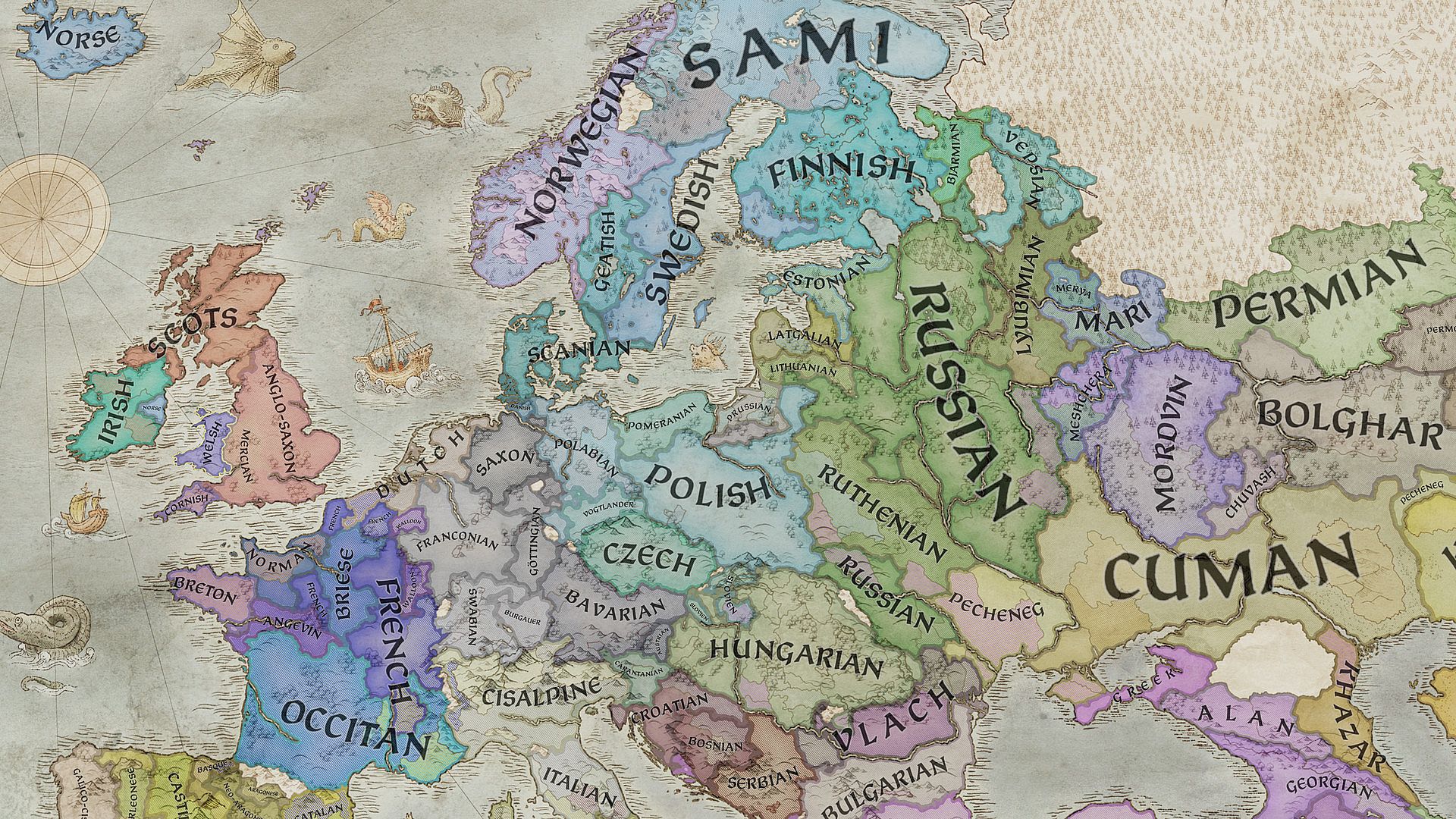
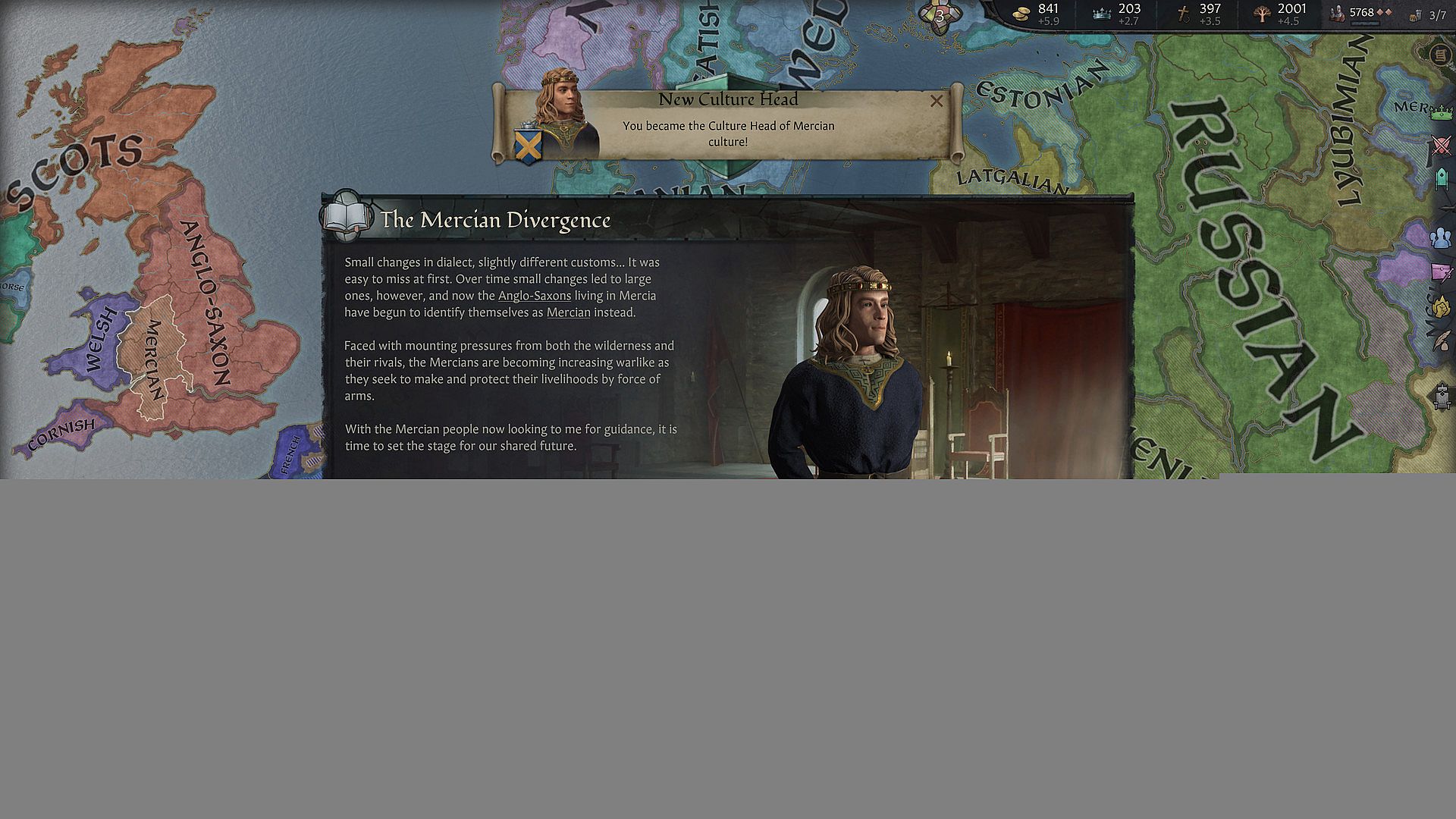
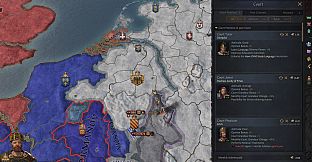
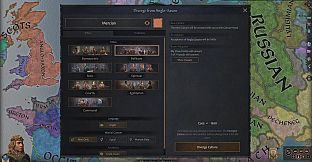
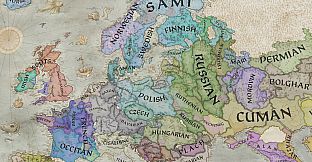
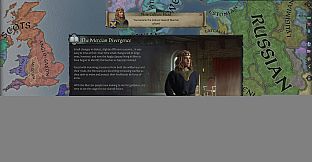
Culture receives the most substantial overhaul. Traditions tied to terrain or military bonuses can be selected, while pillars define core heritage. Subjects may learn new languages. Hybrid cultures emerge from merging traits of conquered or neighboring groups, creating unique combinations suited to specific geographies. Divergence allows a single culture to split into distinct sub-cultures over time, reflecting gradual shifts in identity and practice.
Game Modes
Crusader Kings III: Royal Court operates as a single-player grand strategy title with deep role-playing elements. Sessions begin with character selection across historical starts, then proceed through open-ended campaigns focused on dynasty survival and expansion. No separate competitive or co-operative modes exist; all progression occurs within one persistent realm where decisions compound across generations.
Play revolves around alternating between court management, cultural development, and external conflicts. Rulers guide their people toward new traditions or allow organic splits, while maintaining the physical court as a tool for influence. The experience emphasizes long-term planning over short matches, with cultural hybridization and artifact management providing fresh variables in each run.
Court and Culture Systems
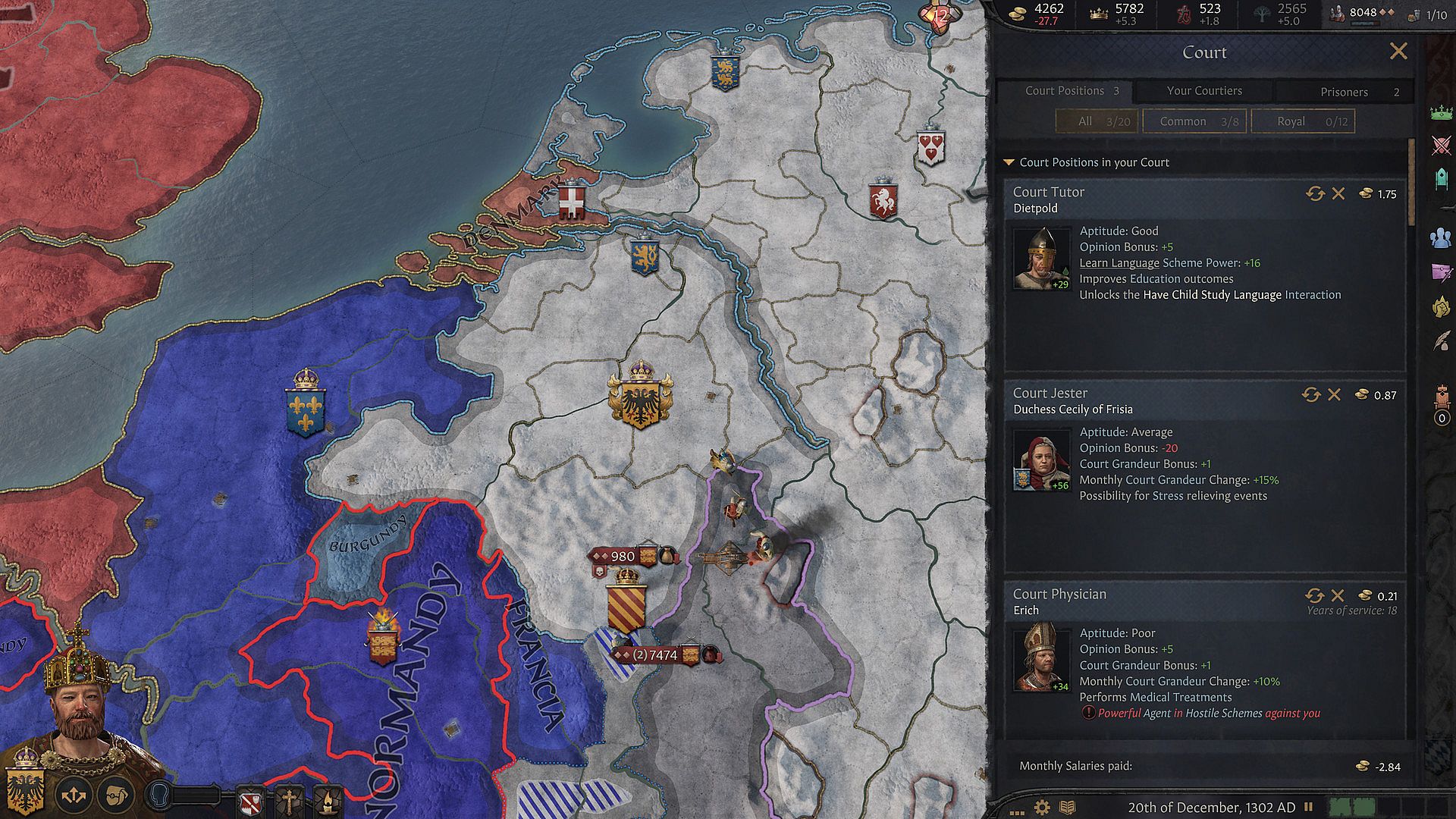
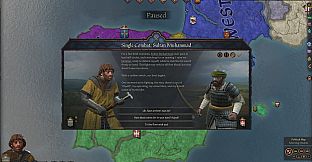
Royal audiences serve as the primary interaction hub. Rulers arbitrate disputes, grant favors, or enforce judgments while observing reactions from assembled figures. Success depends partly on the visible splendor of the chamber, which can sway outcomes without direct force.
The culture mechanics encourage experimentation. A Bedouin ruler might blend with local populations after conquest, or a Norse leader could adopt distant customs through travel and settlement. These changes affect laws, military capabilities, and social cohesion. Divergence creates internal variety, allowing different regions within one realm to develop distinct identities without player micromanagement.
Is It Worth Playing?
Crusader Kings III: Royal Court suits players who enjoy detailed dynasty management and cultural storytelling within a single-player strategy framework. The throne room and artifact systems add tangible feedback to prestige decisions, while the culture overhaul introduces meaningful long-term variety through hybridization and divergence. Reviews from major outlets praised the integration of new features into existing systems, describing the expansion as flavorful and cohesive.
Player feedback on the DLC itself has been mixed, with some noting value concerns relative to its scope. The base game continues to receive updates years after release, keeping the overall experience current. Those focused on court intrigue, artifact collection, and evolving cultural identities will find the most direct benefit. Players seeking faster-paced or multiplayer-focused strategy may prefer other titles.