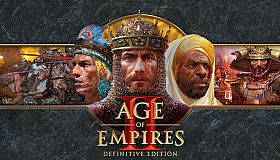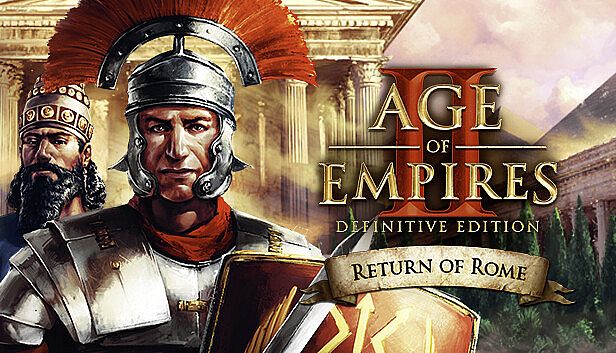











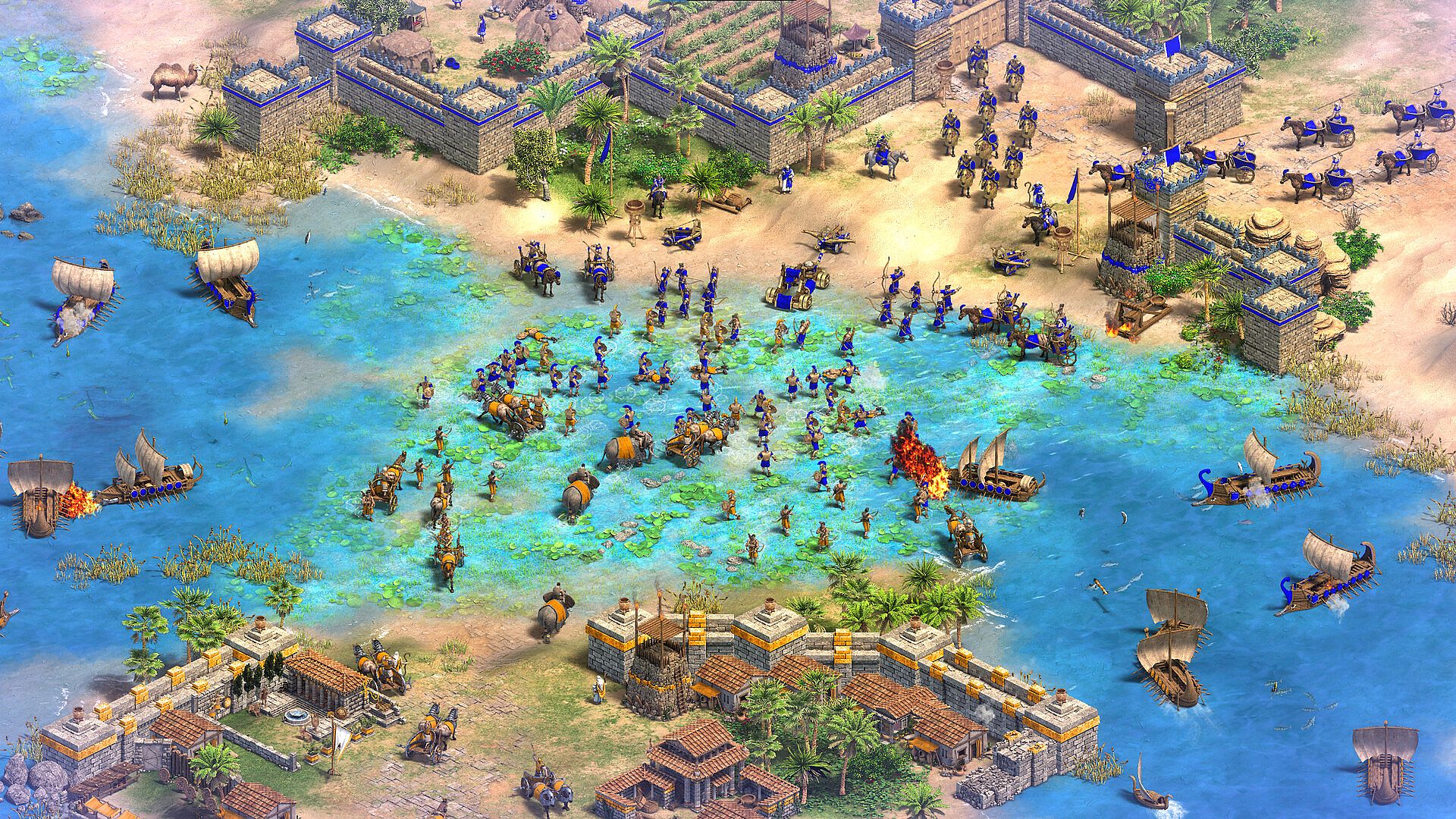
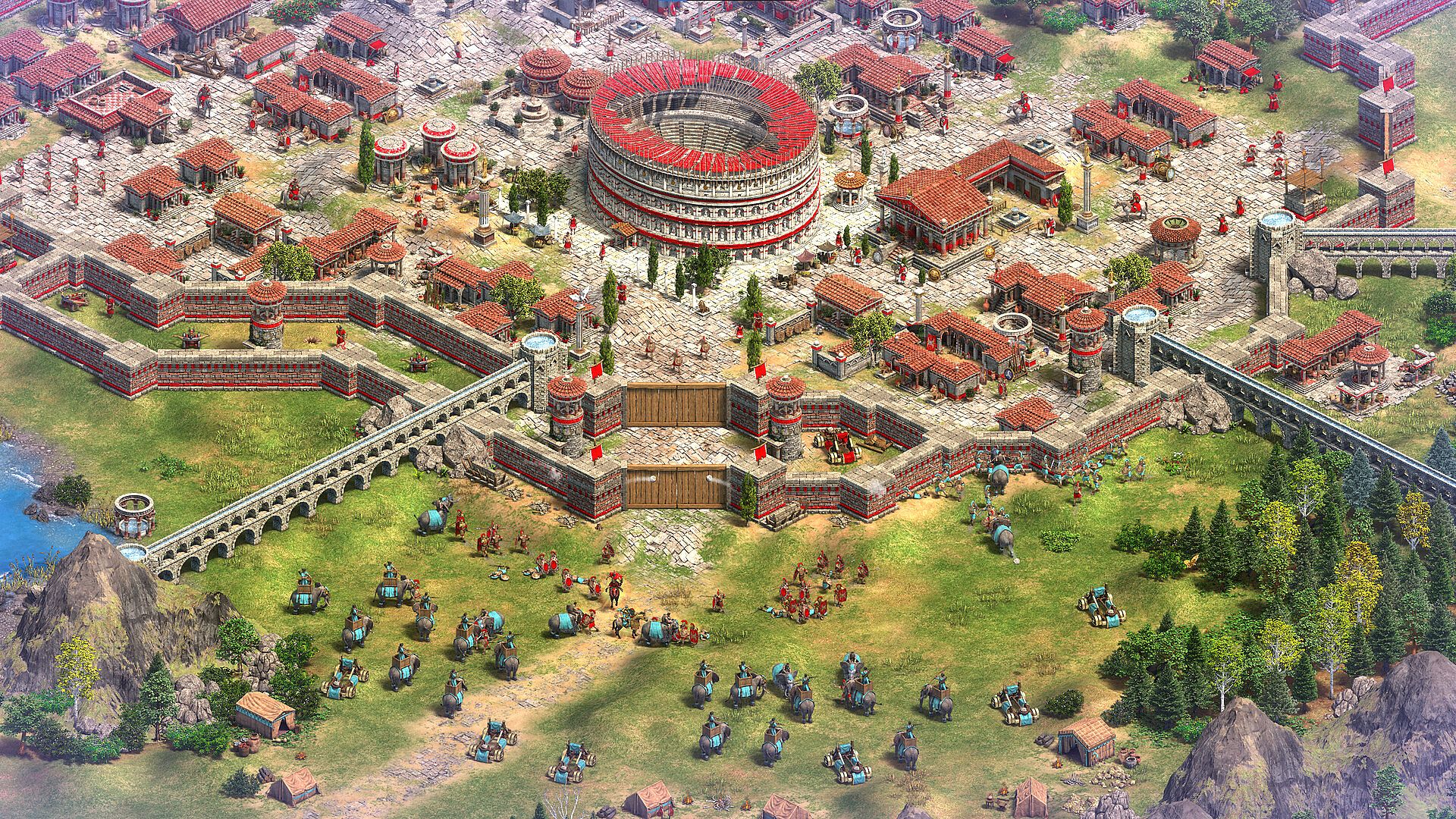
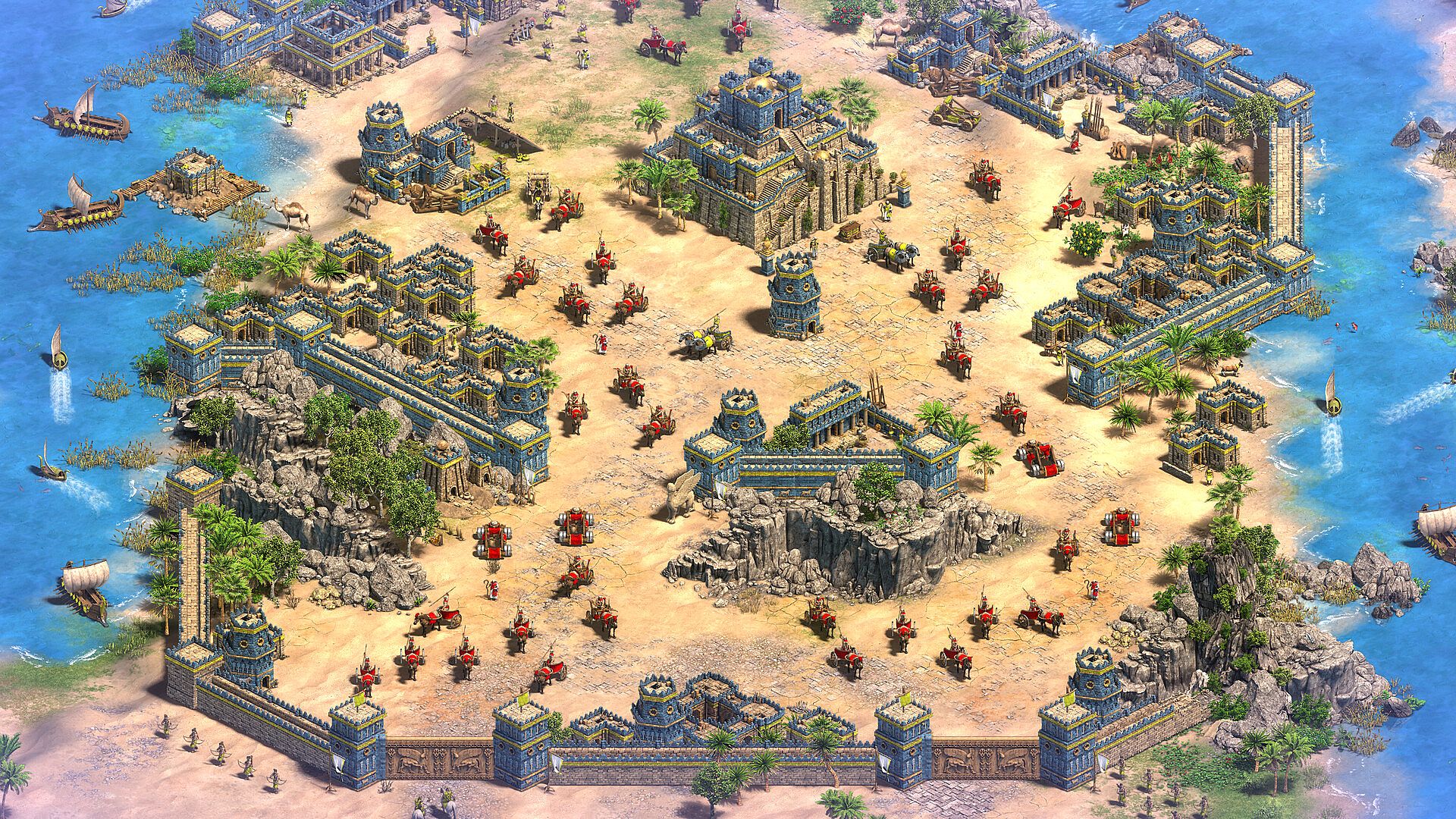
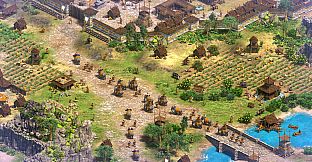
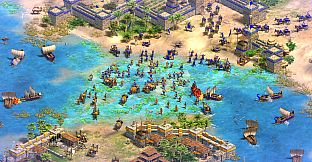
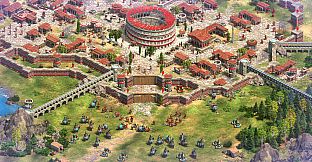
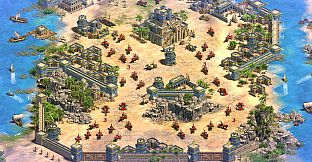
Age of Empires II: Definitive Edition - Return of Rome is a real-time strategy expansion that integrates the original Age of Empires as a self-contained experience inside the Age of Empires II engine. Players manage resources, advance through ages, construct bases, and command armies across ancient settings, with the core loop centered on economic development, technological progression, and tactical combat decisions.
Gameplay
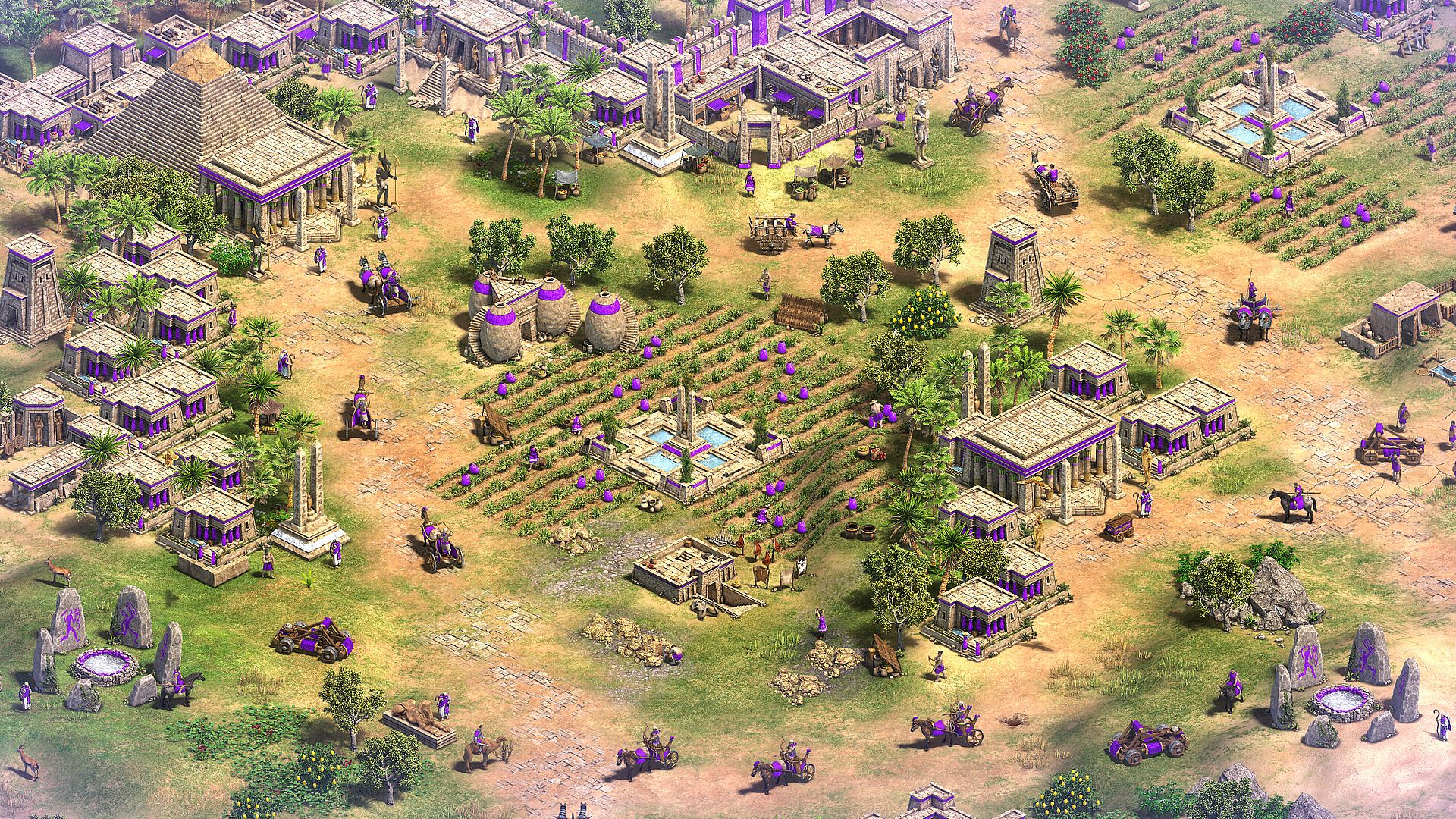
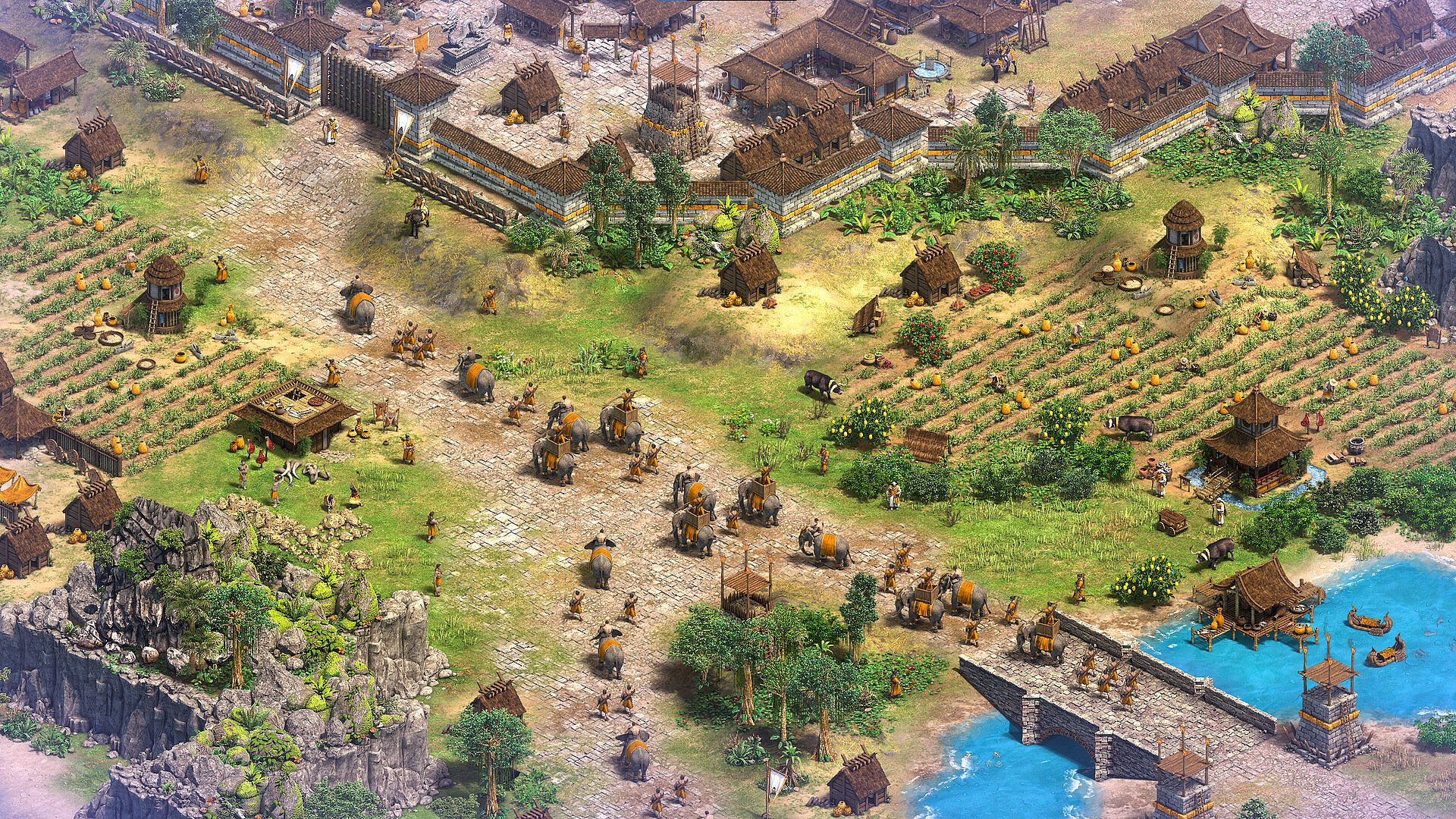
The gameplay follows the established real-time strategy formula of gathering resources, building settlements, and training units while adapting to opponents. Quality of life features such as gates for defensive structures, unit formations for organized movement, improved trade cart mechanics, refined user interface elements, enhanced visuals, spectator tools, and stronger computer opponent AI carry over to the ancient civilizations experience. These adjustments make base management and army control feel more responsive compared to the original release.
Seventeen civilizations from the first game return with their distinct unit rosters and bonuses, joined by the new Lac Viet civilization exclusive to this expansion. The Romans appear as a playable faction in the main Age of Empires II: Definitive Edition title, featuring the Legionary as a durable infantry option and the Centurion as a heavy cavalry unit that boosts nearby militia-line troops. Combat emphasizes positioning and timing rather than overwhelming numbers alone, with players balancing food, wood, stone, and gold collection against military production needs.
Game Modes
Standard skirmish and multiplayer options remain available alongside the dedicated D3 game mode. D3 draws from a community ruleset popular in Vietnam and limits early aggressive rushes by enforcing specific restrictions on initial attacks, encouraging longer-term economic planning and mid-game engagements instead. The mode integrates directly into the expansion and supports both singleplayer and unranked multiplayer matches.
Campaign play focuses on narrative-driven scenarios across three new fully voiced entries. Sargon of Akkad follows the rise of a cupbearer guided by the goddess Ishtar as he unifies Sumerian city-states, with players controlling the Sumerians. Pyrrhus of Epirus depicts the struggles of a Macedonian leader navigating the chaos after Alexander the Great, testing strategic resilience against larger forces. Trajan portrays the Roman emperor's efforts to stabilize and expand the empire amid internal threats, placing players in command of Roman legions and infrastructure.
Civilizations and Campaigns
The expansion brings together Assyrians, Babylonians, Carthaginians, Choson, Egyptians, Greeks, Hittites, Macedonians, Minoans, Palmyrans, Persians, Phoenicians, Romans, Shang, Sumerians, and Yamato, each with unique strengths in resource gathering, unit production, or defensive capabilities. The Lac Viet adds a Southeast Asian option with its own specialized bonuses tailored for the ancient era setting. These factions support both random map skirmishes and the dedicated campaign stories.
Additional older campaigns from the first Age of Empires title receive periodic additions over time, expanding the singleplayer content without altering the core mechanics. The Romans integration allows their use in standard Age of Empires II matches outside the expansion tab, broadening options for ranked and unranked play in the base game.
Is It Worth Playing?
Return of Rome suits players who enjoy real-time strategy focused on historical antiquity, detailed campaign storytelling, and experimentation with older civilization designs updated through modern interface tools. The self-contained structure keeps the experience separate from the main game's medieval focus, appealing to those seeking shorter sessions or variety in singleplayer scenarios. Multiplayer remains viable through the D3 mode and standard options, though activity concentrates more on the base title.
Support continues with balance adjustments and occasional content additions, maintaining relevance for dedicated strategy fans. Those who prefer fast-paced rushes or extensive competitive ladders may find the D3 restrictions and ancient tech trees less engaging, while players drawn to narrative campaigns and civilization variety receive substantial value from the three new stories and expanded roster. The expansion delivers a polished bridge between two eras of the series without requiring prior ownership of the original game.