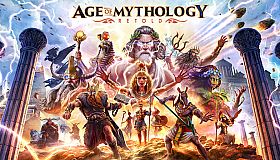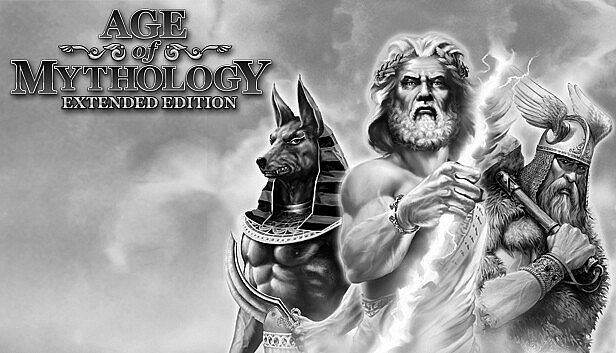
















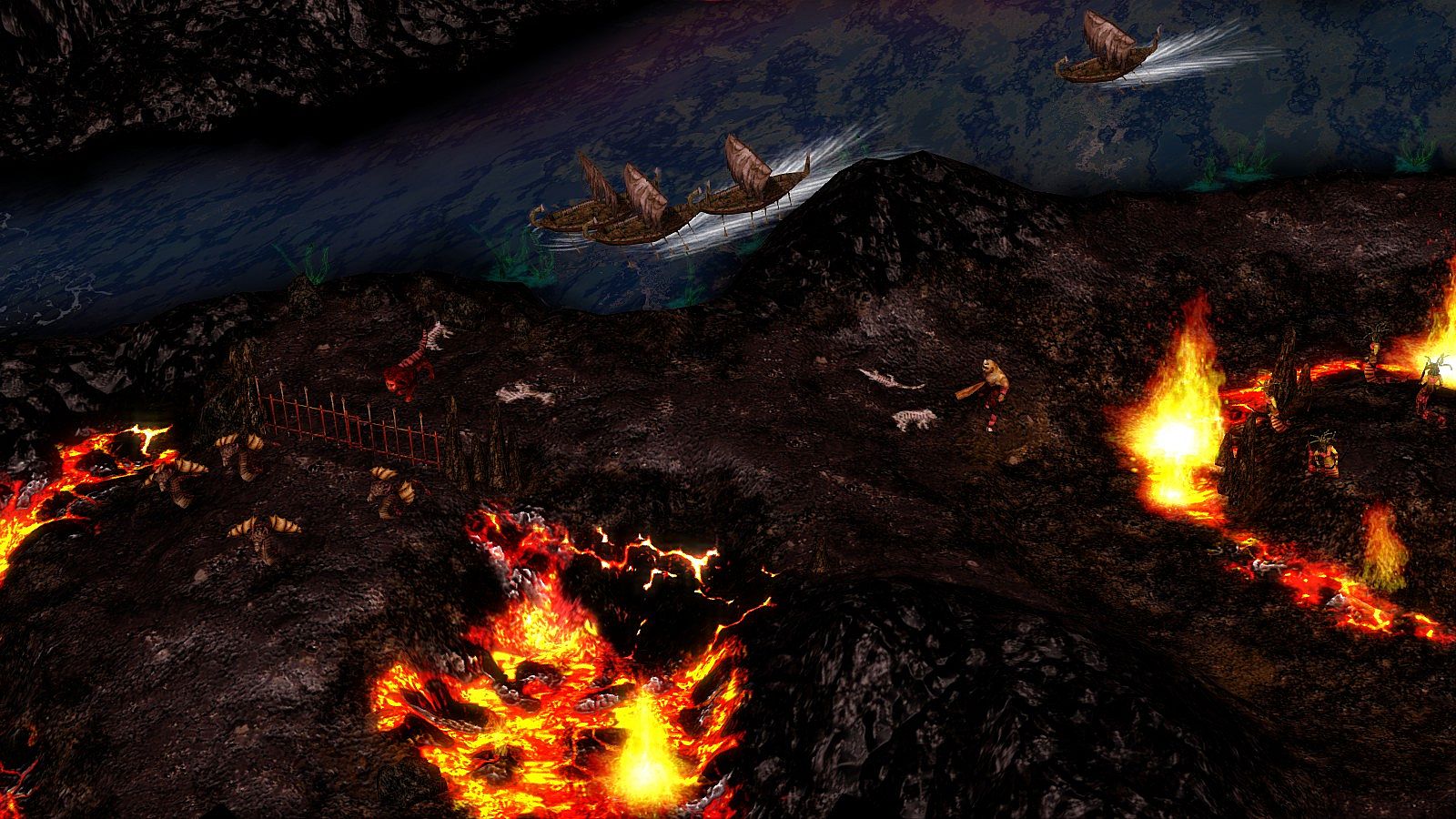
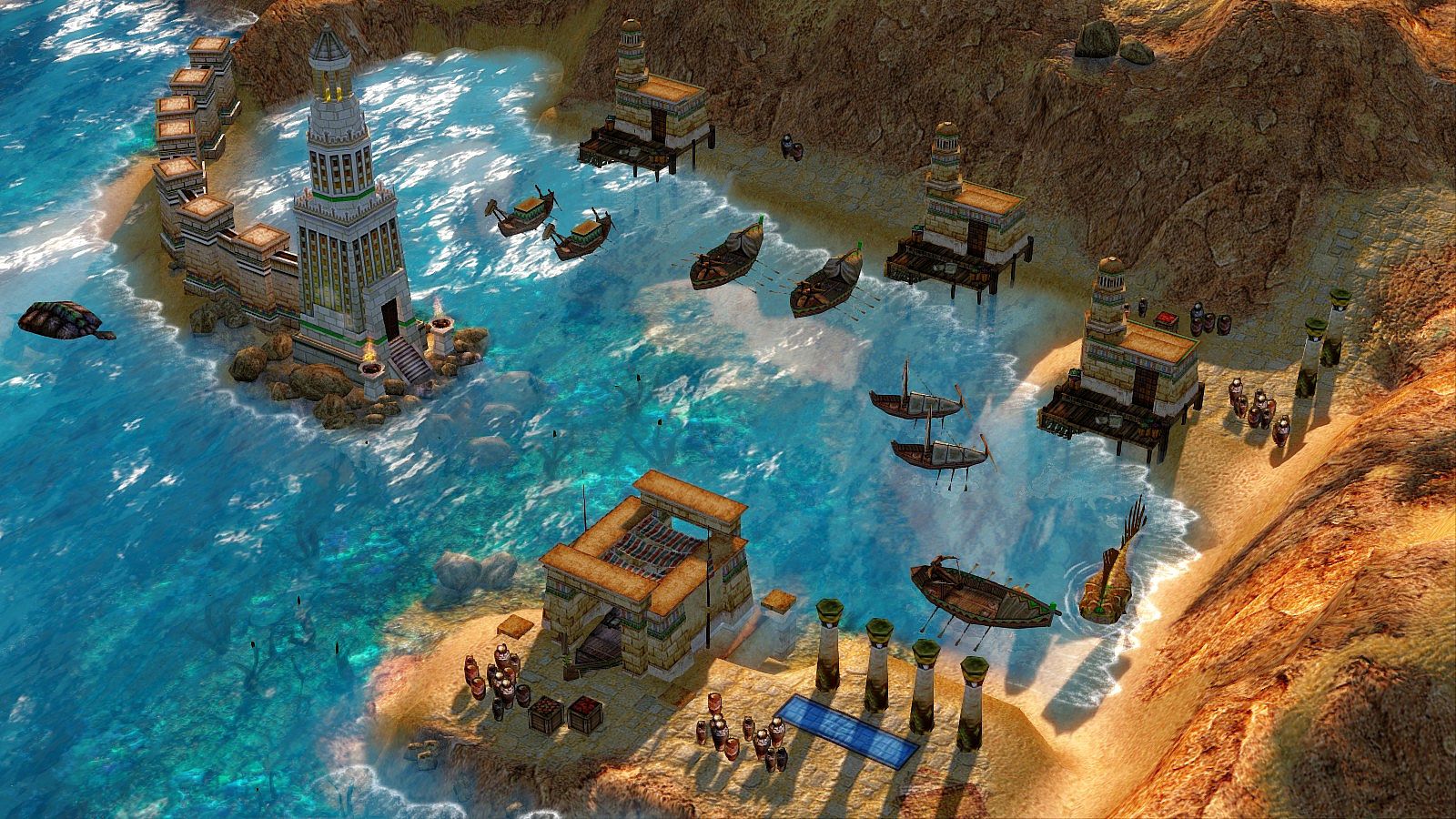
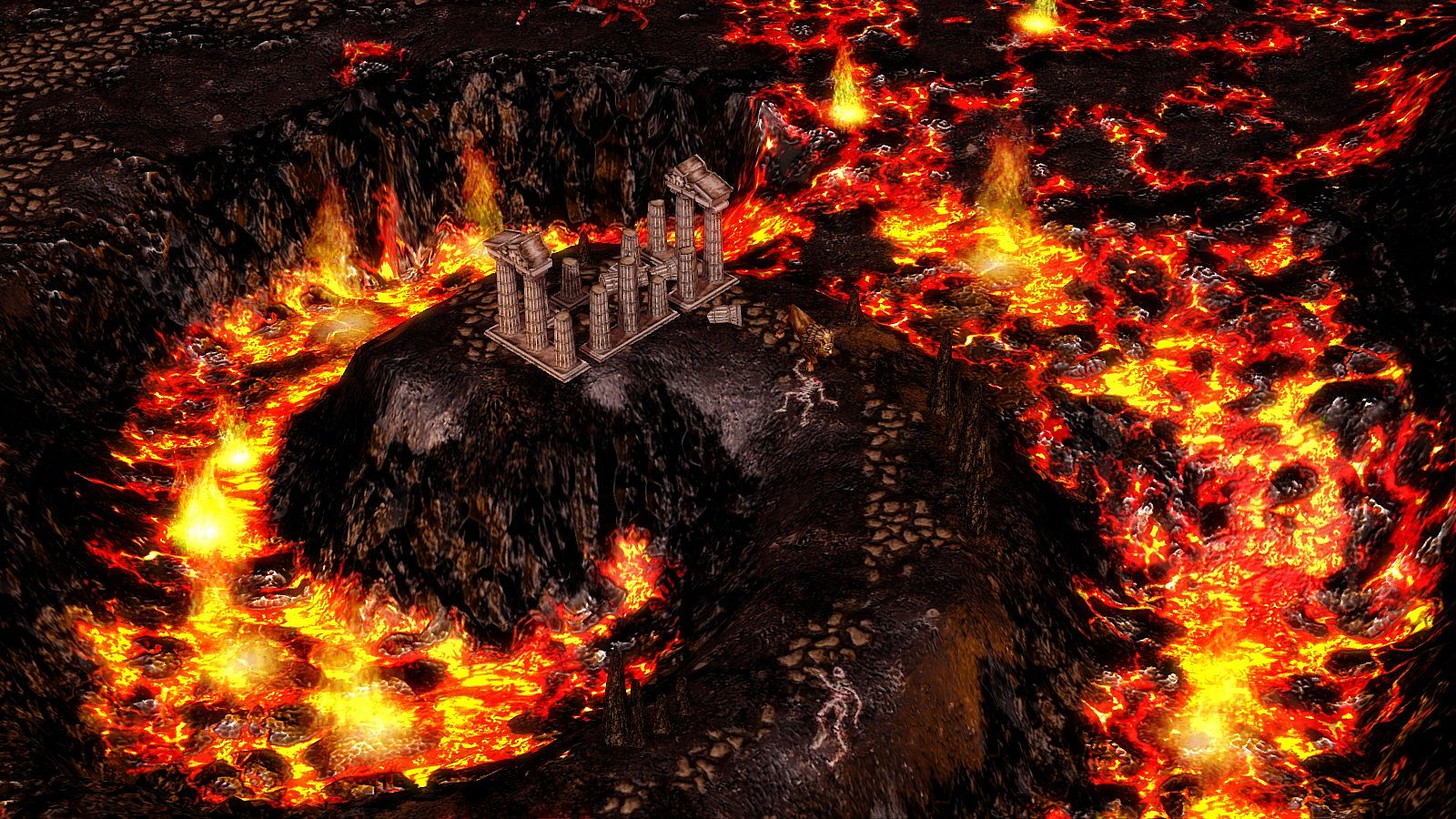
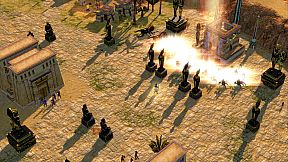
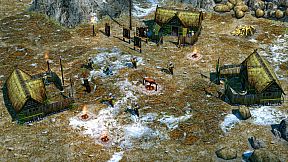
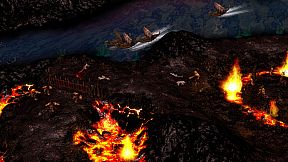
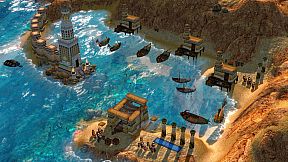
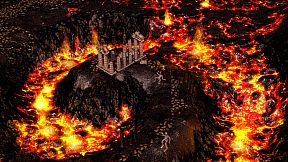
Age of Mythology: Extended Edition stands as a real-time strategy game that blends historical elements with mythological flair, originally released in an updated form back in 2014. Players command armies inspired by ancient civilizations, incorporating gods and legendary creatures into battles. This version bundles the core game, its Titans expansion, and the Golden Gift campaign, all enhanced with better visuals and modern features like improved lighting and water effects. While a newer remaster called Retold arrived in 2024, this edition remains a solid entry point for those seeking the classic experience on PC.
Gameplay
In Age of Mythology: Extended Edition, the core loop revolves around resource management and strategic expansion in a real-time setting. You gather four key resources: food from hunting or farming, wood from trees, gold from mines or trade, and favor, which varies by civilization-Greeks earn it through temple prayers, Egyptians via monuments, and Norse through combat. These resources fund building construction, unit training, and technological advancements across four ages: Archaic, Classical, Heroic, and Mythic. Each age unlocks stronger units and abilities, including myth units like Minotaurs or Cyclopes that add supernatural power to your forces.
Combat follows a rock-paper-scissors system where infantry counters cavalry, cavalry beats archers, and archers handle infantry, with similar dynamics for naval and myth units. Heroes play a crucial role, excelling against myth units and generating favor for Norse players. You manage population limits by constructing houses and town centers, while buildings fall into economic, military, or defensive categories. Gods grant unique powers, such as calling down meteors or lightning storms, which can turn the tide in skirmishes. The Titans expansion introduces Atlantean mechanics, where citizens replace traditional villagers and oracles generate favor by exploring.
Game Modes
The game offers several multiplayer options designed for varied playstyles. Supremacy serves as the standard mode, where you compete on random maps to build and dominate. Conquest requires eliminating all opponents entirely, emphasizing aggressive strategies. Deathmatch starts everyone with abundant resources for immediate large-scale battles, and Lightning accelerates the pace with doubled game speed.
Additional setups include Nomad, where you begin with just a single civilian unit and no town center, forcing quick adaptation. King of the Hill tasks players with controlling a central Plenty Vault for a set time. Sudden Death adds tension by making town center loss an instant defeat unless rebuilt. The Extended Edition also features Treaty mode, which enforces a no-attack period at the start, allowing buildup before conflicts erupt.
Factions and Civilizations
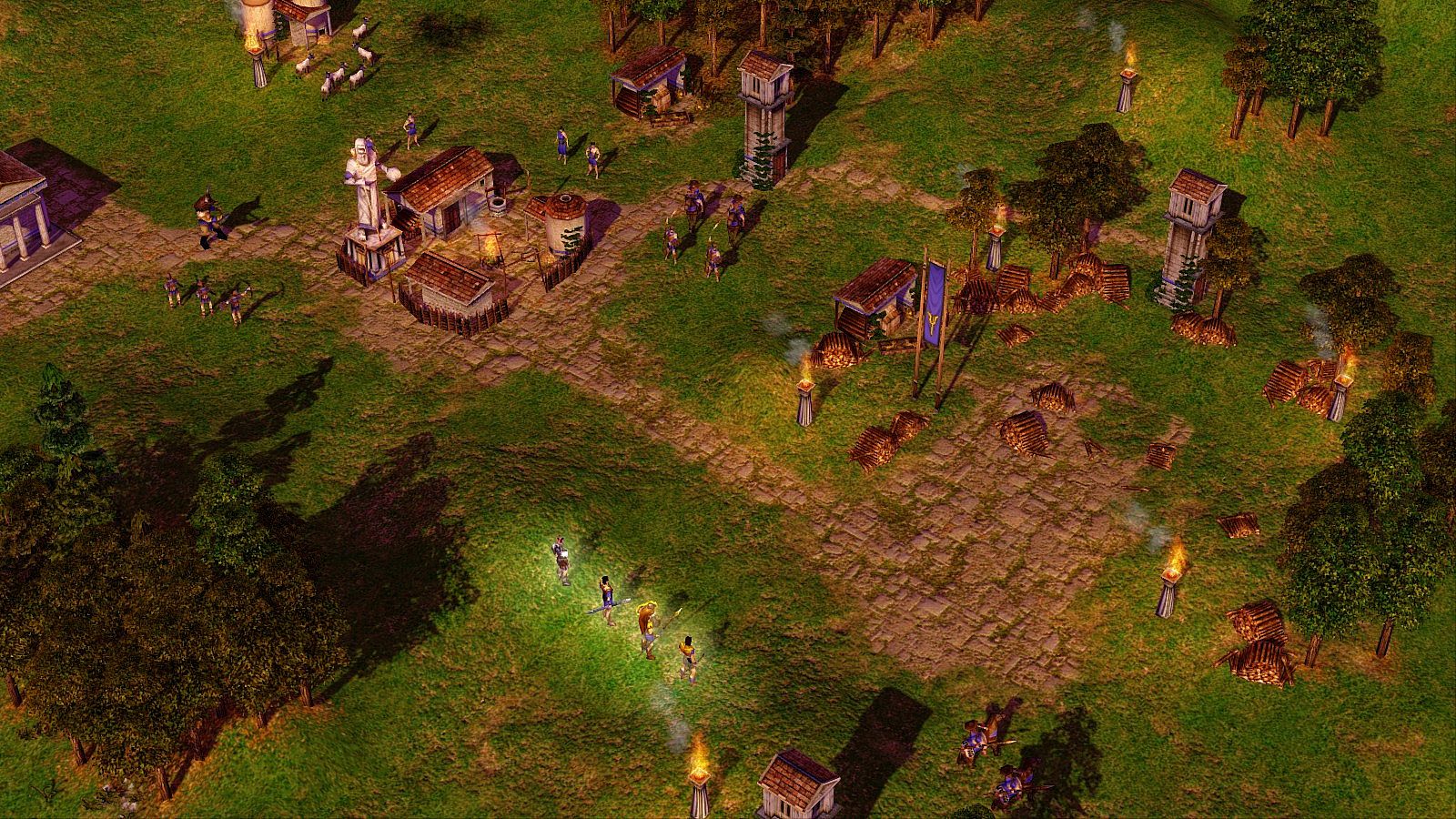
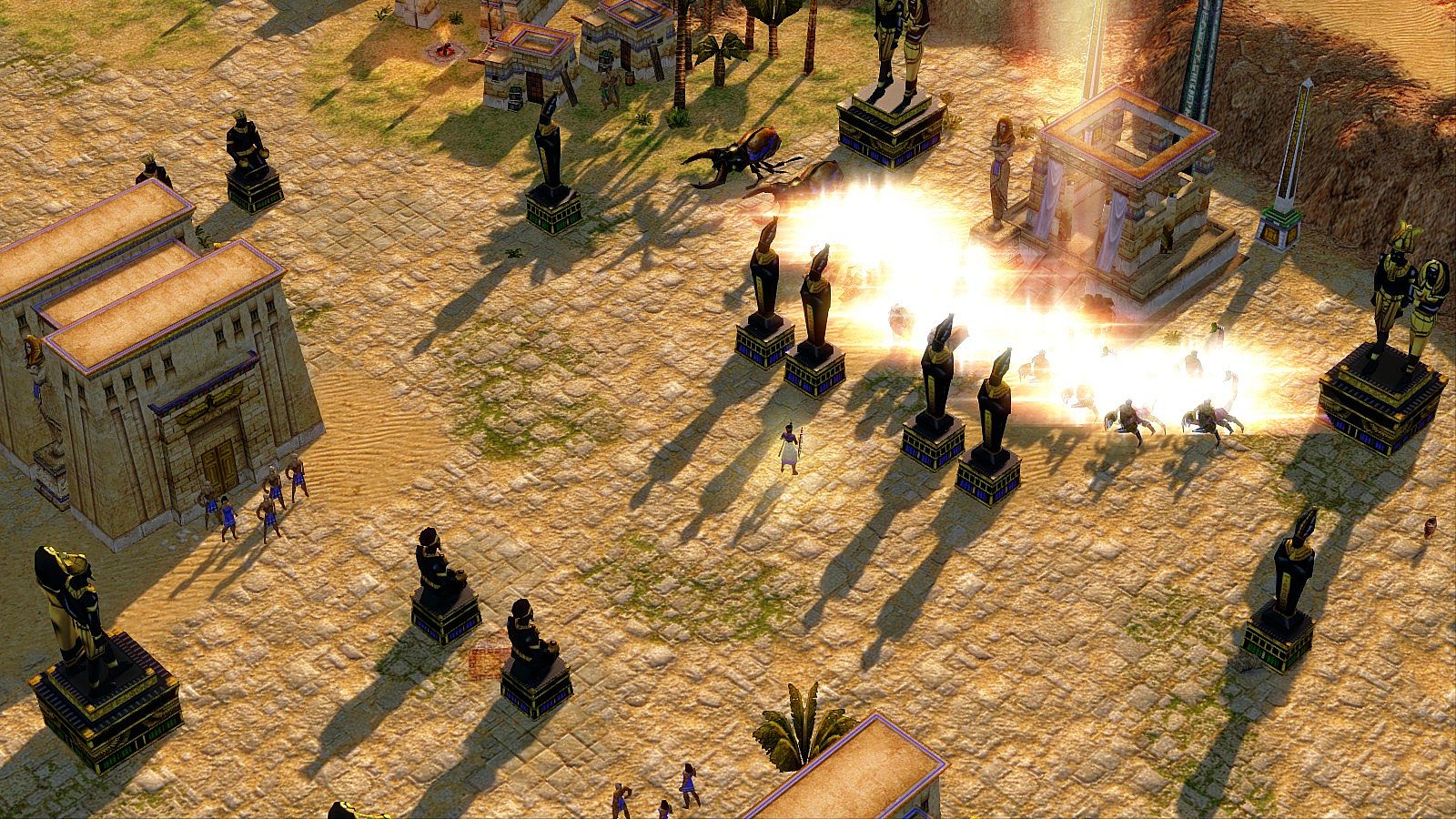
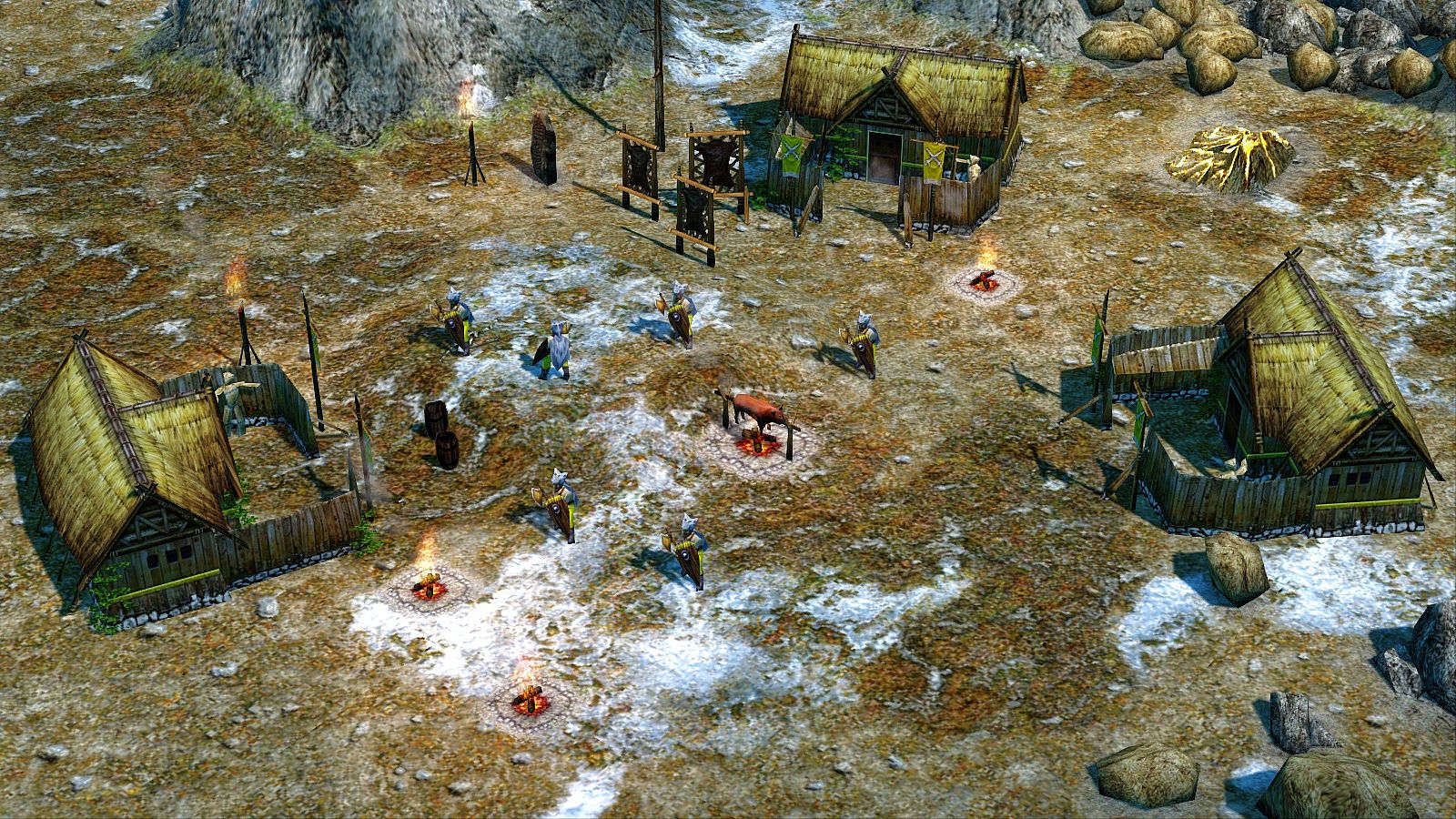
Three initial civilizations draw from ancient mythologies: Greeks, Egyptians, and Norse. Greeks focus on versatile human units and heroes from myths like Jason or Achilles. Egyptians emphasize defensive structures and pharaohs who empower buildings, with myth units such as Sphinxes. Norse rely on mobile infantry and favor from battles, using creatures like Valkyries.
The Titans expansion adds Atlanteans, who use citizens that don't need drop-off points for resources and oracles for scouting. The Tale of the Dragon expansion, released in 2016, introduces the Chinese civilization with unique units and gods, though it faced some criticism for balance issues. Each faction selects a major god at the start, with minor gods chosen per age for specialized bonuses.
Is It Worth Playing?
Player reception for the original Age of Mythology was strong, with a Metacritic score of 89% based on 31 reviews, including 9.3/10 from IGN and 9.2/10 from Gamespot, praising its campaign and strategic depth. The Extended Edition, however, drew mixed feedback due to performance issues like lag and bugs upon release, though patches improved stability over time.
As of 2026, this version receives no further updates following the 2024 Retold remaster, which overhauls mechanics and adds content. It suits strategy enthusiasts who enjoy mythology-themed RTS games with single-player campaigns and multiplayer skirmishes, especially if you prefer the classic visuals. Newcomers might opt for Retold for ongoing support, but veterans find value here for nostalgia and modding via the workshop. If building empires with gods and monsters appeals, it holds up well for casual sessions.