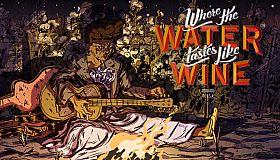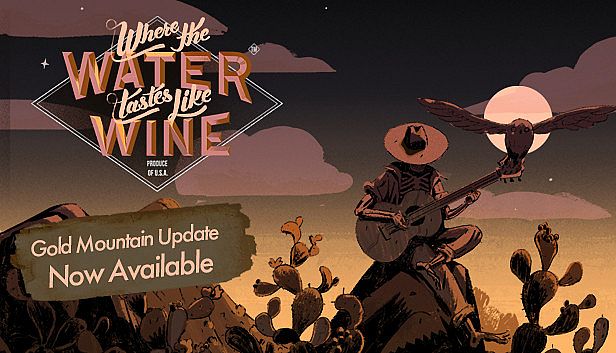




















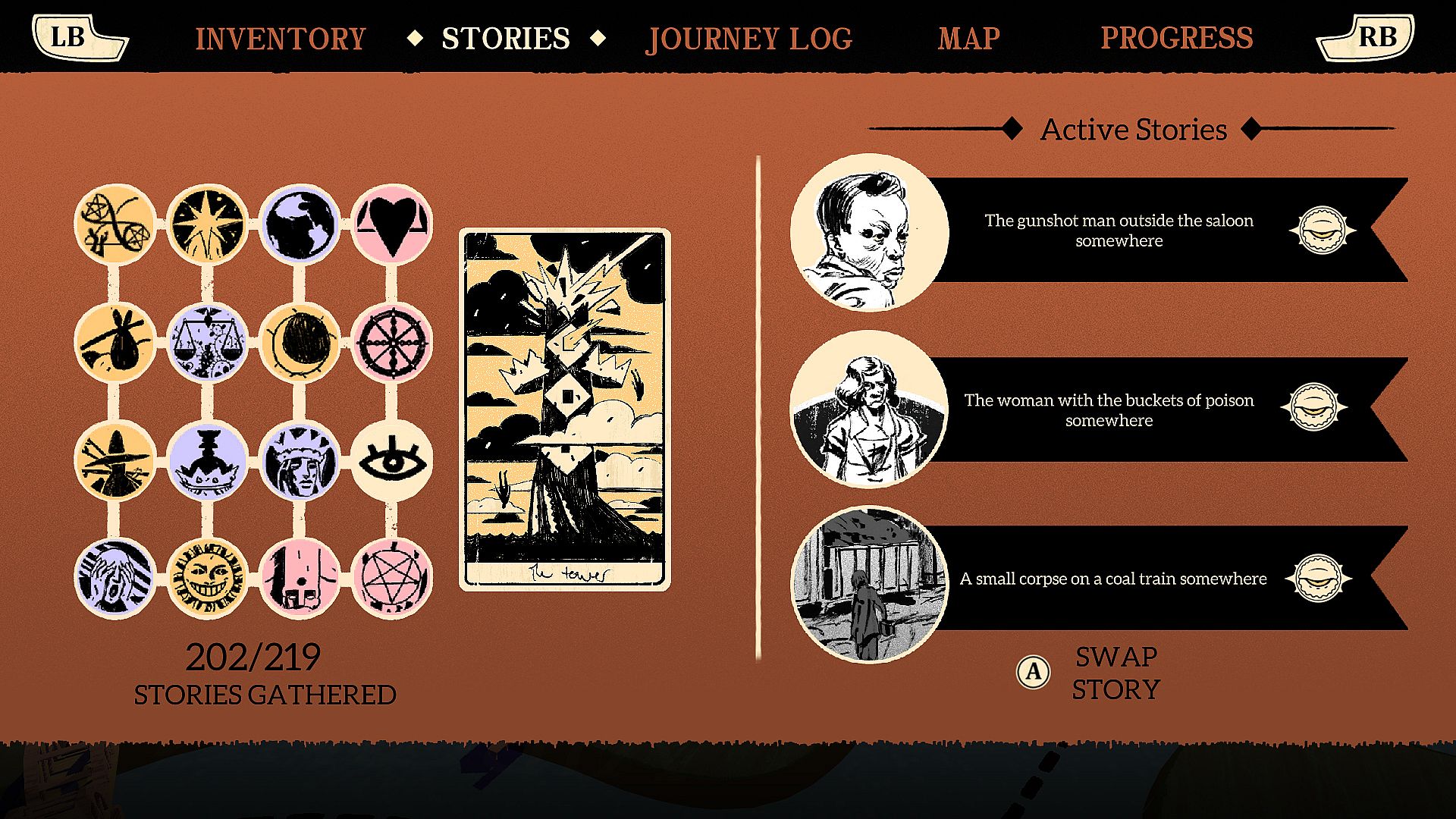
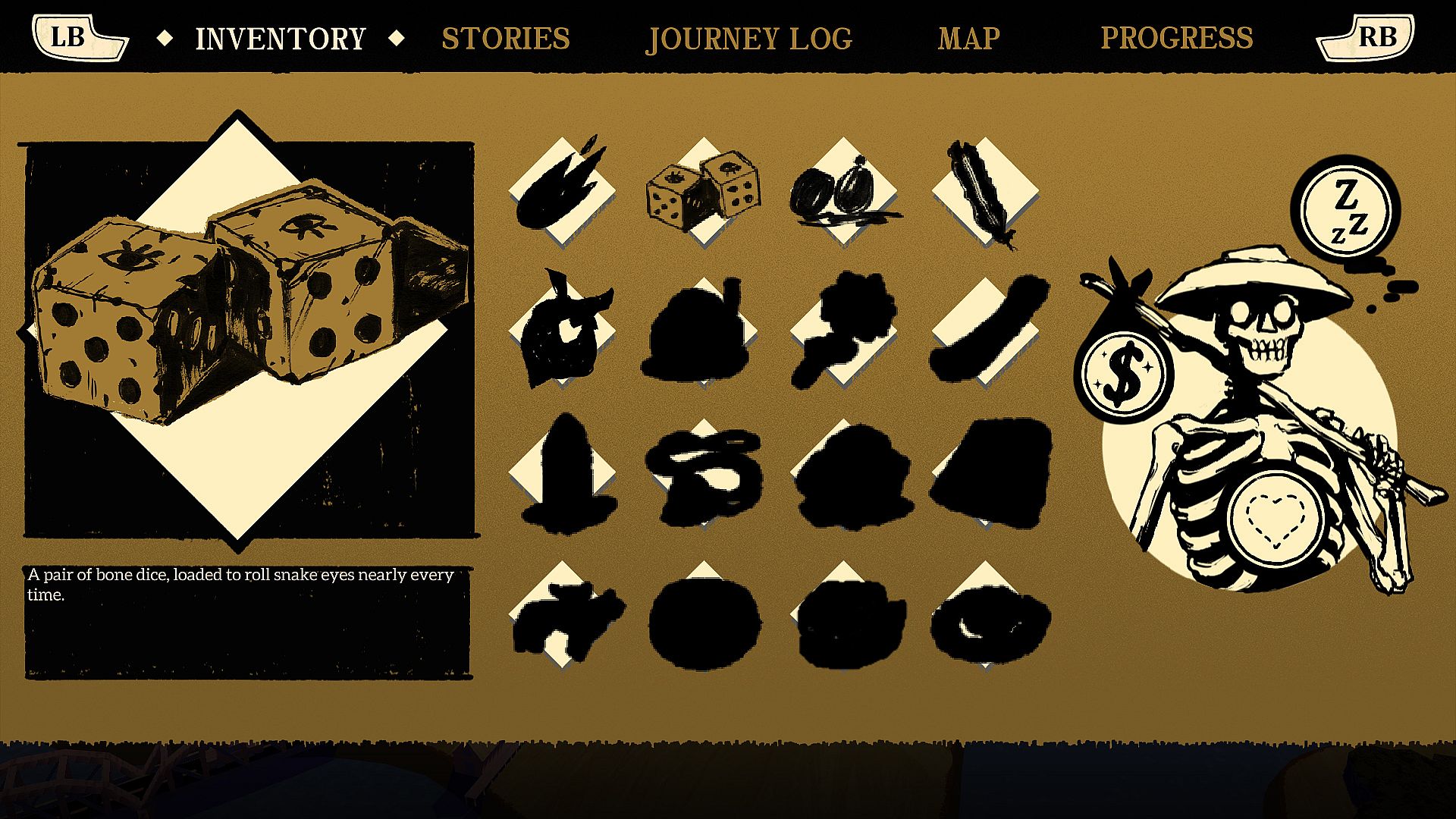
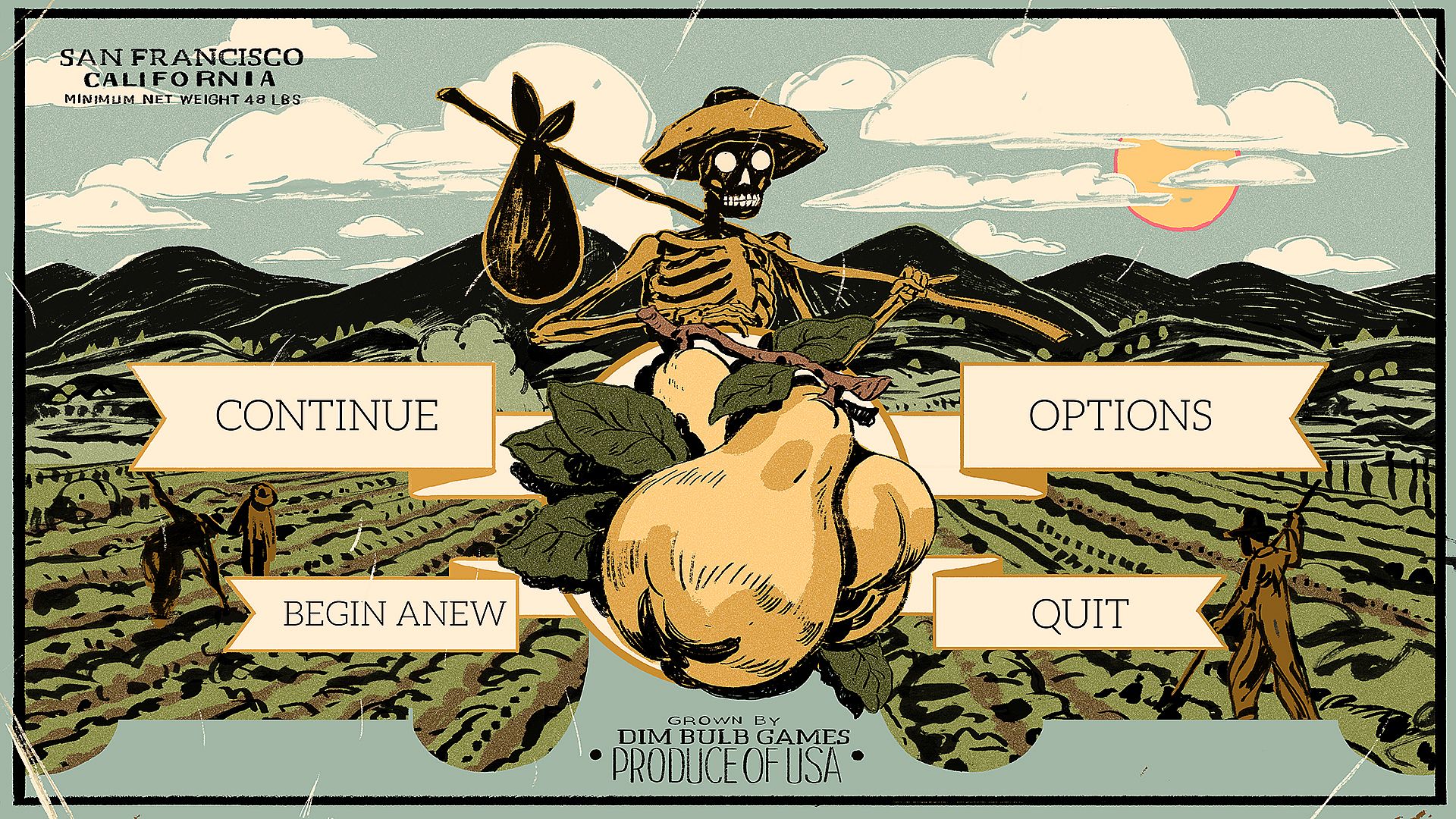

Where the Water Tastes Like Wine stands as an indie narrative adventure game with RPG elements set on the PC platform. Players take on the role of a traveler moving through a folkloric version of the United States during the Great Depression era, gathering tales from strangers and using those stories to build connections that unlock deeper revelations.
Gameplay
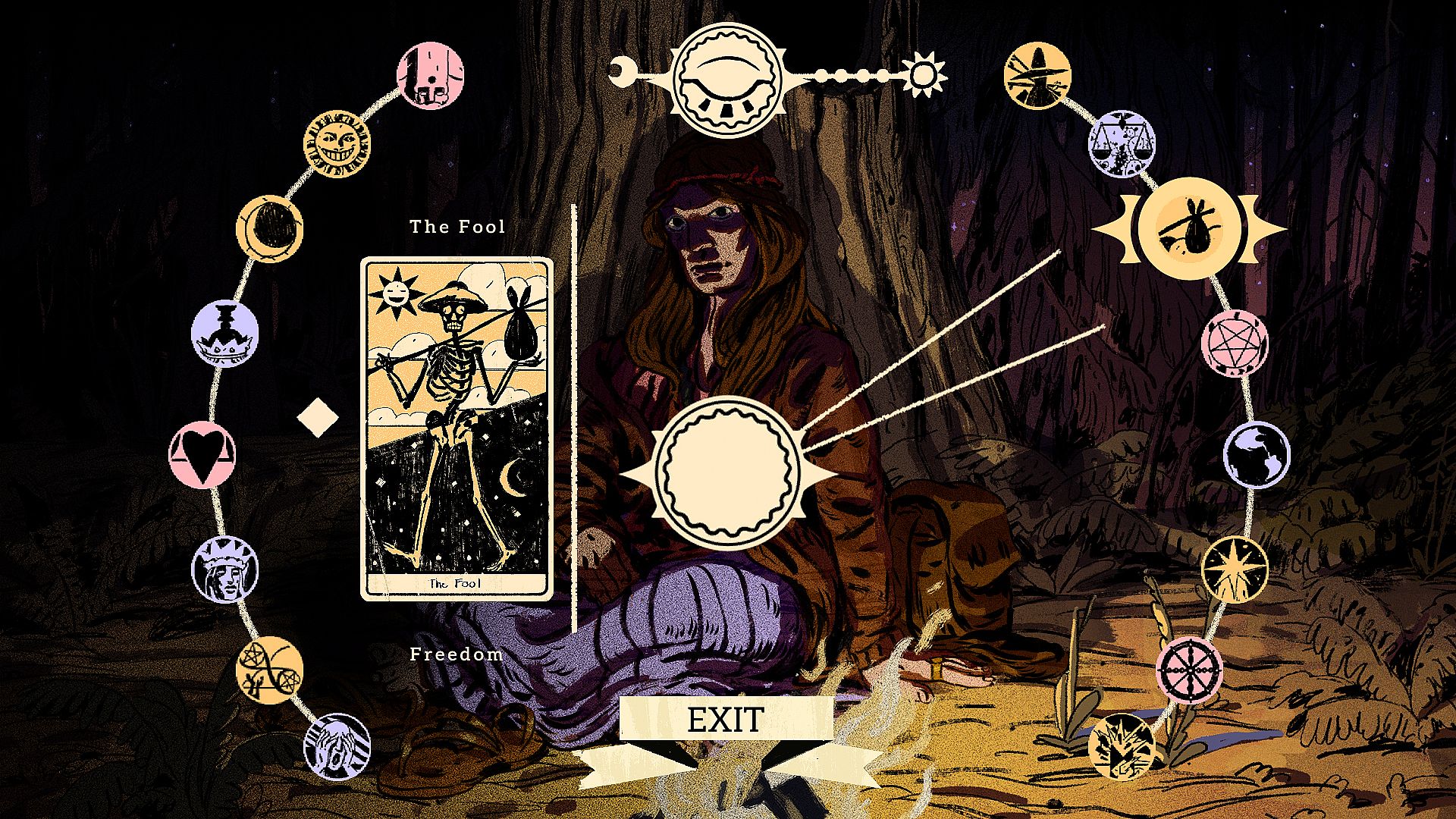
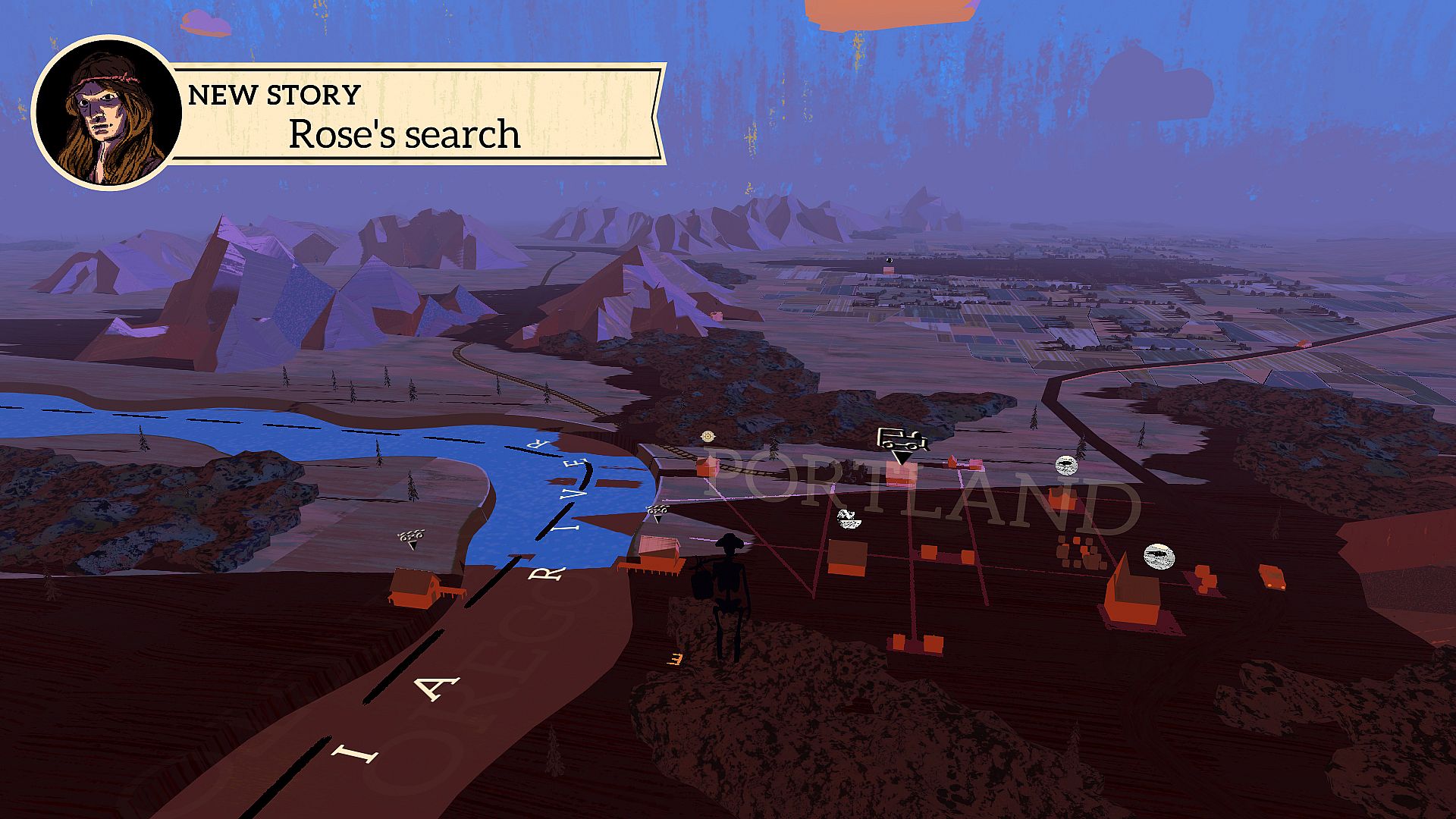
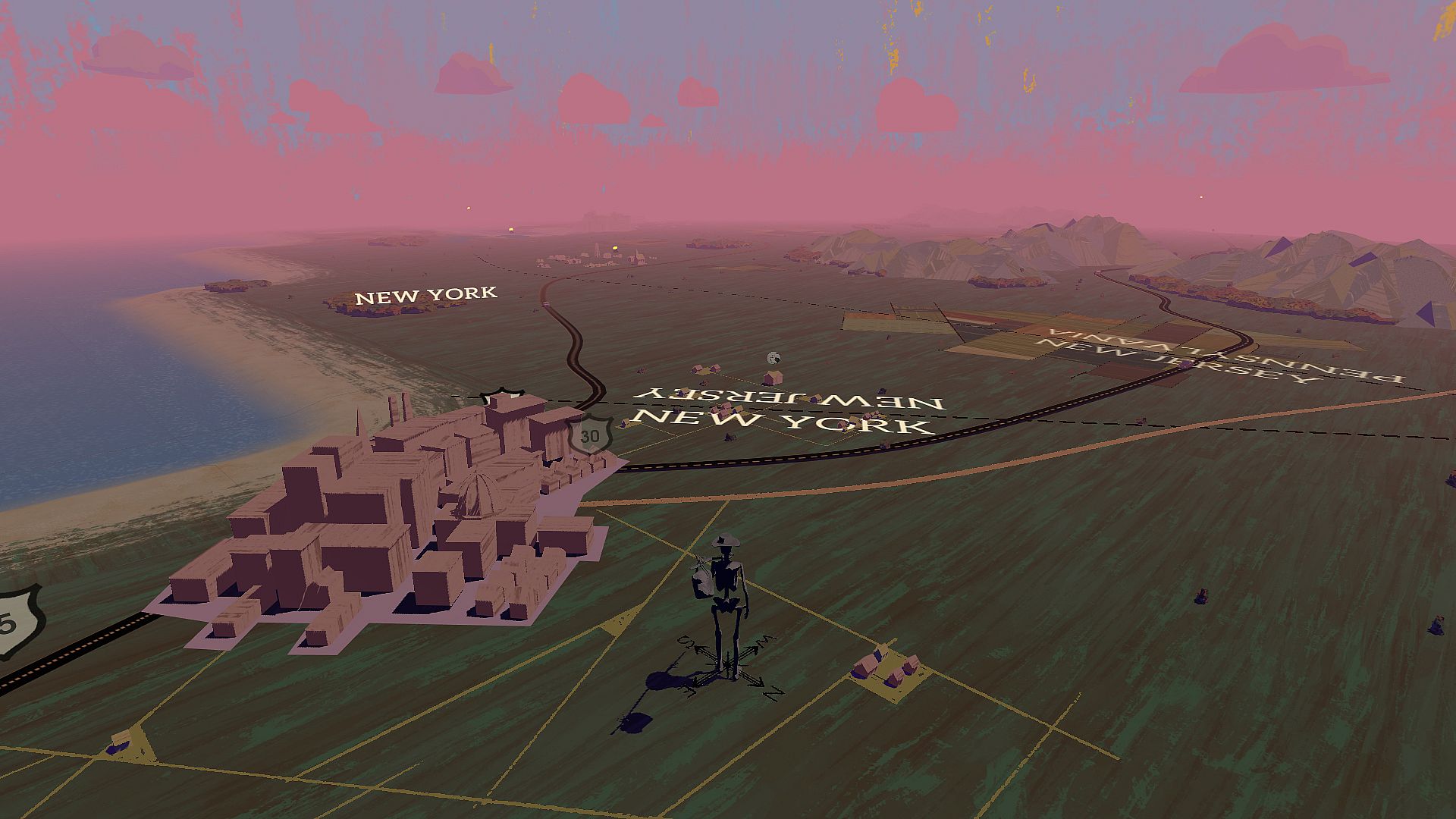
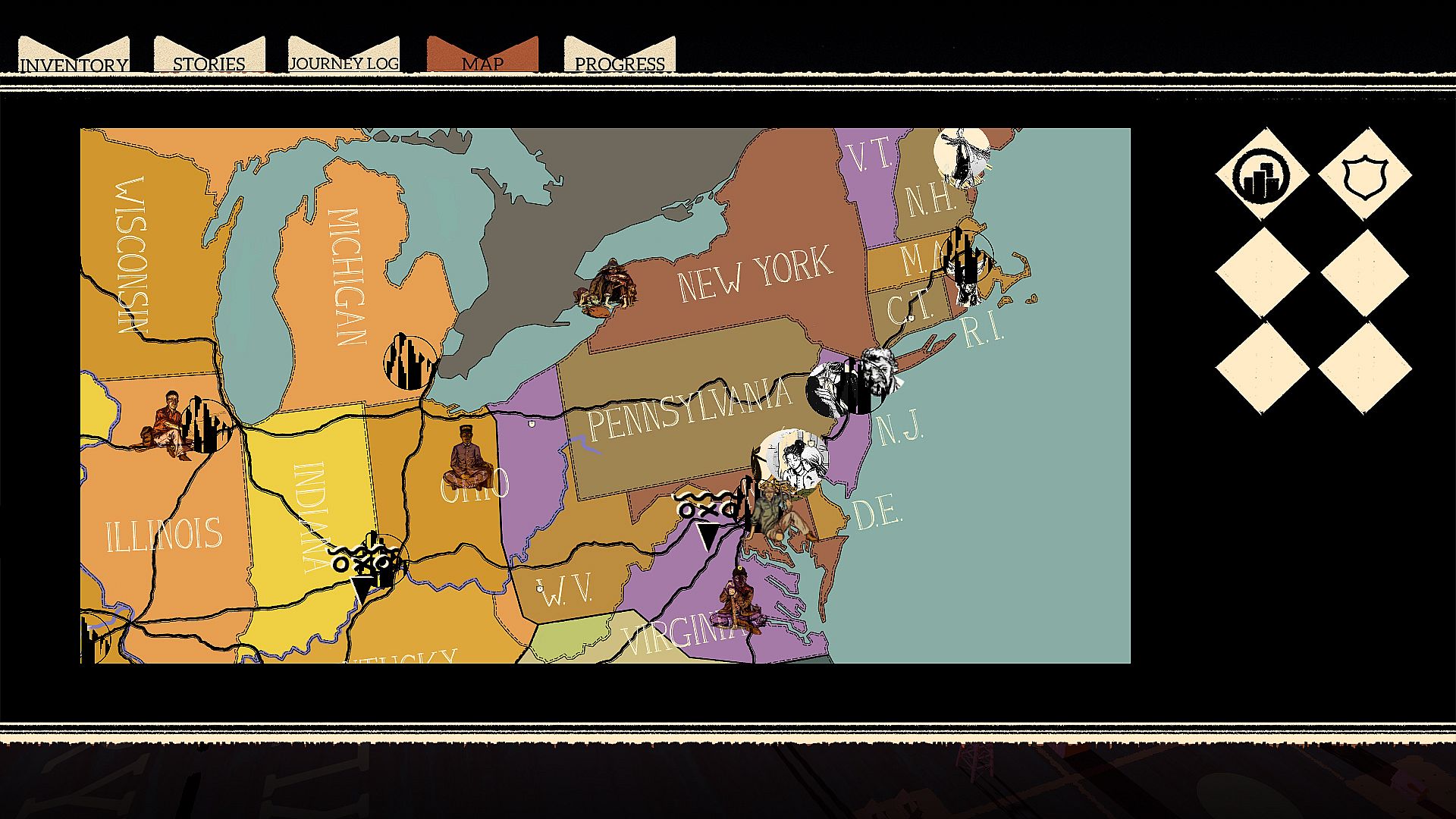
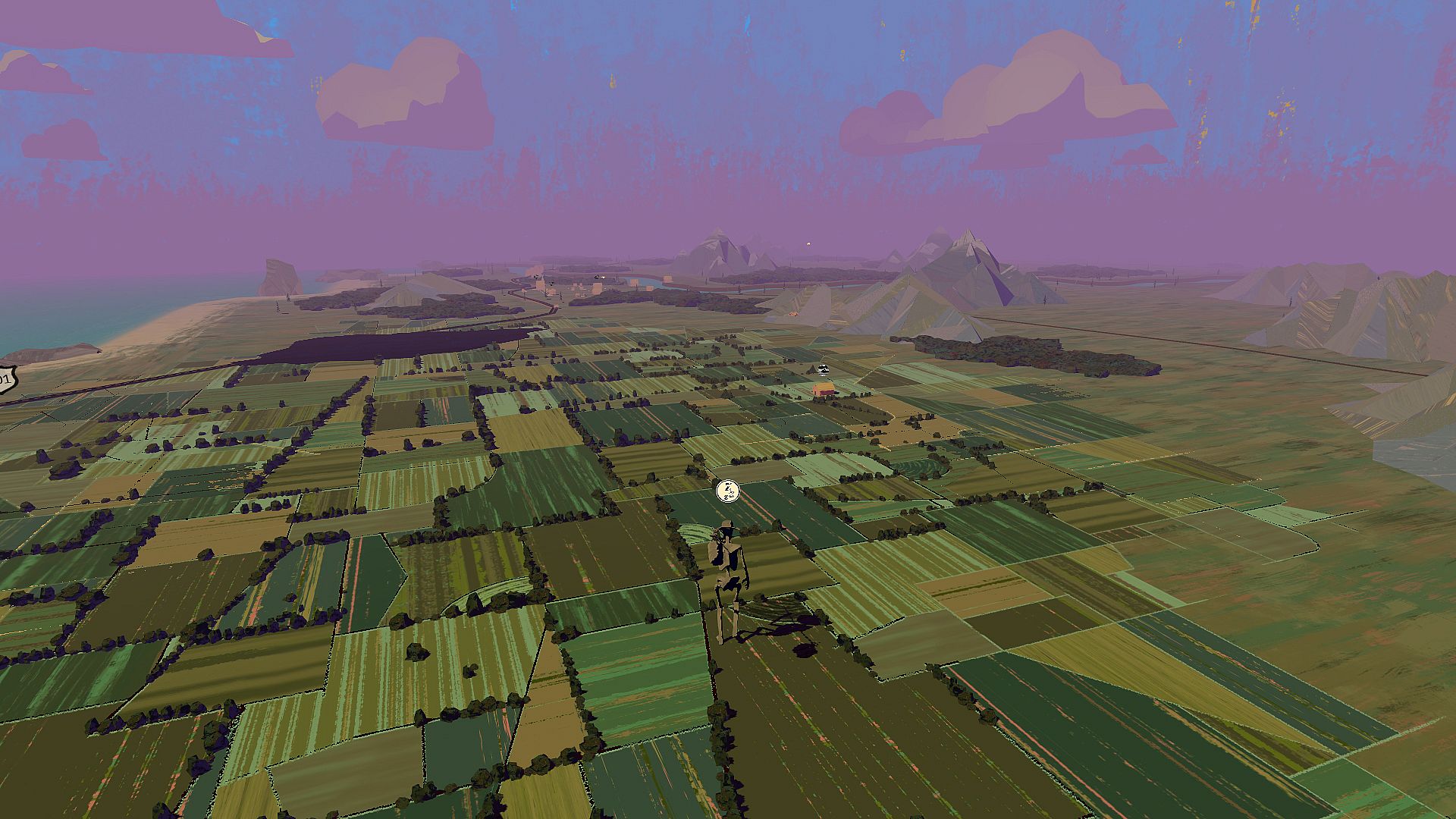
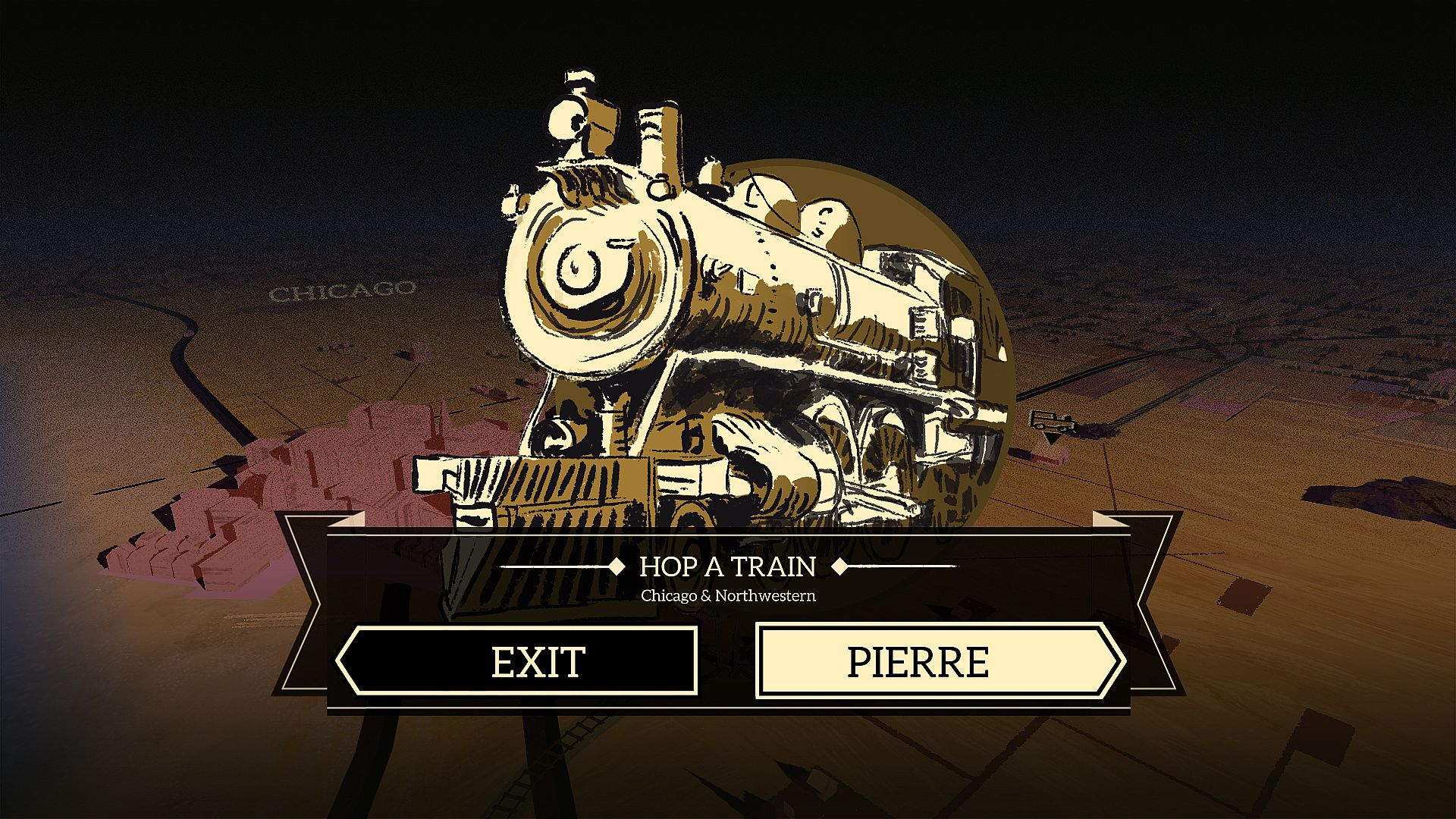
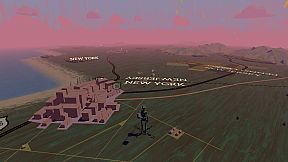
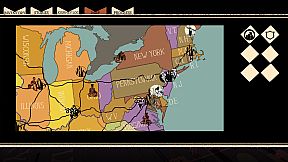
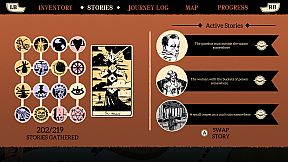
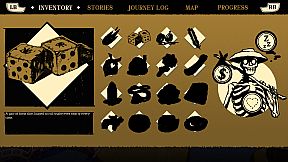
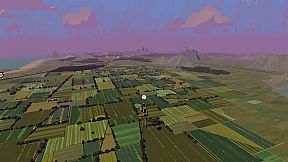
The core loop centers on freeform exploration across a 3D overworld map that represents the country. Movement happens at a deliberate pace, with options to walk, hitchhike, or hop freight trains while managing basic needs such as hunger and fatigue through purchases made with earned money. Encounters with 16 distinct characters scattered across different regions drive progress. Each interaction involves sharing collected stories, and successful pairings encourage characters to reveal more personal accounts. These true stories serve as the main currency for advancement, allowing the player to settle an overarching debt by the end of the journey.
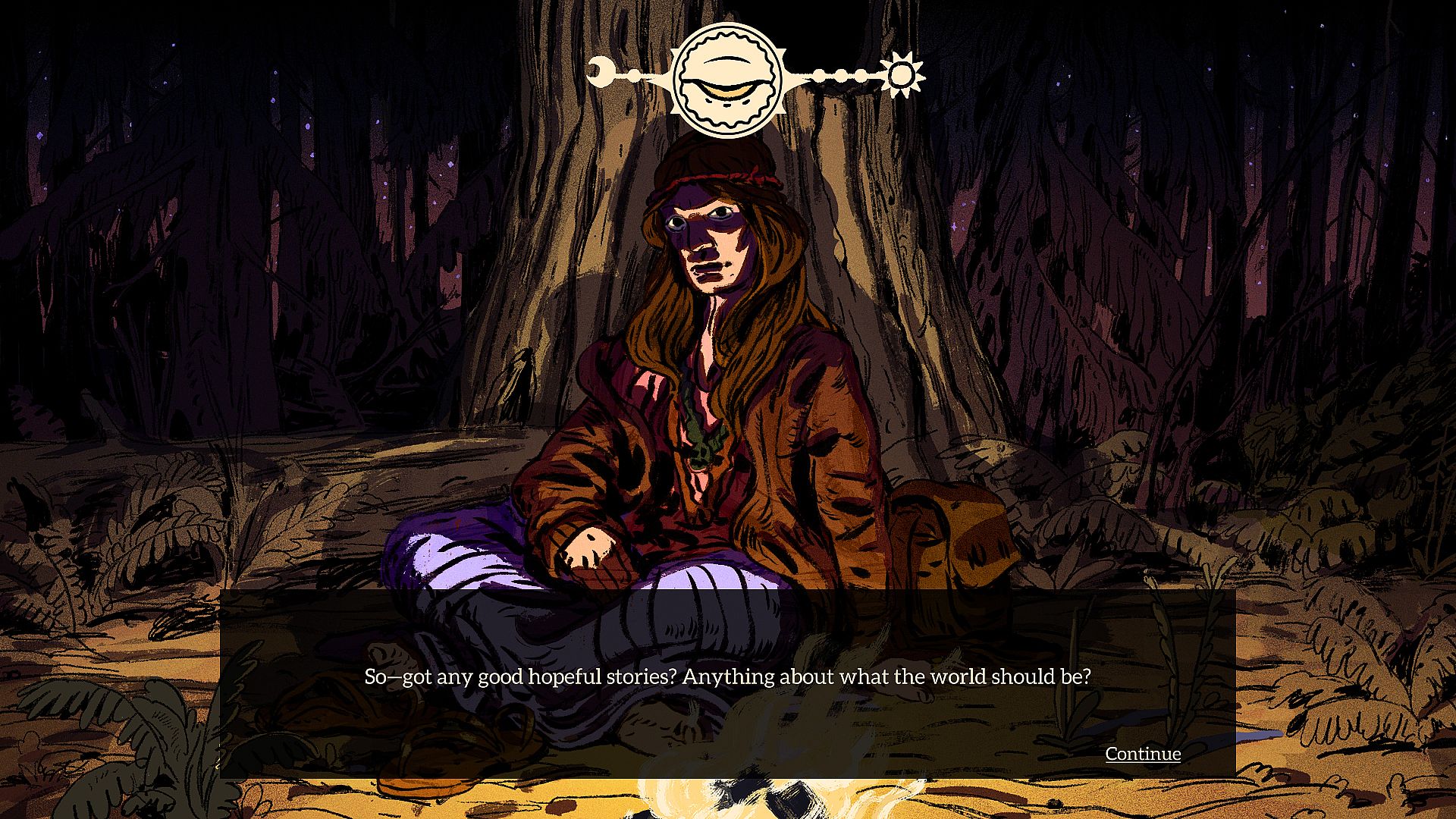
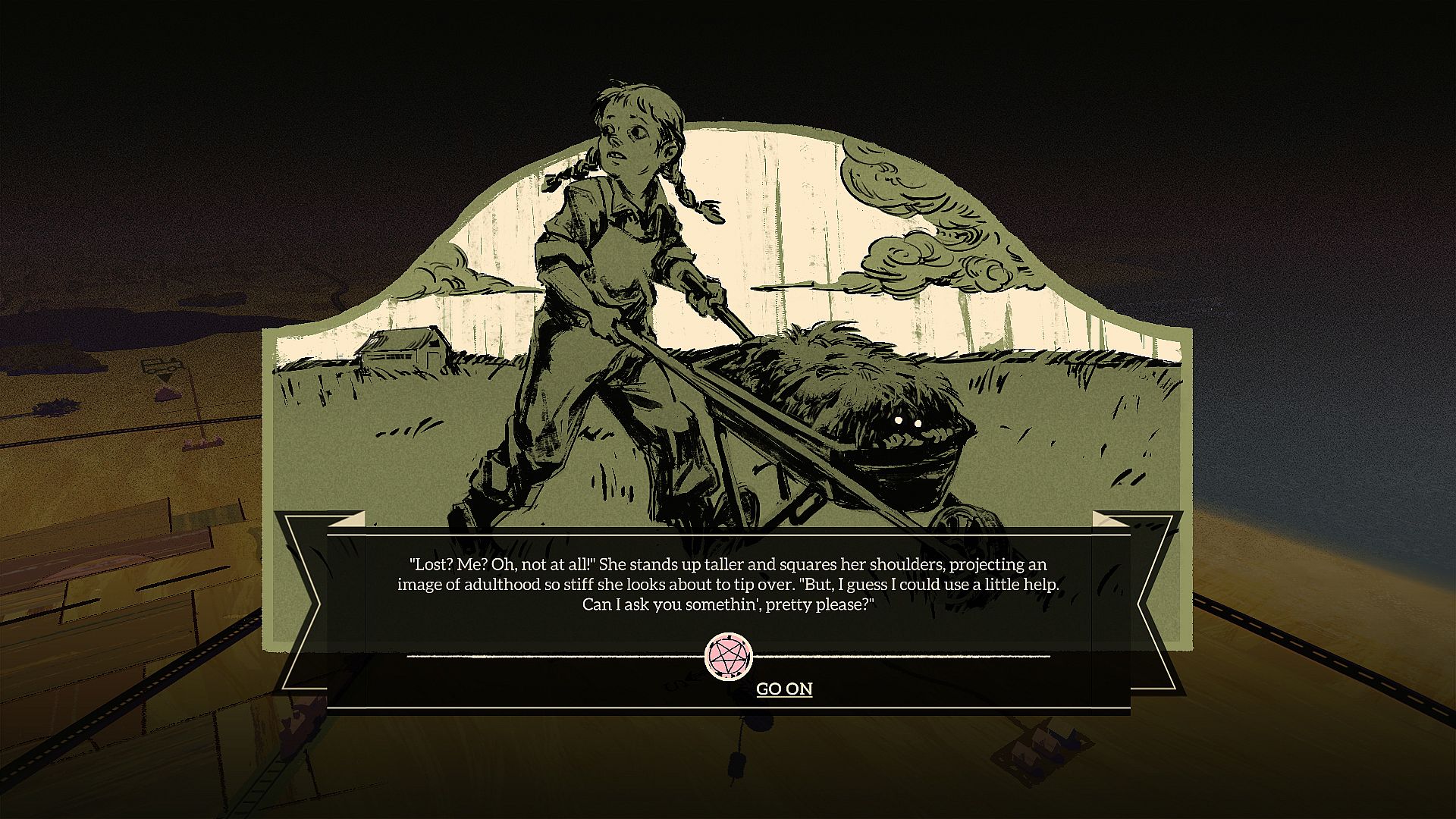
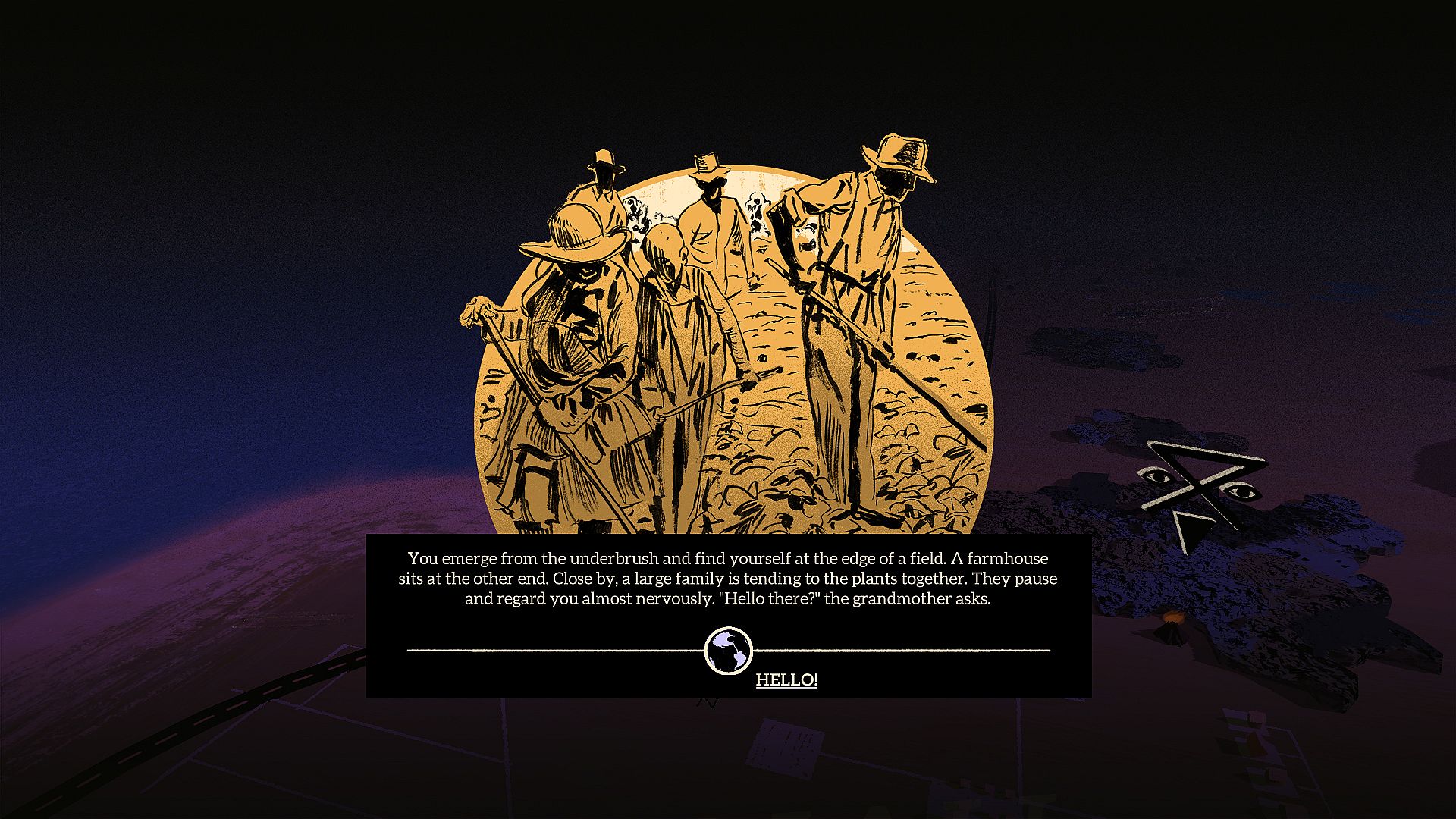
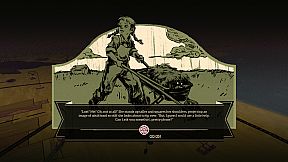
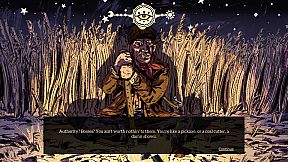
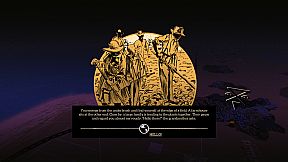
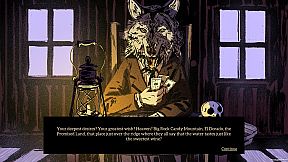
Stories themselves evolve with each retelling. A tale gathered from one source may grow or shift when passed to another character, creating organic changes that affect future conversations. Hand-drawn 2D illustrations accompany key moments, contrasting with the 3D map view. The experience emphasizes patient observation of the landscape and repeated visits to the same individuals as trust builds over time.
Game Modes
The game operates entirely as a single-player narrative adventure without separate competitive, cooperative, or multiplayer modes. All progression occurs through the unified system of travel, story collection, and selective retelling on the overworld map. Players advance by revisiting characters across multiple encounters, using accumulated tales to deepen relationships and access final revelations. This structure keeps the focus on personal pacing and discovery rather than structured challenges or alternative play styles.
Story and Presentation
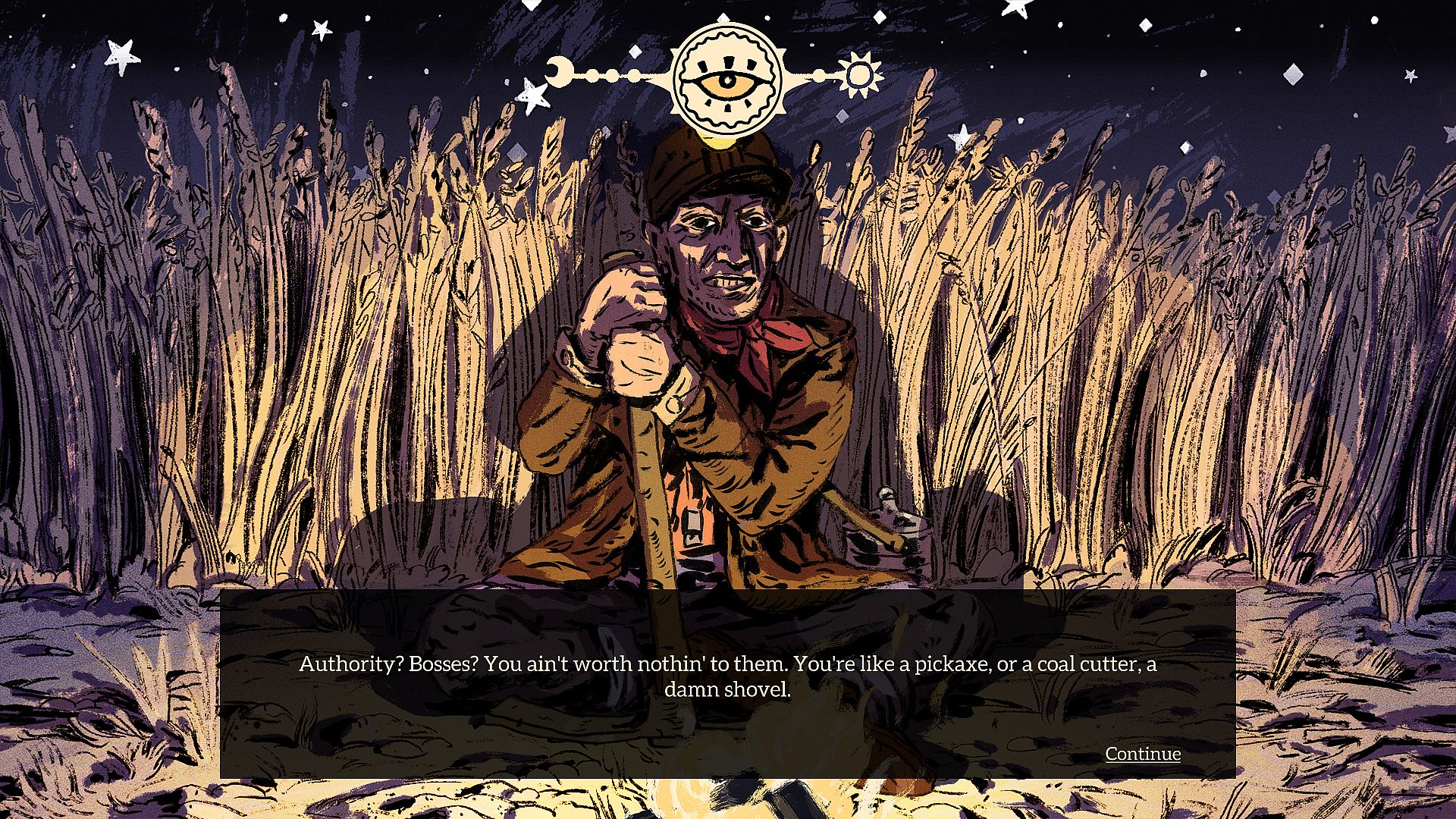
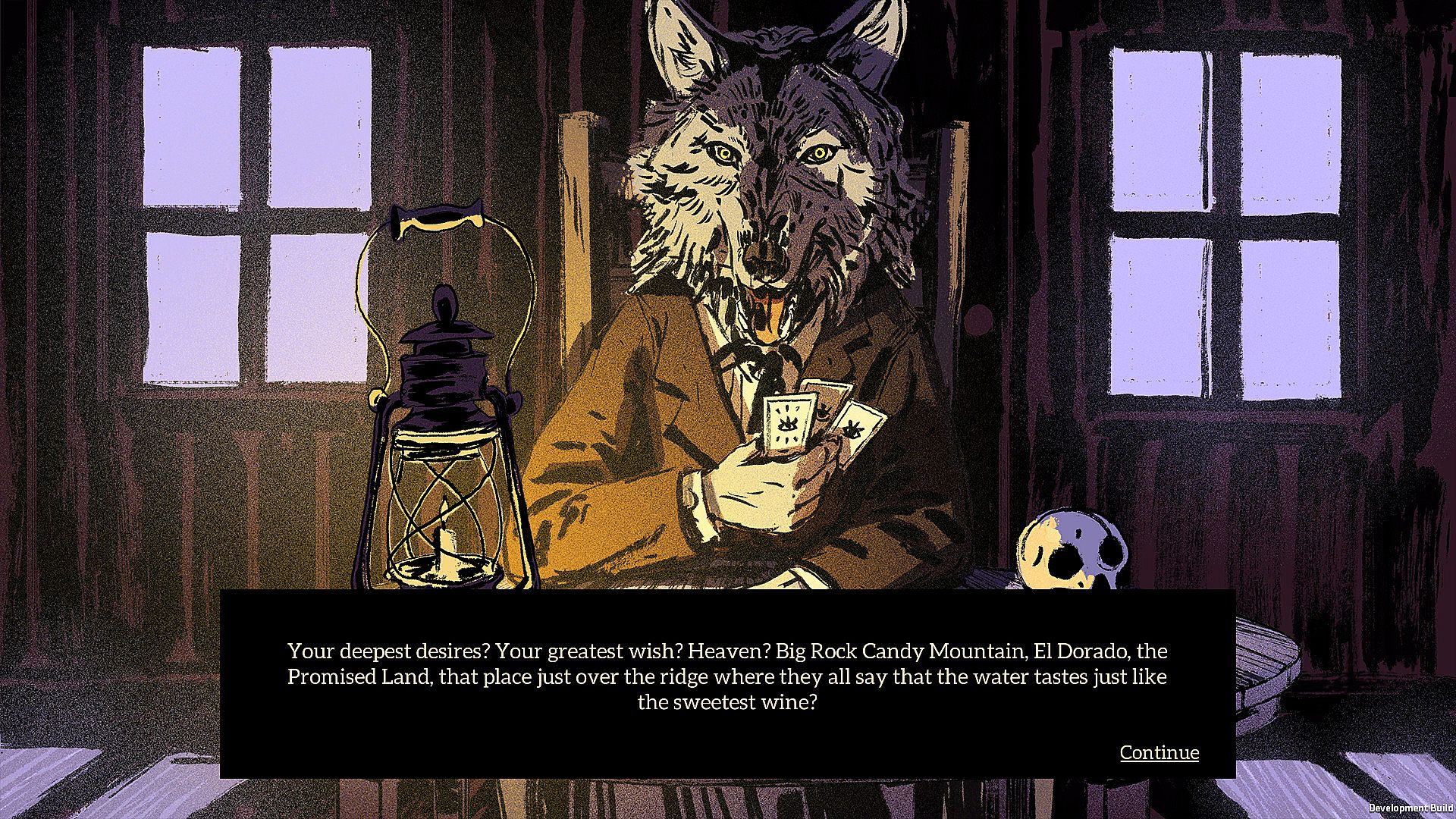
Original writing from multiple authors shapes the tales players encounter, ranging from migrant workers and preachers to individuals facing forced relocation. Voice performances bring these figures to life with distinct deliveries that reflect varied backgrounds. A soundtrack composed by Ryan Ike incorporates folk, blues, and other traditional American styles performed by live musicians, underscoring the surreal and atmospheric tone that blends historical hardship with fantastical elements. The combination creates an experience where stories function as both currency and evolving content that reflects the journey itself.
Is It Worth Playing?
This title suits players who value deliberate narrative pacing and the mechanics of story exchange over action or combat systems. Its single-player structure rewards repeated engagement with the same cast as relationships develop through careful story selection. The game remains available as a complete experience without ongoing seasonal content or major post-launch alterations. Those drawn to atmospheric exploration and character-driven progression in an indie adventure format will find the core systems align closely with that interest, while others seeking faster mechanics or varied modes may prefer different options.