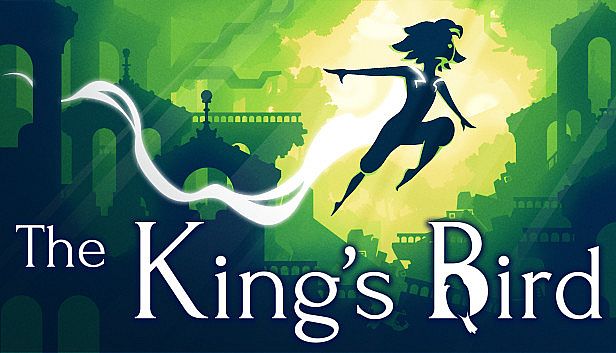






















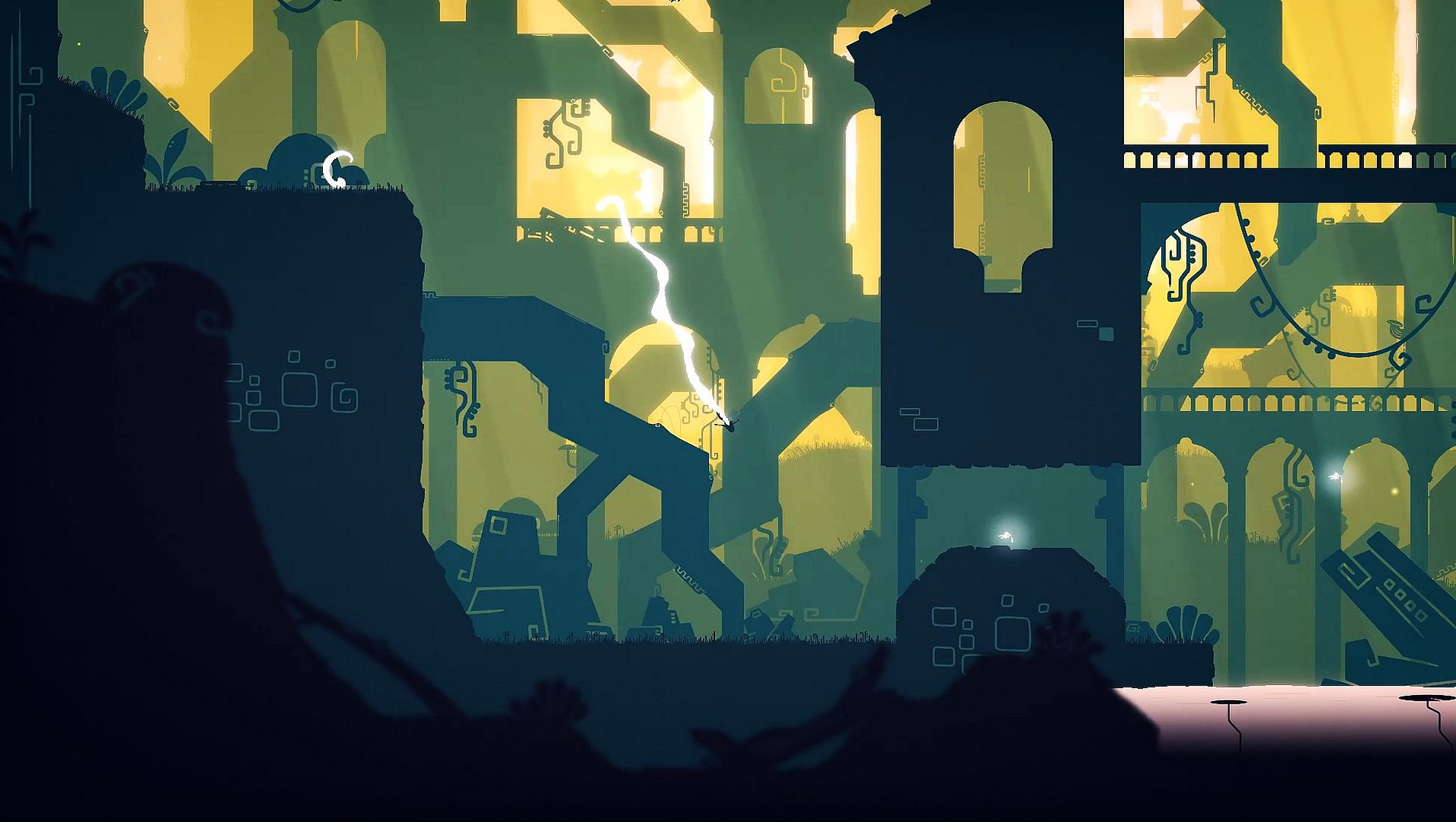

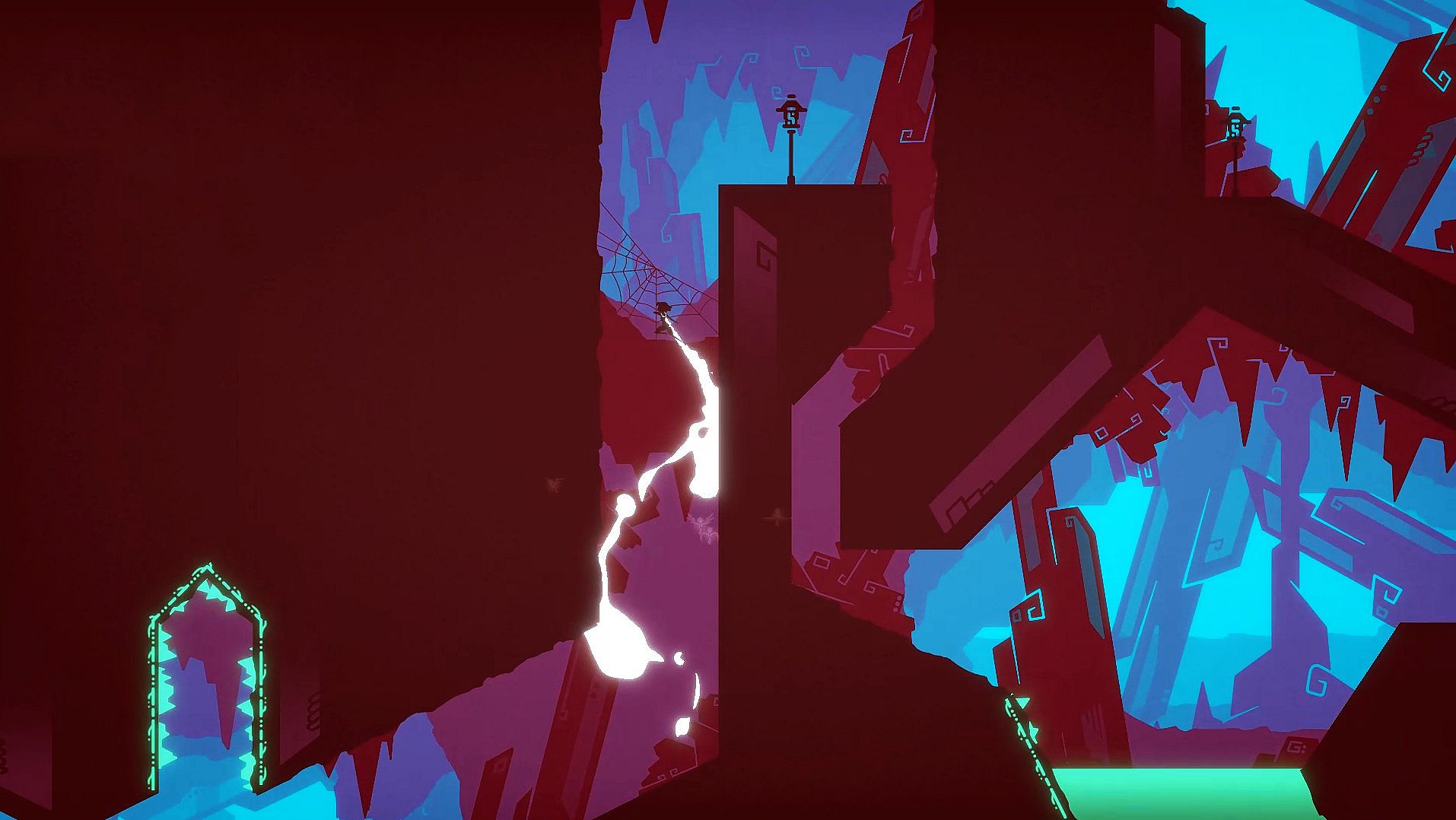
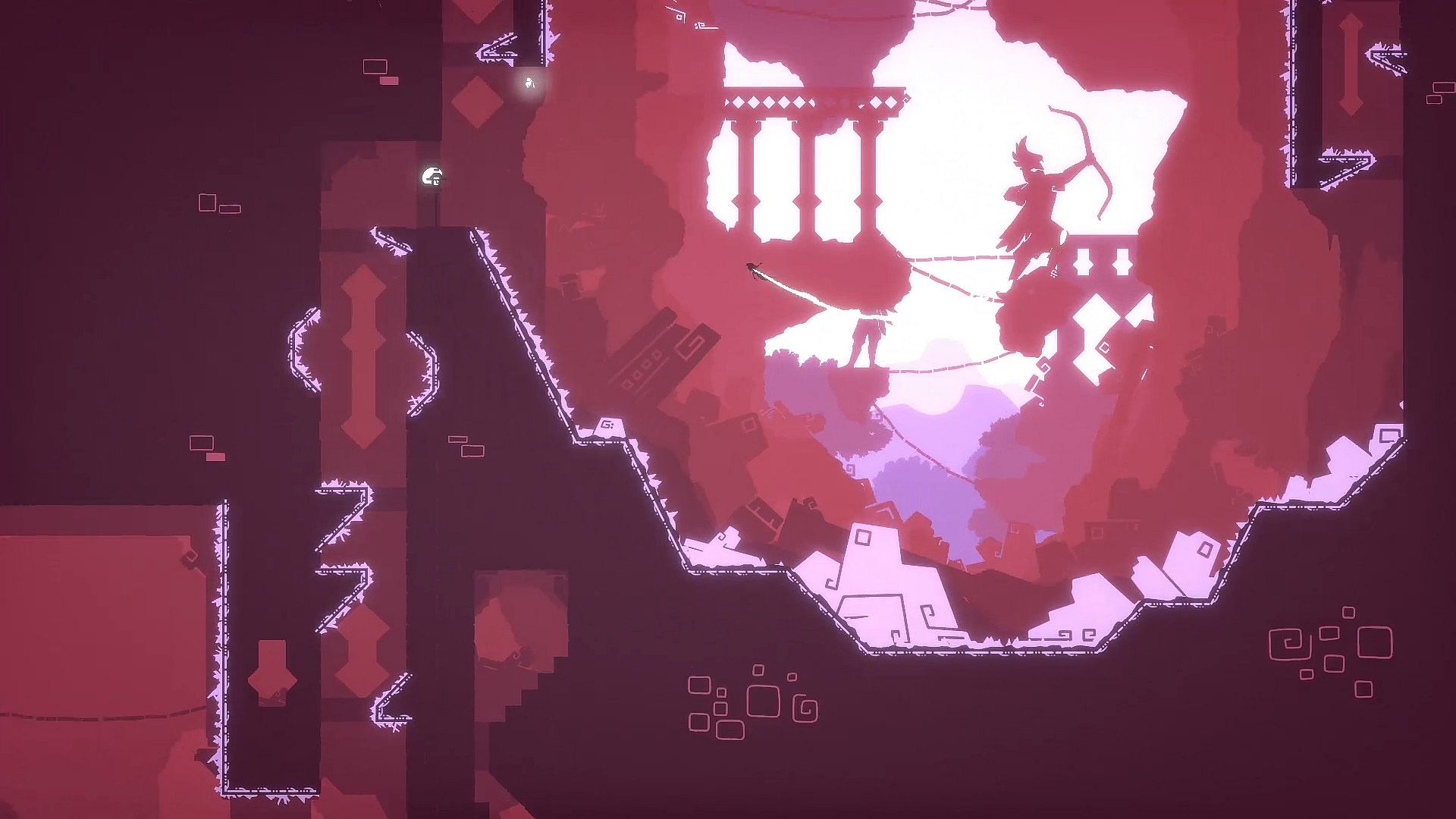
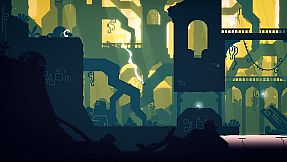

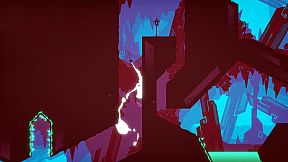
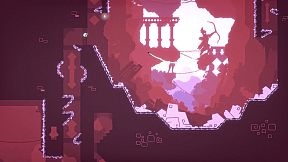
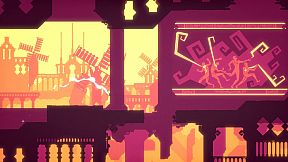
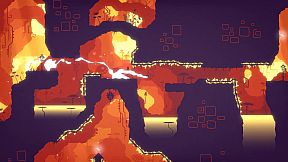
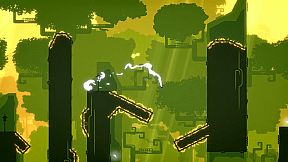
The King's Bird is an action indie title centered on precision platforming and physics-based gliding mechanics. Players control a bird-like character through momentum-driven movement across a series of levels, where running, jumping, and controlled flight form the core loop. The experience emphasizes fluid transitions between grounded platforming and aerial gliding, rewarding precise timing and an understanding of physics to maintain speed and reach distant platforms.
Gameplay
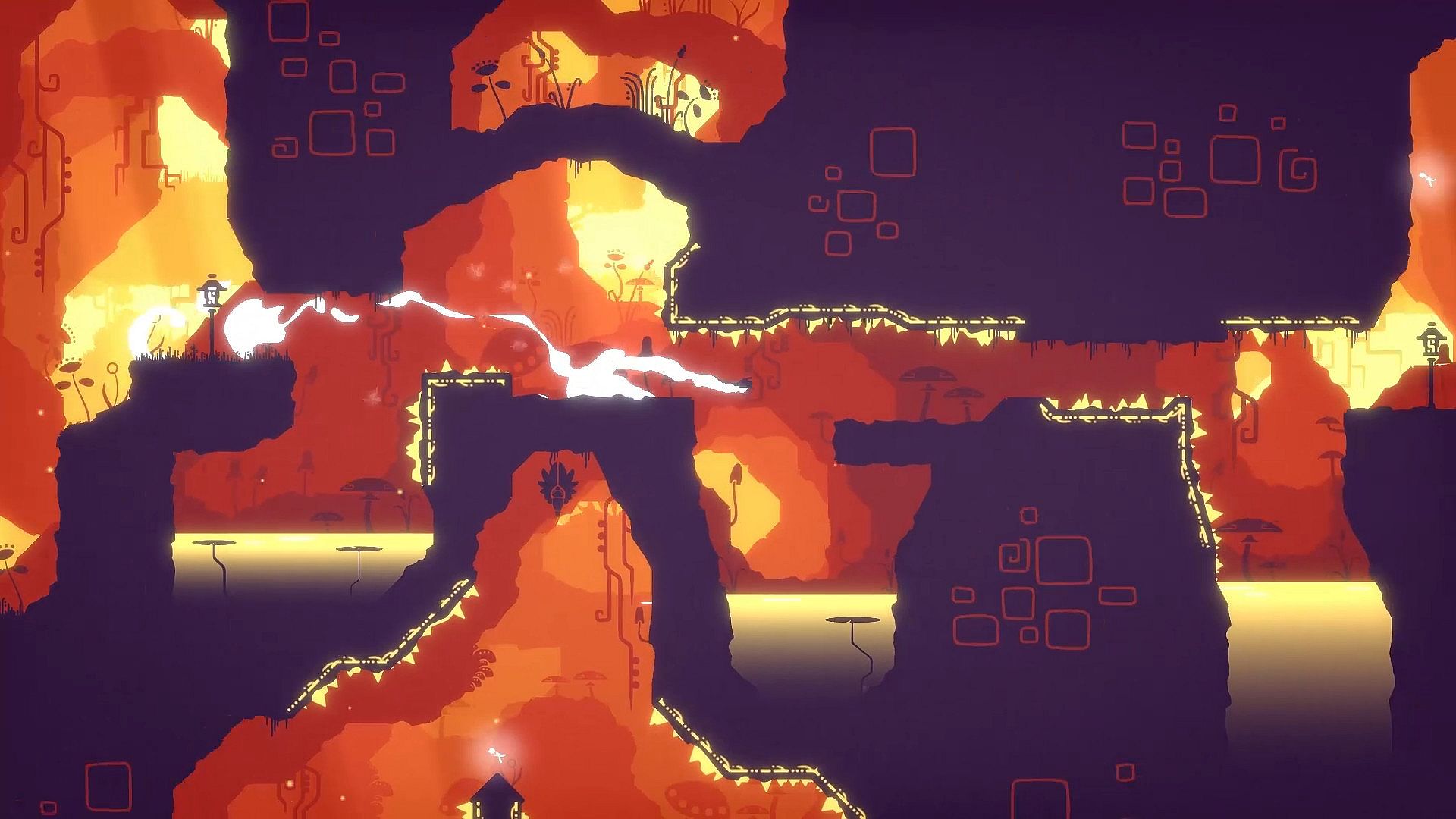
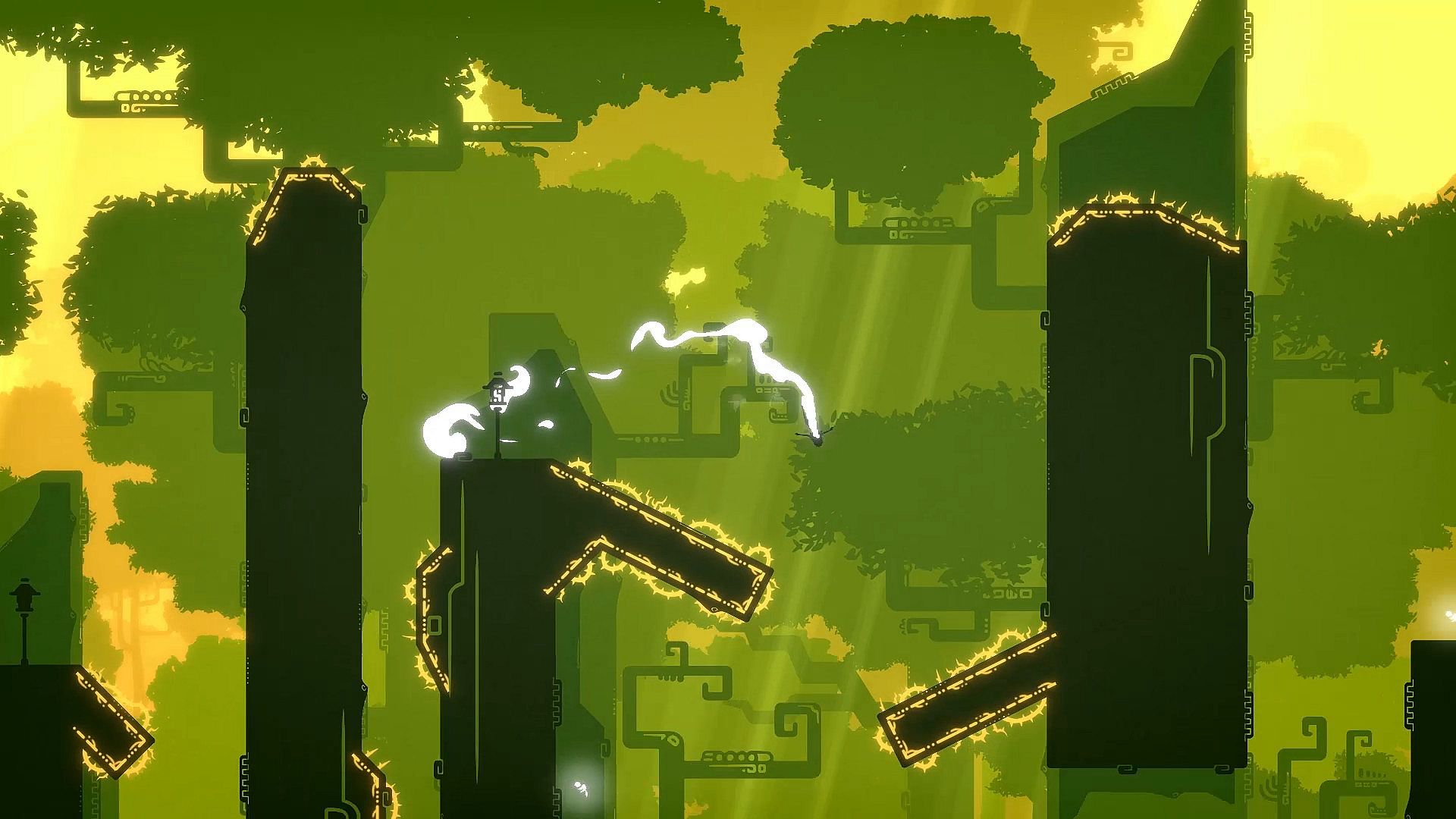
Core movement relies on building and preserving momentum. Short bursts of speed on the ground lead into gliding phases where the player adjusts trajectory mid-air using subtle inputs to navigate tight spaces or chain together longer flights. Levels demand careful route planning, as missed jumps or poor glide angles often send the character tumbling back to earlier sections. An assist mode available in some versions reduces the precision demands without removing the satisfaction of successful runs.
Collectible birds scattered throughout each stage provide optional goals that encourage exploration of alternate paths. These items do not alter the main progression but add replay value for players seeking completionist challenges. The physics system makes small adjustments feel impactful, turning simple forward movement into a rhythmic process of acceleration, glide, and landing.
Game Modes
The game operates entirely in a single-player format with no multiplayer components. Progression follows a linear path through connected stages grouped into larger worlds. Each stage functions as a self-contained challenge focused on reaching the end while managing momentum.
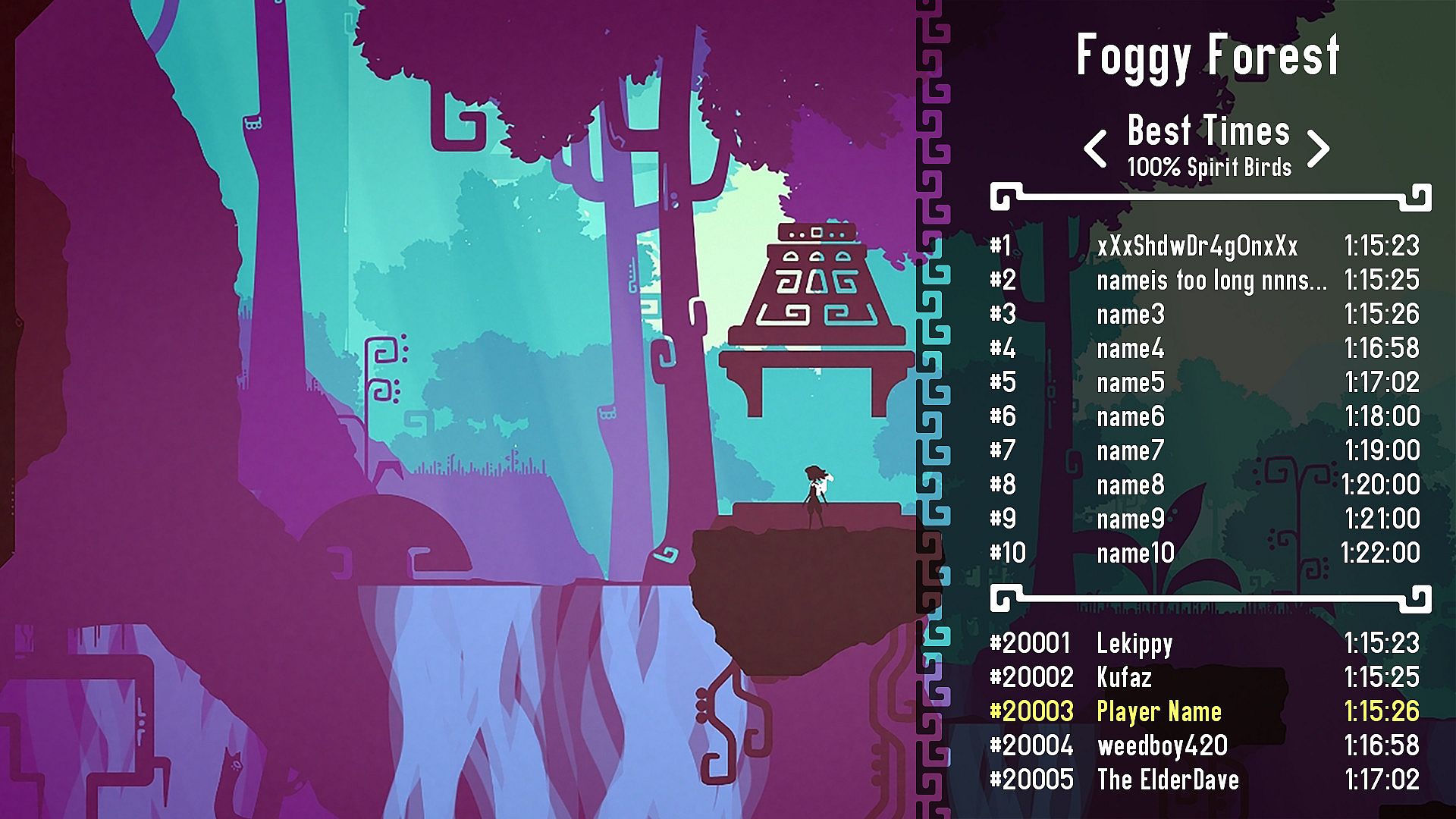
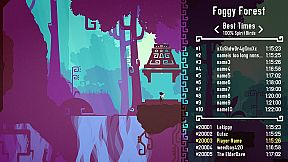
Time-based challenges appear through built-in leaderboards that track fastest completions. These elements turn standard level clears into competitive personal goals without requiring online connectivity for basic play. No separate modes such as versus or endless runners exist; the emphasis remains on mastering the same core mechanics across increasing difficulty.
Worlds and Visual Design
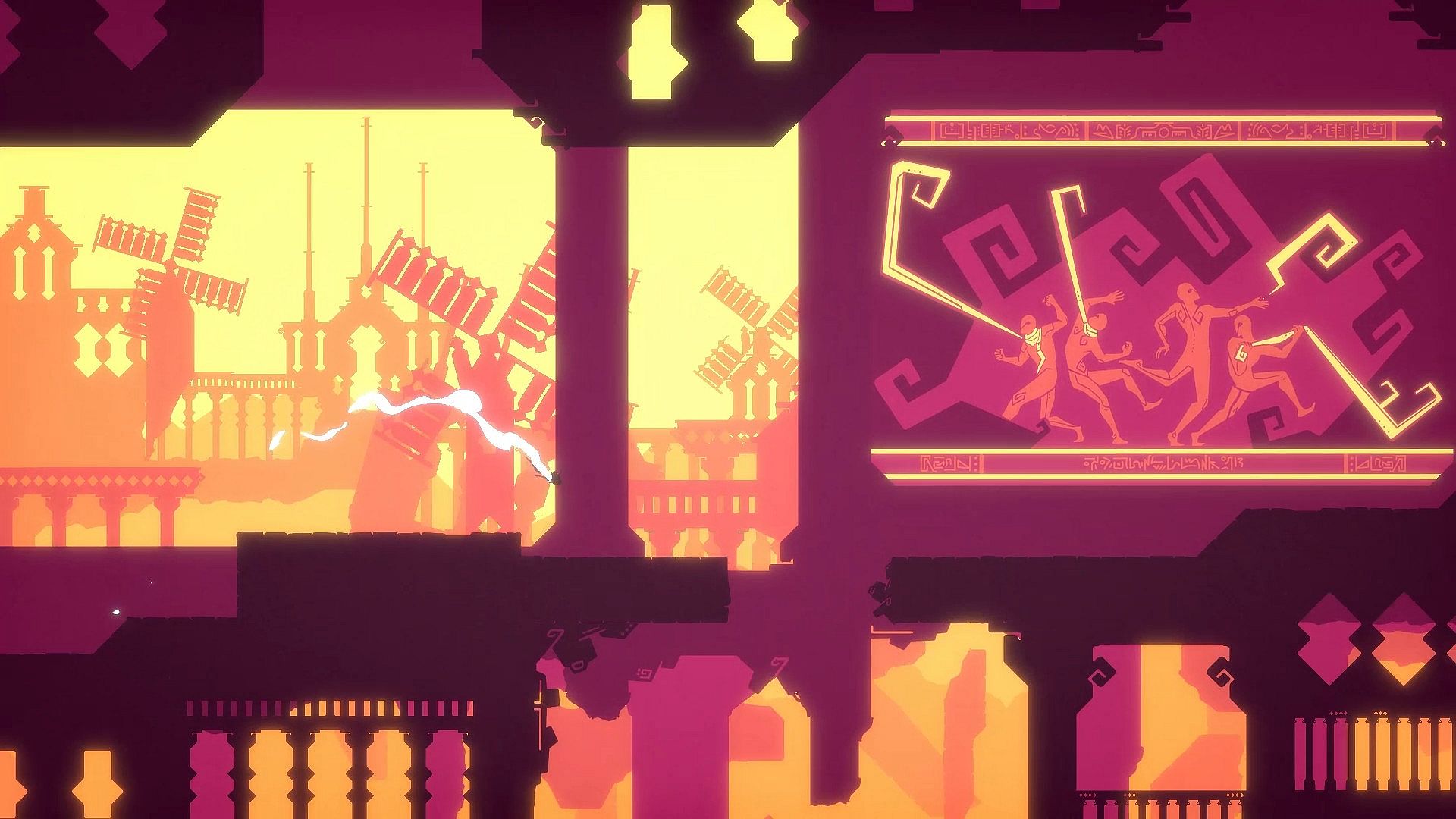
Five distinct worlds await exploration, each rendered with vibrant silhouettes and color palettes. The environments draw visual inspiration from ancient Mayan, Southeast Asian, and Roman aesthetics, creating varied backdrops that shift from dense foliage to structured stone architecture. Silhouettes keep the focus on the character and immediate platforms while still conveying a sense of scale and atmosphere.
Backgrounds remain dynamic enough to support the momentum gameplay without visual clutter. The artistic approach prioritizes clean lines and motion clarity, allowing players to read upcoming obstacles at speed.
Narrative and Audio
Storytelling occurs without text or dialogue. Environmental details and character animations convey the premise of escaping a hidden world under tyrannical control. Movement itself advances the visual narrative as the bird discovers new areas and overcomes obstacles that represent barriers to freedom.
Sound design ties directly to player actions. Music and effects shift in intensity and layering based on current speed and glide state, creating an audio feedback loop that reinforces successful momentum management. Layers build during sustained flights and recede during careful platforming sections.
Is It Worth Playing?
The King's Bird suits players who enjoy deliberate, skill-based platformers that reward practice and route optimization. Its combination of grounded precision work with gliding creates a distinct feel compared to pure jump-focused titles. The five worlds provide a complete campaign length that feels substantial without unnecessary padding.
Reception highlights the satisfying physics and artistic presentation as strengths, while some note occasional control precision demands that may frustrate newcomers. The game remains available as a finished single-player package with no ongoing seasonal content or required updates for core enjoyment. Those drawn to momentum mechanics and visual storytelling will find consistent engagement across its levels and optional time challenges.