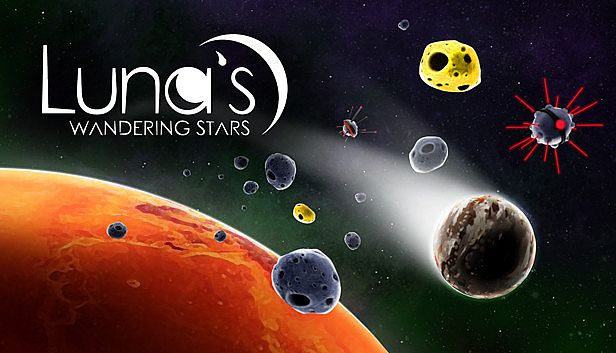














Luna's Wandering Stars stands as an action puzzle game with simulation roots on PC. Players guide a moon named Luna through orbital challenges that rely on authentic physics to rearrange celestial bodies and gather resources.
Gameplay
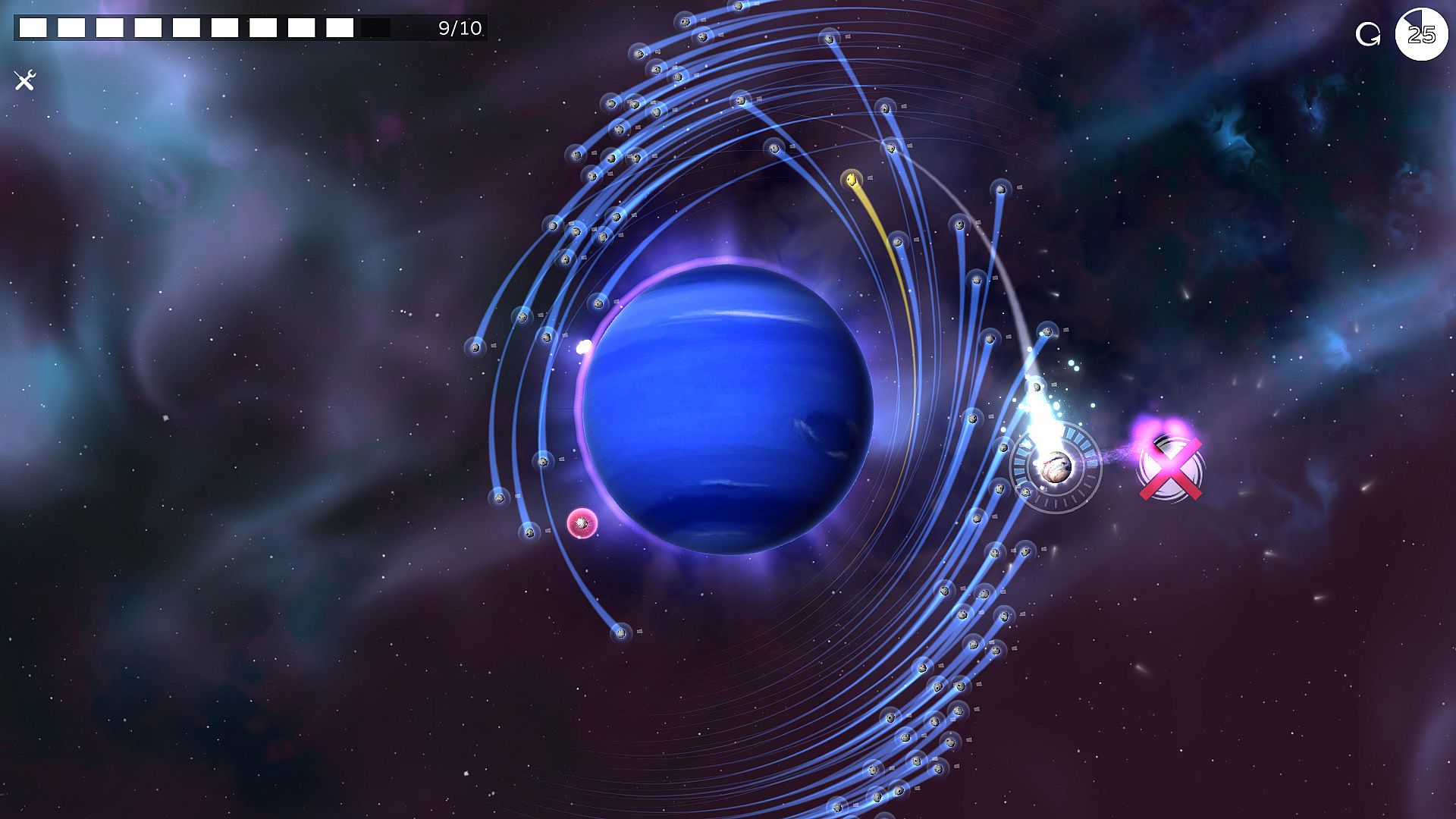
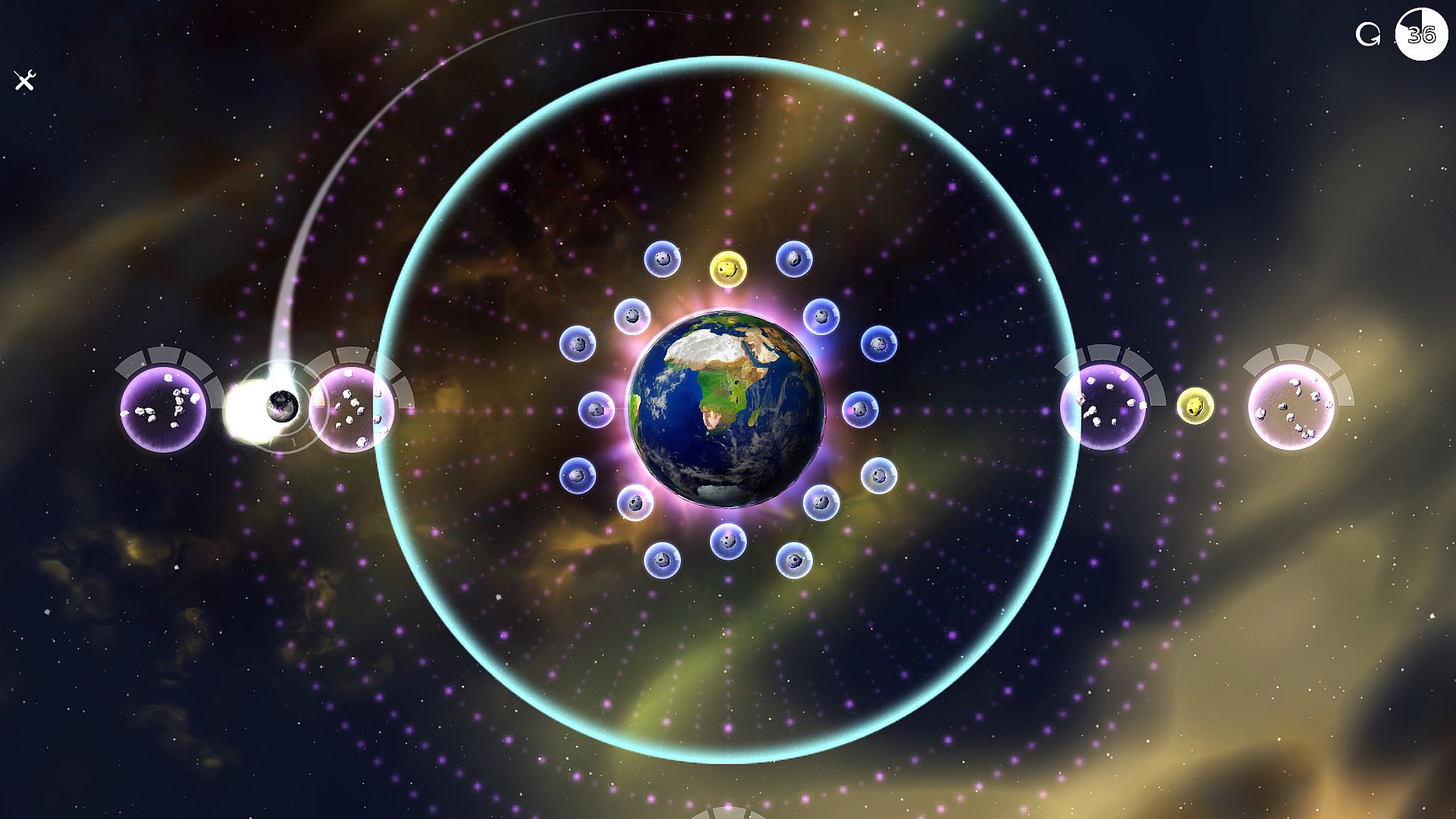
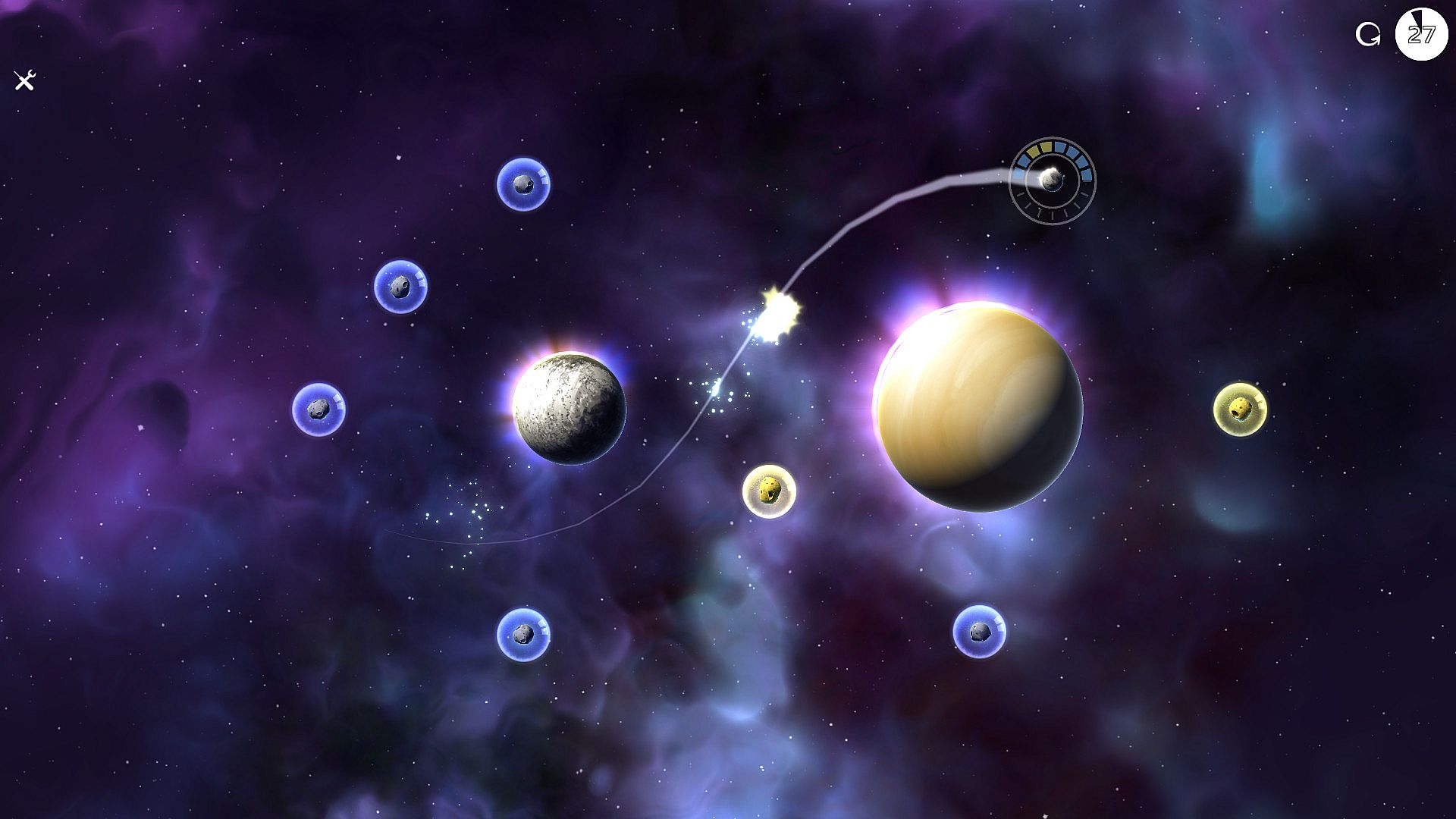
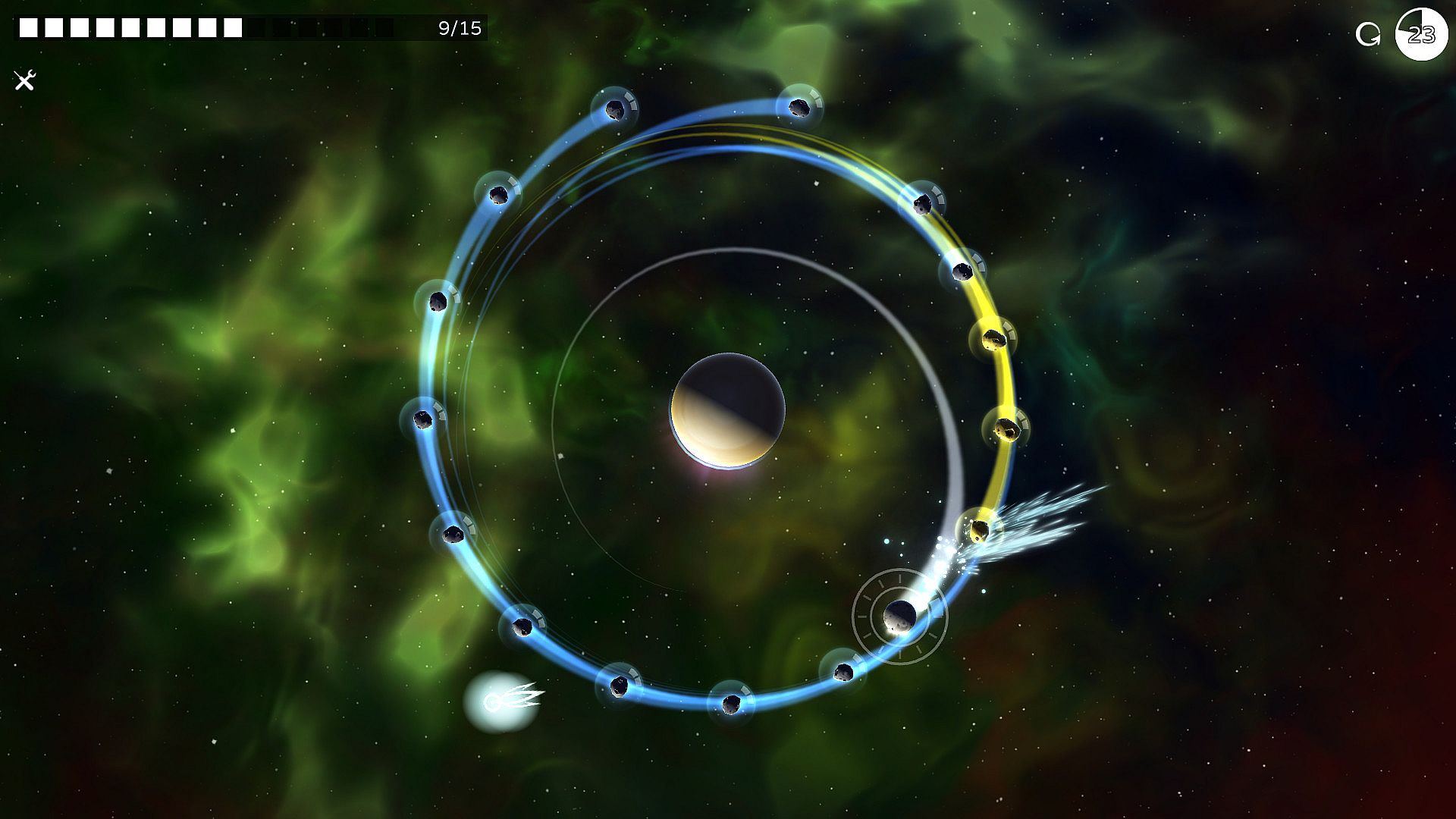
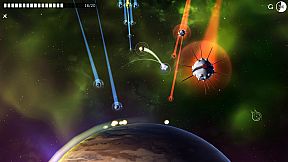
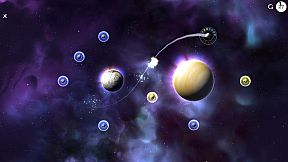
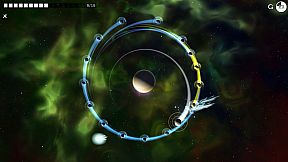
The central loop requires directing moons around planets while adjusting their paths in real time. Each level presents a contained cosmic scene where masses orbit according to gravitational rules. Success depends on applying targeted interventions to steer asteroids into collection range without losing control of the orbiting bodies.
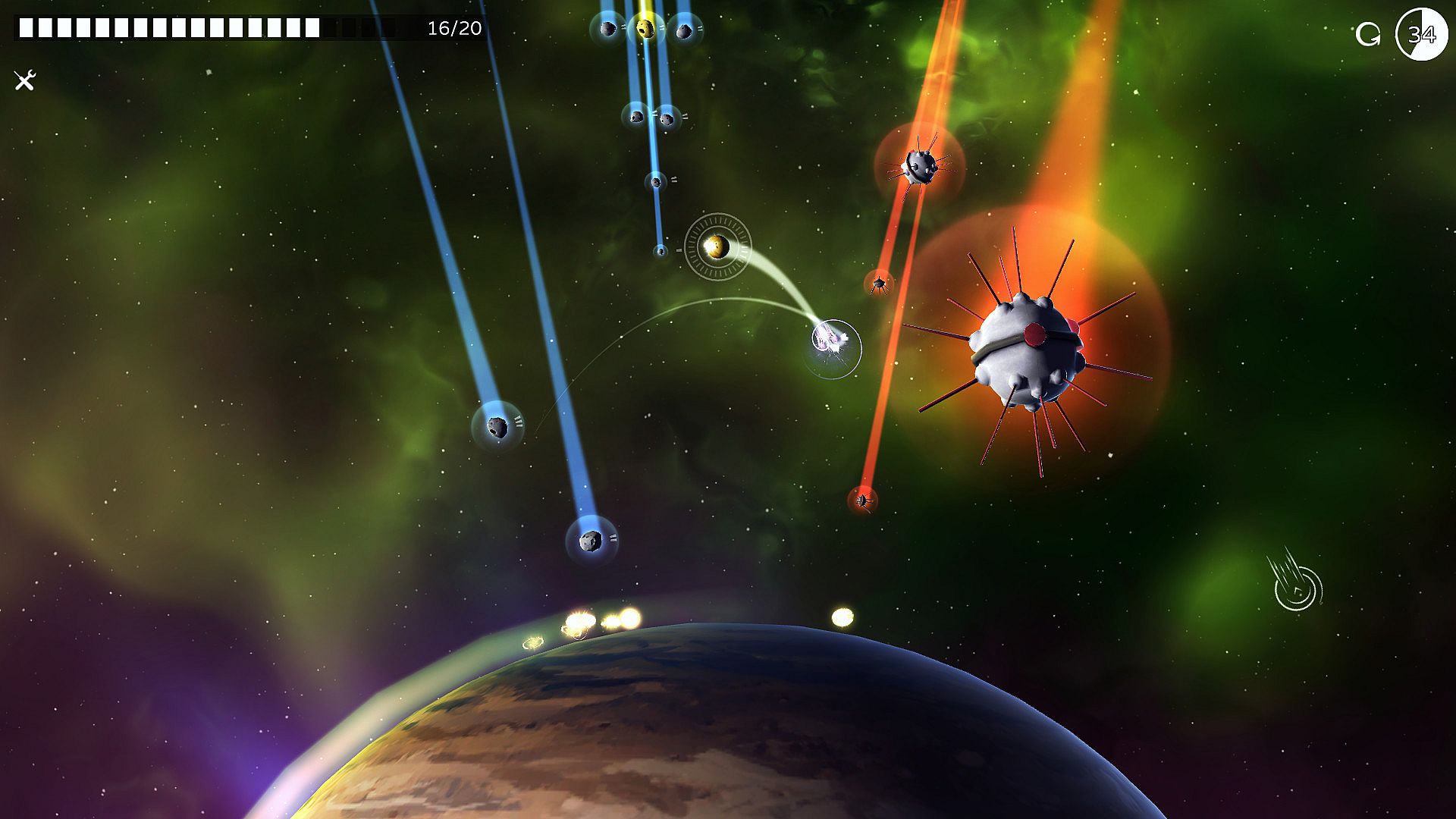
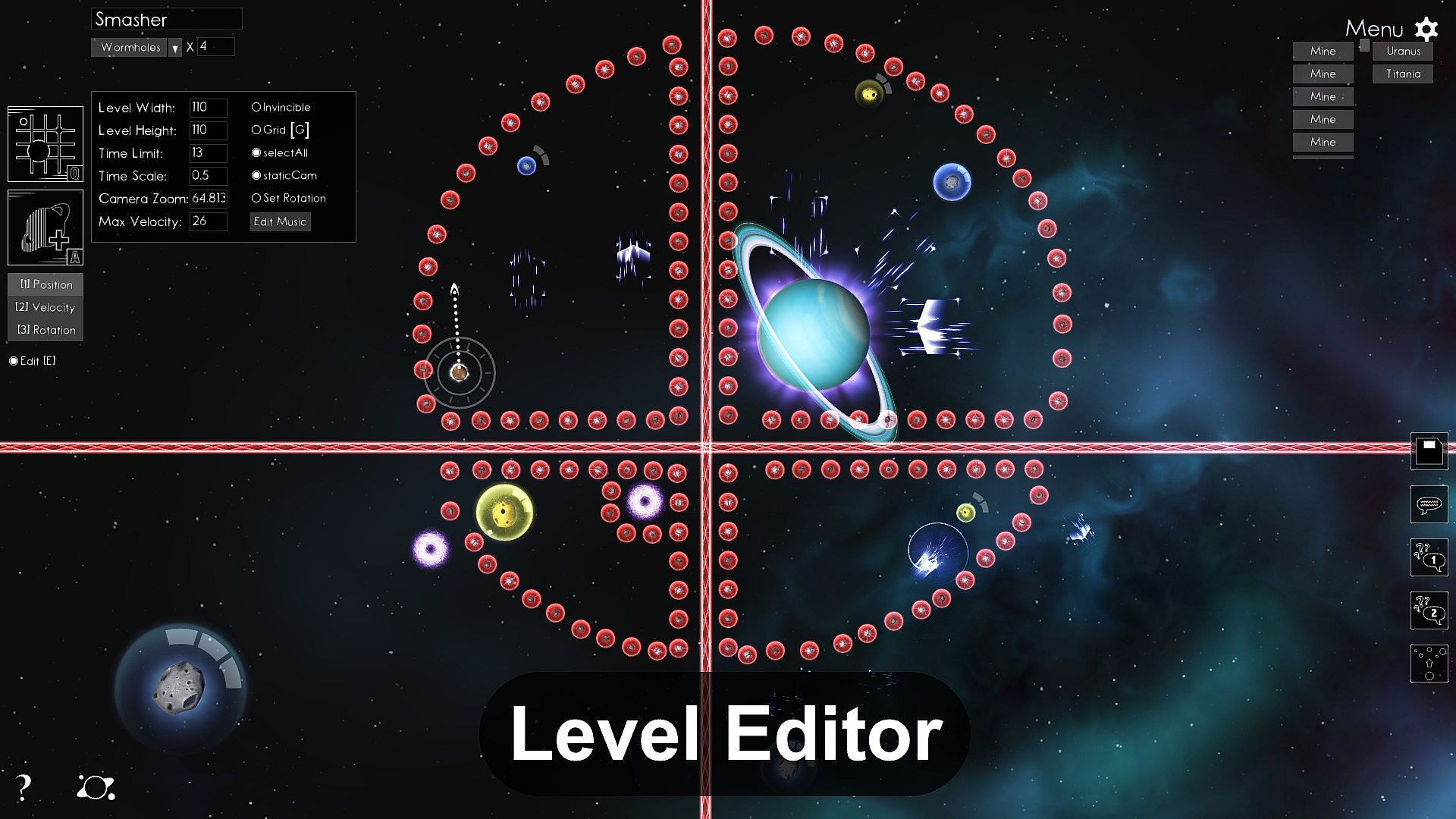
Mechanics emphasize on-the-fly tweaks to physical properties. Moons can receive velocity boosts, rocket propulsion, or altered density. Additional tools include gravity shifts, laser beams for redirection, wormhole creation for instant transport, black hole formation to pull in objects, and full repositioning of planets. These options activate intuitively through direct input on the relevant bodies.
Golden asteroids appear in select positions as optional targets. Collecting them demands precise timing and multiple power combinations within the same level. The physics engine responds consistently to each adjustment, rewarding experimentation with orbital paths and force applications.
Game Modes
Progression unfolds across a series of single-player levels grouped into distinct worlds. Each world introduces one primary new power or variation while retaining the core asteroid collection goal. Levels build familiarity with a mechanic before layering complexity through tighter orbits or additional obstacles.
Standard play focuses on reaching the required asteroid count to advance. Challenge elements encourage full collection of every asteroid type in a level. No competitive or cooperative modes exist beyond the solitary puzzle structure.
Worlds vary the feel of each set of stages. One emphasizes velocity management, another laser precision, and others explore density changes or wormhole routing. This separation keeps the experience segmented yet unified under the same orbital physics foundation.
Planetary Powers
Nine distinct abilities form the toolkit for solving puzzles. Velocity assignment sets initial speeds. Rockets provide sustained thrust. Gravity modification warps attraction fields. Lasers cut through paths or push masses. Redirection alters trajectories mid-flight. Density shifts change how bodies respond to forces. Wormholes link distant points. Black holes create strong pull zones. Planet repositioning allows wholesale rearrangement of the scene layout.
These powers operate independently within their respective worlds. Players switch between them fluidly during a level to chain effects and achieve the collection target. The system encourages repeated attempts as each power interacts differently with the same set of orbiting elements.
Is It Worth Playing?
The game released in 2015 and maintains a positive reception among its small review base, with 82 percent of 23 Steam user reviews rated positively. Feedback highlights the satisfaction of mastering orbital mechanics and the variety introduced across its worlds.
It suits players drawn to deliberate physics puzzles rather than fast action or narrative focus. Those interested in space simulation concepts will find the core systems rewarding through repeated level attempts and power experimentation. The title remains available as a complete single-player experience on PC without further updates or additional modes.
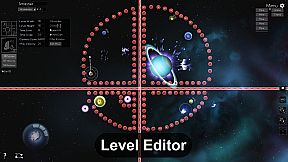
Collection of all asteroids across levels provides extended playtime for completionists. The absence of implemented level creation tools means the experience stays confined to the original campaign stages. Overall, it delivers a focused physics puzzler for enthusiasts of that specific style.