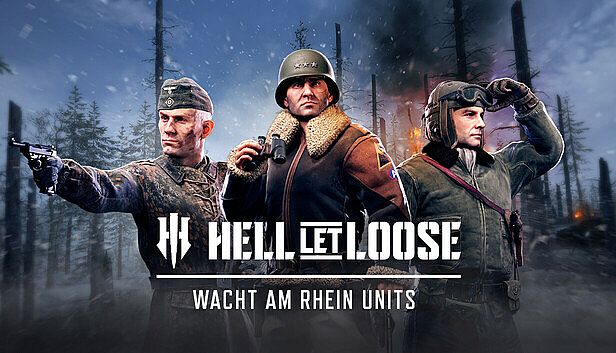






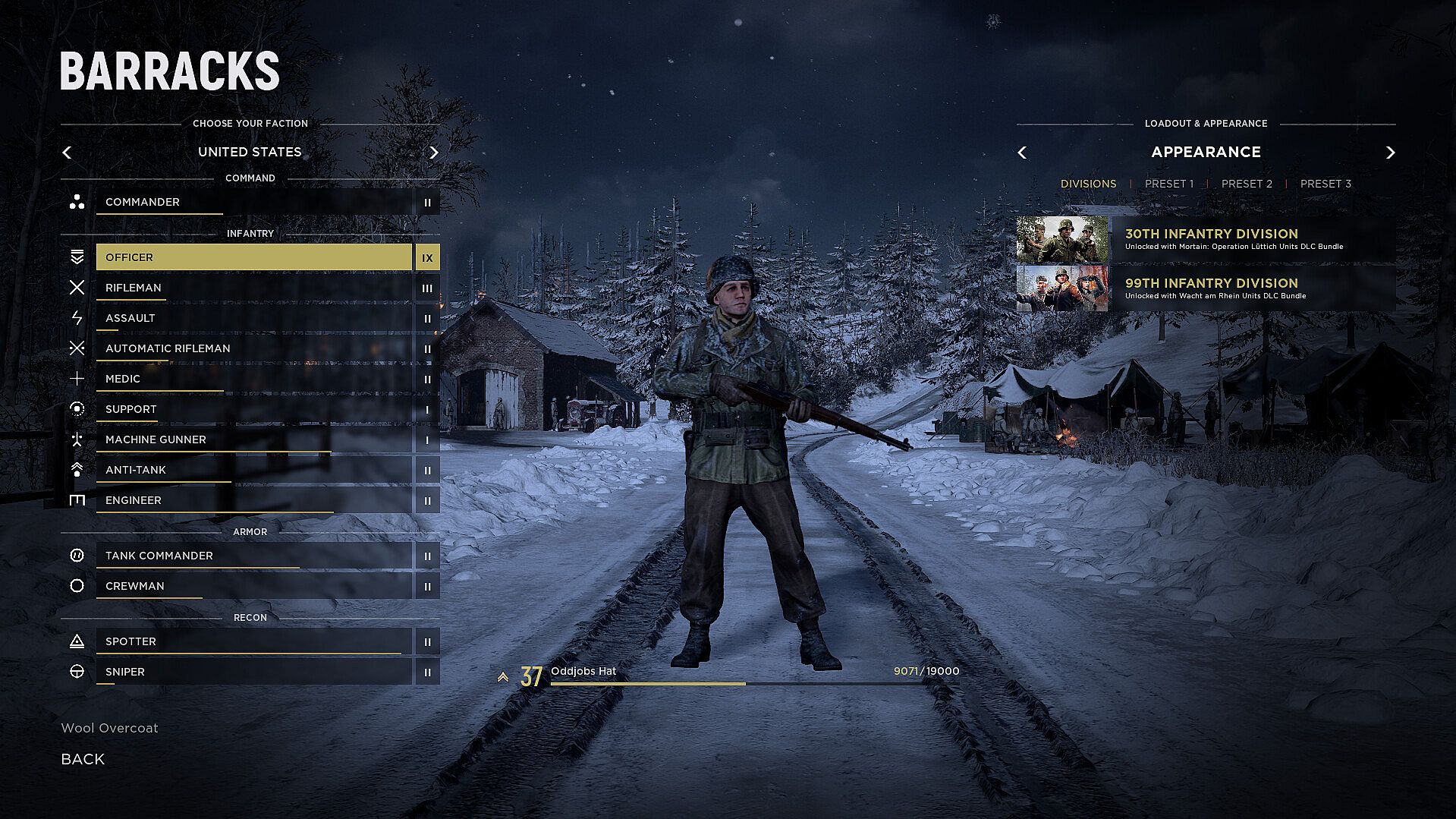
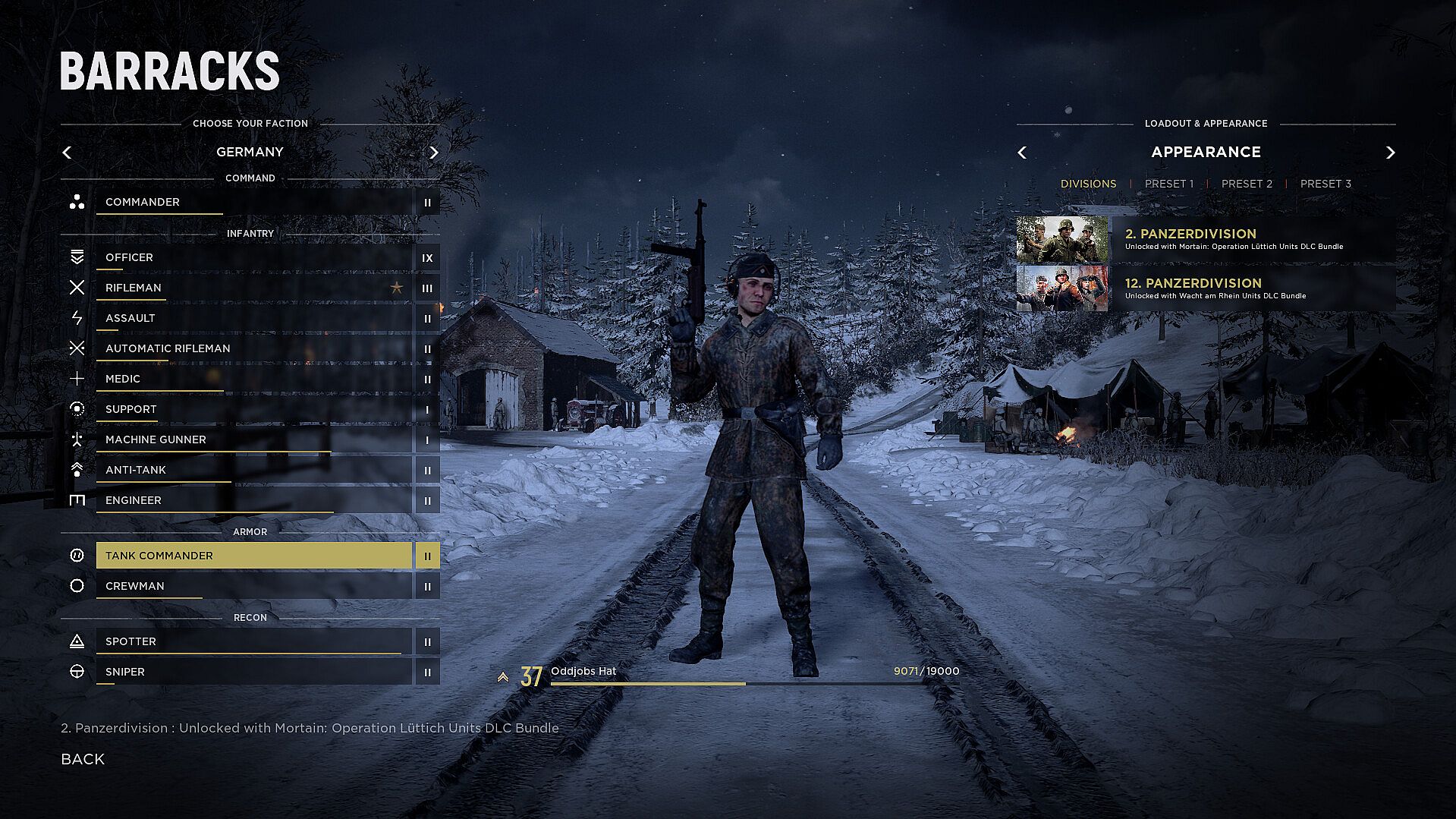
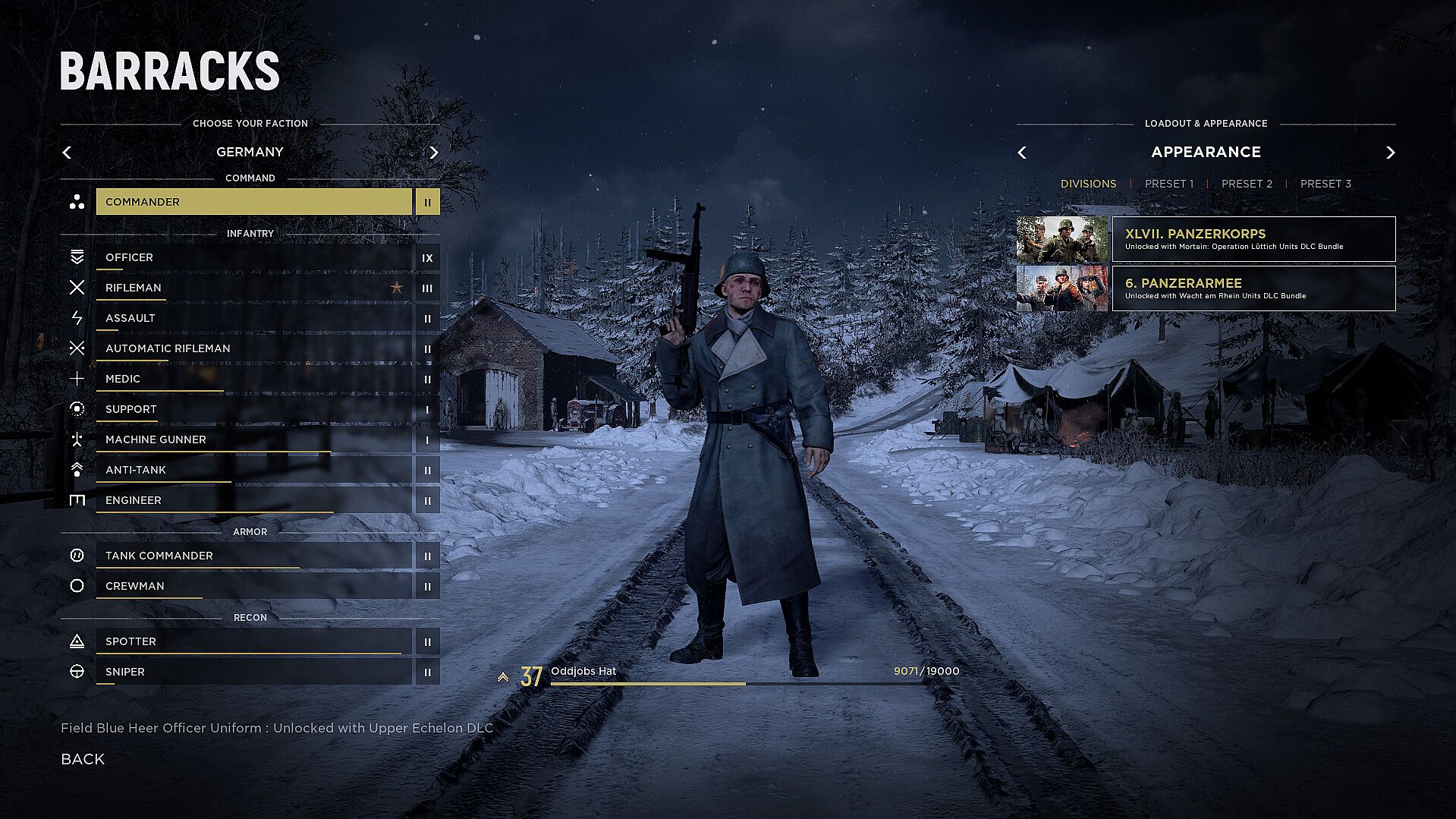
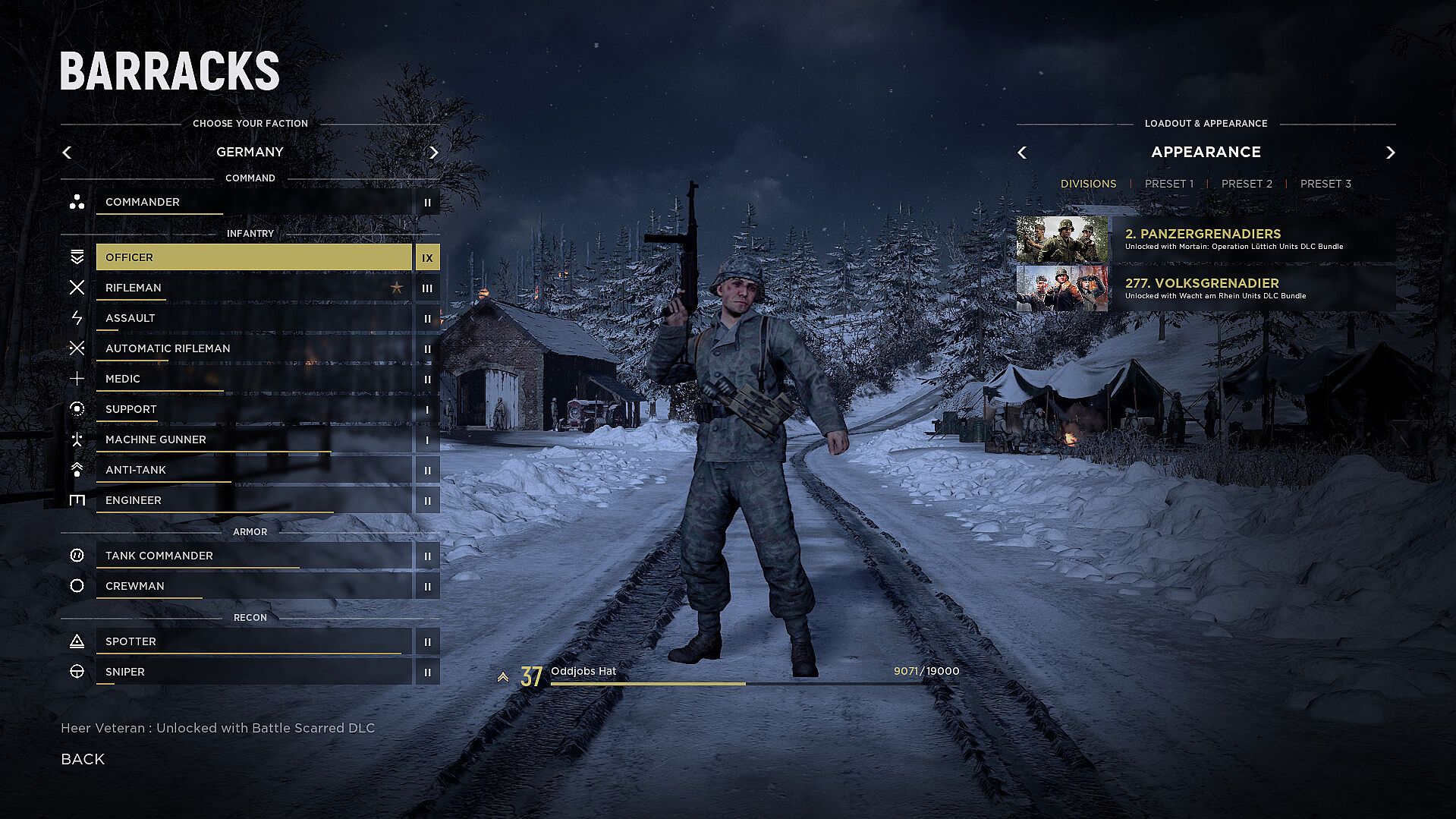
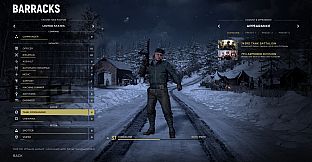
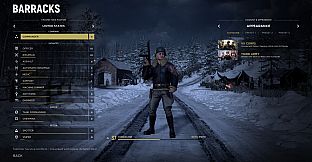
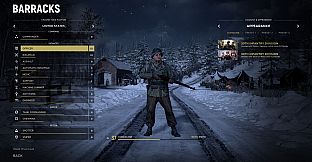
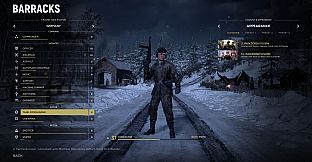
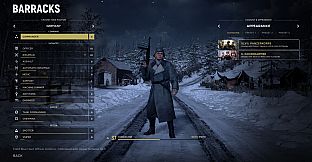
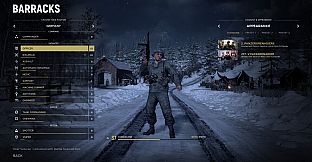
Hell Let Loose is a large-scale World War II first-person shooter focused on 50 versus 50 multiplayer battles across detailed European battlefields. Players take on specialized roles within infantry, armor, recon, and command units, where success depends on coordination, resource management, and tactical positioning rather than individual heroics. The Wacht am Rhein Units addition expands options for US and German forces in Ardennes-themed engagements, allowing greater visual variety during fights around locations like Elsenborn Ridge.
Gameplay
Matches unfold on expansive maps with varied terrain including forests, towns, and open fields. Each side fields 50 players divided into squads led by officers who mark objectives and coordinate spawns. A single commander per team oversees broader strategy by directing supplies, artillery strikes, and vehicle deployments. Resource nodes built by engineers fuel these abilities, creating a meta layer where logistics directly influence combat effectiveness.
Infantry roles handle frontline duties with rifles, machine guns, anti-tank weapons, and support equipment. Armor crews operate tanks that require precise positioning due to realistic damage modeling. Recon units provide spotting and long-range fire support. Communication through squad and command channels proves essential for adapting to shifting front lines and enemy movements. Matches emphasize combined arms, where infantry supports tanks while commanders manage reinforcements and defensive emplacements.
Game Modes
Warfare pits two teams against each other in a sector-based contest. Both sides start with control over portions of the map and fight to capture neutral sectors, pushing the front line toward the enemy headquarters before time expires. Captures require presence in hard cap zones for faster progress, while soft cap areas allow supporting fire from nearby positions.
Offensive assigns one team as attackers and the other as defenders. The attacking side must seize a series of objectives in sequence, with each capture becoming permanent. Defenders focus on holding ground and repelling advances until the timer runs out or all points fall. These modes encourage different pacing, with Warfare favoring fluid back-and-forth action and Offensive rewarding sustained pressure on fortified positions.
Core Systems and Roles
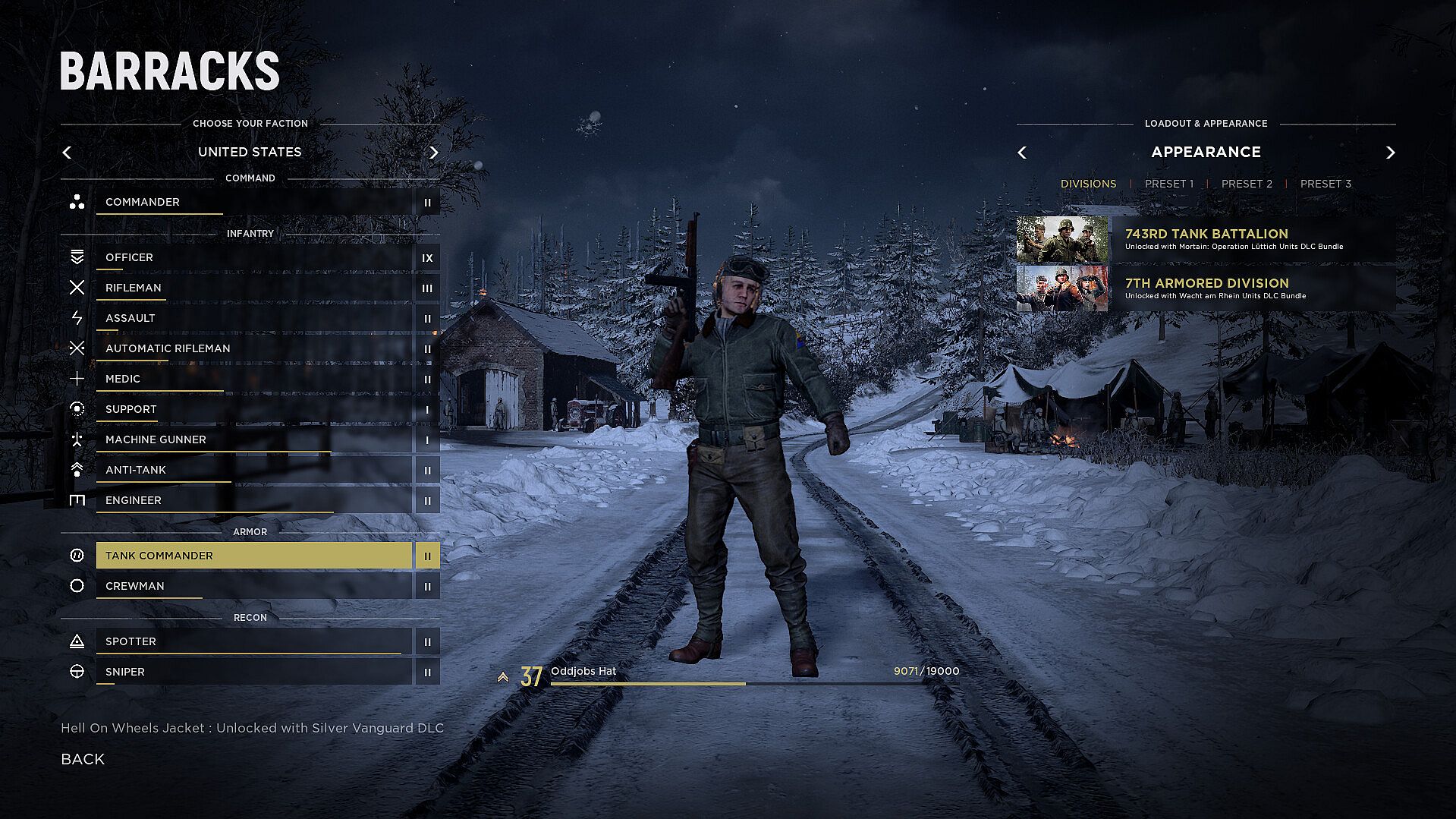
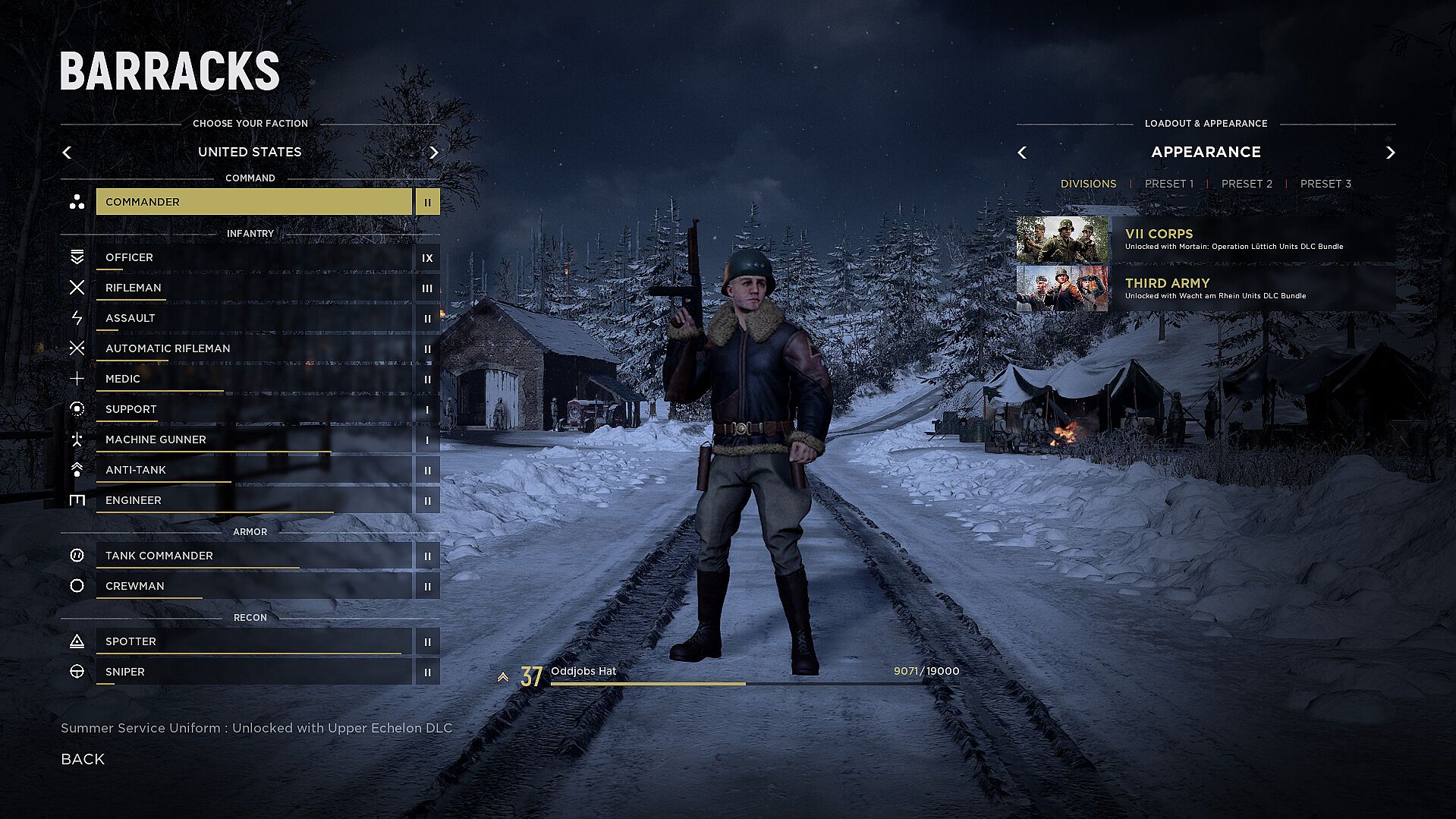
The game features a structured hierarchy with around 14 distinct roles across command, infantry, recon, and armor categories. Common infantry options include rifleman, assault, medic, machine gunner, engineer, and anti-tank specialists. Recon covers snipers and spotters. Armor includes tank commanders and crewmen. The commander role directs team-wide assets. Each role carries unique equipment and responsibilities that contribute to squad and overall team performance.
Supply lines and construction mechanics add depth. Engineers build nodes and defenses that sustain operations, while medics revive teammates to maintain manpower. Vehicle crews manage fuel and ammunition under commander oversight. These elements reward players who communicate and plan rather than relying solely on aim or reflexes.
Is It Worth Playing?
Hell Let Loose suits players seeking tactical multiplayer experiences that reward teamwork and role specialization over fast-paced arcade action. The emphasis on communication, chain of command, and resource strategy creates matches where individual contributions matter within a larger effort. Ongoing updates continue to refine balance, add maps, and improve quality of life features, keeping the experience fresh for dedicated communities.
Those who enjoy realistic WWII settings and large-scale combined arms combat will find consistent depth across sessions. Newer players benefit from the structured roles and clear objectives, though mastering the systems requires practice with squad coordination. The addition of varied unit appearances for US and German forces enhances immersion in Ardennes battles without altering core mechanics. Overall, it delivers rewarding gameplay for those prepared to engage with its deliberate pace and collaborative demands.