





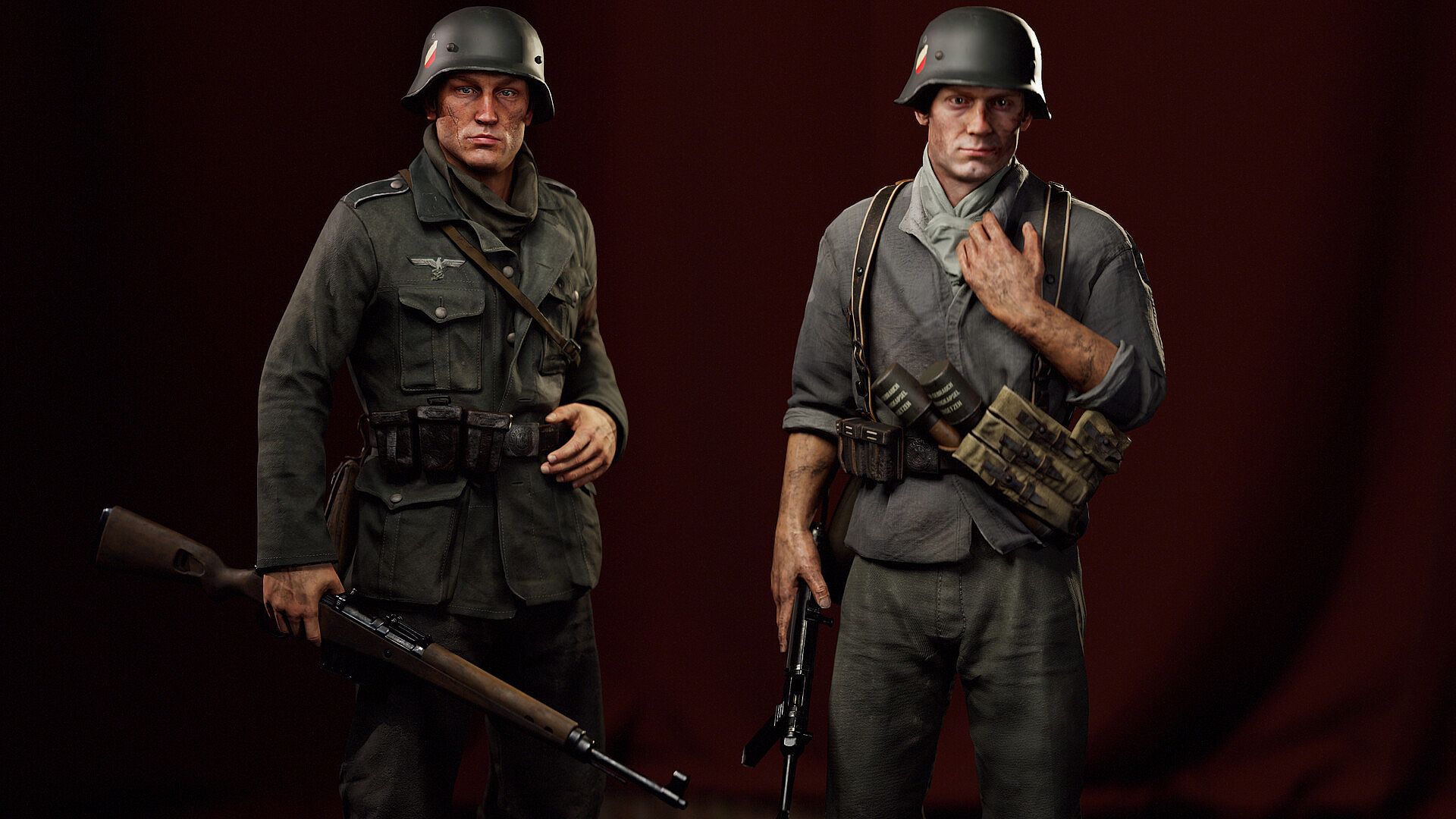
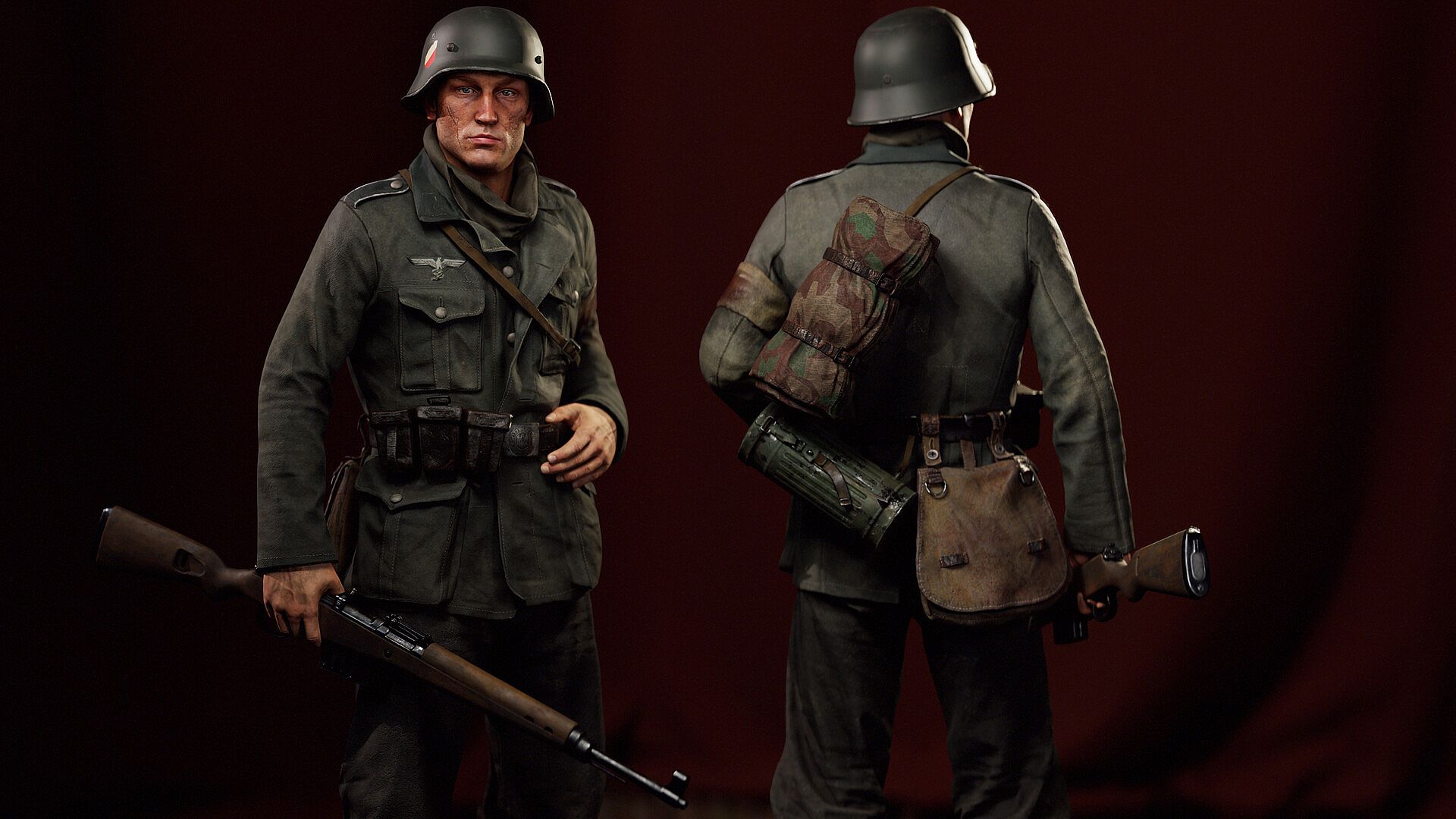
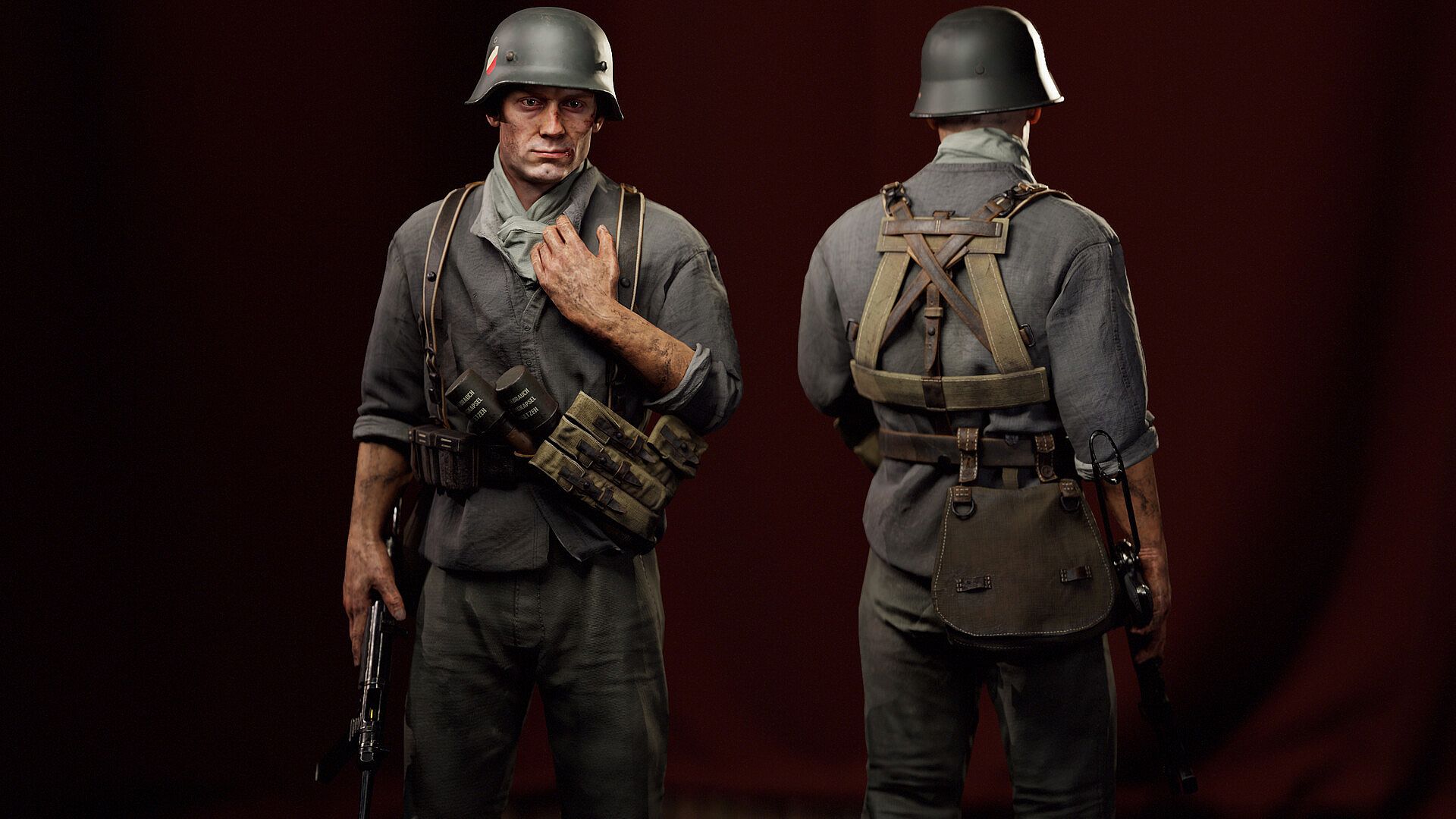
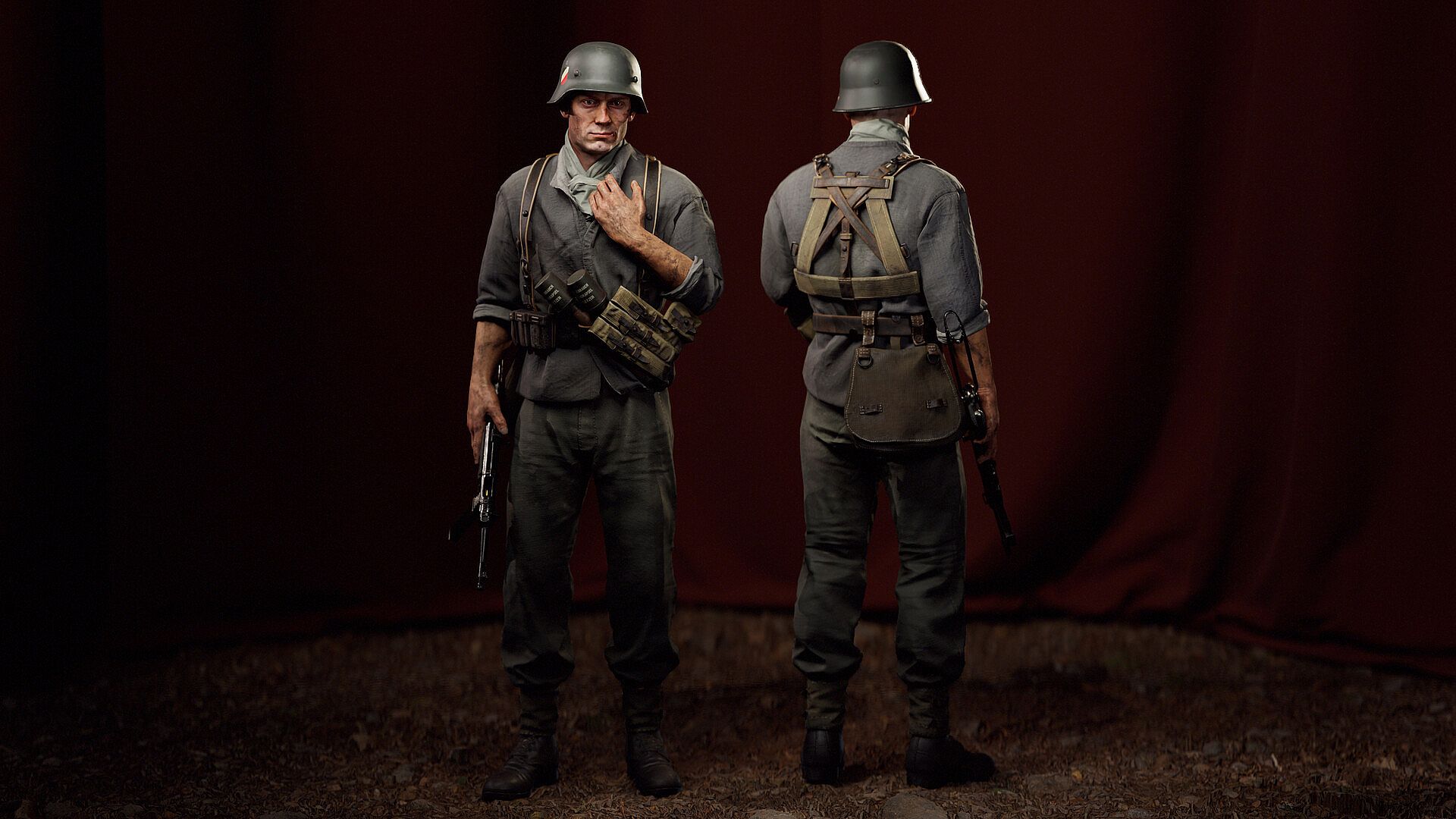
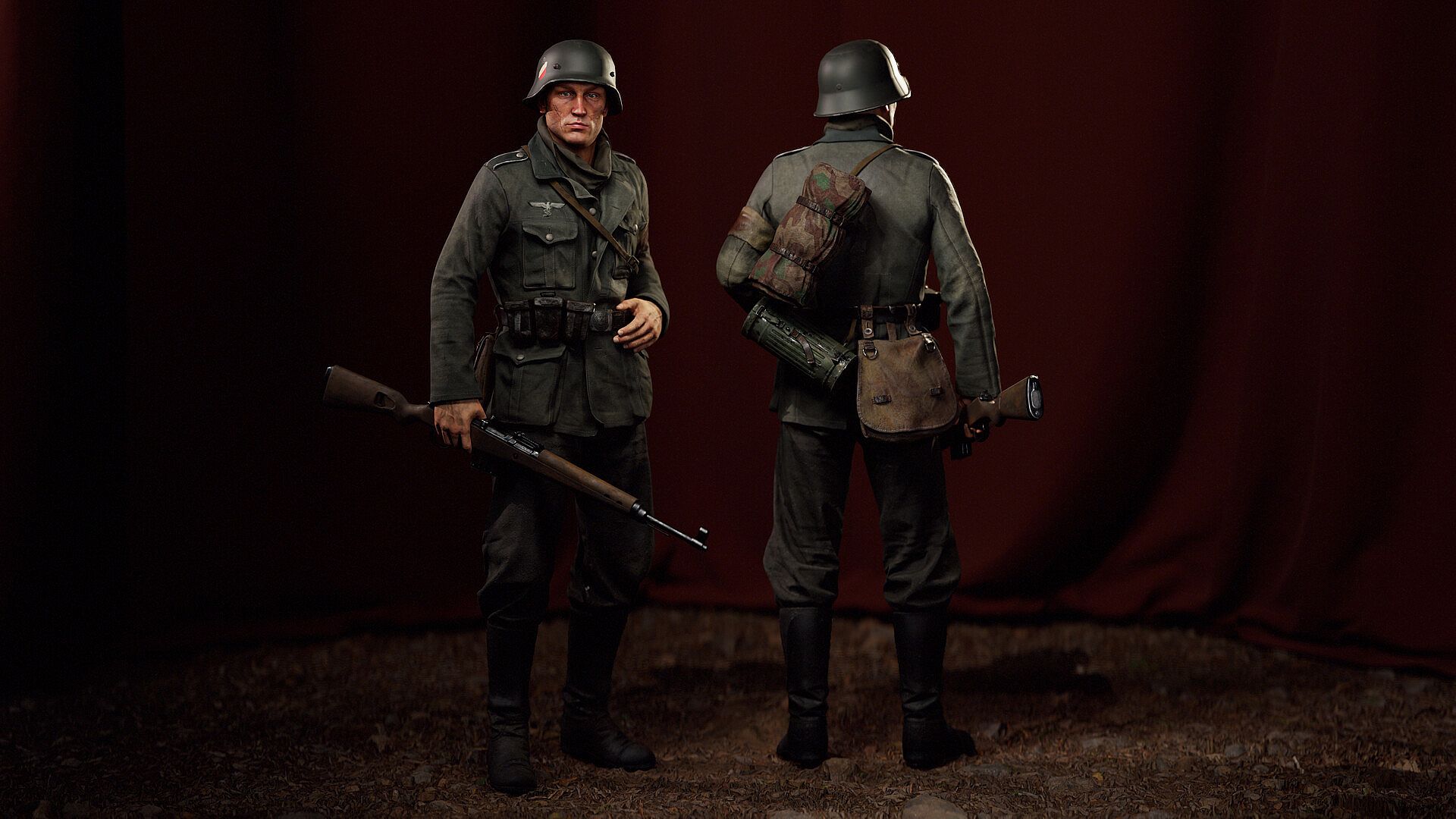
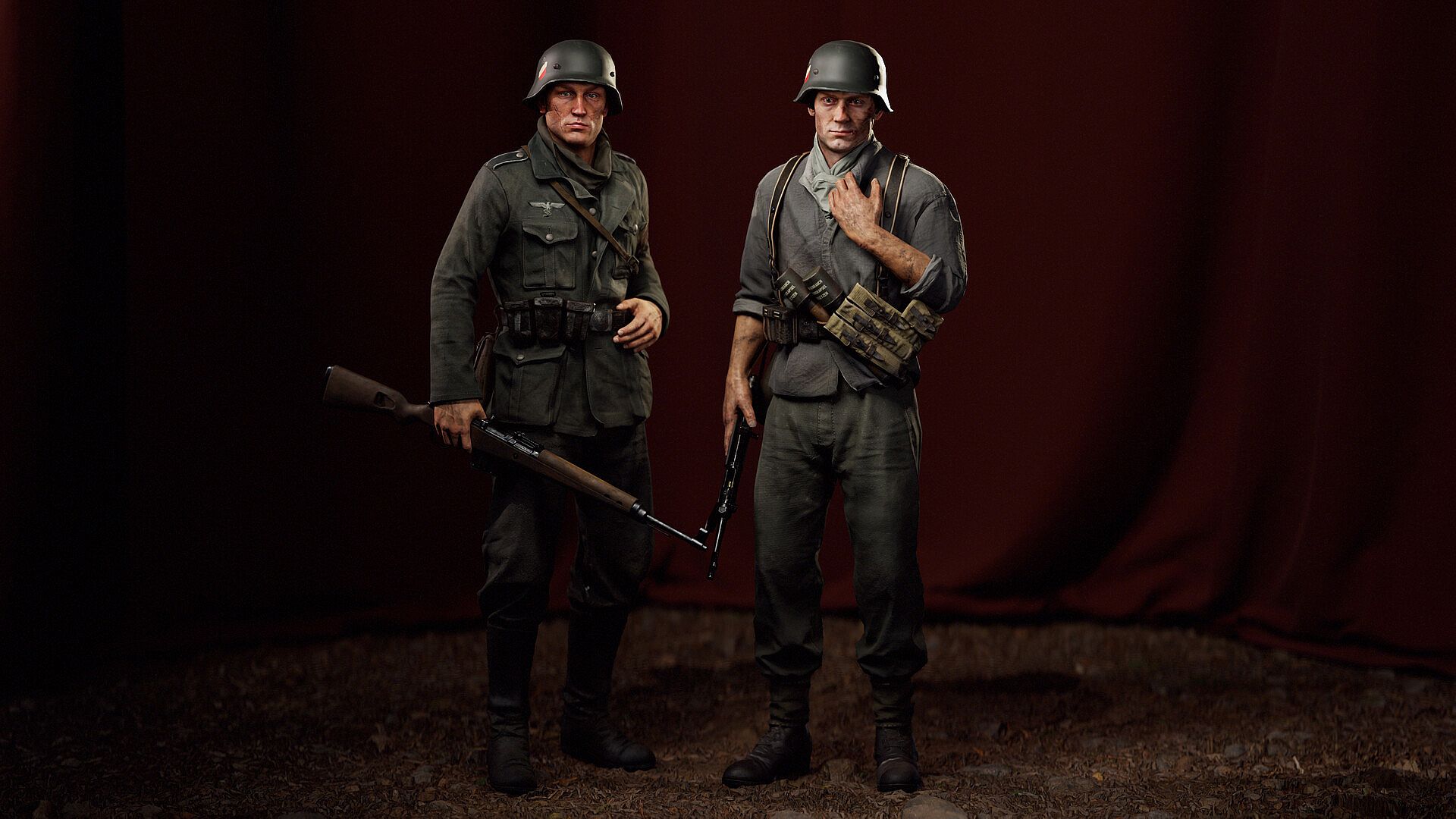
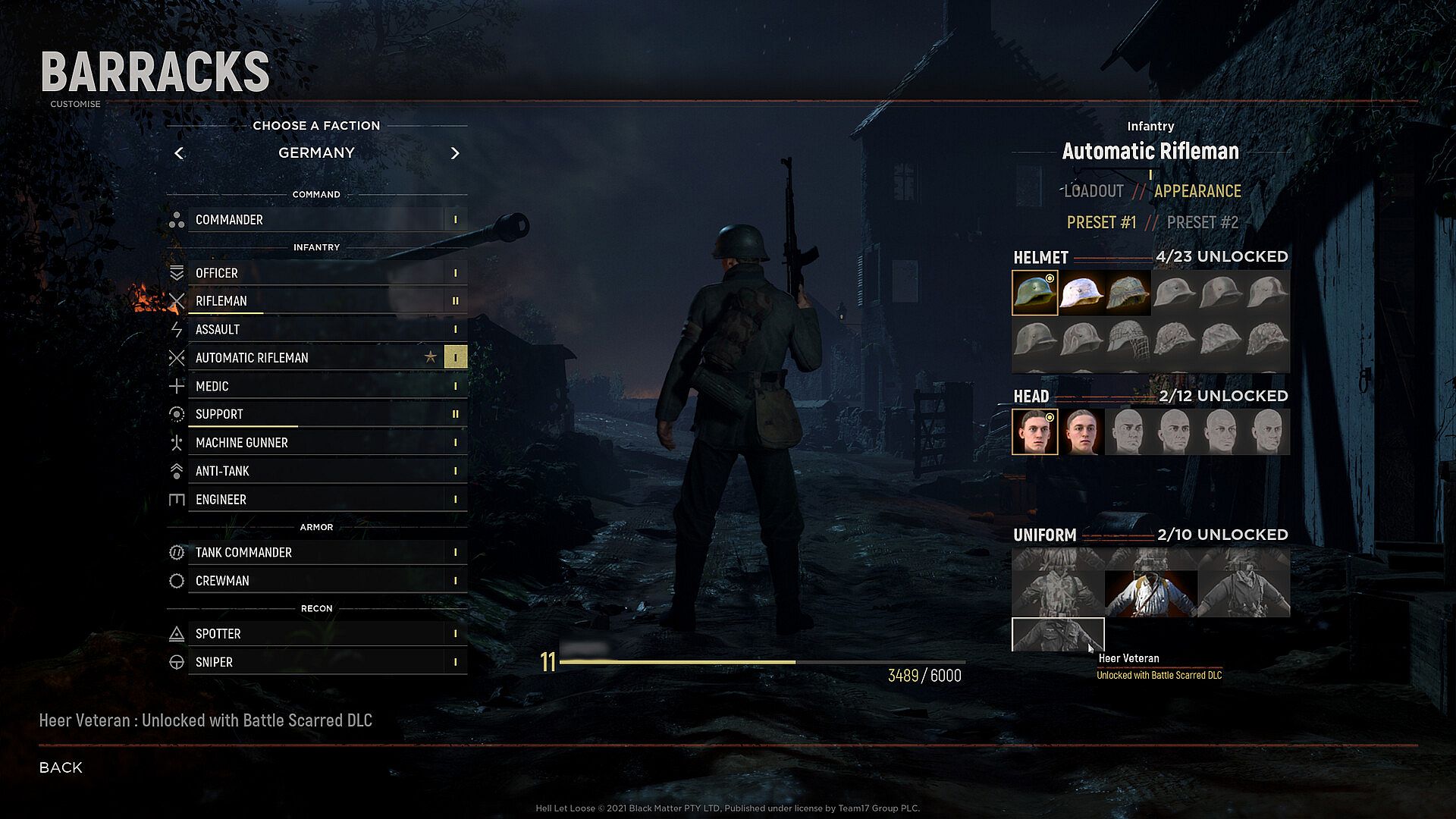
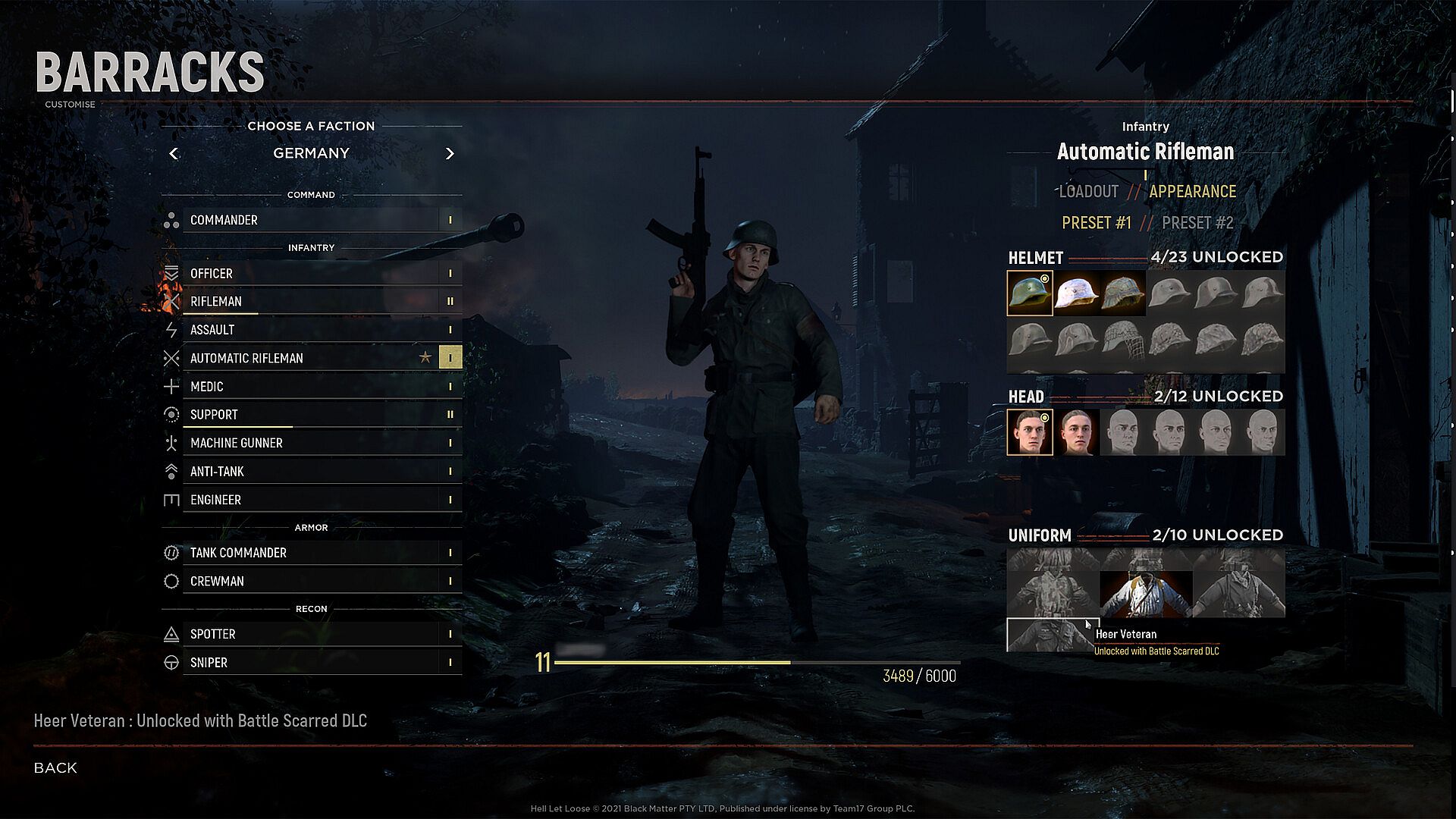
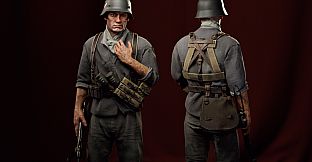

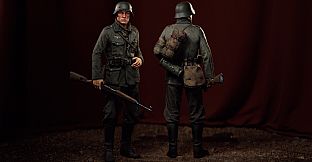

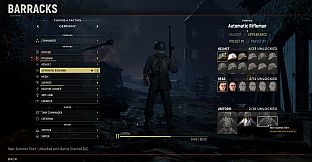
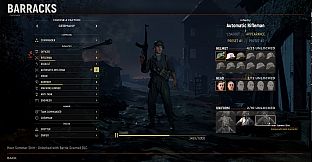
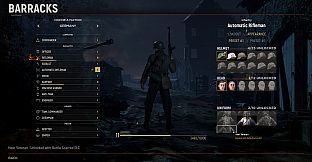
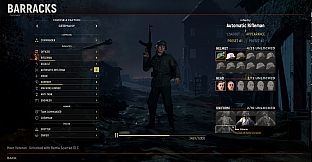
Hell Let Loose stands as a tactical first-person shooter that places players in large-scale World War II battles across multiple fronts. This action strategy simulation emphasizes coordination among up to 100 participants divided into two opposing teams, with each side managing logistics and objectives on expansive maps divided into sectors. The experience blends infantry combat with strategic oversight, requiring squads to work under a clear chain of command while engineers construct resource nodes that supply manpower, munitions, and fuel for the commander.
Gameplay
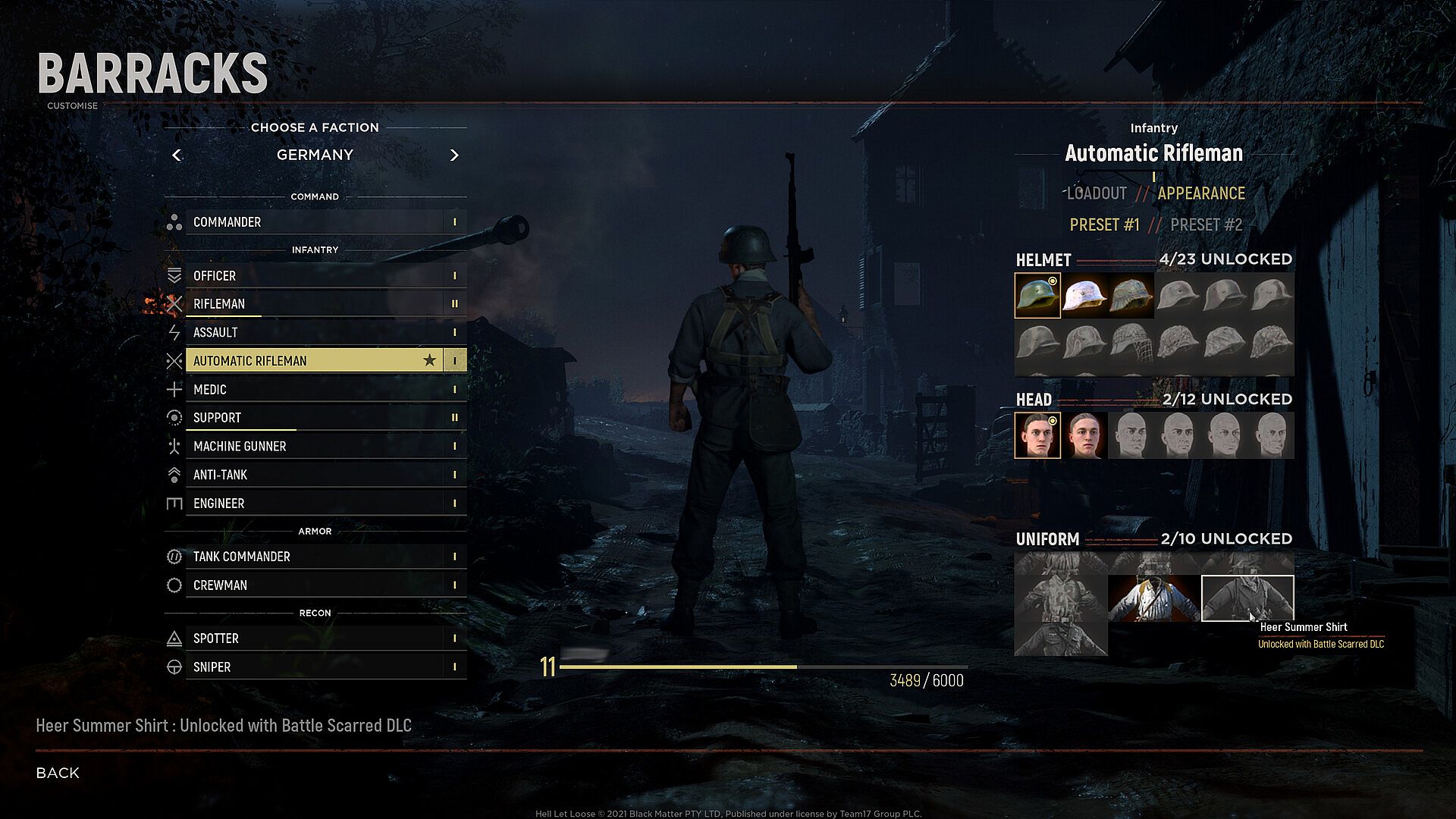
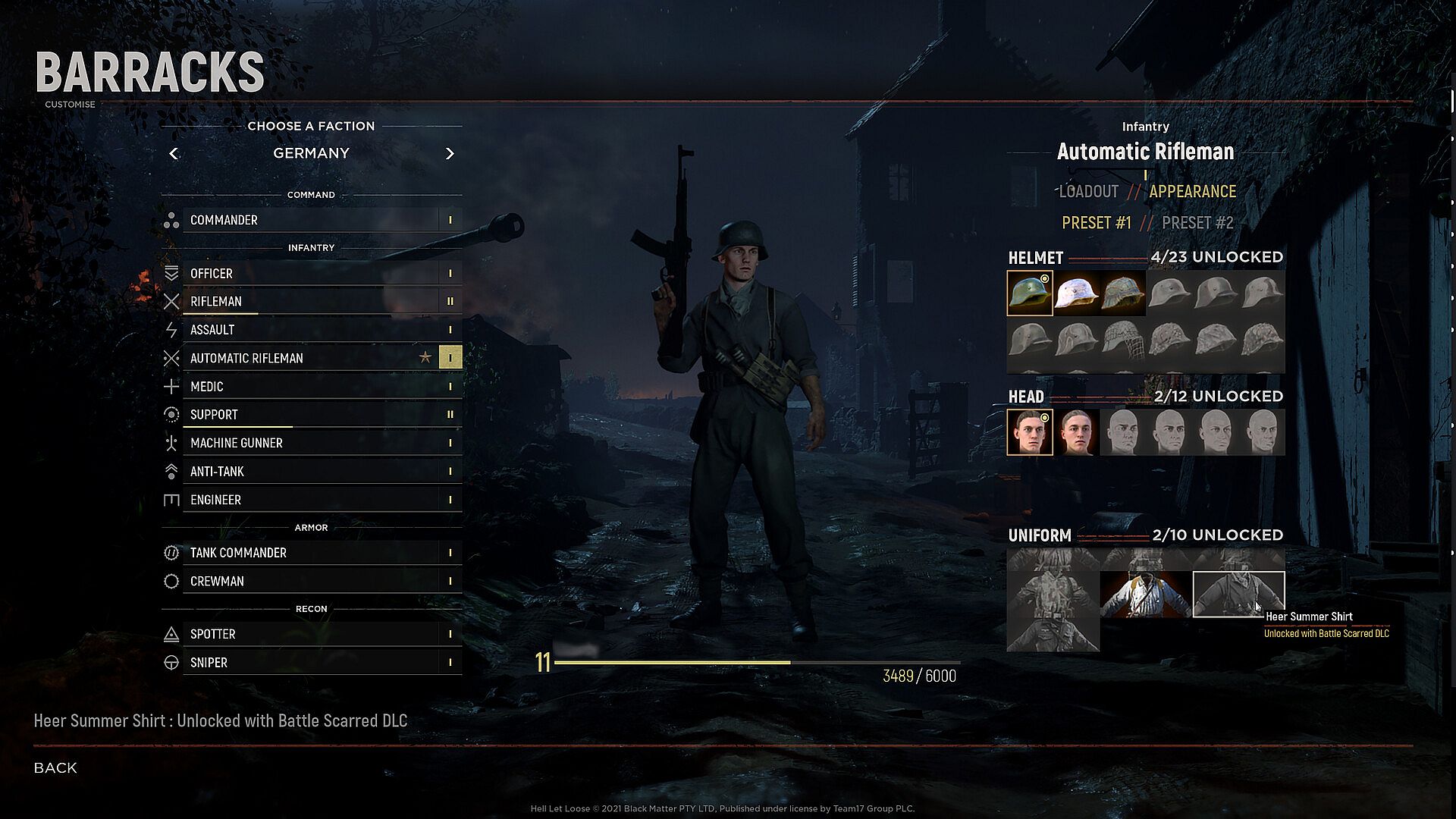
Matches unfold with squads of six soldiers led by an officer who can establish spawn points known as garrisons or outposts. A single commander oversees the entire team through a tactical map, directing artillery strikes, supply drops, and reconnaissance while communicating only with squad leaders. Resource nodes built by engineers generate the three key supplies that power these abilities, and sectors on the map provide additional strategic value when controlled. Combat feels punishing due to realistic ballistics and minimal interface elements, where a well-placed shot often decides an engagement and players must rely on voice communication to relay enemy positions and coordinate advances. Roles range from standard riflemen to specialized positions such as medics who revive teammates, machine gunners providing suppression, anti-tank soldiers handling vehicles, and recon teams scouting ahead. The system encourages careful positioning and teamwork rather than lone heroics, as redeploying costs team resources and leaves gaps in the line.
Game Modes
Warfare serves as the core experience, with both teams starting in control of opposite halves of the map and a neutral sector between them. Players push to capture active sectors by concentrating forces in hard cap zones for faster progress, turning the match into a shifting frontline that can reverse direction multiple times over a 90-minute limit. Victory comes from seizing the enemy headquarters sector or holding the majority of territory when time expires. Offensive assigns clear attacker and defender roles, with the attacking side given 30 minutes per sector to push through five objectives toward the defending headquarters. Defenders must hold each active point until the timer runs out on that sector, forcing attackers to maintain momentum across the entire push. These modes highlight the tug-of-war nature of territorial control and the importance of building forward spawns to sustain pressure.
Factions and Mechanics
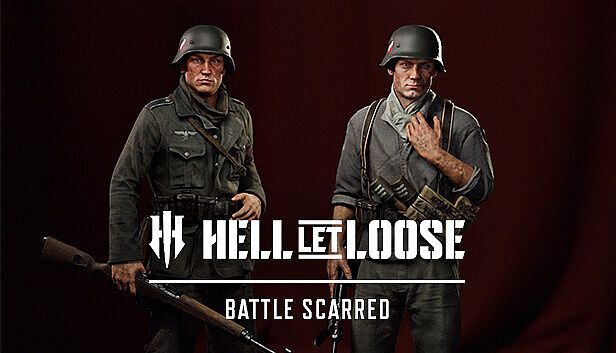
Teams represent historical forces from the Allies and Axis, including American, Soviet, British, and German units with distinct equipment and vehicles suited to their roles. Maps reflect real WWII locations with varied terrain that influences tactics, from open fields suited to long-range fire to urban areas that favor close-quarters engagements. Spawn management forms a central loop, as destroying enemy garrisons disrupts their ability to reinforce while protecting friendly ones maintains offensive capability. The commander converts resources between types to adapt to the situation, calling in abilities that can shift momentum during critical moments. This structure rewards organized squads that balance building infrastructure with direct combat.
Current State and Updates
The game receives regular content additions, including new maps, factions such as Canadian forces, and balance adjustments that refine vehicle handling and resource systems. Ongoing development maintains active servers and introduces quality-of-life improvements based on community input, keeping matches fresh across different fronts and eras of the conflict.
Is It Worth Playing?
Hell Let Loose delivers a distinctive multiplayer experience for those drawn to realistic, large-scale WWII combat that prioritizes strategy and communication over fast-paced arcade action. Players who enjoy coordinating with squads, managing resources, and participating in extended battles will find substantial depth in the sector control and role specialization. The title maintains a very positive reception from a large player base, with consistent updates supporting long-term engagement. It suits enthusiasts of simulation-style shooters who value teamwork and historical authenticity in a massively multiplayer setting, though those preferring quicker matches or solo play may find the pace and requirements less appealing. The core loop of advancing lines while countering enemy logistics provides repeated value for dedicated groups.