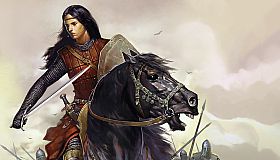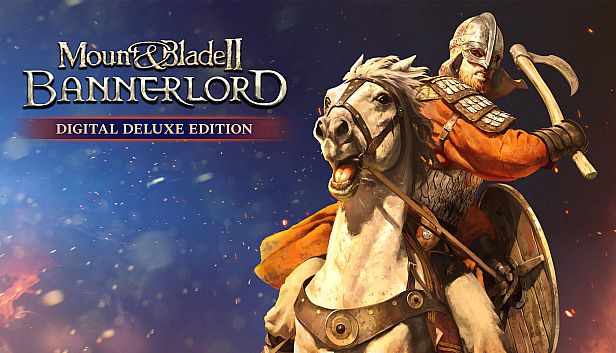






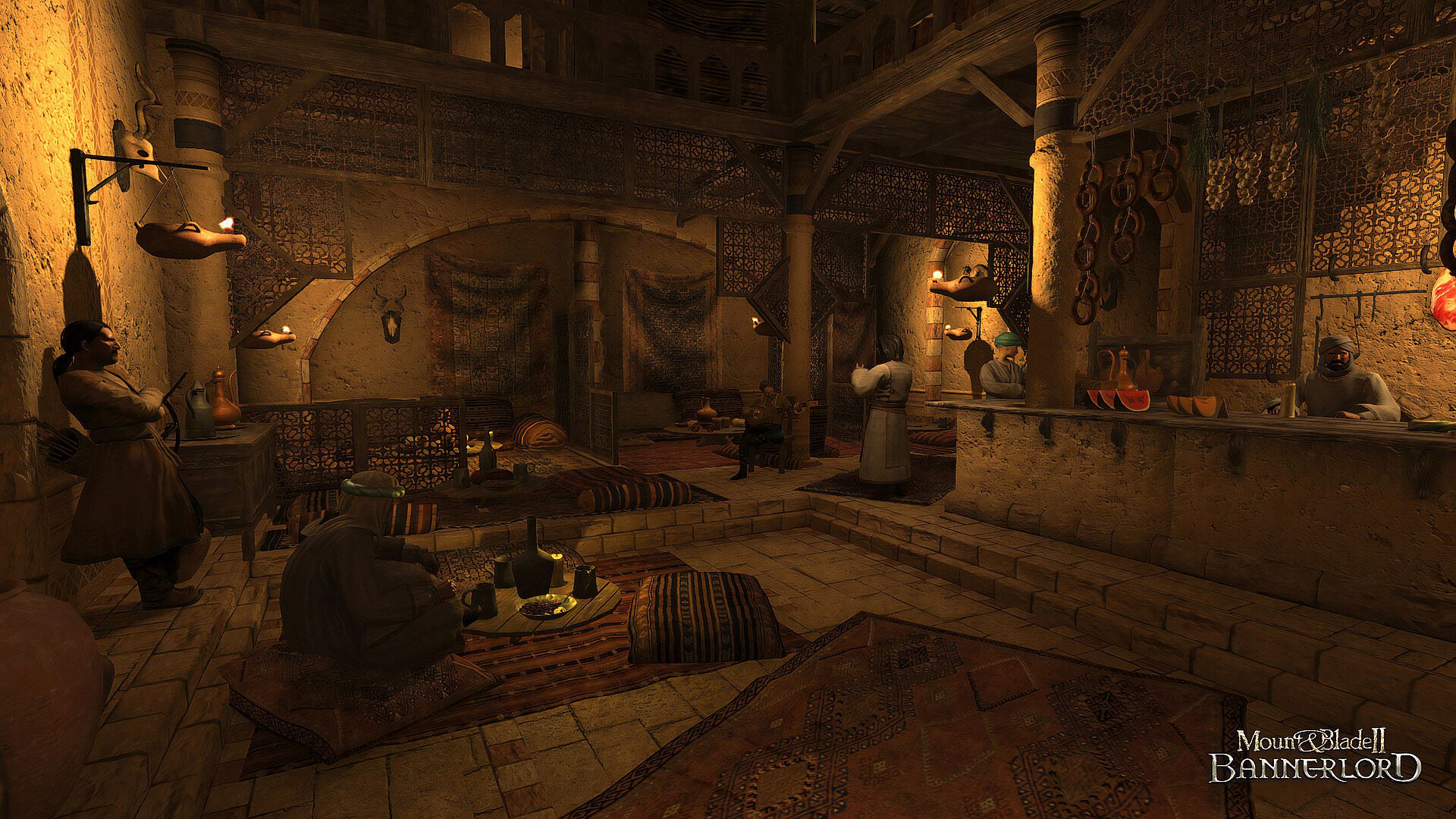
Mount & Blade II: Bannerlord is an action strategy RPG with simulation elements set in the medieval world of Calradia. Players create a character and pursue power through a combination of personal combat, party management, diplomacy, and large-scale warfare on a single expansive campaign map.
Gameplay
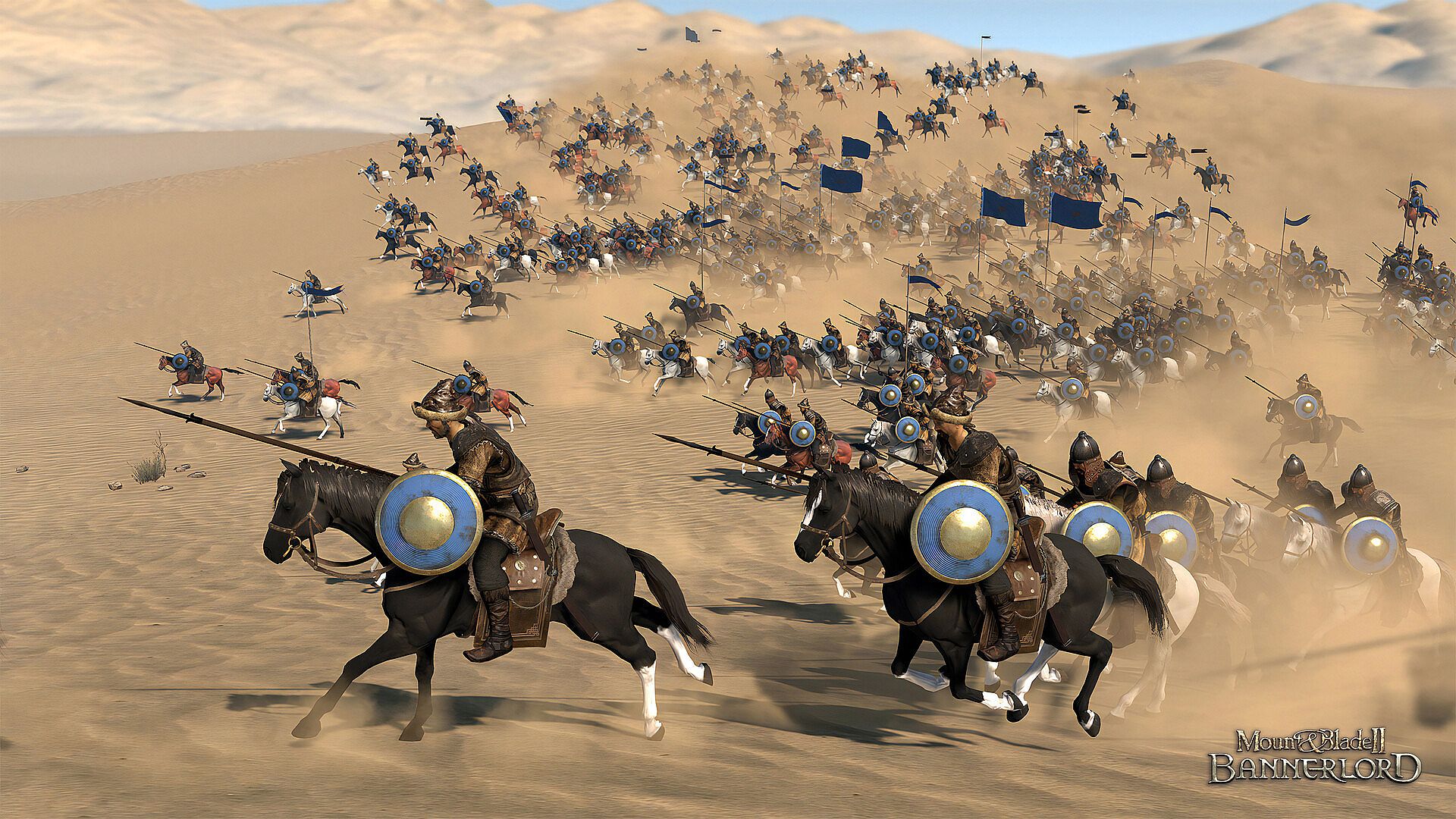
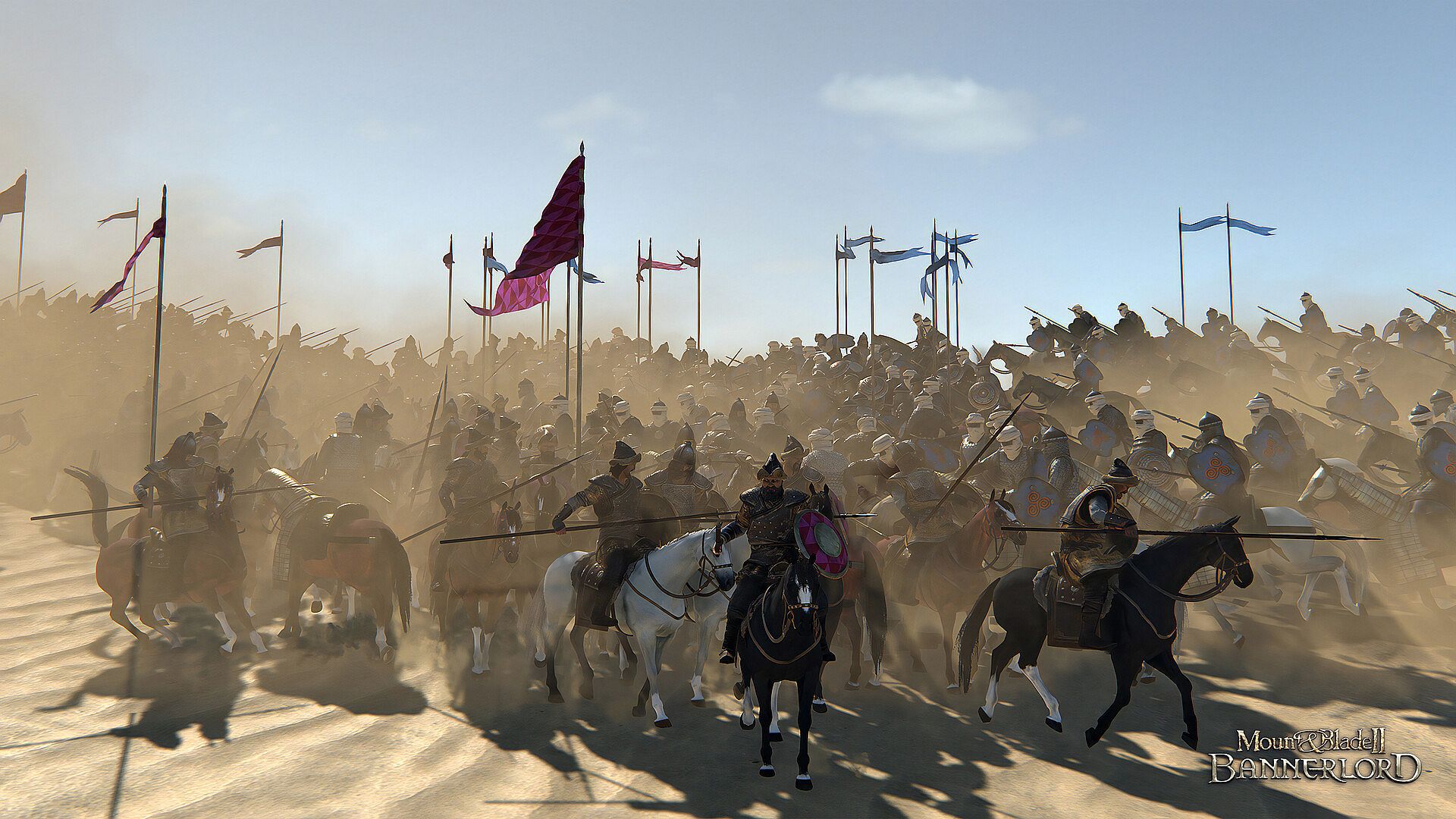
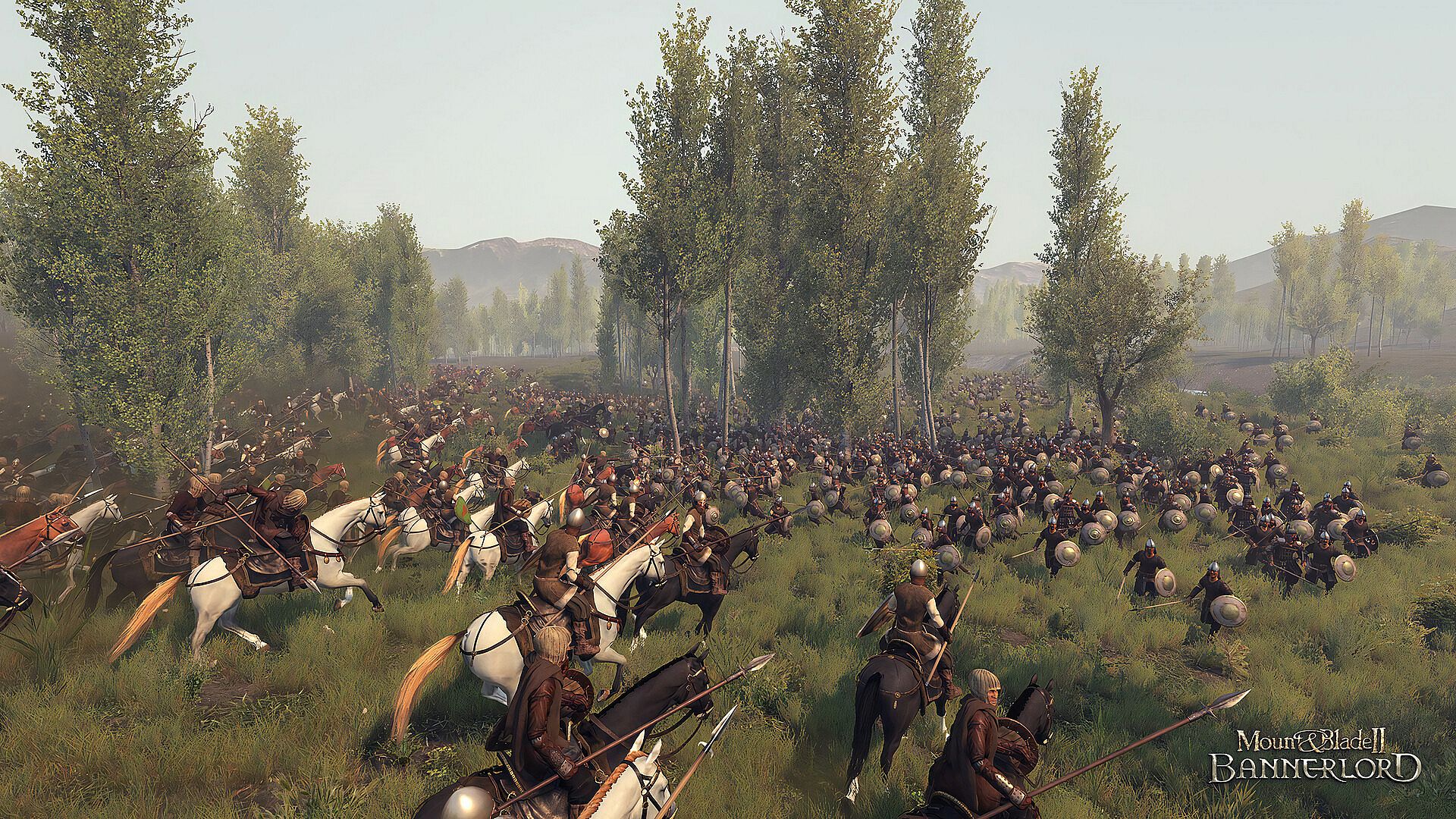
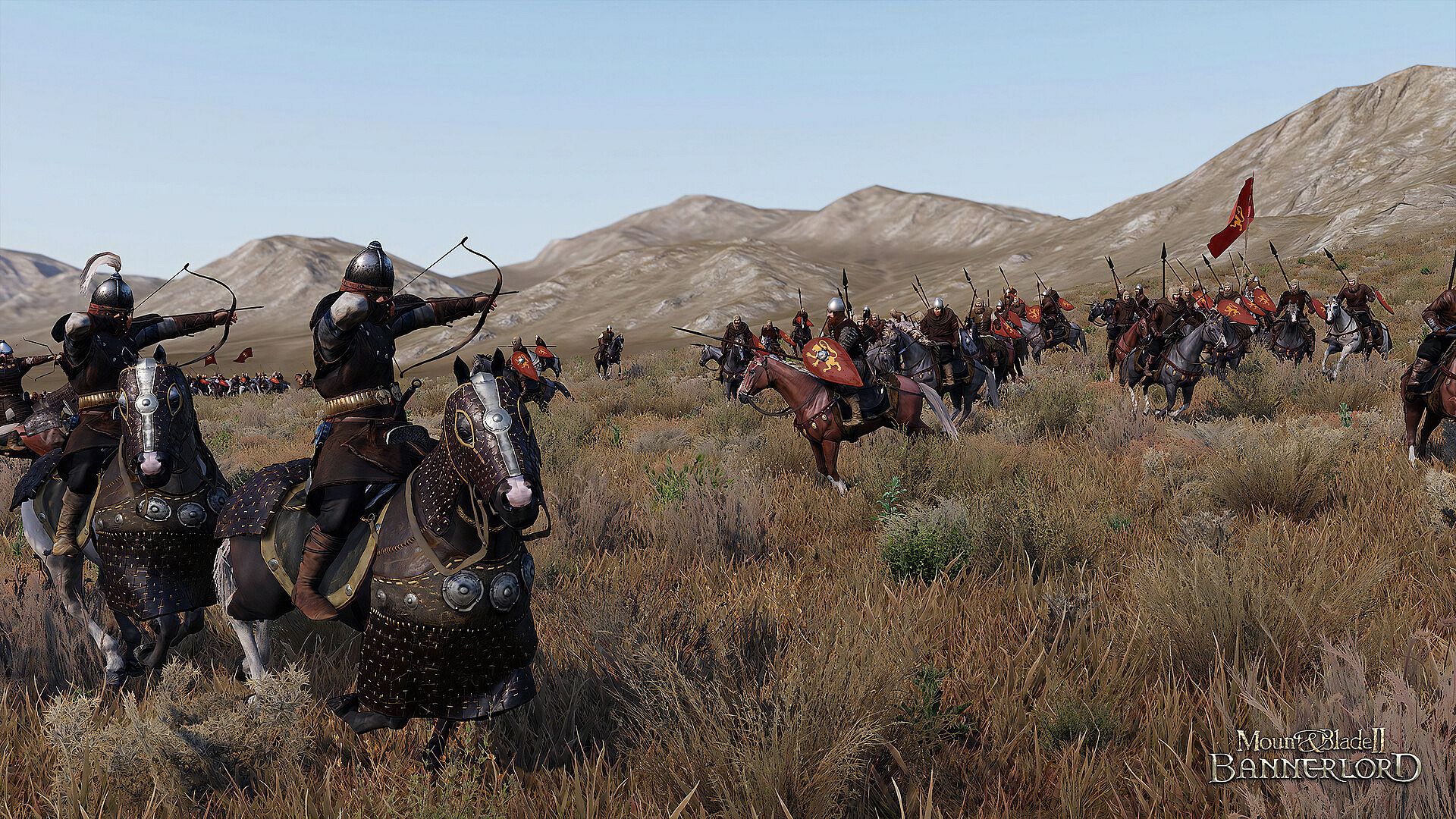
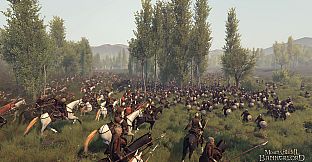
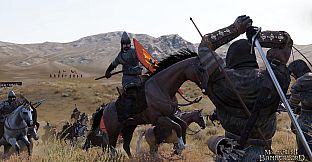
The core experience centers on a persistent campaign where the player assembles and leads parties of troops across the map. Quests, trade, and conflicts drive progression as settlements produce goods, caravans move resources, and workshops generate income based on supply and demand. Battles unfold in real time on detailed battlefields, allowing direct control of the player character while issuing orders to formations of infantry, archers, and cavalry.
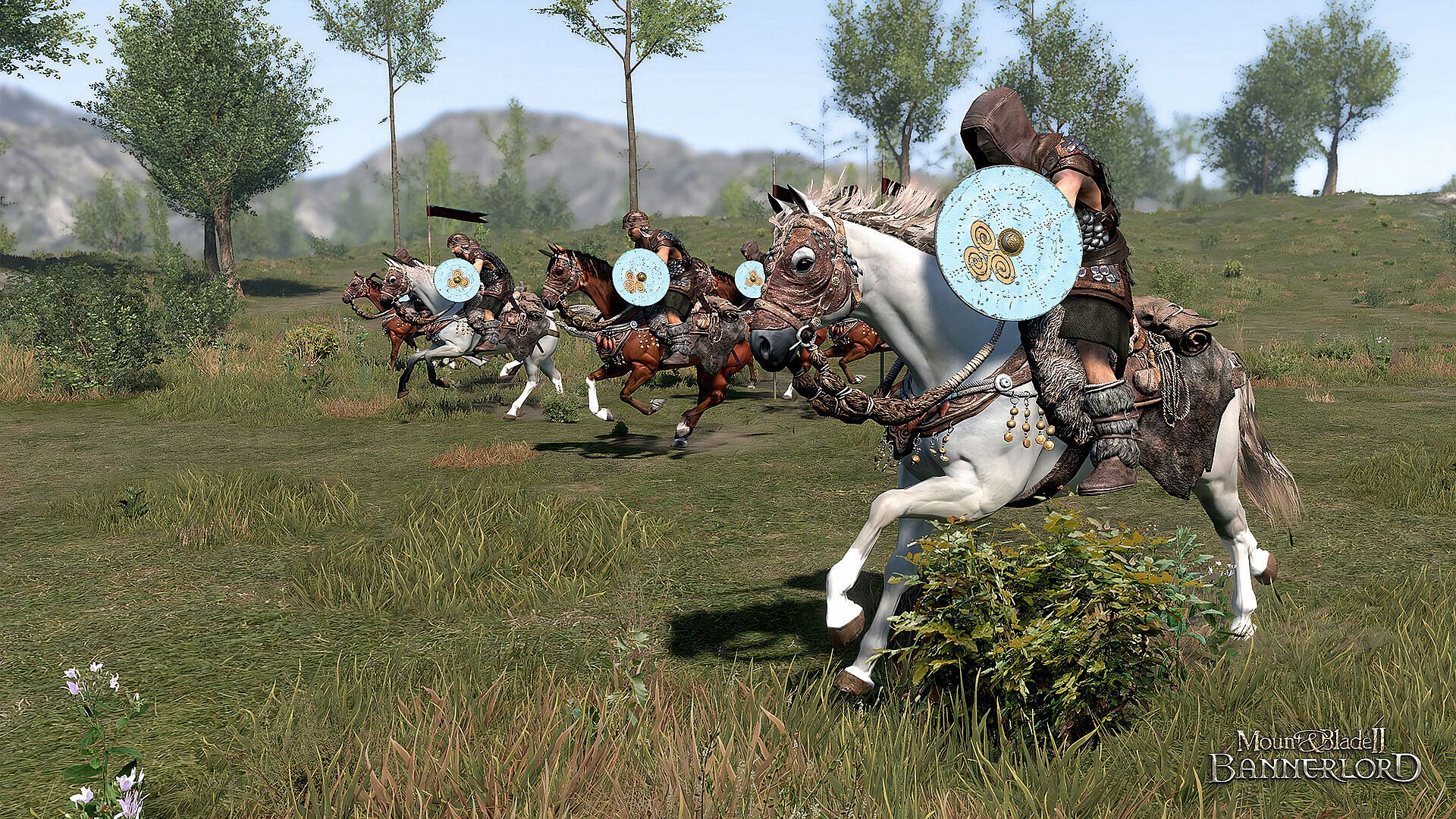
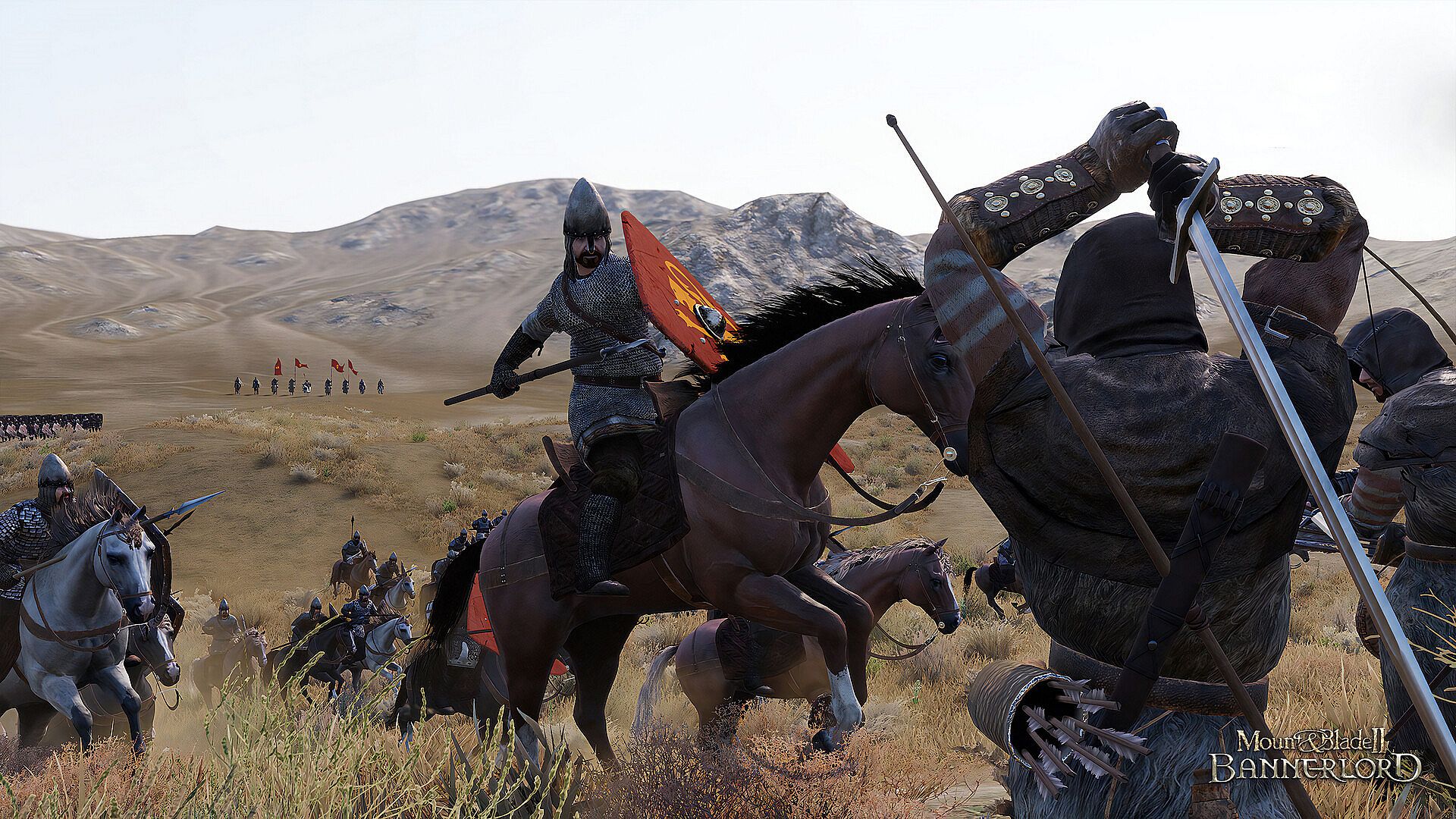
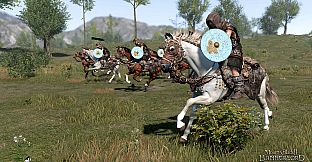
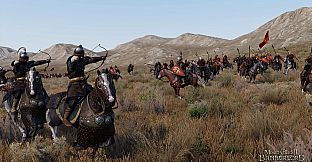
Combat relies on a directional system in which attacks and blocks are aimed by mouse movement or key inputs, rewarding timing, positioning, and weapon choice. Melee weapons vary in reach and damage type, ranged options include bows and crossbows with different firing characteristics, and mounted combat adds momentum-based damage for charges. Sieges incorporate preparatory bombardment on the campaign map and the construction of engines such as catapults and siege towers before the battle begins. Character development uses six attributes that influence skill growth in areas such as one-handed weapons, athletics, tactics, and leadership, with perks unlocking at skill milestones to specialize playstyles.
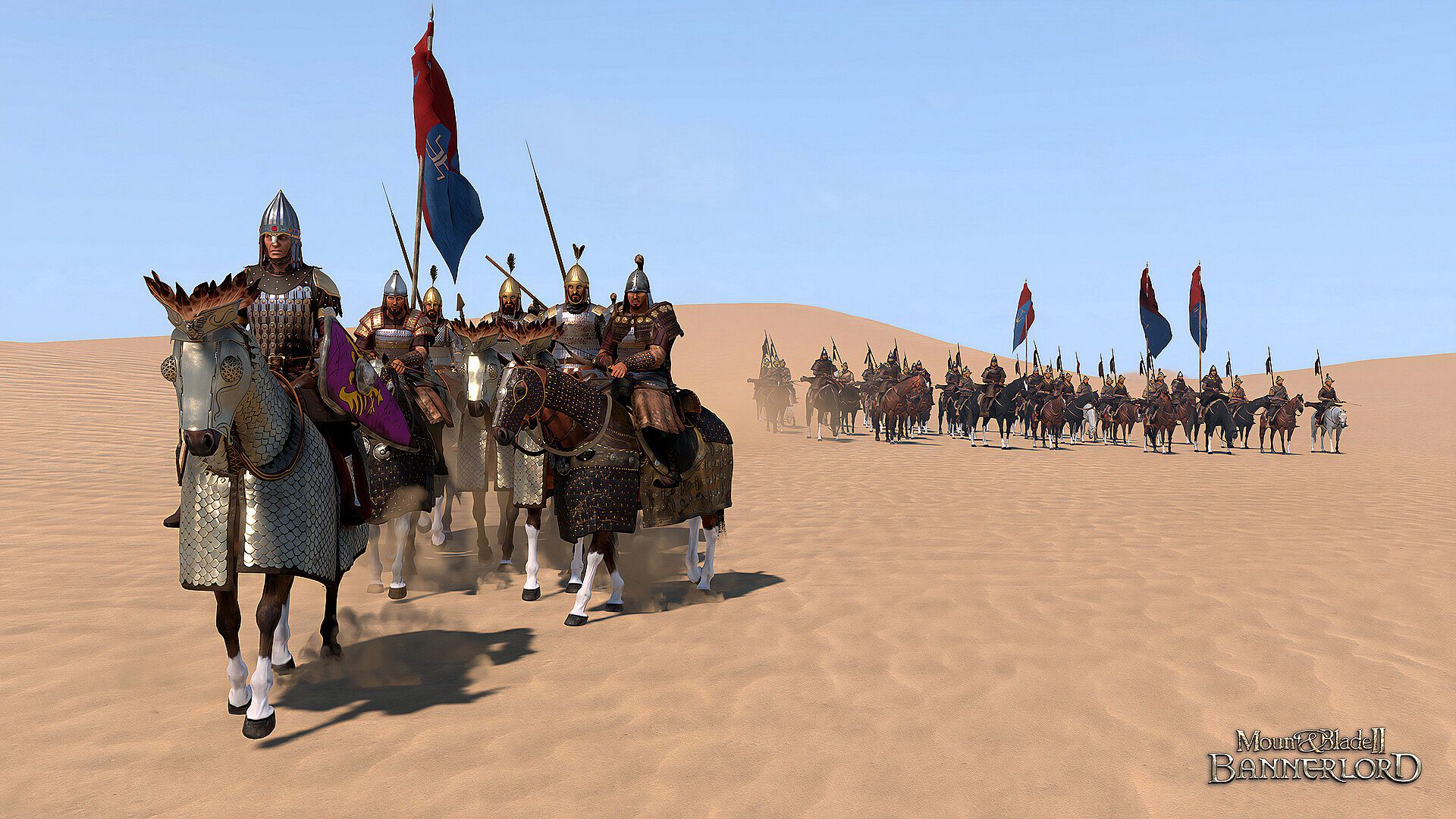
Eight major factions populate Calradia, each fielding distinctive troop trees and offering cultural bonuses that affect troop upgrades, renown, or movement speed. The fractured Calradic Empire splits into Northern, Southern, and Western branches, while Vlandia emphasizes heavy cavalry, Sturgia focuses on resilient infantry, and other groups like the Khuzait and Aserai bring their own mounted and ranged strengths. Relationships between lords and clans influence alliances, marriages, and kingdom policies through an influence system.
Game Modes
The primary singleplayer mode is the open-ended sandbox campaign, where players start with limited resources and can rise through mercenary work, vassalage, or by founding their own kingdom. Custom battles let players configure army sizes, factions, and map types including open fields, village fights, and full sieges for practice or standalone scenarios.
Multiplayer supports several formats. Skirmish pits small teams against each other in direct combat. Larger team deathmatch and siege matches scale up to dozens of players per side, with a point-based class system that lets participants select infantry, ranged, or cavalry loadouts tied to specific factions. Captain mode adds squad command layers, where players lead groups of AI troops while coordinating with teammates. All multiplayer occurs separately from the campaign and uses matchmaking or custom lobbies.
World and Progression
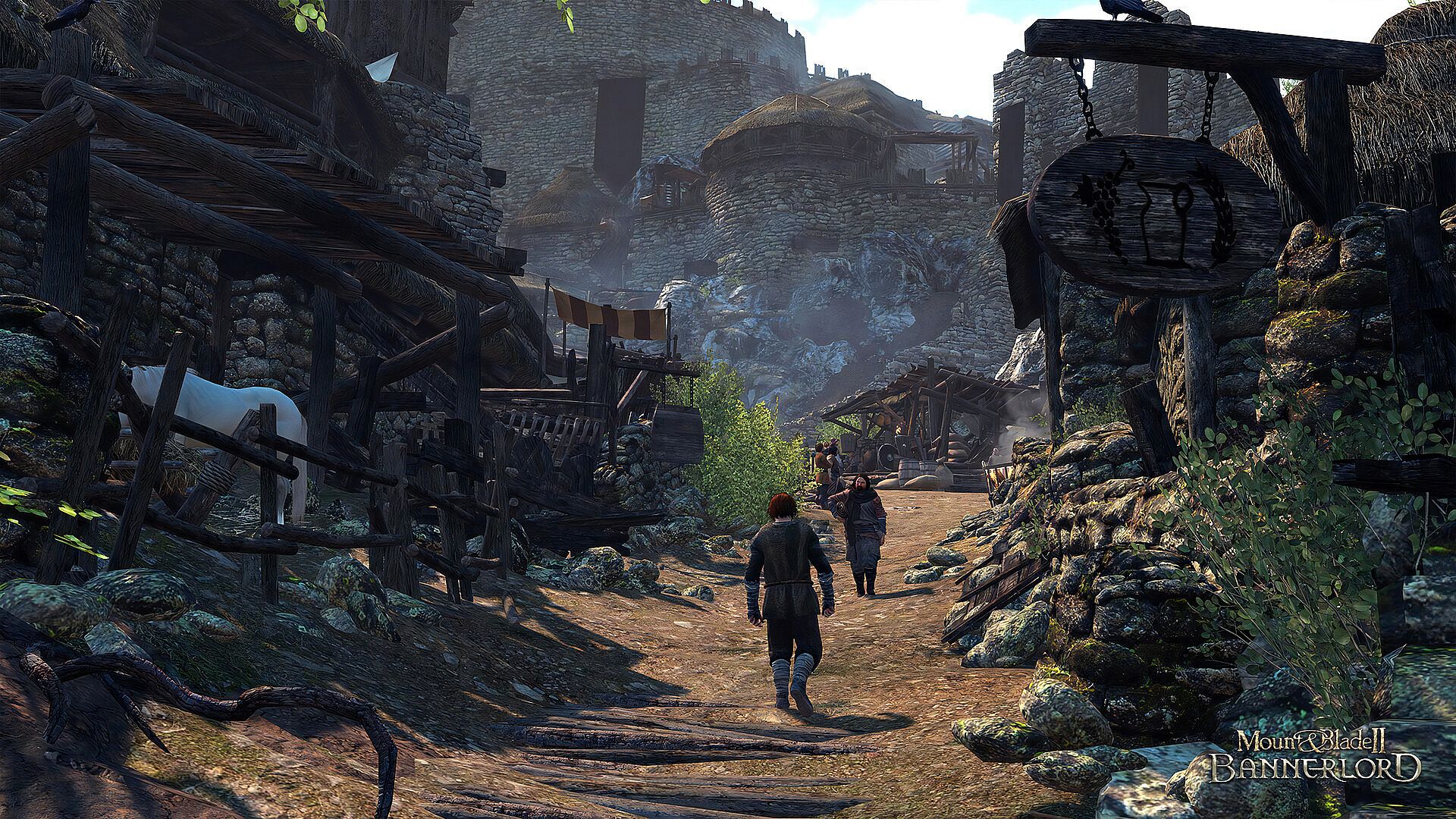
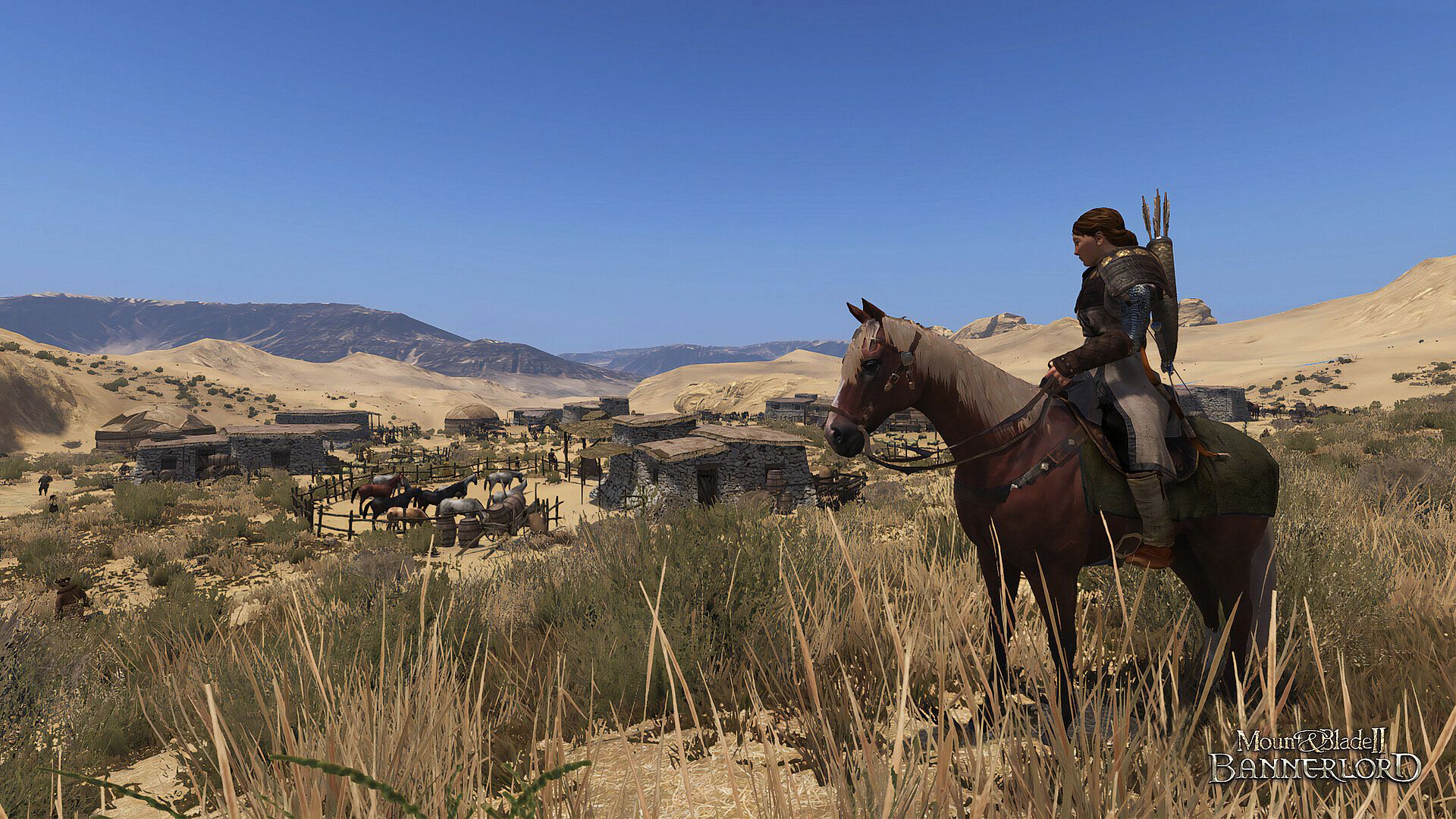
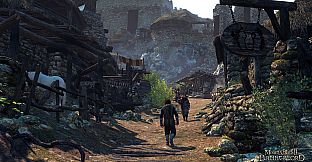
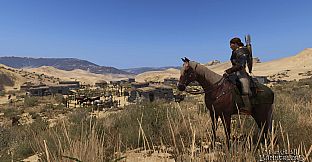
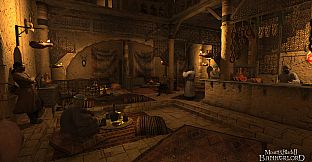
Calradia functions as a living simulation with seasonal weather changes that affect troop effectiveness and travel. Villages supply raw materials to towns for processing, while bandit hideouts and minor factions create ongoing threats or opportunities. Players manage companions who can govern settlements, lead caravans, or fight alongside the main party, and family systems allow for heirs that extend the dynasty across generations.
Skill progression ties directly to actions performed, so frequent trading improves commerce aptitude and repeated mounted combat raises riding proficiency. Influence and renown accumulate through victories and political actions, unlocking higher-tier policies and army commands once a kingdom is established.
Is It Worth Playing?
The game maintains a Very Positive rating on its primary distribution platform based on hundreds of thousands of reviews. It continues to receive patches that refine diplomacy, army AI, and balance years after its full release. The experience suits players who enjoy blending first-person combat with strategic oversight in a sandbox setting where outcomes depend on preparation, troop composition, and long-term decisions rather than scripted sequences.
Those drawn to medieval warfare simulations, character customization through skills and equipment, and the challenge of building or toppling kingdoms will find substantial depth. The mix of large battles with hundreds of units and intimate personal progression creates a distinctive loop that rewards repeated playthroughs with different starting cultures and goals. Multiplayer provides competitive outlets for the same combat fundamentals without requiring campaign progress.