











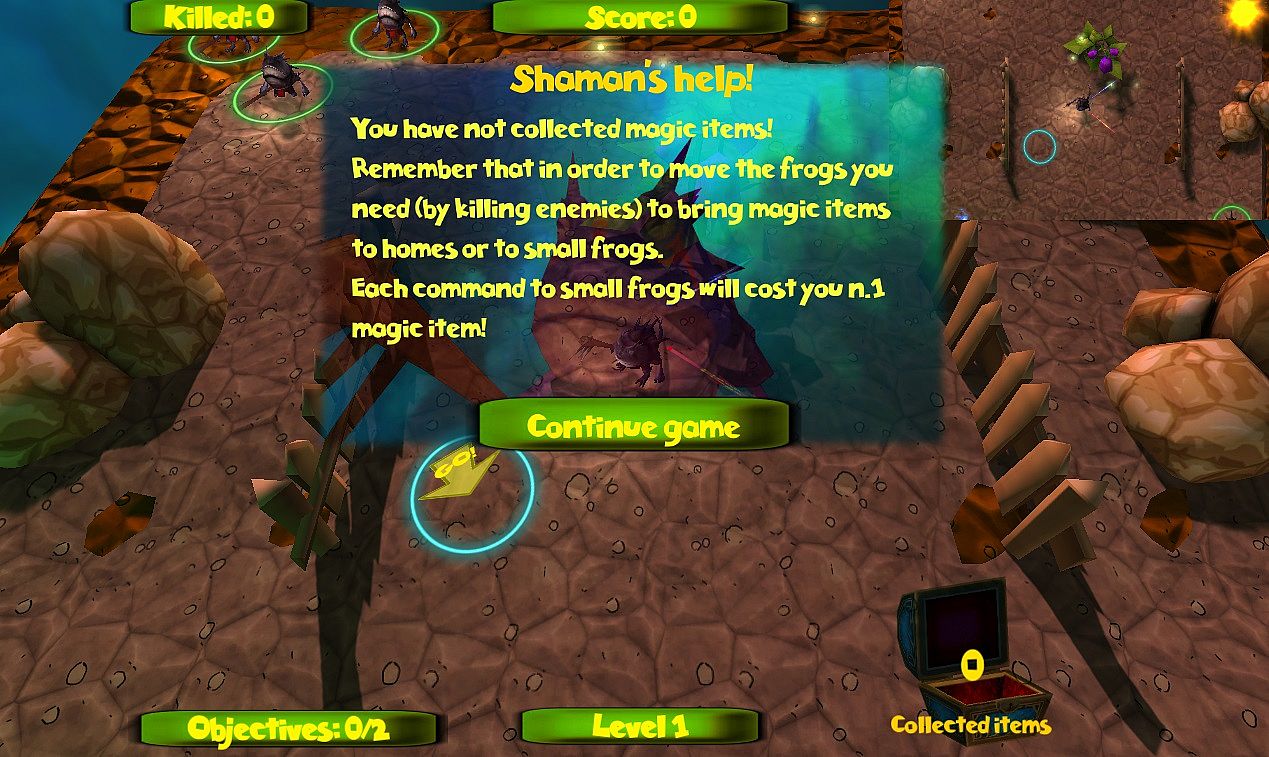
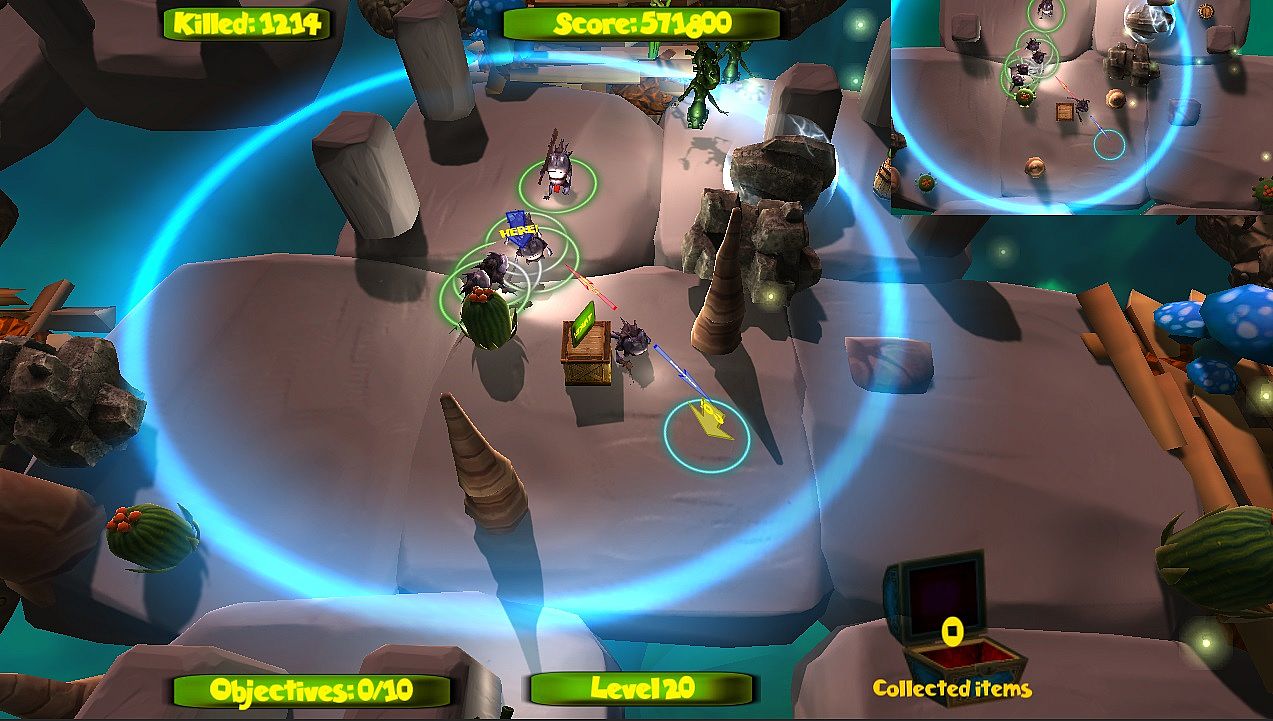
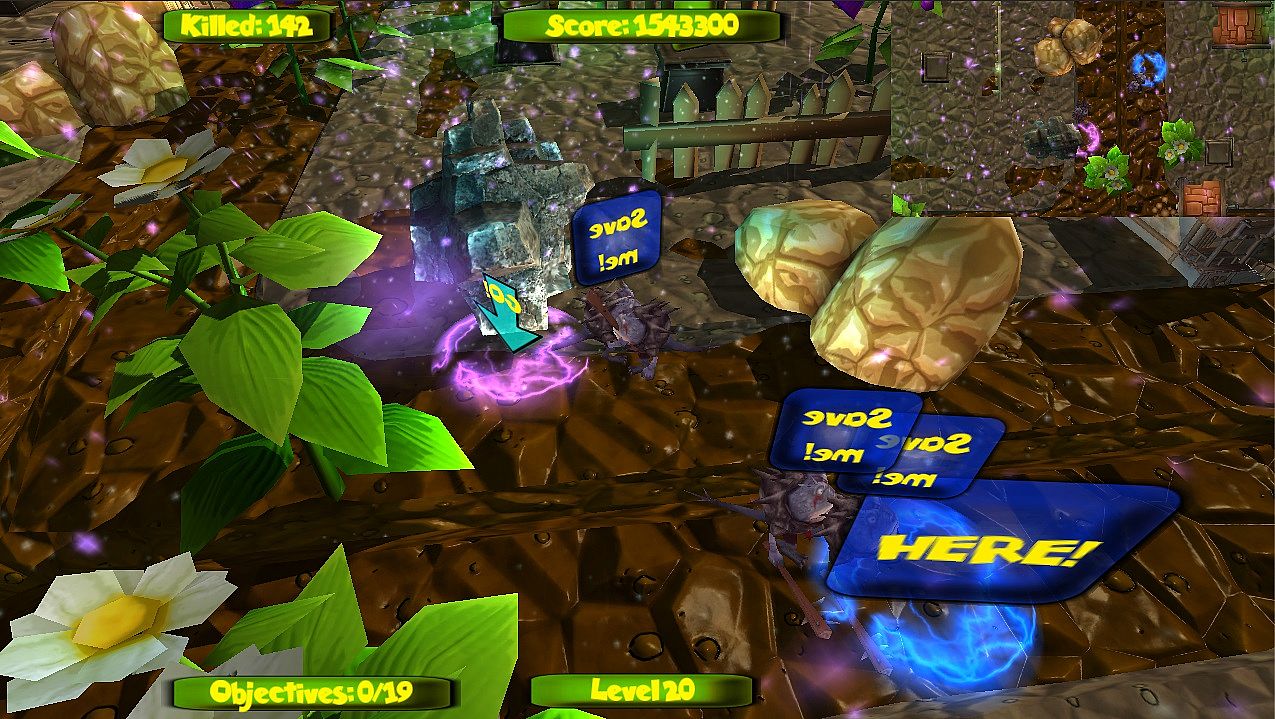
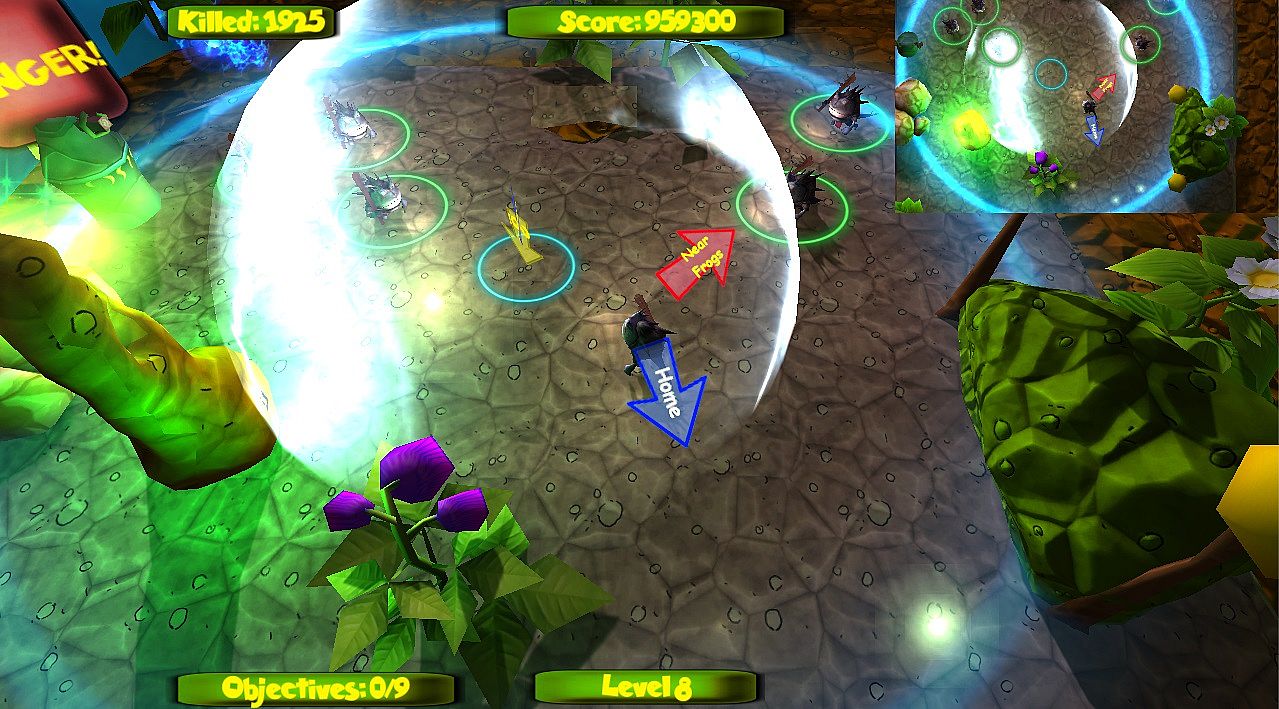
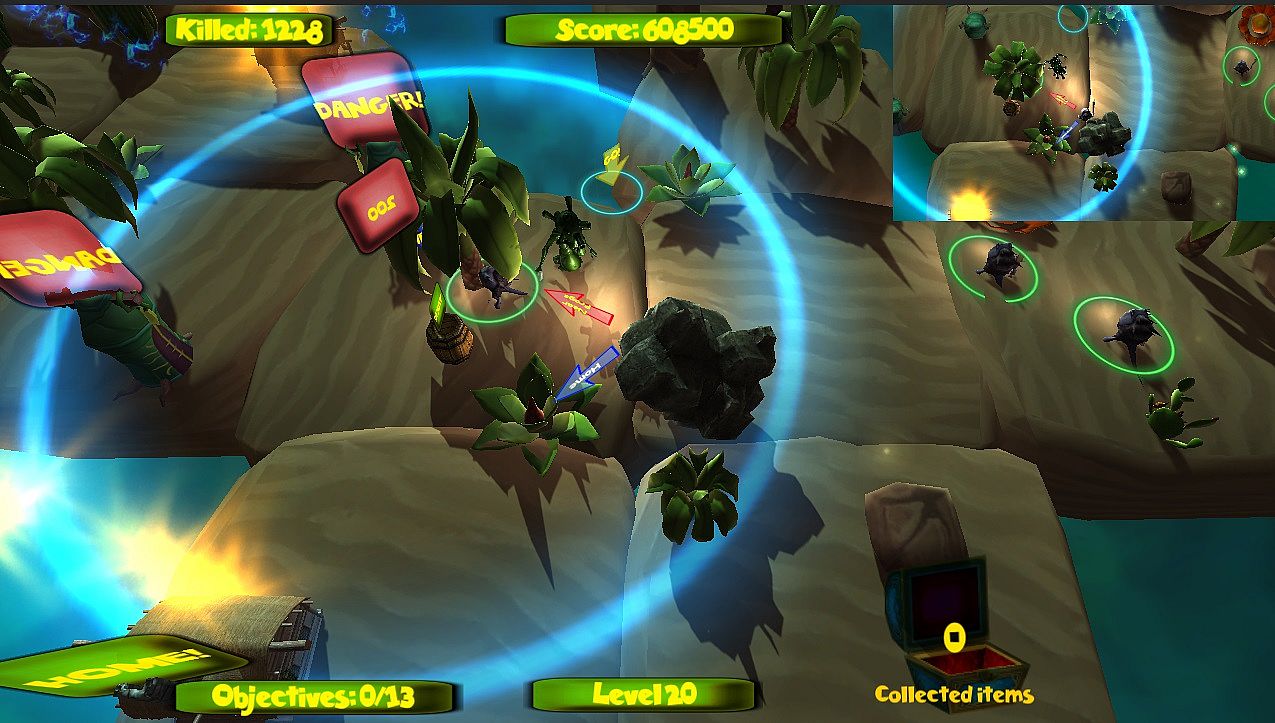
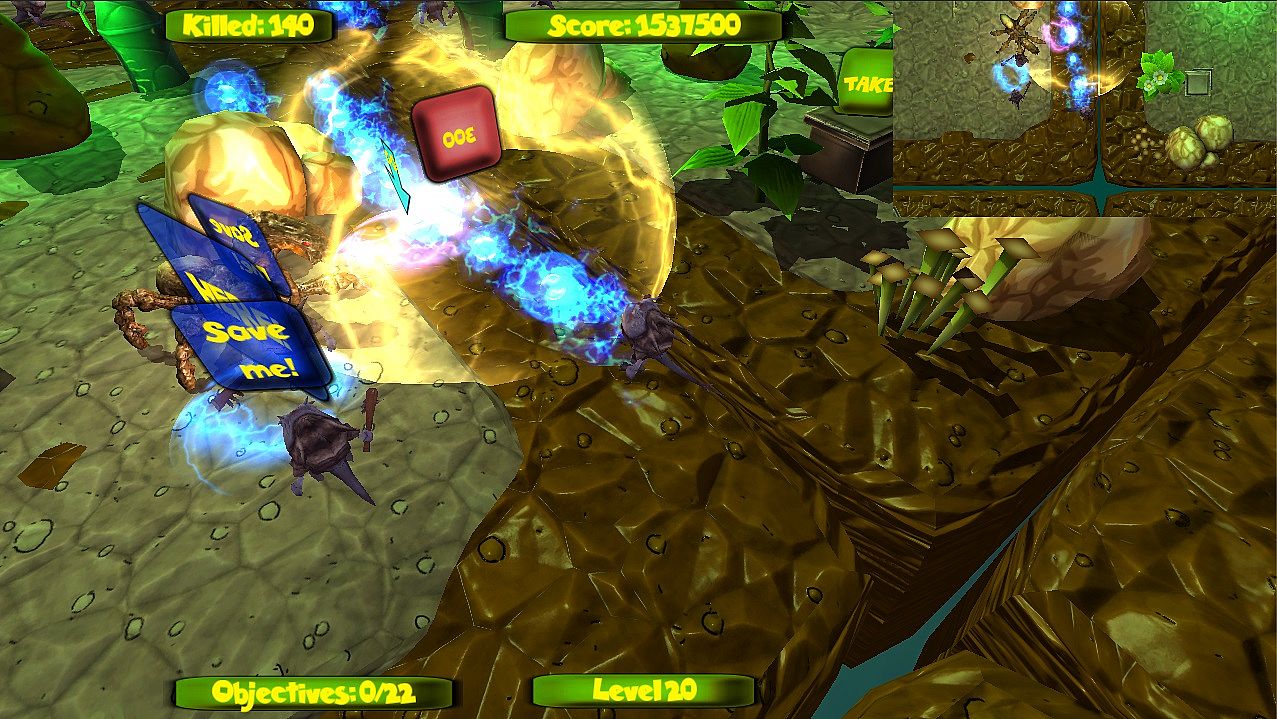
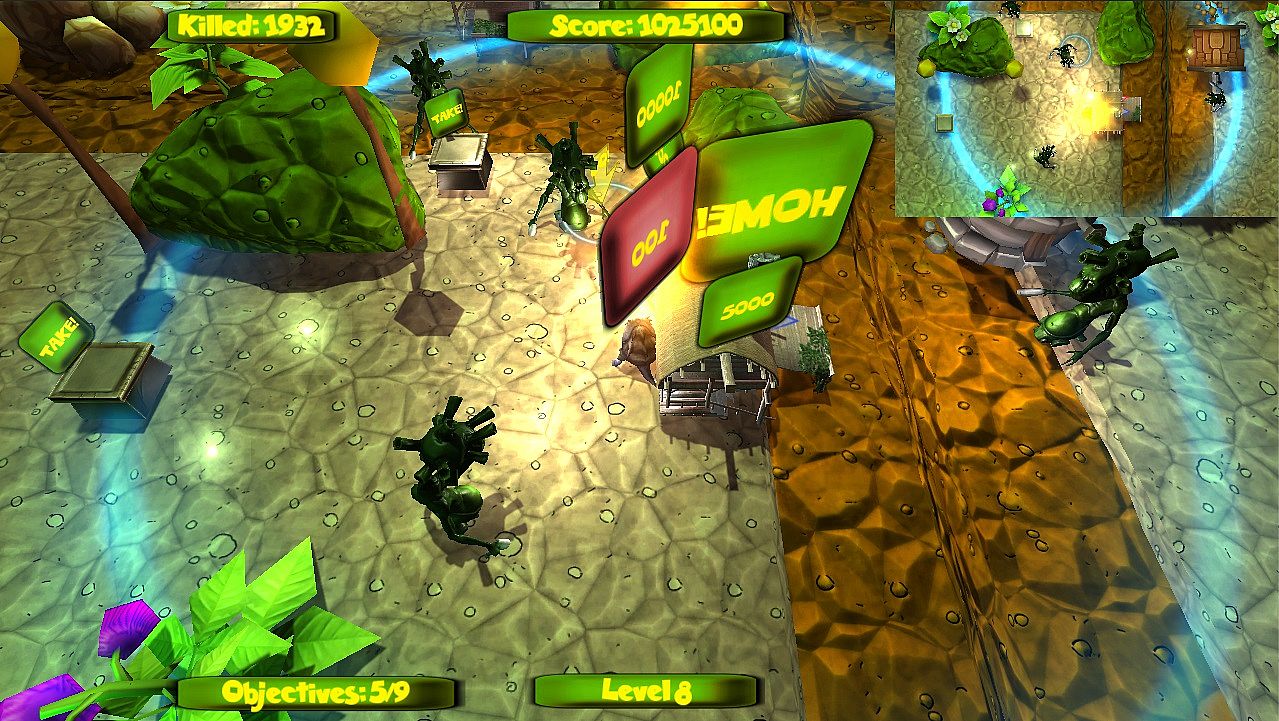
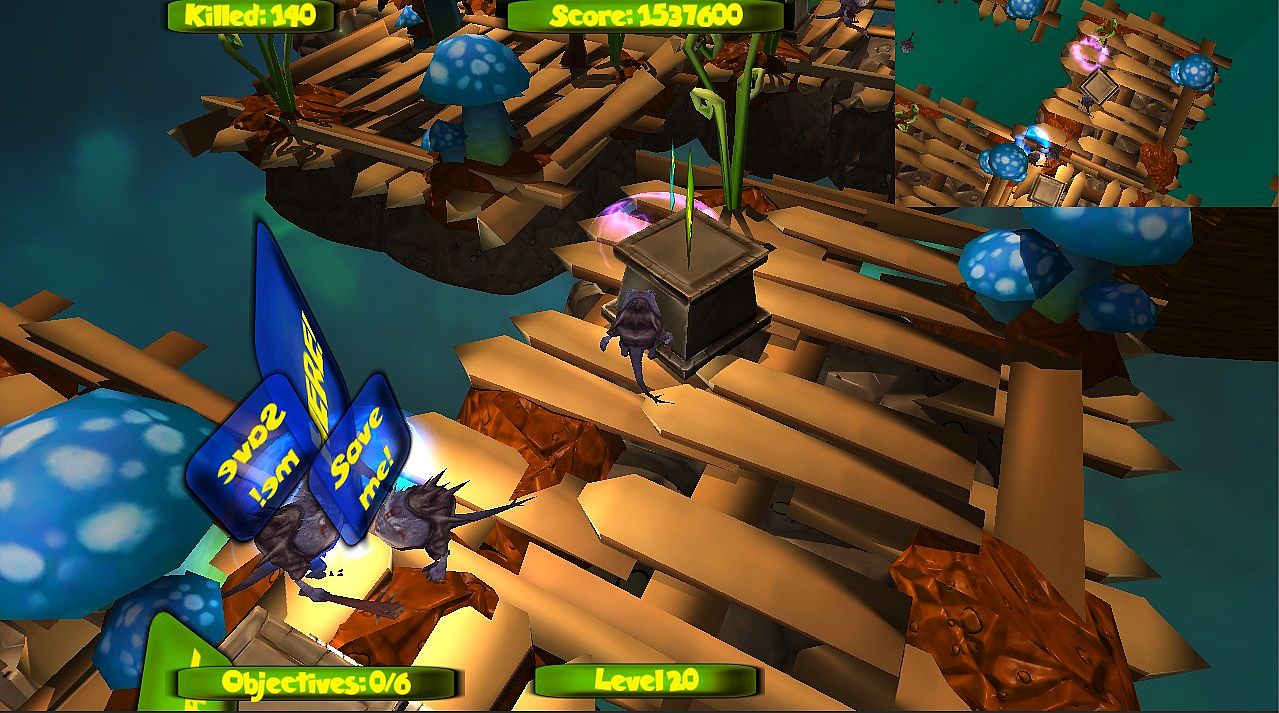
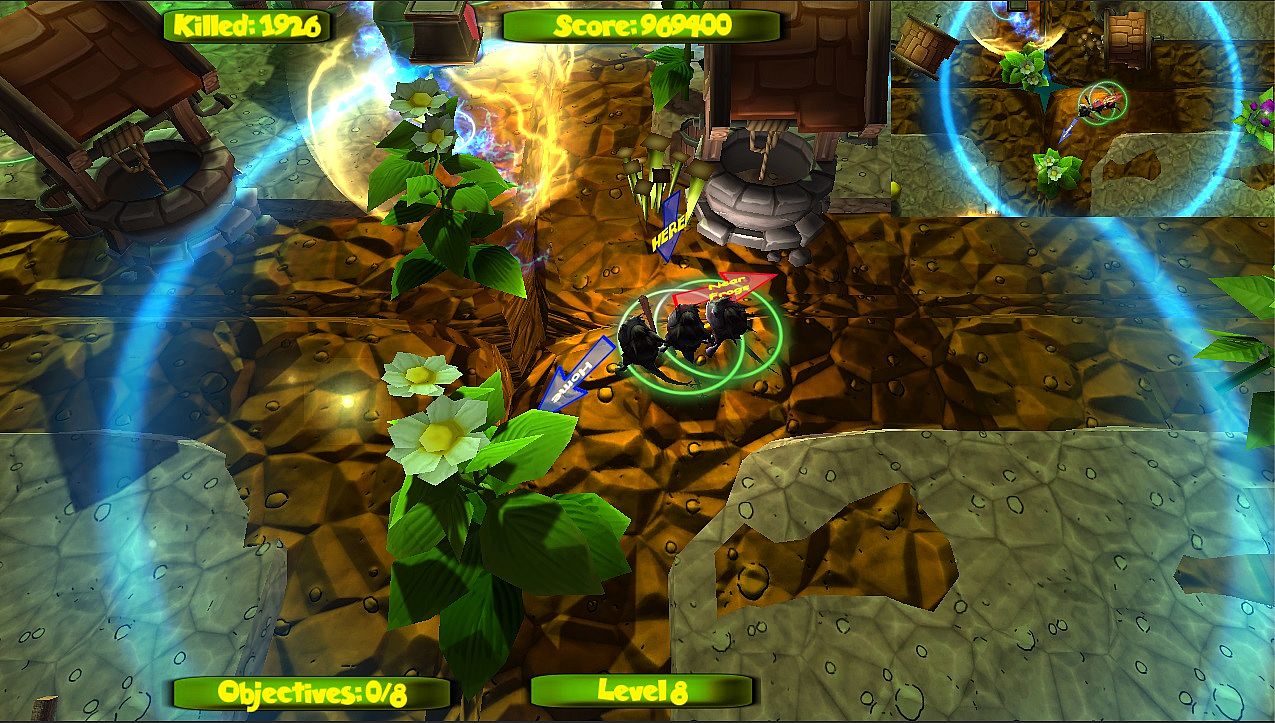
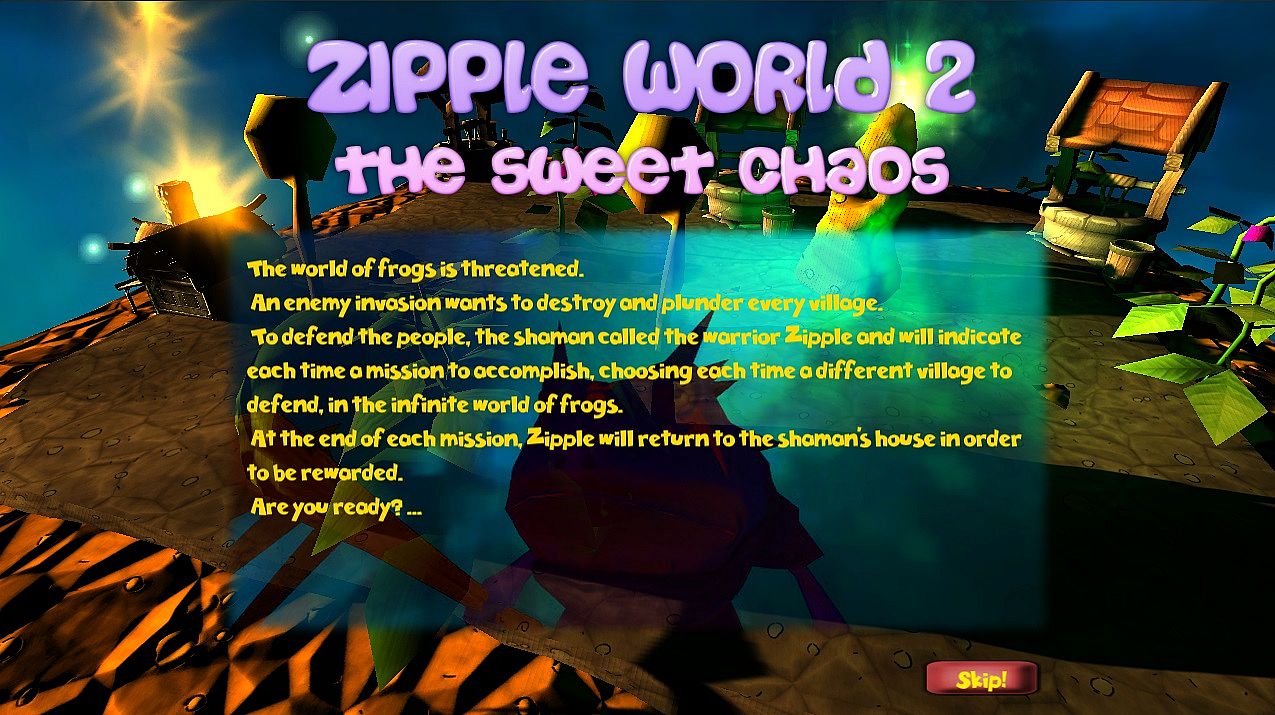
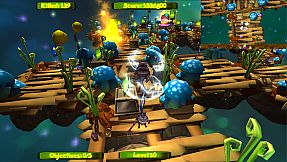
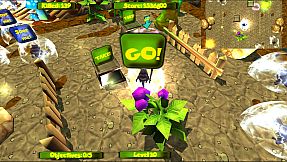
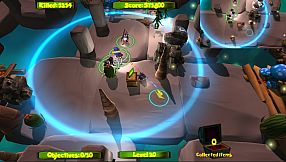
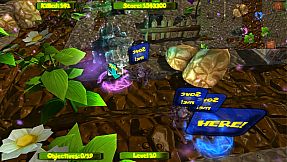
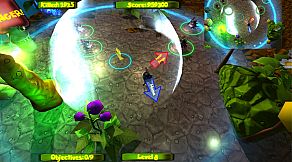
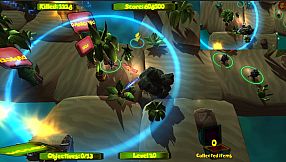
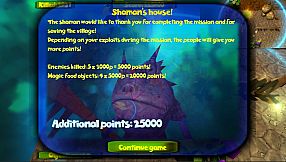
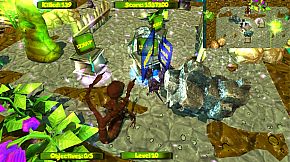
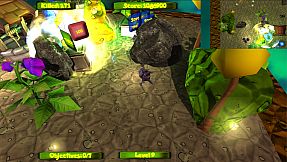
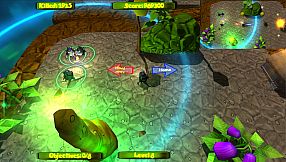
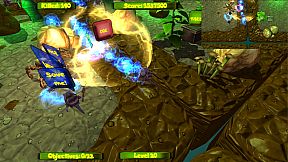
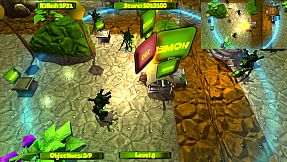
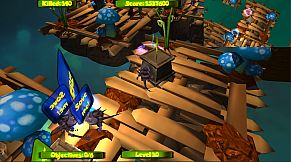
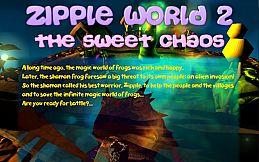
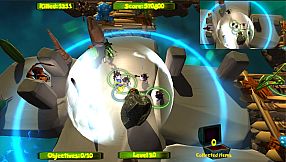
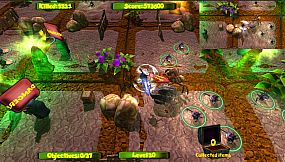
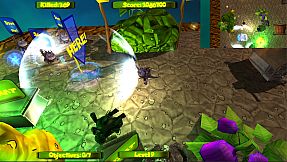
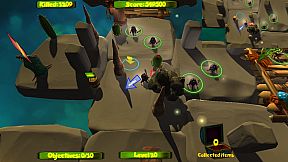
Zipple World 2: The Sweet Chaos is an action indie casual game for PC in which a frog warrior navigates procedurally generated levels to rescue village companions and transport them to safety while fending off enemies.
Gameplay
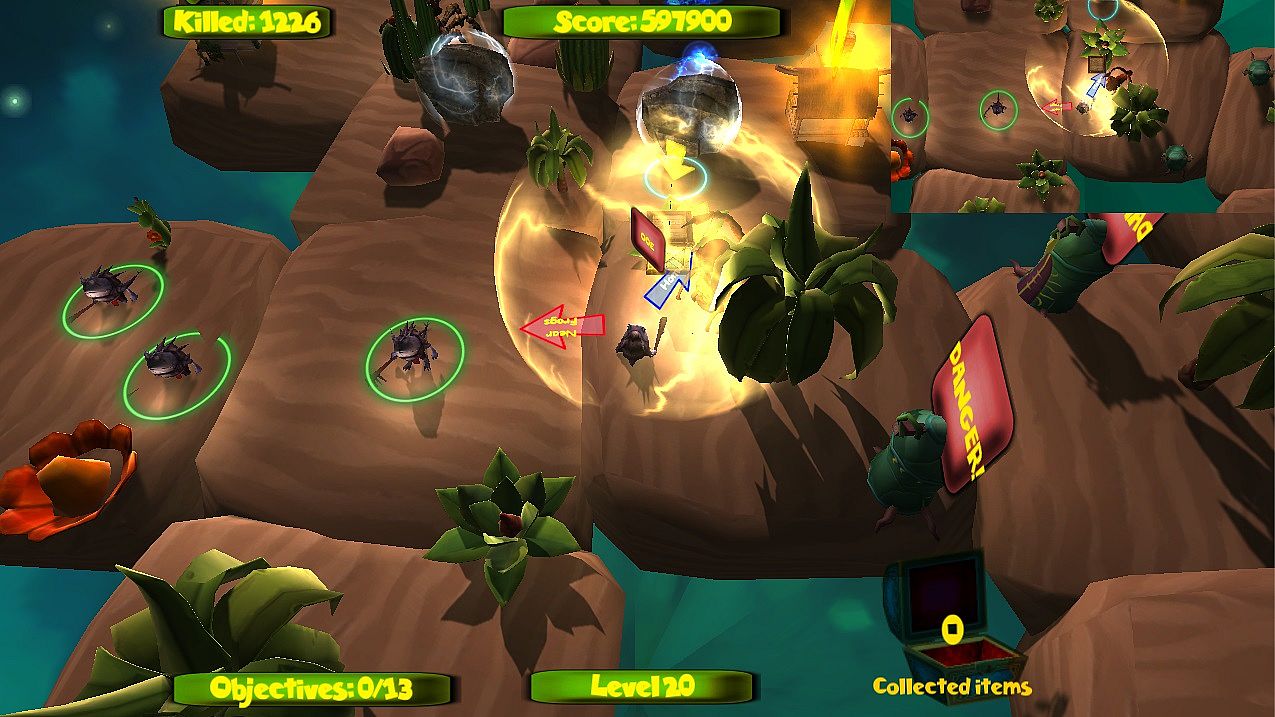
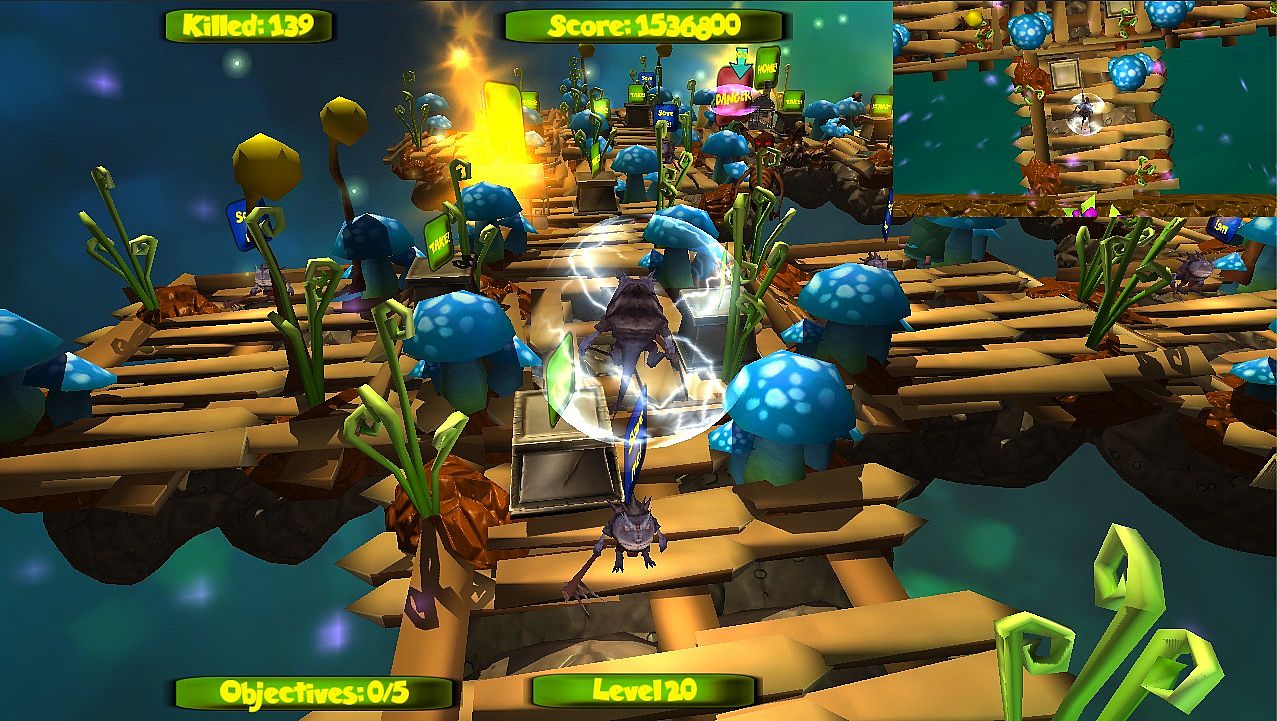
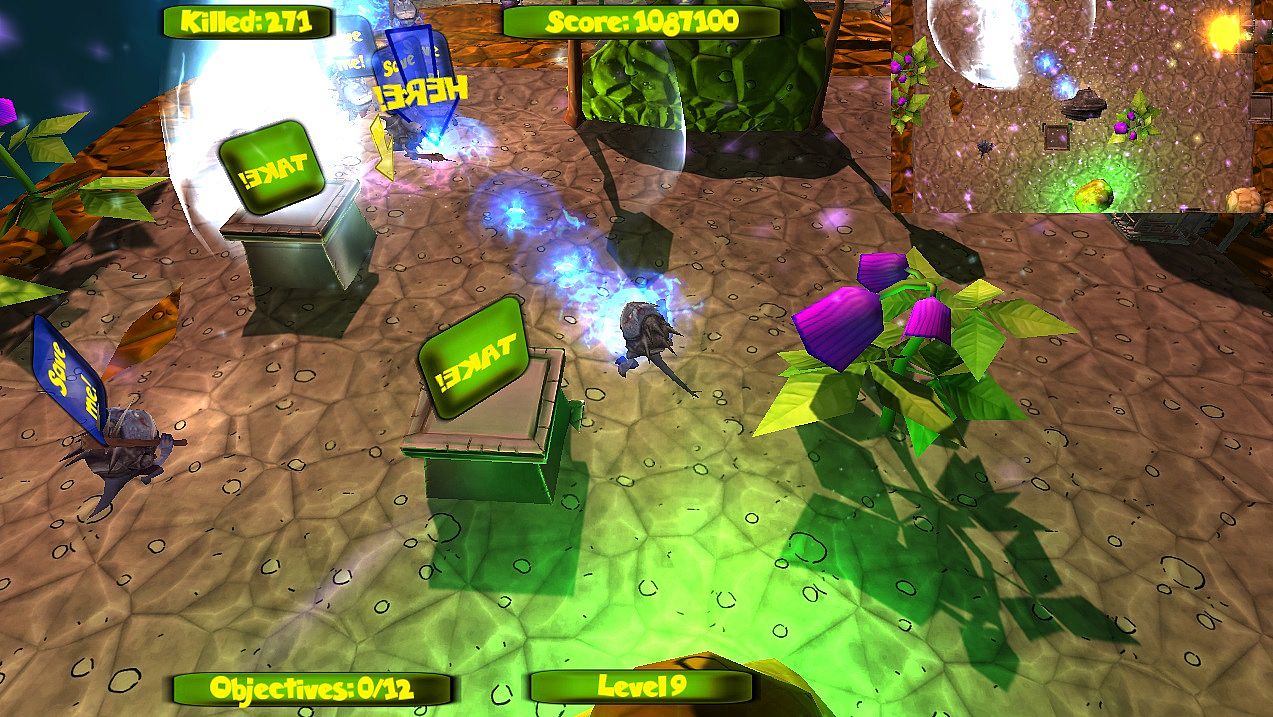
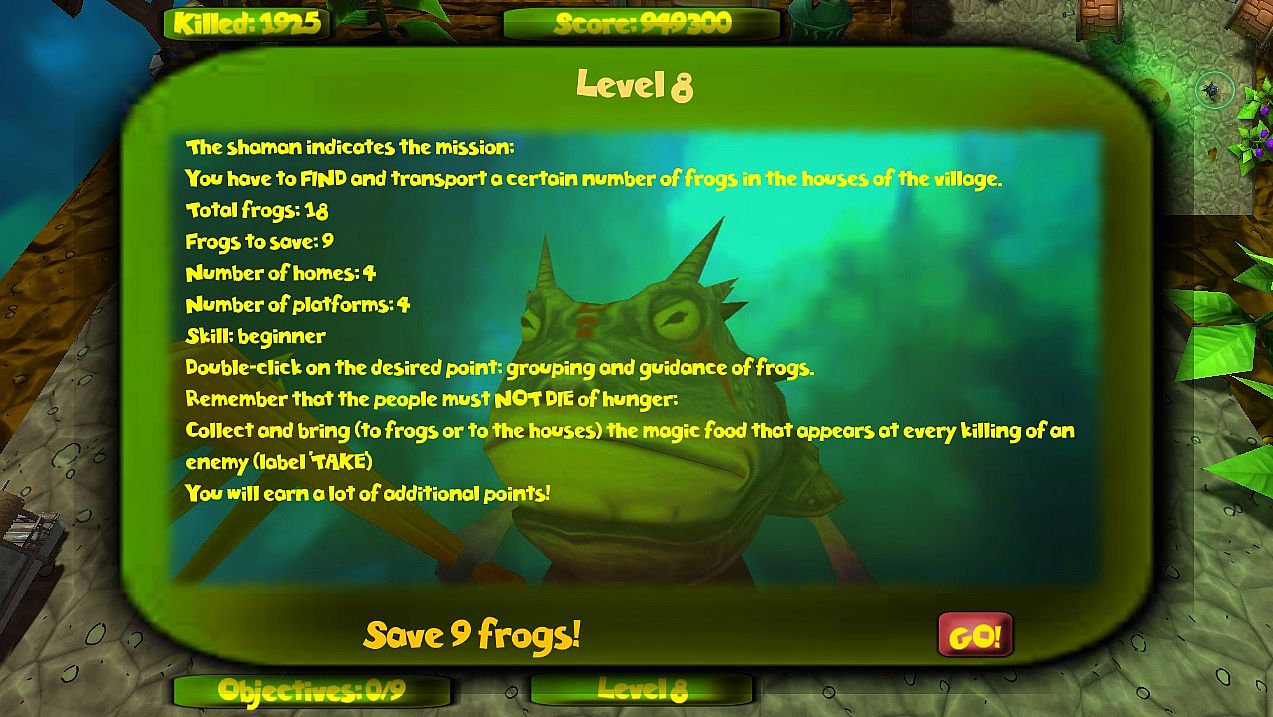
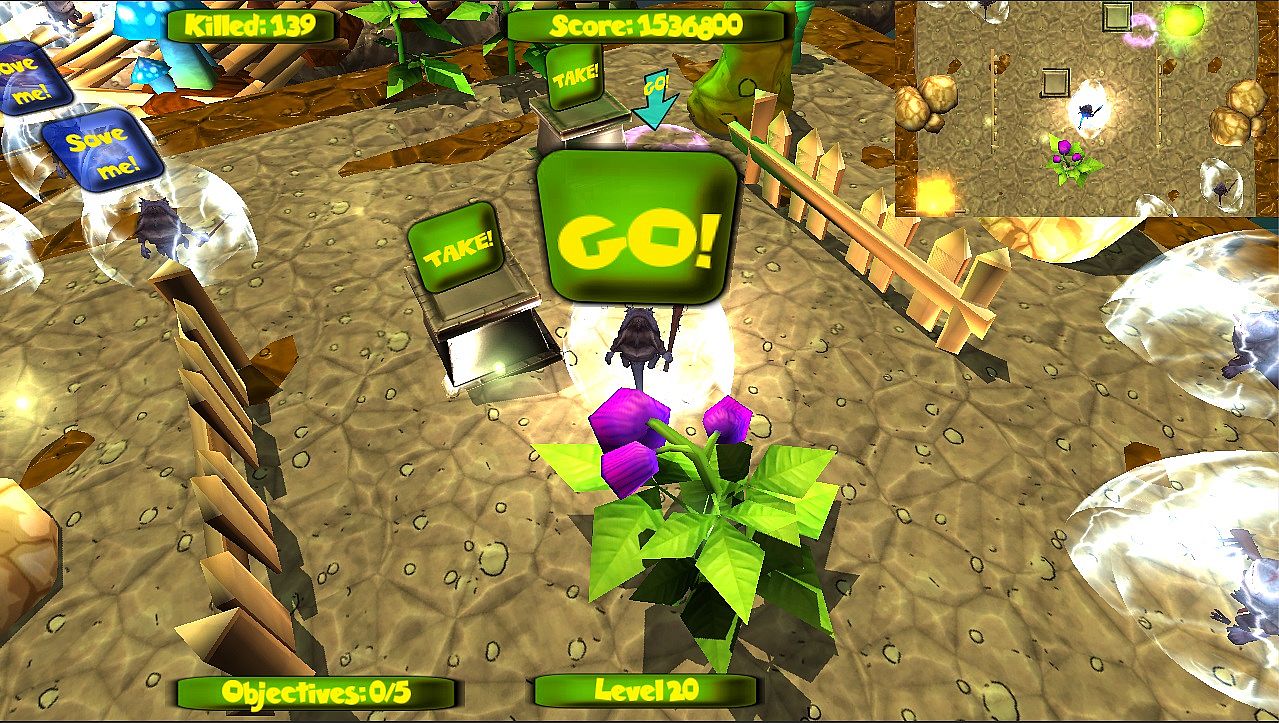
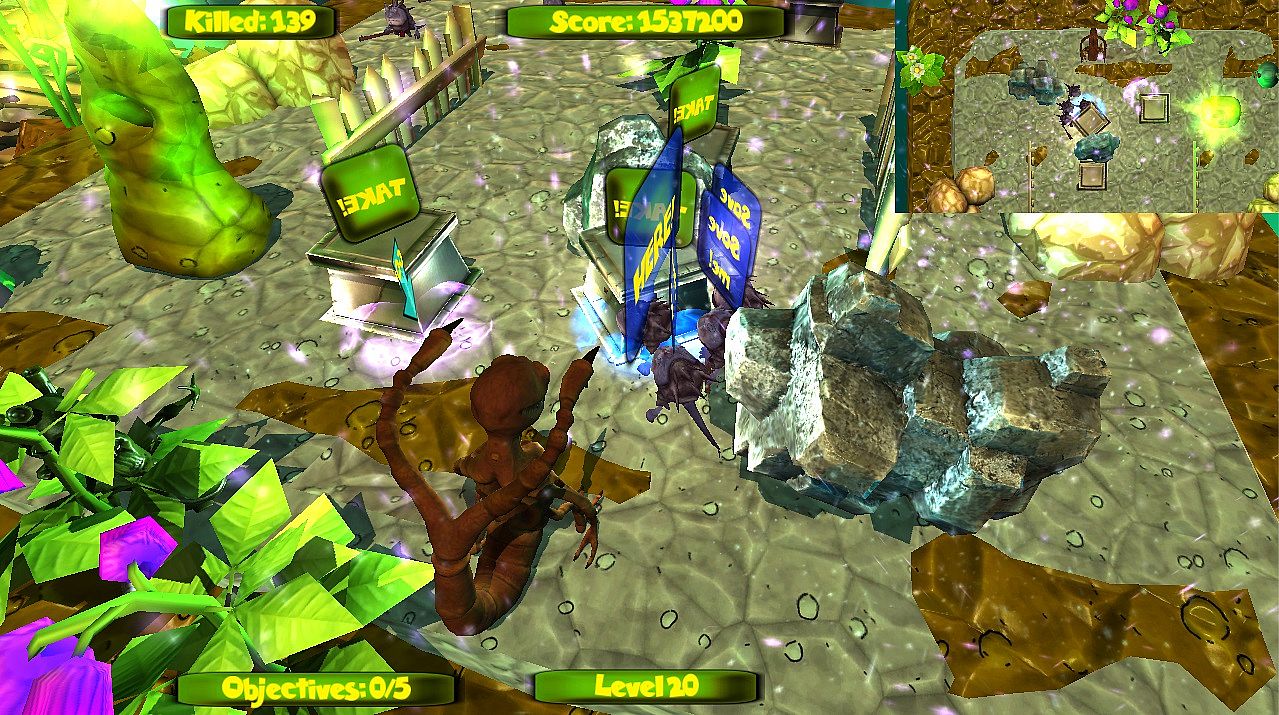
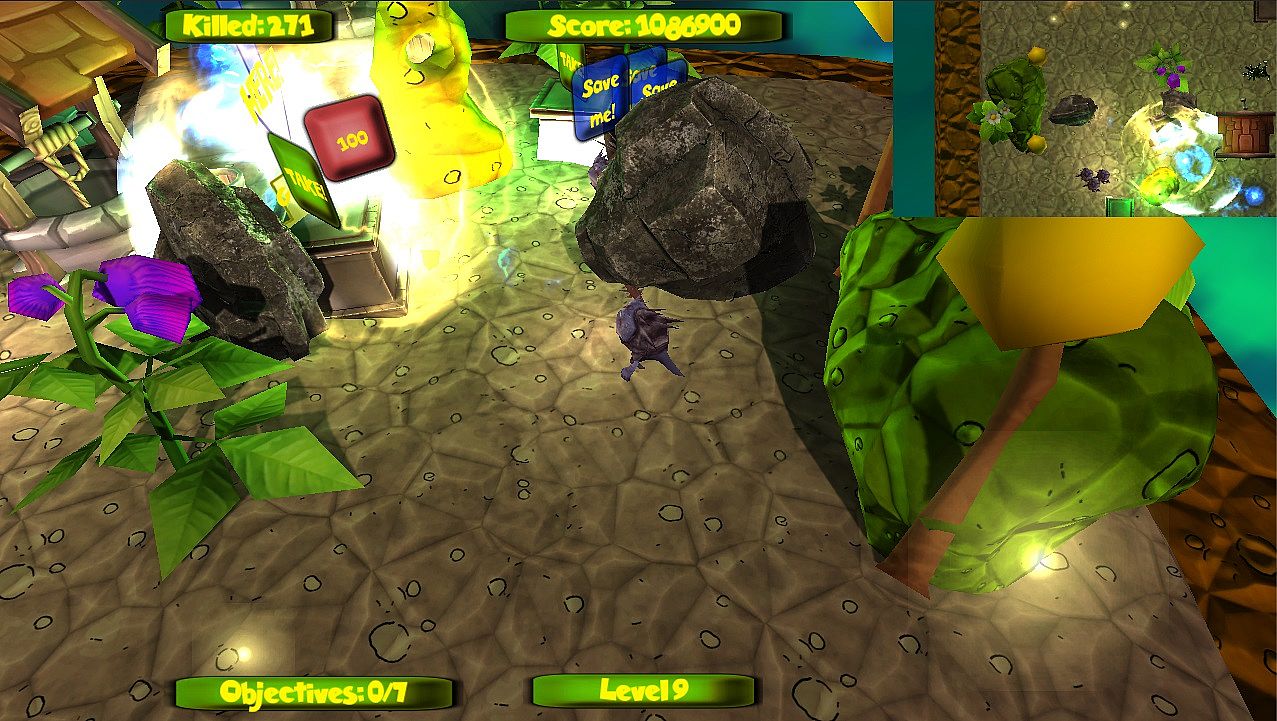
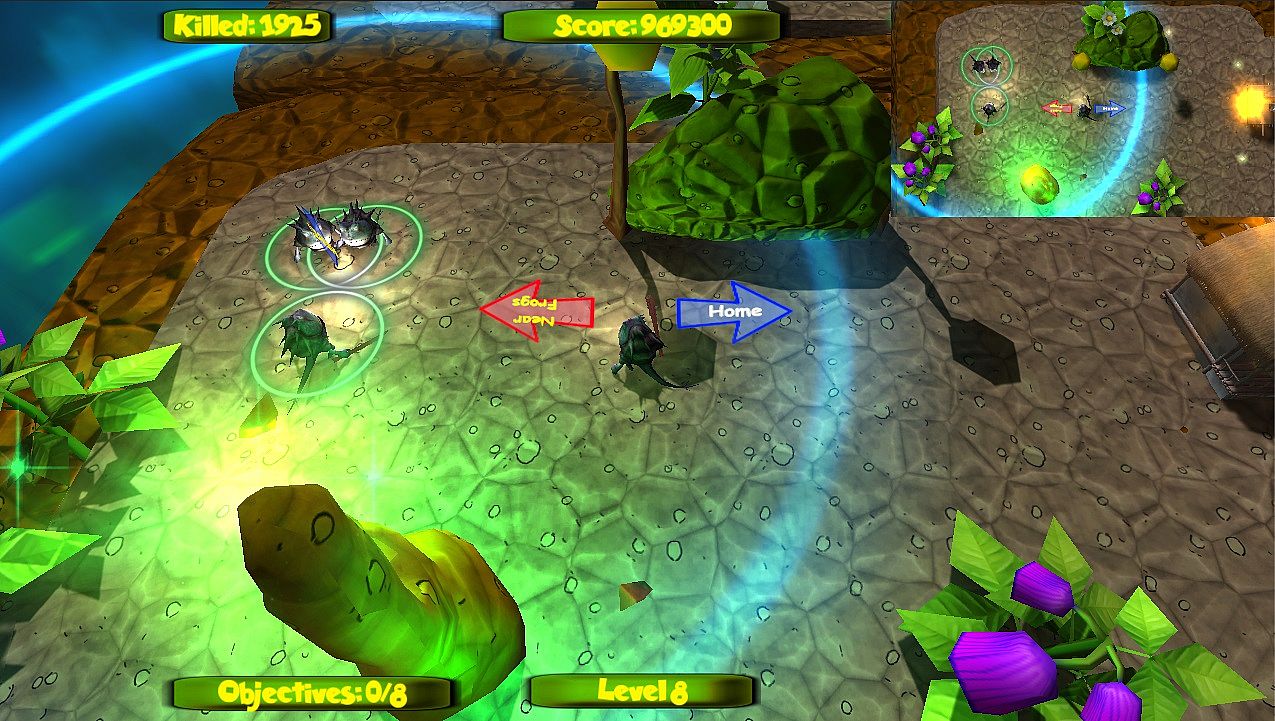
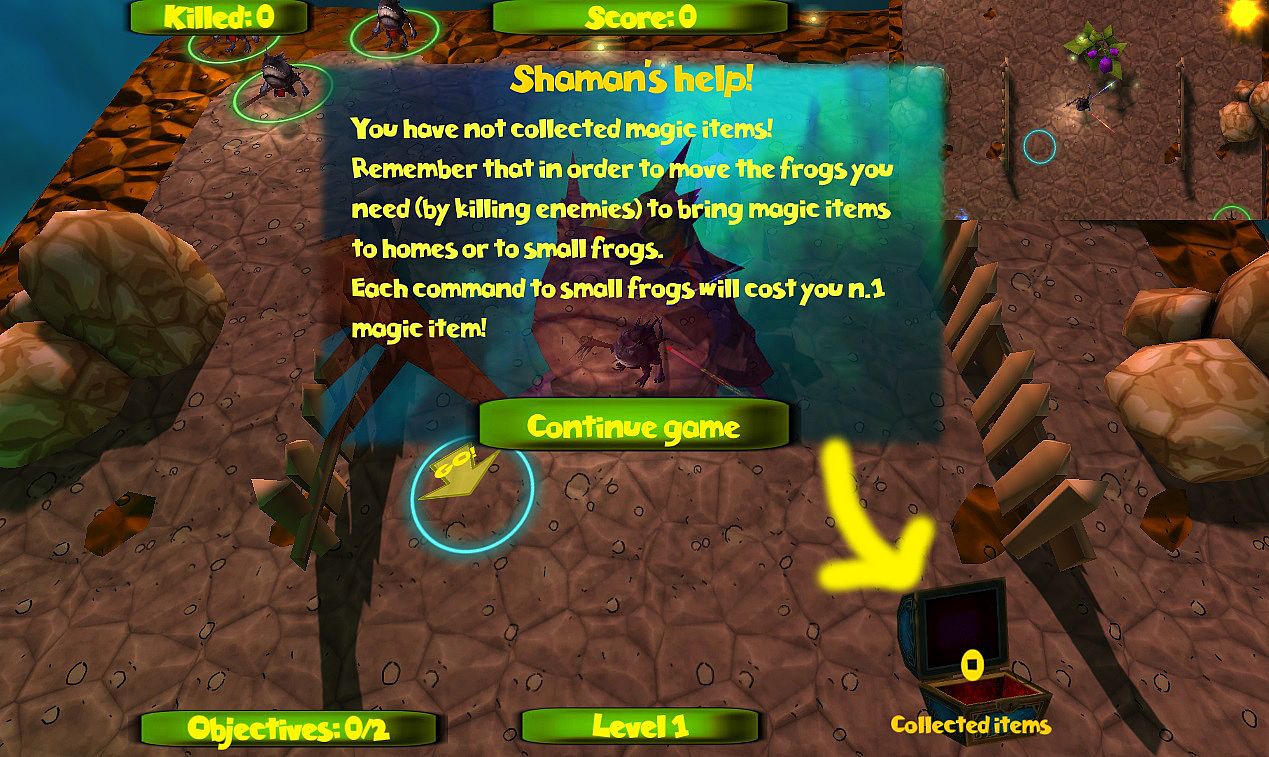
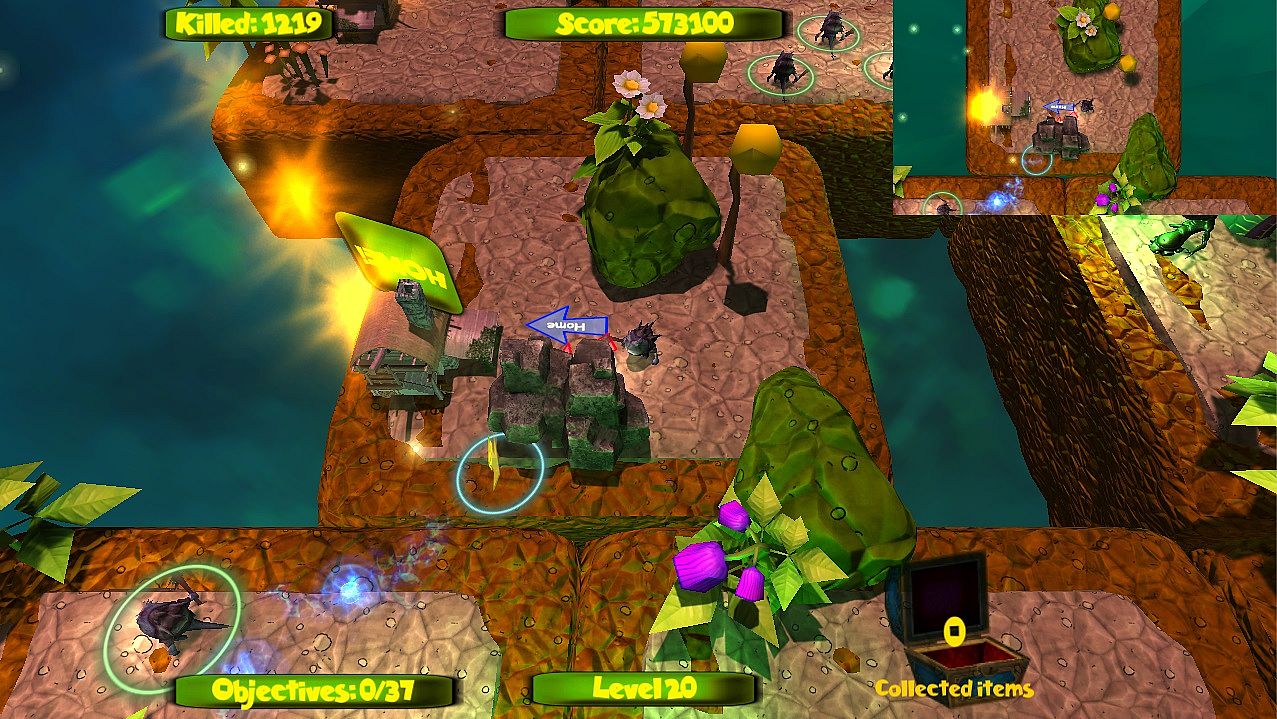
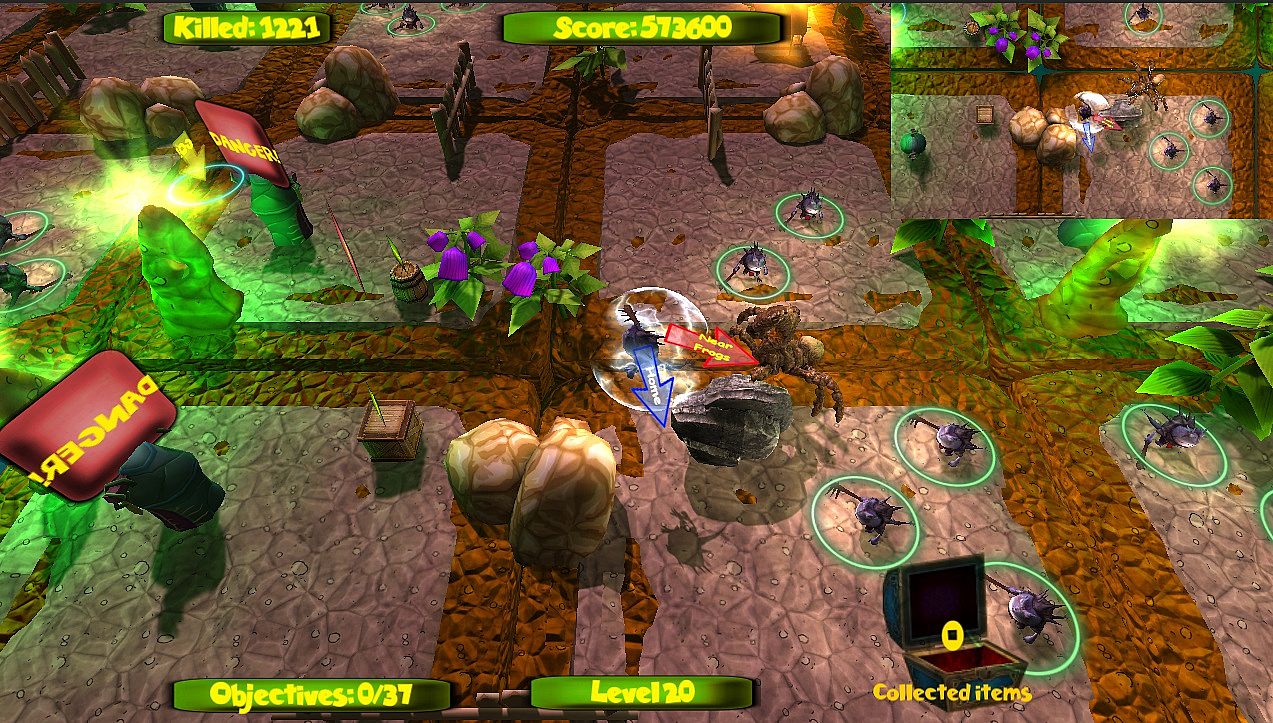
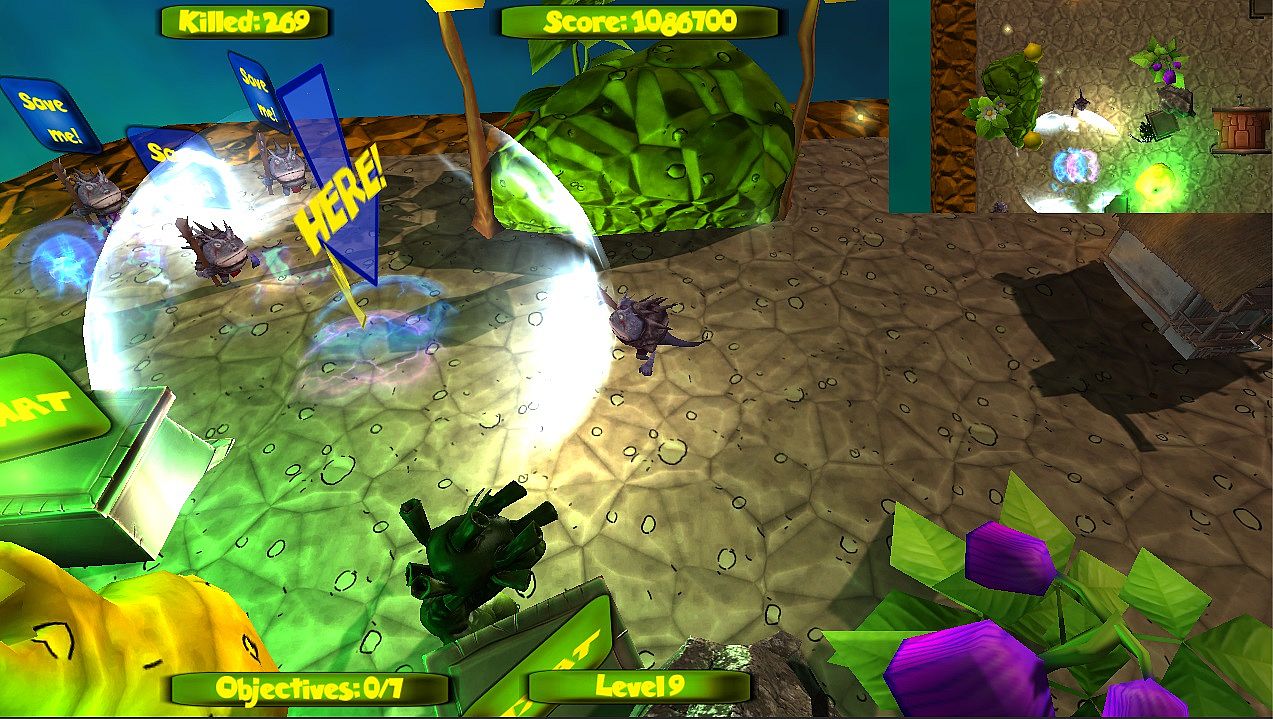
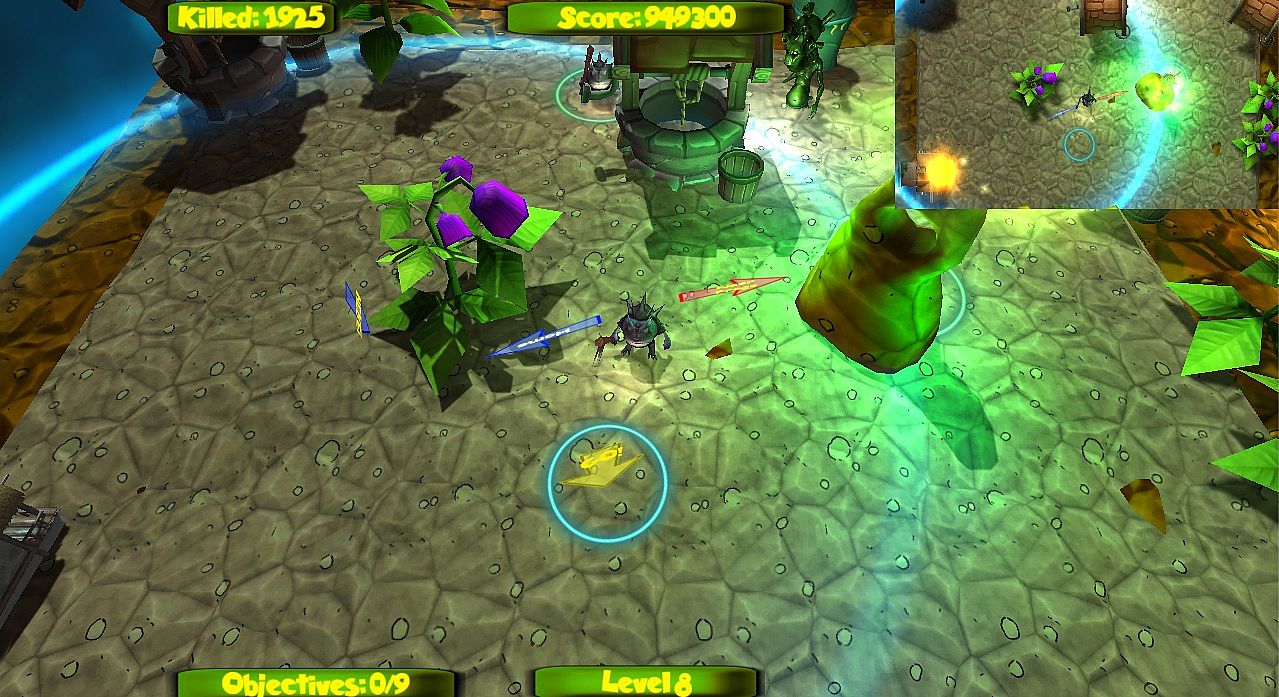
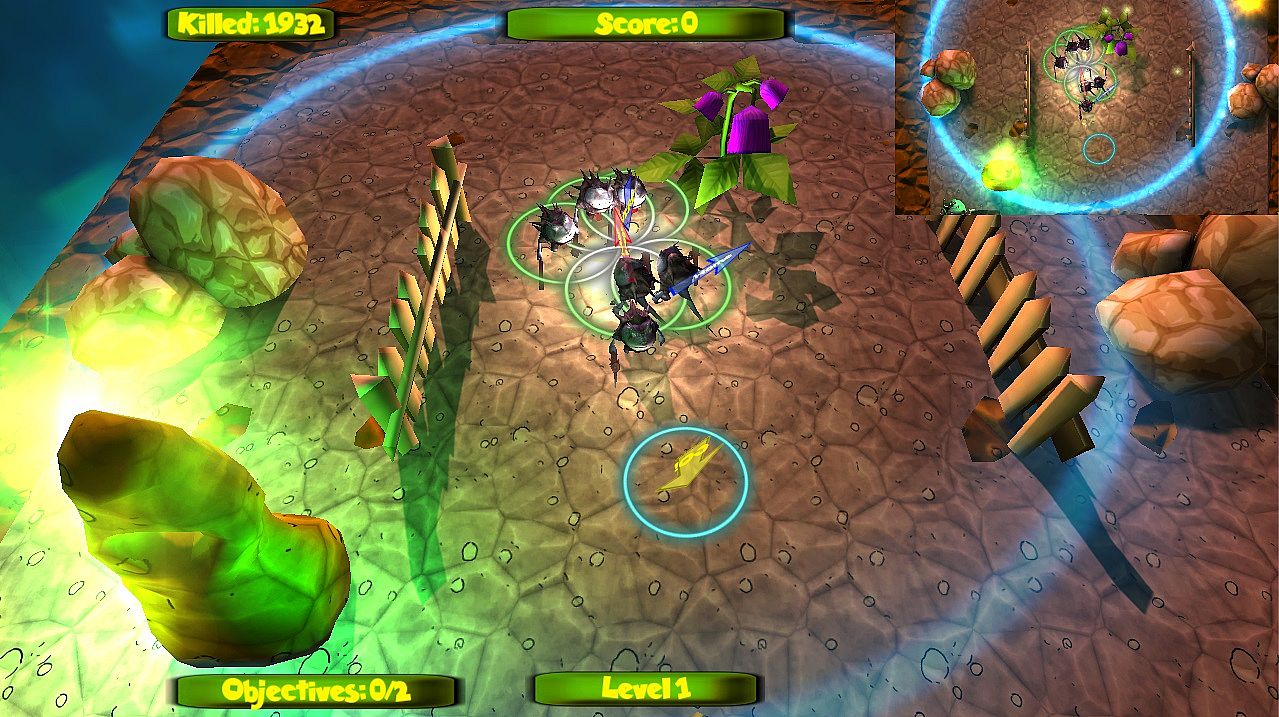
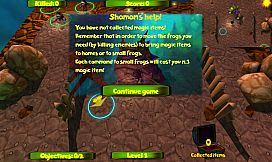
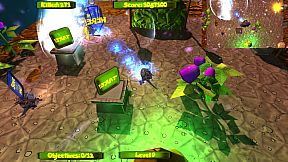
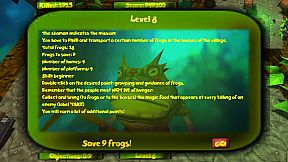
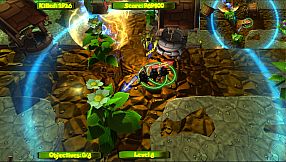
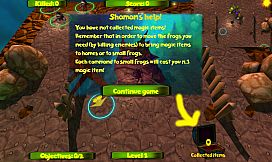
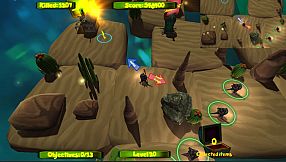
The core loop centers on locating scattered frogs marked with save prompts and moving them into village houses labeled home. Players control the protagonist through running and jumping across the field, with the ability to eliminate enemies by landing on them from above. Double-clicking sets a direction for frog companions, after which they can be dragged to the target houses. Magic boxes function similarly once activated with an elastic tether from the main character.
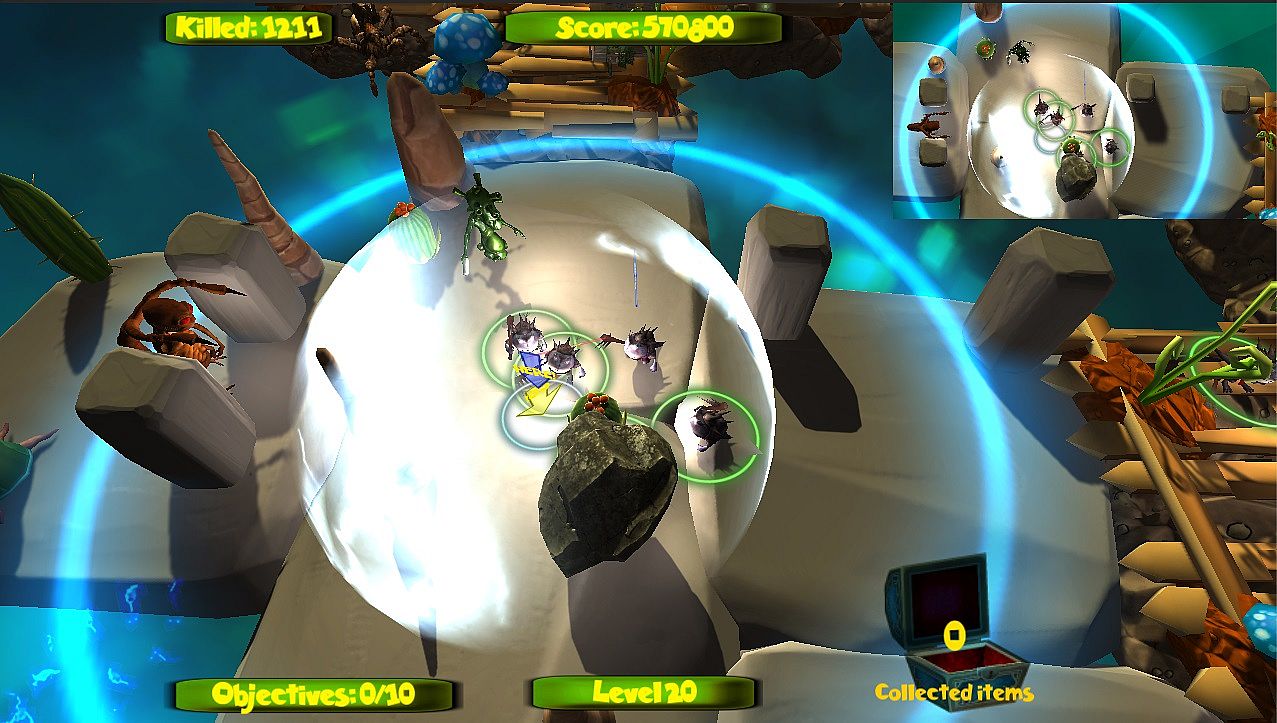
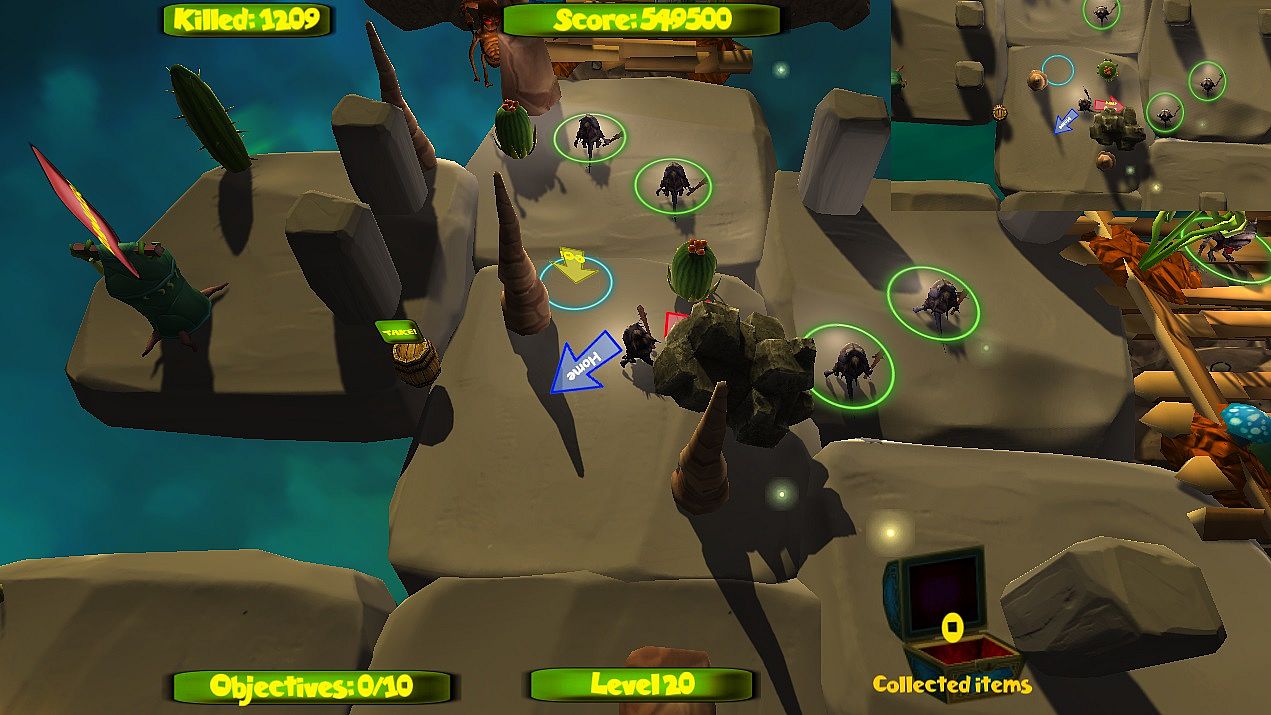
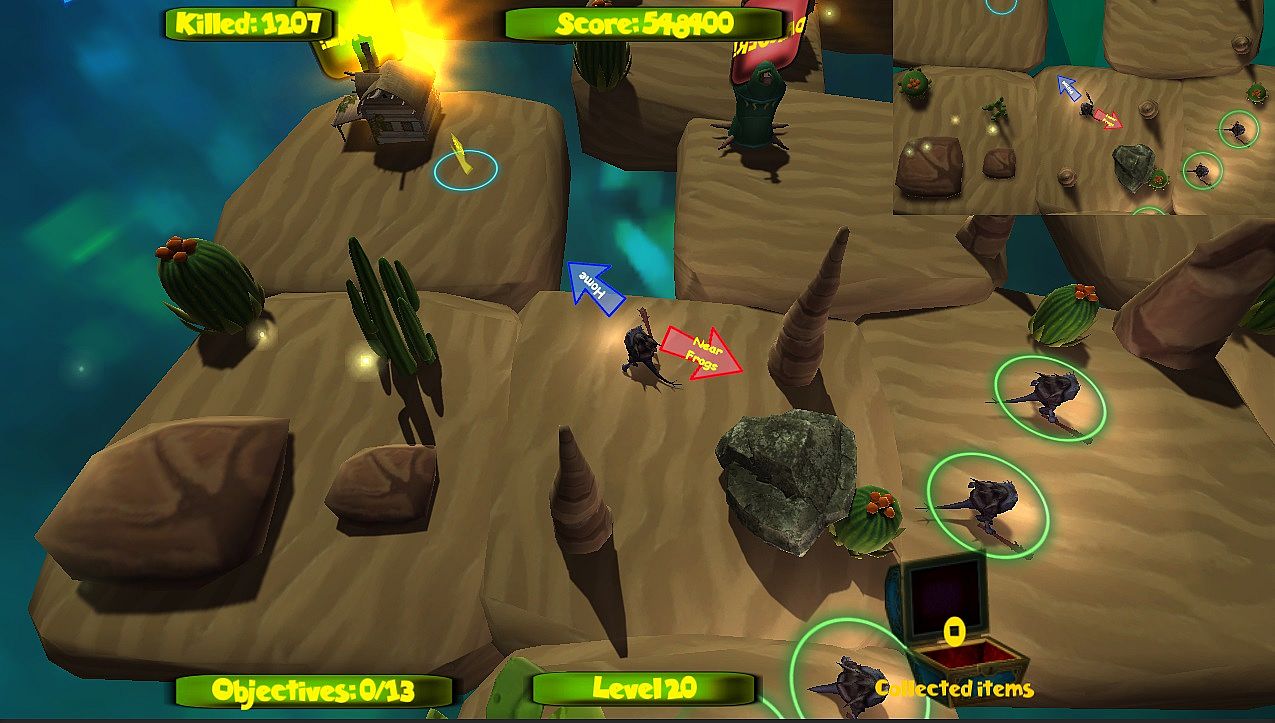
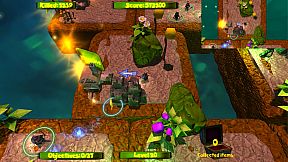
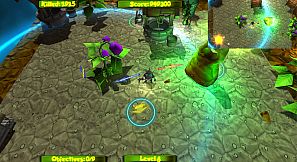
Four distinct enemy types pursue the frog warrior with varying speeds and movement patterns. Enemy bases appear as tents marked danger and spawn waves that must be handled through combat or evasion. Movable obstacles such as rocks can be repositioned to clear paths or create barriers, while certain bonuses emit a magical aura capable of defeating nearby foes. Additional items fall from the sky to provide further assistance during play.
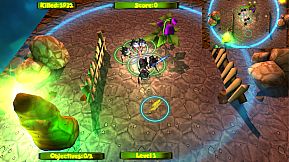
Each level expands in size and complexity as progress continues, introducing more enemies, additional frogs to save, and denser arrangements of blocks and hazards. Procedural generation places the protagonist, enemies, and environmental elements randomly at the start of every stage, ensuring no two runs follow identical layouts.
Game Modes
Players adjust several parameters before starting a session, including camera perspective, overall difficulty setting, enemy count, and enemy movement speed. These choices allow customization of challenge level without altering the fundamental rescue objective.
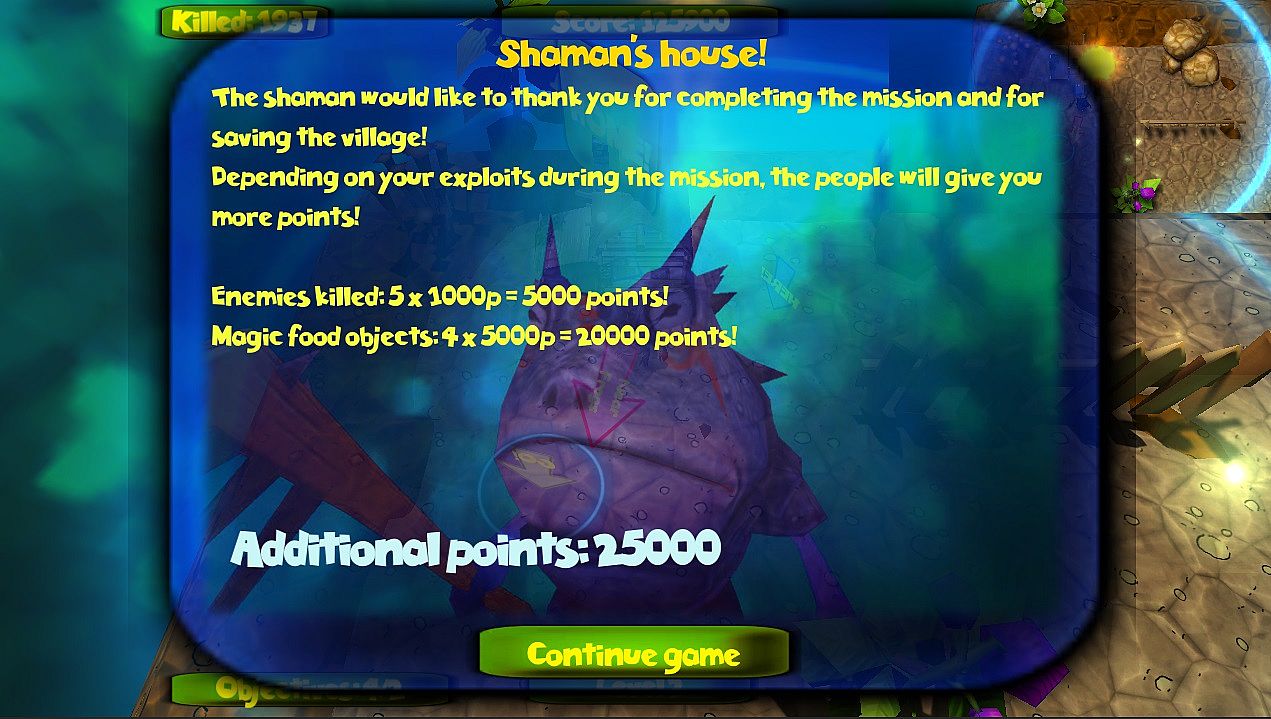
The game tracks extensive statistics throughout each attempt, recording score, total playtime, enemies defeated, blocks filled, jumps performed, levels completed, and levels failed. High scores are retained up to a limit of 100 entries, each accompanied by partial performance details for later review.
Procedural Levels and Progression
Levels generate anew every time, creating unpredictable mazes that grow larger with incremental difficulty. The number of objectives, threats, and interactive elements scales upward, shifting focus from simple navigation to sustained strategy against increasing enemy pressure and spatial constraints.
Bonuses and movable obstacles add layers of tactical decision making, as repositioning rocks or triggering aura effects can turn enemy waves into manageable encounters. The emphasis remains on efficient rescue routes combined with opportunistic combat rather than linear stage design.
Is It Worth Playing?
The title delivers a niche experience built around endless procedural challenges and detailed performance tracking. Its systems reward repeated attempts through score chasing and statistics review, appealing to players who enjoy incremental mastery in single-player action settings.
With only a small number of user reviews available since its 2016 release and no ongoing updates or seasonal content, the game exists in a largely static state. Those seeking a straightforward, self-contained indie title with customizable difficulty and random layouts may find value in its mechanics, while players preferring polished presentation or frequent content additions will likely encounter limitations in quality and scope.