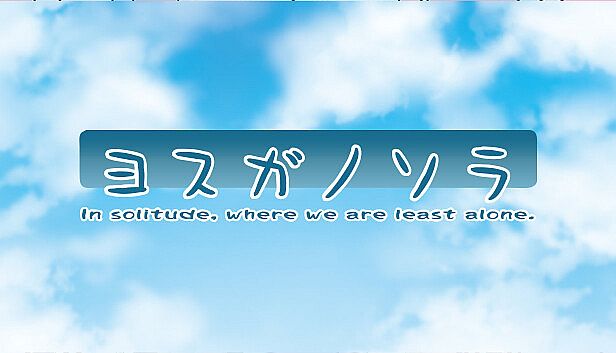


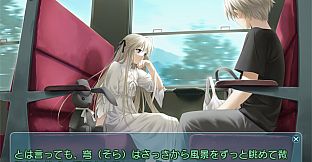
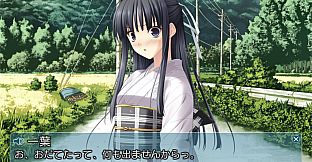
Yosuga no Sora is a visual novel adventure game that delves into themes of loss, relationships, and self-discovery in a rural Japanese setting. Players take on the role of Haruka Kasugano, a young man who, along with his twin sister Sora, relocates to their grandparents' countryside home after a tragic accident claims their parents' lives. The narrative unfolds through interactions with a cast of local characters, each bringing their own quirks and backstories to the story. This PC title, rooted in romance and slice-of-life elements, invites players to navigate emotional complexities and branching paths that shape the outcome of Haruka's new life.
Gameplay
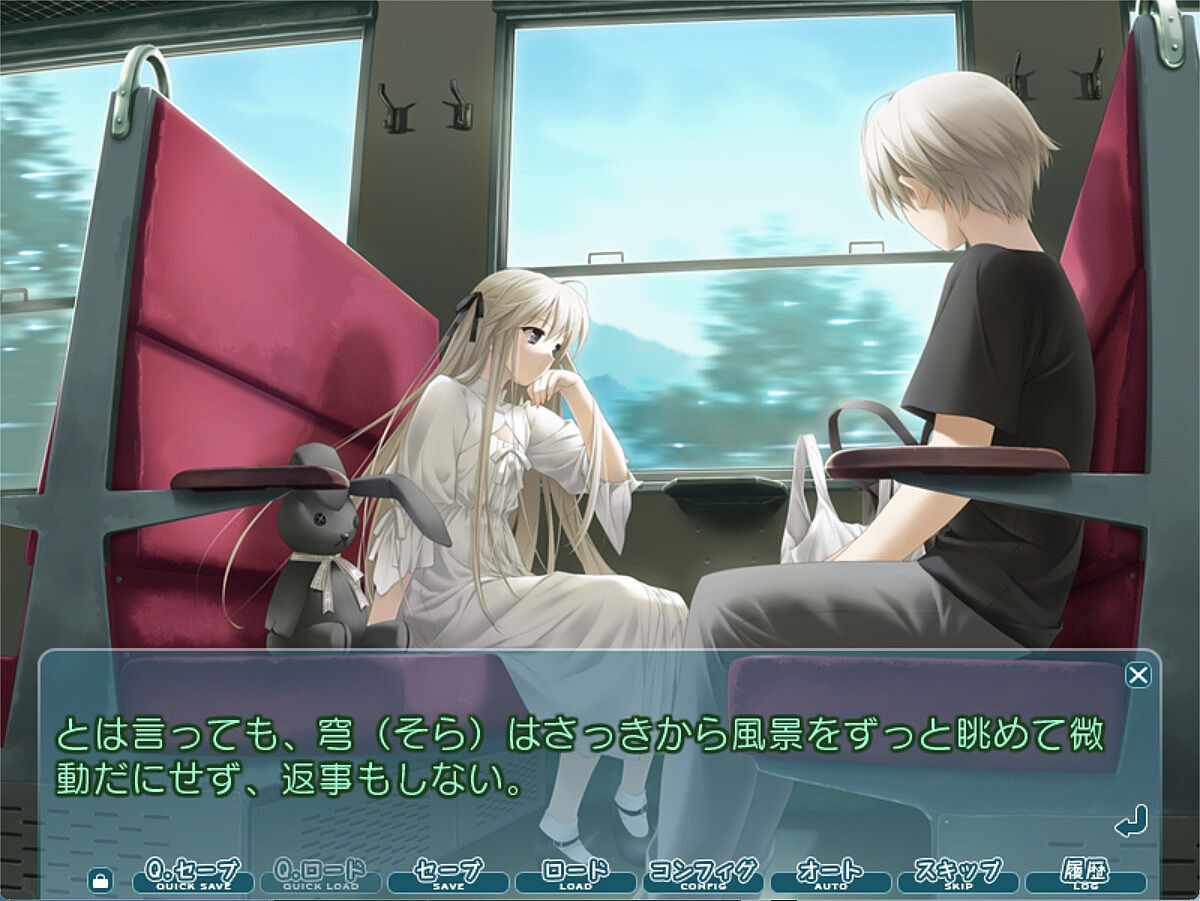
In Yosuga no Sora, the core experience revolves around reading through detailed narrative sequences presented as text overlaid on static or lightly animated backgrounds. Players advance the story by clicking or tapping to progress dialogue and descriptions, immersing themselves in the protagonist's daily life in a quiet village. Key mechanics include decision points where choices influence relationships and story directions, leading to various endings. These choices often appear during conversations or events, affecting how characters perceive Haruka and unlocking specific plot branches. The game emphasizes character development and emotional depth, with visuals featuring expressive character sprites and scenic artwork that capture the serene yet melancholic atmosphere of rural Japan. While there are no action-oriented elements, the focus on dialogue and introspection creates a contemplative pace, allowing players to explore themes of grief and forbidden affections at their own rhythm.
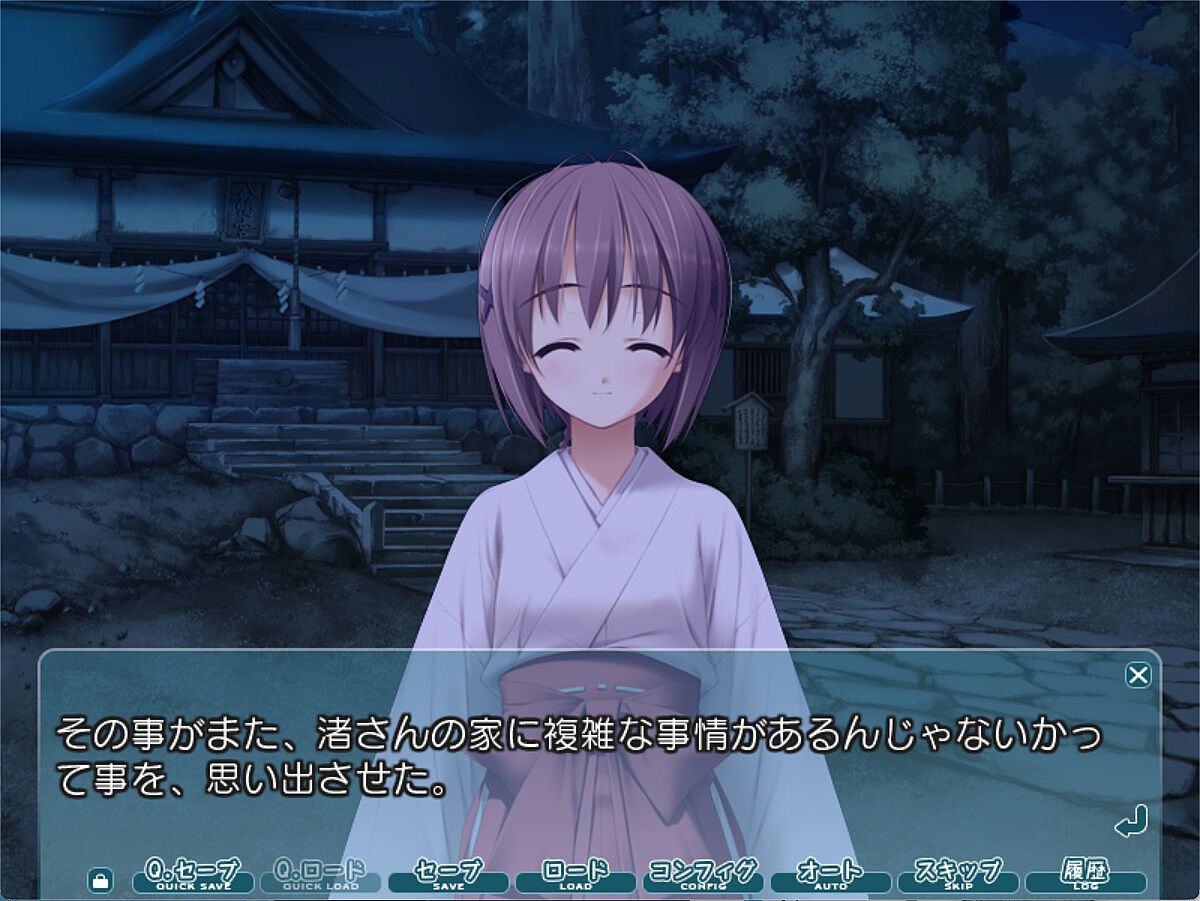
Exploration in the game is limited to selecting locations or activities through menu options, which trigger events and interactions. For instance, visiting the local shrine might lead to encounters with certain characters, building rapport over time. The adult-oriented content integrates into romantic progressions, presented through illustrated scenes that align with the chosen path. Overall, the gameplay suits those who enjoy story-heavy titles where personal decisions drive the narrative forward.
Game Modes
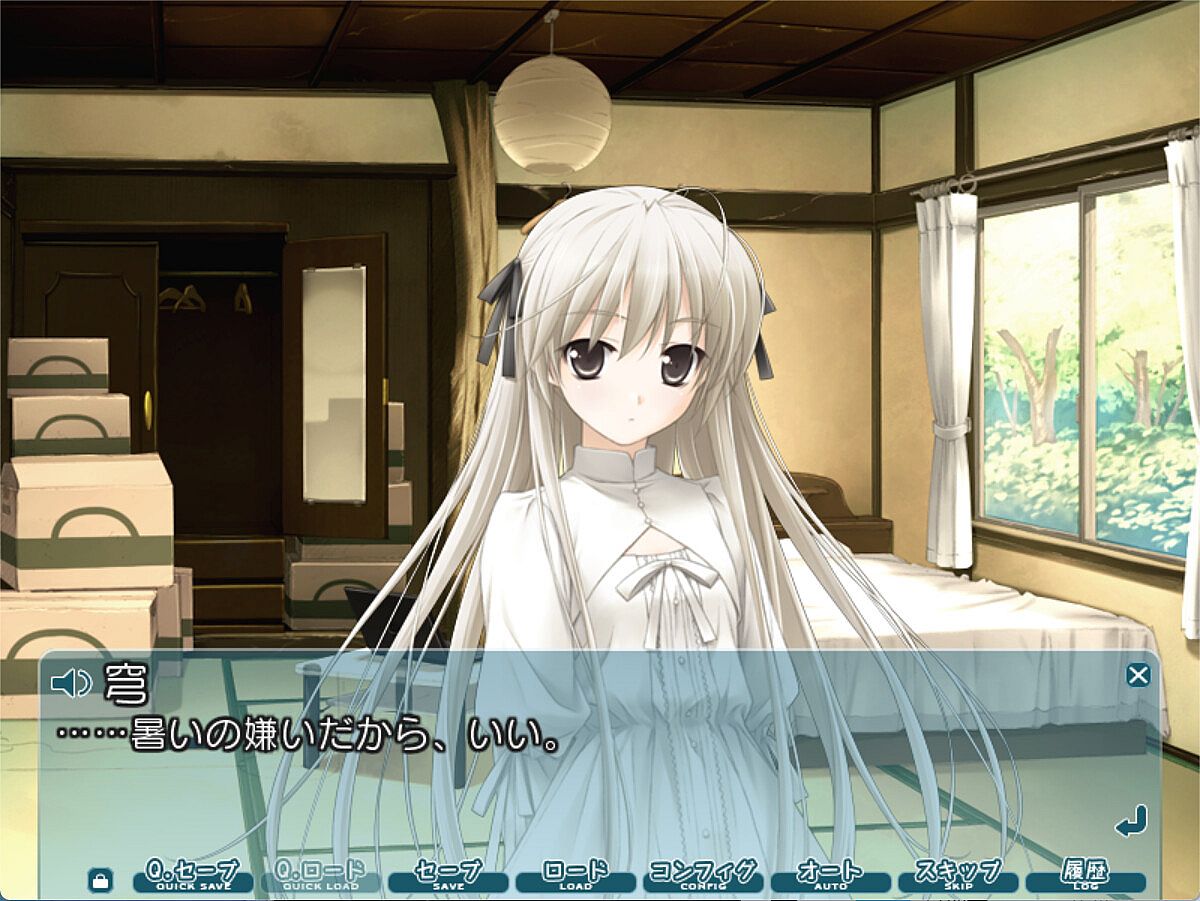
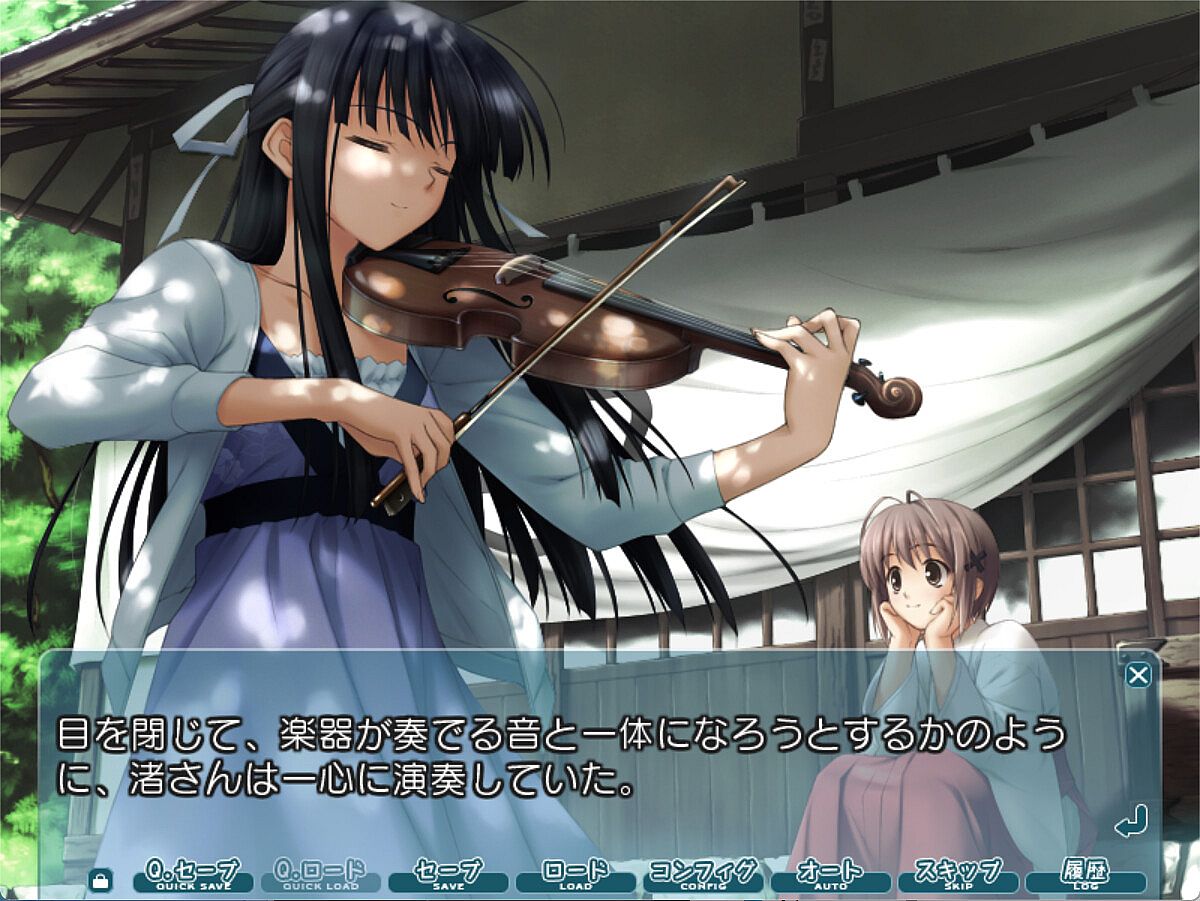
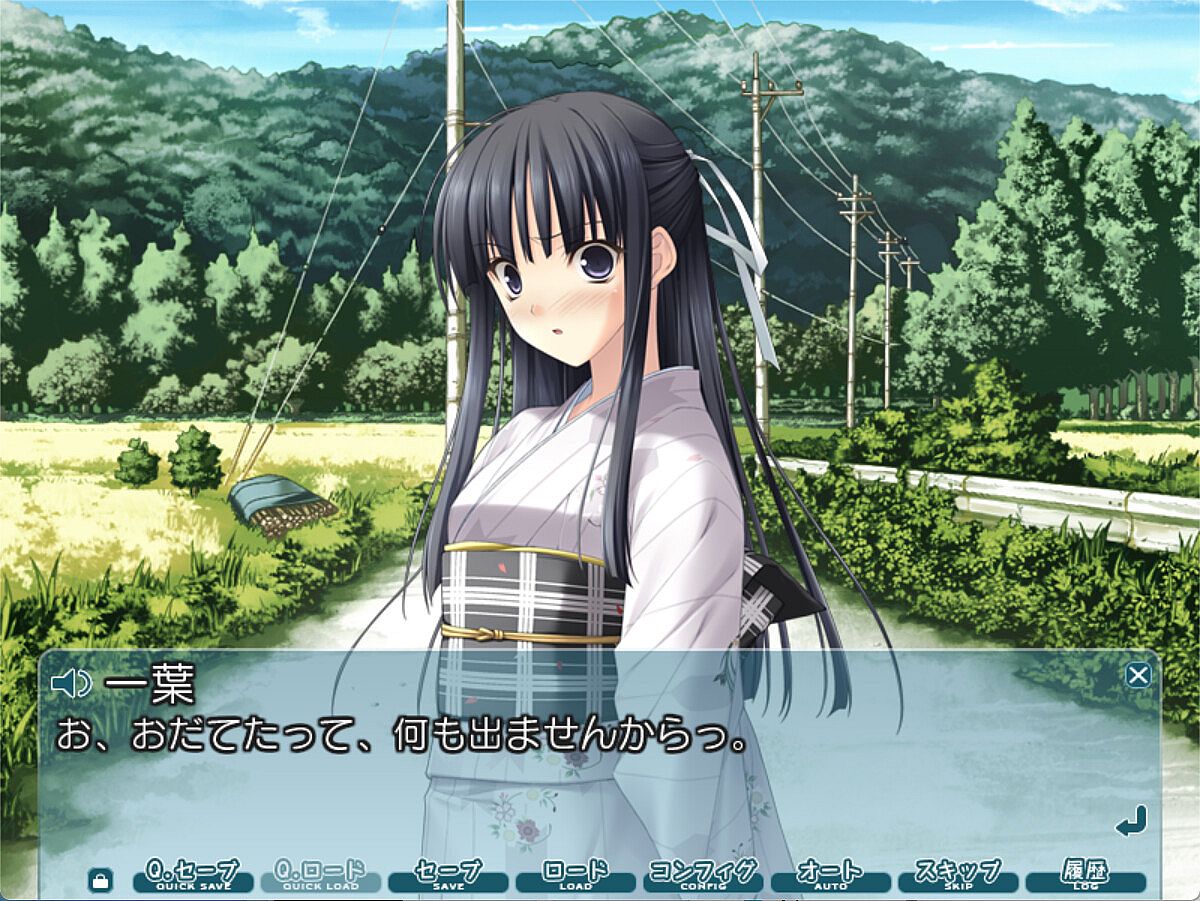
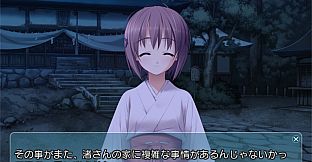
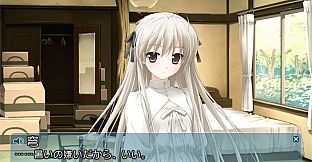
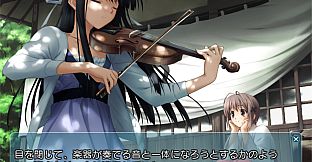
Yosuga no Sora structures its content around multiple character routes, each functioning as a distinct pathway through the story. Players select a heroine early in the game, committing to her arc and experiencing tailored events and resolutions. The main routes center on characters like Sora, the protagonist's withdrawn twin sister; Nao, a caring childhood friend with a love for swimming; Kazuha, a poised violinist from a prominent family; Akira, an easygoing shrine maiden; and Motoka, a clumsy maid working for a local household. Each route explores unique dynamics and conflicts, such as familial bonds or social pressures, culminating in specific endings based on player choices.
There are no competitive or multiplayer modes; the game is entirely single-player, with replayability coming from pursuing different routes to uncover all story branches. Some routes interconnect subtly, sharing common events before diverging, which adds layers to the overall narrative. This setup encourages multiple playthroughs to fully appreciate the interconnected tales and varied perspectives on the protagonist's journey.
Story and Characters
The storyline in Yosuga no Sora weaves a tale of healing and hidden truths, as Haruka and Sora confront their past while forging new connections in the village. Supporting characters enrich the world: Akira brings a whimsical, memory-sharp presence as the shrine's caretaker, often cooking hearty meals; Nao offers steadfast support with her optimistic demeanor; Kazuha balances elegance with a quick temper, especially toward playful antics; and Motoka provides comic relief through her laid-back yet accident-prone nature. These interactions highlight themes of dependency, longing, and growth, making the village feel alive and integral to the plot.
Key character traits include:
- Sora's quiet, dependent personality, marked by her pale appearance and preference for indoor activities.
- Akira's cheerful obliviousness, paired with her fondness for traditional duties.
- Kazuha's refined skills, like playing the viola, contrasted by her impatience.
Through these elements, the game builds a cohesive narrative that rewards attentive players with emotional payoffs.
Is It Worth Playing?
Yosuga no Sora appeals to fans of romance-focused visual novels who appreciate deep character explorations and multiple story paths, particularly those interested in intimate, sometimes controversial relationships. Player reception highlights strengths in certain routes, like the central sibling arc, praised for its emotional believability and well-developed cast. However, some routes receive criticism for feeling underdeveloped or inconsistent in quality, leading to mixed overall feedback. The game remains available for PC players seeking a narrative-driven experience, with no ongoing updates or seasons mentioned in recent discussions. If you enjoy thoughtful stories over fast-paced action and are comfortable with mature themes, it offers replay value through its branching narratives. For others preferring broader gameplay variety, it might feel too niche, but its focused storytelling can make it a compelling choice for the right audience.