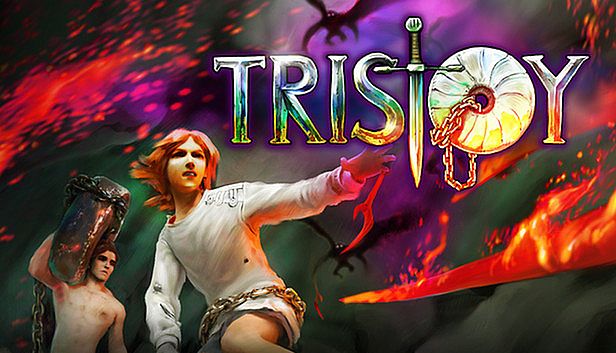

















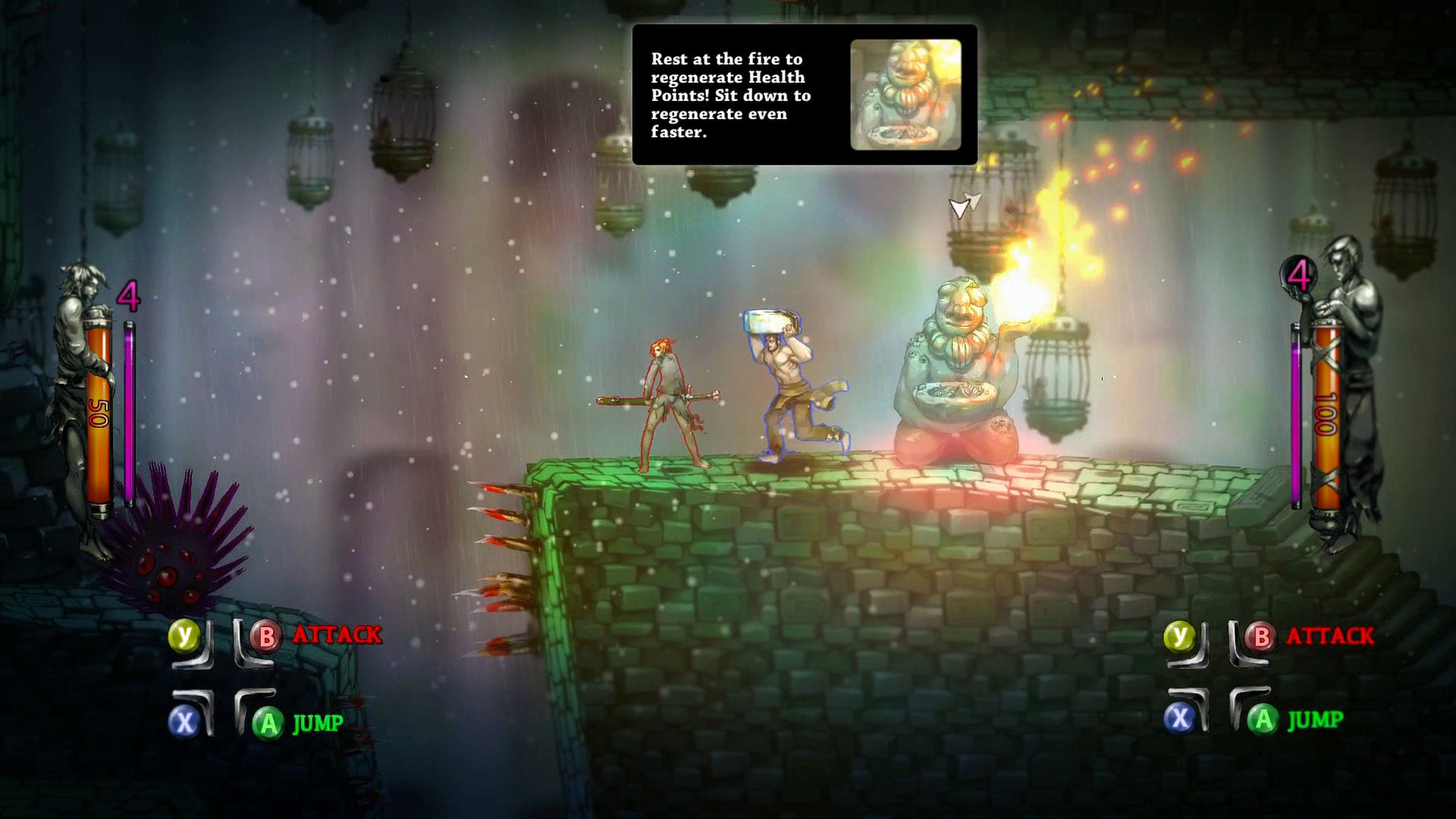
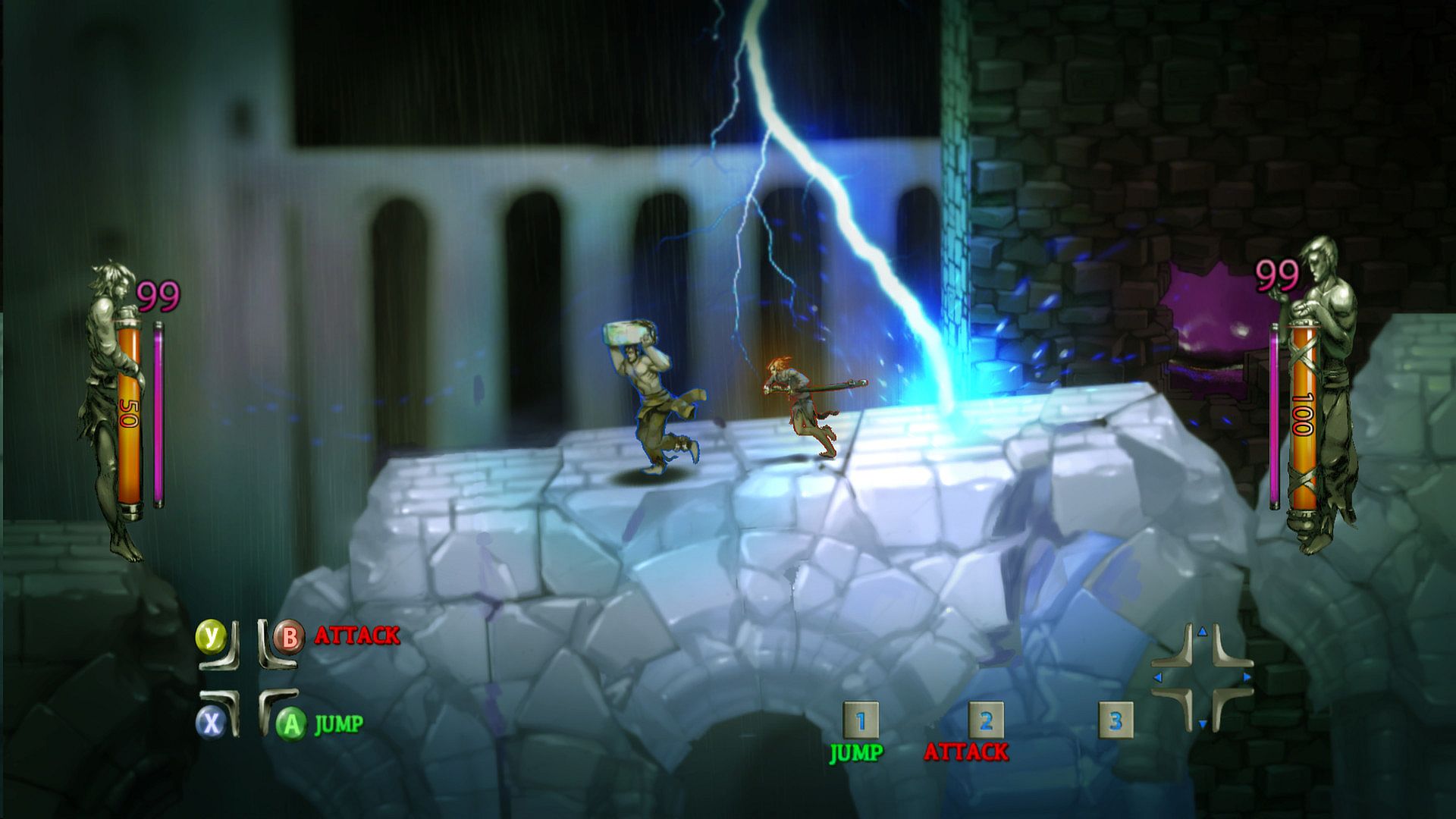
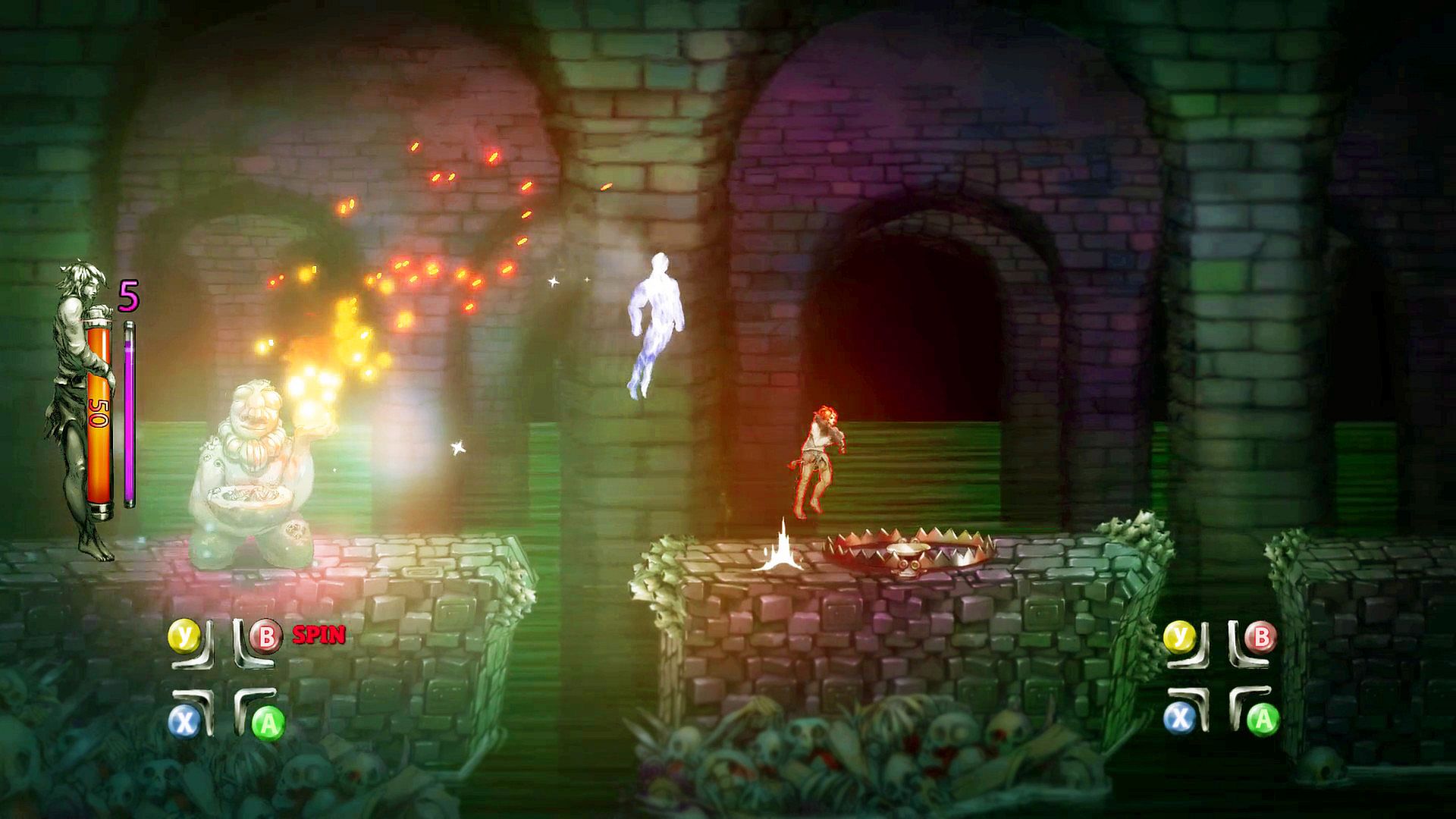
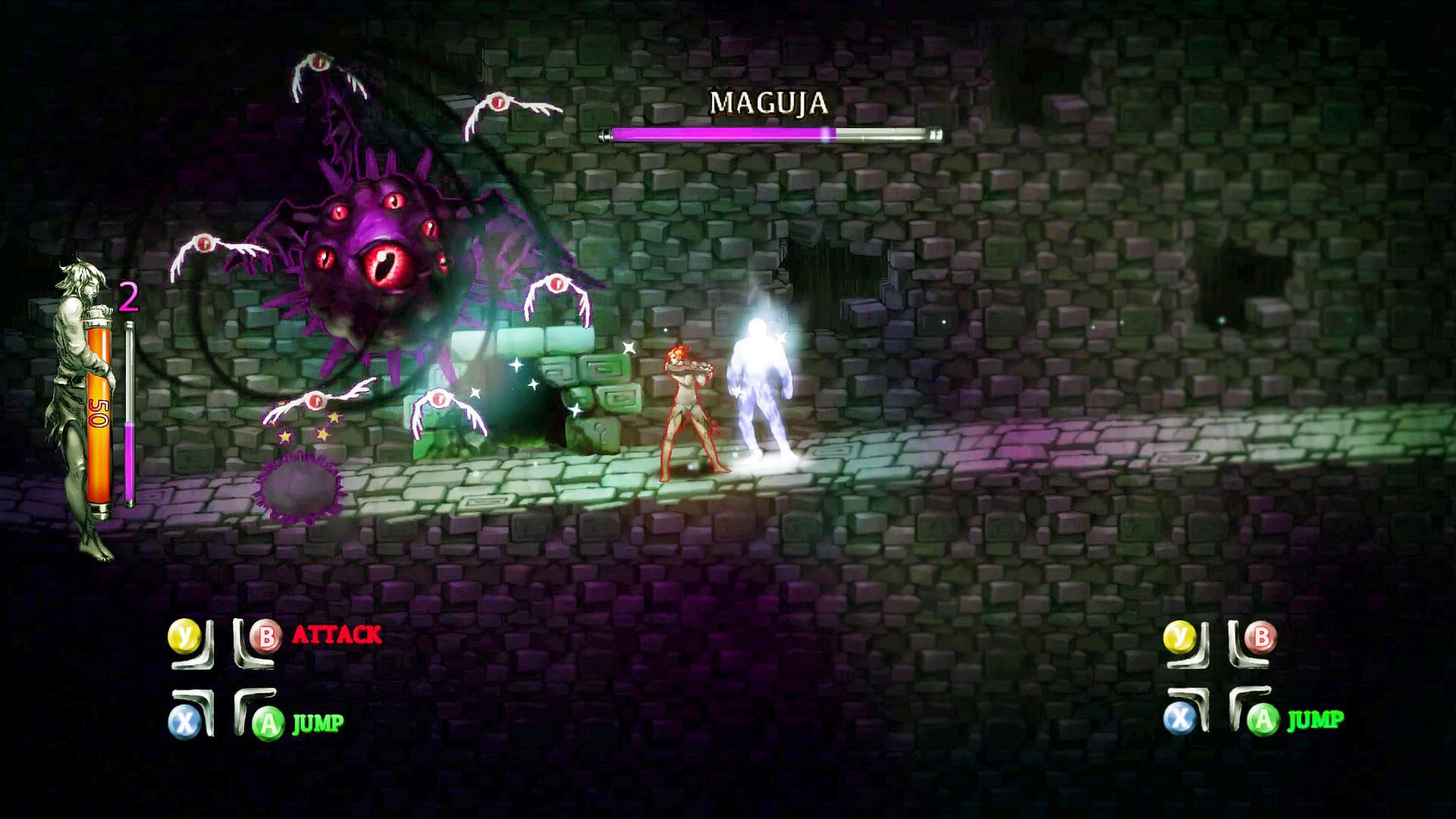
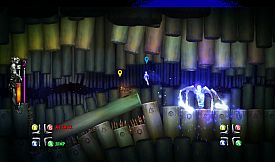
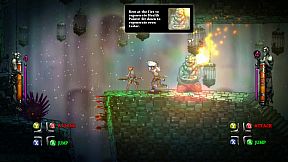
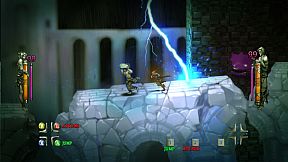
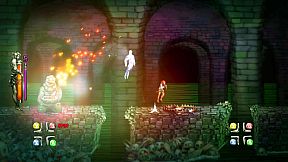
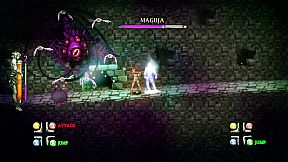
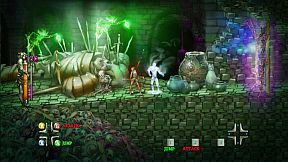

TRISTOY stands out as a focused 2D co-op platformer built exclusively around two-player cooperation. Players take on the roles of Prince Freedan and the Wizard Stayn, navigating the ancient fortress of Tristoy in the Sea of Shards while working to escape and confront the Witch Ink. The experience centers on shared exploration of trap-filled dungeons, where platforming, puzzle solving, and combat against various enemies form the core loop. Choices made during play shape individual character stories and lead to multiple possible endings, emphasizing teamwork and the consequences of decisions in a non-linear narrative.
Gameplay
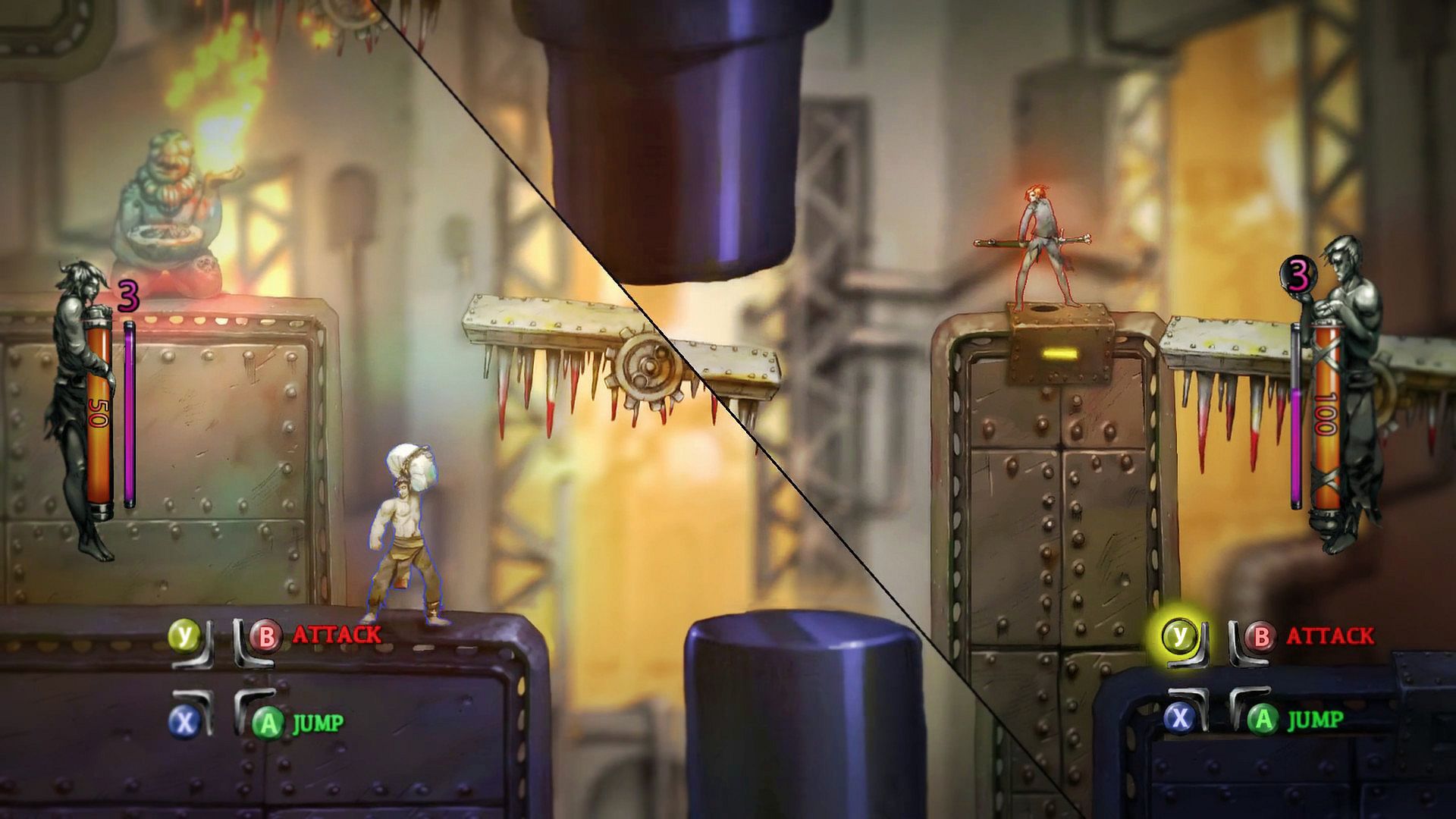
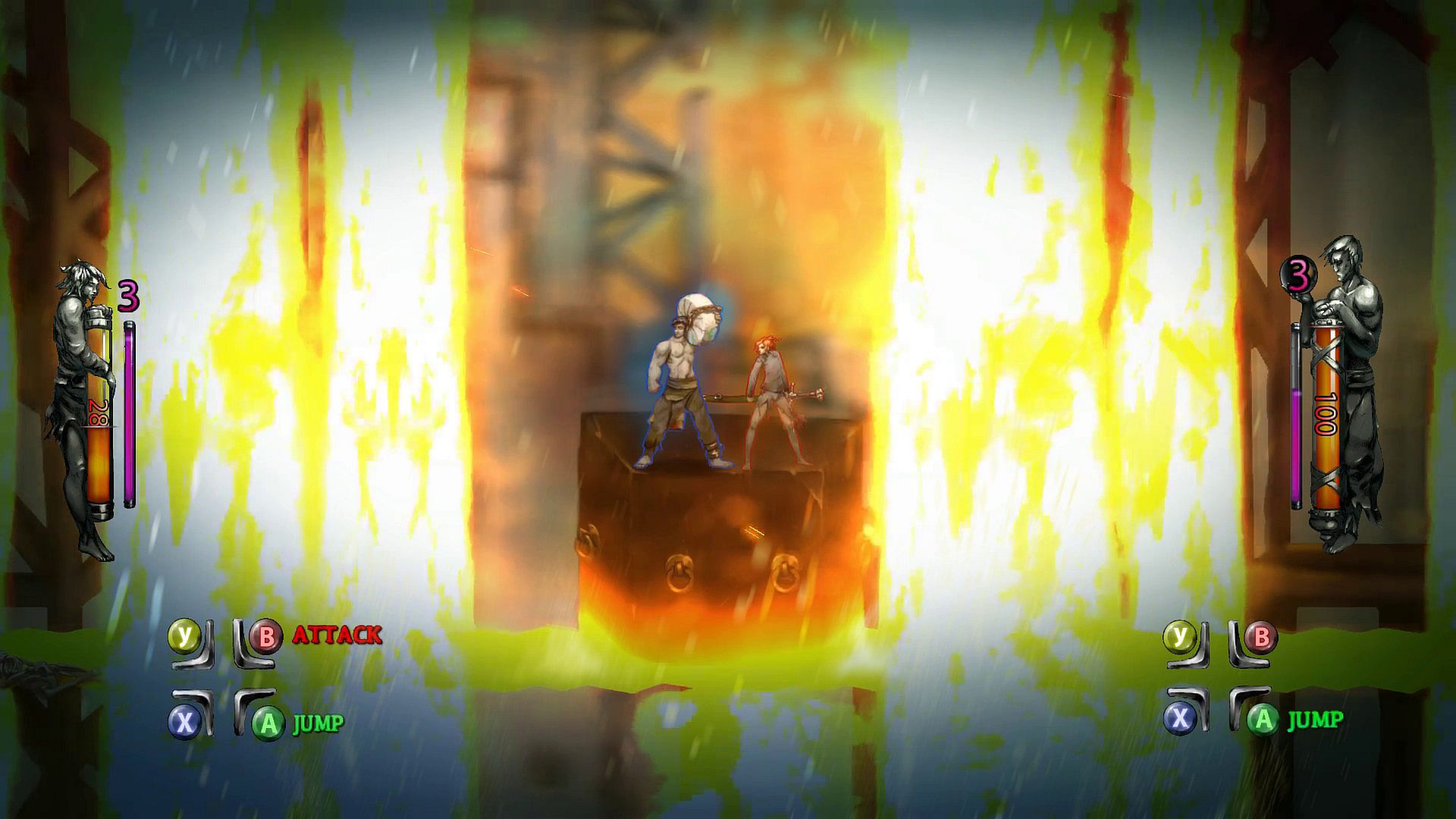
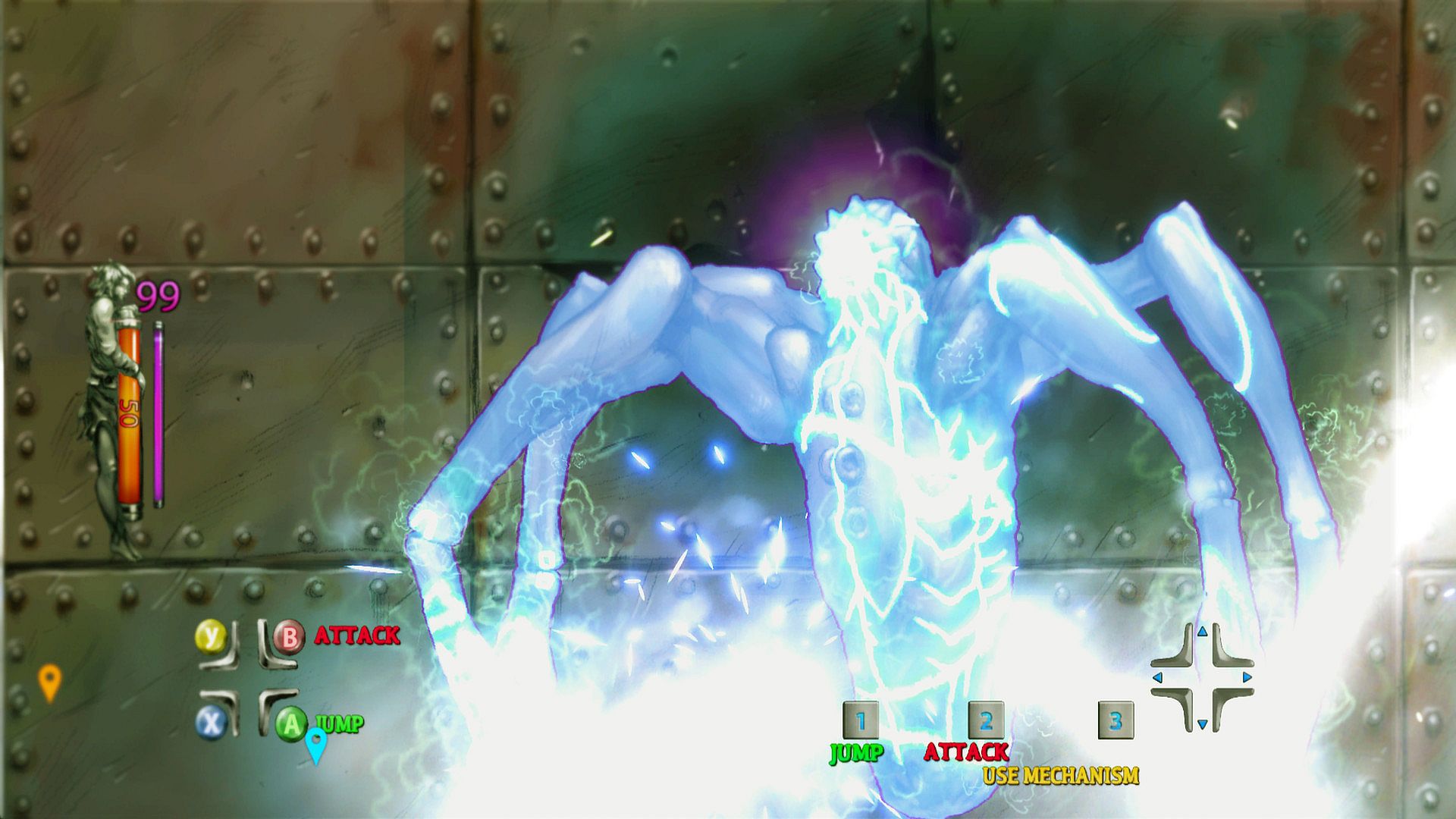
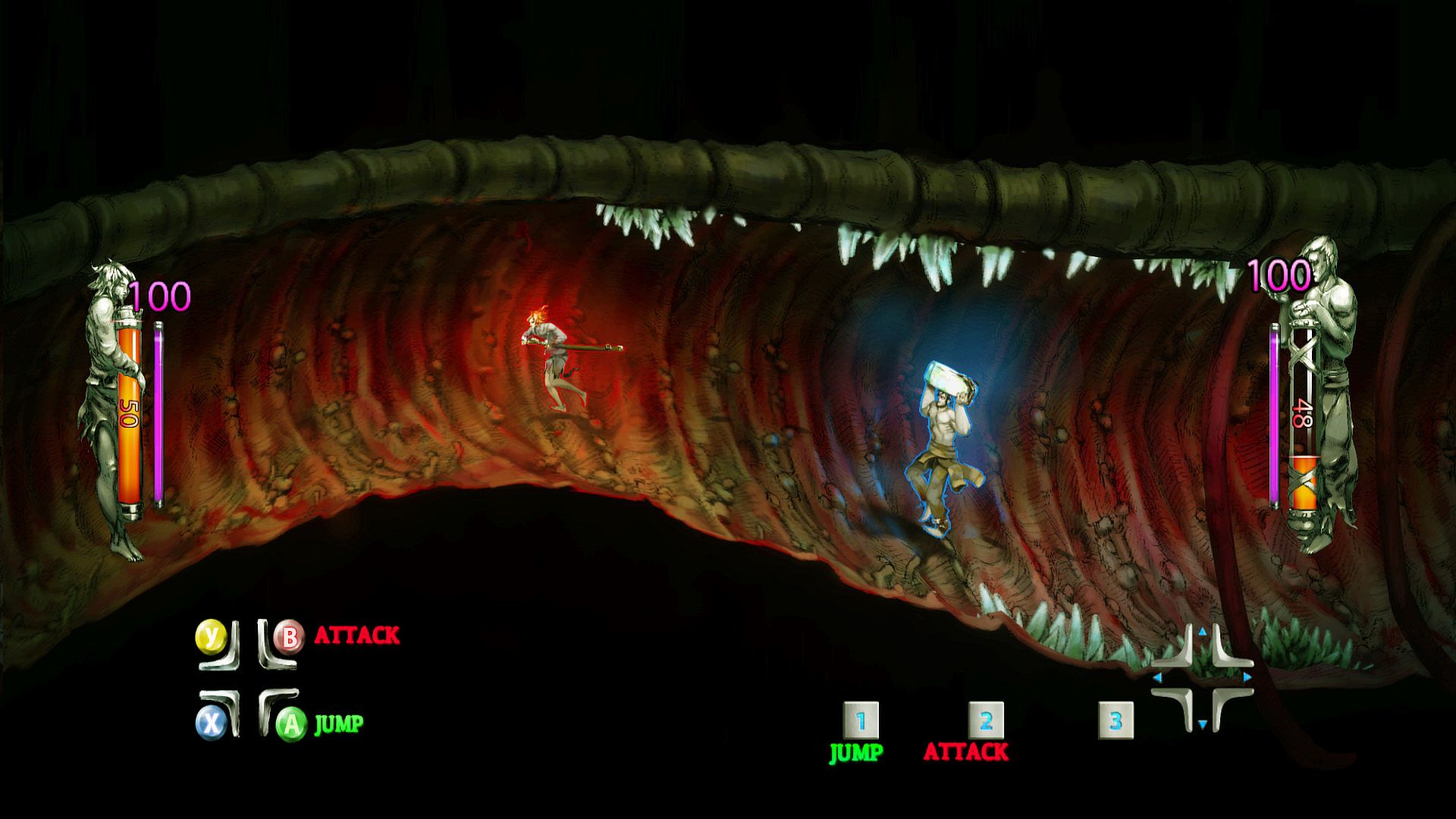
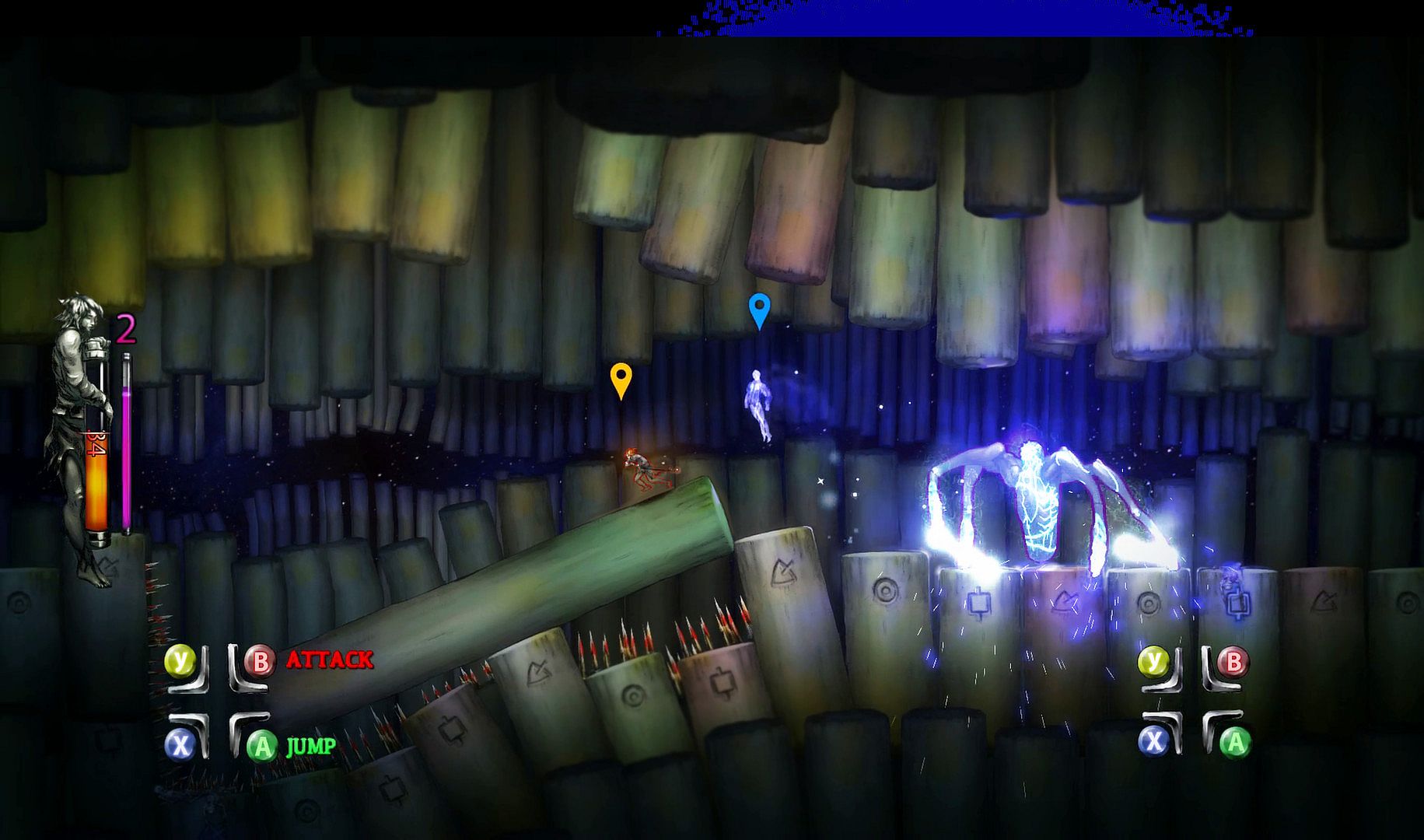
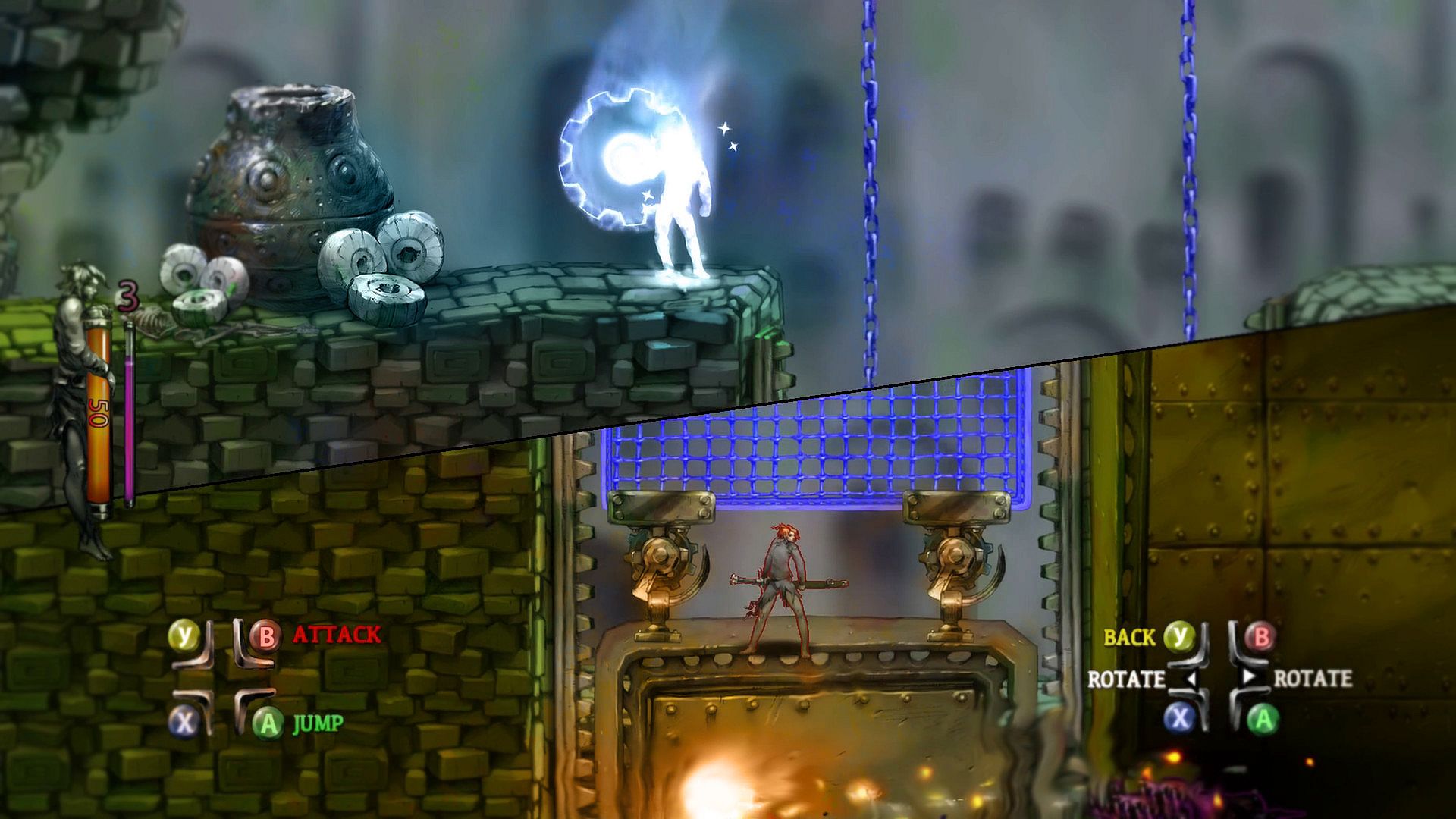
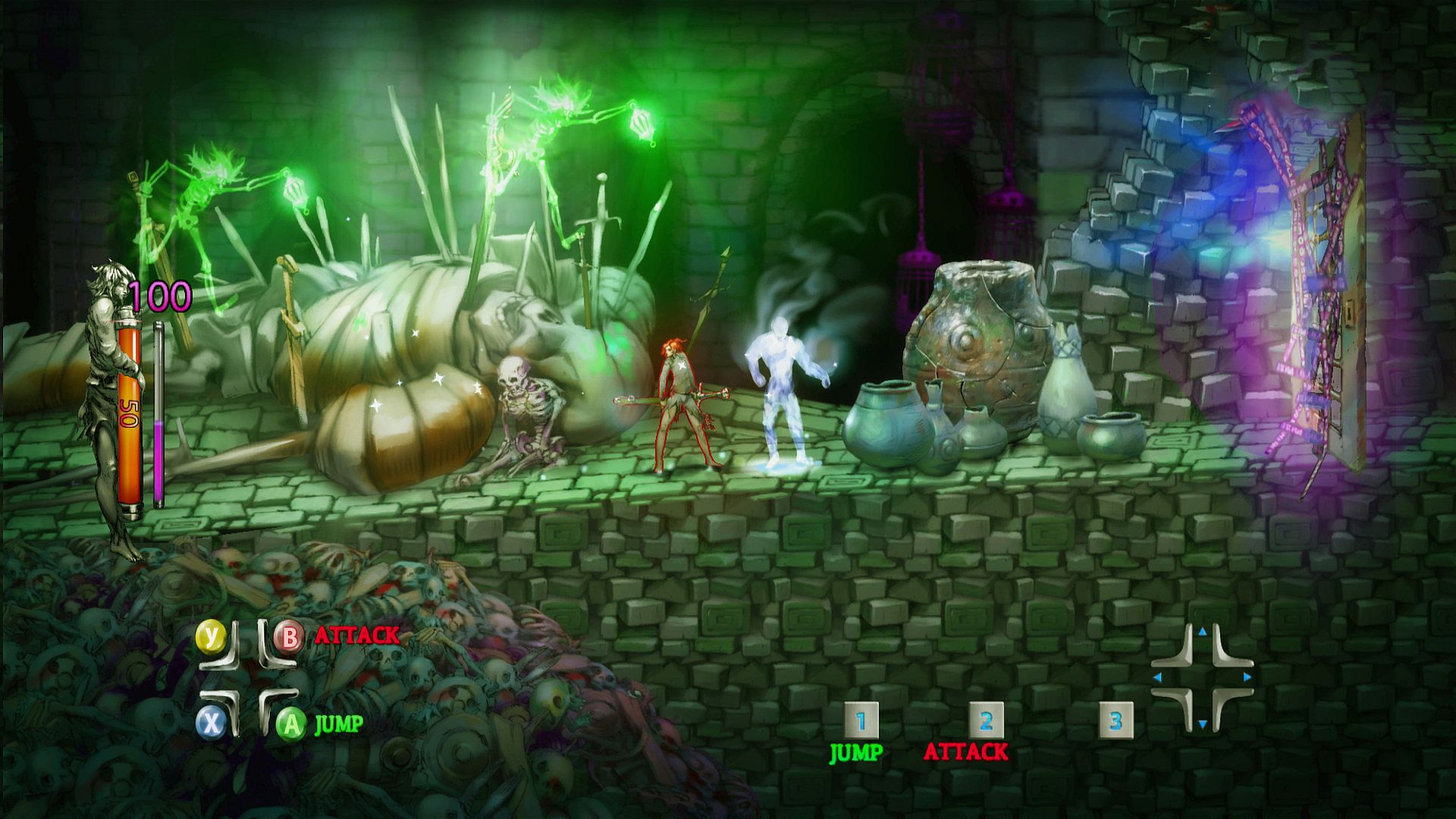
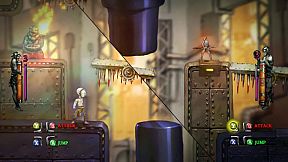
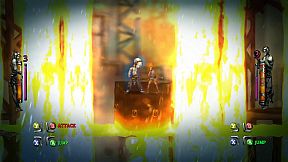
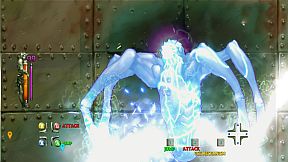
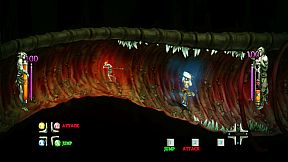
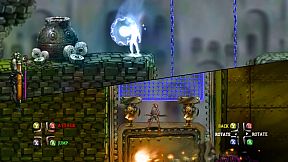
The game places both characters on screen simultaneously through a dynamic split-screen system that shifts, rotates, and reconnects as needed to maintain focus on the action. One player controls the prince with his physical abilities suited to combat and direct confrontation, while the other manages the wizard's magical capabilities for puzzle resolution and support. Progress requires constant coordination, such as one player triggering mechanisms while the other advances or combines attacks to overcome obstacles. Enemies range from basic dungeon creatures to more complex threats that demand synchronized responses. Exploration reveals additional content through unlockables, and the Metroidvania-inspired structure encourages backtracking and discovery within the fortress layout.
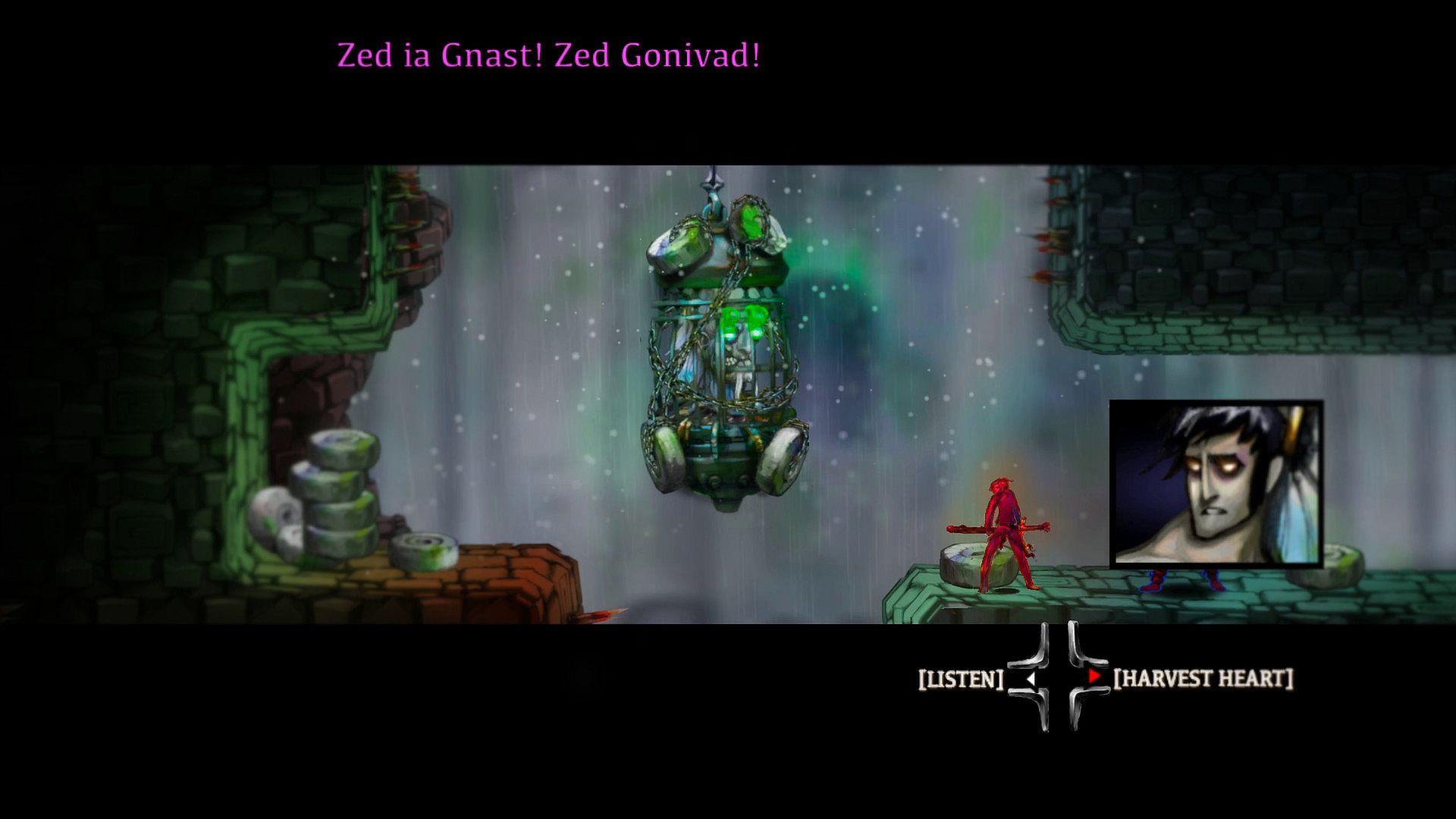
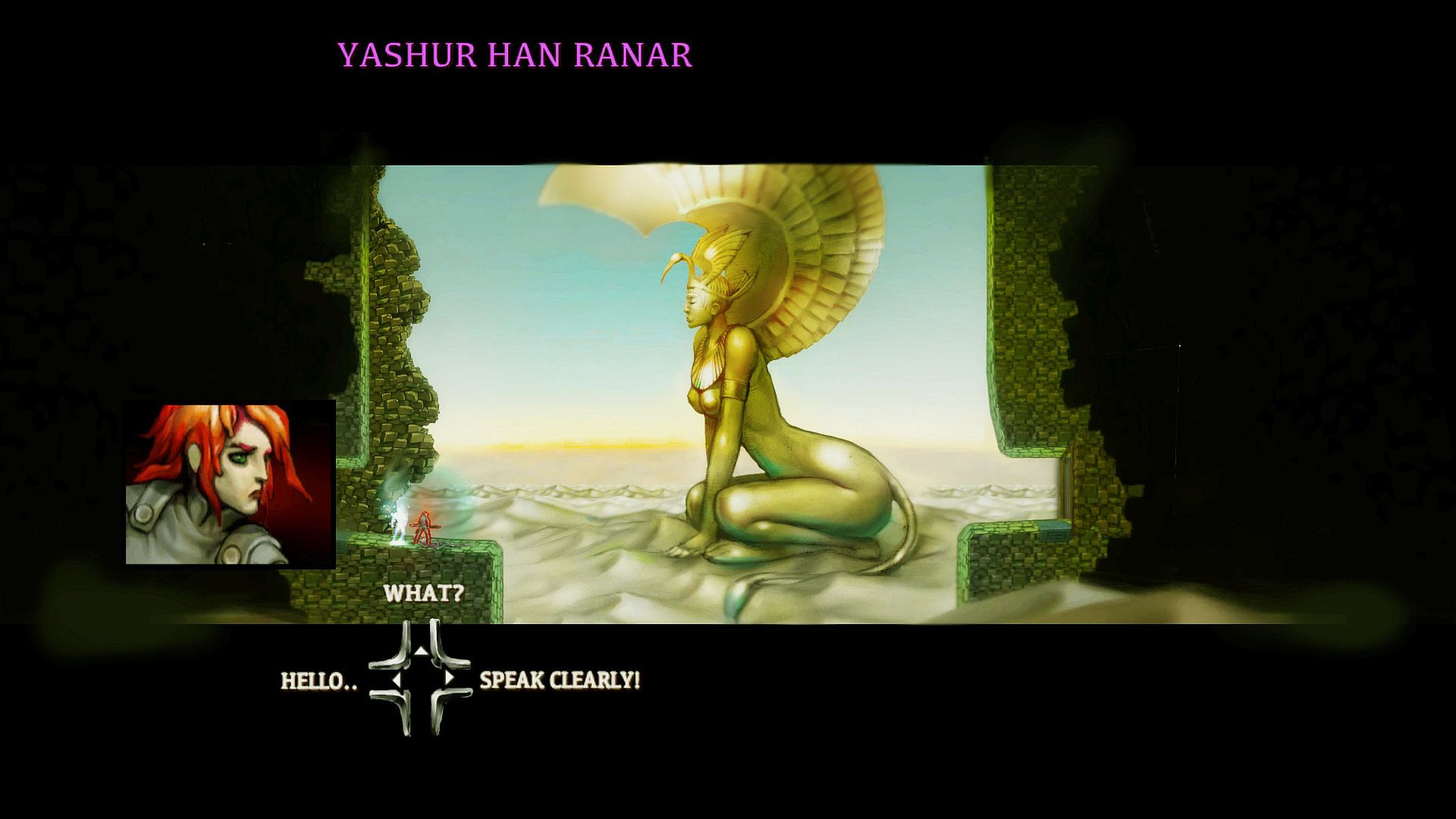
Controls support keyboard, gamepads, or even smartphone input via a dedicated companion application for added flexibility during sessions. The emphasis remains on meaningful dialogue options that branch based on each character's perspective, testing how players balance personal goals against the shared objective of escape. Traps and environmental hazards integrate directly into the cooperative flow, often requiring precise timing or one player to sacrifice position to aid the other.
Game Modes
TRISTOY offers only cooperative play limited to exactly two participants, with no provisions for solo or larger group sessions. Local play occurs on a single screen with the dynamic split functionality, while online sessions connect players remotely through the platform's networking features. Both modes support the full range of story choices and puzzle elements without alteration. The design keeps the focus narrow, ensuring every mechanic and narrative beat serves the two-player dynamic rather than diluting it across different formats.
Story and Choices
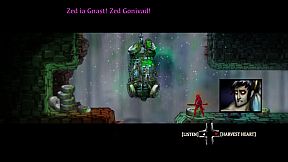
The narrative unfolds in a non-linear fashion set within the isolated fortress, where the two protagonists must confront their forced alliance against a common foe. Individual story threads for each character develop through dialogue selections that carry lasting impact, sometimes forcing difficult moral decisions with direct effects on progression and outcomes. Multiple endings emerge from these branches, rewarding repeated playthroughs that explore different combinations of cooperation and conflict. The story integrates tightly with gameplay, as puzzle solutions and combat encounters often tie into character-specific abilities and evolving relationships.
Is It Worth Playing?
Player feedback on TRISTOY remains mixed, with many noting its short length alongside praise for the inventive co-op mechanics and visual presentation. Those who enjoy tightly scoped two-player experiences that prioritize communication and shared problem-solving may find value in its focused design. The game continues to appear on sale through standard digital storefronts, making it accessible for pairs seeking a dedicated co-op platformer without broader multiplayer elements. Reception highlights strengths in the split-screen implementation and choice-driven story, though some sessions reveal occasional technical friction that can interrupt flow. Overall, it suits players specifically interested in intimate cooperative adventures rather than expansive single-player campaigns or large-scale online matches.