
















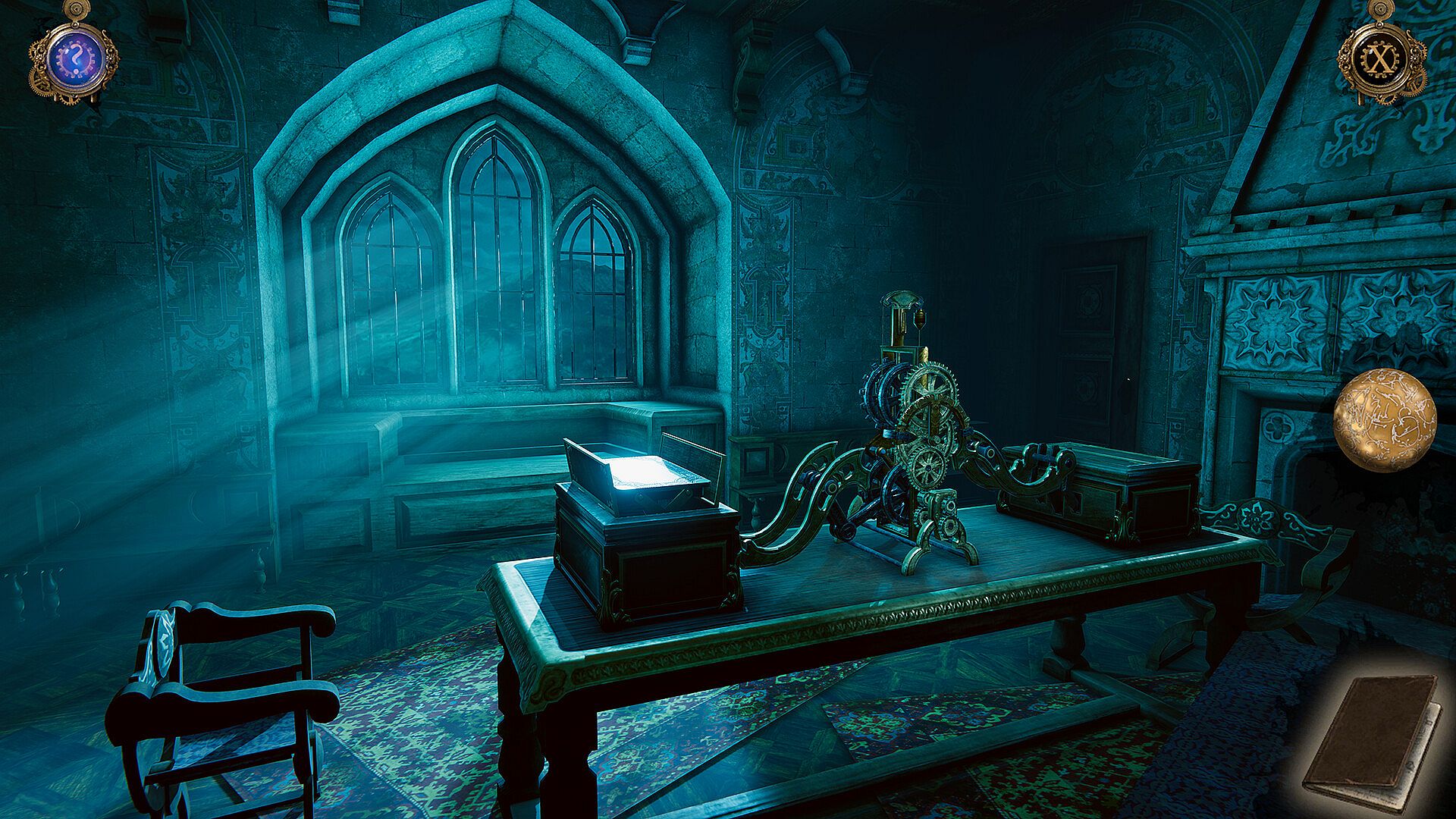
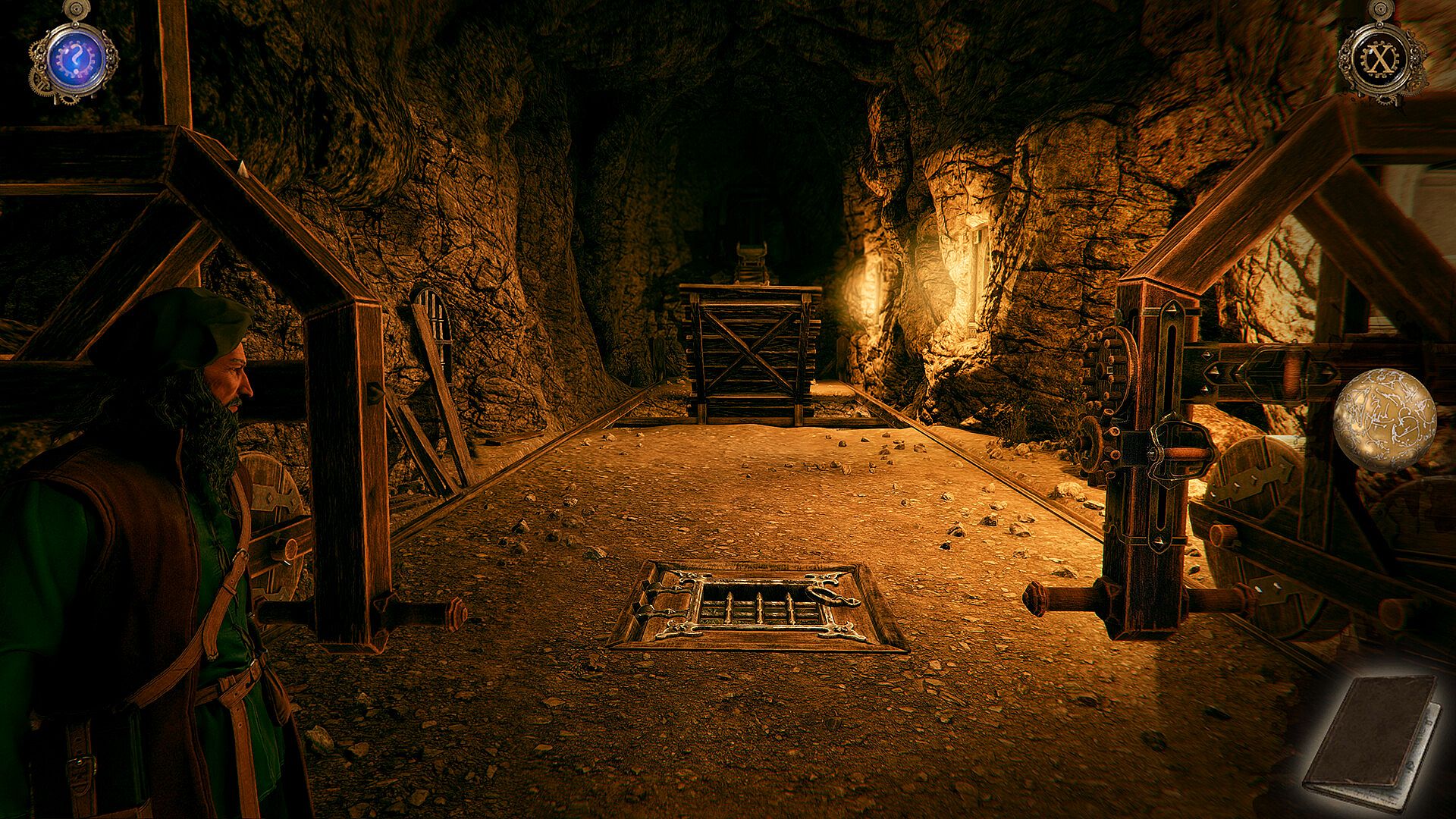
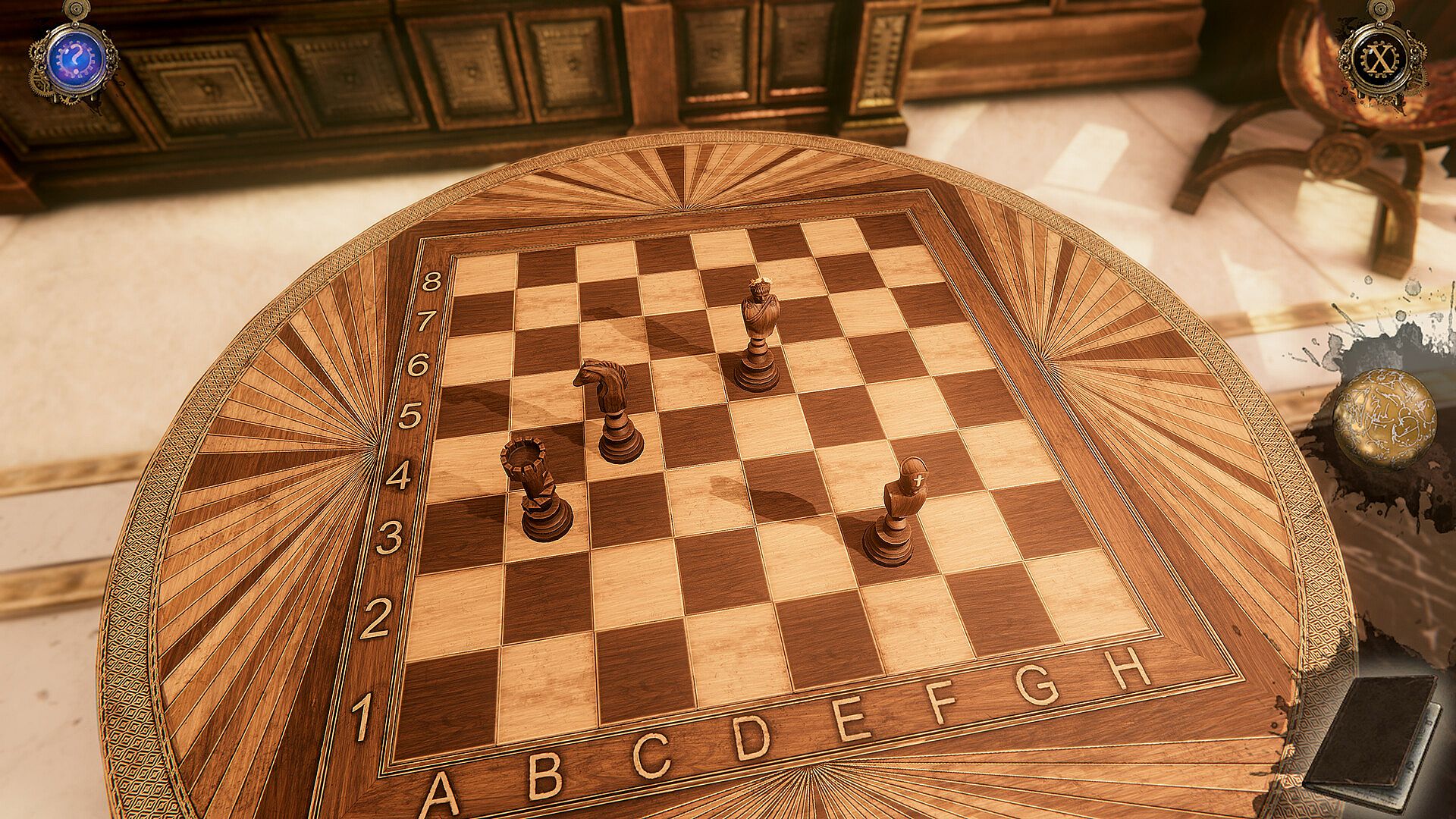
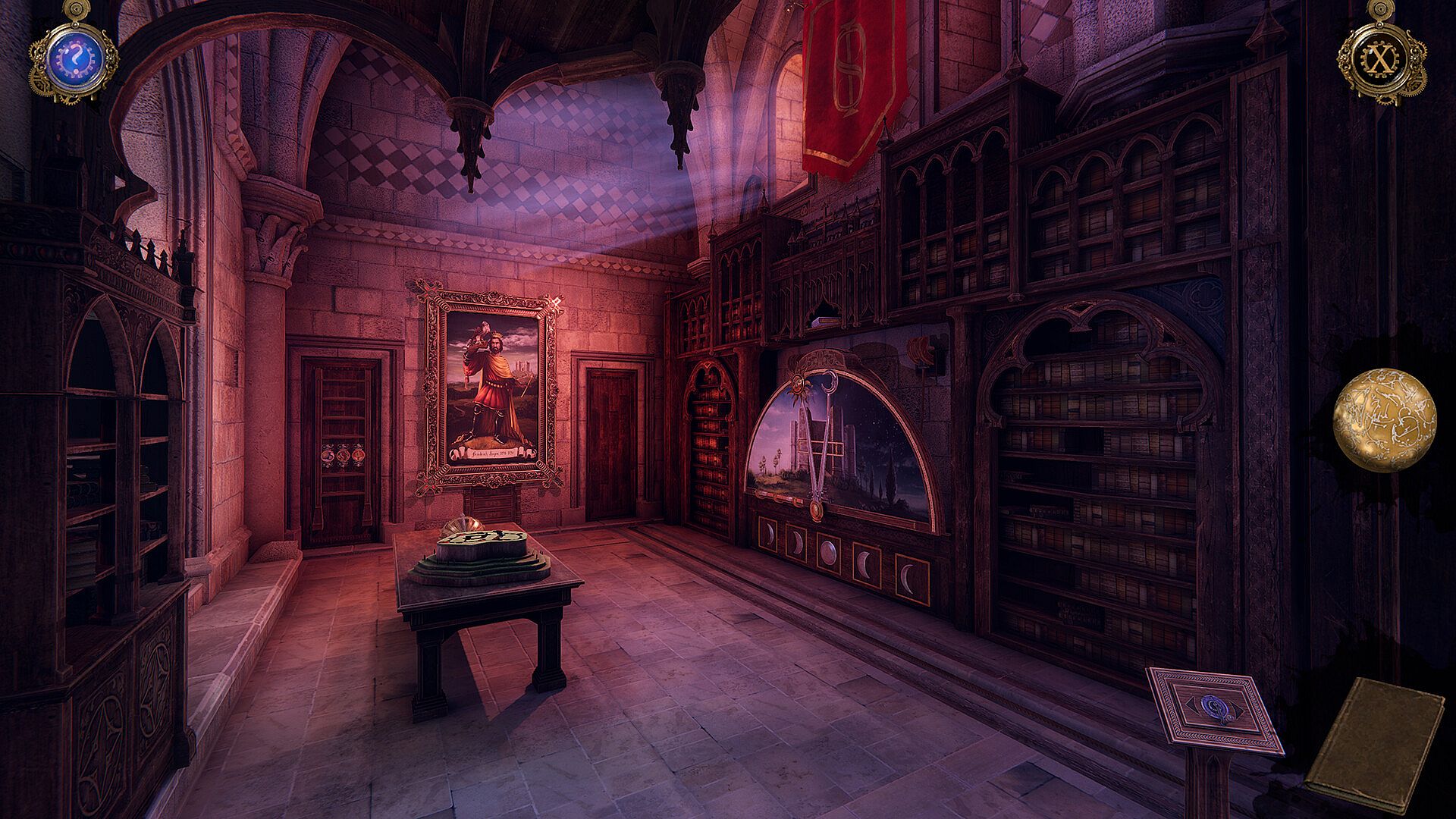
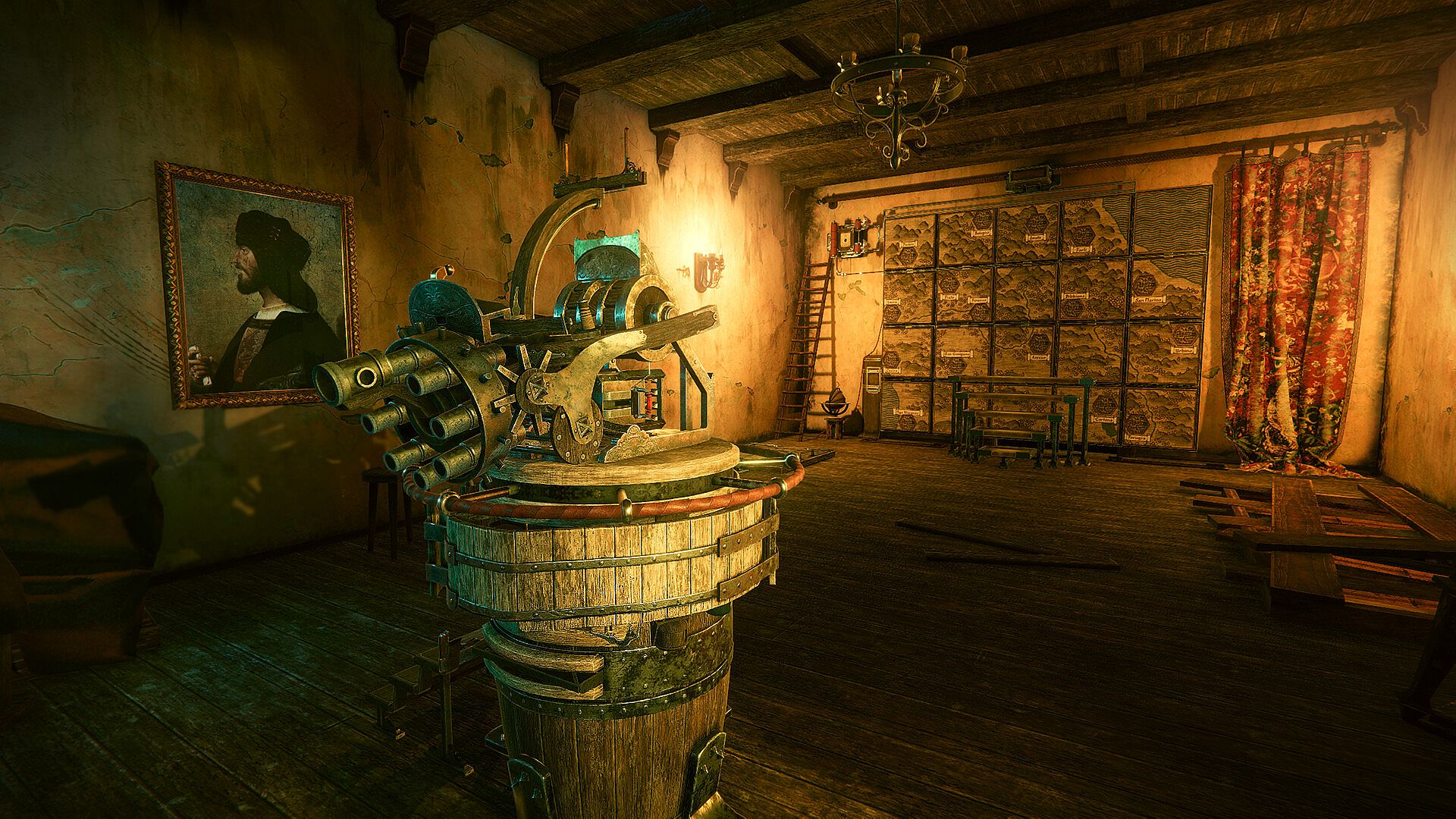
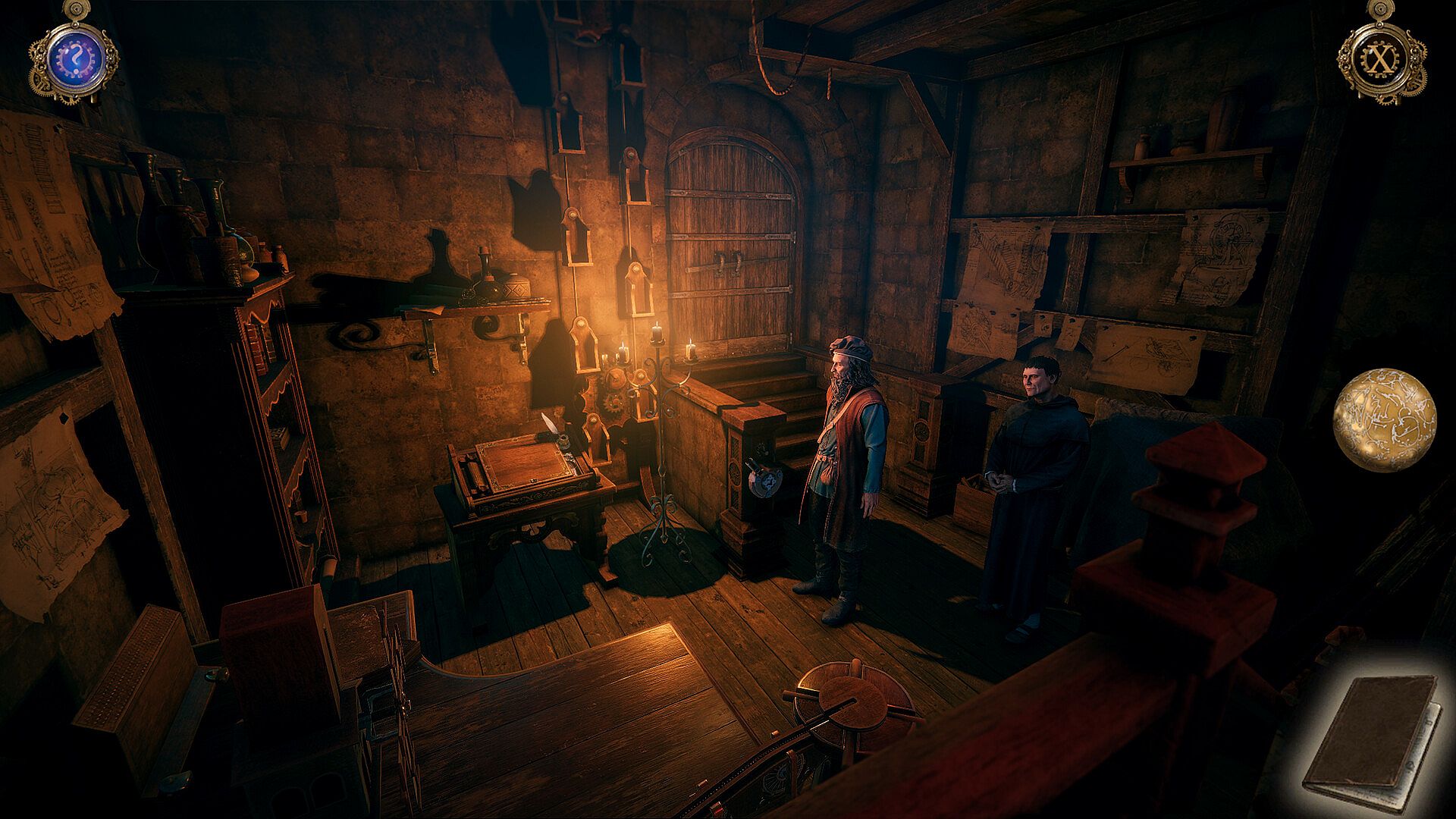
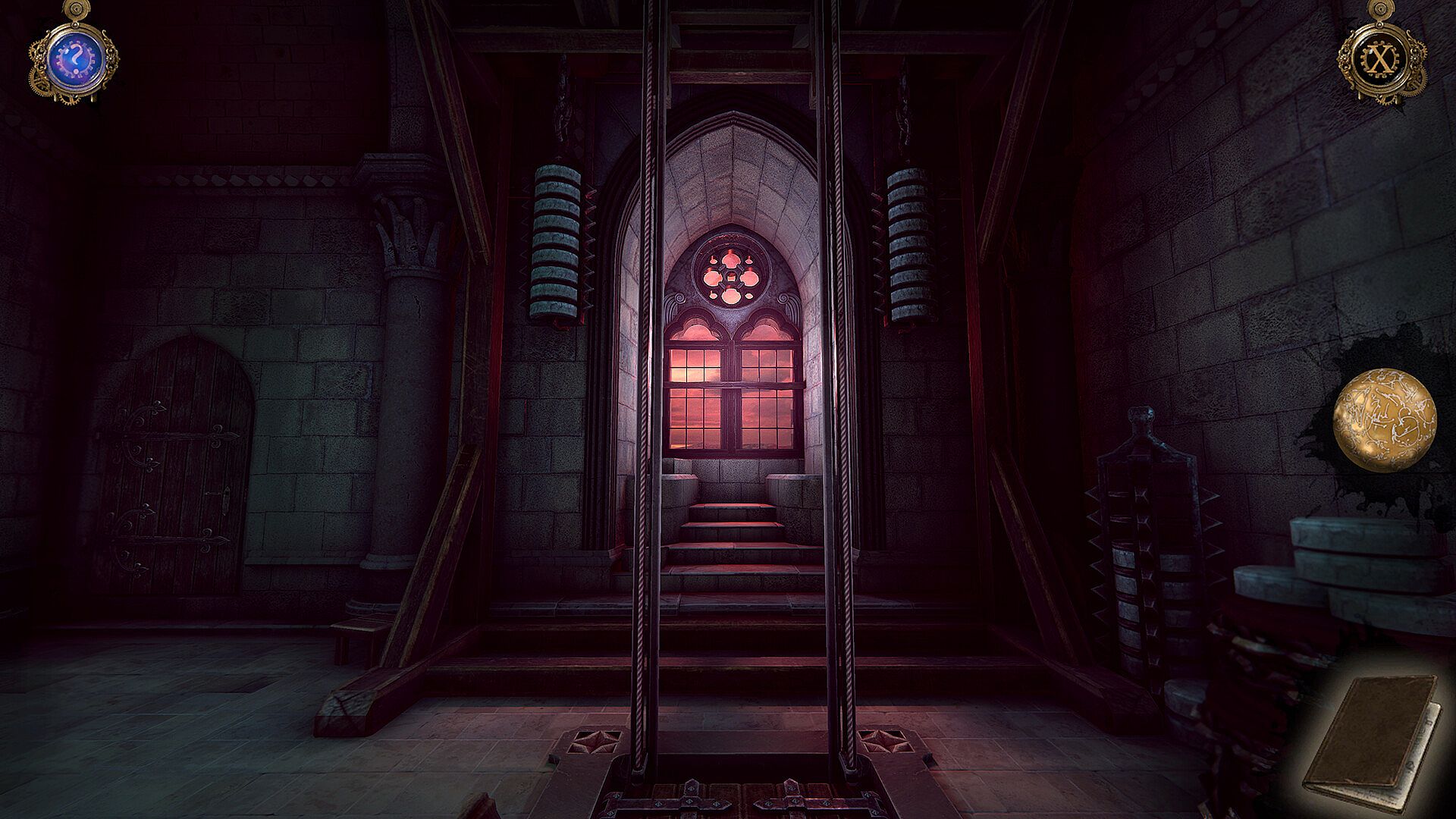


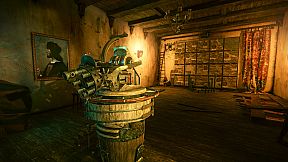
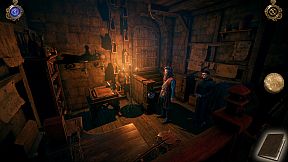
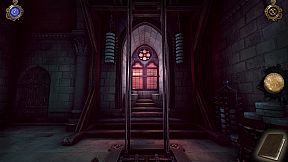
The House of Da Vinci 3 is an indie adventure puzzle game developed as the conclusion to a trilogy. Players take on the role of Giacomo, apprentice to Leonardo da Vinci, in a single-player experience focused on exploration, observation, and mechanical problem solving set against a Renaissance backdrop.
Gameplay
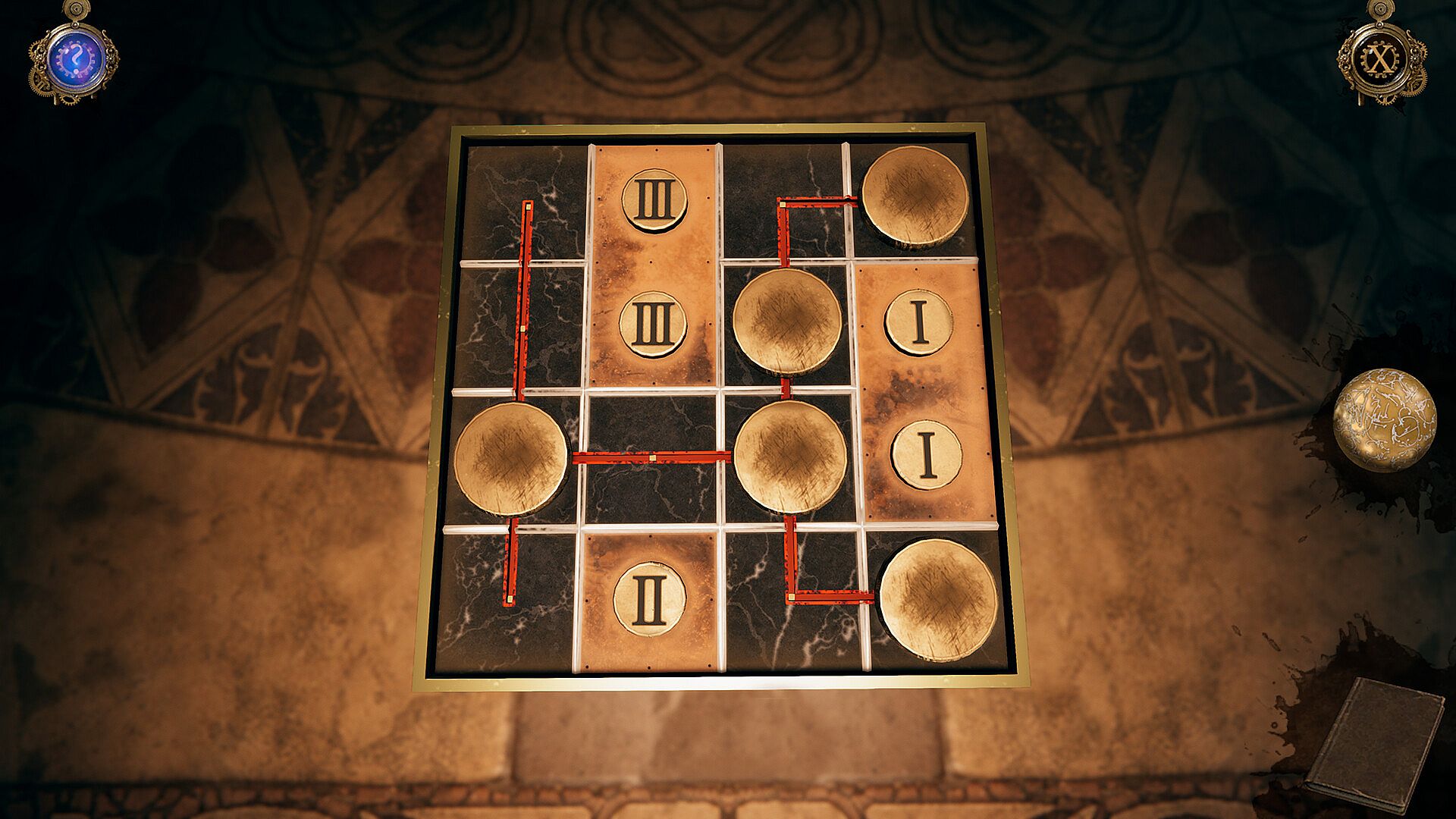
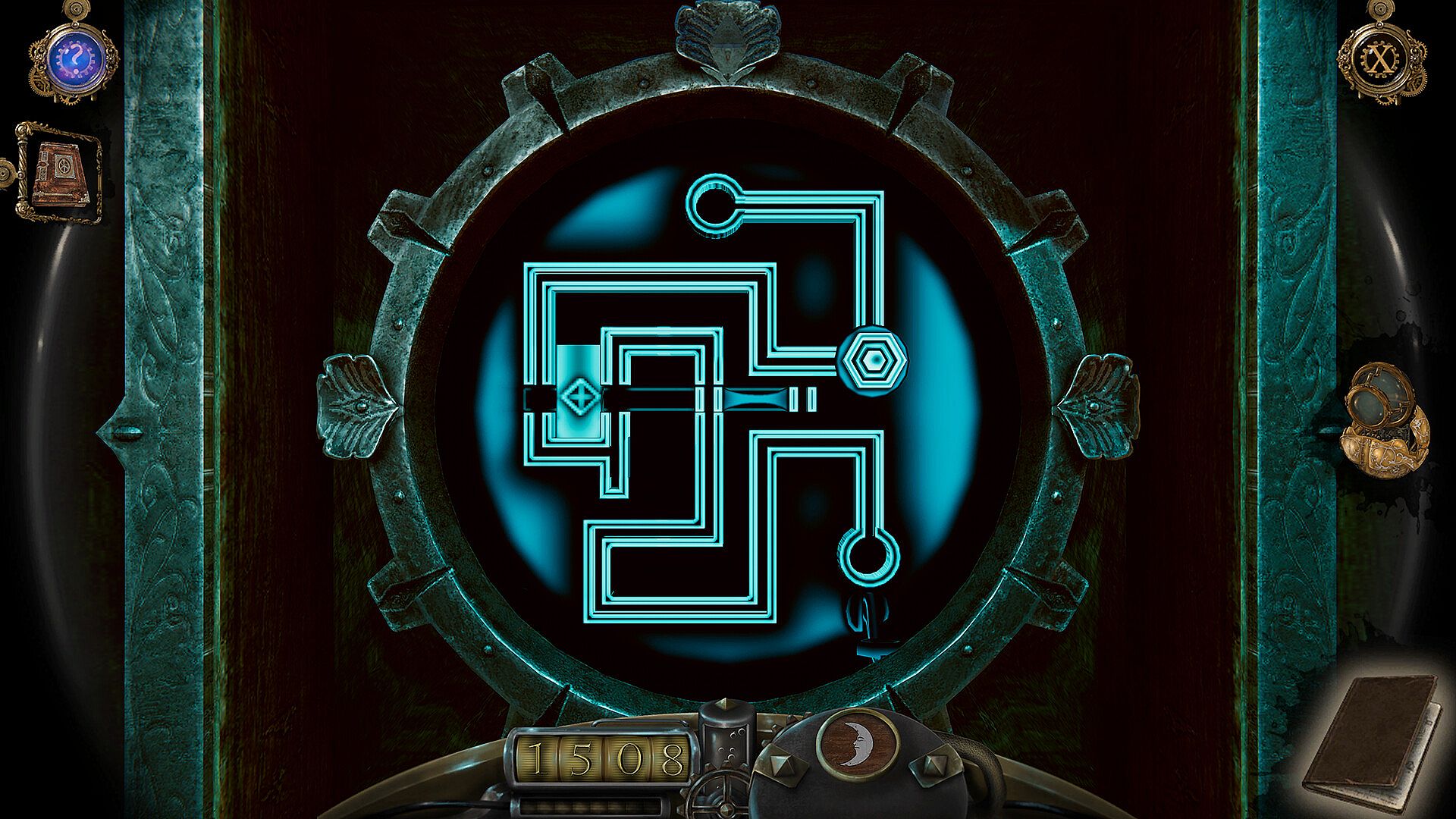
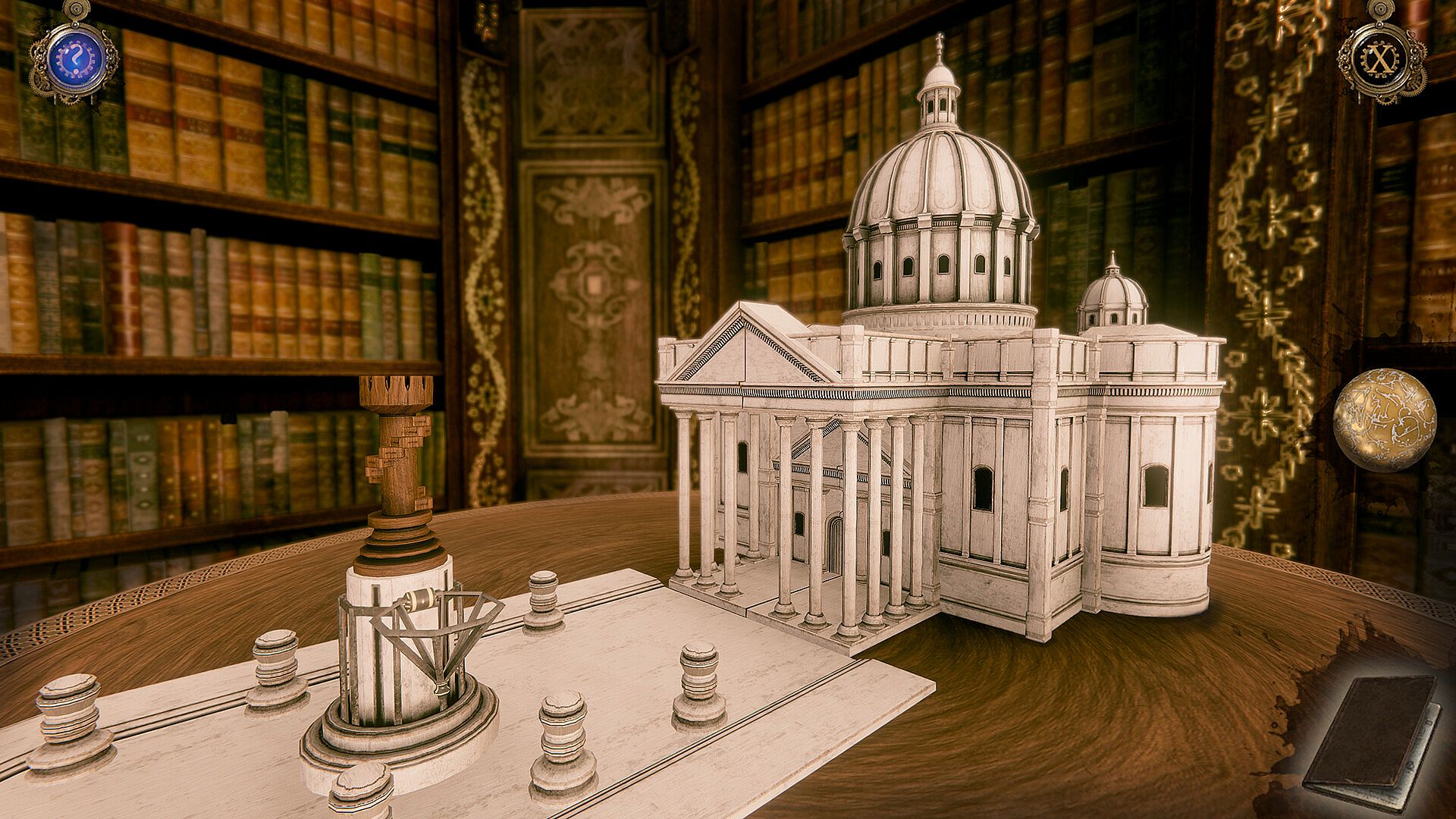
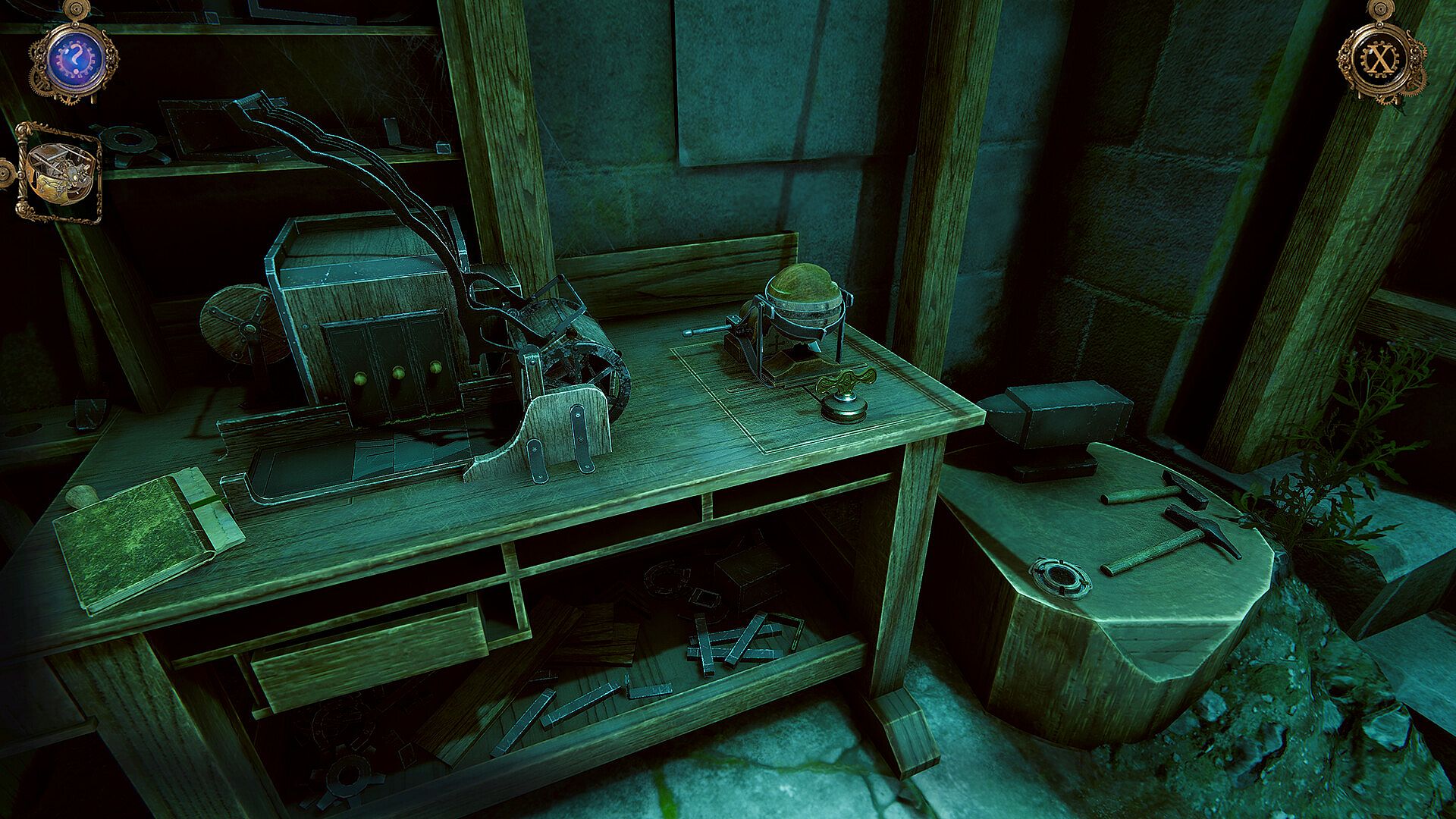
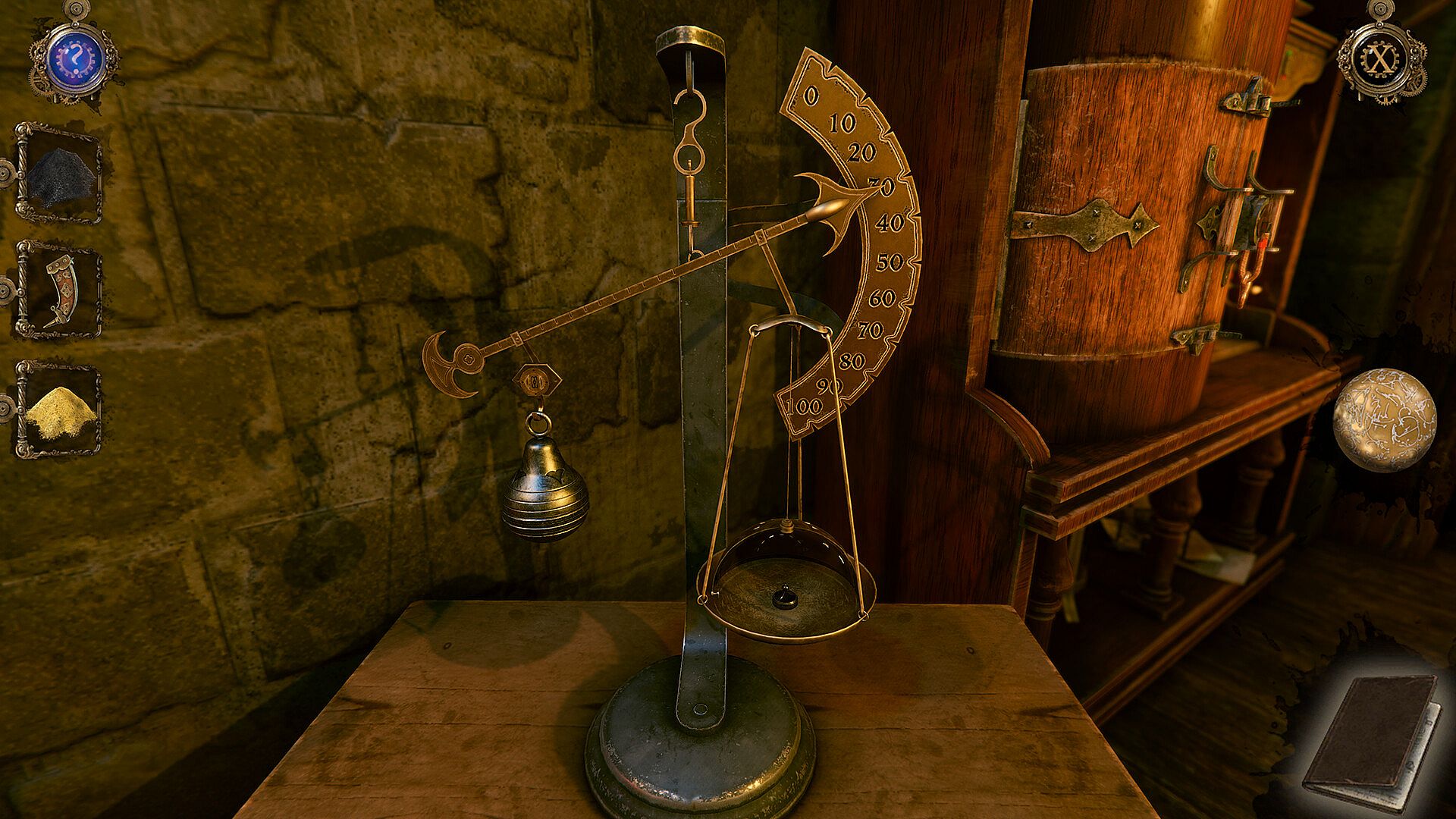
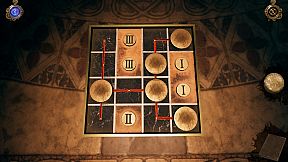
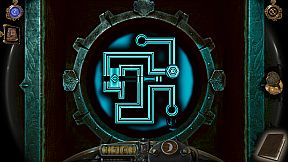
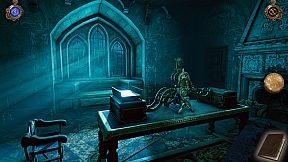
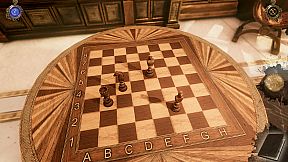
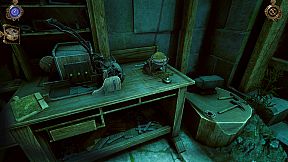
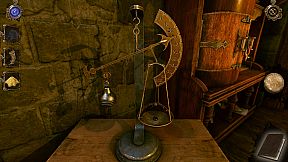
The core loop centers on examining detailed environments to locate and manipulate objects, mechanisms, and hidden elements. Puzzles require close inspection of how parts fit together, often involving turning gears, aligning components, or uncovering concealed compartments through careful observation. The Oculus Perpetua device allows players to alter events from the past, which then modifies the present state of rooms and objects to open new solutions. Interactions feel direct, with intuitive controls for handling items and testing ideas in sequence. The experience stays linear, guiding players through successive challenges without branching paths or optional side activities.
Game Modes
The game offers a single-player campaign that unfolds as one continuous narrative journey. There are no separate multiplayer options, competitive modes, or additional variants. All progress occurs within the main story sequence, where puzzle completion advances the plot and unlocks the next locations.
Story and Setting
Players join Leonardo da Vinci as his trusted companion during a period of political intrigue in Italy. The narrative involves uncovering conspiracies among influential figures while traveling across multiple sites and through time itself. Fully voiced characters deliver dialogue during key moments, and cutscenes illustrate major developments. The plot builds toward a resolution for Giacomo's arc, incorporating returning allies and new rivals encountered along the way.
Locations and Presentation
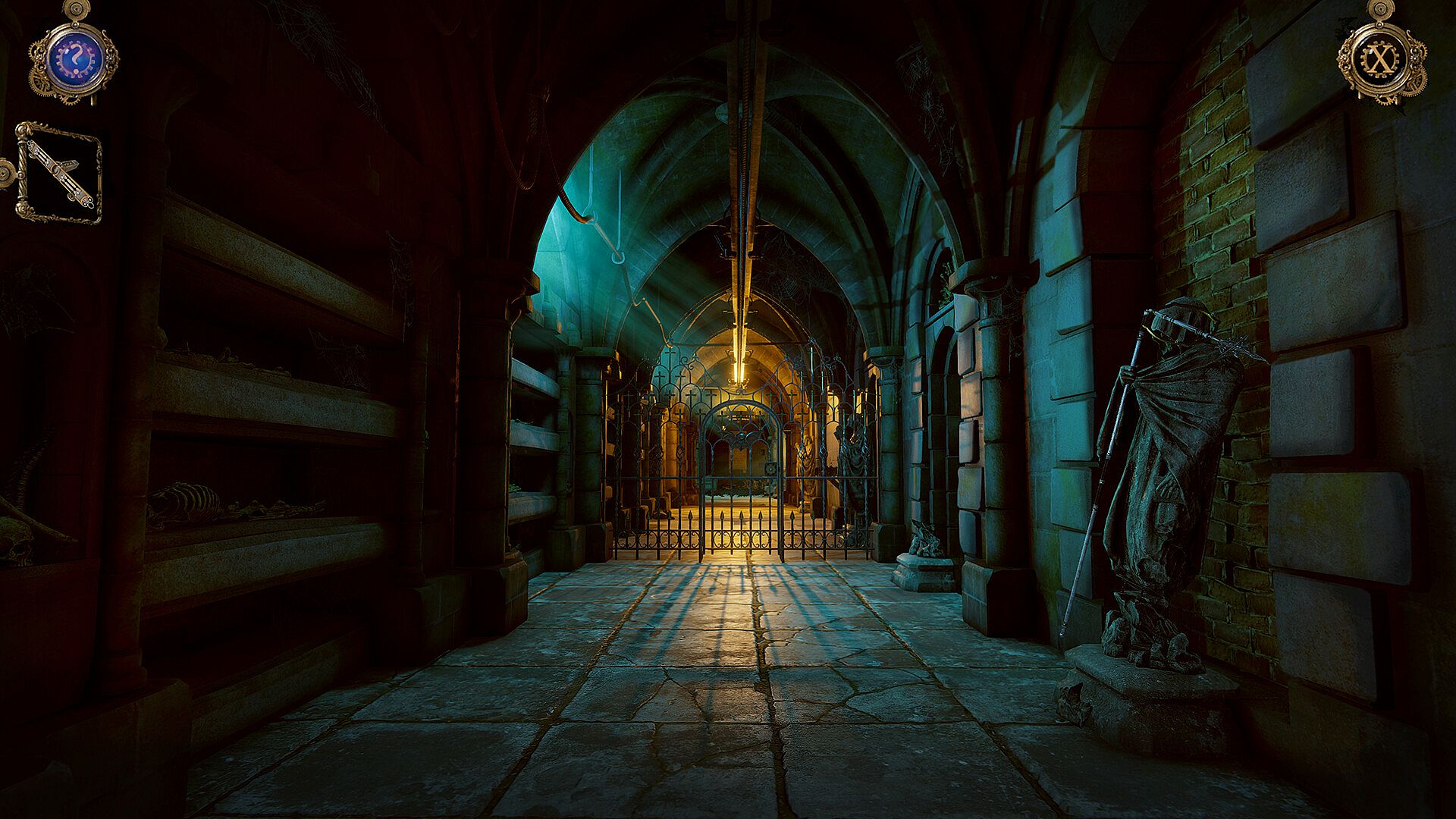
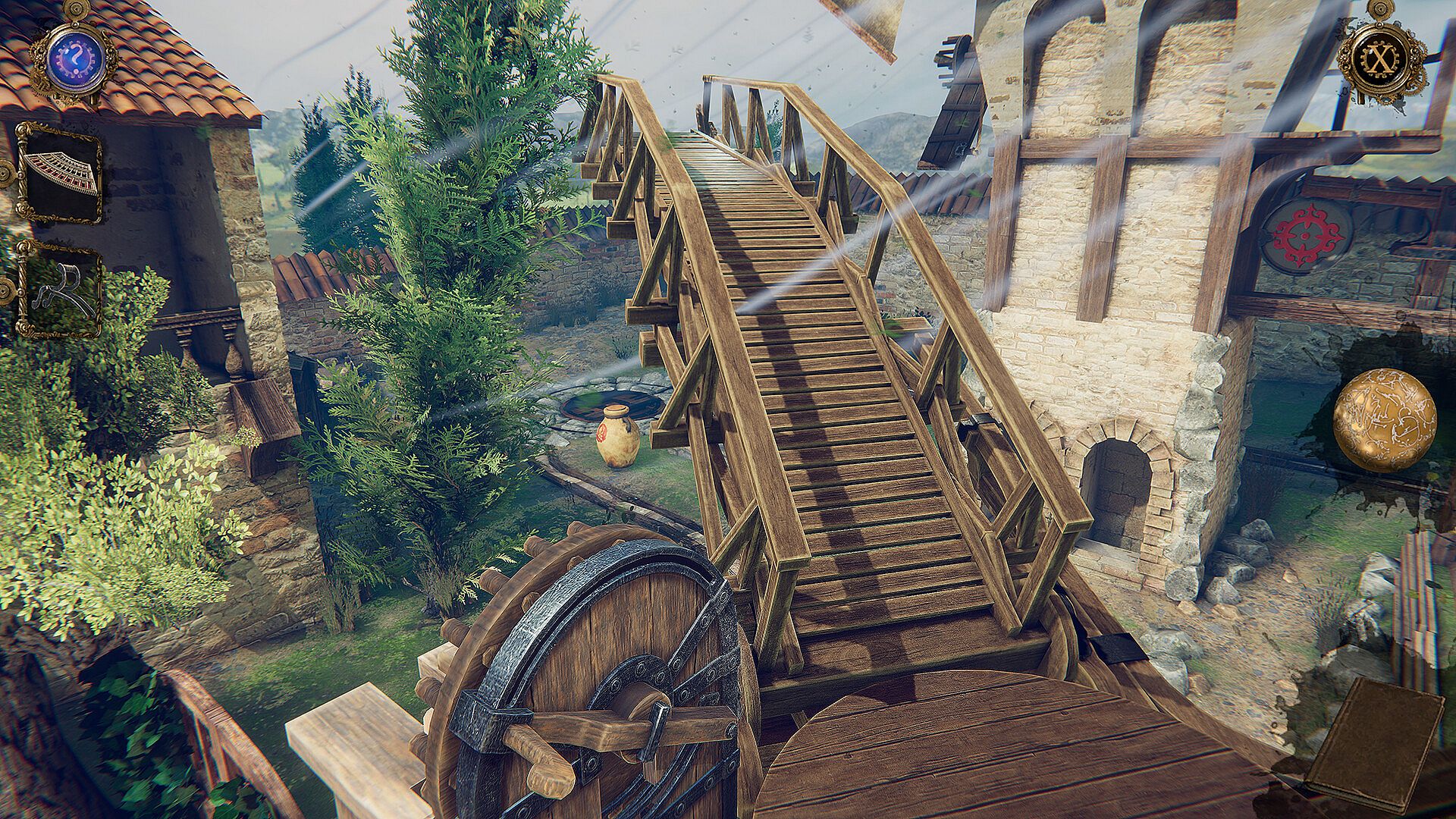
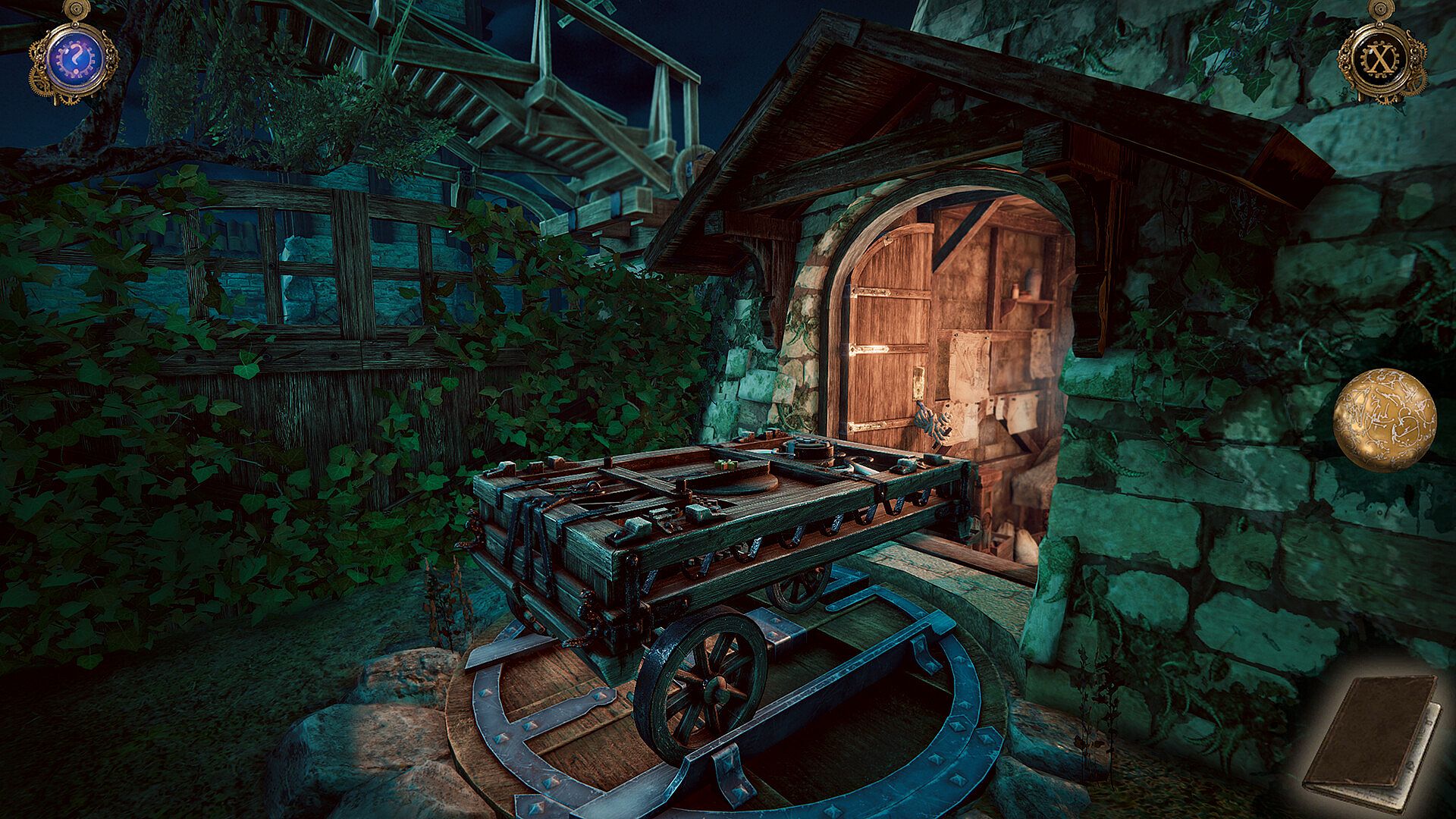
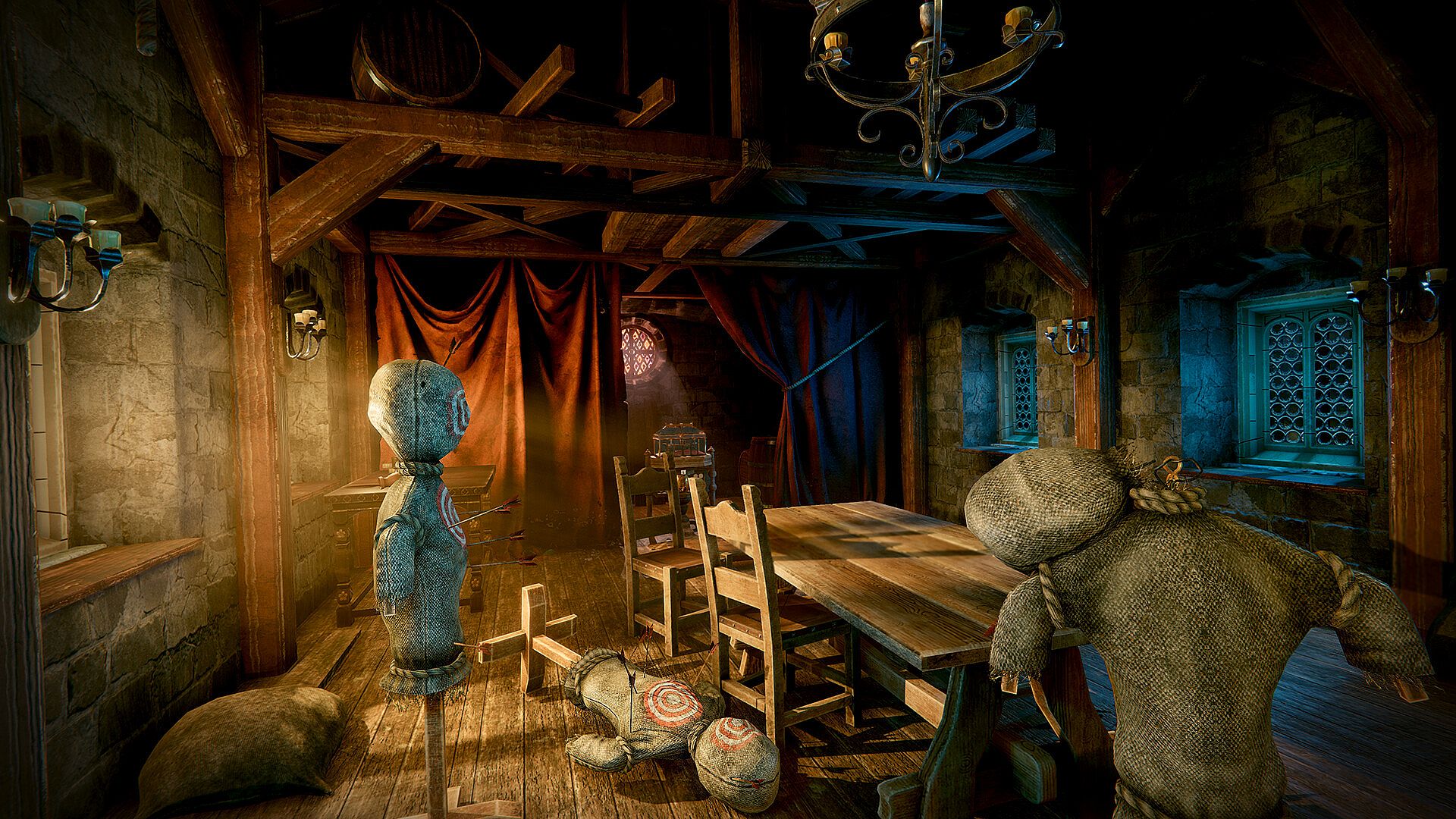
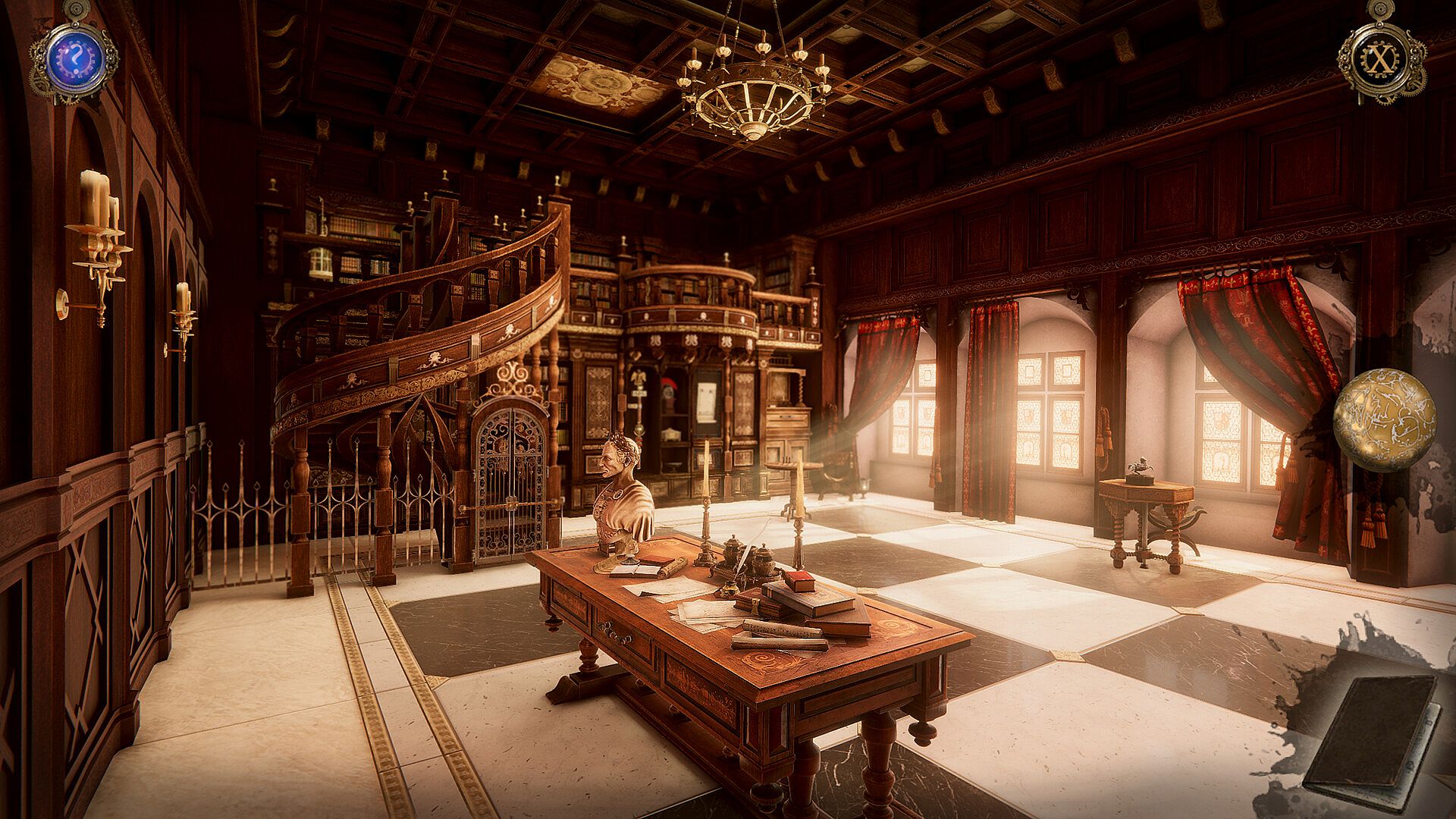
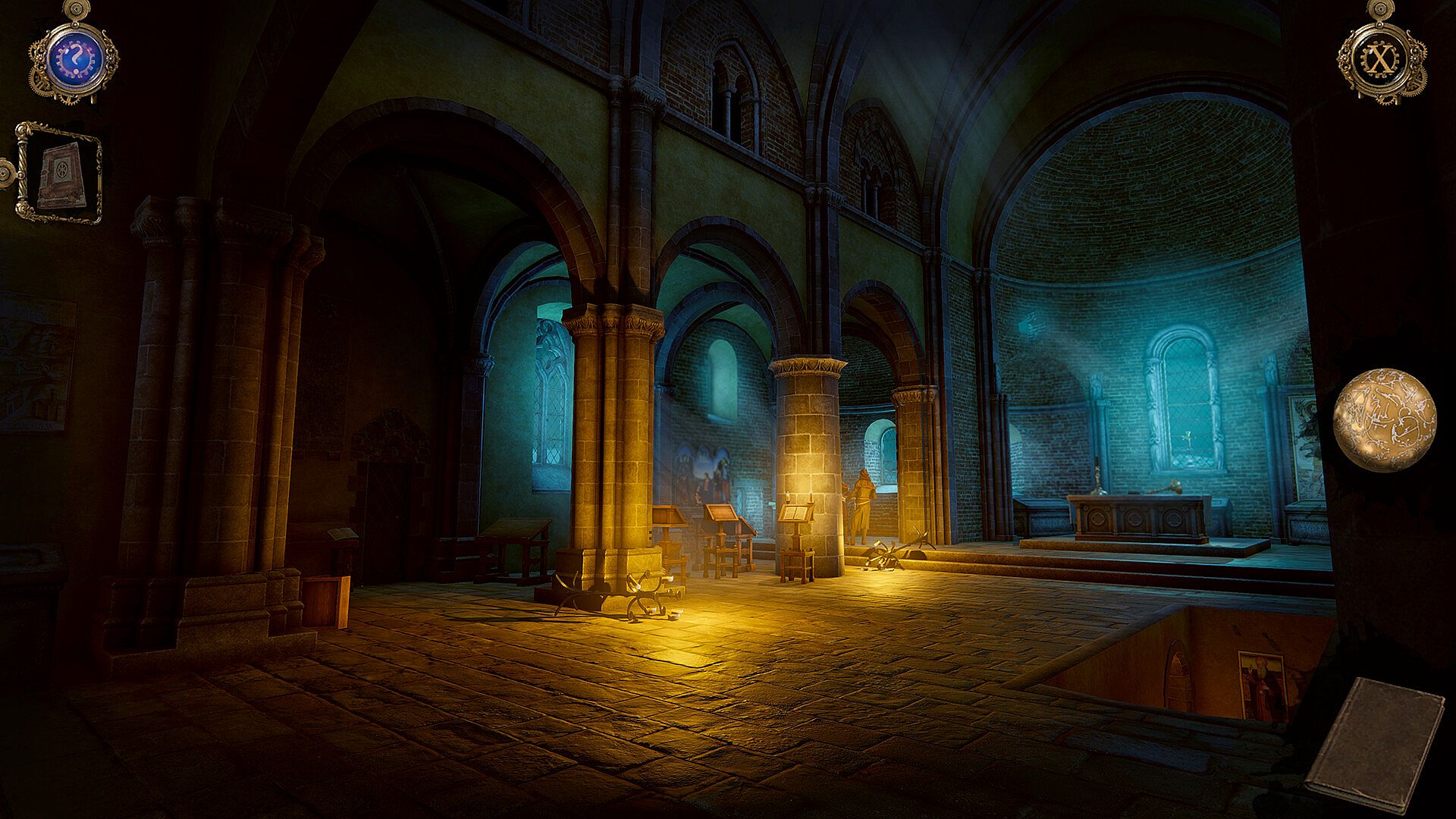
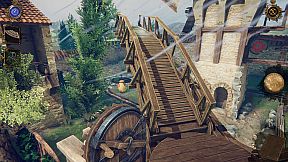
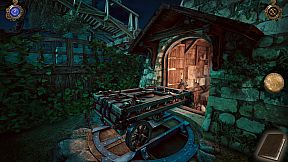
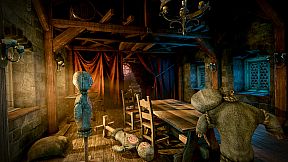
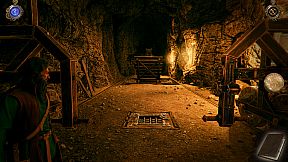
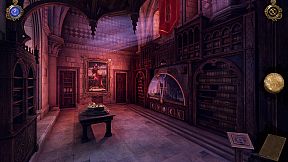
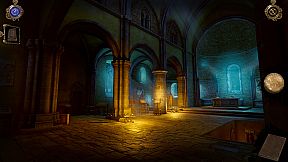
Exploration spans several distinct Renaissance-era sites in Italy along with other areas reached through the time-shifting mechanic. Each location features handcrafted details such as period architecture, intricate machinery, and layered environmental clues. Visuals emphasize realistic textures and lighting that highlight interactive elements, while the audio includes ambient sounds and character performances that support the historical atmosphere.
Is It Worth Playing?
Player feedback on Steam shows very positive overall reception, with 89 percent of more than 1,200 reviews rating the title favorably. Reviewers frequently note the variety in puzzle design and the satisfaction of using the time-alteration tool to progress. The game suits those who enjoy methodical, observation-based adventures without combat or time pressure. Recent player comments indicate continued interest from fans of the series, though some mention occasional difficulty spikes in later sections. Availability remains steady on PC with no announced end to support. Those drawn to escape-room style mechanics and historical fiction will find a complete, self-contained experience that delivers on its premise as the trilogy finale.