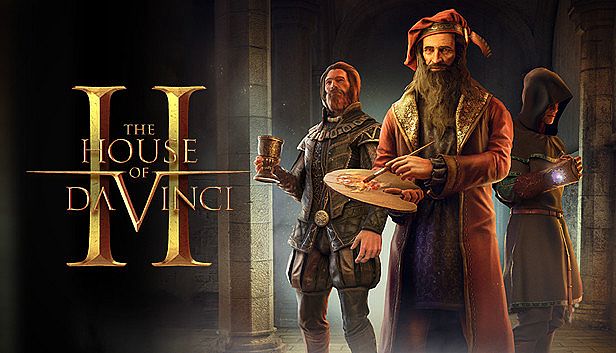















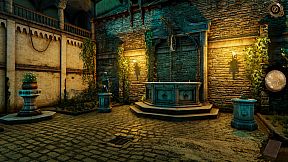
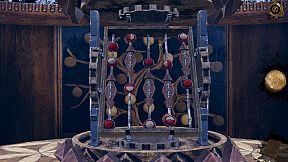
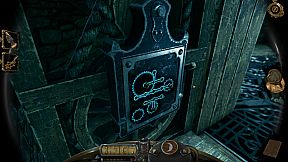
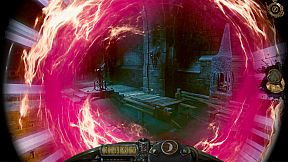
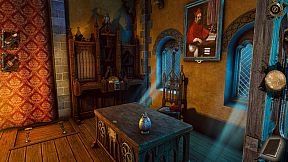
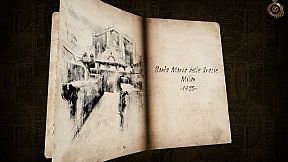
The House of Da Vinci 2 is a puzzle adventure game that places players in the role of an apprentice to Leonardo da Vinci. Developed as a single-player experience for PC, it combines strategy elements with exploration across detailed Renaissance settings. The core loop revolves around examining intricate objects, manipulating mechanisms, and using time manipulation to alter outcomes in the environment.
Gameplay
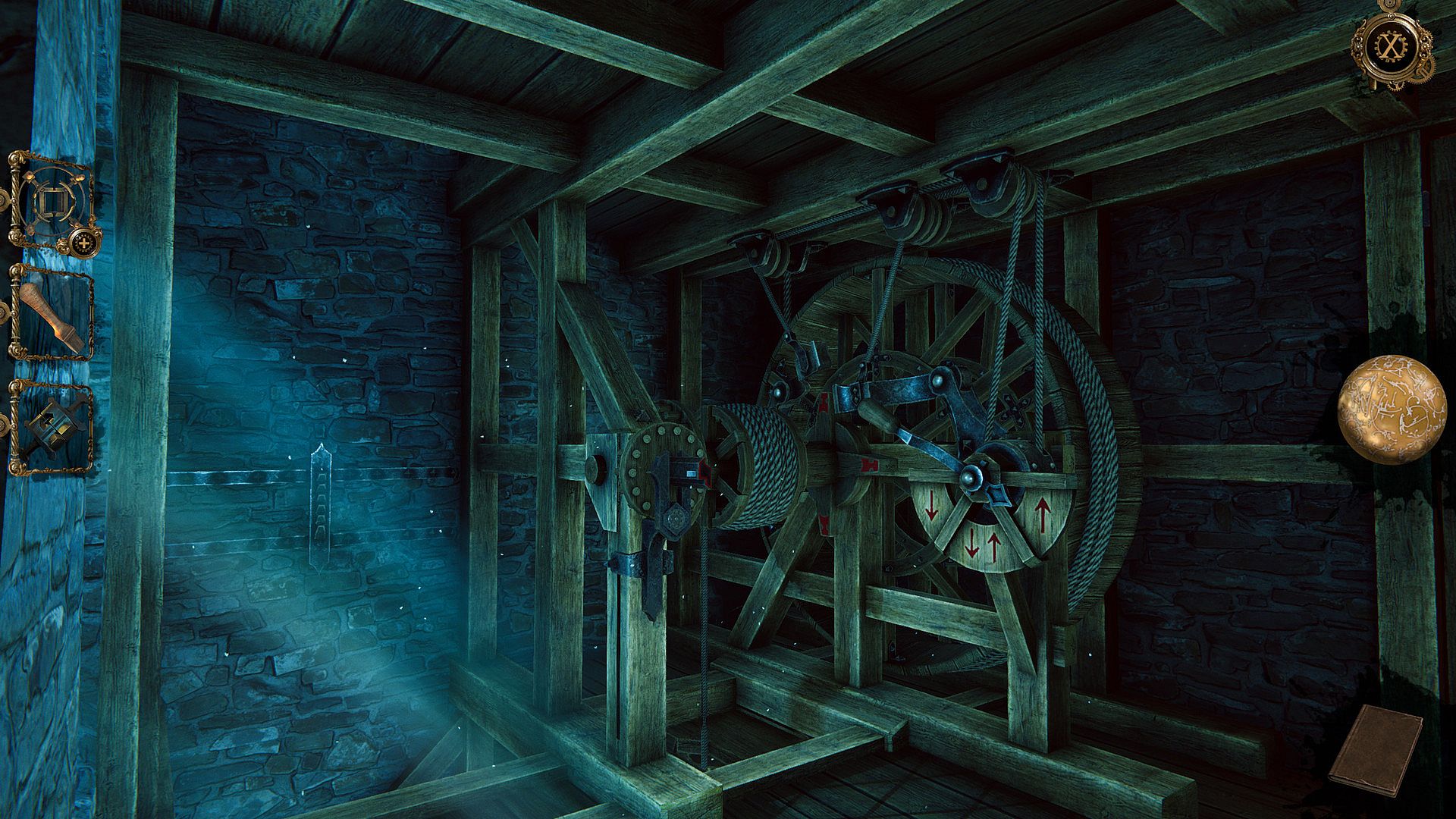
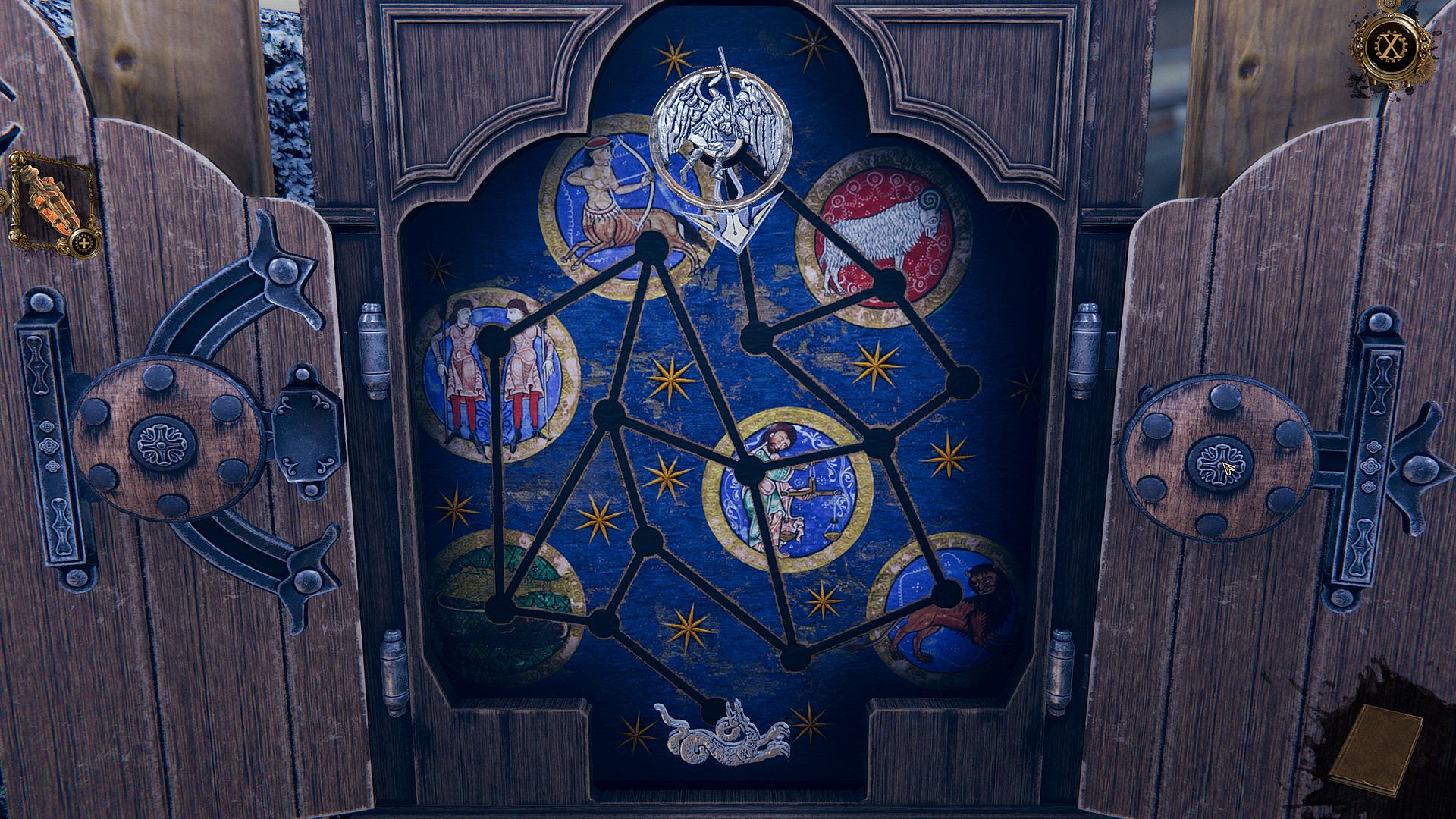
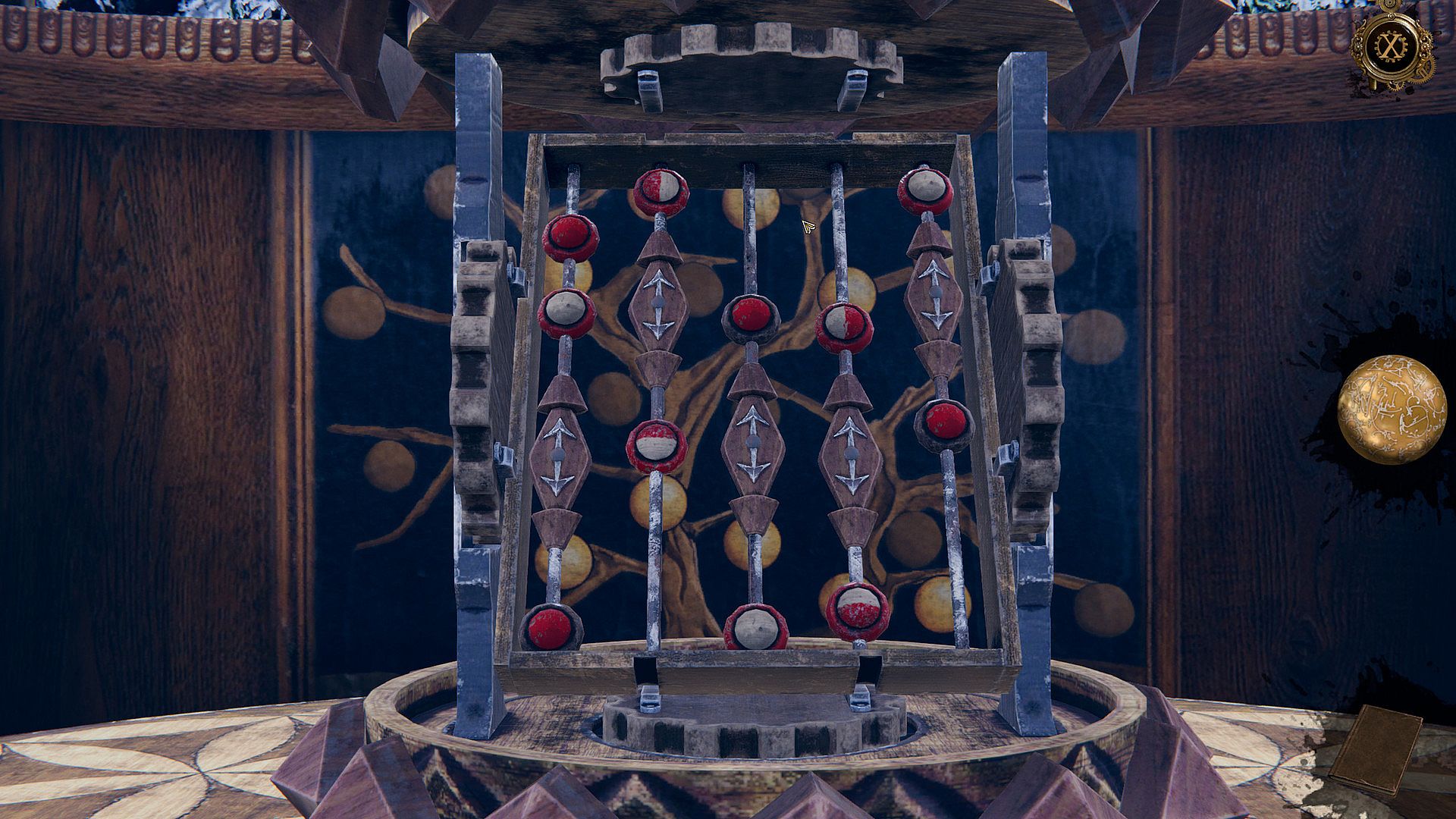
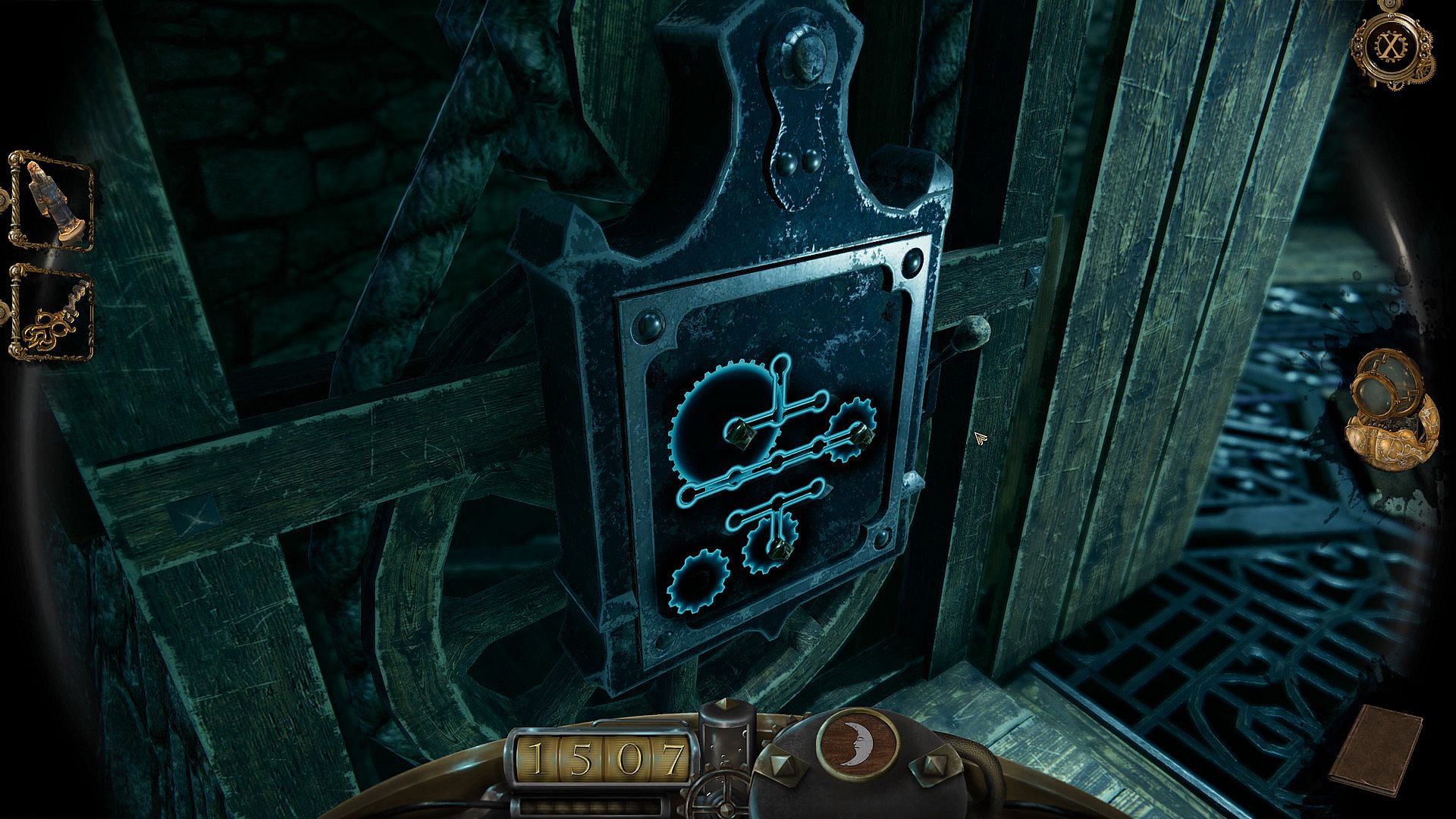
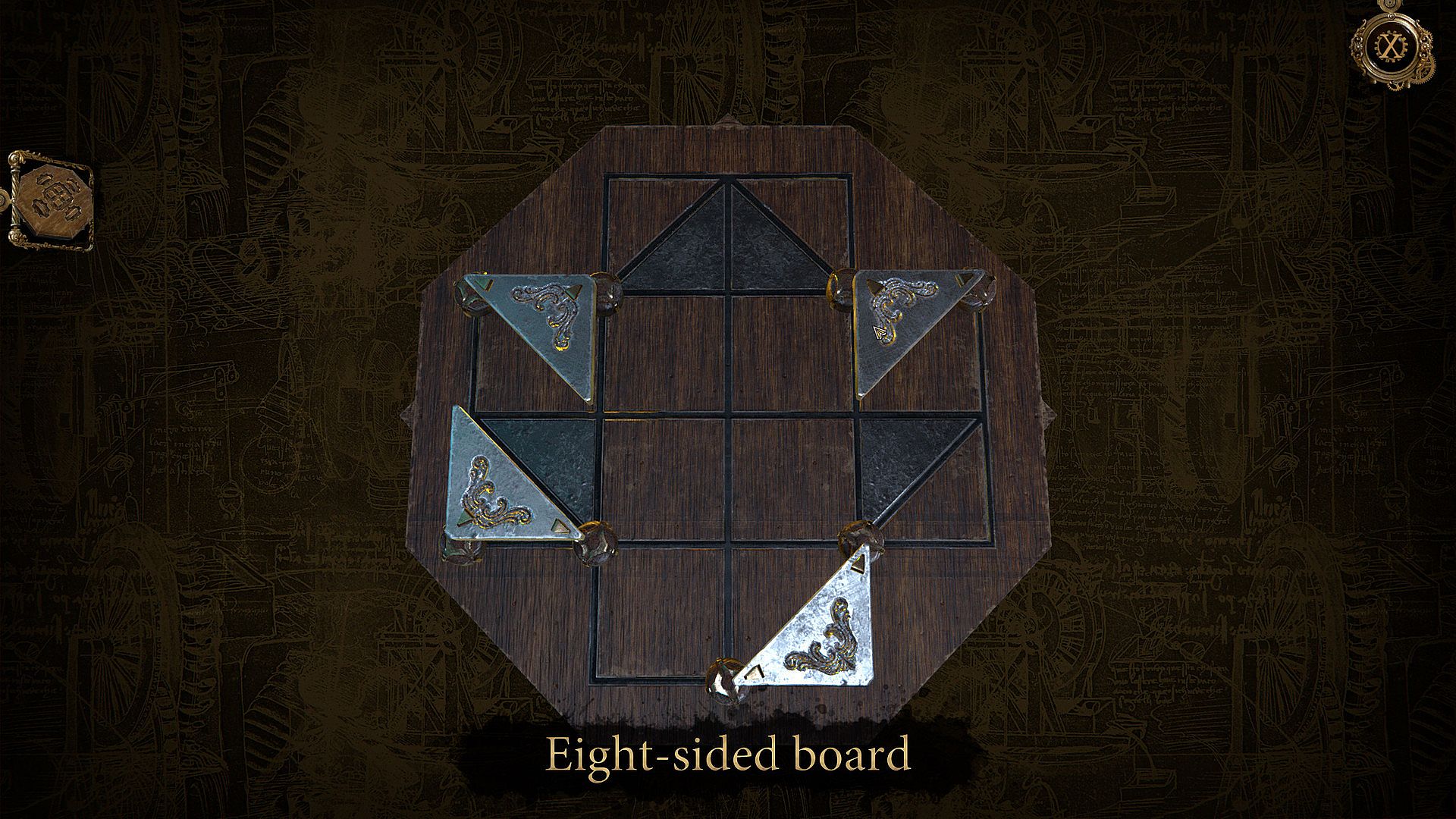
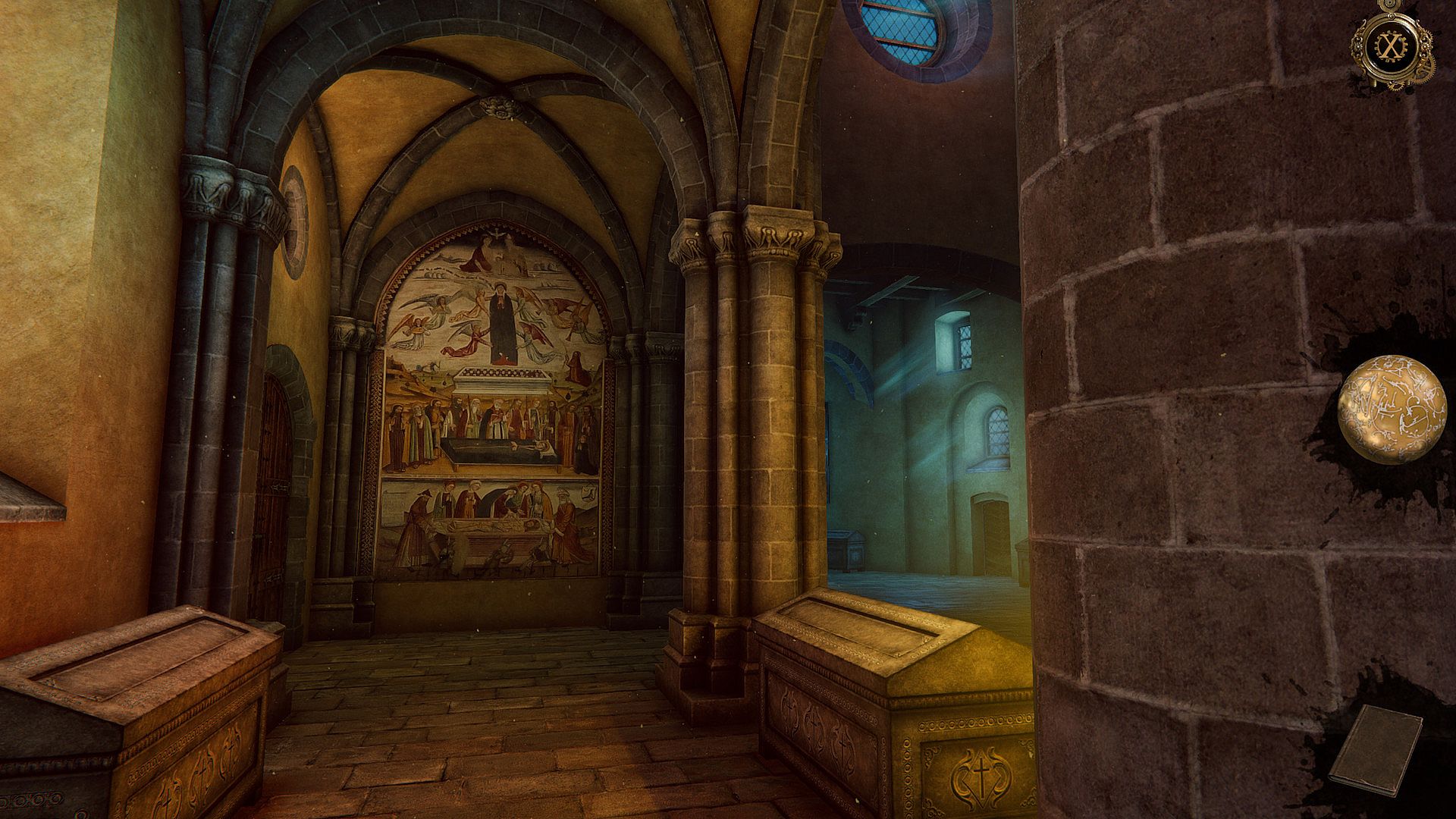
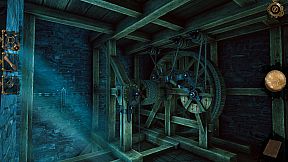
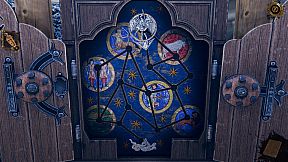
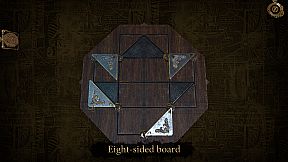
Players interact with hundreds of handcrafted mechanical 3D puzzles that require careful observation and logical manipulation of gears, levers, and hidden components. These brain-twisters appear throughout locations inspired by the Italian Renaissance, where every item serves a purpose in advancing the narrative or uncovering concealed elements. The redesigned controls allow for precise navigation and intuitive object handling, making interactions feel responsive during extended sessions.
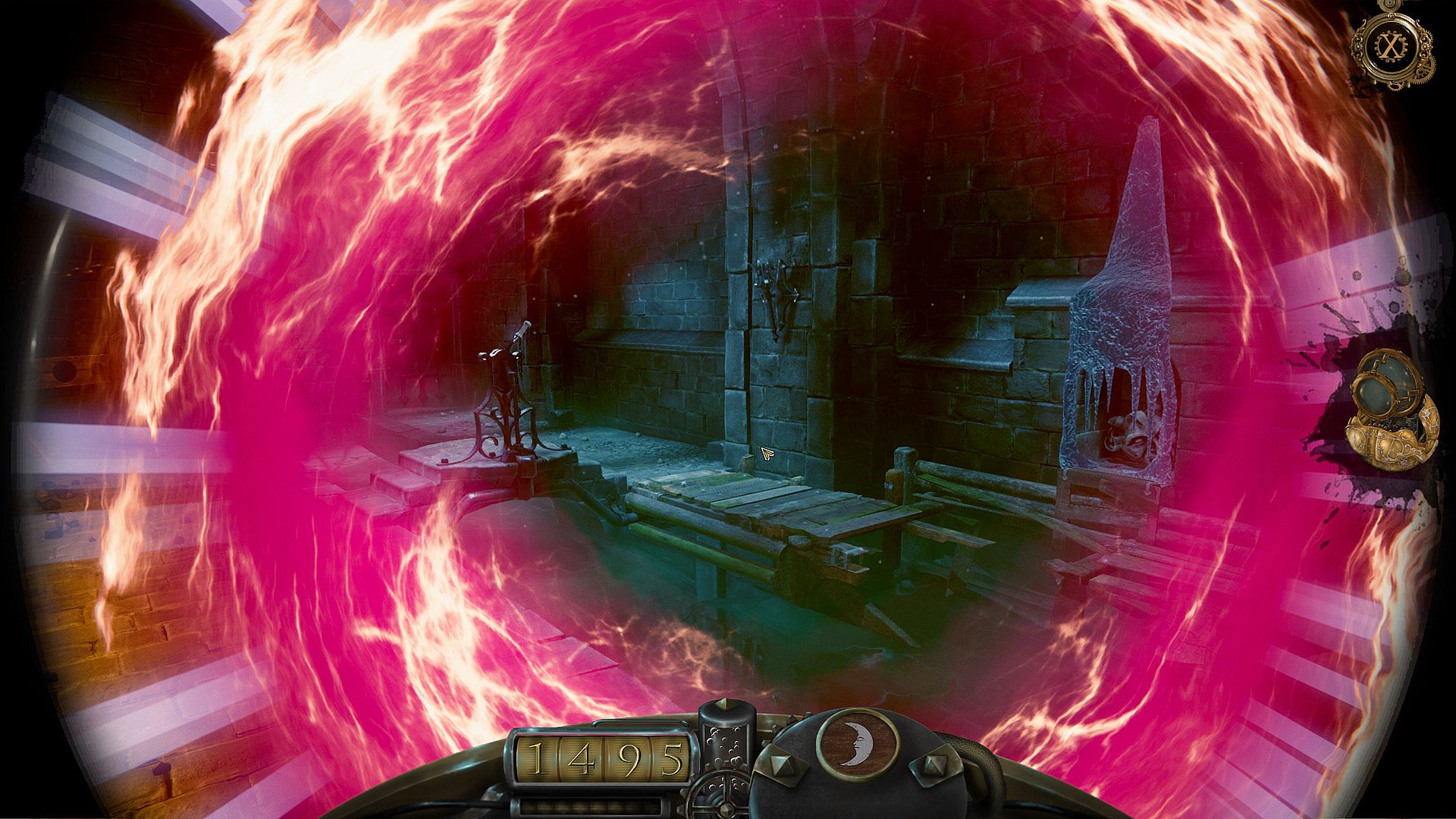
A standout mechanic involves the Oculus Perpetua device, which enables time travel to revisit past moments. This tool reveals hidden objects or secrets while also allowing changes that carry forward and reshape the present state of the surroundings. Puzzles often integrate this feature, requiring players to alternate between timelines to solve mechanical challenges or progress through environments.
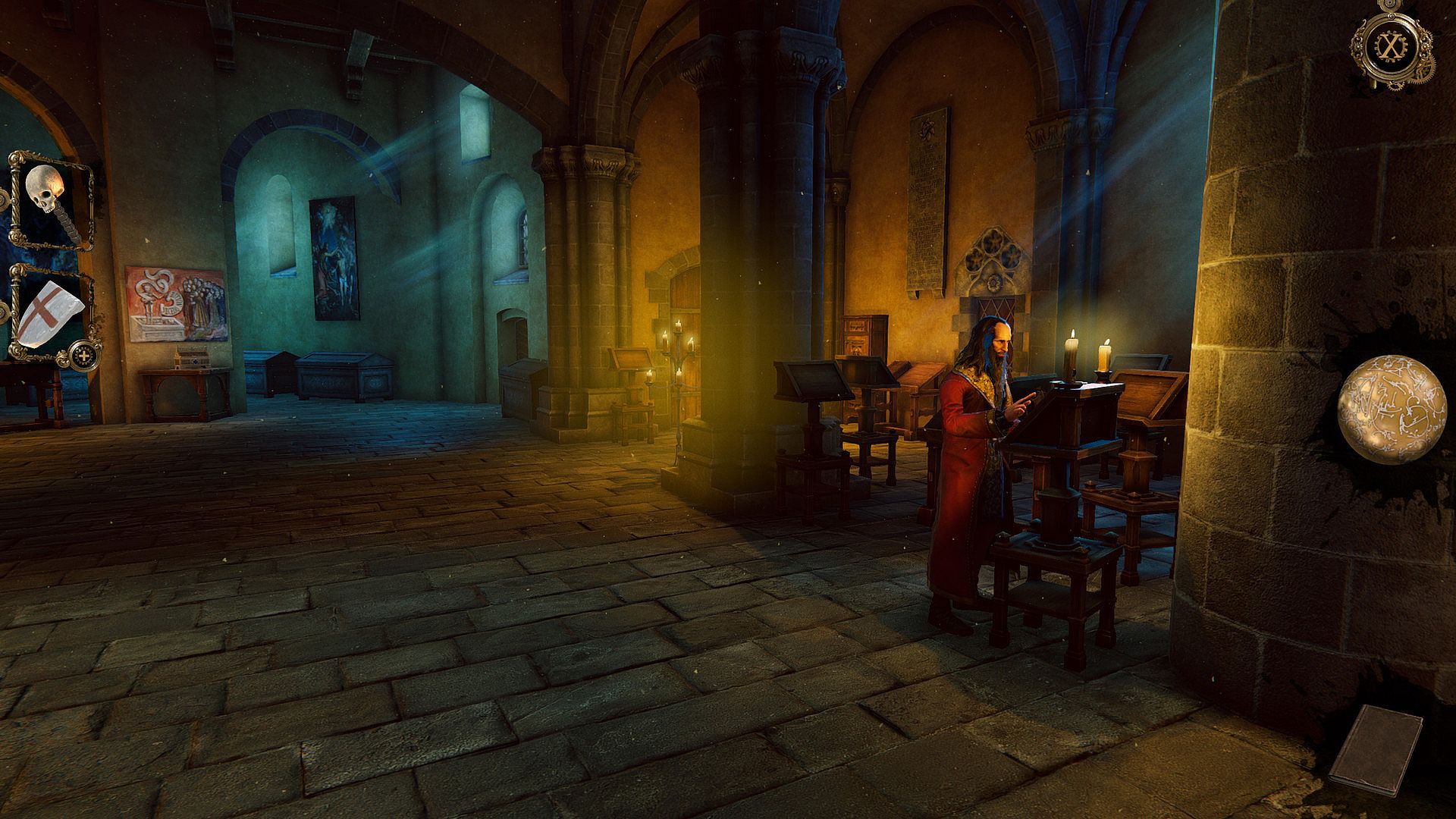
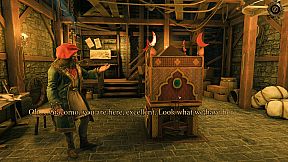
The experience emphasizes careful examination of surroundings rather than combat or resource management. Voice narration guides the story throughout, providing context for each discovery and heightening the sense of involvement in da Vinci's world.
Game Modes
The game operates as a linear single-player campaign with no separate multiplayer options or competitive modes. Progression follows the main story sequence, where puzzle solutions unlock new areas and advance the plot. Achievements track completion milestones and specific puzzle accomplishments, encouraging thorough exploration of each location.
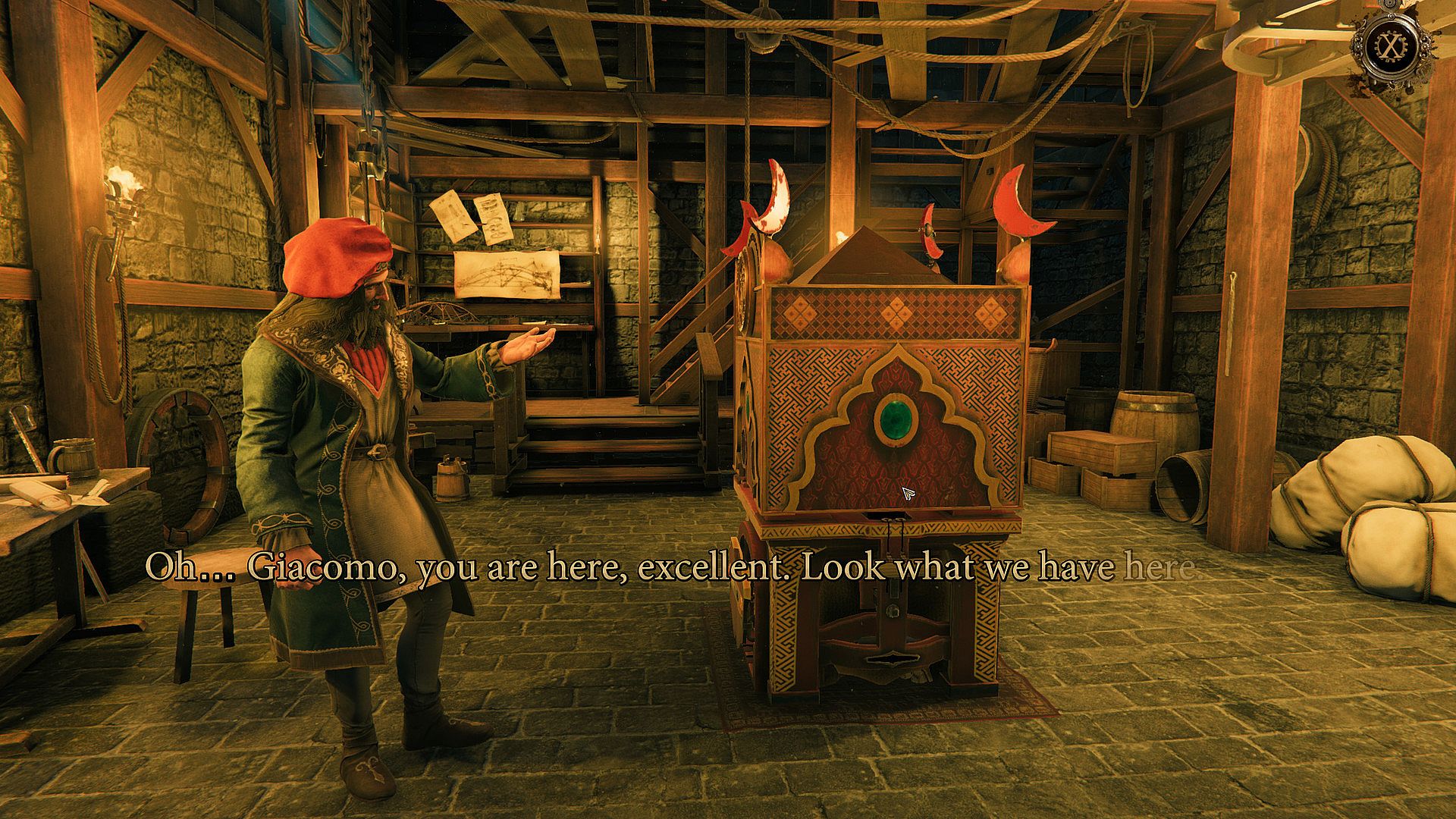
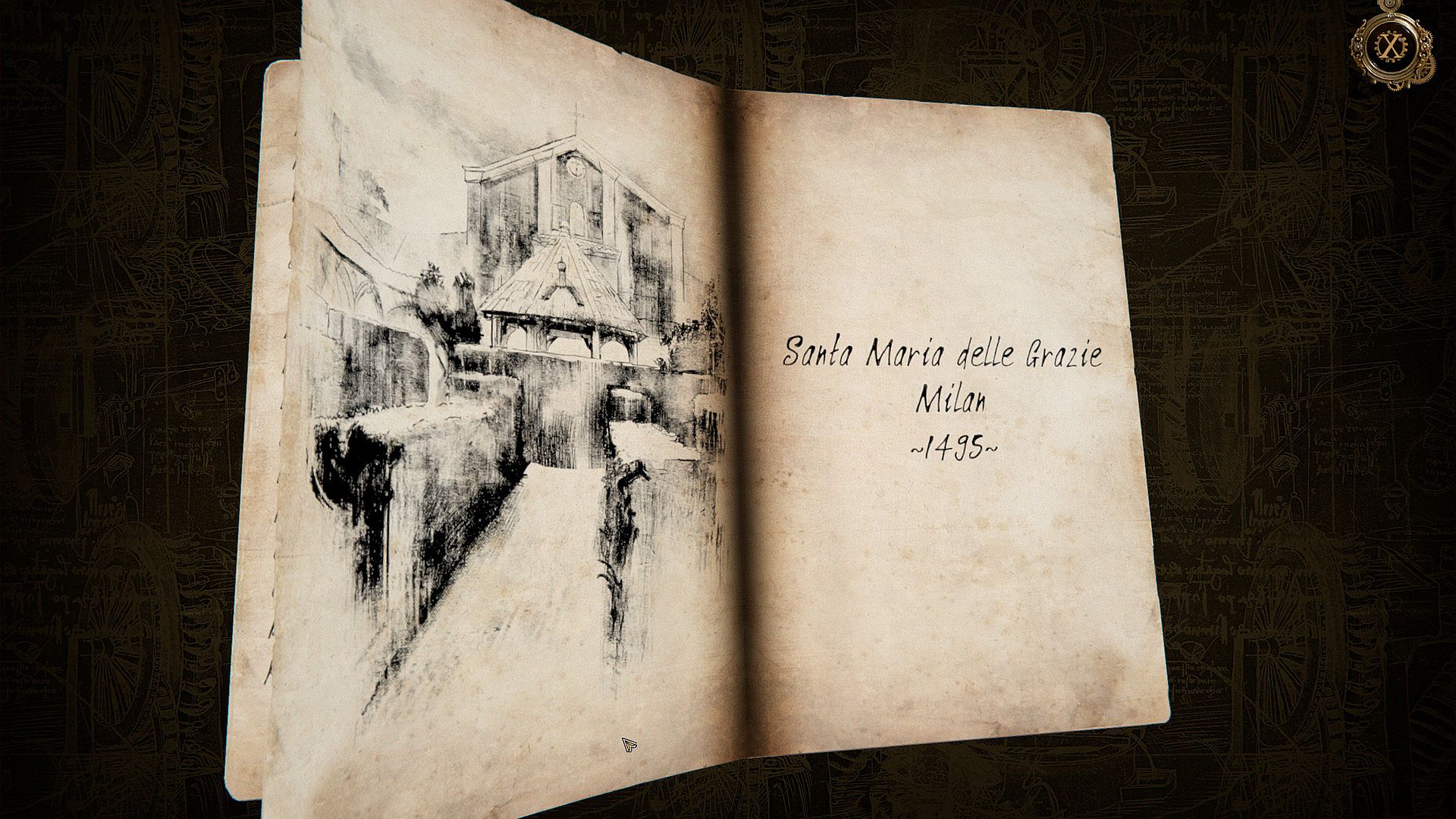
Players move through a series of interconnected scenes without branching paths or alternative difficulty settings. The focus remains on sequential puzzle resolution and narrative delivery, with cut scenes providing visual breaks and key story moments, including depictions of historical creations like The Last Supper.
Story and Presentation
The narrative follows the apprentice's journey alongside Leonardo da Vinci, blending mystery and historical intrigue. Fully voiced narration delivers the entire tale, allowing focus on puzzle work while the story unfolds naturally. Cut scenes add cinematic weight, illustrating pivotal events and inventions from the Renaissance period.
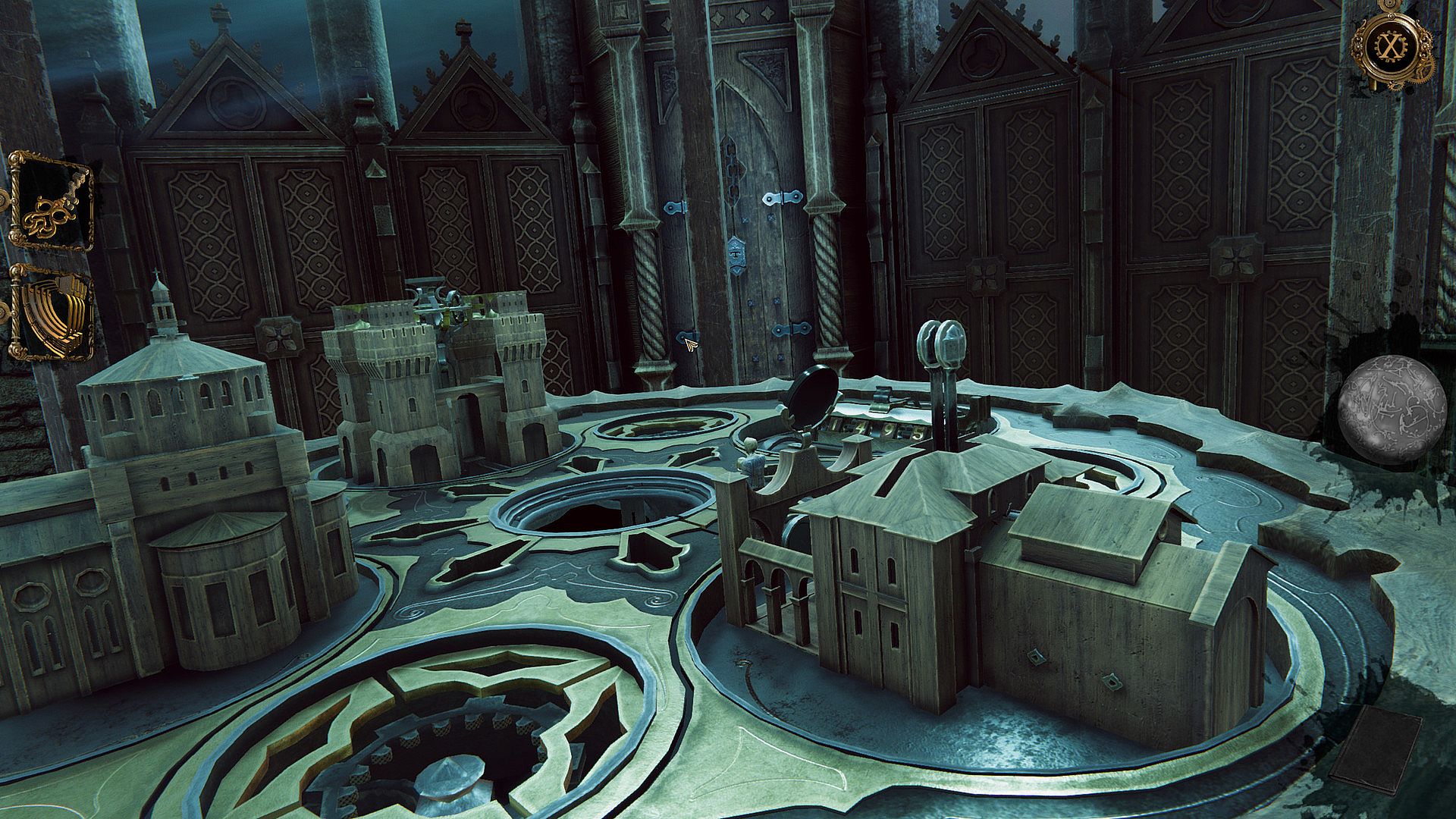
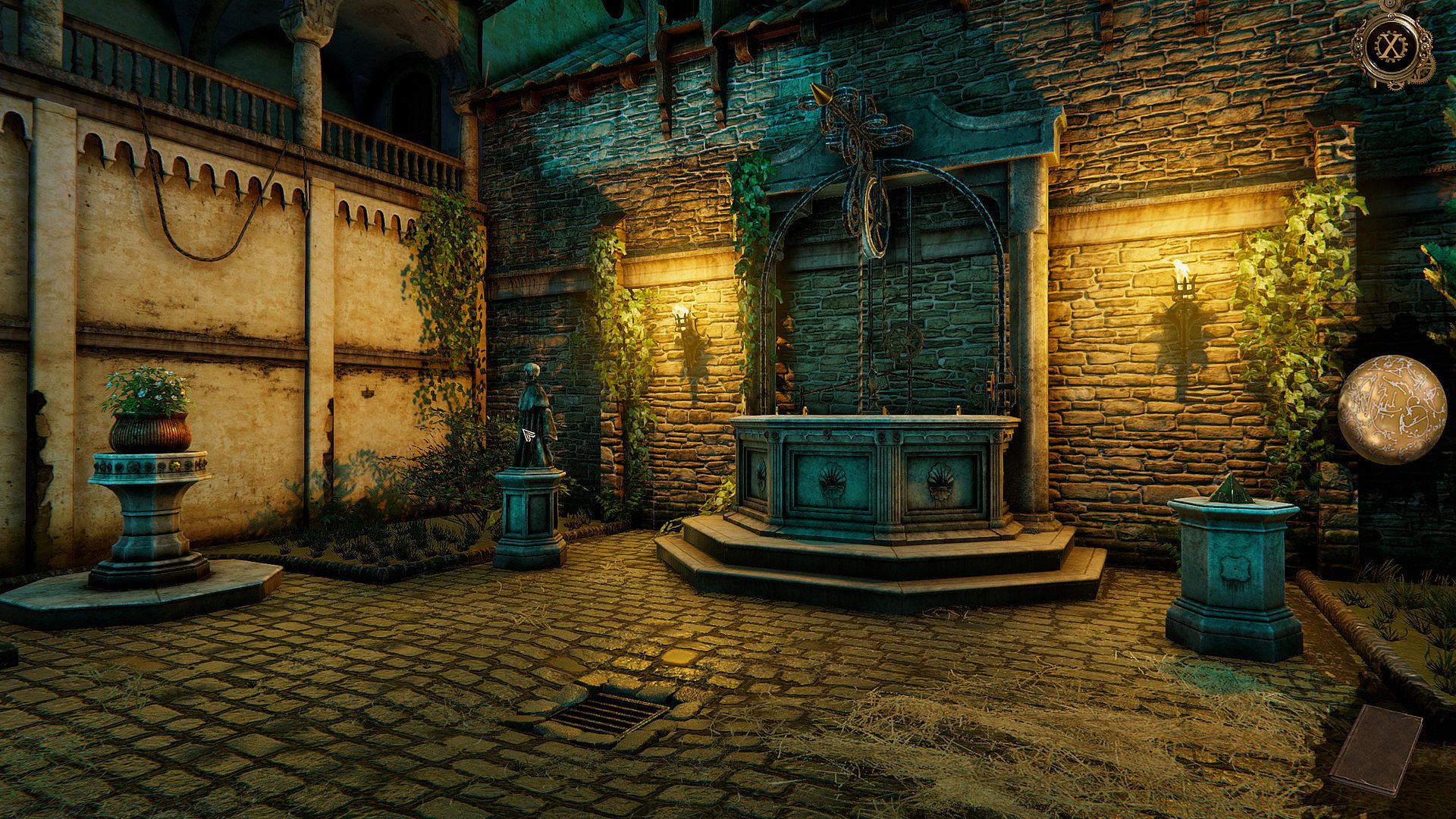
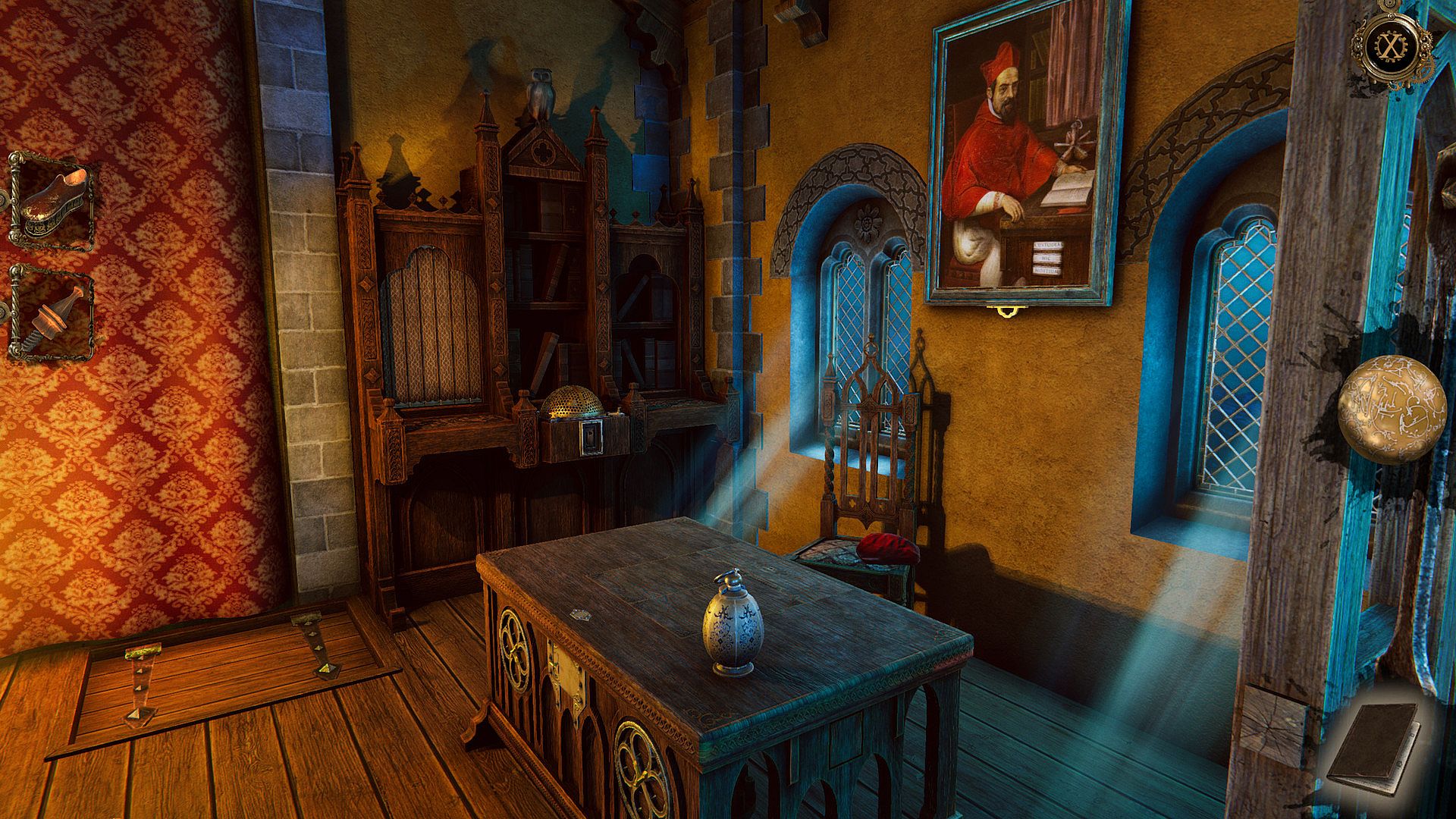
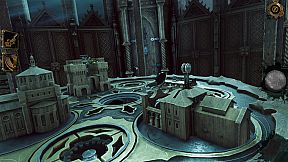
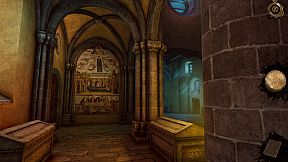
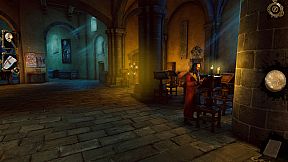
Environments feature detailed architecture and artifacts that reward close inspection. The combination of mechanical puzzle design and time-based alterations creates a consistent loop of discovery and adjustment, supported by optimized controls that suit extended play on PC.
Is It Worth Playing?
Player feedback on the PC version has remained consistently positive, with the majority of reviews highlighting the quality of the mechanical puzzles and the integration of time travel elements. The game suits those who enjoy deliberate, object-focused puzzle adventures without action or multiplayer components.
Its self-contained structure makes it ideal for solo sessions where the emphasis lies on logical thinking and atmospheric exploration. Recent player comments continue to note the satisfying progression and the pleasure derived from unraveling each new mechanism. For anyone drawn to strategy-infused indie adventures centered on historical themes and inventive puzzles, the title delivers a focused and rewarding experience.