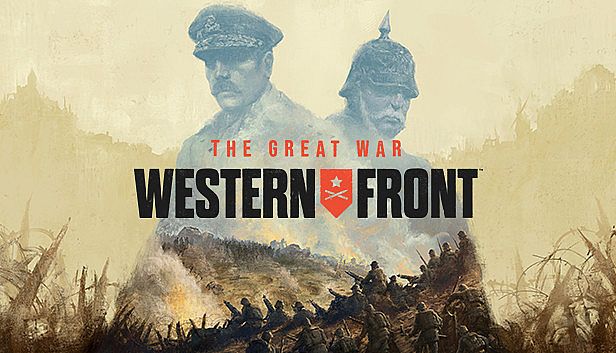






















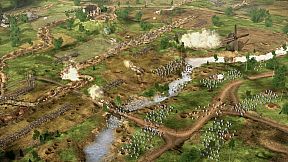
The Great War: Western Front is a strategy game set during World War I that combines turn-based grand strategy with real-time tactical battles on the Western Front between 1914 and 1919. Players direct armies for either the Allied Nations or the Central Powers, balancing high-level resource allocation and research with direct command of units in combat.
Gameplay
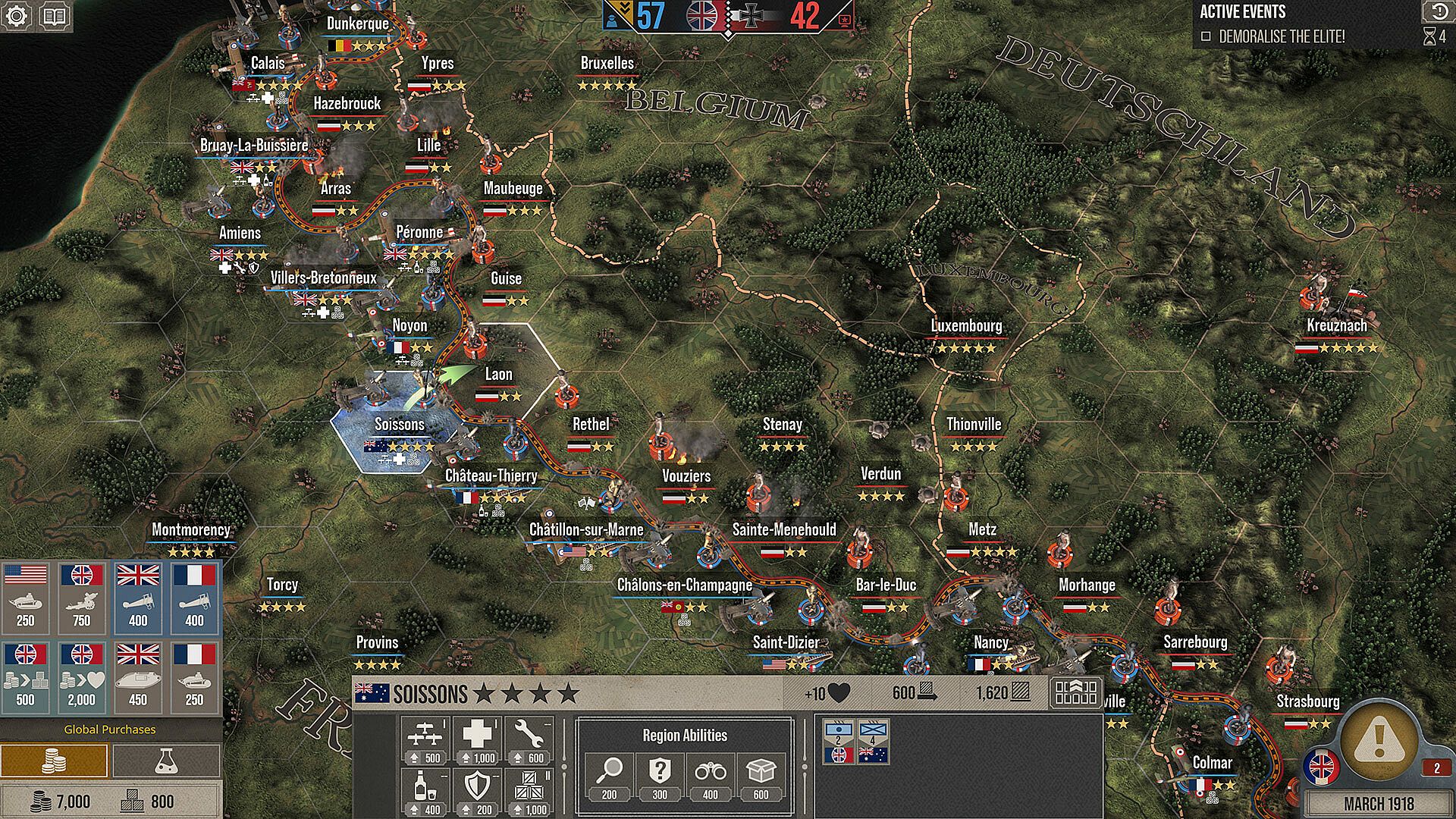
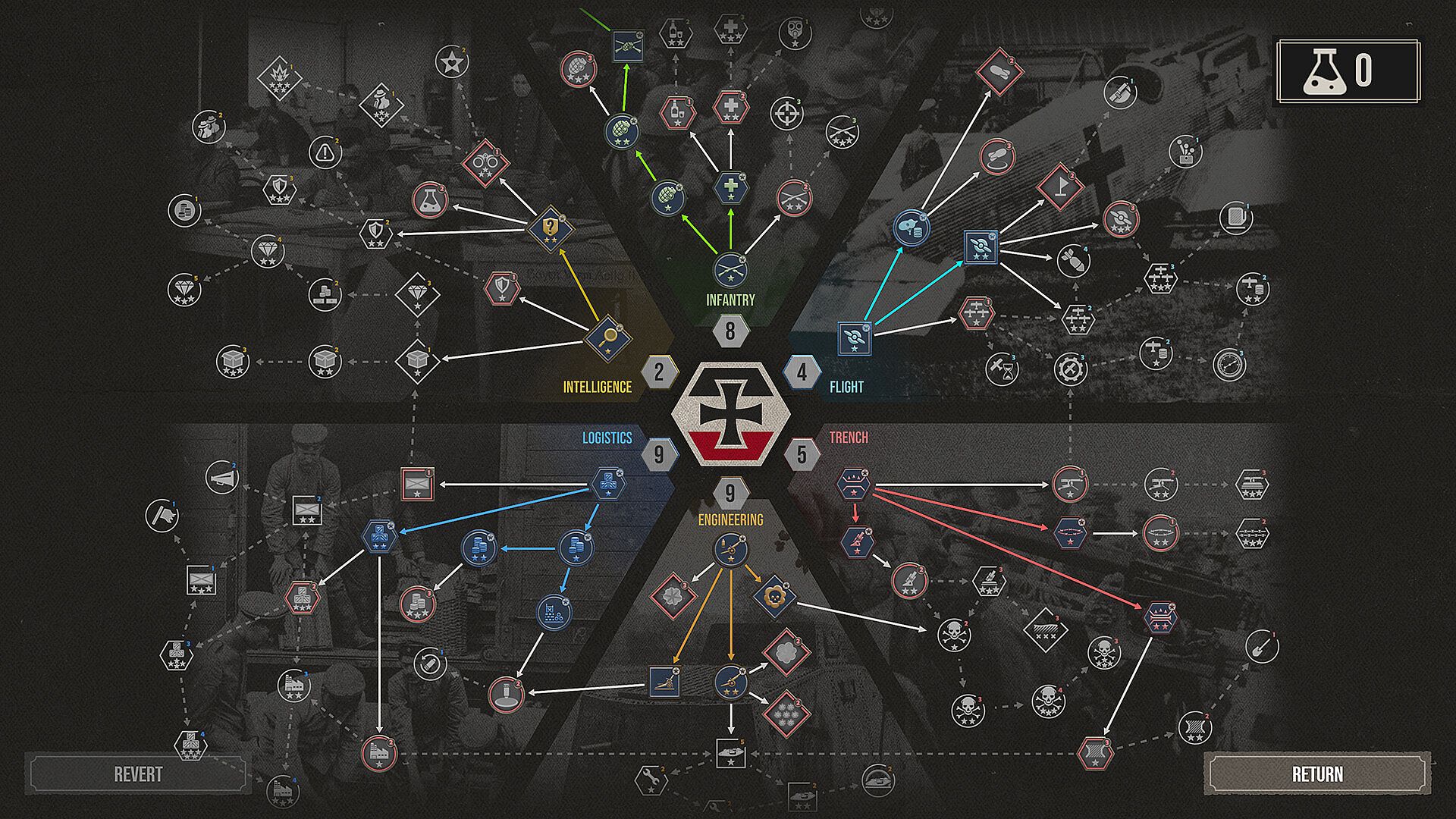
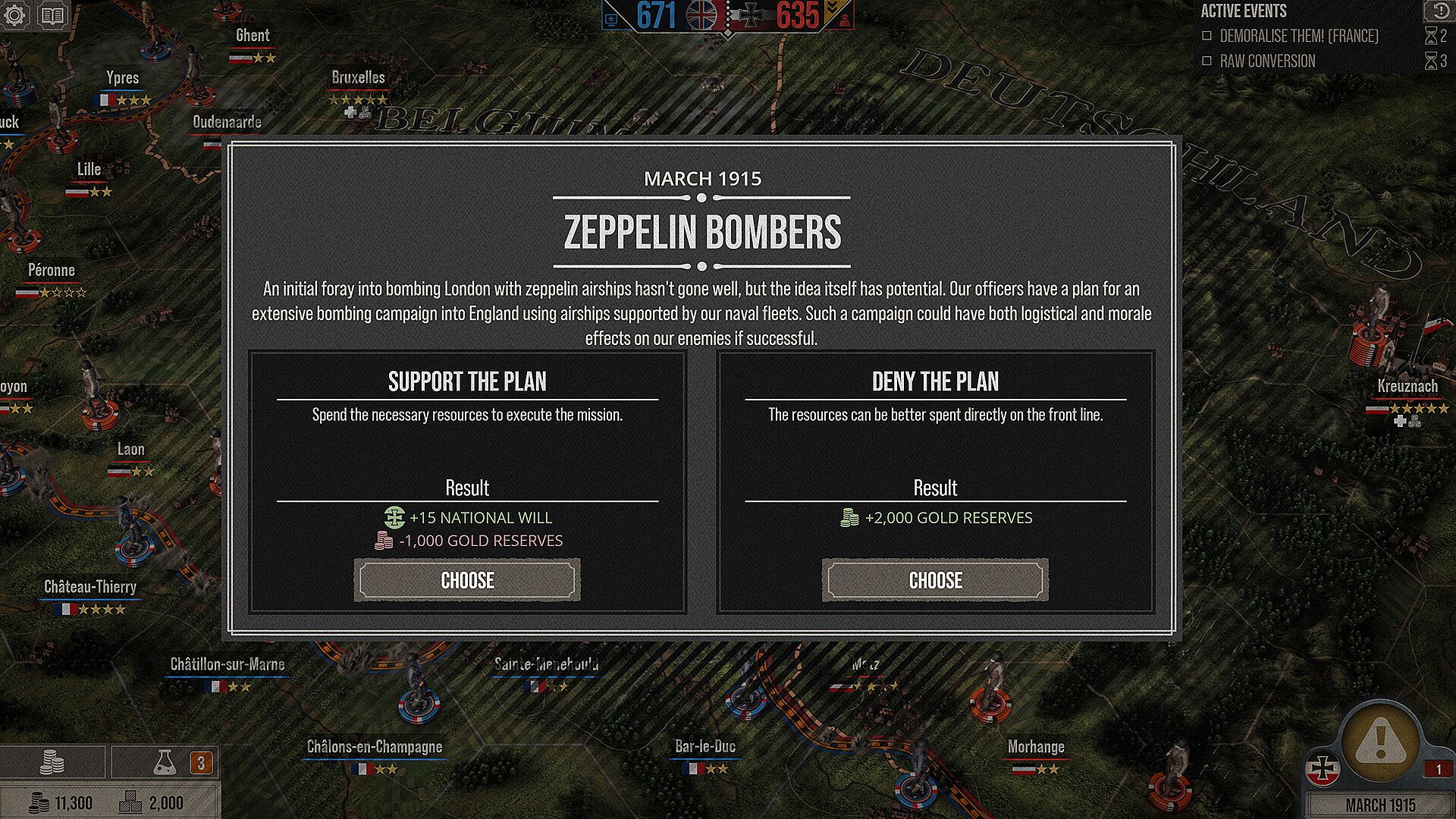
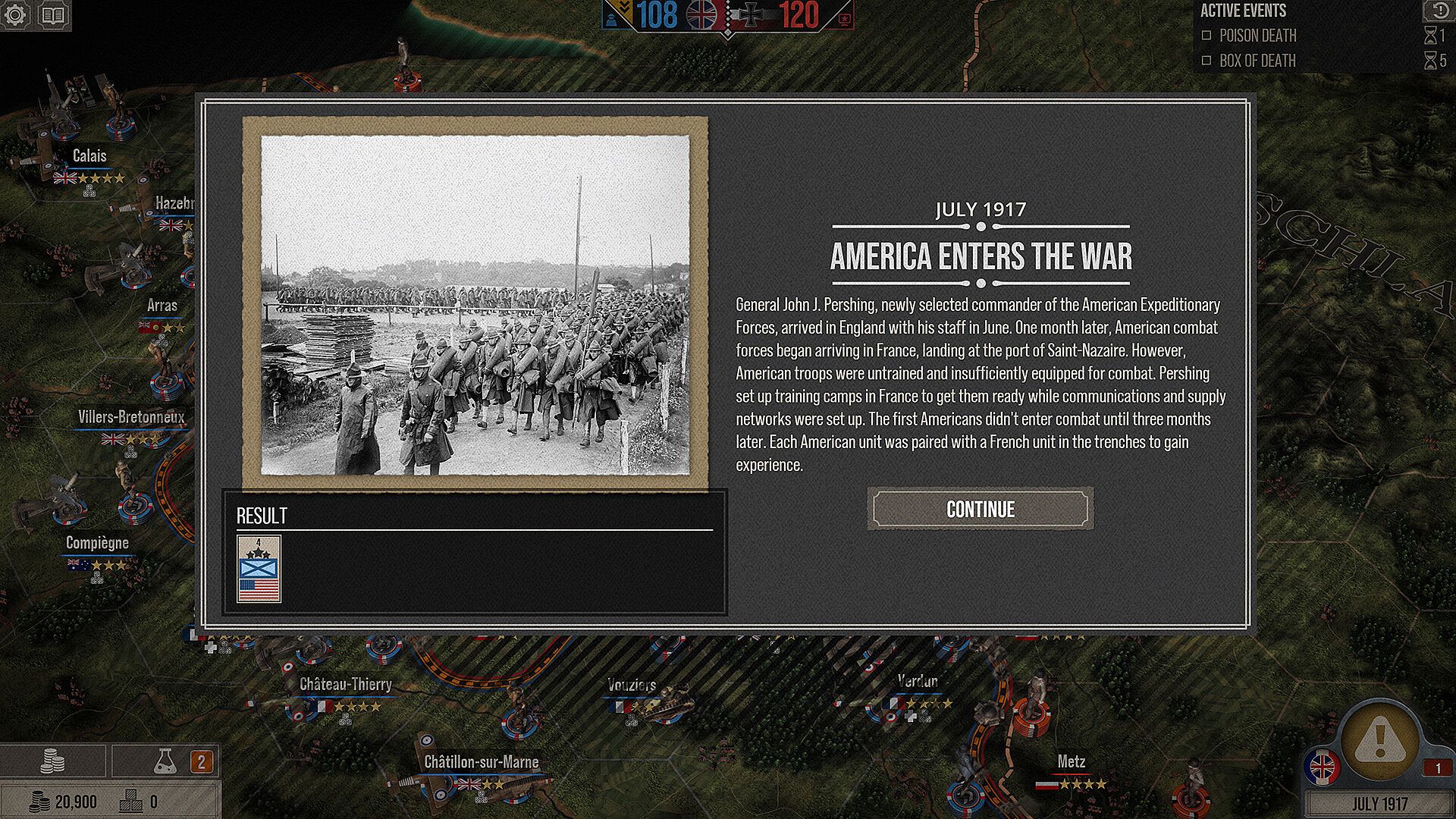
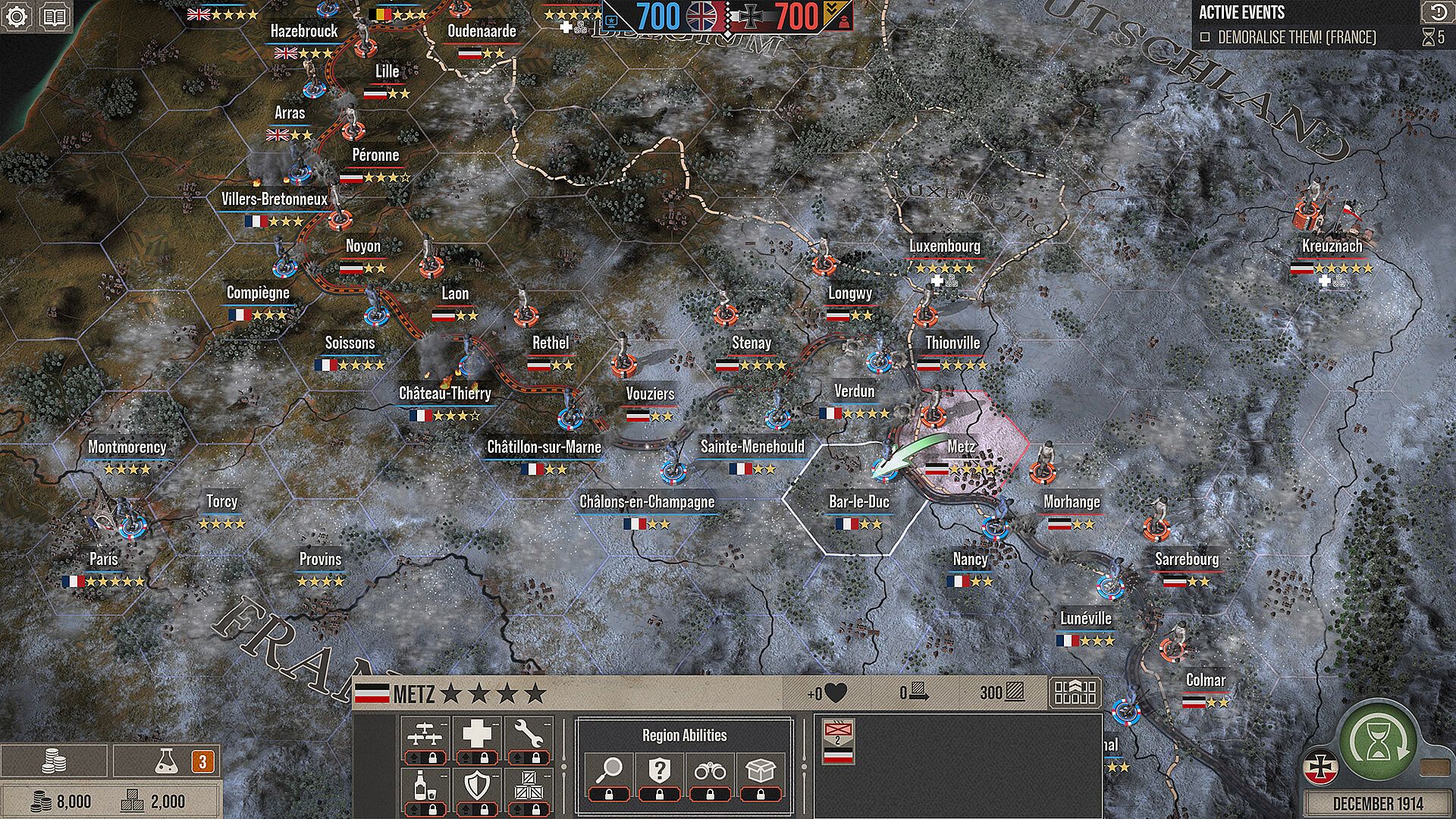
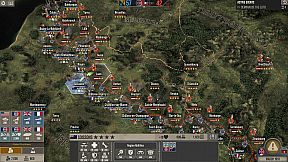
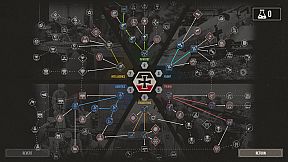
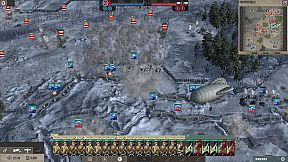
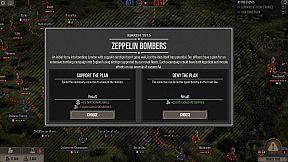
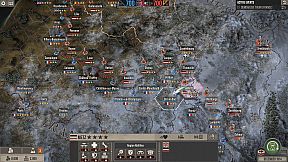
Core gameplay splits between two commander roles. As Theatre Commander, decisions unfold on a turn-based map where forces deploy across sectors, research advances along a tech tree that unlocks items such as poison gas and tanks, and resources spread to support the overall front. Progress occurs inch by inch, with each captured location carrying star ratings that demand repeated victories to secure.
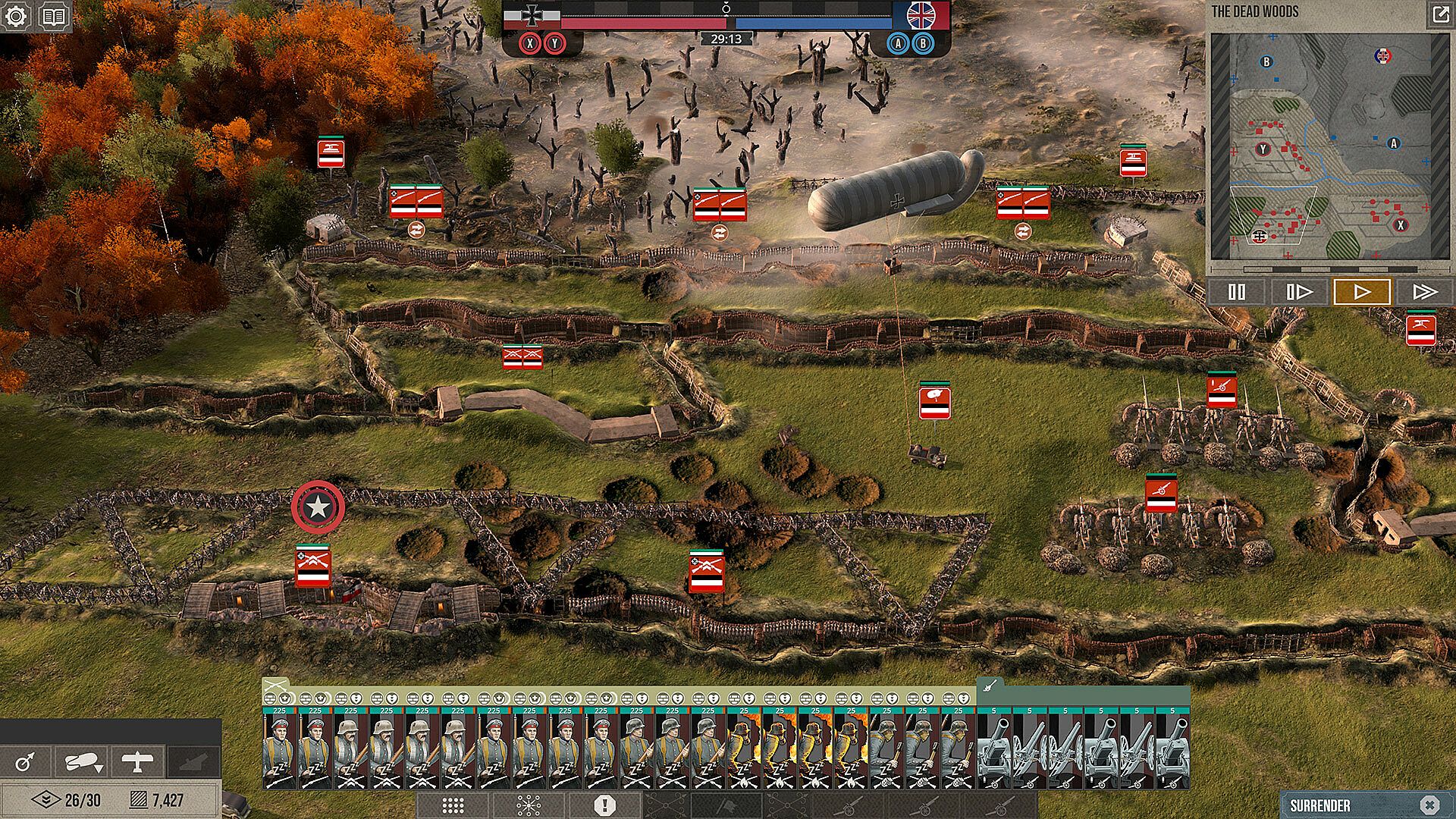
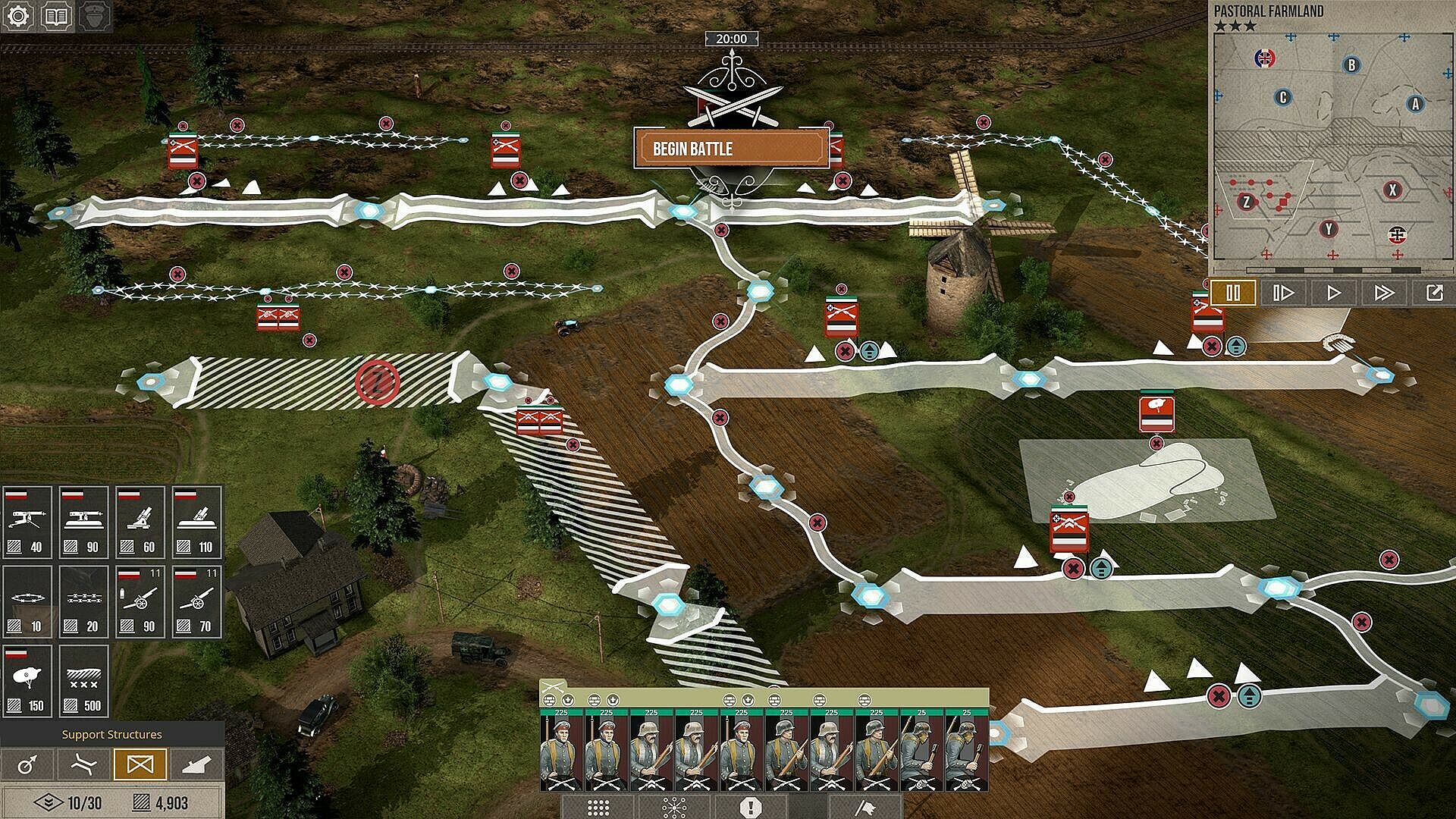
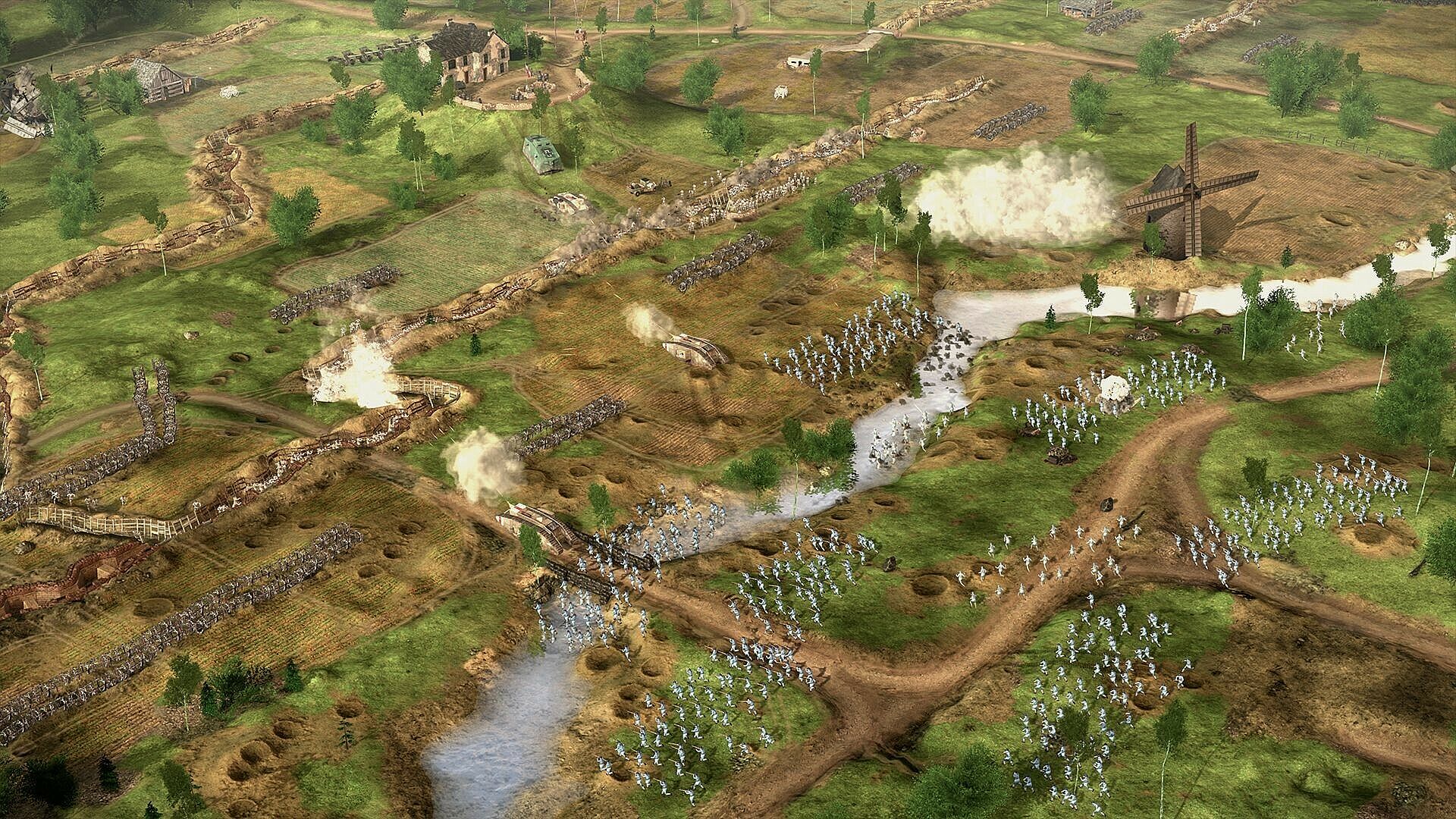
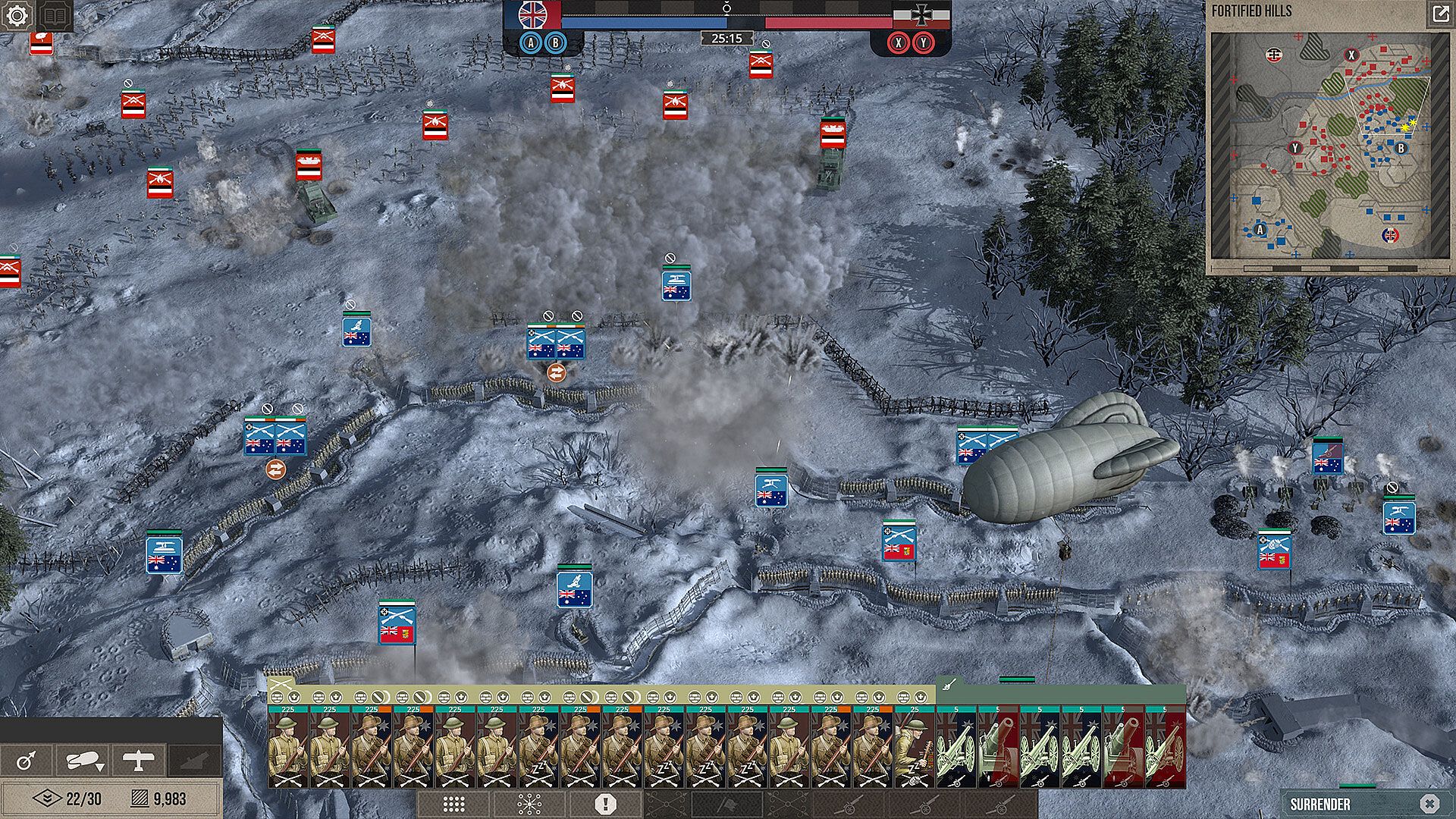
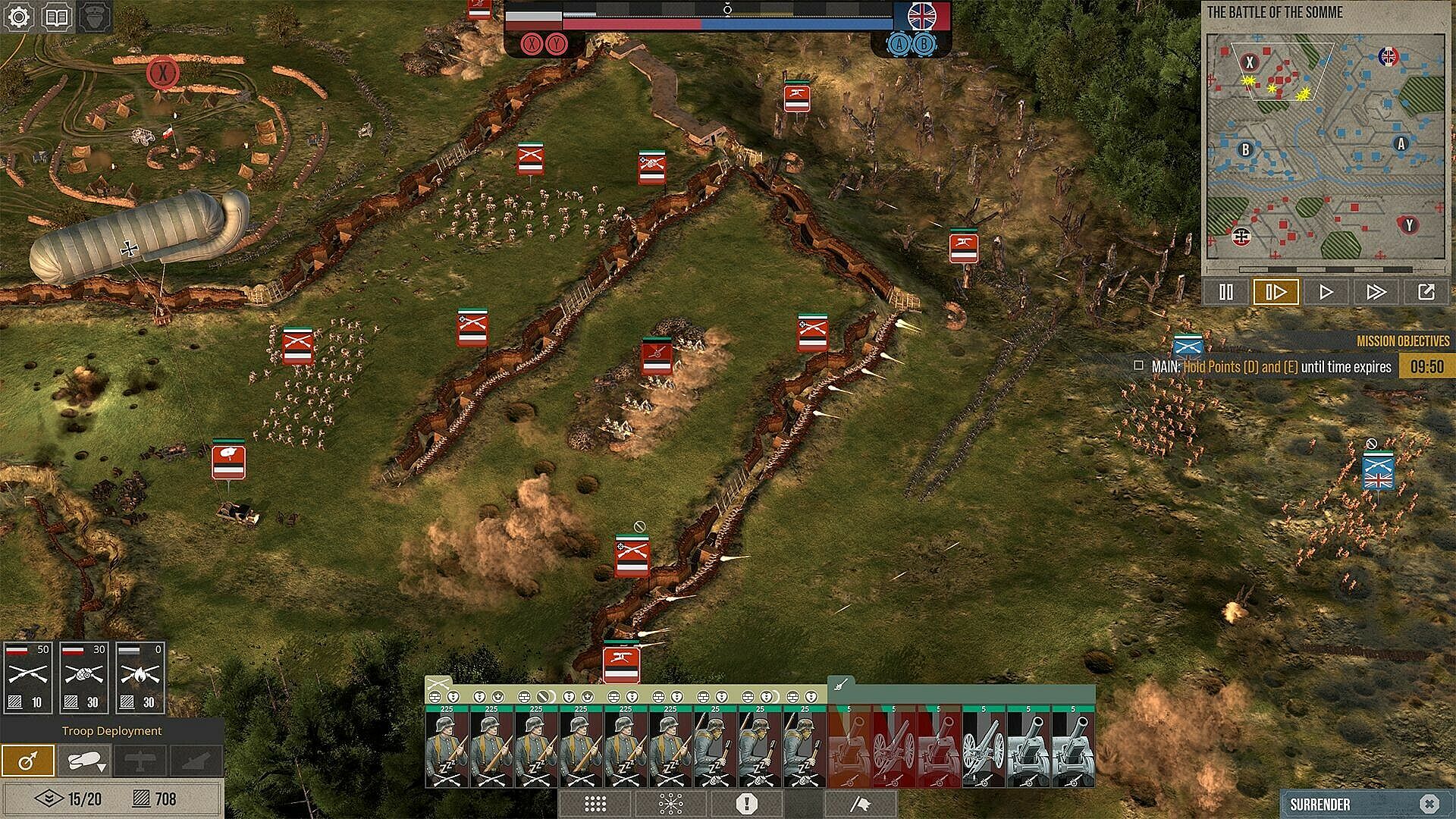
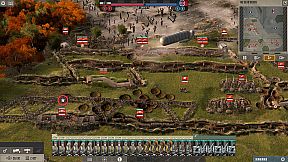
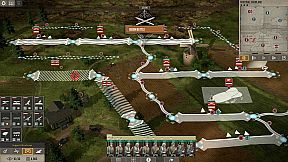
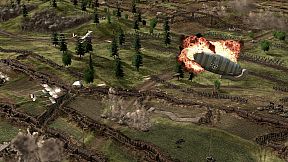
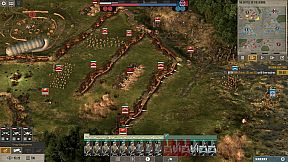
As Field Commander, real-time battles require positioning infantry, artillery, and armor while constructing trench networks on the fly. Infantry assaults push forward under fire, and unit abilities reflect period equipment. Persistent changes mark the landscape: craters from explosives and established trenches remain when players return to the same ground later in the campaign.
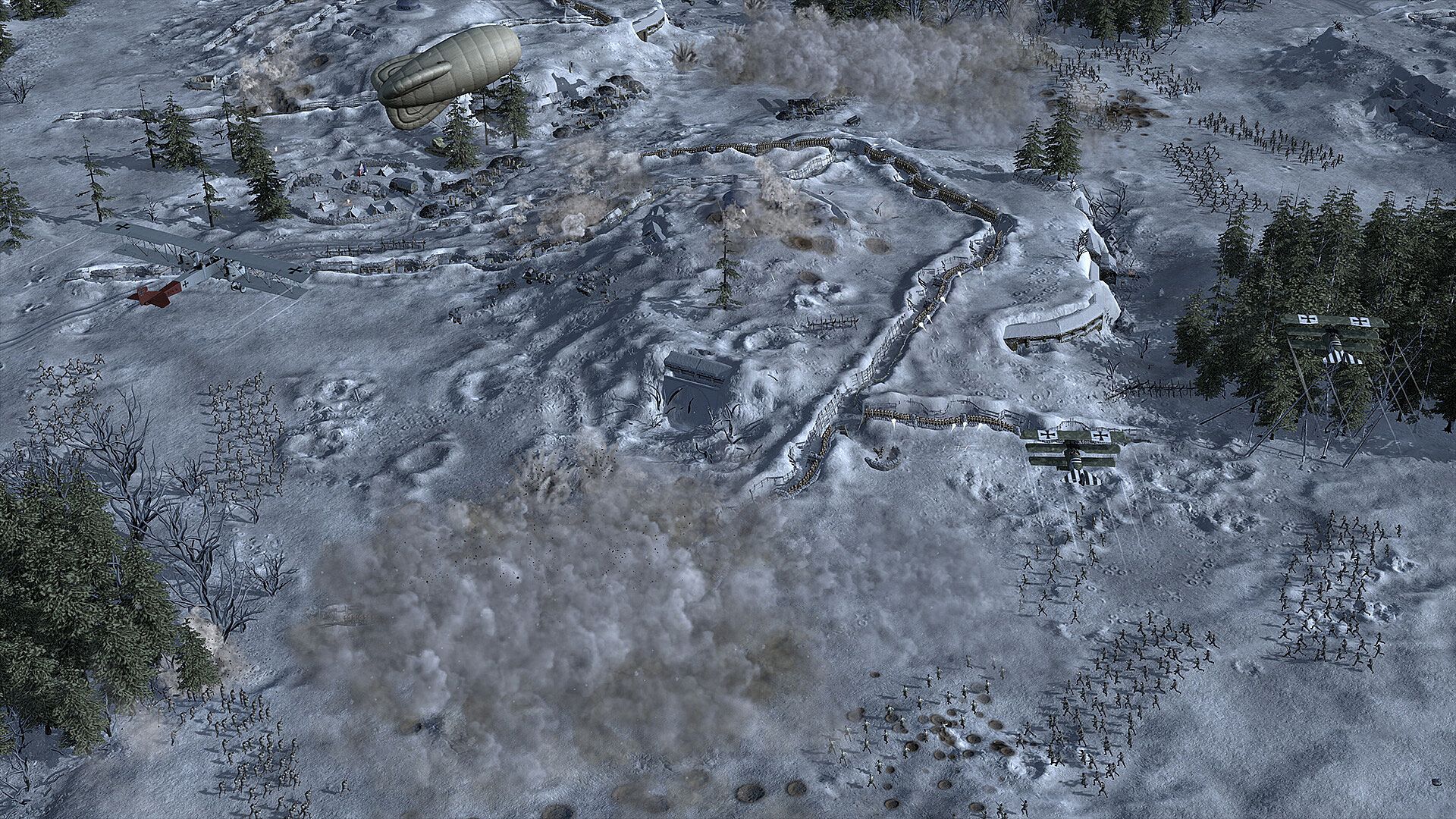
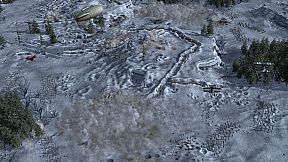
Weather shifts with the seasons, bringing rain that slows movement and snow that alters artillery accuracy. These conditions force adjustments in timing and composition of attacks. Both factions receive distinct unit options and play styles, with the Allies featuring specialized troops and the Central Powers emphasizing numbers and logistics through their research path.
Game Modes
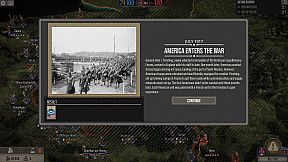
Four modes support different play styles. The Campaign follows the full war effort from 1914 onward, requiring players to manage both theatre-level strategy and field battles across multiple years. Historical Battles recreate specific engagements with fixed objectives and pre-existing battlefield conditions.
Skirmish allows custom setups where players select units, locations, and starting trench layouts to test isolated scenarios. Multiplayer pits commanders against each other in head-to-head real-time matches drawn from the same tactical systems.
Each mode draws from the same underlying mechanics of trench construction, tech progression, and persistent map effects, so choices made in one session carry logical consequences into others when the same terrain reappears.
Strategic Depth and Historical Detail
Research choices determine when new weapons enter service, letting players accelerate historical timelines or introduce alternatives that reshape later battles. The same battlefield revisited months later shows cumulative damage, turning earlier defensive lines into obstacles or advantages depending on the current front line.
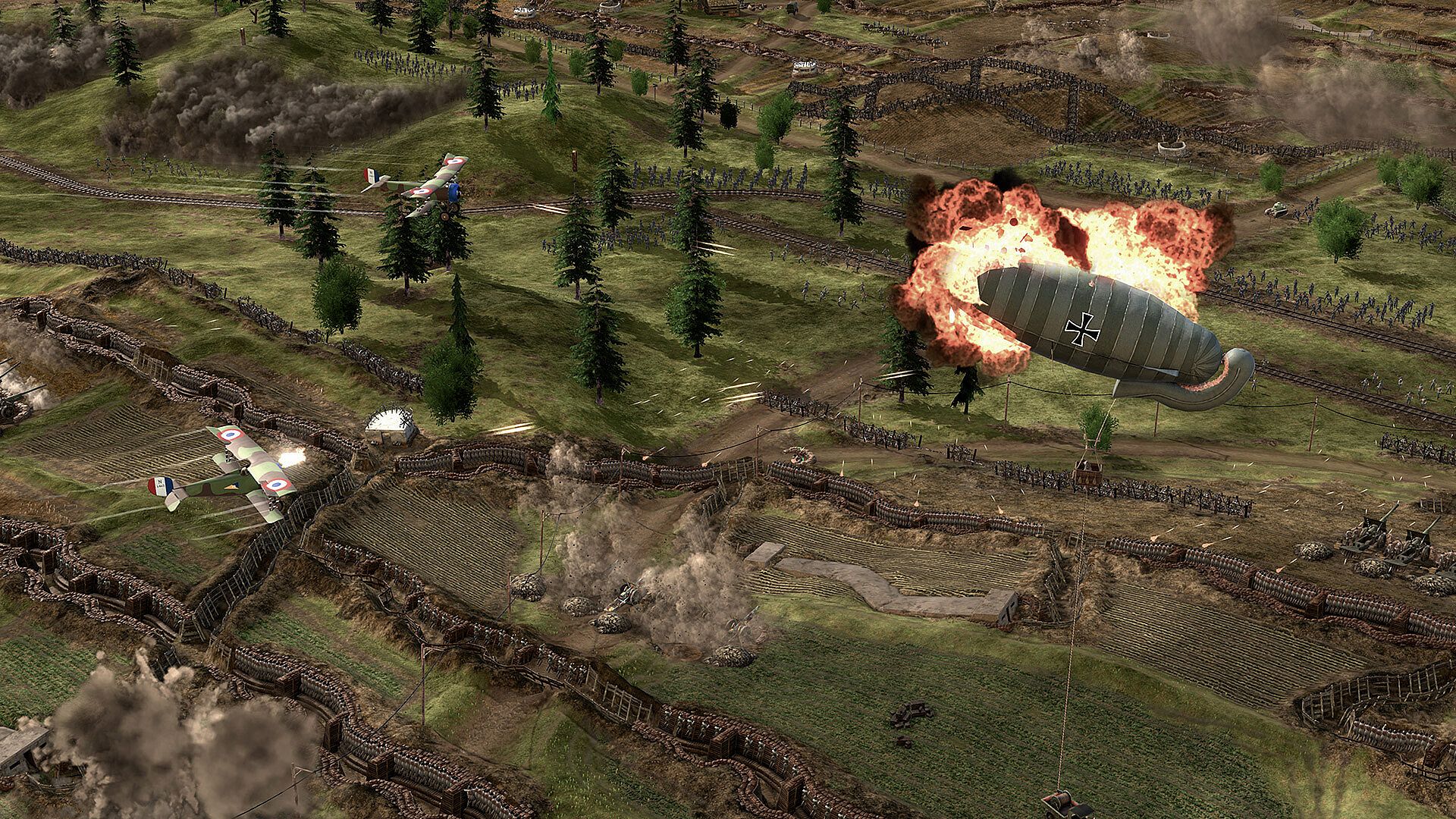
Authenticity comes from accurate representations of infantry formations, artillery pieces, early tanks, and support weapons of the era. The dual-command structure rewards careful planning at both scales, as a strong tactical win can still fail to advance the broader front without sufficient resources allocated from the theatre map.
Is It Worth Playing?
Reception sits in the mixed range, with overall user reviews reflecting divided opinions on pacing and AI behavior. The game launched in 2023 and has seen no further major updates or expansions since release. Players who enjoy deliberate, attrition-focused strategy games centered on trench warfare and long-term planning will find the systems rewarding. Those seeking frequent content additions or faster-paced action may find the experience limited by its current state and lack of ongoing support.