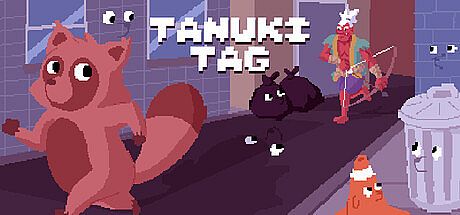



Tanuki Tag is a multiplayer strategy game that turns classic hide and seek into a chaotic social experience on PC. Players take on the roles of shape-shifting tanuki or watchful tengu in sessions built around deception, quick thinking, and group interaction. The core loop mixes creative customization with tense pursuit mechanics that reward clever disguises and split-second decisions.
Gameplay
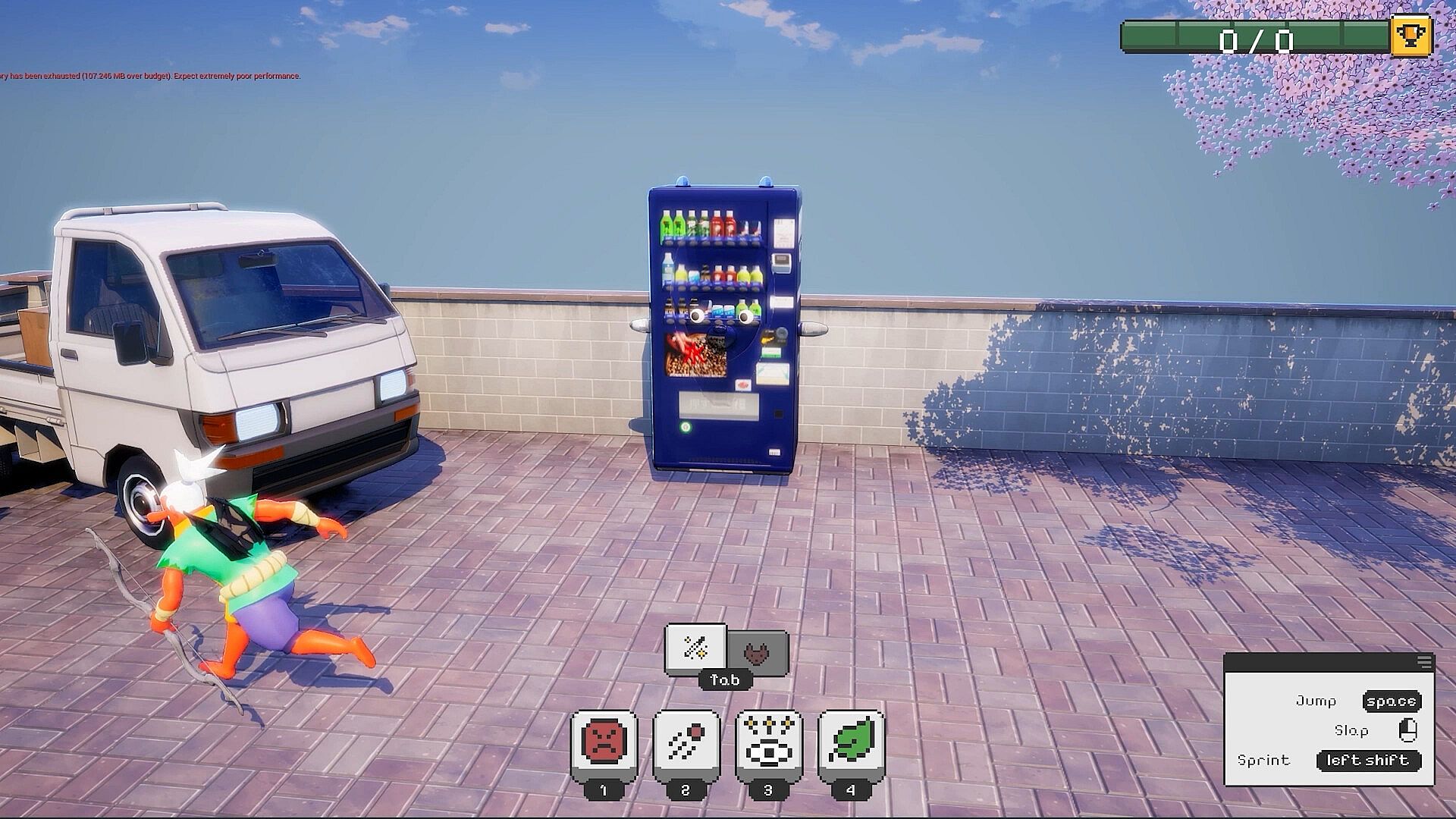
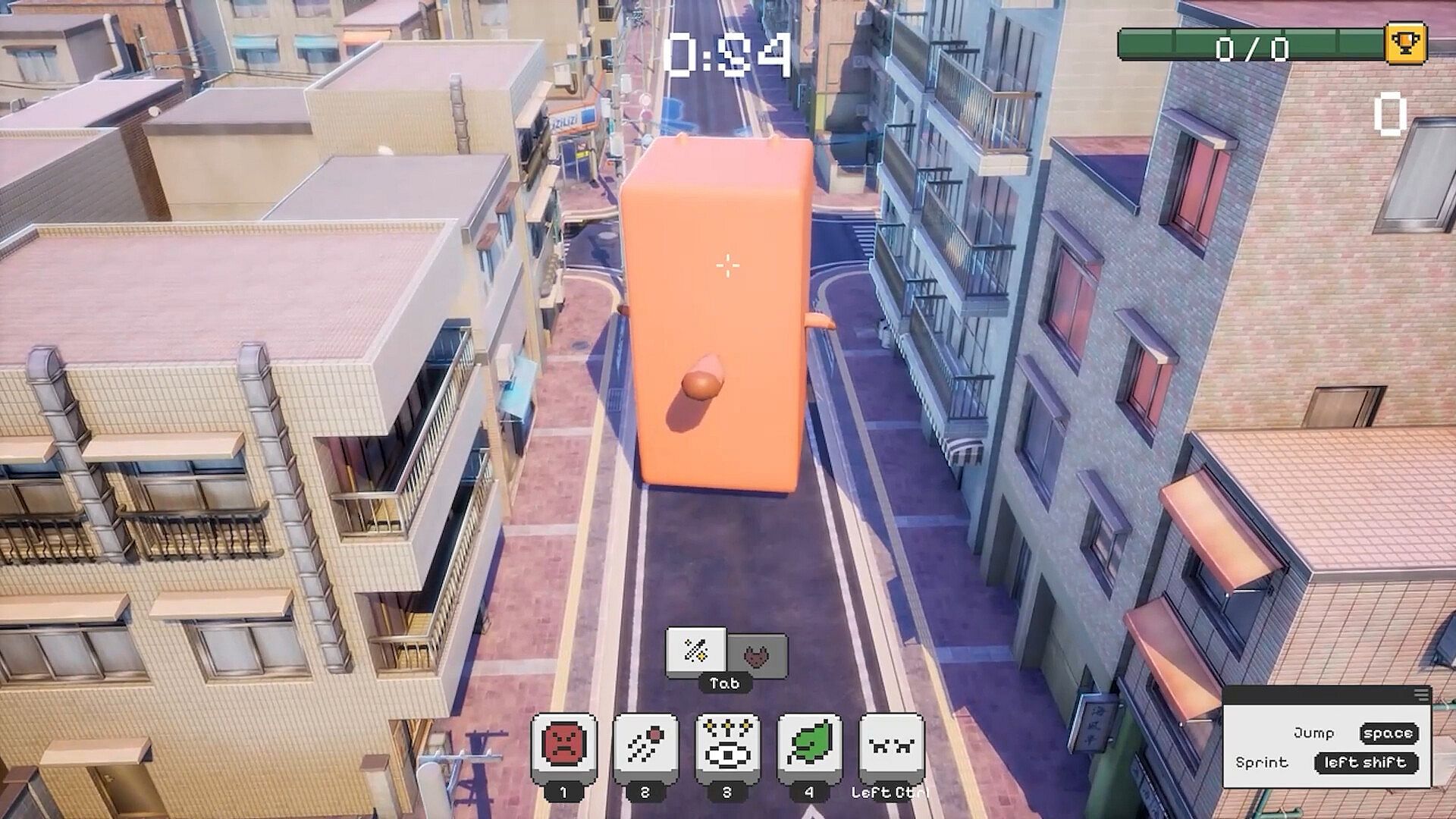
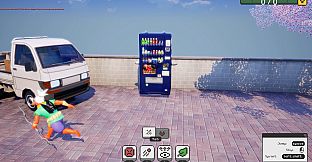
The central loop revolves around tanuki players transforming into everyday objects to blend into the environment while tengu players search for anything that seems off. Tanuki can stretch, squash, and reshape their forms to match furniture, lamps, trash cans, or other props scattered across the play area. Once disguised, they must stay still or move subtly to avoid drawing attention, but getting spotted triggers a scramble phase where they can switch forms, create distractions, or dash for new cover.
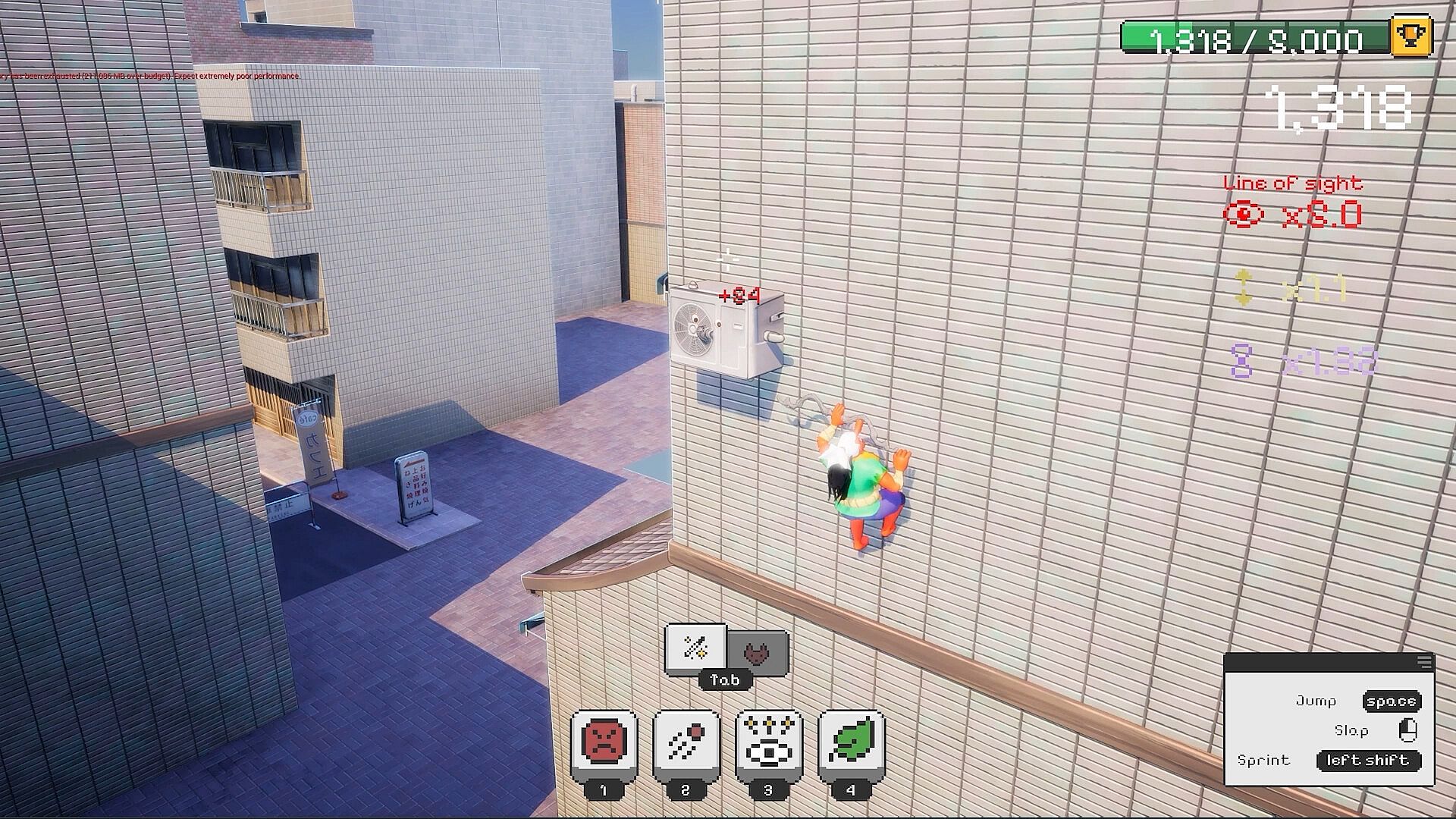
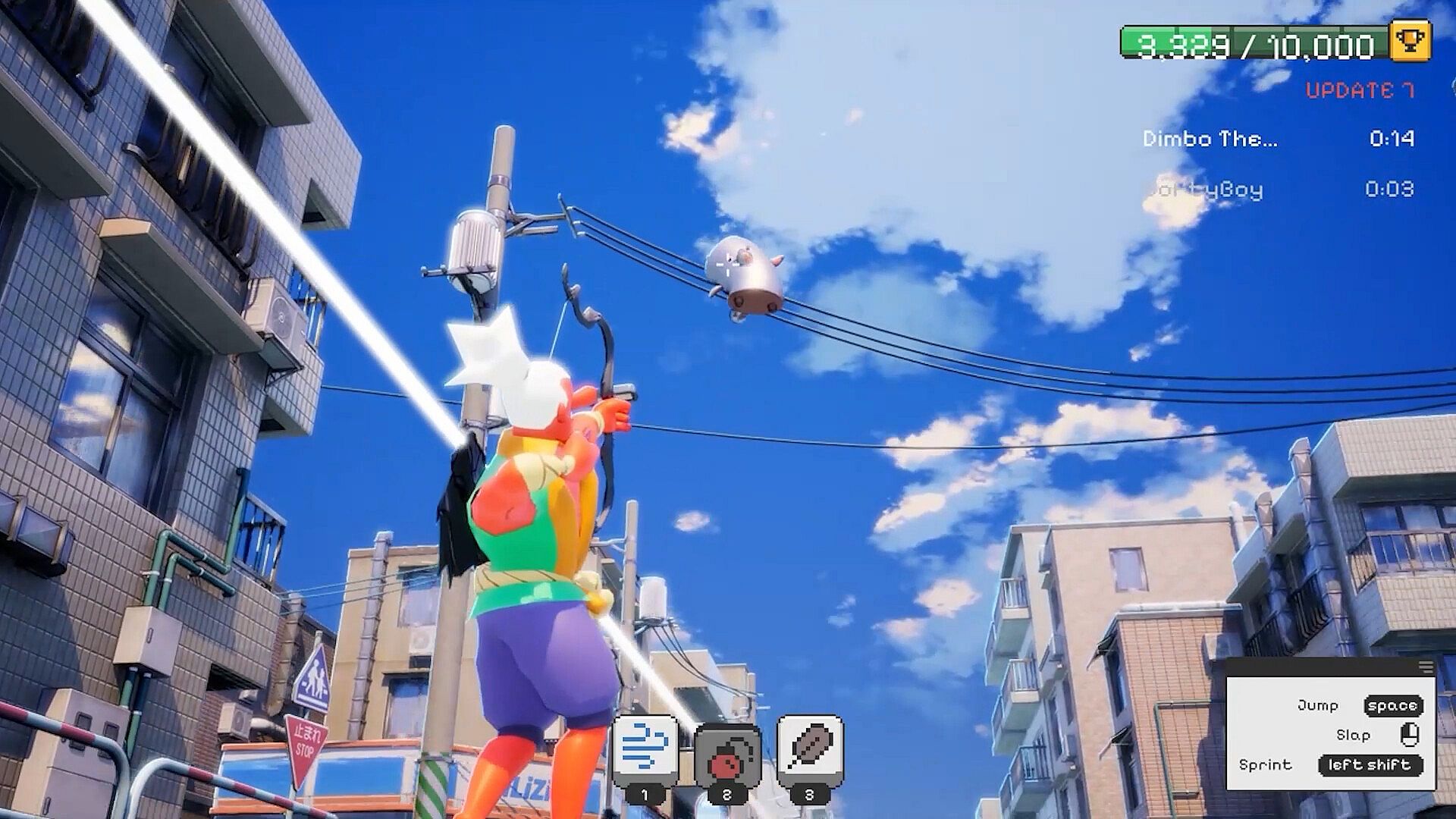
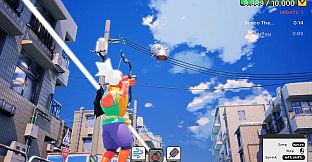
Tengu gameplay focuses on observation and instinct. Hunters move through the space, examining suspicious items and using basic interactions like striking objects to test whether they are real or disguised players. Success comes from noticing small details such as unnatural movement, odd placement, or a tail that does not quite belong. The system encourages repeated rounds of trial and error as both sides adapt to each other's tactics.
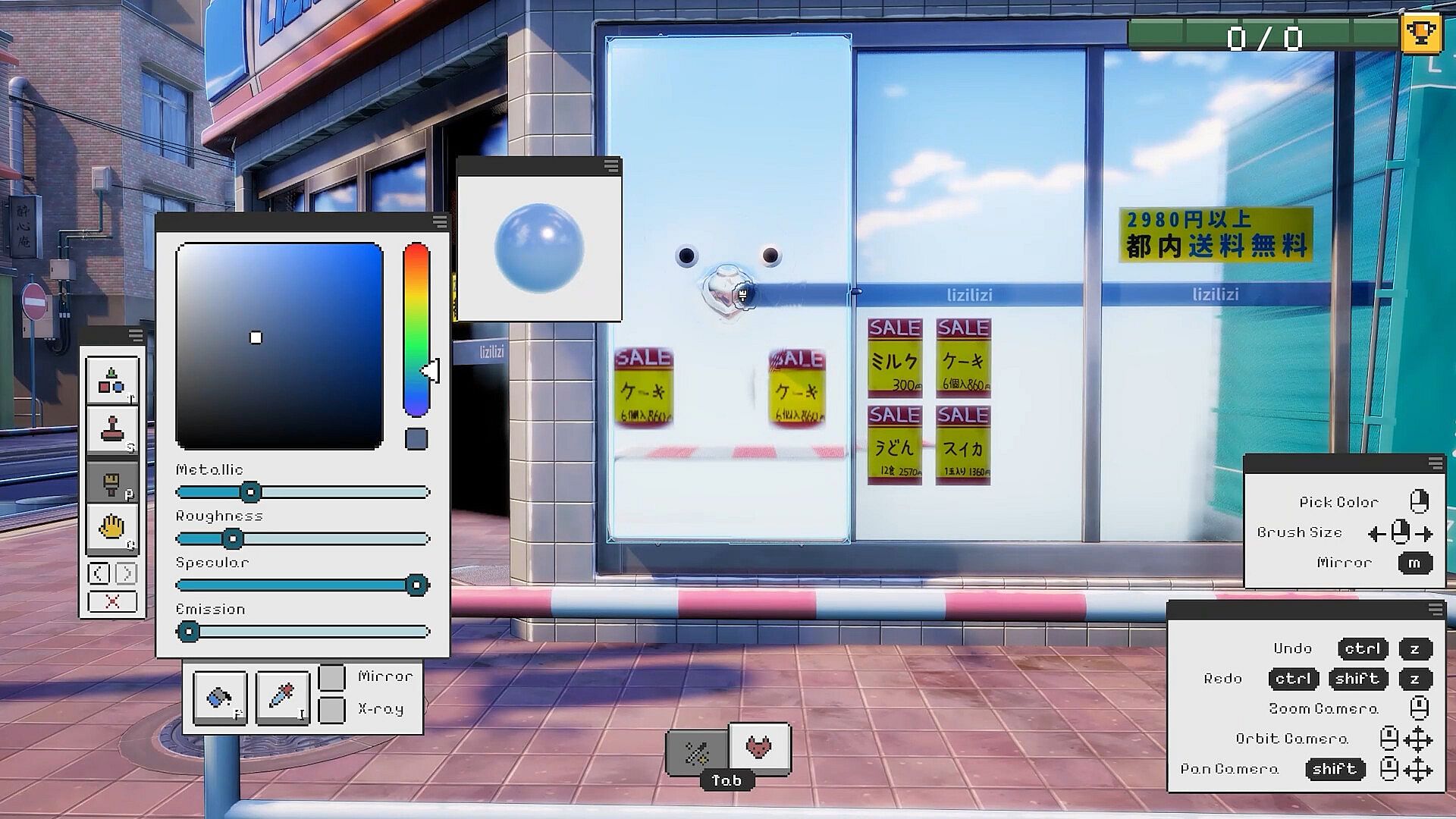
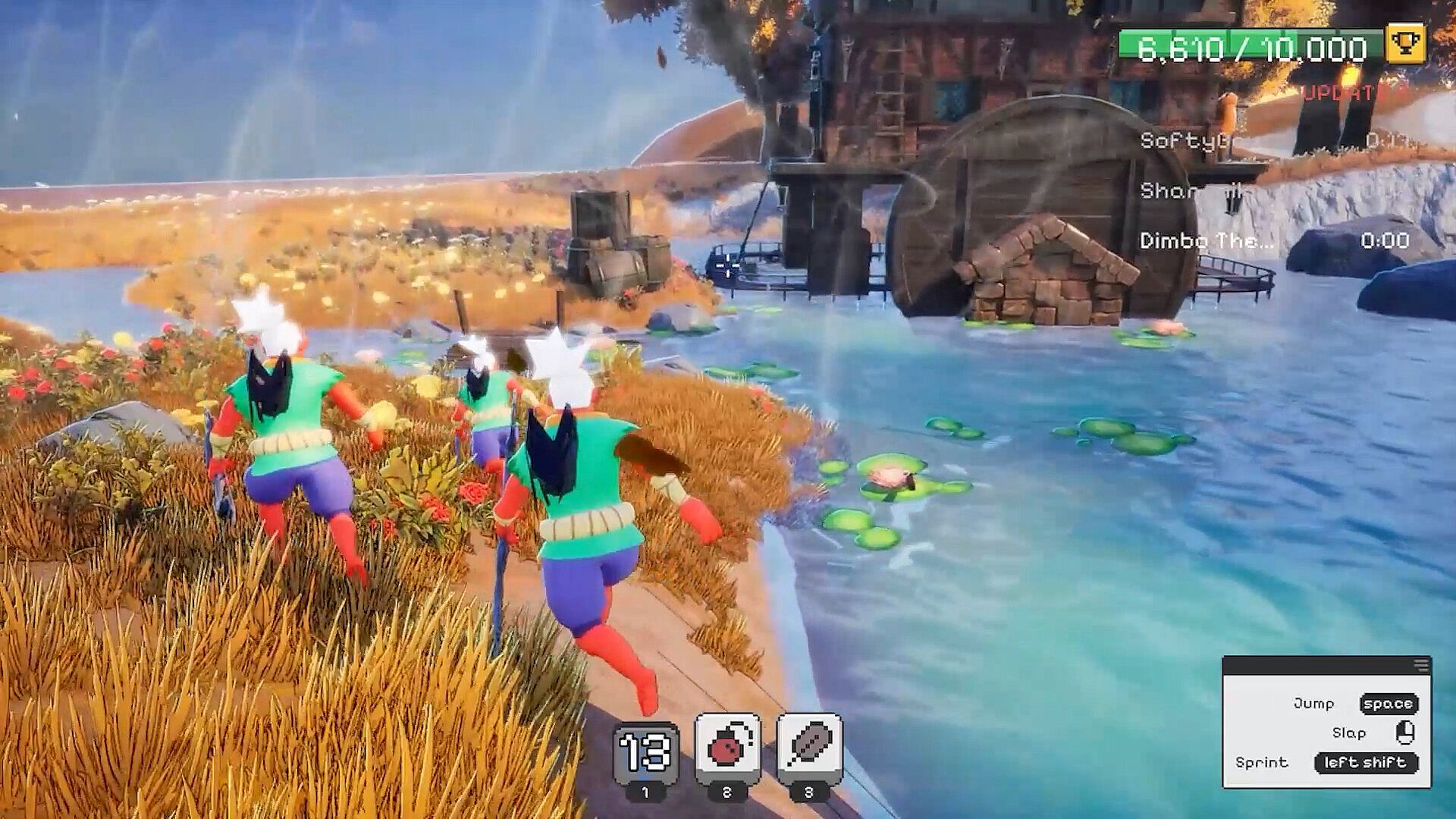
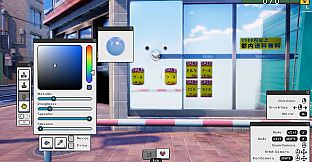
Customization adds another layer before matches begin. Players sculpt their tanuki characters by adjusting proportions, stretching limbs, and applying colors and textures. The resulting designs range from cute and compact to exaggerated or unsettling, giving each session a personal touch that carries into the disguises chosen during play.
Game Modes
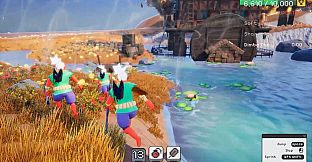
Tanuki Tag centers on asymmetric multiplayer matches that pit one or more tengu against a group of tanuki. Sessions emphasize repeated rounds of hiding and hunting within shared spaces, with roles potentially switching between rounds to keep everyone engaged. The structure supports quick setup and fast restarts, making it easy for groups to cycle through several rounds in a single sitting.
Matches reward teamwork on the tanuki side through coordinated distractions and shared knowledge of good hiding spots, while tengu players benefit from communication and methodical searching patterns. Improvisation remains key for both factions, as spotted tanuki can immediately attempt new disguises or diversions rather than ending their participation. The overall flow stays light and replayable, with each round building on the last through shared laughter and accusations.
Multiplayer and Social Focus
Designed explicitly for groups, the game shines in local or online sessions where friends can yell across the room or chat while hunting. The emphasis on terrible hiding spots and obvious movement creates natural moments of suspicion and playful confrontation. Sessions typically involve four or more participants to balance the hunter and hider counts effectively, though exact player limits align with standard casual multiplayer setups.
Strategy elements appear in how tanuki select and maintain disguises over time, while tengu must manage their search efficiency without wasting effort on confirmed objects. Casual pacing allows newcomers to join quickly, yet repeated play reveals deeper patterns in object selection and movement timing that separate strong players from the rest.
Is It Worth Playing?
Tanuki Tag suits players who enjoy social deduction and light strategy in a party setting. Its mix of creative customization and asymmetric pursuit delivers consistent entertainment for groups that like yelling at friends over obvious clues or narrow escapes. Because the game remains in development with no released version yet, current details rest on the described systems of disguise, hunting, and improvisation.
Those seeking a fresh take on hide and seek with strong emphasis on player expression and group dynamics will find the concept appealing. The indie casual approach keeps rules accessible while the strategy layer encourages experimentation across multiple rounds. Availability on PC supports both local gatherings and online play, broadening its reach for regular game nights.