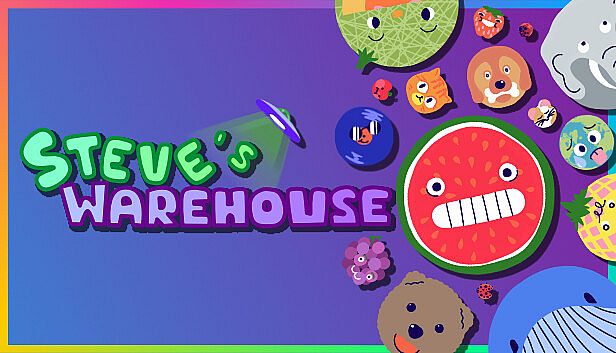
















Steve's Warehouse: Physics. Roguelike. Chaos. stands out as a strategy indie title on PC that merges the core loop of object-merging physics games with roguelike deckbuilding systems. Players control an alien named Steve who sorts and upgrades human-world items through repeated drops into a contained arena. The goal centers on creating higher-value combinations while managing space and avoiding overflow that ends a run.
Gameplay
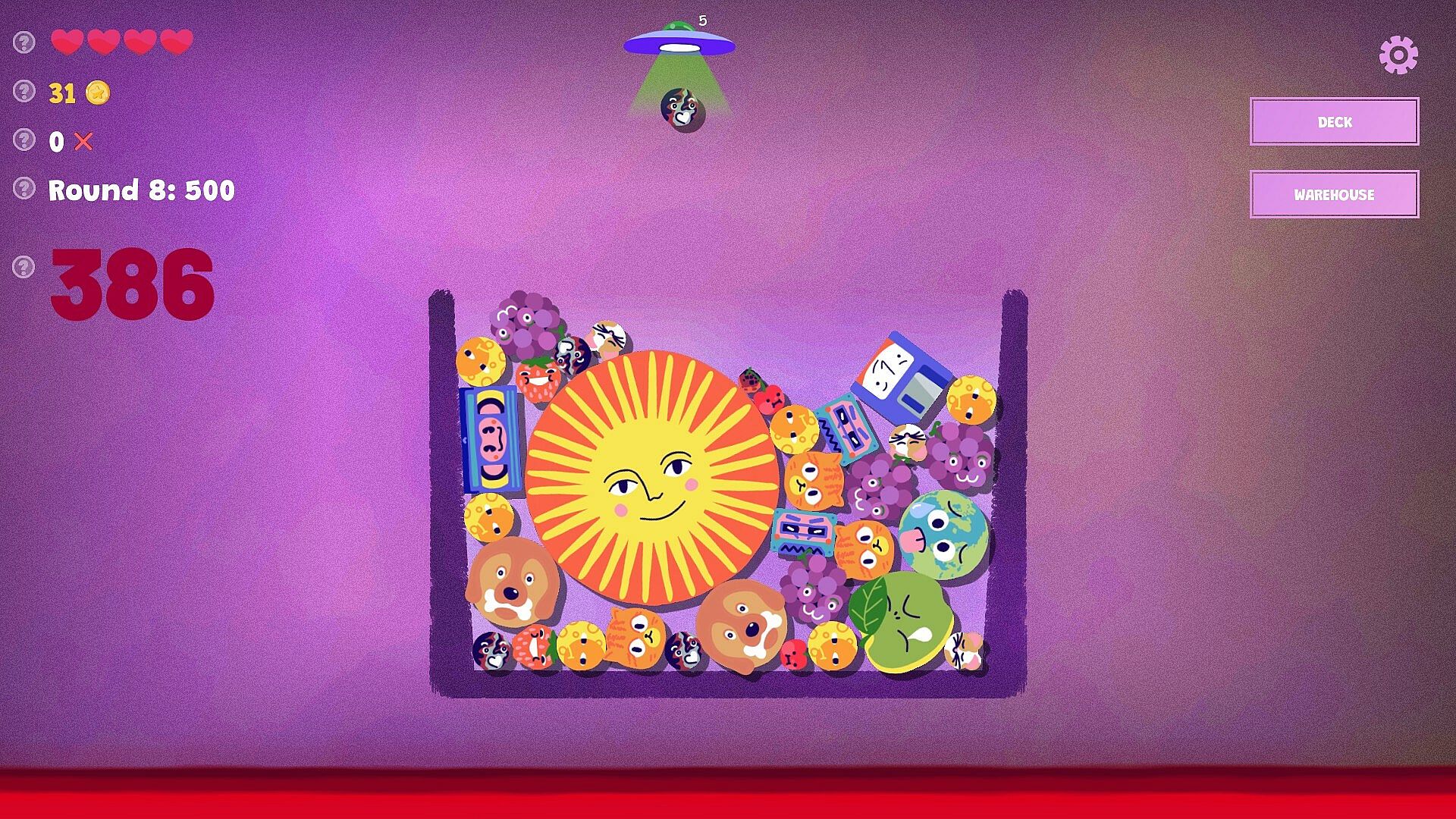
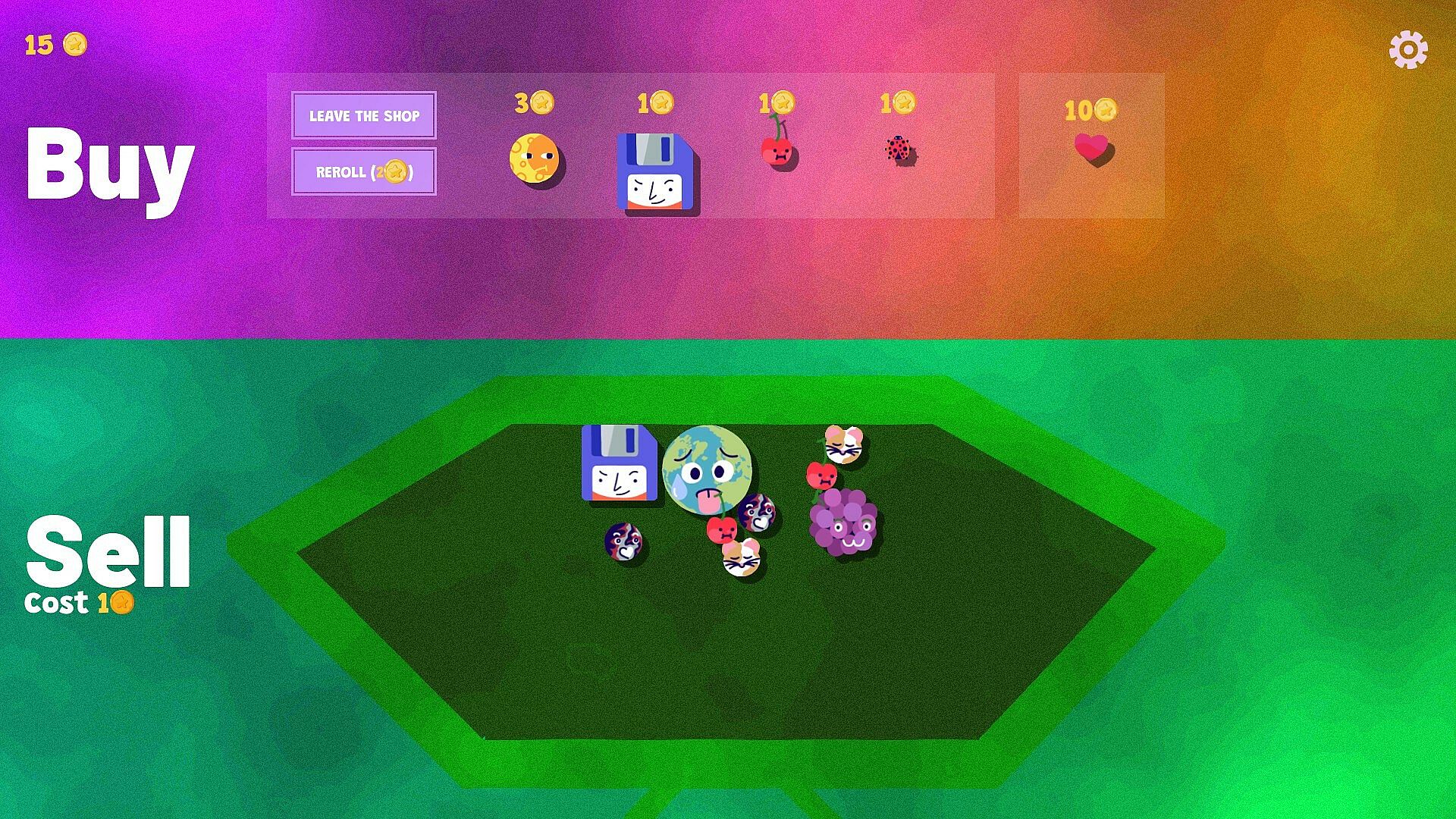
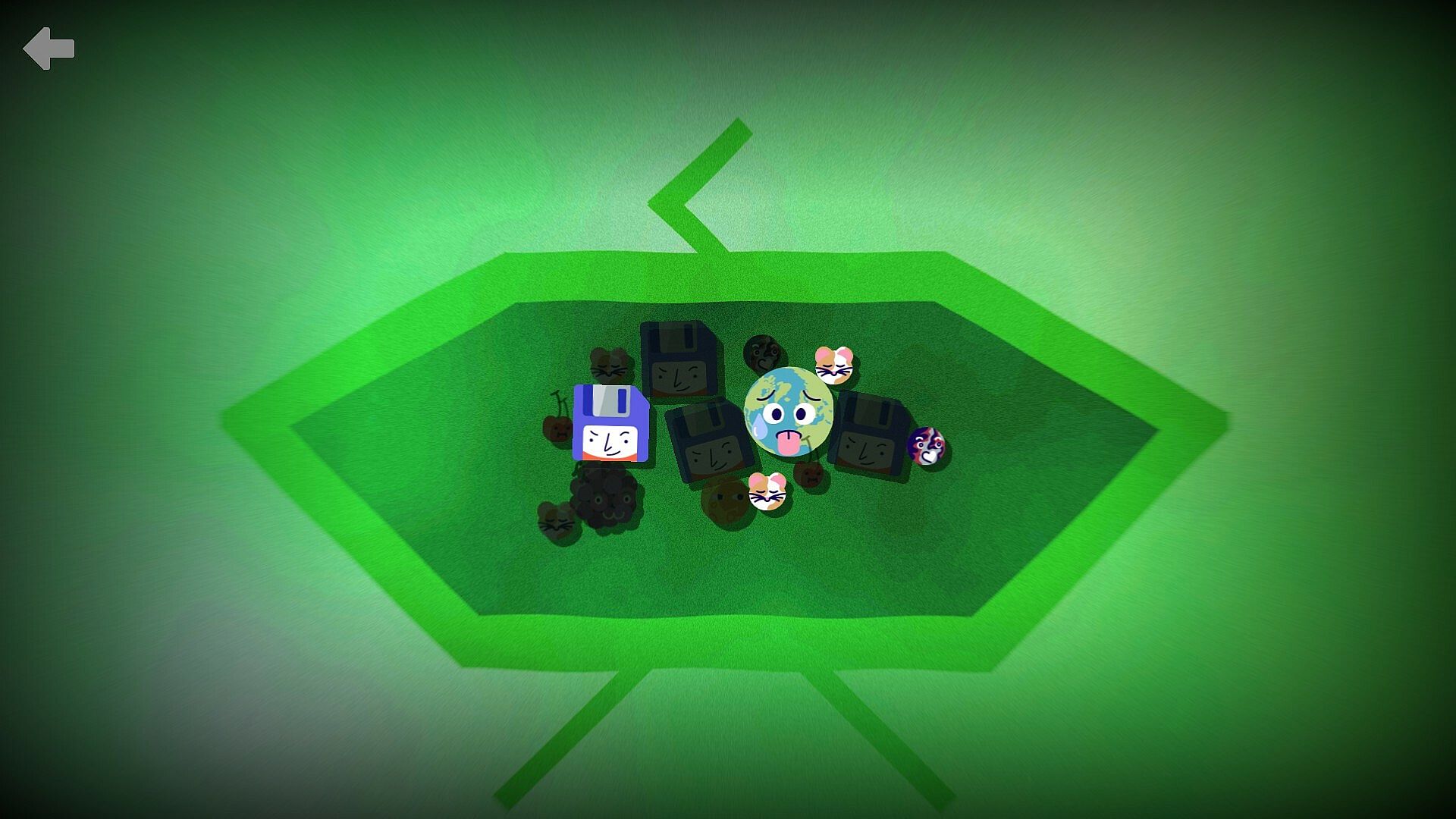
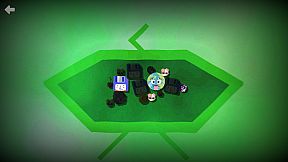
The central loop involves purchasing objects from a deck and releasing them one by one into the play area. Identical items merge on contact to form upgraded versions that award points and money. Physics governs every interaction, so objects roll, stack, and collide in unpredictable ways that can either chain massive upgrades or cause chaotic spills.
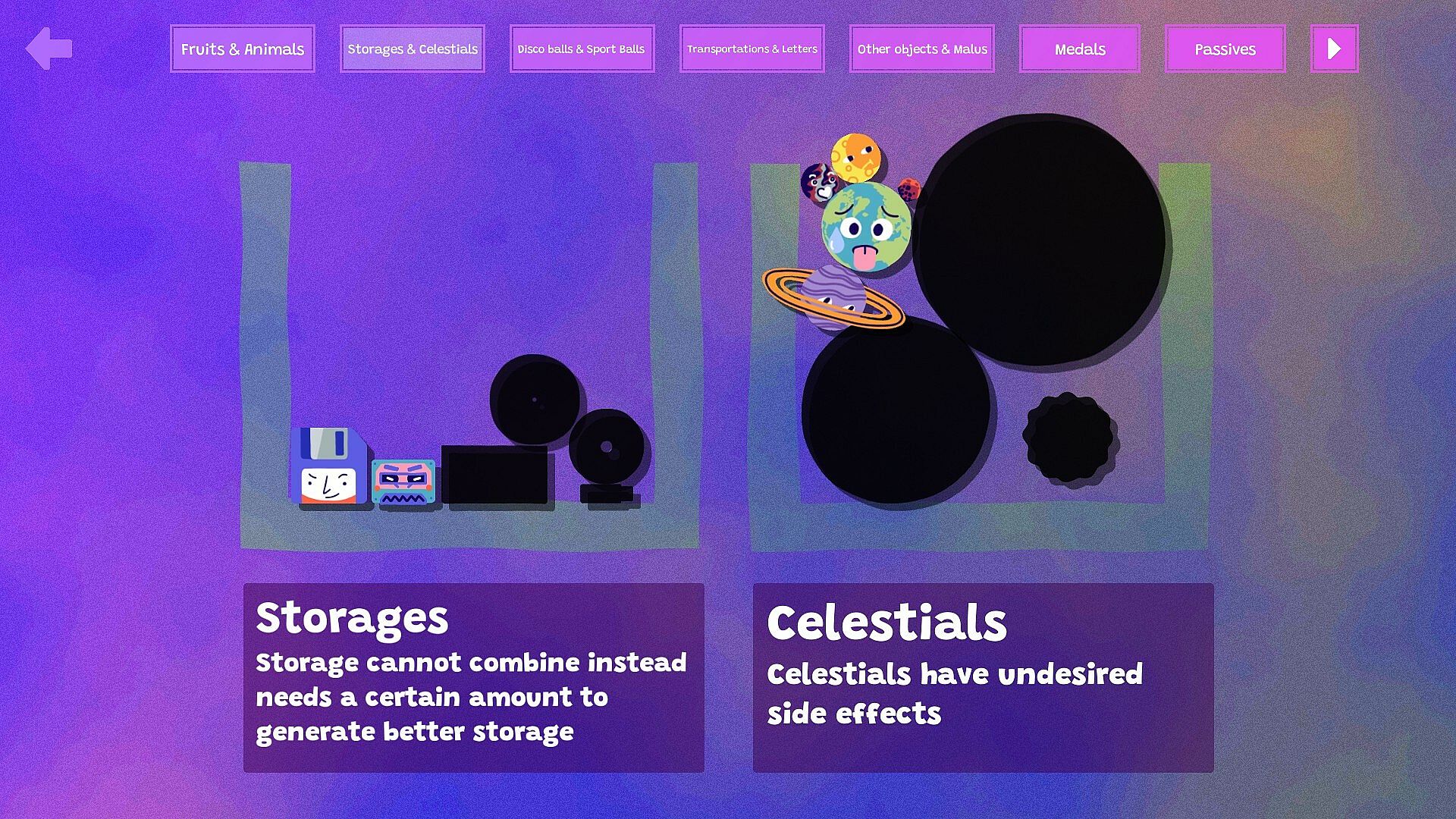
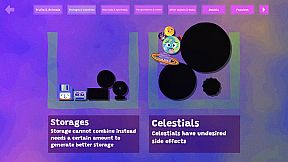
Eight distinct object families drive variety. Fruits, animals, celestials, transportations, storages, and sports balls each carry unique behaviors. Some animals consume nearby fruits, certain letters spin objects on contact, and sports balls generate new items when they hit arena walls. Over seventy individual objects exist, each with tailored physics responses and scoring values.
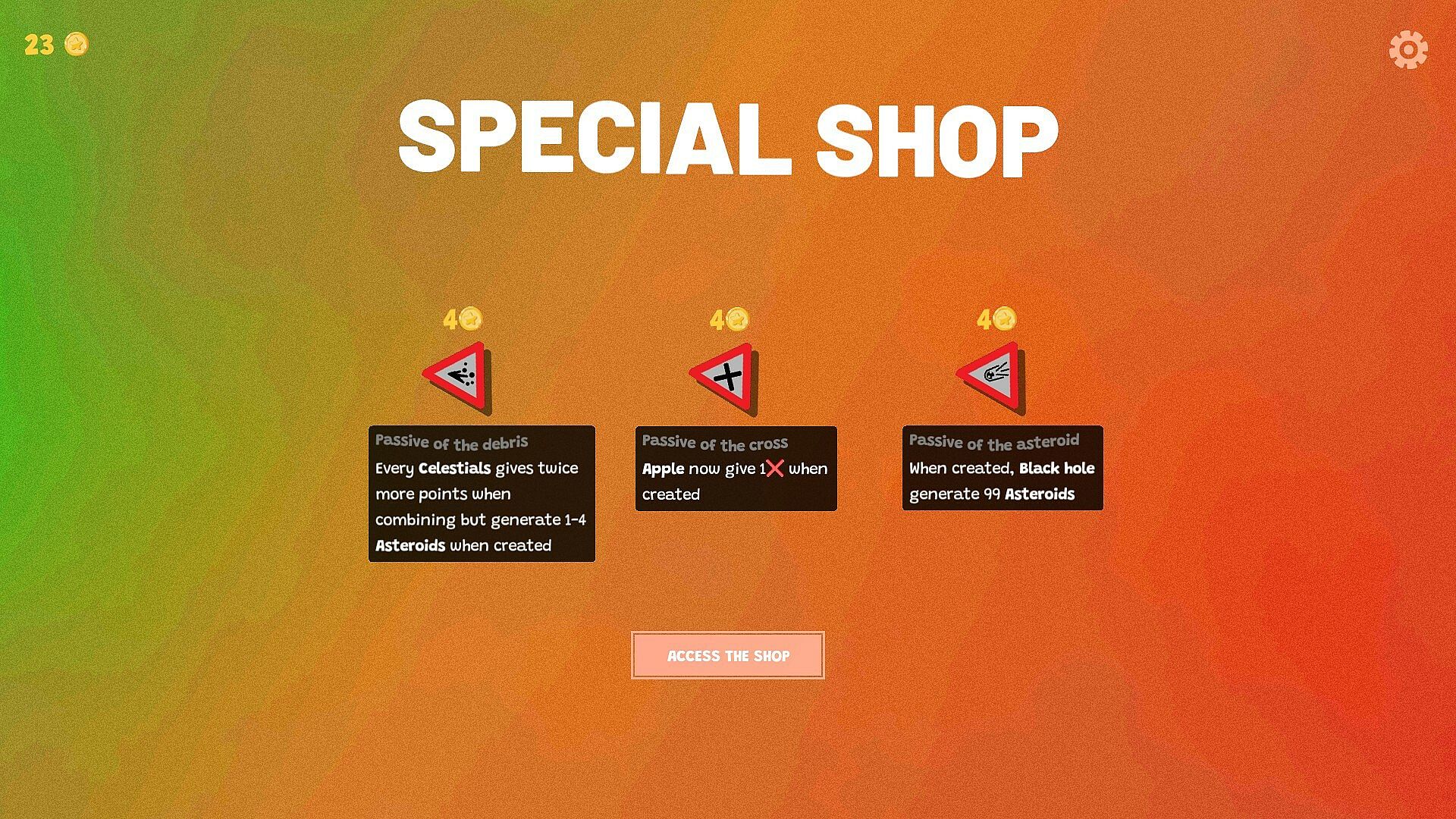
Passives expand strategic depth. More than forty of these upgrades alter global rules, such as converting every object into cars, forcing constant rotation, or granting bonus points from bomb detonations. Runs build around selecting and combining these effects to create escalating synergies before facing the arena's end condition.
Game Modes
Core sessions unfold across seven arenas that scale in difficulty and layout. Each arena concludes with a dedicated boss encounter featuring a unique modifier that tests the player's built deck one final time. These bosses introduce last-minute obstacles that reward careful positioning and timely merges.
Seven separate challenges overlay the base rules and transform how runs progress. They alter win conditions, object availability, or physics behaviors to produce entirely different experiences within the same merging framework. Players select challenges to vary the roguelike progression and explore new combinations without repeating identical sessions.
Object Families and Effects
Each family operates with internal logic tied to physics or interactions with other groups. Fruits focus on straightforward stacking and value growth, while animals introduce consumption mechanics that clear space or trigger chain reactions. Celestials and storages emphasize containment or orbital movement, and sports balls reward boundary collisions with fresh spawns. Experimentation across families reveals how one passive can amplify or disrupt an entire set of objects.
Deck management requires balancing immediate scoring potential against long-term passive synergies. Money earned from merges funds new purchases, encouraging players to weigh risk versus reward on every drop. The roguelike structure resets progress between runs while carrying forward knowledge of effective family pairings and passive priorities.
Is It Worth Playing?
Steve's Warehouse appeals directly to players who enjoy physics-driven merging games and roguelike systems that reward experimentation with item synergies. The single-player format emphasizes repeated runs that grow more complex through passive combinations and arena-specific challenges. Those drawn to titles featuring deliberate object placement and emergent chaos will find consistent depth in the eight families and forty-plus passives.
The game supports focused sessions built around refining strategies for specific bosses or challenges. Its indie scope keeps the experience contained to core mechanics without unnecessary layers, making it suitable for short or extended play periods depending on how many arenas and rule variations a player explores. Reception highlights the satisfying yet occasionally frustrating physics outcomes that arise from the merging system.