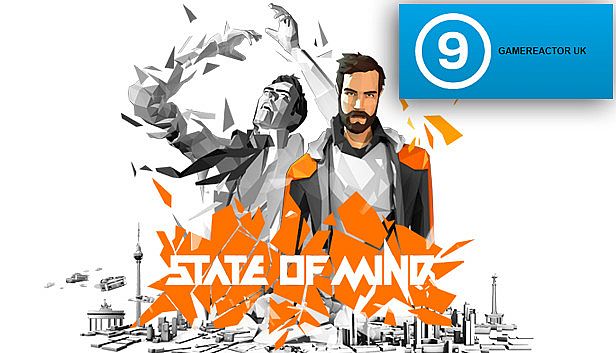






















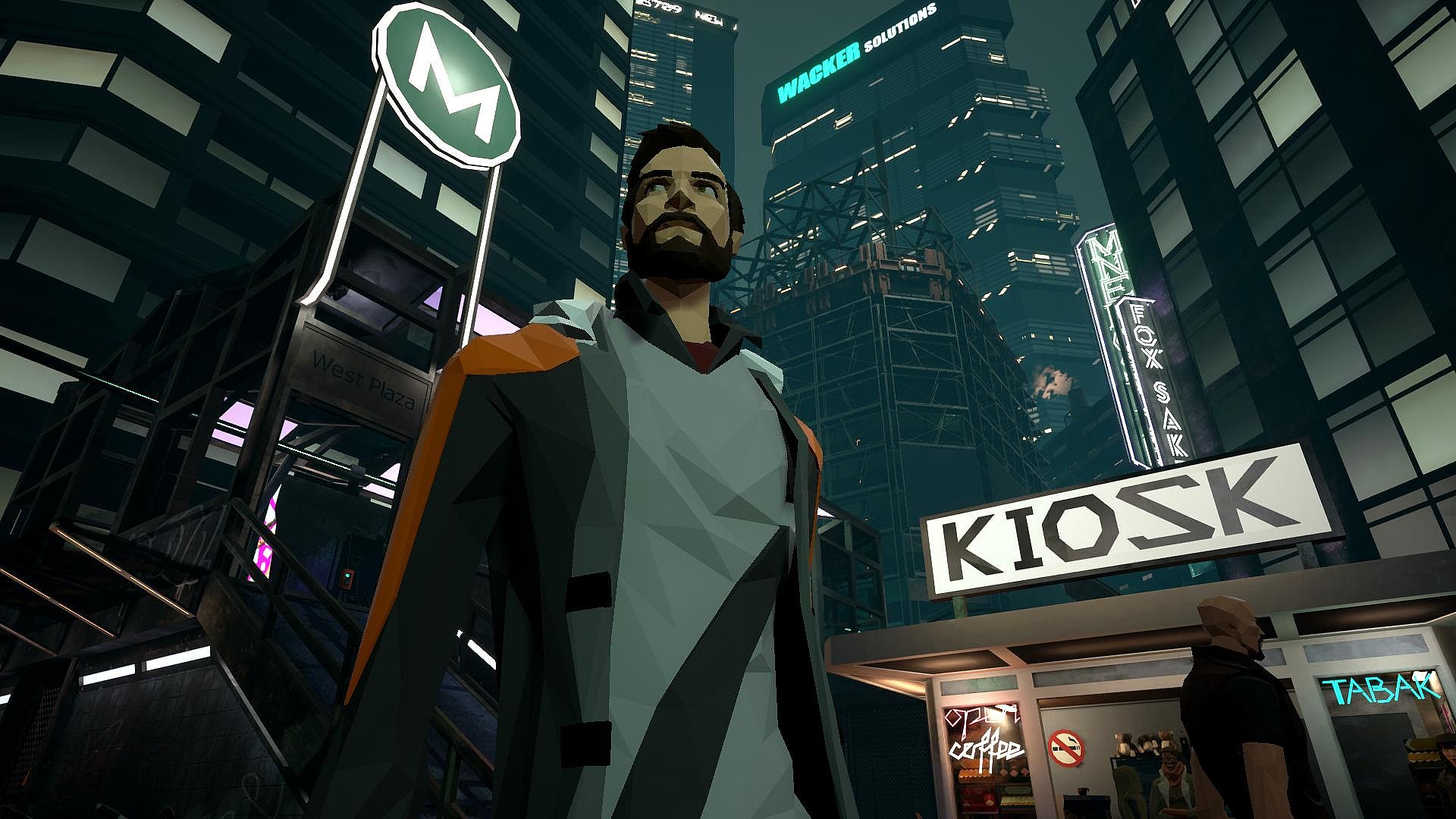
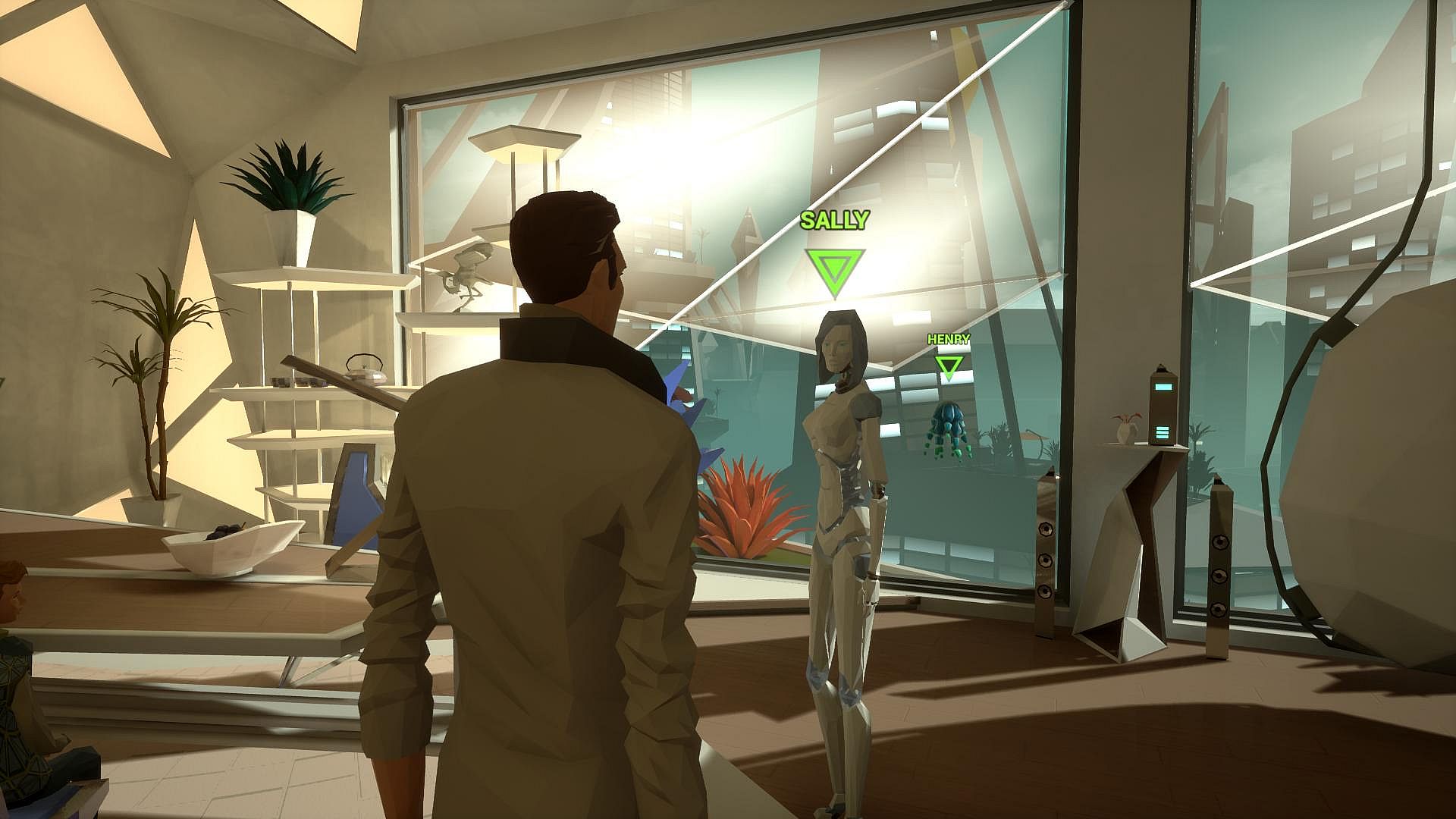
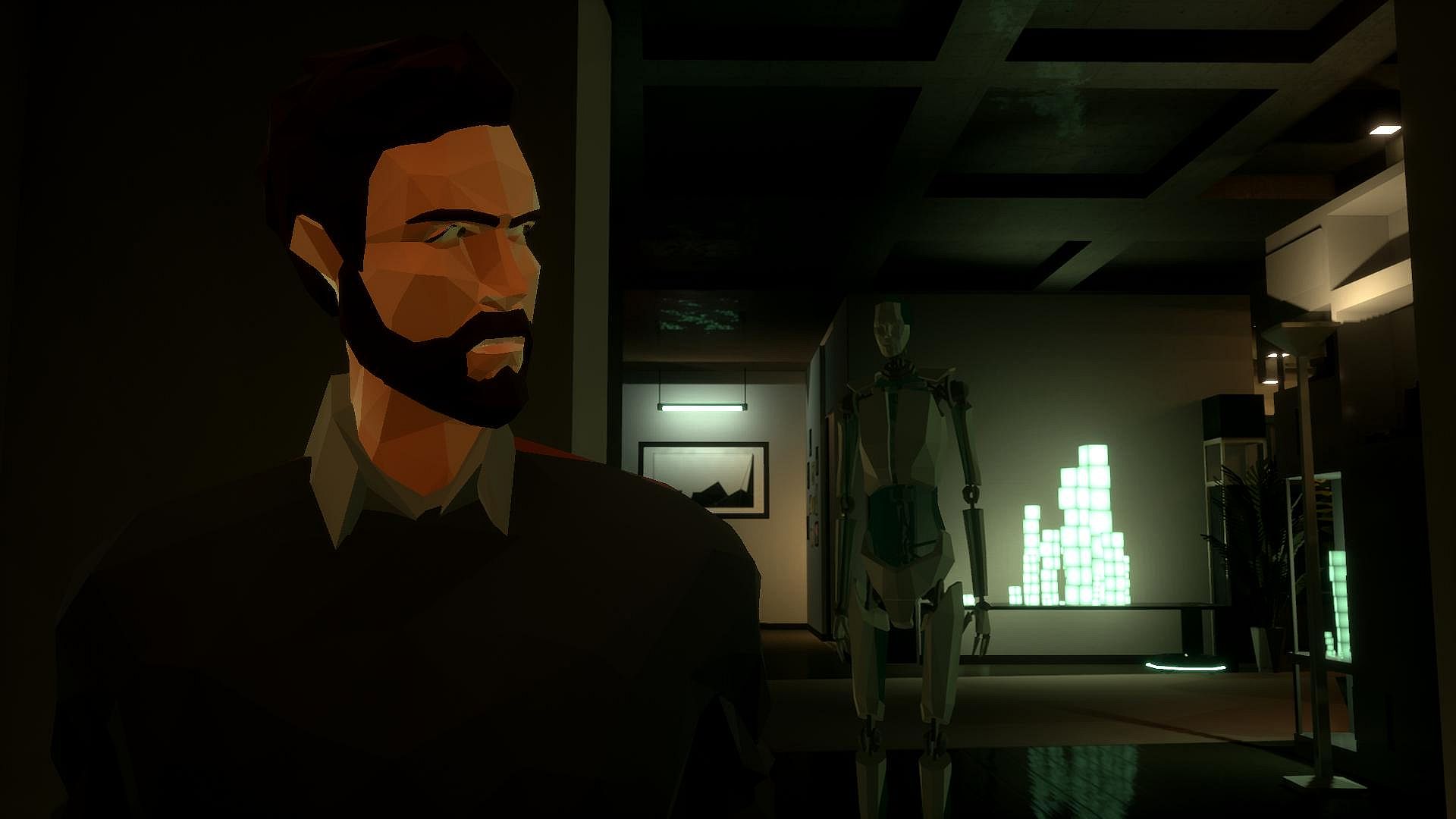
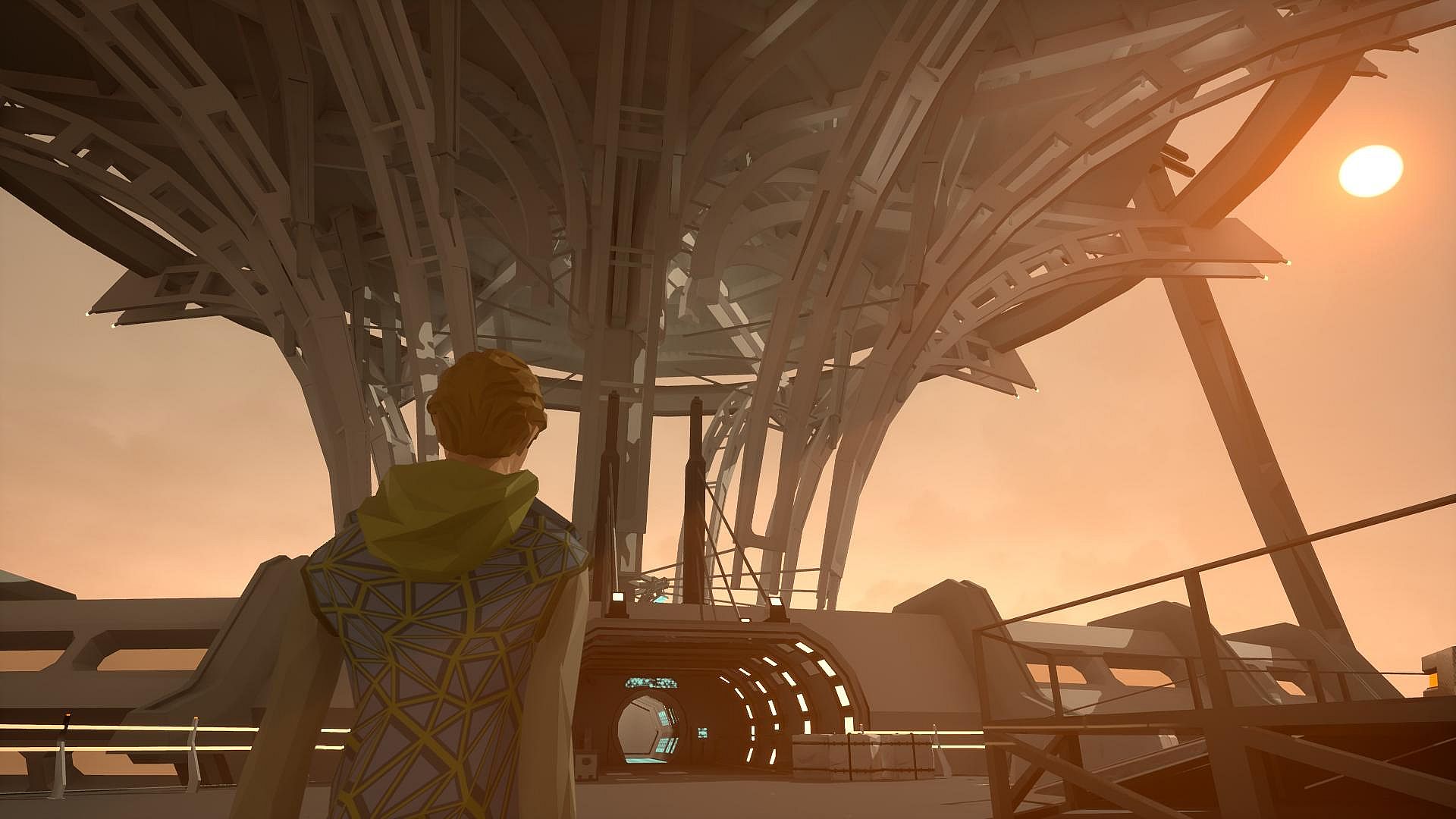
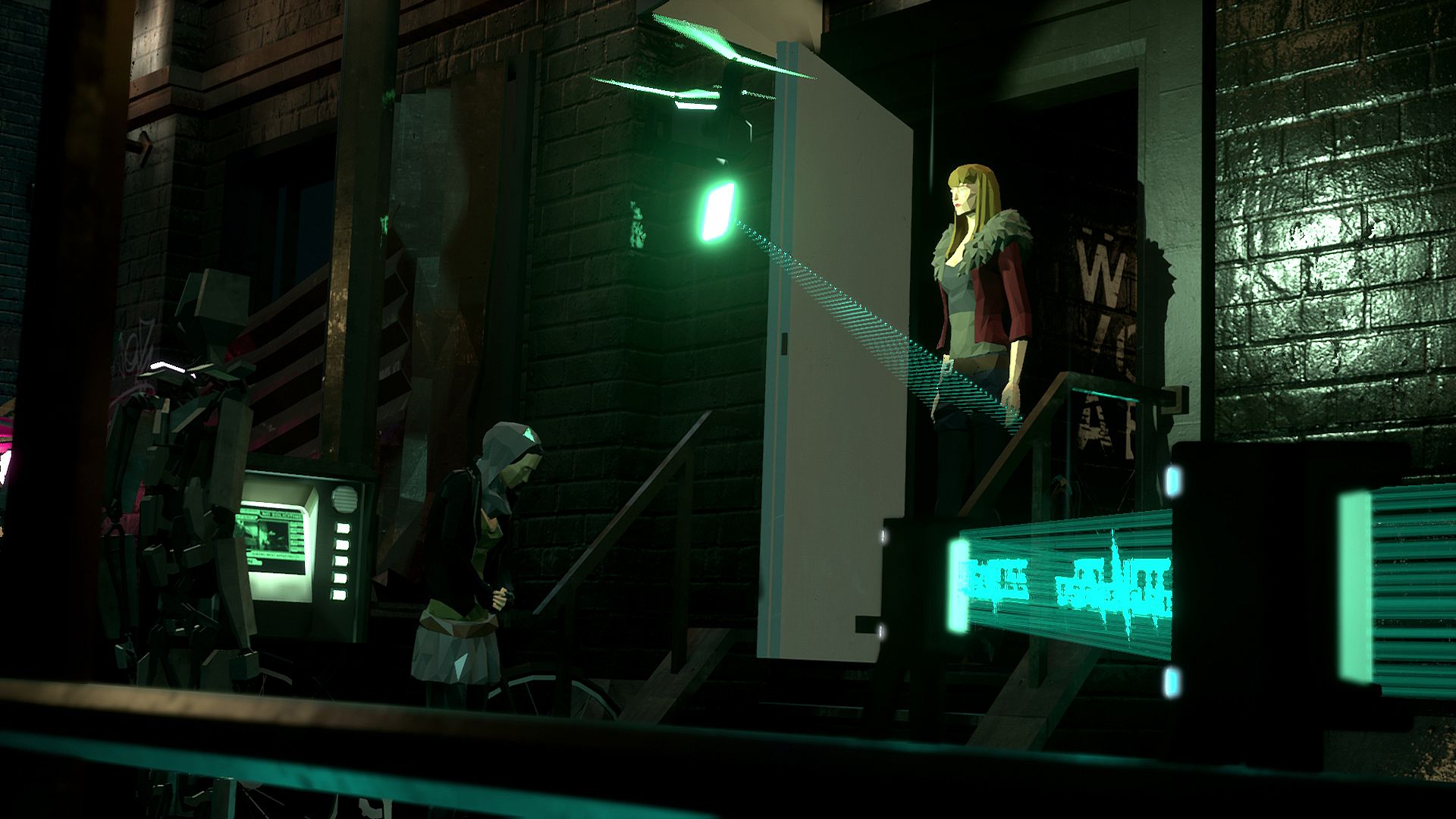
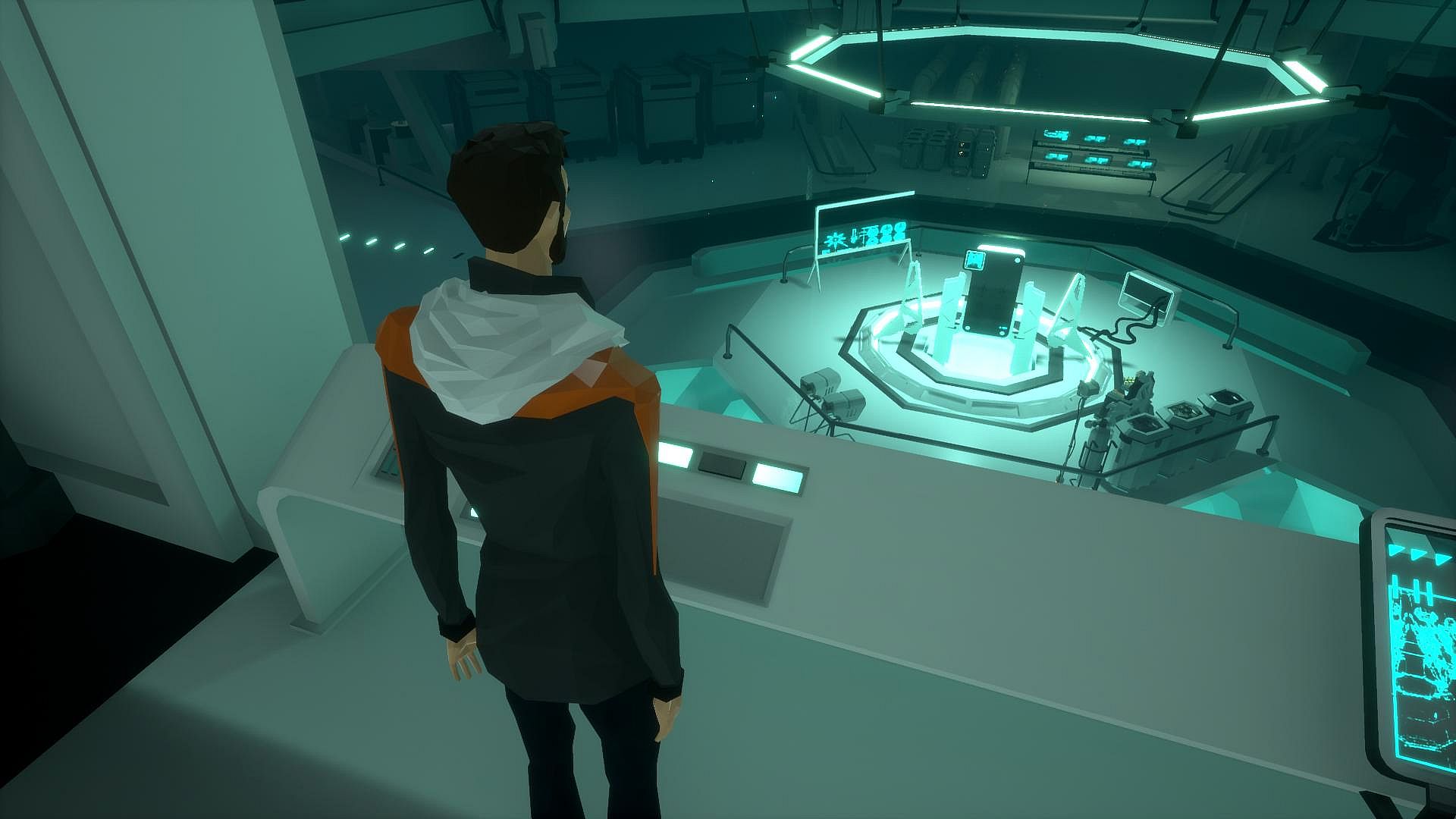
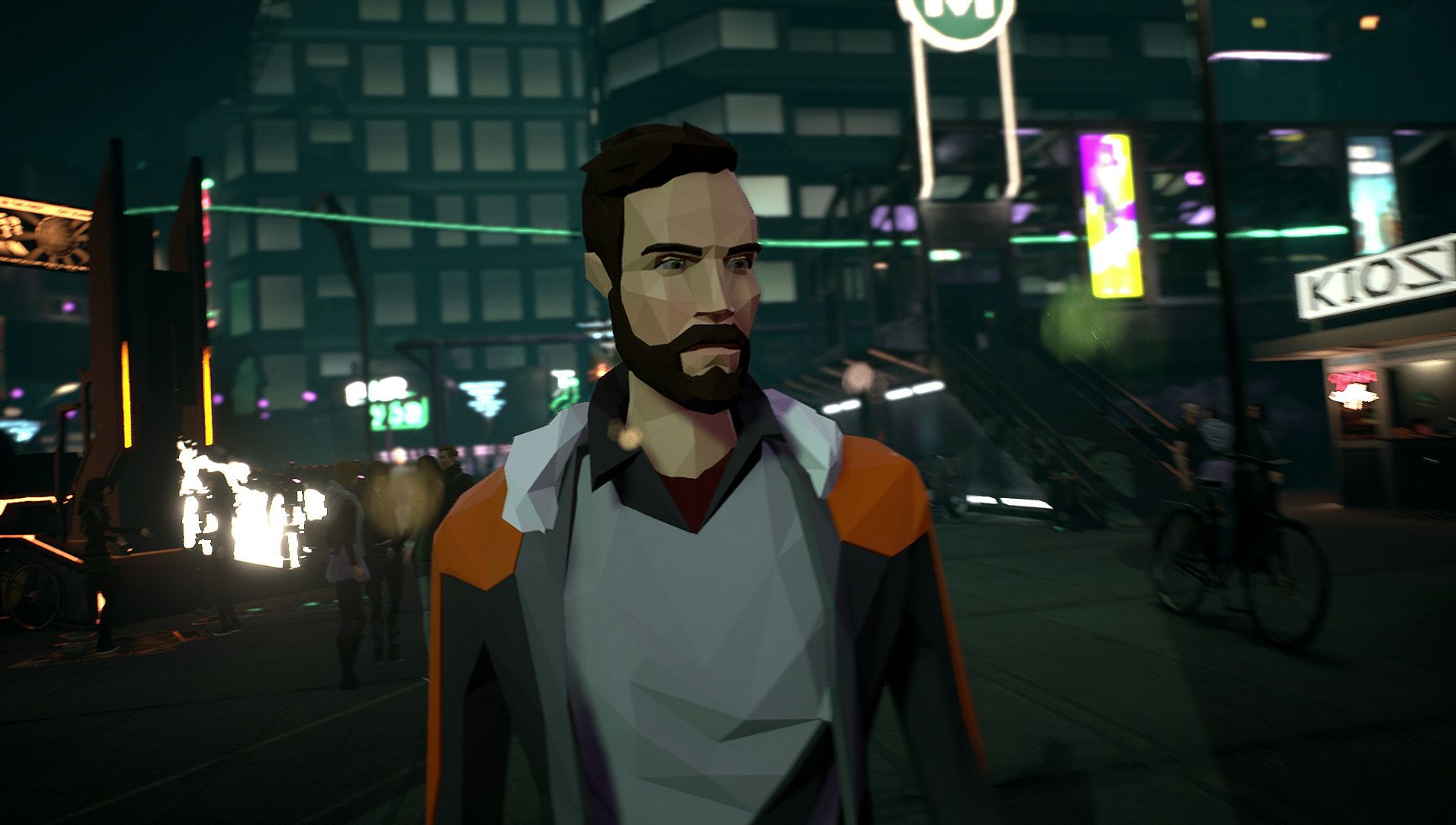
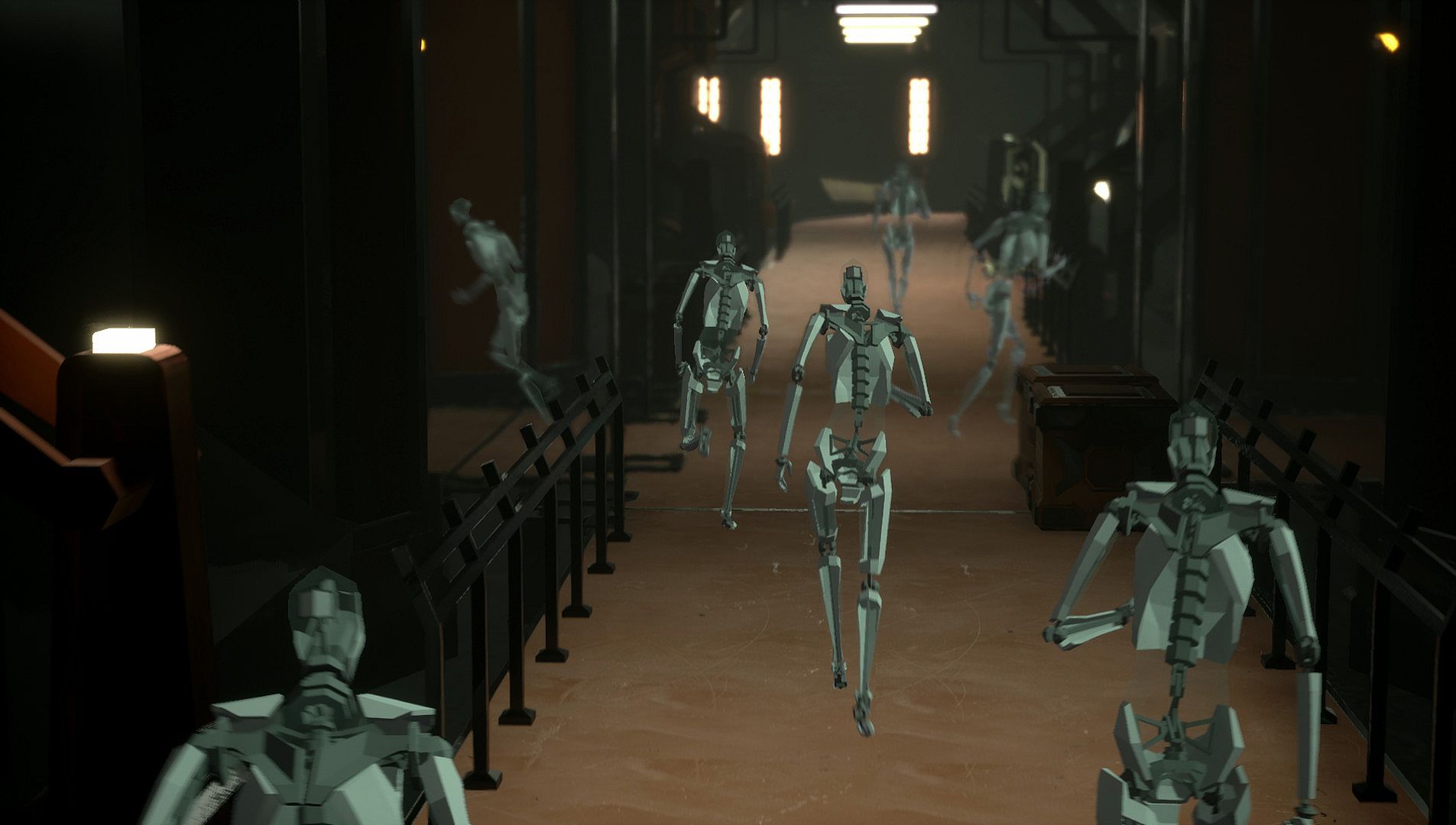
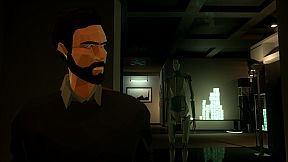
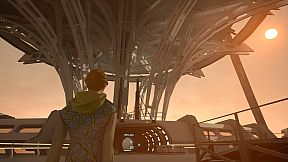
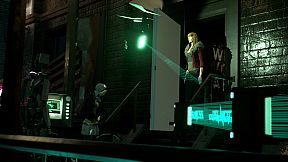
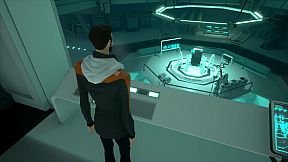
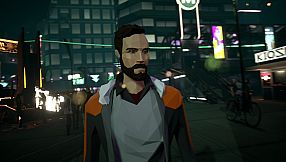
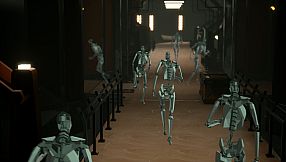
State of Mind is an indie adventure game set in a near-future Berlin where technology has reshaped every aspect of daily life. The story follows journalist Richard Nolan after a devastating explosion leaves him hospitalized and his family missing. What begins as a personal search quickly expands into an investigation of global forces pushing humanity toward either a digital paradise or total obsolescence. Players control Richard along with five other characters across a narrative that blends realistic cityscapes with stylized low-poly figures to highlight the contrast between physical decay and virtual promise.
Gameplay
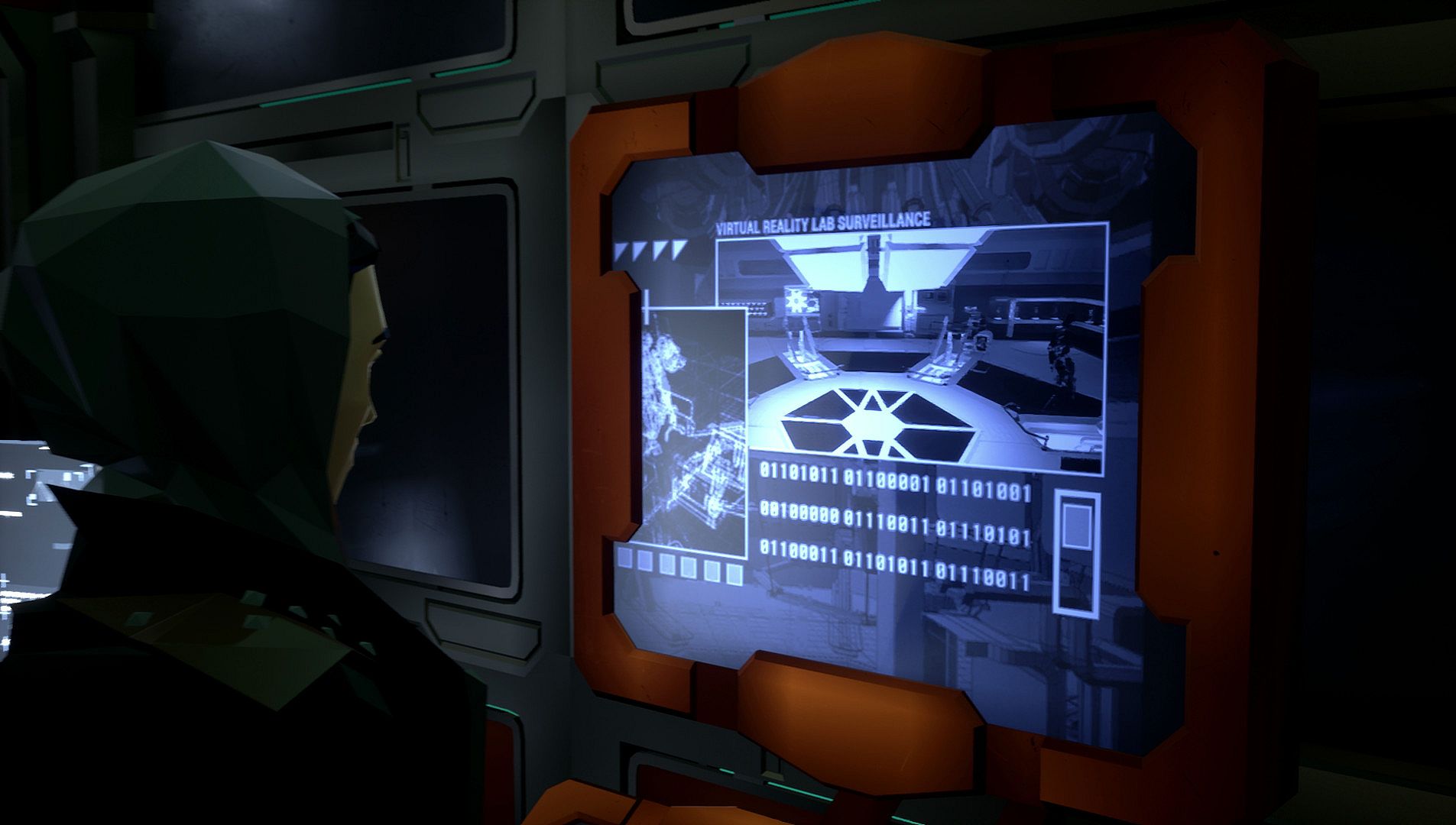
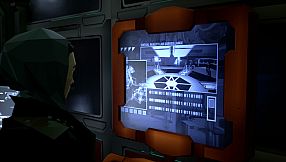
The core loop centers on exploration, conversation, and evidence gathering in interconnected locations across the city. Players examine objects, interview witnesses, and piece together fragmented memories to advance the plot. Dexterity challenges appear in timed sequences that test quick reactions during tense moments, while deduction requires connecting clues from multiple sources to unlock new dialogue options or locations. Research mechanics involve accessing digital archives and surveillance feeds to verify information and expose inconsistencies in official narratives. The game supports Tobii Eye Tracking, allowing players to interact with augmented reality overlays by directing their gaze, which adds precision to scanning environments and selecting dialogue branches without traditional cursor movement.
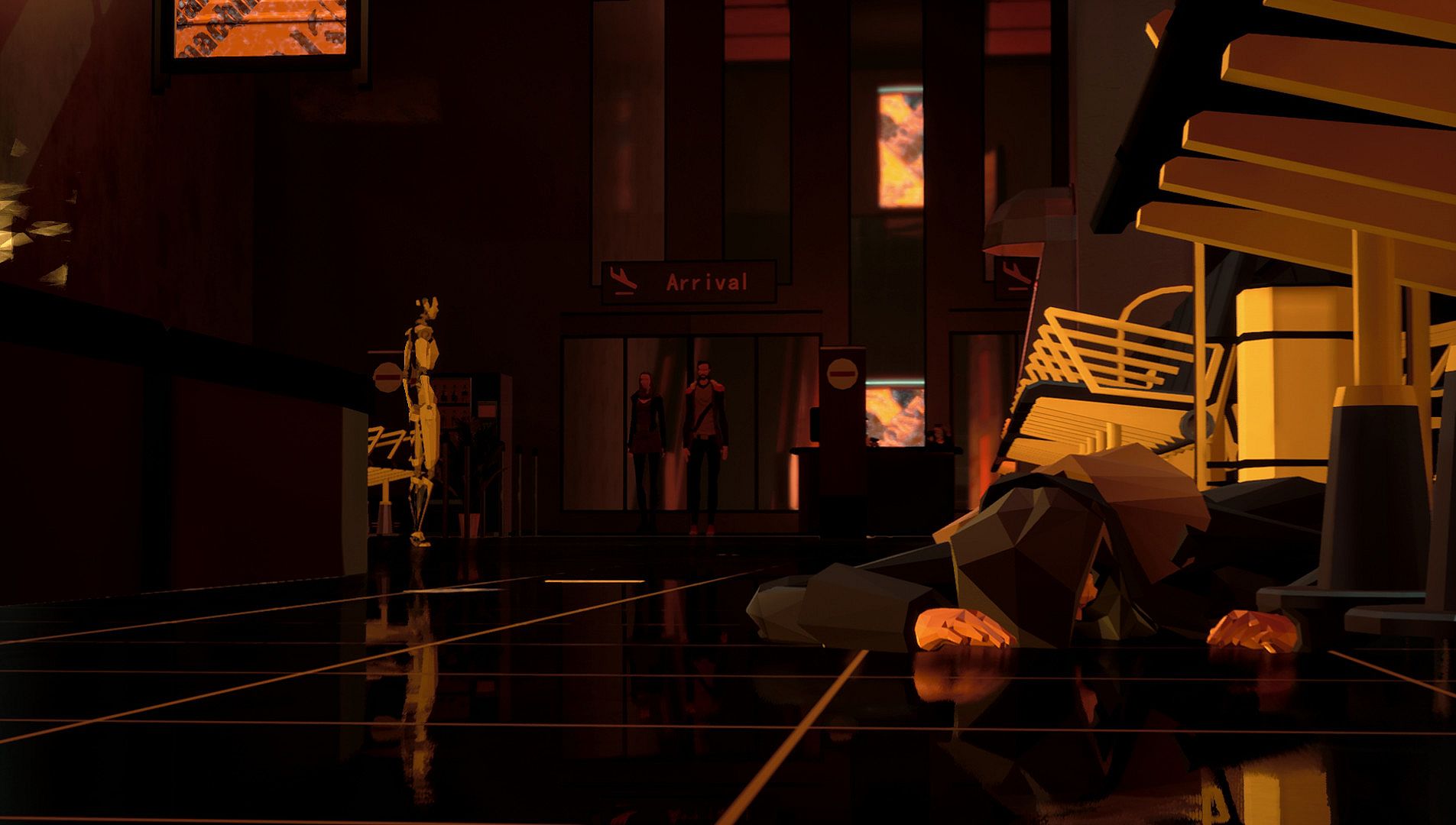
Progression follows a linear story structure with occasional branching based on choices made during investigations. Each playable character brings a distinct perspective and set of abilities that influence how information is gathered and interpreted. The visual design mixes photorealistic backgrounds with simplified character models to emphasize the theme of humanity becoming increasingly abstracted by technology.
Game Modes
State of Mind offers a single-player narrative experience with no separate multiplayer or competitive modes. The entire game unfolds as one continuous story campaign divided into chapters that alternate between the different protagonists. There are no side missions, endless modes, or replay systems beyond returning to previous sections to explore missed clues. The structure encourages a focused playthrough where decisions accumulate toward one of several possible endings determined by the evidence collected and alliances formed.
Story and Setting
The year is 2048, and Berlin serves as the backdrop for a society strained by resource shortages, environmental damage, and rising crime. Governments and corporations promote widespread adoption of drones, humanoid robots, and constant connectivity as solutions. Richard Nolan stands out as a vocal critic of these changes until personal tragedy pulls him into the center of events. The narrative examines questions of transhumanism, surveillance, and whether a super-intelligent AI could replace human judgment. Multiple viewpoints from the six playable characters reveal different facets of the same conspiracy, showing how individuals from varied backgrounds become entangled in the debate over humanity's future.
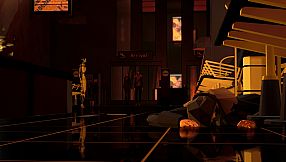
Environmental storytelling plays a significant role. Abandoned public spaces, overcrowded clinics, and high-tech corporate towers illustrate the widening gap between those who benefit from technological progress and those left behind. Dialogue trees reflect the moral ambiguities of the setting, where even well-intentioned actions can have unintended consequences for the broader population.
Is It Worth Playing?
State of Mind suits players who enjoy deliberate, story-driven adventures that prioritize atmosphere and thematic depth over fast-paced action. The combination of investigation mechanics and multiple character perspectives creates a layered mystery that rewards careful attention to detail. Those interested in speculative fiction about technology's impact on society will find the setting and questions raised particularly engaging. The game runs on standard PC hardware and includes accessibility features such as eye-tracking integration for users who prefer alternative input methods. Because it is a complete, self-contained experience without ongoing seasonal content or live-service elements, it remains available in its original form for anyone seeking a focused narrative journey through a plausible near-future scenario.