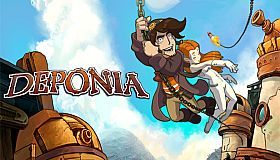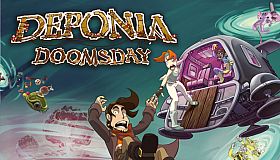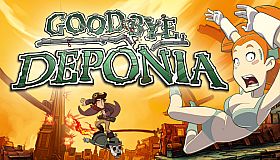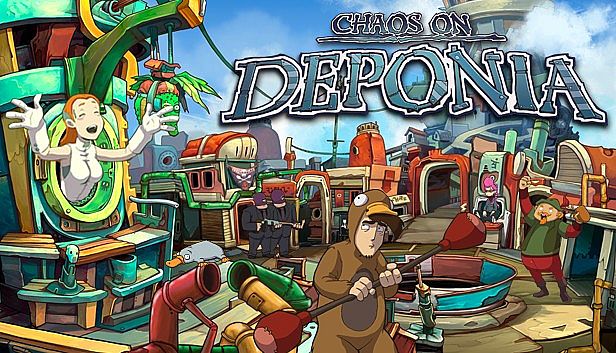
























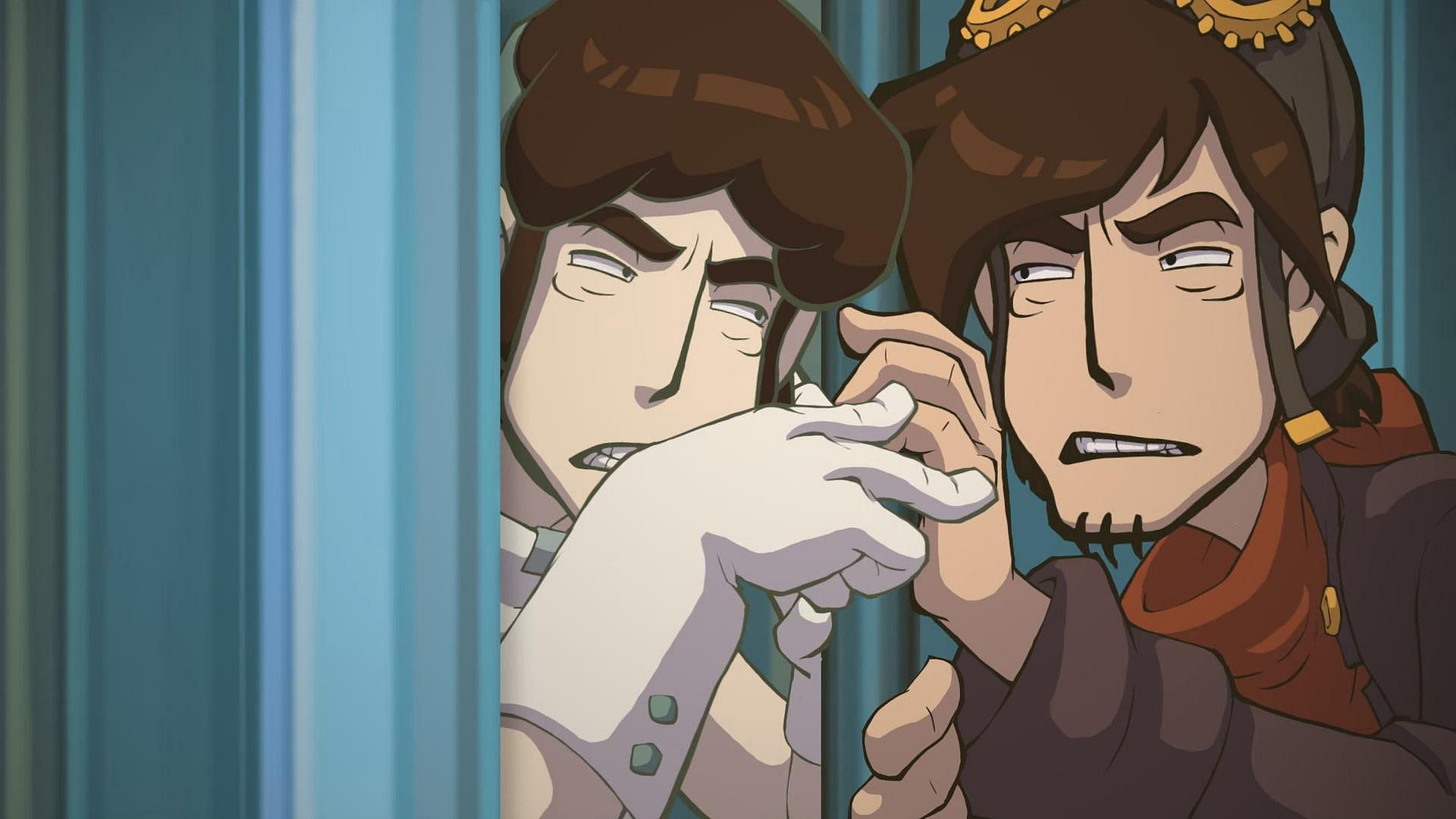
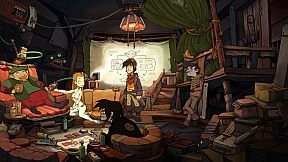
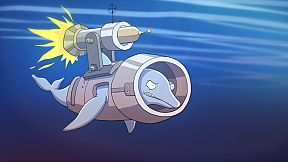
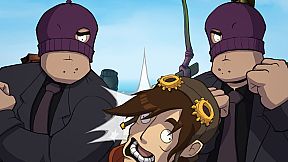
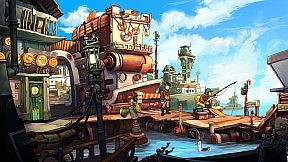
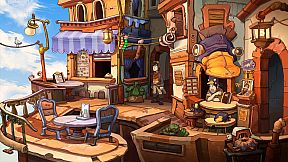
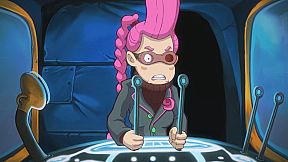
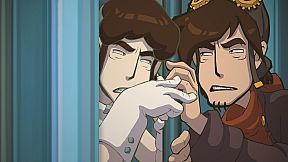
Chaos on Deponia is an indie adventure game that continues the story of the Deponia series through point-and-click mechanics on PC. Players control Rufus as he navigates a trash-covered planet filled with eccentric inhabitants and inventive obstacles. The title emphasizes narrative progression combined with puzzle solving and humorous dialogue choices that shape interactions with supporting characters.
Gameplay
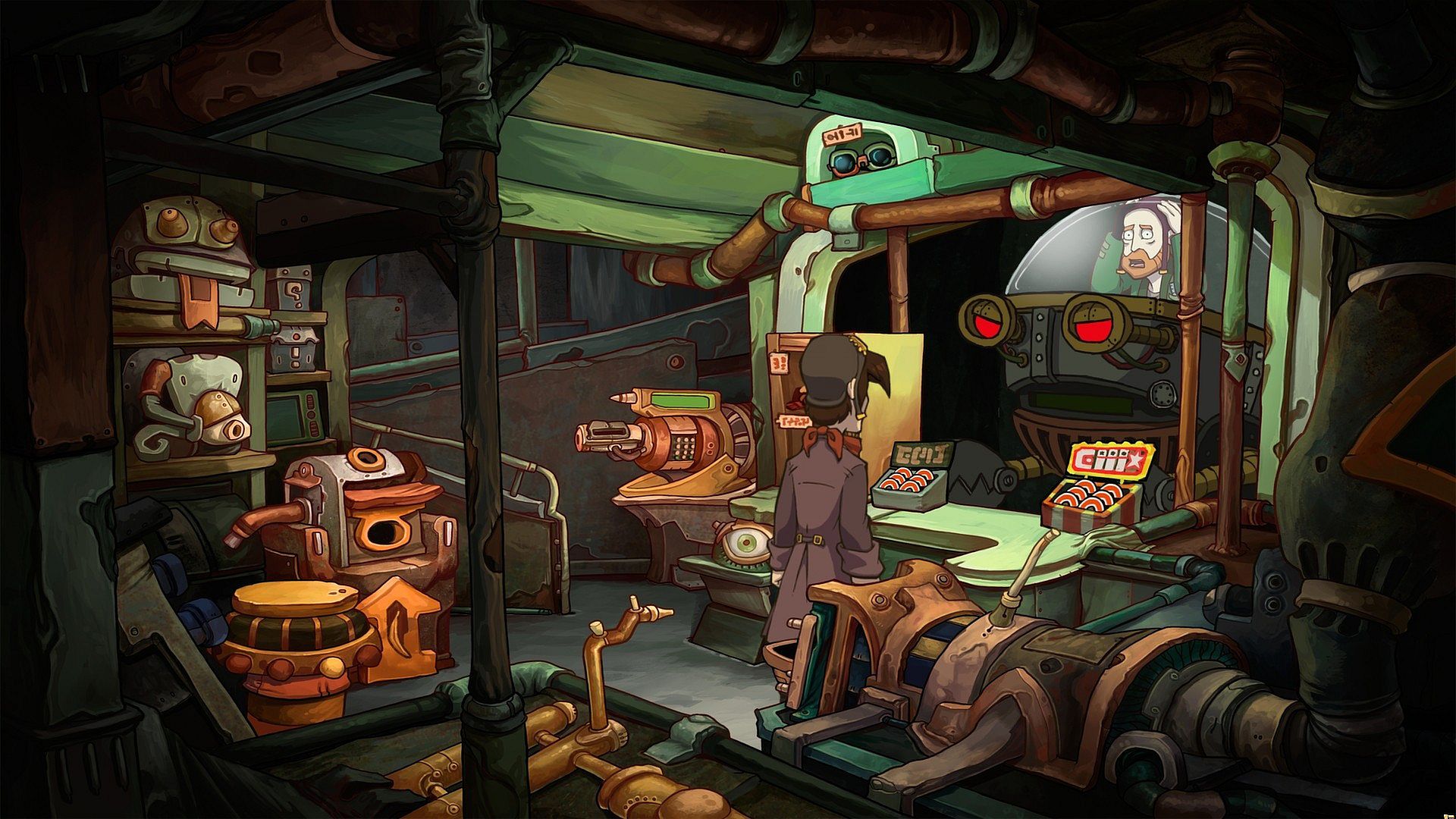
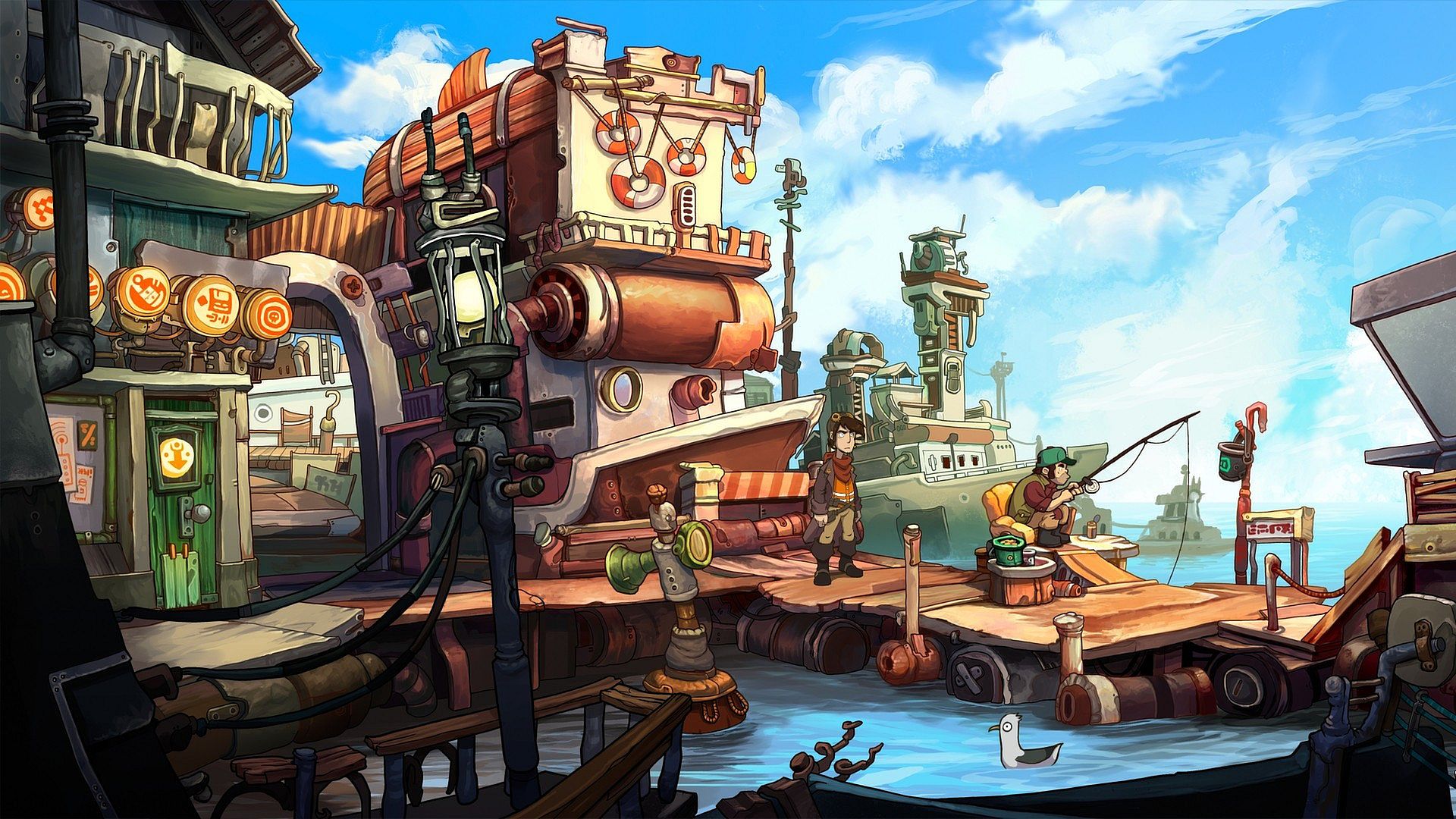
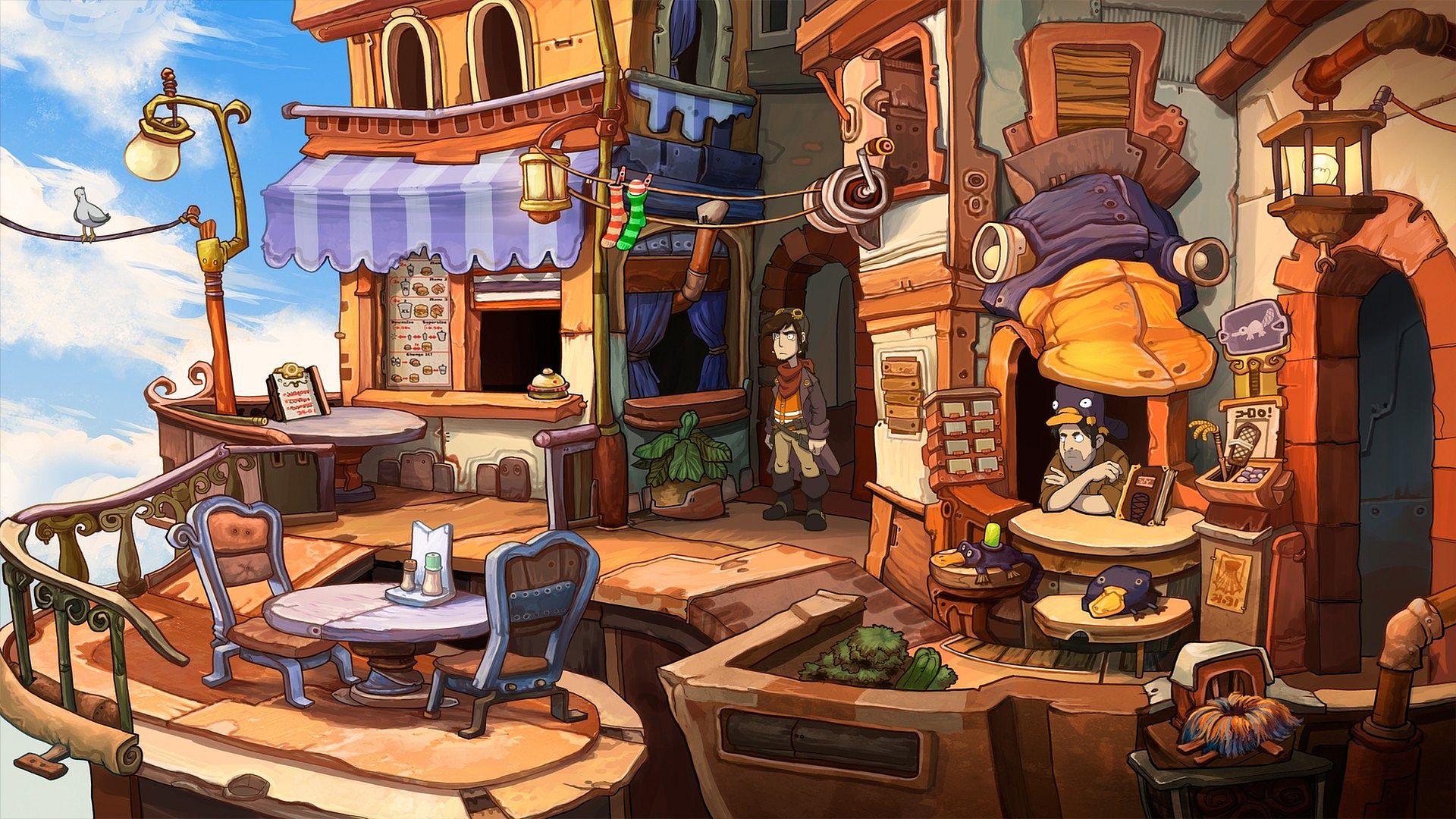
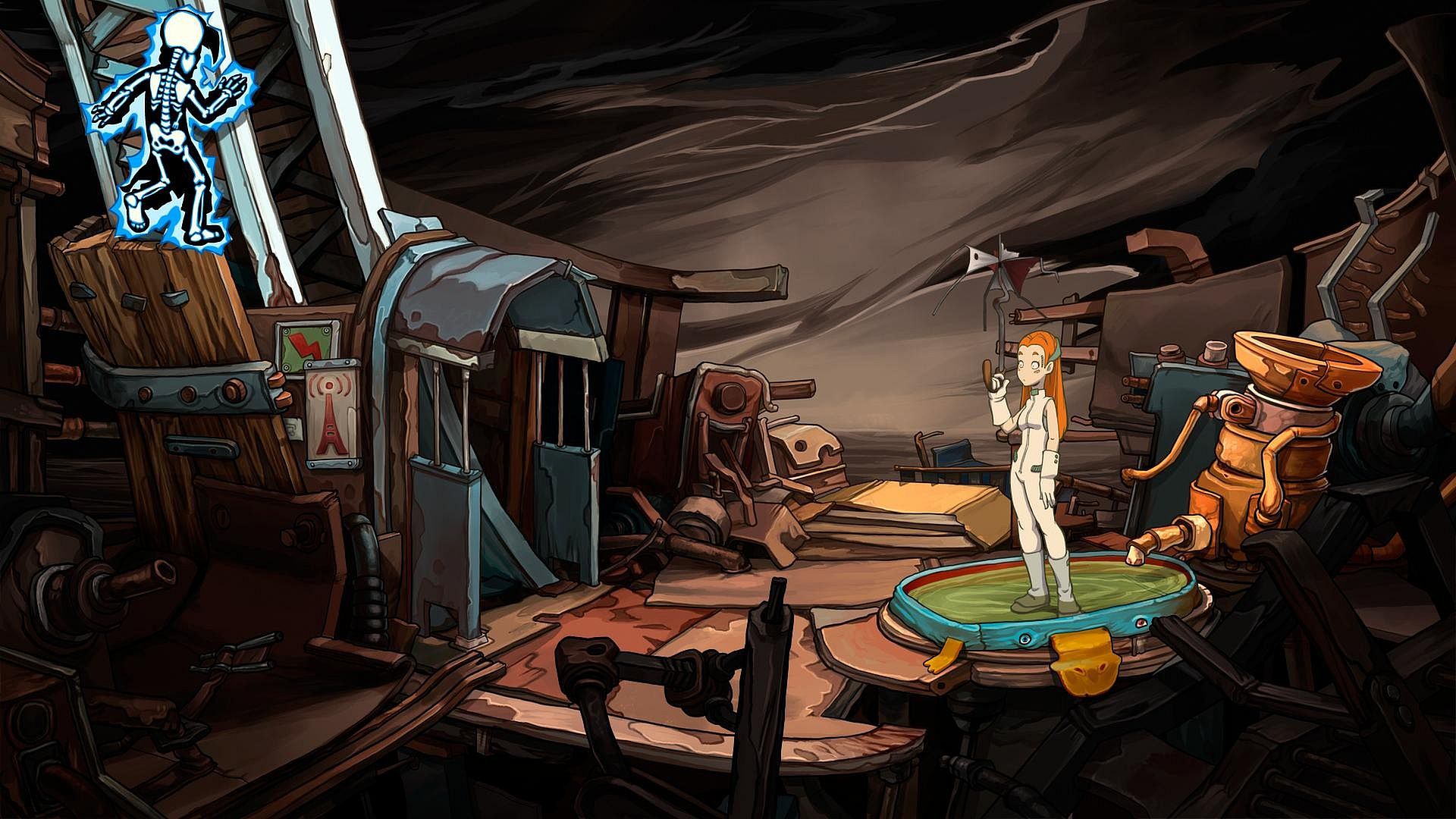
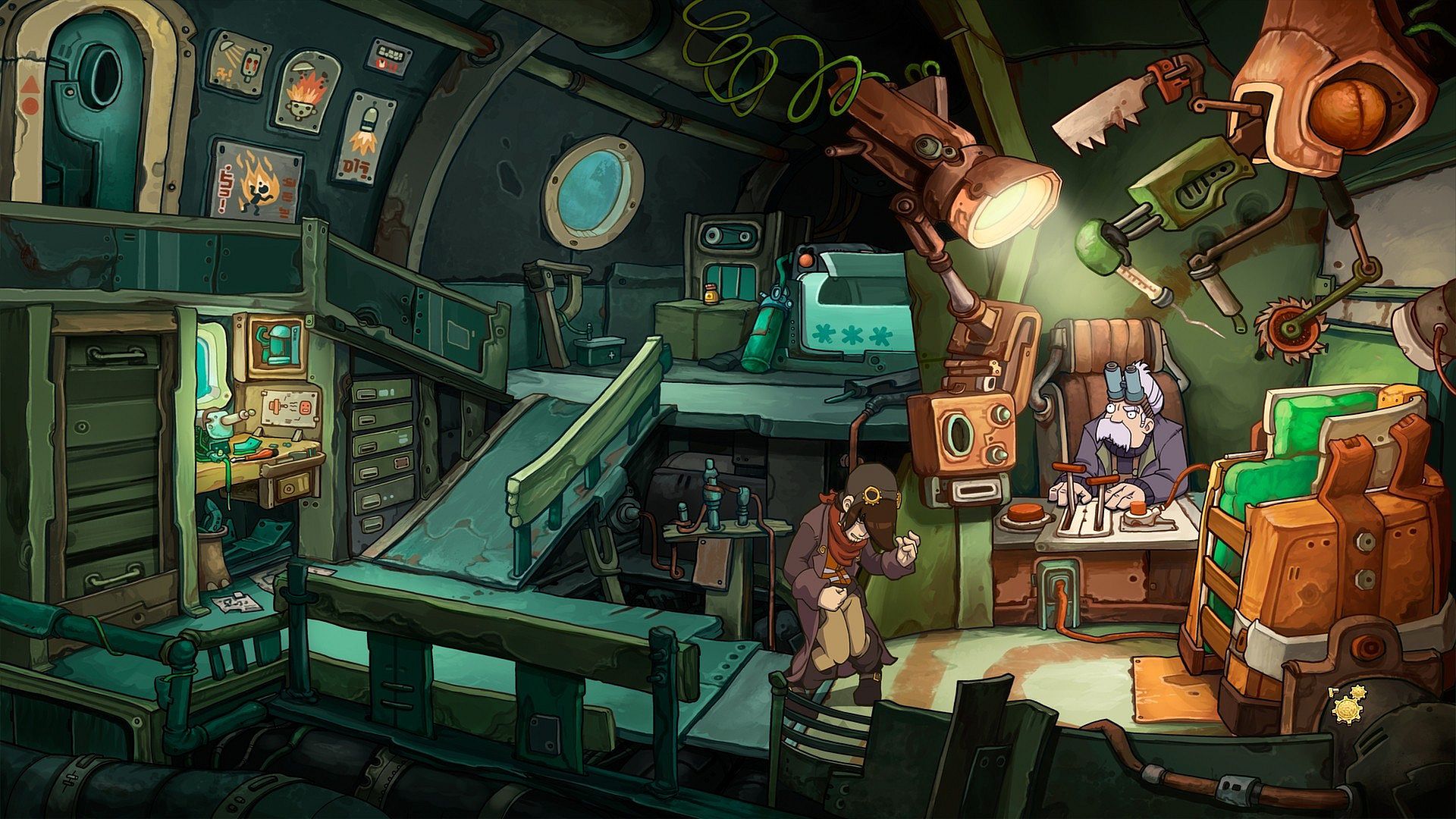
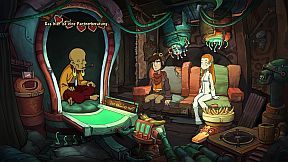
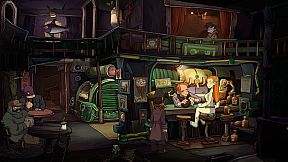
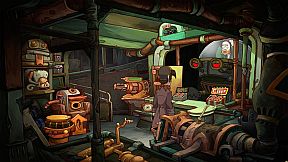
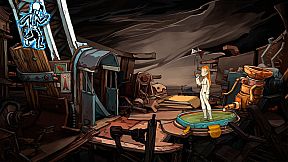
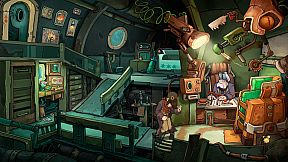
The core loop revolves around exploring detailed environments, collecting items, and combining them to overcome barriers. Rufus moves between locations on Deponia, interacting with objects and characters through a classic interface that highlights usable elements. Puzzles often require logical connections between inventory items and environmental clues, though some demand careful observation of the cartoonish surroundings.
Dialogue trees allow players to select responses that reveal character backstories or advance the plot in unexpected directions. Rufus relies on his quick wit to persuade or distract others, turning conversations into tools for progress. The game maintains a steady pace of discovery, with new areas unlocking as previous challenges are resolved.
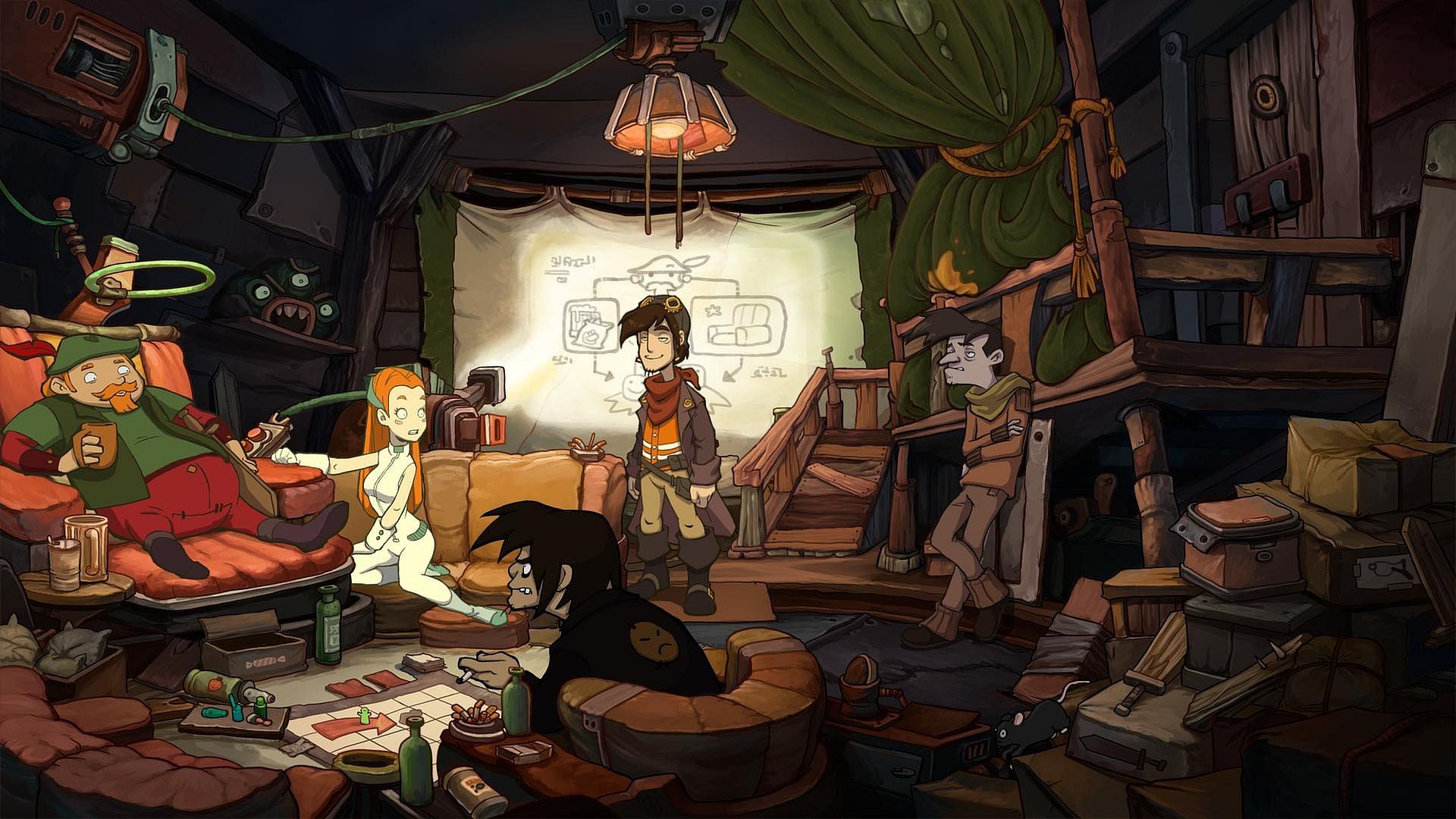
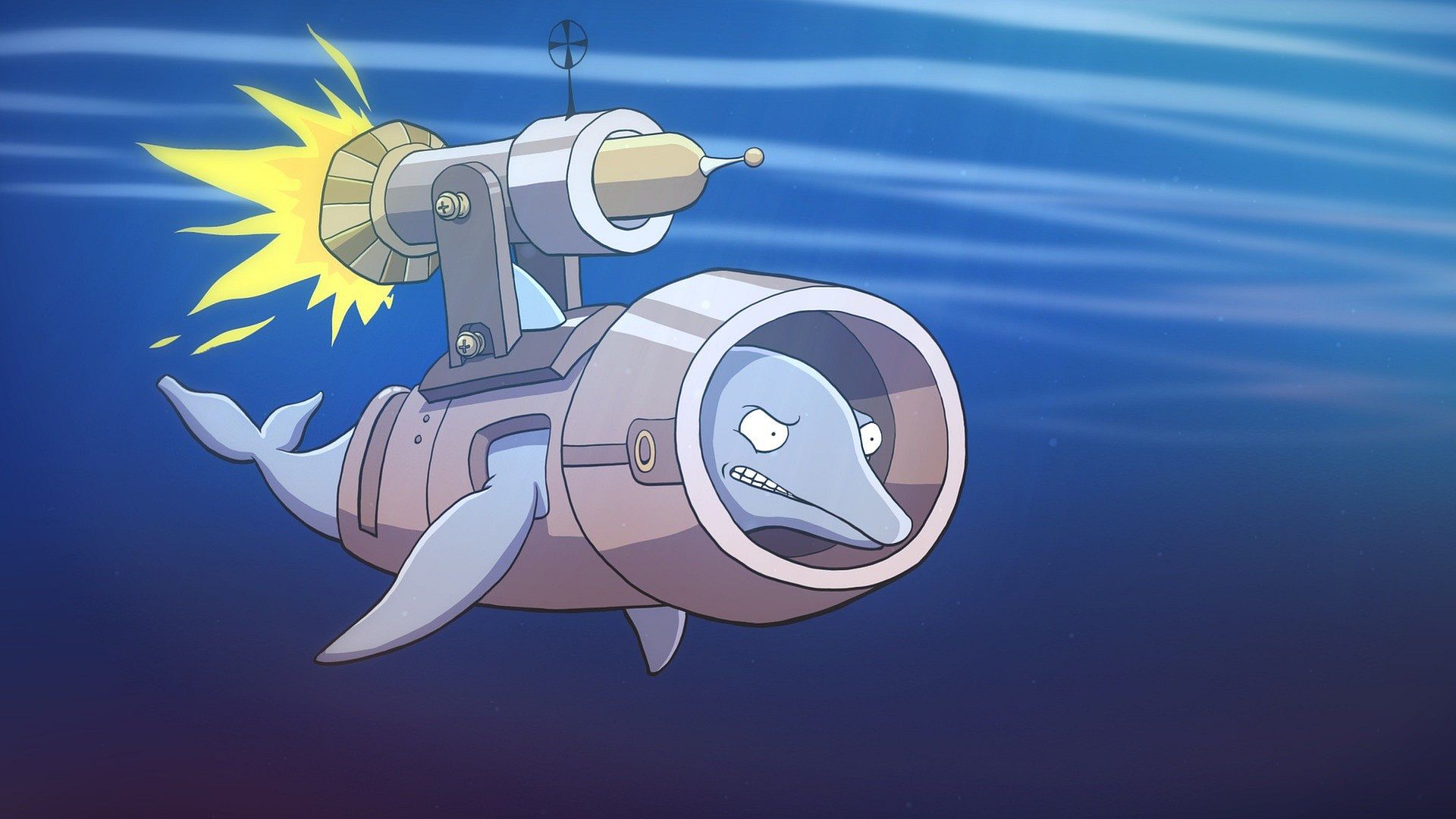
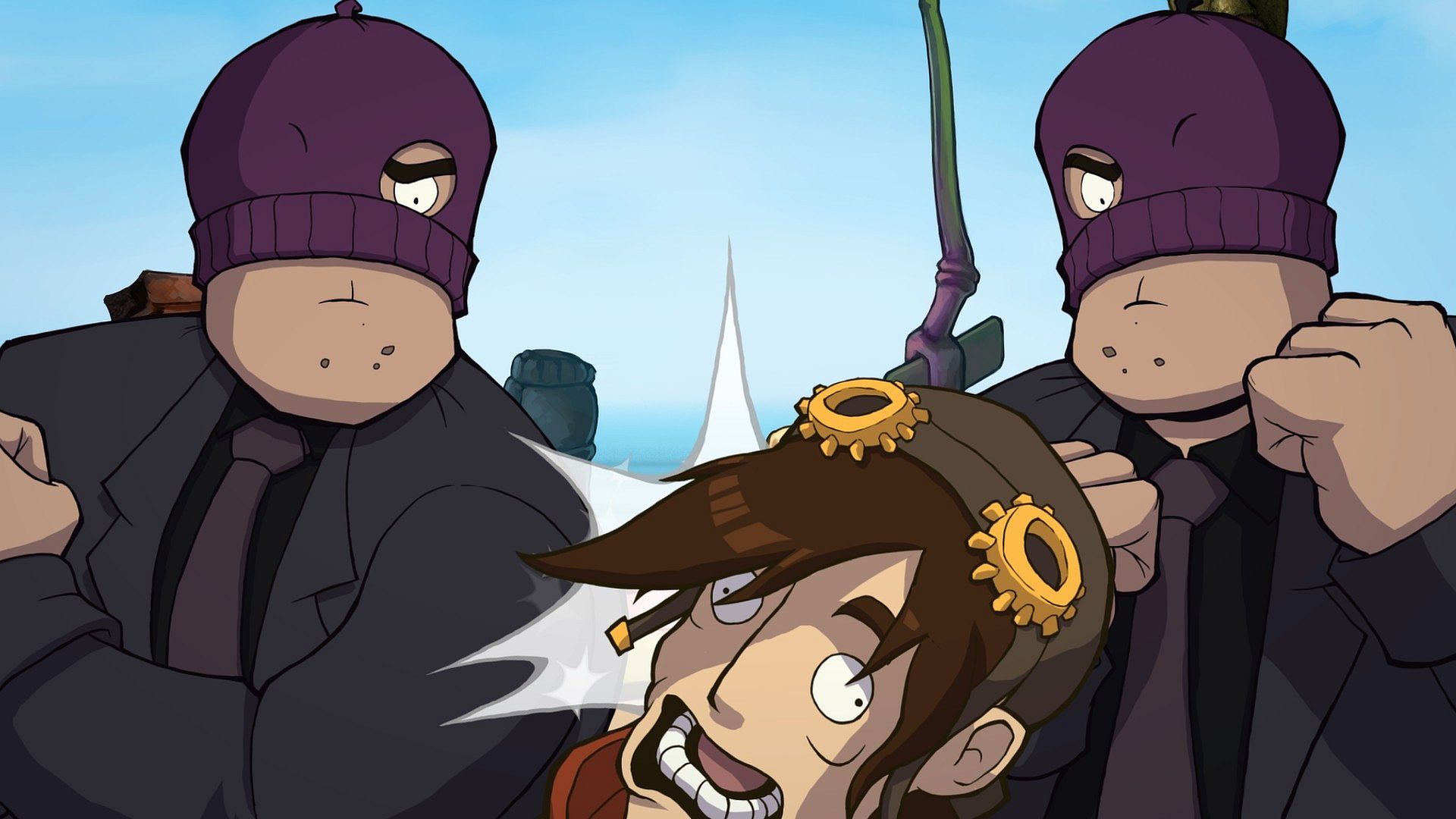
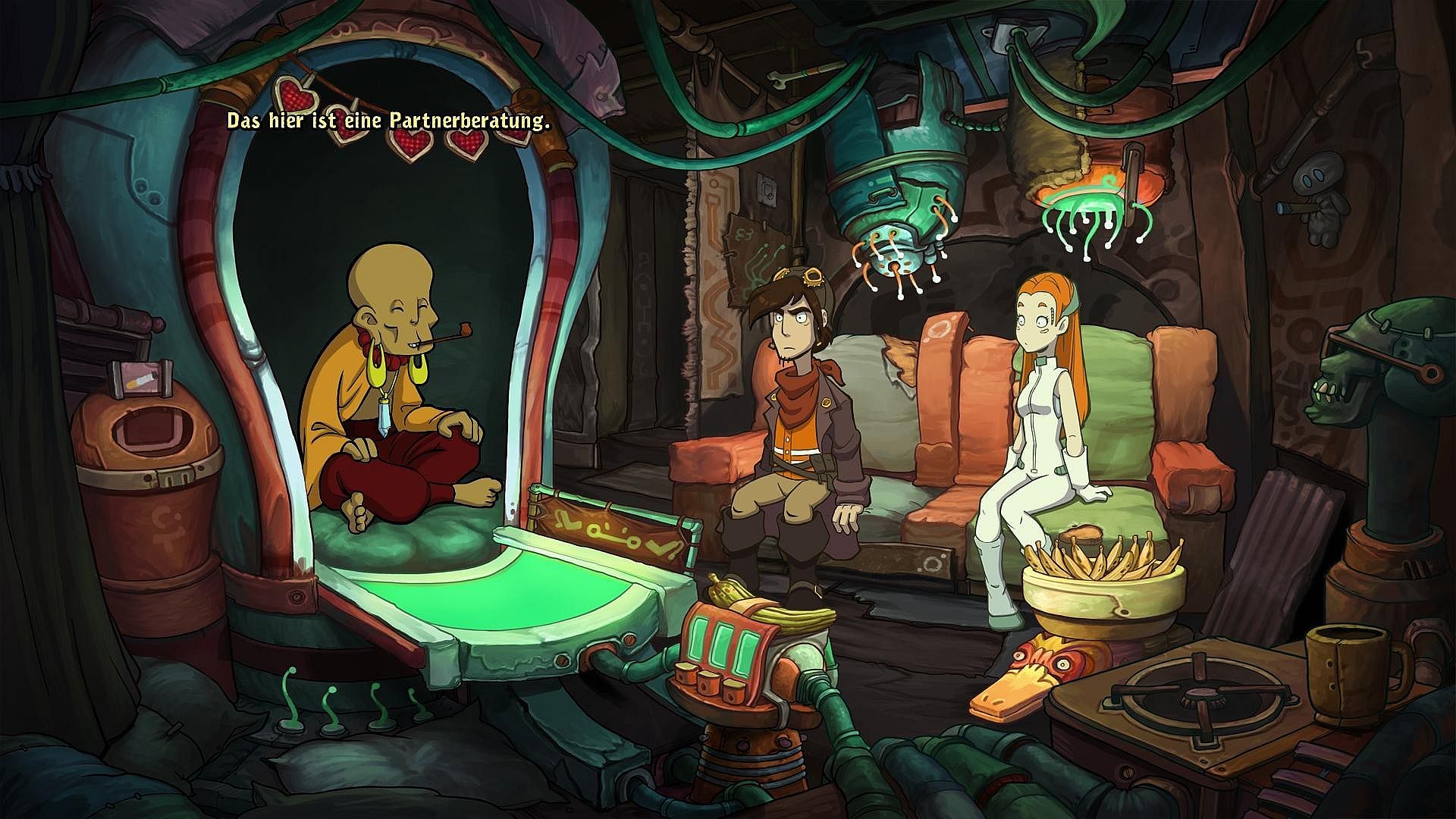
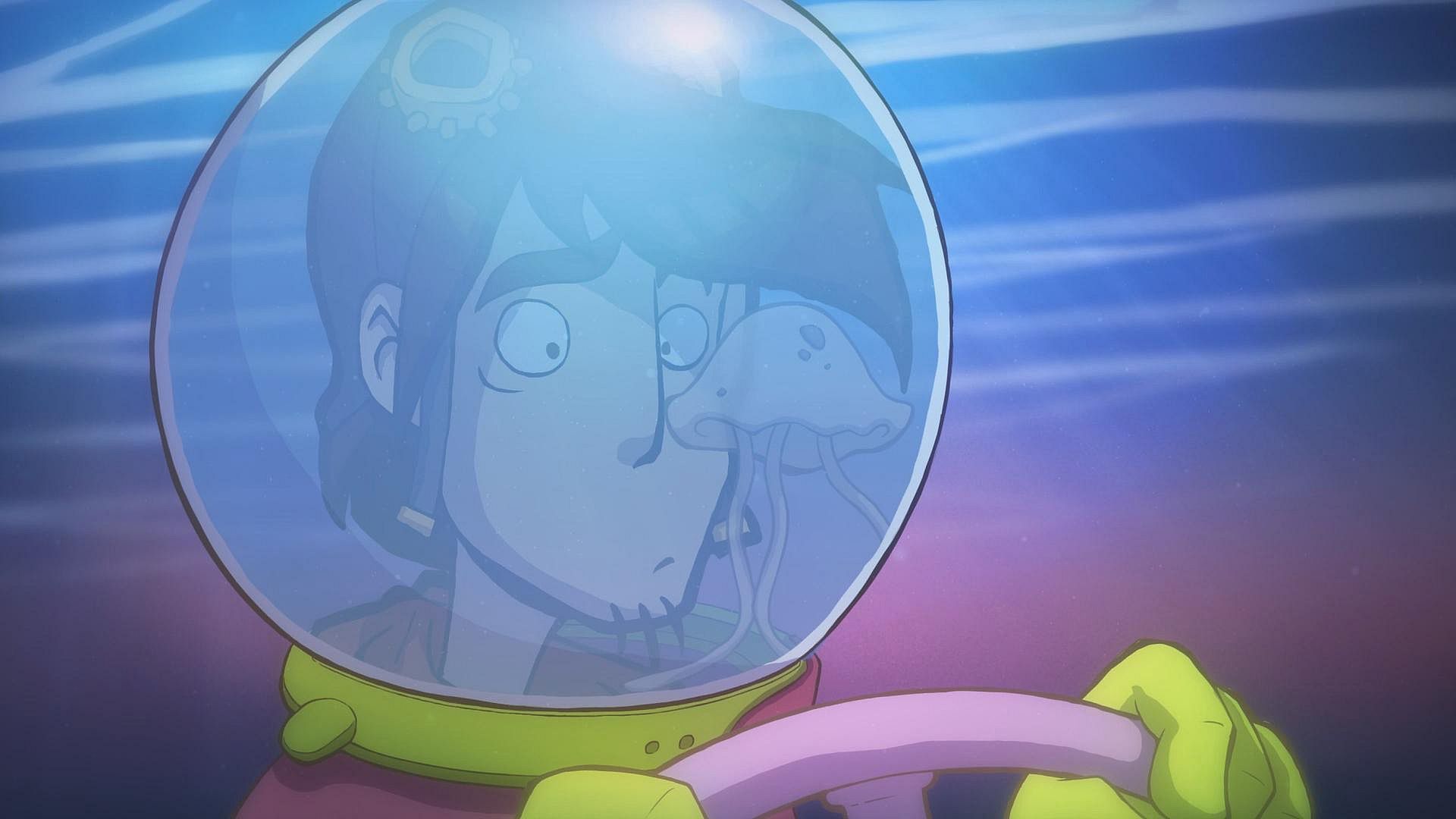
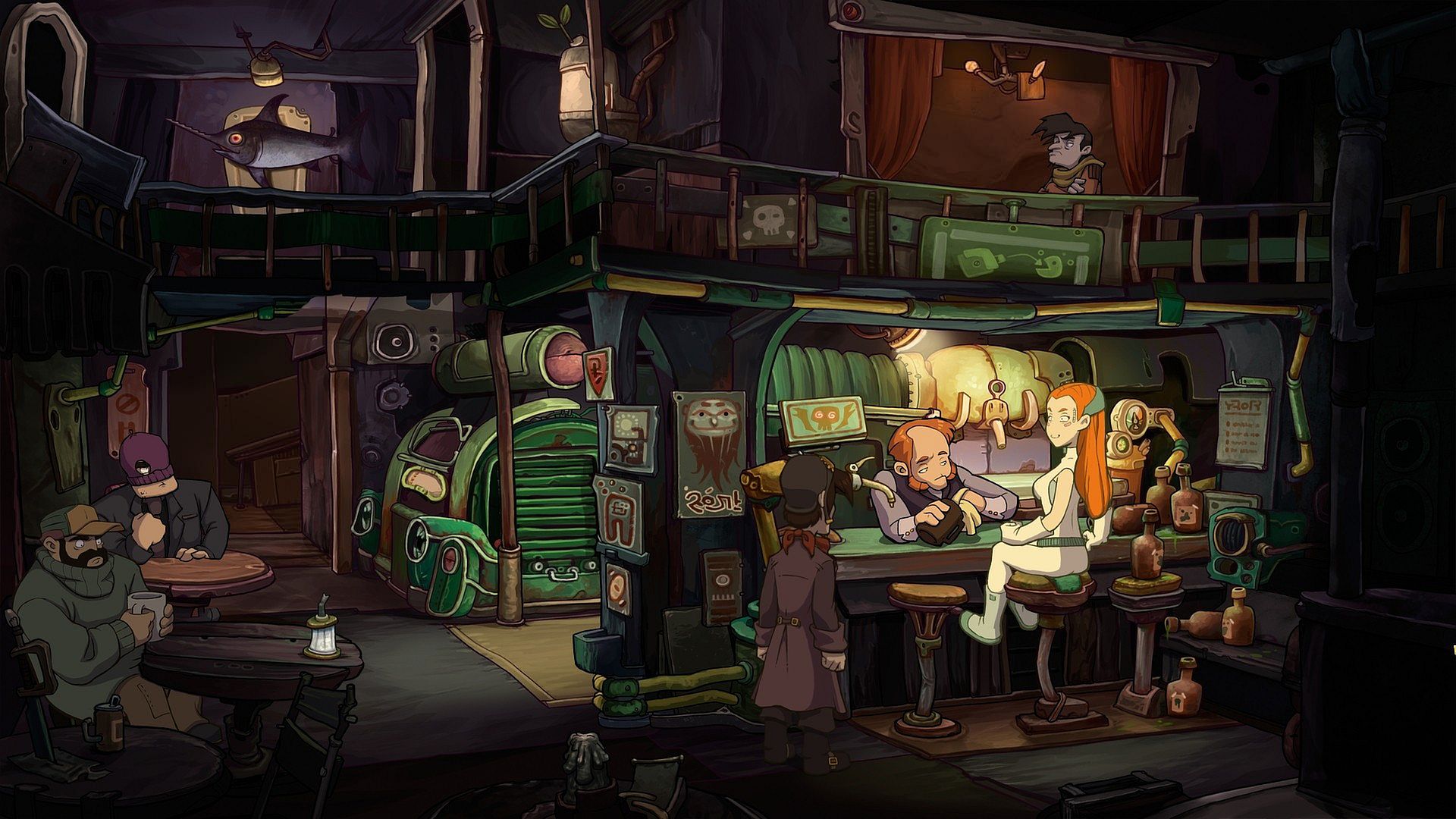
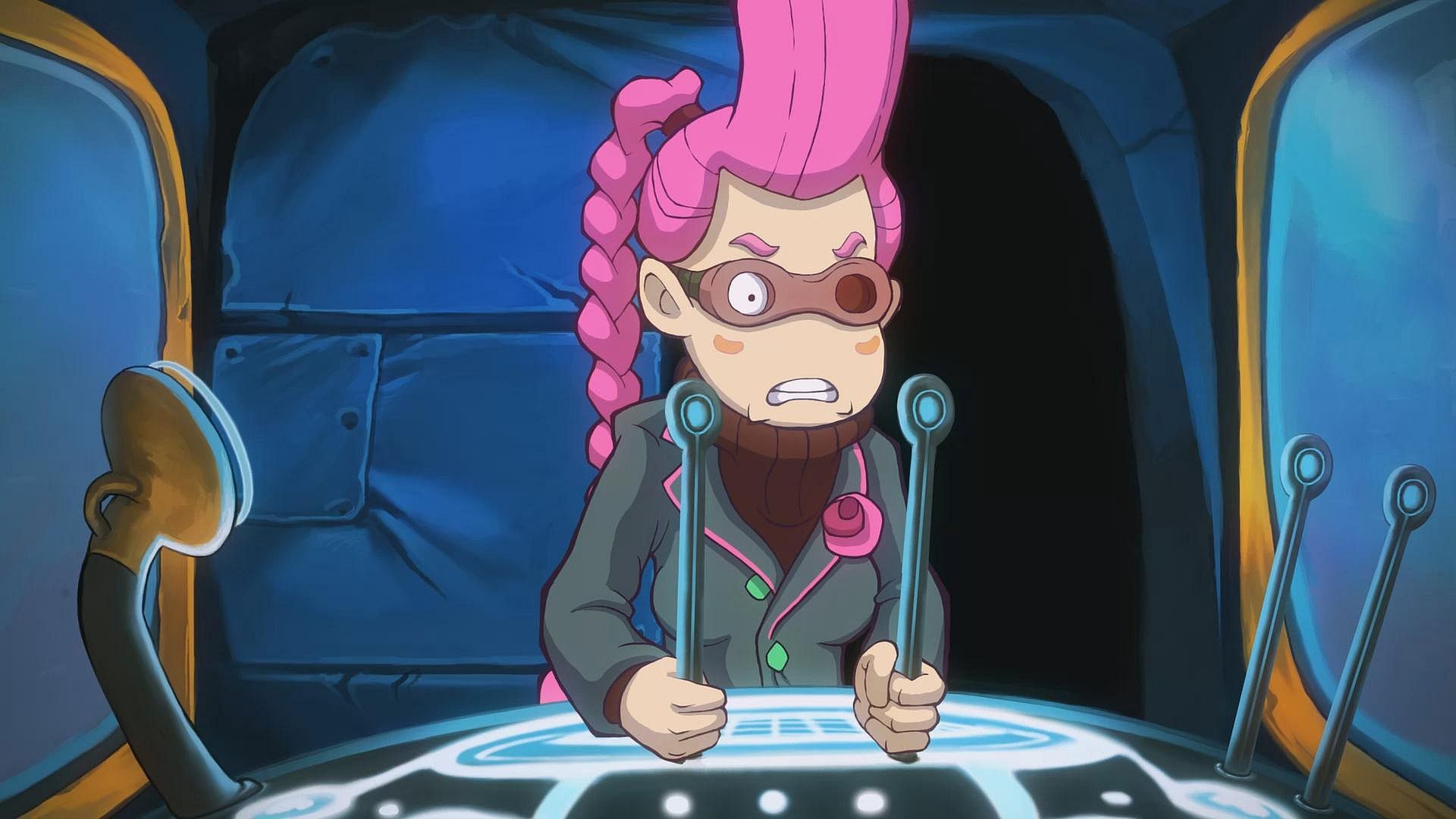
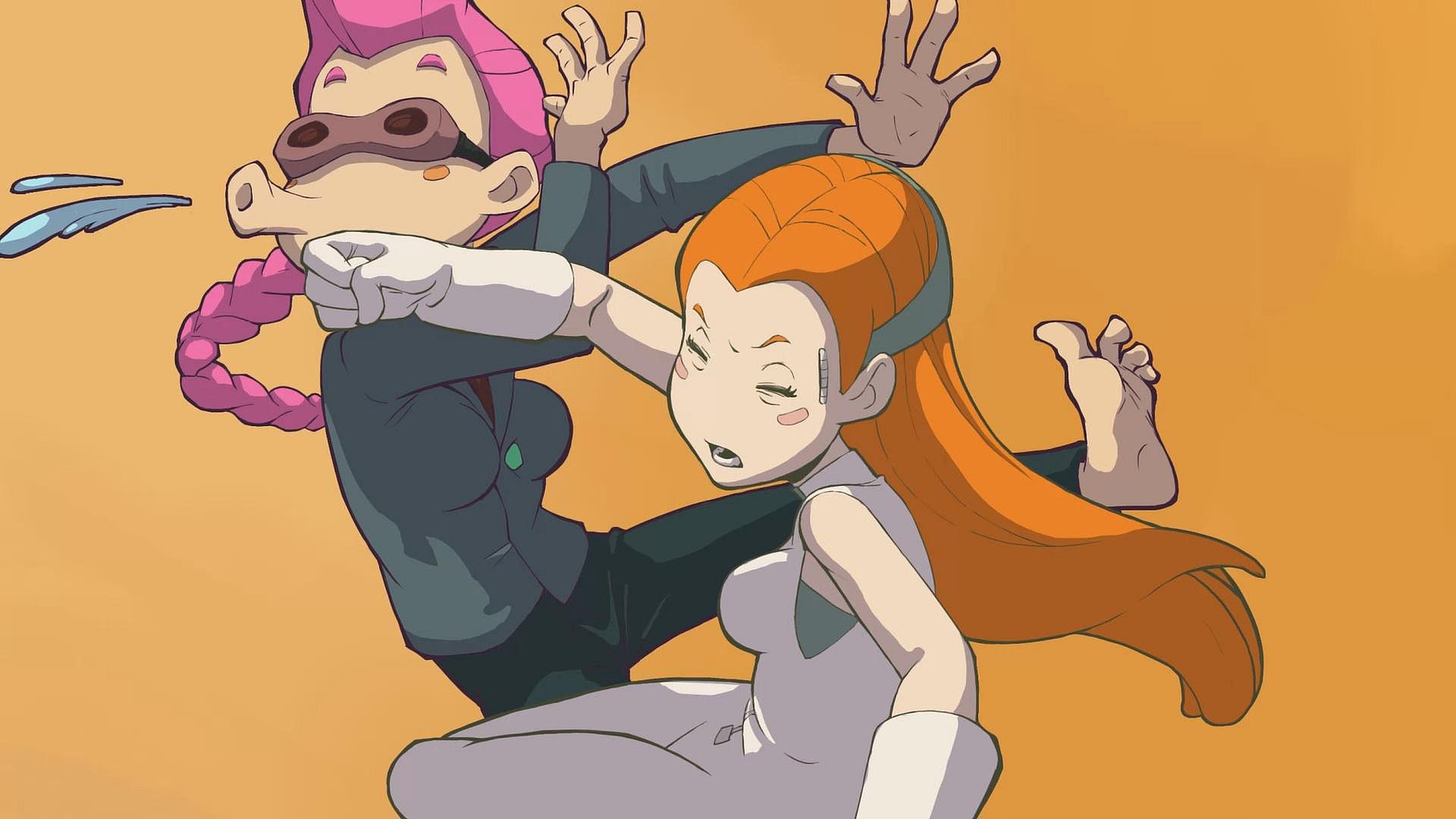
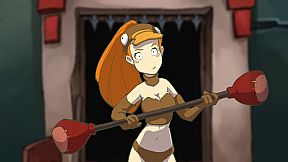
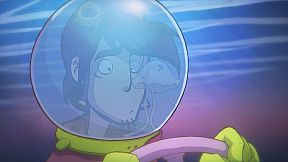
Atmospheric tracks accompany exploration and key moments, shifting tone to match the escalating absurdity of events. Full HD hand-drawn visuals present every scene in comic-inspired detail, making each screen a self-contained illustration worth examining for hidden details.
Game Modes
Chaos on Deponia functions exclusively as a single-player experience. The structure follows a linear story path divided across distinct locations and objectives that build toward the central conflict. Players advance by completing sequences of exploration, item use, and dialogue without branching paths or competitive elements.
Progression relies on solving interconnected puzzles within each area before moving forward. There are no alternate modes, multiplayer options, or replay systems beyond revisiting completed sections for missed achievements. The focus stays on narrative delivery and puzzle resolution in one continuous campaign.
Story and Characters
After the events of the first game, Rufus appears reformed yet soon faces another crisis when Goal's consciousness splits into three separate entities stored on discs. The task involves locating and reuniting these parts while addressing larger threats to the planet. The tale stands alone, though returning players notice expanded details on familiar figures and unresolved threads from prior events.
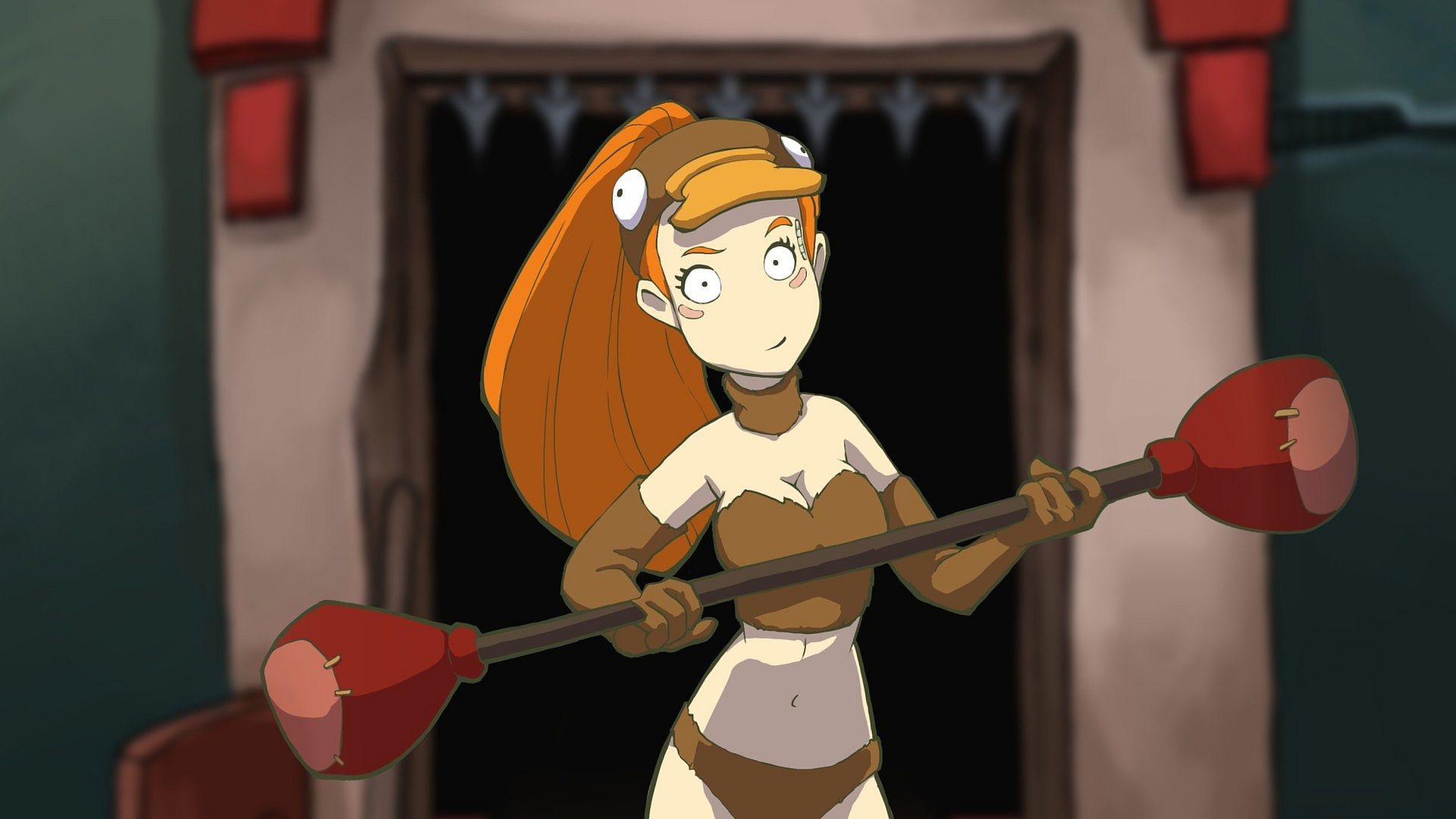
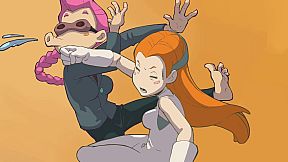
Supporting characters display exaggerated personalities that fuel comedic exchanges. Rufus employs charm and schemes that often backfire in amusing ways, keeping the tone light even during tense sequences. The world draws from satirical traditions with bizarre inventions and social commentary woven into everyday interactions on the junk planet.
Is It Worth Playing?
Steam user reviews rate the game Very Positive, with 83 percent approval from over 750 English reviews. Recent feedback remains similarly favorable. The experience suits those who enjoy point-and-click adventures centered on humor, character-driven stories, and inventive puzzle design.
Critics and players note strengths in the art direction and soundtrack alongside occasional frustration with puzzle logic. It delivers a self-contained campaign that rewards patience with memorable set pieces and witty writing. Availability on PC makes it accessible for fans of classic adventure titles or anyone seeking a lighter, comedic entry in the genre.
Those drawn to hand-drawn visuals, elaborate sound design, and protagonists who balance selfishness with reluctant heroism will find consistent engagement throughout. The game stands as a complete package without ongoing content updates or seasonal additions.