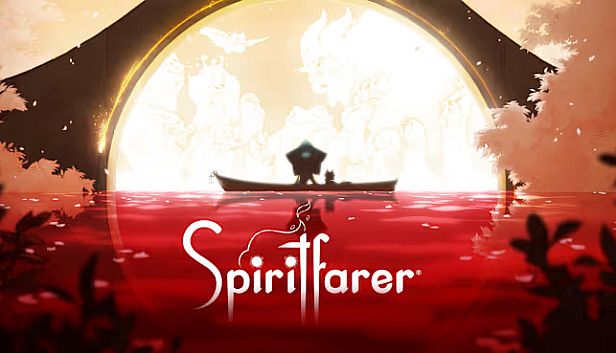


Spiritfarer is a management simulation game in which players take on the role of Stella, a ferrymaster guiding spirits to the afterlife. The experience centers on building and maintaining a boat while exploring an ocean world filled with islands. On the Nintendo Switch, the game emphasizes hands-on resource management combined with light platforming and relationship building through quests.
Gameplay
The core loop revolves around gathering materials such as wood, ore, and food ingredients from islands scattered across the sea. Players farm crops, mine resources, fish, harvest plants, cook meals, and craft items using stations built on the boat. Many crafting activities involve simple timed mini-games that add a layer of engagement without overwhelming complexity. A day and night cycle influences exploration and certain gathering activities, while platforming sections require precise movement to reach higher areas or hidden spots on islands.
Boat upgrades come from collected resources, allowing new rooms and facilities like kitchens, gardens, and workshops. These additions improve efficiency and unlock advanced crafting options. Spirits that join the boat offer quests tied to their personal stories, which often involve fetching specific items or completing tasks that reward new abilities or materials. Passenger moods change over time and require attention through food, conversation, or completed objectives to keep them content and productive.
Resource management ties directly into progression, as better facilities and expanded boat space support more spirits and complex recipes. The Switch version supports portable play, making short sessions effective for checking on the boat or completing quick gathering runs.
Game Modes
Spiritfarer supports solo play as the primary experience, with all management, exploration, and story elements handled by a single player. A two-player cooperative mode allows a second participant to join locally as Daffodil the cat, assisting with tasks such as fishing, farming, cooking, and basic combat encounters during exploration. This co-op option focuses on shared activities rather than competitive elements and works well for couch sessions on the Nintendo Switch.
No additional competitive or online modes exist. The game remains a single continuous journey without separate campaign variants or seasonal rotations.
Exploration and Building
Travel across the ocean reveals new islands with unique resources and challenges. Platforming sections and light combat against obstacles help players access materials needed for boat improvements. Building new structures expands the ship's capabilities, creating dedicated spaces for cooking, crafting, and storage that streamline daily routines. Each addition integrates into the ongoing management of passengers and their needs.
Quests from spirits often send players back to previously visited islands or toward new ones, encouraging repeated exploration with upgraded tools and abilities gained along the way. The hand-drawn art style and gentle pacing make these trips feel deliberate and rewarding.
The Spirits and Their Stories
Spirits boarding the boat bring individual backstories that unfold through dialogue and quest lines. Helping them resolve unfinished matters advances both the narrative and the player's capabilities, often granting new movement options or crafting recipes. Their presence influences ship life, as happier passengers contribute more effectively to production tasks. The game handles themes of loss and closure through these interactions without rushing the emotional beats.
Is It Worth Playing?
Spiritfarer delivers a complete single-player and local co-op experience focused on steady management and reflective storytelling. Players who enjoy blending resource gathering, crafting mini-games, and character-driven quests will find consistent engagement across its length. The Nintendo Switch version preserves the full feature set, including all previously released content updates that added new spirits and buildings. Reception highlights the satisfying integration of systems with meaningful passenger interactions, making it a strong choice for those seeking a thoughtful management game rather than high-intensity action. If the blend of boat building, island exploration, and emotional narrative appeals, the title offers lasting value on the platform.