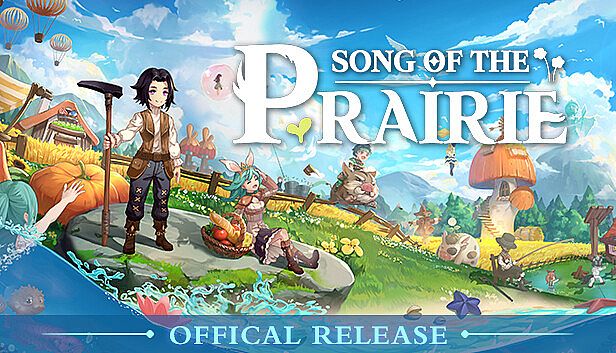












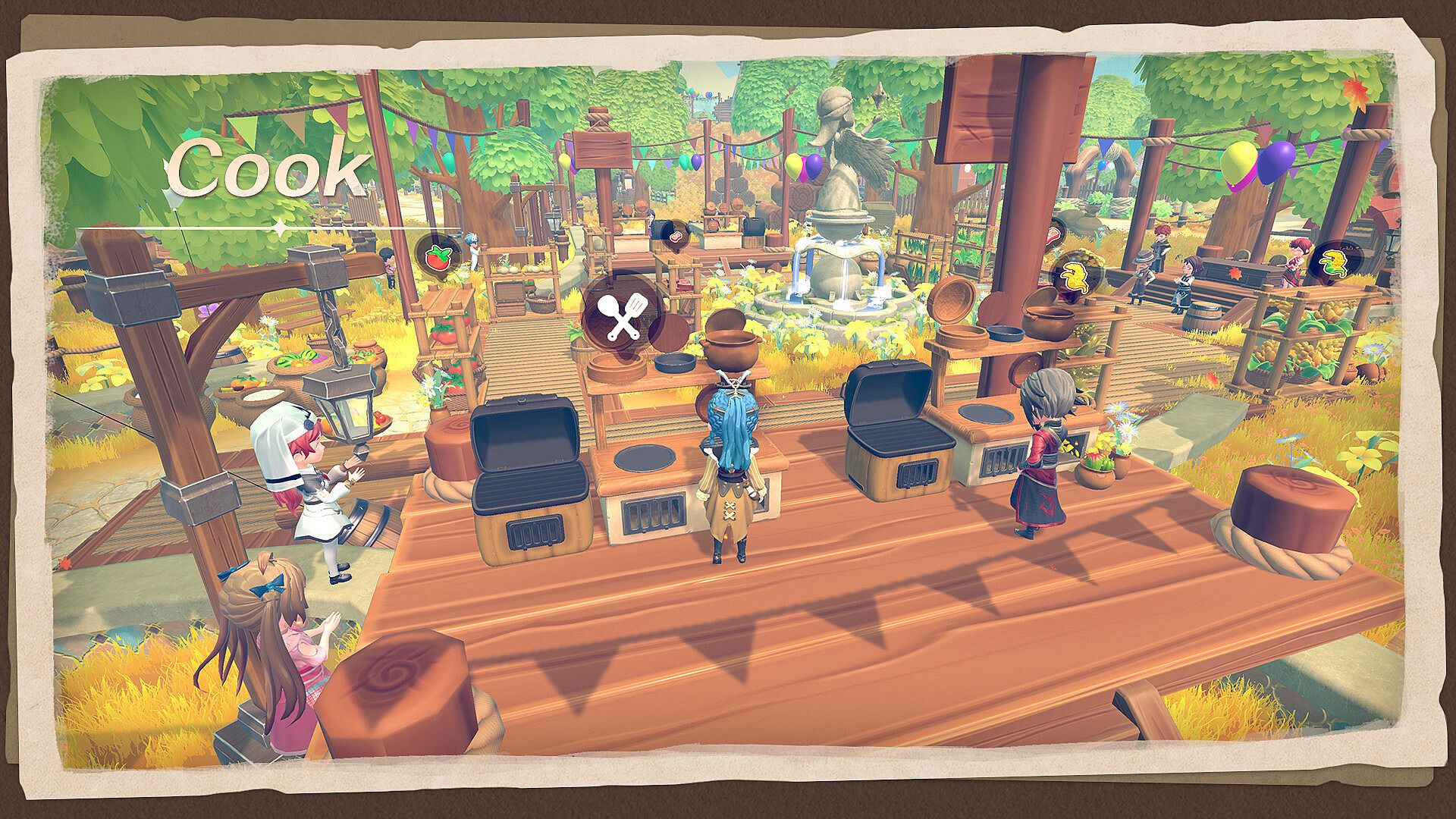
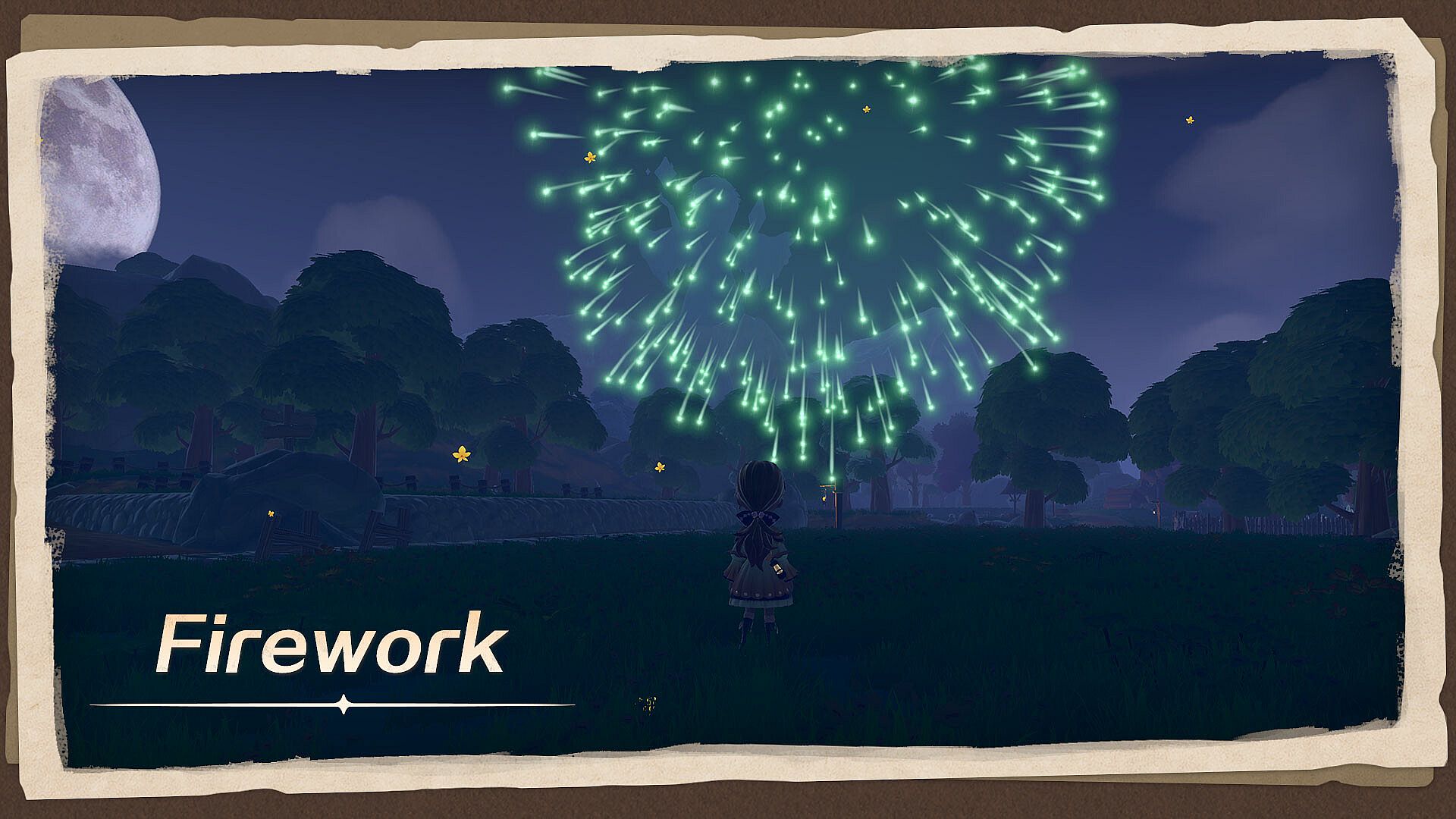
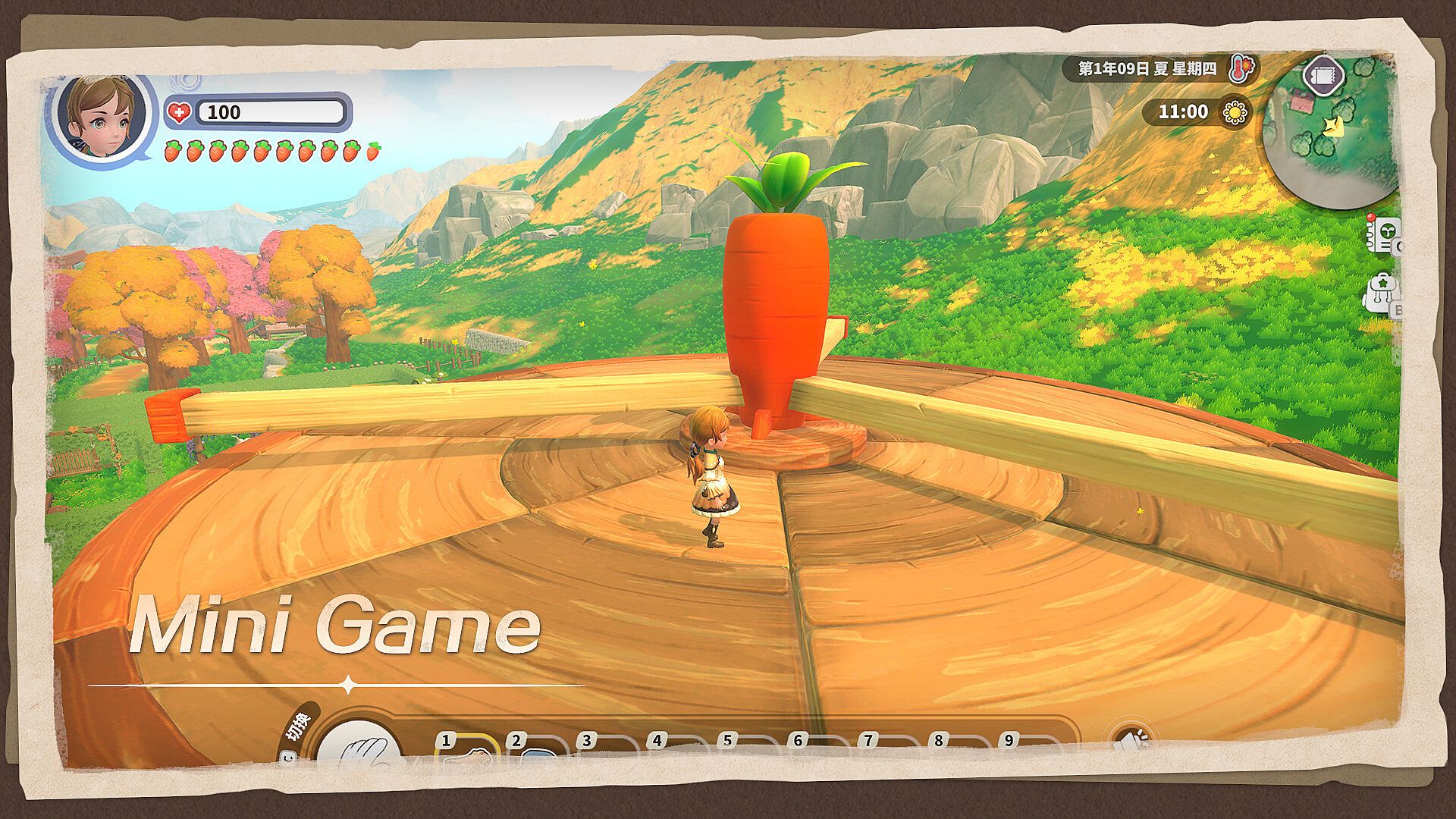
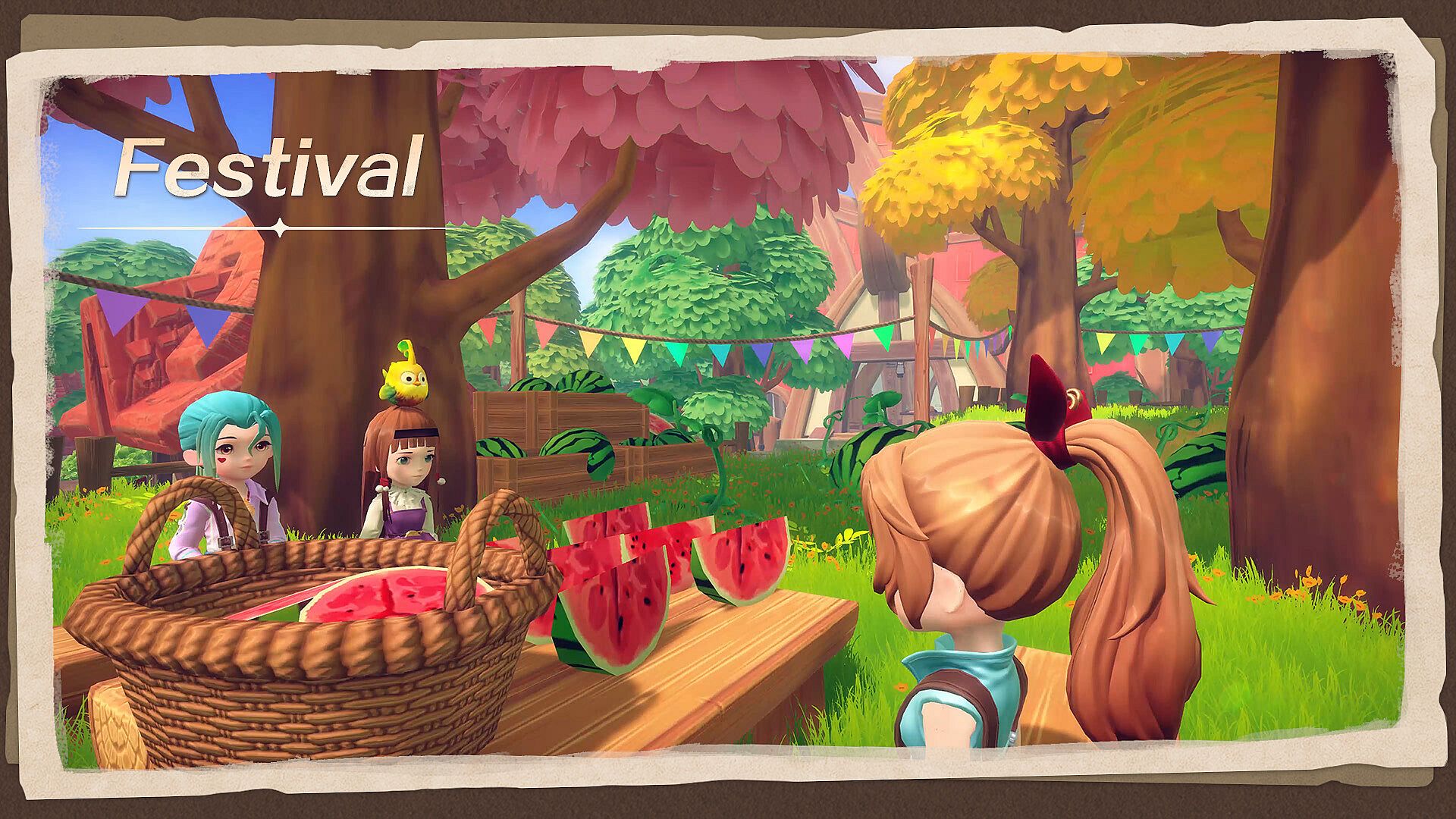
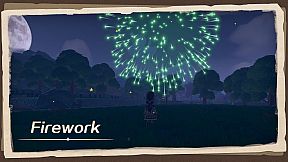
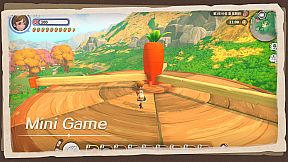
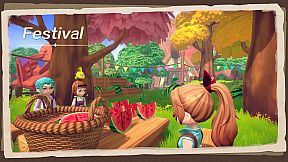
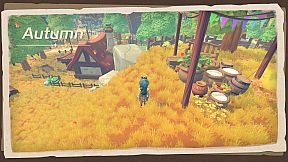
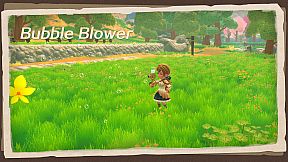
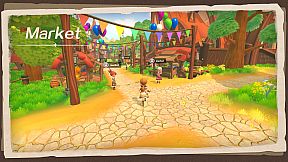
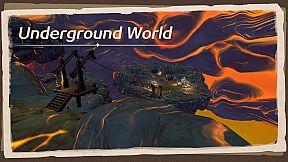
Song of The Prairie is a 3D farm simulation game that combines indie RPG elements with casual and simulation gameplay on PC. Players take on the role of a hero who has defeated a demon and now seeks a quiet rural life in a prairie town once blessed by a goddess. The experience centers on building and managing a farm while exploring the surrounding area and forming connections with local residents.
Gameplay
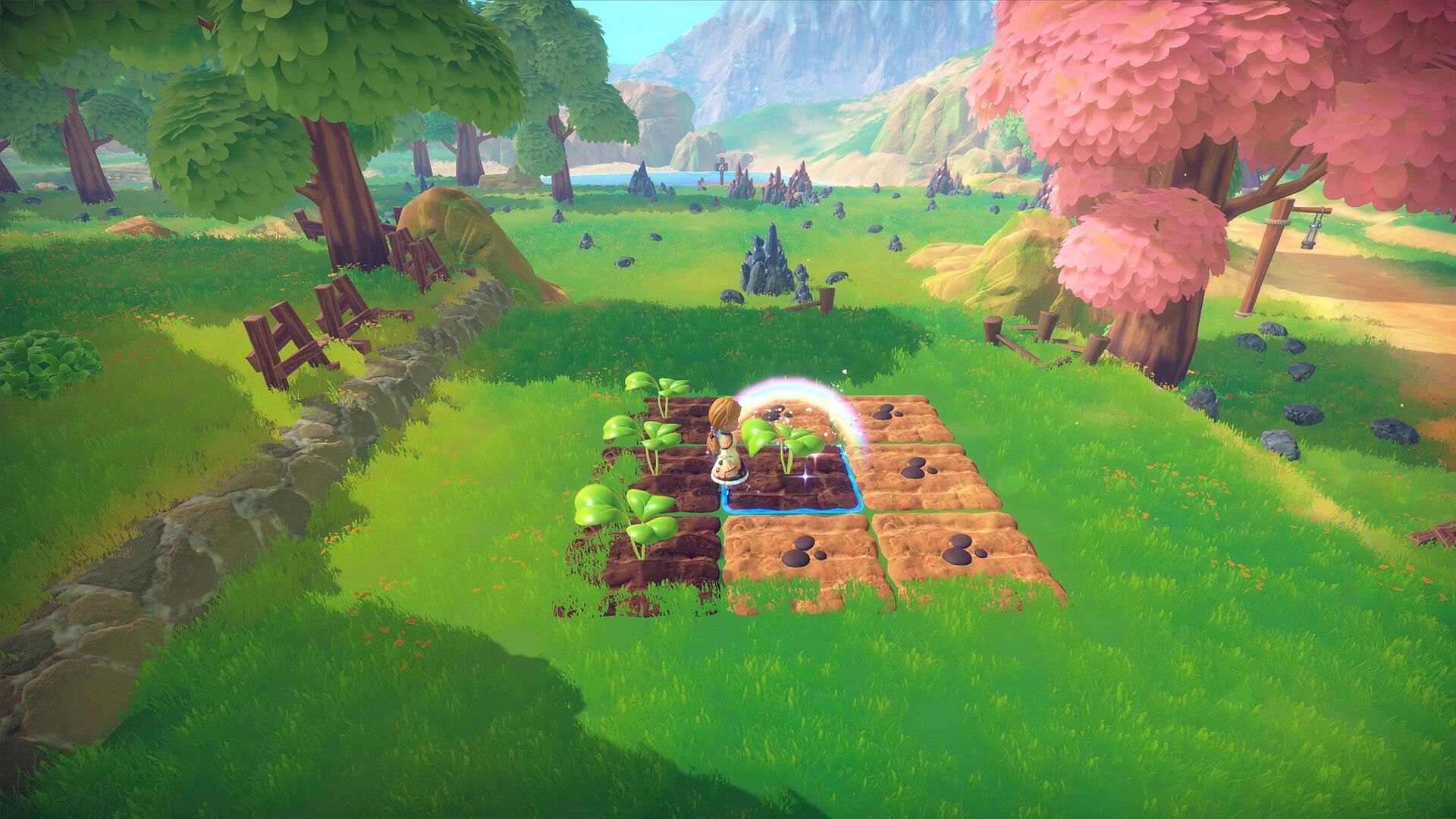
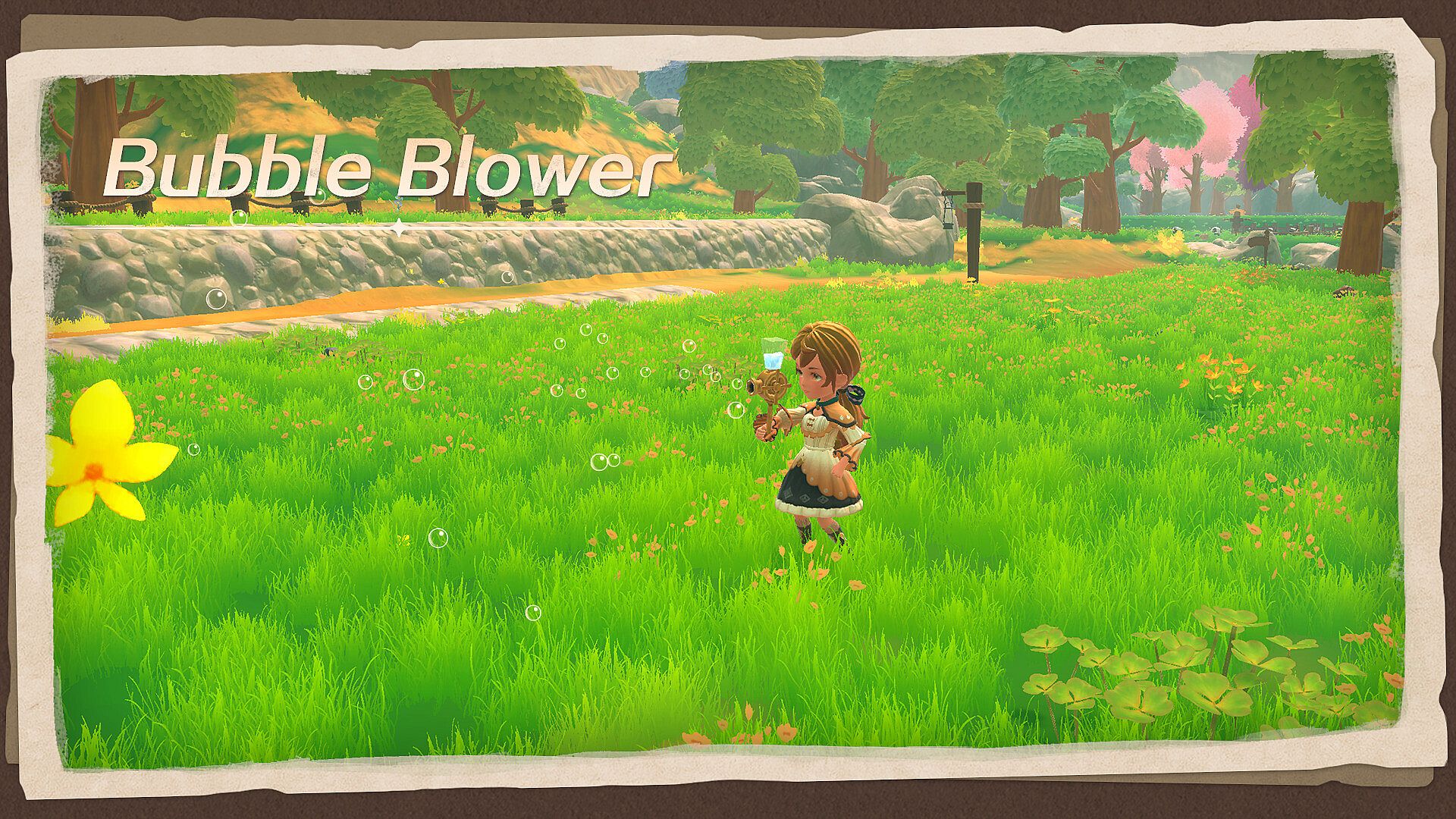
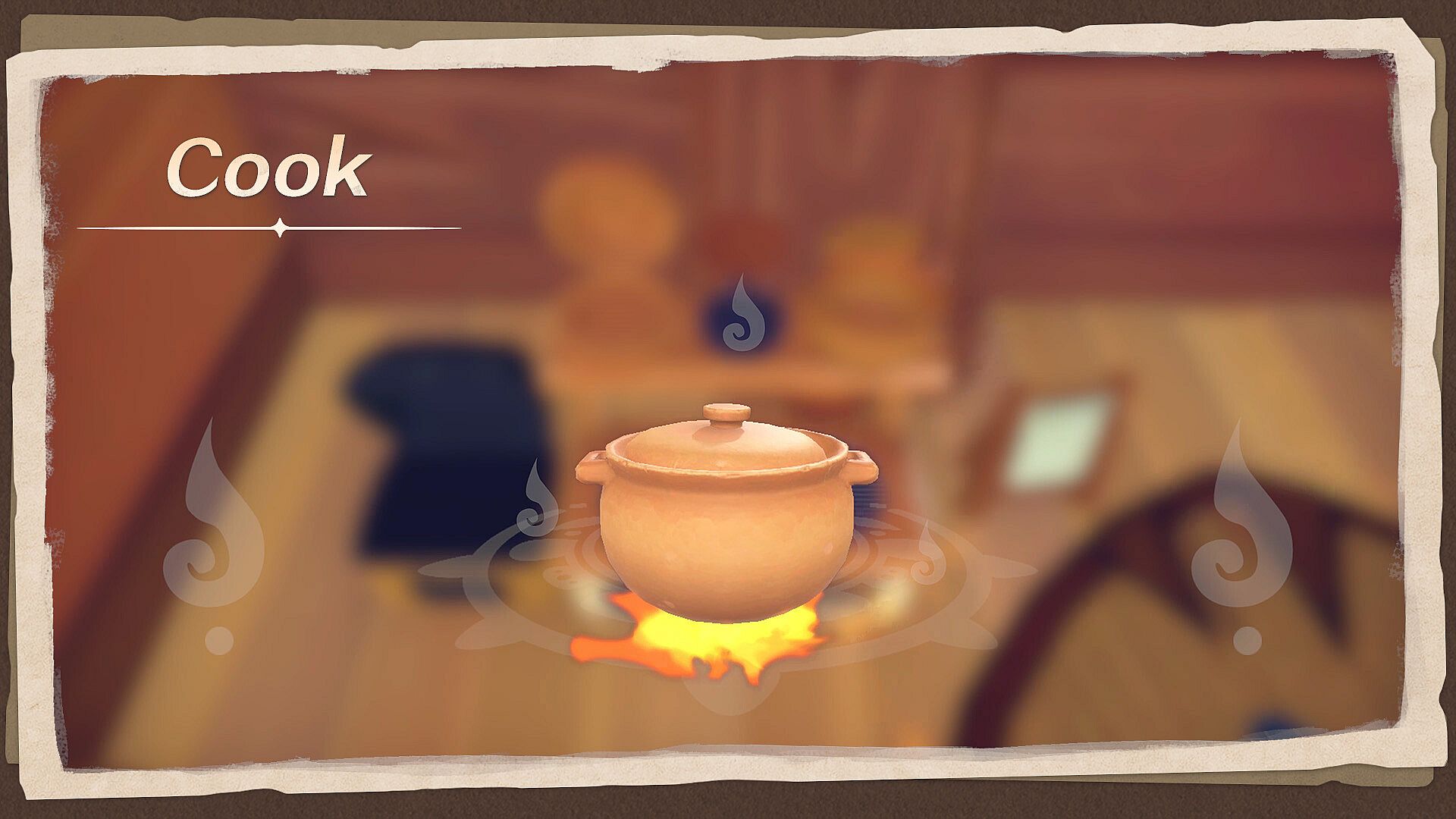
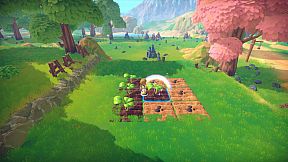
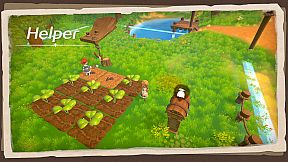
The core loop revolves around farming activities that include tilling soil, planting seeds, watering crops, and harvesting. Plants progress through multiple growth stages with visible changes and effects, and mature crops often reach unusually large sizes due to the land's natural vitality. Foraging in the wild areas yields additional resources like herbs, mushrooms, and stones that support crafting and upgrades.
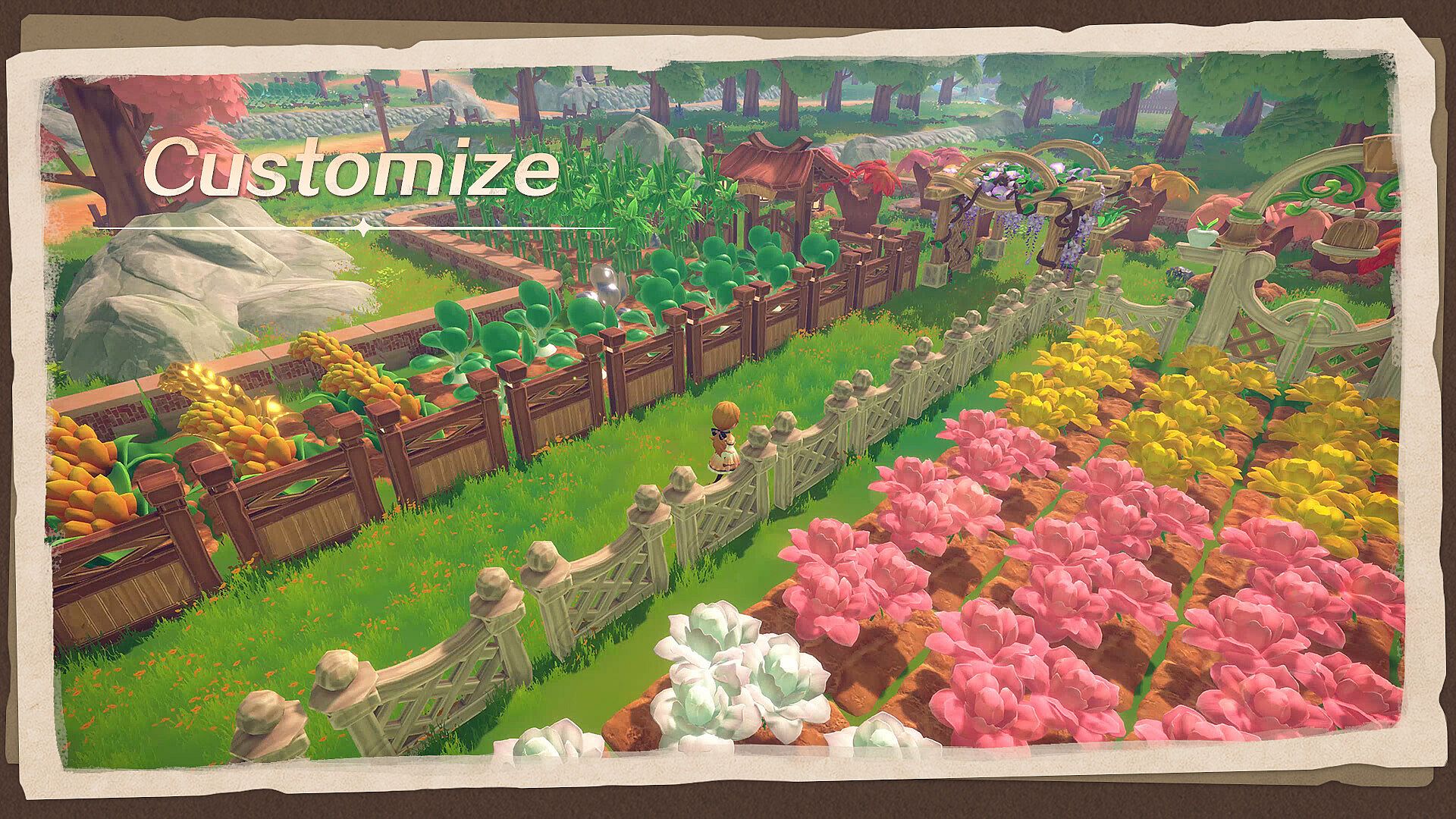
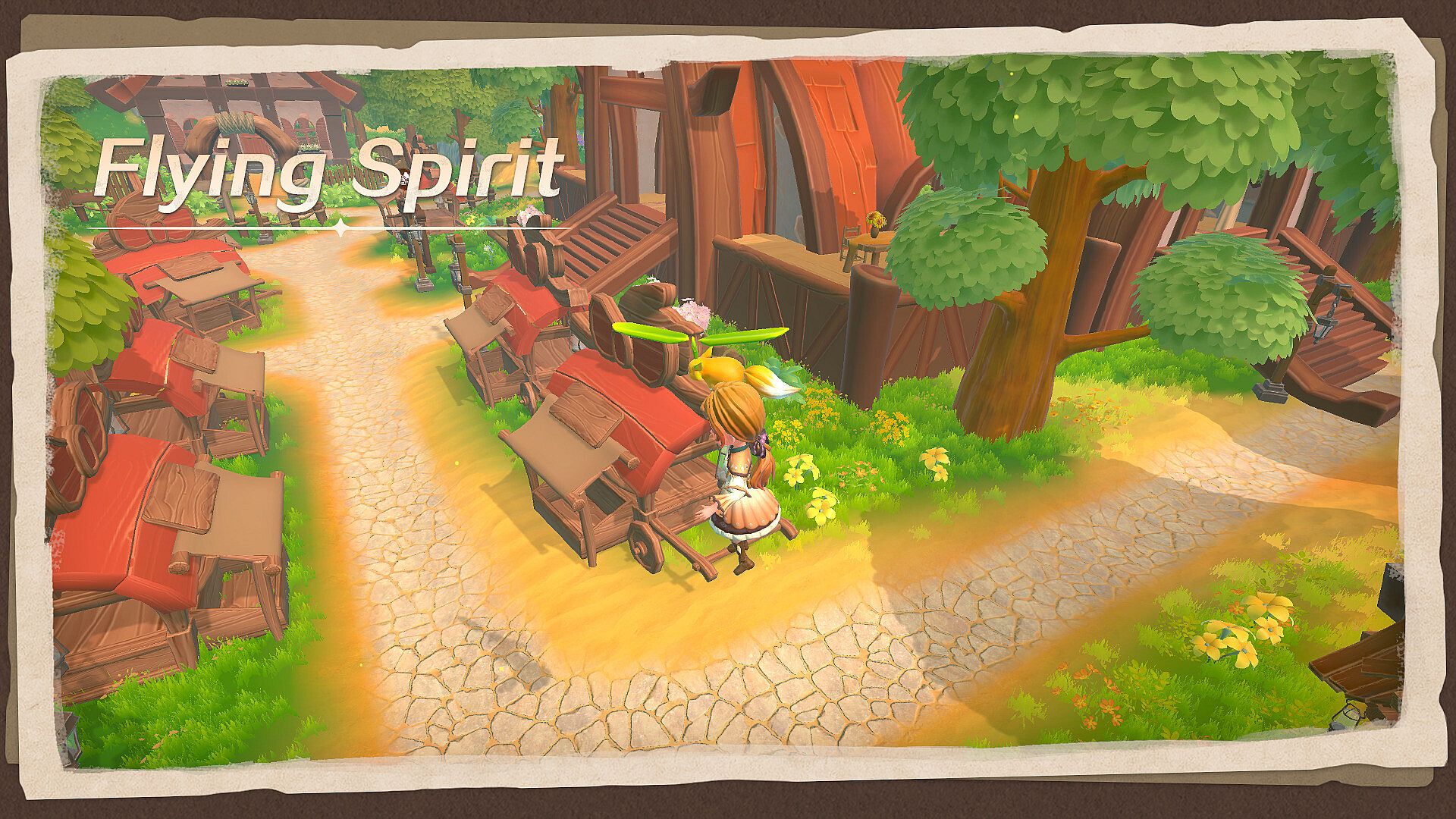
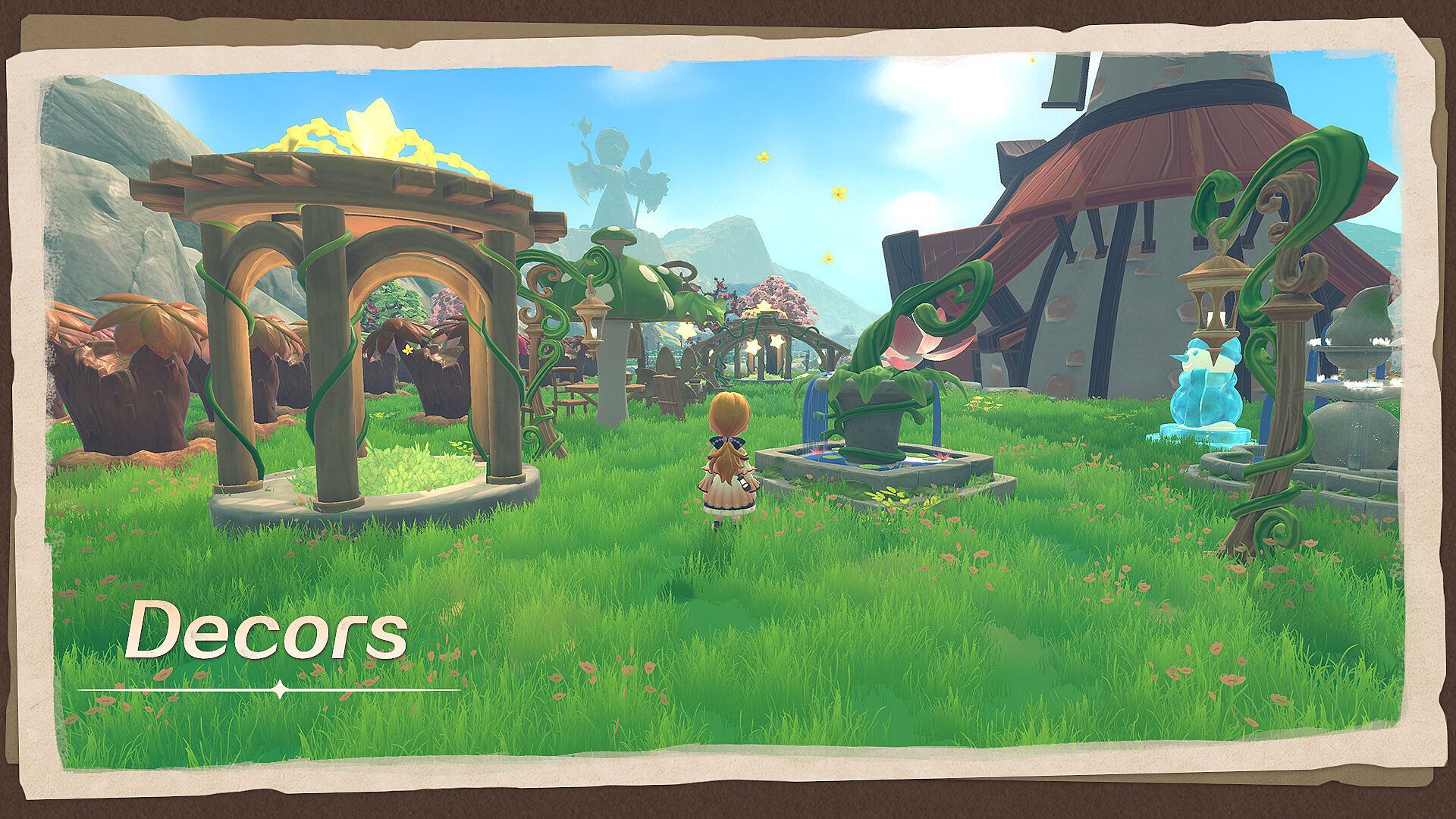
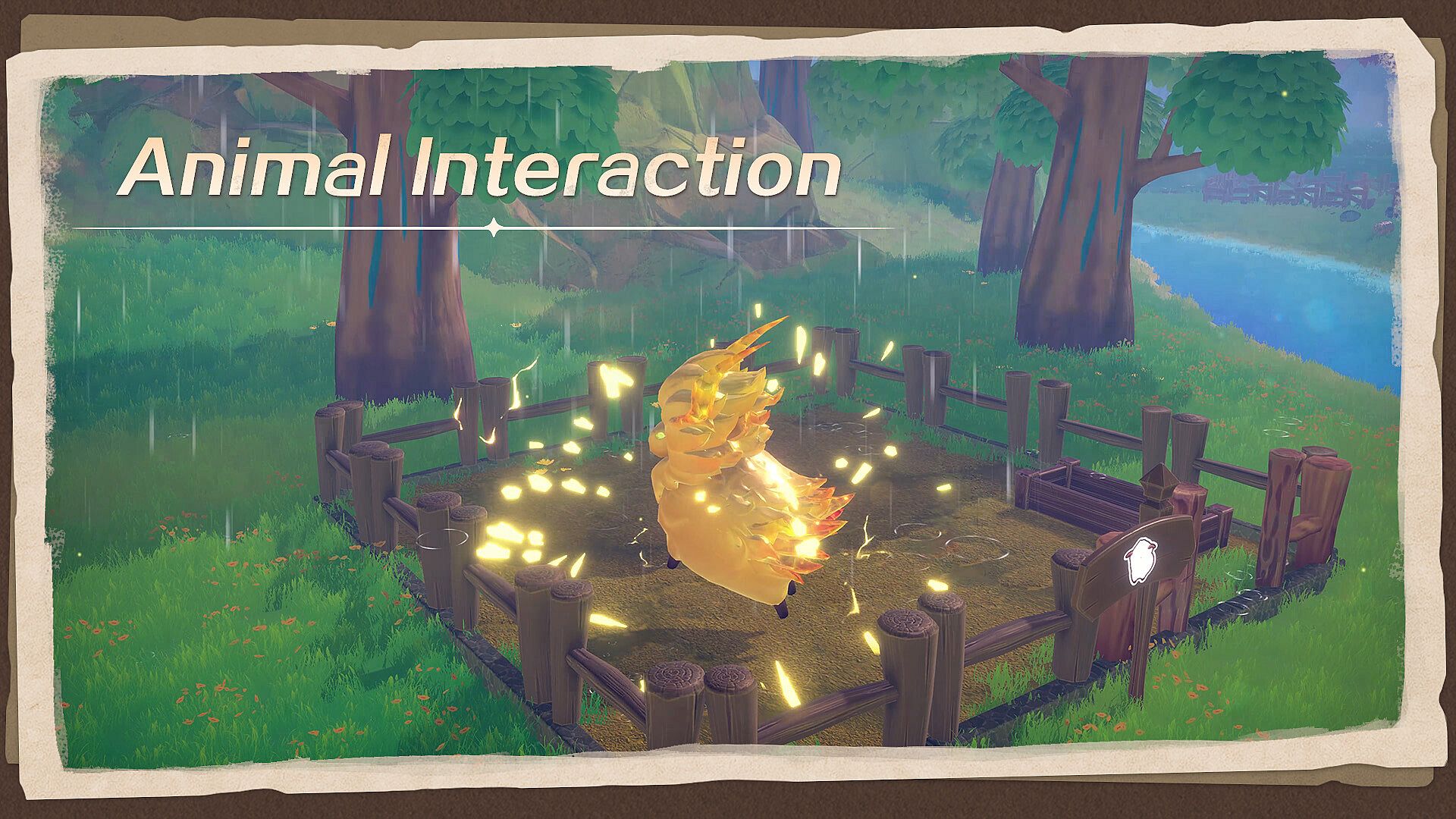
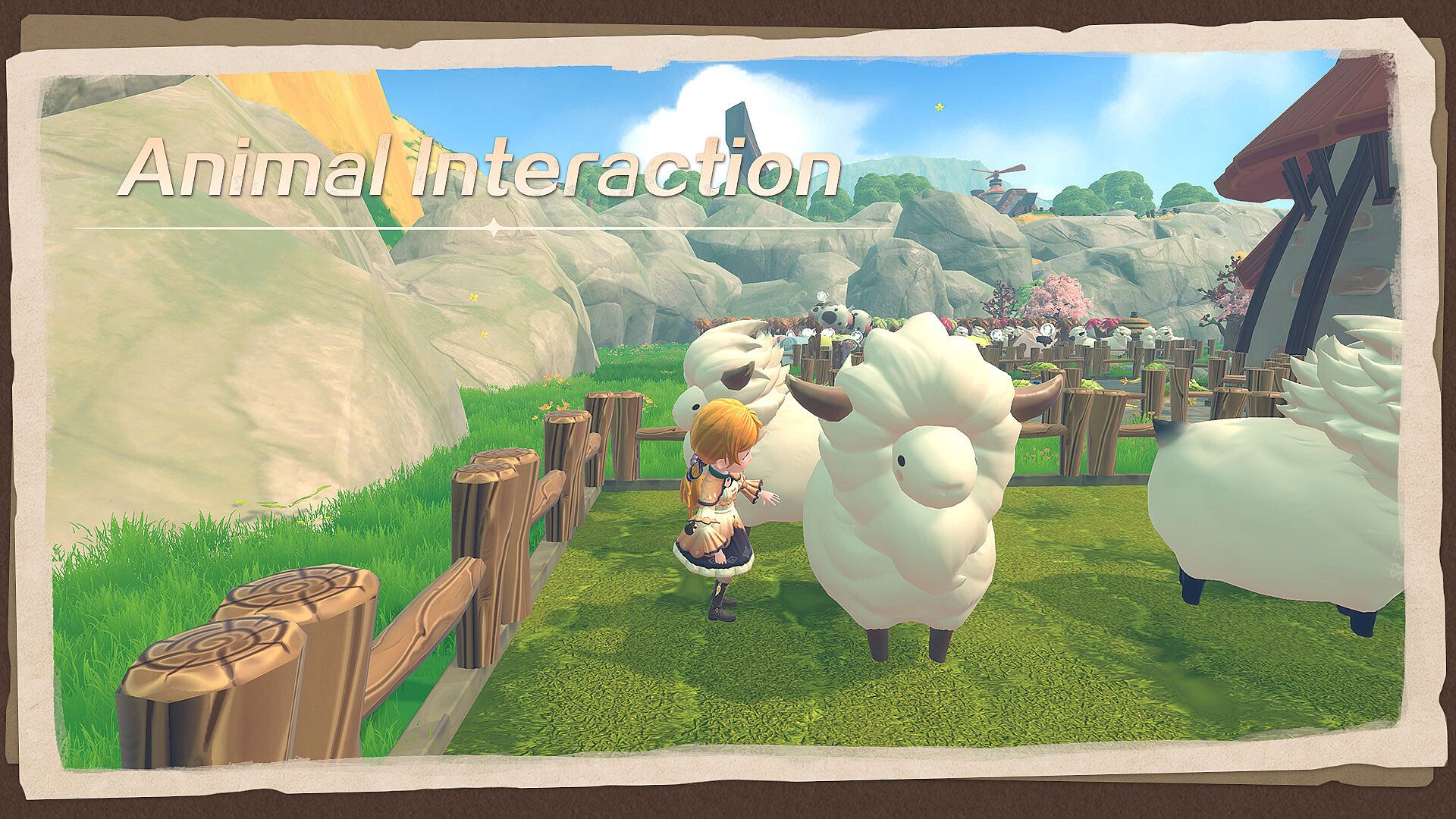
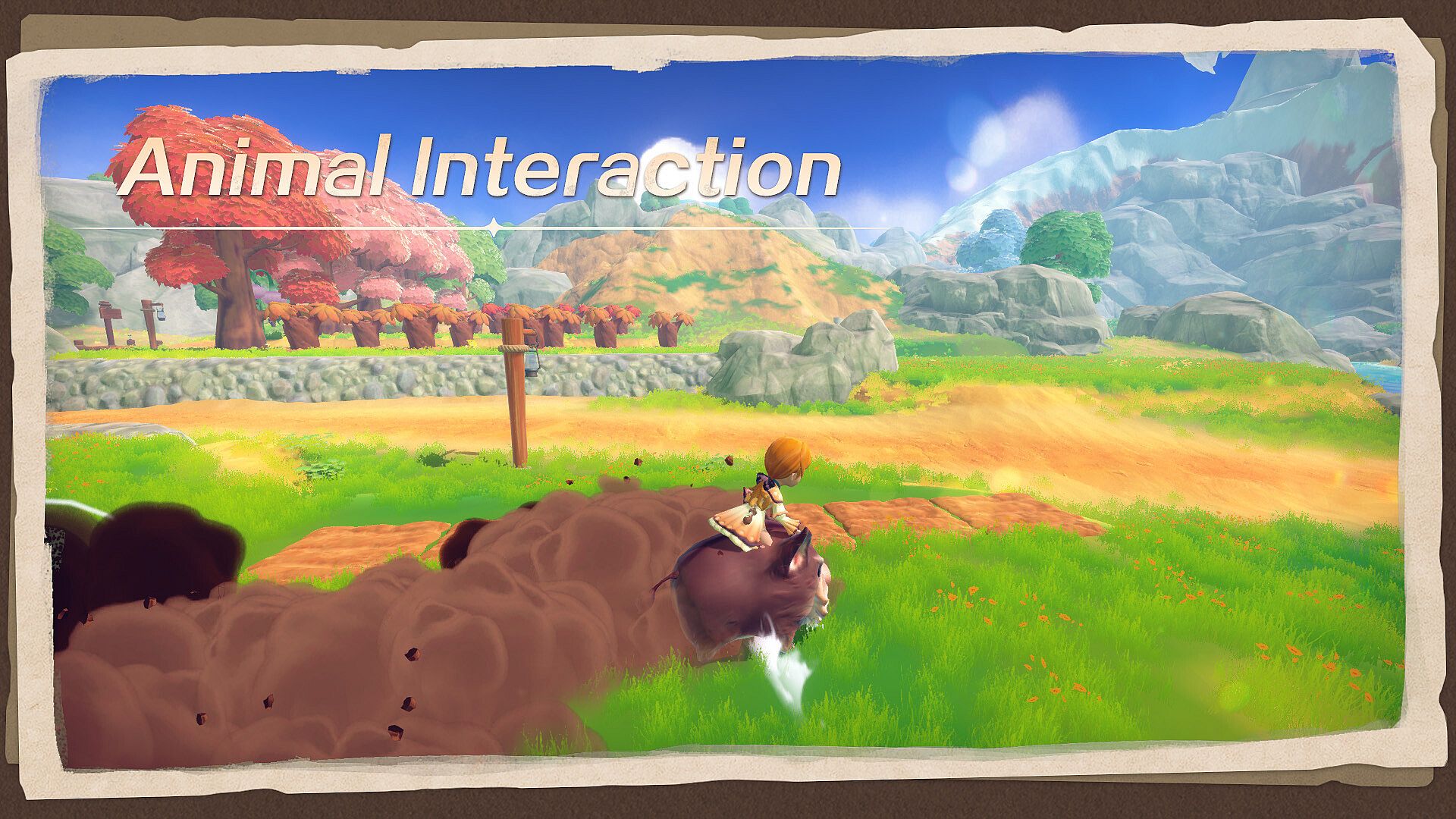
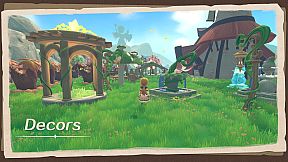
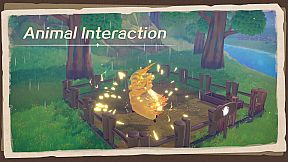
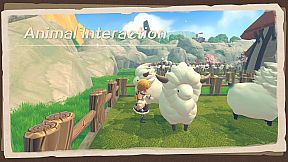
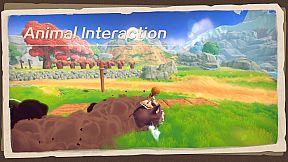
Animal care adds another layer, with creatures that go beyond standard livestock by possessing special abilities that aid gameplay. Players can breed and tend these animals while expanding their farm operations. Building and customization options allow for the placement of over one hundred decorative items such as fences, lamps, and pavilions, alongside upgrades to functional structures that improve efficiency.
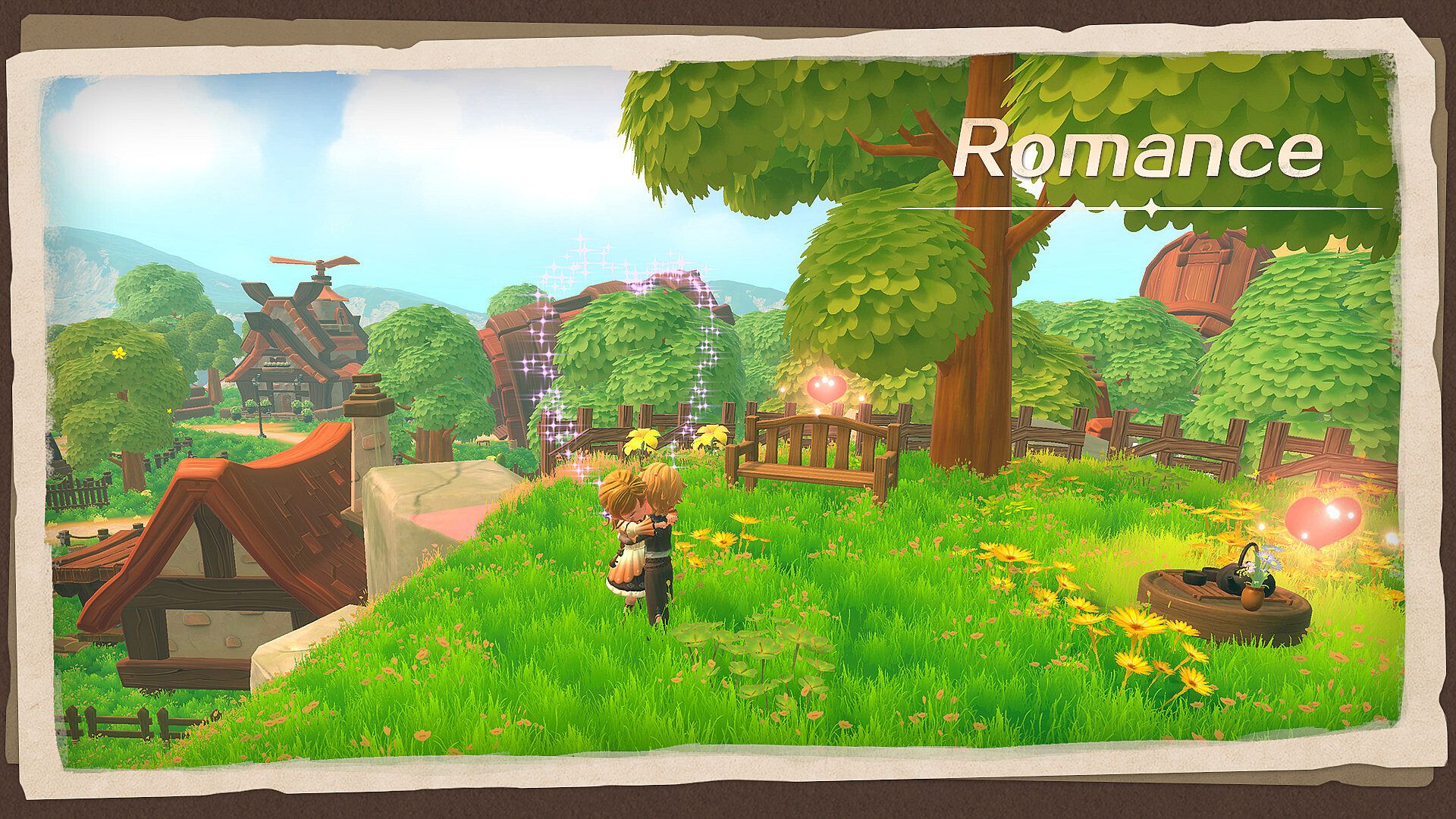
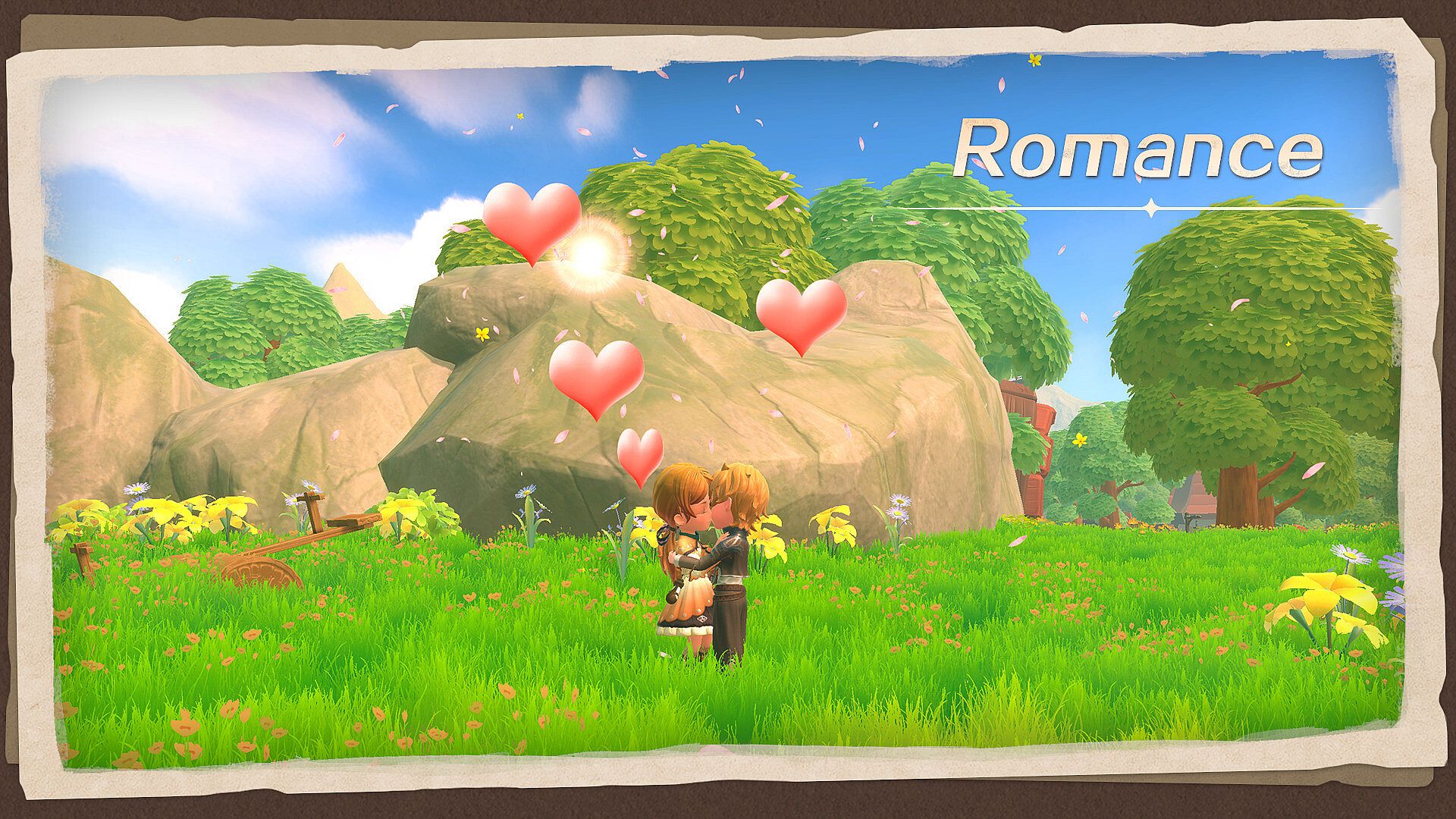
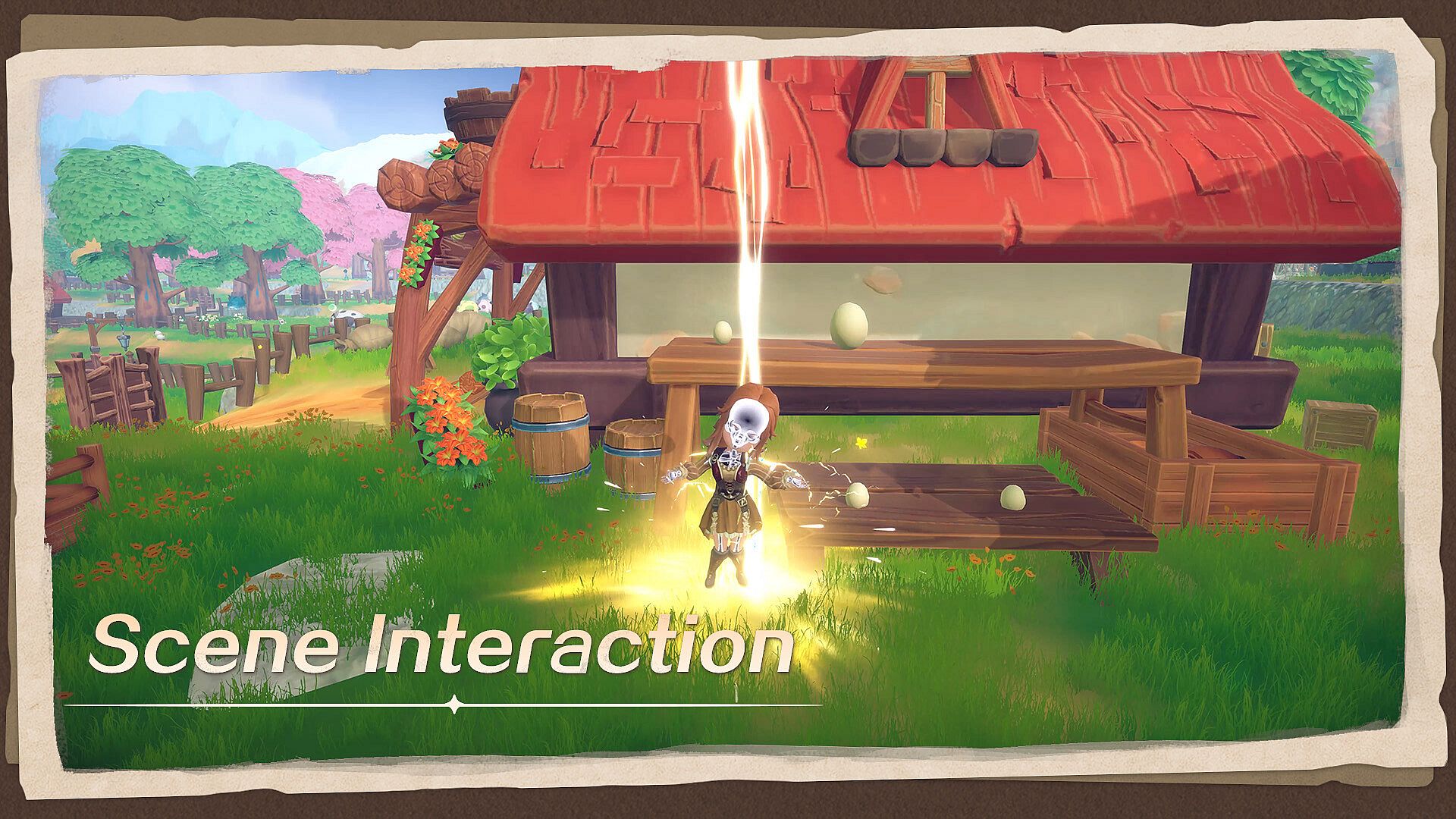
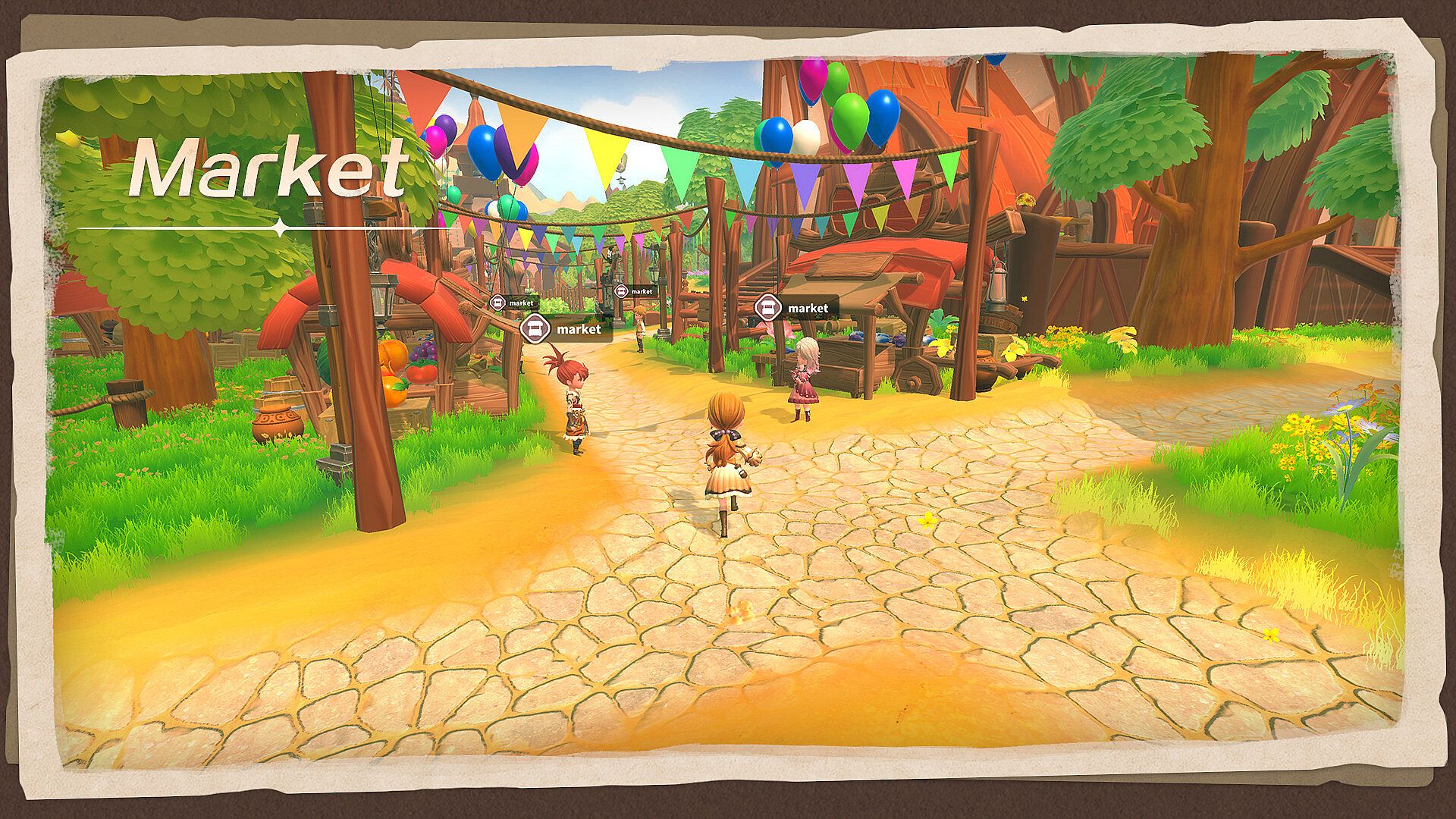
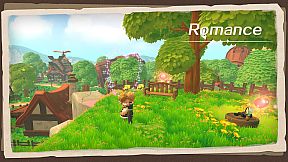
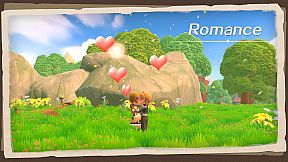
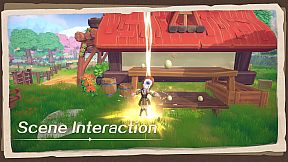
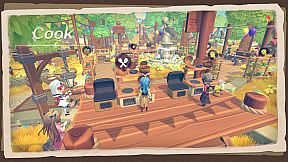
Seamless transitions between indoor and outdoor spaces eliminate loading screens, keeping exploration fluid. Avatar customization includes frequent changes to appearance along with various outfits and accessories acquired through play. Social features involve interacting with twenty-four unique townsfolk, each with distinct personalities, where building relationships can lead to dates and deeper story insights through a system called Inner Space that reveals personal preferences, histories, and future thoughts.
Game Modes
The game operates as a single-player experience with non-linear missions that do not require completion of every objective. Players decide how to develop the town and their farm at their own pace, mixing farming, crafting, foraging, and social interactions without strict progression gates. Exploration of the prairie and surrounding wild areas forms a key part of daily activities, rewarding curiosity with resources and discoveries.
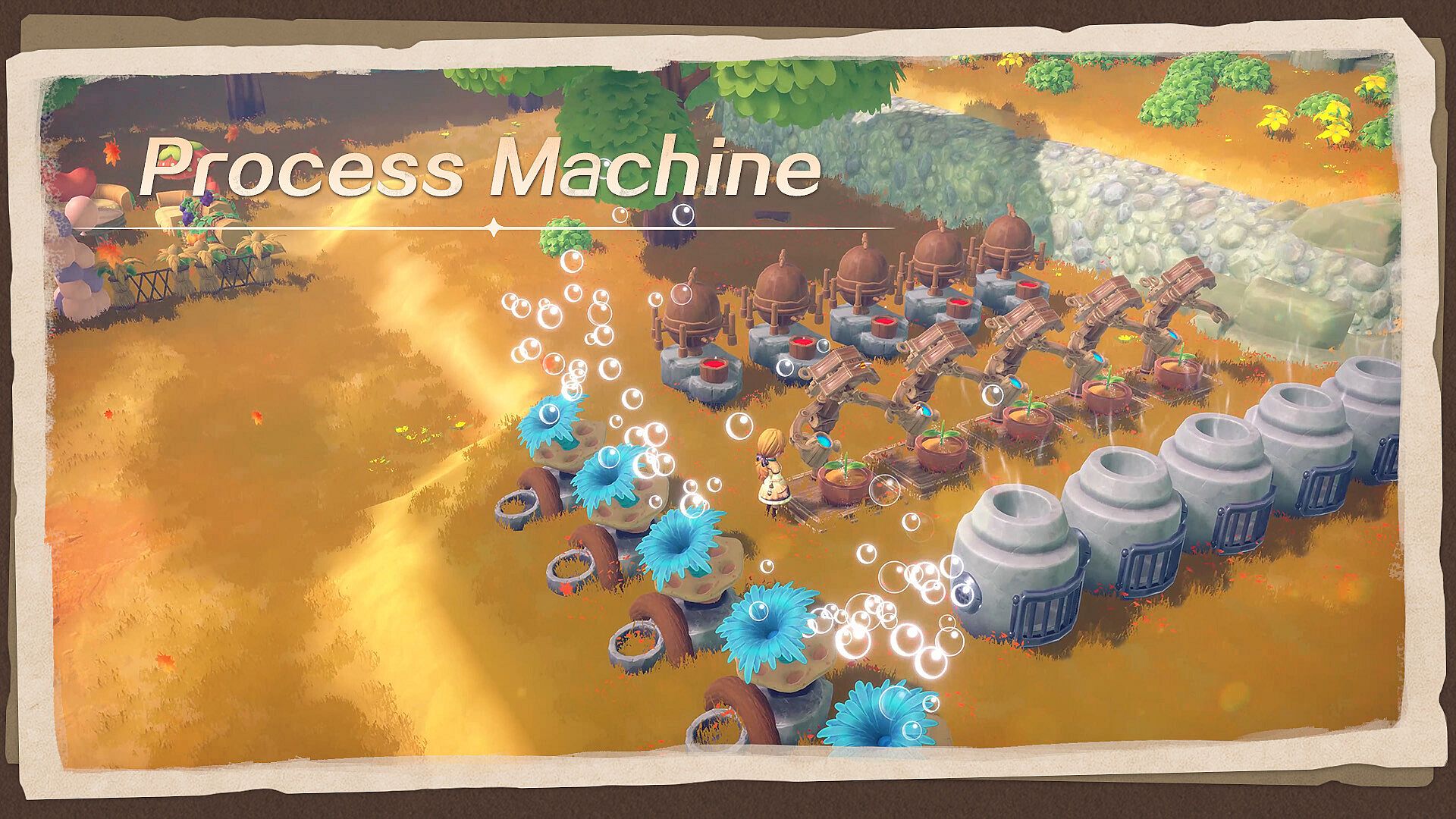
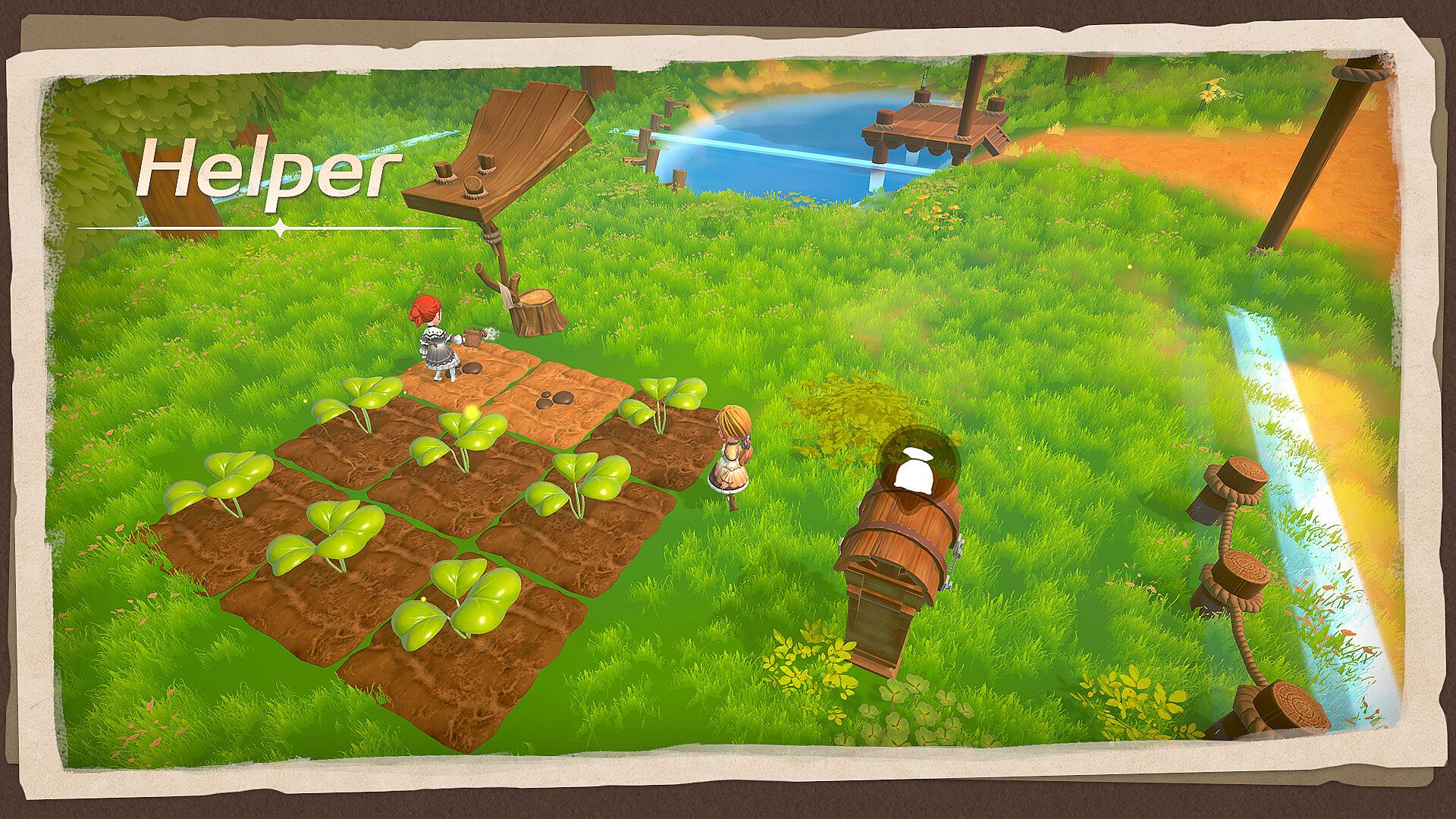
Progression emphasizes personal choice, allowing focus on crop cultivation, animal husbandry, town decoration, or character relationships depending on individual preferences. The absence of forced objectives supports relaxed play sessions where automation options and convenience features become available as the farm develops.
Exploration and Town Development
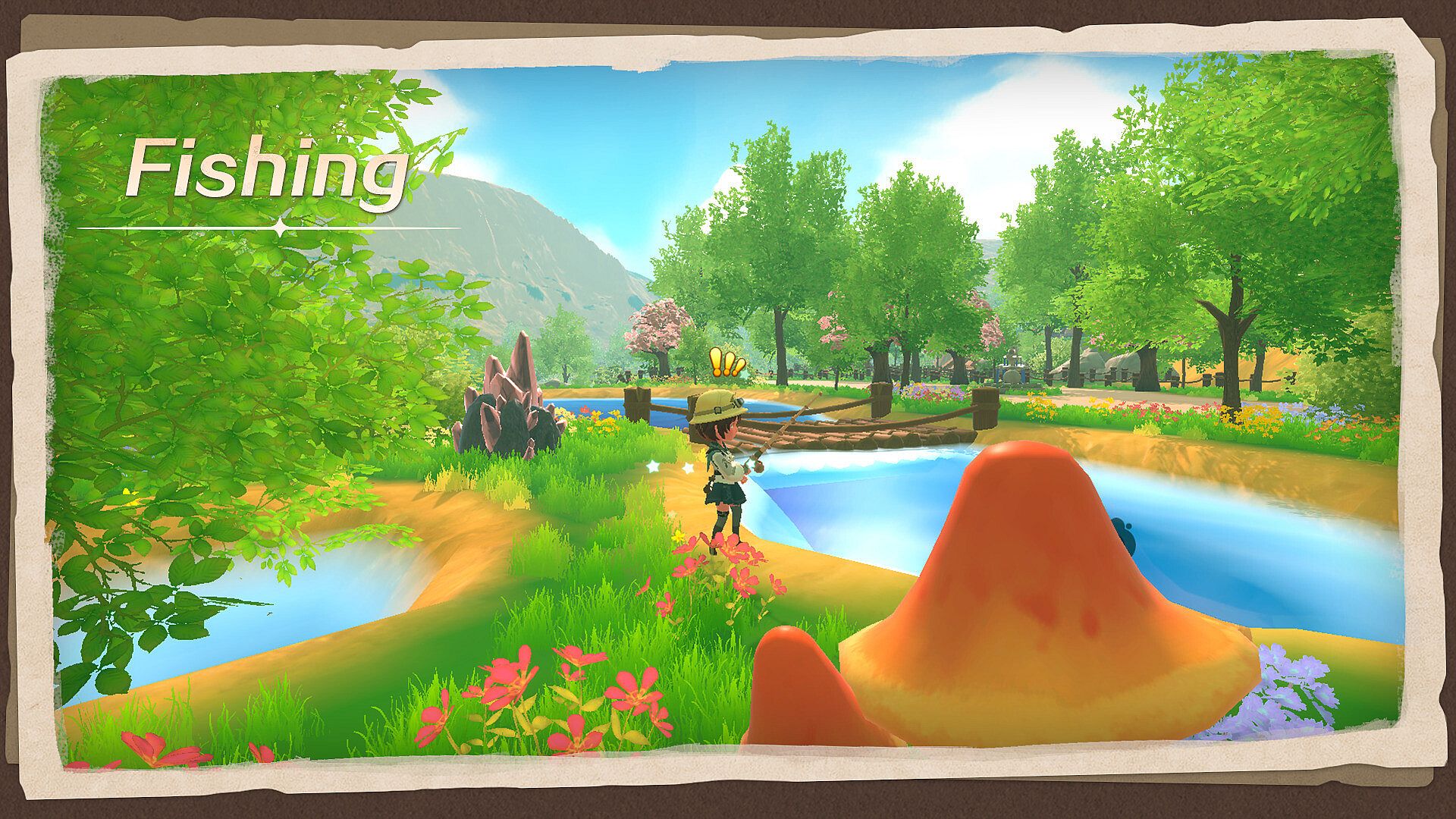
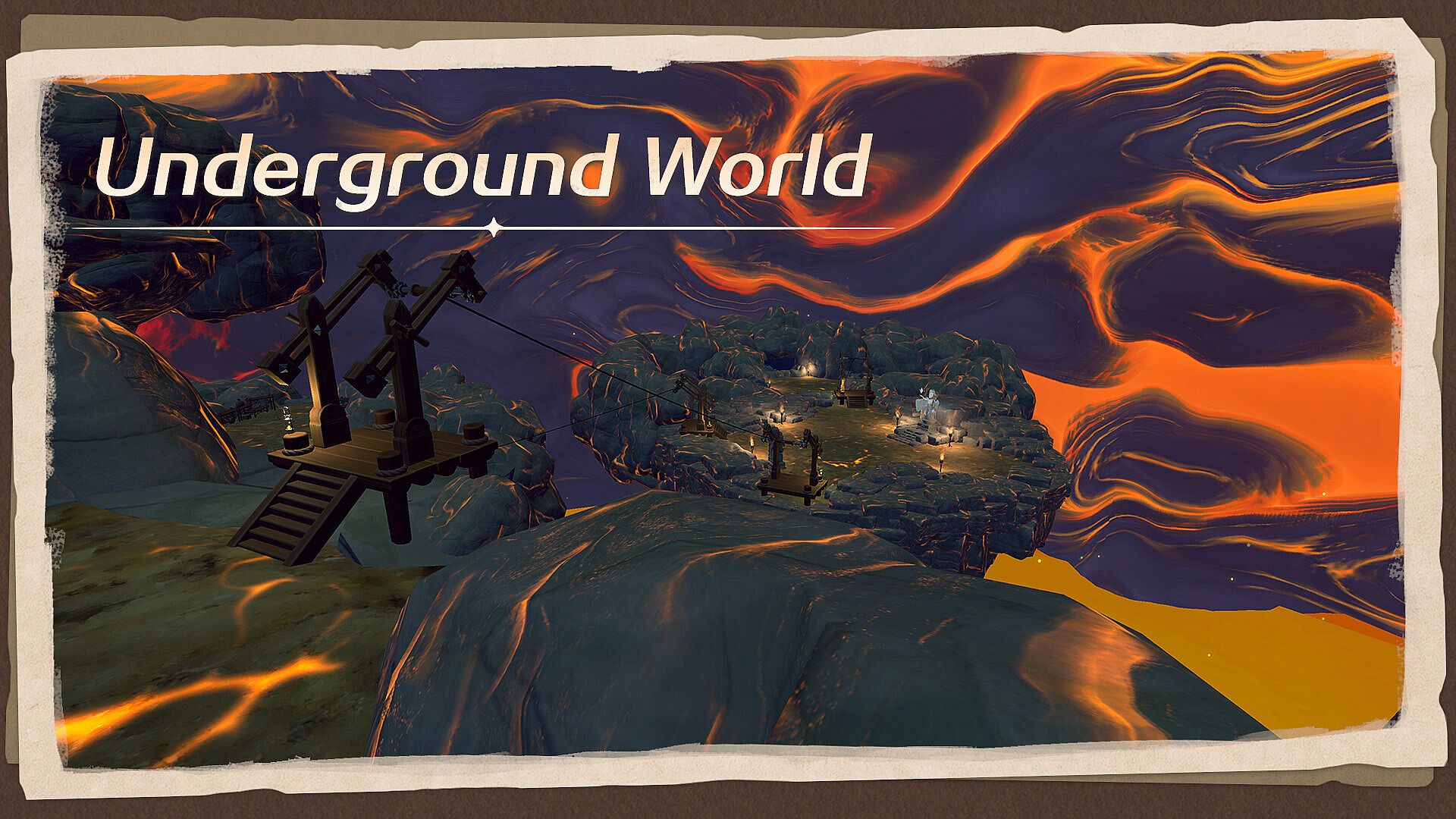
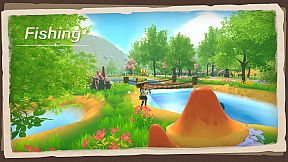
Beyond the farm boundaries, the prairie offers open spaces for gathering materials and uncovering hidden spots. These activities tie directly into farm management by providing ingredients for tools, goods, and building upgrades. Town development occurs through player-driven decisions on where to place structures and how to enhance their capabilities over time.
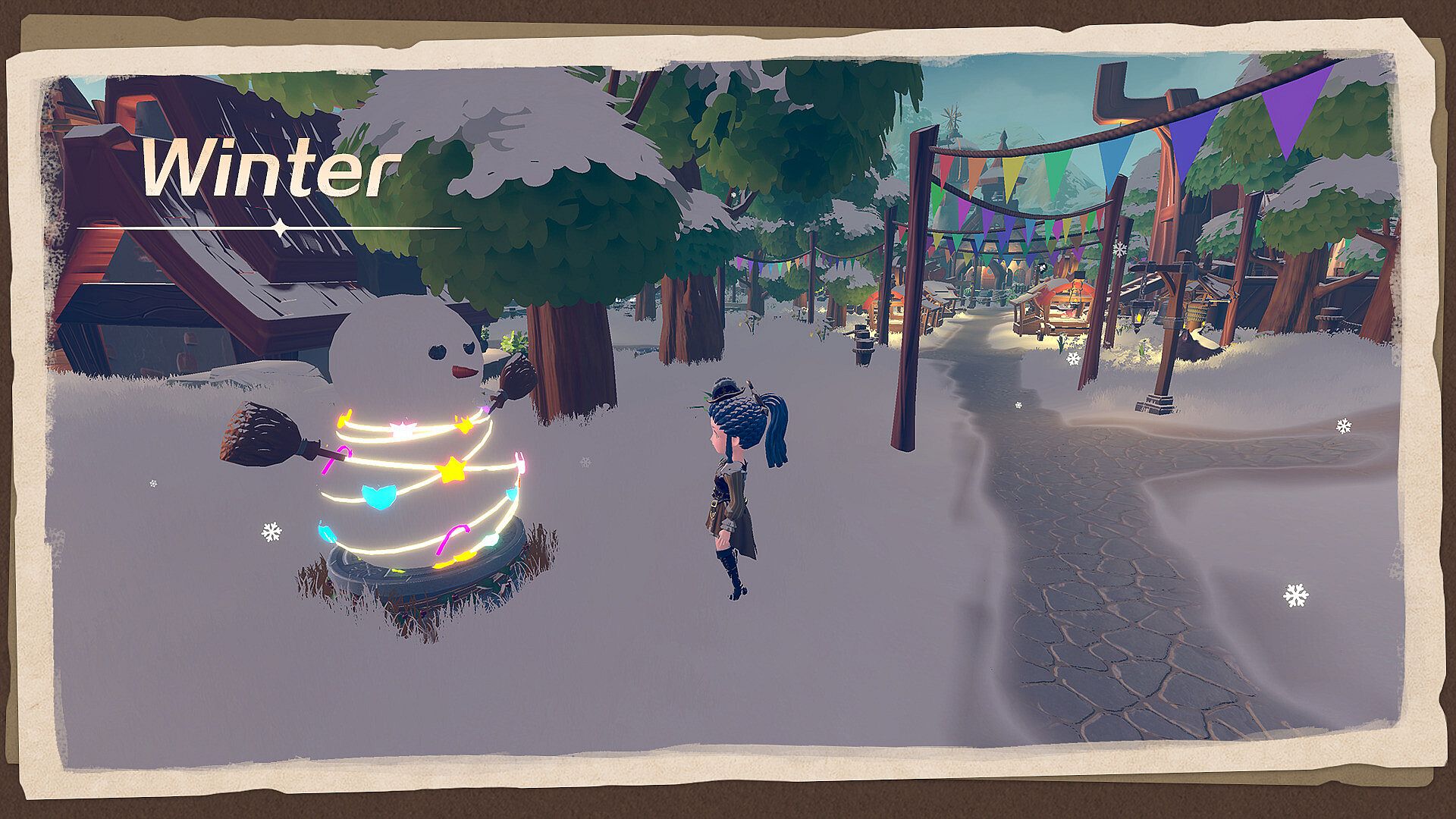
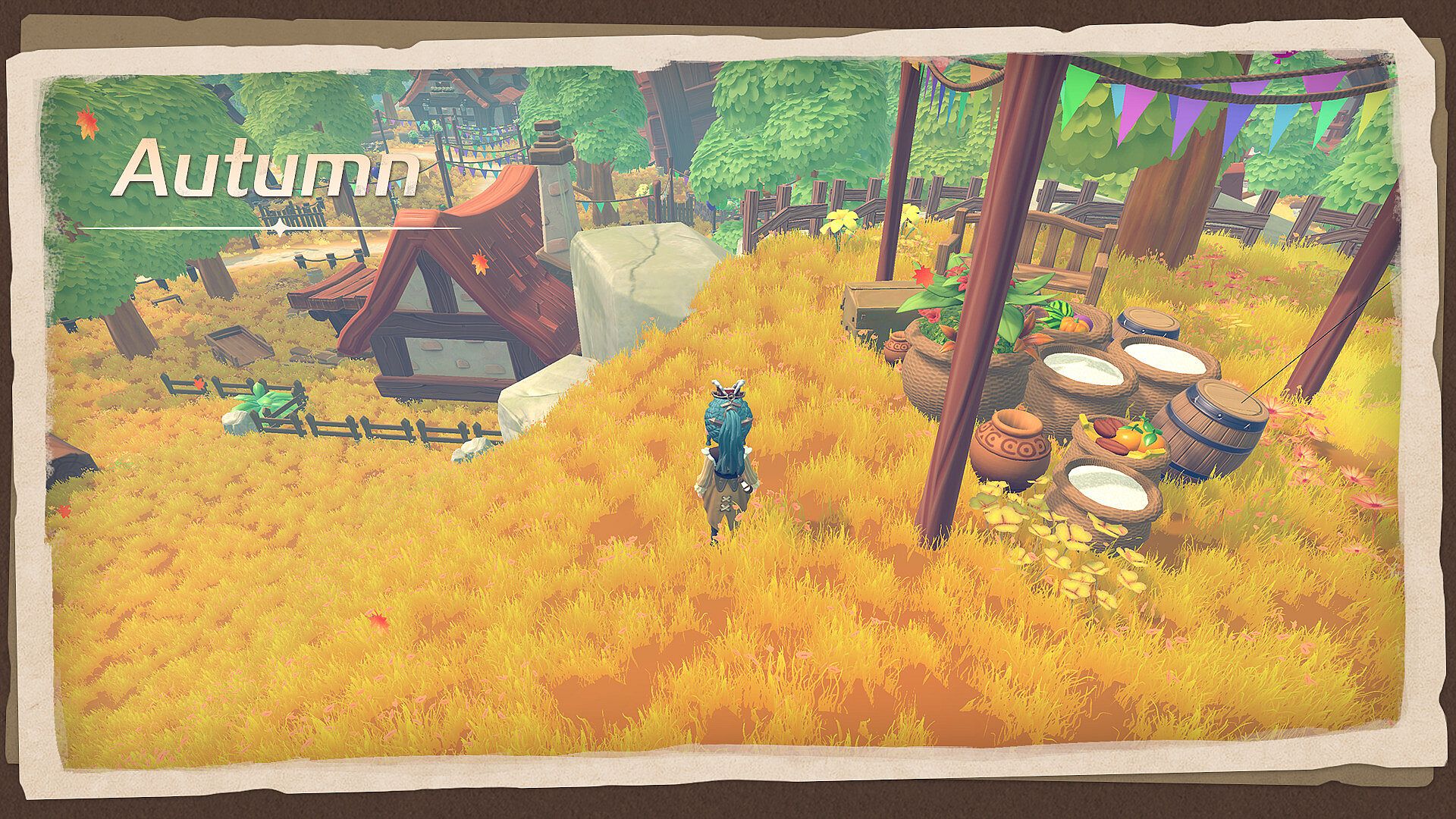
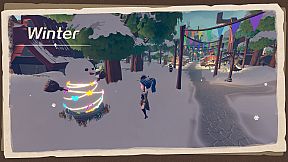
Seasonal changes influence crop growth and available resources, adding variety to the routine of planting and harvesting. The combination of practical farming tasks with light RPG elements like relationship building creates a balanced loop that encourages both short daily sessions and longer periods of focused expansion.
Is It Worth Playing?
Player feedback on the full release shows mostly positive reception, with the majority of reviews highlighting satisfying farming loops, charming character interactions, and steady progression systems that include mid-game conveniences. The game suits those who enjoy relaxed simulation titles focused on resource management, customization, and light social storytelling rather than combat or competitive elements.
Its non-linear structure and seamless world design make it accessible for players seeking a low-pressure rural life simulator with RPG touches. Recent updates following the 2024 full release have added content and refinements, supporting ongoing play for fans of the genre. Those drawn to giant harvests, fantastic animal care, and town-building freedom will find the mechanics rewarding without overwhelming complexity.