
















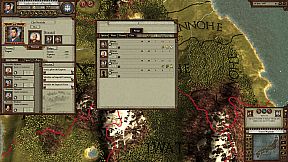
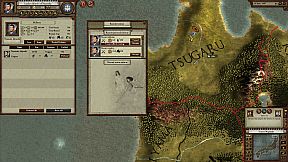
Sengoku is a grand strategy game that blends strategy, role-playing, and simulation elements on PC. Players take control of a Japanese noble during the Warring States period and work to unify the fragmented land through a combination of military campaigns, diplomatic maneuvering, and personal intrigue.
Gameplay
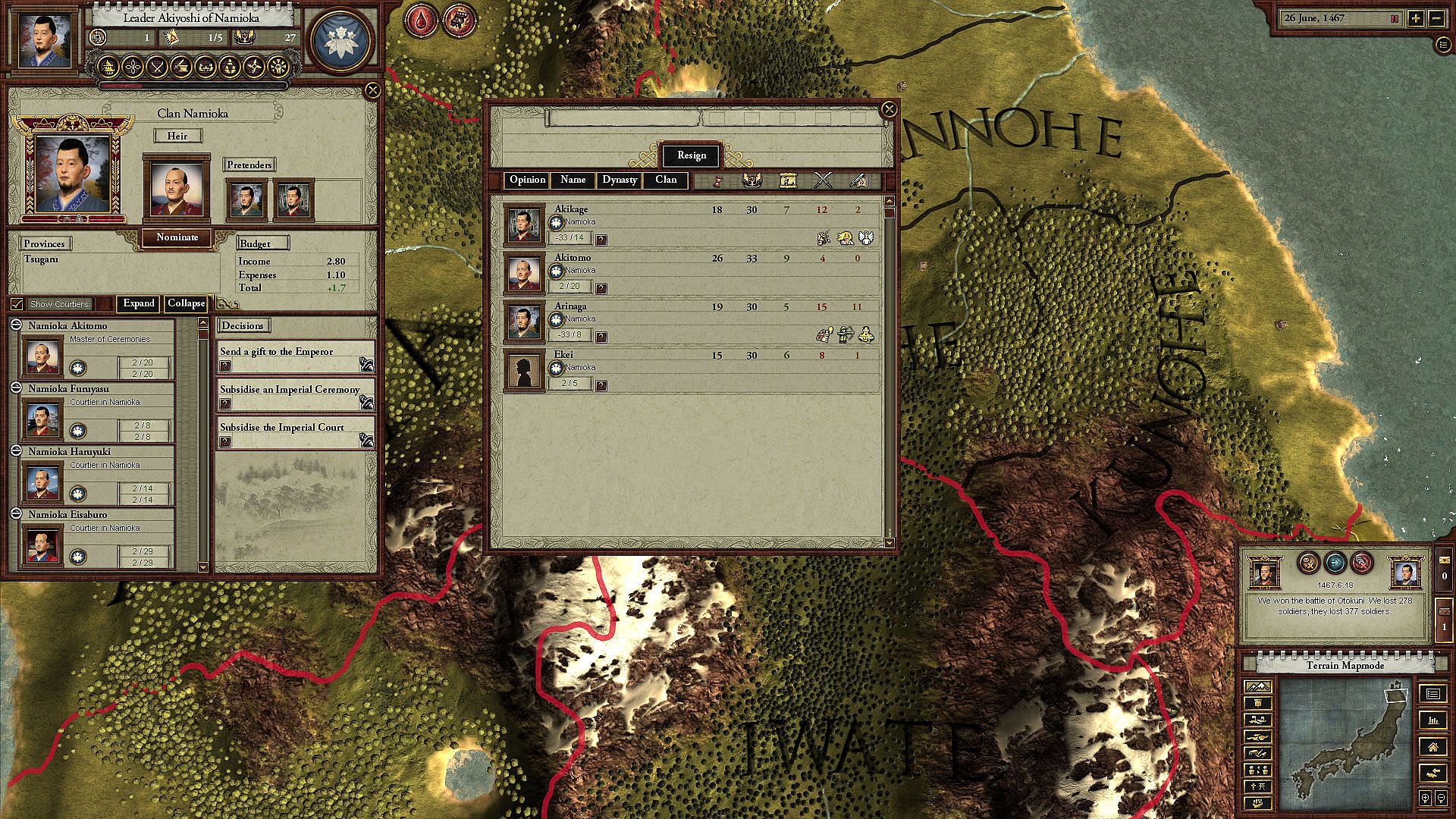
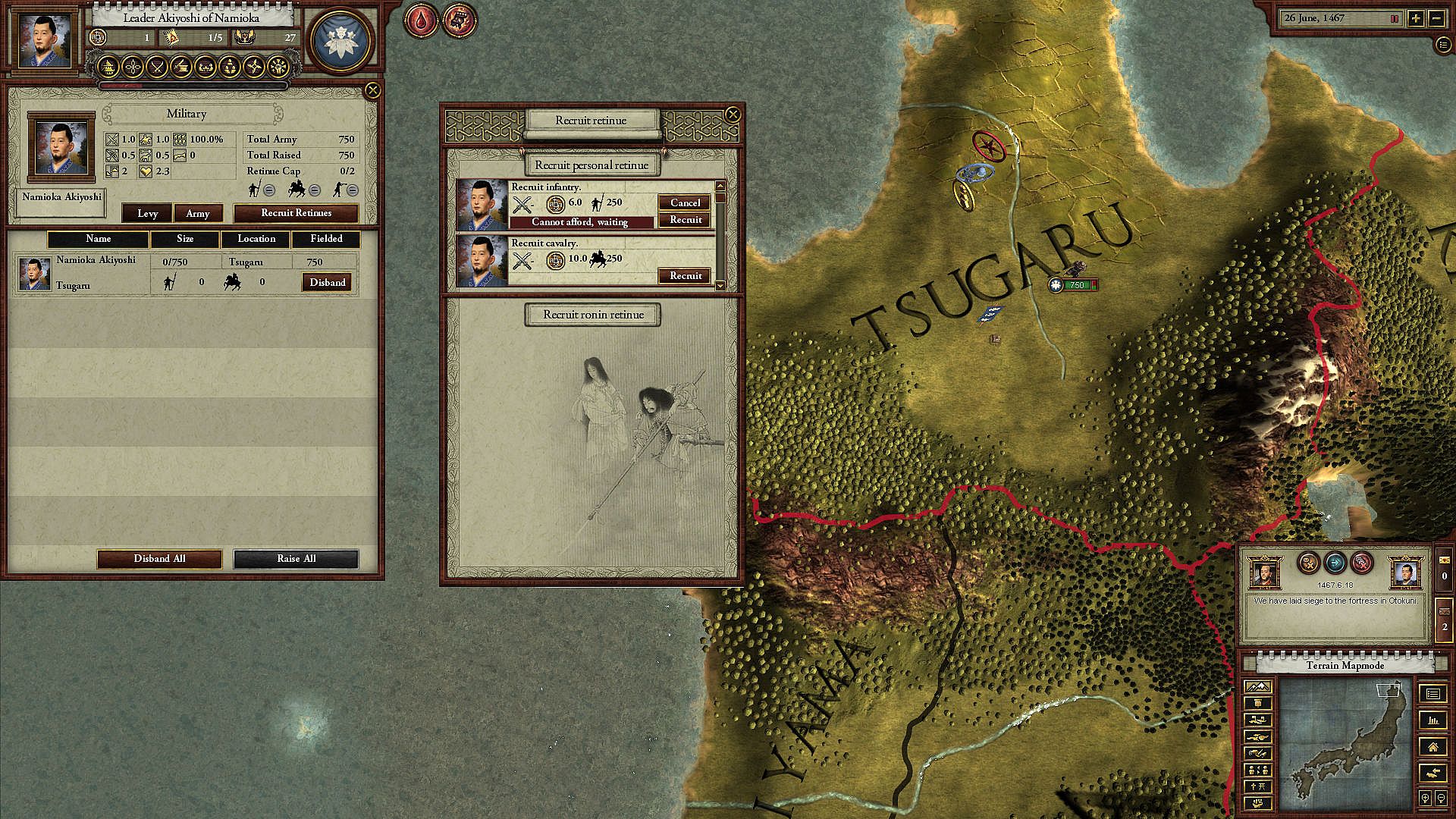
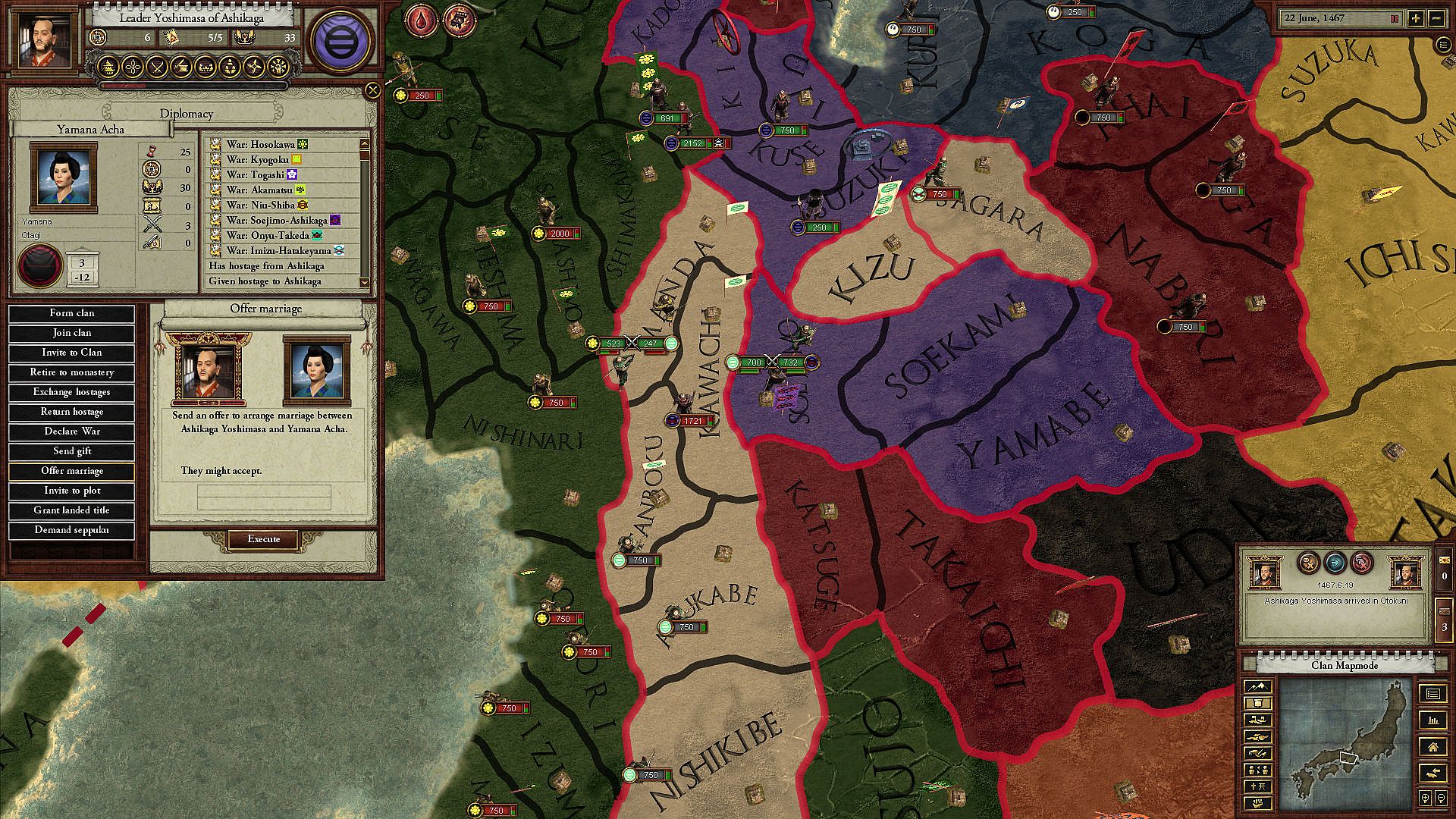
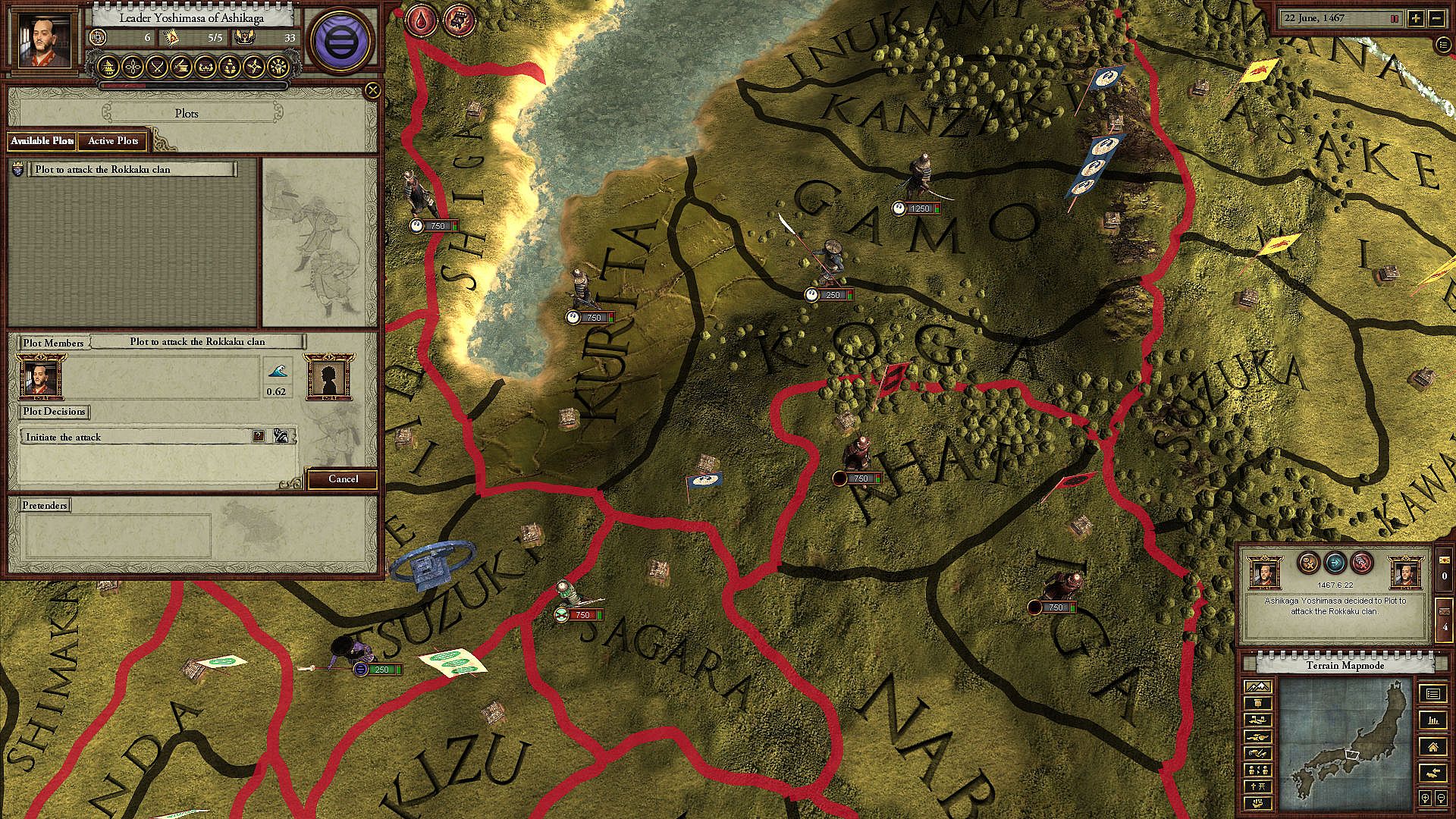
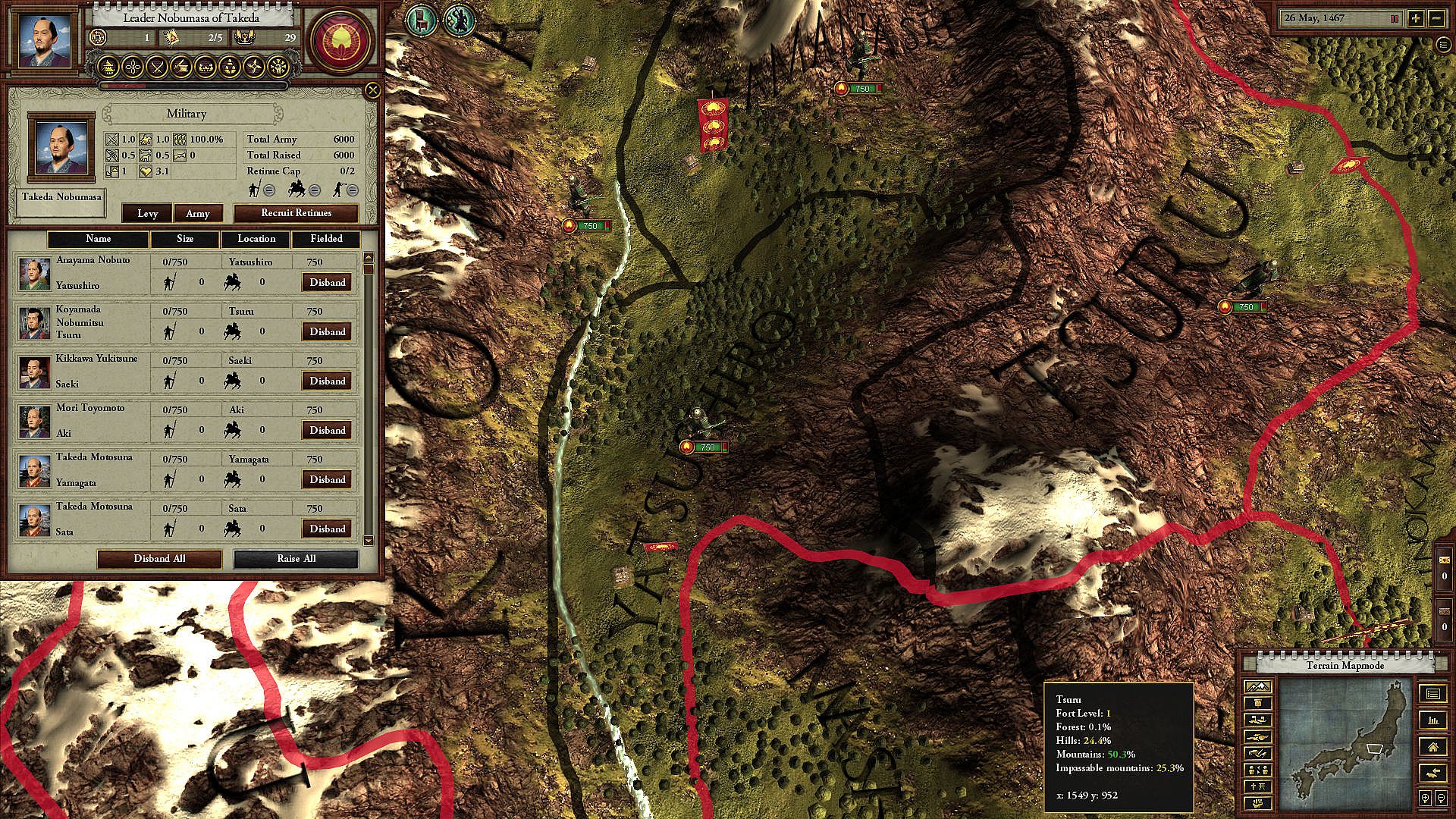
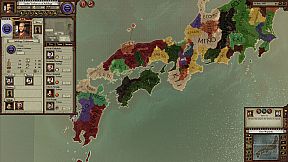
The core loop revolves around managing a noble family and its position within a larger clan. Success depends on balancing relations with relatives, retainers, and rivals while expanding influence across a detailed map of Japan divided into more than 350 provinces. Military power comes from levying troops from vassals and provinces, supplemented by mercenaries and specialized ninja units when standard samurai forces fall short. Diplomacy and intrigue allow players to form alliances, secure hostages to enforce treaties, and undermine opponents through plots and double-crosses executed with calculated honor.
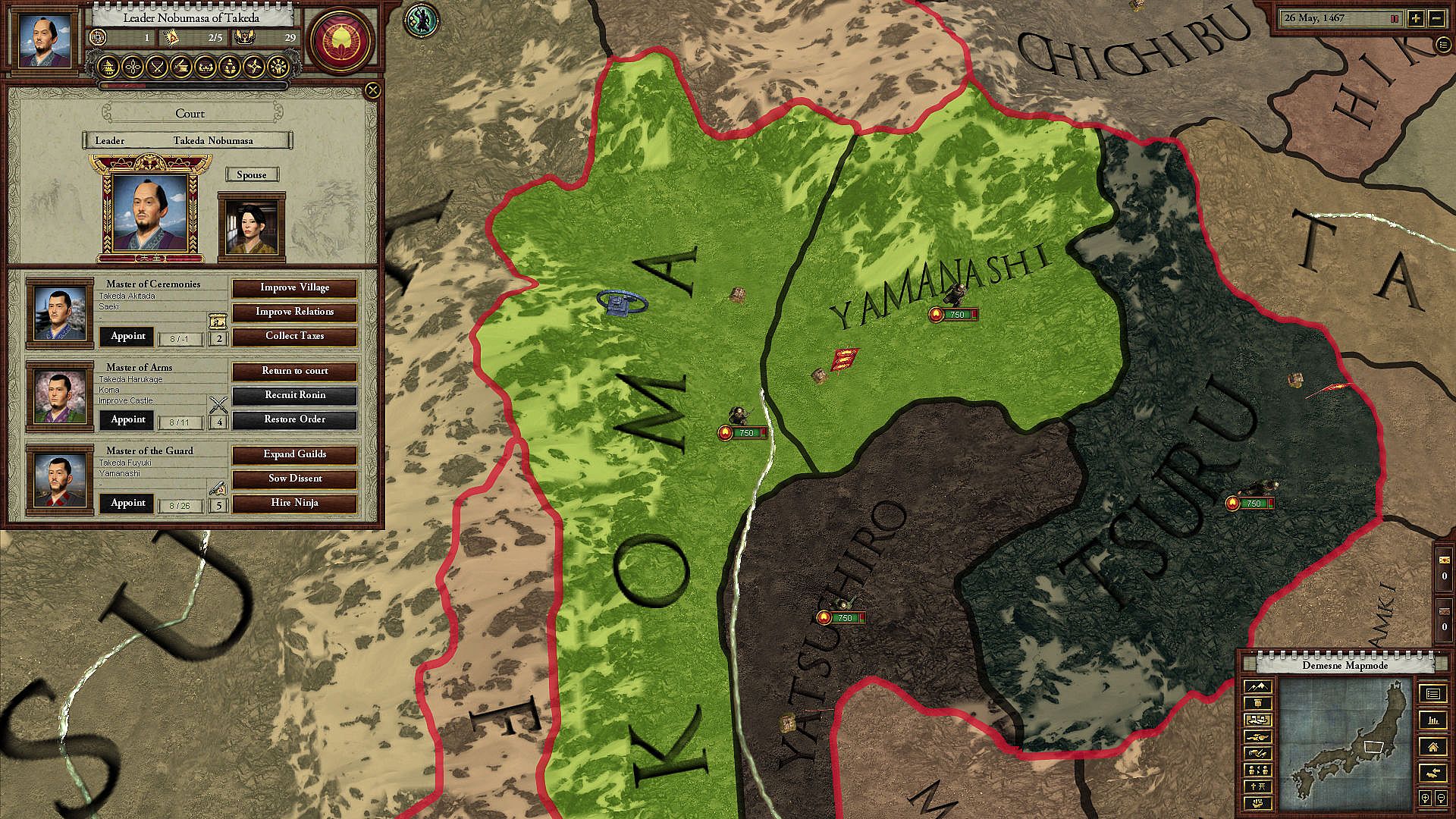
Character traits and skills shape every interaction. Diplomacy governs negotiation success, while intrigue determines the effectiveness of schemes and the ability to detect threats. Religious management adds another layer, as players navigate relations with Shinto, Buddhist, and Christian factions to gain advantages or avoid conflicts. An heir must always be prepared, because the death of the current leader ends the campaign if no suitable successor stands ready. Growth involves rewarding loyal retainers with titles and land to strengthen the clan before pursuing the ultimate goal of becoming shogun.
Game Modes
The primary experience is a single-player campaign in which one noble rises through the ranks of a clan and eventually contends for control of Japan. Multiplayer support allows several players to participate in the same session, each controlling their own noble and pursuing independent or competing objectives on the shared historical map.
Time advances continuously, with the option to pause for issuing orders. Combat resolves through army movement and comparison of troop numbers and quality rather than direct tactical control. The game spans the Sengoku era, giving players a long timeframe to build power from modest beginnings.
Historical Setting and Map
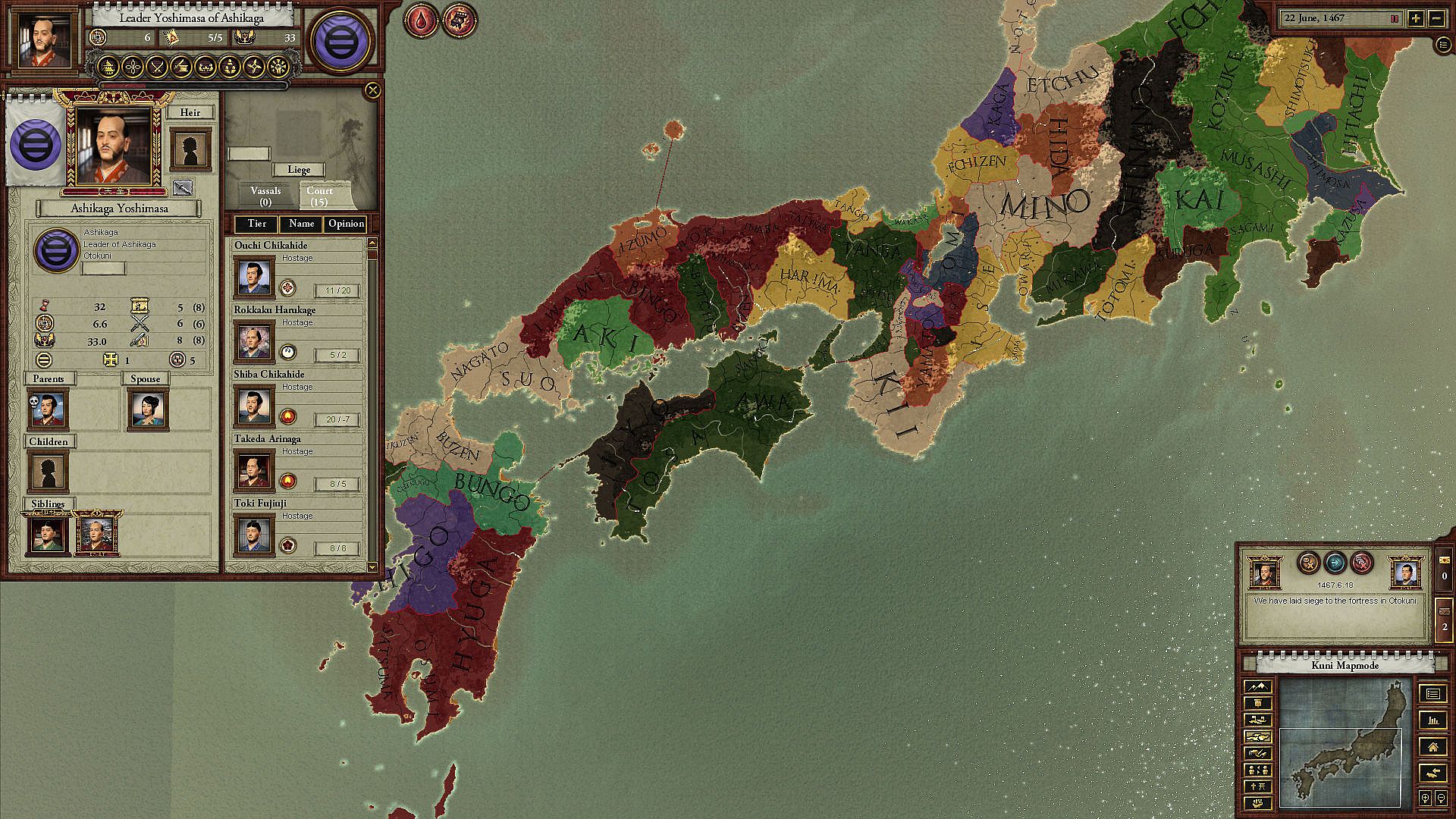
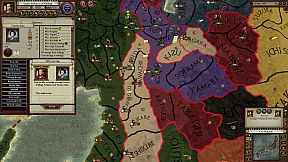
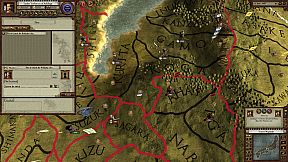
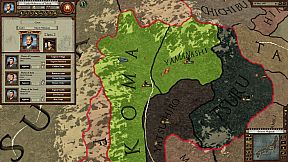
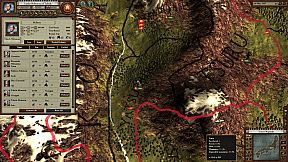
The game uses a historically inspired map of Japan during the Warring States era, with provinces serving as the basic units of control and revenue. Each province generates income and provides levies based on improvements such as castles and other developments. Players expand by conquering neighboring territories and integrating them into their domain while maintaining internal stability through careful family and retainer management.
Three religious groups influence events and decisions. Interactions with Shinto, Buddhist, and Christian factions can open new options or create complications depending on the player's choices and the current political climate.
Is It Worth Playing?
Sengoku appeals to players who enjoy character-focused grand strategy with deep interpersonal systems and long-term planning. Those who appreciate managing dynasties, navigating alliances, and using intrigue alongside military force will find the systems rewarding. The title remains available on PC and supports both solo campaigns and multiplayer sessions, though it receives no ongoing updates or seasonal content.
Its niche appeal lies in the focused Japanese setting and the emphasis on personal relationships rather than broad empire-building mechanics found in other strategy titles. Players seeking a deliberate pace and intricate family politics may find it engaging, while those preferring frequent content additions or modern interfaces might look elsewhere. The game stands as a complete experience from its original release, best suited for fans of the genre who value depth over polish or frequent changes.