




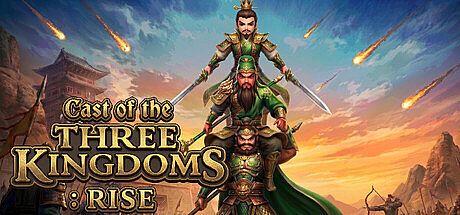


Cast of the Three Kingdoms Rise is a single-player strategy indie game set in the Three Kingdoms era. It combines turn-based tactical combat with physics-based interactions on compact diorama battlefields, where players lift and throw units to influence outcomes. The title emphasizes gear collection and crafting over traditional leveling, letting character power come entirely from equipment drops and custom builds.
Gameplay
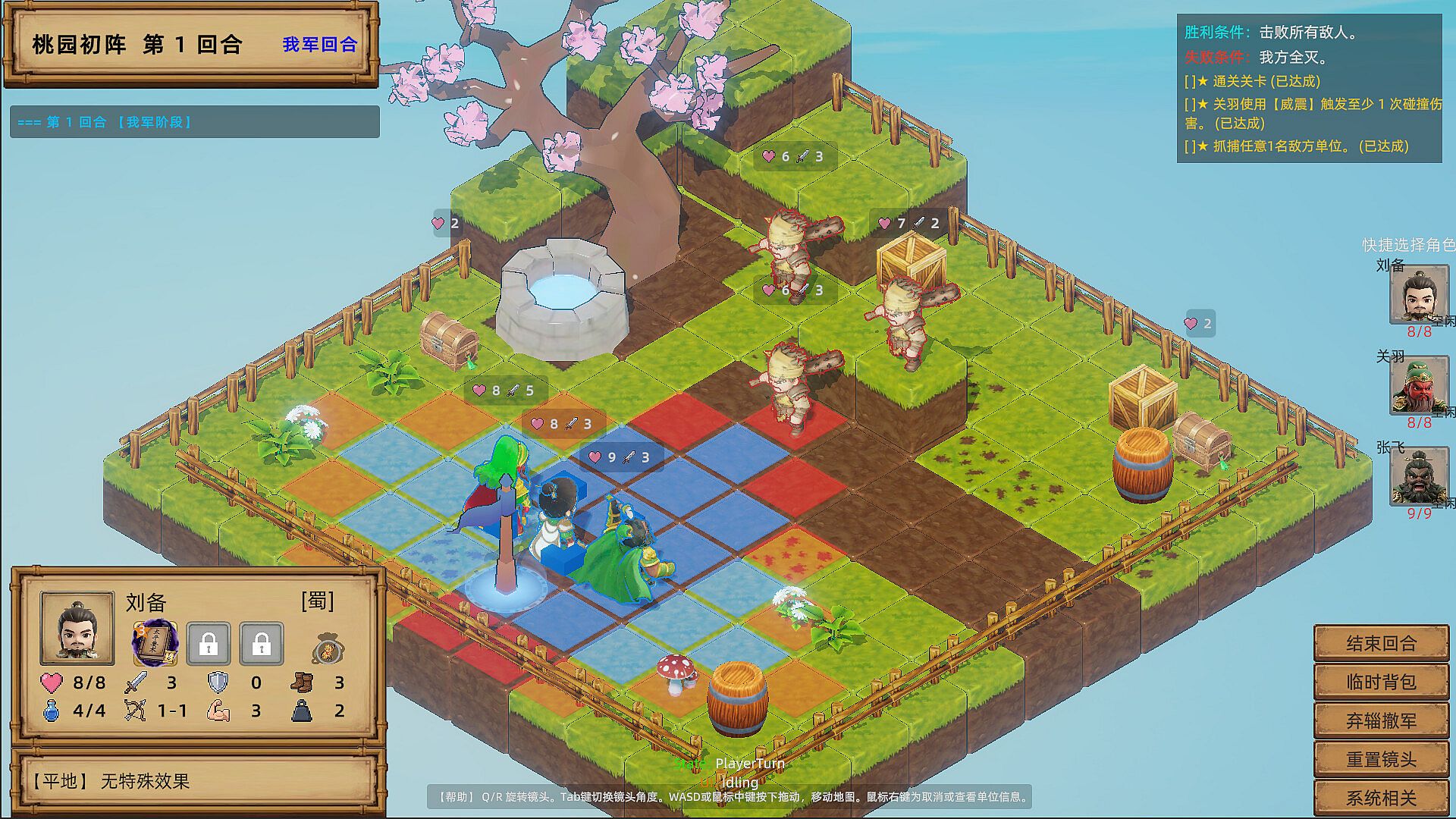
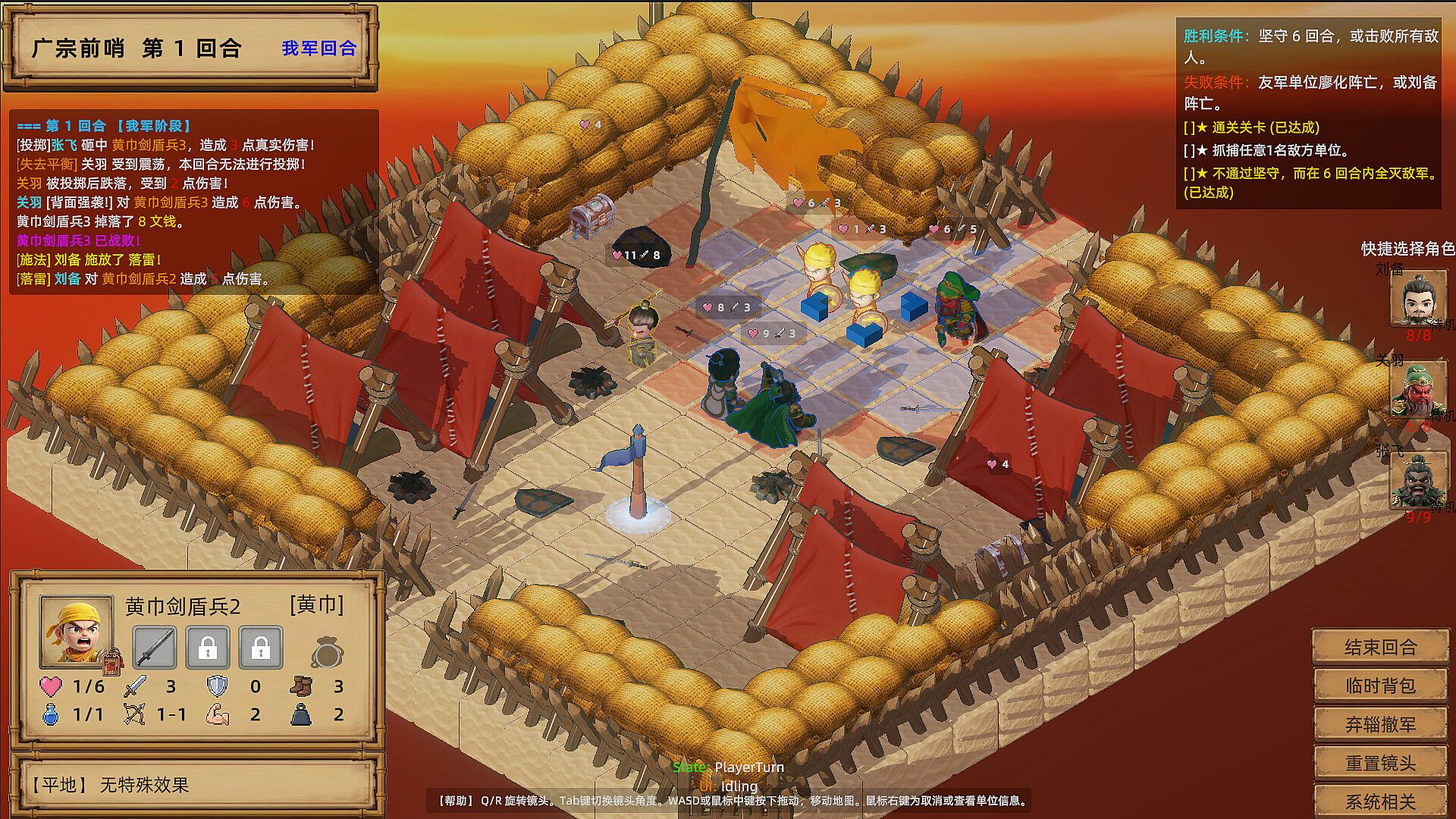
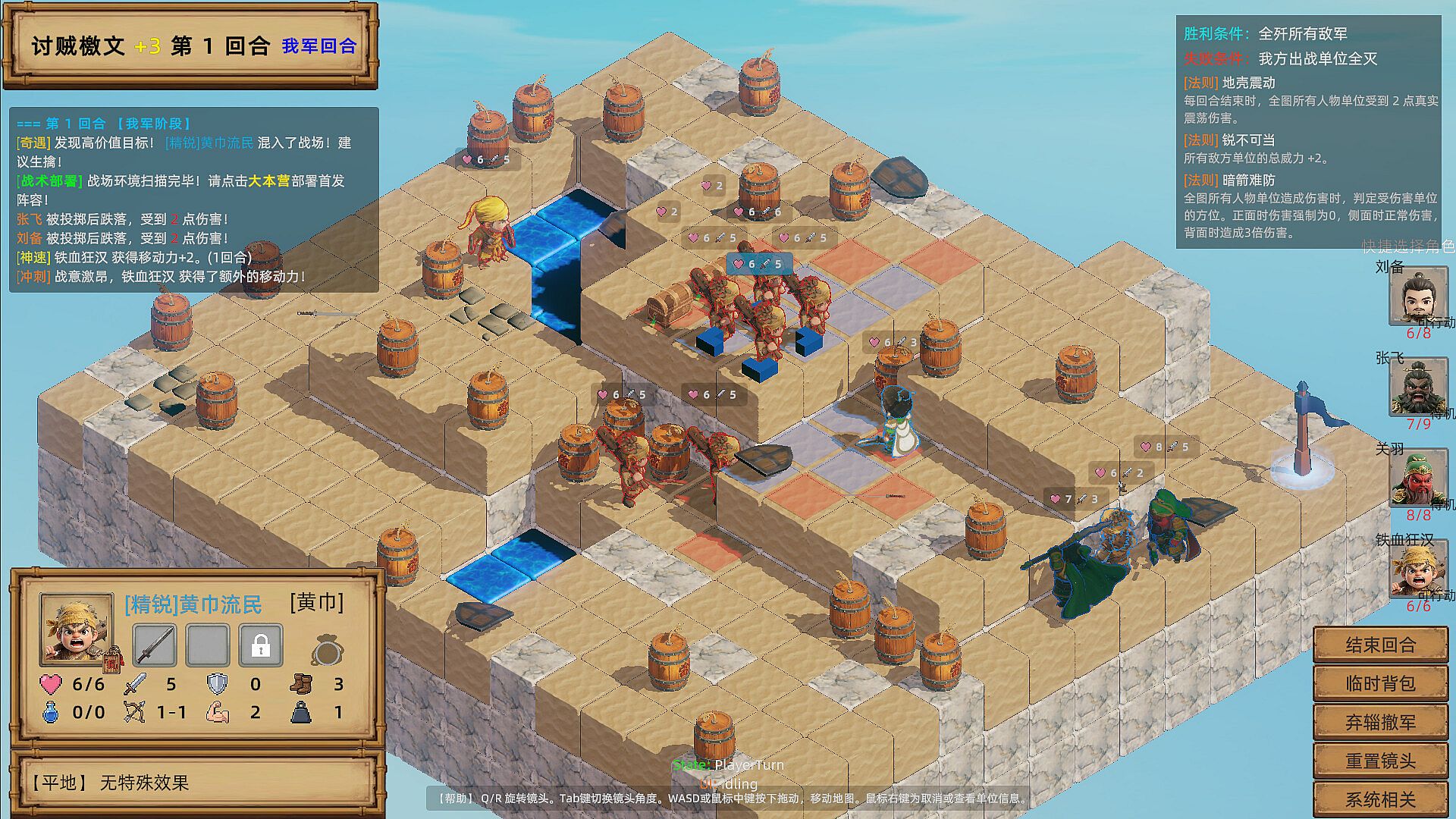
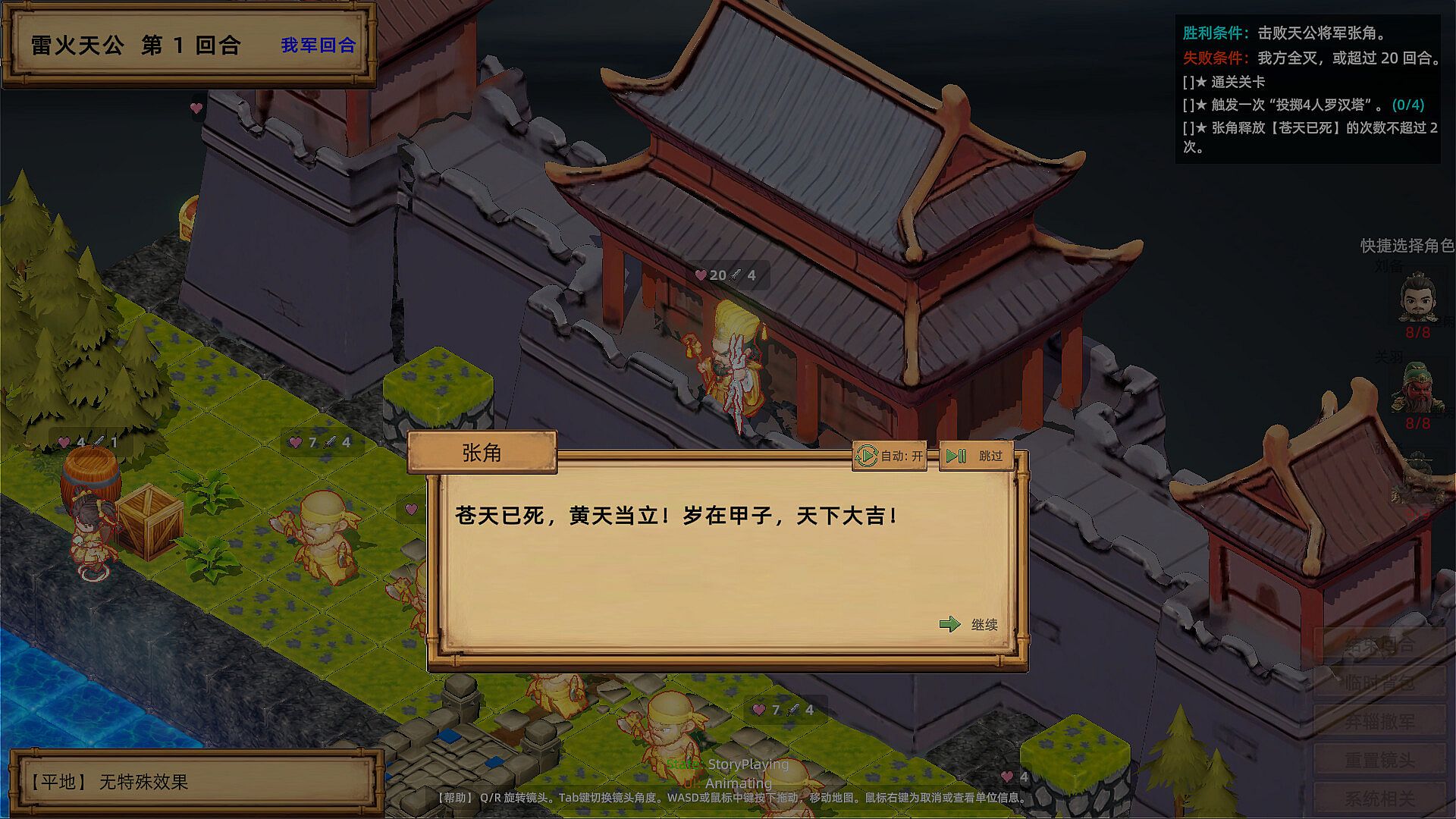
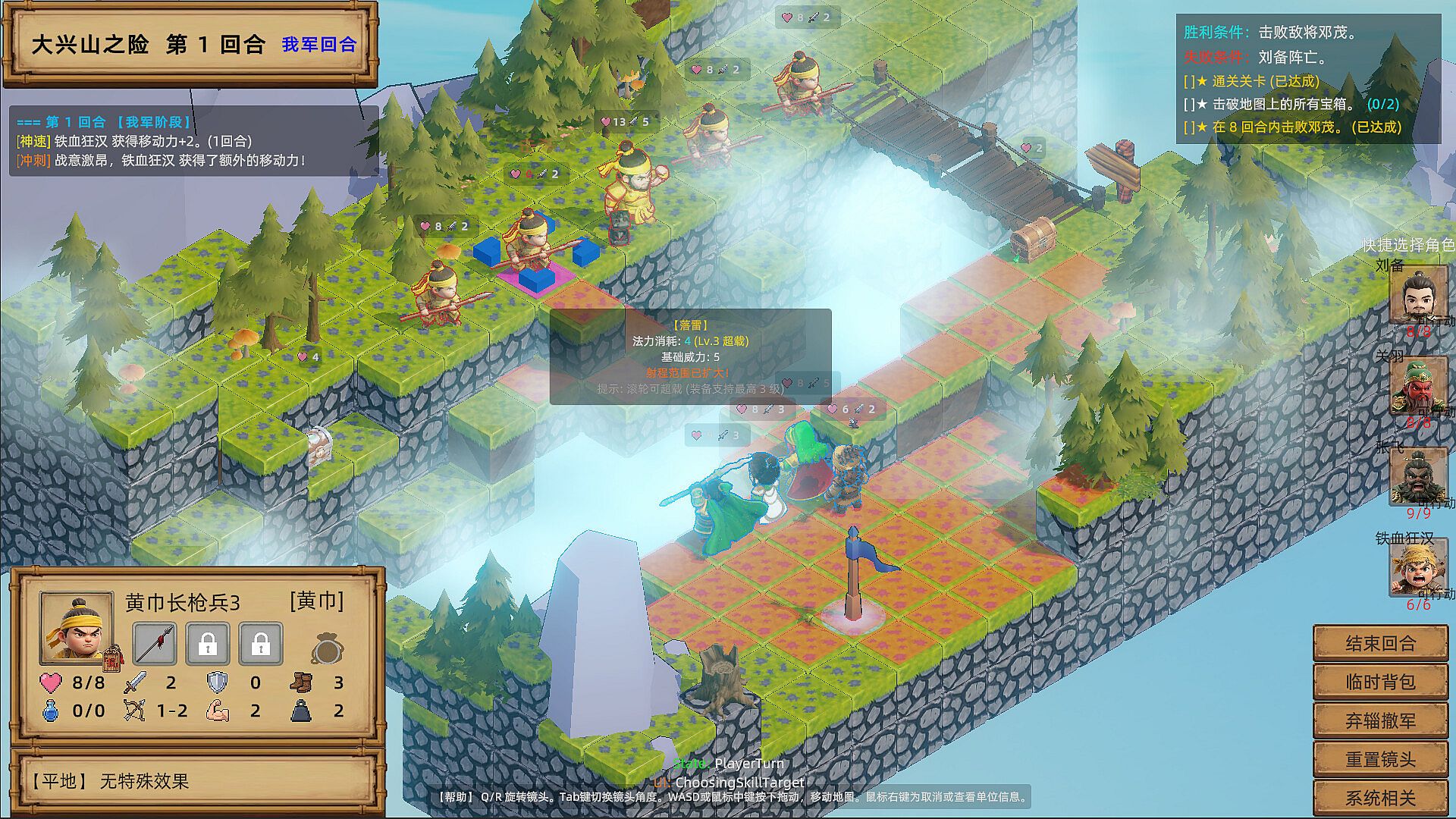
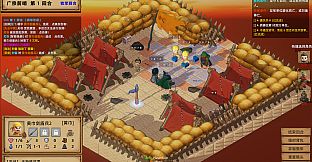
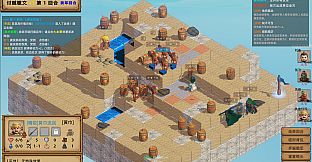
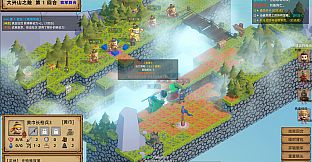
Combat takes place on small, detailed diorama fields where positioning matters but direct manipulation of units proves decisive. Players can lift any character on the field, ally or enemy, and hurl them across the map. Heavier units serve as projectiles that smash into groups for area damage, while lighter ones can be tossed into friendly formations for focused attacks. A relay system allows units to pass each other in tight spaces, creating repositioning options and chain effects that bypass obstacles.
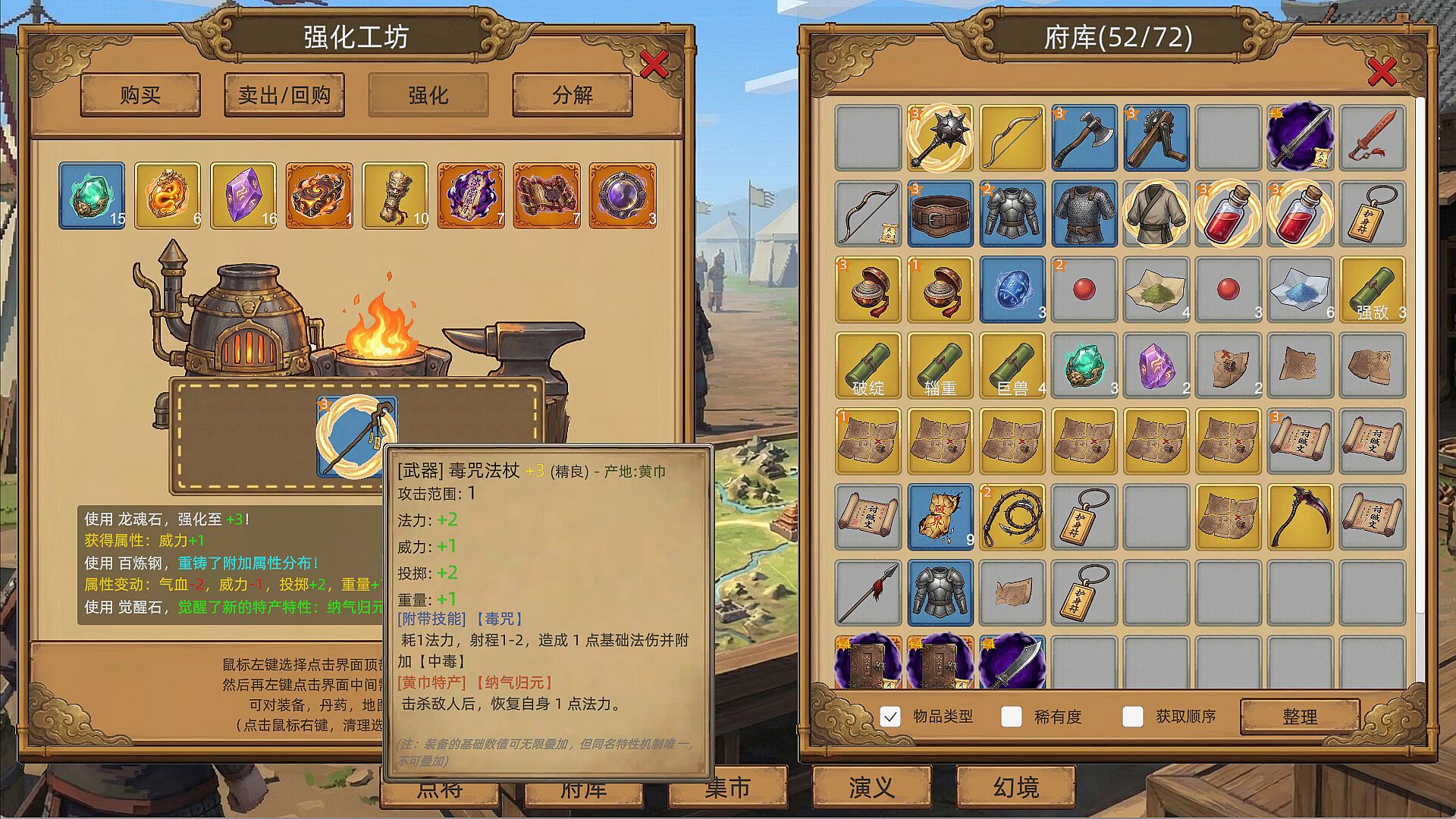
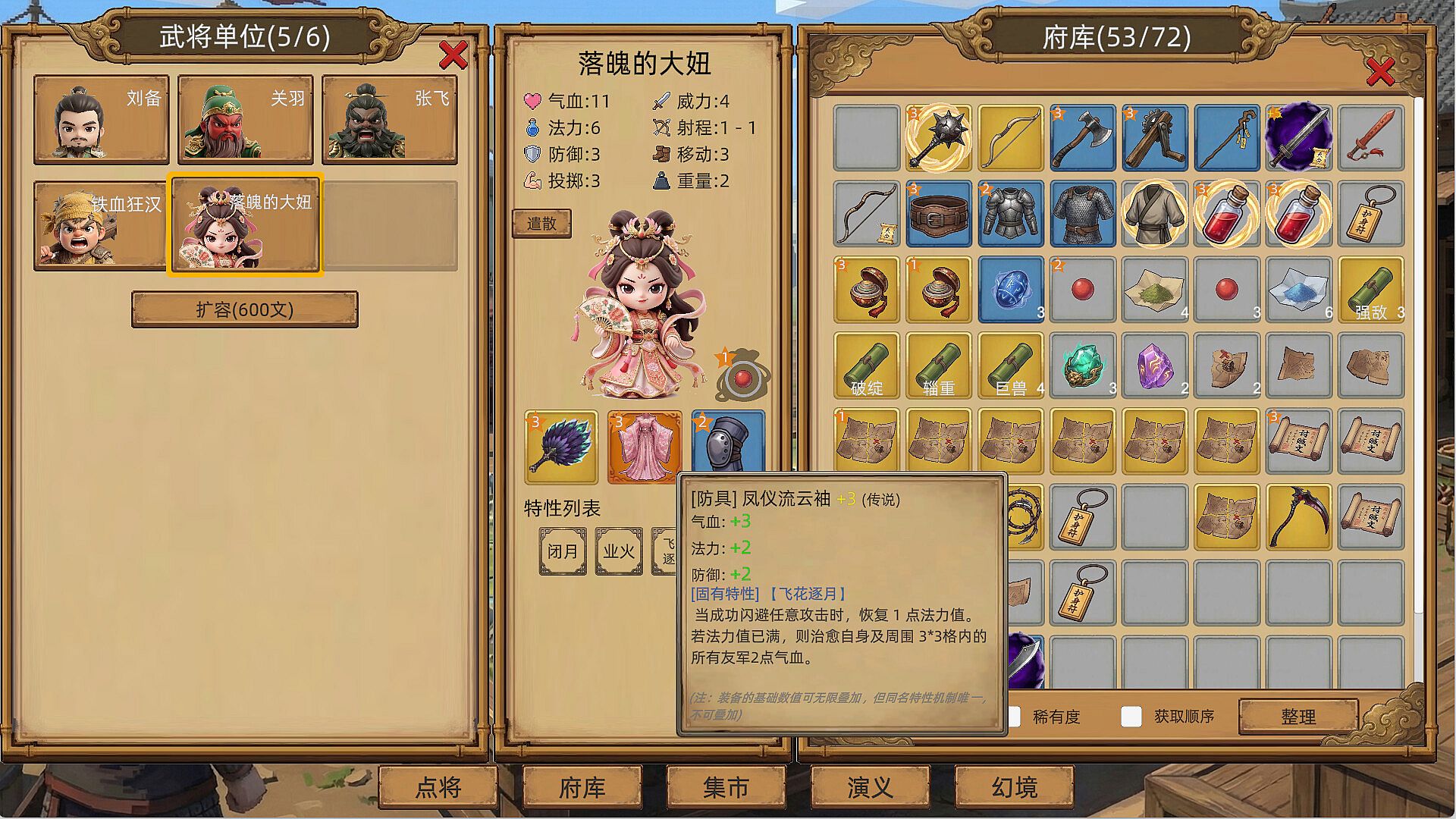
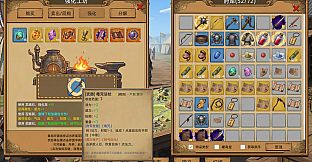
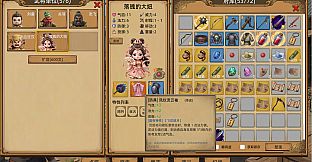
Progression skips experience points and levels entirely. Strength derives from combat rewards and crafted items. Enhancement stones improve base stats, while affixes add randomized effects. With hundreds of equipment pieces and affix combinations planned, players experiment with builds such as lifesteal counter-attacks, weight-focused crushing setups, or mobility-oriented assassin styles. Each general carries unique inherent traits that interact with the gear system to produce distinct results.
Recruitment adds another layer. Certain conditions let players subdue enemy units and add them to the roster. These recruits retain their own base stats and passive abilities, opening squad composition choices that mix story characters with former opponents.
Game Modes
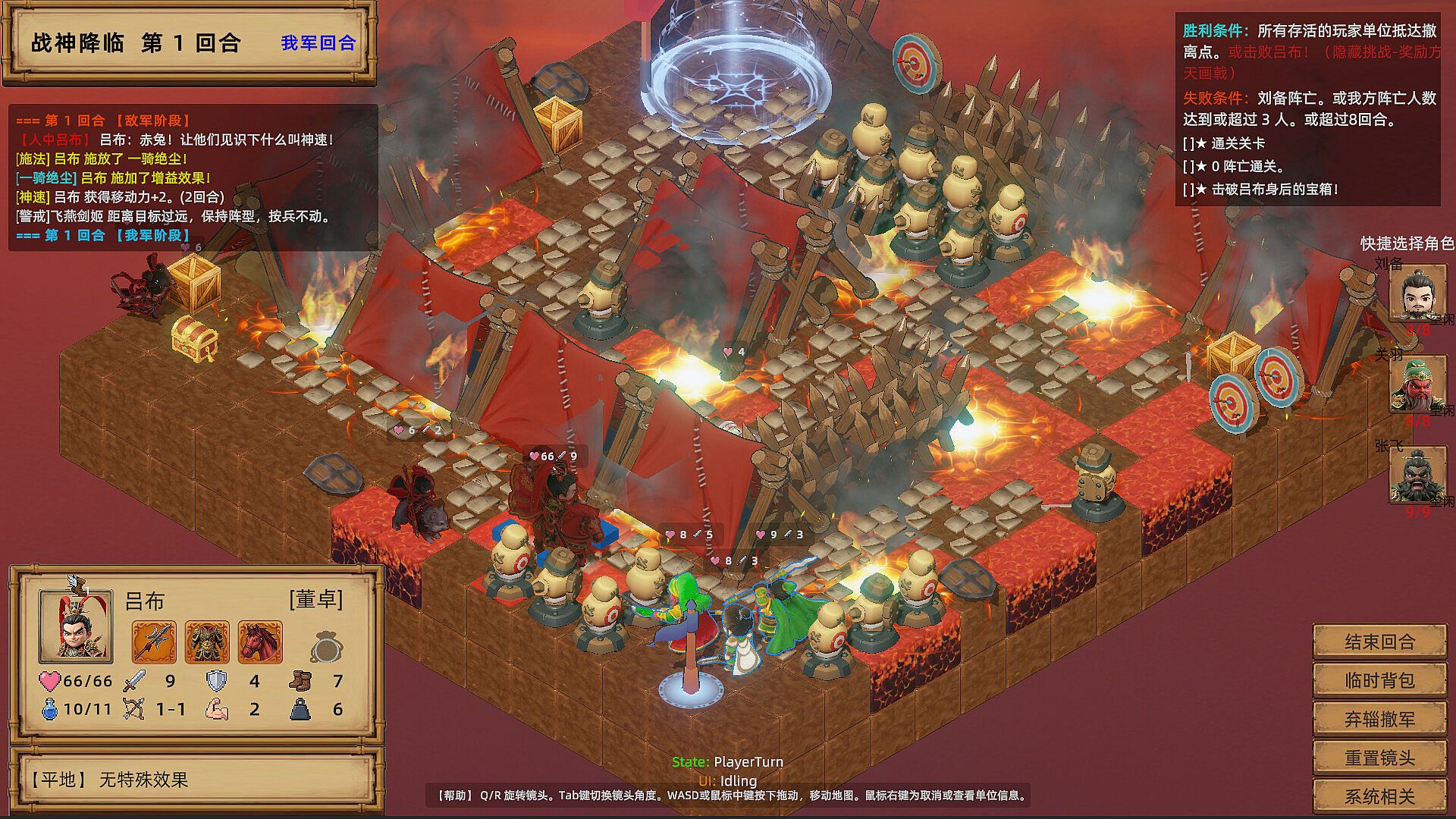
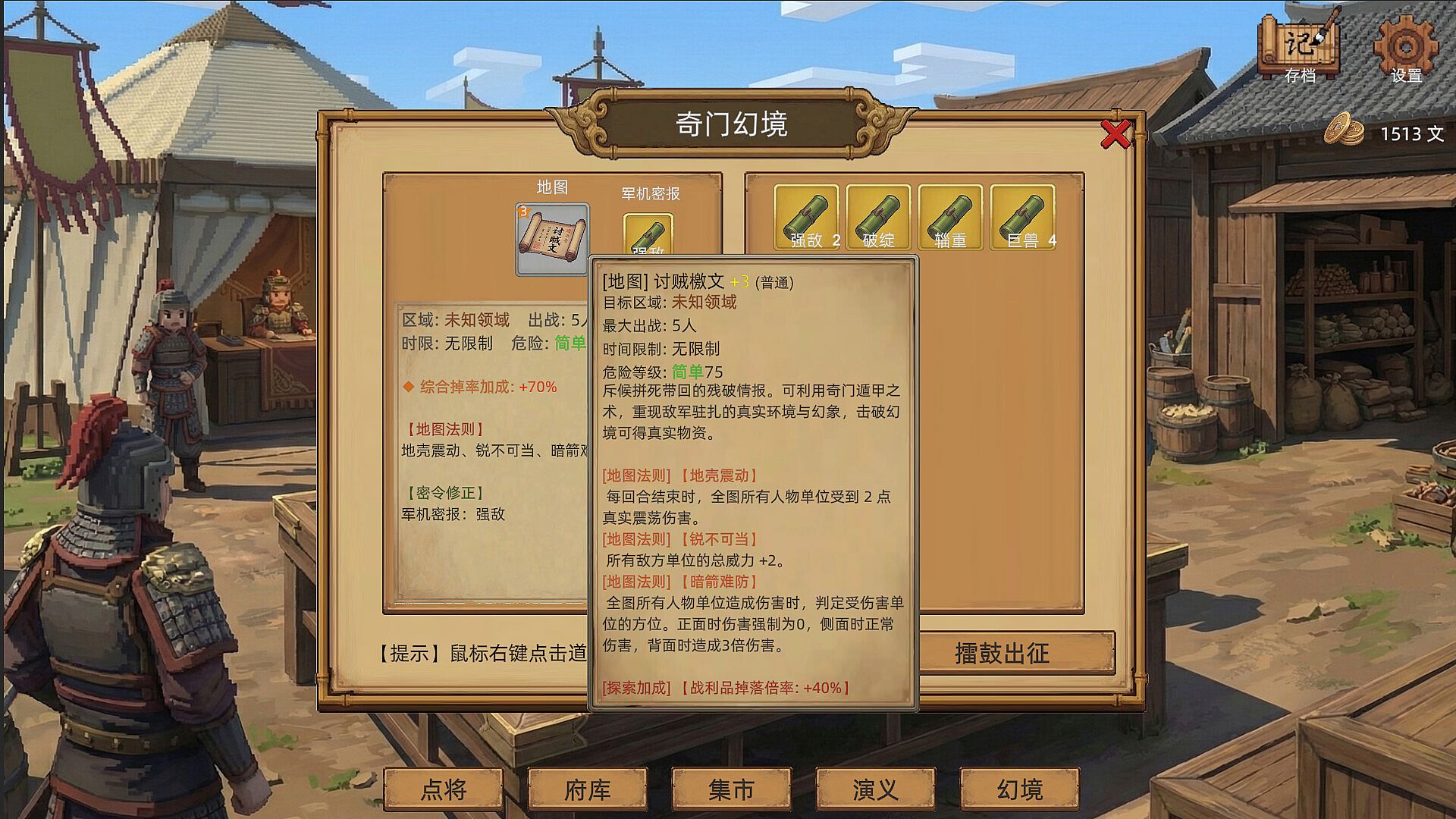
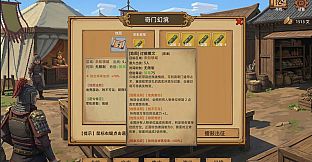
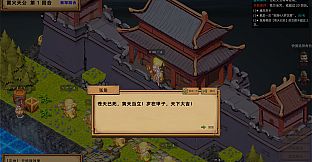
The main campaign follows the Shu-Han storyline across planned story stages and special stages. Players advance through structured encounters while collecting resources and recruits. The Illusion system provides separate procedurally generated maps known as Mirages. These runs focus on resource gathering, high-tier gear acquisition, and material farming. Optimized equipment from the campaign carries into these maps, allowing players to test completed builds against variable layouts and enemies.
Both campaign stages and Mirages support the same recruitment mechanics, so subdued foes remain available across content types. The demo currently includes ten story stages plus the Illusion system, with plans to carry save data forward to the full release.
Core Mechanics and Progression
Equipment forms the sole avenue for advancement. Over two hundred items and six hundred affixes are targeted for the complete version, each offering different stat mixes and special properties. Players upgrade pieces with stones and apply enchantments to match preferred playstyles. The absence of character levels keeps focus on loot quality and creative combinations rather than repeated grinding for experience.
Weight and physics add tactical depth beyond standard attacks, spells, or ranged options. Throwing mechanics let players disrupt enemy lines, create openings, or deliver unexpected damage. Terrain still influences movement, yet the ability to relocate units directly often overrides conventional positioning limits.
Is It Worth Playing?
The game targets players who enjoy tactical RPGs that reward experimentation with loot and builds rather than linear leveling. Its throwing system introduces physical interaction uncommon in the genre, while the gear-only progression removes common grind fatigue. Single-player focus and the combination of story stages with procedural Mirages provide both directed narrative content and repeatable looting opportunities.
With a planned 2027 release and an active demo showcasing core systems, interested players can test the diorama combat and recruitment loop firsthand. Those who value creative squad building, physics-driven tactics, and extensive equipment customization will find the most alignment with the design. The indie scope keeps the experience focused on these distinctive mechanics without broader multiplayer elements.











