














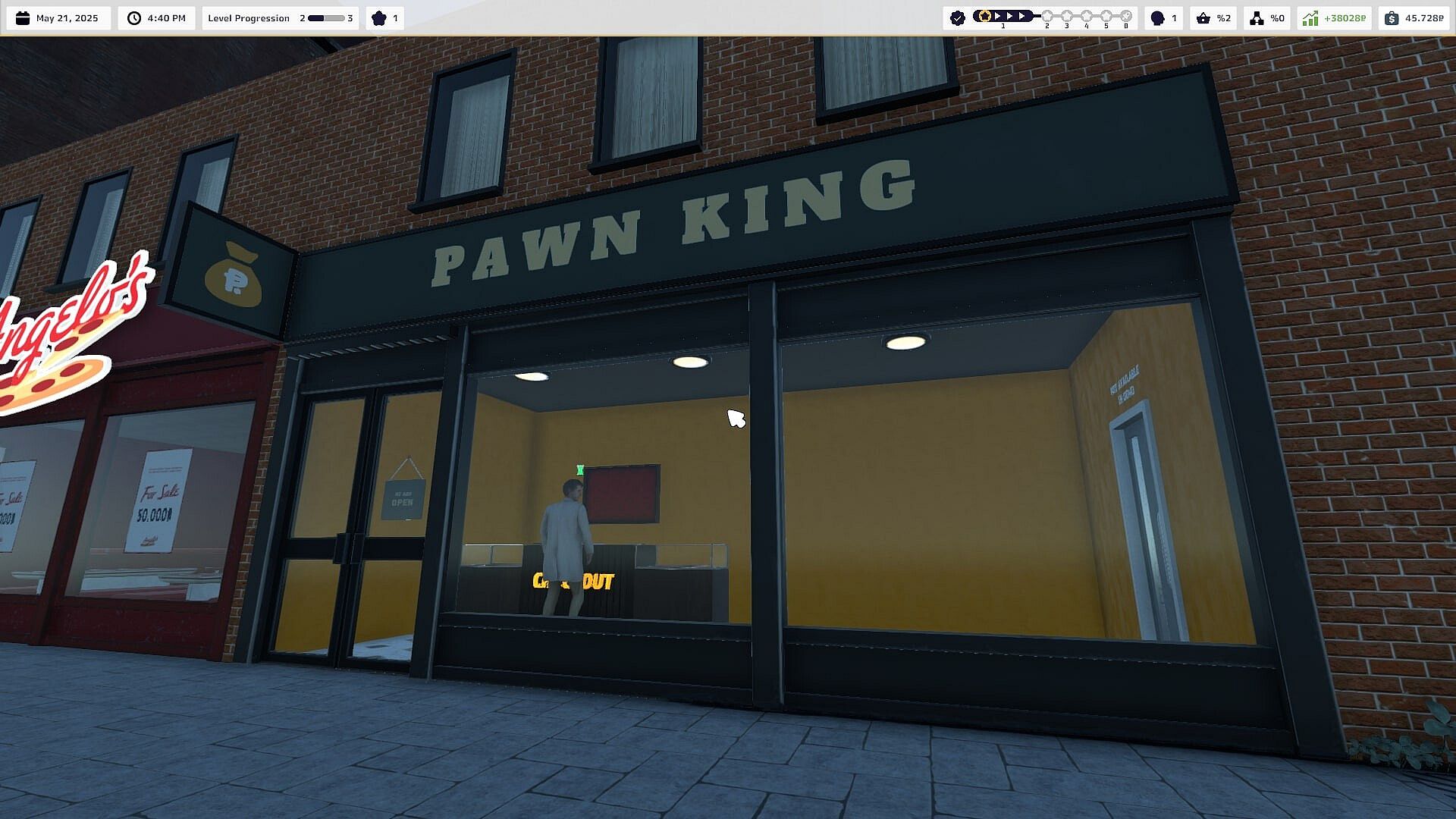
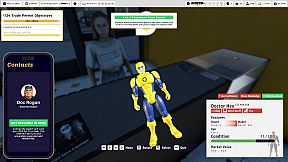
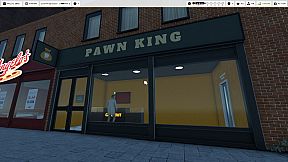
Pawnbroker Simulator is a single player store management simulation game that places players in charge of running their own pawn shop. The experience centers on appraising items, negotiating deals, managing inventory, and protecting assets in a realistic business setting. Released on PC in March 2026, the title blends casual simulation elements with deeper progression systems that reward careful decision making over time.
Gameplay
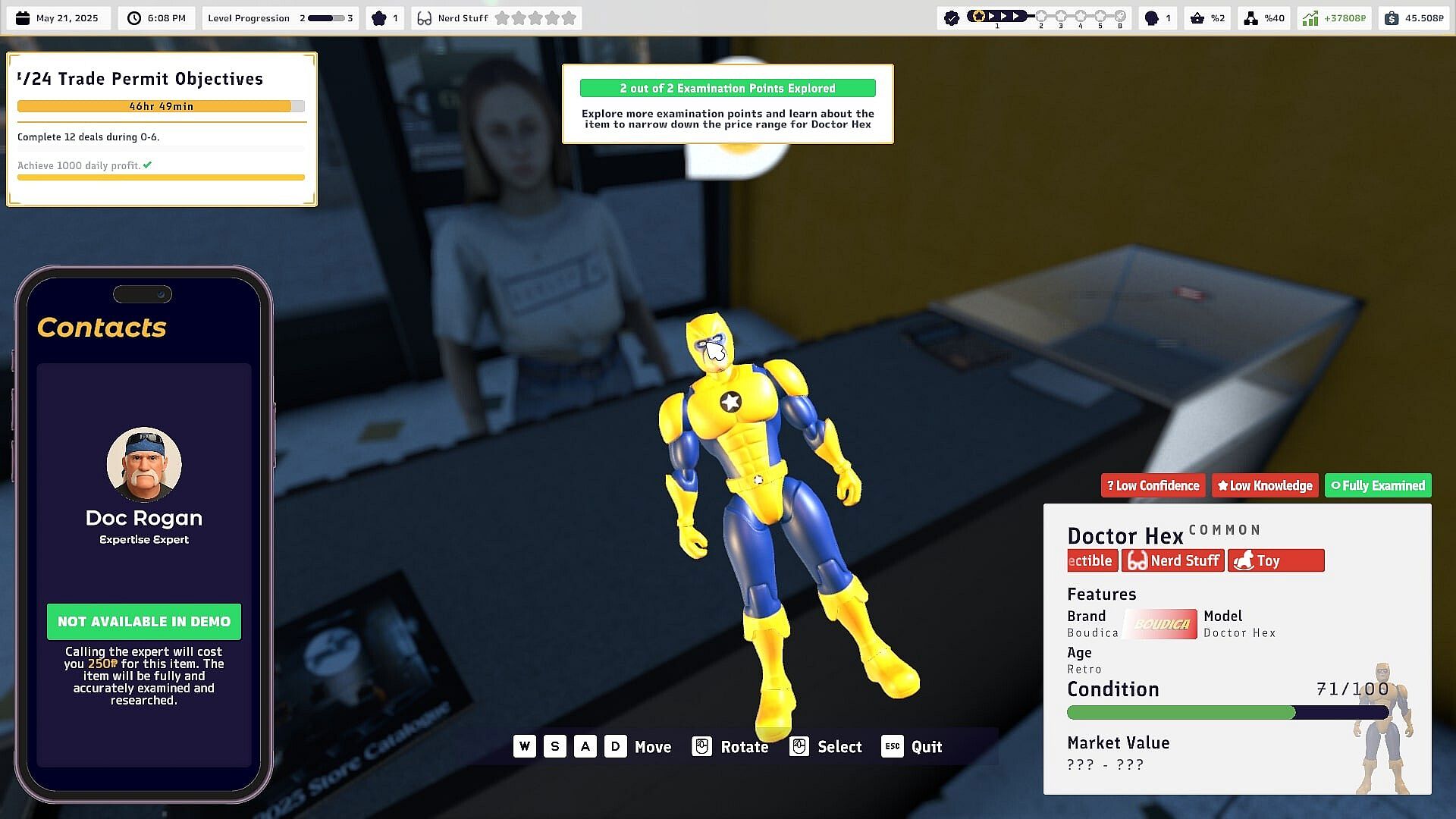
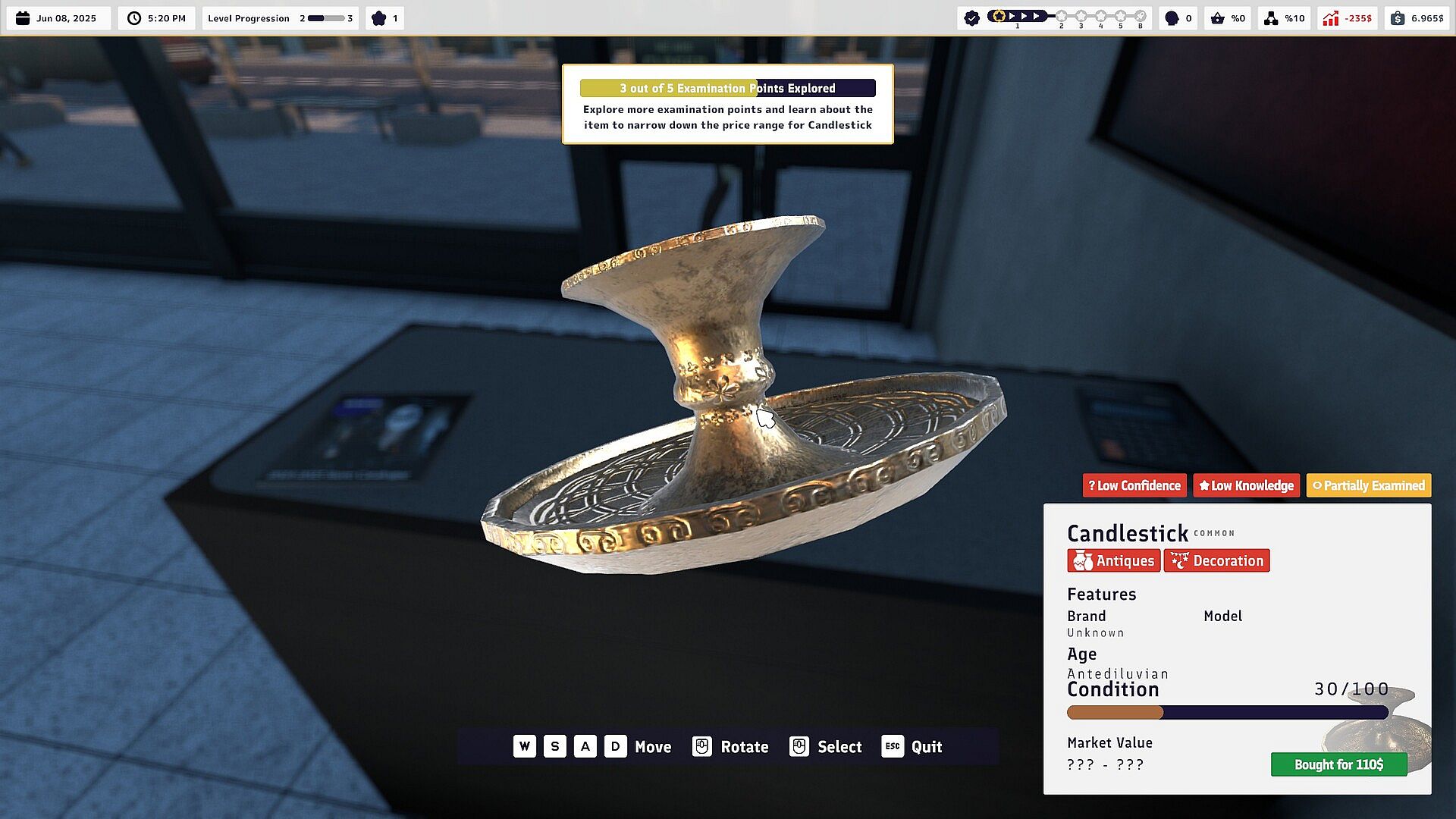
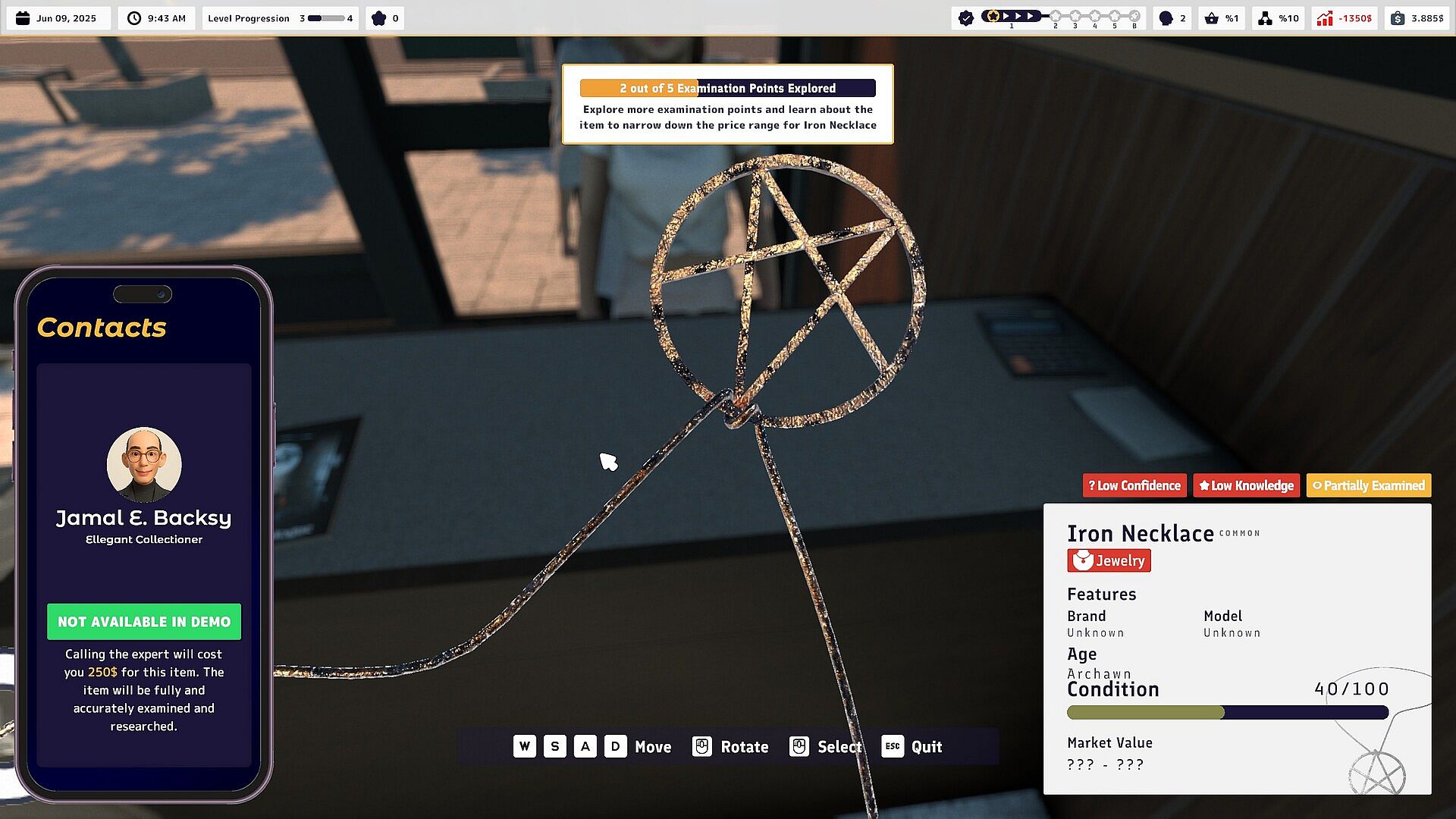
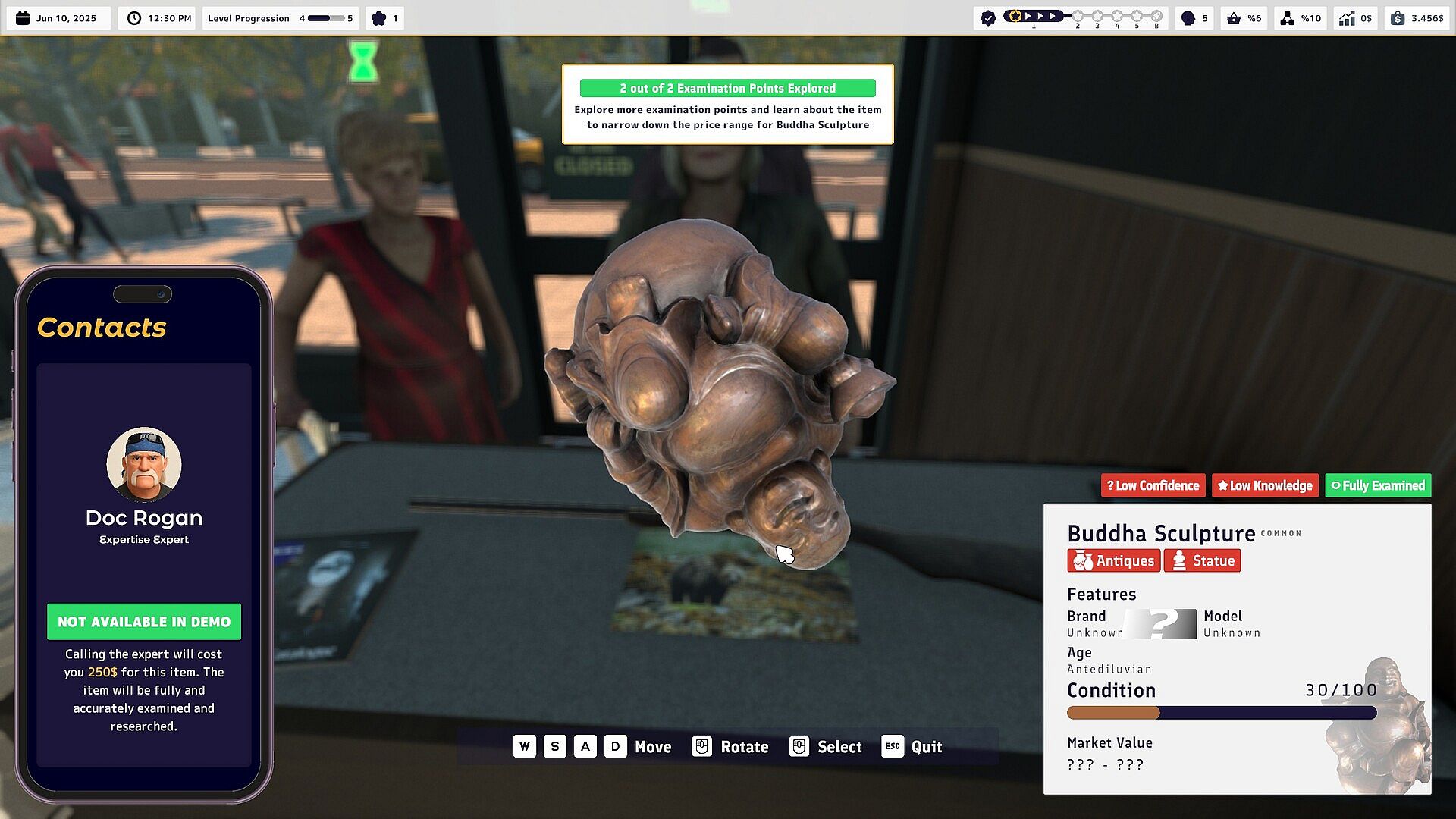
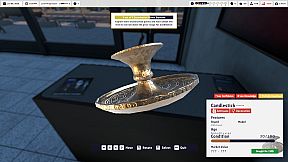
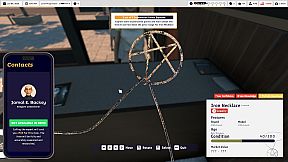
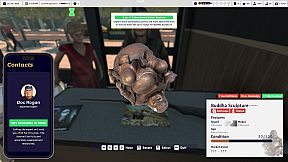
The core loop revolves around daily shop operations where customers arrive with items to pawn, sell, or reclaim. Players inspect each piece closely to determine its condition, authenticity, and market value before making an offer. Over 200 unique items feature dynamic pricing that shifts based on wear, rarity, and broader economic conditions.
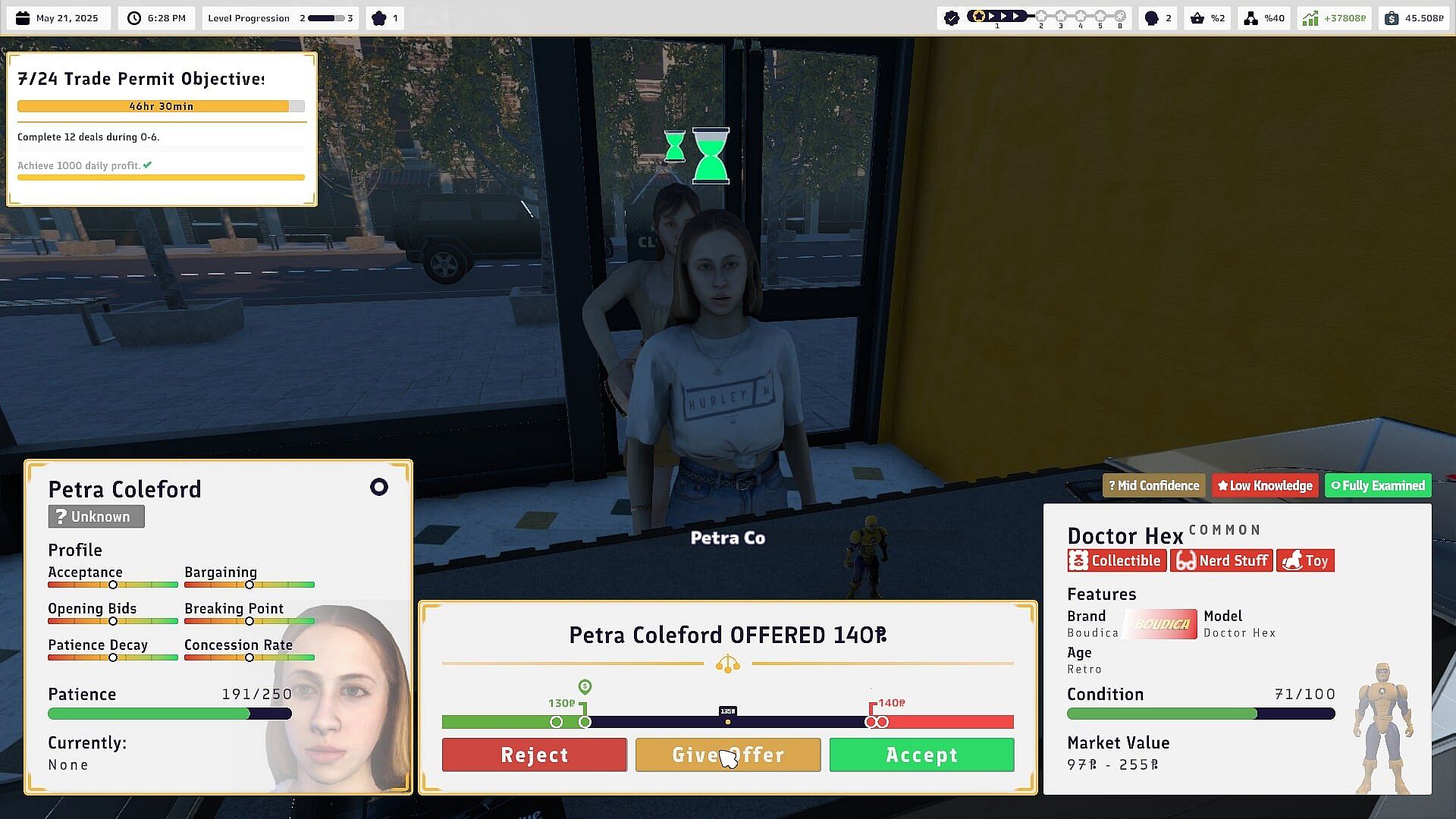
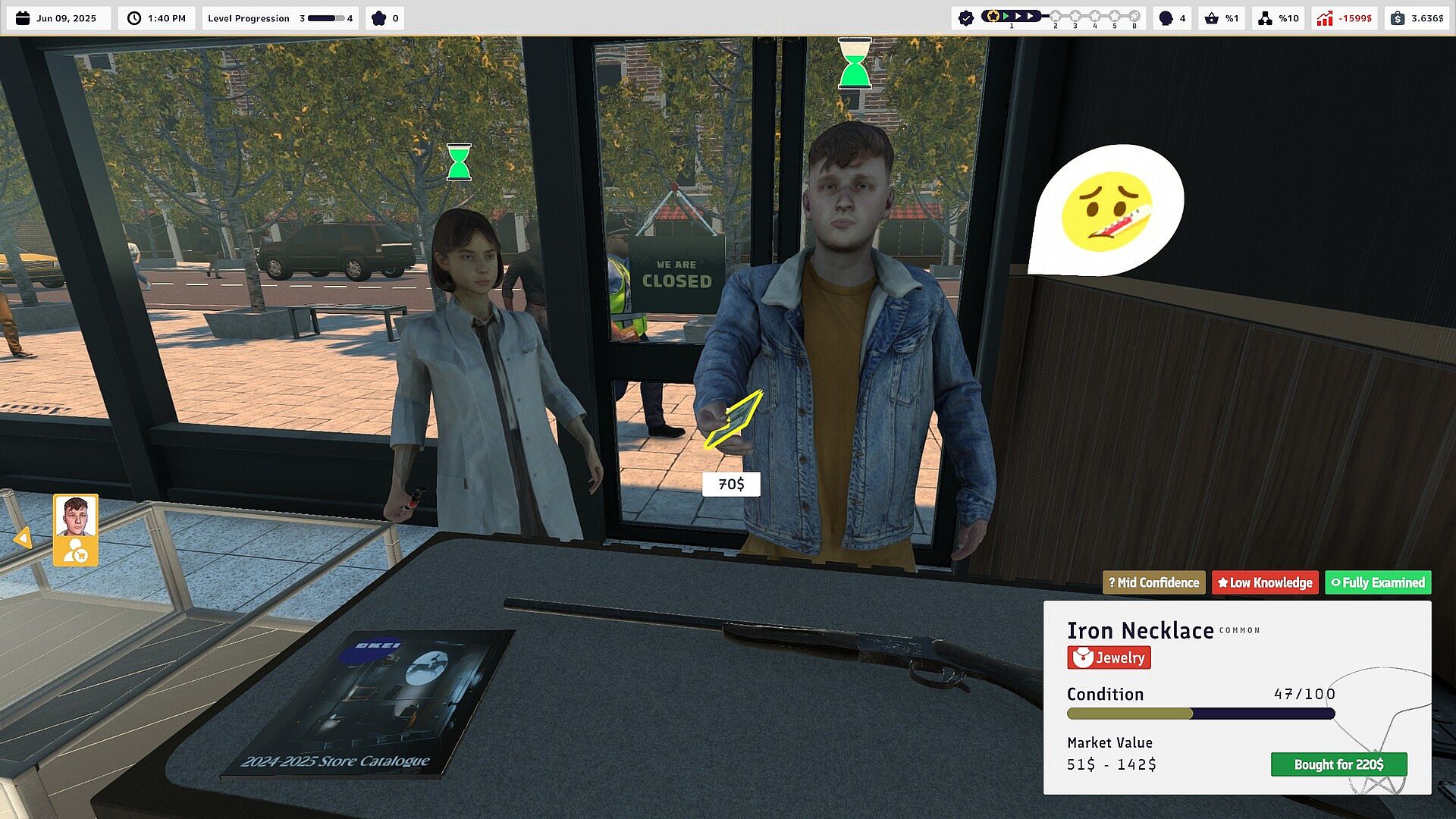
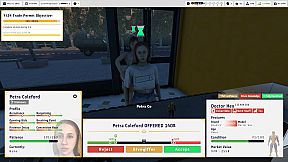
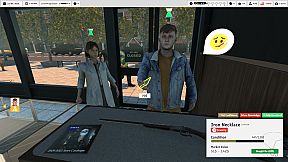
Negotiation forms the heart of profit generation. A color coded system guides haggling, with offers falling into ranges that either close the deal immediately, invite counter offers, or get rejected outright. Customer personalities add layers, as traits like impatience or aggression influence how deals unfold. Players track cash flow, pay ongoing bills for rent and utilities, and balance the risks of loans that may or may not be reclaimed.
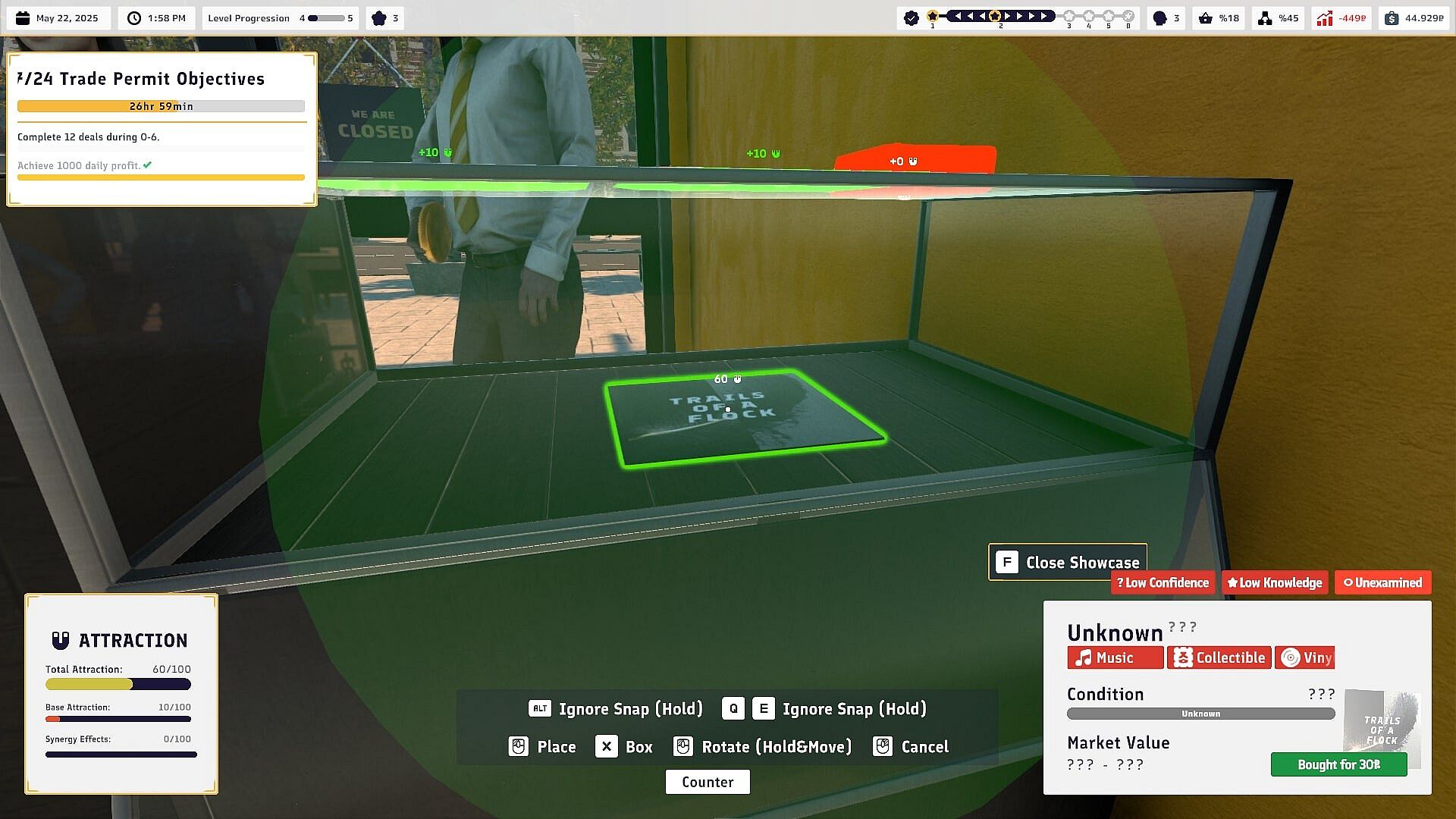
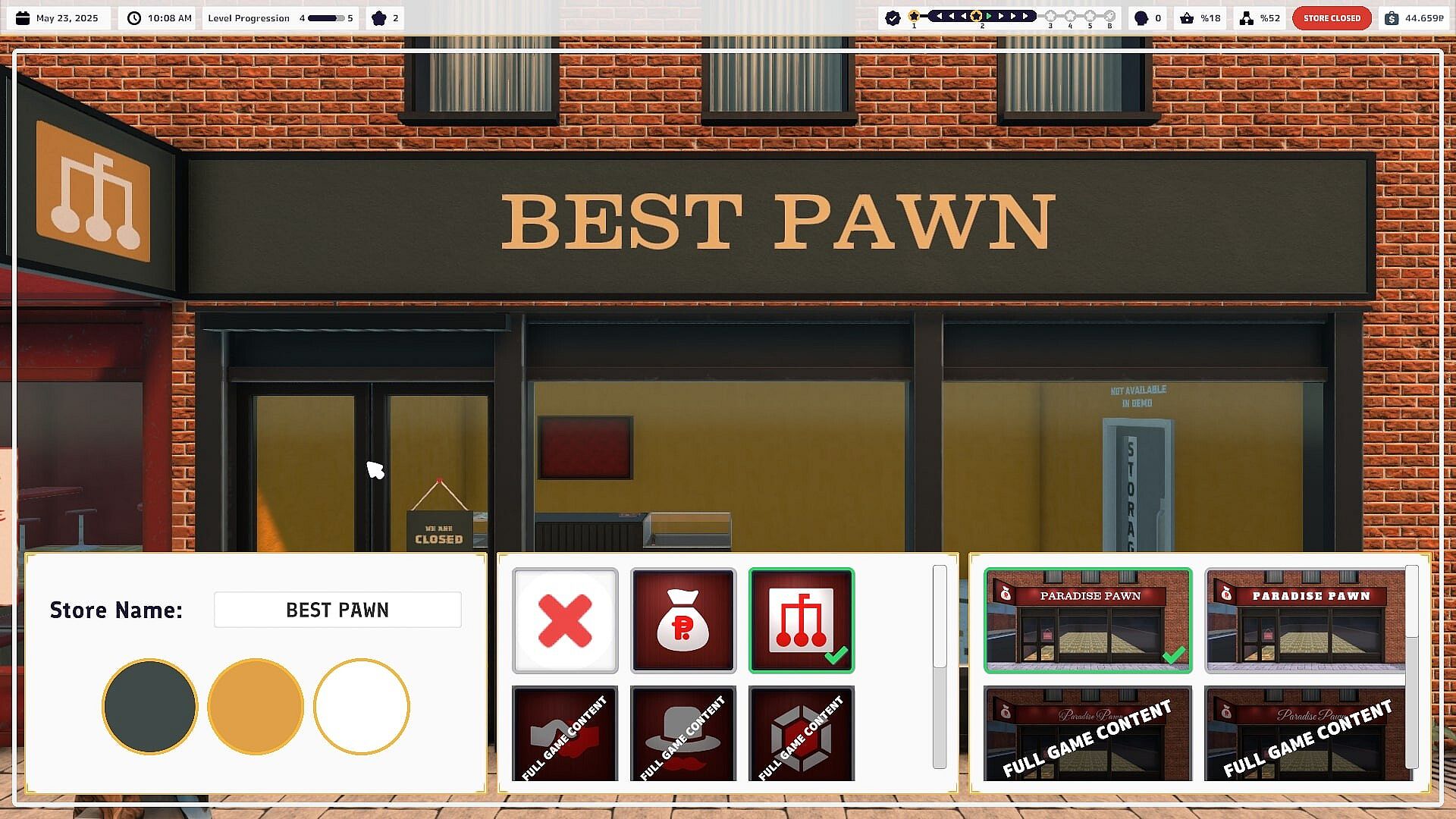
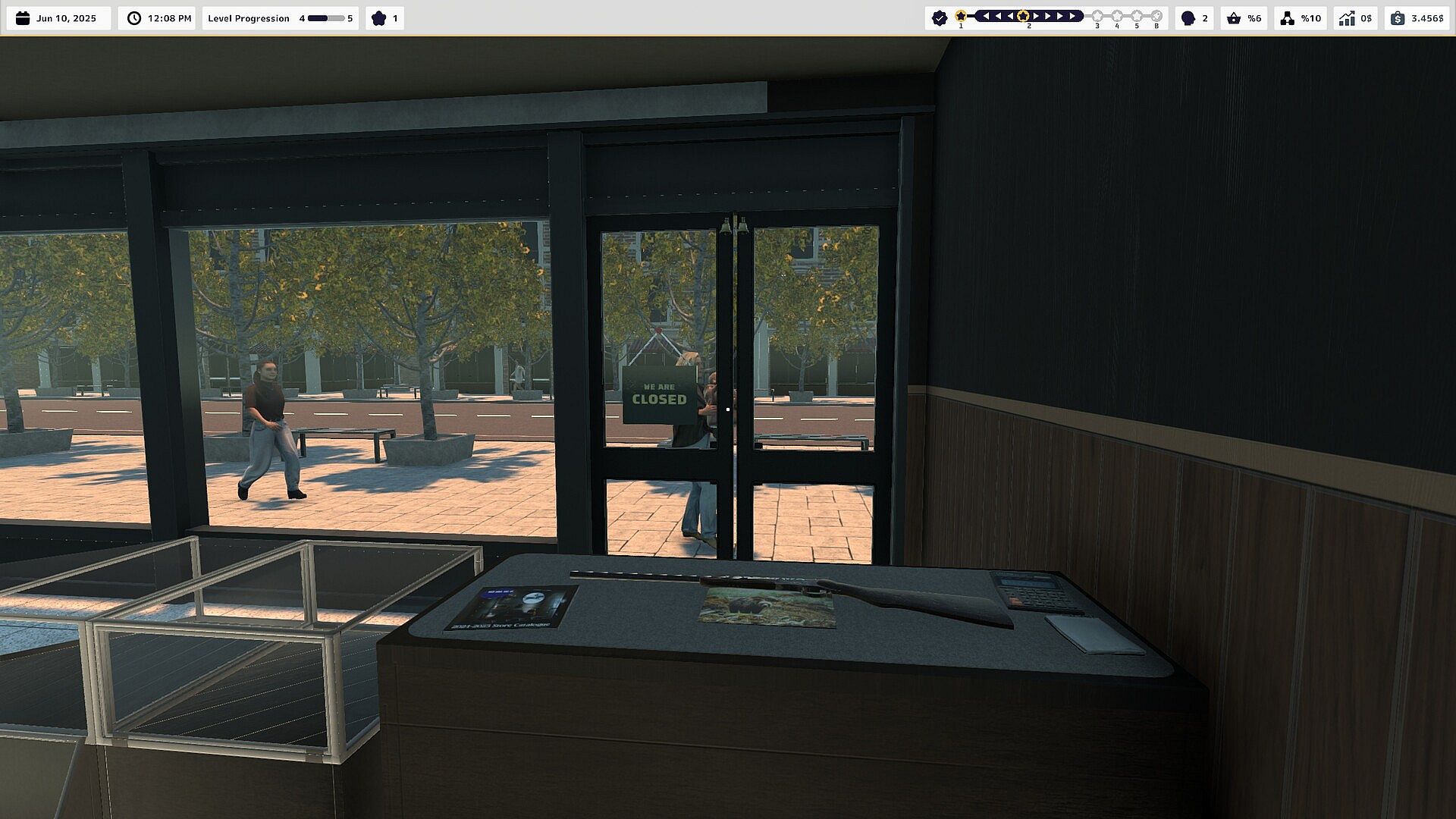
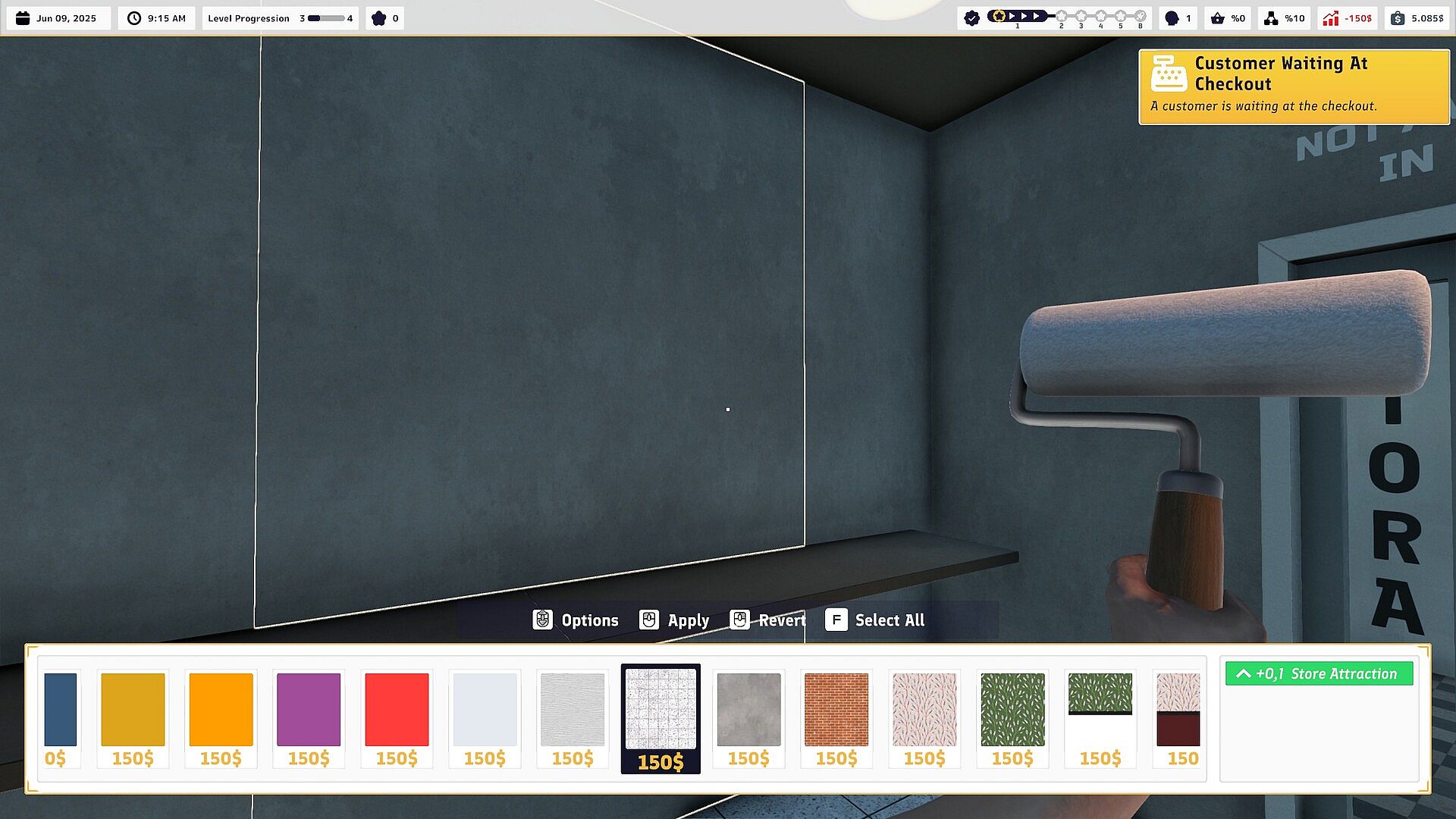
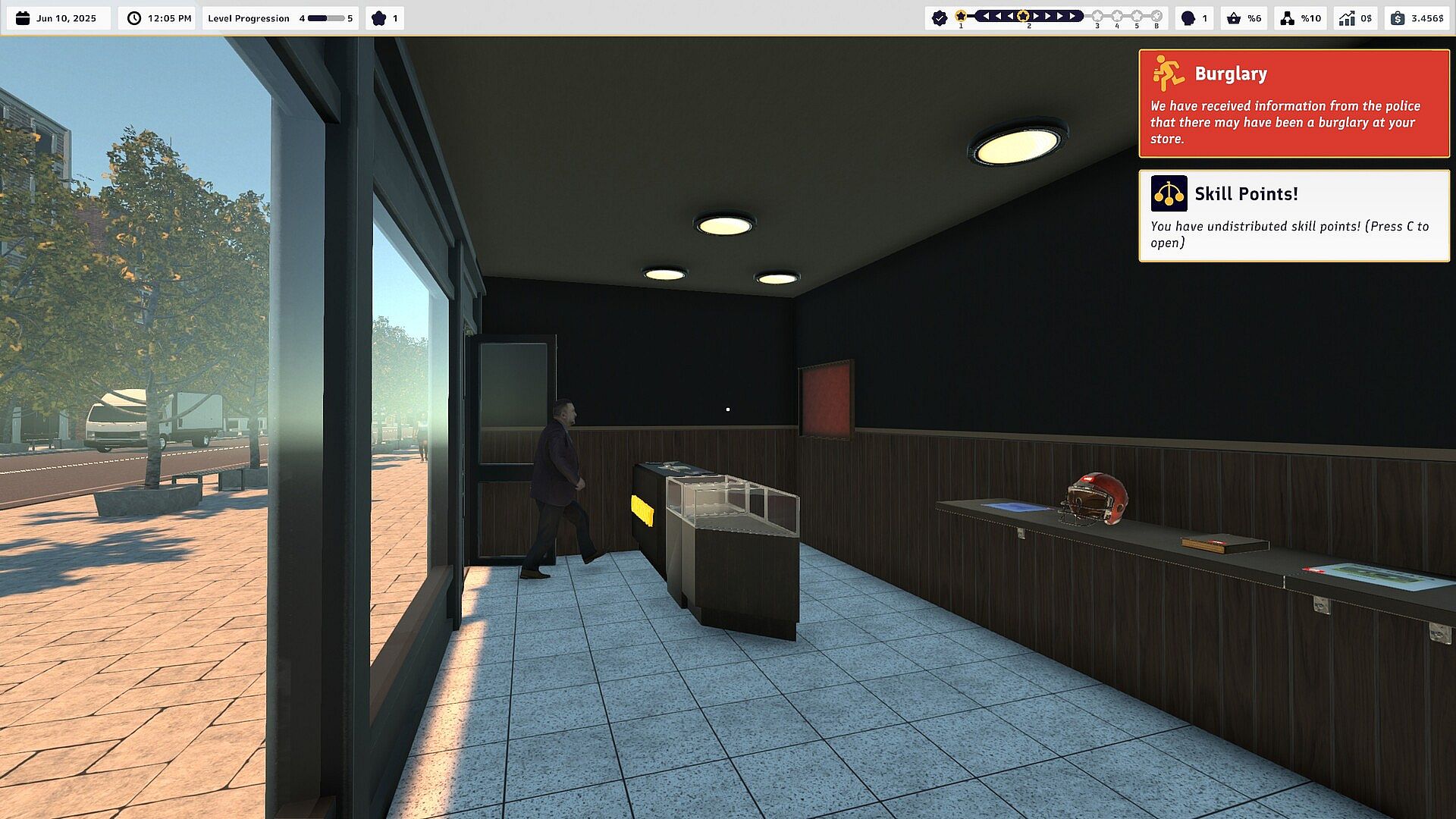
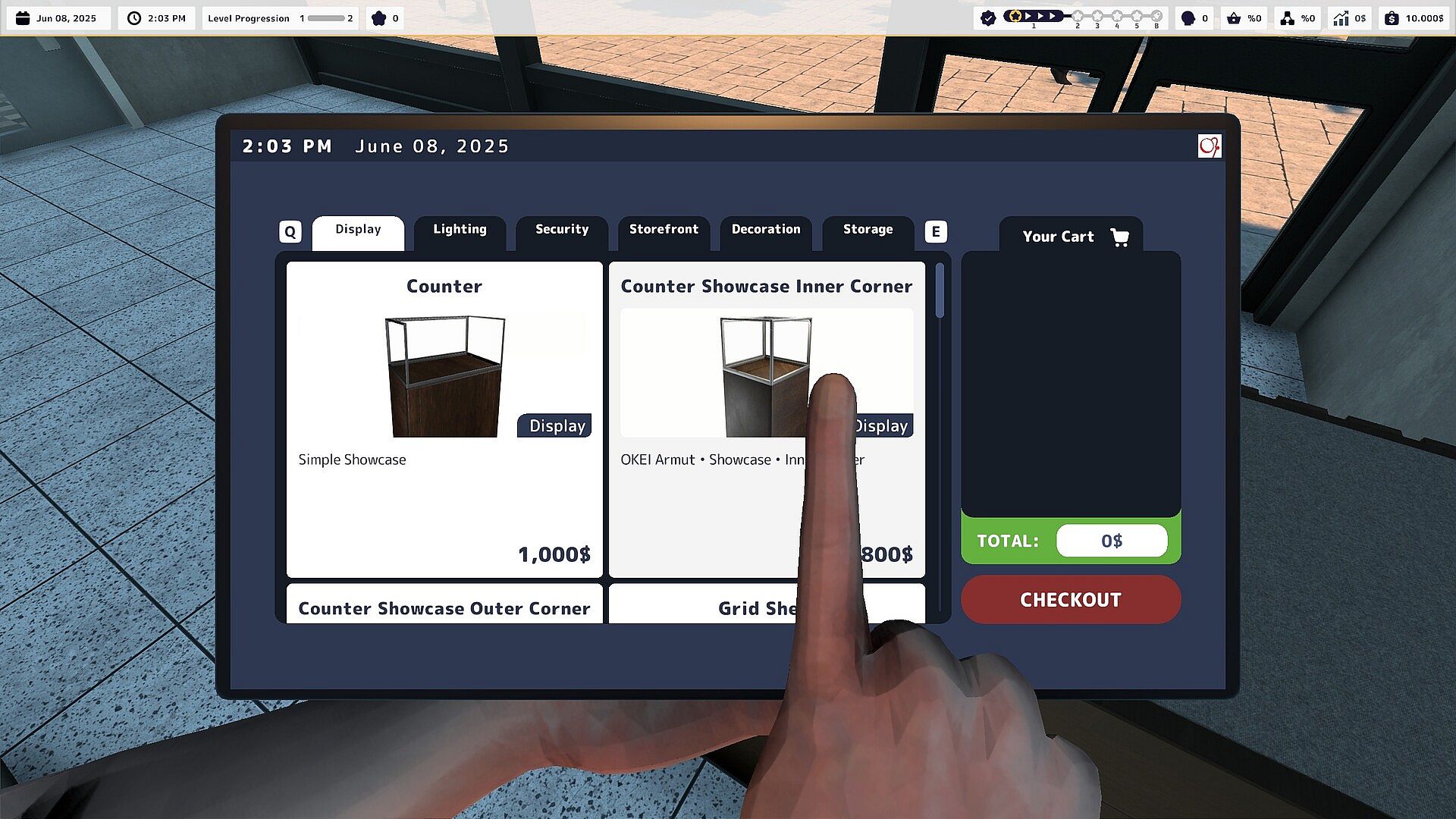
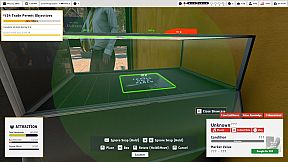
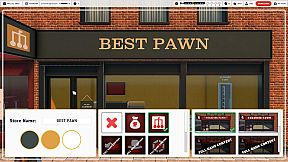
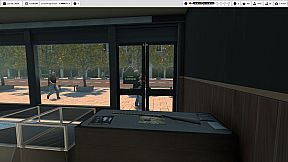
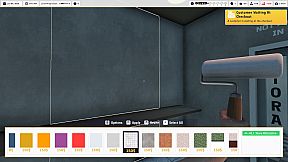
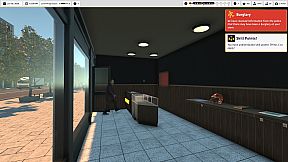
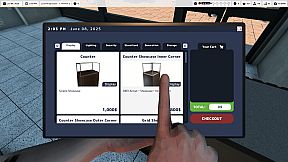
Shop security adds tension during both day and night phases. Players install cameras, alarms, and reinforced displays to deter theft, then respond directly when intruders appear. Store expansion happens tile by tile, allowing customization of walls, furniture, and displays to attract better clientele. Limited storage slots force strategic choices about what to keep on hand.
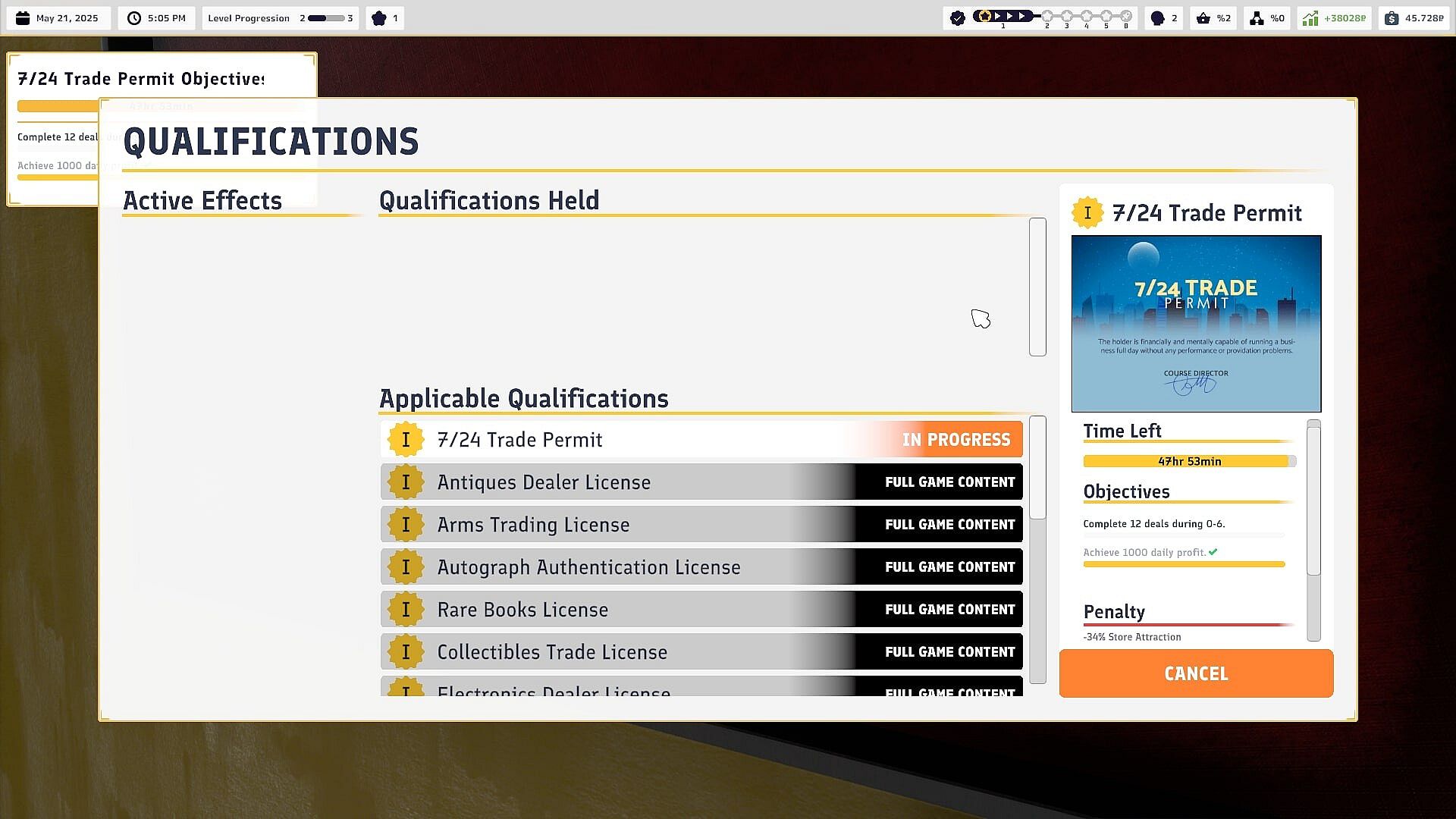
Skill progression ties directly to performance. Players earn qualifications in areas such as fine art, arms, gear, and collectibles, which improve appraisal accuracy and unlock repair options. Reputation levels gradually open access to rarer items and more challenging customers while a skill tree expands options in negotiation, prediction, and overall management.
Game Modes
The game features two primary modes that shape how players approach the pawn shop experience. Campaign mode follows a structured progression with goals and milestones that guide new players through core mechanics and unlock systems at a measured pace.
Sandbox mode removes those guardrails, letting players experiment freely with shop design, item selection, and risk management from the start. Both modes share the same underlying systems for appraisal, security, and economy, but differ in pacing and objectives.
Progression and Management Systems
Qualifications and reputation serve as the main drivers of long term growth. Each successful deal and upgrade improves accuracy when spotting fakes or undervalued pieces, while higher reputation brings in customers with more valuable goods. Item restoration offers a separate mini game that benefits from invested skill points.
Storage and display management require ongoing attention. Players juggle limited slots while arranging eye catching setups that influence buyer interest. Economic shifts affect item values across the board, forcing adjustments to buying and selling strategies to stay profitable.
Is It Worth Playing?
Player reception has been positive overall, with recent reviews trending very positive and the broader user score sitting at mostly positive after several months on the market. The simulation appeals most to those who enjoy methodical store management and negotiation mechanics rather than fast paced action.
Ongoing updates have addressed balance concerns and expanded qualification systems, showing continued developer support. The single player focus and lack of multiplayer elements keep the experience consistent and self contained.
Those drawn to casual simulation titles with room for strategic depth will find a solid match here. The combination of appraisal challenges, security decisions, and shop building creates a loop that rewards patience and observation. Players seeking quick sessions or competitive elements may want to try the available demo first to confirm the pace suits their preferences.