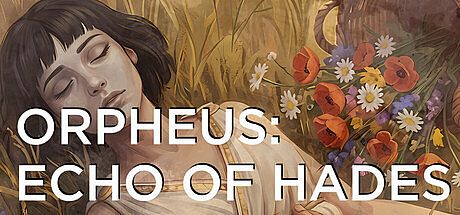





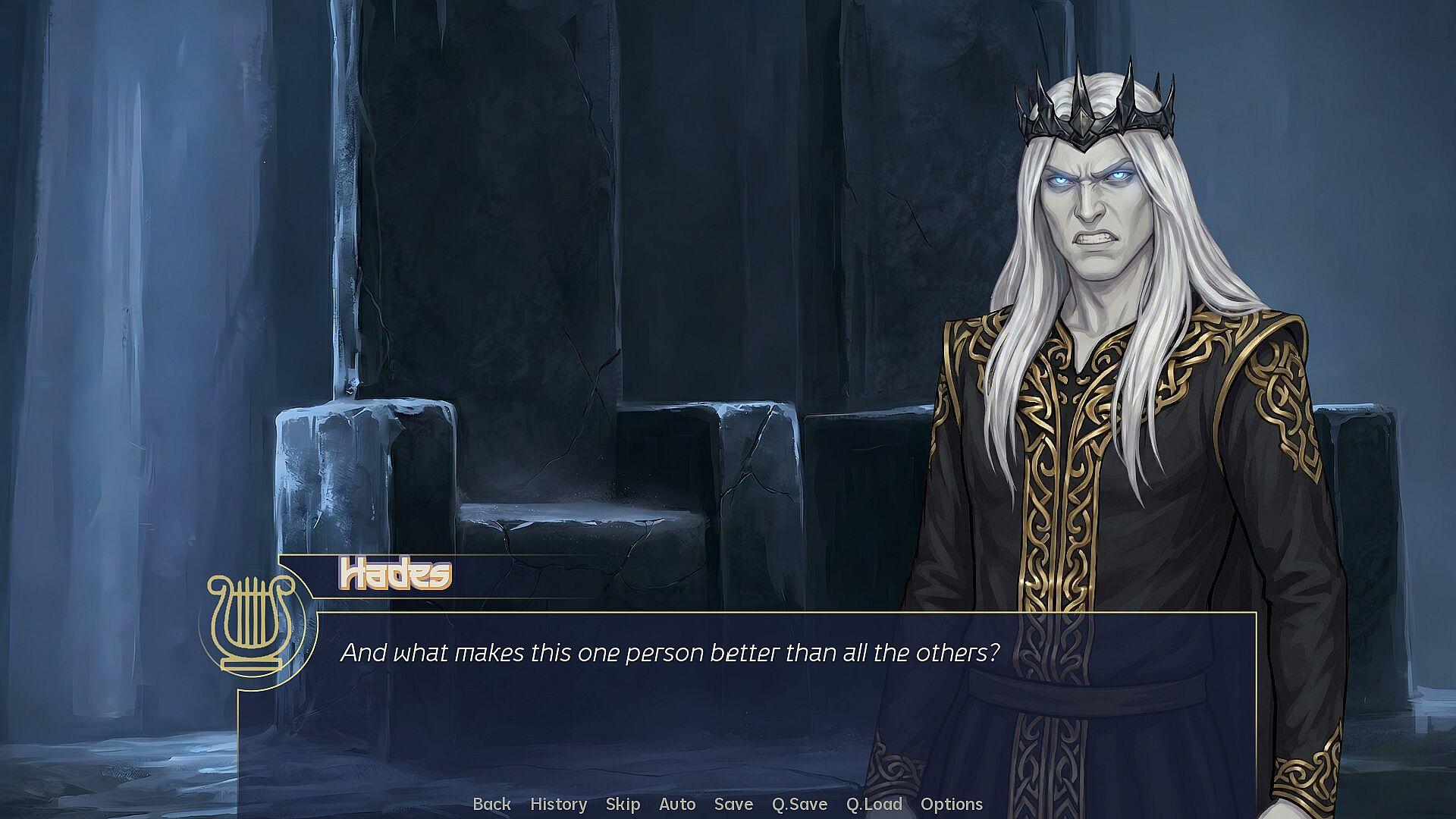
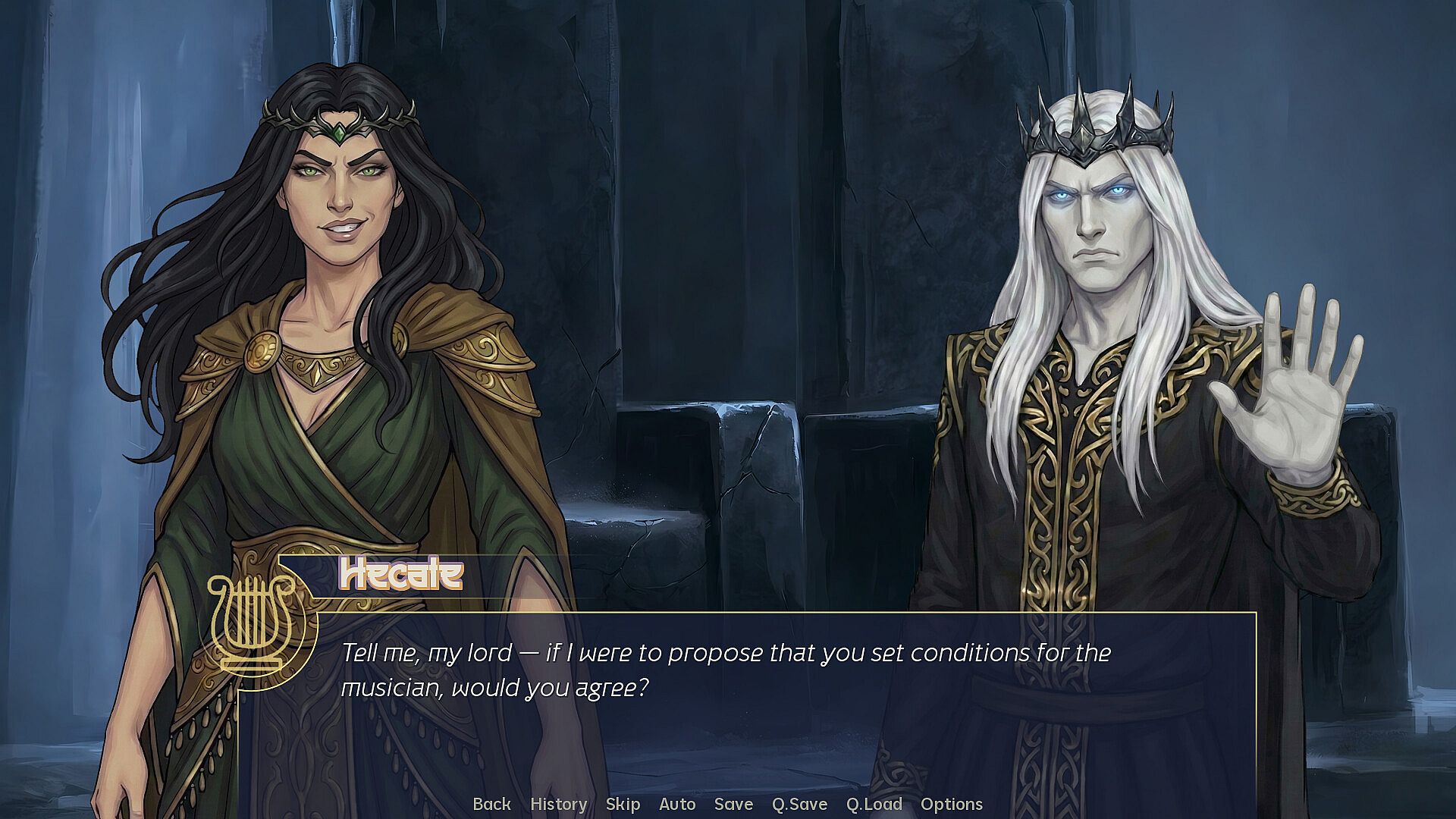
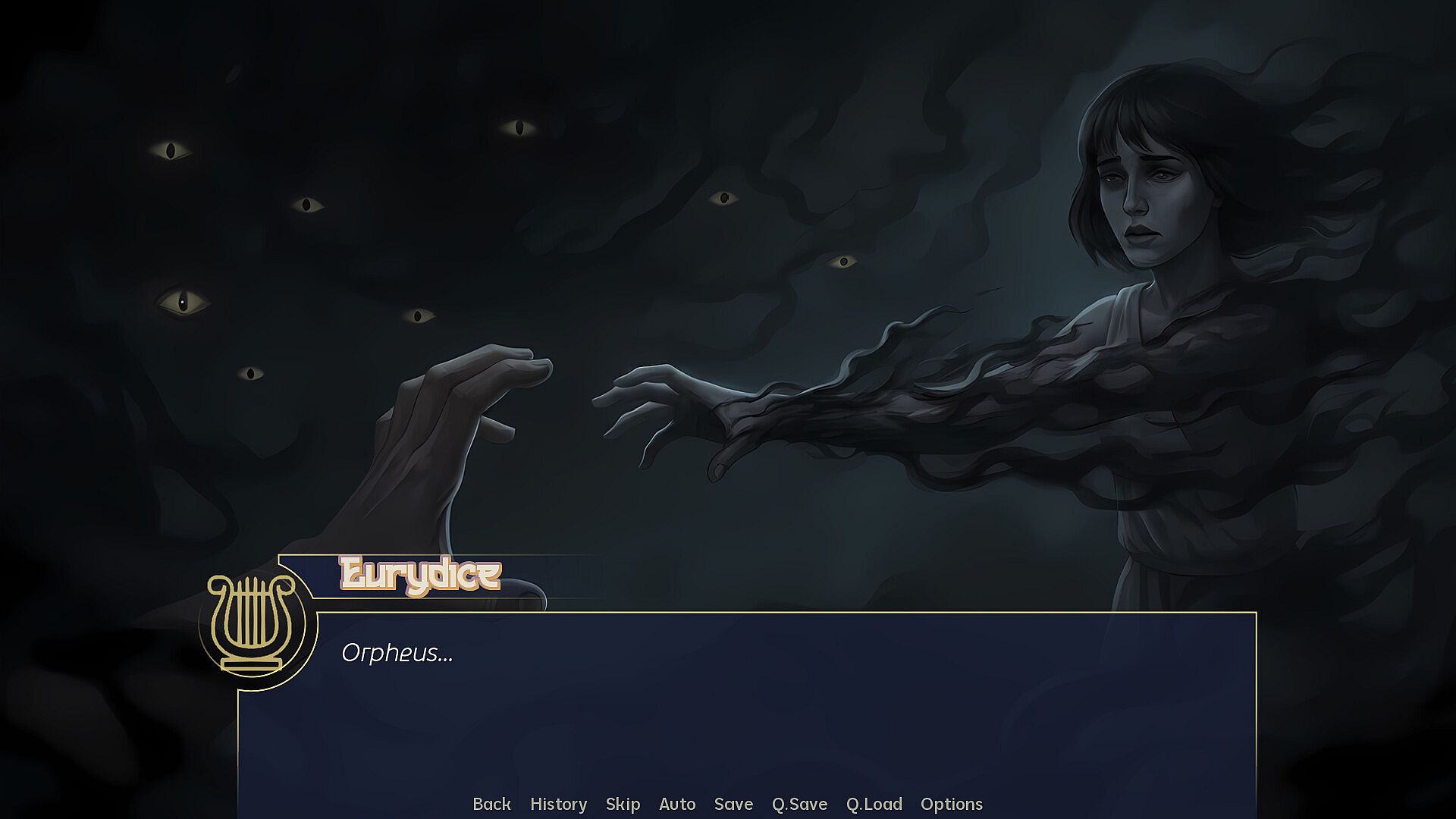
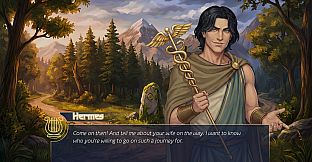
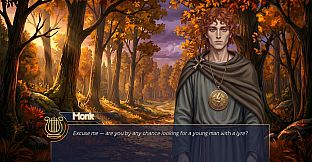
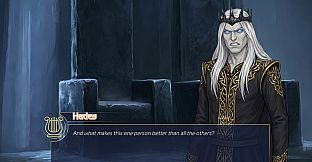
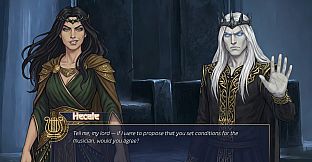
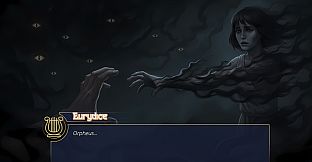
Orpheus: Echo of Hades is an indie RPG visual novel that retells the ancient Greek myth of Orpheus and Eurydice through a single-player experience narrated by Hermes. The story follows Orpheus as he navigates the underworld in an attempt to retrieve his lost love, with the narrative shaped by player decisions at key moments.
Gameplay
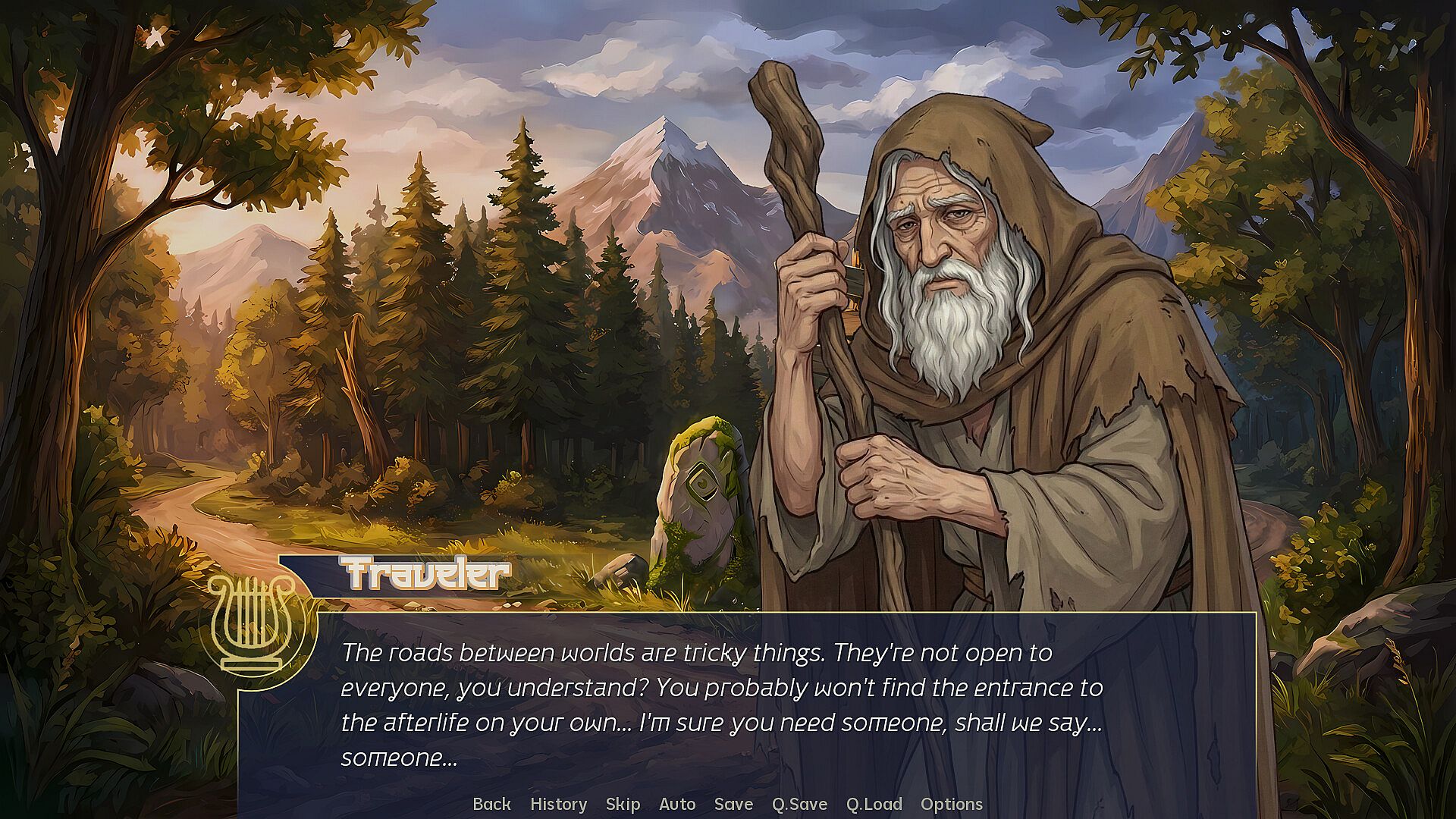
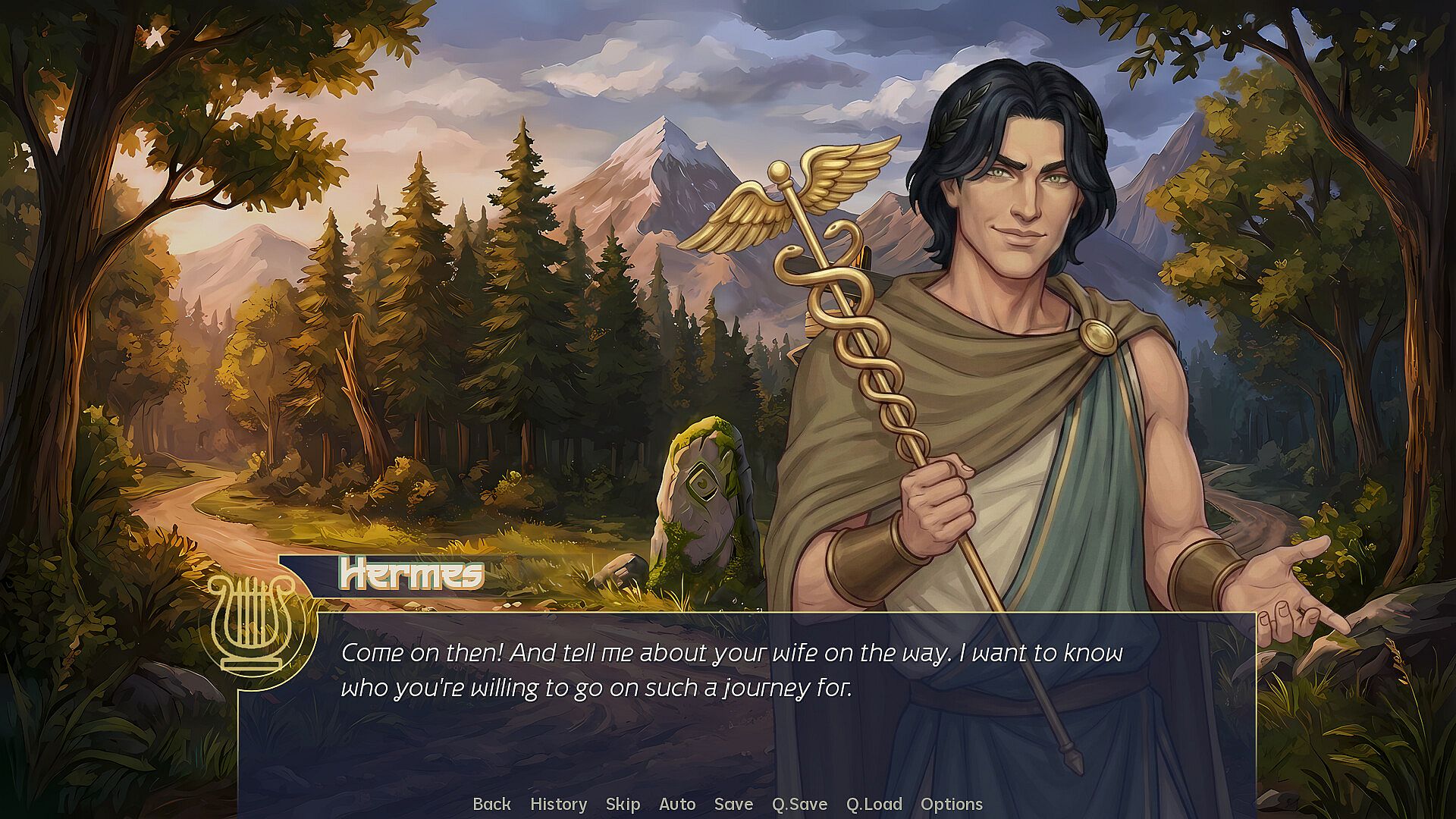
The core loop centers on reading through scenes of dialogue and description while making choices that alter the direction of events. Hermes provides commentary that reflects his own perspective on the proceedings, adding layers to the familiar myth. Players encounter classic elements such as the crossing with Charon, the throne room of Hades, and the interventions of the goddess Hecate. The final challenge involves a sequence of three steps toward the exit, where silence becomes a critical factor in the outcome.
A rhythm mini-game interrupts the narrative at a pivotal point, requiring the player to perform Orpheus' song in front of Hades. Success or failure in this segment directly influences the lord of the dead's response and the subsequent story path. Visual presentation includes video effects, atmospheric scene transitions, and dynamic character sprites that respond to the unfolding events.
Game Modes
The experience unfolds through branching narrative paths rather than traditional game modes. Player choices throughout the story determine which of three distinct endings is reached. One follows the canonical version of the myth, another offers a happier resolution, and the third explores an outcome the ancient poets left unwritten. Each path builds on the same core scenes but diverges based on decisions made during interactions and the rhythm mini-game performance.
Because the structure is linear within each branch, replaying the title involves selecting different options to unlock the remaining endings. The design encourages multiple playthroughs to see how small changes affect the relationships and events surrounding Orpheus and Eurydice.
Story and Themes
The narrative stays grounded in the original myth while allowing deviations through player agency. Hermes serves as both guide and unreliable narrator, offering ironic observations that color the player's understanding of the gods and mortals involved. Themes of love, loss, and the consequences of defying fate receive direct attention through the choice system and the rhythm segment that tests Orpheus' musical skill.
Atmospheric details such as the underworld crossings and divine schemes emerge naturally from the text and visuals, without requiring external knowledge of Greek mythology to follow the plot. The focus remains on the personal stakes for the central characters rather than broad world-building.
Is It Worth Playing?
Orpheus: Echo of Hades suits players who prefer short, choice-driven visual novels centered on mythological stories. A single ending requires roughly 45 minutes to one hour, while exploring all three branches takes up to three hours in total. The combination of narrative decisions and the rhythm mini-game provides variety within the compact runtime.
Those drawn to indie RPG visual novels with branching stories and classical themes will find the structure straightforward and replayable. The game emphasizes personal interpretation of the myth through its endings and narrator perspective, making it a focused experience rather than an expansive one.