

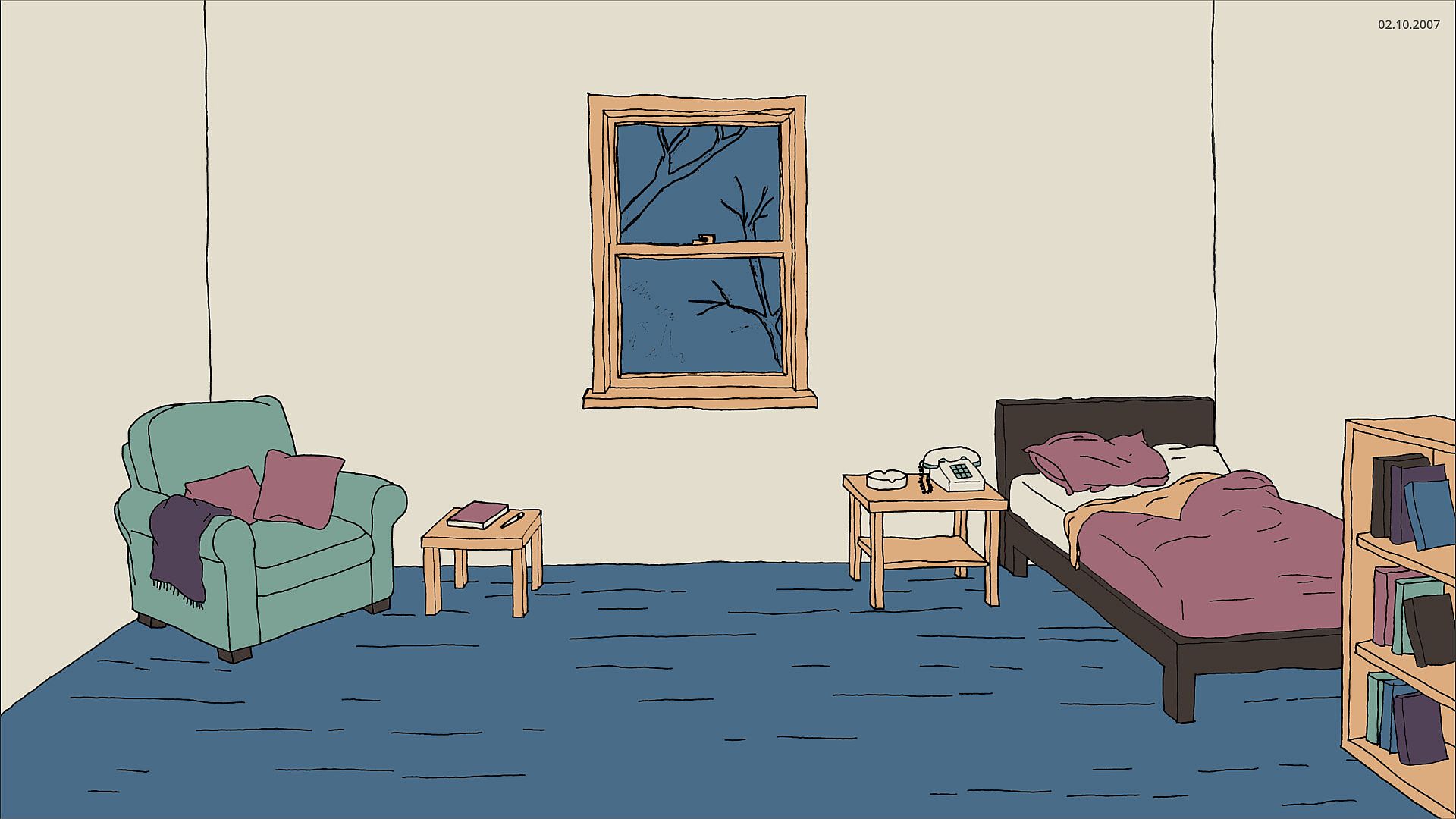
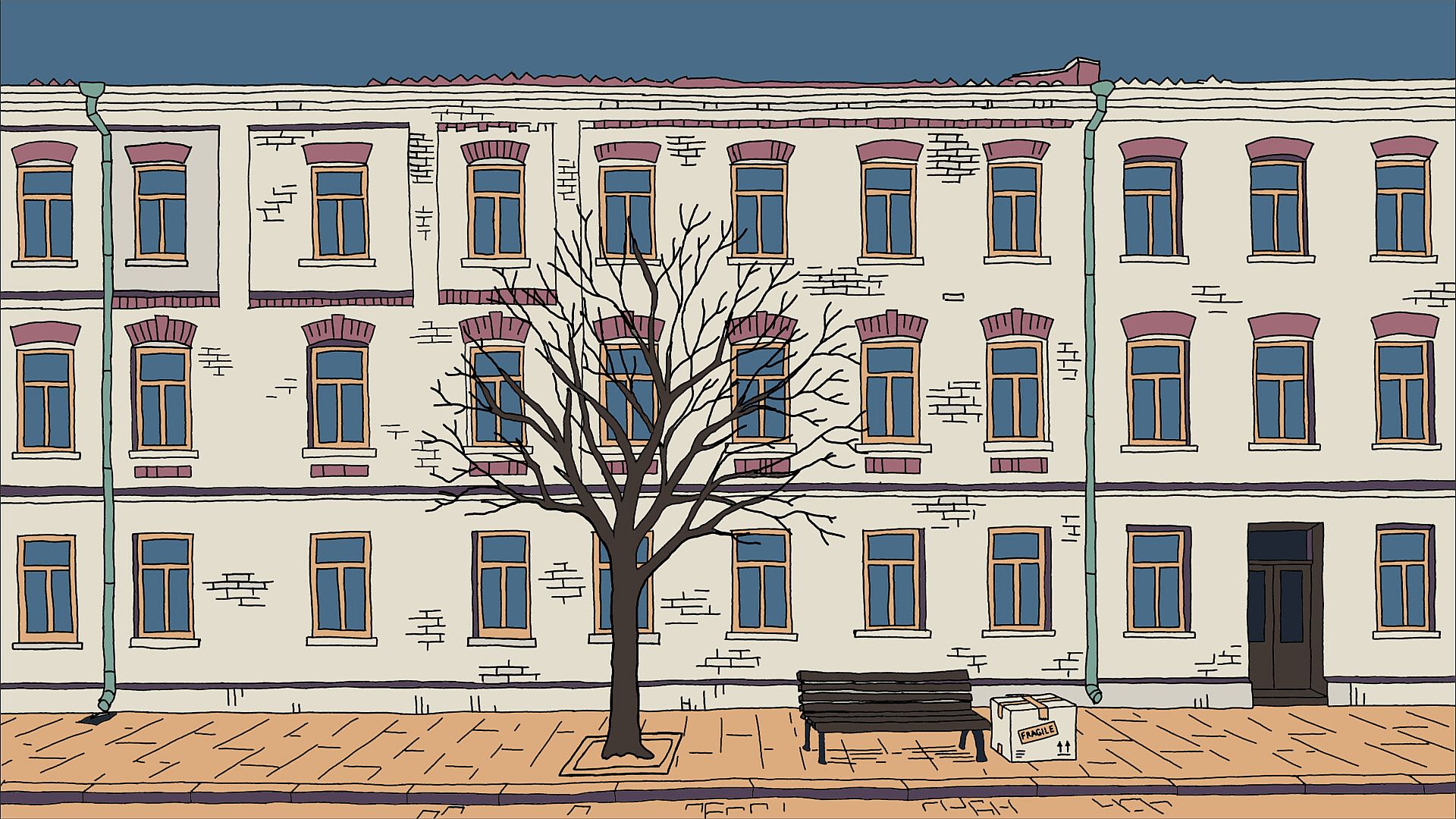



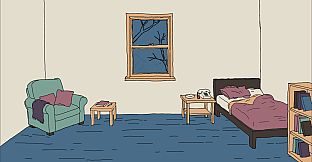



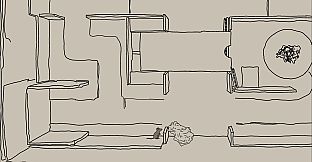




October is a single-player adventure game built around observation and quiet reflection. Set in one room with a single window overlooking a street, the experience unfolds over thirty-one days as players watch passersby and construct stories around them. The minimalist point-and-click format keeps the focus on atmosphere and personal interpretation rather than traditional puzzles or action.
Gameplay
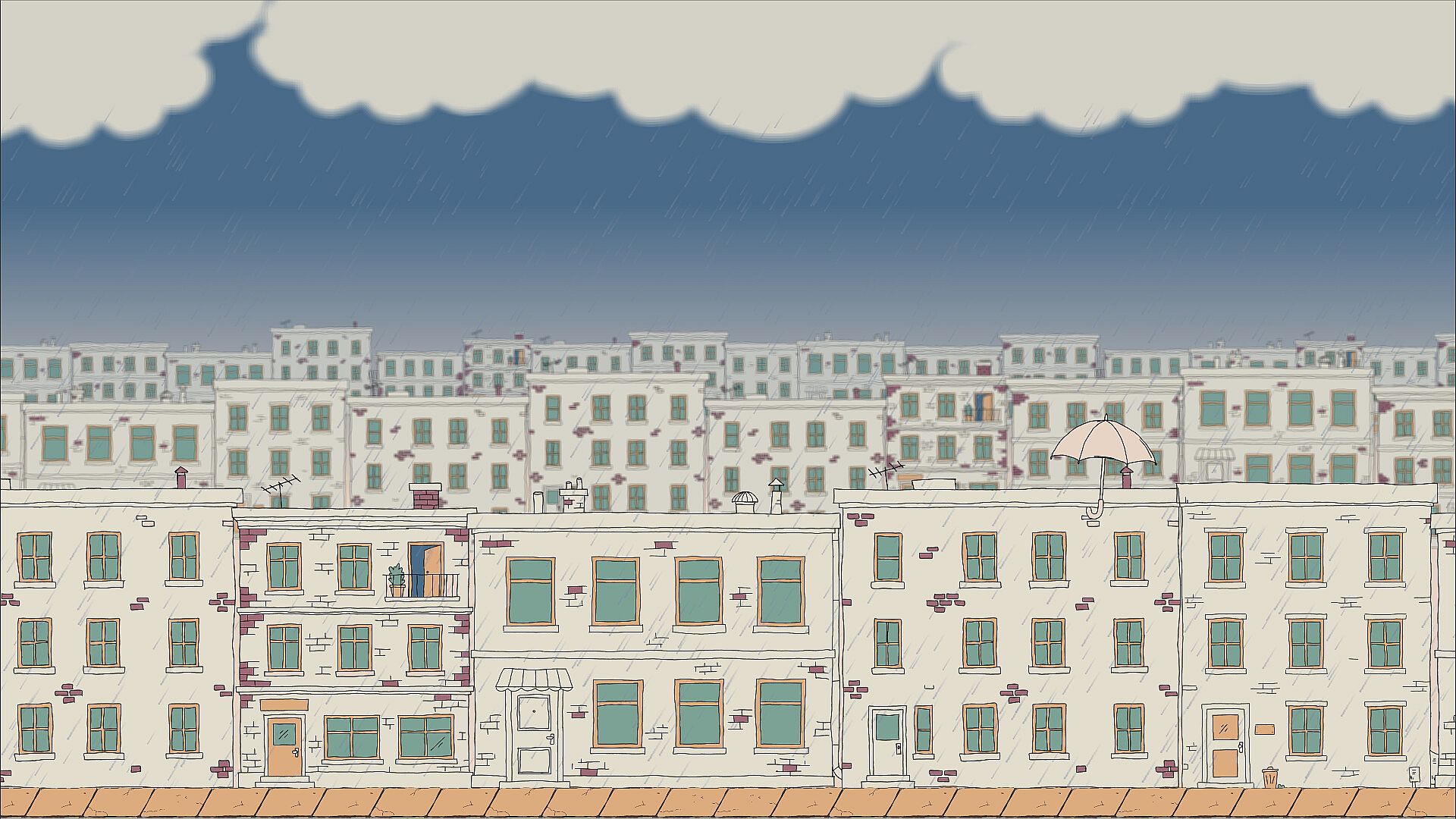
The core loop centers on watching the street below from a fixed vantage point. Players click on figures as they appear, noting details such as a woman across the way or a shape that feels off. Each cigarette smoked marks the passage of another day, advancing the timeline while encouraging players to fill in the blanks with their own ideas about the strangers' lives. The interface stays sparse, with simple clicks to observe and progress through the days.
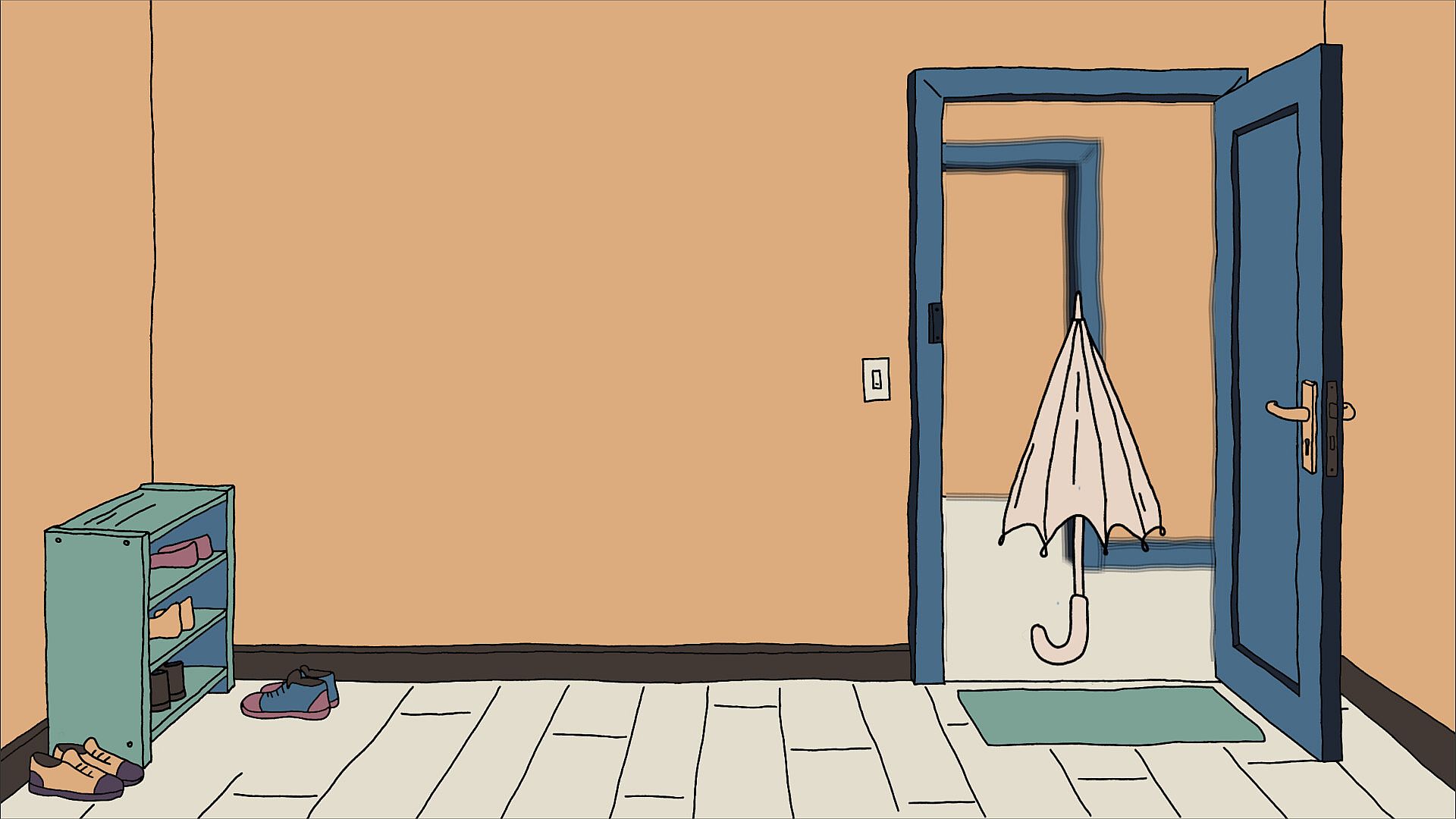
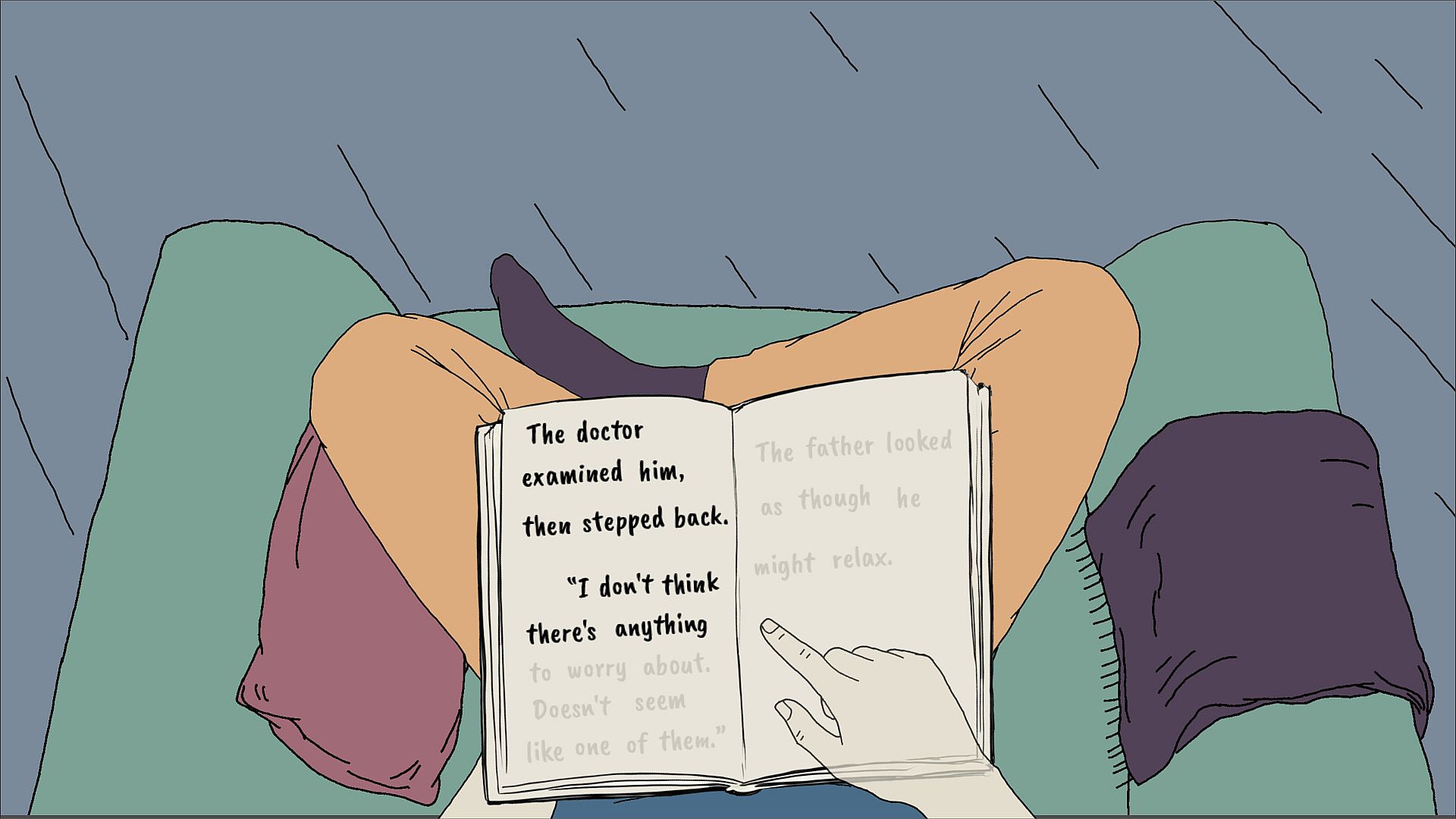
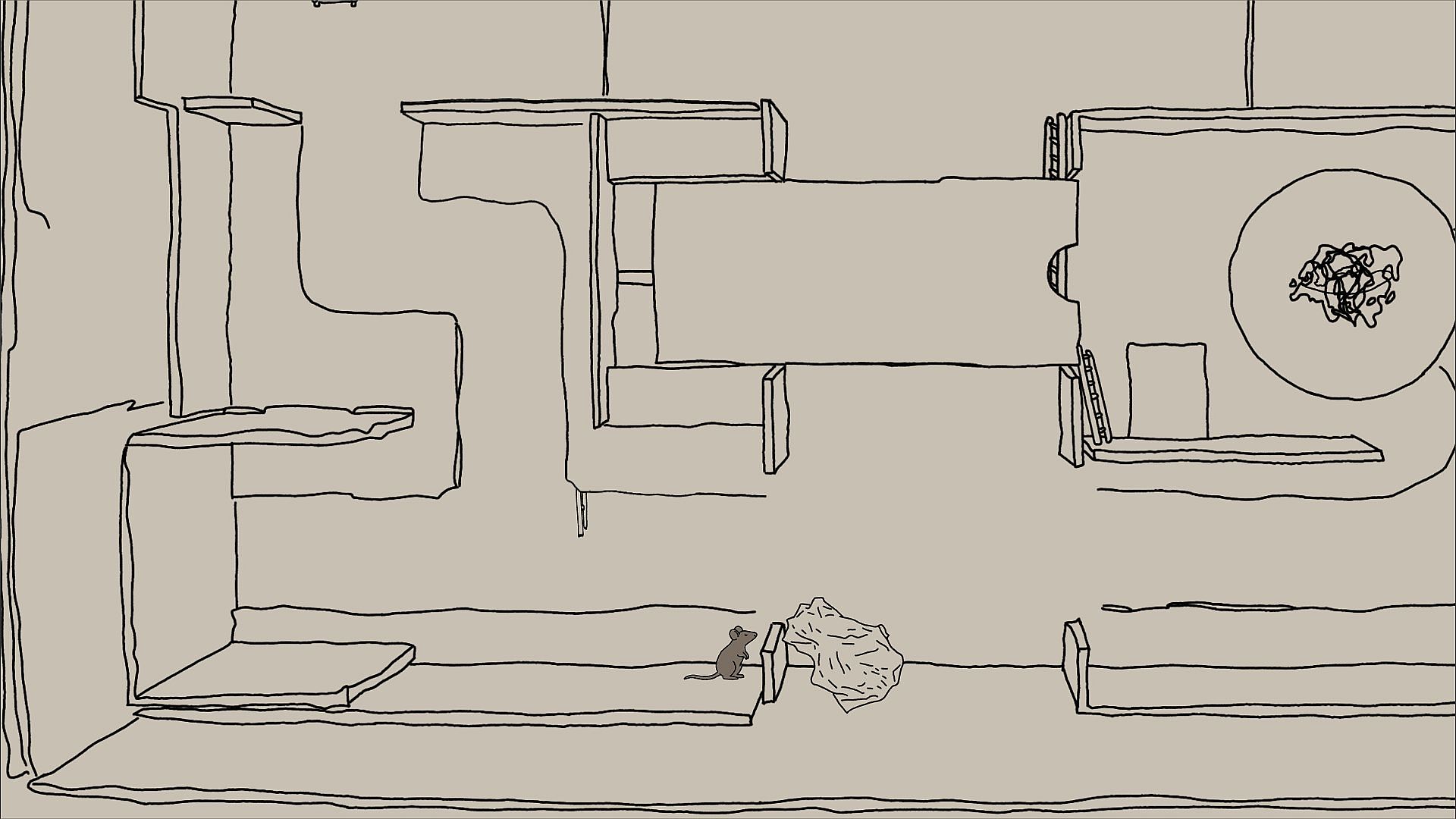
Interspersed with the street scenes are small, strange dreams that surface without warning. These sequences belong solely to the player and offer moments of personal shaping amid the otherwise passive watching. The game builds slowly, layering isolation and routine until the final day when the character finally steps outside. No combat, inventory management, or branching dialogue trees appear. Instead, the mechanics emphasize patience and the act of noticing small changes in the view.
Game Modes
October offers one continuous single-player experience with no separate modes or multiplayer options. The entire narrative runs from the first day through the thirty-first without optional chapters, difficulty settings, or alternate paths. Players move forward by observing the street and engaging with the occasional dream sequences at their own pace. This structure suits those who prefer a focused, uninterrupted session rather than replayable scenarios or competitive elements.
Narrative and Atmosphere
The story remains deliberately open-ended. Inventing lives for the strangers who pass becomes the main activity, with each day's observations adding subtle details that players interpret. A sense of unease grows around certain figures, yet nothing is confirmed or resolved through explicit exposition. The dreams provide brief departures from the window view, presenting abstract images that feel personal and rarely logical. Sound design stays minimal, relying on ambient street noise and the occasional click of a lighter to reinforce the quiet room setting.
Visually, the game uses restrained artwork that highlights the window frame and the changing light across the days. Thirty-one distinct days pass, each with its own rhythm of arrivals and departures on the street. The slow accumulation of these moments creates a meditative tone suited to short play sessions spread over multiple sittings.
Is It Worth Playing?
October suits players who enjoy introspective, low-interaction experiences that reward patience and imagination. Those drawn to atmospheric point-and-click titles without heavy puzzle solving or fast pacing will find the premise aligns closely with the described focus on watching and waiting. Because the game remains unreleased, its full reception is still unknown, though the single-player format and emphasis on personal storytelling suggest strong appeal for fans of quiet narrative adventures. Availability will be on PC once it launches, with no additional content or expansions announced at this stage. If the idea of spending thirty-one virtual days in one room constructing stories from passing strangers resonates, the game offers a distinctive take on the genre worth considering upon release.