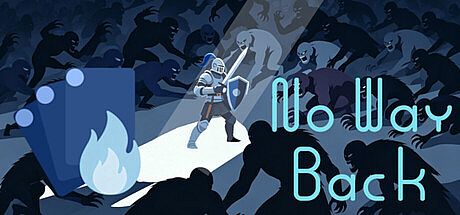


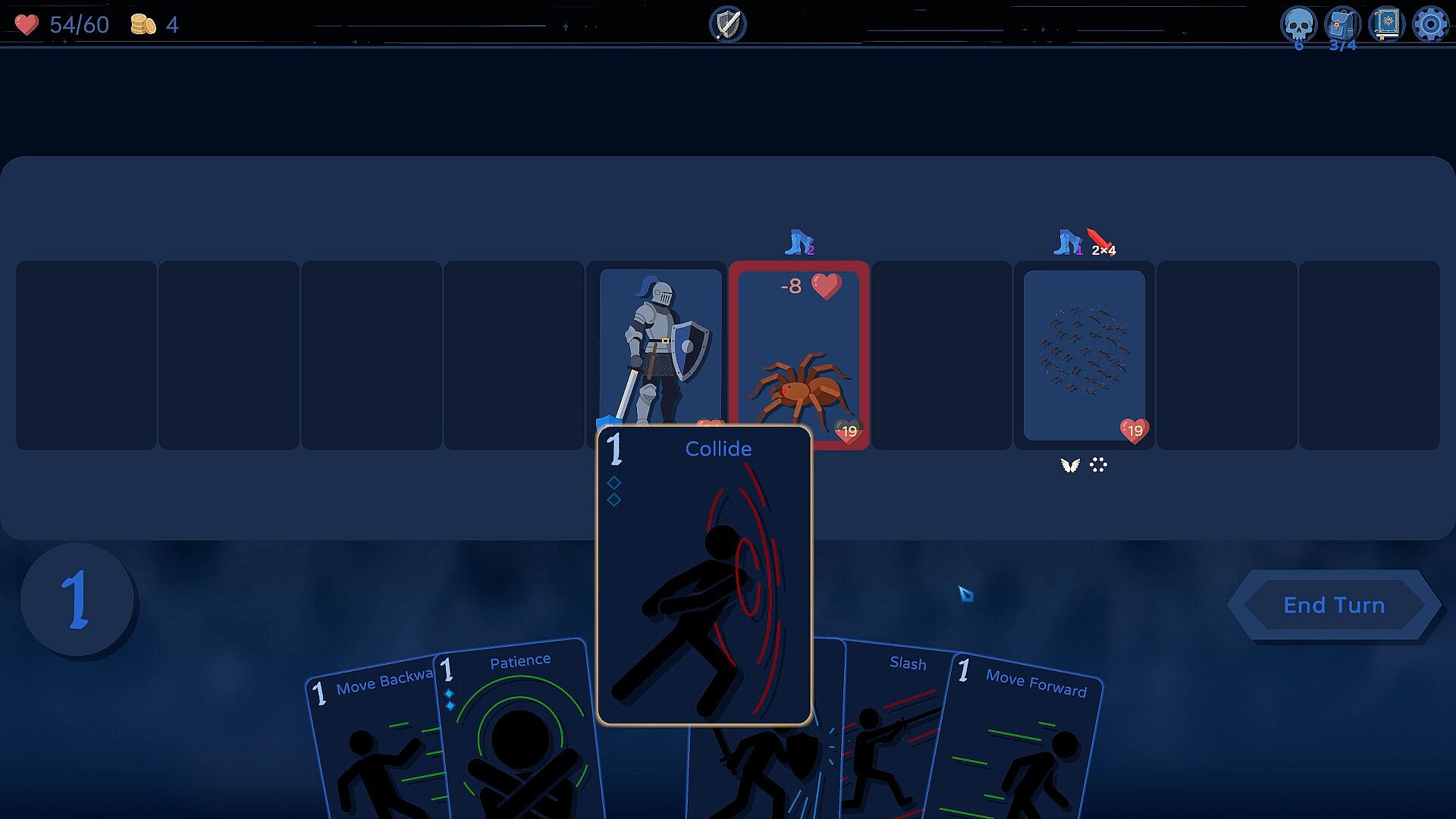
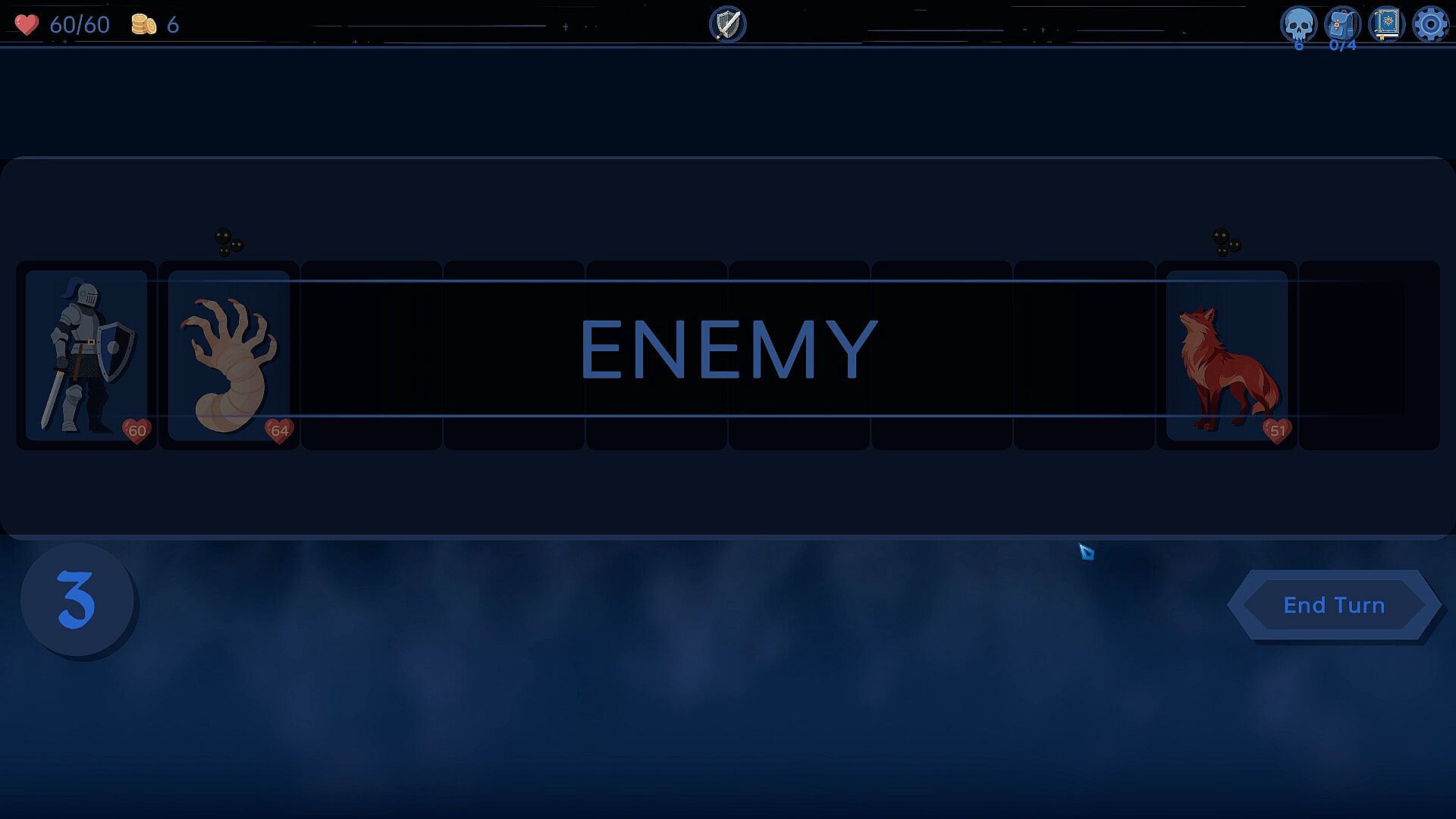
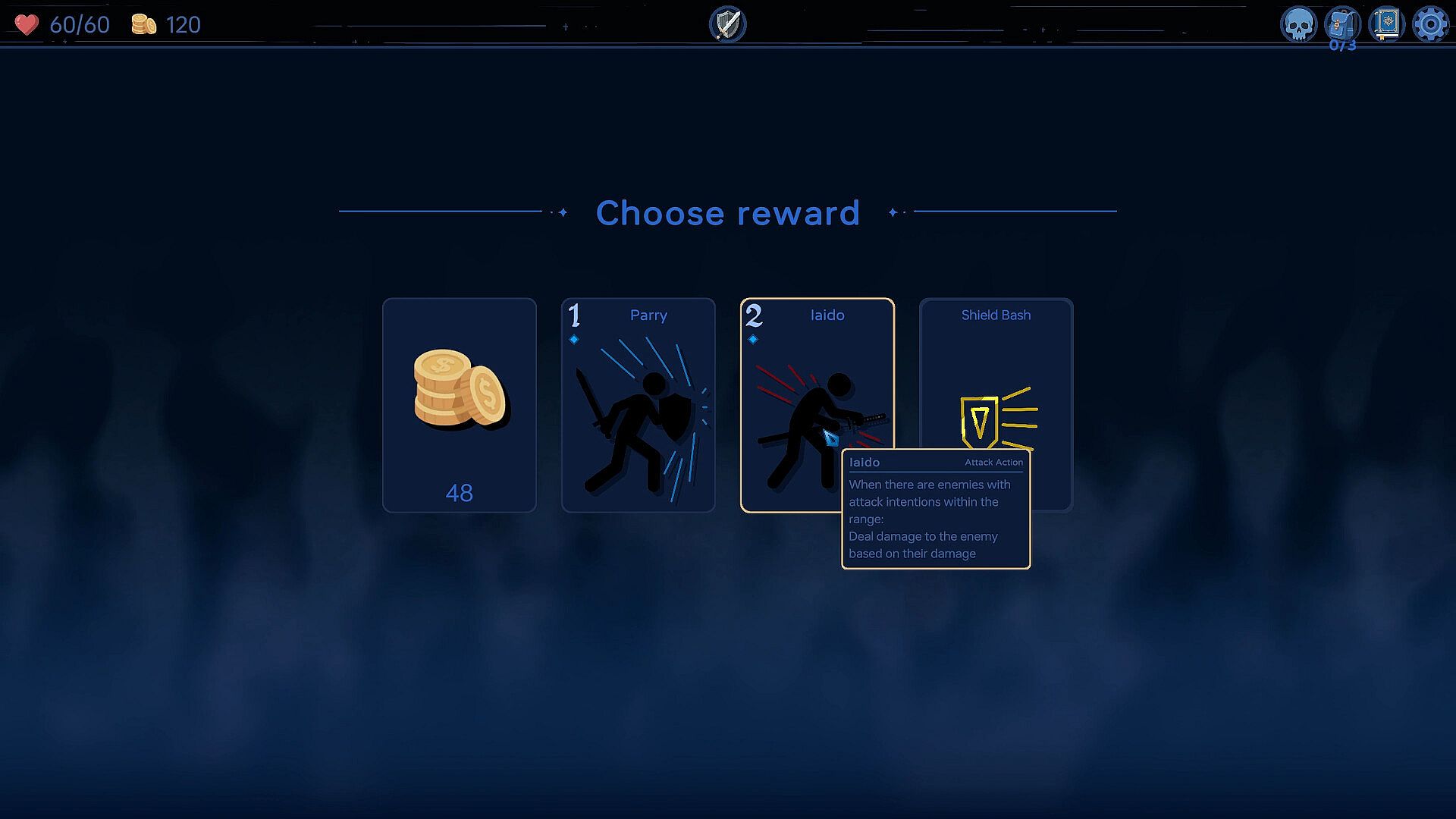
No Way Back is a strategy indie game developed for PC that blends tactical combat with roguelike progression and deep equipment customization. Players select from multiple characters, each featuring distinct mechanics, and navigate combat encounters on a constrained battlefield where positioning determines survival. The core loop revolves around managing limited space, timing actions, and refining builds across repeated runs that unlock new options upon completion.
Gameplay
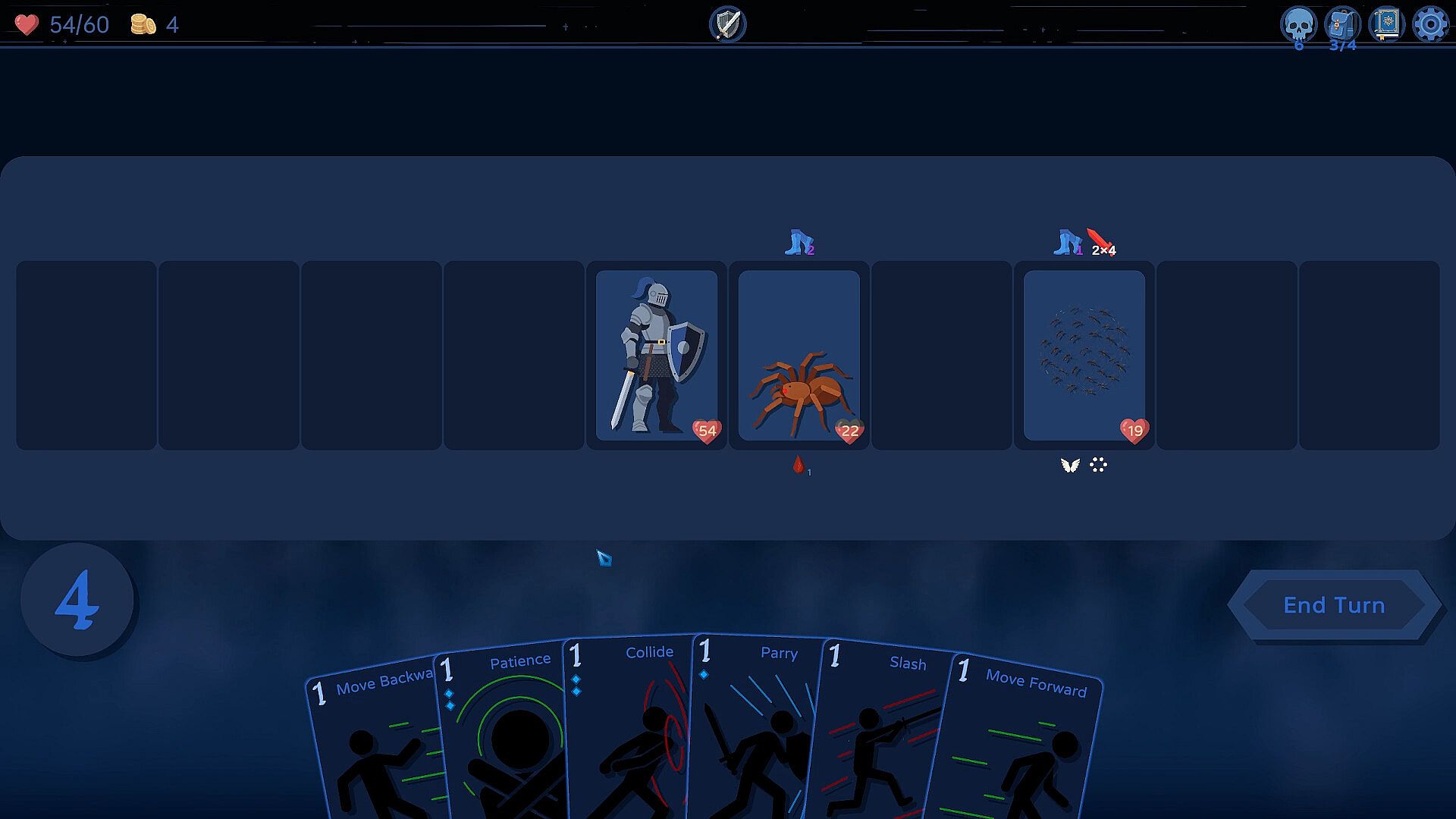
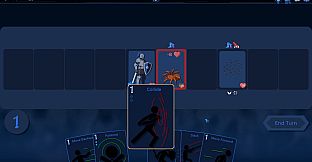
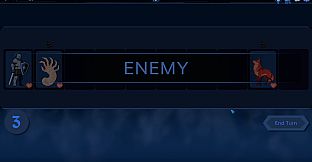
Combat takes place in restricted areas where several characters occupy the field and can shift left or right to evade threats. Every attack carries a defined range, allowing opponents to dodge by repositioning, though players must avoid being pinned against the edges. This spatial awareness forms the foundation of each encounter, turning movement into a critical defensive tool alongside offensive choices.
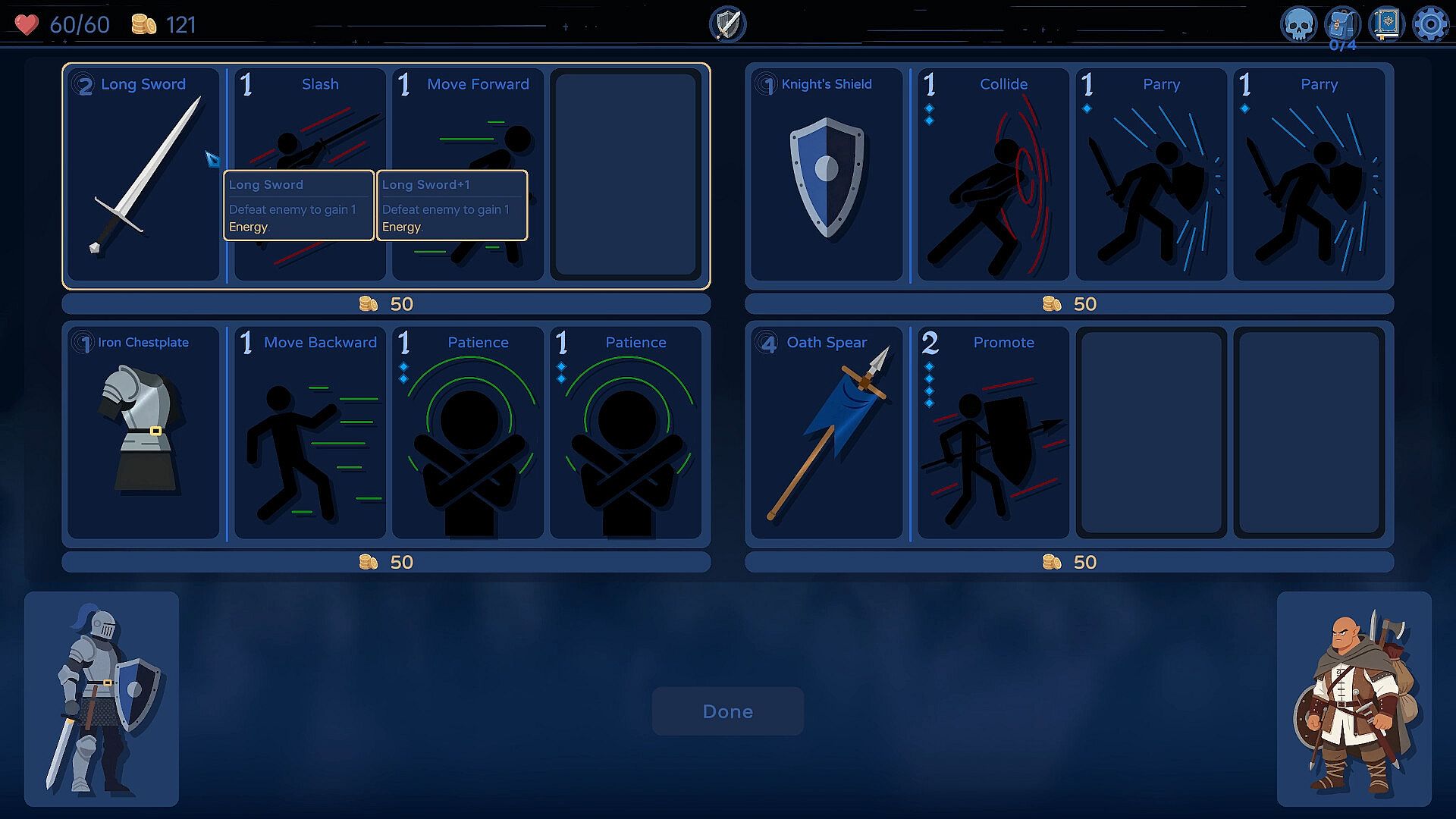
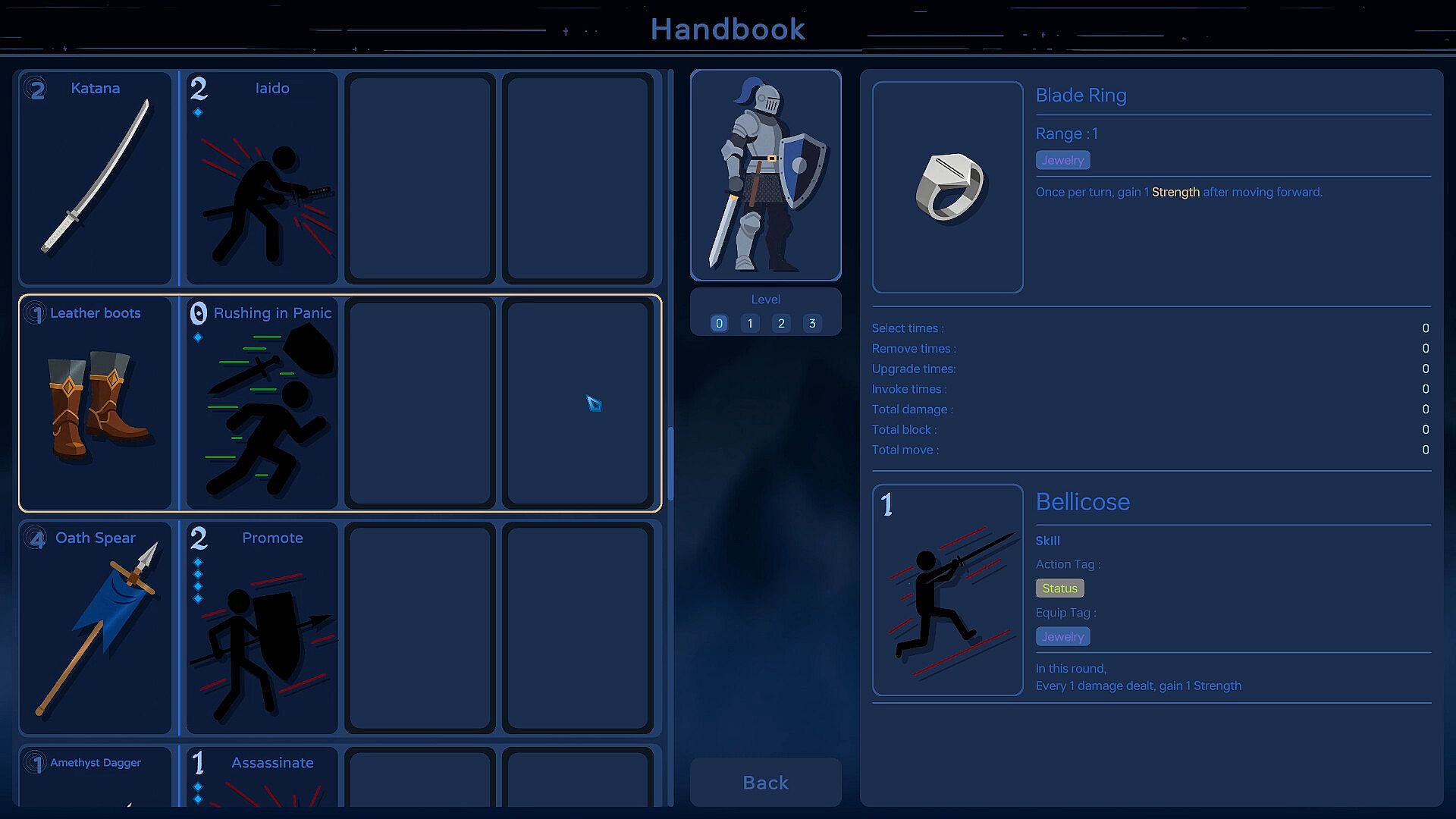
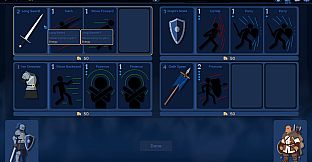
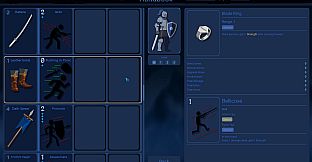
Equipment serves as the central building block. Each piece provides a passive effect and supports up to three actions. During fights, extracting actions pulls all abilities from equipped items into active use simultaneously. Upgrades and purchases treat entire equipment sets as units, boosting both effects and actions in tandem. This system encourages thoughtful assembly rather than isolated upgrades.
Actions operate on a cooldown timer instead of traditional card draws or discards. Once used, an action requires a set number of rounds to recharge before becoming available again. The absence of a discard pile shifts focus toward cooldown management and sequencing, rewarding players who plan around recovery windows.
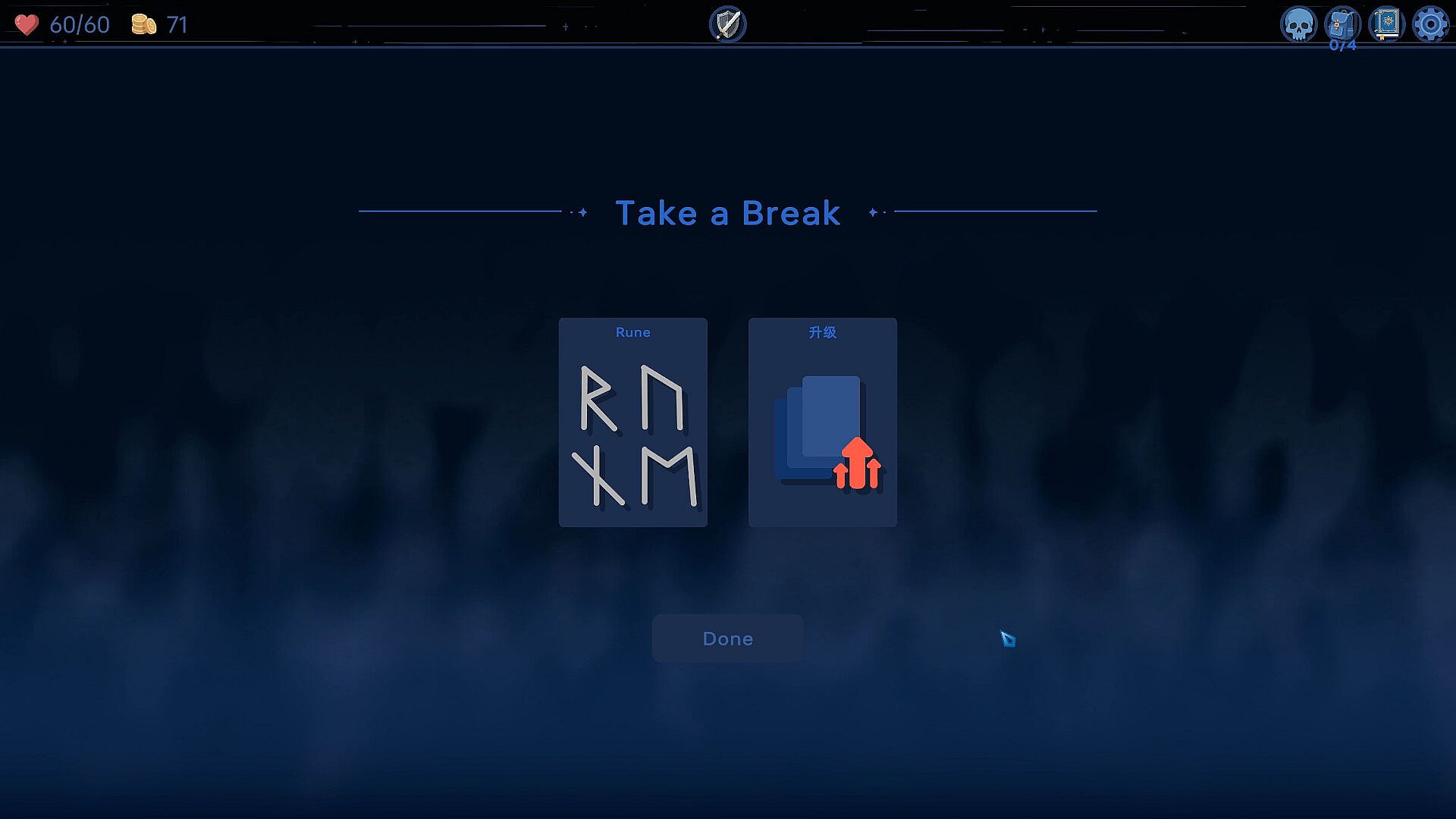
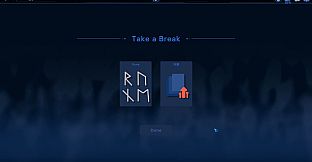
Customization extends further through runes and acquired actions. Players freely attach new actions to matching equipment, with the action inheriting the equipment's level for consistent scaling. Runes slot into equipment to add targeted passive bonuses. A finished setup combines the base passive, multiple rune effects, and three actions, creating synergistic constructions that amplify overall power when assembled effectively.
Game Modes
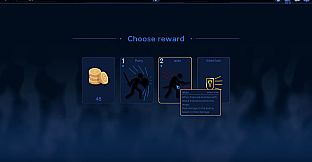
The game structures play around roguelike runs. Each attempt begins with a chosen character and proceeds through encounters that test positioning, action timing, and build cohesion. Failure ends the run, while success grants permanent unlocks of additional characters, equipment pieces, and runes for future attempts. This progression loop emphasizes experimentation with different character mechanics and equipment combinations across successive plays.
No separate named modes appear beyond the core roguelike framework. All activity centers on these self-contained runs that build toward broader collection and refinement of options.
Characters and Unlocks
Multiple playable characters stand out through unique mechanisms and starting equipment. Selection influences available strategies from the outset, as each brings specialized tools to the limited combat space. Successful runs expand the roster by unlocking further characters along with supporting equipment and runes, gradually broadening tactical variety without altering the fundamental cooldown and positioning systems.
Customization Depth
Free attachment of actions and runes allows precise tailoring of each equipment slot. Level inheritance ensures upgrades carry forward meaningfully, while rune passives layer additional layers onto the base effects. Strong combinations emerge from balancing active abilities with cooldown timings and spatial movement needs, turning equipment management into a core strategic element that evolves with each unlocked piece.
Is It Worth Playing?
No Way Back suits players who enjoy tactical strategy games with roguelike elements, where positioning and cooldown management drive decisions more than raw power. The emphasis on equipment synergy and character-specific mechanics rewards iterative building across runs. Those drawn to indie titles focused on systems depth rather than expansive narratives will find the constrained battlefield and action extraction loop engaging for repeated attempts. Availability remains limited to PC, with progression tied directly to successful runs and unlocks. The game appeals most to fans of deliberate, spatial combat and modular customization over fast-paced action or multiplayer competition.